ARCHIVE

Does Alcohol Kill Brain Cells? What Science Really Says

A martini glass tipped over with three olives on a dark, reflective surface with water droplets.
Does alcohol kill brain cells? The facts about alcohol-related brain damage, recovery potential, and what it really does to your brain.

Table of Contents

Does Alcohol Kill Brain Cells? Facts, According to Science

The idea that alcohol kills brain cells has echoed through health classes, college campuses, and public service campaigns for decades. The belief took hold after scientific studies in the mid-twentieth century suggested alcohol was directly toxic to the brain, and the idea has stuck ever since.

It turns out that modern brain science tells a more nuanced story. While alcohol may not instantly “kill” brain cells in the way many people imagine, that doesn’t mean it’s harmless.

Research shows that alcohol can shrink brain volume, disrupt communication between brain cells, impair memory, and damage critical areas responsible for judgment, mood regulation, and decision-making. The real impact depends heavily on how much you drink, how often you drink, and your individual brain health.

For many people, alcohol offers a way to cope with stress, unwind after a long day, or feel more comfortable in social settings. They don’t consider that your brain controls how you think, feel, behave, and remember. Anything that affects your brain affects your life. If you enjoy drinking alcohol, the brain effects of alcohol are important to know.

So, does alcohol kill brain cells or is the truth more complicated? In this blog, you’ll learn what current research reveals about alcohol and brain cells, how different drinking patterns influence brain function, and what alcohol-related brain damage actually looks like over time.

Related: 5 Scary Ways Alcohol Damages the Brain

Alcohol can shrink brain volume, disrupt communication between brain cells, impair memory, and damage critical areas responsible for judgment, mood regulation, and decision-making. The impact depends on how much and how often you drink, as well as your individual brain health.

The Short Answer: Does Alcohol Kill Brain Cells?

The question, “Can alcohol decrease the number of brain cells?” has puzzled many people over the years. In reality, the answer is no. Alcohol can’t kill your brain cells on contact. However, it can cause significant damage to them in the long run and interfere with how they communicate.

Studies have shown that, as a neurotoxin, alcohol can impair normal functioning of the cells. It can disrupt your neural connections and lead to structural changes in your brain as well.

Excessive drinking can reduce the level of efficiency in your neurons and increase the risk of alcohol brain damage without directly killing brain cells. In essence, alcohol may decrease the ability of your brain cells to function effectively, but not eliminate them.

Understanding How Alcohol Affects the Brain

Alcohol has both immediate and long-term effects, influencing neurotransmitters, neuron function, and communication between the regions of the brain. 

What Happens When Alcohol Enters Your Brain

Studies show that when you drink alcohol, it quickly enters your blood stream and crosses your blood-brain barrier, and within minutes, it reaches the brain. It becomes a central nervous system depressant, whereby it slows down communication between neurons and alters your normal brain activity. 

It then boosts GABA (whose work is to calm your brain) and reduces glutamate (which excites neurons). That explains why you are likely to experience slowed reaction time, drowsiness, relaxation, and impaired judgment. These effects intensify as the level of alcohol in your blood rises. 

Nearly simultaneously, alcohol increases dopamine in the brain rapidly, often within minutes of the first sip or even simply by thinking about drinking. It activates the brain’s reward system (mesolimbic pathway) almost immediately, causing a surge in dopamine that produces feelings of relaxation and pleasure, creating the rewarding, euphoric “high.”

How Alcohol Disrupts Brain Communication

In your brain, neurons use neurotransmitters to send signals across synapses. This is why your brain is able to control movement, thinking, memory, and emotions. Alcohol can interfere with this system by altering how those chemical messengers work. 

As mentioned, alcohol enhances GABA, your brain’s primary inhibitory chemical. This slows your neuroactivity, producing feelings of drowsiness, relaxation, and reduced self-control. The release of dopamine in your brain’s reward system reinforces drinking behavior.    

Acute vs Chronic Effects

After a single session of drinking, alcohol temporarily affects your brain function, which leads to impaired judgment, slower reaction time, and memory lapses. These are the acute effects that occur because alcohol has disrupted your neuron communication and neurotransmitter balance. 

Due to chronic alcohol use, these effects can last longer. Repeated heavy drinking can disrupt neuron structure and signaling and increase the risk of problems with focus, memory, and emotional regulation.

This cumulative damage can, over time, weaken your brain networks and increase the likelihood of behavioral and cognitive changes even after you’ve stopped drinking. 

Related: How Do You Know If You Have an Alcohol Problem?

The Science: How Alcohol Damages Brain Cells

Mechanisms of Brain Cell Damage

Alcohol produces free radicals that may damage your cell membranes and DNA, and that increases oxidative stress. It promotes inflammation in the brain tissue, interfering with normal repair and increasing the risk of neuronal injury.

Chronic drinking disrupts the absorption of nutrients, especially vitamin B1 (thiamine), which is important for neuron metabolism and survival. Alcohol can also trigger toxicity, particularly during withdrawal when glutamate activity surges. That can overstimulate neurons and cause cellular damage.

Again, alcohol can also interfere with the synthesis of protein, which can limit your brain’s ability to repair and also maintain cells. It could also impair mitochondrial function and reduce the energy needed for neurons to survive and have effective communication.

Does Alcohol Actually Kill Brain Cells?

Alcohol doesn’t cause widespread immediate death of your brain cells. Rather, most studies assert that alcohol, in most cases, facilitates cell damage and not outright neuronal death particularly with repeated exposure.

Alcohol can shrink dendrites, which can disrupt how neurons share signals or communicate. That can cause neuron atrophy, whereby your cells lose size and function instead of being permanently destroyed. In the long run, these structural changes may impair your brain’s communication and efficiency.

Imaging work has linked prolonged or heavy use of alcohol to white matter damage, which disrupts communication between your brain regions. There is also the gray matter reduction, especially in the regions that are involved in memory, judgement, and emotional regulation.

Brain Regions Most Affected by Alcohol

The effects of alcohol are not uniform. Some regions of your brain are more vulnerable than others. For example, the hippocampus is particularly sensitive, which can impair memory and learning. The cerebellum is often affected early on, disrupting coordination, balance, and motor control.

Your prefrontal cortex may also show decreased activity, leading to weakened judgment, poorer impulse control, and difficulty regulating personality and behavior. Alcohol can also alter the limbic system, interfering with mood regulation and emotional stability. This disruption is one reason alcohol use is linked to emotional volatility.

Alcohol can damage the corpus callosum as well, interfering with communication between the two hemispheres of your brain. With chronic drinking, even the brainstem can be affected, potentially threatening vital, life-sustaining functions such as breathing and heart rate.

That said, the brainstem is generally considered more resistant to the inhibitory effects of alcohol compared to many other brain regions, though prolonged and excessive exposure can still cause harm.

Different Types of Alcohol-Related Brain Damage

The effects of alcohol related brain damage vary depending on the amount, duration, timing of exposure, and the vulnerability of the individual. 

Alcohol-Induced Brain Shrinkage

Chronic use of alcohol has been associated with reduced brain volume, especially in the gray and white matter.

According to imaging studies, there is evidence of shrinkage in the regions involved in decision making, memory, and coordination. A large MRI study found that drinking more than fourteen alcoholic drinks per week was linked to an average 1.6 percent smaller brain volume compared with non-drinkers, with brain size decreasing progressively as drinking increased.

Wernicke-Korsakoff Syndrome

Wernicke–Korsakoff syndrome results from a deficiency in vitamin B1 (thiamine), which is common with chronic alcohol use. The acute phase of the syndrome is called Wernicke’s encephalopathy, and it’s characterized by poor coordination, confusion, and abnormal eye movement.

If not treated, this can progress to Korsakoff’s psychosis, which causes severe loss of memory and confabulation. Confabulation is the unintentional creation of false, distorted, or misinterpreted memories, often used by the brain to fill in gaps in memory. With early thiamine treatment, the outcomes can improve. However, there is a higher likelihood of long-term deficits.

Alcohol-Related Dementia

Individuals may experience alcohol related dementia, which is different from Alzheimer’s disease, even though their symptoms may overlap. This kind of dementia primarily affects attention, memory, and executive function.

Its diagnosis is based on cognitive testing and drinking history. The risk of alcohol related dementia increases with poor nutrition, repeated withdrawal episodes, and long-term heavy use of alcohol.

Alcohol-Induced Blackouts

When experiencing a blackout, a person can remain conscious but may fail to form new memories. Individuals may experience confusion, gaps in memory for the events that took place during drinking, and they may also be unable to recall their actions afterward.

This is diagnosed based on an individual’s history and reported memory loss, either during drinking episodes or afterwards. With repeated blackouts, there is a higher likelihood of long-term cognitive impairment.

Fetal Alcohol Spectrum Disorders (FASD)

FASD usually results from prenatal exposure to alcohol, which can interfere with brain development. Its effects are structural brain changes, behavioral problems, and learning difficulties that can persist throughout the life of the child. Due to the fact that no safe level of alcohol in pregnancy has been established, it’s important for pregnant mothers to abstain.

How Much Alcohol Causes Brain Damage?

With regard to alcohol, brain damage depends on individual vulnerability, amount, and frequency. Although there are standard guidelines for moderate drinking, at Amen Clinics, we recommend minimizing your intake of alcohol whenever possible to protect your brain health. Even moderate drinking can affect your neuron function and communication, especially if you have personal or family risk factors.

Defining Drinking Levels

  • Moderate drinking:  According to Centers for Disease Control and Prevention (CDC), it is up to one drink for women and two drinks for men per day. 
  • Heavy drinking: regular drinking that exceeds moderate levels is usually more than three drinks a day for women and four per day for men. 
  • Binge drinking: this is drinking that can bring blood alcohol concentration (BAC) to 0.08 percent or higher in two hours. (about four or more drinks for women and more than five drinks for men).

Blood alcohol concentration refers to the measurable alcohol in your bloodstream, whereby a higher BAC can increase the likelihood of neuron damage. 

The Dose-Response Relationship

More alcohol equals brain damage. Binge patterns or repeated heavy drinking can significantly raise the risk. Experts assert that there is no level of alcohol that is completely safe for brain health. 

Individual Risk Factors

Factors that can make someone more vulnerable to alcohol related brain damage include:

  • Family history or genetics, where inherited susceptibility can increase risk.
  • Age, especially for adolescents and older adults, as they are more sensitive.
  • Gender, because even at lower amounts, women are at a higher risk.
  • Health status, where poor nutrition, chronic illnesses, and medication interactions can increase your vulnerability.

Who Is Most Vulnerable to Alcohol-Related Brain Damage?

Alcohol affects everyone differently. In general, the following groups are more vulnerable to the effects of alcohol:

Adolescents and Young Adults

Human brain development continues into the mid-twenties, when the prefrontal cortex and hippocampus fully mature. During this period, the brain is especially sensitive to alcohol, making adolescents and young adults more vulnerable to both functional and structural damage.

Exposure to alcohol at this age can cause long-term cognitive consequences such as attention deficit, decreased executive function, and impaired memory. Drinking can also amplify impulsivity and other risk-taking behaviors that may further compound the harm or increase vulnerability to risky decisions and accidents.

Older Adults

Naturally, aging reduces neuron density and brain volume. For older adults, drinking can compound such age-related changes and accelerate memory impairment and decline. Many older adults take medications, which can increase the likelihood of adverse effects if they interact with alcohol. In addition, alcohol can increase fall risk, which can then have significant consequences for this population.

Women vs Men

In general, women are more vulnerable to alcohol-related brain damage than men. Differences in body composition and hormones, including lower total body water and higher body fat, can lead to higher blood alcohol concentrations even when consuming the same amount as men.

As a result, women may experience a faster progression to brain changes and damage with repeated exposure, even at lower levels of drinking.

People with Existing Health Conditions

People living with mental health disorders like anxiety or depression can experience amplified emotional or cognitive effects from alcohol. Additionally, liver disease lowers the body’s ability to metabolize alcohol, which can increase neurotoxicity.

Poor nutrition that could cause thiamine deficiency can heighten vulnerability to the damage of neurons. If an individual combines alcohol with other substances, the risk of cumulative brain damage increases significantly.

Signs and Symptoms of Alcohol-Related Brain Damage

Alcohol-related brain damage can affect physical function, thinking, and emotional regulation. Symptoms may appear suddenly or develop gradually over time.

Cognitive Symptoms

  • Slowed thinking and reduced mental flexibility 
  • Confusion and disorientation
  • Difficulty forming or recalling recent memories
  • Poor judgment and impaired decision-making
  • Difficulty concentrating or sustaining attention

Physical Symptoms

  • Vision problems
  • Seizures, mostly during severe damage or withdrawal
  • Balance and coordination challenges, which may increase fall risk
  • Numbness and tingling in the hands or feet (peripheral neuropathy)
  • Slurred speech

Emotional and Behavioral Symptoms

  • Irritability and aggression
  • Increased impulsivity and reduced self-control
  • Depression and anxiety
  • Personality changes over time
  • Mood swings

When to Seek Medical Help

Seek medical evaluation if you begin experiencing symptoms such as balance problems, personality changes, persistent memory loss, or confusion. Emergency warning signs include severe disorientation, seizures, loss of consciousness, or sudden changes in vision.

Can Brain Damage from Alcohol Be Reversed?

Recovery from brain damage may be possible depending on the duration of alcohol use, individual health factors, and the severity of the damage. 

The Good News: Neuroplasticity

Neuroplasticity is your brain’s ability to heal and adapt. Even if you have suffered brain damage, existing neurons can sometimes compensate for lost functions, helping support recovery. Over time, the brain can also form new pathways that promote functional improvement after reducing or eliminating alcohol use.

What Can Recover

During recovery, you may experience partial restoration of brain volume, better memory, improved cognitive function, and a stable mood. The recovery time can vary, ranging from weeks to months. In some cases, it can take years depending on how severe the damage is. 

What May Be Permanent

Prolonged or severe alcohol exposure can create lasting damage. Also, conditions like advanced alcohol-related dementia, Wernicke-Korsakoff syndrome, and structural brain changes may not reverse fully for long-term, heavy drinkers. 

Factors That Influence Recovery

Your recovery can be influenced by: 

  • age
  • severity of damage
  • length of abstinence
  • nutritional support
  • overall health
  • participation in cognitive rehabilitation

How to Protect Your Brain from Alcohol Damage

To protect your brain health, reduce your alcohol exposure while also supporting your brain’s ability to repair and recover.

Abstinence or Moderation

Quitting drinking completely will provide the greatest brain-health protection. However, if abstinence isn’t possible, follow the moderate drinking guidelines of no more than two drinks per day for men and only one for women. 

Practice harm reduction strategies like spacing drinks over time, avoiding binge drinking, stopping drinking before impairment occurs, and choosing alcohol free days each week. 

Nutritional Support

Support your nervous system with thiamine (vitamin B1) and a high-quality B-complex supplement. Also, enriching your diet with omega-3 fatty acids and antioxidants may help to calm inflammation caused by alcohol consumption. As alcohol is dehydrating, consuming plenty of water is important too.

Lifestyle Factors

Engage in regular exercise to promote brain resilience and neurogenesis. Stress management, quality sleep, social engagement, and cognitive stimulation can help strengthen your emotional regulation and brain networks.

Medical Support

Embrace ongoing medical checkups to monitor your brain and overall health. Through addiction treatment programmes, medication-assisted treatment, therapy, and support groups like SMART Recovery or Alcoholics Anonymous, you can reduce the risk of a relapse and improve your outcomes. 

The Research: What Studies Show About Alcohol and Brain Cells

Alcohol can disrupt your brain structure and function, whereby the damage increases as exposure becomes heavier.

Indeed, imaging studies (such as MRI, SPECT, PET, and DTI) have revealed compromised white matter integrity, a reduction in the gray matter, and altered blood flow in regions that facilitate memory, emotional regulation, and judgment. 

A study conducted by The Lerner Research Institute at Cleveland Clinic sought to understand the pathology behind  reduced hippocampal mass and cognitive dysfunctions associated with heavy alcohol use. Using an animal model, the researchers found reduced proliferation of neural stem cells and survival rate of newborn neurons, as well as poor synaptic connectivity, which disrupted multiple steps of neurogenesis, leading to cognitive deficits. Why not “killing” brain cells, alcohol negatively impacts neuronal growth and function.

Research shows that heavy alcohol use is highly associated with thinning of the cerebral cortex, referred to as “cortical thinning.” The cerebral cortex is the brain’s outer layer of gray matter responsible for higher-level cognitive functions such as memory, attention, perception, and thought. Cortical thinning also indicates a decrease in the volume of brain cells and synapses.

(On a brighter note, research on individuals with alcohol use disorder and cortical thinning found that partial recovery of the cerebral cortex was observed in the weeks and months following total abstinence.)

Studies have linked even moderate alcohol use to subtle changes in the brain, suggesting that there may be no completely safe level of alcohol. With all these advances, scientists haven’t fully established why some people recover better than others, how lifestyle factors and genetics modify risk, and the precise threshold for irreversible damage. 

The Research: What Studies Show About Alcohol and Brain Cells

Alcohol can disrupt your brain structure and function, whereby the damage increases as exposure becomes heavier.

Indeed, imaging studies (such as MRI, SPECT, PET, and DTI) have revealed compromised white matter integrity, a reduction in the gray matter, and altered blood flow in regions that facilitate memory, emotional regulation, and judgment. 

A study conducted by The Lerner Research Institute at Cleveland Clinic sought to understand the pathology behind  reduced hippocampal mass and cognitive dysfunctions associated with heavy alcohol use. Using an animal model, the researchers found reduced proliferation of neural stem cells and survival rate of newborn neurons, as well as poor synaptic connectivity, which disrupted multiple steps of neurogenesis, leading to cognitive deficits. Why not “killing” brain cells, alcohol negatively impacts neuronal growth and function.

Research shows that heavy alcohol use is highly associated with thinning of the cerebral cortex, referred to as “cortical thinning.” The cerebral cortex is the brain’s outer layer of gray matter responsible for higher-level cognitive functions such as memory, attention, perception, and thought. Cortical thinning also indicates a decrease in the volume of brain cells and synapses.

(On a brighter note, research on individuals with alcohol use disorder and cortical thinning found that partial recovery of the cerebral cortex was observed in the weeks and months following total abstinence.)

Studies have linked even moderate alcohol use to subtle changes in the brain, suggesting that there may be no completely safe level of alcohol. With all these advances, scientists haven’t fully established why some people recover better than others, how lifestyle factors and genetics modify risk, and the precise threshold for irreversible damage. 

Myths vs Facts About Alcohol and the Brain

Myths Facts
Alcohol kills brain cells directly. Alcohol primarily damages brain cells and their connections, rather than immediately killing neurons in most cases.
A few drinks won’t hurt your brain. Even moderate drinking can affect brain communication, memory, and judgment, especially with repeated use.
Brain damage from alcohol is always permanent. Many alcohol-related brain changes can improve with abstinence, thanks to the brain’s ability to adapt and recover.
Only alcoholics get brain damage. Binge drinking and heavy drinking, even without alcohol dependence, can cause measurable brain damage.
Red wine is good for your brain. Recent research challenges this belief, showing that any potential benefits do not outweigh alcohol’s risks to brain health.
Young people’s brains can handle alcohol better. Adolescent and young adult brains are more vulnerable, as brain development continues into the mid-20s.

Alcohol Use Disorder and Brain Health

Alcohol use disorder (AUD) is a medical condition in which an individual is unable to control their use of alcohol despite experiencing negative consequences. AUD develops as a result of repeated drinking, changing brain circuits responsible for judgment, reward, and self-control. 

If you suspect such a problem, seek early help. Treatment options here may include therapy, medical care, structured support programmes, and medication-assisted treatment. 

Protect Your Brain

Here’s what’s important to remember. Alcohol can cause damage to your brain cells, but it doesn’t always kill them. The level of damage depends on the amount you drink, individual factors like age, as well as frequency. On a brighter note, although repeated heavy drinking can increase the risk, your brain can recover, thanks to neuroplasticity, particularly if you’ve stopped or reduced alcohol.

The good, take-home news here is that with proper nutrition, exercise, cognitive stimulation, and sleep, you can enhance your brain’s resilience and recovery. Seeking help from a medical professional is key if you notice judgment changes, memory problems, or other symptoms.

Abstinence or moderation is the best way to protect the health of your brain. 

Monitor your drinking, consult a healthcare provider, and take steps today to preserve your memory, mind, and emotional well-being for the future.

FAQ About Alcohol’s Impact on the Brain

There’s no specific number. Alcohol doesn’t kill brain cells outright. Rather, it damages the neurons and their connections. Over time, this interferes with normal functioning and communication between cells.

No. One night of binge or heavy drinking doesn’t kill brain cells; however, it can cause acute disruptions in brain function like impaired judgment, memory, and coordination. The brain can potentially recover, but repeated episodes can worsen brain damage. 

In certain regions of the brain, abstinence can support neurogenesis and also allow the healthy neurons to adapt and create new connections. Recovery can start within and continue for months and years. That said, severe long-term damage may not reverse fully. 

Timelines can vary from weeks to months, and even years, but that depends on age, the severity of damage, drinking history, and overall health. Improvements in cognitive function, memory, and mood are gradual and ongoing. 

Alcohol is alcohol. No type of alcoholic beverage is safe for the brain. The amount and frequency at which you drink matter more than the type. 

With heavy or prolonged drinking, you risk having alcohol related dementia, particularly with risk factors like nutrition deficiencies. 

Yes, through cognitive assessment and brain imaging (SPECT, DTI, MRI, PET) that evaluate attention, executive function, and memory. Those tools help detect structural and functional changes resulting from alcohol. 

Brain health problems, alcohol use disorders, and other mental health conditions can’t wait. At Amen Clinics, we provide personalized, science-backed treatment plans designed to target the root causes of your symptoms. Our 360-approach includes brain SPECT imaging, clinical evaluations, innovative therapeutic techniques, medications (when necessary), and holistic lifestyle recommendations to promote the health of your brain, body, and mind. Speak to a specialist today at 888-288-9834 or visit our contact page here.

Amen Clinics

Founded in 1989 by double-board certified psychiatrist and neuroscientist Daniel G. Amen, MD, Amen Clinics Inc. (ACI) is known as the best brain and mental health company in the world. Our clinical staff includes over 50 healthcare specialists, including adult and child psychiatrists, integrative (functional) medicine physicians, naturopaths, addiction specialists, forensic psychiatrists, geriatric psychiatrists, nutritionists, licensed therapists, and more. Our clinicians have all been hand-selected and personally trained by Dr. Amen, whose mission is to end mental illness by creating a revolution in brain health. Over the last 35-plus years, ACI has built the world’s largest database of functional brain scans—over 250,000 SPECT scans on patients from 155 countries—related to how people think, feel, and behave.
  1. National Institute on Alcohol Abuse and Alcoholism. (2025). Alcohol’s effects on the body. U.S. Department of Health and Human Services. https://www.niaaa.nih.gov/alcohols-effects-health/alcohols-effects-body
  2. Chopra, K., & Tiwari, V. (2012). Alcoholic neuropathy: possible mechanisms and future treatment possibilities. British journal of clinical pharmacology, 73(3), 348-362.doi: 10.1111/j.1365-2125.2011.04111.x
  3. Manzo-Avalos, S., & Saavedra-Molina, A. (2010). Cellular and mitochondrial effects of alcohol consumption. International journal of environmental research and public health, 7(12), 4281-4304.doi: 10.3390/ijerph7124281
  4. Rosenbloom, M. J., & Pfefferbaum, A. (2008). Magnetic resonance imaging of the living brain: evidence for brain degeneration among alcoholics and recovery with abstinence. Alcohol Research & Health, 31(4), 362.https://pmc.ncbi.nlm.nih.gov/articles/PMC3860463/
  5. Khanna P, Bhat PS, Jacob J. Frontal lobe executive dysfunction and cerebral perfusion study in alcohol dependence syndrome. Ind Psychiatry J. 2017 Jul-Dec;26(2):134-139. https://pubmed.ncbi.nlm.nih.gov/30089959/
  6. Wong DF, Maini A, Rousset OG, Brasić JR. Positron emission tomography–a tool for identifying the effects of alcohol dependence on the brain. Alcohol Res Health. 2003;27(2):161-73. https://pmc.ncbi.nlm.nih.gov/articles/PMC6668888/
  7.  
  8. Kong LM, Zheng WB, Lian GP, Zhang HD. Acute effects of alcohol on the human brain: diffusion tensor imaging study. AJNR Am J Neuroradiol. 2012 May;33(5):928-34. https://pubmed.ncbi.nlm.nih.gov/22241391/
  9. Golub HM, Zhou QG, Zucker H, McMullen MR, Kokiko-Cochran ON, Ro EJ, Nagy LE, Suh H. Chronic Alcohol Exposure is Associated with Decreased Neurogenesis, Aberrant Integration of Newborn Neurons, and Cognitive Dysfunction in Female Mice. Alcohol Clin Exp Res. 2015 Oct;39(10):1967-77.
  10. Fortier CB, Leritz EC, Salat DH, Venne JR, Maksimovskiy AL, Williams V, Milberg WP, McGlinchey RE. Reduced cortical thickness in abstinent alcoholics and association with alcoholic behavior. Alcohol Clin Exp Res. 2011 Dec;35(12):2193-201. https://pubmed.ncbi.nlm.nih.gov/21919920/
  11. Durazzo, T. C., Stephens, L. H., & Meyerhoff, D. J. (2023). Regional cortical thickness recovery with extended abstinence after treatment in those with alcohol use disorder. Alcohol, 114, 51–60. https://doi.org/10.1016/j.alcohol.2023.08.011
  12. Pervin, Z., & Stephen, J. M. (2021). Effect of alcohol on the central nervous system to develop neurological disorder: pathophysiological and lifestyle modulation can be potential therapeutic options for alcohol-induced neurotoxication. AIMS neuroscience, 8(3), 390.doi: 10.3934/Neuroscience.2021021
  13. Nutt D, Hayes A, Fonville L, Zafar R, Palmer EOC, Paterson L, Lingford-Hughes A. Alcohol and the Brain. Nutrients. 2021 Nov 4;13(11):3938. https://pubmed.ncbi.nlm.nih.gov/34836193/
  14. World Health Organization. (2023, January 4). No level of alcohol consumption is safe for our health. WHO Regional Office for Europe. https://www.who.int/europe/news-room/04-01-2023-no-level-of-alcohol-consumption-is-safe-for-our-health

Related Articles

New Hope for Alzheimer’s: Study Says Lithium May Reverse Aging Brain

lithium element
Study suggests lithium deficiency may explain Alzheimer’s disease and low-dose lithium orotate supplement may be the key to treatment.

Could a naturally occurring metal used in mental health treatment hold the key to preventing—or even reversing—Alzheimer’s disease? A groundbreaking 2025 study published in Nature suggests it just might.


In their research, scientists from Harvard Medical School and Rush University discovered a striking link between low levels of brain lithium and Alzheimer’s disease (AD). By restoring this naturally occurring metal to healthy levels, they found it may be possible to protect the brain from damage—and, in some cases, even reverse cognitive decline.


This breakthrough points to a future where a safe, natural element could transform how we treat one of the most devastating brain disorders of our time.

A new study from researchers at Harvard Medical School and Rush University suggests that replenishing the brain’s natural stores of lithium may protect against—and potentially even reverse—Alzheimer’s disease.

IS LOW LITHIUM LINKED TO ALZHEIMER’S DISEASE?


The researchers’ analyses of human brain tissues and multiple mouse experiments indicate that lithium deficiency in the brain and cognitive decline are closely linked. Specifically, low levels of natural lithium in the brain are associated with the development of memory loss and the buildup of amyloid plaques and tau tangles—hallmarks of Alzheimer’s disease.


Additionally, the researchers found evidence in mice that lithium orotate—a specific type of lithium supplement—undoes memory loss and reverses neurological changes, helping to restore the brain to a healthier and younger state in subjects with AD.


The groundbreaking study adds to a growing body of research pointing to lithium’s neuroprotective effects. However, the implications of this latest finding are profound. With clinical study, it could potentially lead to new and effective treatments for Alzheimer’s disease—and perhaps even Alzheimer’s prevention supplements of lithium orotate.


Here’s a basic overview of Alzheimer’s disease and details on this groundbreaking research.


WHAT IS ALZHEIMER’S DISEASE?


Dementia is the umbrella term that refers to a category of progressive neurodegenerative diseases that compromise important brain functions and lead to cognitive impairment, memory loss, difficulty with language, and changes in behavior and personality.


Alzheimer’s disease (AD) is the most common and well-known form of dementia, representing about 60-80 percent of all cases. AD affects about 6.7 million Americans, according to data from the Centers for Disease Control and Prevention (CDC) and, concerningly, that figure is expected to double by 2060.


AD painfully and slowly destroys memory, thinking skills and, over time, the ability to carry out simple everyday tasks, robbing individuals of their independence. Even though it affects mostly older adults, AD is not a normal part of aging.


Some of the most common signs and symptoms of Alzheimer’s disease include the following:

  • Problems with short-term memory
  • Difficulty paying bills
  • Trouble preparing meals
  • Forgetting appointments
  • Getting lost in familiar areas
  • Difficulty interpreting what is seen
  • Struggling with vocabulary, verbal expression, and following conversations
  • Impaired judgment
  • Changes in mood or personality


According to decades of research, the underlying pathology of AD is believed to be a buildup of beta amyloid plaques that occurs between neurons (brain cells), which interferes with communication from one neuron to the next, and an accumulation of tangles of abnormal tau protein inside the neurons, called “tau tangles.”


However, this theory has been increasingly called into question. For example, a 2023 article in the Journal of Alzheimer’s Disease asked: “The Amyloid Hypothesis: The Greatest Invention or the Biggest Blunder in Biomedical Science Ever?”


Brain-imaging research shows that changes suggestive of mild cognitive impairment (MCI) can begin more than a decade before the clinical diagnosis of AD.


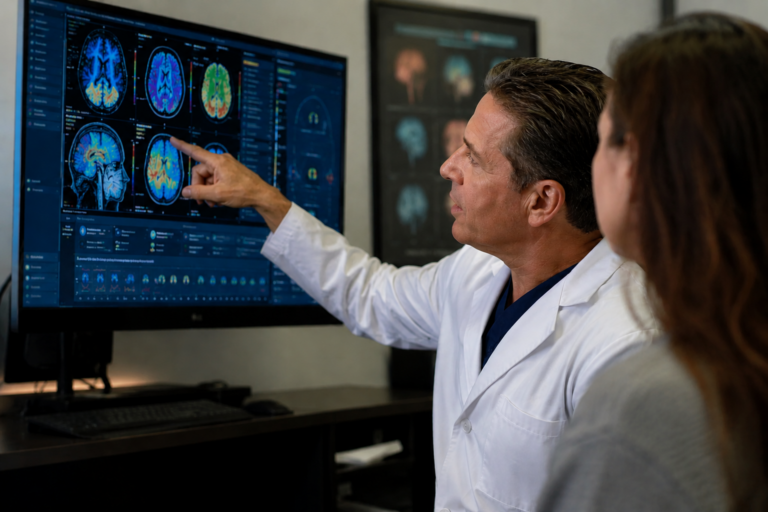
Brain SPECT imaging studies at Amen Clinics, which has the world’s largest database of functional brain scans related to behavior, show that changes associated with Alzheimer’s can be seen on SPECT scans over 20 years before cognitive symptoms develop.


Most individuals with the disease have what’s called late-onset Alzheimer’s disease, where symptoms first appear in their mid-60s. Early-onset AD occurs between one’s mid-30s and mid-60s.


Currently, there are two immunotherapy drugs that have been approved for the treatment of early stage-Alzheimer’s, which target the reduction of amyloid plaques to slow deterioration. Unfortunately, the benefits of these treatments are modest, and they can have serious brain-damaging side effects.


This doesn’t mean there is nothing we can do to prevent Alzheimer’s disease or slow its progression. Understanding what causes Alzheimer’s disease is key to prevention and treatment.


WHAT CAUSES ALZHEIMER’S DISEASE?


The exact cause of AD is unclear, but scientists believe a combination of genetic, lifestyle, and environmental factors play into its development. Psychiatrist and brain health expert Dr. Daniel Amen has identified 11 major risk factors for Alzheimer’s disease. He details these risks as well as strategies to address them and reduce the risk for AD in his book Memory Rescue.


In terms of genetics, a variant of the apolipoprotein E (Apo E) gene, called ApoE4, is the number-one risk factor for late-onset Alzheimer’s disease, but having it does not necessarily mean an individual will develop AD.


When it comes to lifestyle factors, diet, exercise, sleep, social isolation, and a lack of new learning all have an influence on AD risk. Other contributors to memory loss include exposure to environmental toxins, head trauma, inflammation, low blood flow, infections, neurohormone imbalances, and mental health issues.


Related: Alzheimer’s Is a Lifestyle Disease


Research shows that treating these risk factors can improve memory and cognitive function. A study performed at Amen Clinics on 30 retired NFL players with cognitive impairment and brain damage found that following a brain-healthy protocol resulted in improvements in memory, attention, and reasoning.


Brain scans showed that the former players also benefited from improved blood flow and activity in several key regions of the brain, including:

  • Prefrontal cortex
  • Parietal lobes
  • Occipital lobes
  • Anterior cingulate gyrus
  • Cerebellum


In recent years, scientists have also studied the environmental impact of trace metals on Alzheimer’s, which, in part, led to the new study examining lithium deficiency.


WHAT IS THE CONNECTION BETWEEN LITHIUM AND HEALTH?


Lithium is a natural trace element found in the environment and present in certain foods and water. In the nineteenth and early twentieth centuries, lithium was valued for its various health and mood benefits.


Natural springs with higher lithium content became destinations for health as “lithia water” was thought to be a curative for many ailments. Lithia water was bottled and sold as a health beverage. In fact, an early formulation for 7-Up contained lithium with a lemon-lime flavoring and was marketed as a health tonic.


However, the US Food and Drug Administration (FDA) banned it due to its potential negative side effects in the 1950s.


In the field of psychiatry, the first successful clinical trial on lithium treatment for manic-depression (now referred to as bipolar disorder) was published in 1954, and by 1970, the FDA had approved the use of lithium carbonate as a mood stabilizer, according to published documentation.


Today, carefully prescribed levels of lithium carbonate—a pharmaceutical form of the element—is considered the gold standard treatment for bipolar disorder. Yet, this prescribed lithium can have serious negative side effects, including risk of toxicity, if not monitored properly.


LITHIUM AND ALZHEIMER’S DISEASE RESEARCH


A number of key studies in recent years have pointed to lithium’s protective action against dementia and, specifically, Alzheimer’s disease.


One study, published in the British Journal of Psychiatry in 2007, examined risk of Alzheimer’s disease in elderly patients with bipolar disorder. Based on an established association between bipolar disorder and higher risk of dementia, Brazilian researchers compared bipolar patients treated with chronic lithium therapy and those without recent lithium therapy.


It turned out that the bipolar patients who had lithium treatment showed reduced prevalence of Alzheimer’s disease to levels in the general elderly population.


The findings appeared to provide further evidence that lithium inhibits processes that factor into the pathogenesis of Alzheimer’s disease.


Other significant epidemiological research examined the effects of trace lithium in drinking water and how very low doses of lithium, over time, might help to prevent dementia.

A large 2017 Danish study published in JAMA Psychiatry noted an association between long-term increased lithium exposure in drinking water and lower incidence of dementia.


More recently, in 2024, Brazilian researchers examined five studies that reported a link between trace lithium in water and dementia and mortality from dementia. The published review study found associations between trace lithium levels and a lower risk of dementia or mortality from dementia.


The study concluded that evidence shows that trace lithium levels in drinking water are sufficient to lower the incidence or mortality from dementia and recommended future clinical trials focusing on long-term use of low or even microdoses of lithium for dementia treatment and prevention. 


THE BREAKTHROUGH STUDY ON LITHIUM AND ALZHEIMER’S DISEASE


As mentioned, the overall grand-arching finding of the new study published in Nature suggests that replenishing the brain’s natural stores of lithium can protect against and even reverse Alzheimer’s disease.


The research results presented in the published study offer many significant discoveries, serving to advance the scientific community’s understanding of lithium’s role in both the pathogenesis and potential treatment of AD.


Here’s a look at some of those discoveries.


  1. Human Research Findings

Scientists have been looking closely at metals in the brain, since imbalances may play a role in Alzheimer’s disease (AD). In one study, researchers measured 27 different metals in the brain and blood of older adults—some healthy, some with mild cognitive impairment (MCI), and some with Alzheimer’s.

Here’s what they discovered:

  • Lithium Is Naturally in the Brain: Healthy brains naturally contain small amounts of lithium.
  • Much Lower Lithium in Alzheimer’s: In both MCI and Alzheimer’s patients, brain lithium levels were about 50% lower than in healthy people.
  • Lower Where Damage Is Worst: Areas of the brain most affected by Alzheimer’s had the lowest lithium levels. Some lithium was trapped inside amyloid plaques, making less available for normal brain function.
  • Other Metal Changes: People with Alzheimer’s also had higher zinc levels and lower copper levels compared to healthy individuals.
  1. Animal Research Findings

Researchers have tested lithium in mice with Alzheimer’s disease (AD), and the results are promising—though they still need to be confirmed in human studies. Here’s what they found:

  • Protects Brain Connections: Lithium helps maintain healthy connections between brain cells as mice age. When mice with Alzheimer’s ate a diet low in lithium, their thinking and memory worsened faster. Their brains also showed more of the harmful protein buildup (amyloid plaques and tau tangles) seen in Alzheimer’s, more inflammation, and gene changes linked to the disease.
  • How It Works: One way lithium deficiency may cause harm is by overactivating a brain protein called GSK3β, which is involved in Alzheimer’s development.
  • Best Form for the Brain: Out of 16 types of lithium tested, lithium orotate was the least likely to stick to amyloid plaques (which are toxic to brain cells).
  • Better Than the Standard Form: In mice with Alzheimer’s, lithium orotate in drinking water worked better than the more common lithium carbonate at preventing memory loss, reducing harmful protein buildup, lowering brain inflammation, and even helping immune cells in the brain (microglia) “clean up” plaques.
  • Helps Healthy Brains, Too: In healthy mice, lithium orotate also protected brain structure from the normal wear and tear of aging.
  • Safer for the Body: Unlike lithium carbonate, lithium orotate didn’t show the same harmful effects on the kidneys or thyroid.
  • Restores Memory: In Alzheimer’s mice, lithium orotate—given in the right dose—restored memory performance to normal levels, something lithium carbonate did not achieve.

These are truly extraordinary results. Treatment for Alzheimer’s disease has previously only targeted the reduction of plaques and tau tangles, but never so many pathologies underlying AD. If these findings are confirmed in clinical trials, it could have substantial implications for AD treatment and prevention.


LITHIUM OROTATE VS LITHIUM CARBONATE


You may be wondering how lithium orotate differs from high-dose, pharmaceutical lithium carbonate commonly used in the treatment of bipolar disorder.


Related: Understanding the Differences Between Lithium and Lithium Orotate


For starters, lithium orotate is a low-dose, over-the-counter nutritional supplement that consists of orotic acid (a compound produced naturally in the body) and lithium. It is not a medicine. Some people refer to lithium orotate as “nutritional lithium.”


There are no official guidelines for lithium orotate dosage levels but they are much closer to the generally safe amounts of lithium found in foods such as grains and vegetables. (The average human consumption of lithium from food sources and water has been estimated to be approximately 0.5 to 3 mg/day, according to research.)


Supplemental suggested dosages are usually between 5 to 10mg, and sometimes up to 20mg with little to no adverse effects noted. By comparison, lithium carbonate may be prescribed at 1,800 mg therapeutically with significant risk of side effects unless monitored closely.


Some research has been conducted using lithium orotate in the treatment of alcoholism, migraines, and depression associated with bipolar disorder. However, experts suggest that more research is needed.


Until now, the potential benefits of low-dose lithium have been underappreciated largely due the stigma linked to lithium carbonate. Thanks to the new research, however, the tides may now be turning for low-dose lithium orotate.


If future clinical research confirms these findings, lithium orotate may become a common strategy for the prevention and treatment of Alzheimer’s disease.

Memory loss, dementia, and other mental health conditions can’t wait. At Amen Clinics, we provide personalized, science-backed treatment plans designed to target the root causes of your symptoms. Our 360-approach includes brain SPECT imaging, clinical evaluations, innovative therapeutic techniques, medications (when necessary), and holistic lifestyle recommendations to promote the health of your brain, body, and mind. Speak to a specialist today at 888-288-9834 or visit our contact page here.

Amen Clinics

Founded in 1989 by double-board certified psychiatrist and neuroscientist Daniel G. Amen, MD, Amen Clinics Inc. (ACI) is known as the best brain and mental health company in the world. Our clinical staff includes over 50 healthcare specialists, including adult and child psychiatrists, integrative (functional) medicine physicians, naturopaths, addiction specialists, forensic psychiatrists, geriatric psychiatrists, nutritionists, licensed therapists, and more. Our clinicians have all been hand-selected and personally trained by Dr. Amen, whose mission is to end mental illness by creating a revolution in brain health. Over the last 35-plus years, ACI has built the world’s largest database of functional brain scans—over 250,000 SPECT scans on patients from 155 countries—related to how people think, feel, and behave.

Aron L, Ngian ZK, Qiu C, Choi J, Liang M, Drake DM, Hamplova SE, Lacey EK, Roche P, Yuan M, Hazaveh SS, Lee EA, Bennett DA, Yankner BA. Lithium deficiency and the onset of Alzheimer’s disease. Nature. 2025 Aug 6.


CDC Website

https://www.cdc.gov/alzheimers-dementia/about/index.html#:~:text=A%20growing%20problem,getting%20lost%20in%20familiar%20areas.

Accessed August 12, 2025


Younes L, Albert M, Moghekar A, Soldan A, Pettigrew C, Miller MI. Identifying Changepoints in Biomarkers During the Preclinical Phase of Alzheimer’s Disease. Front Aging Neurosci. 2019 Apr 2;11:74.


Shorter E. The history of lithium therapy. Bipolar Disord. 2009 Jun;11 Suppl 2(Suppl 2):4-9.


Nunes PV, Forlenza OV, Gattaz WF. Lithium and risk for Alzheimer’s disease in elderly patients with bipolar disorder. Br J Psychiatry. 2007 Apr;190:359-60.


Kessing LV, Gerds TA, Knudsen NN, Jørgensen LF, Kristiansen SM, Voutchkova D, Ernstsen V, Schullehner J, Hansen B, Andersen PK, Ersbøll AK. Association of Lithium in Drinking Water With the Incidence of Dementia. JAMA Psychiatry. 2017 Oct 1;74(10):1005-1010.


Fraiha-Pegado J, de Paula VJR, Alotaibi T, Forlenza O, Hajek T. Trace lithium levels in drinking water and risk of dementia: a systematic review. Int J Bipolar Disord. 2024 Aug 30;12(1):32.


Hamstra SI, Roy BD, Tiidus P, MacNeil AJ, Klentrou P, MacPherson REK, Fajardo VA. Beyond its Psychiatric Use: The Benefits of Low-dose Lithium Supplementation. Curr Neuropharmacol. 2023;21(4):891-910.


Kurkinen M. The Amyloid Hypothesis: The Greatest Invention or the Biggest Blunder in Biomedical Science Ever? 2023. https://www.j-alz.com/content/amyloid-hypothesis-greatest-invention-or-biggest-blunder-biomedical-science-ever


Amen, D. G., Wu, J. C., Taylor, D., & Willeumier, K. (2011). Reversing Brain Damage in Former NFL Players: Implications for Traumatic Brain Injury and Substance Abuse Rehabilitation. Journal of Psychoactive Drugs, 43(1), 1–5. https://doi.org/10.1080/02791072.2011.566489

How Can You Calm Hangover Anxiety and Recover Your Brain?

man looking hungover
Discover what causes "hangxiety" and learn brain-based strategies to ease post-alcohol anxiety, restore mood, and rebalance your mind.

You wake up with a pounding headache, a queasy stomach, and an overwhelming sense of dread after a night (or day) of drinking. Though it may seem common, this feeling isn’t just a simple hangover. It’s hangover anxiety, or “hangxiety” as it’s commonly dubbed.


 This next-day panic often follows drinking and can leave you feeling shaky, emotionally fragile, and wracked with regret. What causes hangxiety?


Hangover anxiety is deeply rooted in brain chemistry, neurotransmitter imbalances, and increased inflammation. These post-alcohol mood swings are a sign that your brain needs support to heal, not shame.

This blog will explore why hangxiety happens and what you can do about it starting today.

Pounding headache? Queasy stomach? Overwhelming sense of dread after a night of drinking? Welcome to hangover anxiety—“hangxiety”—which is deeply rooted in brain chemistry. It’s a sign your brain is in need of support.

WHY DOES ALCOHOL TRIGGER HANGOVER ANXIETY THE MORNING AFTER?


Alcohol may seem like a simple social lubricant, but it also quietly rewires your brain chemistry while you’re sipping away. It disrupts the balance of the calming neurotransmitter called gamma-aminobutyric acid (GABA) and dopamine, which is the brain’s reward chemical.


That initial buzz? It’s your dopamine on overdrive.


But the morning after? That’s the dreaded withdrawal.


Essentially, your GABA levels crash, leaving your nervous system overstimulated and anxious. Your dopamine levels drop too, dragging your mood down with it. On top of that, alcohol fuels inflammation in the brain, impairs blood flow, and disrupts the delicate web of your emotional regulation system.


So, when you wake up the next morning with racing thoughts, a low mood, and physical symptoms like shakiness, it’s not your imagination. This is your brain’s distress call.

Related: 5 Scary Ways Alcohol Damages the Brain

 What Happens to Your Brain After One Night of Drinking?


One night of drinking can impair the brain’s natural calming mechanisms. Alcohol initially acts as a depressant, slowing down your central nervous system. However, once the alcohol wears off, the brain rebounds by releasing excitatory neurotransmitters like glutamate to restore balance. This overcorrection causes the classic hangxiety symptoms:


  • Increased heart rate
  • Irritability or dread
  • Intrusive thoughts or overthinking
  • Mood swings
  • Sensitivity to light and sound

Alcohol also messes with balancing serotonin signals and cortisol levels, which are crucial for regulating mood and stress. And that post-drinking unease is your brain trying to regain equilibrium after being chemically hijacked.

Foods that may trigger anxiety are plentiful on grocery store shelves. Ultra-processed “Frankenfoods” are obvious culprits. But keep in mind that even foods marketed as healthy can disrupt brain chemistry and increase feelings of anxiety and stress.

6 FEEL-GOOD FOODS THAT MAKE ANXIETY WORSE

Can healthy foods cause anxiety? You may be surprised to know that what you’re eating may have a lot to do with what’s eating you! Did you know that the very foods and beverages we seek out to soothe anxious feelings, although providing temporary relief, may make anxiety worse in the long run?

  1. Fat-Free Snacks

When you’re struggling with anxiety disorders and you’re trying to eat a healthy diet, you might reach for fat-free foods like yogurt or granola bars. But consuming them may make anxiety worse.


Many fat-free foods are filled with sugar and refined carbohydrates that spike blood sugar, which increases anxiety and contributes to mood crashes. Unstable blood sugar can trigger irritability, restlessness, and panic-like symptoms.


When you eat something high in added sugar or refined carbs, it causes your blood sugar to spike and then drop faster than it would if you had a more balanced meal with protein, carbs, fiber, and fat.


Science confirms it. Researchers observed increased symptoms of anxiety in a 2018 animal study where subjects were fed a diet high in refined carbohydrates.


Remember that added sugars can come in many forms and hide in all kinds of “healthy” fat-free foods. You can even find added sugar in fat-free sauces, dressings, and condiments.


Choose smarter carbs that support calm and are naturally low in fat. Reach for complex carbs like sweet potatoes, berries, and quinoa to stabilize your energy and mood.

  1. High-Fructose Fruit Juice

Packaged juices may seem healthy, but they deliver sugar without fiber, impacting mood regulation due to the blood sugar-anxiety connection explained above. Juice-induced glucose spikes even affect serotonin and cortisol levels.


Conversely, studies on diabetes have established that high anxiety levels can result in the release of sympathetic hormones, which can:


  • Elevate both cortisol and glucose levels
  • Decrease insulin release
  • Affect the sensitivity and resistance of the insulin hormone

Rather than sip high-sugar fruit juices, try infused water, herbal teas, or whole-fruit smoothies that offer the benefits of added protein and fiber.


  1. Whole-Wheat Bread

While often a go-to for “healthy eating,” wheat products can negatively affect sensitive individuals such as those with gluten sensitivity or leaky gut.


As a reminder, gluten is the general name used for the proteins found in wheat, rye, barley, and triticale (a cross between wheat and rye). But this ingredient is increasingly a problem for those who have a sensitivity to it.


Researchers have estimated that while 1 percent of the US population has been diagnosed with celiac disease, “non-celiac gluten sensitivity” affects up to 6 percent of people in the U.S.


In these people, studies have found, gluten triggers gut dysbiosis, neuroinflammation, and gut-brain axis dysfunction. It even increases vulnerability for dementia.


Another review study found that gluten sensitivity and celiac disease are related to numerous brain health and mental health issues, including:


  • Attention deficit hyperactivity disorder (ADHD)
  • Depression
  • Mood disorders
  • Anxiety disorders
  • Schizophrenia
  • Autism spectrum disorders


However, evidence shows that a gluten-free diet has been associated with improvements in mental health conditions. Going gluten-free produced a decrease in symptoms in some people in a study on autism, research on ADHD, and a review study on depression.


For healthier bread alternatives, reach for sprouted grains, gluten-free options made with seeds and legumes, or gluten-free coconut wraps.


  1. Non-Organic Fruit

Fruit sounds healthy, but non-organic produce may contain pesticide residues linked to mood and brain issues. A 2023 systematic review of 57 studies found that farm workers exposed to pesticides had increased depressive disorders and a higher suicide risk.  


Meanwhile, a 2024 study of pesticide-exposed farmers also drew a link between exposure and mental health symptoms. The researchers hypothesized that pesticide exposure “compromises antioxidant defense mechanisms and induces inflammatory processes that may compromise neural circuits.”


These changes may be associated with the development of anxiety disorders and major depressive disorder in the pesticide-exposed farmers who were studied. Considering the neurotoxic effects of these chemicals on the brain, it’s important to reduce or eliminate exposure as much as possible.


Certain types of produce are notorious for having more pesticides than others. Strawberries, apples, and blueberries, for example, consistently appear on the “Dirty Dozen” list created by the Environmental Working Group (EWG).

Choose clean, mood-safe produce by looking for organic apples and other fruits and vegetables on the “Dirty Dozen” list. Also refer to the EWG’s “Clean 15” list to find which produce has the least pesticides.


  1. Factory-Farmed Chicken

Many people view chicken as a preferred alternative to red meat—and it can, in fact, be a healthier choice. But factory-farmed versions may contain added hormones, antibiotics, or inflammatory fats.


That’s why quality of meat matters. Additives in low-quality meats may contribute to systemic inflammation and anxiety.


A report by The College of Natural Sciences at the University of Massachusetts Amherst warned that modern industrial chicken farming exposes both chickens and humans to many health dangers. These include infectious diseases, antibiotics, and arsenical drugs.


To reduce exposure, choose local, pasture-raised and/or organic poultry rich in omega-3s that are grown without harmful chemicals.


  1. Sugar-Free Yogurt

Check your labels! “Sugar-free,” yogurt may contain artificial sweeteners like aspartame. Because artificial sweeteners affect the gut-brain axis, they are known to disrupt gut health and mood stability.


As known neurotoxins, artificial sweeteners can also disrupt normal nervous system function, leading to increased symptoms of anxiety.


One study focusing on nutrition as a metabolic treatment of anxiety suggested that increased anxiousness from artificial sweeteners may be a result of the adverse impacts they have on the microbiome and inflammation.


Another study in Nutrition Neuroscience suggested that aspartame (in brands such as Equal and Nutrasweet) can inhibit the transport of dopamine and serotonin precursors into the brain. They may increase the levels of excitatory neurotransmitters, shifting brain chemistry to be more anxiety prone.


To protect your mental health, make better dairy and dairy-free choices. Choose full-fat plain yogurt with live cultures, or dairy-free yogurts made from coconut or almond milk, enriched with probiotics for better gut health.

CAN REHYDRATION AND NUTRITION EASE HANGXIETY FAST?

Absolutely! Your brain runs on nutrients, glucose, and hydration like a high-performance engine. After drinking alcohol, dehydration and blood sugar crashes add fuel to the anxiety fire. Rehydrating with electrolytes and replenishing nutrients can calm hangxiety symptoms faster than you think.

What Should You Drink and Eat to Support Your Brain?

A good tip is to skip the coffee as caffeine often worsens dehydration and jitteriness. There is research showing that nutrient dense foods can help alleviate signs of hangover anxiety. To feel better faster, opt for:

  • Electrolyte-rich fluids: Coconut water, electrolyte powders (low sugar), or mineral water
  • Bone broth: Rich in amino acids and collagen to calm the gut-brain axis
  • Clean proteins: Eggs (if tolerated), turkey, or plant-based options to help rebuild neurotransmitters
  • Healthy fats: Avocado, nuts, and seeds support brain cell structure and reduce inflammation
  • Complex carbs: Oats or sweet potatoes help regulate blood sugar and mood

Fueling your body well is one of the fastest ways to help your brain reset and keep anxiety low.

HOW DOES SLEEP IMPACT POST-DRINKING ANXIETY?

Quality sleep is your brain’s housekeeping system, but research shows that alcohol severely disrupts it. While it might knock you out at first, alcohol suppresses REM sleep, which is the most restorative sleep phase tied to emotional processing and memory.

That’s why many people wake up after drinking feeling foggy, wired, and more anxious than before. Poor sleep also increases stress hormones like cortisol leaving your brain extra vulnerable to anxiety.

What Steps Improve Recovery Sleep?

To bounce back from a hangxiety-fueled night, create a soothing sleep-conducive environment using the following:

  • Keep your bedroom cool and dark
  • Avoid caffeine and screens at least two hours before bed
  • Take a magnesium glycinate supplement (if it’s safe for you)
  • Try natural GABA or L-theanine (check with your doctor first)
  • Use a noise machine or drift to sleep with soft calming sounds
  • Take a short nap during the day (20–30 minutes max)

Research shows that even partial sleep recovery helps lower anxiety levels by stabilizing your nervous system to help you heal, especially when you’re stressed.

CAN MINDFULNESS AND BREATHING REDUCE HANGXIETY NOW?

Yes. When your brain is inflamed and your stress circuits are activated, calming your nervous system is key. Deep breathing and mindfulness exercises help disengage the fight-or-flight response and re-engage the brain’s parasympathetic, or “rest and digest,” mode.

Which Techniques Calm the Brain Quickly?

To calm your brain quickly and effectively, you can try these hangxiety-soothing methods:

  • Box breathing: Inhale for four seconds, hold for four, exhale for four, hold for four. Repeat five to 10 cycles and take your time to focus on your breathing.
  • Progressive muscle relaxation: Tense and release muscles from your feet to your head.
  • Guided imagery: Visualize a calming scene—waves on a beach, walking through a forest.
  • Grounding techniques: Name five things you see, four you feel, three you hear, two you smell, and one you taste.

These tools can short-circuit anxious and negative thoughts and give your brain space to reset.

Related: Automatic Negative Thoughts (ANTs): How to Stop Toxic Thinking and Rewire Your Brain

IS MOVEMENT HELPFUL OR HARMFUL DURING HANGXIETY?

Honestly, it depends. While intense workouts can overstimulate an already anxious brain, gentle movement can boost circulation, detox your system, and increase feel-good endorphins without overwhelming you.

What Kind of Movement Soothes Your Brain After Drinking?

Start with low-impact, slow-paced activities you’ll actually enjoy doing like:

  • Nature walks: Studies show that sunlight and greenery calm the amygdala, which is your brain’s fear center
  • Restorative yoga: Focuses on stretching, breathwork, and inner balance
  • Tai chi or gentle Qigong: Great for grounding and improving energy flow

Just 20–30 minutes of mindful movement can reduce anxiety and inflammation while supporting brain recovery.

WHEN SHOULD YOU SEEK PROFESSIONAL HELP FOR HANGXIETY?

If your hangxiety lasts beyond the typical post-drinking window or begins to impact your daily life, it may signal deeper mental health or brain function concerns. Occasional worry is normal; however, persistent anxiety deserves attention.

What Symptoms Signal It’s More Than a Hangover?

Please seek support from a mental health professional if you notice symptoms including but not limited to:

  • Panic attacks that last several hours or reoccur regularly
  • Trouble sleeping for multiple nights in a row
  • Feelings of hopelessness, guilt, or depression
  • Loss of interest in daily activities
  • Physical symptoms like chest tightness or racing heart days after drinking

It’s not just about the alcohol consumption. Your brain may be trying to tell you it’s overwhelmed, inflamed, or operating under chronic stress pointing to more serious problems long-term.

FAQ

At Amen Clinics, we don’t just treat hangxiety. We can help you understand the root cause. Our brain-centered method goes beyond talk therapy or symptom-chasing.

We use advanced tools like brain SPECT imaging to evaluate blood flow and activity patterns that may be affecting your mood, memory, and stress response.

It’s important to realize that it may be necessary to reduce or eliminate alcohol to avoid hangxiety. For many Amen Clinics patients, seeing their brain scans shows how alcohol has affected their brain function and inspires them to cut back on drinking.

At Amen Clinics, customized recovery protocols may include:

  • Brain imaging and diagnostics
  • Neuropsychological assessments
  • Hormone testing
  • Nutritional guidance to heal your gut-brain axis
  • Personalized nutritional supplement plans
  • Psychotherapy techniques
  • Cognitive behavioral strategies
  • Sleep coaching
  • Lifestyle redesign
  • Cutting back on alcohol

With these strategies, you can build resilience and heal your hangxiety from the inside out.

When you take care of your brain, it improves every aspect of your life, including:

  • More emotional stability and less reactivity
  • Fewer cravings and reduced reliance on alcohol
  • Improved energy and motivation
  • Better relationships and focus
  • Stronger coping skills for daily stress

Brain health isn’t just a one-time fix. If you want lasting results, think of it as a daily practice.

Anxiety, addiction, and other mental health conditions can’t wait. At Amen Clinics, we provide personalized, science-backed treatment plans designed to target the root causes of your symptoms. Our 360-approach includes brain SPECT imaging, clinical evaluations, innovative therapeutic techniques, medications (when necessary), and holistic lifestyle recommendations to promote the health of your brain, body, and mind. Speak to a specialist today at 888-288-9834 or visit our contact page here.

Amen Clinics

Founded in 1989 by double-board certified psychiatrist and neuroscientist Daniel G. Amen, MD, Amen Clinics Inc. (ACI) is known as the best brain and mental health company in the world. Our clinical staff includes over 50 healthcare specialists, including adult and child psychiatrists, integrative (functional) medicine physicians, naturopaths, addiction specialists, forensic psychiatrists, geriatric psychiatrists, nutritionists, licensed therapists, and more. Our clinicians have all been hand-selected and personally trained by Dr. Amen, whose mission is to end mental illness by creating a revolution in brain health. Over the last 35-plus years, ACI has built the world’s largest database of functional brain scans—over 250,000 SPECT scans on patients from 155 countries—related to how people think, feel, and behave.

Anand, S. K., Ahmad, M. H., Sahu, M. R., Subba, R., & Mondal, A. C. (2023). Detrimental Effects of Alcohol-Induced Inflammation on Brain Health: From Neurogenesis to Neurodegeneration. Cellular and molecular neurobiology, 43(5), 1885–1904. https://doi.org/10.1007/s10571-022-01308-2


Naik, D. R., Pina-Leblanc, C., Tang, V. M., Sloan, M. E., Nikolova, Y. S., Pangarov, P., Ruocco, A. C., Shield, K., Voineskos, D., Blumberger, D. M., Boileau, I., Bozinoff, N., Gerretsen, P., Vieira, E., Melamed, O. C., Sibille, E., Quilty, L. C., & Prevot, T. D. (2023). GABAergic signaling in alcohol use disorder and withdrawal: Pathological involvement and therapeutic potential. Frontiers in Neural Circuits, 17. https://doi.org/10.3389/fncir.2023.1218737


Tellez-Monnery, K., Berghoff, C. R., & McDermott, M. J. (2023). Investigating the effects of emotion dysregulation and repetitive negative thinking on alcohol hangover anxiety and depression. Addictive Behaviors, 140, 107619. https://doi.org/10.1016/j.addbeh.2023.107619


Rosdeitcher, L. (2018, February 12). IU-led study finds neurotransmitter glutamate may play a role in alcohol relapse, addiction. Indiana University News. https://news.iu.edu/live/news/24679-iu-led-study-finds-neurotransmitter-glutamate-may


Castle, M. E., & Flanigan, M. E. (2024). The role of brain serotonin signaling in excessive alcohol consumption and withdrawal: A call for more research in females. Neurobiology of Stress, 30, 100618. https://doi.org/10.1016/j.ynstr.2024.100618


Moslemi, M., Jannat, B., Mahmoudzadeh, M., Ghasemlou, M., & Abedi, A. S. (2023). Detoxification activity of bioactive food compounds against ethanol-induced injuries and hangover symptoms: A review. Food science & nutrition, 11(9), 5028–5040. https://doi.org/10.1002/fsn3.3520


Colrain, I. M., Nicholas, C. L., & Baker, F. C. (2014). Alcohol and the sleeping brain. Handbook of clinical neurology, 125, 415–431. https://doi.org/10.1016/B978-0-444-62619-6.00024-0


Meyrel, M., Rolland, B., & Geoffroy, P. A. (2020). Alterations in circadian rhythms following alcohol use: A systematic review. Progress in Neuro-Psychopharmacology and Biological Psychiatry, 99, 109831. https://doi.org/10.1016/j.pnpbp.2019.109831


Sudimac, Sonja & Sale, Vera & Kühn, Simone. (2022). How nature nurtures: Amygdala activity decreases as the result of a one-hour walk in nature. Molecular Psychiatry. 27. 1-7. 10.1038/s41380-022-01720-6.


Wang, Y., Tian, J., & Yang, Q. (2023). Tai Chi exercise improves working memory capacity and emotion regulation ability. Frontiers in psychology, 14, 1047544. https://doi.org/10.3389/fpsyg.2023.1047544


Kim, Y., Kim, J., Oh, J.W. et al. Association between drinking behaviors, sleep duration, and depressive symptoms. Sci Rep 14, 5992 (2024). https://doi.org/10.1038/s41598-024-56625-x


Amen, D. G., Trujillo, M., Newberg, A., Willeumier, K., Tarzwell, R., Wu, J. C., & Chaitin, B. (2011). Brain SPECT Imaging in Complex Psychiatric Cases: An Evidence-Based, Underutilized Tool. The open neuroimaging journal, 5, 40–48. https://doi.org/10.2174/1874440001105010040

Sleep and the recovery from stress. Yu, X., Nollet, M., Franks, N.P., Wisden, W. Neuron (2025). DOI: 10.1016/j.neuron.2025.04.028, https://www.cell.com/neuron/fulltext/S0896-6273(25)00311-3

Can’t Put Your Phone Down? The Neuroscience of Nomophobia

woman looking sadly at her phone
Nomophobia is the fear of being without your phone. Learn how it impacts your brain, emotions, and mental health—and what you can do.

Do you feel a sense of anxiety or panic when you’re away from your tech devices? Do you have a fear of being without your phone or online access? Has excessive use of smartphones interfered with your daily responsibilities or your relationships?

As modern life increasingly incorporates technology, young people today have grown up in a world where not being connected is almost unimaginable. However, we also know that too much tech can have negative effects—from increased risk of ADHD and digital dementia to changes in brain development and addiction.

In recent years, researchers have also been exploring another way smartphone dependency can impact mental health. It’s called nomophobia: a fear of being away from or disconnected from mobile devices.

Researchers believe that nomophobia-related stress stems from smartphone users feeling socially threatened without online connectivity. Ironically, those who have nomophobia are also likely to report loneliness.

WHAT IS NOMOPHOBIA?

According to a systematic review in a 2021 issue of PloS One, the term nomophobia was coined by the U.K. Post Office in 2008, when it worked with research organization YouGov to examine mobile phone-related anxiety. It combines the words “no mobile phone phobia.”

Related: What Is Digital Dementia? And How to Overcome It

In that study, nearly 13 million people (53% of survey respondents) reported being anxious about their phones. Losing or forgetting their phone, running out of battery or network coverage, and not receiving calls, texts, or emails for a while were all reported sources of anxiety.

A 2019 study in the Journal of Family Medicine and Primary Care notes that nomophobia is a type of “over-connection syndrome,” wherein face-to-face interactions are reduced to accommodate virtual ones. It also relates to the term “techno-stress,” which refers to avoiding face-to-face socialization in favor of technology, leading to withdrawal and possibly depression.

The study authors outlined numerous nomophobia symptoms, including:

  • Anxiety when faced with loss of a cell phone, loss of signal, or a drained phone battery
  • Using the smartphone impulsively or as a protective mechanism to avoid social communication
  • Carrying multiple mobile phones and/or battery chargers to avoid disconnection
  • Preferring virtual over face-to-face social interactions
  • Keeping the phone in reach and powered on at all times, even during sleep
  • Frequently looking at the phone to avoid missing a notification (also called “ringxiety”)
  • Respiratory changes, trembling, perspiration, agitation, disorientation, or rapid heartbeat induced by phone-related anxiety

In addition, nomophobia can lead to larger problems in life. These include financial distress due to mobile phone charges, compromised face-to-face relationships, or physical problems like pain in the body (such as in the hands or neck) due to constant smartphone use.

NOMOPHOBIA AND MENTAL HEALTH

A 2021 systematic review study in Addiction & Health explained that recent studies pointed to certain psychological characteristics as being associated with smartphone addiction. These include: 

  • Stress
  • Extroversion (greater need for socialization and communication)
  • Lack of self-responsibility (because online communication has no limitations and rules)
  • Emotional instability (indirect communication like messaging reduces neurotic or stressful incidents)
  • Low self-esteem
  • Lack of self-discipline

Does phone addiction cause anxiety or depression? According to this review, nomophobia and excess phone usage were found in various studies to be linked to traits like depression, anxiety, perfectionism, aggressiveness, impulsiveness, and neuroticism.

Press Play to Discover How Your Phone Habits Can Affect Your Mood

In this video, Dr. Daniel Amen explores how excessive use of digital devices can impact your energy and outlook.

Click below to tune in:

Nomophobia can also co-occur with other mental health conditions, such as social anxiety disorder. And it may interfere with sleep, which can create its own devastating impacts on mental health.

Generally, younger populations, females, and individuals with anxiety are more likely to experience nomophobia. According to a study published in 2023, the increased risk for mobile phone dependence among females and participants with anxiety problems was 15% and 75%, respectively.

Researchers believe that nomophobia-related stress stems from smartphone users feeling socially threatened without online connectivity. Ironically, those who have nomophobia are also likely to report loneliness.

These findings are supported by a 2022 study that used questionnaires to assess nomophobia with variables like depression, anxiety, stress, social and emotional loneliness, and emotional skills. This study determined that other factors (in addition to being female and younger in age) played a role in developing the condition.

Nomophobia was associated with:

  • Owning a smart device from an early age
  • More time spent on devices (several hours of smartphone use, frequent checking of messages and notifications, long periods of time on social networks, etc.)
  • Prolonged use of smart devices before bedtime
  • More pronounced symptoms of depression, anxiety, and stress
  • Lower emotional skills and competencies

The researchers concluded that “nomophobia and emotional skills and competence act as significant predictors in expression of distress factors.” The variance in the severity of symptoms of depression reached 30%, with the variance 24% for anxiety symptoms and 26% for stress symptoms.

IS NOMOPHOBIA AN OFFICIAL DIAGNOSIS?

Authors of the above-mentioned systematic review study in Addiction & Health explained that, in some cases, nomophobia is considered a “situational phobia.” This designation would categorize it with other phobias, like agoraphobia.

In other cases, nomophobia is considered a behavioral addiction—that is, an addiction to using smartphones—which manifests through symptoms of psychosocial and physical dependency. Let’s look closer at the neuroscience of nomophobia and the brain changes associated with phobias and behavioral addictions.

Related: Behavioral Addiction in the Brain: Types and Treatment

SPECT brain imaging studies at Amen Clinics have shown that phobic brains work differently. Understanding how phones affect brain health is a critical part of coping with nomophobia.

When an individual is faced with their phobia, abnormal activity affects several brain regions. There is increased activation in the:

  • Prefrontal cortex (PFC)—involved in focus, judgment, and decision-making
  • Insula—involved in emotions, self-awareness, and perception
  • Posterior cingulate cortex—involved in emotional salience and memory

Behavioral addictions have also been shown in SPECT scans to involve multiple areas of the brain:

  • PFC—lower activity here is associated with impulsive behavior
  • Anterior cingulate gyrus (ACG)—the brain’s “gear shifter”
  • Nucleus accumbens—plays a role in experiencing rewards and happiness
  • Amygdala—involved in emotions and fear responses
  • Hippocampus—helps memories move into long-term storage

Ultimately, numerous brain changes can occur alongside nomophobia symptoms, and additional mental health conditions often co-exist with it. Because of these complexities, a SPECT scan can be helpful to pinpoint root causes and create a personalized treatment plan.

THE FUTURE OF NOMOPHOBIA

Researchers have been advocating for nomophobia to be entered into the Diagnostic and Statistical Manual of Mental Disorders (DSM) for well over a decade. Currently, it is categorized under the umbrella designation of “specific phobia” in the subcategory of “other.”

As technological devices become ever more commonplace—and required for more functions in our day-to-day life—it is likely that this widespread issue will continue to attract more attention in the medical community.

We're Here To Help

Phobias, anxiety, and other mental health conditions can’t wait. At Amen Clinics, we provide personalized, science-backed treatment plans designed to target the root causes of your symptoms. Our 360-approach includes brain SPECT imaging, clinical evaluations, innovative therapeutic techniques, medications (when necessary), and holistic lifestyle recommendations to promote the health of your brain, body, and mind. Speak to a specialist today at 888-288-9834 or visit our contact page here.

León-Mejía AC, Gutiérrez-Ortega M, Serrano-Pintado I, González-Cabrera J. A systematic review on nomophobia prevalence: Surfacing results and standard guidelines for future research. PLoS One. 2021 May 18;16(5):e0250509. doi: 10.1371/journal.pone.0250509. PMID: 34003860; PMCID: PMC8130950. 

Bhattacharya S, Bashar MA, Srivastava A, Singh A. NOMOPHOBIA: NO MObile PHone PhoBIA. J Family Med Prim Care. 2019 Apr;8(4):1297-1300. doi: 10.4103/jfmpc.jfmpc_71_19. PMID: 31143710; PMCID: PMC6510111.

Notara V, Vagka E, Gnardellis C, Lagiou A. The Emerging Phenomenon of Nomophobia in Young Adults: A Systematic Review Study. Addict Health. 2021 Apr;13(2):120-136. doi: 10.22122/ahj.v13i2.309. PMID: 34703533; PMCID: PMC8519611.

Naser, A.Y., Alwafi, H., Itani, R. et al. Nomophobia among university students in five Arab countries in the Middle East: prevalence and risk factors. BMC Psychiatry 23, 541 (2023). https://doi.org/10.1186/s12888-023-05049-4

Santl L, Brajkovic L, Kopilaš V. Relationship between Nomophobia, Various Emotional Difficulties, and Distress Factors among Students. Eur J Investig Health Psychol Educ. 2022 Jul 5;12(7):716-730. doi: 10.3390/ejihpe12070053. PMID: 35877453; PMCID: PMC9316259.

Bragazzi NL, Del Puente G. A proposal for including nomophobia in the new DSM-V. Psychol Res Behav Manag. 2014 May 16;7:155-60. doi: 10.2147/PRBM.S41386. PMID: 24876797; PMCID: PMC4036142.

Related Posts

Overcoming Sex Addiction and Compulsive Cheating: Jose’s Story

man looking at phone from bed
Jose’s cheating nearly destroyed his marriage. Discover how brain science helped him overcome sex addiction—and how it can help you.

While sex addiction is often the brunt of jokes by late-night comedians, in truth, the condition brings tremendous suffering and heartache to afflicted individuals and those who love them.

Considered a behavioral addiction, sex addiction is defined as sexual thoughts, urges, activities, or fantasies that cannot be controlled and cause significant distress and/or harm to relationships, health, finances, career, or other areas of life.

Sex addiction can cause overwhelming guilt, remorse and shame in the sex addict, and it can lead to depression, anxiety, and even suicidality.

Yet, key to understanding compulsive sexual behavior is recognizing the relationship between brain health and sex addiction. Indeed, unhealthy brain function was an underlying factor for Jose, a compulsive cheater.

Dr. Daniel Amen first met Jose and his wife, Angela, on an episode of the The Dr. Phil Show that was focused on infidelity. For the show, Dr. Amen was asked to evaluate and do brain SPECT imaging on Jose.

After the show, Jose agreed to seek treatment at Amen Clinics. Could improving his brain health help Jose heal from sex addiction?

In this blog, you’ll discover more about Jose’s fascinating story, as well as need-to-know information about compulsive sexual behavior, how to identify it, and how to stop sex addiction.

It's common for a sex addict to continue engaging in compulsive sexual behavior knowing its negative consequences or despite getting minimal pleasure from the behavior.

WHAT IS SEX ADDICTION?

Sex addition goes by many names including sexual addiction, compulsive sexual behavior, sexual compulsivity, sexual impulsivity, problematic sexual behavior, hypersexuality, and hypersexuality disorder.

The addiction involves sexual activities—such as having multiple partners, masturbation, pornography, phone sex, cybersex, and more. It becomes compulsive sexual behavior when these activities, thoughts, and fantasies take over an individual’s life.

A sex addict typically exhibits a persistent pattern of being unable to control strong, repetitive, sexual desires and urges, which leads to repetitive sexual behavior that causes intense distress and disruption of daily functioning.


It’s common for a sex addict to continue engaging in compulsive sexual behavior knowing its negative consequences or despite getting minimal pleasure from the behavior.

Estimates of the prevalence of sexual addiction vary. However, recent epidemiological research estimates that roughly 8.6% of U.S. adults (7.0% of women and 10.3% of men) perceive themselves to have difficulty “controlling their sexual feelings, urges, and behaviors in a way that causes distress and/or impairment in their psychosocial functioning.” That means about 23 million U.S. adults struggle with sex addiction.

Co-occurring mental health disorders are also quite common among individuals with hypersexuality. Roughly 88% of sex addicts may also suffer from one of the following disorders, research has found:

WHAT ARE THE SIGNS OF SEX ADDICTION?

How do you know if you or a loved one is a sex addict? There are no established criteria for compulsive sexual behavior disorder yet. That said, one or more of the following behaviors is common among sex addicts:

  • Obsession With Sex – Spending countless hours fantasizing about sexual desires and engaging in sexual behavior.
  • Frequent Masturbation – Masturbating once to several times daily.
  • Pornography – Spending an inordinate amount of time viewing pornography online, in videos, and magazines. Frequently masturbating when watching.
  • Excessive Time Spent Planning Sexual Activity
  • Engaging in Unethical Sexual Behaviors – This might be serial cheating or any sexual activity that conflicts with one’s values, spiritual/religious beliefs, or what is deemed appropriate by society.
  • Frequent Use of Sexual Services – Sexual addiction is progressive. Beginning to involve human interaction is a sign of escalation. That may include phone sex, visits to strip clubs, having multiple partners or one-night stands, connecting through internet chat rooms, or paying for sexual encounters.
  • Increased Reckless Sexual Activity – Starting to abuse substances during sexual activities or beginning to engage in aggressive or dangerous sexual acts (such as autoerotic asphyxiation).
  • Frequently Engaging in Paraphilia – These are sexual behaviors that involve another person’s psychological distress, injury, or death. Examples include the following:
    • Exhibitionism (exposing genitals to strangers)
    • Voyeurism (watching or engaging in sexual activities with others)
    • Sadomasochism (sexual pleasure from inflicting pain or humiliation on others)
    • Pedophilia (sexual feelings toward children).
  • Loss of Control – The inability to control one’s sexual behavior despite negative impacts on finances, relationships, health, and mental well-being.

CONSEQUENCES OF UNTREATED SEX ADDICTION

Untreated sexual addiction or hypersexuality is highly destructive and corrosive. Some of the consequences may be:

  • Failing to have a normal, healthy relationship with your sexual partner and family.
  • Declining work performance and possible career loss due to one’s inability to focus and produce at work or watching pornography at work.
  • Financial insecurity due to overspending on sexual activities.
  • Negative health consequences such as unwanted pregnancy or STDs.
  • Engaging in recreational drug use or excessive consumption of alcohol.
  • Developing additional mental health disorders such as anxiety, stress, major depressive disorder, or suicidality.
  • Incarceration due to sexual offenses.
  • Great emotional pain, including feelings of shame, remorse, and hopelessness.

WHAT CAUSES SEXUAL ADDICTION?

The exact causes of compulsive sexual behavior are not entirely clear to scientists, but they believe several factors play a role in its development, including the following:

  • Brain damage or dysfunction in the prefrontal cortex, frontal lobe, and amygdala
  • Imbalanced neurohormones (dopamine, serotonin, and norepinephrine)
  • Substance abuse, altered brain function that produces new neural pathways of addictive behavior, and sometimes even medication
  • Emotional dysregulation, adverse childhood experiences (trauma, emotional, physical, or sexual abuse), and genetics
  • Conditions such as dementia, epilepsy, and bipolar disorder

HEALING FROM SEX ADDICTION: JOSE’S STORY

The big question for many people is, can a sex addict change? Jose’s story demonstrates that it is possible.

Jose was a chronic cheater, and it was destroying his marriage and his family. Despite his behavior indicating otherwise, Jose expressed a strong desire to be with his wife, and he wanted to be a better role model for his daughter.

Understandably, his wife was hurt and angry by his infidelities and wanted him to change. If he didn’t, she threatened to walk out on him.

Jose’s addictive behavior extended beyond extramarital affairs. He had a need for speed, exhibiting excitement-seeking behavior that delivered an adrenaline rush—and a succession of speeding tickets.

He was also tattooed from head to toe. Getting tattooed can release endorphins—pain-relieving hormones that can create a euphoric feeling.

Before seeking help, Jose had been faithful for a year but still engaged in viewing pornography.

Jose’s brain SPECT scans proved to be instrumental in understanding why he had such a hard time breaking the cycle of sex addiction. His brain scans revealed three areas of brain dysfunction, which needed to be addressed:

  1. Increased Activity in the Anterior Cingulate Gyrus (ACG)

Located in the front of the brain, the ACG acts as the brain’s “gear shifter.” An overactive ACG is highly associated with compulsive behavior and lower levels of serotonin.

Imagine the gear shifter becomes stuck, and the brain gets stuck on negative thoughts and behaviors. This could explain obsessive thinking that is very much part of sex addiction.

  1. Decreased Activity in the Prefrontal Cortex (PFC)

Also located in the front of the brain, decreased activity in the PFC is associated with low dopamine levels and impulsivity. The PFC acts like the cop in our head, helping us to stay focused on our goals without distractions or poor choices that take us down the wrong path.

The PFC also acts as a brake, preventing us from saying or acting on the first thing that comes to mind. Jose’s behavior and scan showed that this was an area of great concern.

  1. Evidence of Traumatic Brain Injury (TBI)

Jose’s scans showed signs of head trauma, with areas damaged in the front and back part of his brain. This likely played a significant role in his troublesome behavior.

Thus, taking measures to balance his brain function could be what he needed to overcome his sex addiction.

JOSE’S HEALING PROTOCOL FOR SEX ADDICTION

SPECT imaging provided much-needed information to create a tailored approach to optimizing Jose’s brain, especially the areas that were struggling. The experts at Amen Clinics recommended the following protocol:

  • No Alcohol

Alcohol would compromise Jose’s prefrontal cortex function and decrease his brain’s braking power to say no to his thrill-seeking and sexual urges.

  • Adequate Sleep

Jose needed to get the recommended 7-9 hours of sleep a night. Less than six hours of sleep is associated with lower overall blood flow to the brain, which translates to more poor decision-making.

  • Improved Diet

Jose had to learn to eat brain healthy foods to help keep his blood sugar stable. It’s difficult to make good decisions with low blood sugar levels.

  • Eliminate Caffeine

Jose had to cut out the many energy drinks he had every day as caffeine constricts blood flow to the brain. Anything that limits cerebral blood flow fuels poor decision making.

  • Brain Supplements

Recommendations for Jose included nutraceuticals to support healthy serotonin and dopamine levels as well as overall brain health and function.

In addition to the brain health protocol, Jose learned two words to ask himself whenever he had an urge to act impulsively: “Then what?” This helped him think about the consequences of his actions.

To Jose’s surprise—and his wife’s surprise too—Jose started making better decisions. After seven months of following the protocol, his ACG no longer had a hold on his thinking in the same way and his PFC was able to put the brakes on when faced with temptation. His marriage improved dramatically.

4 SEX ADDICTION RECOVERY TIPS

There’s no cure for sex addiction, but recovery is possible. Here are sex addiction treatment options to get you or a loved one started on a path of healing.

  1. Get a psychiatric evalution.

A full psychiatric evaluation from a qualified mental health professional is critical for accurate diagnosis and to evaluate for co-occurring mental health conditions.

  1. Try therapy.

Therapy for sex addiction can be instrumental in helping an afflicted individual learn how to manage their compulsive sexual behavior. Cognitive therapy for sex addiction can be particularly helpful, research indicates.

Cognitive behavioral therapy (CBT) helps the individual identify unhealthy, negative beliefs and behaviors and replace them with more effective ones—similar to how Jose learned to use “Then what?” when confronted with a compulsive urge. Therapy can help facilitate emotional healing from sex addiction as well.

And research has shown that EMDR (stands for eye movement desensitization and reprocessing) therapy can be a useful tool in the treatment of sex addiction as it helps resolve trauma.

  1. Protect your brain’s pleasure centers.

In today’s world, many individuals are overwhelming their brain’s pleasure centers with near-constant exposure to intensely stimulating activities, such as social media, video games, text messaging, adrenaline-inducing movies, sexting, internet pornography, and more. These all have an effect on brain function and can lead to addiction.

Limit your exposure to too much intense pleasurable experiences and care for your brain health (as Jose did) to support optimal functioning for better control and decision making.

  1. Explore a 12-step program for sex addiction.

Some research indicates that participation in a 12-step program such as Sexaholics Anonymous is linked to lower overall compulsive sexual behavior and greater well-being.  

As you can see from Jose’s example, overcoming sex addiction and compulsive cheating is possible. Focusing on brain health is a key component of healing, so you and your loved ones can work on rebuilding a relationship built on trust and honesty.

We're Here To Help

Sex addiction and other mental health conditions can’t wait. At Amen Clinics, we’re here for you. We offer in-clinic brain scanning and appointments, as well as mental telehealth, clinical evaluations, and therapy for adults, teens, children, and couples. Find out more by speaking to a specialist today at 888-288-9834 or visit our contact page here.

Dickensen J, et al. Prevalence of Distress Associated With Difficulty Controlling Sexual Urges, Feelings, and Behaviors in the United States. JAMA Netw Open. 2018 Nov 9;1(7):e184468.

Sahithya BR, et al. Sexual Addiction Disorder – A Review With Recent Updates. J. Psychosexual Health. 2022 May16;4 (2).

Amen D, et al. Reversing Brain Damage in Former NFL Players: Implications for Traumatic Brain Injury and Substance Abuse Rehabilitation. J. Psychoactive Drugs. 2011 March;43(1):1-5.

Harrison J, et al. Sexual Offender Treatment Effectiveness Within Cognitive-Behavioral Programs: A Meta-Analytic Investigation of General, Sexual, and Violent Recidivism. Psychiatr Psychol Law. 2020 Jan 23;27(1):1–25.

Cox R and Howard M. Utilization of EMDR in the Treatment of Sexual Addiction: A Case Study. Sexual Addiction and Compulsivity. 2007 April;14(1):1-20.

Efrati Y, et al. Compulsive sexual behavior: A twelve-step therapeutic approach. J Behav Addict. 2018 May 15;7(2):445–453.

Related Posts

Alcohol or Marijuana: Which is Worse for Your Brain?

|

August 6, 2024

This blog has been updated since its original publication date.

One of the most common things people want to know is whether alcohol or marijuana is worse for your brain and overall health. The brain-imaging work at Amen Clinics and recent research suggest that neither one is good for you.

Alcohol is not a health food, and marijuana is not an innocuous substance—it is a drug. But is one of them more damaging than the other?

At first glance, it might seem that alcohol does the most damage to our brain health and general well-being because it is more widely used. Over 84% of American adults say they’ve consumed alcohol at some point in their lives. And nearly 64% of Americans aged 12 and over say they’ve had a drink in the past year, as reported by the National Institute on Alcohol Abuse and Alcoholism (NIAAA).

Compare that to just 19% of Americans, including young people, who said they used marijuana in 2019, according to the Center for Disease Control (CDC). Although not as widespread, the harmful effects of marijuana on the brain, including brain development, may be greater.

Let’s take a closer look at some of the worst consequences of drinking and marijuana.

One of the most common things people want to know is whether alcohol or marijuana is worse for your brain and overall health.

CONSEQUENCES OF DRINKING ALCOHOL

There are many consequences of consuming alcoholic beverages, whether it’s beer, wine, champagne, cocktails, hard seltzer, or other types of alcohol. Here are some of the biggest repercussions.

Death: According to the NIAAA, over 178,000 deaths annually can be blamed on excessive alcohol use. This puts alcohol at #4 on the list of leading preventable causes of death in the U.S., just after tobacco, poor diet/physical inactivity, and illegal drugs.

Chronic health conditions: Some of the leading causes of alcohol-related deaths are liver disease, heart disease (including heart attack), stroke, cancer, and high blood pressure.

Traffic fatalities: Statistics from the National Highway Traffic Safety Association (NHTSA) show that in the U.S., approximately 30% of all traffic accident deaths involve drunk driving. An estimated 32 Americans lose their lives each day in crashes where someone is driving drunk.

Alcohol use disorder: For some people, drinking leads to addiction, as 29.5 million people from the young age of 12 and up have an alcohol use disorder, according to the 2022 National Survey on Drug Use and Health (NSUDH). Addiction can impair a family environment and destroy relationships.

Binge drinking: Over 21% of American adults engaged in binge drinking in the past month, according to the NIAAA. Binge drinking is defined as consuming 5 or more drinks for men and 4 or more drinks for women within a span of about 2 hours.

Binge drinking leads to a litany of serious consequences, such as injuries, violence, risky sexual behavior, unwanted pregnancy, and more.

Reduced brain volume: Drinking alcohol, even just 1-7 drinks per week, is associated with brain shrinkage, according to a study in JAMA Neurology. A study published in the BMJ shows that having just 1-2 glasses of wine per day is associated with atrophy in the hippocampus, an area of the brain involved in mood, memory, and learning.

Heightened risk of dementia: Recent research suggests that people who are moderate to heavy drinkers are at a 57% increased risk of developing dementia. Brain SPECT scans of heavy drinkers evaluated at Amen Clinics show low blood flow in the brain, which is the #1 brain-imaging predictor that a person will develop Alzheimer’s disease.

Poor decision-making: Even in people who are light drinkers, consuming alcohol impacts brain function and can lead to bad decisions. When people drink, it lowers blood flow to the prefrontal cortex, which is involved in impulse control, judgment, the ability to solve problems, and forethought.

Normally, the brain builds connections when focused on these functions, but alcohol impairs this process and makes people more likely to say or do things that get you in trouble—relationship trouble, financial trouble, or legal trouble.

Depression and mental health issues: Some people use alcohol as a way to self-medicate symptoms from mental disorders, such as anxiety and depression. Although drinking may temporarily provide relief from of symptoms, it ultimately exacerbates depression, anxiety, and other mental health conditions.

ADVERSE BRAIN HEALTH EFFECTS OF MARIJUANA USE

How does marijuana affect the brain and body? Marijuana use is associated with a wide range of consequences. Some of the well-known physical health effects of marijuana include slowed motor skills as well as emphysema from exposure to marijuana smoke and other chemicals in cannabis.

How much marijuana a person uses can make a difference. Substance abuse, also known as substance use disorder, increases the risk of negative consequences and the severity of problems.

If you’ve been wondering, “Is weed bad for the brain?” take a look at the following research findings:

Traffic fatalities: A notable research study published in the Journal of Studies on Alcohol and Drugs found that traffic fatalities increased by 4% and accidents with injuries jumped by close to 6% in states that had legalized recreational marijuana.

Cannabis affects reaction time, judgment, and other critical brain functions, and high doses of cannabis products cause greater impairment.

Increased risk of depression and suicidality: Most people associate recreational use of marijuana with getting high and happy (or even to treat pain). However, a 2019 review in JAMA Psychiatry concluded that early exposure, including adolescent marijuana use, is associated with a higher risk of brain problems, such as depression, suicidal ideation, and suicide attempts.

Young adults and older folks who use cannabis regularly are also vulnerable to these mental health problems because of the effects of marijuana on the brain—even in those who might not have cannabis use disorder.

Fuels anxiety: According to a study in Neurology, more research suggests that some people who smoke marijuana (or ingest it) with higher levels of THC, the compound in the cannabis plant that causes the psychoactive effects in the brain, increased anxiousness is a common problem.

Makes you psychotic: Research in The Lancet Psychiatry about marijuana exposure shows that high-potency cannabis use may be responsible for 10% of new cases of psychosis.

Impairs memory: Using marijuana temporarily disrupts brain activity, including memory formation and puts you at risk for cognitive dysfunction later in life, according to research in JAMA Internal Medicine.

Researchers have found that THC (one of the most active ingredients) attaches to receptors in brain areas associated with memory, including the brain structure called the hippocampus.

Of course, heavy marijuana use and other factors can make that risk even higher. And, more research that was published in The American Journal of Psychiatry found that IQ points decreased in long-term heavy cannabis users compared to non-users.

Decreases brain health: In an Amen Clinics brain imaging study on the drivers of brain aging that was published in the Journal of Alzheimer’s Disease, cannabis abuse, especially cannabis use disorder—one of the most common types of drug abuse—was second only to schizophrenia in accelerating brain aging.

Schizophrenia was associated with 4 years of premature aging while cannabis substance abuse represented 2.8 years of accelerated aging. Clearly, stopping marijuana use can reduce this risk.

Alcohol abuse represented 0.6 years of accelerated aging and came in fifth on the list after bipolar disorder (1.6 years of accelerated aging) and ADD/ADHD (1.4 years of accelerated aging).

THE ALCOHOL VS. MARIJUANA CONCLUSION

So which substance is worse? Alcohol has more far-reaching consequences because it is consumed by so many more people. However, marijuana users—including medical marijuana users—are at higher risk when it comes to the direct impact of cannabis on brain development and brain aging.

For obvious reasons, heavy marijuana use can lead to even worse brain health consequences. The bottom line in terms of brain health and cognitive impairment along with overall well-being, is to eliminate or reduce the use of both these substances.

Addictions, including cannabis use disorder and alcohol use disorders, and other mental health issues can’t wait. At Amen Clinics, we’re here for you. We offer in-clinic brain scanning and appointments, as well as mental telehealth, clinical evaluations, and therapy for adults, teens, children, and couples. Find out more by speaking to a specialist today at 888-288-9834 or visit our contact page here.

Reviewed by Amen Clinics Inc. Clinicians

Founded in 1989 by double-board certified psychiatrist and neuroscientist Daniel G. Amen, MD, Amen Clinics Inc. (ACI) is known as the best brain and mental health company in the world. Our clinical staff includes over 50 healthcare specialists, including adult and child psychiatrists, integrative (functional) medicine physicians, naturopaths, addiction specialists, forensic psychiatrists, geriatric psychiatrists, nutritionists, licensed therapists, and more.

Our clinicians have all been hand-selected and personally trained by Dr. Amen, whose mission is to end mental illness by creating a revolution in brain health. Over the last 30-plus years, ACI has built the world’s largest database of functional brain scans—over 250,000 SPECT scans on patients from 155 countries—related to how people think, feel, and behave.

Dr. Amen is also the founder of BrainMD, a fast growing, science-based nutraceutical company, and Amen University, which has trained thousands of medical and mental health professionals on the methods he has developed.

In addition, he has produced 16 national public television shows about the brain and his online videos on brain and mental health have been viewed over 300 million times. Dr. Amen is a 12-time New York Times bestselling author, including Change Your Brain, Change Your Life; The End of Mental Illness; Healing ADD; and many more. Hist latest book, Raising Mentally Strong Kids, was published March 2024.

 REFERENCES

National Institute on Alcohol Abuse and Alcoholism. Alcohol Facts and Statistics. https://www.niaaa.nih.gov/alcohols-effects-health/alcohol-topics/alcohol-facts-and-statistics

Centers for Disease Control. Cannabis Facts and Stats, Feb. 22, 2024. https://www.cdc.gov/cannabis/data-research/facts-stats/index.html

National Institute on Alcohol Abuse and Alcoholism. Alcohol-Related Emergencies and Deaths in the United States (updated 2024). https://www.niaaa.nih.gov/alcohols-effects-health/alcohol-topics/alcohol-facts-and-statistics/alcohol-related-emergencies-and-deaths-united-states

NHTSA. Drunk Driving. https://nhtsa.gov/risky-driving/drunk-driving

National Institute on Alcohol Abuse and Alcoholism. Alcohol Use Disorder (AUD) in the United States: Age Groups and Demographic Characteristics (updated 2024). 2022 National Survey on Drug Use and Health. https://www.niaaa.nih.gov/alcohols-effects-health/alcohol-topics/alcohol-facts-and-statistics/alcohol-use-disorder-aud-united-states-age-groups-and-demographic-characteristics

National Institute on Alcohol Abuse and Alcoholism. Prevalence of Past-Month Binge Drinking. https://www.niaaa.nih.gov/alcohols-effects-health/alcohol-topics/alcohol-facts-and-statistics/alcohol-use-united-states-age-groups-and-demographic-characteristics

Paul CA, Au R, Fredman L, et al. Association of Alcohol Consumption With Brain Volume in the Framingham Study. Arch Neurol. 2008;65(10):1363–1367. doi:10.1001/archneur.65.10.1363

Topiwala A, Allan C L, Valkanova V, Zsoldos E, Filippini N, Sexton C et al. Moderate alcohol consumption as risk factor for adverse brain outcomes and cognitive decline: longitudinal cohort study BMJ 2017; 357 :j2353 doi:10.1136/bmj.j2353

Elizabeth P. Handing, Ross Andel, Pavla Kadlecova, Margaret Gatz, Nancy L. Pedersen. Midlife Alcohol Consumption and Risk of Dementia Over 43 Years of Follow-Up: A Population-Based Study From the Swedish Twin Registry, The Journals of Gerontology: Series A, Volume 70, Issue 10, October 2015, Pages 1248–1254, https://doi.org/10.1093/gerona/glv038

Charles M. Farmer, Samuel S. Monfort, and Amber N. Woods. Changes in Traffic Crash Rates After Legalization of Marijuana: Results by Crash Severity. Journal of Studies on Alcohol and Drugs 2022 83:4 , 494-501. https://doi.org/10.15288/jsad.2022.83.494

Gobbi G, Atkin T, Zytynski T, Wang S, Askari S, Boruff J, Ware M, Marmorstein N, Cipriani A, Dendukuri N, Mayo N. Association of Cannabis Use in Adolescence and Risk of Depression, Anxiety, and Suicidality in Young Adulthood: A Systematic Review and Meta-analysis. JAMA Psychiatry. 2019 Apr 1;76(4):426-434. doi: 10.1001/jamapsychiatry.2018.4500. Erratum in: JAMA Psychiatry. 2019 Apr 1;76(4):447. doi: 10.1001/jamapsychiatry.2019.0464. PMID: 30758486; PMCID: PMC6450286.

Koppel, Barbara S et al. “Systematic review: efficacy and safety of medical marijuana in selected neurologic disorders: report of the Guideline Development Subcommittee of the American Academy of Neurology.” Neurology vol. 82,17 (2014): 1556-63. doi:10.1212/WNL.0000000000000363

Di Forti M, et al. The contribution of cannabis use to variation in the incidence of psychotic disorder across Europe (EU-GEI): a multicentre case-control study. The Lancet Psychiatry, vol. 6,5 (2019): 427-436. DOI:https://doi.org/10.1016/S2215-0366(19)30048-3

Auer R, Vittinghoff E, Yaffe K, et al. Association Between Lifetime Marijuana Use and Cognitive Function in Middle Age: The Coronary Artery Risk Development in Young Adults (CARDIA) Study. JAMA Intern Med. 2016;176(3):352–361. doi:10.1001/jamainternmed.2015.7841

Heier MH, et al. Long-Term Cannabis Use and Cognitive Reserves and Hippocampal Volume in Midlife. American Journal of Psychiatry, Vol. 179,5 (2022): 362-374

https://doi.org/10.1176/appi.ajp.2021.21060664

Do you always buy more than you intended during impromptu shopping sprees? Stay up too late scrolling social media or playing video games? Do you compulsively binge on food or overexercise? Or perhaps you’ve developed a habit of gambling or self-harming. When they’re uncontrollable and interfering with your life, these activities—and more—fall under the umbrella of behavioral addictions, also called process addictions. With so many distractions now at our fingertips, it’s no surprise that addiction can taint activities that are considered routine or even beneficial. Tasks like shopping, exercising, eating, working, or sexual activity are normal parts of our lives—but they can spin out of control. Meanwhile, other activities are known for their inherently addictive nature, such as gambling, social media, internet use, and video games. One thing that unites each of these behavioral addictions is that they all involve unhealthy brain activity. Here’s what you need to know about behavioral addictions. Denial is common among all addictions. But when your “drug of choice” is an activity considered socially acceptable in moderate doses, it can be even more difficult to recognize the issue.
Click to tweet

WHAT IS A PROCESS ADDICTION/BEHAVIORAL ADDICTION?

When do certain activities become a problem? Addiction means that someone is engaging in a behavior compulsively, impulsively, or in otherwise uncontrollable ways. They will often continue to engage in the activity even though it’s detrimental to their lives, interfering with everyday duties or relationships. They can even experience withdrawal symptoms when they try to quit the behavior. While many people associate addictions with substances, certain behaviors affect the brain in similar ways. Therefore, instead of binging on cocaine or alcohol, the person experiences a “high” or a rewarding sensation when engaging in the chosen activity. Afterward, they may struggle with shame, regret, and feelings of “overdoing it” or not being able to control themselves. Denial is common among all addictions. But when your “drug of choice” is an activity considered socially acceptable in moderate doses, it can be even more difficult to recognize the issue. That’s unfortunate, because process or behavioral addictions can be just as devastating to lives and families as substance abuse. They create psychological and physical dependence, hijacking the brain in complex ways.

TYPES OF BEHAVIORAL ADDICTIONS

The list of behavioral addictions is long—and still growing. Here’s a quick overview of some of the most common: Causes of addiction are complex, and anyone can develop a process addiction. Several factors may play a role. Having a family history of addiction, or experiencing emotional trauma or acute stress, raise the risk. Changes in the brain’s structure or function may also contribute; more research is needed to examine the links between addiction and traumatic brain injury (TBI). In addition, people with behavioral addictions may have other mental health conditions. These can include:

BEHAVIORAL ADDICTION SYMPTOMS

Some of the core symptoms of process addictions are similar to those of substance use disorders. For example, people may struggle with guilt or shame after engaging in the activity, or when they’re trying to quit. They may face negative consequences, like physical injury, sleep issues, legal troubles, or deteriorating relationships with loved ones. In behaviors like gambling and shopping addictions, financial repercussions may follow, while food addictions can lead to obesity and other health issues.

BEHAVIORAL ADDICTIONS AND THE BRAIN

In general, behavioral addiction problems are brain problems. This means that we should drop the stigma around them. They are not moral failings or signs of weakness, rather they are the result of unhealthy brain activity patterns. Based on its database of over 300,000 brain SPECT scans, Amen Clinics has identified 6 types of addiction patterns in the brain:

TREATMENTS FOR PROCESS ADDICTIONS

Treating something as complicated as addiction should never be one-size-fits-all. Determining the most effective treatment depends on pinpointing the root causes and the addiction type within those listed above. Strategies that can be helpful in overcoming behavioral addictions include: With these strategies, you can begin to balance your brain, so you can regain control over your actions and overcome behavioral addictions. Behavioral addictions and other mental health issues can’t wait. At Amen Clinics, we’re here for you. We offer in-clinic brain scanning and appointments, as well as mental telehealth, clinical evaluations, and therapy for adults, teens, children, and couples. Find out more by speaking to a specialist today at 833-543-1401 or visit our contact page here. When you think of addiction, do you picture drug users living on the streets, gambling addicts stuck in front of a slot machine, or alcoholics congregating at the local bar? What if our country’s most vulnerable addicts look like the well-behaved, straight-A middle-school student down the street? That’s the new picture of addiction that lawyers are painting with a recent lawsuit against the company Meta Platforms, owner of popular social media sites like Facebook and Instagram. What if our country’s most vulnerable addicts look like the well-behaved, straight-A middle-school student down the street? That’s the new picture of addiction lawyers are painting with a recent lawsuit against Meta Platforms.
Click to tweet
In a filing on October 24, 2023, attorneys general in dozens of U.S. states charged that Meta “has contributed to a teen mental health epidemic by intentionally designing its Platforms to ensnare children’s attention.” In the filing from the state of New Hampshire, for example, attorneys outlined specific addictive features that they believe have been intentionally designed to manipulate, engage, and monetize young people, leading to excessive and even compulsive usage. According to the suit, Meta is aware that children are using its social media sites in a harmful manner, but the company refuses to change its systems to protect youth safety and mental health. Below are the 5 key features attorneys are calling out for their potentially damaging effects on young people. How many have you fallen prey to?

5 SOCIAL MEDIA ADDICTION DRIVERS

  1. Personalization Algorithms

In order to personalize content to its users’ interests, Meta utilizes algorithms that present supposedly pertinent information, both on the Main Feed page and the search-driven Explore Feed. But accusers say that the algorithms are designed to suck in young users with a “variable reward schedule.” This is a strategy used for slot machines: People keep pulling the lever because they don’t know what’s coming next, but they have the potential to win money. This triggers a release of dopamine, the chemical associated with anticipating pleasure. Just like gamblers, social media users keep engaging—in their case, endlessly scrolling in anticipation of more rewards (in the form of stimulating content). Furthermore, the lawsuit says that, unlike the random workings of a slot machine, Meta’s algorithm is “tailored to ensure that the user craves more content and continues using the Platforms,” a “particularly effective…and dangerous” tactic for children. Because children’s brains are still developing, they have “a lack of impulse control and reduced executive functions” and are “particularly susceptible to psychological manipulation.” Furthermore, this personalized-content echo chamber can drag kids down a rabbit hole of unhealthy content. For example, one search or viewing of a fad diet can trigger more of the same type of information.
  1. Alerts

Everyone with a smartphone knows the allure of alerts: A message pops up on the screen, and you feel an instant urge to check it. These also trigger a dopamine release, and Instagram app users get alerts regularly, which drives traffic to the site. Users are notified, for example, when they get a “like” or a comment on their post; when they’re mentioned, tagged, or sent a message by someone else; or when an account they’re following is doing a Live video. The lawsuit states that researchers have noted the similarities between alerts and stimulating drugs, in terms of how they impact the brain. This is fueling a compulsion for teens to check their phone (51 times daily on average for a teen, but this number can reach over 400). And they’re getting hundreds or even thousands of alerts every day. With Meta making the “alerts on” setting as a default, it’s up to kids to turn them off—and they often don’t. Constantly engaging with mobile devices to view these alerts can have detrimental effects like interrupting sleep or school hours.
  1. Infinite Scroll/Autoplay

When young people open up Instagram or Facebook, the infinite scroll feature ensures they can scroll the page forever. The page keeps adding additional content. And with no cutoff point, they tend to keep interacting with the site. The lawsuit notes that this triggers a “fear of missing out” (FOMO) in young people, which keeps them hooked, scrolling for the next image or information. Similarly, autoplay is a feature on Instagram Stories, which is a section for photos and videos that stay online for only 24 hours. After one Story concludes, the next plays automatically until the user stops it. Again, the default settings keep autoplay on unless it’s turned off. “Meta knows that these features are manipulative for users,” the filing says. It appears it all adds up to Instagram addiction.
  1. Ephemeral Content

FOMO is also at work in the Instagram Stories feature due to the content disappearing after 24 hours. This creates urgency to consume the content, which is highlighted with certain “notifications and visual design cues.” Instagram Live, meanwhile, is streamed live only, so users must tune in at that moment. This is communicated to users through alerts and thus generates an imagined need to visit the site. 
  1. Reels

Reels on Instagram, introduced in 2020, “uses Meta algorithms to present short-form videos based on data collected from each user to gauge their level of engagement,” according to the suit. “Reels then spoonfeeds users an infinite stream of short videos perfectly suited to monopolize the shorter attention spans of children.” These videos last only 15 to 90 seconds, remain on autoplay, and take up the entire device screen to further hook the user. 

SOCIAL MEDIA AND MENTAL HEALTH IN YOUNG USERS

In March 2023, the U.S. Surgeon General released a report highlighting the potential harms of social media. Social media is still a relatively new addiction and more research is needed. However, multiple studies have pointed to a possible connection between use and overuse of social media, and how it is contributing to a mental health crisis in youth. It’s driving challenges like teen depression, anxiety, and insomnia. Brain SPECT imaging studies on patients at Amen Clinics show that excessive social media use and gaming can also negatively impact brain function. Here are some sobering stats and facts pointed out in the introduction of the New Hampshire public filing:

SOCIAL MEDIA ADDICTION IN YOUTH

While it’s possible for anyone to succumb to the addictive features of social media, the still-developing brains of kids and teens are particularly vulnerable. After all, the lawsuit points out, they are likely to engage in risk-taking behavior, while a fully developed sense of self and self-esteem are still forming. That means “a desire for…attention, peer feedback, and reinforcement” are at their highest, with teens most susceptible to the “danger, misinformation, peer pressure, and false images that abound on social media.” Time will tell if and how major social media companies will be held accountable for their potential role in our youth’s deteriorating mental health. But, in the meantime, it’s up to all of us to educate ourselves and our young ones about these potential pitfalls. Depression, anxiety, insomnia, and and other mental health issues can’t wait. At Amen Clinics, we’re here for you. We offer in-clinic brain scanning and appointments, as well as mental telehealth, clinical evaluations, and therapy for adults, teens, children, and couples. Find out more by speaking to a specialist today at 888-288-9834 or visit our contact page here.   Having can negatively impact your life in many ways. Most people are familiar with the neurodevelopmental disorder’s trademark short attention span, distractibility, impulsivity, disorganization, and procrastination. What many people don’t realize is that having ADD/ADHD also puts you at increased risk for substance use disorders, such as alcoholism or drug abuse. In fact, as many as half of all adolescents and adults with substance use disorders have been diagnosed with ADD/ADHD at some point during their lives, according to research. As many as half of all adolescents and adults with substance use disorders have been diagnosed with ADD/ADHD at some point during their lives.
Click to tweet
What’s the link between ADD/ADHD and addictions? And what can you do to reduce your risk of alcohol abuse, nicotine use, or drug dependence?

THE DISTURBING STATISTICS ABOUT ADHD AND ADDICTIONS

Decades of research show that individuals with attention-deficit/hyperactivity disorder (ADHD), also called attention-deficit disorder (ADD), are more likely to develop substance use disorders than those without the mental health disorder. For example, adults with ADD/ADHD are about three times more likely to struggle with a substance use disorder (SUD) than their peers. Similarly, compared to kids who don’t have ADD/ADHD, children with the condition are two to three times more likely to abuse substances, according to a study in Clinical Psychology Review. In particular, research shows that children with ADD/ADHD are: The fact that nearly 10% of school-age children have received a medical diagnosis of ADD/ADHD raises a red flag on the issue.

ADHD AND THE BRAIN

ADD/ADHD is a brain-based disorder. The brain-imaging work using SPECT at Amen Clinics shows that the brain functions differently in people with this condition. Specifically, SPECT scans show abnormal activity in a part of the brain called the prefrontal cortex (PFC). This brain region is responsible for executive functions, such as planning, judgment, forethought, impulse control, and follow-through. In the healthy brain, concentration stimulates activity in the PFC. Not so in the ADD/ADHD brain. In people with this disorder, there’s a reduction in activity in the PFC when they try to concentrate. Effectively, this makes it harder for them to pay attention. The decreased activity in the PFC also helps explain the symptoms associated with the disorder. Brain imaging shows that having ADD/ADHD symptoms is not due to a lack of willpower or failing to try hard enough. Rather it’s related to the way the brain functions.

ADHD AND THE BRAIN’S SELF-CONTROL CIRCUIT

ADD/ADHD is also associated with other brain functions, such as the self-control circuit. This circuit involves the brain systems that drive you to seek out things that bring you pleasure and the prefrontal cortex (PFC), which puts on the brakes when you are about to engage in risky behavior. In a healthy self-control circuit, an effective PFC provides impulse control and good judgment while the deep limbic system offers an adequate dose of motivation so you can plan and follow through on your goals. You can say no to alcohol, marijuana, cocaine, cigarettes, and other substances. When activity in the PFC is decreased, the drive circuits take control and cause you to lose control over your behavior. When this is the case, you’re more likely to fall victim to your cravings. Having low activity often results in a tendency for impulse-control problems and poor internal supervision. These contribute to the increased risk of addiction.

SELF-MEDICATION AND THE ADHD BRAIN

Many people with ADD/ADHD self-medicate with substances in order to feel better—more focused, less anxious, less depressed, or less overwhelmed. Because the PFC is underactive in the ADD/ADHD brain, it can lead people to use substances as a way to stimulate brain activity. And those with hyperactivity may turn to other substances to calm down. Although these individuals abuse substances as a way to treat their underlying problems, it is bad medicine. Over time, substance abuse often exacerbates ADD/ADHD symptoms. The brain-imaging work at Amen Clinics clearly shows that substance abuse is harmful to brain function. Alcohol, marijuana, nicotine, cocaine, methamphetamines, and even caffeine reduce brain activity over time. In some cases, the reduction in brain activity can be significant. This means that when a teen with ADD/ADHD drinks alcohol to calm internal feelings of restlessness, it soothes them but only temporarily. At the same time, it damages cellular activity, which can lead to a worsening of symptoms in the long run. One study out of UCLA found that cocaine addicts had 23% less overall brain activity compared to individuals who had never taken drugs. In this study, the people addicted to cocaine who also smoked cigarettes had 45% less activity in their brain. Based on the clinical experience at Amen Clinics, people tend to use different substances based on which type of ADD/ADHD they have. The SPECT scans at Amen Clinics have helped identify 7 types of ADD/ADHD. People with Classic or Inattentive ADD/ADHD tend to use stimulants, such as cocaine or methamphetamine. Individuals with Overfocused ADD/ADHD are more likely to abuse alcohol. Having Temporal Lobe or Limbic ADD/ADHD makes people more inclined to use marijuana or stimulants. People with Anxious or Ring of Fire ADD/ADHD tend to abuse alcohol and marijuana.

ADHD STIMULANT TREATMENT AND ADDICTION

Substance abuse often complicates the treatment of ADD/ADHD. As mentioned earlier, as many as 50% of adolescents and adults with ADD/ADHD also have substance abuse issues. Some people fear that stimulant medications may be a gateway drug to other substances. However, research has found that this is not the case. In fact, a 2016 study found that people who are taking prescription stimulants for ADD/ADHD are 7.3% less likely to develop a substance use disorder. However, many health care providers feel uncomfortable prescribing stimulant medications such as Ritalin or Adderall to people who have a substance use disorder. Physicians have to be very careful when this is the case. If you have an active addiction, you may need to wait until you’re enrolled in an addiction treatment program before a physician will prescribe stimulant medication for ADHD. After showing a sustained commitment to sobriety, you may be prescribed ADD/ADHD stimulants. Be aware that you will likely need to be monitored frequently. If you have ADD/ADHD, several lifestyle changes can also help prevent substance abuse. A healthy diet, daily exercise, and meditation are all natural ways to boost activity in the PFC to help you regain control. ADD/ADHD, addictions, and other mental health issues can’t wait. At Amen Clinics, we’re here for you. We offer in-clinic brain scanning and appointments, as well as mental telehealth, clinical evaluations, and therapy for adults, teens, children, and couples. Find out more by speaking to a specialist today at 888-288-9834 or visit our contact page here


Eat, drink, and be merry! It’s the tagline for the holiday season that runs from Thanksgiving to New Year’s. And Americans are living up to that saying. A 2018 study shows that on average, Americans double their booze intake during the holiday season. And approximately 69% of people say this is the season when they’re most inclined to overindulge in alcohol.

New Year’s Eve takes the top spot when it comes to binge drinking—that means consuming 5 or more drinks for men or 4 or more drinks for women in a 2-hour window—with 47% of men and 40% of women admitting they overdo it on the final night of the year. Over 27% of men and nearly 17% of women say they have blacked out on New Year’s Eve. Drinking until you blackout can be a sign of an alcohol use disorder.

Warning Signs of Alcoholism

Recognizing if your drinking is a serious problem isn’t easy. For many people, addiction creeps up slowly, and the changes are hard to notice. To help you determine if your drinking is out of control, take the following quiz. This questionnaire is called the CAGE assessment and it has been used in the addiction field for decades.

1. Have you ever felt you should Cut down on your drinking?

2. Have people Annoyed you by criticizing your drinking?

3. Have you ever felt bad or Guilty about your drinking?

4. Have you ever had a drink first thing in the morning as an Eye-Opener to steady your nerves or get rid of a hangover?

If you answer yes to 2 or more of these questions, then you may have a problem, and it’s a good idea to seek help.

One additional question you should ask yourself is:

5. Do you continue to drink despite significant negative consequences with your health, relationships, finances, or with the law?

If your answer is yes, then it is time to take a hard look at your drinking habit. Functional brain imaging with SPECT can be a very powerful tool to help break denial about addictions and can be helpful in many other ways.

Tips to Help You Avoid Overindulging

For people struggling with a substance use disorder, all the drinking that comes with the holidays can be a real problem and can act as a gateway to relapse. If you want to avoid drinking altogether or limit your alcohol intake during the holidays, here are some simple strategies to follow.

If you’re hosting a party: Serve a selection of non-alcoholic mocktails. Be sure they aren’t full of sugary juices or syrups. Sugar acts like a drug in the brain and ramps up cravings.

If you’re a guest: Consider bringing a stash of herbal teas or festive cider as a host/hostess gift. This way, you will be assured there will be non-alcoholic options available.

Practice saying no: Get into the habit of declining alcohol when it’s offered to you. The more often you say no to drinks when you socialize, the easier it will become. If you find it difficult to turn down a drink in social situations, ask a friend to back you up. If you both agree not to indulge, you will be accountable to each other, which increases the likelihood you will stick to your plan.

Remember, alcohol isn’t the main attraction: Adopt a mindset that holiday parties aren’t about drinking, they’re about spending time with people you like. Focus your attention on the people you enjoy.

Eat first: If you’re going to drink, wait until you’ve had some healthy food before having a cocktail or glass of bubbly. Drinking on an empty stomach lowers activity in the prefrontal cortex, which impairs judgment and makes you more likely to say yes to that second, third, or fourth drink. When you’ve eaten some lean protein and healthy carbs—think veggies and sweet potatoes—it delays the absorption of alcohol into the bloodstream, balances your blood sugar for better decision-making, and reduces cravings.

At Amen Clinics, we use brain SPECT imaging as part of a comprehensive evaluation to help our patients see the effects alcohol has had on their brains. This is often a powerful first step to breaking the chains of addiction. We use an integrated brain-body approach to healing the brain that includes biological, psychological, social, and spiritual areas of your life.

If you want to join the tens of thousands of people who have already enhanced their brain health and overcome their symptoms at Amen Clinics, speak to a specialist today at 888-288-9834. If all our specialists are busy helping others, you can also schedule a time to talk.