
ARCHIVE
Content updated from previous publish date. Popular sports figure, TV commentator, and all-around beloved public personality, Terry Bradshaw spoke somberly and candidly about the toll his many football-related concussions have taken on his brain health and talked about his time at Amen Clinics. Bradshaw is one of nearly 200 football players from 27 teams and all positions who have undergone brain SPECT imaging at Amen Clinics to investigate the association between playing football, brain damage, and cognitive and mental health issues. Terry Bradshaw is one of nearly 200 football players who have undergone brain SPECT imaging at Amen Clinics to investigate the association between playing football, brain damage, and cognitive and mental health issues.HOW HEAD TRAUMA AFFECTS MEMORY AND MORE
The brain-imaging work at Amen Clinics shows that traumatic brain injuries—even mild head injuries that aren’t diagnosed as a concussion or that don’t cause a loss of consciousness—are a major cause of psychiatric illnesses, cognitive issues, and memory problems. However, few people know this because the field of psychiatry virtually never looks at the organ it treats—the brain. Four-time Super Bowl-winning quarterback, Terry Bradshaw, says he sustained more than six concussions over his lengthy NFL career. He has spoken openly about problems with his short-term memory, as well as his hand-eye coordination, and depression—all symptoms that are commonly seen in people with sports-related and everyday brain injuries. One of the many brain-imaging studies Amen Clinics has conducted on football players was published in the Journal of Neuropsychiatry and Clinical Neurosciences. For this study, evaluations included detailed histories, cognitive testing, brain SPECT imaging, and qEEG studies on each of the players. The results were very clear: Playing football damaged multiple areas of the brain in greater than 90% of the players. In particular, there was persistent damage to the following areas of the brain:- Prefrontal cortex (judgment, planning, forethought, and impulse control)
- Temporal lobes (learning, memory, and mood stability)
- Cerebellum (mental agility and processing speed)
CAN FORMER FOOTBALL PLAYERS IMPROVE BRAIN HEALTH?
You may have heard of “boxing dementia.” Now we are looking at “gridiron dementia.” The good news is that with a brain-health program, it is possible to repair, rehab, and reverse some of the brain damage that occurs in head injuries. For another study that appeared in the Journal of Psychoactive Drugs, 80% of former football players who followed a brain-health program at Amen Clinics showed significant improvement in blood flow to the prefrontal cortex, as well as improvements in overall cognitive functioning, processing speed, attention, reasoning, and memory.5 WAYS TO REHAB THE BRAIN AFTER HEAD INJURY
Whether or not you are a former football player, here are five things you can do to help nourish and care for your brain today if you have experienced a head injury:1. Take brain-smart supplements.
Nutraceuticals that are especially good for improving any brain, but particularly for damaged or aging brains include:- A multivitamin Our food supply has been processed to the point where we have removed many of the nutrients. Plus, 91% of Americans do not eat five servings of fruits and vegetables a day—the minimum required to get the nutrition that you need. Everyone should take a multivitamin.
- Omega-3 fatty acids Omega-3 fatty acids are critical to building healthy cell membranes, which are crucial for all our cells to work and essential for our brain cells to make the trillions of connections that enable peak cognitive, mood, and behavioral performance. Low omega-3 fatty acids are associated with heart disease, cancer, skin problems, diabetes, obesity, depression, and dementia.
- Vitamin D Vitamin D used to be considered just a bone vitamin, but intensive research established that the body converts it into a hormone that also helps regulate brain, cardiovascular, immune, muscle, lung, joint, and kidney functions. Vitamin D is important for the brain’s early development and ongoing renewal, and in clinical trials, it promotes healthy mood management and cognitive functions.
- A combination of brain-directed supplements Ginkgo biloba (supports healthy blood flow), acetyl-l-carnitine (supports mitochondrial energy), huperzine A (supports acetylcholine), N-acetyl-cysteine and alpha-lipoic acid (antioxidant support), and phosphatidylserine (for nerve cell membrane support) are all critical for optimal brain function.
2. Check your HbA1C and fasting blood sugar levels.
High blood sugar levels impair healing. In a study from UCLA, mice that were given sugar after a head injury had delayed healing. Skip the Gatorade and rehydrate with water or opt for a sugar-free beverage that delivers essential electrolytes.3. Check your thyroid, DHEA, and testosterone levels.
Because of its location within the skull, the pituitary gland (the master hormone gland) is often damaged in head injuries. Testing and optimizing hormonal imbalances is a critical part of the healing process after a concussion or TBI.4. Try hyperbaric oxygen therapy.
HBOT is a non-invasive therapy that uses the power of oxygen to accelerate the healing process. A study in Plos One showed that HBOT improves post-concussion syndrome.5. Protect your head.
One of the best things you can do is avoid future head injuries. Always wear your seatbelt, wear a helmet when riding a bike or skiing, hold the handrail when going down stairs, and avoid playing contact sports. The most important thing our brain-imaging research on football players reveals is that even if you have been bad to your brain and have injured it, you can change your brain to make it better. And with a better brain comes a better life, better moods, and a better memory. Head injuries and the mental health, cognitive, and memory issues associated with them can’t wait. At Amen Clinics, we’re here for you. We offer in-clinic brain scanning and appointments, as well as mental telehealth, clinical evaluations, and therapy for adults, teens, children, and couples. Find out more by speaking to a specialist today at 888-288-9834 or visit our contact page here. By Daniel G. Amen, MD Chronic traumatic encephalopathy (CTE) was brought into the public’s awareness largely through the movie Concussion, starring Will Smith, based on the work of neuropathologist Bennet Omalu. When he did the autopsy on Pittsburgh Steeler Hall of Fame Center Mike Webster, he noticed something very different in his brain that had not been reported. There were excessive deposits of an abnormal protein in his brain, called tau. He subsequently noticed this pattern in other deceased NFL players who struggled with severe cognitive and emotional issues. 'I am interested in the living and doing everything I can to delay their journey to the autopsy table.' — Daniel G. Amen, MDINSIDE THE CTE BRAIN
Tau protein is essential as it provides the lattice-like structure of brain cells. However, when the brain is damaged from repeated concussions, common in football and soccer players, tau breaks down and pierces through cell membranes, causing an inflammatory response that damages the brain. I was blessed to be a consultant on the Concussion. Since CTE can only be diagnosed with certainty on autopsied slices of brain tissue, it can only be diagnosed after death. I am friends with Dr. Omalu, and we have published scientific papers together. I tell him, his patients are the dead, but I am interested in the living and doing everything I can to delay their journey to his autopsy table.WHY HEAD TRAUMA ISN’T HOPELESS
Yet, the lore in medical circles is that CTE is permanent, progressive, and untreatable. I think that is nonsense and there is virtually no scientific evidence to support the lack of hope. Yet, because many people believe it, former football players and other professional athletes avoid getting help because they do not believe there’s anything they can do to stem the inevitable destruction of their brains. Some in the media have accused me of giving people with CTE false hope. Let me be clear, the scans we do at Amen Clinics do not diagnose CTE (you need a pathology slide for that). However, there is large body of peer-reviewed scientific research demonstrating that brain SPECT imaging can diagnose the current impact of past concussions, and whether or not with proper help, the brain can improve. The media tends to be purveyors of doom and despair, because that sells papers or gets more eyeballs for advertisers, but my 40-year career has shown that there is reason to be optimistic about the brain’s ability to heal. Here’s an example. In July 2007, College Football Hall of Fame running back from USC and former professional football player Anthony Davis (AD), came to see me at Amen Clinics because of problems with memory, periods of confusion, and irritability. A professor at USC told him about our work, and he thought we could help him. He was also concerned about the cognitive problems he saw in other retired football players and was hoping to find a way to help them too. At 54, Anthony’s brain looked like he was 85. It showed clear evidence of brain trauma to the prefrontal cortex and left temporal lobe. I put AD on a brain rehabilitation program described below, and within several months he told me that he felt better, was more focused, and had better energy and a sharper memory. Through my relationship with AD, in 2009 I partnered with the Los Angeles Chapter of the Retired NFL Players Association, which co-sponsored the largest brain imaging and rehabilitation study on active and retired NFL players. At the time, the NFL was still saying they did not know if playing football caused long-term brain damage, but they had never done any brain-imaging studies on players to prove it or not. My colleagues and I decided to tackle the issue. To date, we have scanned and treated more than 300 active and retired players using SPECT, a functional brain-imaging technique that measures blood flow and activity in the brain. The pre-treatment brain scans showed high levels of damage in almost all of the players. Damage was seen most commonly in the following regions:- Prefrontal cortex—involved with judgment, planning, forethought, and impulse control
- Temporal lobes—involved with learning, memory, and mood stability
- Cerebellum—involved with mental agility and processing speed
AD’s Brain Before and After 10 Years

 In brain SPECT images, a healthy scan shows full, even, symmetrical blood flow. The “holes” in AD’s pre-treatment scan represent areas of low blood flow. His follow-up brain scan shows healthier overall blood flow.
HOPE FOR A BETTER BRAIN AND A BETTER LIFE AFTER HEAD TRAUMA
To not do anything to ameliorate the chronic effects of concussions, as some medical professionals and some in the media suggest, is unconscionable. Let’s not wait until people are dead to uncover that something is wrong. Let’s have a bias for action to make sure it takes longer to get on Dr. Omalu’s autopsy table. Concussions and other head injuries can’t wait. At Amen Clinics, we’re here for you. We offer in-clinic brain scanning and appointments, as well as mental telehealth, remote clinical evaluations, and video therapy for adults, children, and couples. Find out more by speaking to a specialist today at 888-288-9834 or visit our contact page here. Are you interested in self-awareness, personal growth, and self-improvement? Don’t we all want greater insights into what makes us tick, so we can become the best version of ourselves? Trent Shelton does. The former pro football player who now inspires millions with his books, motivational speaking, and podcast—has been on a journey of self-exploration and personal development ever since his football career ended prematurely after suffering a concussion. In the decade since then, he has looked inward to better his life and encouraged others to look inside themselves to enhance their lives. But after all that reflection, there was one thing Shelton still hadn’t seen—his brain. “How can you know yourself if you don’t know your brain?” That’s the rhetorical question Shelton asked Dr. Daniel Amen when he visited Amen Clinics to get a brain SPECT scan as part of the Scan My Brain video series. Shelton was curious about a few issues he was experiencing—short-term memory problems, social anxiety, and focus. “I’m a last-minute person,” he admitted with a laugh. He also wanted to take the opportunity to share his brain scan experience with his followers as a way to educate and encourage them. “How can you know yourself if you don’t know your brain?” — Trent Shelton, former pro football player and founder of Rehab Time, upon seeing his brain SPECT scan at Amen ClinicsPERSONAL INSIGHTS FROM BRAIN IMAGING
The former football player’s brain scans provided clues to his concerns. The scans showed signs of previous brain trauma, likely due to the multiple big hits and blows to the head he took as a wide receiver in college and the NFL. Another finding on his brain scans? Decreased blood flow in the prefrontal cortex, which may also be related to those concussions. This pattern is commonly seen in people who tend to procrastinate, miss deadlines, or be late. Individuals with this brain pattern often need a little bit of stress to get motivated to get ready, such as a spouse telling you in no uncertain terms that you’re going to be late. This helped Shelton understand why he’s a last-minute kind of person and how he could benefit from simple ways to boost focus. Shelton had been prepared to see brain trauma due to all those football-related head injuries he’d suffered. What he didn’t expect to see was low activity in the cerebellum, an area involved in processing speed and coordination. As a professional athlete who continues to be active with hiking and HIIT training, he’s highly coordinated. Dr. Amen recommended taking up a racquet sport—such as tennis, table tennis, or pickleball—to help activate the cerebellum and the frontal lobes. These sports require the brain to coordinate hands and feet while calculating spins and choosing shots. Think of it as aerobic chess for the brain. Another bonus of picking up a racquet? A 2018 study in the Mayo Clinic Proceedings shows that people who play racquet sports live longer. Perhaps most surprising to Shelton was the overactivity in his emotional brain. Most people intuitively understand how a concussion can harm the brain, but few of us realize that emotional trauma can inflame the emotional centers of the brain, which is associated with an increased risk of anxiety and depression. In the past, Shelton lost a friend to suicide, and he recently grieved the death of his mother. As Dr. Amen explained, something called ancestral trauma can also be passed down from your parents or grandparents. For example, Shelton’s dad was robbed at gunpoint and shot at. Experiences such as this can alter the genes in a person’s offspring, pre-loading them with generational trauma. Just because a person inherits ancestral trauma, it’s still possible to offset that genetic coding. For example, Dr. Amen suggested that whenever Shelton is feeling anxious that he writes down what he’s thinking and challenges the thought. Practicing this kind of mental hygiene can help turn off—or at least tone down—those genes.How Seeing the Brain Changes Your Mindset
For Shelton, seeing his brain ushered him into a whole new level of personal growth that increased his understanding. “I’m connecting the dots,” he said. “I don’t feel like there’s something wrong with me, with the thoughts that I think, or how I felt in the past. I’m seeing my brain and understanding, okay, this is why. So, it just helps me put 2 and 2 together.” Shelton is one among tens of thousands of people who have visited Amen Clinics for a SPECT scan to better understand their emotional, cognitive, and behavioral issues. In general, with that understanding comes greater self-awareness as well as a stronger commitment to enhancing brain function. And with a better brain comes a better life. As Shelton learned, no self-exploration journey is complete without a view inside the brain. No self-exploration journey is complete without a view inside the brain. Anxiety, focus problems, emotional trauma, and other mental health issues can’t wait. At Amen Clinics, we’re here for you. We offer in-clinic brain scanning and appointments, as well as mental telehealth, clinical evaluations, and therapy for adults, teens, children, and couples. Find out more by speaking to a specialist today at 888-288-9834 or visit our contact page here. Professional football players seem invincible, but beneath their imposing physical stature, they face the same mental health issues as the rest of us. In fact, considering the number of hits to the head and concussions they experience, they’re often at increased risk of anxiety, depression, ADD/ADHD, and more. Research shows that due to the stigma attached to mental health problems as well as other reasons, these sports superstars often choose to stay silent about their inner issues. Not Dak Prescott. The quarterback for the Dallas Cowboys recently spoke openly about his own struggles with anxiety and depression following his brother’s suicide, his mother’s battle with colon cancer, and the pandemic. On “In Depth with Graham Bensinger,” Prescott says, “I think that it’s important to be vulnerable, to be genuine, and to be transparent.” The QB says he got the help he needed, and it allowed him to get over his mental health issues. Not everybody in the NFL is so lucky. Take Aaron Hernandez, for example. Hernandez played for the New England Patriots and went from living the dream as an NFL player to being deeply troubled and convicted of murder. He eventually died by suicide at age 27.Studying the Brains of NFL Players
Amen Clinics has been treating professional football players and studying their brains for over a decade. In 2009, Amen Clinics performed the world’s first and largest brain imaging study on active and retired NFL players. Many of them complained of memory problems and scored very poorly on the cognitive tests. As a group, their brain SPECT scans looked awful. SPECT is a functional brain imaging technology that measures blood flow and activity in the brain. It shows areas that have healthy activity, too much activity, or not enough activity. The treatment arm of this study included brain health education and targeted nutraceuticals. The Amen Clinics protocol used in the study demonstrated increased blood flow to multiple brain areas, including the prefrontal cortex and hippocampus, and improvements in memory, attention, and processing speed. In a 2011 study by Amen Clinics on 100 active and former NFL players, the results were very clear: Playing football damaged multiple areas of the brain in greater than 90% of the players. There was persistent damage to the following areas of the brain:- Prefrontal cortex (judgment, planning, forethought, and impulse control)
- Temporal lobes (learning, memory, and mood stability)
- Cerebellum (mental agility and processing speed)
Head Trauma, Mental Well-Being, and Cognitive Health
You don’t have to be a professional football player to experience a traumatic brain injury (TBI) that impacts your mental and cognitive health. Playing tackle football at any level can put you at risk for head injuries. So does hitting soccer balls with your head, falling off a skateboard or bike, or getting hit in the head with a hockey puck or a baseball. Many head injuries are caused by everyday accidents like falling off a ladder, slipping in the shower, or being involved in a car accident. Brain SPECT imaging shows that head trauma is a major cause of psychiatric illness. However, very few people know it because most mental health professionals never look at the brains of their patients. A wealth of research shows that head injuries increase the risk of:- ADD/ADHD
- Aggression
- Anxiety
- Panic disorders
- Borderline and antisocial personality disorders
- Dementia
- Depression
- Drug and alcohol abuse
- Psychosis
- Post-traumatic stress disorder (PTSD)
- Suicide
- Learning problems
Help for Healing from Head Injuries
If you (or a loved one) have suffered a head injury, there is hope for healing. First, you have to fall in love with your brain and get serious about brain health. This includes good nutrition, regular exercise, adequate sleep, and avoiding exposure to toxic substances (including alcohol and drugs). In addition, here are some specific strategies for anyone who’s suffered a head injury.Protect your head from future injuries:
Experiencing multiple head injuries increases the risk of anxiety, depression, ADD/ADHD, memory loss, and other issues. If you’ve already experienced a TBI, it’s even more important to avoid another one.Check your hormone levels:
Blows to the head often damage the pituitary gland, which regulates your hormones, causing major hormonal imbalances that can cause symptoms related to depression, anxiety, brain fog, and more.Neurofeedback:
This non-invasive treatment may help you gain control of your brain waves through self-regulation. There are more than 1,000 studies showing that neurofeedback can help with TBI, depression, ADD/ADHD, obsessive compulsive disorder (OCD), addiction, memory in healthy people, and more.Hyperbaric oxygen therapy (HBOT):
HBOT is a simple, non-invasive, painless treatment that uses the power of oxygen to enhance the healing process and boost blood flow. Brain imaging studies using SPECT show that people who have had HBOT have marked improvement in blood flow to the brain. A 2013 study in Plos One on 56 mild TBI patients with post-concussion syndrome showed that HBOT improved cognitive and emotional functioning and quality of life. HBOT has been used to improve many issues, including TBI, anxiety and depression, post-traumatic stress disorder (PTSD), attention problems, memory problems, and more. NFL Hall-of Fame quarterback Joe Namath revealed that he used HBOT to help heal the damage to his brain from at least 5 concussions he had suffered. He had been concerned about the health of his brain and got a SPECT scan from a hospital in Florida, which revealed evidence of TBI. Head trauma, anxiety, depression, ADD/ADHD, and other mental health conditions—can’t wait. During these uncertain times, your mental well-being is more important than ever, and waiting until life gets back to “normal” is likely to make your symptoms worsen over time. At Amen Clinics, we’re here for you. We offer in-clinic brain scanning and appointments, as well as mental telehealth, remote clinical evaluations, and video therapy for adults, children, and couples. Find out more by speaking to a specialist today at 888-288-9834. If all our specialists are busy helping others, you can also schedule a time to talk.Aaron Hernandez was supposed to be the epitome of the American Dream—overcoming childhood setbacks to earn a spot in the NFL on the New England Patriots. Millions of kids across America wish they could be so lucky. But the 2020 documentary on Netflix, “Killer Inside: The Mind of Aaron Hernandez,” takes a deep dive into his life to investigate how his dream unraveled into a nightmare. Convicted of murdering his friend Odin Lloyd and accused of killing two other men (but found not guilty), Hernandez took his own life in a prison suicide in 2017. He was only 27.
The compelling docuseries explores many of the factors that could have contributed to the tragic end of such a promising life—childhood abuse, unstable parenting, hidden bisexuality. And then there was his brain. The docuseries delivers a fascinating look at his troubled brain, but it misses one key factor that may have contributed to Hernandez’ brain dysfunction.
The Brain of Aaron Hernandez
After Hernandez’s death, his brain was delivered to Boston University, where researchers made razor-thin slices for examination. Their findings? His brain was “riddled” with Stage 3 chronic traumatic encephalopathy (CTE). This neurodegenerative disease, which has 4 stages, has been found in athletes like football players, boxers, and soccer players who endure repeated concussions and other blows to the head. It has been associated with memory loss, cognitive dysfunction, and suicidal thoughts and behavior.
A Boston University publication reported that Ann McKee, director of BU’s Chronic Traumatic Encephalopathy Center, said that his brain was the worst case of CTE ever seen in someone so young. “Especially in the frontal lobes, which are very important for decision-making, judgment, and cognition, we could see damage to the inner chambers of the brain,” she said. The frontal lobes are also involved in impulse control, empathy, and learning from past experiences.
The documentary focuses heavily on CTE and the significant role it likely played in Hernandez’ downfall, and for good reason. The filmmakers also hone in on another aspect of his life that may have contributed to his troubles—cannabis use. It is reported that the football player began smoking marijuana regularly in high school and continued to smoke throughout his pro career. The docuseries calls him a “chainsmoker” with a serious habit, but it neglects to connect the dots between marijuana use and brain dysfunction.
Marijuana and the Brain
A growing body of evidence shows that marijuana use impairs brain activity. In the largest known brain imaging study, which appeared in the Journal of Alzheimer’s Disease, scientists from Amen Clinics, Google, Johns Hopkins University, UCLA, and the UC San Francisco evaluated 62,454 brain SPECT scans of more than 30,000 individuals (ages 9 months to 105 years) to investigate factors that accelerate brain aging. SPECT (single-photon emission computed tomography) is a brain imaging technology that measures brain activity and blood flow. The study found that a number of brain disorders and behaviors predicted accelerated aging. Of all the disorders and behaviors analyzed, cannabis abuse ranked as the second-highest brain ager, topped only by schizophrenia.
The study, which included brain scans from 1,000 cannabis users, 25,168 non-cannabis users, and 100 healthy controls, showed reduced cerebral blood flow among the cannabis users compared to non-users and healthy controls. A significant decrease in blood flow was noted specifically in the right hippocampus, an area of the brain that helps with memory formation. This part of the brain is severely affected in those that suffer from Alzheimer’s disease.
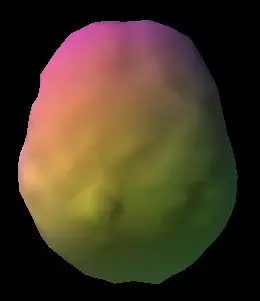
Healthy SPECT Scan

Other research has concluded that marijuana harms the teenage brain in numerous ways. For example, a 2019 review found that it increases the risk of depression and suicidal thoughts and behaviors. And marijuana use at a young age has also been associated with increased impulsivity.
Although pot promoters would argue that most people who smoke marijuana don’t become murderers and don’t die by suicide, it’s important to understand that in vulnerable people it may have negative impacts on brain function that contribute to unhealthy behaviors. Sadly, considering that Hernandez’s brain was so damaged by CTE, marijuana use was likely only making bad brain function worse.
You Can Change Your Brain
Unfortunately, this information is too late to help Hernandez, but it isn’t too late for other football players who have endured years of helmet-to-helmet tackles. A study at Amen Clinics on 30 retired professional football players who had suffered head trauma showed that after following a brain healthy program for 6 months, 80% showed significant improvement in blood flow to the frontal lobes, as well as improvements in overall cognitive functioning, processing speed, attention, reasoning, and memory. Hall of Fame quarterback Terry Bradshaw spoke openly about his own brain rehabilitation after suffering multiple concussions.
Likewise, it isn’t too late for people who grew up in traumatic households. See how a man named Kevin overcame his traumatic upbringing to enhance his brain health using a variety of innovative therapies. And it isn’t too late for people who have been bad to their brain with drug use. Find out how Arnie broke free from the chains of addiction. It’s never too late to start enhancing brain function.
The world’s largest database of brain scans related to behavior—over 160,000 and growing—shows that when you adopt a brain health program, you can change your brain and change your life for the better.
At Amen Clinics, we take a unique brain-body approach that gets to the root cause of your symptoms. Our comprehensive evaluations include brain SPECT imaging, as well as laboratory testing and assessing other important factors that could be contributing to symptoms. By getting to the root cause of your symptoms, we can create a more effective, personalized treatment plan for you.
If you want to join the tens of thousands of people who have already enhanced their brain health, overcome their symptoms, and improved their quality of life at Amen Clinics, speak to a specialist today at 888-288-9834. If all our specialists are busy helping others, you can also schedule a time to talk.
Every year on Super Bowl Sunday, people gather around the TV to root for their home team and to place all sorts of bets—who will win, if they’ll beat the point spread, the total number of passing yards, and so on—all based on the predictions of sports bookies. But there’s one prediction that our brain imaging work says is a sure thing—you can bet that nearly every player on the field will have experienced some form of damage to the brain from playing football.
All those crushing helmet-to-helmet hits over a player’s career can cause mild traumatic brain injuries (TBIs) that often go undetected. As the number of hits to the head add up, it is associated with an increased risk of anxiety, depression, anger, attention problems, weight gain, brain fog, substance abuse, memory loss, and suicide. Football players literally have their brains, their mental health, and their lives on the line every time they take the field.
Football and the Brain
At Amen Clinics, we’ve been studying the brains of football players for decades. Our brain imaging work reveals that Pop Warner and high school players, aged 8 to 18, already show clear evidence of TBIs. The brain scans of college players show even greater damage. And the scans of NFL players are even worse. In the past few decades, Amen Clinics has performed several studies on active and retired professional football players, and the results are startling.
For a 2011 study on 100 active and former NFL players from 27 different teams, we took detailed histories, had the players perform cognitive tests and did both brain SPECT scans and QEEG studies on each of them. The results were very clear—playing football damaged multiple areas of the brain in greater than 90% of the players. There was persistent damage to the following areas of the brain:
- Prefrontal cortex (judgment, planning, forethought, and impulse control)
- Temporal lobes (learning, memory, and mood stability)
- Cerebellum (mental agility and processing speed)
To date, we have conducted 4 studies on gridiron greats. Our 2012 study in Translational Psychiatry found that as retired NFL players’ weight goes up—which it often does after they stop playing—the size and function of their brain goes down. Even a study sponsored by the National Football League itself found that retired players ages 30-49 were given a dementia-related diagnosis at 20 times the rate of age-matched populations, while players over the age of 50 received a dementia-related diagnosis 5 times the national average.
At this point, there is little doubt that playing football at any level can cause long-term cognitive and emotional trouble.
It’s Never Too Early to Start a Brain “Pre-hab” Program
That’s why every single person who plays tackle football—and anyone who is at risk from brain trauma, including firefighters, police officers, and military personnel—needs to be involved in a brain “pre-hab” program on a daily basis. You can’t wait to have a concussion or major head injury to start thinking about the health of your brain. You need to be pro-active about it.
What’s exciting is that our brain imaging work with football players shows that damaged brains can be healed. In a 2011 study we put 30 retired NFL players with damaged brains and cognitive impairment on a brain healthy program for an average of 6 months. At the end of the trial 80% showed significant improvement in blood flow to the prefrontal cortex, as well as the parietal lobes, occipital lobes, anterior cingulate gyrus, and cerebellum. And cognitive testing showed statistically significant increases in scores of attention, memory, reasoning, information processing speed, and accuracy.
10 Brain Pre-Hab Strategies You Can Bet On
On Super Bowl Sunday, think about your own brain health too. By putting your brain in a healing environment, you can boost your brain reserve, which is the extra cushion of brain function you have to help you deal with whatever stresses or injuries come your way.
Here are 10 simple pre-hab strategies you can bet on to protect your brain from injury.
- Always wear your seatbelt when you drive or ride in a vehicle.
- To prevent falls or other injuries, do not carry too many packages or boxes at one time.
- Wear a helmet when skiing, biking, etc.
- Avoid going up on the roof or climbing ladders.
- Slow down.
- Do not text and walk or drive.
- Be careful when going up and down stairs; hold the handrail.
- If you have had a head trauma, have your hormone levels checked and optimize any that are low.
- Take the herb peppermint to help with healing.
- Eat eggs to boost acetylcholine, a neurotransmitter that helps with learning and memory
At Amen Clinics, we have helped thousands of children and adults with concussions or TBIs to heal their brain and minimize their symptoms. We use a combination of the least toxic, most effective therapies, which may include neurofeedback, hyperbaric oxygen therapy (HBOT), nutraceuticals, and medications, as well as simple lifestyle changes that can make a big difference.
If you are in a profession that’s at high risk for trauma—such as football players, firefighters, police officers, and others—speak to a specialist today at 888-288-9834. If all our specialists are busy helping others, you can also schedule a time to talk.
As an NFL Hall-of-Fame quarterback and Super Bowl MVP, Joe Namath had it all. His exceptional performance on the field and natural charisma turned him into a pop culture icon known as “Broadway Joe.”
But Joe didn’t emerge from his football career unscathed. He suffered at least five concussions—the “lights out, smelling salts” kind, Joe said on the June 24, 2019, Howard Stern radio show.
He didn’t really think much about it until the 2000s at his football camp when he saw how gridiron head injuries were affecting one of his former teammates. “I saw a teammate of mine deteriorating over a period of four years,” Joe says. “His mind, he was losing it, he’d forget things. It scared him.”
At the football camp the following year, the teammate was even worse. It was a wake-up call for Joe. “It dawned on me, I said I need to find out about myself. It behooves me, Joe, to find out about myself. And it behooves me to do it for my children.”
What a Brain Scan Revealed About Joe Namath’s Brain
Joe reached out to a hospital in Florida where he lives and underwent a brain imaging test called SPECT, which measures blood flow and brain activity. SPECT shows three things—areas of the brain with healthy activity, too much activity, or not enough activity. SPECT differs from MRI or CT scans, which show structural damage to the brain but do not reveal how the brain is functioning. In fact, in many people who have suffered a head injury, MRI and CT scans will appear normal even when there is functional damage to the brain. Because SPECT looks at brain function, it is the best tool to detect functional damage.
Joe’s SPECT scan revealed that all those concussions on the field had taken a toll on his brain. The brain scan showed evidence of traumatic brain injury (TBI), with low activity in some areas. “With that SPECT scan, they could see the cells on the left side of my head from the forehead back were not getting blood. They were darker than the rest of the other cells,” Joe says.

How Hyperbaric Oxygen Therapy Helped Joe Namath’s Brain
As part of a treatment plan to rehabilitate his brain, Joe began doing hyperbaric oxygen therapy (HBOT). HBOT is a noninvasive treatment that involves breathing 100% pure oxygen in a pressurized chamber. With HBOT, your lungs can take in up to 3 times more oxygen than they do when breathing at normal air pressure. The increased oxygen is picked up via the bloodstream and transported to damaged tissues to facilitate the healing process. HBOT has been used to improve many issues, including TBI, PTSD, memory loss, anxiety and depression, attention problems, and other mental health issues.
After 40 sessions, Joe went back for a follow-up SPECT scan, which showed the dark areas of his brain with low blood flow had started to lighten up, a sign of improved blood flow. He continued with 40 more sessions and then a final 40 sessions. His follow-up brain scan after all 120 HBOT sessions stunned him. His brain “looked normal all over,” he says.
Since then, Joe has made it his mission to spread the word about the benefits of SPECT brain imaging and hyperbaric oxygen therapy through the Joe Namath Neurological Research Center at Jupiter Medical Center in Florida. “This could help millions,” he says, such as “the veterans alone that get concussions, the children that fall off bicycles and hit their head.”
Although Joe Namath was not treated at Amen Clinics, we have used brain SPECT imaging and hyperbaric oxygen therapy to help treat numerous former NFL players and thousands of other people with TBI. In fact, 40 percent of our patients have had TBIs, including mild ones where you don’t pass out. Many of our patients who have undergone HBOT have experienced a dramatic improvement in cerebral blood flow. Benefits they have reported include improved memory, moods, cognition, and sleep, as well as reduced depression, irritability, and headaches.
If you would like more information on brain SPECT scans or HBOT, call 888-288-9834 or make an appointment online.
The dangers of playing football, at any level, have been well documented. Though the sport has made modest attempts at protecting its players in recent years, such safeguards simply aren’t enough. The devastated lives of many former NFL players give testimony to this fact. Eye-opening reports in the media and films like Concussion have served as a wake-up call to many who are now taking steps to protect their future. A recent trend in the NFL has seen several high-profile players retiring early over health concerns. Also raising eyebrows in the football community is the recent resignation of a prominent analyst who could no longer, in good conscience, support a sport that celebrates vicious hits that aren’t safe for the brain. However, these cases represent the faintest glimmer of reform in a sport that leaves its players with cognitive and memory issues so severe that it may become exceedingly difficult for many of them to navigate the challenges of life down the road. And while the news headlines have focused primarily on professional athletes and veterans, concussions and traumatic brain injuries (TBI) are occurring every day among the general population. Falls, sport-related injuries, assaults, and accidents lead to nearly 2 million ER visits every year, on top of the hundreds of thousands of head traumas that are never reported, and therefore, never diagnosed.Undiagnosed Concussions are a Serious Problem
Even mild TBI’s can have far-reaching health consequences. Head injuries are a major cause of psychiatric disorders including anxiety, depression, substance abuse and even memory issues and Alzheimer’s disease. If you or someone you know has suffered a concussion or TBI, don’t delay in implementing these five brain healthy strategies:Know the Symptoms
While some people display warning signs immediately following a TBI, others don’t develop symptoms until weeks or even months later. The result of this delay is that the underlying cause of the symptoms is often forgotten. Here are some of the most common symptoms of mild to moderate TBI and concussions:- Confusion
- Difficulty with concentration and paying attention
- Memory problems
- Difficulty with word finding
- Mental and/or physical fatigue
- Sleep problems
- Sensitivity to noise and/or light
- Moodiness
- Anger outbursts
- Increased anxiety
- Social isolation
- Vision problems
- Balance problems
- Nausea
Ask the Right Questions
All too often concussions are not taken seriously unless a person has noticeable symptoms right after the head injury occurs. Many times, clinicians don’t know how to ask their patients about previous head injuries. However, it’s vitally important to ask patients multiple times and in multiple ways, because they often forget or dismiss such incidents as inconsequential. But every brain injury matters—even sub-concussive events. If you don’t already have a set of questions for assessing a head injury, consider using this list.Seek Recovery
If you’ve had a concussion or TBI, the good news is that it is possible to rehabilitate your brain! You truly are not stuck with the brain you have—even if you’ve been bad to it. Here are some brain healthy ways to recover what you’ve lost.Practice Brain Safety
Even though protecting your head should be a no-brainer, it’s useful to remind you of some practical brain safety tips that can reduce your risk for TBI and concussion:- Don’t do “headers” in soccer
- Avoid high-risk sports and activities where you can hit your head
- Always wear your seatbelt when in a vehicle
- Always wear a helmet when on a motorcycle, bicycle, skateboard, snowboard, skis, or rollerblades.
Take a Look
How can you really know if you have a head injury unless you get an image of your brain? Brain SPECT imaging is the best tool for determining if your brain has suffered functional damage from a concussion or TBI—CT and MRI studies aren’t sensitive enough to do this.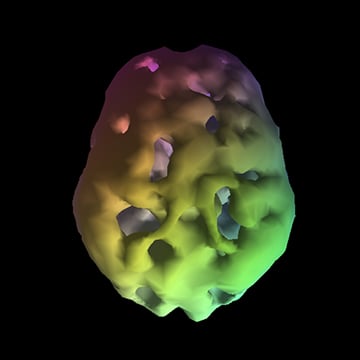
What is Hyperbaric Oxygen Therapy?
Hyperbaric Oxygen Therapy (HBOT) involves breathing oxygen in a pressurized chamber (there are hard and soft chambers) in which the atmospheric pressure is raised up to three times higher than normal. Under these conditions, your lungs can gather up to three times more oxygen than would be possible breathing oxygen at normal air pressure. Hyperbaric Oxygen Therapy works as its name implies – hyper (more of) and baric (pressure) – and that is exactly how it works. It is the increased pressure of the gas we breathe every day that can signal the DNA in our cells to perform healing tasks that the body normally can’t do. Having been used for decades among scuba divers to re-introduce them to standard atmospheric pressure, today HBOT is finding many uses in the medical and mental health professions.The Benefits of Hyperbaric Oxygen Therapy
HBOT improves the quality of life for people dealing with a variety of issues, especially when standard medicine is not working. Often, healing is inhibited by a restriction of blood flow to the injured part of the body. Healing is promoted by maximizing the amount of oxygen in the blood that can reach the injured area. It has long been known that healing cannot take place in many areas of the body without appropriate oxygen levels in the tissue. HBOT provides this extra oxygen naturally and with minimal side effects. HBOT benefits a variety of conditions in multiple ways including speeding healing, boosting the immune system, decreasing inflammation, killing bacteria, and helping the body build new connective tissue. Most excitingly, HBOT can bring an injured brain back on line by improving the function of the cell’s energy centers – the mitochondria. It’s like bringing your car’s misfiring pistons back into proper timing. It’s all about energy and if your brain has the energy it needs to function better, everything gets better! HBOT can be used to treat conditions which benefit from more oxygen being available in the tissues. HBOT has been used successfully to improve many conditions including, but not limited to:- Traumatic Brain Injury
- Carbon Monoxide Poisoning
- Sports Injuries
- Autism
- Cerebral Palsy
- Alzheimer’s Disease
- Stroke
- Lyme Disease
- Migraine
- Multiple Sclerosis
- Vascular Dementia