
TL;DR: Fibermaxxing is a growing nutrition trend focused on increasing fiber intake through whole foods to support gut, brain, and overall health. Fiber helps nourish beneficial gut bacteria, regulate digestion, stabilize energy, and support mood and cognitive function through the gut-brain connection. While most people do not get enough fiber, a balanced, gradual increase from whole food sources is the most effective way to support long-term health and well-being.
Medically reviewed by Kabran Chapek, ND, Amen Clinics.
Remember seeing prunes and prune juice, or bran cereals and muffins in your grandparents’ kitchen as a child?
For many Gen Xers and boomers, the idea of increasing fiber intake still brings to mind these old-school, far-from-appealing images.
Thankfully, things have changed.
Fiber has had a much-deserved rebrand, especially among younger generations. Naturally high-fiber whole foods like legumes, berries, seeds, and vegetables are having a moment. “Fibermaxxing,” or deliberately maximizing fiber intake with whole foods, has become a popular social media trend.
Across platforms like Instagram and TikTok, health-minded creators are sharing high-fiber recipes for snacks and meals with the goal of boosting fiber intake.
With growing awareness of gut health and the gut-brain connection, more people are increasing their fiber intake to improve digestion and support better brain and mental health, as well as other health goals. Fiber is a critical nutrient for microbiome health, the ecosystem of your gut, which acts as a central hub for overall wellness.
Unfortunately, most Americans are not getting nearly enough. Recent data shows that more than 90 percent of U.S. adults fall short of the recommended daily intake. Fibermaxxing may be responding to a real need.
In this blog, we explore what fibermaxxing really is, its potential benefits and risks, and how fiber intake influences both gut and brain health.
With growing awareness of gut health and the gut-brain connection, more people are increasing their fiber intake to improve digestion and support better brain and mental health, as well as other health goals.
As the name suggests, fibermaxxing is a dietary trend focused on significantly increasing daily fiber intake to support digestion, metabolic health, brain and mental health, and overall well-being.
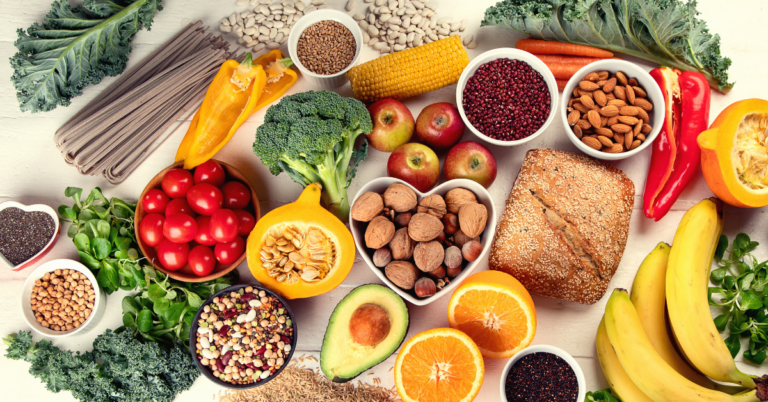
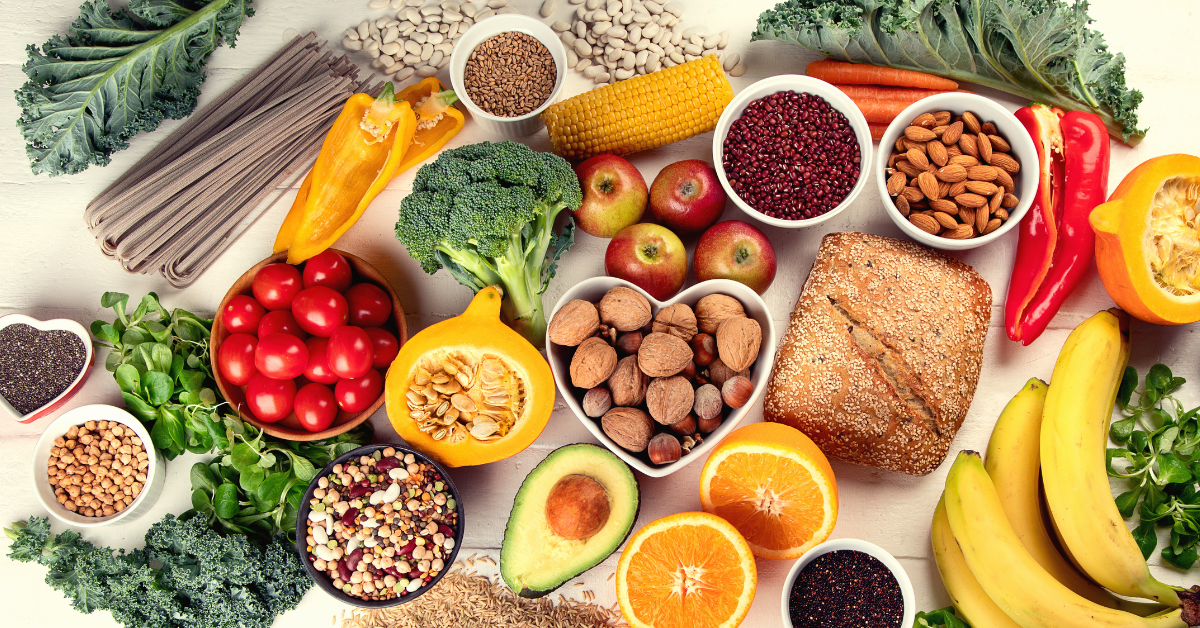
The trend emphasizes increasing fiber intake through whole foods such as vegetables, fruits, seeds, legumes, and whole grains rather than relying on supplements. By prioritizing naturally high-fiber ingredients, this approach can help nourish a diverse gut microbiome while promoting satiety and supporting overall health.
The gut microbiome is a vast community of trillions of microorganisms in your digestive tract, including bacteria, viruses, fungi, and other microbes, that function together as a complex ecosystem. Fiber plays a critical role in maintaining a healthy balance within this system by nourishing beneficial bacteria. As a result, increasing your fiber intake is one of the most effective ways to support gut health.
Those who follow fibermaxxing often aim for higher-than-recommended amounts by intentionally adding fiber-rich foods to every meal or snack. Increasing fiber intake is usually positive, but it can become a liability when individuals consume too much.
The recommended daily intake of fiber is 25 grams per day for women and 38 grams per day for men.
While there is no strict upper limit for dietary fiber, consuming more than 60 grams per day is generally considered too much for most people and can cause digestive distress. Even daily intake above 40 grams can cause symptoms in some individuals, especially if intake was increased quickly. Symptoms may include gas, bloating, constipation, or diarrhea.
It is important to approach fibermaxxing with balance. Sustainable, steady changes are far more beneficial than extreme increases in fiber intake.
Fibermaxxing has gained popularity in part due to increased awareness of gut health and its connection to overall wellness. More people now recognize that the gut influences not only digestion, but also mood and brain function.
Social media has also played a major role. Platforms are filled with videos and influencer content sharing creative recipes and tips to help people increase their fiber intake. As these posts gain traction, they encourage others to adopt similar habits.
Many people are also drawn to fibermaxxing because of a growing interest in natural approaches to health optimization and disease prevention. The goal is often to support the body through nutrition rather than relying solely on medication.
Other common motivations include weight management and improving digestion, since fiber-rich meals can help increase satiety and support regular bowel movements.
Fiber is essential to gut health. Different types of fiber, like prebiotic and other soluble fibers, as well as insoluble fibers, serve different functions in your digestive system. Soluble fiber dissolves in water to form a gel-like substance that helps slow digestion, while insoluble fiber remains intact and helps move material through the digestive tract.
Importantly, prebiotic fiber (a soluble fiber) feeds the beneficial bacteria in your gut microbiome, according to research.
Common foods abundant in prebiotic fiber include:
These foods nourish the gut’s beneficial bacteria, aiding digestion and reducing inflammation.
Other soluble fibers that are not prebiotics but still beneficial to the gut include psyllium husk, certain pectins, gums (naturally found in various plants), and some fibers in whole grains. These forms of soluble fiber become gelatinous, but they do not feed the healthy bacteria. They offer other benefits like helping to relieve constipation, or reduce LDL cholesterol, etc.
Insoluble fiber, which helps move material through the digestive system and adds bulk to stool, is found in high amounts in the following types of foods:
Many of the same foods have both soluble and insoluble fibers.
Consistent consumption of fiber-rich foods helps promote microflora diversity and makes it possible for a variety of bacteria to flourish in your gut. Research links gut microbiome diversity to better digestive health, stronger immunity, and overall wellness.
Your gut and brain are more connected than you might think.
More than 100 million neurons line your digestive tract, forming what is known as the enteric nervous system, or the “second brain.” This system is in constant communication with your brain through pathways like the vagus nerve, creating what is called the gut-brain axis.
Healthy gut bacteria play an important role in this connection. They help influence the production and regulation of key brain chemicals, such as serotonin, dopamine, GABA, and cortisol, which are involved in mood, focus, emotional balance, and your stress response.
Because of this, the health of your microbiome can directly affect stress resilience, cognitive function, and mental well-being. When the microbiome is out of balance, a condition known as dysbiosis, it has been linked in studies to issues such as anxiety, depression, and difficulty concentrating. Additionally, research has found that higher fiber consumption is linked to better cognitive function.
Gut health also influences inflammation and blood sugar regulation. Chronic inflammation and unstable blood sugar levels can negatively impact memory, mood, and focus. Supporting a healthy gut helps keep inflammation lower and energy levels more stable, which benefits overall brain function.
Fiber plays a key role in this process. As a primary fuel source for beneficial gut bacteria, fiber helps maintain a balanced microbiome. Research suggests that higher fiber intake is associated with improved metabolic health, more stable energy, and fewer symptoms of anxiety and low mood.
While fiber alone is not a treatment for mental health conditions, it is an important part of a whole-body approach to supporting brain and emotional health.
Fibermaxxing can offer several benefits, which may include:
Fibermaxxing offers no health guarantees. It is not a cure-all. But ensuring you consume the recommended daily amounts of fiber intake is one way to support a healthy microbiome, which benefits multiple areas of health.
Related: Is the Keto Diet Good or Bad for Brain Health?
Although fiber consumption offers great benefits, consuming it excessively can cause several issues, including:
You can minimize these risks by gradually increasing fiber in your diet. That can allow your digestive system to adjust slowly and maintain comfort.
Fiber-rich complex carbohydrates are a critical aspect of a brain healthy diet. But your brain also requires protein, healthy fats like omega-3 fatty acids, micronutrients, and fermented foods for optimum function.
Diet trends that are extreme, like solely focusing on fibermaxxing or even a strict keto approach, can overlook important nutrients needed to support mood, cognition, and energy. In addition to fiber, it’s important to include diverse brain-boosting foods.
Digestive issues are sometimes a red flag that there may be a gut-related brain health issue as well.
Chronic gut inflammation is often linked to changes in mood, anxiety, irritability, and fatigue. Symptoms may resemble psychiatric conditions.
Blood sugar fluctuations can also affect concentration, focus, and energy because the brain relies on stable levels of glucose to perform optimally.
This is why holistic psychiatry focuses on ruling out underlying digestive or medical causes before it attributes symptoms to mental health disorders. A whole-body approach recognizes the interplay between brain function and digestive health.
Amen Clinics takes a whole-body approach to diagnosis and treatment. Our clinicians recognize that behavioral, emotional, and cognitive symptoms are frequently linked to brain function, and that problems with gut health are often linked to cognitive and mental health conditions.
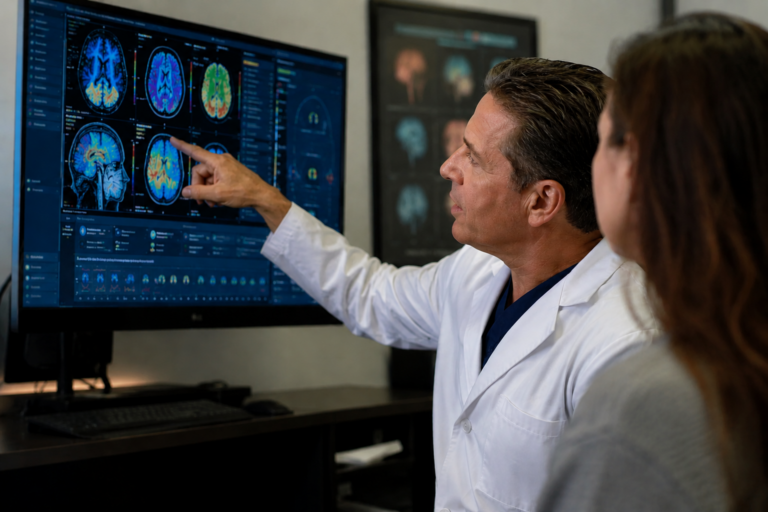
Our comprehensive evaluation includes brain SPECT imaging, a detailed personal history (which includes a review of lifestyle and dietary habits), clinical assessments, and lab testing, when necessary, to rule out underlying biological conditions.
The SPECT scan assesses brain function. It reveals blood flow and activity in different brain regions showing underactivity, overactivity, and areas of healthy activity.
Our clinicians can see if certain areas of the brain are working too hard or not enough and connect the pattern to your symptoms. They also consider how your diet is factoring into your symptoms, having a clear understanding of the gut-brain axis. Assessing what they see on your brain scan with all the other data collected, they are able to practice precision medicine. They make highly informed diagnoses and craft tailored treatment plans for your individual brain and body needs. There are no one-size-fits-all treatment plans.
When it comes to treatment, Amen Clinics practices holistic psychiatry. Our clinicians first consider natural ways to treat mental health conditions. This includes lifestyle suggestions (diet, nutritional supplements, sleep, relaxation, and exercise), therapy, and medication, only when necessary.
Fibermaxxing makes sense if your diet is low in fiber.
Here are the more detailed fiber intake recommendations for U.S. adults:
Fiber-rich foods are generally loaded with good nutrition, so you’ll be supporting your gut microbiome and brain and body health.
However, keep in mind that sudden and drastic increases in fiber intake or consuming too much fiber can be potentially harmful for some people and should be avoided.
If you need to elevate your fiber intake, it is best to do it gradually. A gradual increase will give your digestive system time to adjust, and it can reduce the likelihood of issues of discomfort like bloating or gas.
Whole food sources of fiber are best such as seeds, nuts, vegetables, fruits, and whole grains. Increased fiber intake generally requires more hydration. This is because fiber absorbs water as it moves through your digestive system. When you drink enough fluids, you get to support smoother digestion and also help the fiber work effectively.
If you’ve been experiencing digestive challenges like an irritable bowel pattern, persistent bloating, or gastrointestinal discomfort, it’s best to consult a healthcare provider before you make these significant changes in your diet.
Generally, fiber can be a valuable part of a balanced diet with thoughtful, gradual adjustments for your overall wellness.
It’s understandable to be curious about new nutrition trends. Many of them, like increasing fiber, are well intentioned and can offer real benefits. But the truth is, some trends can go too far, too fast.
That’s why it’s important to stay attuned to how you feel. Your brain and body will often tell you when something isn’t working.
If you notice new or worsening brain fog, low mood, increased anxiety, irritability, or trouble concentrating after changing your diet, it may be a sign that the approach is not right for you. The same goes for persistent digestive symptoms like bloating, discomfort, or irregular patterns.
And if you’re already struggling with these symptoms, it’s important not to rely on diet changes alone to fix them. Brain health and mental well-being are complex and often involve multiple factors, including biology, lifestyle, and underlying medical issues. Persistent brain fog, mood instability, fatigue, or digestive issues can all be signals that something deeper is going on in the brain and body. Amen Clinics takes a whole-body approach that includes investigating potential gut-brain imbalances.
If these challenges are interfering with your daily life, consider seeking guidance from a qualified healthcare or mental health professional. A comprehensive evaluation can help uncover root causes and guide a personalized plan that supports both your brain and overall well-being.
| Myth | Fact |
|---|---|
| More fiber is always better. | Balance matters; too much too quickly can cause issues. |
| Fiber alone improves mental health. | Mental health is influenced by many biological and psychological factors. Improving gut health with adequate fiber is one way to support mental health. |
| Gut health replaces psychiatric care. | Mental health disorders require comprehensive evaluation. Nutrition may support treatment but it does not replace professional care from a qualified mental health professional. |
It might be best to forgo fibermaxxing and choose a less drastic, sustainable method to get your fiber needs met. A balanced diet approach and slowly increasing consumption of fiber-rich whole foods is the safest way to boost your fiber intake. Focus simply on meeting the daily suggested intake of fiber to start, making gradual dietary changes, and supporting the body with adequate hydration and a variety of nutrients. If the habits are small but consistent, they can create meaningful change with time.
Fibermaxxing is a dietary trend that encourages people to intentionally increase their daily fiber intake to support digestion, a healthy gut, and satiety.
For many individuals, increasing fiber consumption through whole foods is safe. However, when increased dramatically or too quickly, it can cause bloating, gas, or digestive discomfort. Gradual changes are more helpful. For individuals with digestive issues, any increase in fiber intake should be made under medical supervision.
The recommended level of fiber consumption is 25 to 38 grams of fiber per day, depending on your age and sex. Consuming a significantly higher amount, especially in a short time period, can lead to digestive symptoms for some people.
Fiber provides support for your gut health, which is closely tied to your brain and mental health. If your diet is lacking in fiber, consuming more fiber-rich whole foods could potentially help your mental health. That said, mental health is affected by many factors, which include brain function, stress, lifestyle, sleep, and overall nutrition.
Experts suggest that the gut-brain connection can influence cognitive processes like focus, memory, and mood. When the gut microbiome is balanced, it can support overall brain health, though many biological and lifestyle factors contribute to cognitive function.
Check the Nutrition Facts label, use a food tracking app, or reference a nutrition database to find fiber content. Fiber is listed in grams per serving under total carbohydrates, often with a % Daily Value to show how high or low it is.

Dr. Kabran Chapek has been a staff physician at Amen Clinics since 2013. As a graduate of Bastyr University in the Seattle area, he is an expert in the use of functional and integrative treatments and collaborates extensively with many of the Amen Clinics physicians. He has a special interest in the assessment and treatment of Alzheimer’s and dementia, traumatic brain injuries, PTSD, and anxiety disorders. Dr. Chapek is the founding president of the Psychiatric Association of Naturopathic Physicians, an affiliate group of the American Association of Naturopathic Physicians.

When was the last time your stomach reacted before your mind caught up?
Maybe anxiety made you feel nauseated. Maybe excitement gave you butterflies. Or maybe stress tied your gut in knots.
Those sensations are not imaginary. They are biological.
Science is increasingly confirming what you have likely felt for years: gut health and mental health are deeply connected. Your digestive system and your brain are in constant communication through what researchers call the gut-brain axis. This two-way messaging system helps explain why digestive problems often show up alongside anxiety, depression, brain fog, and mood swings.
In this blog, we’ll break down what the gut-brain axis is, how the gut microbiome influences mental health, signs of a healthy versus unhealthy gut, and practical ways to improve gut health to support better mood, focus, and emotional resilience.
A diverse, balanced gut microbiome supports emotional resilience. But disruptions caused by poor diet, stress, antibiotics, or illness can negatively impact mood, sleep, and focus, leading to emotional and cognitive challenges.
In simple terms, the gut-brain axis is the communication system between the gut and the brain. These two areas of the body are connected through:
These areas engage in bidirectional communication, from the brain to the gut, and from the gut to the brain. It’s no surprise that researchers are increasingly finding that the gut microbiome health and mental health are closely linked.
A diverse, balanced gut microbiome supports emotional resilience and reduces inflammation. But disruptions, which can be caused by poor diet, stress, antibiotics, or illness, can negatively impact mood, sleep, and focus, leading to emotional and cognitive challenges.
Related: Gut Health and Mental Stability
With the gut constantly “talking” to your brain, maintaining a healthy gut is critical for healthy brain function and a sound mind. For optimal health, the gut needs an abundance of healthy bacteria. Specifically, the gut needs roughly 85 percent beneficial bacteria, with harmful bacteria making up no more than about 15 percent in order to maintain good health overall. For years, research has noted the strong link between microbiota, mood, and mental health.
Your brain relies on an intricate system of chemical messengers that affect everything from mood to memory: neurotransmitters.
Neurotransmitters play a key role in both gut and mental health. Interestingly, your gut microflora have a key part in synthesizing neurotransmitters and influencing critical hormones. For example, certain beneficial gut bacteria produce calming neurotransmitters, such as GABA, while others influence cortisol levels and the body’s stress response.
Neurotransmitters may serve several roles, including ones tied to your mental health. For example, serotonin (often called the “feel-good” neurotransmitter) influences mood, digestion, sleep, and cardiovascular function. Higher serotonin levels are linked to happiness and emotional well-being.
Meanwhile, the neurotransmitter dopamine is involved in about 65 percent of the brain’s decision-making process, thanks to its important role in motivation and achieving goals. This neurochemical helps control behavior, cognition, and emotion, specifically regarding pleasure and reward.
What is the gut microbiome? The term describes the ecosystem of bacteria, fungi, and other microorganisms that live in the digestive tract. Gut microbiome health is dependent on bacterial diversity, while imbalances in the gut’s bacteria are associated with a variety of physical and mental health symptoms.
When there’s a microbiome imbalance, it can set off a host of problems. Chronic gut inflammation can contribute to physical health issues such as leaky gut syndrome and toxins entering the bloodstream. But it can also impact cognitive function, leading to:
Gut inflammation is linked to chronic stress and several mental health conditions, including anxiety, depression, major depressive disorder, bipolar disorder, and obsessive-compulsive disorder (OCD), along with neurodevelopmental disorders such as ADHD and autism.
If you have an unhealthy gut, a variety of symptoms may affect both your physical and mental health.
The following warning signs may point to gut health issues:
Persistent and/or severe symptoms, especially if they are affecting your quality of life, are clear indicators that you need to consult a medical doctor.
Thanks to the gut-brain axis, gut health issues are often connected to brain health (and therefore mental health) and vice versa.
Research from 2023 noted that disruption of the gut’s microbiota (known as dysbiosis) is associated with schizophrenia, depression, and other psychiatric disorders. Because gut microbiota are involved in modulating neurotransmitters like dopamine, GABA, and glutamate, they have implications for both neuropsychological disorders and GI conditions.
Additional research published in 2023 pointed to significant evidence linking anxiety and depression disorders to gastrointestinal microbes. Stress-related conditions can also affect gut health, while GI conditions such as irritable bowel syndrome (IBS) carry their own stigma and social impact. Any of these issues can diminish an individual’s quality of life.
Here are five psychiatric conditions that have been linked to the microbiome:
A growing body of evidence suggests that symptoms of anxiety are related to gut dysbiosis. A 2025 review determined that individuals with anxiety disorders often exhibit alterations in gut microbiota. These include reduced microbial diversity and fewer short-chain fatty acid-producing bacteria.
A study published in 2022 analyzed microbiome diversity and depressive symptoms in more than 1,000 subjects. Findings suggested that gut microbiome composition may play a key role in the development of depression.
Increasingly, science points to a link between attention deficit hyperactivity disorder (ADHD), also called attention deficit disorder (ADD), and gut dysbiosis. A 2025 review established that differences important to key gut-brain axis pathways may contribute to the inflammation, brain functioning differences, and symptoms associated with ADHD.
A growing number of researchers are finding that the microbes that live in our gastrointestinal tract may play a role in schizophrenia. A 2022 review noted that studies have found significant differences in the gut microbiome of schizophrenic subjects compared to healthy controls. An altered microbiome is believed to contribute to the development, symptom severity, and prognosis of psychosis.
Problems in the gut are also linked to memory loss and Alzheimer’s disease, the most common form of dementia. Several studies have explored the links between gut health, the microbiome, and Alzheimer’s.
Related: Fermented Foods: Nature’s Mental Health Booster
With so much research connecting mental health to the gut microbiome, experts are calling for more investigation into how the gut can offer a pathway to more effective treatment options.
Here are some ways to promote gut health in support of your mental well-being.
Following these recommendations may help to improve your gut health:
Of course, before making any changes to your diet, it is best to consult your primary care physician.
Movement improves digestion and encourages beneficial gut bacteria production. Any type of exercise helps, from walking and yoga to strength training and cycling. Exercise helps create a positive cycle between the gut and the rest of the body while boosting brain and mental health.
If you’ve ever felt an “upset stomach” as a result of stress, you have experienced firsthand the stress-gut connection. Research shows that stress can have short- and long-term effects on the functions of the gastrointestinal tract and alter the gut-brain axis.
To prevent the damaging effects of severe or chronic stress, implement stress management techniques such as:
Probiotic and prebiotic foods and supplements help restore the balance of healthy gut bacteria.
For example, fermented foods, such as sauerkraut, kimchi, unsweetened yogurt, kefir, kombucha tea, and miso soup, contain live bacteria. You can also get a quality probiotic supplement. However, keep in mind that more research is needed to understand the impact of probiotic supplements on gut and mental health, and the FDA does not regulate dietary supplements.
Prebiotics are fiber-rich, non-digestible carbohydrates that fuel beneficial gut bacteria. Some key sources include onions, garlic, leeks, asparagus, apples, bananas (slightly unripe are even better), oats, flaxseeds, chicory root, dandelion greens, and Jerusalem artichokes. If you choose to take a prebiotic supplement, it should target Bifidobacterium and Lactobacillus strains of bacteria.
Be sure to choose reputable sources for probiotic or prebiotic supplements. Consult a healthcare provider to find the best options for you.
Water plays a significant role in digestion as well as brain health. Even mild dehydration can have numerous effects on your well-being, including:
Your recommended daily water intake varies depending on your age, physical activity level, and even the weather. As a general rule, aim for eight to ten 8-ounce glasses of water per day.
Antibiotics can disrupt your balance of gut bacteria. A 2022 study established that antibiotic-induced changes in microbial composition can have negative impacts.
These effects include reduced microbial diversity, changes in functional attributes of the microbiota, and the formation of antibiotic-resistant strains, which increases susceptibility to infection. Follow medical advice regarding antibiotic use to minimize risk.
Reduce or eliminate factors that can detract from your gut health, including:
When you notice gut-health symptoms, especially if they are interfering with your daily life, it’s important to pay attention.
Having regular digestive health screenings, such as receiving a regular colonoscopy starting at age 45, is a great way to protect against colorectal cancer and other digestive health issues. Early-onset colorectal cancer is rising dramatically among people under 50, believed to be driven by diet and lifestyle.
You may need to work with specialists, such as a gastrointestinal doctor, a nutritional psychiatrist, or a brain health nutritional coach, to optimize gut health.
A whole-body approach, like the one practiced at Amen Clinics, offers precision medicine with targeted, personalized care for your specific gut and mental health symptoms. Our clinicians practice holistic psychiatry, using natural ways to treat mental health conditions and digestive issues, and medication only when necessary.
An absence of gut health problems is your best indicator that your gut is healthy. But there are other signs too.
Here are some markers of good gut health:
When it comes to gut health, no news is good news. In other words, not thinking about your gut constantly, because it isn’t causing you significant issues, is a positive sign!
The gut-brain axis is a highly complex, intricate system allowing for constant communication between your brain and your gut. That’s why a whole-body approach is so important, as all systems and parts of the body work together and affect the others.
Taking action to promote gut health now, rather than waiting for mental or physical symptoms or conditions to arise, is easy. Start with one small change. Whether it’s adding more fiber and water to your diet or introducing a new stress-relieving practice, you can take steps to promote better health of the gut, mind, and entire body.
And, if needed, consult a healthcare professional to investigate persistent gut or mental health issues. Clinicians at Amen Clinics are trained in offering holistic support that will promote optimal gut-brain health, reducing the chance of GI or mental health issues interfering with your everyday life.
The gut-brain axis describes the constant communication that takes place between the gut and the brain. When the gut’s microbiome (the vast collection of microorganisms in the digestive tract) is out of balance, it directly impacts brain chemistry. This can lead to emotional and cognitive challenges.
Diet, exercise, stress-relieving practices, probiotics, prebiotics, and staying hydrated are some easy steps you can take every day to boost gut health. Also be aware of outside influences that can disrupt the gut microbiome, such as antibiotics or alcohol, and monitor their effects.
If you have persistent or severe gastrointestinal symptoms, seek help from a medical doctor as soon as possible. Likewise, seek help for mental health symptoms such as mood changes, depression, and anxiety, especially if they are impacting your daily life. Amen Clinics offers a whole-body approach and is staffed with qualified medical professionals to help with both digestive health and mental health issues.
Gut health issues and other mental health conditions can’t wait. At Amen Clinics, we provide personalized, science-backed treatment plans designed to target the root causes of your symptoms. Our 360-approach includes brain SPECT imaging, clinical evaluations, innovative therapeutic techniques, medications (when necessary), and holistic lifestyle recommendations to promote the health of your brain, body, and mind. Speak to a specialist today at 888-288-9834 or visit our contact page here.

For many people living with neurodevelopmental disorders such as ADD/ADHD or mental health conditions like anxiety or depression, treatment often begins with prescription medication or weekly talk therapy. While these approaches can be effective, they don’t work for everyone.
That’s why more patients—and the providers who care for them—are exploring alternative mental health therapies that take a more personalized, whole-brain approach. Decades of brain imaging at Amen Clinics have shown that there is no one-size-fits-all solution when it comes to conditions rooted in the brain.
Alternative mental health therapies are approaches that go beyond—or work alongside—medication and traditional talk therapy
Every brain functions differently, and effective treatment should reflect those individual patterns. By combining innovative technologies with targeted lifestyle strategies, alternative therapies can help address underlying brain imbalances and support lasting improvement—especially for those who haven’t found relief with standard care.
In this blog, we introduce 10 out-of-the-box therapies designed to help you move toward better mental health with greater clarity and confidence.
Sometimes, the decision to consider alternative mental health therapy stems from frustration. Not due to lack of effort, but because traditional treatments can fail to help. Here are some of the most common reasons why traditional treatment options may fall short:
Each type requires a tailored approach. For example, a medication that works wonderfully for one type of ADD/ADHD may exacerbate symptoms for another type of ADD/ADHD. Knowing type helps clinicians develop the right plan.
Alternative mental health therapies are treatment approaches that complement or go beyond talk therapy or medication. They are based on neuroscience and scientific evidence.
These therapies can improve your emotional regulation, enhance brain function and build resilience. When providers are able to understand the brain and treat it as a whole system, recovery can be faster and lasting.
Here are 10 of the most powerful therapies worth exploring:
This non-invasive treatment involves breathing concentrated oxygen in a special pressurized chamber to promote healing and reduce inflammation.
HBOT helps with brain health in several ways, including boosting blood flow and healing the brain after a concussion or other form of traumatic brain injury (TBI). Brain SPECT imaging shows that low blood flow and TBIs have been associated with depression, ADD/ADHD, substance abuse disorder, suicidality, and more.
Related: 11 Ways to Benefit from the Healing Power of Hyperbaric Oxygen Therapy
This psychotherapeutic technique can be especially helpful for post-traumatic stress disorder (PTSD) or people who have experienced emotional trauma.
According to research, EMDR involves the use of eye movements or other forms of alternate hemisphere stimulation to eliminate the emotional pain associated with traumatic memories.
Related: What is EMDR therapy
People who have ADD/ADHD, TBIs, learning disabilities, autism, or other mental health disorders may benefit from screening and treatment of Irlen Syndrome.
This condition is a visual processing problem in which certain colors irritate the brain. Treating this issue has been found to improve focus, reduce anxiety, and boost mood, among other benefits.
People who have ADD/ADHD, TBIs, learning disabilities, autism, or other mental health disorders may benefit from screening and treatment of Irlen Syndrome.
This condition is a visual processing problem in which certain colors irritate the brain. Treating this issue has been found to improve focus, reduce anxiety, and boost mood, among other benefits.
This interactive treatment uses biofeedback to help you strengthen and retrain your brain.
Using computer technology, the brain receives real-time feedback about its brain wave activity. This feedback essentially teaches the brain to strengthen patterns linked to focus, calm, and emotional control, and reduce patterns associated with stress, anxiety, or inattention.
Ongoing research suggests that therapies like neurofeedback may help regulate your brain activity and potentially reduce symptoms of stress, anxiety, and depression.
Related: Neurofeedback for ADHD and Anxiety: A Natural Brain-Based Approach That Lasts
This interactive treatment uses biofeedback to help you strengthen and retrain your brain.
Using computer technology, the brain receives real-time feedback about its brain wave activity. This feedback essentially teaches the brain to strengthen patterns linked to focus, calm, and emotional control, and reduce patterns associated with stress, anxiety, or inattention.
According to research, certain scents are known to have therapeutic effects, including lavender to help with calming anxiety and supporting mood. Additionally, studies show that ylang ylang promotes calmness and peppermint supports alertness and memory.
The stimulating effects of jasmine can be beneficial for mood, research suggests. And eucalyptus is well known for its invigorating and uplifting qualities, promoting relaxation, mental clarity, and stress relief, according to research.
Nutritional support can be instrumental in supporting better mental health with much fewer side effects than prescription medication. For example, one of the best supplements for mood is saffron, which has an abundance of research behind it. Knowing your brain type can help you find the supplements that are most beneficial for your needs.
Brain SPECT imaging reveals areas of the brain that are overactive or underactive and to identify your brain type. Nutraceuticals can be very instrumental in helping to support more balanced brain activity, which translates to better brain function and mental health.
Many psychiatrists and primary care physicians neglect to inform patients that food can be like medicine or a poison when it comes to mental health. The foods you consume can worsen your psychiatric symptoms or lessen them.
At Amen Clinics, some of the biggest success stories we have come from patients who have changed their diets based on the recommendations from our brain health nutrition coaches.
Generally, a diet low in refined sugar, processed foods and refined carbohydrates—and rich in fruits and vegetables, lean protein, whole grains, fermented foods, and healthy fats—supports healthy brain function and a stable mood.
Other beneficial dietary changes may include going gluten-free, avoiding pesticide-laden foods, and eliminating artificial food coloring like red dye 40.
Few professionals in the fields of psychology and psychiatry have made the connection between unhealthy weight issues, mental illness, and cognitive dysfunction.
However, an important brain imaging study on 20,000 patients at Amen Clinics shows that as your weight goes up, the physical size and functioning of your brain go down. Achieving and maintaining a healthy weight can be a powerful alternative to prescription medication.
Alternative mental health therapies can largely benefit the following categories of individuals:
At the start of your treatment at Amen Clinics, you can expect a thoughtful and well-structured approach that looks beyond your symptoms. Your experience begins with a comprehensive evaluation, as your clinician takes time to gather details about your symptoms, medical history, lifestyle habits, and past treatment experiences.
What follows is brain SPECT imaging, where the scan reveals the overactive or underactive areas of your brain. This is a highly personalized appointment that clearly explains what may be contributing to your challenges.
Next, you get a customized treatment plan from your clinician that may include alternative therapies, nutrition and supplement guidance, targeted lifestyle changes, and therapeutic support. You’ll also have ongoing check-ins, progress monitoring, and some adjustments to your treatment plans as your brain function improves.
There are choices you make that can enhance the effectiveness of alternative therapies and support your long-term wellness plan. Here are key lifestyle areas where you have the power to make a difference in your well-being:
Nutritional upgrades – Consume and abundance of brain-healthy foods mentioned already, and avoid processed foods, alcohol, and sugar. The goal is to have highly nutritious, balanced meals to support healthy blood sugar levels, which helps your brain function and mental health.
Manage stress effectively – Practice stress management techniques like meditation, deep breathing, journaling, and gratitude practices, as well as gentle daily routines that build calm and stability.
Better sleep habits – Prioritize healthy sleep by maintaining a consistent sleep schedule, limiting screens before bed, and addressing sleep disruptions and disorders.
Regular physical activity – Engage in exercises to boost your blood flow to the brain, improve your mood and focus, and support overall cognitive health.
Healthy daily structure – Aim to have a balanced daily routine. Take breaks to prevent burnout and overwhelm. Be sure to make time for rest, hobbies, and meaningful connections.
The brain has an incredible capacity to adapt and heal. The right alternative therapies geared to improving your brain health provide a path to improved mental health.
It’s critical to work in partnership with a qualified mental health professional or medical doctor before making any broad changes, especially to your medication or diet, and prior to starting with nutritional supplements.
Alternative mental health therapies are approaches that go beyond—or work alongside—medication and traditional talk therapy. Many are grounded in neuroscience and focus on improving brain function, reducing inflammation, and supporting emotional regulation, focus, and resilience in a more personalized way.
When used appropriately and guided by trained professionals, many alternative therapies are considered safe and evidence-based. It’s important that they’re chosen based on an individual’s health history, symptoms, and brain function rather than used randomly or without professional oversight.
These therapies can be especially helpful for people who haven’t found full relief with medication or psychotherapy, those with treatment-resistant conditions, individuals with a history of head injury, or anyone looking for a more holistic and personalized approach to mental health care.
Amen Clinics embraces both conventional and alternative approaches by first understanding how each person’s brain functions. Through brain SPECT imaging and comprehensive evaluations, clinicians create customized treatment plans that may include medication, therapy, alternative treatments, nutrition, supplements, and lifestyle strategies—ensuring care is tailored to the brain, not just symptoms.
Traumatic brain injuries, treatment-resistant disorders, and other mental health conditions can’t wait. At Amen Clinics, we provide personalized, science-backed treatment plans designed to target the root causes of your symptoms. Our 360-approach includes brain SPECT imaging, clinical evaluations, innovative therapeutic techniques, medications (when necessary), and holistic lifestyle recommendations to promote the health of your brain, body, and mind. Speak to a specialist today at 888-288-9834 or visit our contact page here.
If you’re worried about forgetfulness, you might want to take a look in your kitchen cupboards. Why? Because some of the most common herbs and spices that people use to add flavor to foods may also fight memory loss.
According to research, there’s a growing body of evidence suggesting that spices may prevent or even halt neurodegenerative disorders commonly seen in aging, such as Alzheimer’s disease.
The following nine kitchen staples have solid scientific evidence showing neuroprotective and memory-enhancing properties. Be sure to stock up on them the next time you go to the market.
In this blog, you’ll discover the best herbs for memory loss, tasty ways to consume them, and more.
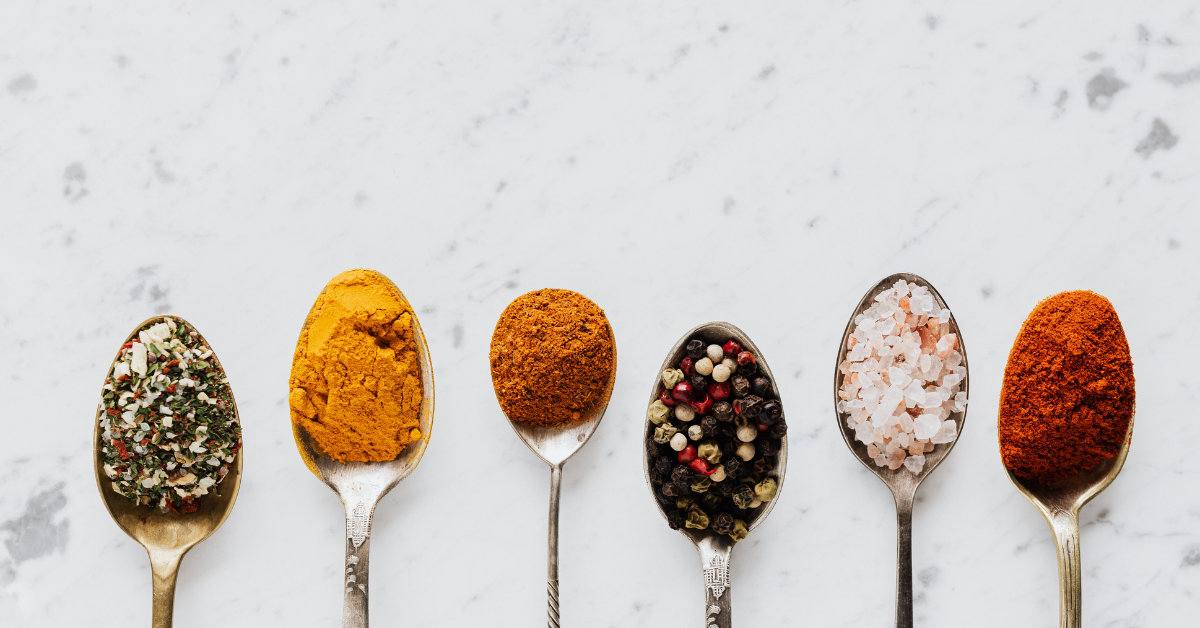
Is your spice rack stronger than your medicine cabinet? When it comes to memory, your spice rack is a great place to start. Herbs and spices that support memory include cinnamon, curcumin (from turmeric), saffron, sage, and more.
Is your spice rack stronger than your medicine cabinet? When it comes to memory, your spice rack is a great place to start. Common herbs and spices that support memory function and brain health include cinnamon, curcumin (from turmeric), ginger, mint, nutmeg, rosemary, saffron, sage, and thyme.
Cinnamon promotes greater blood flow to the brain. Increased cerebral blood flow is associated with better memory, particularly in older adults and individuals with cognitive impairment. Cinnamon additionally has properties that help to inhibit tau aggregation, a hallmark pathology of Alzheimer’s disease.
It has also been shown to lower cholesterol, fasting glucose, and HbA1c levels and improve insulin sensitivity.
Try This: Cinnamon makes a wonderful addition to hot beverages, smoothies, baked goods, hot cereal, and even some chicken dishes. Sprinkle 1 teaspoon of cinnamon in your morning shake for a brain healthy way to start your day.
A polyphenol mix from turmeric root that is used in curry, curcumin contains at least three curcumoinoids that have been shown to decrease beta-amyloid plaques and inflammation.
In a double-blind, placebo-controlled study, a special curcumin preparation with enhanced absorption (Longvida) improved memory and attention after just 1 hour. After 4 weeks, working memory, energy levels, calmness and contentedness (as measures of mood) and even fatigue induced by psychological stress were all significantly improved.
Try This: Curcumin comes from the turmeric root. Sprinkle 1-2 teaspoons of turmeric spice in soups, stew, or curries.
An anti-inflammatory agent, ginger may protect against neurodegenerative diseases by reducing the oxidative stress that causes brain cells to age and die.
Try This: To make a fragrant ginger tea, grate three teaspoons of fresh ginger root, place it in one cup of boiled water, cover and steep for 10 to 15 minutes. Strain before drinking.
When most of us think of mint, we typically think of toothpaste, gum, or breath fresheners. But mint leaves possess other powerful health benefits. According to a study published in the International Journal of Neuroscience, the scent of peppermint improves memory and focus.
Try This: Add mint leaves to water or smoothies, or chop and add to any salad to give it a fresh, summery twist.
This aromatic spice contains myristicin, which helps to prevent the formation of beta amyloid plaques (the plaques seen in Alzheimer’s disease). It also contains eugenol, a compound thought to be cardioprotective.
Try This: Though commonly used in baking, nutmeg adds a delicious twist to lamb stew.
This well-known herb contains compounds that offer protection from the cognitive decline associated with dementia. Research suggests that rosemary may also provide new hope in the treatment of Parkinson’s disease. Just the smell of rosemary has been shown to help memory.
Try This: Probably one of the most versatile herbs for creating marinades and salad dressings, rosemary adds great flavor to salads, poultry, and meat.
As depression is associated with memory problems and forgetfulness, mood-boosting saffron can help to improve memory in people with memory loss issues.
One study found that saffron may improve memory in people with Alzheimer’s disease. In addition, multiple studies at the University of Teheran in Iran show that saffron is as effective as antidepressant medication in treating people with mild to moderate depression.
Try This: Add about ½ teaspoon of saffron to two cups of quinoa while cooking for a mood-boosting side dish.
This herb helps memory by inhibiting an enzyme that breaks down acetylcholine, which makes more acetylcholine available. Acetylcholine plays a critical role in memory, learning, and attention.
A 2017 review of the existing scientific evidence on sage shows that the aptly named spice revs up memory in both the younger and older generations, and it also minimizes the cognitive decline associated with Alzheimer’s disease.
Try This: Add two tablespoons of chopped fresh sage leaves to enhance the flavor of winter soups.
This flavorful herb helps to protect neurons from premature aging, as well as to increase the amount of active DHA (docosahexaenoic acid) in the brain. These effects support working memory, executive function, and mood, as well as protect against brain atrophy.
Related: 10 Best Brain Foods for Mood, Memory, Focus and Cognitive Health
Try This: The next time you roast a turkey, rub it with two tablespoons of chopped fresh thyme leaves in addition to your other favorite herbs before cooking.
Start to view herbs and spices through the prism of brain health. A great way to enjoy their brain-protective benefits is to begin to use them to enhance foods you already enjoy. Sprinkle them into them into your food daily.
You can also let them inspire you to prepare new types of dishes. They can bring a splash of creativity into your meals! You may even want to consider planting some fresh herbs in your garden or in a planter on your patio or windowsill to have fresh herbs on the ready.
Saffron appears to be the most effective herb in helping to reduce dementia-related symptoms, research has shown.
In a human study, saffron supplementation of 30 mg a day for 16 weeks showed better outcome on cognitive performance than placebo in patients with mild to moderate Alzheimer’s disease (AD).
Additionally, in an extension of the study (a 22-week double-blind, randomized, controlled trial) saffron extract boosted cognitive improvement to the same level as the Alzheimer’s disease medication donepezil in patients with mild to moderate AD, but with fewer side effects.
A later one-year study comparing the effects of saffron supplementation and the Alzheimer’s disease medication memantine showed that saffron performed equally as well as memantine in supporting cognitive improvement, again with fewer side effects.
Researchers believe that saffron’s effects in treating mild-to-moderate AD may possibly be attributed to its ability to inhibit the aggregation and deposition of beta-amyloid plaques.
Typical culinary use of these herbs and spices is generally safe for most people. However, used in larger amounts or over prolonged periods, there’s a greater chance of side effects. Some caution is needed if consuming these herbs with other medications or during pregnancy.
Take note of the following precautions:
Cinnamon
When used in larger amounts or for long periods of time, cinnamon is sometimes associated with side effects, most commonly gastrointestinal problems or allergic reactions. Cassia cinnamon contains a chemical called coumarin, which can be harmful to your liver in high amounts or prolonged use. Ceylon cinnamon in larger amounts during pregnancy is considered unsafe.
Curcumin (from turmeric)
In high amounts, turmeric can cause abdominal pain, nausea, and diarrhea.
Ginger
Ginger can have side effects such as abdominal discomfort, diarrhea, heartburn, and mouth and throat irritation in some people. Additionally, it can act as a blood thinner, and high doses can increase the risk of bleeding, especially for individuals on anticoagulant medication.
Mint
Mint can exacerbate heartburn and gastrointestinal symptoms in some individuals.
Nutmeg
High doses or long-term consumption of nutmeg can be neurotoxic and cause delirium, hallucinogenic effects, and other side effects. Nutmeg can interact with medications that increase acetylcholine levels, such as those for Alzheimer’s and glaucoma, which may increase their side effects.
Rosemary
Taking very large or medicinal amounts of rosemary leaf is considered unsafe and can cause side effects like vomiting, sun sensitivity, and skin redness.
Saffron
Consuming large amounts of saffron can cause nausea, vomiting, dizziness, dry mouth, appetite changes, and stomach problems. Saffron can also trigger allergic reactions and may interact with blood pressure and blood thinner medications. It may be unsafe for pregnant women and people with bipolar disorder or heart conditions.
Sage
Some species of sage, including common sage (S. officinalis), contain a chemical called thujone that can be toxic if consumed in large amounts. It may be unsafe to use sage during pregnancy.
Thyme
Thyme may interact with Alzheimer’s disease medication by affecting levels of certain brain chemicals. It can also interact with the effects of estrogen-based medications.
Research shows that certain herbs and spices like turmeric, rosemary, and saffron contain powerful compounds that reduce inflammation, increase blood flow, and protect brain cells from oxidative stress.
These effects can improve memory, focus, and mood while lowering your risk of age-related cognitive decline.
While natural herbs and spices can support brain health, they shouldn’t replace prescribed treatments without medical supervision.
At Amen Clinics, we use brain SPECT imaging to identify underlying causes of memory loss and then personalize treatment, which may include nutritional support, lifestyle changes, supplements, or medications when needed.
At Amen Clinics, we look at your brain to find the root causes of forgetfulness or cognitive decline.
Using advanced brain SPECT imaging, lab testing, and clinical evaluation, we create a customized plan that may include targeted nutrients, dietary recommendations, cognitive training, and other brain-boosting therapies to optimize memory and slow or prevent further decline.
When you hear the word “insulin,” you might think of it as the “diabetes hormone.” But it’s actually a key player in mental health too. This chemical messenger controls blood sugar and fuels how your brain cells communicate, regulate mood, and maintain focus.
When your body becomes resistant to insulin, it’s not only your metabolism that suffers. Your energy crashes, your concentration slips, and your emotions can become harder to manage.
Scientists are now discovering that insulin resistance may be the hidden thread connecting seven major mental health issues. Understanding this connection between insulin resistance and mental health could be the breakthrough you need to know why you feel the way you do and how to restore balance within your brain and body.
If you’ve been struggling with fatigue, mood changes, or difficulty concentrating, this one hormone, not just your habits, may be at the root of it.
If you’ve been struggling with fatigue, mood changes, or difficulty concentrating, this one hormone, not just your habits, may be at the root of it.
Insulin is a hormone produced by the pancreas that allows your body to use glucose from carbohydrates for energy. When you eat, your blood sugar rises, signaling the pancreas to release insulin so glucose can enter those cells, giving you sustainable energy.
However, when you have insulin resistance, your cells ignore these signals. The pancreas compensates by making more insulin, eventually exhausting itself.
Over time, this imbalance contributes to fatigue, weight gain, inflammation, brain fog, and metabolic syndrome—all of which impact brain health and mental wellness.
Insulin resistance and mental health are more intertwined than you might realize. Your nervous system and stress hormones play a major role in this process.
Chronic stress can spike cortisol, which in turn worsens insulin resistance, disrupts appetite, and drains energy. Because of this, you get a vicious cycle that causes imbalances in your body and brain.
Over time, this biochemical tug-of-war can contribute to depression, anxiety, and cognitive decline if left unaddressed. All of these are warning signs that your metabolism and mental health may be struggling.
Related: The Stress Hormone: How Cortisol Crushes Mental Health
There’s a growing body of evidence linking insulin resistance and depression as well as anxiety. Insulin directly influences neurotransmitters such as serotonin and dopamine, which regulate mood and motivation. When insulin signaling is disrupted, so is emotional regulation.
One study published in 2025 found a strong connection between insulin resistance and anxiety and depression. Rates were higher among those with both insulin resistance and diabetes but also present among nondiabetic people.
| Mental Health Conditions | Insulin Resistant + Diabetic | Insulin Resistant + Nondiabetic |
|---|---|---|
| Depression | 75% | 60% |
| Anxiety | 65% | 55% |
Another 2025 study published in Nature Mental Health found that young people with insulin resistance were more likely to develop mood disorders even without diabetes. The researchers noted that poor insulin sensitivity alters brain metabolism, particularly in regions involved in emotional control and stress response.
Emerging research suggests that insulin resistance and ADHD symptoms may share a biological connection. A 2021 study found that insulin resistance in the prefrontal cortex, which is your brain’s CEO for decision-making, can impair attention, planning, and impulse control.
At Amen Clinics, brain SPECT imaging has shown similar patterns: reduced blood flow and metabolism in the prefrontal cortex of people with ADHD and those with insulin resistance. Both conditions disrupt dopamine regulation, making focus and motivation harder to maintain.
Poor insulin signaling has been identified as a key contributor to Alzheimer’s disease, sometimes referred to as “Type 3 diabetes.”
When insulin can’t properly fuel brain cells, neurons struggle to communicate, leading to cognitive decline and memory loss. Over time, this can increase the risk of various types of dementia.
The reward centers of the brain depend on the neurotransmitter, dopamine, which is influenced by insulin. When insulin resistance develops, your dopamine signaling weakens, which increases cravings for sugar, alcohol, or other addictive substances.
Research in Frontiers in Psychology shows that this disruption makes it harder for the brain to feel pleasure naturally, pushing people toward unhealthy behaviors to get that same dopamine “hit.” Healing hormone imbalance and insulin resistance can therefore reduce compulsive eating and improve emotional self-regulation.
Related: Do You Need a Dopamine Detox?
If you’ve ever felt irritable or anxious after skipping a meal, there’s a reason. Low blood sugar, or hypoglycemia, causes your brain to release adrenaline and cortisol. These “fight-or-flight” hormones start to make you feel jittery, moody, or even panicked.
When insulin resistance causes your blood sugar to swing up and down, these emotional crashes can feel like mini anxiety attacks. This connection between blood sugar and mood explains why emotional stability often begins with metabolic balance.
The relationship between insulin resistance and mental health conditions goes far beyond mood. Psychiatrists have long known that many antipsychotic medications that are used to treat schizophrenia have side effects, such as glucose elevation, which may lead to diabetes, and in turn insulin resistance.
However, a pair of studies point to insulin resistance as a potential risk factor for schizophrenia.
| Insulin Resistance Is Linked To 7 Mental Health Issues: |
|---|
| 1. Depression |
| 2. Anxiety |
| 3. ADHD |
| 4. Dementia |
| 5. Addiction |
| 6. Anger |
| 7. Schizophrenia |
Food can be medicine or poison, depending on how it affects your hormones. Your diet plays one of the biggest roles in preventing and reversing insulin resistance symptoms.
Processed foods, refined sugars, and trans fats can inflame your body and worsen hormonal imbalances for a long time. In contrast, nutrient-dense foods help improve blood sugar levels and restore equilibrium.

Yerba mate, mulberry leaf, chamomile, mint, hibiscus, and cinnamon teas may improve insulin sensitivity and reduce inflammation. Although not considered an herbal tea, green tea produces the same effects.

Salmon, tuna, chicken, turkey, and tofu provide amino acids that stabilize blood sugar.

Broccoli, cauliflower, and asparagus are low in carbs but high in fiber and antioxidants.

Avocados, almonds, walnuts, chia seeds, and flaxseeds improve hormone balance and reduce cravings.

Berries, green apples, and pears deliver fiber that slows sugar absorption, keeping energy steady.
Do you want to address insulin resistance? Brain health support with the right interventions can improve insulin levels.
Healing begins with regulating the nervous system, because chronic stress is often the spark that ignites hormonal chaos. Simple lifestyle shifts can make a powerful difference:
Remember, the goal isn’t just to stabilize your blood sugar, but to restore energy and emotional balance to your mind and body.
When insulin levels stabilize, so does the mind. By addressing insulin resistance through nutrition, lifestyle, holistic care, and medication (when necessary), you’re not just preventing disease—you’re supporting a clearer mind, calmer mood, and longer life. Healing your metabolism is, quite literally, healing your brain.
At Amen Clinics, we use brain SPECT imaging along with lab tests to assess blood sugar, insulin, and other key biomarkers. This integrative approach helps uncover whether metabolic issues are contributing to symptoms like depression, anxiety, or focus problems.
Yes. Stabilizing blood sugar can reduce mood swings, improve memory, and decrease risks for conditions like dementia and schizophrenia. At Amen Clinics, we combine nutrition coaching, lifestyle strategies, and targeted therapies to support both brain and body.
Our team develops personalized treatment plans that may include dietary guidance, nutritional supplements, psychotherapy, and medical care when needed. We focus on the least toxic, most effective solutions to restore balance and improve mental health.
Freeman AM, Acevedo LA, Pennings N. Insulin Resistance. [Updated 2023 Aug 17]. In: StatPearls [Internet]. Treasure Island (FL): StatPearls Publishing; 2025 Jan-. Available from: https://www.ncbi.nlm.nih.gov/books/NBK507839/
Ma, X., Nan, F., Liang, H., Shu, P., Fan, X., Song, X., Hou, Y., & Zhang, D. (2022). Excessive intake of sugar: An accomplice of inflammation. Frontiers in immunology, 13, 988481. https://doi.org/10.3389/fimmu.2022.988481
Rahman, M. S., Hossain, K. S., Das, S., Kundu, S., Adegoke, E. O., Rahman, M. A., Hannan, M. A., Uddin, M. J., & Pang, M. G. (2021). Role of Insulin in Health and Disease: An Update. International journal of molecular sciences, 22(12), 6403. https://doi.org/10.3390/ijms22126403
Julian M Yabut, Justin D Crane, Alexander E Green, Damien J Keating, Waliul I Khan, Gregory R Steinberg, Emerging Roles for Serotonin in Regulating Metabolism: New Implications for an Ancient Molecule, Endocrine Reviews, Volume 40, Issue 4, August 2019, Pages 1092–1107, https://doi.org/10.1210/er.2018-00283
Abdelfattah, H.E., Bekhet, M.M.M., Tawfik, F.A. et al. The association between insulin resistance and risk of developing depression and anxiety disorders in a sample of Egyptian population. Egypt J Intern Med 37, 56 (2025). https://doi.org/10.1186/s43162-025-00434-9
Shin, M., Crouse, J.J., Weger, M. et al. Insulin resistance as an early marker in youth with mood disorders. Nat. Mental Health 3, 969–971 (2025). https://doi.org/10.1038/s44220-025-00472-w
Mathew P, Thoppil D. Hypoglycemia. [Updated 2022 Dec 26]. In: StatPearls [Internet]. Treasure Island (FL): StatPearls Publishing; 2025 Jan-. Available from: https://www.ncbi.nlm.nih.gov/books/NBK534841/
Berridge, K. C. (2018). Evolving concepts of emotion and motivation. Frontiers in Psychology, 9, 1647. https://doi.org/10.3389/fpsyg.2018.01647
Choi, S. E., Roy, B., Freeby, M., Mullur, R., Woo, M. A., & Kumar, R. (2020). Prefrontal cortex brain damage and glycemic control in patients with type 2 diabetes. Journal of diabetes, 12(6), 465–473. https://doi.org/10.1111/1753-0407.13019
Zhang, X., Zhang, L., Zhang, B., Liu, K., Sun, J., Li, Q., & Zhao, L. (2022). Herbal tea, a novel adjuvant therapy for treating type 2 diabetes mellitus: A review. Frontiers in Pharmacology, 13, 982387. https://doi.org/10.3389/fphar.2022.982387
American Diabetes Association. (n.d.). Non-starchy vegetables for blood glucose control. https://diabetes.org/food-nutrition/reading-food-labels/non-starchy-vegetables
Calvano, A., , Izuora, K., , Oh, E. C., , Ebersole, J. L., , Lyons, T. J., , & Basu, A., (2019). Dietary berries, insulin resistance and type 2 diabetes: an overview of human feeding trials. Food & function, 10(10), 6227–6243. https://doi.org/10.1039/c9fo01426h
Verkouter, I., Noordam, R., le Cessie, S., van Dam, R. M., Lamb, H. J., Rosendaal, F. R., van Heemst, D., & de Mutsert, R. (2019). The Association between Adult Weight Gain and Insulin Resistance at Middle Age: Mediation by Visceral Fat and Liver Fat. Journal of clinical medicine, 8(10), 1559. https://doi.org/10.3390/jcm8101559
Fritschi, C., Park, C., Quinn, L., & Collins, E. G. (2020). Real-Time Associations Between Glucose Levels and Fatigue in Type 2 Diabetes: Sex and Time Effects. Biological research for nursing, 22(2), 197–204. https://doi.org/10.1177/1099800419898002
Zhao, H., Zhang, J., Cheng, X. et al. Insulin resistance in polycystic ovary syndrome across various tissues: an updated review of pathogenesis, evaluation, and treatment. J Ovarian Res 16, 9 (2023). https://doi.org/10.1186/s13048-022-01091-0
Jiao, Y., Butoyi, C., Zhang, Q. et al. Sleep disorders impact hormonal regulation: unravelling the relationship among sleep disorders, hormones and metabolic diseases.Diabetol Metab Syndr 17, 305 (2025). https://doi.org/10.1186/s13098-025-01871-w
Mary C. Gannon, Frank Q. Nuttall; Effect of a High-Protein, Low-Carbohydrate Diet on Blood Glucose Control in People With Type 2 Diabetes. Diabetes 1 September 2004; 53 (9): 2375–2382. https://doi.org/10.2337/diabetes.53.9.2375
Sellami, M., Almuraikhy, S., Naja, K. et al. Eight weeks of aerobic exercise, but not four, improves insulin sensitivity and cardiovascular performance in young women. Sci Rep 15, 1991 (2025). https://doi.org/10.1038/s41598-025-86306-2
Amen, D. G., & Easton, M. (2021). A New Way Forward: How Brain SPECT Imaging Can Improve Outcomes and Transform Mental Health Care Into Brain Health Care. Frontiers in psychiatry, 12, 715315. https://doi.org/10.3389/fpsyt.2021.715315
Tomasik J, Lago SG, Vázquez-Bourgon J, et al. Association of Insulin Resistance With Schizophrenia Polygenic Risk Score and Response to Antipsychotic Treatment. JAMA Psychiatry. 2019;76(8):864–867. doi:10.1001/jamapsychiatry.2019.0304
Guest PC. Insulin Resistance in Schizophrenia. Adv Exp Med Biol. 2019;1134:1-16. doi: 10.1007/978-3-030-12668-1_1. PMID: 30919329.
The brain is the most expensive real estate in the human body. But too many of us don’t treat it with the same respect we give to other precious commodities.
For example, would you feed a million-dollar racehorse junk food? Would you pour leaded gasoline in a million-dollar car? Of course not!
Your brain is far more valuable than a horse or a car, but how are you feeding your mind? Are you fueling your most valuable asset with junk food? If so, you may be setting yourself up for nutritional deficiencies. Mental health problems may be one of the consequences.
The nutrients you’re getting—or aren’t getting—play a critical role in your brain function and mental well-being. “Even minor gaps in your nutrition are enough to throw off your brain chemistry, deplete your energy, and intensify issues like depression, anxiety, or brain fog,” according to Karen Mayo, an Amen Clinics Integrative Nutritionist.
Deficiencies in key nutrients are linked to a range of symptoms of mental health disorders. Because some of these deficiencies can be subtle, their effects are often attributed to everyday stress.
It’s time to learn about five key nutrients that can make or break your mental health. In this blog, we look at some of the most common deficiencies linked to mental health, how they disrupt your brain function, and what it means for your mood and well-being.
Are you fueling your most valuable asset—your brain—with junk food? If so, you’re likely missing out on essential nutrients the brain needs for peak performance.
Mental health is a state of well-being that allows a person to realize their own potential, cope with everyday stresses, contribute to their community, work productively, enjoy strong relationships, and feel fulfilled in life. Having a healthy brain is the key to mental strength.
To have a healthy brain, you need a healthy diet. The brain is the fattest, most energy-hungry organ in the body. It uses 25-30 percent of all the calories you consume. And the gray matter contains 50 percent fatty acids that are polyunsaturated in nature and come from what we eat.
Food is medicine, or it’s poison. Without vitamins and essential nutrients, our cells—including our brain cells and enzymes—will not work optimally.
The Standard American Diet (SAD) with its reliance on processed fast foods has left a majority of Americans deficient in many nutrients, especially essential vitamins, minerals, and omega-3 fatty acids.
Related: What the Standard American Diet is Doing to Your Brain
About half the U.S. population isn’t getting enough dietary magnesium, according to research. That’s bad news considering this important mineral is essential for every human life function in the body.
Magnesium, also known as a relaxation mineral, helps to regulate your nervous system and support your body’s stress response. When your magnesium levels are low, your brain and body may become more reactive to stress, making it harder for you to remain calm under pressure.
Studies have linked magnesium deficiency to increased anxiety, irritation, agitation, insomnia, and in some cases depression. Lack of enough magnesium can also interfere with how your body regulates cortisol (the stress hormone), leaving you in a constant state of restlessness and tension.
Nutrient-dense foods to choose: Good sources of magnesium include pumpkin seeds, spinach, almonds, and dark organic chocolate (at least 72 percent).
Absolutely. Low B12 or folate isn’t just a lab value. It’s a red flag. Vitamin B12 and folate (B9) are essential for producing neurotransmitters like dopamine and serotonin, which are essential for mood regulation.
When you have low levels of these vitamins, your mood-regulating pathways weaken. Again, elevated homocysteine—an indicator of insufficient B12 and folate—can harm the blood vessels in your brain and disrupt your mood regulation.
In a study done in Ireland, older adults who had low B12 levels had a 51 percent greater chance of developing symptoms of depression over four years. Research also shows that patients diagnosed with depression are found to have lower levels of vitamin B12 compared to those who do not.
Additionally, trials of a combination of folate and B12 have achieved better cognitive function when used together with antidepressants. It’s important to understand that your brain needs these vitamins to build the chemicals required to stabilize your mood.
Nutrient-dense foods to choose: Natural sources of B vitamins include eggs, fatty fish such as salmon, and leafy greens. Additionally, folate is present in dark green vegetables, beans, peas, citrus fruits, and legumes (such as lentils and garbanzo beans).
Related: What is Nutritional Psychiatry?
Yes. Vitamin D functions more like a hormone than a typical vitamin. It influences the production of neurotransmitters like dopamine and serotonin, which are crucial for creating mood balance.
Low levels of vitamin D have been linked to higher rates of anxiety, depression, and even SAD (Seasonal Affective Disorder)—a form of depression that usually appears during the darker winter months when people have limited exposure to sunlight.
According to research, people with low vitamin D levels are more likely to report depressive symptoms. In such cases, supplementation has been seen to improve mood in certain individuals.
Vitamin D plays an important role in regulating how your body responds to stress, which explains why deficiency can leave you more vulnerable to irritability, anxiety, and fatigue.
Nutrient-dense foods to choose: Good sources of vitamin D include salmon, tuna, eggs, and mushrooms. Another natural way to boost vitamin D levels is to get 10-20 minutes of sun exposure on a daily basis.
Even though it doesn’t get as much attention as other nutrients, zinc is essential for your brain health. Research shows that it supports more than 100 enzymatic reactions in your body, many of which are connected to neurotransmitter activity, memory, and learning.
With low zinc levels, your brain may struggle to regulate the signals that affect your mood and cognition. That’s bad news for close to 12 percent of the US population who are at risk for zinc deficiency, according to research. That number is even higher among the elderly.
Zin deficiency occurs primarily in people who do not absorb nutrients well due to digestive disorders or who have undergone gastrointestinal surgery.
Studies have linked zinc deficiency to difficulties with concentration, higher rates of depression, impaired memory, and slow learning. Low levels of zinc can weaken your brain’s ability to manage stress, which can leave you more vulnerable to emotional instability and anxiety.
Biologically, zinc regulates glutamate and GABA, two neurotransmitters that help your brain to balance between alertness and calm.
Nutrient-dense foods to choose: Cashews, pumpkin seeds, oysters, beef, and beans are good sources of zinc.
Choline is a vital nutrient that your brain uses to make acetylcholine (a neurotransmitter essential for learning, memory, and attention). Choline also helps in the formation of the protective myelin sheaths found around nerve fibers that keep communication between your brain cells clear and efficient.
When you lack sufficient choline, these systems start to weaken. According to research, there is a close relationship between low choline intake and poorer cognitive performance.
In fact, a large community-based study found adults with higher choline intake performing better on memory and processing speed tests than those who consumed less. Low levels of choline can also put you at risk of developing neuropsychiatric conditions.
Again, choline plays a significant role in regulating homocysteine (a byproduct linked to depression, mood disturbances, and high risk of dementia when elevated). By keeping it in check, it supports your mental health and enhances long-term brain resilience.
Choline is the fuel your brain depends on. Low levels mean your memory can lag, your mood stability can waver, and your attention may wander.
Nutrient-dense foods to choose: Plenty of foods contain choline, such as meat, eggs, poultry, fish, dairy products, potatoes, Brussels sprouts, broccoli, cabbage, cauliflower, beans, nuts, seeds, and organic gluten-free whole oats.
Nutritional deficiencies do not always show up as obvious physical problems. Sometimes, the first red flags can be cognitive or emotional changes. Take note of the following symptoms:
Related: 9 Worst Foods for Depression
It can heighten your body’s stress response by increasing adrenaline and cortisol activity.
Symptoms of Magnesium Deficiency:
The two are important for the formation of red blood cells and the methylation process in your brain.
Symptoms of B12 and B9 Deficiency:
Adequate levels of vitamin D help in regulating serotonin, and as a result, it stabilizes your mood.
Symptoms of Vitamin D Deficiency:
Zinc plays an important role in supporting brain signaling and neuroplasticity. A Lack of adequate zinc can result in slower information processing, reduced stress resilience, memory difficulties, and impaired learning.
Symptoms of Zinc Deficiency:
As the precursor to acetylcholine, choline deficiency can weaken your memory recall, attention, and overall cognitive performance. Over time, you may start experiencing mood disturbances and cognitive decline.
Symptoms of Choline Deficiency:
Since these symptoms can overlap with sleep deprivation, stress, and other health conditions, nutritional deficiencies often go unnoticed. This is why lab work can be beneficial in identifying low levels of key nutrients.
How can you tell if you’re missing out on these vital nutrients? At Amen Clinics, key bloodwork tests can help detect any deficiencies. Then you can start to balance your levels by going from “low” to “normal” then into the “optimal” range, according to Mayo.
If you have any lingering mental, behavioral, or cognitive health issues that aren’t responding to traditional treatment, look into testing for nutritional deficiencies.
At Amen Clinics, we understand that every brain is unique, so there is no one-size-fits-all nutraceutical regimen. However, basic supplements that can benefit every brain include a broad-spectrum multivitamin/mineral, omega-3 fatty acids, vitamin D.
Learning more about your brain function through brain SPECT imaging at Amen Clinics can help you find a targeted supplement plan geared to your unique brain.
Facebook-f X-twitter Youtube Table of Contents Gut Health and ADHD: Can Vitamins and Minerals Improve Both? There’s a growing buzz in scientific and mental health
There’s a growing buzz in scientific and mental health communities about the gut-brain connection. The truth is the gut does so much more than digest food. It also talks to the brain, shaping everything from mood and memory to focus and behavior. For people with ADHD, this conversation between the gut and brain may be especially critical.
New research, including a 2025 study, suggests that taking vitamins and minerals can shift the makeup of gut bacteria in children with attention deficit hyperactivity disorder (ADHD), also called attention deficit disorder (ADD). The evidence shows that supplementation with micronutrients is linked to a high potential for improving focus, attention, and behavior.
With decades of experience in nutritional psychiatry and brain-based healthcare, Amen Clinics is at the forefront of uncovering how lifestyle changes, targeted nutritional supplements, and gut-brain strategies can support better outcomes for people with ADHD.
Here’s a breakdown of how micronutrients influence gut health and why that matters so much for ADHD management.
Amen Clinics is at the forefront of uncovering how lifestyle changes, targeted supplements, and gut-brain strategies can support better outcomes for people with ADHD.
The gut and brain are in constant communication through a superhighway called the vagus nerve, along with chemical messengers like neurotransmitters and immune signals. Inside your digestive tract are trillions of microbes collectively known as gut microbiota. They play a direct role in producing neurotransmitters, such as serotonin, dopamine, and GABA—all of which affect mood and focus.
When your gut bacteria are balanced, the messages sent to your brain are calming and supportive. However, when the microbiome is out of balance, those messages can increase anxiety, irritability, and distractibility—one of the hallmark symptoms of ADHD.
Studies show that children and adults with ADHD tend to have more gut inflammation, higher intestinal permeability (aka “leaky gut”), and microbial imbalances. This heightened sensitivity means that even small disruptions—such as eating artificial food dyes or lacking key nutrients—can set off a chain reaction that impacts your attention, behavior, and mood.
In other words, for people with ADHD, gut health is a foundational part of your mental and physical well-being.
In the 2025 study mentioned earlier, a team of researchers looked at whether giving children with ADHD extra vitamins and minerals could help with focus and emotional control—and whether these changes might be linked to gut health.
In the study, 44 children took either micronutrients or a placebo for eight weeks, then all were given micronutrients for another eight weeks. Stool samples were collected to see how gut bacteria changed over time. The study suggests that taking nutritional supplements improves gut health.
Beyond the gut, the children in the study also experienced notable improvements in ADHD symptoms, including better attention, emotional regulation, and reduced hyperactivity.
These behavioral changes occurred in tandem with shifts in gut bacteria, suggesting a strong relationship between micronutrient-fueled microbiota and brain function.
Several previous studies have linked nutrition to improved mental health outcomes, especially in ADHD. Research from other clinical trials has shown that micronutrient formulas can improve mood, reduce impulsivity, and enhance emotional resilience in both children and adults with ADHD. Gut health appears to be a major mechanism driving these changes.
In the study, the children received a broad-spectrum micronutrient formula—not just one or two vitamins, but a carefully balanced combination of vitamins and minerals. The micronutrient capsules contained 36 ingredients, including:
The supplement used was designed to provide nutrients at levels higher than a standard multivitamin, but still within safe limits. The researchers aimed to address multiple potential deficiencies at once rather than targeting a single nutrient.
Related: What Is the Role of Gut Microbiota in Alzheimer’s Disease?
The 2025 study, which appeared in the journal Gut Microbes, found that micronutrient supplements influenced the gut microbiome in children with ADHD in important ways.
For example, taking vitamins and minerals was associated with an overall increase in the diversity of gut bacteria.
Specifically, the bacterial group Actinobacteriota decreased in children taking micronutrients compared to placebo. At the same time, two families of bacteria known to produce butyrate—Rikenellaceae and Oscillospiraceae—increased in children who showed the most behavioral improvement.
Butyrate is a short-chain fatty acid that supports gut lining health, reduces inflammation, and may positively influence brain function.
These findings suggest that micronutrients may help rebalance the gut microbiome by reducing certain bacteria while boosting helpful butyrate-producing microbes, potentially contributing to better focus and emotional regulation.
A more diverse microbiome is generally associated with lower inflammation, improved digestion, mental stability, and more stable neurotransmitter production. For those with ADHD, increasing microbial diversity can help regulate focus and mood by ensuring a wider variety of bacteria are working together to send helpful signals to the brain.
Related: Does My Gut Health Affect My Mental Stability
Yes, but ideally with a strategy. Not all probiotics are created equal. Look for evidence-based strains like Lactobacillus helveticus or Bifidobacterium longum, which have been studied for their effects on mood. Also, add prebiotic-rich foodslike onions, garlic, leeks, and bananas, which feed the good bacteria and encourage diversity.
The best micronutrient supplement can only do so much if the body is under daily assault from inflammatory foods. That’s why Amen Clinics often recommends an elimination diet, which can calm the immune system and improve nutrient absorption by first removing:
This step alone can reduce ADHD symptoms in some people.
Related: What is an Elimination Diet? (And Why Your Mental Health Needs One)
When you eat something your body doesn’t tolerate well, it can trigger systemic inflammation. That inflammation travels through the gut-brain axis and results in brain fog, poor concentration, irritability, or impulsivity. Identifying and removing certain trigger foods is often a game-changer for ADHD gut health.
While micronutrients are generally safe, testing for deficiencies first is crucial. At Amen Clinics, we use lab testing to identify gaps in nutrition before making personalized recommendations. This ensures targeted support without overloading the system.
Nutritional supplements are generally safe, but taking too many vitamins and minerals may lead to digestive issues or mineral imbalances in some cases. That’s why it’s important to work with a clinician experienced in integrative ADHD treatment.
Most people begin to notice changes within four to 10 weeks of consistent use. The improvements in focus, energy, and emotional balance develop gradually, but are meaningful and long-lasting when paired with lifestyle changes.
Amen Clinics addresses ADHD gut health from every angle and may include:
Our brain SPECT imaging allows us to see how different regions of the brain are functioning. Combined with gut health insights, this helps us personalize treatment plans for better outcomes because no two brains are the same.
If you’re ready to take control of your ADHD symptoms with a gut-first approach, schedule an appointment with Amen Clinics. We’ll guide you through lab testing, SPECT imaging, and a fully customized nutritional and supplement plan.
This goes beyond basic symptom management and focuses on optimizing your brain and body for a better life with ADHD.
Absolutely! Gut-brain health strategies are showing promise for anxiety, depression, fatigue, and brain fog, all of which often co-occur with ADHD. Supporting your microbiome with an ADHD gut health protocol may be the missing piece you need for sharper focus, better follow-through, and greater impulse control.
ADHD and other mental health conditions can’t wait. At Amen Clinics, we provide personalized, science-backed treatment plans designed to target the root causes of your symptoms. Our 360-approach includes brain SPECT imaging, clinical evaluations, innovative therapeutic techniques, medications (when necessary), and holistic lifestyle recommendations to promote the health of your brain, body, and mind. Speak to a specialist today at 888-288-9834 or visit our contact page here.
Ast, H. K., Hammer, M., Zhang, S., Bruton, A., Hatsu, I. E., Leung, B., McClure, R., Srikanth, P., Farris, Y., Norby-Adams, L., Robinette, L. M., Arnold, L. E., Swann, J. R., Zhu, J., Karstens, L., & Johnstone, J. M. (2025). Gut microbiome changes with micronutrient supplementation in children with attention-deficit/hyperactivity disorder: the MADDY study. Gut Microbes, 17(1), 2463570. https://doi.org/10.1080/19490976.2025.2463570
Zhi, J., Zhang, S., Huang, M., Qin, H., Xu, H., Chang, Q., & Wang, Y. (2024). Transcutaneous auricular vagus nerve stimulation as a potential therapy for attention deficit hyperactivity disorder: Modulation of the noradrenergic pathway in the prefrontal lobe. Frontiers in Neuroscience, 18. https://doi.org/10.3389/fnins.2024.1494272
Ming, X., Chen, N., Ray, C., Brewer, G., Kornitzer, J., & Steer, R. A. (2018). A Gut Feeling: A Hypothesis of the Role of the Microbiome in Attention-Deficit/Hyperactivity Disorders. Child Neurology Open, 5, 2329048X18786799. https://doi.org/10.1177/2329048X18786799
Wang, Y., & Cao, M. (2025). The impact of a multi-micronutrient nutritional formula combined with cognitive behavioral therapy in managing symptoms of children with attention deficit hyperactivity disorder. Frontiers in Pediatrics, 13, 1624344. https://doi.org/10.3389/fped.2025.1624344
Toscano, M., De Grandi, R., Stronati, L., De Vecchi, E., & Drago, L. (2017). Effect of Lactobacillus rhamnosus HN001 and Bifidobacterium longum BB536 on the healthy gut microbiota composition at phyla and species level: A preliminary study. World Journal of Gastroenterology, 23(15), 2696–2704. https://doi.org/10.3748/wjg.v23.i15.2696
Appleton J. (2018). The Gut-Brain Axis: Influence of Microbiota on Mood and Mental Health. Integrative Medicine (Encinitas, Calif.), 17(4), 28–32. https://pmc.ncbi.nlm.nih.gov/articles/PMC6469458/

What if the key to lifting your mood isn’t found in a pill bottle, but on your plate? The sadness, low energy, or brain fog you’ve been struggling with may not be “all in your head”—it may be fueled by what you eat.
A growing body of research reveals a strong connection between diet and depression. The foods you choose every day don’t just fuel your body, they also influence your brain chemistry, impact your gut health, drive inflammation, and affect your mental clarity.
At Amen Clinics, where we’ve studied nearly 300,000 brain scans, we’ve seen firsthand how poor nutrition can impair brain function and contribute to mood disorders. That’s why our approach combines nutritional psychiatry, brain imaging, and functional medicine to uncover hidden causes of depression—and empower you with food and lifestyle strategies that support long-term healing and emotional resilience.
Here’s what you need to know about diet and depression.
The foods you choose every day don’t just fuel your body, they also influence your brain chemistry, impact your gut health, drive inflammation, and affect your mental clarity.
According to research, a poor diet not only starves your brain of the nutrients it requires to function optimally, but it also increases your vulnerability to anxiety, depression, and other mood disorders.
If you want to truly understand the link between diet and depression, you need to look beyond the brain and into the gut. Studies show that your digestive system isn’t just breaking down food—it’s constantly sending and receiving messages from your brain through what’s known as the gut-brain axis.
A healthy gut microbiome produces key neurotransmitters like serotonin and dopamine, which play an essential role in stabilizing mood, regulating sleep, and supporting focus. In fact, about 90 percent of the body’s serotonin is made in the gut, not the brain.
But when your gut is out of balance—due to a poor diet, chronic stress, infections, or even overuse of antibiotics—it can disrupt this delicate communication. An unhealthy microbiome can trigger nutrient deficiencies, increase systemic inflammation, and send distress signals to the brain. The result? Greater risk for symptoms of anxiety and depression.
In other words: when your gut isn’t happy, your brain often isn’t either.
Your brain depends on certain nutrients from food to produce neurotransmitters. These chemical messengers—such as dopamine, serotonin, and GABA—regulate your mood, motivation, relaxation, and more.
For instance, amino acids from protein help to build dopamine and serotonin, while vitamin B6 and magnesium help support the production of GABA. A diet overloaded with sugar and processed food lacks these nutrients and therefore can throw off the balance of mood-regulating chemicals.
This may make you feel demotivated, anxious, or emotionally unstable. Choosing nutrient-rich, whole foods will help to keep you maintain balance in your brain chemistry and keep your mood steady.
Related: 10 Best Brain Foods for Mood, Memory, Focus, and Cognitive Health
Some everyday foods may be the reason behind your low moods and brain fog. Understanding the link between diet and depressive disorders can help you make choices that support better mental health.
Refined sugars and processed foods like candy, white rice, bread, pasta, and soda may give you a quick boost, but they often lead to sharp spikes and crashes in blood sugar. The highs and lows can leave you feeling irritable, unfocused, anxious, and emotionally drained.
With time, these diets can contribute to chronic inflammation, insulin resistance and oxidative stress, all of which negatively impact your brain function and are linked to depression.
Some of the so-called “healthy” foods, such as whole wheat bread or yogurt, can cause problems for some people. Food sensitivities, particularly to gluten, which is a protein found in wheat, and casein, the protein in dairy, can trigger inflammation in your brain.
For sensitive individuals, the inflammation may lead to symptoms like fatigue, brain fog, headaches, bloating, irritability, and low mood. Since these reactions may be subtle and are often delayed, most people don’t realize that what they ate a day or two earlier could be contributing to their emotional distress.
Food dyes, sweeteners, and preservatives are some of the artificial additives that may seem harmless. However, growing research suggests that they can have a negative impact on brain health and emotional wellbeing, particularly in individuals who are sensitive.
Some of the synthetic dyes and preservatives offer no nutritional value but have been associated with irritability, hyperactivity, and mood swings, especially in children.
Aspartame and sucrose are some of the artificial sweeteners that may interfere with the production of neurotransmitters, contributing to depression and anxiety in some people.
Related: Brain Health Guide to Red Dye 40
Surprisingly, you could be eating regularly but not supplying your brain with the nutrients it needs to thrive. Changing your eating habits can be a powerful tool in managing diet and depression effectively.
As mentioned earlier, your brain depends on certain nutrients to regulate energy, mood, and cognitive function. When you are low in key minerals and vitamins, it can have a direct impact on how you think and feel. It’s also important to look out for the mild deficiencies as they can also erode your emotional resilience silently.
Consider this:
Studies indicate that a diet for depression can help balance moods and protect mental health. Knowing the foods that fight depression is key to eating right.
Related: 8 Mood Foods that Fight Depression
Prioritize nutrient-dense foods that support both your emotional stability and cognitive sharpness. Anti-inflammatory foods, wild-caught fish, leafy greens, berries, avocados, legumes, and clean proteins offer essential vitamins, minerals, and healthy fats to fuel your brain.
Eating these brain foods will improve your mood, mental clarity, and protect you against age-related cognitive decline. Look at the chart for Happy Foods to consume and Sad Foods to avoid.
| Happy Foods | Sad Foods |
|---|---|
|
Foods that spark endorphins: Spicy foods (jalapeño, habanera, chili, and other peppers) and dark chocolate Fruits and vegetables: Eat up to eight servings a day to boost levels of happiness; tomatoes have been shown to lift mood Serotonin-rich foods: Combine tryptophan-containing foods (eggs, turkey, seafood, chickpeas, nuts, and seeds) with healthy carbohydrates like sweet potatoes and quinoa to drive insulin into the brain Omega-3-rich foods: Flaxseeds, walnuts, salmon, sardines, beef, shrimp, walnut oil, chia seeds, avocados, and avocado oil Probiotic-rich foods: Brined vegetables, kimchi, sauerkraut, kefir, miso soup, pickles, spirulina, chlorella, and kombucha tea Prebiotic-rich foods: Dandelion greens, psyllium, artichokes, asparagus, beans, cabbage, raw garlic, onions, leeks, and root vegetables (carrots, jicama, beets, turnips and more) MACA: A root vegetable native to Peru |
Simple carbs, such as bread, rice, pasta, and potatoes, which increase inflammation and the risk of depression and negativity |
Balanced eating provides steady energy and essential nutrients. Including fiber-rich foods, healthy fats, and clean protein consistently in your diet helps to stabilize your blood sugar levels and prevent the energy crashes that can trigger fatigue, mood swings, and poor concentration.
Omega-3s support your brain cell structure and communication, protein supplies the amino acids that help produce neurotransmitters, and fiber promotes your gut health. Together, they sustain your mental stamina.
Take action. Start by understanding the connection between low moods and food. Track your food intake on a daily basis and note how it affects your emotions. With time, you may begin to see patterns emerge.
If your symptoms don’t improve, seek help from a mental health professional who understands that treating depression needs to involve a whole-person approach.
At Amen Clinics, we understand that what you eat largely affects your moods, motivation, and energy. Our clinicians create targeted nutrition plans for depression that will help you improve moods and enhance brain function.
Amen Clinics takes a whole-person approach to healing that involves four key aspects of life: biological, psychological, social, and spiritual. Nutritional psychiatry falls within the biological circle as one part of a comprehensive healing plan.
Through comprehensive lab testing, Amen Clinics can uncover nutrient deficiencies that could be affecting your brain health and mood. By identifying low levels of vital nutrients like vitamin D, magnesium, zinc, omega-3s, and B vitamins, we can create a personalized supplement plan tailored to meet your brain’s specific needs.
Our clinicians at Amen Clinics create personalized brain-healthy meal plans tailored to your unique needs. Targeted nutraceuticals may also be recommended as nutritional support to help optimize brain function. Most depressed patients report improvements in depression symptoms when they follow a brain-healthy diet.
Absolutely! At Amen Clinics, we’ve seen tens of thousands of people with depression experience great improvements in mood, emotional stability, and overall wellbeing when they switch to eating the best brain foods.
Nourishing your body with the right foods gives it the tools it needs to heal and function better, helping you to feel more like yourself again.
Depression, mood disorders, and other mental health conditions can’t wait. At Amen Clinics, we provide personalized, science-backed treatment plans designed to target the root causes of your symptoms. Our 360-approach includes brain SPECT imaging, clinical evaluations, innovative therapeutic techniques, medications (when necessary), and holistic lifestyle recommendations to promote the health of your brain, body, and mind. Speak to a specialist today at 888-288-9834 or visit our contact page here.
Wu, H., Gu, Y., Meng, G., Zhang, Q., Liu, L., Wu, H., Zhang, T., Wang, X., Sun, S., Wang, X., Zhou, M., Jia, Q., Song, K., Chang, H., Tao, H., & Niu, K. (2023). Relationship between dietary pattern and depressive symptoms: an international multicohort study. International Journal of Behavioral Nutrition and Physical Activity. Published June 20, 2023.
Menniti G, Meshkat S, Lin Q, Lou W, Reichelt A, Bhat V, et al. Mental health consequences of dietary restriction: increased depressive symptoms in biological men and populations with elevated BMI. BMJ Nutrition, Prevention & Health. 2025; DOI: 10.1136/bmjnph‑2025‑001167.
Osadchiy, V., Martin, C. R., & Mayer, E. A. (2019). The Gut–Brain Axis and the Microbiome: Mechanisms and Clinical Implications. Clinical Gastroenterology and Hepatology, 17(2), 322–332. PMID: 30292888; PMCID: PMC6999848.
Gómez-Pinilla, F. (2008). Brain foods: the effects of nutrients on brain function. Nature Reviews Neuroscience, 9(7), 568-578.
Center for Science in the Public Interest (CSPI). Synthetic Food Dyes and California’s OEHHA Assessment: Fact Sheet. March 2022. California Office of Environmental Health Hazard Assessment (OEHHA) concluded that the scientific literature indicates synthetic food dyes can impact neurobehavior in some children.
Petrilli, Matthew A et al. “The Emerging Role for Zinc in Depression and Psychosis.” Frontiers in pharmacology vol. 8 414. 30 Jun. 2017, doi:10.3389/fphar.2017.00414

If you’ve ever sworn off sugar in the morning, only to start craving a sweet fix by 3 p.m., you’re in good company. Beyond the obvious candy and desserts, sugar hides in pasta, bread, yogurt, sauces, fruit juices, and even ketchup.
Sugar addiction isn’t a failure of willpower; it’s a brain-based issue. Sugar stimulates the brain’s reward system, which gives it a sneaky way of keeping you coming back for more. Beyond weight gain, this addiction leads to serious consequences like anxiety, depression, brain fog, and fatigue.
If you’ve been trying to figure out how to quit sugar, you don’t have to do it alone. The breakthrough you’re seeking begins in your brain, not your pantry. Take advantage of advances in nutritional psychiatry to target the root causes of your cravings, so you can regain control and feel your best.
Your brain uses about 20% of the calories you consume. But not all calories are created equal when it comes to brain health.
Sugar overstimulates the pleasure pathways in the brain, making it harder to resist. According to recent data, American adults consume, on average, about 17 teaspoons of added sugar every day, well above the American Heart Association’s recommended limit.
Related: Is Your Sugar Addiction Stressing You Out?
Whenever you eat sugar, your brain experiences a sudden surge of dopamine, the feel-good hormone tied to reward, motivation and pleasure. This rush of dopamine lights up your brain’s reward system, which is the same area activated by drugs and substances like cocaine and alcohol.
Surprisingly, according to research, sugar can be more addictive than cocaine. The more sugar you eat, the more your brain craves that spike in dopamine.
Over time, your brain begins to need more sugar to feel the same pleasure. This becomes a cycle of intense cravings and emotional dependency. In some cases, you may start experiencing withdrawal-like symptoms when you try to cut back.
Sugar gets absorbed so quickly in your body, causing a rapid boost in mood and energy due to the spike in glucose levels. However, that is short-lived. Your body releases insulin to lower the blood sugar, which leads to an energy crash.
These sharp fluctuations destabilize your brain chemistry, worsening symptoms like irritability, fatigue, anxiety, low mood, and brain fog.
Related: How To Eliminate Sugar Cravings for Good
Protein helps stabilize your brain chemistry and blood sugar, reducing the brain’s reliance on sugar for quick energy.
Unlike refined carbs and sugar, protein is digested more slowly, which results in a gradual release of glucose into your bloodstream. That helps to maintain a stable level of blood sugar throughout the day and prevents sharp spikes and crashes. Such stability ensures that there are low chances of fatigue, mood swings, and the urge to eat sugary snacks.
Protein fuels the production of neurotransmitters like serotonin and dopamine, which are essential for motivation, mood, and focus. With a steady supply of these hormones, your brain is less likely to crave sugar to experience the quick mental or emotional lift.
The right protein sources support your body and brain without the inflammatory effects caused by processed foods. They include:
To experience the best results, aim to include protein with your breakfast and afternoon snack. These are the times when blood sugar tends to drop and the sugar cravings spike.
Related: 5 Tips to Conquer Your Cravings
Studies indicate that that sudden urge for food or a sugary snack could be a sign that your body needs a drink and not food. Consider this:
Your brain is more likely to misinterpret mild dehydration as hunger, causing you to crave quick energy sources like sugar. That is because as the fluid levels are dropping, it can lead to lower energy availability at the cellular level.
Consequently, your brain may start feeling sluggish. This can cause the brain to send signals to eat, especially foods rich in carbohydrates, since they can raise the levels of your blood glucose quickly.
When you swap sugary drinks for brain-healthy alternatives, you can significantly improve your focus, energy and emotional stability. Below are smart, nourishing options to consider when trying to detox from sugar.
Beating sugar addiction doesn’t mean that you have to give up all carbohydrates. According to research, essential carbohydrates help you maintain balanced energy, healthy brain function and a stable mood.
Carbs fall into two main categories. Simple carbs and complex carbs, each affecting your body differently.
Simple carbs are like those you find in white bread, candy, or sugary drinks. They are quickly broken down by your body, causing you to have a rapid rise and fall in blood sugar. They cause a rollercoaster effect, leading to more cravings, fatigue and irritability.
On the other hand, complex carbohydrates are rich in fiber and nutrients, which slow down your digestion. Examples of these foods include oats, sweet potatoes, lentils, and berries.
Because they digest more gradually, complex carbs provide your brain with a steady stream of glucose. They support more stable levels of blood sugar, helping to prevent energy crashes. They also support the production of serotonin, the neurotransmitter responsible for the regulation of mood and appetite.
It’s important to time your carbohydrate intake while trying to quit sugar. Aim to include small portions of complex carbs throughout the day, especially during meal time, or during those times when cravings hit hardest. For example, swap complex carbs for after-dinner desserts in the evening.
At Amen Clinics, we are well aware of the fact that sugar addiction is mainly about brain function, neurochemistry, and emotional health. We focus on helping people like you get to the root of your cravings.
Most people struggling with sugar addiction are never aware that their brain could be driving the challenge. At Amen Clinics, we conduct a comprehensive evaluation of your brain to find out the cause of the cravings.
Here are the key tools we use in our approach:
A sugar-free brain health plan to reduce cravings involves five core components:
Start by gradually replacing refined sugars with nutrient-dense foods that support your brain chemistry, such as clean proteins, healthy fats, and complex carbohydrates. This helps stabilize blood sugar and reduce cravings, making the transition easier and more sustainable.
We use brain SPECT imaging to assess areas of overactivity or underactivity that can drive cravings, along with nutritional and psychological evaluations. This comprehensive approach reveals whether your sugar dependence is linked to mood regulation issues, low dopamine, trauma, or other brain-based factors—so we can address the problem at its source.
Your personalized plan may combine clean, protein-rich nutrition, targeted supplements, cognitive retraining to break automatic negative thought patterns, and emotional therapies such as EMDR to address stress or trauma triggers. We also provide strategies like continuous glucose monitoring to help you make food choices that keep your brain and body balanced.
Emotional overeating, anxiety, depression, and other mental health conditions can’t wait. At Amen Clinics, we provide personalized, science-backed treatment plans designed to target the root causes of your symptoms. Our 360-approach includes brain SPECT imaging, clinical evaluations, innovative therapeutic techniques, medications (when necessary), and holistic lifestyle recommendations to promote the health of your brain, body, and mind. Speak to a specialist today at 888-288-9834 or visit our contact page here.
Lee, S. H., Park, S., & Blanck, H. M. (2023). Consumption of Added Sugars by States and Factors Associated with Added Sugars Intake among US Adults in 50 States and the District of Columbia—2010 and 2015. Nutrients, 15(2), 357. https://doi.org/10.3390/nu15020357
American Heart Association. (2024). Added sugars: How much is too much? https://www.heart.org/en/healthy-living/healthy-eating/eat-smart/sugar/how-much-sugar-is-too-much
Benton, D. (2002). Carbohydrate ingestion, blood glucose and mood. Neuroscience & Biobehavioral Reviews, 26(3), 293–308. https://doi.org/10.1016/S0149-7634(02)00004-3
Mattes, R. D. (2010). Hunger and thirst: Issues in measurement and prediction of eating and drinking. Physiology & Behavior, 100(1), 22–32. https://doi.org/10.1016/j.physbeh.2009.12.026
Tay, Z. H., Chojnacki, C., Wachsmuth, N., & Muth, E. R. (2023). Role of dietary carbohydrates in cognitive function: A review. Nutrients, 15(2), 357. https://doi.org/10.3390/nu15020357
Brownley KA et al. A double-blind, randomized pilot trial of chromium picolinate for binge eating disorder: results of the Binge Eating and Chromium (BEACh) study. J Psychosom Res. 2013 Jul;75(1):36-42. DOI: 10.1016/j.jpsychores.2013.03.092
Suksomboon N et al. Systematic review and meta-analysis of the efficacy and safety of chromium supplementation in diabetes. J Clin Parm Ther. 2014; 39:292-306. DOI: 10.1111/jcpt.12147
Rabinovitz H et al. Effect of chromium supplementation on blood glucose and lipid levels in type 2 diabetes mellitus elderly patients. Int J Vitam Nutr Res. 2004; 74(3):178-82. DOI: 10.1024/0300-9831.74.3.178

If you’re struggling with an anxiety disorder, you probably know it’s important to eat a healthy diet. What you may not know is that some so-called healthy foods may actually increase anxiety. You need to know which ones to watch out for.
Anxiety continues to be a growing mental health concern in America. According to 2022 statistics from the Centers for Disease Control (CDC), almost one in five U.S. adults (18.2 percent) had experienced symptoms of anxiety in the previous two weeks.
Unfortunately, the Standard American Diet is only contributing to this trend. Even “feel-good” or so-called “healthy” foods can deteriorate brain function and contribute to mental health symptoms.
This blog will explain which common foods increase anxiety—and what you can choose instead to calm your brain and soothe feelings of anxiousness.
Even foods marketed as healthy can disrupt brain chemistry and increase feelings of anxiety and stress.
In a 2021 review published in Nutrients, more than 1,500 articles were evaluated to better understand the links between anxiety and diet. Researchers found that certain dietary habits were associated with less anxiety while other eating habits raised anxiety levels.
| Dietary Habits Linked to Less Anxiety |
|---|
| Eating more fruits and vegetables |
| Consuming omega-3 fatty acids |
| Following healthy dietary patterns |
| Caloric restriction |
| Eating breakfast |
| Eating a ketogenic diet |
| Taking broad-spectrum micronutrient supplementation |
| Consuming adequate amounts of zinc, magnesium, and selenium |
| Consuming probiotics |
| Consuming a range of phytochemicals |
| Dietary Habits Linked to Higher Levels of Anxiety |
|---|
| Eating a high-fat diet |
| Inadequate intake of tryptophan and dietary protein |
| High intake of sugar and refined carbohydrates |
| Following unhealthy dietary patterns |
Foods that may trigger anxiety are plentiful on grocery store shelves. Ultra-processed “Frankenfoods” are obvious culprits. But keep in mind that even foods marketed as healthy can disrupt brain chemistry and increase feelings of anxiety and stress.
Can healthy foods cause anxiety? You may be surprised to know that what you’re eating may have a lot to do with what’s eating you! Did you know that the very foods and beverages we seek out to soothe anxious feelings, although providing temporary relief, may make anxiety worse in the long run?
When you’re struggling with anxiety disorders and you’re trying to eat a healthy diet, you might reach for fat-free foods like yogurt or granola bars. But consuming them may make anxiety worse.
Many fat-free foods are filled with sugar and refined carbohydrates that spike blood sugar, which increases anxiety and contributes to mood crashes. Unstable blood sugar can trigger irritability, restlessness, and panic-like symptoms.
When you eat something high in added sugar or refined carbs, it causes your blood sugar to spike and then drop faster than it would if you had a more balanced meal with protein, carbs, fiber, and fat.
Science confirms it. Researchers observed increased symptoms of anxiety in a 2018 animal study where subjects were fed a diet high in refined carbohydrates.
Remember that added sugars can come in many forms and hide in all kinds of “healthy” fat-free foods. You can even find added sugar in fat-free sauces, dressings, and condiments.
Choose smarter carbs that support calm and are naturally low in fat. Reach for complex carbs like sweet potatoes, berries, and quinoa to stabilize your energy and mood.
Packaged juices may seem healthy, but they deliver sugar without fiber, impacting mood regulation due to the blood sugar-anxiety connection explained above. Juice-induced glucose spikes even affect serotonin and cortisol levels.
Conversely, studies on diabetes have established that high anxiety levels can result in the release of sympathetic hormones, which can:
Rather than sip high-sugar fruit juices, try infused water, herbal teas, or whole-fruit smoothies that offer the benefits of added protein and fiber.
While often a go-to for “healthy eating,” wheat products can negatively affect sensitive individuals such as those with gluten sensitivity or leaky gut.
As a reminder, gluten is the general name used for the proteins found in wheat, rye, barley, and triticale (a cross between wheat and rye). But this ingredient is increasingly a problem for those who have a sensitivity to it.
Researchers have estimated that while 1 percent of the US population has been diagnosed with celiac disease, “non-celiac gluten sensitivity” affects up to 6 percent of people in the U.S.
In these people, studies have found, gluten triggers gut dysbiosis, neuroinflammation, and gut-brain axis dysfunction. It even increases vulnerability for dementia.
Another review study found that gluten sensitivity and celiac disease are related to numerous brain health and mental health issues, including:
However, evidence shows that a gluten-free diet has been associated with improvements in mental health conditions. Going gluten-free produced a decrease in symptoms in some people in a study on autism, research on ADHD, and a review study on depression.
For healthier bread alternatives, reach for sprouted grains, gluten-free options made with seeds and legumes, or gluten-free coconut wraps.
Fruit sounds healthy, but non-organic produce may contain pesticide residues linked to mood and brain issues. A 2023 systematic review of 57 studies found that farm workers exposed to pesticides had increased depressive disorders and a higher suicide risk.
Meanwhile, a 2024 study of pesticide-exposed farmers also drew a link between exposure and mental health symptoms. The researchers hypothesized that pesticide exposure “compromises antioxidant defense mechanisms and induces inflammatory processes that may compromise neural circuits.”
These changes may be associated with the development of anxiety disorders and major depressive disorder in the pesticide-exposed farmers who were studied. Considering the neurotoxic effects of these chemicals on the brain, it’s important to reduce or eliminate exposure as much as possible.
Certain types of produce are notorious for having more pesticides than others. Strawberries, apples, and blueberries, for example, consistently appear on the “Dirty Dozen” list created by the Environmental Working Group (EWG).
Choose clean, mood-safe produce by looking for organic apples and other fruits and vegetables on the “Dirty Dozen” list. Also refer to the EWG’s “Clean 15” list to find which produce has the least pesticides.
Many people view chicken as a preferred alternative to red meat—and it can, in fact, be a healthier choice. But factory-farmed versions may contain added hormones, antibiotics, or inflammatory fats.
That’s why quality of meat matters. Additives in low-quality meats may contribute to systemic inflammation and anxiety.
A report by The College of Natural Sciences at the University of Massachusetts Amherst warned that modern industrial chicken farming exposes both chickens and humans to many health dangers. These include infectious diseases, antibiotics, and arsenical drugs.
To reduce exposure, choose local, pasture-raised and/or organic poultry rich in omega-3s that are grown without harmful chemicals.
Check your labels! “Sugar-free,” yogurt may contain artificial sweeteners like aspartame. Because artificial sweeteners affect the gut-brain axis, they are known to disrupt gut health and mood stability.
As known neurotoxins, artificial sweeteners can also disrupt normal nervous system function, leading to increased symptoms of anxiety.
One study focusing on nutrition as a metabolic treatment of anxiety suggested that increased anxiousness from artificial sweeteners may be a result of the adverse impacts they have on the microbiome and inflammation.
Another study in Nutrition Neuroscience suggested that aspartame (in brands such as Equal and Nutrasweet) can inhibit the transport of dopamine and serotonin precursors into the brain. They may increase the levels of excitatory neurotransmitters, shifting brain chemistry to be more anxiety prone.
To protect your mental health, make better dairy and dairy-free choices. Choose full-fat plain yogurt with live cultures, or dairy-free yogurts made from coconut or almond milk, enriched with probiotics for better gut health.
When you replace anxiety-triggering foods with nutrient-dense choices, you’ll help reduce inflammation and improve mood. In fact, numerous foods can help reduce anxiety naturally, including foods rich in GABA, vitamin B6, magnesium, omega-3s, probiotics, and L-theanine.
| GABA-rich foods | Green, black, or Oolong teas, lentils, berries, grass-fed beef, wild-caught fish, seaweed, noni fruits, potatoes, and tomatoes |
| Vitamin B6-rich foods | Spinach, garlic, broccoli, brussels sprouts, and bananas |
| Magnesium-rich foods | Pumpkin and sunflower seeds, almonds, spinach, Swiss chard, sesame seeds, beet greens, summer squash, quinoa, black beans, and cashews |
| Omega-3-rich foods | Flaxseeds, walnuts, salmon, sardines, beef, shrimp, walnut oil, chia seeds, avocados, and avocado oil |
| Probiotic-rich foods | Brined vegetables, kimchi, sauerkraut, kefir, miso soup, pickles, spirulina, chlorella, and kombucha tea |
| L-theanine | Drink green tea |
Also ensure that you plan your meals to stabilize mood. Include sufficient protein, fiber, and healthy fats in every meal to prevent blood sugar crashes and brain fog. Remember, when it comes to your mood and your overall health, you are what you eat!
Anxiety, depression, and other mental health conditions can’t wait. At Amen Clinics, we provide personalized, science-backed treatment plans designed to target the root causes of your symptoms. Our 360-approach includes brain SPECT imaging, clinical evaluations, innovative therapeutic techniques, medications (when necessary), and holistic lifestyle recommendations to promote the health of your brain, body, and mind. Speak to a specialist today at 888-288-9834 or visit our contact page here.
Terlizzi EP, Zablotsky B. Symptoms of anxiety and depression among adults: United States, 2019 and 2022. National Health Statistics Reports; no 213. Hyattsville, MD: National Center for Health Statistics. 2024. DOI: https:// dx.doi.org/10.15620/cdc/64018.
Aucoin M, LaChance L, Naidoo U, Remy D, Shekdar T, Sayar N, Cardozo V, Rawana T, Chan I, Cooley K. Diet and Anxiety: A Scoping Review. Nutrients. 2021 Dec 10;13(12):4418. doi: 10.3390/nu13124418. PMID: 34959972; PMCID: PMC8706568.
Masana MF, Tyrovolas S, Kolia N, Chrysohoou C, Skoumas J, Haro JM, Tousoulis D, Papageorgiou C, Pitsavos C, Panagiotakos DB. Dietary Patterns and Their Association with Anxiety Symptoms among Older Adults: The ATTICA Study. Nutrients. 2019 May 31;11(6):1250. doi: 10.3390/nu11061250. PMID: 31159322; PMCID: PMC6627391.
Santos CJ, Ferreira AVM, Oliveira AL, Oliveira MC, Gomes JS, Aguiar DC. Carbohydrate-enriched diet predispose to anxiety and depression-like behavior after stress in mice. Nutr Neurosci. 2018 Jan;21(1):33-39. doi: 10.1080/1028415X.2016.1213529. Epub 2016 Jul 29. PMID: 27472404.
Wong H, Singh J, Go RM, Ahluwalia N, Guerrero-Go MA. The Effects of Mental Stress on Non-insulin-dependent Diabetes: Determining the Relationship Between Catecholamine and Adrenergic Signals from Stress, Anxiety, and Depression on the Physiological Changes in the Pancreatic Hormone Secretion. Cureus. 2019 Aug 24;11(8):e5474. doi: 10.7759/cureus.5474. PMID: 31485387; PMCID: PMC6710489.
Igbinedion SO, Ansari J, Vasikaran A, Gavins FN, Jordan P, Boktor M, Alexander JS. Non-celiac gluten sensitivity: All wheat attack is not celiac. World J Gastroenterol. 2017 Oct 28;23(40):7201-7210. doi: 10.3748/wjg.v23.i40.7201. PMID: 29142467; PMCID: PMC5677194.
Daulatzai MA. Non-celiac gluten sensitivity triggers gut dysbiosis, neuroinflammation, gut-brain axis dysfunction, and vulnerability for dementia. CNS Neurol Disord Drug Targets. 2015;14(1):110-31. doi: 10.2174/1871527314666150202152436. PMID: 25642988.
Jackson JR, Eaton WW, Cascella NG, Fasano A, Kelly DL. Neurologic and psychiatric manifestations of celiac disease and gluten sensitivity. Psychiatr Q. 2012 Mar;83(1):91-102. doi: 10.1007/s11126-011-9186-y. PMID: 21877216; PMCID: PMC3641836.
Whiteley P, Haracopos D, Knivsberg AM, Reichelt KL, Parlar S, Jacobsen J, Seim A, Pedersen L, Schondel M, Shattock P. The ScanBrit randomised, controlled, single-blind study of a gluten- and casein-free dietary intervention for children with autism spectrum disorders. Nutr Neurosci. 2010 Apr;13(2):87-100. doi: 10.1179/147683010X12611460763922. PMID: 20406576.
Niederhofer H. Association of attention-deficit/hyperactivity disorder and celiac disease: a brief report. Prim Care Companion CNS Disord. 2011;13(3):PCC.10br01104. doi: 10.4088/PCC.10br01104. PMID: 21977364; PMCID: PMC3184556.
Busby E, Bold J, Fellows L, Rostami K. Mood Disorders and Gluten: It’s Not All in Your Mind! A Systematic Review with Meta-Analysis. Nutrients. 2018 Nov 8;10(11):1708. doi: 10.3390/nu10111708. PMID: 30413036; PMCID: PMC6266949.
Mariane Magalhães Zanchi, Katiuska Marins, Ariane Zamoner, Could pesticide exposure be implicated in the high incidence rates of depression, anxiety and suicide in farmers? A systematic review, Environmental Pollution, Volume 331, Part 2, 2023, 121888, ISSN 0269-7491, https://doi.org/10.1016/j.envpol.2023.121888.
Mariane Magalhães Zanchi, Filomena Marafon, Katiuska Marins, Margarete Dulce Bagatini, Ariane Zamoner, Redox imbalance and inflammation: A link to depression risk in Brazilian pesticide-exposed farmers, Toxicology, Volume 501, 2024, 153706, ISSN 0300-483X, https://doi.org/10.1016/j.tox.2023.153706.(https://www.sciencedirect.com/science/article/pii/S0300483X23002937)
EWG’s 2025 Shopper’s Guide to Pesticides in Produce, By EWG Science Team. JUNE 11, 2025, https://www.ewg.org/foodnews/summary.php
Effects of Poultry Management Systems on Consumer Health, December 5, 2013. https://websites.umass.edu/natsci397a-eross/effects-of-poultry-management-systems-on-consumer-health-3/
Norwitz NG and Naidoo U (2021) Nutrition as Metabolic Treatment for Anxiety. Front. Psychiatry 12:598119. doi: 10.3389/fpsyt.2021.598119
Choudhary AK, Lee YY. Neurophysiological symptoms and aspartame: What is the connection? Nutr Neurosci. 2018 Jun;21(5):306-316. doi: 10.1080/1028415X.2017.1288340. Epub 2017 Feb 15. PMID: 28198207.