TL;DR
Katie Jolly struggled with mental health challenges for most of her life, often feeling ashamed and without clear answers.
Her breakthrough came after a traumatic brain injury, when, during rehabilitation for post-concussion syndrome, a doctor helped her realize her symptoms were not personal failures, but signs her brain wasn’t functioning optimally.
Through a comprehensive, brain-based evaluation at Amen Clinics and targeted lifestyle changes, she gained clarity, reduced her symptoms, and found lasting hope.
Her story shows that when you understand your brain, healing becomes possible and the path forward becomes clearer.
Medically reviewed by Larry Momaya, MD, Amen Clinics

I was really healthy, but my mental health wasn’t … Then my doctor said to me, ‘Katie, it’s not you, it’s your brain,’ and all of a sudden, something clicked.
For most of her life, Katie Jolly believed she was the problem.
Early in life, she struggled with ADHD but neither she nor her parents knew what it was. As a teen she experienced depression, anxiety, and battled an out-of-control eating disorder.
In adulthood, she went through periods of intense emotional distress, including suicidal thoughts and behaviors. At times, things spiraled so far out of control that she barely recognized herself.
“I was just like a wild animal,” she says. “I would rip my hair out, punch myself in the head… my poor family went through that with me.”
Finally, after a traumatic brain injury, she sought treatment for post-concussion syndrome symptoms. While in rehabilitation, a specialist told her, “Katie, it’s not you. It’s your brain.”
Suddenly, something clicked, and Katie found herself on a path to brain health, which completely transformed her health and life. This is her story.
The mental health challenges that began in childhood for Katie, worsened in adulthood.
There were moments when her pain became overwhelming. She recalls feeling “psychotic.”
Her difficulties were not just emotional. They affected her physical health as well, contributing to serious conditions like fatty liver disease in her early twenties.
Despite her determination to get better, she found herself caught in a cycle that did not make sense. She did everything she thought she was supposed to do. She pursued health, studying naturopathy, personal training, and massage. From the outside, it looked like she was doing all the right things.
“I was really healthy,” she explains, “but my mental health wasn’t.”
She kept searching for answers, but nothing fully explained why life felt so overwhelming or why her symptoms persisted. The suffering was immense.
Unfortunately, Katie’s experience is very common.
More than half of U.S. adults with attention deficit hyperactivity disorder (ADHD), also called attention deficit disorder (ADD), are not diagnosed until adulthood, statistics show.
This is particularly true for women as ADD shows up differently for young girls. In many cases, it doesn’t involve hyperactivity symptoms, which means it often gets overlooked.
Many U.S. adults suffer alone with untreated mental illness. The Centers for Disease Control and Prevention (CDC) reports that roughly 50 percent of those with any mental illness in the U.S. have not received mental health treatment.
Stigma remains one of the biggest barriers for individuals getting the right mental health support they need. CDC data indicates that nearly 60 percent of people with mental health conditions who do not seek care, fail to seek help due to fear of judgment, discrimination, or feeling ashamed of what they are experiencing.
This stigma can keep people silent. It may lead them to hide symptoms, delay treatment, or give up on getting the support they need, which can allow problems to worsen over time.
Many people first seek help for mental health issues from their primary care physician. But research shows that in primary care settings, misdiagnosis rates can be high.
For example, one study of 840 primary care patients found that misdiagnosis rates for major depressive disorder reached 65.9 percent and 71 percent for generalized anxiety order.
Rates of misdiagnosis were even higher for panic disorder (85.8 percent), bipolar disorder (92.7 percent), and social anxiety disorder (97.8 percent).
That’s why it is also important to seek a comprehensive evaluation from a qualified mental health professional who is skilled at recognizing and diagnosing mental health conditions.
Fortunately for Katie, something transformational happened after experiencing a devastating injury. In 2020, when Katie suffered a traumatic brain injury, her entire world unraveled.
“I couldn’t work. My identity was ripped out, and I was lost,” she says.
After a year of working with a rehabilitation team, she still didn’t have clarity about how to get better. That’s when her doctor said something that completely changed the course of her life. “My doctor said to me, ‘Katie, it’s not you. It’s your brain.’”
That simple statement became her turning point. “All of a sudden, something clicked.”
For the first time, she stopped seeing herself as broken and started seeing that her brain simply needed support. Her focus shifted to improving her brain health.
At Amen Clinics, looking at brain function and its role in the development of mental health disorders helps guide more accurate diagnoses and more effective, tailored treatment plans.
Additionally, our clinicians see something powerful happen when people begin to understand that mental health struggles are not character flaws, but brain health issues. When the conversation shifts from blame to biology, the shame often fades.
With that clarity comes hope, and people are far more willing to seek help, stay engaged in treatment, and take steps toward healing. This was true for Katie.
That shift led Katie to dive into brain health. She discovered Dr. Amen’s work and began reading his book, The Brain Warrior’s Way. “As I started to read it, it tied everything together. I was just fired up.”
Her biggest change happened emotionally. “After years of feeling absolutely crazy… the shame and stigma just lifted. To be able to say, ‘It’s not you, it’s your brain,’ gives you so much hope.”
Katie had spent years in conventional systems searching for answers. What she experienced at Amen Clinics felt fundamentally different.
Instead of focusing only on symptoms, Dr. Momoya and her care team sought to understand what was actually happening in her brain and why.
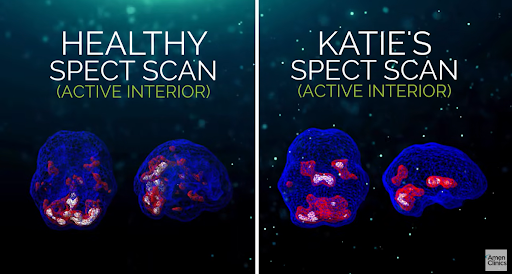
With the comprehensive evaluation, brain SPECT imaging revealed how her brain was functioning by measuring blood flow and activity. This helped identify patterns connected to her challenges with mood, behavior, and thinking.
But for Katie, the scan was just one piece.
Her evaluation also included a detailed personal history, providing insight into her life experiences, stress levels, lifestyle habits, and past trauma, including her head injury.
Neuropsychological testing helped assess her cognitive and emotional functioning. And additional labs, which were ordered as needed, helped to rule out other underlying biological issues.
Unlike many traditional psychiatric evaluations that focus only on symptoms, Amen Clinics’ method is more comprehensive. By gathering data to create a full picture of Katie, including her brain function, biology, and life history, Dr. Momoya and her care team gained a clear understanding of what was happening in her brain and body.
This whole-body approach allowed them to devise a personalized treatment plan tailored specifically to her needs.
What’s more, as Amen Clinics practices holistic psychiatry, the plan included natural ways to treat her brain injury and mental health conditions with diet, lifestyle factors, nutritional supplements, therapy, and medication, only when needed. She really responded to the integrative approach.
For Katie, it was the first time everything made sense. “It tied everything together,” she says.
Video: One Woman’s Journey Back from the Edge: How an Education in Brain Health Changed Katie’s Life
Still, taking the next step wasn’t easy. “When I came to Amen Clinics, I was really scared to see what my brain might look like,” she recalls.
But what she found, in working with Larry Momoya, MD, at Amen Clinics in Costa Mesa, California, wasn’t something to fear, but a roadmap to recovery.
Among other findings, her SPECT scan showed overactivity in the brain’s emotional and fear centers, a pattern commonly seen in anxiety and depression.
Instead of blaming herself, she began to understand that her symptoms had a biological basis. Seeing that her issues were rooted in brain function helped her believe that healing was possible. She had hope.
“What the brain scan has given me,” she says, “is that I can see exactly where I need to continue to do the work to optimize my brain function.”
For the first time, Katie’s struggles weren’t vague or mysterious. They were connected to real patterns in her brain. And having clarity changed everything.
With new insight came a clear path forward. Katie began following targeted brain-health strategies. She returned to a ketogenic diet, started taking recommended supplements, and committed to daily exercise.
The lifestyle changes didn’t just feel good. They created real results. “As I started to follow the protocols, my pain reduced. I started to feel better,” she says.
Over time, she began to notice something even more powerful.
“My brain is actually healing just from following those protocols already.”
Her experience highlights an essential truth: the brain can change, and what you do every day plays a critical role in that process.
Perhaps the most profound shift wasn’t just in her symptoms, but in how she saw herself. For years, she carried shame, believing she was flawed or broken. Now, she sees something entirely different.
“The brain can heal. It just gives you so much hope,” Katie says.
Today, Katie feels called to share that message with others. “I feel like it’s my purpose in life to help people out of the mud and join the mission to reframe mental health as brain health.”
To help her with this goal, in 2023, Katie became a certified Elite Brain Health Coach through Amen University.
In addition to coaching, she is an author, public speaker, and natural health practitioner. Katie turned her personal brain injury recovery into a mission to help others.
When she works with others who are struggling the way she once did, she offers them true understanding, something she didn’t always have.
“To be able to say to them that there’s hope, that’s a really, really massive thing,” she notes.
Katie’s story is a powerful reminder that mental health challenges are not character flaws. They are often rooted in brain health.
When you understand your brain and take a whole-body approach, you can begin to change your life.
And sometimes, the most important breakthrough starts with a simple realization: “It’s not you,” she says. “It’s your brain.”
Brain SPECT imaging can provide valuable insight into how your brain is functioning by measuring blood flow and activity patterns. While it is not a standalone diagnostic tool for conditions like anxiety, ADD/ADHD, or psychosis, it can reveal patterns associated with mood, anxiety, attention, and behavior challenges.
When used as part of a comprehensive evaluation, brain imaging helps clinicians better understand what may be driving symptoms and supports more personalized, targeted treatment.
Many mental health conditions share similar symptoms, such as anxiety, depression, or difficulty focusing.
Traditional evaluations often rely heavily on symptom checklists and self-reported experiences, which can make it difficult to distinguish between different conditions or identify co-occurring issues.
Without looking at underlying brain function, important differences can be missed, leading to higher rates of misdiagnosis and less effective treatment.
A brain-based focus looks beyond symptoms to understand how the brain is actually working. At Amen Clinics, this includes brain SPECT imaging, a detailed personal history, and cognitive assessments to create a more complete picture of each individual.
This whole-body approach, grounded in holistic psychiatry, allows clinicians to identify root causes and develop personalized treatment plans that may include lifestyle strategies, nutrition, supplements, therapy, and medication when needed.
When people understand that their struggles are related to brain health, not personal failure, it often reduces shame and makes it easier to seek and stay engaged in care.
Traumatic brain injury, ADHD, psychosis, and other mental health conditions can’t wait. At Amen Clinics, we practice precision medicine—using brain SPECT imaging and comprehensive evaluations to understand what’s really happening in your brain, not just your symptoms.
Our whole-body approach to holistic psychiatry combines cutting-edge neuroscience with natural ways to treat mental health conditions, including targeted nutrition, supplements, lifestyle strategies, therapy, and medications (when necessary). Every treatment plan is personalized to address the root causes of your struggles and support the health of your brain, body, and mind.
Don’t settle for guesswork. You deserve answers—and a plan built specifically for you. Speak with a Brain Health Advisor today at 888-288-9834 or visit our contact page to get started.
About the Reviewer
Dr. Larry Momaya is a board-certified adult psychiatrist and Fellow of the American Psychiatric Association. A UC Irvine College of Medicine graduate, he completed his psychiatry residency at UC Irvine in 2004 and has helped thousands of patients at Amen Clinics since then. He works with mood and anxiety disorders, ADHD, emotional overeating, addictions, relationship issues, and self-esteem concerns. Dr. Momaya uses an integrative approach that may include psychotherapy, hypnosis, visualization, spirituality, meditation, breathing techniques, and thought investigation to support mental wellness and personal empowerment.
References
Centers for Disease Control and Prevention website
Facts About ADHD in Adults
https://www.cdc.gov/adhd/php/adults/index.html
Accessed April 28, 2026
National Institute of Mental Health website
Mental Health Information
https://www.nimh.nih.gov/health/statistics/mental-illness
Accessed April 28, 2026
Centers for Disease Control and Prevention website
Mental Health Stigma
https://www.cdc.gov/mental-health/stigma/index.html
Accessed April 28, 2026
Vermani M, Marcus M, Katzman MA. Rates of detection of mood and anxiety disorders in primary care: a descriptive, cross-sectional study. Prim Care Companion CNS Disord. 2011;13(2):PCC.10m01013.
TL;DR: Zach Skow’s life was once defined by early alcohol and drug addiction, leading to liver failure and a fight for survival.
Through sobriety, an unexpected connection with rescue dogs, and a comprehensive brain-based evaluation at Amen Clinics, he gained insight into the brain dysfunction driving his addiction.
With a personalized, whole-body treatment approach and a commitment to brain health, Zach rebuilt his life.
Today, he channels his recovery into purpose, helping others heal through his work with Pawsitive Change.
Medically reviewed by Steven Storage, MD, Amen Clinics.

What happens when a life defined by addiction and self-destruction takes an unexpected turn toward healing, gratitude, and service?
For Zach Skow, co-founder of Pawsitive Change, a program that pairs rescue dogs with incarcerated individuals for rehabilitation and healing, alcohol and drug addiction came early in life. He used substances to quiet his inner turmoil and make it easier to face the world, until it stopped working.
A devastating diagnosis of liver failure, combined with the challenge of getting sober, marked a turning point. The bond he shared with his dogs became a lifeline during that time. Still, a long road of recovery and rebuilding lay ahead.
Then came an unexpected opportunity: a comprehensive brain-based evaluation at Amen Clinics. It offered insights into his brain health that he didn’t even realize he needed. For the first time, Zach began to understand what was really happening in his brain and what it would take to heal it.
With the guidance of Dr. Steven Storage from Amen Clinics in Los Angeles, California, and a personalized, whole-body approach to care, he found something he had not felt in years: hope.
This is the story of how brain health, purpose, and the right support system helped him reclaim his life after substance use disorder.
Zach, a former addict who found his purpose in rescuing dogs and who found hope thanks to an Amen Clinics brain scan, says it feels good “to be part of a qualified community of medical professionals where they’re not trying to ram pills down my throat at every turn.”
Zach Skow’s struggles with alcohol and drug addiction began early. By the age of 10, he had already started drinking, sneaking wine and vodka from cabinets at home. Not long after, drugs entered the picture. He began using marijuana at 13 and later discovered cocaine at 16.
Reflecting back, Zach has said that for as long as he can remember, he felt addicted to drugs and alcohol. He did not feel normal. He felt uncomfortable in his own skin and found it difficult to handle pressure or stress. Alcohol, he recalls, helped him cope with those feelings and made it easier to function in the world.
But what he did not understand at the time was that his brain was playing a powerful role in driving these behaviors.
Substances like alcohol and drugs trigger the release of dopamine, the brain’s “feel-good” chemical. For someone already struggling with emotional discomfort, this temporary relief can quickly become reinforcing. Over time, the brain begins to crave that escape, making it harder to stop the cycle.
What started as a way to self-soothe gradually became a pattern that would shape the course of his life, long before he had the insight or support to understand what was really happening in his brain.
Video: “If I Didn’t Have Those Dogs During That Experience I Would Have Killed Myself”: Zach Skow’s Story
Years of an out-of-control alcohol use disorder and drug abuse eventually brought Zach to death’s door.
In 2007, his body began to shut down. He remembers turning yellow, a visible sign of severe liver damage. What he would later learn was ascites, a serious condition linked to liver failure, had taken hold. The situation was life-threatening, and it forced a moment of reckoning.
At the same time, Zach committed to sobriety.
The early days were anything but easy. Withdrawal was intense, both physically and emotionally. But in the middle of that struggle, something unexpected began to change the trajectory of his life.
He started working with dogs.
What began as fostering quickly turned into something more. He brought in one dog after another, volunteered with animal rescue organizations in Tehachapi, CA, and immersed himself in caring for animals that, like him, needed a second chance.
He also began walking regularly and made significant changes to what he put into his body.
At the time, these activities were pursued simply as a way to survive. Zach did not know that he was intuitively drawn to what was helping him heal.
Indeed, animal therapy is recognized in research as a positive adjunctive therapy in substance use disorder recovery. Additionally, research has found that the positive effects of exercise can be an effective intervention in addiction recovery.
He also did not realize that these acts of self-preservation would eventually become his life’s work and purpose.
Looking back, Zach has been candid about just how critical that connection was, saying, “If I didn’t have my dogs for that experience, I would have killed myself.” They gave him a reason to keep going when everything else felt uncertain.
Related: Does Alcohol Kill Brain Cells? What Science Really Says
Zach’s journey took another pivotal turn when, as he describes it, “very miraculously,” someone from Amen Clinics reached out after hearing his story on a podcast and seeing his work online.
“That led me into the process of understanding what status my brain is in,” Zach recalls.
Working with Amen Clinics’ psychiatrist, Dr. Steven Storage, Zach underwent a brain SPECT scan and a comprehensive evaluation.
From the start, he felt supported. “Dr. Storage is just the best. I love that guy,” he says.
But the results were not easy to hear. “We walked through them, and they were difficult,” Zach explains. “I was essentially told that I had degrees of brain damage that we can work on.”
It was a sobering moment, no pun intended. Years of substance use had taken a measurable toll. The effects of alcohol on the brain over the course of years were visible. But instead of leaving him discouraged, the experience gave him understanding.
“I’ve damaged myself over the long haul. I’ve got to repair myself kind of over the long haul,” he says. “So I’m optimistic… and now I have a much better understanding of what’s going on with me.”
Even more validating was seeing the science align with his experience. “What Dr. Storage thought we might see in my scans was exactly what happened.”
For Zach, this was more than a diagnosis. It was confirmation, clarity, and the beginning of a new path forward grounded in brain health and real solutions.
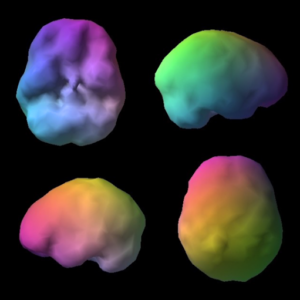
Healthy Surface Spect Scan
Zach Skow Surface SPECT Scan
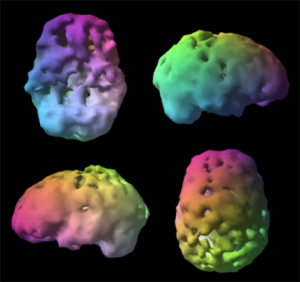
The healthy surface brain SPECT scan shows full, even symmetrical activity. The SPECT scans of people with alcohol and drug addiction, like Zach’s scan, tend to have an overall toxic appearance. The holes do not represent actual physical holes in the brain. They represent areas that are low in blood flow.
Zach’s experience is all too common. Years of drug and alcohol addiction does not just impact the body, it changes the brain.
Alcohol, for example, is known to decrease blood flow and activity in the brain. Over time, this can impair motivation, decision-making, memory, emotional regulation, and impulse control, research shows.
Importantly, alcohol abuse can significantly harm sleep regulation and other cognitive functions, studies have found.
What’s more, excessive alcohol use can damage the frontal lobes, the area responsible for judgment and self-control, making it harder to stop harmful behaviors even when the consequences are clear.
Marijuana, especially when used at a young age, can also disrupt normal brain development and function. Research shows marijuana use is associated with negative effects on attention, motivation, and memory, as well as with mental health disorders such as anxiety or depression.
Cocaine adds another layer of damage. Studies have shown that cocaine use can lead to structural changes in the brain, including decreased gray matter density, which is linked to reduced cognitive function. It can impair memory, learning, planning, decision-making, and cognitive flexibility, making it harder to think clearly or adapt to change.
Together, these substances can create patterns in the brain that reinforce addiction, making it feel less like a choice and more like being stuck.
SPECT scans can be a critical tool in the recovery process. They allow clinicians to actually see blood flow and activity patterns in the brain. Combined with a detailed personal history and neuropsychological testing, they gain a comprehensive understanding of what is happening in an individual’s brain and body.
This allows them to create a personalized treatment plan that helps to restore brain health and address the underlying mechanisms driving addiction. A treatment plan may include targeted nutrition, supplements, lifestyle changes, therapy, and medication (if necessary), all guided by a precision medicine, whole-body approach.
This is the approach Dr. Steven Storage used in working with Zach.
Instead of focusing only on stopping the addictive behavior, the goal was to heal the brain itself. By improving brain function, the drive behind the addiction could begin to change, making recovery not just possible, but sustainable.
Thanks to neuroplasticity, your brain can get better with the right tools.
Related: Cannabis: The Heart and Brain Risks No One Warned Your About
Armed with new insight into his brain, Zach began to approach his recovery in a completely new way.
For the first time, he understood not just that he had struggled, but why. His brain scan revealed patterns that helped explain the constant state of stress and reactivity he had lived with for years.
“My brain is parasympathetic nervous system–compromised,” he explains. “Everything was right in the lizard center of my brain where I’m fight or flight like crazy… and it was exactly what it showed.”
Instead of feeling discouraged, the results gave him direction. “So now I know what I have to do,” he says. “I’m optimistic, and I have a much better understanding of what’s going on with me.”
A major part of that optimism came from the approach itself. At Amen Clinics, the focus is not just on managing symptoms, but on optimizing and healing the brain and body through a combination of cutting-edge neuroscience and natural strategies.
For Zach, this was a refreshing and deeply meaningful shift from what he had experienced in the past. “I can also tell you how good it feels to be part of a qualified community of medical professionals where they’re not trying to ram pills down my throat at every turn,” he says.
Rather than relying on a medication-only approach, his care plan emphasized practical, sustainable ways to support brain health, including lifestyle changes, nutrition, and targeted interventions designed specifically for his brain.
For Zach, this approach did more than support recovery. It empowered him, giving him ownership of his healing and the tools to move forward with clarity, confidence, and purpose.
With a clear understanding of his brain and a plan in place, Zach fully embraced a brain-healthy lifestyle. Today, his recovery is not just about what he has overcome, but how he chooses to live every day.
“I have a lot of hope for the future,” he says. “There’s something uplifting and invigorating knowing that it’s up to me, that I have all the information, and I have a great support crew with me. I have my own pit crew now.”
Zach committed to making decisions that support his brain and overall health. He eliminated the substances and habits that once fueled his struggles and replaced them with choices that promote healing.
“No more drugs, no more alcohol, no more bad food,” he says. “Grilled vegetables, protein, and vitamins.”
Indeed, research shows that sound nutrition and supplementation can play an important role in addiction recovery. These changes were not just symbolic. They had a real impact.
“I got rapidly better,” he adds.
His story is a powerful reminder that when you understand your brain and give it what it needs, lasting change is possible. With the right support, consistent habits, and a commitment to brain health, recovery can become a path to something even greater: a renewed sense of purpose and possibility.
As Zach reflects on his journey, one theme rises above all the rest: gratitude. What Amen Clinics gave him was more than insight into his brain. It was a sense of being seen, supported, and invested in at a time when he needed it most.
“To have the foundation and the clinic itself look at me and say, ‘Hey, we appreciate what you’re trying to do for the world. Let’s do something for you,’ was extremely emotional,” he says. “That’s something I’ll be most grateful for my entire life.”
For someone who once believed his struggles were simply something he would have to endure, that moment changed everything.
“Everyone talks about miracles,” Zach says. “But that was a really big deal. And I have hope.”
Today, that hope extends out into the world. Through his work with Pawsitive Change, Zach has become a force of healing in the community, helping others find purpose, connection, and transformation just as he did.
By bringing together rescue dogs and incarcerated individuals, he is creating second chances on both ends of the leash, proving that healing is possible in even the most difficult circumstances.
His journey is a powerful example of what can happen when brain health, compassion, and purpose come together.
At Amen Clinics, addiction is viewed as a brain health issue, not a character flaw. By focusing on improving brain function, Amen Clinics helps people reduce cravings, strengthen self-control, and support long-term recovery.
Instead of using a one-size-fits-all approach, clinicians begin with a comprehensive evaluation that may include brain SPECT imaging, a detailed personal history, and neuropsychological testing.
This process helps identify the underlying factors driving addictive behaviors, such as low brain activity, overactivity, trauma, or other biological influences.
From there, a personalized treatment plan is created using a whole-body, precision medicine approach. This may include targeted nutrition, supplements, therapy, lifestyle changes, and medication only when necessary.
Alcohol, marijuana, and cocaine all impact the brain in harmful ways. Alcohol reduces blood flow and activity, impairing judgment, impulse control, and decision-making over time.
Marijuana, especially during adolescence, can disrupt brain development and affect attention, memory, and motivation, while also contributing to mood issues.
Cocaine can cause structural changes, including reduced gray matter, leading to problems with memory, learning, planning, and decision-making.
Together, these substances reinforce addictive patterns, making it harder to stop without targeted support.
Addiction is not just about behavior; it is rooted in how the brain functions. Different patterns of brain activity can drive cravings, impulsivity, anxiety, or compulsive behaviors.
Without understanding what is happening in the brain, treatment often becomes trial and error. By looking at brain function through tools like SPECT imaging, clinicians can identify specific areas that need support and tailor treatment accordingly.
This brain-based approach helps address the root causes of addiction, rather than just managing symptoms, leading to more effective and lasting recovery.
Dr. Steven Storage is a child, adolescent, and adult psychiatrist at Amen Clinics. He earned his medical degree from the UCLA School of Medicine, completed his general psychiatry residency at Stanford Hospital & Clinics, and finished his child/adolescent psychiatry fellowship at the University of Southern California, where he served as Chief Fellow. Dr. Storage is board certified in both adult psychiatry and child/adolescent psychiatry and serves as Adjunct Clinical Professor of Psychiatry at USC. His clinical expertise includes ADHD, autism spectrum disorders, anxiety, depression, bipolar disorders, OCD, PTSD, traumatic brain injury, and psychiatric symptoms in medically complex patients.
Monfort Montolio M, Sancho-Pelluz J. Animal-Assisted Therapy in the Residential Treatment of Dual Pathology. Int J Environ Res Public Health. 2019 Dec 23;17(1):120. doi: 10.3390/ijerph17010120. PMID: 31877972; PMCID: PMC6981395.
Smith MA, Lynch WJ. Exercise as a potential treatment for drug abuse: evidence from preclinical studies. Front Psychiatry. 2012 Jan 12;2:82. doi: 10.3389/fpsyt.2011.00082. PMID: 22347866; PMCID: PMC3276339.
Sullivan EV, Harris RA, Pfefferbaum A. Alcohol’s Effects on Brain and Behavior. Alcohol Res Health. 2010;33(1-2):127-143. PMID: 235powe79943
Koob GF, Colrain IM. Alcohol use disorder and sleep disturbances: a feed-forward allostatic framework. Neuropsychopharmacology. 2020;45(1):141-165. doi:10.1038/s41386-019-0446-0
Bloomfield MA, Ashok AH, Volkow ND, Howes OD. The effects of Δ9-tetrahydrocannabinol on the dopamine system. Nature. 2016 Nov 17;539(7629):369-377. doi: 10.1038/nature20153. PMID: 27853201; PMCID: PMC5123717.
Gould RW, Gage HD, Nader MA. Effects of chronic cocaine self-administration on cognition and cerebral glucose utilization in Rhesus monkeys. Biol Psychiatry. 2012 Nov 15;72(10):856-63. doi: 10.1016/j.biopsych.2012.05.001. Epub 2012 Jun 5. PMID: 22672928; PMCID: PMC3440537.
White B, Sirohi S. A Complex Interplay between Nutrition and Alcohol use Disorder: Implications for Breaking the Vicious Cycle. Curr Pharm Des. 2024;30(23):1822-1837. doi: 10.2174/0113816128292367240510111746. PMID: 38797900; PMCID: PMC12085226.
TL;DR: Depression is more common than ever, yet it’s often overlooked or misdiagnosed because symptoms alone don’t tell the full story. Research shows that many people don’t receive the right diagnosis or treatment, leading to poor outcomes.
Brain SPECT imaging, when used as part of a comprehensive evaluation, can reveal how the brain is functioning and help identify activity patterns associated with different types of depression.
These insights help clinicians to more accurately diagnose depression and develop more personalized and effective care plans.
The takeaway? Depression isn’t one-size-fits-all, and treatment shouldn’t be either. A brain-based, whole-body approach can help uncover root causes and lead to more targeted, meaningful solutions.
Medically reviewed by Daniel Emina, MD, Amen Clinics.
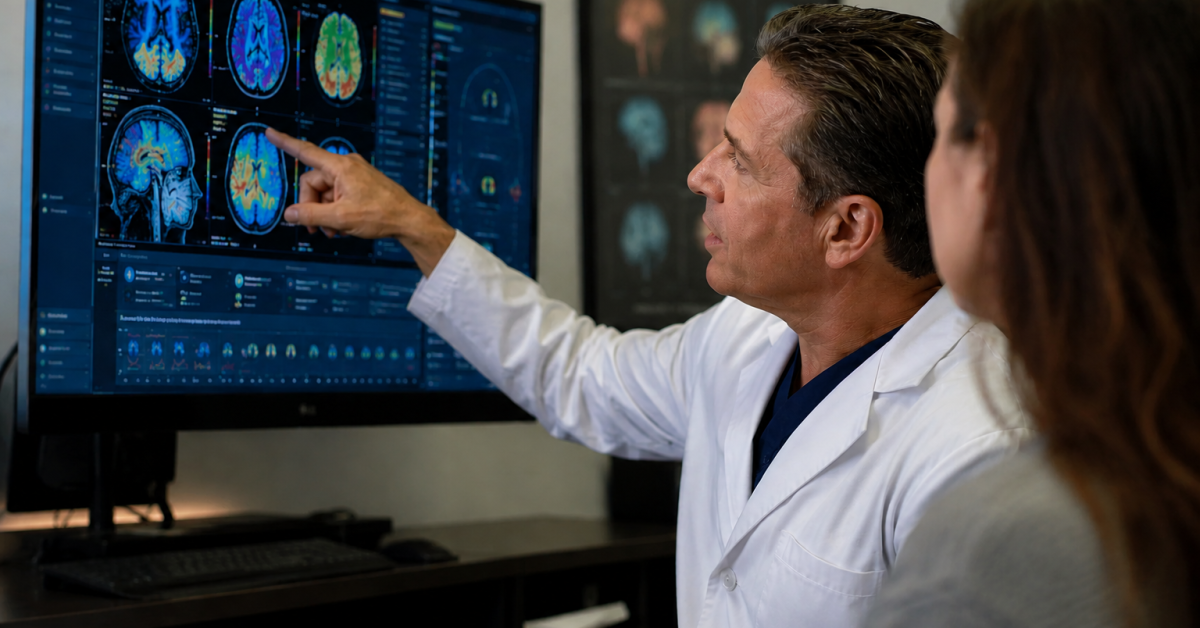
Depression has risen to historic highs among U.S. adults. A 2025 Gallup Poll reported that more than 18 percent (an estimated 47.8 million Americans) currently have or are being treated for depression, representing an eight percent increase since 2015.
Yet studies indicates that many cases remain undetected, untreated, or misdiagnosed. Some research suggests that the rate of misdiagnosis may exceed 65 percent, raising an important question: can brain SPECT imaging help identify depression more accurately?
At Amen Clinics, SPECT scans are used as part of a comprehensive evaluation to assess blood flow and activity patterns in the brain. These patterns are often linked to different mental health conditions, including seven distinct types of depression, offering valuable insights for clinicians.
With depression, as with any mental health condition, it’s critical to use tools that help uncover what’s really happening in the brain. While SPECT is not a standalone diagnostic tool, it provides important data that can support a more accurate diagnosis and guide more effective, personalized treatment, going beyond the traditional “symptoms-only” approach.
In this blog, you’ll learn how brain SPECT imaging helps identify depression and supports more accurate diagnosis, informed treatment, and better outcomes.
With seven types of depression, each having their own presentation and symptoms, a one-size-fits-all treatment often does not work. Using brain SPECT imaging helps create a more effective treatment plan because it is customized to treat the individual’s type of depression.
Major depressive disorder is traditionally identified through:
While these are useful steps to take, the symptoms of depression can overlap with other mental health conditions, making accurate diagnosis more difficult. And co-existing factors, including anxiety, trauma, or attention deficit hyperactivity disorder (ADHD), also called attention deficit disorder (ADD), can complicate accurate diagnosis further.
Related: What Doctors Can’t Tell You About Your Depression, Anxiety, or Anger
With traditional diagnosis, there is no biological testing, though numerous biological factors can contribute to depression. Without looking at the very organ affected, the brain, or having an accurate diagnosis, doctors often take a trial-and-error approach to treatment. Unfortunately, this can lead to delayed symptom relief, persistent adverse side effects, and patient discouragement.
SPECT is an acronym for single photon emission computed tomography. This type of imaging provides a functional brain scan, as opposed to structural imaging tools such as MRI or CT scans, which show the brain’s anatomy.
As a state-of-the-art nuclear medicine study, SPECT measures blood flow and activity levels in different areas of the brain. This shows how the brain is working. It identifies areas of healthy activity, overactive activity, or underactive activity in different regions of the brain.
SPECT imaging does not diagnose depression on its own. But it can reveal brain activity patterns commonly associated with depressive symptoms. SPECT may also help differentiate depression from other conditions that are present.
SPECT therefore provides additional data beyond symptom reporting. With a clearer picture of the brain’s workings, SPECT imaging helps guide a more personalized understanding of what may be happening in the brain. This information then helps guide a more accurate diagnosis and targeted treatment.
A variety of brain patterns are associated with depression:
Mental health conditions, including depression, are complex. But research and imaging studies suggest associations between certain symptoms and brain patterns. SPECT helps provide a deeper understanding of depression when used alongside traditional diagnosis methods.
Not all depression looks the same. Different individuals may have:
With a database of nearly 300,000 SPECT scans and having treated more than 100,000 patients over decades, our work at Amen Clinics has revealed that depression is not one thing. In fact, our clinicians have identified seven types of depression and anxiety, each with a distinct pattern of blood flow and brain activity:
With seven types of depression, each having their own presentation and symptoms, a one-size-fits-all treatment often does not work. The treatment protocol for one type might make another type’s symptoms worsen. Using brain SPECT imaging helps create a more effective treatment plan because it is customized to treat the individual’s type of depression.
Video: Seven Types of Anxiety & Depression
Depression symptoms can overlap with other conditions. For example, the same symptoms of depression could also be the symptoms noted for any of the following conditions:
Therefore, symptoms alone may not tell the whole story. Ruling out medical causes is essential before diagnosing major depressive disorder.
With our brain health-first approach, Amen Clinics uses SPECT imaging as an integral part of a comprehensive evaluation.
SPECT is combined with diagnostic tools such as:
This collection of data, including the SPECT scan, helps our clinicians gain a clear understanding of what is really happening in the brain. If you have depression, they will typically be able to identify which subtype you have, plus any co-occurring conditions.
Then, using precision medicine, they can design a treatment plan tailored to address any identified brain dysfunction, as well as boost overall brain and body health.
A clinician reviews your SPECT scan and personalized treatment plan with you in detail.
SPECT scans also help clients and their loved ones understand that the symptoms of depression are not flaws, character defects, or personal weaknesses. Seeing the brain function issues on the brain scan depersonalizes depression. Knowing that this condition is rooted in brain function helps reduce shame and blame.
Moreover, this kind of scientific and compassionate understanding increases the motivation to make meaningful lifestyle changes. At follow-up appointments, the clinician and client can track results over time.
The brain-body connection is crucial in treating any mental health condition. Factors such as diet, physical activity, and sleep all significantly impact mental well-being.
Therefore, holistic psychiatry as practiced at Amen Clinics may include:
This whole-body approach to holistic psychiatry offers many natural ways to treat mental health conditions, including depression. But what works for one type of depression may not work for another. That’s why treatment is always personalized to the needs of the individual.
Related: 9 Natural Ways to Help Depression
Brain SPECT imaging offers numerous benefits for clinicians and their clients. This cutting-edge diagnostic tool:
Individuals are different, and each person’s depression symptoms are unique. Therefore, treatment should be individualized and brain-based.
A brain-based evaluation can be particularly helpful for individuals experiencing any of the following:
Getting a comprehensive evaluation can improve the accuracy of your diagnosis. In our published outcome study, we found that 79 percent of patients who came to Amen Clinics left with a different diagnosis and treatment plan than when they came in.
Additionally, our individualized treatment plan is designed to address your specific brain patterns, symptoms, and lifestyle.
Brain SPECT imaging is not a standalone tool for diagnosis but is used as part of combination of diagnostic measures. Brain imaging also requires professional clinical interpretation. The clinicians at Amen Clinics are equipped to use SPECT as part of a comprehensive evaluation and care plan.
Depression is complex, and symptoms alone don’t always reveal the full picture. That’s why a comprehensive professional evaluation is essential for accurate diagnosis and effective treatment.
Looking at the brain, along with key biological and lifestyle factors, can provide deeper insight into what’s driving symptoms. Tools like SPECT imaging add valuable information that can help guide more targeted, personalized care.
If you’re not finding answers or relief from depression symptoms, a thorough evaluation can help you move beyond guesswork and toward a clearer path to recovery.
Help is available. If you’re looking for deeper answers, consider a comprehensive evaluation at Amen Clinics that looks beyond symptoms to understand and treat your brain, body, and mental health.
A SPECT brain scan is helpful for looking at underlying brain activity and patterns, which can provide important insight when diagnosing depression. This critical data, used in combination with a comprehensive evaluation (such as a detailed personal history, clinical assessments, and lab work when needed), enables the most accurate diagnosis and treatment.
Brain SPECT imaging is a cutting-edge diagnostic tool that shows clinicians how the brain is functioning. It shows what areas are working well, working too hard, or not working hard enough. Based on nearly 300,000 brain scans and treating more than 100,000 patients, Amen Clinics has determined there are seven subtypes of depression. Each has its own brain patterns and requires a targeted treatment plan.
At Amen Clinics, brain scans help identify these different types of depression, as well as consider possible biological factors and distinguish between conditions with similar symptoms. Finally, SPECT enables a personalized treatment plan for better results.
Many psychiatrists diagnose depression without brain imaging. However, a symptoms-only approach to diagnosis fails to look at the very organ it aims to treat: the brain. This can create a trial-and-error method of treatment, which can lead to years or even decades of unnecessary struggles. In some cases, it can make symptoms worse.
Brain imaging allows for more targeted treatment for depression, which accelerates the healing process.
Depression and anxiety occur together 75 percent of the time. Through our imaging work over decades with more than 100,000 patients, SPECT imaging has helped our clinicians identify seven types of depression and anxiety. Each type has associated brain activity patterns and symptoms. Knowing an individuals type helps clinicians create a targeted treatment plan for better results.
Yes. Numerous biological factors are associated with depression symptoms. Possibilities include traumatic brain injury, low thyroid levels, inflammation, mold exposure, infections like COVID, and heart disease. SPECT brain imaging and a comprehensive evaluation help rule out biological factors as potential causes of depression symptoms.
Depression, anxiety, and other mental health conditions can’t wait. At Amen Clinics, we practice precision medicine—using brain SPECT imaging and comprehensive evaluations to understand what’s really happening in your brain, not just your symptoms.
Our whole-body approach to holistic psychiatry combines cutting-edge neuroscience with natural ways to treat mental health conditions, including targeted nutrition, supplements, lifestyle strategies, therapy, and medications (when necessary). Every treatment plan is personalized to address the root causes of your struggles and support the health of your brain, body, and mind.
Don’t settle for guesswork. You deserve answers—and a plan built specifically for you. Speak with a Brain Health Advisor today at 888-288-9834 or visit our contact page to get started.

Dr. Daniel Emina is an Associate Medical Director at Amen Clinics and a child, adolescent, and adult psychiatrist. He earned his medical degree from the UCLA School of Medicine and completed his psychiatry residency and child/adolescent psychiatry fellowship at the University of Hawaii Department of Psychiatry. Dr. Emina uses psychotherapy, pharmacotherapy, pharmacogenomics, brain imaging, TMS, and integrative therapies to optimize brain health and function. He is experienced in treating anxiety, depression, ADHD, autism spectrum disorders, OCD, PTSD, addiction, mood disorders, and traumatic brain injuries in both children and adults.
U.S. Depression Rate Remains Historically High. By Dan Witters. September 9, 2025. https://news.gallup.com/poll/694199/u.s.-depression-rate-remains-historically-high.aspx
Handy A, Mangal R, Stead TS, Coffee RL Jr, Ganti L. Prevalence and Impact of Diagnosed and Undiagnosed Depression in the United States. Cureus. 2022 Aug 14;14(8):e28011. doi: 10.7759/cureus.28011. PMID: 36134073; PMCID: PMC9470500.
Vermani M, Marcus M, Katzman MA. Rates of detection of mood and anxiety disorders in primary care: a descriptive, cross-sectional study. Prim Care Companion CNS Disord. 2011;13(2):PCC.10m01013. doi: 10.4088/PCC.10m01013. PMID: 21977354; PMCID: PMC3184591.
TL;DR:

From to-do lists to sticky note reminders to color-coded planners, writing things down can make life a little easier. But organizing your schedule is one thing. Organizing your thoughts is another. There’s something different about learning how to journal for mental health, especially when you’re feeling overwhelmed, stressed, anxious, or depressed.
According to research, simply putting your feelings into words can reduce stress in the brain and body, which is something scientists call affect labeling. The best part is that it works even when you’re not actively trying.
What’s more, reaching for a notebook or opening a blank Notes app to write out feelings during challenging times is a very healthy thing to do. A 2023 study suggested that writing about thoughts and emotions can help people process difficult experiences and may even reduce symptoms of stress, depression, and anxiety over time.
Journaling for mental health isn’t a performance or a test you have to pass. There’s no special format or perfect notebook required. This guide is here to help you start honestly, keep going imperfectly, and use writing as a tool to support your mental health
Journaling allows the brain to organize experiences into a clearer, more accurate narrative, making stressful events easier to understand. Putting emotions into words also supports cognitive processing and helps create meaning.
The brain has a tendency to replay worries on a loop. Psychologists call this rumination, a pattern that can intensify anxiety and depression. A 2022 literature review study on expressive writing found that structured writing exercises can help reduce rumination and support more effective processing of stressful experiences.
Writing things down helps slow those thoughts. Putting feelings into words also creates distance. Instead of being caught in an emotional spiral, you can get outside of it, gaining perspective.
If you struggle with negative thoughts, it will also allow you to clearly examine a persistent negative thought and ask if it is really true. So often, our thoughts lie to us. When you question them, it helps reduce their negative influence.
Journaling allows the brain to organize experiences into a clearer, more accurate narrative, making stressful events easier to understand. Research suggests that putting emotions into words supports cognitive processing and helps create meaning.
Journaling for mental health works best when it’s treated as a personal practice, not a task to get “right.” Some entries will feel insightful. Others may feel repetitive or incomplete. Both are part of the process. The real benefit comes from showing up and allowing your thoughts to unfold over time.
Related: How to Take Charge of Your Mental Health Journey
Starting something new, especially something so personal, can feel awkward at first. If you’re hesitating because you’re worried about doing it wrong or that you won’t know what to write. That’s normal, too. But it doesn’t have to be scary.
Instead of thinking about journaling as a creative project, try reframing it as a personal health habit like stretching or taking a walk. It’s simply a space where you can check in with yourself. Here’s how you can start:
There’s no correct journaling format. What matters most is choosing a method that feels natural and private.
Many people prefer a traditional notebook because writing by hand slows thinking down and encourages reflection. It can also help you feel grounded in the present, which is particularly beneficial as part of a morning or nightly ritual. Research shows that handwritten expressive writing exercises can improve emotional processing and reduce psychological stress in some participants.
Benefits:
Considerations:
Typing into a phone or computer works well for people who think quickly or prefer convenience. Just keep in mind that screens are social spaces by design. A 2022 study shows how digital devices interrupt attention and cognitive focus, so be aware that there is a greater potential for distraction if you are using one.
Benefits
Considerations:
Guided journals provide prompts or structured reflection questions. According to a 2018 study, structured writing prompts can help you explore emotions more effectively than completely unstructured writing, especially for beginners.
Benefits:
Considerations:
Ultimately, the best format is the one you’ll actually use and enjoy doing. Try them all to see which one feels most natural and comfortable. Whatever you choose, make it a habit you return to consistently.
Consistency matters more than the duration of your journaling session. It doesn’t require long sessions to be meaningful. A 2021 expressive writing study used sessions lasting about 15 to 20 minutes over several consecutive days, suggesting that relatively brief writing periods can still support emotional processing and reflection.
For everyday journaling, even 5 to 10 minutes can be enough. Try choosing a simple time anchor, such as:
Think of it less as an assignment and more as a personal ritual where you pause during the day to give your thoughts room to breathe. If journaling every day feels like too much, do it every other day. If you miss a day, just pick up again as soon as you can. Consistency is the goal.
Some people abandon journaling because they feel pressure to write well. Framing it as simply writing words on the page, instead of trying to make it sound polished, can help. A 2022 systematic review found many types of journaling interventions were associated with improved mental health symptoms. Setting just one small rule can remove that mental pressure and give you the freedom to just start writing. Here are some “rules’ that can free up the process:
“I don’t edit myself.”
Embracing free-flow journaling encourages a meditative flow, where thoughts move more freely without constant self-monitoring.
“Spelling doesn’t matter.”
Journaling isn’t an essay or novel plan. Imperfect writing often reflects more honest thinking, so just be honest with yourself. You’ll know what you meant.
“This is just for me.”
Your journal is a private space for you. No audience, no expectations, and no grades. Being honest with yourself can be the hardest step, but it’s worth it.
These rules are there to help you turn journaling into a place of honest expression that helps you regulate your emotions and heal your mental health.
Video: This Is How Negative Thinking Impacts Your Brain
Once you’ve started journaling, the next challenge is pretty common.
What exactly do I write?
Many people open a notebook and suddenly feel like their thoughts are a blank slate. That’s normal, too. Writing about your mental health doesn’t require dramatic stories or deep insights.
Research suggests that simply expressing thoughts and emotions through writing can support emotional processing over time. Often, the most helpful entries start with what’s happening right now.
Instead of trying to analyze your entire life story, begin with simple observations of your daily life. Some research shows that focusing on the present moment is linked to lower levels of stress, anxiety, and depression.
You might start writing about:
These details may seem small, but they create self-awareness. Over time, journaling can reveal the patterns in your stress, mood, and daily experiences.
Prompts are most helpful when you feel stuck because they can gently guide your thoughts without forcing them. Try starting with phrases like these:
Write whatever emotions or moods are present at that moment, even if they seem contradictory.
This prompt can help you identify recurring concerns, unresolved thoughts, and previously unknown mental burdens.
Repeating thoughts often signal something important on your mind that you’re trying to process. Even a few sentences responding to these prompts can open the door to deeper reflection.
One of the most helpful mindset shifts is accepting that messy writing is normal and can be quite helpful to understanding how you think. Your journal might include a few:
But that’s not a bad thing. This is just your natural rhythm of processing experiences. Your human brain rarely follows a perfect structure in how you think. Journaling just gives your thoughts space to unfold.
If you’d like more structure while you’re learning how to journal for mental health, specific prompts in the form of questions can help guide self-reflection without overthinking it. The examples below help you emphasize awareness, emotional regulation, and balanced thinking.
Gratitude journaling doesn’t mean ignoring difficult emotions. You simply add balance by noticing supportive moments in order to see the full picture outside of yourself.
Related: The 5-Minute Morning Routine to Boost Your Brain
Journaling is most helpful when it feels supportive rather than stressful. However, these common habits can make it feel like a chore. Here are a few ways to reframe things when you start feeling off-track.
Most people start journaling and immediately try to solve their problems and figure out all of their emotions. Instead, focus on describing what’s happening now. Understanding often comes with time.
Journaling during difficult moments is helpful, but writing occasionally during calm periods provides balance. It also makes journaling feel less like an emergency tool and more like a supportive habit.
Everyone knows life gets busy. Missing a few days, or even weeks, doesn’t erase the value of journaling whenever you can. It’s as simple as returning to it when you’re ready. Your journal isn’t keeping a winning or losing score on how often you write, and you shouldn’t either.
Learning how to journal for mental health can be a powerful self-reflection tool, but it isn’t a cure-all treatment.
If your emotions feel intense, persistent, or overwhelming, support from a qualified mental health professional can make a meaningful difference. Therapists, psychiatrists, and other mental health professionals are trained to help you navigate complex emotional experiences.
A 2019 study suggests that expressive writing may complement other therapeutic approaches. For example, writing interventions have been studied as supportive tools for people facing stressful medical diagnoses, showing improvements in emotional well-being and quality of life.
Still, journaling works best as one tool among many. It can work especially well when combined with professional guidance.
But you don’t need to feel like something is wrong with you to gain the benefit of writing to understand yourself more.
The easiest way to maintain journaling is to connect it to an existing routine. Attach it to something you already do. A 2024 systematic review found that attaching a new behavior to an existing routine is one of the most effective ways to make it stick. Here are a few examples to think about trying:
Over time, lowering your expectations can also help sustain the habit. Instead of writing long entries every day, allow your practice to evolve from short bursts like:
Journaling works best when it adapts to your life, not the other way around.
Mental health affects everyone, not just an individual person. Your loved ones, friends, coworkers, and communities can all be impacted when you do not care for your own mental well-being. When someone takes time to reflect, process emotions, and seek support, those changes often ripple outward, too.
Learning how to start a journal for mental health improves your communication, patience, and understanding of yourself and others.
Journaling is one small but meaningful way to start that process. It’s not about writing beautifully or filling pages perfectly. It’s about showing up honestly and giving those swirling thoughts a place to land.
Mental health journaling is the practice of writing about your thoughts, emotions, and daily experiences to better understand what’s happening internally, encourage reflection, and build awareness rather than perfection. Over time, journaling can help people recognize patterns in mood, stress triggers, and emotional responses. These insights can support healthier coping strategies.
Start small and keep the process simple.
Choose a notebook or digital app that feels private and accessible. Set aside five minutes and write whatever comes to mind without worrying about grammar, structure, or spelling.
The most important part is honesty. Journaling works best when it feels like a conversation with yourself rather than a writing assignment.
Write about a variety of experiences and observations. A few common topics include:
Simple prompts like “Right now, I feel…” or “Something that’s been on my mind lately…” can help you get started.
There’s no required schedule when learning how to start a journal for mental health. Some people write daily, while others journal a few times a week or only during stressful periods. Consistency matters. Focus on making the habit feel manageable and supportive. Even short writing sessions can be meaningful.
Journaling can support self-reflection and emotional awareness, but it should not replace professional mental health care.
Amen Clinics offers integrated mental health care with a whole-body approach. Our comprehensive evaluation includes brain SPECT imaging, a detailed personal history, and clinical assessments to help understand what is really going on your brain.
Our clinicians practice precision medicine and holistic psychiatry by using this data to craft personalized treatment plans, which includes natural ways to treat mental health conditions, such as lifestyle changes, nutritional interventions, and therapy. Medication is only used when necessary.
Journaling can complement therapy by helping you organize those thoughts and track emotional patterns between sessions.
Stress, depression, anxiety, and other mental health conditions can’t wait. At Amen Clinics, we practice precision medicine—using brain SPECT imaging and comprehensive evaluations to understand what’s really happening in your brain, not just your symptoms.
Our whole-body approach to holistic psychiatry combines cutting-edge neuroscience with natural ways to treat mental health conditions, including targeted nutrition, supplements, lifestyle strategies, therapy, and medications (when necessary). Every treatment plan is personalized to address the root causes of your struggles and support the health of your brain, body, and mind.
Don’t settle for guesswork. You deserve answers—and a plan built specifically for you. Speak with a Brain Health Advisor today at 888-288-9834 or visit our contact page to get started.
Founded in 1989 by double-board certified psychiatrist and neuroscientist Daniel G. Amen, MD, Amen Clinics Inc. (ACI) is known as the best brain and mental health company in the world. Our clinical staff includes over 50 healthcare specialists, including adult and child psychiatrists, integrative (functional) medicine physicians, naturopaths, addiction specialists, forensic psychiatrists, geriatric psychiatrists, nutritionists, licensed therapists, and more. Our clinicians have all been hand-selected and personally trained by Dr. Amen, whose mission is to end mental illness by creating a revolution in brain health. Over the last 35-plus years, ACI has built the world’s largest database of functional brain scans—nearly 300,000 SPECT scans on patients from 155 countries—related to how people think, feel, and behave.
Torre, J. B., & Lieberman, M. D. (2018). Putting Feelings Into Words: Affect Labeling as Implicit Emotion Regulation. Emotion Review, 10(2), 116-124. https://journals.sagepub.com/doi/10.1177/1754073917742706
Guo L. (2023). The delayed, durable effect of expressive writing on depression, anxiety and stress: A meta-analytic review of studies with long-term follow-ups. The British journal of clinical psychology, 62(1), 272–297. https://doi.org/10.1111/bjc.12408
Lukenda, K., Sülzenbrück, S., & Sutter, C. (2024). Expressive writing as a practice against work stress: A literature review. Journal of Workplace Behavioral Health, 39(1), 106–137. https://doi.org/10.1080/15555240.2023.2240512
Rude, S. S., Lantrip, C., Aguirre, V. A., & Schraegle, W. A. (2023). Chasing elusive expressive writing effects: emotion-acceptance instructions and writer engagement improve outcomes. Frontiers in psychology, 14, 1192595. https://doi.org/10.3389/fpsyg.2023.1192595
Marano, G., Kotzalidis, G. D., Lisci, F. M., Anesini, M. B., Rossi, S., Barbonetti, S., Cangini, A., Ronsisvalle, A., Artuso, L., Falsini, C., Caso, R., Mandracchia, G., Brisi, C., Traversi, G., Mazza, O., Pola, R., Sani, G., Mercuri, E. M., Gaetani, E., & Mazza, M. (2025). The Neuroscience Behind Writing: Handwriting vs. Typing-Who Wins the Battle?. Life (Basel, Switzerland), 15(3), 345. https://doi.org/10.3390/life15030345
Upshaw, J. D., Stevens, C. E., Jr, Ganis, G., & Zabelina, D. L. (2022). The hidden cost of a smartphone: The effects of smartphone notifications on cognitive control from a behavioral and electrophysiological perspective. PloS one, 17(11), e0277220. https://doi.org/10.1371/journal.pone.0277220
Smyth, J. M., Johnson, J. A., Auer, B. J., Lehman, E., Talamo, G., & Sciamanna, C. N. (2018). Online Positive Affect Journaling in the Improvement of Mental Distress and Well-Being in General Medical Patients With Elevated Anxiety Symptoms: A Preliminary Randomized Controlled Trial. JMIR mental health, 5(4), e11290. https://doi.org/10.2196/11290
Stapleton, C. M., Zhang, H., & Berman, J. S. (2021). The Event-Specific Benefits of Writing About a Difficult Life Experience. Europe’s journal of psychology, 17(1), 53–69. https://doi.org/10.5964/ejop.2089
Sohal, M., Singh, P., Dhillon, B. S., & Gill, H. S. (2022). Efficacy of journaling in the management of mental illness: a systematic review and meta-analysis. Family medicine and community health, 10(1), e001154. https://doi.org/10.1136/fmch-2021-001154
Lai, J., Song, H., Wang, Y., Ren, Y., Li, S., Xiao, F., Liao, S., Xie, T., & Zhuang, W. (2023). Efficacy of expressive writing versus positive writing in different populations: Systematic review and meta-analysis. Nursing open, 10(9), 5961–5974. https://doi.org/10.1002/nop2.1897
Smith, K., Haliwa, I., Chappell, A., Wilson, J. M., & Strough, J. (2024). Psychological health benefits of focusing on the ‘here and now’ versus a limited future during the COVID-19 pandemic. Journal of American college health : J of ACH, 72(9), 3103–3108. https://doi.org/10.1080/07448481.2022.2155059
Faccio, E., Turco, F., & Iudici, A. (2019). Self-writing as a tool for change: the effectiveness of a psychotherapy using diary. Research in psychotherapy (Milano), 22(2), 378. https://doi.org/10.4081/ripppo.2019.378
Singh, B., Murphy, A., Maher, C., & Smith, A. E. (2024). Time to Form a Habit: A Systematic Review and Meta-Analysis of Health Behaviour Habit Formation and Its Determinants. Healthcare (Basel, Switzerland), 12(23), 2488. https://doi.org/10.3390/healthcare12232488
Did you know that some people in their 80 years or older have the same memory ability as people 20 to 30 years younger?
It’s true.
These memory whizzes are called “superagers.” Scientists at the Northwestern University Super-Aging Research Program have been studying superagers for 25 years hoping to discover how they’ve avoided common age-related cognitive decline, as well as more serious neurodegenerative disorders like Alzheimer’s disease.
In a 2025 study published in Alzheimer’s and Dementia, the super-aging researchers disclosed a groundbreaking finding. It turns out that this diverse group of superagers has one unifying commonality: they’re super social.

It appears that forming meaningful social connections and maintaining social relationships may play a key role in the lasting healthy cognitive function these superagers enjoy.
Here’s what you need to know about superagers and the steps you can take to become one yourself.
Superagers are a rarity, accounting for less than 10 percent of the older population. Experts define them as people who are 80 or over who have memory skills equal to those of individuals who are 20 to 30 years younger.
They also have younger-looking brains—less shrinkage and fewer Alzheimer’s disease–type changes in the brain.
Did you know that some individuals 80 years or older have the same memory ability as people 20 to 30 years younger? It’s true! These individuals are called “superagers” and they all share one common trait.
Much more common among aging individuals is what is called cognitive decline. They experience some brain changes and cognitive deficits that occur as part of the aging process, but their ability to function in everyday life is not impaired.
Chiefly, researchers have found that brain aging impacts some cognitive abilities, such as processing speed and some memory functions, visuospatial, language, and executive function abilities.
Medical research has identified the following features as characteristic of normal cognitive aging:
Many health professionals refer to this as “normal cognitive decline.”
However, Dr. Daniel Amen and the brain health specialists at Amen Clinics have found that cognitive decline may be common, but it is not normal. In fact, the brain-imaging work at Amen Clinics shows that age-related deficits can be reduced with lifestyle interventions, according to research.
Related: How Old Is Your Brain (And How to Make It Younger)
Unfortunately, there are millions of individuals who have cognitive decline and structural changes in the brain that are more dramatic. These people may suffer from either mild cognitive impairment (MCI) or some type of dementia, such as Alzheimer’s disease.
When concerns with memory go beyond what’s considered normal cognitive changes, the symptoms may be due to mild cognitive impairment. Symptoms of MCI include trouble with memory, language, and judgment.
Yet, while the symptoms are more serious than normal cognitive aging, they still don’t impair daily functioning.
Related: What Is Mild Cognitive Impairment?
It’s estimated that roughly 8 million U.S. adults suffer from MCI—and about 90 percent of them are unaware they have it.
Some of the most common symptoms of mild cognitive impairment may include:
It’s not uncommon for people with MCI to also experience depression, anxiety, short temper/aggression, or a lack of interest in life. More people with MCI than without it will eventually develop dementia.
Dementia is an umbrella term for certain neurodegenerative diseases. There are four common types of dementia that damage important brain functions and lead to:
Dementia significantly interferes with a person’s ability to perform everyday activities like bathing, dressing, cooking, managing finances, driving, and social engagement. As dementia advances, the level of support needed for care and increases as well.
An estimated 55 million people around the world live with some form dementia. More than 6.5 million U.S. adults currently have Alzheimer’s disease, the most common form of dementia, and that number is expected to double by 2050.
Common signs and symptoms of dementia may include the following:
There’s no single cause of MCI and dementia, but rather a host of risk factors that contribute to its development, including:
Over two decades ago, researchers at the Cognitive Neurology and Alzheimer’s Disease Center at Northwestern University decided to study what is going right in the aging brain as opposed to studying pathology.
They became aware of certain individuals who appeared to defy normal brain aging, more serious memory deficits, and neurodegenerative issues. They sought to study these people in hopes that it might provide information helpful in treating Alzheimer’s disease and other forms of dementia and launched the SuperAging Program in the year 2000.
They coined the term superager and defined it as an individual 80 years or older with a demonstratable memory test score at or above the norm of 50- to 65-year-olds.
During initial recruitment, just 10 percent of the people screened who believed they had outstanding memories were included in the research. Since its inception, the program has studies 290 superagers. A total of 79 of these individuals donated their brains to the program for autopsy research after death.
In an initial study, published 12 years into the program, the researchers noted that superagers exhibit significantly greater cortical thickness and volume than their cognitively normal age-matched peers. In addition, they show no cortical atrophy.
Since this region is associated with attention, and attention supports memory, the finding reveals that keen attention may possibly be what supports the exceptional memory function in superagers.
In the 2025 study published in Alzheimer’s and Dementia mentioned earlier, the SuperAging Program researchers compiled new and revelatory observations based on over 20 years of data.
Here are some of the characteristic findings about superagers:
The importance superagers place on building and maintaining social connections was one of the most significant commonalities noted about them.
Their high sociability makes sense and even aligns with previous studies on aging populations. Indeed, social connections and aging well are closely linked.
Highly social people are more resistant to cognitive decline as they grow older, research shows. Studies also suggest a link between larger brain size and greater social connectedness.
On the other hand, loneliness, defined as having a lack of meaningful social connections, appears to have a detrimental impact on aging brains as it is associated with cognitive decline, memory loss, and increased dementia risk.
A 2024 review study on loneliness and aging analyzed data from more than 600,000 participants. It found that feeling lonely increases the risk for dementia by 31 percent.
Related: 7 Ways to Be Less Lonely
While other factors are at play in superagers, this finding alone speaks volumes in terms of the potential protections an aging brain may enjoy from an individual developing strong social connections.
Scientists have discovered that superagers’ brains have special features that help explain why they stay sharp and socially connected well into later life.
Here’s what makes their brains different:
Being more social may be one of the keys to achieving superager status. However, researchers believe what it’s probably a combination of behavior, as well as genetics and biology that makes superagers.
That said, building and maintaining meaningful social connections may help to protect your memory and brain function. Enjoying quality social connections, of course, will also add to your overall well-being.
Consider taking an art class, joining a singing group, pursuing a hobby, trying in-person recreational sports, volunteering, or getting involved at a church. New activities also boost neurogenesis and brain plasticity, which also helps to boost and protect your brain health.
Remember that a variety of relationships lead to greater well-being as they fulfill different types of needs.
While not everyone may reach superager status, research shows that brain-healthy habits—such as staying socially connected, eating well, exercising, and keeping your mind active—can protect memory and slow cognitive decline. At Amen Clinics, we use brain SPECT imaging and personalized treatment plans to help you strengthen your brain at any age.
At Amen Clinics, we don’t just treat symptoms—we look at the root causes of memory loss and cognitive decline. Using brain scans, lab testing, and a whole-person approach, we identify issues such as poor blood flow, inflammation, hormonal imbalances, or untreated head trauma that may be contributing to memory issues. Then we create targeted solutions to optimize brain health.
It’s never too late to take action. Amen Clinics offers advanced diagnostic tools and comprehensive care plans—including lifestyle strategies, nutritional support, and innovative therapies—that can help slow or even reverse decline. Many patients notice improvements in memory, focus, mood, and quality of life after treatment.
Memory loss, cognitive decline, and other mental health conditions can’t wait. At Amen Clinics, we provide personalized, science-backed treatment plans designed to target the root causes of your symptoms. Our 360-approach includes brain SPECT imaging, clinical evaluations, innovative therapeutic techniques, medications (when necessary), and holistic lifestyle recommendations to promote the health of your brain, body, and mind. Speak to a specialist today at 888-288-9834 or visit our contact page here.
Founded in 1989 by double-board certified psychiatrist and neuroscientist Daniel G. Amen, MD, Amen Clinics Inc. (ACI) is known as the best brain and mental health company in the world. Our clinical staff includes over 50 healthcare specialists, including adult and child psychiatrists, integrative (functional) medicine physicians, naturopaths, addiction specialists, forensic psychiatrists, geriatric psychiatrists, nutritionists, licensed therapists, and more. Our clinicians have all been hand-selected and personally trained by Dr. Amen, whose mission is to end mental illness by creating a revolution in brain health. Over the last 35-plus years, ACI has built the world’s largest database of functional brain scans—nearly 300,000 SPECT scans on patients from 155 countries—related to how people think, feel, and behave.
Weintraub S, Gefen T, Geula C, Mesulam MM. The first 25 years of the Northwestern University SuperAging Program. Alzheimers Dement. 2025 Aug;21(8):e70312.
Harada CN, Natelson Love MC, Triebel KL. Normal cognitive aging. Clin Geriatr Med. 2013 Nov;29(4):737-52.
Amen DG, Wu JC, Taylor D, Willeumier K. Reversing brain damage in former NFL players: implications for traumatic brain injury and substance abuse rehabilitation. J Psychoactive Drugs. 2011 Jan-Mar;43(1):1-5. doi: 10.1080/02791072.2011.566489. PMID: 21615001.
Harrison TM, Weintraub S, Mesulam MM, Rogalski E. Superior memory and higher cortical volumes in unusually successful cognitive aging. J Int Neuropsychol Soc. 2012 Nov;18(6):1081-5.
James BD, Wilson RS, Barnes LL, Bennett DA. Late-life social activity and cognitive decline in old age. J Int Neuropsychol Soc. 2011 Nov;17(6):998-1005.
Kwak S, Joo WT, Youm Y, Chey J. Social brain volume is associated with in-degree social network size among older adults. Proc Biol Sci. 2018 Jan 31;285(1871):20172708.
Luchetti, M., Aschwanden, D., Sesker, A.A. et al. A meta-analysis of loneliness and risk of dementia using longitudinal data from >600,000 individuals. Nat. Mental Health 2, 1350–1361 (2024).
TLDR: Paternal postpartum depression (PPPD) is a brain-based mood disorder that affects an estimated 1 in 10 fathers during the first year after a child is born.
Unlike maternal postpartum depression, PPPD often presents as irritability, emotional withdrawal, anger, or increased risk-taking rather than visible sadness — which is why it frequently goes undiagnosed. Contributing factors include hormonal shifts (including declines in testosterone and changes in cortisol), chronic sleep deprivation, financial stress, and relationship strain. Research also shows that fathers are at higher risk when their partners are experiencing postpartum depression. Brain SPECT imaging at Amen Clinics has identified 7 distinct subtypes of depression, each associated with different patterns of brain activity — suggesting that effective treatment for PPPD should be personalized rather than one-size-fits-all.
Medically reviewed by Dr. Neha Kansara, MD, Amen Clinics.

When a baby arrives, the spotlight naturally turns to the mother and newborn. Friends and family ask how the baby is sleeping, how mom is recovering, and how the household is adjusting.
Amid all of this, a father’s experience during this life-changing time can easily be overlooked.
Because the early weeks after birth revolve around the mother’s physical recovery and the demands of caring for a newborn, many fathers quietly push their own struggles aside. Few people talk about or even realize that new dads can experience depression too, and many men don’t realize the emotional changes they’re feeling may actually be depression.
As fathers adjust to sleepless nights, new responsibilities, and major life changes, some begin experiencing feelings of sadness, irritability, withdrawal, or anxiety. These shifts can feel confusing and isolating, especially when the expectation is that fathers should stay steady, supportive, and strong.
Paternal postpartum depression is more common than many people realize, as it so often goes unrecognized or is dismissed as “just stress.” In reality, paternal postpartum depression is a brain-based condition.
In this blog, we’ll explore paternal postpartum depression, including how common it is, the symptoms fathers may experience, and why recognizing it as a brain health issue can help families respond with greater understanding and support.
Depression after childbirth affects fathers and non-birthing partners too. They are likely to experience major mood changes as they transit to parenthood because of factors like hormonal shifts, increased responsibilities, sleep deprivation, and brain-based stress responses.
Paternal postpartum depression (PPPD) is one of the forms of clinical depression experienced by fathers and non-birthing partners during pregnancy, childbirth, or in early parenthood.
PPPD presents ongoing mental, emotional, or behavioral symptoms, including feeling withdrawn, irritability, anxiety, low mood, and trouble connecting with the newborn baby. These changes go far beyond normal adjustment stress.
Depression after childbirth is not limited to mothers. Fathers and non-birthing partners are also likely to experience major mood changes as they transit to parenthood because of factors like hormonal shifts, increased responsibilities, sleep deprivation, and brain-based stress responses.
Although PPPD may share similarities with maternal postpartum depression, it usually shows up differently. Non-birthing partners and fathers can show fewer outward symptoms of sadness and instead undergo emotional numbness, anger, behavioral changes, and increased anxiety.
In short, paternal postpartum depression is a brain-based mood disorder that can develop in fathers and non-birthing partners after a child is born, and if left untreated, it may impact relationships, mental health, and daily functioning.
Experts view paternal postpartum depression as a significant and measurable concern and not a rare experience. Research estimates that at least 10 percent of fathers experience depression within the first year after their children are born, and that they are frequently overlooked and under-supported.
Studies focus on the first year after children are born, as the main period where fathers are at a higher risk of PPPD. It can appear anytime during the first year, whether in the first month, from three to six months, or later in the year.
Research also suggests that there’s a higher likelihood of fathers developing PPPD when their partners are also experiencing postpartum depression. This suggests the interconnected nature of family mental health after children are born.
The actual rates of paternal postpartum depression could be higher than the reported ones due to stigma, inconsistent screening, and underreporting. Some fathers don’t seek help or go for routine check-ups for mental health after childbirth.
When they have symptoms, they can be misinterpreted as adjustment issues and stress instead of clinical depression.
PPPD is often underrecognized, which may leave many fathers without the support they need. Here is why:
Our modern culture has always expected fathers to be emotionally steady, strong, and supportive after the birth of a baby. Such societal norms make fathers feel like admitting to feeling sad or struggling with emotions is a sign that they are weak. That discourages them from seeking help.
Paternal postpartum depression can show up differently compared to maternal postpartum depression. Although mothers can show more overt sadness, fathers usually display anger, irritability, or withdrawal. Sometimes, those behaviors are mistaken for fatigue, stress or personality traits instead of signs of depression.
Since depression in fathers usually shows up as emotional numbness or irritability rather than clear sadness, it’s likely to be overlooked by family members, partners, and even healthcare providers. That can cause a delay in recognition and treatment.
Most of the postpartum mental health clinics are specifically designed with mothers in mind. The standardized tools for detecting depression in fathers are limited. That leads to missed opportunities for early intervention or underdiagnosis.
There is a social stigma around men’s mental health, which usually prevents fathers from speaking openly about the struggles they are going through. Most fathers have the fear of being judged or not living up to the “ideal father” expectations, which keeps them from reaching out for help, even when their symptoms are interfering with their relationships and well-being.
PPPD shows up in different ways, as illustrated below. Again, its symptoms can vary from one father to another.

Dr. Neha Kansara is a double board-certified psychiatrist specializing in perinatal, child, adolescent, and adult psychiatry. She completed her adult psychiatry residency at the University of Mississippi Medical Center and her child and adolescent psychiatry fellowship at LSU. Her research background includes work at SUNY Upstate, Duke University, and the VA hospital in Washington, D.C. Dr. Kansara treats ADHD, autism, trauma and PTSD, OCD, eating disorders, postpartum mood disorders (PMADs), and anxiety and depression across all ages. She is also certified in Transcranial Magnetic Stimulation (TMS) and trained in Deep Brain Stimulation (DBS). Her approach to patient care is holistic and bio-psycho-social, treating the whole person rather than symptoms alone.
Richardson, T. N., Graf, M. D., Hicks, L., & Caiola, C. (2025). “Whispered on Only the Darkest Corners of the Internet:”: A Qualitative Descriptive Study Exploring Fathers’ Experiences with Paternal Postpartum Depression on Reddit. Global Qualitative Nursing Research, 12, 23333936251374618.https://doi.org/10.1177/23333936251374618
Scarff, J. R. (2019). Postpartum depression in men. Innovations in clinical neuroscience, 16(5-6), 11.https://pmc.ncbi.nlm.nih.gov/articles/PMC6659987/
Letourneau, N., Leung, B., Ntanda, H., Dewey, D., Deane, A. J., & Giesbrecht, G. F., et al. (2019). Maternal and paternal perinatal depressive symptoms associate with 2- and 3-year-old children’s behaviour: Findings from the APrON longitudinal study. BMC Pediatrics, 19(435). https://doi.org/10.1186/s12887-019-1775-1
Sobral, M., Guiomar, R., Rezaeian, M., Vasileiadi, M., Cruz, S., Pacheco, F., … & Schuler, A. L. (2025). Neural correlates of peripartum depression: a systematic review, meta-analysis and comparison to major depressive disorder. Molecular Psychiatry, 30(12), 5979-6006.doi: 10.1038/s41380-025-03227-2
Rilling, J. K., Lee, M., Zhou, C., Jung, E., Arrant, E., Davenport-Nicholson, A., … & Ethun, K. (2025). Hormonal changes in first-time human fathers in relation to paternal investment. Hormones and behavior, 171, 105740. doi: 10.1016/j.yhbeh.2025.105740
TLDR; ADHD is a brain-based disorder that is frequently misdiagnosed or undetected for years because its symptoms overlap with dozens of other conditions.
Analysis of nearly 300,000 brain scans at Amen Clinics shows ADHD is not a single condition — it has multiple distinct types, each requiring a different treatment approach. Brain SPECT imaging, when used as part of a comprehensive evaluation, can improve diagnostic accuracy and help identify which type of ADHD is present.
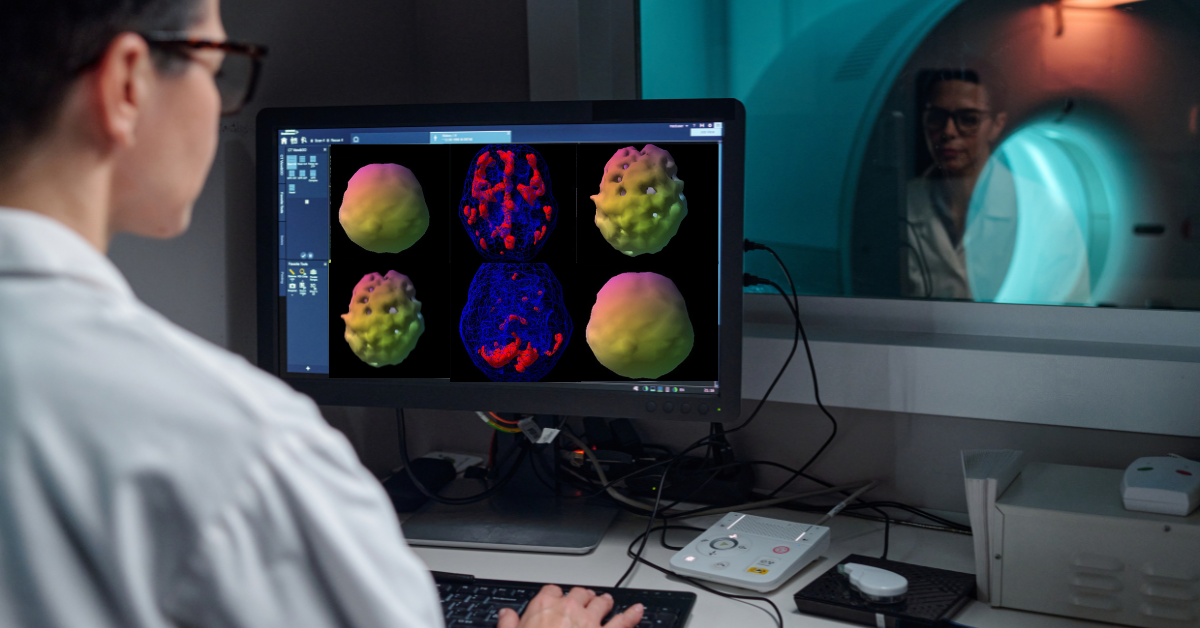
ADHD is being diagnosed more frequently than ever in both children and adults. However, despite increased awareness, it remains widely misunderstood, frequently misdiagnosed, and often treated incorrectly.
Plus, it can go undetected for decades. Among the millions of adults with ADHD, about half were not diagnosed until adulthood. And in one survey, 25 percent of adults said they suspected they may be struggling with undiagnosed ADHD.
One major challenge is that in traditional healthcare, ADHD is diagnosed primarily on symptoms. But ADHD is a brain-based disorder, and diagnosis should involve evaluating the brain itself. This is where brain imaging comes in.
Can brain SPECT imaging help identify ADHD?
While SPECT is not used as a standalone diagnostic tool, it plays an important role as part of a comprehensive evaluation. Brain SPECT imaging measures blood flow and activity in the brain, helping clinicians identify activity patterns associated with ADHD.
This brain-based approach provides deeper insights that improve ADHD diagnostic accuracy and guide more targeted, effective treatment.
Brain scans are beneficial for numerous reasons.
For example, attention deficit hyperactivity disorder (ADHD), also called attention deficit disorder (ADD), shares overlapping symptoms with other mental health conditions, developmental disorders, and medical issues. Research has found that a majority of children with ADHD have at least one co-occurring condition, which can make diagnosis more challenging.
Brain imaging helps rule out other causes of ADHD symptoms and can help identify co-existing conditions.
In addition, the brain-imaging database at Amen Clinics—nearly 300,000 brain scans and growing—has shown there are at least seven types of ADD, each affecting the brain in unique ways and requiring different types of treatment. Brain scans help identify ADHD subtypes for more targeted treatment.
In this blog, you’ll learn how critical it is to get an accurate ADHD diagnosis, and how brain SPECT imaging is often the missing piece in the puzzle.
SPECT imaging identifies underlying brain patterns and helps to pinpoint an individual’s specific subtype of ADHD. Because the treatment for one type could be unhelpful or even harmful to another type, this differentiation is crucial.
While these steps can be helpful in determining diagnosis, this approach has limitations. First, ADHD often involves symptoms that overlap with other conditions, such as anxiety, depression, and trauma.
According to CDC statistics, nearly 78 percent of children with ADHD have at least one other co-occurring condition, including:
One study found that nearly one million children in the U.S. may be misdiagnosed with ADHD.
There are many reasons for this but one major factor is immature behavior being misinterpreted as ADHD symptoms. The study found that the youngest kindergarteners are approximately 60 percent more likely to be diagnosed with ADHD than the oldest children in the same grade.
In addition, the standard model of ADHD diagnosis doesn’t include any biological testing.
Most patients and doctors wouldn’t imagine treating the heart without fully examining it, but modern psychiatry often avoids looking at the very organ it aims to treat: the brain.
This traditional model can lead to misdiagnosis or incomplete understanding of the individual’s ADHD and any co-occurring conditions. It also fails to recognize that ADHD is not a straightforward, single condition.
Research suggests that less than 20 percent of adults with the condition are appropriately diagnosed and treated for their symptoms.
On a brighter note, informed by decades of performing SPECT brain scans, Amen Clinics has identified seven subtypes of ADHD. Understanding what types of brain function issues are associated with specific symptoms has helped our clinicians in making precise diagnoses and targeted, effective treatment plans associated with better outcomes.
SPECT stands for single photon emission computed tomography. It is a state-of-the-art nuclear medicine study that measures blood flow and activity levels in different regions of the brain.
Unlike structural imaging tools such as MRI or CT scans, which show the brain’s anatomy, SPECT provides functional information. It allows clinicians to see how the brain is working by identifying areas with healthy activity, as well as areas that are overactive or underactive.
SPECT imaging does not diagnose ADHD on its own, but it can reveal patterns of brain activity often associated with attention difficulties. It may also help distinguish ADHD from other conditions with similar symptoms.
By adding objective data beyond symptom reports, SPECT gives clinicians a clearer understanding of what may be happening in the brain, helping guide more accurate diagnosis and targeted treatment.
The brain’s executive center, the prefrontal cortex, is a key region in tasks such as attention, focus, and impulse control. In individuals with ADHD, this area often shows underactivity in SPECT imaging. There is also irregular activity observed in attention networks.
Variations can occur within the brain patterns, depending on the subtype, and different brain patterns may correspond to different symptom clusters. Looking at the brain with SPECT gives a clearer picture of the brain activity behind the symptoms.
The brain SPECT imaging work conducted at Amen Clinics has revealed seven types of ADHD, each with a distinct pattern of blood flow and brain activity. They are as follows:
1. Classic ADD: In this type, which is the most common of the seven types, there is normal activity at rest, but during concentration there tends to be decreased activity in the prefrontal cortex, cerebellum, and basal ganglia. This type may “act out” more and is associated with hyperactivity.
2. Inattentive ADD: The second most common ADD type, this involves normal activity at rest, but during concentration there tends to be decreased activity in the prefrontal cortex, cerebellum, and basal ganglia. This type is not hyperactive and tends to be perceived as daydreaming, spacy, or slow.
3. Overfocused ADD: This type has increased activity at rest and during concentration in the anterior cingulate gyrus, as well as decreased activity in the prefrontal cortex, cerebellum, and basal ganglia. People with this type tend to get stuck in negative thinking patterns, get hyper-focused, and have difficulty shifting attention. They may or may not be hyperactive.
4. Temporal Lobe ADD: This type shares the hallmark findings of reduced activity in the prefrontal cortex, cerebellum, and basal ganglia during concentration in addition to decreased or increased activity in the temporal lobes. This type may occur with a head injury and often involves issues with learning, memory, mood instability, and aggression. Hyperactivity may or may not be present.
5. Limbic ADD: This type shows the same underactivity during concentration as types 1-4. However, there is overactivity in the deep limbic system (involved in emotions). There is a tendency toward low energy, moodiness, and negativity. Some, but not all, people with this type display hyperactivity.
6. Ring of Fire ADD: Unlike the other types, this type is characterized by a pattern of too much activity in several areas of the brain. These individuals may experience irritability, impulsivity, and insensitive behavior, and there are some similarities with bipolar disorder. Stimulant medication tends to make this type worse.
7. Anxious ADD: This type combines low activity in the prefrontal cortex and overactivity in the basal ganglia. People with this type are frequently anxious, tense, and conflict avoidant. They fear being judged, predict the worst, and may or may not be hyperactive.
As you can see, not all ADHD looks the same. Some individuals have low activity in specific brain regions, while others have too much activity throughout the brain. Others have mixed patterns. Each type requires a personalized treatment plan although they may have some of the same symptoms.
Brain SPECT imaging helps differentiate between these types. This is especially important to assess, because a one-size-fits-all treatment may not work. In fact, a helpful treatment for one type may actually worsen the symptoms of another.
ADHD symptoms can overlap with many other conditions and symptoms, including:
ADHD is frequently misdiagnosed as other mental health conditions, such as insomnia, dyslexia, anxiety, depression, autism, OCD, and more. In addition, ADHD often co-occurs with other mental health conditions, including depression, anxiety, bipolar disorder, substance use disorder, and behavioral disorders. This is called complex ADHD.
Related: Not Just ADHD: How to Spot the Signs of Complex ADHD
It is critical to rule out any medical, biological, and lifestyle-related causes before diagnosis. Many factors, such as traumatic brain injury, infections such as Lyme disease, or poor diet can have a strong impact on both mental health and behavior.
At Amen Clinics, we take a brain-based method to diagnosing and treating ADHD. SPECT brain scans are used as part of a comprehensive evaluation that includes:
The data our clinicians collect, including your SPECT scan, helps them gain a clear understanding of what is really happening in your brain. Using precision medicine, they can design a treatment plan tailored to your brain and body’s needs.
Your SPECT scan and personalized treatment plan are then reviewed with you in detail. One of the most powerful aspects of this process is seeing your own brain. For many people, it creates a shift in understanding. ADHD is not a character flaw or a lack of effort, but a condition rooted in brain function.
This perspective helps individuals and their loved ones move away from blame and toward a more scientific and compassionate understanding. As a result, shame decreases, and motivation to make meaningful lifestyle changes often increases.
Because the brain and body are so closely intertwined, Amen Clinics’ targeted treatment takes a whole-body approach. Our clinicians are trained in holistic psychiatry, which combines cutting-edge neuroscience with natural ways to treat mental health conditions, including ADHD.
An ADHD treatment plan usually includes a combination of the following:
Prescribing medication is not the first or only line of treatment for ADHD, but it can be a helpful aspect of a whole-body approach in some cases.
Treatment includes follow-up appointments to evaluate progress and make adjustments if needed.
Related: 7 Natural ADHD Treatments You Can Start Today
SPECT imaging identifies underlying brain patterns and helps to pinpoint an individual’s specific subtype of ADHD. Because the treatment for one type could be unhelpful or even harmful to another type, this differentiation is crucial.
For example, traditional treatment will typically call for stimulant medication, such as Adderall or Ritalin, for most individuals with ADHD.
However, at Amen Clinics, with data from brain SPECT imaging, we’ve found that stimulant medications can worsen symptoms for some subtypes of ADHD, including:
The valuable insights that come from SPECT combined with data from taking a detailed personal history, clinical assessments, and lab work, if needed, supply our clinicians with the information they need to make treatment choices that make sense for your brain. This kind of tailored care often improves outcomes.
ADHD is complex and varied. Successful treatment protocols should be personalized, not one-size-fits-all.
Do you suspect that you or a loved one has ADHD? Consider a brain-based ADHD evaluation if:
Thoughtful evaluation can help better address these complex factors and supply you with an effective treatment plan.
While brain SPECT imaging plays an important role in accurate ADHD diagnosis, it is not a standalone diagnostic tool. Imaging results must be interpreted by trained professionals. Scans provide nuanced insight alongside clinical evaluation which give Amen Clinics’ clinicians a complete picture of the condition.
ADHD is complex and often misunderstood. Relying on symptoms alone can lead to misdiagnosis, missed diagnoses, or treatment that does not fully work.
A more accurate diagnosis requires a comprehensive evaluation that looks at the whole picture, including brain function, lifestyle, and underlying biological factors.
Advanced tools like SPECT imaging can provide valuable insight into brain function, helping guide more targeted and personalized treatment. When ADHD is properly treated based on brain science and a whole-body approach, lives are transformed.
If you are still searching for answers, consider an evaluation that looks beyond symptoms to better understand your brain and what it needs to perform at its best.
A SPECT brain scan is helpful for looking at underlying brain activity and patterns, which can provide valuable insight to inform ADHD diagnosis. It offers critical data that is used in combination with a comprehensive evaluation (such as a detailed personal history, clinical assessments, and lab work when needed) for the most accurate diagnosis and treatment.
SPECT imaging allows clinicians to see what areas of the brain are working well, working too hard, or not working hard enough. Based on nearly 300,000 brain scans and decades of treating tens of thousands of patients, Amen Clinics has determined there are seven subtypes of ADHD. Each has its own brain patterns and requires targeted treatment plans.
At Amen Clinics, brain scans help identify ADHD types, so people can get a personalized treatment plan for better results.
Many psychiatrists diagnose ADHD without brain imaging. However, a symptom-only approach to diagnosis fails to look at the very organ it purports to treat: the brain. This can create a trial-and-error method of treatment, which can lead to years or even decades of unnecessary struggles. In some cases, it can make symptoms worse.
Brain imaging allows for more targeted treatment for ADHD, which accelerates the healing process.
Many medical professionals diagnose ADHD based on clinical interviews, behavioral history, and symptom checklists as outlined in the Diagnostic and Statistical Manual of Mental Disorders (DSM-5-TR). Most traditional medical and mental health professionals never look at any biological data in the ADHD diagnosis process.
At Amen Clinics, our comprehensive evaluation incorporates brain SPECT imaging, a detailed personal history that considers lifestyle factors, additional clinical assessments, and lab work, if necessary. This level of data collection allows our clinicians to practice precision medicine and diagnose with greater accuracy. This leads to more effective, targeted treatment plans.
Common symptoms of ADHD—such as short attention span, distractibility, and impulsivity—may be due to other mental health conditions, brain health problems, or medical issues. For example, depression, anxiety disorders, PTSD, traumatic brain injuries, and thyroid dysfunction have overlapping symptoms and may be misdiagnosed as ADHD.
These shared symptoms make diagnosis more challenging. Brain-based tools like SPECT are particularly helpful in obtaining an accurate diagnosis, especially with complex ADHD cases.
ADHD, ADD, and other mental health conditions can’t wait. At Amen Clinics, we practice precision medicine—using brain SPECT imaging and comprehensive evaluations to understand what’s really happening in your brain, not just your symptoms.
Our whole-body approach to holistic psychiatry combines cutting-edge neuroscience with natural ways to treat mental health conditions, including targeted nutrition, supplements, lifestyle strategies, therapy, and medications (when necessary). Every treatment plan is personalized to address the root causes of your struggles and support the health of your brain, body, and mind.
Dr. Storage is a dual board-certified child, adolescent, and adult psychiatrist at Amen Clinics in Southern California. Trained at UC Berkeley, UCLA, Stanford, and USC — where he remains Adjunct Clinical Professor of Psychiatry — he brings academic excellence and deep clinical expertise to every patient. He specializes in ADHD, anxiety, depression, autism, OCD, PTSD, and more, using a comprehensive, integrative approach to help patients become the best version of themselves.
The Ohio State University Wexler Medical Center. “Survey finds 25% of adults suspect they have undiagnosed ADHD.” Oct. 14, 2024. https://wexnermedical.osu.edu/mediaroom/pressreleaselisting/survey-finds-25-percent-of-adults-suspect-they-have-undiagnosed-adhd
Centers for Disease Control and Prevention. Facts About ADHD in Adults. Accessed April 1, 2026. https://www.cdc.gov/adhd/php/adults/index.html
Centers for Disease Control and Prevention. Data and Statistics on ADHD. Accessed March 31, 2026. https://www.cdc.gov/adhd/data/index.html
Danielson, Melissa L et al. “ADHD Prevalence Among U.S. Children and Adolescents in 2022: Diagnosis, Severity, Co-Occurring Disorders, and Treatment.” Journal of clinical child and adolescent psychology : the official journal for the Society of Clinical Child and Adolescent Psychology, American Psychological Association, Division 53 vol. 53,3 (2024): 343-360. doi:10.1080/15374416.2024.2335625
Elder TE. The importance of relative standards in ADHD diagnoses: evidence based on exact birth dates. J Health Econ. 2010 Sep;29(5):641-56. doi: 10.1016/j.jhealeco.2010.06.003. Epub 2010 Jun 17. PMID: 20638739; PMCID: PMC2933294.
Rivas-Vazquez RA, Diaz SG, Visser MM, Rivas-Vazquez AA. Adult ADHD: Underdiagnosis of a Treatable Condition. J Health Serv Psychol. 2023;49(1):11-19. doi: 10.1007/s42843-023-00077-w. Epub 2023 Jan 28. PMID: 36743427; PMCID: PMC9884156.

Anyone who has experienced a panic attack knows how intense and frightening they can feel. But panic attack aftereffects, also known as a panic attack hangover, can be just as disorienting.
After a panic attack ends, many people still feel “off.” Because so few people know that there are effects-post panic attack, symptoms can come as a surprise.
So, what is this lingering state? This blog will tell you exactly what it is, including symptoms, why an anxiety “hangover” happens, and eight ways to promote a faster recovery.
In contrast with the panic attack itself, which tends to have short-term effects, the resulting panic attack hangover refers to lingering effects after the event.
A panic attack hangover can be called many names: an adrenaline hangover, panic attack aftereffects, post-panic symptoms, or an anxiety hangover. In contrast with the panic attack itself, which tends to have short-term effects, the resulting panic attack hangover refers to lingering effects after the event, which can last hours or days.
Panic attacks are acute events. They happen suddenly, either “out of the blue” or in response to a trigger, such as a phobia or fear. There is often no real danger present. Those who experience recurrent panic attacks may be diagnosed with panic disorder, which affects 2-3 percent of the U.S. population.
However, about one in ten American adults experience at least one panic attack in a given year. And an estimated one-third of all Americans will have at least one during their lifetime.
A panic attack involves sudden feelings of intense fear and worry as well as overwhelming physical symptoms. Though panic attacks are not life threatening, they can present alarming side effects, including the following:
Fortunately, panic attacks are usually short-lived, lasting about 10 minutes. Multiple panic attacks can occur consecutively, but these are unique, separate events, as opposed to lingering aftereffects.
Over time, an individual can start to live in fear of having another panic attack. They may avoid certain places or situations, interfering with their quality of life, work, or relationships. When an individual experiences recurrent, unexpected panic attacks and has a persistent fear or worry about having more attacks, they have a panic disorder, which is a type of anxiety disorder.
Because panic attacks are acute, they create a cascade of experience. After the fight-or-flight activation, the body naturally reverts to a recovery or rebound state. This occurs because of various biological and nervous system mechanisms.
The autonomic nervous system is comprised of the sympathetic nervous system and the parasympathetic nervous system. When faced with a perceived threat, the sympathetic nervous system triggers the fight-or-flight response. The adrenal glands release adrenaline and cortisol.
After the threat has passed, the parasympathetic nervous system then enables the body’s “rest and digest” period. But this process of relaxation, unlike the fight-or-flight response, doesn’t happen instantly, which can cause lingering physical and emotional side effects: the panic attack hangover.
Indeed, stress impacts many systems of the body, including neurotransmitters, energy systems, and brain circuits. Over time, research has shown, stress can even affect memory, cognition, and learning, due to its effects on brain regions such as the hippocampus, amygdala, and temporal lobes. The period following the panic attack is when these systems recalibrate.
Panic attack hangovers are the lingering effects experienced after the panic attack has passed. You may have any of the following symptoms:
The aftereffects of a panic attack can last for as little as a couple of hours or as long as a week. The length of time varies for each individual. When other chronic health conditions are present, you might also experience a flareup of those symptoms.
When a panic attack strikes, it’s important to recognize that your body may need a little extra time to return to its normal state. This is the first step toward healing. Acceptance of this fact helps prevent unnecessary additional stress.
Here are eight ways to assist after panic attack recovery:
After a panic attack, give your body a chance to recover. Allow for ample downtime, possibly aided with soothing music, dim lighting, or a quiet environment. Avoid overstimulation in the aftermath.
Bring your body back into the present moment by using the 5-4-3-2-1 technique: Name five things you can see, four things you can feel, three things you can hear, two things you can smell, and one thing you can taste.
Alternatively, try a body scan. Lying or sitting down, slowly move your awareness up your body, working from your feet to the top of your head.
While you don’t want to throw yourself into vigorous activity, gentle movement can help restore flow and ease while releasing tension. Exercise helps regulate mood, reduces stress hormone levels, and promotes feelings of calm.
Tactics like diaphragmatic breathing can also promote relaxation. Try the 4-7-8 method: Breathe in for four seconds, hold for seven seconds, and breathe out for eight seconds. This stimulates the parasympathetic nervous system’s “rest and digest” response and lowers cortisol levels.
Food and water are the building blocks for wellness, fueling the body for a healthy stress response. Aim for balanced meals with lean protein, healthy fats, and complex carbohydrates. Drink plenty of water and avoid destabilizing substances like caffeine, sugar, and alcohol.
After a panic attack, take time to recalibrate and process your emotions. Relax with activities like prayer or journaling. Or talk out your feelings with a trusted friend or therapist. These actions help reduce residual anxiety and may highlight any patterns around the onset of your attacks.
You may feel tired and depleted after a panic attack. If possible, take a short nap. Then, to ensure proper recovery in the hours and days after the attack, make sure you get restful sleep. Good sleep hygiene helps reduce inflammation and strengthens immune function.
Therapeutic approaches can be effective for managing anxiety, panic attacks, and panic disorders. For example, cognitive behavioral therapy (CBT) and eye movement desensitization and reprocessing (EMDR) help with issues like anxiety and trauma.
If you’re taking any medications, review them with your doctor to ensure they are not contributing to panic attacks.
Panic attacks and their aftereffects can be frightening. Understanding the process helps you to be prepared by lowering uncertainty that can increase already elevated anxiety levels.
Still, watch out for certain red flags after panic attacks. Seek help if symptoms persist beyond a few days or escalate in intensity. Also seek help if thoughts of harm, persistent panic, or impairment pervade your daily life.
In these cases, consulting a mental health provider or physician can help. At Amen Clinics, SPECT brain imaging demonstrates that panic attacks and panic disorder are not character flaws or personal weaknesses. They are simply associated with biological changes in the brain.
For example, those with anxiety and panic attacks often show overactivity in the basal ganglia. Individuals with panic disorder may also experience abnormal activity in other brain regions.
Panic attacks and panic disorder can be misdiagnosed for PTSD, obsessive compulsive disorder, social anxiety disorder, or generalized anxiety disorder. SPECT imaging helps to ensure more accurate diagnosis and serves an important role in a full neuropsychiatric evaluation. Combined with a detailed personal history, clinical labs, and cognitive testing, Amen Clinics’ clinicians are able to create a personalized treatment plan geared to address and treat the root causes of panic disorder or other related mental health conditions.
Getting help for panic attacks may also aid in preventing additional impacts over the long term. Decades ago, researchers established that individuals who experienced past panic attacks were more likely to experience lasting negative effects, compared to those who never had them.
These effects included significantly higher anxiety and depression scores on psychological tests, as well as significantly more social phobias and avoidance behaviors.
While panic attacks feel intense, their lingering effects can add another layer of disturbance. Knowing that they are common and manageable with proper care helps you practice patience and self-compassion when faced with panic attack hangovers.
By using the recommendations outlined above, you can better ease your body’s transition from fight-or-flight to a more relaxed, resting state. These strategies will help reduce recovery time and better prepare you to face future panic attacks if they arise.
Panic attacks differ from anxiety attacks. Anxiety tends to build up over time, in response to a stressful event. Panic attacks are less predictable, often seeming to occur “out of the blue,” with more intense symptoms.
Residual symptoms after a panic attack can last for as little as a couple of hours or as long as a week. If symptoms persist for a lengthy period or worsen over time, don’t hesitate to seek professional help.
After a fight-or-flight response, the body will naturally move to the “rest and digest” stage, which is a function of the parasympathetic nervous system. While this process takes time, you can aid your recovery using strategies such as deep breathing, mindfulness, rest, proper nutrition, and gentle exercise.
A panic attack happens suddenly and usually peaks after 10 minutes, then subsides. The most severe symptoms last about 5 to 20 minutes. Residual symptoms can be intense, but they will not likely be as strong or sudden as a new panic attack.
Panic attack hangovers, panic attacks, anxiety disorders, and other mental health conditions can’t wait. At Amen Clinics, we provide personalized, science-backed treatment plans designed to target the root causes of your symptoms. Our 360-approach includes brain SPECT imaging, clinical evaluations, innovative therapeutic techniques, medications (when necessary), and holistic lifestyle recommendations to promote the health of your brain, body, and mind. Speak to a specialist today at 888-288-9834 or visit our contact page here.

Have you ever struggled to explain why you feel exhausted, even on days that don’t look especially demanding? Or have you wondered why simple tasks can feel overwhelming, while others seem to move through the day with ease?
For many people managing mental health challenges, this experience is deeply familiar, and often misunderstood.
This is where a concept called Spoon Theory resonates. At its core, Spoon Theory is a simple way to describe limited daily energy. Limited daily energy refers to the mental, emotional, and physical fuel required to get through everyday life. It gives people a shared language to explain why energy can run out quickly, why priorities must shift, and why “pushing through” isn’t always possible.
Importantly, Spoon Theory is not a medical diagnosis. It doesn’t label or define a condition. Instead, it’s a communication tool that helps individuals express their needs, set boundaries, and make thoughtful decisions about how to use their energy.
It also helps caregivers, loved ones, and coworkers better understand invisible struggles that aren’t always obvious from the outside.
By putting words to unseen fatigue, Spoon Theory transforms frustration into clarity. It creates space for compassion, support, and healthier daily choices.
One of the most valuable aspects of the mental health Spoon Theory is its ability to facilitate communication. It gives individuals a simple shared language that helps explain their limits without feeling the need to justify or defend them.
Spoon Theory is a simple metaphor that explains how people with limited energy can manage their lives. This concept was originally created by Christine Miserando, a lupus patient advocate, to describe her own experience of living with lupus. “Spoons” in this framework represent units of energy. Every physical, emotional, or mental task requires one or more spoons.
The main aim of this metaphor is to explain that energy is finite and that people must use it thoughtfully. The actions that people engage in every day (for instance, making decisions, socializing, or working) can quickly reduce the energy available, especially for people living with mental health issues.
According to research, people with elevated depression or anxiety often need increased cognitive and emotional effort, which contributes to quicker exhaustion and mental fatigue.
Although this metaphor originated in the context of chronic illness, it resonates with the people who are living with mental health challenges like depression or anxiety. This is because it clearly illustrates how such conditions can quietly drain someone’s energy even when the symptoms aren’t visible.
Spoon Theory is widely used in the context of mental health because it explains the challenges that aren’t visible to other people.
Indeed, studies highlight that mental health conditions may affect emotional regulation, attention, and mental stamina. This makes routine activities require greater effort than they appear from the outside.
When applied thoughtfully, the Spoon Theory analogy effectively communicates this important understanding to struggling individuals. They comprehend in a new way why daily life can feel more demanding. As a result, they can manage their energy more efficiently.
For the people living with conditions such as ADHD, anxiety, depression, or unresolved trauma, daily tasks usually require far more emotional and cognitive effort than they seem to on the surface. This is referred to as the “mental load.” Activities like staying focused, making daily decisions, managing emotions, or navigating social interactions can silently drain someone’s energy throughout the day.
Everyday life experiences can cause mental fatigue that stems from:
The Spoon Theory helps to explain why these unseen demands can consume energy quickly, usually before the activities of the day are fully underway.
Energy levels can significantly vary from day to day. This is due to factors like:
Challenges in mental health have an effect on how your brain processes information and responds to stress. Research asserts that conditions like depression and anxiety can alter emotional regulation, attention, and stress response systems, which can diminish your brain capacity. It can also influence your motivation, stress levels, and stamina.
Amen Clinics puts more emphasis on the brain-health approach to mental wellness. It recognizes that factors like stress, sleep, and emotional regulation have a significant effect on daily energy levels.
Such fluctuations do not reflect personal failure. They are a representation of how your brain and nervous system respond to life’s ongoing demands. The Spoon Theory helps to normalize these shifts by showing why some days may feel manageable while others may feel overwhelming, even when the responsibilities are similar.
According to research, individuals dealing with mental health challenges usually face difficulty trying to describe their internal experiences. Some go through rapid energy depletion due to the uncertainty of their symptoms or the fear of being misunderstood. This kind of struggle is not visible to others and is difficult to explain.
One of the most valuable aspects of the mental health Spoon Theory is its ability to facilitate communication. It gives individuals a simple shared language that helps explain their limits without feeling the need to justify or defend them.
Through the use of the Spoon Theory as a point of reference, people can set clear boundaries, reduce feelings of guilt, and help others to develop expectations that are more realistic. This can help improve the relationship and understanding among patterns, with family members and coworkers. It can also create space for support, empathy, and healthier daily interactions.
Spoon Theory offers a useful way to help individuals to understand what everyday life can feel like when energy is unpredictable or limited. Every morning comes with a specific number of “spoons”. The number of spoons you start with each day is up to you.
To gauge an appropriate number, someone without chronic health issues or ongoing mental health conditions, would start with about 10–12 spoons on a typical day. These spoons represent total available physical, mental, and emotional energy for the day.
By contrast, people managing mental health conditions, chronic stress, or illness may:
Unlike time and money, the number of spoons you have are not the same every day. They vary from one day to another, and when they are spent, they cannot be easily replenished.
For an individual who is managing mental health challenges, simply waking up can use a significant portion of these spoons. Lingering stress, poor sleep, or emotional overload may reduce the energy that is available even before the day begins.
For example, studies have shown that sleep deprivation, even for 24 hours, can lead to an increase in cognitive impairments like confusion and decreased vigilance. On such days, the tasks that would once feel manageable can suddenly feel overwhelming. This isn’t because the individual is lazy or lacks effort. It is because the spoons available are fewer.
Different tasks require varying amounts of spoons. Again, the cost can differ from one person to another.
For some people, responding to messages, getting dressed, making breakfast, or having a short phone call can use only one spoon. For others, it may require several spoons. Decision making, emotional effort, and social interactions usually drain more energy than you may expect, especially if you are having mental health symptoms.
Here’s what using Spoon Theory might look like with different mental health conditions.
If you are living with anxiety challenges, worry and anticipation can use your spoons even long before you begin to do any task. Preparing for conversations, commuting, or handling the uncertainties of life can require a significant amount of mental energy. Even events that are positive may feel draining, especially if they involve constant alertness or overstimulation.
If you’ve been dealing with depression, you may wake up with fewer spoons because of disrupted sleep or emotional heaviness. Basic routines such as getting out of bed, dressing up, preparing a meal, responding to messages, and tidying up can quickly drain your energy. By midday, most of your spoons may already be used, which makes it difficult for you to focus, socialize, or complete additional responsibilities.
For someone with PTSD, hypervigilance, triggers, or emotional flashbacks may consume large amounts of energy without warning. Everyday environments or interactions may feel exhausting, which may leave fewer spoons for routine tasks or social engagement.
People living with ADHD usually spend extra spoons on focus, organization, and task initiation. Managing distractions, switching between tasks, or keeping up with deadlines can quickly deplete their energy, even though they seem productive externally.
These scenarios are a demonstration of how Spoon Theory makes the struggles that are invisible easier to understand. By recognizing how energy is spent differently, people and those close to them can set realistic expectations, plan their days in a more intentional way and approach mental health with a lot of empathy.
When your mental and emotional energy is limited, you don’t need to worry. Spoon Theory provides a simple and flexible way to help you plan your daily life effectively. Once you are able to recognize your energy limits early enough, you can structure your day in ways that reduce the strain and support balance.
Start by noticing how your body feels when you wake up. Consider important factors like how well you slept, your current stress levels, and your emotional state. During the days when your energy feels low, it’s important that you assume that you have fewer spoons available and plan accordingly. This is a simple mental check that can help you prevent overcommitment.
First, use your spoons on essential tasks like medical needs, work responsibilities, or caregiving. You can then simplify or postpone the activities that are less urgent. When you prioritize, you ensure that your limited energy is spent where it is needed most.
Instead of pushing through fatigue or waiting until you are feeling drained, schedule short breaks throughout the day. Occasionally resting before your spoons are fully depleted can help stabilize your energy and reduce your mental overload.
Creating routines that you follow consistently lowers the number of spoons you need for making daily decisions. You can conserve your time and energy by preparing meals in advance, setting several reminders, or creating predictable schedules.
As mentioned earlier, this analogy offers a simple way for you to communicate your limits. For instance, saying “I’m low on spoons today” can help the people around you understand when you need flexibility, rest, or support even without further explanation.
Spoon theory can be a helpful tool through which individuals can increase awareness and help the vulnerable manage their daily energy in a more thoughtful way. That said, there are situations whereby tracking spoons may not fully address the challenges individuals are facing.
Whenever mental strain, fatigue, or emotional depletion disrupt daily functioning, it may be an indicator of concerns that go beyond everyday energy management.
Emotional overload, persistent exhaustion, or mental fatigue that continues to worsen over time or feels unexplained can indicate that something more is happening at a deeper level.
In such cases, depending only on coping strategies can leave important questions unanswered. Sometimes, understanding why your energy is depleted is as crucial as learning how to conserve it.
In cases like these, you may need a more comprehensive evaluation to gain more clarity. At Amen Clinics, we use brain-based assessments to have a better understanding of how different regions of the brain can influence your energy levels, mood, and focus.
Through this approach, individuals can move beyond surface-level coping strategies and explore a personalized plan to optimize brain function and improve mental health
There’s a close relationship between mental energy and how the brain operates.
At Amen Clinics, we use brain SPECT imaging to observe brain blood flow patterns of activity. They help to explain why some people may experience emotional exhaustion, ongoing fatigue, or difficulties in maintaining focus. The scans do not diagnose mental health conditions on their own; however, they provide valuable insights into how various regions of the brain are working.
For some people, imaging can show areas with overactivity, which are usually associated with conditions like anxiety, obsessive thinking, or PTSD. In other individuals, underactivity can be present, a pattern that is commonly witnessed in ADHD, depression, or the effects of TBI (Traumatic Brain Injury).
Both patterns may have an influence on how much mental energy an individual has available for the tasks they are expected to handle every day.
By recognizing such activity patterns, clinicians better understand how brain function can affect mood, focus, and energy levels Combined with a personal health history, neuropsychiatric assessments, and clinical labs, our clinicians can created a tailored treatment plan as part of a comprehensive evaluation.
Spoon Theory offers a simple way to describe the energy limits that are usually invisible to others, and sometimes even to oneself.
Recognizing energy limits opens a door to healthier daily choices. The use of strategies like building consistent routines, pacing tasks, taking restorative breaks, and setting clear boundaries can help support focus, emotional well-being, and physical health.
If you are dealing with a mental health disorder or cognitive issues, let Spoon Theory help you to be kinder to yourself and better manage your energy.
Originally, Spoon Theory was created to describe the lives of people living with chronic physical illnesses, but now, it is widely used in mental health. This theory explains how conditions such as depression, anxiety, or ADHD affect daily energy.
There’s no fixed number of spoons because energy levels can vary from one person to another or from day to day. Factors like stress, sleep, and emotional load may change how many spoons someone can have available.
Absolutely. Spoon Theory can help in explaining how tasks such as planning, focusing or even switching between activities can feel more demanding for the people who are living with executive dysfunction or ADHD. It provides a simple way to describe the mental effort that is not always visible.
Begin by describing spoons as units of energy. Explain that every task utilizes some of that energy. Allowing family to know when spoons are low can help them to understand your needs and limits better.
If you’re constantly feeling low on energy and it keeps getting worse, you may need to look beyond daily coping strategies. Seek a deeper evaluation, as it can offer insight into the underlying factors affecting your mental energy.
Feeling mentally drained is common for people managing mental health challenges. At Amen Clinics we use advanced brain imaging and clinical assessments to uncover why energy may fluctuate and provide personalized strategies to help protect and optimize your daily mental energy.
Managing daily life with brain health issues and mental health conditions can’t wait. At Amen Clinics, we provide personalized, science-backed treatment plans designed to target the root causes of your symptoms. Our 360-approach includes brain SPECT imaging, clinical evaluations, innovative therapeutic techniques, medications (when necessary), and holistic lifestyle recommendations to promote the health of your brain, body, and mind. Speak to a specialist today at 888-288-9834 or visit our contact page here.

High-functioning autism is often misunderstood. People who fit this description may be praised for their intelligence, strong verbal skills, or intense focus, while their very real social, communication, and sensory challenges are quietly minimized. Others are judged as awkward, unsocial, or difficult, without recognition of the remarkable strengths that frequently accompany this neurotype.
The truth is that these strengths and challenges are not separate. They are different expressions of the same underlying brain differences.
Even the term “high-functioning autism” can be misleading. While still commonly used, it is not a formal diagnosis and can unintentionally invalidate the daily struggles many autistic individuals experience. It may also reinforce masking, the conscious or unconscious effort to appear neurotypical in order to fit in, often at significant emotional cost.
Today, autism is diagnosed as autism spectrum disorder, reflecting a wide continuum of abilities and support needs. Individuals previously described as having high-functioning autism are now typically diagnosed with Level 1 autism spectrum disorder, indicating a need for support with social communication and restricted or repetitive behaviors, even when outward functioning appears strong.
For the purposes of this blog, the terms high-functioning autism (HFA) and Level 1 autism spectrum disorder (ASD) will be used interchangeably, as both remain widely recognized.
It is important to understand that functioning well on the surface does not mean life is effortless underneath. Many individuals with HFA perform well academically, maintain employment, or live independently, yet still face ongoing challenges with flexibility, sensory processing, emotional regulation, and social connection.
Because these struggles are often less visible, diagnosis is frequently delayed until later in childhood, adolescence, or even adulthood, research has found.
True understanding requires moving beyond labels and stereotypes. When families, educators, and clinicians recognize both the strengths and the challenges of autism at this level, they can provide brain-based support that helps individuals with Level 1 ASD not just cope but truly thrive.
Many individuals with high-functioning autism perform well academically, maintain employment, or live independently, yet still face ongoing challenges with flexibility, sensory processing, emotional regulation, and social connection
While people with HFA often possess significant cognitive abilities, they still experience core autism-related challenges. These difficulties are neurological, not behavioral choices. Understanding them is critical to getting effective support.
For many people with high-functioning autism, social interaction can feel like navigating a world without an instruction manual. Studies show that adults with autism show unique brain activity and behaviors when making social decisions, while still sharing core social-mapping brain systems with others. These challenges highlight the differences and strengths in how social information guides choices, including:
A 2022 study shows these challenges stem from differences in social cognition networks within the brain, particularly regions involved in emotional processing and theory of mind.
Change can be deeply unsettling for people who may struggle with Level 1 ASD. It’s not due to stubbornness or defiance; instead, it’s most likely because predictability provides neurological safety.
Routines help regulate sensory input, reduce anxiety, and conserve mental energy. Research shows that consistent structure supports emotional regulation in people with autism who struggle with neurodevelopmental delays.
A hallmark of HFA is intense focus on specific subjects. While this can become a strength, challenges can arise when:
Neuroimaging studies suggest this intensity is linked to reward circuitry activation and deep-focus attention systems. Without guidance, these interests may narrow opportunities but, with personalized support, they often become pathways to mastery.
Many people living with Level 1 ASD experience heightened sensitivity to sensory input, including:
Sensory overload can activate stress responses, leading to avoidance, irritability, or shutdown. Research links these sensitivities to atypical sensory integration and cortical excitability patterns in the brain.
Too often, discussions of autism stop at the challenges. The truth is that people with HFA have strengths born out of their characteristic differences. They often emerge because of them.
When engaged, people with Level 1 ASD can often sustain attention for extended periods of time. This kind of deep focus enables:
In supportive environments, studies show the concentration they exhibit rivals, and often exceeds, neurotypical performance. This has been seen particularly well in fields like technology, research, design, and the arts.
Many people with HFA demonstrate exceptional traits that are often revered in professional or specific social settings, which may include:
Research highlights enhanced perceptual processing and memory networks in autistic brains, contributing to creative problem-solving and innovative thinking.
Another remarkable trait in those with HFA is that they tend to be refreshingly direct. They tend to value truth, fairness, and transparency over social performance. This can look like sharing in clear communication styles, having a lack of manipulation or hidden agendas, and genuine acceptance of differences in other people.
In relationships and within workplaces, this kind of integrity builds trust and connection with others, especially when paired with mutual understanding and compassion. This is a major trait to appreciate when trying to understand and support someone with Level 1 ASD.
The same traits that drive routine and focus often translate into exceptional dependability. Many people with Level 1 ASD have been known to have similar behavioral consistencies, such as:
Employment studies increasingly highlight these qualities as major assets when workplaces provide appropriate accommodations. These extraordinary strengths aren’t discussed enough but are beginning to be understood and valued in the workplace.
Blog: What Happens When People with Autism Go Untreated?
It’s important to note that recent research notes distinct differences between autistic women and men in the workplace. Autistic women often face more intense social/communication stress, masking autism for acceptance, and gendered appearance expectations, which leads to increased anxiety.
Autistic men tend to struggle more visibly with executive function issues, specific sensory overload, and disclosing their disability. Both genders need flexible, structured environments. Women are often under-recognized or diagnosed later due to masking.
It’s important to acknowledge that there are key differences among autistic men and women as well for a more comprehensive workplace roadmap. A 2023 study shows that autistic men and women can experience sensory under-responsiveness differently. These differences may shape how each navigates attention, stress, and daily demands
High-functioning autism rarely exists in isolation. While autism itself reflects a unique pattern of brain wiring, many people also experience co-occurring conditions that influence mood, attention, energy, and daily functioning. These overlapping challenges are not signs of “more severe” autism. They are reflections of how interconnected brain systems communicate, regulate stress, and process information. These co-occurring conditions may include, but are not limited to:
Research shows that these mental health disorders can amplify social, sensory, or executive-function challenges if left unrecognized. Because these symptoms often overlap or mask one another, they are sometimes misattributed to personality traits or “just part of autism,” delaying effective support and better understanding.
Viewing Level 1 ASD through a brain-health framework helps clarify what aspects of brain function are related to autism and what may stem from other, treatable co-occurring mental health disorders.
A 2025 study in Human Brain Mapping shows that overlapping brain-network differences, particularly in attention, emotion regulation, and executive functioning, can intensify daily challenges, especially if left unaddressed.
This is where a brain-health assessment becomes so critical. Functional brain imaging, such as brain SPECT scans, can identify patterns related to overactivity, underactivity, or dysregulation across specific brain regions. These insights allow clinicians like those at Amen Clinics to move beyond one-size-fits-all approaches and develop targeted, individualized treatment plans.
Early identification and brain-informed intervention are associated with improved emotional regulation, social functioning, and long-term life outcomes.
This can be especially true when strengths are understood and valued while more challenging aspects of Level 1 ASD can be successfully addressed to optimize well-being.
High-functioning autism is not a limitation, but a different neurological operating system. When challenges are misunderstood or ignored, autistic individuals can struggle unnecessarily. But, when strengths are recognized and brain health is supported, those same traits can become powerful advantages that help them succeed farther than they realized was possible.
At Amen Clinics, a whole-brain approach helps individuals with high-functioning autism better understand how their brain works so they can reduce friction, enhance resilience, and build lives aligned with their natural strengths.
Typical challenges include HFA social interaction difficulties and missed cues, need for routine and dislike of change, intense or restricted interests, and sensory sensitivities.
Strengths often include deep focus on interests, strong memory and visual thinking skills, honesty and acceptance of others, and high reliability or conscientiousness.
The term refers informally to those on the autism spectrum without major intellectual impairment who often live independently or attend mainstream school or work. Typically aligned with a Level 1 autism spectrum disorder diagnosis, these individuals still struggle and need support.
Leveraging strengths builds confidence, meaningful work, and self-esteem while targeted support addresses challenges like social skills or sensory regulation.
Brain-health evaluation helps identify activity patterns and co-occurring conditions, allowing personalized strategies that enhance strengths and reduce challenges.
High-functioning autism and other mental health conditions can’t wait. At Amen Clinics, we provide personalized, science-backed treatment plans designed to target the root causes of your symptoms. Our 360-approach includes brain SPECT imaging, clinical evaluations, innovative therapeutic techniques, medications (when necessary), and holistic lifestyle recommendations to promote the health of your brain, body, and mind. Speak to a specialist today at 888-288-9834 or visit our contact page here.