ARCHIVE

Persistent Post-Concussion Symptoms: The Overlooked Cause of Depression, Anxiety, and Brain Fog

Persistent Post-Concussion Symptoms The Overlooked Cause of Depression, Anxiety, and Brain Fog
Persistent post-concussion symptoms can trigger anxiety, depression, and brain fog. Discover how to heal your brain.

Table of Contents

Can a Mild Head Injury Cause Lasting Mood & Memory Problems?

It’s a harsh truth, but a single blow to the head can have a lasting impact on your life. After experiencing head trauma, a person who once enjoyed a lifetime of emotional stability, healthy energy levels, and mental clarity can sink into depression, addiction, brain fog, and more.

What’s especially troubling is the fact they many people don’t realize that a head injury is the source of their mental health issues. When they seek help for their problems, traditional treatments often fail because the underlying brain injury isn’t being treated.

This can lead to months, years, or even decades of emotional, behavioral, and cognitive problems that can sabotage your career, relationships, and health.

In this blog, you’ll discover just how common mild head injuries are, how to recognize persistent post-concussion symptoms, and what you can do about it.

Millions of people suffer from persistent post-concussion symptoms, which includes a wide range of cognitive and psychological issues. But most of them don’t realize that their mental health issues may be related to a mild head injury.

How Common Are Traumatic Brain Injuries (Tbi)?

Every year, over 2 million new head injuries are diagnosed in the U.S., and millions more go undetected. Traumatic brain injuries (TBI) are increasingly common among military personnel, with an estimated 67 percent of veterans experiencing at least one TBI.  

The number of concussions is on the rise. Research shows that from 2010 to 2015, concussion diagnoses jumped 43 percent among the general population. among people ages 10 to 19 years of age, concussion diagnoses skyrocketed 71 percent.

Among Amen Clinics patients, mild head injuries are common. Based on the Amen Clinics database of nearly 300,000 brain SPECT scans, 40 percent of patients have suffered a brain injury. However, most of them don’t realize that their mental health issues may be related to a mild traumatic brain injury (mTBI) they suffered in the past.

Many people who sustain a concussion recover from their symptoms, but an alarming number of them may develop mental health issues that ruin their life and steal their happiness. There’s a strong connection between concussion and mental health issues.

In fact, millions of people struggle with persistent post-concussion symptoms (PPCS), formerly known as post-concussion syndrome.

Are you one of them? How can you know if you have lingering concussion symptoms? Look for these 10 common signs of post-concussion syndrome.

What Are Persistent Post-Concussion Symptoms?

1. Brain Fog

Following a head injury, you may feel confused or mentally fuzzy. Difficulties with problem-solving and reasoning are common complaints of post-concussion brain fog.

Some people experience a feeling that everything is “slowed down.” It may take you longer to read an article or book or to understand the content. You may find it hard to follow conversations, television shows, or directions.

Related: Common Causes of Brain Fog (And How to Fix It)

2. Memory Problems

Memory loss can arise after experiencing a head injury. For example, you may have difficulty remembering new information.

It is also quite common to have trouble recalling the time period prior to the concussion. Some people experience memory lapses, forgetting parts of conversations or events.

3. Feeling Depressed

It’s common to experience emotional symptoms after concussion. In fact, depression is one of the most prevalent mental disorders associated with head injuries.

Research in the Journal of Neurotrauma shows that depression affects about 33 to 42 percent of people within the first year of experiencing a TBI.

The number of people developing major depressive disorder jumps to 61 percent within the first seven years after a TBI, according to the study’s findings.

Women are especially vulnerable to post-concussion depression. According to an analysis of nine studies, women are nearly 50 percent more likely than their male counterparts to develop depression after experiencing a concussion or other TBI. 

If you’re experiencing depressive symptoms that don’t respond to traditional treatment, it’s worth investigating if an underlying concussion or TBI may be contributing to these issues.

4. Anxiety

Research shows that TBI patients are 1.9 times more likely to have anxiety than people who haven’t experienced a brain injury. Post-concussion anxiety issues may include:

  • Generalized anxiety disorder
  • Panic disorder
  • Obsessive-compulsive disorder (OCD)
  • Posttraumatic stress disorder (PTSD)
  • Specific phobia
  • Social anxiety disorder

Any anxiousness, nervousness, panic, obsessions, or compulsions that arise post-concussion deserve attention.

5. Focus and Attention Problems

If you have experienced a head injury, even if you don’t remember hitting your head, you may have difficulty paying attention, concentrating, of staying focused.

Completing projects, multitasking, or engaging in long conversations may be challenging. You may find yourself feeling restless or being easily distracted. Research shows there is an increased likelihood of developing attention deficit hyperactivity disorder (ADHD) after a TBI.

Related: Can a Head Injury Cause Adult ADHD Symptoms?

6. Substance Abuse

Findings in the Journal of Neurotrauma show that TBI can increase the use of alcohol or drugs in people who had no previous substance abuse. Drug or alcohol addictions also impede the recovery process after a head injury.

7. Aggression

One of the most common personality changes following a head injury is an increase in aggression. According to a study in The Journal of Neuropsychiatry and Clinical Neurosciences, nearly 30 percent of people with a first-time TBI experience post-concussion aggression.

Any increases in irritability, anger, or aggressive behavior could be a lingering symptom related to prior head trauma.

8. Fatigue

Being chronically tired and having a lack of energy are frequent complaints heard from people who have experienced concussions.

Many people assume their fatigue is related to stress, age, or other issues, so they don’t make the connection to a past brain injury.

9. Insomnia

Having trouble sleeping, whether it’s difficulty falling asleep or staying asleep, is a common post-concussion symptom. Poor quality sleep is often tied to the fatigue people experience.

10. Low Motivation

Along with a lack of energy, people who have suffered a TBI often notice a decline in motivation. Even if they had previously been a go-getter, they no longer have the get-up-and-go to actively pursue their goals at work or in life.

Patients at Amen Clinics whose brain scans show damage from head trauma often say they have been labeled as “lazy.”

If you have some of these symptoms, and especially if they aren’t responding to standard treatment, it’s critical to dig deeper to find the root cause.

HOW CAN BRAIN IMAGING HELP POST-CONCUSSION TREATMENT?

One of the biggest challenges with post-concussion symptoms is that they’re often invisible. You can look perfectly fine on the outside while struggling with brain fog, mood swings, headaches, or fatigue on the inside.

Traditional imaging tools like MRI or CT scans typically only show structural damage, such as bleeding or swelling, but they can miss the subtle functional changes that cause lingering symptoms.

At Amen Clinics, we use brain SPECT imaging to see how your brain is actually working. SPECT measures blood flow and activity patterns, revealing areas that are underactive (often linked to concentration problems and memory loss) or overactive (commonly tied to anxiety, depression, and irritability).

These scans frequently uncover hidden brain injuries that standard imaging cannot detect.

With this deeper level of insight, specialists can design a personalized post-concussion treatment plan to target your brain’s specific needs. This may include therapies that improve circulation and oxygenation, such as hyperbaric oxygen therapy (HBOT), along with neurofeedback, nutritional support, and strategies to calm overactive regions.

By addressing the precise areas of dysfunction, brain imaging helps guide healing, restore balance, and reduce persistent post-concussion symptoms.

You need a well-structured evening routine to help you prime both your body and brain for uninterrupted rest.

Align your mindset, habits, and environment so you can reduce stimulation and signal to your nervous system that it’s time to wind down. If you take small, intentional steps consistently, you can make a major difference. 

Studies show that ideally, a sleep-supportive routine should start about two hours before bedtime. It will train your brain to associate these cues with rest and make it easier for you to fall and stay asleep. Below is a sample flow you can consider adapting:

FAQ ABOUT POST-CONCUSSION SYMPTOMS AND TREATMENT

At Amen Clinics, we go beyond symptom checklists. Using brain SPECT imaging, we can identify areas with abnormal activity caused by head trauma. These scans often reveal brain injury patterns that traditional MRI or CT scans miss, helping our clinicians link your emotional, cognitive, and behavioral symptoms to underlying brain changes.

We create personalized, brain-based treatment plans that promote healing from the inside out. Depending on your scan results and full assessment, your plan may include hyperbaric oxygen therapy (HBOT) to improve blood flow, neurofeedback to retrain brain activity, nutritional and lifestyle support, targeted supplements, and psychotherapy to restore cognitive and emotional function.

Yes. Healing is possible, even years after a concussion. Many Amen Clinics patients who struggled with fatigue, brain fog, mood changes, or focus problems for years have seen significant improvement after receiving proper diagnosis and targeted treatment. By addressing the brain directly, we help you regain clarity, energy, and emotional balance.


Concussions, TBIs, and the mental health issues associated with them can’t wait.

At Amen Clinics, we’re here for you. We offer a comprehensive Concussion Rescue treatment program, in-clinic brain scanning and appointments, as well as mental telehealth, clinical evaluations, and therapy for adults, teens, children, and couples. 

Speak to a specialist today at 888-288-9834 or visit our contact page here.

Amen Clinics

Founded in 1989 by double-board certified psychiatrist and neuroscientist Daniel G. Amen, MD, Amen Clinics Inc. (ACI) is known as the best brain and mental health company in the world. Our clinical staff includes over 50 healthcare specialists, including adult and child psychiatrists, integrative (functional) medicine physicians, naturopaths, addiction specialists, forensic psychiatrists, geriatric psychiatrists, nutritionists, licensed therapists, and more. Our clinicians have all been hand-selected and personally trained by Dr. Amen, whose mission is to end mental illness by creating a revolution in brain health. Over the last 35-plus years, ACI has built the world’s largest database of functional brain scans—over 250,000 SPECT scans on patients from 155 countries—related to how people think, feel, and behave.
  1. Brain Injury Association of America. Incidence of Traumatic Brain Injury in Military Service Members Receives Widespread Media Coverage. Dec. 17, 2024.

    https://biausa.org/public-affairs/public-awareness/news/incidence-of-traumatic-brain-injury-in-military-service-members-receives-widespread-media-coverage

  2. Morgan, K. Why childhood concussion diagnoses have skyrocketed. USA Today. Jan. 24, 2019. https://www.usatoday.com/story/sponsor-story/blue-cross-blue-shield-association/2019/01/24/why-childhood-concussion-diagnoses-have-skyrocketed/2658679002/

  3. Fann, Jesse R et al. “Treatment for depression after traumatic brain injury: a systematic review.” Journal of neurotrauma vol. 26,12 (2009): 2383-402. doi:10.1089/neu.2009.1091

  4. American Association of Anesthesiologist. Women at much higher risk of depression after traumatic brain injury, analysis finds. Oct. 15, 2023. https://www.asahq.org/about-asa/newsroom/news-releases/2023/10/women-at-much-higher-risk-of-depression

  5. Dehbozorgi, M., Maghsoudi, M.R., Mohammadi, I. et al. Incidence of anxiety after traumatic brain injury: a systematic review and meta-analysis. BMC Neurol 24, 293 (2024). https://doi.org/10.1186/s12883-024-03791-0

  6. Schachar RJ, Park LS, Dennis M. Mental Health Implications of Traumatic Brain Injury (TBI) in Children and Youth. J Can Acad Child Adolesc Psychiatry. 2015 Fall;24(2):100-8. Epub 2015 Aug 31. PMID: 26379721; PMCID: PMC4558980.

  7. Bjork, James M, and Steven J Grant. “Does traumatic brain injury increase risk for substance abuse?.” Journal of neurotrauma vol. 26,7 (2009): 1077-82. doi:10.1089/neu.2008.0849

  8. Rao, Vani et al. “Aggression after traumatic brain injury: prevalence and correlates.” The Journal of neuropsychiatry and clinical neurosciences vol. 21,4 (2009): 420-9. doi:10.1176/jnp.2009.21.4.420

How to Improve Sleep Quality: Avoid These Common Sleep Stealers

A dog sleeping in bed with a teddy bear

Table of Contents

Could These Habits Be Ruining Your Sleep?

What’s keeping you awake night after night? Do you go to bed utterly exhausted and ready for rest, only to have your brain betray you with racing thoughts and restless energy?

You could be battling subtle “sleep stealers” disguised as your everyday habits. 

From environmental traps like blue light to lifestyle habits like irregular schedules and late-night snacking, these culprits quietly rob your brain and body of the deep, refreshing rest they need to recharge.

Mastering how to improve sleep quality starts with looking beyond the obvious and uncovering these hidden disruptors. 

The good news? You don’t have to depend on sleeping pills to overcome your sleep problems. There are many natural sleep strategies that can help you get the rest you (and your brain) need. And better sleep leads to better energy, mental health, and cognitive function. Yes, you can feel smarter, happier, and more focused overnight!

From environmental traps like blue light to lifestyle habits like irregular schedules and late-night snacking, these culprits quietly rob your brain and body of the deep, refreshing rest they need to recharge.

WHY DOES A WARM OR BRIGHT ROOM STEAL YOUR SLEEP?

Temperature and light directly influence how much melatonin your brain produces. That’s critical, because melatonin is the hormone that helps regulate sleep.

Research suggests that being in an overly warm room can prevent your body temperature from dropping naturally, making it difficult for you to drift off. Likewise, a bright room signals daytime, which suppresses melatonin and keeps you alert. 

How Do Cool and Dark Environments Signal Sleep Readiness?

Learning how to improve sleep quality doesn’t have to be complicated. A cool room (ideally between 60–67°F) makes it easier for your body to lower its core temperature. That’s a natural signal that it’s time for you to sleep.

Again, darkness is just as important. It can boost the production of melatonin and strengthen your brain’s internal clock.  

DOES BLUE LIGHT OR ELECTRONICS AT NIGHT NEGATIVELY IMPACT SLEEP?

Part of mastering how to improve sleep quality is recognizing that screens capture your attention. In addition, screens and other visible cues can keep your brain in alert mode without you even noticing. 

What Is Digital Light’s Impact on Brain Wave Shutdown?

Blue light from TVs, phones, and tablets suppresses melatonin, making it hard for your brain to signal your body to sleep. Digital light also engages parts of the brain that control emotions and stress hormones.

With that in mind, here are some tips to help you reduce blue light at night:

  • Enable blue light filters on your screen
  • Set device curfews an hour before you go to bed
  • Keep electronics out of your bedroom
  • Pick calming evening activities like reading and journaling to replace screen time

Related: Why You Need a Brain Detox Now (and 7 Ways to Do It)

ARE EVENING EMOTIONS LIKE STRESS, ANGER, OR WORRY KEEPING YOUR BRAIN AWAKE?

Feelings of anger, worry, and stress do not simply fade when you switch off the lights. They can keep your nervous system on high alert, causing your mind to linger on the unresolved tension.

Such emotions activate the same stress circuits responsible for keeping you awake and alert during the day. It’s not surprising that this directly interferes with your ability to rest at night. 

How Do Nighttime Stress Patterns Disrupt REM and Deep Sleep?

When stress follows you to bed, your body releases cortisol, the primary stress hormone. Research shows that high levels of cortisol delay the onset of the Rapid Eye Movement (REM) and deep sleep.

These are the very stages needed for your brain to consolidate memories, create emotional balance, and allow full body repair.

In such a case, your brain stays in the lighter stages of sleep instead of entering the slow wave cycles. It leaves you restless and prone to waking up throughout the night. 

IS YOUR EVENING CAFFEINE, ALCOHOL, OR MEDICATION UNDERMINING SLEEP?

Studies show that even if you may fall asleep after drinking late-night coffee or a glass of wine, your brain may not be getting the restorative rest it requires. Consuming substances in the evening can interfere with your sleep cycles, leaving you restless, groggy, or wide awake in the middle of the night. 

Why Do These Substances Reduce Sleep Quality Despite Initial Drowsiness?

If you want to know how to improve sleep quality, you need to understand why some substances lead to trouble sleeping. Here are common sleep stealers.

alcoholic drinks

Alcohol

Alcohol may make you feel drowsy at first, but then it fragments REM sleep, the most important stage for mood balance, memory, and emotional processing. It can cause you to have shallow, disrupted rest.

Caffeine

It’s a stimulant that blocks adenosine, the chemical in your brain responsible for signaling your body’s natural urge to sleep. Again, even if you take it in the afternoon, coffee can stay in your system for six to eight hours.

Medications

Prescriptions like steroids, decongestants, and some antidepressants can alter your sleep architecture, making it harder for you to fall asleep and reach the deeper stages of rest.

Timing matters. Research suggests avoiding alcohol at least three to four hours before bedtime and cutting caffeine by 2 p.m. to protect the quality of your sleep. Instead of alcohol and evening caffeine, you can try calming herbal teas 

If you suspect medications may be disrupting your sleep, talk to your health care provider about alternative dosing times or other medication options. 

Related: What Does Coffee Really Do To Your Brain?

HOW DO PHYSICAL CONDITIONS LIKE SNORING OR NIGHTTIME DISCOMFORT STEAL SLEEP?

Beyond daily habits and stress, certain physical conditions or an underlying sleep disorder can also interfere with your sleep. Sleep apnea, snoring, acid reflux, or an uncomfortable mattress can trigger brief awakenings (micro-arousals) that fragment your sleep cycle without you even noticing it.

Such interruptions prevent you from reaching the deeper stages of rest, and as a result, they leave you tired despite spending enough hours in bed. You may also have postural issues like sleeping on your back, which can worsen airway blockage, increasing the likelihood of disrupted breathing at night.   

What Adjustments Improve Sleep Position and Breathing?

Try making simple changes in your sleeping posture and environment to ease the interruptions. For instance, side sleeping can help to keep the airway open, which can reduce both sleep apnea and snoring symptoms.

You can also use a supportive pillow to align your neck and head. It can lessen nighttime discomfort and further improve your airflow.

Embrace specific lifestyle strategies such as avoiding alcohol close to bedtime, maintaining a healthy weight, and keeping your nasal passages clear to promote deeper breathing and deep restorative sleep. 

HOW CAN YOU DEVELOP A BRAIN-BASED EVENING ROUTINE THAT RECLAIMS SLEEP QUALITY?

You need a well-structured evening routine to help you prime both your body and brain for uninterrupted rest.

Align your mindset, habits, and environment so you can reduce stimulation and signal to your nervous system that it’s time to wind down. If you take small, intentional steps consistently, you can make a major difference. 

What Does a Sleep-Supportive Evening Routine Include?

Studies show that ideally, a sleep-supportive routine should start about two hours before bedtime. It will train your brain to associate these cues with rest and make it easier for you to fall and stay asleep. Below is a sample flow you can consider adapting:

To reduce mental stimulation and blue light exposure, power down tablets, phones, and laptops. 

Adjust the temperatures of your room, dim the lights, and make your bedroom as inviting as possible. 

Avoid heavy or sugary foods. Instead, choose a magnesium-rich snack if you need to bite into something to. 

Read a physical book, stretch gently, journal, or meditate to help shift your brain into a relaxed state.

Aim to have a regular bedtime and wake-up schedule to regulate your circadian rhythm.

FAQ ABOUT SLEEP TREATMENT AT AMEN CLINICS

At Amen Clinics, we go beyond surface-level sleep advice. Our specialists focus on the command center of sleep—the brain—to uncover the root causes of disrupted rest.

We use advanced brain imaging and tailored protocols to create solutions that go beyond medication. Our personalized strategies are designed to help you relax, recharge, and wake up refreshed. 

Brain SPECT imaging allows clinicians to see blood flow and activity patterns in the brain. It reveals areas that are underactive, overactive, or misfiring. For instance, an overactive limbic system can be an indicator that anxiety or chronic stress may be keeping you awake.

Combined with comprehensive neuro-evaluations that assess mood, cognition, and lifestyle factors, Amen Clinics can unearth stress patterns and brain circuit dysfunctions that typical sleep advice often misses. With this level of insight, our clinicians are able to provide precise and personalized treatment plans. 

Patients who follow our integrated brain-based sleep protocols often experience remarkable improvements in the quality and quantity of their rest. Many enjoy longer and more restorative sleep with fewer awakenings and deeper slow wave and REM stages.

Our patients also notice significant improvement in morning clarity, focus, mood, and energy. This gives them that “get up and go” feeling and allows them to stay more alert and mentally sharp throughout the day.

Brain fog and daytime fatigue also decrease as the brain and body receive proper restoration. In many cases, patients get to eliminate or reduce reliance on medications.


Anxiety, depression, sleep disorders, and other mental health conditions can’t wait.

At Amen Clinics, we provide personalized, science-backed treatment plans designed to target the root causes of your symptoms. Our 360-approach includes brain SPECT imaging, clinical evaluations, innovative therapeutic techniques, medications (when necessary), and holistic lifestyle recommendations to promote the health of your brain, body, and mind. 

Speak to a specialist today at 888-288-9834 or visit our contact page here.

Amen Clinics

Founded in 1989 by double-board certified psychiatrist and neuroscientist Daniel G. Amen, MD, Amen Clinics Inc. (ACI) is known as the best brain and mental health company in the world. Our clinical staff includes over 50 healthcare specialists, including adult and child psychiatrists, integrative (functional) medicine physicians, naturopaths, addiction specialists, forensic psychiatrists, geriatric psychiatrists, nutritionists, licensed therapists, and more. Our clinicians have all been hand-selected and personally trained by Dr. Amen, whose mission is to end mental illness by creating a revolution in brain health. Over the last 35-plus years, ACI has built the world’s largest database of functional brain scans—over 250,000 SPECT scans on patients from 155 countries—related to how people think, feel, and behave.
  1. Baniassadi, A., Manor, B., Yu, W., Travison, T., & Lipsitz, L. (2023). Nighttime ambient temperature and sleep in community-dwelling older adults. Science of the Total Environment, 899, 165623. https://pubmed.ncbi.nlm.nih.gov/37474050/
  2. Sahola, N., Toffol, E., Kalleinen, N., & Polo-Kantola, P. (2024). Worse sleep architecture but not self-reported insomnia and sleepiness, is associated with higher cortisol levels in menopausal women. Maturitas, 187, 108053. https://www.sciencedirect.com/science/article/pii/S1389945724001151?
  3. Gardiner, C., & Walker, M. P. (2025). The effect of alcohol on subsequent sleep in healthy adults. Journal of Clinical Sleep Medicine, 21(3), 345-352. https://www.sciencedirect.com/science/article/pii/S1087079224001345?
  4. California Department of Alcoholic Beverage Control. (n.d.). Alcohol facts. https://www.abc.ca.gov/education/licensee-education/alcohol-facts/
  5. Baranwal, N., Yu, P. K., & Siegel, N. S. (2023). Sleep physiology, pathophysiology, and sleep hygiene. Progress in Cardiovascular Diseases, 77, 59–69. https://pubmed.ncbi.nlm.nih.gov/36841492/

New Hope for Alzheimer’s: Study Says Lithium May Reverse Aging Brain

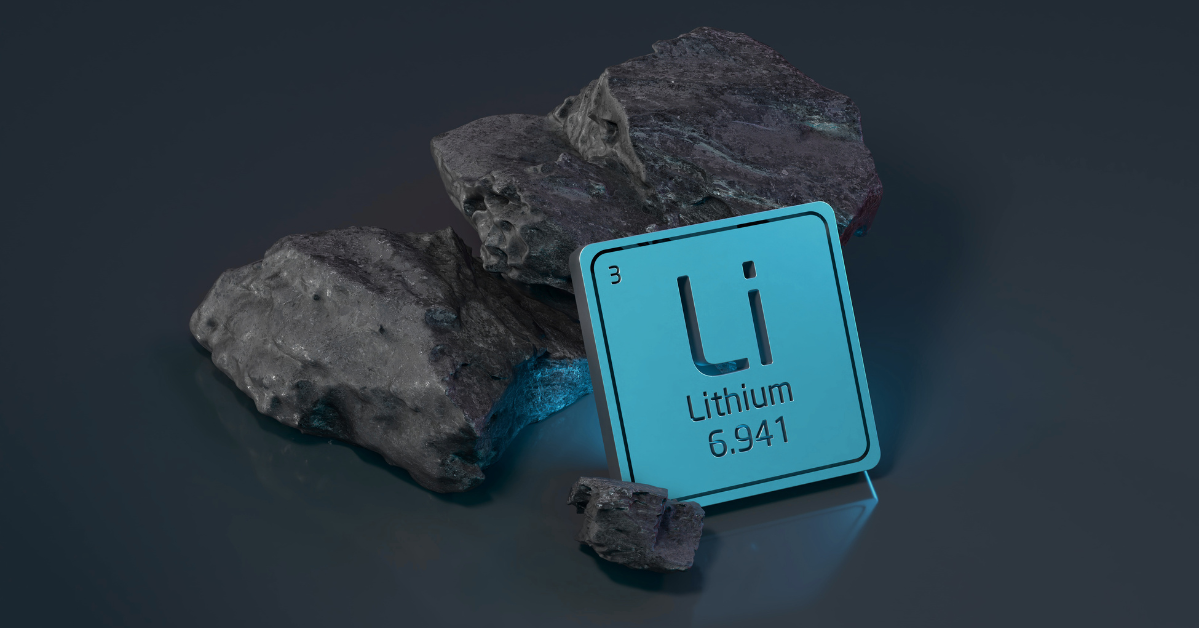
lithium element
Study suggests lithium deficiency may explain Alzheimer’s disease and low-dose lithium orotate supplement may be the key to treatment.

Could a naturally occurring metal used in mental health treatment hold the key to preventing—or even reversing—Alzheimer’s disease? A groundbreaking 2025 study published in Nature suggests it just might.


In their research, scientists from Harvard Medical School and Rush University discovered a striking link between low levels of brain lithium and Alzheimer’s disease (AD). By restoring this naturally occurring metal to healthy levels, they found it may be possible to protect the brain from damage—and, in some cases, even reverse cognitive decline.


This breakthrough points to a future where a safe, natural element could transform how we treat one of the most devastating brain disorders of our time.

A new study from researchers at Harvard Medical School and Rush University suggests that replenishing the brain’s natural stores of lithium may protect against—and potentially even reverse—Alzheimer’s disease.

IS LOW LITHIUM LINKED TO ALZHEIMER’S DISEASE?


The researchers’ analyses of human brain tissues and multiple mouse experiments indicate that lithium deficiency in the brain and cognitive decline are closely linked. Specifically, low levels of natural lithium in the brain are associated with the development of memory loss and the buildup of amyloid plaques and tau tangles—hallmarks of Alzheimer’s disease.


Additionally, the researchers found evidence in mice that lithium orotate—a specific type of lithium supplement—undoes memory loss and reverses neurological changes, helping to restore the brain to a healthier and younger state in subjects with AD.


The groundbreaking study adds to a growing body of research pointing to lithium’s neuroprotective effects. However, the implications of this latest finding are profound. With clinical study, it could potentially lead to new and effective treatments for Alzheimer’s disease—and perhaps even Alzheimer’s prevention supplements of lithium orotate.


Here’s a basic overview of Alzheimer’s disease and details on this groundbreaking research.


WHAT IS ALZHEIMER’S DISEASE?


Dementia is the umbrella term that refers to a category of progressive neurodegenerative diseases that compromise important brain functions and lead to cognitive impairment, memory loss, difficulty with language, and changes in behavior and personality.


Alzheimer’s disease (AD) is the most common and well-known form of dementia, representing about 60-80 percent of all cases. AD affects about 6.7 million Americans, according to data from the Centers for Disease Control and Prevention (CDC) and, concerningly, that figure is expected to double by 2060.


AD painfully and slowly destroys memory, thinking skills and, over time, the ability to carry out simple everyday tasks, robbing individuals of their independence. Even though it affects mostly older adults, AD is not a normal part of aging.


Some of the most common signs and symptoms of Alzheimer’s disease include the following:

  • Problems with short-term memory
  • Difficulty paying bills
  • Trouble preparing meals
  • Forgetting appointments
  • Getting lost in familiar areas
  • Difficulty interpreting what is seen
  • Struggling with vocabulary, verbal expression, and following conversations
  • Impaired judgment
  • Changes in mood or personality


According to decades of research, the underlying pathology of AD is believed to be a buildup of beta amyloid plaques that occurs between neurons (brain cells), which interferes with communication from one neuron to the next, and an accumulation of tangles of abnormal tau protein inside the neurons, called “tau tangles.”


However, this theory has been increasingly called into question. For example, a 2023 article in the Journal of Alzheimer’s Disease asked: “The Amyloid Hypothesis: The Greatest Invention or the Biggest Blunder in Biomedical Science Ever?”


Brain-imaging research shows that changes suggestive of mild cognitive impairment (MCI) can begin more than a decade before the clinical diagnosis of AD.


Brain SPECT imaging studies at Amen Clinics, which has the world’s largest database of functional brain scans related to behavior, show that changes associated with Alzheimer’s can be seen on SPECT scans over 20 years before cognitive symptoms develop.


Most individuals with the disease have what’s called late-onset Alzheimer’s disease, where symptoms first appear in their mid-60s. Early-onset AD occurs between one’s mid-30s and mid-60s.


Currently, there are two immunotherapy drugs that have been approved for the treatment of early stage-Alzheimer’s, which target the reduction of amyloid plaques to slow deterioration. Unfortunately, the benefits of these treatments are modest, and they can have serious brain-damaging side effects.


This doesn’t mean there is nothing we can do to prevent Alzheimer’s disease or slow its progression. Understanding what causes Alzheimer’s disease is key to prevention and treatment.


WHAT CAUSES ALZHEIMER’S DISEASE?


The exact cause of AD is unclear, but scientists believe a combination of genetic, lifestyle, and environmental factors play into its development. Psychiatrist and brain health expert Dr. Daniel Amen has identified 11 major risk factors for Alzheimer’s disease. He details these risks as well as strategies to address them and reduce the risk for AD in his book Memory Rescue.


In terms of genetics, a variant of the apolipoprotein E (Apo E) gene, called ApoE4, is the number-one risk factor for late-onset Alzheimer’s disease, but having it does not necessarily mean an individual will develop AD.


When it comes to lifestyle factors, diet, exercise, sleep, social isolation, and a lack of new learning all have an influence on AD risk. Other contributors to memory loss include exposure to environmental toxins, head trauma, inflammation, low blood flow, infections, neurohormone imbalances, and mental health issues.


Related: Alzheimer’s Is a Lifestyle Disease


Research shows that treating these risk factors can improve memory and cognitive function. A study performed at Amen Clinics on 30 retired NFL players with cognitive impairment and brain damage found that following a brain-healthy protocol resulted in improvements in memory, attention, and reasoning.


Brain scans showed that the former players also benefited from improved blood flow and activity in several key regions of the brain, including:

  • Prefrontal cortex
  • Parietal lobes
  • Occipital lobes
  • Anterior cingulate gyrus
  • Cerebellum


In recent years, scientists have also studied the environmental impact of trace metals on Alzheimer’s, which, in part, led to the new study examining lithium deficiency.


WHAT IS THE CONNECTION BETWEEN LITHIUM AND HEALTH?


Lithium is a natural trace element found in the environment and present in certain foods and water. In the nineteenth and early twentieth centuries, lithium was valued for its various health and mood benefits.


Natural springs with higher lithium content became destinations for health as “lithia water” was thought to be a curative for many ailments. Lithia water was bottled and sold as a health beverage. In fact, an early formulation for 7-Up contained lithium with a lemon-lime flavoring and was marketed as a health tonic.


However, the US Food and Drug Administration (FDA) banned it due to its potential negative side effects in the 1950s.


In the field of psychiatry, the first successful clinical trial on lithium treatment for manic-depression (now referred to as bipolar disorder) was published in 1954, and by 1970, the FDA had approved the use of lithium carbonate as a mood stabilizer, according to published documentation.


Today, carefully prescribed levels of lithium carbonate—a pharmaceutical form of the element—is considered the gold standard treatment for bipolar disorder. Yet, this prescribed lithium can have serious negative side effects, including risk of toxicity, if not monitored properly.


LITHIUM AND ALZHEIMER’S DISEASE RESEARCH


A number of key studies in recent years have pointed to lithium’s protective action against dementia and, specifically, Alzheimer’s disease.


One study, published in the British Journal of Psychiatry in 2007, examined risk of Alzheimer’s disease in elderly patients with bipolar disorder. Based on an established association between bipolar disorder and higher risk of dementia, Brazilian researchers compared bipolar patients treated with chronic lithium therapy and those without recent lithium therapy.


It turned out that the bipolar patients who had lithium treatment showed reduced prevalence of Alzheimer’s disease to levels in the general elderly population.


The findings appeared to provide further evidence that lithium inhibits processes that factor into the pathogenesis of Alzheimer’s disease.


Other significant epidemiological research examined the effects of trace lithium in drinking water and how very low doses of lithium, over time, might help to prevent dementia.

A large 2017 Danish study published in JAMA Psychiatry noted an association between long-term increased lithium exposure in drinking water and lower incidence of dementia.


More recently, in 2024, Brazilian researchers examined five studies that reported a link between trace lithium in water and dementia and mortality from dementia. The published review study found associations between trace lithium levels and a lower risk of dementia or mortality from dementia.


The study concluded that evidence shows that trace lithium levels in drinking water are sufficient to lower the incidence or mortality from dementia and recommended future clinical trials focusing on long-term use of low or even microdoses of lithium for dementia treatment and prevention. 


THE BREAKTHROUGH STUDY ON LITHIUM AND ALZHEIMER’S DISEASE


As mentioned, the overall grand-arching finding of the new study published in Nature suggests that replenishing the brain’s natural stores of lithium can protect against and even reverse Alzheimer’s disease.


The research results presented in the published study offer many significant discoveries, serving to advance the scientific community’s understanding of lithium’s role in both the pathogenesis and potential treatment of AD.


Here’s a look at some of those discoveries.


  1. Human Research Findings

Scientists have been looking closely at metals in the brain, since imbalances may play a role in Alzheimer’s disease (AD). In one study, researchers measured 27 different metals in the brain and blood of older adults—some healthy, some with mild cognitive impairment (MCI), and some with Alzheimer’s.

Here’s what they discovered:

  • Lithium Is Naturally in the Brain: Healthy brains naturally contain small amounts of lithium.
  • Much Lower Lithium in Alzheimer’s: In both MCI and Alzheimer’s patients, brain lithium levels were about 50% lower than in healthy people.
  • Lower Where Damage Is Worst: Areas of the brain most affected by Alzheimer’s had the lowest lithium levels. Some lithium was trapped inside amyloid plaques, making less available for normal brain function.
  • Other Metal Changes: People with Alzheimer’s also had higher zinc levels and lower copper levels compared to healthy individuals.
  1. Animal Research Findings

Researchers have tested lithium in mice with Alzheimer’s disease (AD), and the results are promising—though they still need to be confirmed in human studies. Here’s what they found:

  • Protects Brain Connections: Lithium helps maintain healthy connections between brain cells as mice age. When mice with Alzheimer’s ate a diet low in lithium, their thinking and memory worsened faster. Their brains also showed more of the harmful protein buildup (amyloid plaques and tau tangles) seen in Alzheimer’s, more inflammation, and gene changes linked to the disease.
  • How It Works: One way lithium deficiency may cause harm is by overactivating a brain protein called GSK3β, which is involved in Alzheimer’s development.
  • Best Form for the Brain: Out of 16 types of lithium tested, lithium orotate was the least likely to stick to amyloid plaques (which are toxic to brain cells).
  • Better Than the Standard Form: In mice with Alzheimer’s, lithium orotate in drinking water worked better than the more common lithium carbonate at preventing memory loss, reducing harmful protein buildup, lowering brain inflammation, and even helping immune cells in the brain (microglia) “clean up” plaques.
  • Helps Healthy Brains, Too: In healthy mice, lithium orotate also protected brain structure from the normal wear and tear of aging.
  • Safer for the Body: Unlike lithium carbonate, lithium orotate didn’t show the same harmful effects on the kidneys or thyroid.
  • Restores Memory: In Alzheimer’s mice, lithium orotate—given in the right dose—restored memory performance to normal levels, something lithium carbonate did not achieve.

These are truly extraordinary results. Treatment for Alzheimer’s disease has previously only targeted the reduction of plaques and tau tangles, but never so many pathologies underlying AD. If these findings are confirmed in clinical trials, it could have substantial implications for AD treatment and prevention.


LITHIUM OROTATE VS LITHIUM CARBONATE


You may be wondering how lithium orotate differs from high-dose, pharmaceutical lithium carbonate commonly used in the treatment of bipolar disorder.


Related: Understanding the Differences Between Lithium and Lithium Orotate


For starters, lithium orotate is a low-dose, over-the-counter nutritional supplement that consists of orotic acid (a compound produced naturally in the body) and lithium. It is not a medicine. Some people refer to lithium orotate as “nutritional lithium.”


There are no official guidelines for lithium orotate dosage levels but they are much closer to the generally safe amounts of lithium found in foods such as grains and vegetables. (The average human consumption of lithium from food sources and water has been estimated to be approximately 0.5 to 3 mg/day, according to research.)


Supplemental suggested dosages are usually between 5 to 10mg, and sometimes up to 20mg with little to no adverse effects noted. By comparison, lithium carbonate may be prescribed at 1,800 mg therapeutically with significant risk of side effects unless monitored closely.


Some research has been conducted using lithium orotate in the treatment of alcoholism, migraines, and depression associated with bipolar disorder. However, experts suggest that more research is needed.


Until now, the potential benefits of low-dose lithium have been underappreciated largely due the stigma linked to lithium carbonate. Thanks to the new research, however, the tides may now be turning for low-dose lithium orotate.


If future clinical research confirms these findings, lithium orotate may become a common strategy for the prevention and treatment of Alzheimer’s disease.

Memory loss, dementia, and other mental health conditions can’t wait. At Amen Clinics, we provide personalized, science-backed treatment plans designed to target the root causes of your symptoms. Our 360-approach includes brain SPECT imaging, clinical evaluations, innovative therapeutic techniques, medications (when necessary), and holistic lifestyle recommendations to promote the health of your brain, body, and mind. Speak to a specialist today at 888-288-9834 or visit our contact page here.

Amen Clinics

Founded in 1989 by double-board certified psychiatrist and neuroscientist Daniel G. Amen, MD, Amen Clinics Inc. (ACI) is known as the best brain and mental health company in the world. Our clinical staff includes over 50 healthcare specialists, including adult and child psychiatrists, integrative (functional) medicine physicians, naturopaths, addiction specialists, forensic psychiatrists, geriatric psychiatrists, nutritionists, licensed therapists, and more. Our clinicians have all been hand-selected and personally trained by Dr. Amen, whose mission is to end mental illness by creating a revolution in brain health. Over the last 35-plus years, ACI has built the world’s largest database of functional brain scans—over 250,000 SPECT scans on patients from 155 countries—related to how people think, feel, and behave.

Aron L, Ngian ZK, Qiu C, Choi J, Liang M, Drake DM, Hamplova SE, Lacey EK, Roche P, Yuan M, Hazaveh SS, Lee EA, Bennett DA, Yankner BA. Lithium deficiency and the onset of Alzheimer’s disease. Nature. 2025 Aug 6.


CDC Website

https://www.cdc.gov/alzheimers-dementia/about/index.html#:~:text=A%20growing%20problem,getting%20lost%20in%20familiar%20areas.

Accessed August 12, 2025


Younes L, Albert M, Moghekar A, Soldan A, Pettigrew C, Miller MI. Identifying Changepoints in Biomarkers During the Preclinical Phase of Alzheimer’s Disease. Front Aging Neurosci. 2019 Apr 2;11:74.


Shorter E. The history of lithium therapy. Bipolar Disord. 2009 Jun;11 Suppl 2(Suppl 2):4-9.


Nunes PV, Forlenza OV, Gattaz WF. Lithium and risk for Alzheimer’s disease in elderly patients with bipolar disorder. Br J Psychiatry. 2007 Apr;190:359-60.


Kessing LV, Gerds TA, Knudsen NN, Jørgensen LF, Kristiansen SM, Voutchkova D, Ernstsen V, Schullehner J, Hansen B, Andersen PK, Ersbøll AK. Association of Lithium in Drinking Water With the Incidence of Dementia. JAMA Psychiatry. 2017 Oct 1;74(10):1005-1010.


Fraiha-Pegado J, de Paula VJR, Alotaibi T, Forlenza O, Hajek T. Trace lithium levels in drinking water and risk of dementia: a systematic review. Int J Bipolar Disord. 2024 Aug 30;12(1):32.


Hamstra SI, Roy BD, Tiidus P, MacNeil AJ, Klentrou P, MacPherson REK, Fajardo VA. Beyond its Psychiatric Use: The Benefits of Low-dose Lithium Supplementation. Curr Neuropharmacol. 2023;21(4):891-910.


Kurkinen M. The Amyloid Hypothesis: The Greatest Invention or the Biggest Blunder in Biomedical Science Ever? 2023. https://www.j-alz.com/content/amyloid-hypothesis-greatest-invention-or-biggest-blunder-biomedical-science-ever


Amen, D. G., Wu, J. C., Taylor, D., & Willeumier, K. (2011). Reversing Brain Damage in Former NFL Players: Implications for Traumatic Brain Injury and Substance Abuse Rehabilitation. Journal of Psychoactive Drugs, 43(1), 1–5. https://doi.org/10.1080/02791072.2011.566489

How Can You Calm Hangover Anxiety and Recover Your Brain?

man looking hungover
Discover what causes "hangxiety" and learn brain-based strategies to ease post-alcohol anxiety, restore mood, and rebalance your mind.

You wake up with a pounding headache, a queasy stomach, and an overwhelming sense of dread after a night (or day) of drinking. Though it may seem common, this feeling isn’t just a simple hangover. It’s hangover anxiety, or “hangxiety” as it’s commonly dubbed.


 This next-day panic often follows drinking and can leave you feeling shaky, emotionally fragile, and wracked with regret. What causes hangxiety?


Hangover anxiety is deeply rooted in brain chemistry, neurotransmitter imbalances, and increased inflammation. These post-alcohol mood swings are a sign that your brain needs support to heal, not shame.

This blog will explore why hangxiety happens and what you can do about it starting today.

Pounding headache? Queasy stomach? Overwhelming sense of dread after a night of drinking? Welcome to hangover anxiety—“hangxiety”—which is deeply rooted in brain chemistry. It’s a sign your brain is in need of support.

WHY DOES ALCOHOL TRIGGER HANGOVER ANXIETY THE MORNING AFTER?


Alcohol may seem like a simple social lubricant, but it also quietly rewires your brain chemistry while you’re sipping away. It disrupts the balance of the calming neurotransmitter called gamma-aminobutyric acid (GABA) and dopamine, which is the brain’s reward chemical.


That initial buzz? It’s your dopamine on overdrive.


But the morning after? That’s the dreaded withdrawal.


Essentially, your GABA levels crash, leaving your nervous system overstimulated and anxious. Your dopamine levels drop too, dragging your mood down with it. On top of that, alcohol fuels inflammation in the brain, impairs blood flow, and disrupts the delicate web of your emotional regulation system.


So, when you wake up the next morning with racing thoughts, a low mood, and physical symptoms like shakiness, it’s not your imagination. This is your brain’s distress call.

Related: 5 Scary Ways Alcohol Damages the Brain

 What Happens to Your Brain After One Night of Drinking?


One night of drinking can impair the brain’s natural calming mechanisms. Alcohol initially acts as a depressant, slowing down your central nervous system. However, once the alcohol wears off, the brain rebounds by releasing excitatory neurotransmitters like glutamate to restore balance. This overcorrection causes the classic hangxiety symptoms:


  • Increased heart rate
  • Irritability or dread
  • Intrusive thoughts or overthinking
  • Mood swings
  • Sensitivity to light and sound

Alcohol also messes with balancing serotonin signals and cortisol levels, which are crucial for regulating mood and stress. And that post-drinking unease is your brain trying to regain equilibrium after being chemically hijacked.

Foods that may trigger anxiety are plentiful on grocery store shelves. Ultra-processed “Frankenfoods” are obvious culprits. But keep in mind that even foods marketed as healthy can disrupt brain chemistry and increase feelings of anxiety and stress.

6 FEEL-GOOD FOODS THAT MAKE ANXIETY WORSE

Can healthy foods cause anxiety? You may be surprised to know that what you’re eating may have a lot to do with what’s eating you! Did you know that the very foods and beverages we seek out to soothe anxious feelings, although providing temporary relief, may make anxiety worse in the long run?

  1. Fat-Free Snacks

When you’re struggling with anxiety disorders and you’re trying to eat a healthy diet, you might reach for fat-free foods like yogurt or granola bars. But consuming them may make anxiety worse.


Many fat-free foods are filled with sugar and refined carbohydrates that spike blood sugar, which increases anxiety and contributes to mood crashes. Unstable blood sugar can trigger irritability, restlessness, and panic-like symptoms.


When you eat something high in added sugar or refined carbs, it causes your blood sugar to spike and then drop faster than it would if you had a more balanced meal with protein, carbs, fiber, and fat.


Science confirms it. Researchers observed increased symptoms of anxiety in a 2018 animal study where subjects were fed a diet high in refined carbohydrates.


Remember that added sugars can come in many forms and hide in all kinds of “healthy” fat-free foods. You can even find added sugar in fat-free sauces, dressings, and condiments.


Choose smarter carbs that support calm and are naturally low in fat. Reach for complex carbs like sweet potatoes, berries, and quinoa to stabilize your energy and mood.

  1. High-Fructose Fruit Juice

Packaged juices may seem healthy, but they deliver sugar without fiber, impacting mood regulation due to the blood sugar-anxiety connection explained above. Juice-induced glucose spikes even affect serotonin and cortisol levels.


Conversely, studies on diabetes have established that high anxiety levels can result in the release of sympathetic hormones, which can:


  • Elevate both cortisol and glucose levels
  • Decrease insulin release
  • Affect the sensitivity and resistance of the insulin hormone

Rather than sip high-sugar fruit juices, try infused water, herbal teas, or whole-fruit smoothies that offer the benefits of added protein and fiber.


  1. Whole-Wheat Bread

While often a go-to for “healthy eating,” wheat products can negatively affect sensitive individuals such as those with gluten sensitivity or leaky gut.


As a reminder, gluten is the general name used for the proteins found in wheat, rye, barley, and triticale (a cross between wheat and rye). But this ingredient is increasingly a problem for those who have a sensitivity to it.


Researchers have estimated that while 1 percent of the US population has been diagnosed with celiac disease, “non-celiac gluten sensitivity” affects up to 6 percent of people in the U.S.


In these people, studies have found, gluten triggers gut dysbiosis, neuroinflammation, and gut-brain axis dysfunction. It even increases vulnerability for dementia.


Another review study found that gluten sensitivity and celiac disease are related to numerous brain health and mental health issues, including:


  • Attention deficit hyperactivity disorder (ADHD)
  • Depression
  • Mood disorders
  • Anxiety disorders
  • Schizophrenia
  • Autism spectrum disorders


However, evidence shows that a gluten-free diet has been associated with improvements in mental health conditions. Going gluten-free produced a decrease in symptoms in some people in a study on autism, research on ADHD, and a review study on depression.


For healthier bread alternatives, reach for sprouted grains, gluten-free options made with seeds and legumes, or gluten-free coconut wraps.


  1. Non-Organic Fruit

Fruit sounds healthy, but non-organic produce may contain pesticide residues linked to mood and brain issues. A 2023 systematic review of 57 studies found that farm workers exposed to pesticides had increased depressive disorders and a higher suicide risk.  


Meanwhile, a 2024 study of pesticide-exposed farmers also drew a link between exposure and mental health symptoms. The researchers hypothesized that pesticide exposure “compromises antioxidant defense mechanisms and induces inflammatory processes that may compromise neural circuits.”


These changes may be associated with the development of anxiety disorders and major depressive disorder in the pesticide-exposed farmers who were studied. Considering the neurotoxic effects of these chemicals on the brain, it’s important to reduce or eliminate exposure as much as possible.


Certain types of produce are notorious for having more pesticides than others. Strawberries, apples, and blueberries, for example, consistently appear on the “Dirty Dozen” list created by the Environmental Working Group (EWG).

Choose clean, mood-safe produce by looking for organic apples and other fruits and vegetables on the “Dirty Dozen” list. Also refer to the EWG’s “Clean 15” list to find which produce has the least pesticides.


  1. Factory-Farmed Chicken

Many people view chicken as a preferred alternative to red meat—and it can, in fact, be a healthier choice. But factory-farmed versions may contain added hormones, antibiotics, or inflammatory fats.


That’s why quality of meat matters. Additives in low-quality meats may contribute to systemic inflammation and anxiety.


A report by The College of Natural Sciences at the University of Massachusetts Amherst warned that modern industrial chicken farming exposes both chickens and humans to many health dangers. These include infectious diseases, antibiotics, and arsenical drugs.


To reduce exposure, choose local, pasture-raised and/or organic poultry rich in omega-3s that are grown without harmful chemicals.


  1. Sugar-Free Yogurt

Check your labels! “Sugar-free,” yogurt may contain artificial sweeteners like aspartame. Because artificial sweeteners affect the gut-brain axis, they are known to disrupt gut health and mood stability.


As known neurotoxins, artificial sweeteners can also disrupt normal nervous system function, leading to increased symptoms of anxiety.


One study focusing on nutrition as a metabolic treatment of anxiety suggested that increased anxiousness from artificial sweeteners may be a result of the adverse impacts they have on the microbiome and inflammation.


Another study in Nutrition Neuroscience suggested that aspartame (in brands such as Equal and Nutrasweet) can inhibit the transport of dopamine and serotonin precursors into the brain. They may increase the levels of excitatory neurotransmitters, shifting brain chemistry to be more anxiety prone.


To protect your mental health, make better dairy and dairy-free choices. Choose full-fat plain yogurt with live cultures, or dairy-free yogurts made from coconut or almond milk, enriched with probiotics for better gut health.

CAN REHYDRATION AND NUTRITION EASE HANGXIETY FAST?

Absolutely! Your brain runs on nutrients, glucose, and hydration like a high-performance engine. After drinking alcohol, dehydration and blood sugar crashes add fuel to the anxiety fire. Rehydrating with electrolytes and replenishing nutrients can calm hangxiety symptoms faster than you think.

What Should You Drink and Eat to Support Your Brain?

A good tip is to skip the coffee as caffeine often worsens dehydration and jitteriness. There is research showing that nutrient dense foods can help alleviate signs of hangover anxiety. To feel better faster, opt for:

  • Electrolyte-rich fluids: Coconut water, electrolyte powders (low sugar), or mineral water
  • Bone broth: Rich in amino acids and collagen to calm the gut-brain axis
  • Clean proteins: Eggs (if tolerated), turkey, or plant-based options to help rebuild neurotransmitters
  • Healthy fats: Avocado, nuts, and seeds support brain cell structure and reduce inflammation
  • Complex carbs: Oats or sweet potatoes help regulate blood sugar and mood

Fueling your body well is one of the fastest ways to help your brain reset and keep anxiety low.

HOW DOES SLEEP IMPACT POST-DRINKING ANXIETY?

Quality sleep is your brain’s housekeeping system, but research shows that alcohol severely disrupts it. While it might knock you out at first, alcohol suppresses REM sleep, which is the most restorative sleep phase tied to emotional processing and memory.

That’s why many people wake up after drinking feeling foggy, wired, and more anxious than before. Poor sleep also increases stress hormones like cortisol leaving your brain extra vulnerable to anxiety.

What Steps Improve Recovery Sleep?

To bounce back from a hangxiety-fueled night, create a soothing sleep-conducive environment using the following:

  • Keep your bedroom cool and dark
  • Avoid caffeine and screens at least two hours before bed
  • Take a magnesium glycinate supplement (if it’s safe for you)
  • Try natural GABA or L-theanine (check with your doctor first)
  • Use a noise machine or drift to sleep with soft calming sounds
  • Take a short nap during the day (20–30 minutes max)

Research shows that even partial sleep recovery helps lower anxiety levels by stabilizing your nervous system to help you heal, especially when you’re stressed.

CAN MINDFULNESS AND BREATHING REDUCE HANGXIETY NOW?

Yes. When your brain is inflamed and your stress circuits are activated, calming your nervous system is key. Deep breathing and mindfulness exercises help disengage the fight-or-flight response and re-engage the brain’s parasympathetic, or “rest and digest,” mode.

Which Techniques Calm the Brain Quickly?

To calm your brain quickly and effectively, you can try these hangxiety-soothing methods:

  • Box breathing: Inhale for four seconds, hold for four, exhale for four, hold for four. Repeat five to 10 cycles and take your time to focus on your breathing.
  • Progressive muscle relaxation: Tense and release muscles from your feet to your head.
  • Guided imagery: Visualize a calming scene—waves on a beach, walking through a forest.
  • Grounding techniques: Name five things you see, four you feel, three you hear, two you smell, and one you taste.

These tools can short-circuit anxious and negative thoughts and give your brain space to reset.

Related: Automatic Negative Thoughts (ANTs): How to Stop Toxic Thinking and Rewire Your Brain

IS MOVEMENT HELPFUL OR HARMFUL DURING HANGXIETY?

Honestly, it depends. While intense workouts can overstimulate an already anxious brain, gentle movement can boost circulation, detox your system, and increase feel-good endorphins without overwhelming you.

What Kind of Movement Soothes Your Brain After Drinking?

Start with low-impact, slow-paced activities you’ll actually enjoy doing like:

  • Nature walks: Studies show that sunlight and greenery calm the amygdala, which is your brain’s fear center
  • Restorative yoga: Focuses on stretching, breathwork, and inner balance
  • Tai chi or gentle Qigong: Great for grounding and improving energy flow

Just 20–30 minutes of mindful movement can reduce anxiety and inflammation while supporting brain recovery.

WHEN SHOULD YOU SEEK PROFESSIONAL HELP FOR HANGXIETY?

If your hangxiety lasts beyond the typical post-drinking window or begins to impact your daily life, it may signal deeper mental health or brain function concerns. Occasional worry is normal; however, persistent anxiety deserves attention.

What Symptoms Signal It’s More Than a Hangover?

Please seek support from a mental health professional if you notice symptoms including but not limited to:

  • Panic attacks that last several hours or reoccur regularly
  • Trouble sleeping for multiple nights in a row
  • Feelings of hopelessness, guilt, or depression
  • Loss of interest in daily activities
  • Physical symptoms like chest tightness or racing heart days after drinking

It’s not just about the alcohol consumption. Your brain may be trying to tell you it’s overwhelmed, inflamed, or operating under chronic stress pointing to more serious problems long-term.

FAQ

At Amen Clinics, we don’t just treat hangxiety. We can help you understand the root cause. Our brain-centered method goes beyond talk therapy or symptom-chasing.

We use advanced tools like brain SPECT imaging to evaluate blood flow and activity patterns that may be affecting your mood, memory, and stress response.

It’s important to realize that it may be necessary to reduce or eliminate alcohol to avoid hangxiety. For many Amen Clinics patients, seeing their brain scans shows how alcohol has affected their brain function and inspires them to cut back on drinking.

At Amen Clinics, customized recovery protocols may include:

  • Brain imaging and diagnostics
  • Neuropsychological assessments
  • Hormone testing
  • Nutritional guidance to heal your gut-brain axis
  • Personalized nutritional supplement plans
  • Psychotherapy techniques
  • Cognitive behavioral strategies
  • Sleep coaching
  • Lifestyle redesign
  • Cutting back on alcohol

With these strategies, you can build resilience and heal your hangxiety from the inside out.

When you take care of your brain, it improves every aspect of your life, including:

  • More emotional stability and less reactivity
  • Fewer cravings and reduced reliance on alcohol
  • Improved energy and motivation
  • Better relationships and focus
  • Stronger coping skills for daily stress

Brain health isn’t just a one-time fix. If you want lasting results, think of it as a daily practice.

Anxiety, addiction, and other mental health conditions can’t wait. At Amen Clinics, we provide personalized, science-backed treatment plans designed to target the root causes of your symptoms. Our 360-approach includes brain SPECT imaging, clinical evaluations, innovative therapeutic techniques, medications (when necessary), and holistic lifestyle recommendations to promote the health of your brain, body, and mind. Speak to a specialist today at 888-288-9834 or visit our contact page here.

Amen Clinics

Founded in 1989 by double-board certified psychiatrist and neuroscientist Daniel G. Amen, MD, Amen Clinics Inc. (ACI) is known as the best brain and mental health company in the world. Our clinical staff includes over 50 healthcare specialists, including adult and child psychiatrists, integrative (functional) medicine physicians, naturopaths, addiction specialists, forensic psychiatrists, geriatric psychiatrists, nutritionists, licensed therapists, and more. Our clinicians have all been hand-selected and personally trained by Dr. Amen, whose mission is to end mental illness by creating a revolution in brain health. Over the last 35-plus years, ACI has built the world’s largest database of functional brain scans—over 250,000 SPECT scans on patients from 155 countries—related to how people think, feel, and behave.

Anand, S. K., Ahmad, M. H., Sahu, M. R., Subba, R., & Mondal, A. C. (2023). Detrimental Effects of Alcohol-Induced Inflammation on Brain Health: From Neurogenesis to Neurodegeneration. Cellular and molecular neurobiology, 43(5), 1885–1904. https://doi.org/10.1007/s10571-022-01308-2


Naik, D. R., Pina-Leblanc, C., Tang, V. M., Sloan, M. E., Nikolova, Y. S., Pangarov, P., Ruocco, A. C., Shield, K., Voineskos, D., Blumberger, D. M., Boileau, I., Bozinoff, N., Gerretsen, P., Vieira, E., Melamed, O. C., Sibille, E., Quilty, L. C., & Prevot, T. D. (2023). GABAergic signaling in alcohol use disorder and withdrawal: Pathological involvement and therapeutic potential. Frontiers in Neural Circuits, 17. https://doi.org/10.3389/fncir.2023.1218737


Tellez-Monnery, K., Berghoff, C. R., & McDermott, M. J. (2023). Investigating the effects of emotion dysregulation and repetitive negative thinking on alcohol hangover anxiety and depression. Addictive Behaviors, 140, 107619. https://doi.org/10.1016/j.addbeh.2023.107619


Rosdeitcher, L. (2018, February 12). IU-led study finds neurotransmitter glutamate may play a role in alcohol relapse, addiction. Indiana University News. https://news.iu.edu/live/news/24679-iu-led-study-finds-neurotransmitter-glutamate-may


Castle, M. E., & Flanigan, M. E. (2024). The role of brain serotonin signaling in excessive alcohol consumption and withdrawal: A call for more research in females. Neurobiology of Stress, 30, 100618. https://doi.org/10.1016/j.ynstr.2024.100618


Moslemi, M., Jannat, B., Mahmoudzadeh, M., Ghasemlou, M., & Abedi, A. S. (2023). Detoxification activity of bioactive food compounds against ethanol-induced injuries and hangover symptoms: A review. Food science & nutrition, 11(9), 5028–5040. https://doi.org/10.1002/fsn3.3520


Colrain, I. M., Nicholas, C. L., & Baker, F. C. (2014). Alcohol and the sleeping brain. Handbook of clinical neurology, 125, 415–431. https://doi.org/10.1016/B978-0-444-62619-6.00024-0


Meyrel, M., Rolland, B., & Geoffroy, P. A. (2020). Alterations in circadian rhythms following alcohol use: A systematic review. Progress in Neuro-Psychopharmacology and Biological Psychiatry, 99, 109831. https://doi.org/10.1016/j.pnpbp.2019.109831


Sudimac, Sonja & Sale, Vera & Kühn, Simone. (2022). How nature nurtures: Amygdala activity decreases as the result of a one-hour walk in nature. Molecular Psychiatry. 27. 1-7. 10.1038/s41380-022-01720-6.


Wang, Y., Tian, J., & Yang, Q. (2023). Tai Chi exercise improves working memory capacity and emotion regulation ability. Frontiers in psychology, 14, 1047544. https://doi.org/10.3389/fpsyg.2023.1047544


Kim, Y., Kim, J., Oh, J.W. et al. Association between drinking behaviors, sleep duration, and depressive symptoms. Sci Rep 14, 5992 (2024). https://doi.org/10.1038/s41598-024-56625-x


Amen, D. G., Trujillo, M., Newberg, A., Willeumier, K., Tarzwell, R., Wu, J. C., & Chaitin, B. (2011). Brain SPECT Imaging in Complex Psychiatric Cases: An Evidence-Based, Underutilized Tool. The open neuroimaging journal, 5, 40–48. https://doi.org/10.2174/1874440001105010040

Sleep and the recovery from stress. Yu, X., Nollet, M., Franks, N.P., Wisden, W. Neuron (2025). DOI: 10.1016/j.neuron.2025.04.028, https://www.cell.com/neuron/fulltext/S0896-6273(25)00311-3

Shrinking Your Brain? Habits That Hurt Your Mood and Memory

sleepy person under covers
Memory fog or mood swings? Learn 7 brain-draining habits that shrink your hippocampus—and how to reverse them.

Have you become more forgetful lately? Has your mood been off, or your thoughts slower, even when you haven’t experienced any major change? Your brain could be trying to tell you something. 

It may be a sign that an important part of your brain called the hippocampus is under stress or—even worse—starting to shrink. But how does that happen? 

The truth is that certain everyday issues and habits have been found to have the potential to slowly shrink hippocampus volume. A lot of people don’t know that emotional pain, lack of enough sleep, or poor diet can cause physical changes in the brain. 

The good news? Brain shrinkage doesn’t have to be permanent. In this blog, we discuss seven brain-draining habits as well as brain-boosting alternatives. 

Certain everyday issues and habits have been found to slowly shrink hippocampus volume, potentially impacting mood, memory, and learning.

WHAT IS THE HIPPOCAMPUS?

The hippocampus is a small but powerful region of the brain that plays a major role in memory, learning, and emotional regulation. In fact, the hippocampus isn’t a single structure. Rather, it’s a pair of thumb-sized structures located on the inside of the temporal lobes.

These are very special brain structures, because they house stem cells that can help produce new hippocampal cells under the right circumstances.

Research has suggested we can produce up to 700 new cells a day if we put the brain in a nourishing environment—meaning consuming good nutrition, taking omega-3 fatty acids, and getting adequate oxygen and blood flow to the brain. Findings in a 2025 study that used AI machine learning confirms that the human brain can indeed create new cells in the hippocampus.

WHAT CAUSES SHRINKAGE IN THE BRAIN’S MEMORY CENTERS?

1. Untreated Depression

Other than clouding your mood, long-term depression can trigger real, measurable changes in your brain, especially in areas critical to emotional balance and memory.

Research shows that people with untreated major depressive disorder often have a smaller hippocampus than those without depression. This helps explain the strong link between depression and memory problems.

When you’re depressed for a long time, your brain is repeatedly exposed to elevated levels of cortisol (the body’s primary stress hormone). Over time, this hormonal imbalance can damage brain cells, shrink the hippocampus, and interfere with the growth of new neurons.

The longer it goes untreated, the more damage may occur. That said, you can protect and restore your brain health through timely brain-based treatment designed to reduce shrinkage and support recovery.

2. Chronic Stress

If you’ve been dealing with ongoing stress, your brain is most likely flooded with cortisol. When elevated for long periods, the stress hormone can weaken the connections between your brain cells, reducing function in the hippocampus.

The way stress and brain function interact is deeper than most people realize. Chronic stress doesn’t just affect how you feel; it physically changes how your brain works and impacts your memory. It’s a slow, silent process that often goes unnoticed until it starts to impact your focus, memory, or emotional stability.

One study highlights that even moderate, persistent stress such as work burnout or relationship tension can cause forgetfulness, mood swings, and brain fog. That’s why managing stress through simple daily practices like deep breathing and mindfulness is key to protecting and restoring your brain’s memory center.

3. Poor sleep

Sleep might just be the most underrated brain healer out there. While you sleep, your brain sorts through memories, calms emotional noise, and does a bit of internal clean-up that you don’t even notice.

According to research, when you consistently cut short your sleep, especially getting fewer than six hours a night, your brain’s memory centers can begin to suffer.

This isn’t always obvious at first, but the effects tend to build quietly over time. Chronic lack of adequate sleep leads to memory loss, mood instability, and the gradual reduction of hippocampal volume over time.

You need to make consistent, restful sleep a priority. This isn’t only to boost your energy but also to protect and strengthen your brain. 

Press Play to See What Stress and Bad Habits Can do to Your Brain

In this video, Dr. Daniel Amen shares his first SPECT brain scan from when he was 37 years old and living in a high-stress environment. He shows how stress and some unhealthy habits can impact the brain, and how seeing his brain made him develop what he calls brain envy.

Click the link below to tune in:

4. Excessive Sugar and Refined Carbs

If you like sugary snacks and ultra-processed foods, you might want to stop. A high-sugar, heavily processed diet won’t just affect your waistline. Research shows that, diets high in sugar, heavily processed foods, and trans fats can trigger oxidative stress in your hippocampus.

They can spike your blood sugar levels, fuel inflammation, and deprive your brain of the key nutrients it needs to function effectively. Over time, this contributes to brain shrinkage, damaging brain cells, and disrupting the growth of new neurons.

That’s how you may end up with a shrunken hippocampus, learning difficulties, and challenges in regulating your mood.

Embrace a brain-healthy diet that’s rich in whole foods, healthy fats, and antioxidants to preserve and strengthen your memory.  

Related: Alzheimer’s is a Lifestyle Disease

5. Sedentary Lifestyle

If you haven’t made movement part of your daily routine, then your brain could be paying the price. Spending too much time inactive can shrink the hippocampus, which can slow your thinking, weaken your memory, and lower your mood.

A sedentary lifestyle has been shown to shrink memory centers in the brain, making it harder to retain information, stay focused, and regulate emotions. The hippocampus thrives with activity, more so in aerobic movement like cycling, brisk walking, or dancing.

When you engage in physical activity it stimulates the release of brain-derived neurotrophic factor (BDNF), a protein that aids the growth of new neurons and protects existing ones—especially in the hippocampus.

Research shows that even short but consistent bursts of exercise have been shown to support emotional balance, improve focus, and preserve brain volume over time. Making movement a regular part of your day isn’t just good for your body; it’s one of the most effective ways to keep your brain sharp, resilient, and emotionally steady.

6. Heavy Alcohol Use

That glass of wine may feel relaxing at the moment, but over time, alcohol can quietly reshape your brain in harmful ways.  Chronic drinking causes significant hippocampal damage by destroying neurons, disrupting the formation of new brain cells, and interfering with how your brain stores and retrieves memories.

Studies show that even moderate regular use can lead to shrinkage in memory-related areas of the brain, like the hippocampus, one of the few areas in the brain capable of growing new cells throughout life. Alcohol also impacts sleep quality and increases inflammation in the brain, both of which compound the damage over time.

The cumulative effect is a brain that ages faster and struggles to stay strong and sharp. If protecting your mental clarity is a priority, choosing herbal teas and proper hydration over alcohol can make a powerful difference.

Related: 5 Scary Ways Alcohol Damages the Brain

7. Social Isolation

You may never have thought of loneliness as a brain health concern, but sadly, it is. Being in a situation where you lack meaningful connection over time can cause your hippocampus to shrink and weaken its cognitive function.

Social interactions aren’t just comforting. They stimulate your memory, and emotional processing, and allow mental flexibility. As you engage in healthy conversations, share experiences, or feel truly seen, your brain lights up in a way that helps it to preserve memory and balance your emotions.

Studies show that there is a connection between social isolation and a higher risk of cognitive decline. Building and maintaining close connections isn’t just good for your heart. It’s important for keeping your brain sharp and your hippocampus strong.

What Shrinks vs. What Strengthens the Hippocampus

HOW TO PROTECT YOUR MEMORY CENTERS

The idea of your brain shrinking can feel scary—but it’s not a life sentence. The human brain is remarkably adaptable and resilient. With the right support, your hippocampus can recover, regenerate, and even grow stronger.

Under nurturing conditions—like regular exercise, restful sleep, a nutrient-rich diet, and emotional support—your brain can produce new cells and create healthier neural connections.

That means every positive choice you make today, from managing your stress to spending time with loved ones, has the power to protect your memory, lift your mood, and strengthen your brain for years to come.

FAQ

Yes. In many cases, you can reverse it. Your hippocampus is one of the few areas in your brain that is capable of generating new cells throughout life in a process known as neurogenesis. With the right support, such as regular aerobic exercise, brain-healthy nutrition, treatment for depression, and brain-directed therapies, you can stimulate this growth and even restore lost volume. 

No. While you can expect some natural slowdown with age, significant memory loss is not inevitable. Many of the factors that contribute to memory problems, like poor sleep, chronic stress, depression, and inactivity, are preventable and treatable.

With the right lifestyle changes and brain-healthy habits, it’s possible to maintain sharp memory and cognitive function well into your later years.

At Amen Clinics, we use brain SPECT imaging to evaluate blood flow and activity in the hippocampus and other regions of the brain. This technology allows us to see how well this vital area is functioning, which helps guide personalized, brain-directed treatment plans for better memory, mood, and overall brain health.

Memory loss, depression, and other mental health conditions can’t wait. At Amen Clinics, we provide personalized, science-backed treatment plans designed to target the root causes of your symptoms. Our 360-approach includes brain SPECT imaging, clinical evaluations, innovative therapeutic techniques, medications (when necessary), and holistic lifestyle recommendations to promote the health of your brain, body, and mind. Speak to a specialist today at 888-288-9834 or visit our contact page here.

Amen Clinics

Founded in 1989 by double-board certified psychiatrist and neuroscientist Daniel G. Amen, MD, Amen Clinics Inc. (ACI) is known as the best brain and mental health company in the world. Our clinical staff includes over 50 healthcare specialists, including adult and child psychiatrists, integrative (functional) medicine physicians, naturopaths, addiction specialists, forensic psychiatrists, geriatric psychiatrists, nutritionists, licensed therapists, and more. Our clinicians have all been hand-selected and personally trained by Dr. Amen, whose mission is to end mental illness by creating a revolution in brain health. Over the last 35-plus years, ACI has built the world’s largest database of functional brain scans—over 250,000 SPECT scans on patients from 155 countries—related to how people think, feel, and behave.

Spalding, Kirsty L et al. “Dynamics of hippocampal neurogenesis in adult humans.” Cell vol. 153,6 (2013): 1219-1227. doi:10.1016/j.cell.2013.05.002

Dumitru I, et al. Identification of proliferating neural progenitors in the adult human hippocampus. Science, 389,58-63 (2025). DOI:10.1126/science.adu9575

Sheline, Y. I., Gado, M. H., & Kraemer, H. C. (2003). Untreated depression and hippocampal volume loss. American Journal of Psychiatry, 160(8), 1516–1518. https://doi.org/10.1176/appi.ajp.160.8.1516

Khammissa, R. A. G., Nemutandani, S., Feller, G., Lemmer, J., & Feller, L. (2022). Burnout phenomenon: Neurophysiological factors, clinical features, and aspects of management. Journal of International Medical Research, 50(9), 03000605221106428. https://doi.org/10.1177/03000605221106428

Sexton, C. E., Zsoldos, E., Filippini, N., et al. (2019). Poor sleep quality is associated with smaller hippocampal volume in older adults. The Journal of Neuroscience, 39(33), 650–660.

Molteni, R., Barnard, R. J., Ying, Z., Roberts, C. K., & Gomez‑Pinilla, F. (2002). A high‑fat, refined sugar diet reduces hippocampal brain‑derived neurotrophic factor, neuronal plasticity, and learning. Neuroscience, 112(4), 803–814. https://doi.org/10.1016/S0306-4522(02)00123-9

Killgore, W. D. S., Olson, E. A., Weber, M., & Porta, M. (2015). Low-intensity daily walking activity is associated with larger hippocampal volume in older adults. Hippocampus, 25(10), 1348–1351. https://doi.org/10.1002/hipo.22397

Varma, V. R., Chuang, Y.-F., Harris, G. C., Tan, E. J., & Carlson, M. C. (2015). Low‑intensity daily walking activity is associated with larger hippocampal volume in older adults. Hippocampus, 25(5), 605–615. https://doi.org/10.1002/hipo.22397

Meda, Shashwath A et al. “Longitudinal Effects of Alcohol Consumption on the Hippocampus and Parahippocampus in College Students.” Biological psychiatry. Cognitive neuroscience and neuroimaging vol. 3,7 (2018): 610-617. doi:10.1016/j.bpsc.2018.02.006

Cardona, Margalida, and Pilar Andrés. “Are social isolation and loneliness associated with cognitive decline in ageing?.” Frontiers in aging neuroscience vol. 15 1075563. 23 Feb. 2023, doi:10.3389/fnagi.2023.1075563

How Bright Light Therapy Improves Moods, Focus, and Sleep

bright light therapy
Bright light therapy boosts moods and more—plus, it may increase brain volume. Discover how this simple treatment improves mental health.

As we head deeper into the shorter days and longer nights of fall and winter, it’s the perfect time to focus on the studied benefits of bright light therapy (BLT).

In helping to advance or delay your body’s circadian rhythm (body clock), light therapy has been shown to improve a number of mental health conditions, including seasonal affective disorder (SAD), depression, bipolar disorder, attention deficit hyperactivity disorder (ADHD), insomnia, and dementia.

Exciting new findings also shows that bright light therapy can increase brain volume in areas involved in mood regulation and memory.

In helping to advance or delay your body’s circadian rhythm (body clock), light therapy has been shown to improve a number of mental health conditions, including seasonal affective disorder (SAD), depression, bipolar disorder, ADHD, insomnia, and dementia.

WHAT IS BRIGHT LIGHT THERAPY?

Bright light therapy, also known as light exposure therapy, circadian light therapy, light therapy, and phototherapy, has been a first-line treatment for seasonal affective disorder for several decades.

During a light therapy session, patients sit in front of a special light box positioned 16 to 24 inches away from the face for a set amount of time each day, often in the morning at home. The duration and frequency of the therapy is determined by a medical doctor or mental health professional. 

The light therapy mimics natural outdoor light, but without the harmful UV rays. A session may last from 20 to 40 minutes, usually at the optimal intensity of 10,000 lux.

When the light sends signals to the brain, a number of brain chemical responses are triggered that can both uplift mood and help to beneficially impact an individual’s circadian rhythm (the sleep/wake cycle). Studies show only mild side effects (jumpiness, headache, nausea) in some cases.

SEASONAL AFFECTIVE DISORDER

Seasonal affective disorder (SAD) is a type of depression sometimes called seasonal depression or winter depression because the symptoms most often occur during the fall and winter months when there is less sunlight. While the cause of SAD is not entirely clear, researchers believe that the reduced sunlight in fall and winter may trigger winter-onset SAD. 

SAD is typically associated with depressive symptoms—feeling sad, losing interest or pleasure in activities once enjoyed, appetite changes, fatigue, feeling low self-esteem, trouble concentrating and making decisions, and even suicidal thoughts. In addition, weight gain is common with SAD due to increased cravings for carbohydrates and an increase in sleep. Symptoms last typically 40% of the year.

In roughly 10% of those with SAD, the disorder has the opposite seasonal pattern, occurring in the spring and summer months and going away during the fall and winter months. These individuals usually have a loss of appetite and sleep. In some people with bipolar disorder, spring and summer can bring on symptoms of mania or a less intense form of mania (hypomania), and fall and winter can be a time of depression.

A 2020 study estimates that SAD affects .5 to 2.4% of the population. It is more prevalent among younger people, women, and individuals in northern climates. 

WHAT CAUSES SEASONAL AFFECTIVE DISORDER?

The exact cause of SAD is not clear. It is a complex disorder resulting from a combination of factors. The decrease in sunlight may disrupt your body’s internal clock and lead to feelings of depression. A drop of serotonin levels also may factor in. Reduced sunlight can cause a drop in serotonin, which can trigger depressive symptoms. The seasonal change can also disrupt the body’s melatonin levels, which can impact sleep patterns and mood. Additional contributing mechanisms may include retinal sensitivity to light, neurotransmitter dysfunction, and genetic variations affecting circadian rhythms.

STUDIES ON BRIGHT LIGHT THERAPY AND SAD

The great news for those experiencing SAD is that consistent use of bright light therapy is an effective treatment. One study examining SAD patients who underwent BLT found immediate improvement in mood in as little as 20 minutes, and greater improvement with 40 minutes of exposure.

Another BLT study showed remission of SAD symptoms and an “antidepressant effect” over placebo after 3 weeks of regular light therapy treatments. A longer study that tracked SAD patients undergoing BLT for short-term (2-8 weeks) and long-term (fall and winter months for 3-6 years) treatment found that “light therapy yields about 75% clinical remissions” and was as effective as an antidepressant. 

Compelling research in a 2023 issue of Translational Psychiatry found that just four weeks of bright light therapy increased brain volume in an area associated with mood regulation and memory. The study involved 24 adults diagnosed with either major depression or bipolar disorder.

In the group that received bright light therapy, there were significant increases in the left hippocampal dentate gyrus as well as marked improvements in depressive symptoms.

BENEFITS OF LIGHT THERAPY FOR MOOD DISORDERS, ADHD, INSOMNIA, AND DEMENTIA

In recent years, bright light therapy has shown benefits for a number of additional mental health conditions—all of which are in some way impacted by disruption to a patient’s circadian rhythm.

Bright Light Therapy for Bipolar Disorder and Depression

Altered sleep patterns and disrupted circadian rhythms play a role in both bipolar disorder and depressive disorder. A 2020 meta-analysis was performed evaluating 12 bright light therapy studies involving 847 patients with bipolar disorder. The results showed that BLT significantly reduced the severity of bipolar depression.

An extensive review in Neuropsychobiology examined studies on bright light therapy for the treatment of mood disorders. It found substantial evidence for BLT efficacy in the treatment of chronic depression, antepartum depression, premenstrual depression, bipolar depression, and disturbances of the sleep-wake cycle. While more studies are recommended, this research is very promising.

Bright Light Therapy for ADHD

New research from the Netherlands has noted delayed circadian rhythms in individuals with ADHD. In fact, this study estimates a whopping 73–78% of children and adults with ADHD have the issue, which means they are night owls and don’t get sleepy or tired enough to fall asleep until 2 or 3 a.m. Hence, getting a good night’s sleep is an integral part of ADHD treatment.

Light therapy was used to treat ADHD in a 2006 pilot study. The study found the shift toward an earlier circadian preference with BLT was the strongest predictor of improvement on both subjective and objective ADHD measures. Similar findings were found in a more recent study in the Journal of Psychiatric Research. These results are promising for further investigation in larger studies.

Bright Light Therapy for Insomnia and Dementia

The Sleep Foundation touts light therapy as helpful to those who suffer from insomnia, especially sleeplessness that is linked to circadian rhythm sleep disorders. A 2016 review study on light therapy and sleep problems surveyed 53 studies with a total of 1,154 participants. It concluded that “light therapy is effective for sleep problems in general, particularly for circadian outcomes and insomnia symptoms.”

One of the main symptoms of dementia after impaired cognition is that of sleep disturbances. The most problematic sleep disturbances are found in Alzheimer’s disease. While more research is needed, a small 2016 study in Psychogeriatrics using bright light therapy showed improvement of sleep disturbances in patients with mild to moderate Alzheimer’s disease.

A BRIGHT FUTURE FOR LIGHT THERAPY

Despite the wealth of research showing its efficacy, this simple, non-drug therapy remains underutilized, according to a recent study. Hopefully with education and increased awareness, many more people struggling with seasonal affective disorder and other mental health issues can be helped by bright light therapy.

We're Here To Help

Seasonal affective disorder, depression, ADHD, and other mental health issues can’t wait. At Amen Clinics, we’re here for you. We offer in-clinic brain scanning and appointments, as well as mental telehealth, clinical evaluations, and therapy for adults, teens, children, and couples. Find out more by speaking to a specialist today at 888-288-9834 or visit our contact page here.

Terman, M, and J S Terman. “Bright light therapy: side effects and benefits across the symptom spectrum.” The Journal of Clinical Psychiatry vol. 60,11 (1999): 799-808; quiz 809. https://pubmed.ncbi.nlm.nih.gov/10584776/

Hirakawa, H., Terao, T., Hatano, K. et al. Increased volume of the left hippocampal dentate gyrus after 4 weeks of bright light exposure in patients with mood disorders: a randomized controlled study. Transl Psychiatry 13, 394 (2023). https://doi.org/10.1038/s41398-023-02688-9

Galima SV, et al. Seasonal Affective Disorder: Common Questions and Answers, Am Fam Physician. 2020;102(11):668-672. https://www.aafp.org/pubs/afp/issues/2020/1201/p668.html#afp20201201p668-b8

Virk, Gagan et al. “Short exposure to light treatment improves depression scores in patients with seasonal affective disorder: A brief report.” International journal on disability and human development : IJDHD vol. 8,3 (2009): 283-286. doi:10.1901/jaba.2009.8-283

Eastman, C I et al. “Bright light treatment of winter depression: a placebo-controlled trial.” Archives of general psychiatry vol. 55,10 (1998): 883-9. doi:10.1001/archpsyc.55.10.883

Gallin PF, et al. Ophthalmologic Examination of Patients With Seasonal Affective Disorder, Before and After Bright Light Therapy, American Journal of Ophthalmology, Volume 119, Issue 2, February 1995, Pages 202-210. https://doi.org/10.1016/S0002-9394(14)73874-7

Wang S, et al. Bright light therapy in the treatment of patients with bipolar disorder: A systematic review and meta-analysis. Plos One, May 21, 2020. https://doi.org/10.1371/journal.pone.0232798

Pail G, et al. Bright-Light Therapy in the Treatment of Mood Disorders. Neuropsychobiology (2011) 64 (3): 152–162. https://doi.org/10.1159/000328950

Bijlenga, Denise et al. “The role of the circadian system in the etiology and pathophysiology of ADHD: time to redefine ADHD?.” Attention deficit and hyperactivity disorders vol. 11,1 (2019): 5-19. doi:10.1007/s12402-018-0271-z

Rybak, Y. E., McNeely, H. E., Mackenzie, B. E., Jain, U. R., & Levitan, R. D. (2006). An open trial of light therapy in adult attention-deficit/hyperactivity disorder. The Journal of Clinical Psychiatry, 67(10), 1527–1535. https://doi.org/10.4088/JCP.v67n1006

Fargason, Rachel E et al. “Correcting delayed circadian phase with bright light therapy predicts improvement in ADHD symptoms: A pilot study.” Journal of psychiatric research vol. 91 (2017): 105-110. doi:10.1016/j.jpsychires.2017.03.004

van Maanen, Annette et al. “The effects of light therapy on sleep problems: A systematic review and meta-analysis.” Sleep medicine reviews vol. 29 (2016): 52-62. doi:10.1016/j.smrv.2015.08.009

Sekiguchi, Hirotaka et al. “Bright light therapy for sleep disturbance in dementia is most effective for mild to moderate Alzheimer’s type dementia: a case series.” Psychogeriatrics : the official journal of the Japanese Psychogeriatric Society vol. 17,5 (2017): 275-281. doi:10.1111/psyg.12233

Oldham MA, et al. Commercially Available Phototherapy Devices for Treatment of Depression: Physical Characteristics of Emitted Light. Psychiatric Research and Clinical Practice

Volume 1, Number 2, Published Online: 3 October 2019. https://doi.org/10.1176/appi.prcp.2019.20180011

Related Posts

Sleep is more than just a time to rest. In fact, during sleep, your brain is very hard at work, flushing out daily buildups of cellular debris and toxins. This cleansing process enables key functions of the body, from immune system response to appetite control, and contributes to cognitive health, memory, and learning. In other words, sleep is necessary to repair the brain and body overnight. However, when sleep is disturbed, as occurs in the case of sleep disorders, health complications often follow. As many as 70 million Americans experience some type of sleep disorder, which can be associated with mental health disorders like anxiety disorders, major depressive disorder, bipolar disorder, and ADD/ADHD. In the short term, a lack of quality sleep can make you feel irritable, stressed, or unable to concentrate. “Without sleep, the brain struggles to consolidate memories and absorb new knowledge,” says Dr. Shane Creado, a sleep medicine physician and psychiatrist at Amen Clinics. In the long term, it may elevate the risk of serious conditions, including neurodegenerative disorders such as Alzheimer’s disease (AD). Here, we will explore various types of sleep disorders, how sleep problems are linked to Alzheimer’s and other types of dementia, and how to overcome sleep issues to promote better health. A brain SPECT scan can help identify the abnormally low blood flow pattern associated with Alzheimer’s disease up to 9 years before the onset of noticeable symptoms.
Click to tweet

HOW SLEEP PROBLEMS ARE LINKED TO ALZHEIMER’S DISEASE

“We now know that memory loss and sleep disruption are directly related to each other,” says Dr. Creado, the author of Peak Sleep Performance for Athletes. Many studies have explored the bidirectional relationship between sleep disturbances and AD—that is, sleep disorders may increase AD risk or occur as a result of Alzheimer’s. A review of studies published in Neurobiology of Disease noted that less sleep increases amyloid beta peptide production and the release of the protein tau. Simultaneously, there is decreased clearance from the cerebrospinal fluid, which also promotes amyloid plaque buildup and tau pathology. This leads to neurodegeneration and synaptic/neuronal damage that contributes to sleep disturbances. Existing research suggests that the underlying pathology in AD may be associated with a buildup of: Unfortunately, too many Americans struggle with getting a good night’s sleep. The International Classification of Sleep Disorders (ICSD) groups sleeping disorders into six major categories: According to a study published in Frontiers in Neuroscience, those who have Alzheimer’s disease are most likely to exhibit sleep breathing disorders and restless legs syndrome (a sleep-related movement disorder). “There is accumulating evidence suggesting that disordered sleep contributes to cognitive decline and the development of AD pathology,” researchers noted. Alternatively, these sleep disturbances may be early warning signs of AD, occurring before other symptoms appear. Meanwhile, a systematic review and meta-analysis published in Sleep Medicine Reviews found that, compared with individuals who did not experience sleep disturbances, those who reported sleep disturbances showed a higher risk for all types of dementia, including AD and vascular dementia. Another study that tapped 10 years of U.S. data from adults age 65 and older found that sleep-initiation insomnia (difficulty falling asleep) may elevate dementia risk. In addition, researchers found that sleep-medication usage may also increase risk. To help prevent these negative side effects, we will explore natural ways to overcome sleep disturbances below.

ALZHEIMER’S DISEASE-RELATED SLEEP DISORDERS

While a variety of sleep issues can occur in conjunction with AD, here are some worth noting: These constant sleep disturbances can lead to fatigue and irritability—and potentially harmful impacts to memory, according to numerous studies. When the brain is unable to carry out its overnight cleansing process, the beta amyloid plaque buildups that are seen with AD are more likely to develop. Still, these small movements can lead to a significant amount of sleep disturbance over time, and they’re relatively common. Between 7% and 10% of the population is thought to have restless legs syndrome. One study, published in 2023 in Alzheimer’s Research & Therapy, determined a link between restless legs syndrome and an increased risk of all types of dementia, including vascular dementia and Alzheimer’s disease.

HOW TO OVERCOME SLEEP ISSUES

If you’re experiencing any of the above disorders, or any sleep disturbances at all, it’s a good idea to seek targeted medical help to establish the root of the problem. For example, brain SPECT scans can help identify the abnormally low blood flow pattern associated with AD up to 9 years before the onset of noticeable symptoms. Brain changes associated with dementia are found in more than half of those who die from Alzheimer’s disease, so an early look at these changes can help improve treatment and life expectancy. SPECT can also be used for early detection of sleep disorders like obstructive sleep apnea. And, regardless of our risk for Alzheimer’s disease, we should all aim for adequate, high-quality sleep every night. “Your brain health can’t be optimized unless your sleep is optimized,” says Dr. Creado. The good news is that several simple lifestyle changes can increase our chances for better sleep and reduce the symptoms of destructive sleep issues like OSA. Here are some suggestions:

SLEEP HEALTH = BRAIN HEALTH

When you get quality sleep—and enough of it—each night, your brain will thank you. And so will the rest of your body, as your brain will be able to carry out the critical functions associated with maintaining optimal total health. When sleep disorders and other sleep issues interfere with this process, it’s important to make lifestyle changes and seek out treatment that can help. Proper sleep will not only improve your day-to-day life, but your memory and cognitive abilities over the long haul. Memory loss, Alzheimer’s disease, and other mental health issues can’t wait. At Amen Clinics, we’re here for you. We offer in-clinic brain scanning and appointments, as well as mental telehealth, clinical evaluations, and therapy for adults, teens, children, and couples. Find out more by speaking to a specialist today at 888-288-9834 or visit our contact page here.   Have others said that you snore loudly at night while sleeping, often interrupted by snorts or gasps? Do you feel tired when you wake up, even after a full night’s sleep? Or do you experience significant drowsiness, moodiness, or irritability during the day? If so, you might be one of the estimated 30 million Americans who have sleep apnea. And this could be bad news for your memory.   Are you one of the estimated 30 million Americans who have sleep apnea? This could be bad news for your memory.
Click to tweet

OVERVIEW OF SLEEP APNEA

According to the American Medical Association (AMA), 6 million people have been diagnosed with sleep apnea. That’s only about 1/5 of estimated cases, so many people remain undiagnosed. There are two types: central sleep apnea (often caused by other health conditions) and obstructive sleep apnea (OSA). Here, we’ll focus on obstructive sleep apnea, the most common kind. It occurs when the upper breathing airway intermittently closes off during sleep. Breathing can stop for 10 to 20 seconds, and this interruption can occur 10 to 60 times every hour. The National Heart, Lung, and Blood Institute reports that many factors can increase risk by narrowing the airway, including obesity, large tonsils, or changes in hormone levels. These brief air blockages may seem like a minor problem, but the cumulative effects add up. People with sleep apnea triple their risk for dementia and depression, while the chances of having a stroke are doubled. Heart disease risk also rises. The AMA also notes that sleep apnea is associated with additional health concerns, such as hypertension, insulin resistance, and obesity. This problem may have also grown in recent years, as long COVID can further complicate a case of obstructive sleep apnea.

SLEEP APNEA SYMPTOMS

Sleep apnea affects more men than women—they’re twice as likely to have the condition. Snoring and frequent wake-ups throughout the night are two common effects of sleep apnea, but the problem is not limited to sleeping hours. Throughout the day, you can also experience tiredness, difficulty paying attention, and a compromised memory. Of course, a lack of sound, uninterrupted sleep triggers additional issues, such as an increased risk of mental health conditions. Over time, not getting high-quality sleep can have a range of widespread effects on a person’s life: compromised performance at work or school, bodily injury through accidents, and relationship conflicts, to name a few. That’s because sleep is a crucial component of overall health. The brain actually goes through a cleansing process overnight. Think of it like a waste management system for the brain—the process gets rid of toxins and plaques (some of which are associated with the onset of Alzheimer’s). Your brain is unable to do this during the day when it’s involved in so many other tasks, so sleep is a necessary time for its repair and renewal.

SLEEP APNEA AND MEMORY LOSS

Research continues to establish the connection between sleep problems, including sleep apnea, and a higher risk of memory problems and dementia. One meta-analysis of 42 studies examined the link between obstructive sleep apnea and episodic memory performance. Tasks measured abilities like immediate recall, delayed recall, learning, and recognition memory. The results showed that “individuals with OSA are significantly impaired,” compared to healthy participants, on tests for verbal and visuospatial episodic memory. Meanwhile, another study noted that people with obstructive sleep apnea experience both memory problems and higher rates of depression. The study, conducted at RMIT University in Melbourne, Australia, showed that people with sleep apnea had more over-general memories, compared to a control group. They also had problems with semantic memory (recalling facts from their personal history). Researchers pointed out that not remembering many specific details of past life events is associated with depression. They theorized that sleep apnea “may impair the brain’s capacity to either encode or consolidate certain types of life memories.” Further studies are needed to explore these links. Also carried out at RMIT University, a 2020 study showed that sleep apnea-related damage in the brain starts in the same place and spreads in the same way as in cases of Alzheimer’s disease. The deceased study participants, who had obstructive sleep apnea, were examined through an autopsy of tissue from the hippocampus (the part of the brain associated with memory). They were found to have the same amyloid plaques in the brain that are markers of Alzheimer’s. These amyloid plaques are toxic to brain cells. However, effectively treating sleep apnea can have a positive impact on memory and brain function. Through one study, published in Neurology, researchers determined that continuous positive airway pressure (CPAP) treatment may delay the progression of cognitive impairment. The American Academy of Sleep Medicine noted that a different pair of studies, both conducted by the same researchers, found CPAP therapy could help repair the damage to both white and gray matter in the brain. In one of these studies, the treatment also led to better scores on cognitive tests, as well as improvements in mood, alertness, and quality of life.

SLEEP APNEA TREATMENT

The most common form of treatment for sleep apnea is CPAP therapy. A CPAP machine connects by tube to a mask that pushes air into the user’s airway so that it can’t close during sleep. Variations of this approach include: According to the Sleep Foundation, additional treatment alternatives include oral devices to enable clear breathing airways, nerve stimulation, and a variety of surgical interventions. Here’s the good news: Making healthier lifestyle choices can also be an effective treatment for sleep apnea. First, make sure you’re at a healthy weight. Adopt a diet that’s high in fiber and healthy fats. Exercise regularly. In addition, avoid all caffeinated beverages, chocolate, nicotine, and alcohol in the late afternoon and evening. (In fact, you’d benefit from cutting out the alcohol altogether—it’s a known sleep destroyer, even if you don’t have sleep apnea.) And try sleeping on your side, elevating your head slightly with a pillow. Sleeping on your back could worsen snoring and other sleep apnea symptoms.

EARLY DETECTION FOR SLEEP APNEA

When we see the brain SPECT scans of patients with sleep apnea at Amen Clinics, the results do, in fact, resemble early Alzheimer’s disease. For example, in both cases, there is decreased blood flow to the parietal and temporal lobes. Considering all of the ways in which sleep apnea can affect someone’s life—both in the short and long term—it’s crucial to get a diagnosis and treatment for sleep apnea. Because the brain is so oxygen-sensitive, these overnight episodes kill brain cells when the flow of oxygen stops. The established link between sleep apnea and long-term memory loss is just another reason to get this problem diagnosed and treated as soon as possible. Start the road to better sleep with brain SPECT imaging, which can reveal areas of the brain with low blood flow. Proper treatment can help you obtain a better night’s rest—without sleeping pills or sedatives, which can be even more harmful to an already compromised brain. Sleep apnea, memory problems, Alzheimer’s, and other mental health issues can’t wait. At Amen Clinics, we’re here for you. We offer in-clinic brain scanning and appointments, as well as mental telehealth, clinical evaluations, and therapy for adults, teens, children, and couples. Find out more by speaking to a specialist today at 888-288-9834 or visit our contact page here. Do you feel confused, unclear, forgetful, fatigued, or have a hard time multitasking? It could be brain fog, which isn’t considered a medical condition but rather a symptom of other issues, such as cognitive dysfunction, which affects about 600 million people worldwide. Brain fog has been in the news recently as it is a common symptom of long COVID, but that’s not the only reason people experience it. Other causes of mental fuzziness aren’t talked about as much but have the same impact on day-to-day life. In this blog, you’ll discover 12 causes of brain fog and 12 brain fog remedies that can help you clear the fog. Brain fog has a variety of causes—obesity, depression, stress, food allergies, hormonal imbalances. Getting to the root cause can help you find solutions and climb out of this state of confusion, haziness, and lack of clarity.
Click to tweet

12 CAUSES OF BRAIN FOG

1. Obesity

It is common knowledge that obesity increases the risk of type 2 diabetes, high blood pressure, joint issues, and heart disease. Did you know it can negatively impact your brain health too? Inflammation is a major factor associated with obesity and is directly linked to brain fog. A 2015 study published in Frontiers in Neuroscience reviewed the connection between mast cells, which play a role in how fat is metabolized. This relationship can impact inflammation in the brain, resulting in brain fog. Clear the Fog: Learn to love foods that love you back. Adopt a brain-healthy diet that supports cognition—think fish high in omega-3 fatty acids (salmon), protein for better focus, berries, and nuts.

2. Stress

Life changes, whether exciting or difficult can cause stress, overwhelming the brain and leading to the fuzzy thinking and dullness associated with brain fog. If you’re undergoing intense change or dealing with a traumatic situation, you might struggle with symptoms of brain fog. If the stress you’re under requires you to make important decisions, you might have a harder time doing so. Research shows that chronic stress results in reduced blood flow to the brain, which contributes to brain fog and other adverse symptoms. Clear the Fog: Reduce stress with relaxation techniques like deep breathing and meditation.

3. Untreated depression

Depression is strongly associated with memory loss, which is considered a common brain fog issue. Untreated depression can also result in fatigue, confusion, and an inability to focus—all of which are also linked to brain fog. Because the cognitive effects of depression are so far-reaching, it is imperative to seek help from a mental health professional with a brain health specialty. Clear the fog: Discover which type of depression you have so you can get treatment targeted to your needs.

4. Hormonal imbalances

Brain fog and hormone issues go hand-in-hand. Hormonal causes of brain fog include hypothyroidism, perimenopause/menopause, and abnormal cortisol levels. Brain fog can be so extreme when hormonally related that it’s not uncommon for people to think they have early-onset Alzheimer’s disease and get tested for memory loss. Clear the Fog: Have your healthcare provider check your hormone levels and balance them if necessary.

5. ADD/ADHD

Lack of focus, being easily distracted, and having trouble concentrating are all symptoms of ADD/ADHD that can contribute to brain fog. A study in Frontiers in Psychiatry found that people with ADD/ADHD have higher levels of cytokines, which have an inflammatory effect on the brain. A spike in cytokines can interfere with your working memory, slow your reaction time, and cause brain fog. Clear the Fog: Find out which of the 7 types of ADD/ADHD you have and look for natural solutions to help and take medication if necessary.

6. Food allergies

Your diet can either make you feel focused and sharp or slow and sluggish. A study published in Behavioural Brain Research found a correlation between food allergies and cognitive impairment, including brain fog. More mile food sensitivities and food intolerances can also mess with your brain. The typical American diet is riddled with commonly allergenic foods such as gluten, corn, soy, sugar, dairy, and food additives and dyes. Clear the Fog: Eliminate potential food allergens for 30 days and see if your foggy thinking improves.

7. Chronic Fatigue Syndrome

Chronic Fatigue Syndrome (CFS) has a host of symptoms involving digestive issues, sore lymph nodes, muscle weakness, food allergies, and irregular heartbeat. Another challenge of the condition is brain fog and overall difficulty with information processing, attention, and working memory. Clear the Fog: Seek treatment for CFS from an integrative or functional medicine physician.

8. Long COVID

According to the World Health Organization, people suffering from long COVID have symptoms such as fatigue, shortness of breath, chest pain, loss of smell and taste, muscle aches, depression, and anxiety. In a 2022 study, 71 percent of participants reported brain fog as a symptom of long COVID, and it is one of the top three symptoms including fatigue and shortness of breath. Clear the Fog: Get on a brain-healthy program to help combat long COVID and its symptoms.

9. Early-onset Alzheimer’s disease

Mild cognitive impairment (MPI) found in early-onset Alzheimer’s is different from brain fog but might feel similar. Keep in mind the distinction is that dementia symptoms include memory loss that is more profound than the mental cloudiness seen with brain fog, and as Alzheimer’s progresses will interfere dramatically with everyday life. Clear the Fog: Get screened to rule out Alzheimer’s disease if more pronounced memory loss is a factor.

10. Medications

The blood-brain barrier weakens as we age, which can allow medications to seep into the brain. Over-the-counter and prescription medications that can cause brain fog include pain relievers, sleep aids, anti-anxiety drugs such as benzodiazepines, antidepressants, high blood pressure medication, allergy medication, and drugs that lower cholesterol (statins). Clear the Fog: Check your medicine cabinet to see if you are taking anything that may interfere with cognitive function and talk to your doctor about it.

11. Sleep issues

There’s no way around it: we need our sleep. Without it, every aspect of life suffers. The idea that you can “get away with” a few hours of sleep every night or interrupted sleep is just not true. Lack of sleep – even one night – can cause brain fog and a host of other symptoms. Chronic lack of sleep is another source of inflammation that can wreak havoc on cognition. Clear the Fog: Make sleep a priority in your life. Set a sleep schedule and stick with it, even on weekends.

12. Inflammation

The connection between brain inflammation and cognitive dysfunction is found throughout research on brain fog and applies to ADD/ADHD as well as obesity, depression, long COVID, anxiety, food allergies, sleep issues, and other causes listed here. A study conducted in 2021 found that even low levels of chronic neuroinflammation can have an impact on clear thinking and result in chronic brain fog. Clear the Fog: Consider taking anti-inflammatory supplements, such as fish oil, curcumin, and probiotics. Given the wide range of issues that cause brain fog, it’s crucial to seek professional help to find what’s at the root of your problems. Brain fog, memory problems, depression, and other mental health issues can’t wait. At Amen Clinics, we’re here for you. We offer in-clinic brain scanning and appointments, as well as mental telehealth, clinical evaluations, and therapy for adults, teens, children, and couples. Find out more by speaking to a specialist today at 888-288-9834 or visit our contact page here. When struggling with mental health concerns like depression and anxiety, it’s easy to reach for “coping strategies” that aren’t actually helping us cope at all. In many cases, they are ways to distract, numb, or soothe ourselves that do not offer long-term relief. And, in the worst cases, they are “solutions” that create their own problems—secondary dangers that can include addiction, negative impacts on physical health, and even additional (more serious) mental health effects. In other words, many of us start out trying to tackle one issue and potentially end up with many more, which only exacerbates feelings of unease. Here are 10 common tactics that remain typical fixes among those struggling with mental health concerns—and why they don’t work. When struggling with mental health concerns like depression and anxiety, it’s easy to reach for “coping strategies” that aren’t actually helping us cope at all.
Click to tweet

10 MENTAL HEALTH FIXES THAT DON’T WORK

1. Thinking a pill will solve everything.

While many people with mental health issues seek medication as part of treatment, the reality is that many of them will not receive sufficient relief through this intervention. Studies have found that depression, for example, can be treatment-resistant, including one study that reported only one-third of these patients will fully respond to treatment with antidepressant medication. On the other hand, natural treatments—including the proper diet, physical exercise, supplements, neurofeedback, hypnotherapy, psychotherapy, meditation, and breathing exercises—can be very effective for mental health issues such as depression and anxiety.

2. Drinking your problems away.

Alcohol is one of the most culturally accepted drugs in our society, but it’s also the most dangerous, according to one study in which alcohol was deemed worse than heroin or crack cocaine in terms of its negative impacts (to both the individual using it and to others). But in addition to its harmful societal consequences, addictive nature, and detrimental health effects on the brain and entire body, it has a devastating impact on mental health. Causing issues from psychosis to sleep disturbances to hangover-related anxiety, it’s no wonder that studies have shown a strong association between alcohol dependence and depression.

3. Soothing your emotions with sugar.

We know that sugar addiction—a problem that many Americans struggle with—can stress you out, causing side effects like insomnia, panic attacks, aggressive tendencies, and anxiety. (Unfortunately, sugar substitutes, such as aspartame, have also been shown to increase anxiety symptoms.) Many people reach for sugar-laden “comfort foods” when they’re stressed out, while others consume sky-high sugar intakes by following the high-glycemic standard American diet. But these strategies will end up backfiring: Not only does this cycle encourage cravings and addiction, but high-sugar diets have been shown to be associated with adverse effects on mental health.

4. Smoking.

For those Americans who still smoke or vape—including “casual” users—many believe that the act of lighting up eases stress and anxiety. According to the Mental Health Foundation, nicotine hits the brain within about 10 seconds, so it seems to quickly boost mood and reduce anger and stress. However, because nicotine triggers the feel-good brain chemical dopamine, the brain turns off its natural dopamine-making mechanism, thereby depleting those levels among smokers (and making them more likely to reach for another to obtain another “hit”). Like with drugs and sugar, it’s an addictive cycle that soon creates its own problems—actually increasing anxiety and tension due to nicotine withdrawal symptoms and increased cravings.

5. Burying your head in the sand.

Explaining away or downplaying the difficult realities of mental health issues does not offer a long-term solution. Tactics like denial and avoidance occur for a variety of reasons, such as fear of the stigma still attached to mental health issues, or a lack of healthy coping skills. But finding better ways to face these concerns head-on will be more helpful in the long run—like seeing a mental health professional for anxiety or trying out natural solutions for depression. Avoidance, on the other hand, can cause those issues to be repressed, only to emerge in more severe ways, such as through self-harm, suicidal thoughts, or substance use disorders.

6. Buying things to feel better.

With the advent of online shopping, nowadays we don’t even need to leave our homes—or, for that matter, get out of bed—to go on a shopping spree. But the habit often called “retail therapy” is not a helpful coping mechanism. In extreme cases, it can even become a process addiction. Compulsive, impulsive, and/or excessive shopping can land people in severe debt or bankruptcy, negatively impact personal relationships, or simply crowd one’s home with unneeded purchases that ultimately increase feelings of stress and overwhelm. This “quick fix” is anything but.

7. Overeating or undereating.

When life seems out of control, many people seek to combat that sense of unease by overeating or binging on foods, especially unhealthy things like carbs and sweets. Others find their appetite has dwindled, or they avoid or restrict eating as a way of gaining some sense of control. In more advanced cases, these strategies can lead to eating disorders like bulimia OR anorexia (the most deadly mental health disorder). Binging can cause blood sugar spikes and crashes that leave us depleted, fatigued, and feeling unwell, while undereating or starving is associated with malnutrition, lack of energy, and decreased cognitive ability. (Even mild dehydration can cause a host of mental health effects, so it’s important to drink plenty of fluids, too.)

8. Promiscuous behavior.

While we know that those who are emotionally dysregulated may reach for crutches like alcohol, food, or smoking, others find different outlets for stress, anxiety, and depression—including sexual activity. But the combination of mental health issues and promiscuity can lead to dangerous behaviors. One study, published in Behavioral Medicine, noted that the female participants with a mental disorder were more sexually active than the males observed, and the characteristics of antisocial personality disorder and borderline personality disorder predicted risky sexual behavior for women in particular—such as sexual assault, or not using protection and being exposed to HIV or other sexually transmitted diseases.

9. Sleeping too much.

Sometimes, pulling the covers over our heads feels like the best response to a crisis, but oversleeping can function as another avoidant behavior and can have its own negative health effects. The Sleep Foundation reports that, because depression can cause fragmented sleep, it can lead to feeling sleepy or fatigued, and about 15% of those with depression experience hypersomnia (excessive sleepiness). But sticking to the typical sleep recommendation (7 to 9 hours per night) is best for optimal health.

10. Moving to avoid problems.

Some people try to avoid or escape problems by literally fleeing the scene—trying a tactic known as the geographical cure. Moving can seem like a straight path to a fresh start or a new life, but people more often find that they’ve simply carried their problems along with them to a new location. Others stay moving without going anywhere—that is, keeping themselves overly busy with a packed to-do list every day, in an attempt to avoid dealing with mental health issues like anxiety. Again, facing these problems (and their root causes) is the only effective way to start combating their effects. Depression, anxiety, and other mental health issues can’t wait. At Amen Clinics, we’re here for you. We offer in-clinic brain scanning and appointments, as well as mental telehealth, clinical evaluations, and therapy for adults, teens, children, and couples. Find out more by speaking to a specialist today at 888-288-9834 or visit our contact page here.