

When was the last time your stomach reacted before your mind caught up?
Maybe anxiety made you feel nauseated. Maybe excitement gave you butterflies. Or maybe stress tied your gut in knots.
Those sensations are not imaginary. They are biological.
Science is increasingly confirming what you have likely felt for years: gut health and mental health are deeply connected. Your digestive system and your brain are in constant communication through what researchers call the gut-brain axis. This two-way messaging system helps explain why digestive problems often show up alongside anxiety, depression, brain fog, and mood swings.
In this blog, we’ll break down what the gut-brain axis is, how the gut microbiome influences mental health, signs of a healthy versus unhealthy gut, and practical ways to improve gut health to support better mood, focus, and emotional resilience.
A diverse, balanced gut microbiome supports emotional resilience. But disruptions caused by poor diet, stress, antibiotics, or illness can negatively impact mood, sleep, and focus, leading to emotional and cognitive challenges.
In simple terms, the gut-brain axis is the communication system between the gut and the brain. These two areas of the body are connected through:
These areas engage in bidirectional communication, from the brain to the gut, and from the gut to the brain. It’s no surprise that researchers are increasingly finding that the gut microbiome health and mental health are closely linked.
A diverse, balanced gut microbiome supports emotional resilience and reduces inflammation. But disruptions, which can be caused by poor diet, stress, antibiotics, or illness, can negatively impact mood, sleep, and focus, leading to emotional and cognitive challenges.
Related: Gut Health and Mental Stability
With the gut constantly “talking” to your brain, maintaining a healthy gut is critical for healthy brain function and a sound mind. For optimal health, the gut needs an abundance of healthy bacteria. Specifically, the gut needs roughly 85 percent beneficial bacteria, with harmful bacteria making up no more than about 15 percent in order to maintain good health overall. For years, research has noted the strong link between microbiota, mood, and mental health.
Your brain relies on an intricate system of chemical messengers that affect everything from mood to memory: neurotransmitters.
Neurotransmitters play a key role in both gut and mental health. Interestingly, your gut microflora have a key part in synthesizing neurotransmitters and influencing critical hormones. For example, certain beneficial gut bacteria produce calming neurotransmitters, such as GABA, while others influence cortisol levels and the body’s stress response.
Neurotransmitters may serve several roles, including ones tied to your mental health. For example, serotonin (often called the “feel-good” neurotransmitter) influences mood, digestion, sleep, and cardiovascular function. Higher serotonin levels are linked to happiness and emotional well-being.
Meanwhile, the neurotransmitter dopamine is involved in about 65 percent of the brain’s decision-making process, thanks to its important role in motivation and achieving goals. This neurochemical helps control behavior, cognition, and emotion, specifically regarding pleasure and reward.
What is the gut microbiome? The term describes the ecosystem of bacteria, fungi, and other microorganisms that live in the digestive tract. Gut microbiome health is dependent on bacterial diversity, while imbalances in the gut’s bacteria are associated with a variety of physical and mental health symptoms.
When there’s a microbiome imbalance, it can set off a host of problems. Chronic gut inflammation can contribute to physical health issues such as leaky gut syndrome and toxins entering the bloodstream. But it can also impact cognitive function, leading to:
Gut inflammation is linked to chronic stress and several mental health conditions, including anxiety, depression, major depressive disorder, bipolar disorder, and obsessive-compulsive disorder (OCD), along with neurodevelopmental disorders such as ADHD and autism.
If you have an unhealthy gut, a variety of symptoms may affect both your physical and mental health.
The following warning signs may point to gut health issues:
Persistent and/or severe symptoms, especially if they are affecting your quality of life, are clear indicators that you need to consult a medical doctor.
Thanks to the gut-brain axis, gut health issues are often connected to brain health (and therefore mental health) and vice versa.
Research from 2023 noted that disruption of the gut’s microbiota (known as dysbiosis) is associated with schizophrenia, depression, and other psychiatric disorders. Because gut microbiota are involved in modulating neurotransmitters like dopamine, GABA, and glutamate, they have implications for both neuropsychological disorders and GI conditions.
Additional research published in 2023 pointed to significant evidence linking anxiety and depression disorders to gastrointestinal microbes. Stress-related conditions can also affect gut health, while GI conditions such as irritable bowel syndrome (IBS) carry their own stigma and social impact. Any of these issues can diminish an individual’s quality of life.
Here are five psychiatric conditions that have been linked to the microbiome:
A growing body of evidence suggests that symptoms of anxiety are related to gut dysbiosis. A 2025 review determined that individuals with anxiety disorders often exhibit alterations in gut microbiota. These include reduced microbial diversity and fewer short-chain fatty acid-producing bacteria.
A study published in 2022 analyzed microbiome diversity and depressive symptoms in more than 1,000 subjects. Findings suggested that gut microbiome composition may play a key role in the development of depression.
Increasingly, science points to a link between attention deficit hyperactivity disorder (ADHD), also called attention deficit disorder (ADD), and gut dysbiosis. A 2025 review established that differences important to key gut-brain axis pathways may contribute to the inflammation, brain functioning differences, and symptoms associated with ADHD.
A growing number of researchers are finding that the microbes that live in our gastrointestinal tract may play a role in schizophrenia. A 2022 review noted that studies have found significant differences in the gut microbiome of schizophrenic subjects compared to healthy controls. An altered microbiome is believed to contribute to the development, symptom severity, and prognosis of psychosis.
Problems in the gut are also linked to memory loss and Alzheimer’s disease, the most common form of dementia. Several studies have explored the links between gut health, the microbiome, and Alzheimer’s.
Related: Fermented Foods: Nature’s Mental Health Booster
With so much research connecting mental health to the gut microbiome, experts are calling for more investigation into how the gut can offer a pathway to more effective treatment options.
Here are some ways to promote gut health in support of your mental well-being.
Following these recommendations may help to improve your gut health:
Of course, before making any changes to your diet, it is best to consult your primary care physician.
Movement improves digestion and encourages beneficial gut bacteria production. Any type of exercise helps, from walking and yoga to strength training and cycling. Exercise helps create a positive cycle between the gut and the rest of the body while boosting brain and mental health.
If you’ve ever felt an “upset stomach” as a result of stress, you have experienced firsthand the stress-gut connection. Research shows that stress can have short- and long-term effects on the functions of the gastrointestinal tract and alter the gut-brain axis.
To prevent the damaging effects of severe or chronic stress, implement stress management techniques such as:
Probiotic and prebiotic foods and supplements help restore the balance of healthy gut bacteria.
For example, fermented foods, such as sauerkraut, kimchi, unsweetened yogurt, kefir, kombucha tea, and miso soup, contain live bacteria. You can also get a quality probiotic supplement. However, keep in mind that more research is needed to understand the impact of probiotic supplements on gut and mental health, and the FDA does not regulate dietary supplements.
Prebiotics are fiber-rich, non-digestible carbohydrates that fuel beneficial gut bacteria. Some key sources include onions, garlic, leeks, asparagus, apples, bananas (slightly unripe are even better), oats, flaxseeds, chicory root, dandelion greens, and Jerusalem artichokes. If you choose to take a prebiotic supplement, it should target Bifidobacterium and Lactobacillus strains of bacteria.
Be sure to choose reputable sources for probiotic or prebiotic supplements. Consult a healthcare provider to find the best options for you.
Water plays a significant role in digestion as well as brain health. Even mild dehydration can have numerous effects on your well-being, including:
Your recommended daily water intake varies depending on your age, physical activity level, and even the weather. As a general rule, aim for eight to ten 8-ounce glasses of water per day.
Antibiotics can disrupt your balance of gut bacteria. A 2022 study established that antibiotic-induced changes in microbial composition can have negative impacts.
These effects include reduced microbial diversity, changes in functional attributes of the microbiota, and the formation of antibiotic-resistant strains, which increases susceptibility to infection. Follow medical advice regarding antibiotic use to minimize risk.
Reduce or eliminate factors that can detract from your gut health, including:
When you notice gut-health symptoms, especially if they are interfering with your daily life, it’s important to pay attention.
Having regular digestive health screenings, such as receiving a regular colonoscopy starting at age 45, is a great way to protect against colorectal cancer and other digestive health issues. Early-onset colorectal cancer is rising dramatically among people under 50, believed to be driven by diet and lifestyle.
You may need to work with specialists, such as a gastrointestinal doctor, a nutritional psychiatrist, or a brain health nutritional coach, to optimize gut health.
A whole-body approach, like the one practiced at Amen Clinics, offers precision medicine with targeted, personalized care for your specific gut and mental health symptoms. Our clinicians practice holistic psychiatry, using natural ways to treat mental health conditions and digestive issues, and medication only when necessary.
An absence of gut health problems is your best indicator that your gut is healthy. But there are other signs too.
Here are some markers of good gut health:
When it comes to gut health, no news is good news. In other words, not thinking about your gut constantly, because it isn’t causing you significant issues, is a positive sign!
The gut-brain axis is a highly complex, intricate system allowing for constant communication between your brain and your gut. That’s why a whole-body approach is so important, as all systems and parts of the body work together and affect the others.
Taking action to promote gut health now, rather than waiting for mental or physical symptoms or conditions to arise, is easy. Start with one small change. Whether it’s adding more fiber and water to your diet or introducing a new stress-relieving practice, you can take steps to promote better health of the gut, mind, and entire body.
And, if needed, consult a healthcare professional to investigate persistent gut or mental health issues. Clinicians at Amen Clinics are trained in offering holistic support that will promote optimal gut-brain health, reducing the chance of GI or mental health issues interfering with your everyday life.
The gut-brain axis describes the constant communication that takes place between the gut and the brain. When the gut’s microbiome (the vast collection of microorganisms in the digestive tract) is out of balance, it directly impacts brain chemistry. This can lead to emotional and cognitive challenges.
Diet, exercise, stress-relieving practices, probiotics, prebiotics, and staying hydrated are some easy steps you can take every day to boost gut health. Also be aware of outside influences that can disrupt the gut microbiome, such as antibiotics or alcohol, and monitor their effects.
If you have persistent or severe gastrointestinal symptoms, seek help from a medical doctor as soon as possible. Likewise, seek help for mental health symptoms such as mood changes, depression, and anxiety, especially if they are impacting your daily life. Amen Clinics offers a whole-body approach and is staffed with qualified medical professionals to help with both digestive health and mental health issues.
Gut health issues and other mental health conditions can’t wait. At Amen Clinics, we provide personalized, science-backed treatment plans designed to target the root causes of your symptoms. Our 360-approach includes brain SPECT imaging, clinical evaluations, innovative therapeutic techniques, medications (when necessary), and holistic lifestyle recommendations to promote the health of your brain, body, and mind. Speak to a specialist today at 888-288-9834 or visit our contact page here.

If you’ve ever wondered why you feel scattered when you’re anxious, unmotivated when you’re depressed, or stuck in an endless search for focus, the reason may be simpler than you think. That’s because not all depression is the same.
In fact, brain-imaging research at Amen Clinics has helped our clinicians identify seven distinct types of anxiety and depression. Each one requires a different approach to treatment.
Brain SPECT imaging has helped Amen Clinics clinicians identify seven distinct brain patterns, or subtypes, associated with depression and anxiety. Each one requires a different approach to treatment.
Type 7 (unfocused anxiety and depression) is a specific brain-based subtype in which emotional distress blends with cognitive fog, distractibility, and inconsistent attention. It’s the pattern that makes your mind feel too busy and not engaged enough at the same time.
Understanding your subtype matters.
Unfortunately, people with Type 7 are often misdiagnosed with attention-deficit hyperactivity disorder, high-functioning anxiety, or treated only for depression. Without looking at functional brain imaging, most mental health professionals are unable to see that multiple areas of the brain are affected, which can lead to unsuccessful treatment.
When treatment doesn’t match the underlying brain pattern, progress can stall, or symptoms can even worsen. This can be deeply confusing and discouraging to the individual, affecting both work and personal life. Some people begin to blame themselves, feeling as though they’re not trying hard enough or doing something wrong.
Learning how this subtype works opens the door to clarity, accurate support, and a treatment plan that truly addresses your lived experience.
Here’s what you need to know about Type 7 depression, and what to do if you recognize these symptoms in yourself or someone you love.
Related: Understanding the Anxiety and Depression Types—Type 2: Pure Depression
You may be wondering what “unfocused” means in terms of symptoms. It essentially refers to symptoms rooted in inattention, distractibility, negative thinking patterns, mental fatigue, and brain fog.
With Type 7 anxiety depression, these unfocused symptoms occur along with the emotional symptoms of anxiety and depression. This can create an internal feeling of being overwhelmed while feeling externally disengaged, which presents as a cognitive slowdown (a decrease in thinking abilities like memory, attention, and reasoning).
Some typical signs of Type 7 include:
Symptoms of unfocused anxiety and depression may include any of the following:
Though this subtype is not a formal diagnosis in the latest version of the Diagnostic and Statistical Manual of Mental Disorders, it’s important to understand it and share it with your doctor if the symptoms seem to fit. Clinicians familiar with this subtype typically look for:
One important distinction of this pattern from more typical anxiety or depression is that the cognitive impairments occur alongside emotional symptoms, not independent of them.
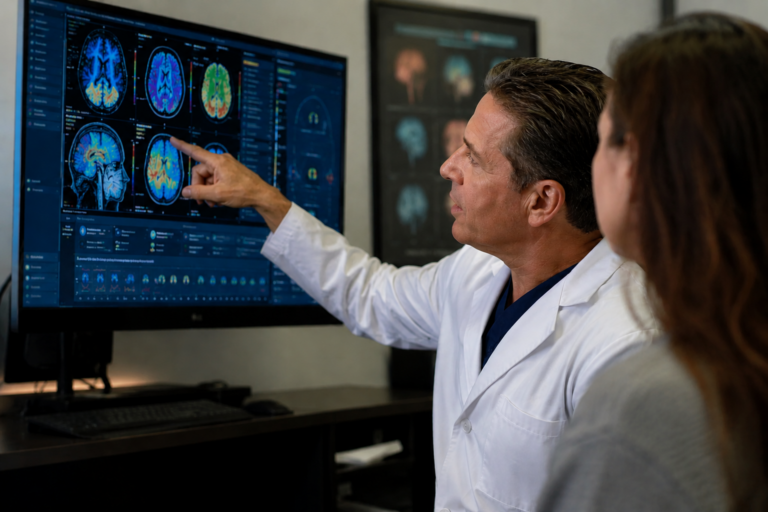
Brain SPECT imaging conducted at Amen Clinics suggests that unfocused anxiety depression subtype 7 is characterized by a combination of underactive and overactive brain regions. Unlike structural imaging, which shows brain anatomy, SPECT is a type of functional imaging that measures blood flow activity in the brain.
Although research continues, there are several distinct blood flow activity patterns that have consistently emerged across studies of attention networks and mood regulation, including the following:
The prefrontal cortex (PFC) is the brain’s command center for focus, planning, impulse control, and organization. When it’s there’s too little activity in this area, especially during tasks requiring sustained attention, people experience distractibility, poor follow-through, and mental fog.
Studies show that reduced PFC activity is linked with attention problems, low motivation, and difficulty managing emotions. A 2018 neuroimaging review in Neuropsychopharmacology found that PFC hypoactivity (low activity) is common in both attentional disorders and depressive disorders, especially those characterized by cognitive slowing.
The basal ganglia and limbic system coordinate emotional regulation and threat sensitivity. When these regions show relative overactivity, symptoms such as worry, nervous energy, and emotional tension increase.
Research has shown that heightened limbic activation is associated with anxiety, rumination, and the negative mood states often seen in depression. When combined with an underactive prefrontal cortex, the result is a brain that feels “stuck on” emotionally but sluggish cognitively.
Unlike structural imaging that looks at anatomy only, SPECT scans show brain blood flow patterns in real time making it possible for a clinician to visually see if a patient’s attention issues may be stemming from anxiety, depression, trauma, or attention-deficit hyperactivity disorder (ADHD), also known as attention deficit disorder (ADD).
Brain SPECT imaging can reveal whether inattention stems from:
This distinction helps tailor treatment, especially since stimulant medications may worsen anxiety if your emotional circuitry is already overactive.
When symptoms overlap, it can be challenging for mental health clinicians to catch more nuanced presentations of combined disorders like brain type 7 anxiety depression. Here are some helpful clues.
Because Type 7 blends emotional and cognitive symptoms, it’s often confused with ADHD or generalized anxiety disorder (GAD). A recent article for mental health professionals reported that up to 30% of adults with depression also meet criteria for attention impairments, which can mimic ADHD. However, Type 7 tends to fluctuate with mood, stress levels, or inflammation, whereas ADHD is typically lifelong.
Clinicians should consider Type 7 when:
People with Type 7 will often describe their experience as “unfocused because I’m overwhelmed,” rather than “unfocused no matter what mood I’m in.”
Type 7 is more likely when someone reports:
Research notes that cognitive in mood disorders often presents as slowed processing speed. Keep in mind that this trait is more characteristic of Type 7 than standard ADHD.
Type 7 may develop from a mix of biology, environmental factors, and prior health issues, which includes:
A family history of depression, anxiety, attentional disorders, or executive-function challenges increases risk.
Chronic stress, poor sleep, addictive behaviors, alcohol and substance abuse, hormonal fluctuations, systemic inflammation, or blood sugar instability can worsen Type 7 symptoms dramatically.
Head injury, concussion, toxin exposure, mold exposure, or untreated thyroid issues can all decrease PFC functioning, making cognitive and emotional symptoms more pronounced.
Managing Type 7 symptoms involves strategies that boost focus and calm emotional overactivation. The goal is to support prefrontal cortex function while calming limbic overactivity to promote better executive function and emotional equanimity.
Here are a number of easy, natural ways to help boost prefrontal cortex activity and calm the brain’s emotional centers:
For deeper support, many readers benefit from Amen Clinics’ resources on brain health, including related articles on depression, anxiety, and emotional regulation.
Remember that all types of depression are a brain health issue. The symptoms you experience with Type 7 serve as an indicator that your brain needs help. Be careful not to dismiss the symptoms as something else and delay getting the right treatment.
It can be helpful to note what Type 7 is not:
On a positive note, unfocused anxiety and depression is highly treatable. The challenging symptoms resulting from the emotional imbalance and cognitive underactivity that are characteristic of this anxiety-depression subtype improve with the right strategies. Type 7 responds extremely well to targeted intervention.
While brain SPECT is a vital aspect of Amen Clinics’ comprehensive evaluation, it’s just one portion of it. Clinical diagnosis is based on multiple factors. Our process also includes taking a thorough personal history, traditional psychiatric assessments, cognitive testing, and medical diagnostic. Such a comprehensive approach is aimed at uncovering underlying causes rather than just treating symptoms. The information gathered from each assessment serves as the basis for developing an effective, personalized treatment plan.
If you’ve been cycling between anxious thoughts, low mood, and foggy concentration, Type 7 may finally give a name to your experience. This anxiety-depression subtype has identifiable features, understandable brain patterns, and, most importantly, effective treatment options that address both the emotional and cognitive layers.
You don’t have to navigate these symptoms alone. Amen Clinics’ brain-based approach offers effective solutions to help restore focus, calm anxiety, and lift mood by treating the underlying causes. Personalized plans may include any number of targeted therapies, medication (when necessary), nutraceuticals, and specific lifestyle recommendations, plus ongoing support.
No. While the inattention can feel similar, ADHD is typically lifelong, whereas Type 7 emerges from mood patterns, stress, trauma, or brain chemistry shifts. ADHD involves consistent inattention across situations while Type 7 fluctuates with emotional state.
Imaging is not required, but it is incredibly helpful. Clinicians typically diagnose Type 7 based on medical history, symptoms, and functional changes. SPECT imaging can help clarify whether inattention stems from mood circuits or true ADHD.
Yes. Because it’s a functional pattern, and not structural damage, symptoms can often improve significantly with targeted brain-based strategies, psychotherapy, nutrition, and lifestyle changes.
After gaining an accurate diagnosis from a qualified mental health professional, an individual with Type 7 can initially be helped by establishing a daily rhythm and building healthy habits like eating high-protein meals, getting consistent sleep, and reducing stress with calming activities.
These simple lifestyle adjustments can help foster better focus, more calm, and a stabilized mood. Seeking a comprehensive evaluation at Amen Clinics would provide both an accurate diagnosis and a personalized treatment plan.
Unfocused depression and anxiety, and other mental health conditions can’t wait. At Amen Clinics, we provide personalized, science-backed treatment plans designed to target the root causes of your symptoms. Our 360-approach includes brain SPECT imaging, clinical evaluations, innovative therapeutic techniques, medications (when necessary), and holistic lifestyle recommendations to promote the health of your brain, body, and mind. Speak to a specialist today at 888-288-9834 or visit our contact page here.

When stress and anxiety strike, do you forget to complete basic tasks, struggle to concentrate, or feel mentally dull? This isn’t your imagination. Anxiety and cognitive ability are closely linked. Memory, executive function, attention, and thinking ability can all suffer as a result of anxiety.
This blog will explore how anxiety disrupts these cognitive processes, and how it can lead to long-term impacts over time if unaddressed. You will also learn ways to improve brain function and reduce the negative cognitive impact of anxiety.
Anxiety can hamper brain function, which impacts memory and learning, as well as attention and focus, decision-making, and problem-solving.
True to its name, brain fog can create feelings of being spaced-out, forgetful, distracted, or unable to focus. And it happens to many Americans, according to one study published in 2024, 28.2 percent of participants reported experiencing brain fog.
They shared a number of common symptoms, including difficulties with focusing, concentrating, relaxing, following conversations, remembering appointments, completing paperwork, and performing mental arithmetic.
Brain fog can occur for many reasons:
But some people may find they are struggling with another, often overlooked, factor behind brain fog: anxiety. That’s because anxiety and brain function are closely linked, which affects cognitive ability.
Over time and left untreated, anxiety may even contribute to anxiety-related cognitive decline and other long-term cognitive problems.
At Amen Clinics, brain SPECT imaging helps determine the root causes behind brain fog and mental health issues like anxiety. And with anxiety disorders now the most common mental health condition in the U.S. (affecting nearly 1 out of 5 Americans), more people can benefit from targeted treatment than ever before.
Does anxiety affect memory? Research indicates that it can. In one study, researchers examined the links between anxiety and cognition (defined as information processing).
They found that anxiety could interrupt more complex levels of cognition, because the anxious brain is most focused on avoiding harm. Therefore, certain brain functions such as working memory can suffer.
Other research has attempted to determine what’s happening in the brain when anxiety strikes and persists. We know that anxiety can spike cortisol levels, and if they remain elevated over time, the brain will be affected.
For example, one study found that both function and volume of the brain’s hippocampus is impacted by stress. This brain region is crucial for learning and memory, which is why anxiety and memory loss can go hand in hand.
Other studies back this up. A 2019 meta-analysis that studied more than 500 participants found that anxiety erodes working memory. Results showed that higher anxiety was associated with impairments in both verbal and visuospatial working memory.
Working memory is important for handling tasks in the moment, such as retrieving information, and for tasks like planning, problem-solving, comprehension, and reasoning. Working memory is a cornerstone of healthy cognition and helps with everything from doing math to following instructions.
In addition, when anxiety occurs as a response to a perceived threat, the brain’s neural resources treat it as the priority. Not surprisingly, other brain functions suffer. Research shows that the anxious brain has a reduced capacity to handle other mental tasks.
One side effect of anxiety is narrowed focus, which has been critical for human survival. But it can be detrimental in excess.
A study of attentional impairment and anxiety found that, compared to low-anxiety individuals, high-anxiety individuals showed less ability to expand their attention scope from a smaller area to a larger area. This points to cognitive inflexibility, which can have negative effects over time.
A Boston University (BU) article that examined two studies noted that both state anxiety and trait anxiety have a significant impact on the brain networks that relate to attention. State anxiety is defined as anxiety in response to a stressor. Trait anxiety refers to a person’s overall level of anxiousness, which persists over time.
The BU article concluded:
Some amount of stress and anxiety isn’t a bad thing. Humans need anxiety to stay alive, healthy, and thriving. It helps individuals generate motivation, avoid danger, and plan for the future.
However, excess anxiety over years or decades can have negative impacts. A review published in 2024, citing evidence from both human and rodent studies, noted that chronic stress contributes to cognitive impairments in numerous categories. These include cognitive flexibility, behavioral inhibition, and working memory.
The authors explained that stress can disrupt these functions due to alterations in neuroendocrine activity, neurotransmitter systems, and brain structure. These changes particularly affect the prefrontal cortex and hippocampus.
In addition, researchers have discovered a strong association between anxiety, chronic stress, and impaired memory function. In fact, one 38-year longitudinal study found it increased the risk of developing Alzheimer’s disease.
Fortunately, various natural approaches, such as lifestyle changes, will impact anxiety levels. You can therefore potentially reduce long-term damages of anxiety on the brain and improve cognitive function in your daily life.
There are many ways to improve cognitive ability with anxiety. Healing and better functioning of your brain’s hippocampus and prefrontal cortex are possible, simply by practicing brain-healthy habits. Here are five recommended strategies:
Psychotherapy can help pinpoint the root causes of anxiety, which can strike for many reasons. Various therapeutic options will also help address anxiety symptoms.
Potentially successful options include cognitive behavioral therapy (CBT), Eye Movement Desensitization and Reprocessing (EMDR), hypnotherapy, and more.
Related: 5 Ways Hypnotherapy Can Help You
Automatic negative thoughts, or ANTs, fuel the fire of anxiety. These are typically false thinking patterns that can be questioned and reframed. ANTs include habits like all-or-nothing thinking, blaming others, and catastrophizing.
To fight back against these unhelpful patterns, stop them in their tracks. Recognize and write down the negative thought. Ask if it is true, and if you can be 100 percent sure it’s true. Then imagine how you’d feel without the thought. Over time and with practice, your thinking can improve.
Related: Do You Have an ANT Infestation in Your Head?
You need only two minutes to calm anxiety with diaphragmatic breathing. Simply lie down on your back and place a book on your stomach. This will help you make sure your belly, not your chest, rises and falls with every breath.
Inhale a slow, deep breath for four seconds, hold for one second, and exhale for eight seconds. Try this a couple of times every day until it comes naturally to you.
When you experience anxiety due to external stressors, deep breathing stimulates the parasympathetic nervous system, which counteracts the body’s “fight or flight” response.
Find a form of exercise you love and stick with it. Physical activity offers a long list of benefits for the entire body. It boosts mood, lowers cortisol levels, and increases blood flow to the brain—a critical step in optimizing brain function.
When stressed, many people reach for foods that can worsen anxiety in the long run: sugar, refined carbohydrates, and ultra-processed junk food. But, because these foods trigger blood sugar spikes and reduce blood flow to the brain, they can actually compromise brain function.
Instead, reach for brain-healthy options: fresh vegetables and fruits (especially berries), whole grains, healthy fats, and lean protein. You’ll feel mentally and physically better when your body receives the vitamins, antioxidants, and phytonutrients it needs to optimize brain function.
When it comes to treatment plans, it’s helpful to know your brain. All anxiety is not the same—brain SPECT imaging at Amen Clinics has found seven brain patterns associated with anxiety. The good news is, all of them can be managed once properly diagnosed.
Ultimately, optimal mental health requires optimal brain health. With proper diagnosis, personalized treatment, and brain-healthy lifestyle changes, you can ensure your anxiety stays at manageable levels, and your brain functions at its best.
Cognitive ability drives everything from word retrieval and focus to memory and learning. Meanwhile, anxiety can hamper brain function, which impacts memory and learning, as well as attention and focus, decision-making, and problem-solving.
The anxious brain has a reduced capacity to handle other mental tasks. In addition, anxiety disrupts functioning of the brain’s prefrontal cortex. This region is critical for decision-making, problem-solving, and directing your attention.
Stress- and anxiety-related alterations in neurotransmitter systems and brain structure affect the prefrontal cortex (PFC) and hippocampus. The hippocampus is important in forming memories, while the PFC is involved in working memory and attention.
At Amen Clinics, we treat anxiety as a brain-based condition, not a character flaw. Using brain SPECT imaging, we can see where your brain may be overactive (common in anxiety) or struggling to regulate focus, memory, and decision-making. T
his helps us identify the root causes of your cognitive fog or mental overload.
From there, we create a personalized plan that may include targeted therapy (like CBT or EMDR), strategies to reduce automatic negative thoughts (ANTs), brain-healthy nutrition and supplements, and innovative tools like neurofeedback.
By calming overactive areas and strengthening underactive ones, many patients experience clearer thinking, better concentration, and a more balanced emotional state.
Healing the brain often leads to real, lasting relief from anxiety and sharper cognitive function.
Anxiety, brain fog, and other mental health conditions can’t wait. At Amen Clinics, we provide personalized, science-backed treatment plans designed to target the root causes of your symptoms. Our 360-approach includes brain SPECT imaging, clinical evaluations, innovative therapeutic techniques, medications (when necessary), and holistic lifestyle recommendations to promote the health of your brain, body, and mind. Speak to a specialist today at 888-288-9834 or visit our contact page here.

We are knee-deep in the holiday season. For some, this is great news, but for others, a dreadful, stressful time. The stress of family gatherings with toxic relatives, the financial pressure of buying gifts, and navigating busy crowds can wreak havoc on our brains and bodies, mentally, emotionally, and physically.
For some people, even so much as anticipating get-togethers, gift-giving, or company parties can change body chemistry and raise stress hormones, such as cortisol levels. Holiday stress can cause your brain and body to fall out of sync, leaving you emotionally drained and tense.
Even so, awareness is the beginning of change. Can you tell when holiday stress is starting to take a toll on your mind? What can you do to keep your balance through it all? And how can a brain-body approach help you rediscover calm and joy this season? Let’s help you find your calm amid this holiday’s chaos.
The stress of family gatherings with toxic relatives, the financial pressure of buying gifts, and navigating busy crowds can wreak havoc on our brains and bodies. A brain-based approach can help you rediscover calm and joy.
Holiday stress can sneak up on you, but as the pressure builds, your body will start sending subtle warning signs. You may be asking, what are the signs of holiday stress and toxicity? Here is what to watch out for:
If you are not clinically diagnosed with an anxiety disorder or depression, you might find that you feel some of the symptoms of one or both during this hectic and possibly toxic time.
Strained relationships can stir up unresolved emotions, making gatherings exhausting instead of joyful. Constant busyness, from planning, shopping, and social events can drain your mental energy. Again, overstimulation from lights, noise, and activity overwhelms your senses and raises stress hormones like cortisol.
As holiday anxiety mounts, your brain releases stress hormones like cortisol and adrenaline. High levels of cortisol can disrupt your brain’s communication pathways, affect your concentration, and impair your memory.
When elevated, cortisol can also shrink the areas of your brain responsible for emotional regulation. Physically, this can increase inflammation and weaken your immune system.
Financial worry, family conflicts and overcrowding can keep your brain constantly on alert. The combination of physical exhaustion and emotional strain can make it harder for you to stay calm, think clearly and experience genuine joy.
Communicate your needs with kindness and honesty. Use statements like “I’d like to have some quiet time tonight” to help others understand your limits without guilt. Say no when you feel drained or overwhelmed.
Saying yes to every request, can cause resentment or force you to spread yourself too thin and cancel your commitment at the last minute.
Effective boundary setting isn’t about shutting people out. It’s an important part of learning how to avoid holiday stress that helps protect your energy. Effective boundaries help you connect more meaningfully with those you love.
Related: 6 People-Pleasing Behaviors to Avoid During the Holidays
One of the most effective holiday stress tips is embracing meditation. A 2017 study showed that practicing mindfulness meditation can significantly improve your mood. Use a guided meditation to help you focus and stay present if needed.
Make a daily routine of closing your eyes, focusing on your breath, and being still for even a few minutes throughout your day. It can calm your nervous system by lowering your cortisol levels. Meditation can also increase your dopamine and serotonin levels, which are needed to boost your focus.
Gentle forms of movement allow your body to release tension without adding physical strain. If your schedule feels packed, try a ten-minute morning walk, dancing while you cook, or just a few minutes of yoga.
Exercise during a stressful holiday season can cause a decrease in depression and anxiety according to research. It stimulates a release of feel-good chemicals in your brain that help clear your mind and calm your nervous system.
During a toxic holiday season, compassion can help you stay grounded. While it might not seem easy or even possible, try to accept and feel love for the people in your life.
If someone is particularly toxic or your dynamic is unhealthy, then it could be time to sever ties, but in less extreme cases and with the public at large, take a breath and remember that people are sometimes difficult to communicate with and other times loving, funny, and thoughtful
Let the small stuff go as best you can. Beware of toxic perfectionism, where you might set unrealistic goals, be very hard on yourself, or feel underlying shame about past behavior that motivates you to be “good” all of the time.
Related: The Trouble with Toxic Perfectionism
A study examining the effects of chronic alcohol consumption at low to moderate amounts showed decreases in grey and white matter in the brain and brain shrinkage.
Additionally, alcohol lowers the ability to think clearly and make sound choices and can lead to more toxic interactions with others. Find new mocktails or infused water to make, and remember, it’s always OK to stay hydrated by sipping on water at a holiday party!
Neutral conversation and asking people question about themselves can help you manage holiday stress and keep get-togethers non-toxic.
If someone else brings up a contentious political topic, set a boundary such as “I’m going to keep our conversation to things other than politics” and ask about their children, pets, job, favorite sports team, hobby, or next vacation.
Financial stress can directly affect your brain health as it triggers the release of stress hormones like cortisol. This can impair your focus, emotional regulation, and memory. Offer loving acts such as babysitting, dog sitting, or making healthy treats. Plan a special day outdoors, go to a museum, make a music playlist, or write a meaningful letter to those you love.
Whether you’re an introvert or an extrovert, solitude is an important way to recharge and get quiet. Solitude can increase self-connection, a sense of autonomy, and self-reliance.
Quiet time during holidays can reduce your sensory overload and the stress hormone levels, which is crucial for the recovery of your brain and nervous system.
Diaphragmatic breathing is a great breathing exercise to try, as it’s breathing from your belly, through your nose, and out through your mouth. Getting more oxygen into our bloodstream is extremely beneficial to slow down racing thoughts, regulate mood, and reset an overall state of being from stressed to relaxed.
A truly healthy holiday requires balance. Nurture a compassionate mindset, practice mindfulness, set clear boundaries and stay active.
Reflect on the ideas that resonate most with you, then pick 1 or 2 strategies to start today. If your holiday stress becomes too heavy to handle, remember, professional support is always available.
The holiday season doesn’t have to drain you. With a few intentional practices like setting healthy boundaries, you can move through this season with resilience.
If the stress becomes unbearable or you find yourself feeling stuck, just remember that Amen Clinics offers a compassionate, brain-based approach, meant to help you understand what’s really going on in your brain and guide you toward lasting emotional wellbeing and balance.
The great news is that you don’t have to dread the holidays. Give yourself the gift of prioritizing your mental well-being. By caring for your brain and reaching out for professional support, if needed, you can protect your mood, enjoy more peace, and create meaningful moments that truly matter.
Holiday stress often comes from unrealistic expectations, family conflicts, financial strain, and overscheduling.
The brain’s stress response (including elevated cortisol levels) can be triggered by too many commitments, unresolved emotions, or sensory overload. Learning to set boundaries and simplify your schedule can significantly reduce this stress.
Start by taking slow, deep breaths to activate your body’s relaxation response. Short mindfulness breaks, walks outdoors, or brief meditations can also reset your nervous system. Focusing on gratitude and using positive self-talk helps your brain shift away from stress and anxiety.
If your stress feels unmanageable causing sleep issues, persistent sadness, irritability, or physical symptoms it may be time to reach out for professional support. A brain-based evaluation at Amen Clinics can help uncover underlying causes of stress or mood changes and create a personalized plan to restore balance.

The holidays are meant to be a time of joy and connection, and for many, they are. Yet for others, the season stretching from Thanksgiving to New Year’s Day can bring an undercurrent of stress, loneliness, and grief that leads to holiday depression.
In this post, you’ll discover 12 brain-based strategies to protect your mental health and stay emotionally resilient throughout the holidays.
The season stretching from Thanksgiving to New Year’s Day can bring an undercurrent of stress, loneliness, and grief that leads to holiday depression.,81wsAXZC
If you typically have trouble with your mental health during the holidays, you’re not alone. In an American Psychological Association survey, 89 percent of U.S. adults reported feeling holiday stress, with 41 percent experiencing more stress than usual, which can contribute to depression, holiday anxiety, and other issues.
If you have a mental health disorder, the holidays can be particularly challenging. Another holiday survey from the National Alliance of Mental Illness (NAMI) found that 64 percent of respondents with a mental illness reported their conditions worsen at this time of year.
There are a number of conditions unique to the holidays that, together, create a perfect storm of mental health challenges, including the following:
If left unaddressed, these conditions can steal your joy, undermine your well-being, and trigger self-defeating behaviors that can spoil the season. However, the great news is that you can learn to manage or avoid holiday depression by following these easy-to-implement strategies.
Related: 4 Ways to Beat the Seasonal Blues
Think about your brain health and holidays together. When your brain is healthy, your holiday is happy.
Foundational to brain health and beating holiday depression is making sleep, diet, and exercise a priority. Consistent practice of these fundamental tenets of good health, plus routine, are linked to healthy brain function and improved mental health.
In a published study, researchers propose the trifecta of healthy eating, physical activity, and sleep hygiene (HEPAS) as a viable intervention to reduce the risk of developing depression and other mental health disorders. HEPAS is even presented as an essential part of treatment for depression and other mental health disorders.
Additionally, research shows how important a healthy routine is to mental wellness. The brain thrives with routine as your daily habits with respect to rest, diet, and exercise help to minimize uncertainty. This calms the brain’s anxiety control center and allows the frontal cortex to focus on consequential tasks like decision-making.
Our bodies synthesize vitamin D when our skin is exposed to the sun. During the fall and winter when there are fewer hours of daylight and more time is spent indoors, vitamin D levels tend to go down, along with your mood. Low vitamin D levels are linked to depression, research shows.
But that’s not all. Sunlight impacts certain key hormones too. Less sunlight can cause an overproduction of melatonin and reduced levels of serotonin, which may contribute to depression as well.
These conditions can put you at risk of seasonal affective disorder (SAD), which is a form of depression believed to come about when brain biology is impacted by too little (or sometimes too much) exposure to sunlight.
You can protect against seasonal depression and support a balanced mood by ensuring you get morning sunlight on your skin for 10-15 minutes (sans sunscreen). If you can’t get sunlight, bright light therapy (BLT) has been a first-line treatment for SAD for several decades. With BLT, patients sit in front of a special light box for a set amount of time each day, often in the morning at home.
BLT can help other types of depression, too. A recent study published in JAMA Psychiatry found BLT to be an effective supplementary treatment for depressive disorders other than seasonal depression.
You can also supplement with a quality vitamin D3, shown to be the most effective form of vitamin D in helping to relieve depressive symptoms. Many health experts suggest 2,000-5,000 IUs of vitamin D3 per day for optimal health.
Related: How Bright Light Therapy Improves Moods, Focus, and Sleep
If you want to avoid depression during the holidays, alcohol and sugar are not your friends.
Both substances impact your brain function negatively, which can worsen anxiety, mood swings, and fatigue.
Both provide a temporary rush of good feelings (both trigger a release of the feel-good neurohormone dopamine), but the cost to your mental well-being is high.
High sugar consumption is linked to depression due to its effects on blood sugar, brain inflammation, and neurotransmitter balance. Sugar causes blood sugar spikes and crashes that can lead to irritability and fatigue, while longer term high-sugar intake increases chronic inflammation, oxidative stress, and insulin resistance.
These all negatively impact brain function and are linked to an elevated risk of depression and anxiety. A 2024 BMJ study involving more than 18,000 U.S. adults found that 100 g/day of dietary sugar intake was associated with a 28% higher prevalence of depression!
When you consume alcohol, initially, it increases serotonin and dopamine levels, creating a temporary euphoric feeling. However, when the alcohol wears off, these levels drop below normal, resulting in a depressed mood.
To maintain a balanced mood, keep your sugar and alcohol intake to a minimum during the holiday season.
Do you typically have high expectations for the holidays? Are you perfectionistic about things being a certain way? If so, you ‘re not alone. A Harris Poll found that 44 percent of more than 2,000 U.S. adults surveyed reported that they strive for perfection during the holidays and 32 percent say their high expectations are usually met with disappointment.
Despite what ads, movies, and social media posts depict, there is no such thing as a perfect, Hallmark holiday, although there may be moments that feel like it. Adjust your expectations to what is real.
The APA survey research noted earlier clearly shows that the holidays are a mixed bag. More than 40 percent of U.S. adults used both positive and negative words to describe the holidays, and more than 70 percent said the holiday season can feel bittersweet.
Let go of perfectionism by letting go of what you cannot control. Base your happiness on your own attitude and actions, not on other people’s moods.
Embrace a “good enough” mindset instead of perfection. Focus your energy on meaningful time spent with loved ones over perfect gifts, decor, or appearances that break the bank and increase stress.
When mishaps happen, such as weather delays, canceled plans, a burnt pot roast, or Uncle Fred drinking too much, take it as an opportunity to be flexible (or maybe fodder for a funny story!).
Did you know that every thought you have triggers the release of neurochemicals, which are involved in rewiring your brain? It’s true.
Negative thoughts can cause your brain to immediately release chemicals that affect your body’s cells and make you feel bad. Conversely, a pleasant or positive thought triggers the release of chemicals that make you feel good.
If you are a perfectionist or struggle with depression, it’s likely you have a lot of automatic negative thoughts (ANTs), particularly the “all-or-nothing” type of ANTs (thinking that things are either all good or all bad) and “just the bad” ANTs (seeing only the bad in a situation).
Research indicates that reframing negative thoughts can reduce depressive symptoms. You can start exterminating your ANTs by challenging them with these four questions based on the work of Byron Katie:
Eliminating ANTs reduces overwhelm, lifts mood, strengthens relationships, and creates lasting emotional resilience. It’s one of the keys to rewiring the brain for greater positivity and happiness.
If you want a near immediate mood lift, exercise is your best bet as it boosts feel-good neurotransmitters serotonin, dopamine, and endorphins. It also helps to regulate the stress hormone cortisol keeping anxiety in check, improve sleep, boost self-esteem, provide a positive distraction from life’s troubles, and offer opportunities to socialize.
In fact, research shows that exercise is as effective at reducing depressive symptoms as an antidepressant! It’s no wonder mental health experts suggest it as an alternative or adjuvant treatment for non-severe depression in adults.
There’s a strong connection between disrupted sleep and depression. Roughly 75 percent of people with depression also have insomnia, research shows – and the association is bi-directional, meaning it goes both ways.
During the hectic holiday season, it’s easy to skimp on sleep or get dysregulated with sleep when traveling through time zones, which can worsen your mood and make you more irritable.
Training your mind to look for gratitude will increase your sense of well-being during the holidays. People who express gratitude regularly are more positive, healthier, better at working towards goals, and more helpful to others.
Focusing on the things you’re thankful for helps to calm the deep limbic or emotional areas of your brain, research has found. To cultivate gratitude, simply write down three things that you’re grateful for every day.
People attend an average of three holiday events between Thanksgiving and New Year’s Day. While you may have a second helping of stuffing or an extra slice of pie at these holiday gatherings, don’t abandon healthy eating on all the other days of the season!
To protect against depression, aim for balanced eating that provides steady energy and essential nutrients. That means consistently eating power-packed meals and snacks with plenty of the following:
This will help to stabilize your blood sugar levels and prevent the energy crashes that can trigger fatigue, mood swings, and poor concentration.
Of course, limit or bypass foods associated with increased risk of depression such as sugary foods, refined carbohydrates, processed foods, artificial sweeteners, and foods high in saturated fats.
Spreading yourself too thin doing things you don’t really want to do will harm your mental well-being. Be vigilant with your boundaries, especially if you tend to be a people-pleaser. People-pleasing puts you at higher risk for anxiety and depression.
Protect yourself by planning ahead and saying “no” to commitments that drain your energy this holiday season. Although it can be momentarily difficult, setting boundaries by saying no will help your mental well-being in the long run.
If you tend to be a people pleaser, consider abstaining from accepting invitations or volunteering your help for anything without discussing it first with another person, preferably someone who understands your people-pleasing tendencies.
Related: 6 People-Pleasing Behaviors to Avoid During the Holidays
As humans, we have a fundamental need for social interaction. Dealing with loneliness during the holidays is essential to your mental health.
It’s important to reach out to individuals who can offer you encouragement and support, whether that is trusted friends, family members, or community or religious leaders. Spending time in a positive community or fellowship of like-minded people is a wonderful way to boost your bliss hormones, such as oxytocin.
Be careful about being too isolated over the holiday period, even if you are feeling vulnerable.
Though isolating yourself during tough times may feel like the safest option when you are feeling blue or anxious, closing yourself off from the world can make your mental health worse.
Indeed, researchers note that social isolation is a risk factor for worsening anxiety and depression. Reach out to your support network. If your mood dips alarmingly low, do not hesitate to reach out to a mental health professional or go to your local emergency room.
The holidays are typically filled with a mix of emotions. Statistics from the APA holiday stress survey mentioned earlier also found that even though 80 percent of respondents think of the holidays as fun, joyous and exciting, 63 percent describe it with negative words such as stressful, overwhelming, or exhausting. Let yourself feel it all.
We all may get a bout of low mood during the season, but if you find you’re having trouble coping with the holiday blues, it may be clinical depression. It’s important to get professional help as soon as possible if you experience any of the following signs of depression most of the day, nearly every day for two weeks or longer:
If you recognize any of these signs, reach out to a qualified mental health professional as soon as possible. Early and appropriate treatment based on accurate diagnosis is critical to successful treatment.
The great news is that you don’t have to dread the holidays. Give yourself the gift of prioritizing your mental well-being. By caring for your brain and reaching out for professional support, if needed, you can protect your mood, enjoy more peace, and create meaningful moments that truly matter.
Here’s how to discern whether you are experiencing a temporary bout of low mood or if you might have holiday depression.
Temporary Low Mood/Stress
Holiday Depression
Yes, holiday depression can be managed or prevented by ensuring consistent adequate sleep, brain-healthy nutrition, enjoying social connections, exercising, and recognizing and eliminating negative thinking.
At Amen Clinics, we understand that depression is a brain disorder. Our clinics use brain SPECT imaging, which measures blood flow patterns, to help our clinicians identify and treat underlying causes.
Our brain-imaging studies have revealed that there are different types of depression, each requiring a tailored approach for treatment. This data, plus additional diagnostic testing, allows our clinicians to customize an effective treatment plan for you.
Treatment for holiday depression may involve lifestyle interventions, nutritional supplements, innovative therapies, and medication (when necessary) geared to balance your brain and brighten your mood.

When 7-year-old Bryce’s mother read Alice’s Adventures in Wonderland to him, he became very upset. The visual distortions described in the book by Lewis Carroll felt too familiar to him. He said that he felt like Alice.
“I have weird things happen to me,” he told her. “I see things.”
During the day, Bryce saw objects change shapes, often getting smaller. He also saw green, shadowy ghosts at night. The young boy also had a lot of anxiety symptoms.
Some moms might chalk this up to a “childish imagination,” but Bryce’s mom could see the fear in her child’s eyes and believed him. Frightened that Bryce was losing his mind (a cousin had already been diagnosed with a “schizophrenic-like” illness), she realized she needed to seek help for her son.
A brain SPECT scan at Amen Clinics, doctors discovered the real culprit behind the “ghosts” Bryce was seeing. Bryce wasn’t “haunted.” He had temporal lobe epilepsy, a brain condition that can cause intense visual hallucinations, emotional swings, and déjà vu experiences.
Bryce could have been headed down a very dark path and a future of psychiatric medications and treatments. But what looked supernatural was actually related to brain function and completely treatable.
“I have weird things happen to me. I see things,” said a 7-year-old boy who was seeing ghost-like figures. His mom, worried that he might be losing his mind, took him to Amen Clinics for a brain SPECT scan, which revealed the real culprit.
The temporal lobes are situated behind the ears on each side of the brain and play a key role in memory, emotion, and sensory processing. When abnormal electrical activity occurs here, it can lead to temporal lobe epilepsy (TLE), a form of focal epilepsy that often goes unrecognized.
Children, in particular, may describe “seeing things,” “time stopping,” or “hearing music that isn’t there.” Just remember that these are classic childhood epilepsy symptoms, not signs of imagination or misbehavior.
Related: Jason’s Story: From Hallucinations to Happy and Healthy
Because symptoms of temporal lobe epilepsy overlap with mental disorders, misdiagnosis is common. A child describing “ghosts” or “voices” may be thought to have schizophrenia, anxiety, or just a vivid imagination. Additionally, adults may be treated for depression or panic attacks instead of epilepsy.
The consequences of ignoring temporal lobe problems can have a profound impact like emotional instability, cognitive changes, and distress that worsens over time. Many people spend years in therapy before learning their symptoms stem from electrical misfires in the brain, not emotional weakness or spiritual experiences.
Without looking at the brain, even well-intentioned professionals may miss the true cause.
Traditional tools like MRI or EEG (electroencephalogram) and can reveal structural or electrical abnormalities in the brain, but they don’t always show the full picture. MRI scans show anatomy, while EEG measures surface brain waves. Both can miss subtle activity patterns deep in the brain.
That’s where brain SPECT imaging, which is what we use at Amen Clinics, comes in. A brain SPECT scan for temporal lobe epilepsy measures blood flow and activity patterns, helping clinicians see the origins of seizures.
In Bryce’s case, his brain scan revealed increased activity in his right temporal lobe, confirming that his “ghost sightings” were brain-based events. With this insight, his doctors could target the root cause rather than just the symptoms.
Bryce’s comprehensive evaluation also included a clinical history and neuropsychological testing to ensure an accurate diagnosis and a treatment plan.
Traditional tools like MRI or EEG (electroencephalogram) and can reveal structural or electrical abnormalities in the brain, but they don’t always show the full picture. MRI scans show anatomy, while EEG measures surface brain waves. Both can miss subtle activity patterns deep in the brain.
That’s where brain SPECT imaging, which is what we use at Amen Clinics, comes in. A brain SPECT scan for temporal lobe epilepsy measures blood flow and activity patterns, helping clinicians see the origins of seizures.
In Bryce’s case, his brain scan revealed increased activity in his right temporal lobe, confirming that his “ghost sightings” were brain-based events. With this insight, his doctors could target the root cause rather than just the symptoms.
Bryce’s comprehensive evaluation also included a clinical history and neuropsychological testing to ensure an accurate diagnosis and a treatment plan.
When temporal lobe epilepsy is left untreated, symptoms can intensify and evolve. Research shows that ongoing seizures or abnormal brain activity can lead to changes in brain structure and emotional regulation.
According to multiple studies, long-term consequences can include:
Early diagnosis and treatment are essential for healing and preventing lasting brain changes, especially in children whose brains are still developing.
Related: Breaking From Reality: The Complexity of Psychotic Disorders
The good news? Healing temporal lobe epilepsy is possible. With proper diagnosis, most people experience major improvements in symptoms and overall brain function. Some common treatment options may include:
Once Bryce began treatment, everything changed. The hallucinations that had terrified him disappeared. His anxiety calmed down, his focus improved, and his confidence returned. His family finally understood that he wasn’t “seeing ghosts” but instead experiencing a medical condition that could be treated and managed.
Bryce’s story illustrates the power of seeing brain health through a compassionate, scientific lens. When parents and clinicians look beyond surface symptoms, children like Bryce can reclaim their health, peace, joy, and potential.
If you or your child experiences unexplained hallucinations, fear, or memory lapses, there is hope. Here’s how to start healing:
At Amen Clinics, our experts have helped thousands of people uncover the root causes of mysterious symptoms and begin their journey to healing.
Hallucinations, confusion, or emotional swings that don’t respond to traditional treatment can be signs of a troubled brain. With science, compassion, and the right tools, temporal lobe epilepsy can be understood, managed, and healed.
Just like Bryce, countless others have learned that the “ghosts” they see are not spirits rather signals from the brain asking for help.
Amen Clinics uses brain SPECT imaging to measure blood flow and activity patterns. This allows clinicians to see areas of the brain like the temporal lobes that may be overactive or underactive, leading to more accurate diagnoses and better outcomes.
McIntosh WC, Das JM. Temporal Seizure. [Updated 2023 Jul 4]. In: StatPearls [Internet]. Treasure Island (FL): StatPearls Publishing; 2025 Jan-. Available from: https://www.ncbi.nlm.nih.gov/books/NBK549852/
Mostafavi S, Bidaki R, Farzan A. Reporting a Remarkable Visual Illusion Due to Temporal Lobe Epilepsy and an Unusual Response to Lamotrigine.Thrita J Neu.2016;5(2):e29061.https://doi.org/10.5812/thrita.29061
Martin CB, Mirsattari SM, Pruessner JC, Burneo JG, Hayman-Abello B, Köhler S. Relationship between déjà vu experiences and recognition-memory impairments in temporal-lobe epilepsy. Memory. 2021 Aug;29(7):884-894. doi: 10.1080/09658211.2019.1643891. Epub 2019 Jul 24. PMID: 31339436.
Garcia-Santibanez, R., & Sarva, H. (2015). Isolated Hyperreligiosity in a Patient with Temporal Lobe Epilepsy. Case reports in neurological medicine, 2015, 235856. https://doi.org/10.1155/2015/235856
Feraco, P., Donner, D., Picori, L., & Rozzanigo, U. (2020). Unusual diagnostic findings in temporal lobe epilepsy: A combined MRI and 18F-dopa case study. European journal of radiology open, 7, 100241. https://doi.org/10.1016/j.ejro.2020.100241
Szałwińska, K., Cyuńczyk, M., Kochanowicz, J., & Witkowska, A. M. (2021). Dietary and lifestyle behavior in adults with epilepsy needs improvement: a case-control study from northeastern Poland. Nutrition journal, 20(1), 62. https://doi.org/10.1186/s12937-021-00704-6
Bjørke, A. B., Nome, C. G., Falk, R. S., Gjerstad, L., Taubøll, E., & Heuser, K. (2018). Evaluation of long-term antiepileptic drug use in patients with temporal lobe epilepsy: Assessment of risk factors for drug resistance and polypharmacy. Seizure, 61, 63–70. https://doi.org/10.1016/j.seizure.2018.07.011
Vinti, V., Dell’Isola, G. B., Tascini, G., Mencaroni, E., Cara, G. D., Striano, P., & Verrotti, A. (2021). Temporal Lobe Epilepsy and Psychiatric Comorbidity. Frontiers in neurology, 12, 775781. https://doi.org/10.3389/fneur.2021.775781
Xu S, Zhu Q, Zhou J, Ye L, Ye H, Shen C, Zheng Z, Jiang H, Wang S, Ding Y, Chen C, Guo Y, Wang Z, Wang S. Ictal scalp EEG patterns are shaped by seizure etiology in temporal lobe epilepsy. Epilepsia Open. 2025 Apr;10(2):466-476. doi: 10.1002/epi4.13134. Epub 2025 Feb 7. PMID: 39918427; PMCID: PMC12014931.
Salpekar J. (2016). Mood Disorders in Epilepsy. Focus (American Psychiatric Publishing), 14(4), 465–472. https://doi.org/10.1176/appi.focus.20160017

It’s a harsh truth, but a single blow to the head can have a lasting impact on your life. After experiencing head trauma, a person who once enjoyed a lifetime of emotional stability, healthy energy levels, and mental clarity can sink into depression, addiction, brain fog, and more.
What’s especially troubling is the fact they many people don’t realize that a head injury is the source of their mental health issues. When they seek help for their problems, traditional treatments often fail because the underlying brain injury isn’t being treated.
This can lead to months, years, or even decades of emotional, behavioral, and cognitive problems that can sabotage your career, relationships, and health.
In this blog, you’ll discover just how common mild head injuries are, how to recognize persistent post-concussion symptoms, and what you can do about it.
Millions of people suffer from persistent post-concussion symptoms, which includes a wide range of cognitive and psychological issues. But most of them don’t realize that their mental health issues may be related to a mild head injury.
Every year, over 2 million new head injuries are diagnosed in the U.S., and millions more go undetected. Traumatic brain injuries (TBI) are increasingly common among military personnel, with an estimated 67 percent of veterans experiencing at least one TBI.
The number of concussions is on the rise. Research shows that from 2010 to 2015, concussion diagnoses jumped 43 percent among the general population. among people ages 10 to 19 years of age, concussion diagnoses skyrocketed 71 percent.
Among Amen Clinics patients, mild head injuries are common. Based on the Amen Clinics database of nearly 300,000 brain SPECT scans, 40 percent of patients have suffered a brain injury. However, most of them don’t realize that their mental health issues may be related to a mild traumatic brain injury (mTBI) they suffered in the past.
Many people who sustain a concussion recover from their symptoms, but an alarming number of them may develop mental health issues that ruin their life and steal their happiness. There’s a strong connection between concussion and mental health issues.
In fact, millions of people struggle with persistent post-concussion symptoms (PPCS), formerly known as post-concussion syndrome.
Are you one of them? How can you know if you have lingering concussion symptoms? Look for these 10 common signs of post-concussion syndrome.
Following a head injury, you may feel confused or mentally fuzzy. Difficulties with problem-solving and reasoning are common complaints of post-concussion brain fog.
Some people experience a feeling that everything is “slowed down.” It may take you longer to read an article or book or to understand the content. You may find it hard to follow conversations, television shows, or directions.
Memory loss can arise after experiencing a head injury. For example, you may have difficulty remembering new information.
It is also quite common to have trouble recalling the time period prior to the concussion. Some people experience memory lapses, forgetting parts of conversations or events.
It’s common to experience emotional symptoms after concussion. In fact, depression is one of the most prevalent mental disorders associated with head injuries.
Research in the Journal of Neurotrauma shows that depression affects about 33 to 42 percent of people within the first year of experiencing a TBI.
The number of people developing major depressive disorder jumps to 61 percent within the first seven years after a TBI, according to the study’s findings.
Women are especially vulnerable to post-concussion depression. According to an analysis of nine studies, women are nearly 50 percent more likely than their male counterparts to develop depression after experiencing a concussion or other TBI.
If you’re experiencing depressive symptoms that don’t respond to traditional treatment, it’s worth investigating if an underlying concussion or TBI may be contributing to these issues.
Research shows that TBI patients are 1.9 times more likely to have anxiety than people who haven’t experienced a brain injury. Post-concussion anxiety issues may include:
Any anxiousness, nervousness, panic, obsessions, or compulsions that arise post-concussion deserve attention.
If you have experienced a head injury, even if you don’t remember hitting your head, you may have difficulty paying attention, concentrating, of staying focused.
Completing projects, multitasking, or engaging in long conversations may be challenging. You may find yourself feeling restless or being easily distracted. Research shows there is an increased likelihood of developing attention deficit hyperactivity disorder (ADHD) after a TBI.
Findings in the Journal of Neurotrauma show that TBI can increase the use of alcohol or drugs in people who had no previous substance abuse. Drug or alcohol addictions also impede the recovery process after a head injury.
One of the most common personality changes following a head injury is an increase in aggression. According to a study in The Journal of Neuropsychiatry and Clinical Neurosciences, nearly 30 percent of people with a first-time TBI experience post-concussion aggression.
Any increases in irritability, anger, or aggressive behavior could be a lingering symptom related to prior head trauma.
Being chronically tired and having a lack of energy are frequent complaints heard from people who have experienced concussions.
Many people assume their fatigue is related to stress, age, or other issues, so they don’t make the connection to a past brain injury.
Having trouble sleeping, whether it’s difficulty falling asleep or staying asleep, is a common post-concussion symptom. Poor quality sleep is often tied to the fatigue people experience.
Along with a lack of energy, people who have suffered a TBI often notice a decline in motivation. Even if they had previously been a go-getter, they no longer have the get-up-and-go to actively pursue their goals at work or in life.
Patients at Amen Clinics whose brain scans show damage from head trauma often say they have been labeled as “lazy.”
If you have some of these symptoms, and especially if they aren’t responding to standard treatment, it’s critical to dig deeper to find the root cause.
One of the biggest challenges with post-concussion symptoms is that they’re often invisible. You can look perfectly fine on the outside while struggling with brain fog, mood swings, headaches, or fatigue on the inside.
Traditional imaging tools like MRI or CT scans typically only show structural damage, such as bleeding or swelling, but they can miss the subtle functional changes that cause lingering symptoms.
At Amen Clinics, we use brain SPECT imaging to see how your brain is actually working. SPECT measures blood flow and activity patterns, revealing areas that are underactive (often linked to concentration problems and memory loss) or overactive (commonly tied to anxiety, depression, and irritability).
These scans frequently uncover hidden brain injuries that standard imaging cannot detect.
With this deeper level of insight, specialists can design a personalized post-concussion treatment plan to target your brain’s specific needs. This may include therapies that improve circulation and oxygenation, such as hyperbaric oxygen therapy (HBOT), along with neurofeedback, nutritional support, and strategies to calm overactive regions.
By addressing the precise areas of dysfunction, brain imaging helps guide healing, restore balance, and reduce persistent post-concussion symptoms.
You need a well-structured evening routine to help you prime both your body and brain for uninterrupted rest.
Align your mindset, habits, and environment so you can reduce stimulation and signal to your nervous system that it’s time to wind down. If you take small, intentional steps consistently, you can make a major difference.
Studies show that ideally, a sleep-supportive routine should start about two hours before bedtime. It will train your brain to associate these cues with rest and make it easier for you to fall and stay asleep. Below is a sample flow you can consider adapting:
At Amen Clinics, we go beyond symptom checklists. Using brain SPECT imaging, we can identify areas with abnormal activity caused by head trauma. These scans often reveal brain injury patterns that traditional MRI or CT scans miss, helping our clinicians link your emotional, cognitive, and behavioral symptoms to underlying brain changes.
We create personalized, brain-based treatment plans that promote healing from the inside out. Depending on your scan results and full assessment, your plan may include hyperbaric oxygen therapy (HBOT) to improve blood flow, neurofeedback to retrain brain activity, nutritional and lifestyle support, targeted supplements, and psychotherapy to restore cognitive and emotional function.
Yes. Healing is possible, even years after a concussion. Many Amen Clinics patients who struggled with fatigue, brain fog, mood changes, or focus problems for years have seen significant improvement after receiving proper diagnosis and targeted treatment. By addressing the brain directly, we help you regain clarity, energy, and emotional balance.
At Amen Clinics, we’re here for you. We offer a comprehensive Concussion Rescue treatment program, in-clinic brain scanning and appointments, as well as mental telehealth, clinical evaluations, and therapy for adults, teens, children, and couples.
Speak to a specialist today at 888-288-9834 or visit our contact page here.
Brain Injury Association of America. Incidence of Traumatic Brain Injury in Military Service Members Receives Widespread Media Coverage. Dec. 17, 2024.
Morgan, K. Why childhood concussion diagnoses have skyrocketed. USA Today. Jan. 24, 2019. https://www.usatoday.com/story/sponsor-story/blue-cross-blue-shield-association/2019/01/24/why-childhood-concussion-diagnoses-have-skyrocketed/2658679002/
Fann, Jesse R et al. “Treatment for depression after traumatic brain injury: a systematic review.” Journal of neurotrauma vol. 26,12 (2009): 2383-402. doi:10.1089/neu.2009.1091
American Association of Anesthesiologist. Women at much higher risk of depression after traumatic brain injury, analysis finds. Oct. 15, 2023. https://www.asahq.org/about-asa/newsroom/news-releases/2023/10/women-at-much-higher-risk-of-depression
Dehbozorgi, M., Maghsoudi, M.R., Mohammadi, I. et al. Incidence of anxiety after traumatic brain injury: a systematic review and meta-analysis. BMC Neurol 24, 293 (2024). https://doi.org/10.1186/s12883-024-03791-0
Schachar RJ, Park LS, Dennis M. Mental Health Implications of Traumatic Brain Injury (TBI) in Children and Youth. J Can Acad Child Adolesc Psychiatry. 2015 Fall;24(2):100-8. Epub 2015 Aug 31. PMID: 26379721; PMCID: PMC4558980.
Bjork, James M, and Steven J Grant. “Does traumatic brain injury increase risk for substance abuse?.” Journal of neurotrauma vol. 26,7 (2009): 1077-82. doi:10.1089/neu.2008.0849
Rao, Vani et al. “Aggression after traumatic brain injury: prevalence and correlates.” The Journal of neuropsychiatry and clinical neurosciences vol. 21,4 (2009): 420-9. doi:10.1176/jnp.2009.21.4.420
Like with any mental health concern, it’s important to take a holistic approach when treating attention deficit hyperactivity disorder (ADHD), also known as attention deficit disorder (ADD). While medication is a frequent strategy for this condition, natural ADHD treatments can help by addressing the entire person.
Fortunately, various natural remedies for ADHD have been studied for their efficacy. From sleep and exercise to dietary changes and therapeutic interventions, incorporating non-pharmacological approaches can maximize results, even when medication is also prescribed.
This blog will explore the best natural ADHD treatments, the science behind them, and how they can help.
From sleep and exercise to dietary changes and therapeutic interventions, incorporating non-pharmacological approaches to ADHD treatment can maximize results, even when medication is also prescribed.
According to CDC stats, an estimated 15.5 million (6 percent) U.S. adults had a current ADHD diagnosis in 2023. About one-third of them were not receiving any ADHD treatment. And among those who were receiving stimulant pharmacotherapy, 71.5 percent reported difficulty obtaining their ADHD medication.
While medicine may be prescribed, it should never be the only form of treatment. Natural alternatives to ADHD medication have been found to reduce a number of ADHD symptoms, including:
When you’re seeking complementary ADHD treatments, there are a range of options available, including:
Remove potential allergens: sugar, gluten, dairy, corn, soy, and artificial dyes and sweeteners. Add them back, one at a time (except artificial dyes and sweeteners, which should be avoided) and monitor your response. Avoid any ingredient that aggravates symptoms.
such as ketogenic or paleo, for one month. Evaluate its effects on your focus.
Even simple movements will help, like brisk walking for 45 minutes 4 times a week.
Maintain good sleep hygiene practices.
to check ferritin, vitamin D, magnesium, zinc, and thyroid levels. Balance any that are not optimal.
Each day, take 1,000 mg of EPA and DHA omega-3 fatty acids, 200-300 mg of phosphatidylserine, and 100-500 mg of magnesium glycinate, citrate, or malate.
Natural ADHD strategies can improve ADHD symptoms, often with few to no dangers or downsides. When used safely and under a clinician’s care, they can have a small to moderate impact on overall well-being and act as helpful adjuncts to medication and therapy.
Related: Natural Ways to Help ADD
Here are answers to frequently asked questions about natural ADHD treatments—plus the current scientific findings behind them.
The best-supported natural options for ADHD include:
In addition, omega-3s and addressing deficiencies in iron, zinc, and magnesium may help some individuals. You may also consider short, supervised trials of dye-reduction or elimination diets. Any of these may be combined with medication when needed.
A 2015 systematic review and meta-analysis examined the effects of physical exercise in children with ADHD. Findings suggested that aerobic exercise had a moderate to large effect on core symptoms in children with ADHD, including:
In this analysis, yoga exercise was also associated with an improvement in ADHD’s core symptoms. And another meta-analysis in 2022 concluded that physical exercise helped alleviate the symptoms of ADHD in children—specifically, attention, executive function, and motor skills.
How does exercise help ADHD focus? Movement helps with brain blood flow, which can be compromised in those with ADHD. According to SPECT science, the ADHD brain often shows low blood flow and activity in the prefrontal cortex (PFC). This tends to affect key functions like attention span, organization, and impulse control.
Proper sleep is crucial for anyone—and especially those with ADHD. In one study published in 2023, 27 ADHD-diagnosed children and adolescents (7-15 years old) were found to benefit from low doses of melatonin (1 mg) to assist their sleep.
After one month of treatment, participants experienced a significant increase in their sleep duration. They also had small improvements in the categories of falling asleep, nighttime awakenings, and sleep efficiency. Only minor adverse gastrointestinal effects were reported in some subjects.
A 2023 review in Current Nutrition Reports noted that those with ADHD often have deficiencies in copper, magnesium, manganese, chrome, iron, and zinc. Therefore, proper levels of minerals might have beneficial effects on ADHD symptoms.
Omega-3 and ADHD have also been studied in children. A 2020 study in the Journal of Dietary Supplements found that children ages 6-12 with behavioral disorders improved significantly by taking omega-3 dietary supplements. They reported better health status, quality of life, and scores on Strengths and Difficulties Questionnaires.
Meanwhile, an analysis of 10 studies in the Journal of the American Academy of Child and Adolescent Psychiatry found that omega-3 fatty acid supplements had a small but significant effect in improving ADD/ADHD symptoms. A higher EPA dose in the supplements was significantly correlated with efficacy.
Finally, a 2017 review of 16 studies found that omega-3 fatty acids improved symptoms associated with ADHD. These included impulsivity, hyperactivity, attention, visual learning, and working/short-term memory.
While these effects may be small, it’s a good idea to test levels of ferritin, zinc, magnesium, and vitamin D. Deficiencies should be addressed with supplements.
A 2023 review in Current Nutrition Reports noted that those with ADHD often have deficiencies in copper, magnesium, manganese, chrome, iron, and zinc. Therefore, proper levels of minerals might have beneficial effects on ADHD symptoms.
Omega-3 and ADHD have also been studied in children. A 2020 study in the Journal of Dietary Supplements found that children ages 6-12 with behavioral disorders improved significantly by taking omega-3 dietary supplements. They reported better health status, quality of life, and scores on Strengths and Difficulties Questionnaires.
Meanwhile, an analysis of 10 studies in the Journal of the American Academy of Child and Adolescent Psychiatry found that omega-3 fatty acid supplements had a small but significant effect in improving ADD/ADHD symptoms. A higher EPA dose in the supplements was significantly correlated with efficacy.
Finally, a 2017 review of 16 studies found that omega-3 fatty acids improved symptoms associated with ADHD. These included impulsivity, hyperactivity, attention, visual learning, and working/short-term memory.
While these effects may be small, it’s a good idea to test levels of ferritin, zinc, magnesium, and vitamin D. Deficiencies should be addressed with supplements.
In a 2025 review, researchers found that neurofeedback “demonstrated medium to large effect sizes in improving attention and reducing hyperactivity.” And the long-term effects lasted up to 12 months after treatment, with fewer negative side effects than medications.
Neurofeedback, the authors added, may offer potential long-term savings compared to the costs of ongoing medications. Still, they concluded that integrative approaches involving neurofeedback as well as standard treatments could optimize outcomes.
Meanwhile, a 2015 review explained that mindfulness can be integrated with cognitive behavioral therapy (CBT) for adults with ADHD. Mindfulness for ADHD was found to be a well-accepted intervention.
Related: Neurofeedback for ADHD and Anxiety: A Natural Brain-Based Approach That Lasts
Whenever adding a new treatment to your mental health toolkit, it’s important to work with a qualified clinician. First, they can evaluate when to combine natural ADHD treatments with medications. This includes testing before recommending supplements like melatonin, iron, zinc, and magnesium.
Then the clinician should monitor the patient’s sleep and their adherence to interventions, as well as any side effects or interactions. Setting and tracking goals will help determine how well these treatments are working.
Finally, it’s important for clinicians and patients alike to balance their expectations. Natural treatments may not be miracle cures or able to completely replace medications. But the appropriate individualized plan will create a holistic approach to treatment—and therefore optimal results.
ADHD and other mental health conditions can’t wait. At Amen Clinics, we provide personalized, science-backed treatment plans designed to target the root causes of your symptoms. Our 360-approach includes brain SPECT imaging, clinical evaluations, innovative therapeutic techniques, medications (when necessary), and holistic lifestyle recommendations to promote the health of your brain, body, and mind. Speak to a specialist today at 888-288-9834 or visit our contact page here.
Could a naturally occurring metal used in mental health treatment hold the key to preventing—or even reversing—Alzheimer’s disease? A groundbreaking 2025 study published in Nature suggests it just might.
In their research, scientists from Harvard Medical School and Rush University discovered a striking link between low levels of brain lithium and Alzheimer’s disease (AD). By restoring this naturally occurring metal to healthy levels, they found it may be possible to protect the brain from damage—and, in some cases, even reverse cognitive decline.
This breakthrough points to a future where a safe, natural element could transform how we treat one of the most devastating brain disorders of our time.
A new study from researchers at Harvard Medical School and Rush University suggests that replenishing the brain’s natural stores of lithium may protect against—and potentially even reverse—Alzheimer’s disease.
The researchers’ analyses of human brain tissues and multiple mouse experiments indicate that lithium deficiency in the brain and cognitive decline are closely linked. Specifically, low levels of natural lithium in the brain are associated with the development of memory loss and the buildup of amyloid plaques and tau tangles—hallmarks of Alzheimer’s disease.
Additionally, the researchers found evidence in mice that lithium orotate—a specific type of lithium supplement—undoes memory loss and reverses neurological changes, helping to restore the brain to a healthier and younger state in subjects with AD.
The groundbreaking study adds to a growing body of research pointing to lithium’s neuroprotective effects. However, the implications of this latest finding are profound. With clinical study, it could potentially lead to new and effective treatments for Alzheimer’s disease—and perhaps even Alzheimer’s prevention supplements of lithium orotate.
Here’s a basic overview of Alzheimer’s disease and details on this groundbreaking research.
Dementia is the umbrella term that refers to a category of progressive neurodegenerative diseases that compromise important brain functions and lead to cognitive impairment, memory loss, difficulty with language, and changes in behavior and personality.
Alzheimer’s disease (AD) is the most common and well-known form of dementia, representing about 60-80 percent of all cases. AD affects about 6.7 million Americans, according to data from the Centers for Disease Control and Prevention (CDC) and, concerningly, that figure is expected to double by 2060.
AD painfully and slowly destroys memory, thinking skills and, over time, the ability to carry out simple everyday tasks, robbing individuals of their independence. Even though it affects mostly older adults, AD is not a normal part of aging.
Some of the most common signs and symptoms of Alzheimer’s disease include the following:
According to decades of research, the underlying pathology of AD is believed to be a buildup of beta amyloid plaques that occurs between neurons (brain cells), which interferes with communication from one neuron to the next, and an accumulation of tangles of abnormal tau protein inside the neurons, called “tau tangles.”
However, this theory has been increasingly called into question. For example, a 2023 article in the Journal of Alzheimer’s Disease asked: “The Amyloid Hypothesis: The Greatest Invention or the Biggest Blunder in Biomedical Science Ever?”
Brain-imaging research shows that changes suggestive of mild cognitive impairment (MCI) can begin more than a decade before the clinical diagnosis of AD.
Brain SPECT imaging studies at Amen Clinics, which has the world’s largest database of functional brain scans related to behavior, show that changes associated with Alzheimer’s can be seen on SPECT scans over 20 years before cognitive symptoms develop.
Most individuals with the disease have what’s called late-onset Alzheimer’s disease, where symptoms first appear in their mid-60s. Early-onset AD occurs between one’s mid-30s and mid-60s.
Currently, there are two immunotherapy drugs that have been approved for the treatment of early stage-Alzheimer’s, which target the reduction of amyloid plaques to slow deterioration. Unfortunately, the benefits of these treatments are modest, and they can have serious brain-damaging side effects.
This doesn’t mean there is nothing we can do to prevent Alzheimer’s disease or slow its progression. Understanding what causes Alzheimer’s disease is key to prevention and treatment.
The exact cause of AD is unclear, but scientists believe a combination of genetic, lifestyle, and environmental factors play into its development. Psychiatrist and brain health expert Dr. Daniel Amen has identified 11 major risk factors for Alzheimer’s disease. He details these risks as well as strategies to address them and reduce the risk for AD in his book Memory Rescue.
In terms of genetics, a variant of the apolipoprotein E (Apo E) gene, called ApoE4, is the number-one risk factor for late-onset Alzheimer’s disease, but having it does not necessarily mean an individual will develop AD.
When it comes to lifestyle factors, diet, exercise, sleep, social isolation, and a lack of new learning all have an influence on AD risk. Other contributors to memory loss include exposure to environmental toxins, head trauma, inflammation, low blood flow, infections, neurohormone imbalances, and mental health issues.
Related: Alzheimer’s Is a Lifestyle Disease
Research shows that treating these risk factors can improve memory and cognitive function. A study performed at Amen Clinics on 30 retired NFL players with cognitive impairment and brain damage found that following a brain-healthy protocol resulted in improvements in memory, attention, and reasoning.
Brain scans showed that the former players also benefited from improved blood flow and activity in several key regions of the brain, including:
In recent years, scientists have also studied the environmental impact of trace metals on Alzheimer’s, which, in part, led to the new study examining lithium deficiency.
Lithium is a natural trace element found in the environment and present in certain foods and water. In the nineteenth and early twentieth centuries, lithium was valued for its various health and mood benefits.
Natural springs with higher lithium content became destinations for health as “lithia water” was thought to be a curative for many ailments. Lithia water was bottled and sold as a health beverage. In fact, an early formulation for 7-Up contained lithium with a lemon-lime flavoring and was marketed as a health tonic.
However, the US Food and Drug Administration (FDA) banned it due to its potential negative side effects in the 1950s.
In the field of psychiatry, the first successful clinical trial on lithium treatment for manic-depression (now referred to as bipolar disorder) was published in 1954, and by 1970, the FDA had approved the use of lithium carbonate as a mood stabilizer, according to published documentation.
Today, carefully prescribed levels of lithium carbonate—a pharmaceutical form of the element—is considered the gold standard treatment for bipolar disorder. Yet, this prescribed lithium can have serious negative side effects, including risk of toxicity, if not monitored properly.
A number of key studies in recent years have pointed to lithium’s protective action against dementia and, specifically, Alzheimer’s disease.
One study, published in the British Journal of Psychiatry in 2007, examined risk of Alzheimer’s disease in elderly patients with bipolar disorder. Based on an established association between bipolar disorder and higher risk of dementia, Brazilian researchers compared bipolar patients treated with chronic lithium therapy and those without recent lithium therapy.
It turned out that the bipolar patients who had lithium treatment showed reduced prevalence of Alzheimer’s disease to levels in the general elderly population.
The findings appeared to provide further evidence that lithium inhibits processes that factor into the pathogenesis of Alzheimer’s disease.
Other significant epidemiological research examined the effects of trace lithium in drinking water and how very low doses of lithium, over time, might help to prevent dementia.
A large 2017 Danish study published in JAMA Psychiatry noted an association between long-term increased lithium exposure in drinking water and lower incidence of dementia.
More recently, in 2024, Brazilian researchers examined five studies that reported a link between trace lithium in water and dementia and mortality from dementia. The published review study found associations between trace lithium levels and a lower risk of dementia or mortality from dementia.
The study concluded that evidence shows that trace lithium levels in drinking water are sufficient to lower the incidence or mortality from dementia and recommended future clinical trials focusing on long-term use of low or even microdoses of lithium for dementia treatment and prevention.
As mentioned, the overall grand-arching finding of the new study published in Nature suggests that replenishing the brain’s natural stores of lithium can protect against and even reverse Alzheimer’s disease.
The research results presented in the published study offer many significant discoveries, serving to advance the scientific community’s understanding of lithium’s role in both the pathogenesis and potential treatment of AD.
Here’s a look at some of those discoveries.
Scientists have been looking closely at metals in the brain, since imbalances may play a role in Alzheimer’s disease (AD). In one study, researchers measured 27 different metals in the brain and blood of older adults—some healthy, some with mild cognitive impairment (MCI), and some with Alzheimer’s.
Here’s what they discovered:
Researchers have tested lithium in mice with Alzheimer’s disease (AD), and the results are promising—though they still need to be confirmed in human studies. Here’s what they found:
These are truly extraordinary results. Treatment for Alzheimer’s disease has previously only targeted the reduction of plaques and tau tangles, but never so many pathologies underlying AD. If these findings are confirmed in clinical trials, it could have substantial implications for AD treatment and prevention.
You may be wondering how lithium orotate differs from high-dose, pharmaceutical lithium carbonate commonly used in the treatment of bipolar disorder.
Related: Understanding the Differences Between Lithium and Lithium Orotate
For starters, lithium orotate is a low-dose, over-the-counter nutritional supplement that consists of orotic acid (a compound produced naturally in the body) and lithium. It is not a medicine. Some people refer to lithium orotate as “nutritional lithium.”
There are no official guidelines for lithium orotate dosage levels but they are much closer to the generally safe amounts of lithium found in foods such as grains and vegetables. (The average human consumption of lithium from food sources and water has been estimated to be approximately 0.5 to 3 mg/day, according to research.)
Supplemental suggested dosages are usually between 5 to 10mg, and sometimes up to 20mg with little to no adverse effects noted. By comparison, lithium carbonate may be prescribed at 1,800 mg therapeutically with significant risk of side effects unless monitored closely.
Some research has been conducted using lithium orotate in the treatment of alcoholism, migraines, and depression associated with bipolar disorder. However, experts suggest that more research is needed.
Until now, the potential benefits of low-dose lithium have been underappreciated largely due the stigma linked to lithium carbonate. Thanks to the new research, however, the tides may now be turning for low-dose lithium orotate.
If future clinical research confirms these findings, lithium orotate may become a common strategy for the prevention and treatment of Alzheimer’s disease.
Memory loss, dementia, and other mental health conditions can’t wait. At Amen Clinics, we provide personalized, science-backed treatment plans designed to target the root causes of your symptoms. Our 360-approach includes brain SPECT imaging, clinical evaluations, innovative therapeutic techniques, medications (when necessary), and holistic lifestyle recommendations to promote the health of your brain, body, and mind. Speak to a specialist today at 888-288-9834 or visit our contact page here.
Aron L, Ngian ZK, Qiu C, Choi J, Liang M, Drake DM, Hamplova SE, Lacey EK, Roche P, Yuan M, Hazaveh SS, Lee EA, Bennett DA, Yankner BA. Lithium deficiency and the onset of Alzheimer’s disease. Nature. 2025 Aug 6.
CDC Website
Accessed August 12, 2025
Younes L, Albert M, Moghekar A, Soldan A, Pettigrew C, Miller MI. Identifying Changepoints in Biomarkers During the Preclinical Phase of Alzheimer’s Disease. Front Aging Neurosci. 2019 Apr 2;11:74.
Shorter E. The history of lithium therapy. Bipolar Disord. 2009 Jun;11 Suppl 2(Suppl 2):4-9.
Nunes PV, Forlenza OV, Gattaz WF. Lithium and risk for Alzheimer’s disease in elderly patients with bipolar disorder. Br J Psychiatry. 2007 Apr;190:359-60.
Kessing LV, Gerds TA, Knudsen NN, Jørgensen LF, Kristiansen SM, Voutchkova D, Ernstsen V, Schullehner J, Hansen B, Andersen PK, Ersbøll AK. Association of Lithium in Drinking Water With the Incidence of Dementia. JAMA Psychiatry. 2017 Oct 1;74(10):1005-1010.
Fraiha-Pegado J, de Paula VJR, Alotaibi T, Forlenza O, Hajek T. Trace lithium levels in drinking water and risk of dementia: a systematic review. Int J Bipolar Disord. 2024 Aug 30;12(1):32.
Hamstra SI, Roy BD, Tiidus P, MacNeil AJ, Klentrou P, MacPherson REK, Fajardo VA. Beyond its Psychiatric Use: The Benefits of Low-dose Lithium Supplementation. Curr Neuropharmacol. 2023;21(4):891-910.
Kurkinen M. The Amyloid Hypothesis: The Greatest Invention or the Biggest Blunder in Biomedical Science Ever? 2023. https://www.j-alz.com/content/amyloid-hypothesis-greatest-invention-or-biggest-blunder-biomedical-science-ever
Amen, D. G., Wu, J. C., Taylor, D., & Willeumier, K. (2011). Reversing Brain Damage in Former NFL Players: Implications for Traumatic Brain Injury and Substance Abuse Rehabilitation. Journal of Psychoactive Drugs, 43(1), 1–5. https://doi.org/10.1080/02791072.2011.566489

You wake up with a pounding headache, a queasy stomach, and an overwhelming sense of dread after a night (or day) of drinking. Though it may seem common, this feeling isn’t just a simple hangover. It’s hangover anxiety, or “hangxiety” as it’s commonly dubbed.
This next-day panic often follows drinking and can leave you feeling shaky, emotionally fragile, and wracked with regret. What causes hangxiety?
Hangover anxiety is deeply rooted in brain chemistry, neurotransmitter imbalances, and increased inflammation. These post-alcohol mood swings are a sign that your brain needs support to heal, not shame.
This blog will explore why hangxiety happens and what you can do about it starting today.
Pounding headache? Queasy stomach? Overwhelming sense of dread after a night of drinking? Welcome to hangover anxiety—“hangxiety”—which is deeply rooted in brain chemistry. It’s a sign your brain is in need of support.
Alcohol may seem like a simple social lubricant, but it also quietly rewires your brain chemistry while you’re sipping away. It disrupts the balance of the calming neurotransmitter called gamma-aminobutyric acid (GABA) and dopamine, which is the brain’s reward chemical.
That initial buzz? It’s your dopamine on overdrive.
But the morning after? That’s the dreaded withdrawal.
Essentially, your GABA levels crash, leaving your nervous system overstimulated and anxious. Your dopamine levels drop too, dragging your mood down with it. On top of that, alcohol fuels inflammation in the brain, impairs blood flow, and disrupts the delicate web of your emotional regulation system.
So, when you wake up the next morning with racing thoughts, a low mood, and physical symptoms like shakiness, it’s not your imagination. This is your brain’s distress call.
Related: 5 Scary Ways Alcohol Damages the Brain
One night of drinking can impair the brain’s natural calming mechanisms. Alcohol initially acts as a depressant, slowing down your central nervous system. However, once the alcohol wears off, the brain rebounds by releasing excitatory neurotransmitters like glutamate to restore balance. This overcorrection causes the classic hangxiety symptoms:
Alcohol also messes with balancing serotonin signals and cortisol levels, which are crucial for regulating mood and stress. And that post-drinking unease is your brain trying to regain equilibrium after being chemically hijacked.
Foods that may trigger anxiety are plentiful on grocery store shelves. Ultra-processed “Frankenfoods” are obvious culprits. But keep in mind that even foods marketed as healthy can disrupt brain chemistry and increase feelings of anxiety and stress.
Can healthy foods cause anxiety? You may be surprised to know that what you’re eating may have a lot to do with what’s eating you! Did you know that the very foods and beverages we seek out to soothe anxious feelings, although providing temporary relief, may make anxiety worse in the long run?
When you’re struggling with anxiety disorders and you’re trying to eat a healthy diet, you might reach for fat-free foods like yogurt or granola bars. But consuming them may make anxiety worse.
Many fat-free foods are filled with sugar and refined carbohydrates that spike blood sugar, which increases anxiety and contributes to mood crashes. Unstable blood sugar can trigger irritability, restlessness, and panic-like symptoms.
When you eat something high in added sugar or refined carbs, it causes your blood sugar to spike and then drop faster than it would if you had a more balanced meal with protein, carbs, fiber, and fat.
Science confirms it. Researchers observed increased symptoms of anxiety in a 2018 animal study where subjects were fed a diet high in refined carbohydrates.
Remember that added sugars can come in many forms and hide in all kinds of “healthy” fat-free foods. You can even find added sugar in fat-free sauces, dressings, and condiments.
Choose smarter carbs that support calm and are naturally low in fat. Reach for complex carbs like sweet potatoes, berries, and quinoa to stabilize your energy and mood.
Packaged juices may seem healthy, but they deliver sugar without fiber, impacting mood regulation due to the blood sugar-anxiety connection explained above. Juice-induced glucose spikes even affect serotonin and cortisol levels.
Conversely, studies on diabetes have established that high anxiety levels can result in the release of sympathetic hormones, which can:
Rather than sip high-sugar fruit juices, try infused water, herbal teas, or whole-fruit smoothies that offer the benefits of added protein and fiber.
While often a go-to for “healthy eating,” wheat products can negatively affect sensitive individuals such as those with gluten sensitivity or leaky gut.
As a reminder, gluten is the general name used for the proteins found in wheat, rye, barley, and triticale (a cross between wheat and rye). But this ingredient is increasingly a problem for those who have a sensitivity to it.
Researchers have estimated that while 1 percent of the US population has been diagnosed with celiac disease, “non-celiac gluten sensitivity” affects up to 6 percent of people in the U.S.
In these people, studies have found, gluten triggers gut dysbiosis, neuroinflammation, and gut-brain axis dysfunction. It even increases vulnerability for dementia.
Another review study found that gluten sensitivity and celiac disease are related to numerous brain health and mental health issues, including:
However, evidence shows that a gluten-free diet has been associated with improvements in mental health conditions. Going gluten-free produced a decrease in symptoms in some people in a study on autism, research on ADHD, and a review study on depression.
For healthier bread alternatives, reach for sprouted grains, gluten-free options made with seeds and legumes, or gluten-free coconut wraps.
Fruit sounds healthy, but non-organic produce may contain pesticide residues linked to mood and brain issues. A 2023 systematic review of 57 studies found that farm workers exposed to pesticides had increased depressive disorders and a higher suicide risk.
Meanwhile, a 2024 study of pesticide-exposed farmers also drew a link between exposure and mental health symptoms. The researchers hypothesized that pesticide exposure “compromises antioxidant defense mechanisms and induces inflammatory processes that may compromise neural circuits.”
These changes may be associated with the development of anxiety disorders and major depressive disorder in the pesticide-exposed farmers who were studied. Considering the neurotoxic effects of these chemicals on the brain, it’s important to reduce or eliminate exposure as much as possible.
Certain types of produce are notorious for having more pesticides than others. Strawberries, apples, and blueberries, for example, consistently appear on the “Dirty Dozen” list created by the Environmental Working Group (EWG).
Choose clean, mood-safe produce by looking for organic apples and other fruits and vegetables on the “Dirty Dozen” list. Also refer to the EWG’s “Clean 15” list to find which produce has the least pesticides.
Many people view chicken as a preferred alternative to red meat—and it can, in fact, be a healthier choice. But factory-farmed versions may contain added hormones, antibiotics, or inflammatory fats.
That’s why quality of meat matters. Additives in low-quality meats may contribute to systemic inflammation and anxiety.
A report by The College of Natural Sciences at the University of Massachusetts Amherst warned that modern industrial chicken farming exposes both chickens and humans to many health dangers. These include infectious diseases, antibiotics, and arsenical drugs.
To reduce exposure, choose local, pasture-raised and/or organic poultry rich in omega-3s that are grown without harmful chemicals.
Check your labels! “Sugar-free,” yogurt may contain artificial sweeteners like aspartame. Because artificial sweeteners affect the gut-brain axis, they are known to disrupt gut health and mood stability.
As known neurotoxins, artificial sweeteners can also disrupt normal nervous system function, leading to increased symptoms of anxiety.
One study focusing on nutrition as a metabolic treatment of anxiety suggested that increased anxiousness from artificial sweeteners may be a result of the adverse impacts they have on the microbiome and inflammation.
Another study in Nutrition Neuroscience suggested that aspartame (in brands such as Equal and Nutrasweet) can inhibit the transport of dopamine and serotonin precursors into the brain. They may increase the levels of excitatory neurotransmitters, shifting brain chemistry to be more anxiety prone.
To protect your mental health, make better dairy and dairy-free choices. Choose full-fat plain yogurt with live cultures, or dairy-free yogurts made from coconut or almond milk, enriched with probiotics for better gut health.
Absolutely! Your brain runs on nutrients, glucose, and hydration like a high-performance engine. After drinking alcohol, dehydration and blood sugar crashes add fuel to the anxiety fire. Rehydrating with electrolytes and replenishing nutrients can calm hangxiety symptoms faster than you think.
A good tip is to skip the coffee as caffeine often worsens dehydration and jitteriness. There is research showing that nutrient dense foods can help alleviate signs of hangover anxiety. To feel better faster, opt for:
Fueling your body well is one of the fastest ways to help your brain reset and keep anxiety low.
Quality sleep is your brain’s housekeeping system, but research shows that alcohol severely disrupts it. While it might knock you out at first, alcohol suppresses REM sleep, which is the most restorative sleep phase tied to emotional processing and memory.
That’s why many people wake up after drinking feeling foggy, wired, and more anxious than before. Poor sleep also increases stress hormones like cortisol leaving your brain extra vulnerable to anxiety.
To bounce back from a hangxiety-fueled night, create a soothing sleep-conducive environment using the following:
Research shows that even partial sleep recovery helps lower anxiety levels by stabilizing your nervous system to help you heal, especially when you’re stressed.
Yes. When your brain is inflamed and your stress circuits are activated, calming your nervous system is key. Deep breathing and mindfulness exercises help disengage the fight-or-flight response and re-engage the brain’s parasympathetic, or “rest and digest,” mode.
To calm your brain quickly and effectively, you can try these hangxiety-soothing methods:
These tools can short-circuit anxious and negative thoughts and give your brain space to reset.
Related: Automatic Negative Thoughts (ANTs): How to Stop Toxic Thinking and Rewire Your Brain
Honestly, it depends. While intense workouts can overstimulate an already anxious brain, gentle movement can boost circulation, detox your system, and increase feel-good endorphins without overwhelming you.
Start with low-impact, slow-paced activities you’ll actually enjoy doing like:
Just 20–30 minutes of mindful movement can reduce anxiety and inflammation while supporting brain recovery.
If your hangxiety lasts beyond the typical post-drinking window or begins to impact your daily life, it may signal deeper mental health or brain function concerns. Occasional worry is normal; however, persistent anxiety deserves attention.
Please seek support from a mental health professional if you notice symptoms including but not limited to:
It’s not just about the alcohol consumption. Your brain may be trying to tell you it’s overwhelmed, inflamed, or operating under chronic stress pointing to more serious problems long-term.
At Amen Clinics, we don’t just treat hangxiety. We can help you understand the root cause. Our brain-centered method goes beyond talk therapy or symptom-chasing.
We use advanced tools like brain SPECT imaging to evaluate blood flow and activity patterns that may be affecting your mood, memory, and stress response.
It’s important to realize that it may be necessary to reduce or eliminate alcohol to avoid hangxiety. For many Amen Clinics patients, seeing their brain scans shows how alcohol has affected their brain function and inspires them to cut back on drinking.
At Amen Clinics, customized recovery protocols may include:
With these strategies, you can build resilience and heal your hangxiety from the inside out.
When you take care of your brain, it improves every aspect of your life, including:
Brain health isn’t just a one-time fix. If you want lasting results, think of it as a daily practice.
Anxiety, addiction, and other mental health conditions can’t wait. At Amen Clinics, we provide personalized, science-backed treatment plans designed to target the root causes of your symptoms. Our 360-approach includes brain SPECT imaging, clinical evaluations, innovative therapeutic techniques, medications (when necessary), and holistic lifestyle recommendations to promote the health of your brain, body, and mind. Speak to a specialist today at 888-288-9834 or visit our contact page here.
Anand, S. K., Ahmad, M. H., Sahu, M. R., Subba, R., & Mondal, A. C. (2023). Detrimental Effects of Alcohol-Induced Inflammation on Brain Health: From Neurogenesis to Neurodegeneration. Cellular and molecular neurobiology, 43(5), 1885–1904. https://doi.org/10.1007/s10571-022-01308-2
Naik, D. R., Pina-Leblanc, C., Tang, V. M., Sloan, M. E., Nikolova, Y. S., Pangarov, P., Ruocco, A. C., Shield, K., Voineskos, D., Blumberger, D. M., Boileau, I., Bozinoff, N., Gerretsen, P., Vieira, E., Melamed, O. C., Sibille, E., Quilty, L. C., & Prevot, T. D. (2023). GABAergic signaling in alcohol use disorder and withdrawal: Pathological involvement and therapeutic potential. Frontiers in Neural Circuits, 17. https://doi.org/10.3389/fncir.2023.1218737
Tellez-Monnery, K., Berghoff, C. R., & McDermott, M. J. (2023). Investigating the effects of emotion dysregulation and repetitive negative thinking on alcohol hangover anxiety and depression. Addictive Behaviors, 140, 107619. https://doi.org/10.1016/j.addbeh.2023.107619
Rosdeitcher, L. (2018, February 12). IU-led study finds neurotransmitter glutamate may play a role in alcohol relapse, addiction. Indiana University News. https://news.iu.edu/live/news/24679-iu-led-study-finds-neurotransmitter-glutamate-may
Castle, M. E., & Flanigan, M. E. (2024). The role of brain serotonin signaling in excessive alcohol consumption and withdrawal: A call for more research in females. Neurobiology of Stress, 30, 100618. https://doi.org/10.1016/j.ynstr.2024.100618
Moslemi, M., Jannat, B., Mahmoudzadeh, M., Ghasemlou, M., & Abedi, A. S. (2023). Detoxification activity of bioactive food compounds against ethanol-induced injuries and hangover symptoms: A review. Food science & nutrition, 11(9), 5028–5040. https://doi.org/10.1002/fsn3.3520
Colrain, I. M., Nicholas, C. L., & Baker, F. C. (2014). Alcohol and the sleeping brain. Handbook of clinical neurology, 125, 415–431. https://doi.org/10.1016/B978-0-444-62619-6.00024-0
Meyrel, M., Rolland, B., & Geoffroy, P. A. (2020). Alterations in circadian rhythms following alcohol use: A systematic review. Progress in Neuro-Psychopharmacology and Biological Psychiatry, 99, 109831. https://doi.org/10.1016/j.pnpbp.2019.109831
Sudimac, Sonja & Sale, Vera & Kühn, Simone. (2022). How nature nurtures: Amygdala activity decreases as the result of a one-hour walk in nature. Molecular Psychiatry. 27. 1-7. 10.1038/s41380-022-01720-6.
Wang, Y., Tian, J., & Yang, Q. (2023). Tai Chi exercise improves working memory capacity and emotion regulation ability. Frontiers in psychology, 14, 1047544. https://doi.org/10.3389/fpsyg.2023.1047544
Kim, Y., Kim, J., Oh, J.W. et al. Association between drinking behaviors, sleep duration, and depressive symptoms. Sci Rep 14, 5992 (2024). https://doi.org/10.1038/s41598-024-56625-x
Amen, D. G., Trujillo, M., Newberg, A., Willeumier, K., Tarzwell, R., Wu, J. C., & Chaitin, B. (2011). Brain SPECT Imaging in Complex Psychiatric Cases: An Evidence-Based, Underutilized Tool. The open neuroimaging journal, 5, 40–48. https://doi.org/10.2174/1874440001105010040
Sleep and the recovery from stress. Yu, X., Nollet, M., Franks, N.P., Wisden, W. Neuron (2025). DOI: 10.1016/j.neuron.2025.04.028, https://www.cell.com/neuron/fulltext/S0896-6273(25)00311-3