

ARCHIVE

How Minor Car Accidents Can Cause Brain Injury

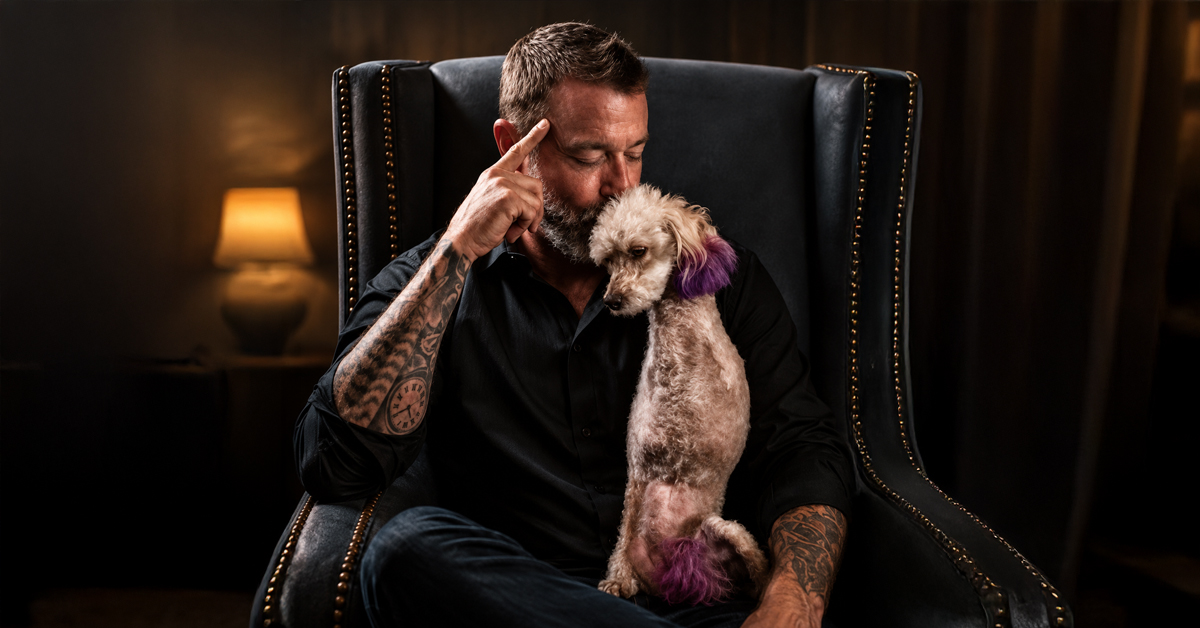
man sitting with hand held to his temple, indicating that he has a headache. in the background an overlay of an ambulance speeding through is seen, plying the man is reminded of a recent car accident.
Learn how traumatic brain injury can occur after minor car accidents, even without hitting your head, and what science says about healing.

Table of Contents

Can Minor Car Accidents Cause Traumatic Brain Injury?

Most people believe that if you didn’t hit your head, you didn’t injure your brain. But that assumption can do more harm than good. A traumatic brain injury from a car accident, even a so-called “fender bender,” can occur without your head ever striking the steering wheel or window.

In the days or weeks after a crash, you might notice brain fog, headaches, irritability, or unusual fatigue and brush it off at first. Some people may tell you it’s just stress or that you need more sleep. Yet research shows that rapid acceleration and deceleration alone, like what happens to your brain even in a low-speed collision, can disrupt normal brain function.

Unfortunately, when it comes to brain injuries, sometimes big problems really do come in small packages.

When a “Small” Accident Doesn’t Feel Small Later

According to the Centers for Disease Control and Prevention, millions of Americans sustain traumatic brain injuries (TBIs) each year, with motor vehicle crashes among the leading causes. But most people don’t know that even minor accidents and whiplash can compound your risk of brain damage.

Your brain is powerful and remarkably resilient, but it is also made up of soft tissue housed in a hard, rigid skull. That protective shell is mostly a guardian but can be a liability. This is why understanding head injuries is so important. Essentially, when forces move faster than the brain can adapt, even subtle injuries can occur and sometimes without immediate warning signs.

A traumatic brain injury from a car accident, even a so-called “fender bender,” can occur without your head ever striking the steering wheel or window.

What Is a Traumatic Brain Injury?

A traumatic brain injury is a disruption in normal brain function caused by an external force. This can range from a severe injury with internal bleeding or skull fracture to a mild traumatic brain injury (mTBI), which is often called a concussion.

Severe TBIs typically involve structural damage that’s visible on brain imaging scans and may include prolonged unconsciousness or neurological deficits. A 2022 study published in The Lancet Neurology highlights the long-term disability risks associated with moderate to severe TBI. Additional epidemiological studies in the Journal of Neurotrauma confirm increased mortality and cognitive decline in more serious cases.

Mild TBIs are more common but less understood when it comes to negative effects. Studies have found that even mTBI can lead to persistent cognitive issues that affect memory and concentration. Research also shows that an increase in anxiety and depression symptoms is associated with mTBI.

“Mild” does not mean the effects are insignificant. The term refers to the initial clinical presentation of the symptoms, not necessarily the potential impact on your daily life. For some people, symptoms resolve quickly. For others, they linger in a slower effect. The reality is that brain injuries, big or small, do not follow a predictable path of healing.

Related: Emotional Concussions The Silent Brain Injury You Might Have

Traumatic Brain Injury From a Car Accident Even Without a Head Impact

When we talk about a traumatic brain injury from car accidents, we’re often referring to forces known as rapid acceleration and deceleration. In the simplest terms, when your car stops and your brain keeps moving forward or backward, even for a fraction of a second, it can cause damage.

Inside the skull, which is a hard protective case, your brain is soft and malleable with a gelatinous texture. During a car crash, it can shift, rotate, or twist around. This movement may strain nerve fibers (called axons), leading to what research deems diffuse axonal injury. This type of injury can still happen, even when brain scans initially appear normal.

Whiplash adds another layer. Whiplash is a neck injury caused by a sudden, forceful back-and-forth movement of the head (like a snapping whip), common in car accidents. A 2020 study found that people with whiplash-associated disorders demonstrated measurable changes in brain connectivity and function. This suggests that neck injury and brain changes can and often do co-occur.

Standard safety measures such as helmets, airbags, and seatbelts can dramatically reduce the risk of severe or fatal brain injury. In fact, the National Highway Traffic Safety Administration reports that seatbelt use reduces serious injury and death risk by nearly 45 percent to 50 percent, respectively. However, while these measures can save lives, they cannot eliminate all the forces that transmit to the brain in a sudden collision.

How Whiplash and Sudden Jolt Can Affect Brain Function

Your neck and brain work in tandem to keep you in motion. The brainstem extends into the spinal cord through the neck, forming a communication highway between your brain and the rest of your body. When the neck snaps forward and back, that same force can transmit along this pathway.

This matters because your nervous system is highly interconnected. The force of whiplash and sudden strain it causes can influence your balance, coordination, and even mood regulation. The symptoms are often delayed to the following conditions:

  • Inflammation can build gradually
  • Stress hormones surge during trauma
  • Subtle nerve strain may not cause immediate pain

A study published in Frontiers in Neurology found that in patients with whiplash injury, advanced imaging detected signs of white matter tract disruption, such as thinning or partial tearing. In the multiple documented whiplash cases studied, even standard CT and MRI scans sometimes appeared normal.

The Hidden Risk of Multiple Minor Car Accidents

The brain is powerful, but also incredibly fragile. One low-impact crash might seem manageable at first, but repeated minor collisions can create cumulative stress on the brain. Research on repetitive mild TBI shows that even sub-concussive events may contribute to long-term neurological changes.

The good news is that your brain adapts through neuroplasticity. The bad news is that repeated strain without adequate recovery can overwhelm that adaptive capacity to heal well.

Symptoms may worsen over time depending on age, genetics, previous injury history, stress levels, sleep quality, and overall health. A 2023 study found that mental health problems following mTBI is very common. An individual may experience issues with anxiety, depression, post-traumatic stress disorder, ADHD-like symptoms (impulsivity and attention issues), or chronic pain following a mTBI. But the root cause, the traumatic brain injury, can be missed. Without comprehensive evaluation that looks at the brain, the underlying patterns driving mental health conditions goes unnoticed, and your injury can go untreated.

Oftentimes, people don’t connect their current mental health symptoms to past accidents. The effects can appear weeks, months, or even years later and, with memory gaps added to the mix, that connection can become even harder to trace. That delay is precisely why early, comprehensive evaluation matters.

Common Symptoms of Brain Injury After a Car Accident

Any symptoms of a traumatic brain injury from a car accident should be addressed, even if they seem subtle or like they’ll heal with rest.

Here are common symptoms to be aware of:

  • Brain fog
  • Headaches
  • Memory issues
  • Sleep problems
  • Light or noise sensitivity
  • Irritability or mood changes

A 2025 review and meta-analysis found that headaches, trouble sleeping, and difficulty concentrating are among the most common and persistent symptoms after a concussion. Symptoms vary widely, but they can also overlap with stress, anxiety, or even burnout. That overlap is why careful evaluation is key.

Why Standard Tests May Miss Car-Accident-Related Brain Injuries

If you’ve ever been told “everything looks normal” following a car accident, you’re not alone. After experiencing an accident-related TBI, you might feel “off” while scans like CTs or MRIs come back with no clear signs of damage. That’s because standard imaging is designed to detect structural damage, not the subtle functional changes that can occur in your brain after a collision.

CT/MRI Focus on Structure, Not Function

CT scans and MRIs are designed to detect structural abnormalities like bleeding, swelling, and fractures. These are essential in emergency care, but mild TBIs often involve microscopic or functional changes that standard imaging cannot detect.

Why People Are Told “Everything Looks Normal”

When imaging is clear, clinicians may conclude there is no visible injury. That doesn’t invalidate your symptoms. Studies show about 15 to 30 percent of people with persistent post-concussion symptoms show normal CT or MRI scans, highlighting how standard imaging can miss subtle brain changes.

Validation Without Undermining Providers

It’s important to know that emergency providers and first responders focus on life-threatening injuries first. Their tools are not designed to measure subtle functional changes. Understanding this distinction can empower patients without creating distrust in the medical system.

Looking at Brain Function After a Car Accident

When talking about structural damage, we’re referring to visible injury. Functional change refers to how the brain works, including blood flow, nerve connectivity, and brain activity patterns. Imaging that looks at brain function, rather than structure, can clarify whether or not a brain function issue is driving your symptoms. Mild traumatic brain injury often affects function. Thus, the right kind of brain imaging can be helpful in identifying potential areas of the brain that are functionally impaired by injury.

Thankfully, issues with mTBI-related brain function can be improved.

Evidence suggests that individualized rehabilitation strategies targeting sleep, nutrition, stress regulation, and cognitive behavioral therapy improve potential outcomes in persistent post-concussive symptoms.

When to Consider a Brain Evaluation After a Fender Bender

It’s important not to dismiss the effects of a fender bender, even if you did not hit your head. The brain can still be affected by the rapid acceleration and deceleration forces that occur in a crash. After any accident, it’s wise to see a medical doctor and keep an eye on how you feel in the days and weeks that follow.

If symptoms persist, especially those affecting thinking, mood, or energy levels, a brain-focused evaluation can be helpful. Looking at the brain more closely can uncover issues that might otherwise go unnoticed and guide the right path toward recovery.

Symptoms That Don’t Resolve

A good rule of thumb is that symptoms lingering beyond several weeks deserve further attention. Research suggests that most concussion symptoms improve within about 10 to 14 days.

However, headaches, fatigue, brain fog, or cognitive problems that continue for three months or longer may indicate persistent post-concussive symptoms. These ongoing issues can affect concentration, learning, and executive function, making a thorough evaluation especially important.

Changes Others Notice Before You Do

Look to those you trust that are closest to you, like your family members and friends, as they may observe irritability, forgetfulness, or personality shifts. Behavioral and cognitive changes, such as mood swings, irritability, and increased symptom burden, are well documented in people with persistent post-concussion symptoms.

Impact on Work, Relationships, or Daily Life

Research shows that people with persistent post-concussive symptoms often experience a decreased quality of life. This especially includes challenges when returning to work or maintaining their previous workload and lifestyle standards, even months after injury.

If your concentration, productivity, or social interactions are suffering after a head injury, it’s a clear indication that your brain may need help.

Related: 10 Ways to Help Your Brain Heal After Head Trauma

Getting the Right Care After Repeated Minor Car Accidents

Finding clinicians experienced in TBIs is critical as brain injuries do not follow one predictable path to full healing. Research published in the Journal of Rehabilitation Medicine shows that effective options for TBI recovery may include cognitive rehabilitation, sleep optimization, anti-inflammatory nutrition, stress management, physical therapy for neck injury, and psychological support.

At Amen Clinics, we take a similar whole-body approach. That means we treat brain and mental health issues by addressing the whole person, mind, body, and spirit, rather than just masking symptoms.

Our comprehensive evaluation includes brain SPECT imaging that specifically measures brain function based on blood flow activity before and after treatment. The evaluation also includes a detailed personal history, clinical assessments, and diagnostic labs as needed. Collecting this critical data helps our clinicians practice precision medicine to create a highly effective, personalized treatment plan that addresses your unique issues.

Plans often include a combination of recommended lifestyle interventions (including nutritional guidance and supplementation, stress reduction, gentle movement, etc.), therapy, natural ways to treat mental health conditions related to your TBI, and medication if necessary. We call it holistic psychiatry.

Whatever care you seek, be sure to always ask questions as you listen to informed medical guidance. The great news is that evidence-based care exists for TBI.

Trust Your Symptoms, Even After a “Minor” Crash

The most important thing to remember is that even a minor car accident can disrupt critical parts of the brain. Rapid deceleration, whiplash, and repeated impacts can affect cognitive function, mood, emotional regulation, and sleep quality, even if your head never directly struck anything.

Brain injuries are complex and require nuanced treatment. If symptoms linger or interfere with your daily life, consider learning more about comprehensive brain assessments like those offered through Amen Clinics.

Traumatic brain injuries and other mental health conditions can’t wait. At Amen Clinics, we practice Precision Medicine—using brain SPECT imaging and comprehensive evaluations to understand what’s really happening in your brain, not just your symptoms.

Our whole-body approach to Holistic Psychiatry combines cutting-edge neuroscience with natural ways to treat mental health conditions, including targeted nutrition, supplements, lifestyle strategies, therapy, and medications (when necessary). Every treatment plan is personalized to address the root causes of your struggles and support the health of your brain, body, and mind.

Don’t settle for guesswork. You deserve answers—and a plan built specifically for you. Speak with a Brain Health Advisor today at 888-288-9834 or visit our contact page to get started.

FAQ About Intensive Outpatient Programs

Yes. Sudden acceleration and deceleration can disrupt your brain’s cognitive function even without direct head impact.

Whiplash and rapid stopping can cause the brain to shift within the skull, straining or even shredding critical neural connections. Additionally, issues come from neuroinflammation, internal bleeding, and a host of other issues that can affect your behavior and personality.

Yes. Repeated low-impact collisions can have cumulative effects, especially without proper recovery and treatment plans. Take care to use preventative measures to reduce your risk, including seatbelts and airbags when driving as well as helmets during sporting activities.

Common symptoms include headaches, brain fog, irritability, memory problems, and sleep changes. It’s important to track any major and minor shifts in mood, emotions, and physical ability.

Standard scans detect structural damage, which can be helpful for certain ailments. However, many mild TBIs involve functional changes that are not always visible on routine imaging.

Amen Clinics

Founded in 1989 by double-board certified psychiatrist and neuroscientist Daniel G. Amen, MD, Amen Clinics Inc. (ACI) is known as the best brain and mental health company in the world. Our clinical staff includes over 50 healthcare specialists, including adult and child psychiatrists, integrative (functional) medicine physicians, naturopaths, addiction specialists, forensic psychiatrists, geriatric psychiatrists, nutritionists, licensed therapists, and more. Our clinicians have all been hand-selected and personally trained by Dr. Amen, whose mission is to end mental illness by creating a revolution in brain health. Over the last 35-plus years, ACI has built the world’s largest database of functional brain scans—over 250,000 SPECT scans on patients from 155 countries—related to how people think, feel, and behave.

Centers for Disease Control and Prevention. (2023, September 22). Health equity and traumatic brain injury (TBI). U.S. Department of Health & Human Services. https://www.cdc.gov/traumatic-brain-injury/health-equity/index.html

Maas, A. I. R., Menon, D. K., Manley, G. T., Abrams, M., Akerlund, C., Andelic, N., … Zemek, R. (2022). Traumatic brain injury: Progress and challenges in prevention, clinical care, and research. Lancet Neurology, 21(11), 1004–1060. https://doi.org/10.1016/S1474‑4422(22)00309‑X

Haarbauer-Krupa, J., Pugh, M. J., Prager, E. M., Harmon, N., Wolfe, J., & Yaffe, K. (2021). Epidemiology of Chronic Effects of Traumatic Brain Injury. Journal of neurotrauma, 38(23), 3235–3247. https://doi.org/10.1089/neu.2021.0062

McCrea MA, Giacino JT, Barber J, et al. Functional Outcomes Over the First Year After Moderate to Severe Traumatic Brain Injury in the Prospective, Longitudinal TRACK-TBI Study. JAMA Neurol. 2021;78(8):982–992. doi: 10.1001/jamaneurol.2021.2043

Mesfin, F. B., Gupta, N., Hays Shapshak, A., & StatPearls. (2025, July 7). Diffuse axonal injury. In StatPearls. StatPearls Publishing. https://www.ncbi.nlm.nih.gov/books/NBK448102/

Higgins, J. P., Elliott, J. M., & Parrish, T. B. (2020). Brain Network Disruption in Whiplash. AJNR. American journal of neuroradiology, 41(6), 994–1000. https://doi.org/10.3174/ajnr.A6569

National Center for Statistics and Analysis. (2025, October, Revised). Seat belt use in 2024 – overall results (Traffic Safety Facts Research Note. Report No. DOT HS 813 682). National Highway Traffic Safety Administration. doi:10.21949/t29h-qq38

Jang, S. H., & Kwon, Y. H. (2018). A review of traumatic axonal injury following whiplash injury as demonstrated by diffusion tensor tractography. Frontiers in Neurology, 9, 57. https://doi.org/10.3389/fneur.2018.00057

Khan, S., & Talley, L. (2025). Beyond the Hit: The Hidden Costs of Repetitive Head Trauma. Neuroscience insights, 20, 26331055251316315. https://doi.org/10.1177/26331055251316315

Howlett, J. R., Nelson, L. D., & Stein, M. B. (2022). Mental Health Consequences of Traumatic Brain Injury. Biological psychiatry, 91(5), 413–420. https://doi.org/10.1016/j.biopsych.2021.09.024

McIntosh SJ, Vergeer MH, Galarneau J, Eliason PH, Debert CT. Factors Associated With Persisting Symptoms After Concussion in Adults With Mild TBI: A Systematic Review and Meta-Analysis. JAMA Netw Open.2025;8(6):e2516619. doi:10.1001/jamanetworkopen.2025.16619

Rabinowitz AR, Levin HS. Cognitive sequelae of traumatic brain injury. Psychiatr Clin North Am. 2014 Mar;37(1):1-11. doi: 10.1016/j.psc.2013.11.004. Epub 2014 Jan 14. PMID: 24529420; PMCID: PMC3927143. https://pmc.ncbi.nlm.nih.gov/articles/PMC3927143/

Al-Kader DA, Onyechi CI, Ikedum IV, Fattah A, Zafar S, Bhat S, Malik MA, Bheesham N, Qadar LT, Sajjad Cheema M. Depression and Anxiety in Patients With a History of Traumatic Brain Injury: A Case-Control Study. Cureus. 2022 Aug 13;14(8):e27971. doi: 10.7759/cureus.27971. PMID: 36134081; PMCID: PMC9481205. https://pubmed.ncbi.nlm.nih.gov/36134081/

Koerte, I. K., Lin, A. P., Willems, A., Muehlmann, M., Hufschmidt, J., Coleman, M. J., Green, I., Liao, H., Tate, D. F., Wilde, E. A., Pasternak, O., Bouix, S., Rathi, Y., Bigler, E. D., Stern, R. A., & Shenton, M. E. (2015). A review of neuroimaging findings in repetitive brain trauma. Brain pathology (Zurich, Switzerland), 25(3), 318–349. https://doi.org/10.1111/bpa.12249

Ryan, T., Nagle, S., Daly, E., Pearce, A. J., & Ryan, L. (2023). A Potential Role Exists for Nutritional Interventions in the Chronic Phase of Mild Traumatic Brain Injury, Concussion and Sports-Related Concussion: A Systematic Review. Nutrients, 15(17), 3726. https://doi.org/10.3390/nu15173726

Permenter, C. M., Fernández-de Thomas, R. J., & Sherman, A. L. (2023). Postconcussive Syndrome. In StatPearls. StatPearls Publishing. https://pubmed.ncbi.nlm.nih.gov/30521207/

Torregrossa, W., Raciti, L., Rifici, C., Rizzo, G., Raciti, G., Casella, C., Naro, A., & Calabrò, R. S. (2023). Behavioral and Psychiatric Symptoms in Patients with Severe Traumatic Brain Injury: A Comprehensive Overview. Biomedicines, 11(5), 1449. https://doi.org/10.3390/biomedicines11051449

Karmali, S., Beaton, M. D., & Babul, S. (2022). Outlining the Invisible: Experiences and Perspectives Regarding Concussion Recovery, Return-to-Work, and Resource Gaps. International journal of environmental research and public health, 19(13), 8204. https://doi.org/10.3390/ijerph19138204

Möller, M. C., Lexell, J., & Wilbe Ramsay, K. (2021). Effectiveness of specialized rehabilitation after mild traumatic brain injury: A systematic review and meta-analysis. Journal of rehabilitation medicine, 53(2), jrm00149. https://doi.org/10.2340/16501977-2791

Related Articles

Can a Head Injury Cause Adult ADHD Symptoms

woman holding her head like it is injured
Discover how head trauma can trigger ADHD symptoms in adults and explore brain-based strategies to restore focus and impulse control.

If you’re struggling with focus or feeling more impulsive and restless, it can seem like these symptoms are coming out of the blue. Even if you never had ADHD as a child, you can still experience ADHD symptoms as an adult. But most people aren’t aware of a common hidden issue that can lead to the development of attention problems in adulthood.

What’s the underlying issue? For some people, it’s head trauma. People who have experienced a traumatic brain injury (TBI)—even a mild head injury—are at a significantly higher risk of developing focus and attention problems.

In fact, a 2020 study found that people with a history of TBI are more than twice as likely to develop ADHD symptoms compared to those without head trauma. 

Research has found that people with a history of TBI are more than twice as likely to develop ADHD symptoms compared to those without head trauma.

In this blog, you’ll gain insights into post-concussion ADHD symptoms, common signs that ADHD symptoms may be from a past head injury, and brain-based strategies to improve focus and attention.

CAN A CONCUSSION CAUSE ADHD?

Head injuries, including mild traumatic brain injuries (mTBI) that don’t cause a concussion and don’t make you lose consciousness, can lead to the onset of attention deficit hyperactivity disorder symptoms. (ADHD was formerly more commonly known as attention deficit disorder (ADD). Today, people often use the terms interchangeably.)

Research shows that people who suffer concussions have significantly higher rates of inattention and impulsivity compared to those with no head trauma.

Unlike childhood ADHD, a neurodevelopmental condition that is present from an early age, ADHD after traumatic brain injury develops later in life as a direct result of brain damage. This distinction is crucial because treatment approaches for TBI-induced attention problems may differ from those for traditional ADHD.

COMMON ADHD-LIKE SYMPTOMS AFTER A HEAD INJURY

If you’ve experienced head trauma in the past, you may be wondering: Does head trauma lead to attention problems? The answer is yes.

The link between brain injuries and ADHD symptoms is well-documented. Research shows that even mild head injuries can damage areas in the prefrontal cortex of the brain responsible for executive functions like attention, concentration, impulse control, and organization—leading to ADHD-like symptoms in adults.

Here are some examples of ADHD symptoms that may develop after a concussion or TBI:

  • Trouble focusing and sustaining attention – Difficulty staying engaged in conversations or tasks at work, home, and even in your relationships.
  • Increased impulsivity and poor decision-making – Acting without thinking, difficulty with patience, or trouble resisting distractions.
  • Forgetfulness and disorganization – Losing track of tasks, misplacing items, and struggling with daily planning.
  • Difficulty following through on tasks – Starting projects but not finishing them, procrastination, and lack of motivation.
  • Emotional dysregulation – Increased mood swings, frustration, and irritability, even over small issues.

A 2023 study published in Journal of Neurotrauma found that people with a history of concussions were significantly more likely to experience these executive function impairments later in life, reinforcing the connection between head trauma and ADHD symptoms.

Press Play to Learn About ADHD Symptoms Related to Head Inuries

In this video, social media entrepreneur reveals that he thought he had ADHD until he got a brain SPECT scan at Amen Clinics. Find out about his real diagnosis.

Click to tune in:

WHY POST-CONCUSSION ADHD IS OFTEN MISDIAGNOSED

One of the biggest challenges in addressing ADHD after traumatic brain injury is that many adults don’t connect their symptoms to a past injury. You may not think that falling off your bike, hitting your head on the steering wheel in a car accident, or repeatedly hitting soccer balls with your head could have lasting consequences. But they can.

Without knowing what to ask or share, it can be difficult for your doctor to see the connection at first. A concussion from years ago may seem unrelated to any current concentration issues, leading to misdiagnosis.

Traditional ADHD diagnostic methods rely on behavioral questionnaires. Most psychiatrists never look at the brain when making a diagnosis. This means that TBI-related ADHD symptoms are often mistaken for lifelong ADHD, anxiety, or even depression.

Another major distinction is that stimulant medications, commonly used to treat ADHD, don’t always work for those with TBI-induced attention problems. Since brain injuries affect blood flow and brain connectivity differently, treatments need to be tailored to the individual.

Related: 9 Frequently Asked Questions About ADD/ADHD

SIGNS THAT ADHD SYMPTOMS MAY BE RELATED TO A HEAD INJURY

If you’re wondering if ADHD symptoms may be related to past head trauma, here are some key questions to consider:

  • Have you ever had a concussion or head injury, even a mild one?
  • Did any focus, impulsivity, or emotional regulation issues begin after a head injury?
  • Have you noticed worsening attention problems over time?

Brain imaging, particularly SPECT scans, can be a valuable tool in differentiating traditional ADHD from brain injury-related attention problems. Unlike standard brain scans, SPECT imaging shows blood flow and activity levels in different brain regions, revealing hidden injuries that could be causing ADHD-like symptoms.

If you suspect that your focus issues stem from a past head injury, working with a brain specialist who understands the link between brain injuries and ADHD is critical for getting the right diagnosis.

THE LONG-TERM IMPACT OF UNTREATED TBI-INDUCED ADHD

Ignoring ADHD symptoms caused by head trauma can have serious consequences. Studies show that untreated post-concussion ADD is linked to:

  • Higher rates of anxiety and depression – Emotional dysregulation from TBIs can contribute to mental health challenges.
  • Difficulties in work and relationships – Struggles with focus and impulsivity can impact career success and personal connections.
  • Increased risk of substance abuse – Many people who struggle with untreated TBI-induced ADD symptoms often self-medicate to cope with attention deficits and emotional instability.
  • Development of mood disordersResearch shows that people with post-concussion ADD symptoms have a higher likelihood of developing mood disorders, highlighting the importance of proper treatment.

HOW TO IMPROVE FOCUS AFTER A TBI

While the effects of head trauma can be frustrating, there are ways to support brain health and restore your focus.

  • Brain-boosting nutrition – Anti-inflammatory foods, omega-3 fatty acids, and antioxidants help repair brain cells. Research suggests that DHA, a key component of Omega-3s, improves cognitive function in individuals with TBIs.
  • Exercise and movement – Physical activity increases blood flow to damaged brain areas and promotes healing. Studies show that moderate aerobic exercise improves cognitive function in TBI patients.
  • Cognitive therapy and neurofeedback – Brain training exercises can help improve attention and impulse control.
  • Supplements for brain recovery – Magnesium, B-complex vitamins, and GABA have been proven to support cognitive function and relaxation.
  • Hyperbaric oxygen therapy (HBOT) – This noninvasive therapy has been shown to improve brain function in TBI patients by increasing oxygen supply to injured areas.
  • Transcranial magnetic stimulation (TMS) is a noninvasive therapy that uses magnetic pulses to stimulate underactive brain regions involved in how concussions affect attention and impulse control as well as treatment of depression.

Implementing these strategies can help you mitigate mild head injury and focus issues. You can even use some of these to treat head trauma and ADHD symptoms in the long run.

Related: Neurofeedback: Natural ADD Treatment with Outstanding Results

NEXT STEPS: HOW TO GET THE RIGHT DIAGNOSIS AND TREATMENT

If you suspect your ADHD symptoms are from a head injury, the next step is to seek a thorough brain-focused examination.

Unlike standard ADHD assessments that rely heavily on questionnaires, a comprehensive evaluation including brain SPECT imaging can help reveal hidden injuries. SPECT scans can reveal low cerebral blood flow and activity that may be contributing to other mental issues.

By taking a brain-based approach to ADHD symptoms, you can regain control of your focus, emotions, and brain health.

We're Here To Help

ADHD, head trauma, and other mental health conditions can’t wait. At Amen Clinics, we provide personalized, science-backed treatment plans designed to target the root causes of your symptoms. Our 360-approach includes brain SPECT imaging, clinical evaluations, innovative therapeutic techniques, medications (when necessary), and holistic lifestyle recommendations to promote the health of your brain, body, and mind. Speak to a specialist today at 888-288-9834 or visit our contact page here.

Amiri S, Esmaeili E, Salehpour F, Mirzaei F, Barzegar H, Mohammad Namdar A, Sadeghi-Bazargani H. Attention Deficit Hyperactivity Disorder (ADHD) in Patients with and without Head Trauma. Open Access Emerg Med. 2020 Nov 17;12:405-410. doi: 10.2147/OAEM.S265883. PMID: 33235528; PMCID: PMC7680102.


Maresca G, Lo Buono V, Anselmo A, Cardile D, Formica C, Latella D, Quartarone A, Corallo F. Traumatic Brain Injury and Related Antisocial Behavioral Outcomes: A Systematic Review. Medicina (Kaunas). 2023 Jul 27;59(8):1377. doi: 10.3390/medicina59081377. PMID: 37629667; PMCID: PMC10456231.


Soule, A. C., Fish, T. J., Thomas, K. G. F., & Schrieff-Brown, L. (2025). Attention training after moderate-to-severe traumatic brain injury in adults: A systematic review. Archives of Physical Medicine and Rehabilitation, 106(3), 433-443. https://doi.org/10.1016/j.apmr.2024.07.010


Hagiescu, S. (2021) The Connection between Traumatic Brain Injury (TBI) and Attention-Deficit/Hyperactivity Disorder, Therapeutic Approaches. Psychology, 12, 1287-1305. doi: 10.4236/psych.2021.128081.


Lennon, M. J., Brooker, H., Creese, B., Thayanandan, T., Rigney, G., Aarsland, D., Hampshire, A., Ballard, C., Corbett, A., & Raymont, V. (2023, June 27). Lifetime traumatic brain injury and cognitive domain deficits in late life: The PROTECT-TBI cohort study. Neurobiology of Disease. https://www.liebertpub.com/doi/10.1089/neu.2022.0360


Amen DG, Easton M. A New Way Forward: How Brain SPECT Imaging Can Improve Outcomes and Transform Mental Health Care Into Brain Health Care. Front Psychiatry. 2021 Dec 10;12:715315. doi: 10.3389/fpsyt.2021.715315. PMID: 34955905; PMCID: PMC8702964.


Valero-Hernandez E, Tremoleda JL, Michael-Titus AT. Omega-3 Fatty Acids and Traumatic Injury in the Adult and Immature Brain. Nutrients. 2024; 16(23):4175. https://doi.org/10.3390/nu16234175


Chin LM, Keyser RE, Dsurney J, Chan L. Improved cognitive performance following aerobic exercise training in people with traumatic brain injury. Arch Phys Med Rehabil. 2015 Apr;96(4):754-9. doi: 10.1016/j.apmr.2014.11.009. Epub 2014 Nov 26. PMID: 25433219; PMCID: PMC4380661.


Newman SD, Grantz JG, Brooks K, Gutierrez A, Kawata K. Association between History of Concussion and Substance Use Is Mediated by Mood Disorders. J Neurotrauma. 2020 Jan 1;37(1):146-151. doi: 10.1089/neu.2019.6550. Epub 2019 Sep 18. PMID: 31359826; PMCID: PMC7364309.


Jorge RE, Arciniegas DB. Mood disorders after TBI. Psychiatr Clin North Am. 2014 Mar;37(1):13-29. doi: 10.1016/j.psc.2013.11.005. Epub 2014 Jan 14. PMID: 24529421; PMCID: PMC3985339.


Iliceto A, Seiler RL, Sarkar K. Repetitive Transcranial Magnetic Stimulation for Treatment of Depression in a Patient With Severe Traumatic Brain Injury. Ochsner J. 2018 Fall;18(3):264-267. doi: 10.31486/toj.17.0075. PMID: 30275792; PMCID: PMC6162118.


Related Posts

If you go to a psychiatrist for anxiety, depression, attention problems, anger issues, or another “mental illness,” you’re likely to be asked a number of questions about your symptoms, your feelings, and your family history.

But there’s one question most psychiatrists—and other healthcare professionals—never ask but should:

“Have you ever had a head injury?”

There’s one question most psychiatrists—and other healthcare professionals—never ask but should: “Have you ever had a head injury?”
Click to tweet

Why is this question so important? In years past, experts believed that mild head injuries were innocuous. However, emerging research confirms that mild head trauma—even if you don’t black out or aren’t diagnosed with a concussion—can impact brain function and lead to serious neuropsychological issues.

In this blog, you’ll learn how common head injuries are, how concussions and mild traumatic brain injuries impact mental health, why it’s common to forget about a past head injury, and how to heal the brain to help your mental wellness.

HOW COMMON ARE CONCUSSIONS?

According to statistics, about 1.7 million Americans are diagnosed with a traumatic brain injury (TBI) annually. Some 80% of them are categorized as mild traumatic brain injuries (mTBI) or concussions.

Millions more head injuries go unreported because the person doesn’t think the injury is severe enough to seek treatment.

Head injuries are common among patients at Amen Clinics, which has treated over 100,000 people over the past 30-plus years. In fact, its database of more than 300,000 brain SPECT scans shows that 40% of patients have experienced a significant brain injury before visiting one of the nationwide clinics.

COMMON CAUSES OF CONCUSSIONS

What are the most common causes of head injuries?

Note that sports injuries also include repetitive sub-concussive impacts to the head. These are mild impacts that don’t cause any immediate symptoms—no headache, no seeing stars, no feeling like you got your bell rung.

Think of a soccer player who repeatedly heads the ball or a football player who gets tackled several times per game. Research shows that these repeated head impacts can harm the brain and lead to problems later in life. 

THE LINK BETWEEN HEAD INJURIES AND MENTAL ILLNESS

Did you know that head trauma is a major cause of mental health problems? If not, you aren’t the only one. In fact, very few people—including psychiatrists—know it.

This is because most mental health professionals never look at the brains of their patients. And this is a major oversight.

A growing body of scientific research shows that concussions and other types of traumatic brain injuries (TBIs) increase the risk of:

In some cases, mental health issues and cognitive problems occur soon after a head injury. In other instances, mental health symptoms don’t appear until months or even years after the incident.

Because of this, many people don’t make the connection between the head impact and their emotional symptoms, behavioral problems, or cognitive issues.

WHY PEOPLE FORGET PAST HEAD INJURIES

It’s astounding how many people forget they’ve had a significant head injury. At Amen Clinics, the mental health professionals routinely ask patients several times whether or not they have sustained any impacts to the head.

“Have you ever had a head injury?” is one of the many questions on patient intake paperwork. An historian, who gathers patients’ personal histories before they see the physician, asks them again about hurting their head. Sophisticated computer testing that patients complete asks a third time about impacts to the head.

Typically, when the patient meets with their physician, the question will come up yet again. If they respond no again, they’re generally asked if they’ve experienced any of the most common causes of head injuries, which were outlined above.

It’s surprising how many people think their head injuries were too insignificant to mention. For others, they simply do not remember the incident as amnesia is a common occurrence in head traumas.

When asked the question for the fifth time, one patient put his hand on his forehead and said, “Oh yeah! When I was 5 years old, I fell out of a second-story window.”

It’s hard to imagine forgetting such an incident, but many do. Some patients forget that they flew through a windshield in a car accident, smacked their head after slipping in the shower, or were knocked unconscious when they tumbled off their bicycle.

The vast majority of these people never realize the connection between their head injury and the signs and symptoms of mental health problems. And the traditional treatments they’re prescribed often don’t work because they don’t heal the underlying trauma to the brain.

You may be in the same situation. Anyone who is not responding to traditional treatment for major depressive disorder, anxiety attacks, or other mental health conditions should consider if a past head injury might be contributing to symptoms.

HEALING FROM POST-CONCUSSION SYNDROME

The good news is that the brain can heal, and this can help you overcome a wide range of psychological symptoms. Strategies to enhance the brain following a concussion or other head injury include:

Neurofeedback: Learning to control your brainwaves with this noninvasive treatment can reduce the symptoms of post-concussion syndrome, according to research.

Implementing these strategies can help speed your recovery from a head injury, whether it happened recently or years earlier. When your brain is healthier, you’ll experience fewer mental illness symptoms and feel better overall.

Anxiety, depression, attention problems and other mental health issues related to head trauma can’t wait. At Amen Clinics, we’re here for you. We offer in-clinic brain scanning and appointments, as well as mental telehealth, clinical evaluations, and therapy for adults, teens, children, and couples. Find out more by speaking to a specialist today at 888-288-9834 or visit our contact page here.

Content updated from previous publish date. Popular sports figure, TV commentator, and all-around beloved public personality, Terry Bradshaw spoke somberly and candidly about the toll his many football-related concussions have taken on his brain health and talked about his time at Amen Clinics. Bradshaw is one of nearly 200 football players from 27 teams and all positions who have undergone brain SPECT imaging at Amen Clinics to investigate the association between playing football, brain damage, and cognitive and mental health issues. Terry Bradshaw is one of nearly 200 football players who have undergone brain SPECT imaging at Amen Clinics to investigate the association between playing football, brain damage, and cognitive and mental health issues.
Click to tweet

HOW HEAD TRAUMA AFFECTS MEMORY AND MORE

The brain-imaging work at Amen Clinics shows that traumatic brain injuries—even mild head injuries that aren’t diagnosed as a concussion or that don’t cause a loss of consciousness—are a major cause of psychiatric illnesses, cognitive issues, and memory problems. However, few people know this because the field of psychiatry virtually never looks at the organ it treats—the brain. Four-time Super Bowl-winning quarterback, Terry Bradshaw, says he sustained more than six concussions over his lengthy NFL career. He has spoken openly about problems with his short-term memory, as well as his hand-eye coordination, and depression—all symptoms that are commonly seen in people with sports-related and everyday brain injuries. One of the many brain-imaging studies Amen Clinics has conducted on football players was published in the Journal of Neuropsychiatry and Clinical Neurosciences.  For this study, evaluations included detailed histories, cognitive testing, brain SPECT imaging, and qEEG studies on each of the players. The results were very clear: Playing football damaged multiple areas of the brain in greater than 90% of the players. In particular, there was persistent damage to the following areas of the brain:

CAN FORMER FOOTBALL PLAYERS IMPROVE BRAIN HEALTH?

You may have heard of “boxing dementia.” Now we are looking at “gridiron dementia.” The good news is that with a brain-health program, it is possible to repair, rehab, and reverse some of the brain damage that occurs in head injuries. For another study that appeared in the Journal of Psychoactive Drugs, 80% of former football players who followed a brain-health program at Amen Clinics showed significant improvement in blood flow to the prefrontal cortex, as well as improvements in overall cognitive functioning, processing speed, attention, reasoning, and memory.

5 WAYS TO REHAB THE BRAIN AFTER HEAD INJURY

Whether or not you are a former football player, here are five things you can do to help nourish and care for your brain today if you have experienced a head injury:

1. Take brain-smart supplements.

Nutraceuticals that are especially good for improving any brain, but particularly for damaged or aging brains include: In the NFL study, the players used all these supplements to support overall brain health, circulation, memory, and concentration.

2. Check your HbA1C and fasting blood sugar levels.

High blood sugar levels impair healing. In a study from UCLA, mice that were given sugar after a head injury had delayed healing. Skip the Gatorade and rehydrate with water or opt for a sugar-free beverage that delivers essential electrolytes.

3. Check your thyroid, DHEA, and testosterone levels.

Because of its location within the skull, the pituitary gland (the master hormone gland) is often damaged in head injuries. Testing and optimizing hormonal imbalances is a critical part of the healing process after a concussion or TBI.

4. Try hyperbaric oxygen therapy.

HBOT is a non-invasive therapy that uses the power of oxygen to accelerate the healing process. A study in Plos One showed that HBOT improves post-concussion syndrome.

5. Protect your head.

One of the best things you can do is avoid future head injuries. Always wear your seatbelt, wear a helmet when riding a bike or skiing, hold the handrail when going down stairs, and avoid playing contact sports. The most important thing our brain-imaging research on football players reveals is that even if you have been bad to your brain and have injured it, you can change your brain to make it better. And with a better brain comes a better life, better moods, and a better memory. Head injuries and the mental health, cognitive, and memory issues associated with them can’t wait. At Amen Clinics, we’re here for you. We offer in-clinic brain scanning and appointments, as well as mental telehealth, clinical evaluations, and therapy for adults, teens, children, and couples. Find out more by speaking to a specialist today at 888-288-9834 or visit our contact page here. By Daniel G. Amen, MD Chronic traumatic encephalopathy (CTE) was brought into the public’s awareness largely through the movie Concussion, starring Will Smith, based on the work of neuropathologist Bennet Omalu. When he did the autopsy on Pittsburgh Steeler Hall of Fame Center Mike Webster, he noticed something very different in his brain that had not been reported. There were excessive deposits of an abnormal protein in his brain, called tau. He subsequently noticed this pattern in other deceased NFL players who struggled with severe cognitive and emotional issues. 'I am interested in the living and doing everything I can to delay their journey to the autopsy table.' — Daniel G. Amen, MD
Click to tweet

INSIDE THE CTE BRAIN

Tau protein is essential as it provides the lattice-like structure of brain cells. However, when the brain is damaged from repeated concussions, common in football and soccer players, tau breaks down and pierces through cell membranes, causing an inflammatory response that damages the brain. I was blessed to be a consultant on the Concussion. Since CTE can only be diagnosed with certainty on autopsied slices of brain tissue, it can only be diagnosed after death. I am friends with Dr. Omalu, and we have published scientific papers together. I tell him, his patients are the dead, but I am interested in the living and doing everything I can to delay their journey to his autopsy table.

WHY HEAD TRAUMA ISN’T HOPELESS

Yet, the lore in medical circles is that CTE is permanent, progressive, and untreatable. I think that is nonsense and there is virtually no scientific evidence to support the lack of hope. Yet, because many people believe it, former football players and other professional athletes avoid getting help because they do not believe there’s anything they can do to stem the inevitable destruction of their brains. Some in the media have accused me of giving people with CTE false hope. Let me be clear, the scans we do at Amen Clinics do not diagnose CTE (you need a pathology slide for that). However, there is large body of peer-reviewed scientific research demonstrating that brain SPECT imaging can diagnose the current impact of past concussions, and whether or not with proper help, the brain can improve. The media tends to be purveyors of doom and despair, because that sells papers or gets more eyeballs for advertisers, but my 40-year career has shown that there is reason to be optimistic about the brain’s ability to heal. Here’s an example. In July 2007, College Football Hall of Fame running back from USC and former professional football player Anthony Davis (AD), came to see me at Amen Clinics because of problems with memory, periods of confusion, and irritability. A professor at USC told him about our work, and he thought we could help him. He was also concerned about the cognitive problems he saw in other retired football players and was hoping to find a way to help them too. At 54, Anthony’s brain looked like he was 85. It showed clear evidence of brain trauma to the prefrontal cortex and left temporal lobe. I put AD on a brain rehabilitation program described below, and within several months he told me that he felt better, was more focused, and had better energy and a sharper memory. Through my relationship with AD, in 2009 I partnered with the Los Angeles Chapter of the Retired NFL Players Association, which co-sponsored the largest brain imaging and rehabilitation study on active and retired NFL players. At the time, the NFL was still saying they did not know if playing football caused long-term brain damage, but they had never done any brain-imaging studies on players to prove it or not. My colleagues and I decided to tackle the issue. To date, we have scanned and treated more than 300 active and retired players using SPECT, a functional brain-imaging technique that measures blood flow and activity in the brain. The pre-treatment brain scans showed high levels of damage in almost all of the players. Damage was seen most commonly in the following regions: The treatment protocol for the players included overall brain health strategies, taking brain-supportive supplements—including a sophisticated multiple vitamin, high dose high-quality omega-3 fatty acids, and a brain-boosting supplement that works in 6 different ways—along with weight loss (for those who were overweight or obese). The measures taken at the end of the study revealed that 80% of the football players made significant improvements, especially in the areas of mood, motivation, sleep, attention, memory, reasoning, and information processing speed and accuracy. In addition, their brain scans revealed increased blood flow in the prefrontal cortex and temporal lobes. Ten years later AD’s brain was significantly better.

AD’s Brain Before and After 10 Years

In brain SPECT images, a healthy scan shows full, even, symmetrical blood flow. The “holes” in AD’s pre-treatment scan represent areas of low blood flow. His follow-up brain scan shows healthier overall blood flow.

HOPE FOR A BETTER BRAIN AND A BETTER LIFE AFTER HEAD TRAUMA

To not do anything to ameliorate the chronic effects of concussions, as some medical professionals and some in the media suggest, is unconscionable. Let’s not wait until people are dead to uncover that something is wrong. Let’s have a bias for action to make sure it takes longer to get on Dr. Omalu’s autopsy table. Concussions and other head injuries can’t wait. At Amen Clinics, we’re here for you. We offer in-clinic brain scanning and appointments, as well as mental telehealth, remote clinical evaluations, and video therapy for adults, children, and couples. Find out more by speaking to a specialist today at 888-288-9834 or visit our contact page here. If you have anxiety or experience panic attacks, you probably think it’s all in your mind. If you’re like most people, you likely assume it’s psychological or emotional issues that are causing the problem. In many cases, however, the root cause lies in the biology of your brain. Head trauma—even mild head injuries that don’t make you lose consciousness and aren’t diagnosed as a concussion—are a major factor in the development of psychiatric illnesses, including anxiety disorders and panic disorder. Head trauma—even mild head injuries that don’t make you lose consciousness and aren’t diagnosed as a concussion—are a major factor in the development of psychiatric illnesses, including anxiety disorders and panic disorder.
Click to tweet
Having multiple head injuries puts you at increased risk. Just ask Tyler Fernengel, a professional BMX rider who has had over 20 concussions during his extreme biking career. In one of those accidents, the 25-year-old’s bike broke in half and he did a face plant, damaging his orbital socket and cheekbone. Although the visible harm to his face healed, other internal, psychological issues worsened. “The main issue is severe anxiety,” Fernengel says to Amen Clinics naturopath Dr. Kabran Chapek in an episode of Scan My Brain. “The absolute worst and hardest thing I had to go through,” the pro BMX rider says, happened when he was mid-conversation with some friends. “Out of nowhere, I couldn’t remember what I was trying to say. I went into a full-body panic.” He says it was like an out-of-body experience, something psychiatrists call depersonalization or dissociation. Could it be related to all those crashes he experienced? And could your anxiety, panic attacks, and other issues be associated with head injuries from your past? Consider that brain SPECT imaging, which measures blood flow and activity in the brain, shows that 40% of Amen Clinics patients have prior head trauma. Surprisingly, many of them don’t recall getting hurt.

HIDDEN EFFECTS OF HEAD TRAUMA

When Dr. Chapek showed Fernengel his brain SPECT scan, he pointed out the aftereffects of all those head injuries. A healthy brain SPECT scan shows full, even, symmetrical activity. Fernengel’s, on the contrary, revealed numerous areas of low blood flow, a flattened effect on the frontal lobes, and a scalloping or bumpy appearance that’s associated with exposure to toxins. Dr. Chapek called it “one of the worst brains I’ve seen in a 25-year-old.” Your brain doesn’t have to be one of the worst, and you don’t have to have sustained 20-plus concussions to experience brain-related conditions like anxiety, panic disorder, or post-traumatic stress disorder (PTSD). A single head injury or a series of sub-concussive repetitive blows to the head from activities like heading a soccer ball can be enough to create changes in the brain that make you more vulnerable to mental health conditions.

HEALING THE BRAIN AND OVERCOMING ANXIETY AFTER HEAD TRAUMA

In providing a comprehensive treatment plan for Fernengel, Dr. Chapek explained that “when it comes to the brain, it’s seldom one thing.” There are typically multiple factors involved. It’s common for head trauma to be combined with stressful life events, a chaotic upbringing, unhealthy daily habits, and/or substance use—all of which ramp up the likelihood of problems. Fortunately, decades of neuroscience research show that the brain can change through neuroplasticity. And the Amen Clinics database of over 300,000 brain scans from tens of thousands of patients confirms that even if you’ve been bad to your brain, you can make it better. Here are some tips to help put the brain in a healing environment and calm anxiousness and panic. Anxiety, panic disorder, and other mental health issues can’t wait. At Amen Clinics, we’re here for you. We offer in-clinic brain scanning and appointments, as well as mental telehealth, clinical evaluations, and therapy for adults, teens, children, and couples. Find out more by speaking to a specialist today at 888-288-9834 or visit our contact page here. Ever get angry? Who doesn’t? We all experience feelings of anger on occasion. For some people, however, irritability can escalate into rage or even violence. And it can happen in an instant. Anger that quickly gets out of control may be a sign of intermittent explosive disorder (IED), a mental health disorder. Talk about an ironic acronym, IED also stands for “improvised explosive device,” which is something that can detonate without warning and cause great harm. It’s similar to the way a person can explode in anger and cause lasting emotional (or physical) damage to anyone in their vicinity. IED can destroy relationships and kill careers. If you can’t control your aggressive impulses, you may want to consider seeking professional help. Psychotherapy can be an important aspect of an IED treatment plan. Before you can work on gaining control of anger and aggression, you need to address any underlying issues that may be causing it.

ADDRESS POSSIBLE CAUSES OF INTERMITTENT EXPLOSIVE DISORDER

Researchers have spent decades looking into potential causes of and contributors to IED. Understanding what might be contributing to your anger issues and treating them is one of the keys to healing. Some of the most common treatable issues related to IED are emotional trauma, head injuries, other mental health conditions, and issues with brain chemistry.

Emotional trauma

One of the main findings from years of research into the causes of IED is that experiencing trauma is a common denominator among people with the condition. For example, a 2012 study in Psychiatric Research that looked at data on 5,575 individuals found that IED is associated with increased exposure to trauma, especially childhood trauma. Adverse childhood experiences that can contribute to IED include emotional or physical neglect, sexual or physical abuse, living with someone with an addiction or mental illness, and more. Healing strategies: A non-invasive therapy that can aid in overcoming emotional trauma is called EMDR, which stands for eye movement desensitization and reprocessing. This can be an important piece of the puzzle in understanding and coping with anger issues.

Head injuries

At Amen Clinics, which has built the world’s largest database of functional brain scans related to behavior, it has become clear that head injuries increase the risk of anger issues and IED. In a 2018 study in The Journal of Neuropsychiatry and Clinical Neurosciences, researchers looked at the relationship between mild traumatic brain injuries (mTBI) and IED. Among 1,634 individuals involved in the analysis, those with IED were more likely to have experienced a mTBI compared with healthy controls and those with other psychiatric disorders. On SPECT scans at Amen Clinics, damage to the temporal lobes (located on either side of the temples behind the eyes) is often associated with anger, aggression, and violence. Healing strategies: If your brain is injured, it makes it difficult to follow through on anger management techniques. To enhance brain function, put the brain in a healing environment with hyperbaric oxygen therapy (HBOT), eating a healthy diet, eliminating environmental toxins, and avoiding alcohol and drugs.

History of mental health disorders

People with ADD/ADHD, borderline personality disorder, antisocial personality disorder, and other psychiatric conditions are at increased risk of IED. Healing strategies: Seeking treatment for these mental health problems can help make it easier to follow anger management strategies.

Brain chemistry issues

Some research suggests that abnormal levels of neurochemicals may play a role in IED. Specifically, low levels of the neurotransmitter serotonin have been cited as a possible contributor to the condition. Healing strategies: To boost serotonin naturally, eat a diet that is lower in protein and higher in complex carbohydrates. Natural supplements such as saffron and 5-HTP also increase the feel-good neurotransmitter.

PSYCHOTHERAPY STRATEGIES FOR INTERMITTENT EXPLOSIVE DISORDER

In addition to addressing any underlying causes of IED, a comprehensive treatment plan for IED will usually include psychotherapy and anger management. A number of techniques may be helpful, such as: Intermittent explosive disorder, head injuries, and other mental health issues can’t wait. At Amen Clinics, we’re here for you. We offer in-clinic brain scanning and appointments, as well as mental telehealth, clinical evaluations, and therapy for adults, teens, children, and couples. Find out more by speaking to a specialist today at 888-288-9834 or visit our contact page here. The human brain is an electrical powerhouse, generating enough electricity to spark a 20-watt lightbulb. At all times, our brain cells are communicating with each other through the transmission of electrical impulses that are of a very, very low frequency. In some people, however, brain cells fire erratically creating electrical storms, or seizures, in certain parts of the brain. Lasting as little as a few seconds or up to several minutes, seizures may cause a variety of symptoms and have also been associated with a range of behavioral issues, such as attention problems, trouble controlling temper, anxiety, and more. But some seizures can go unnoticed, meaning many people don’t realize that their behavioral issues are rooted in seizure activity in the brain.

3 Common Types of Seizures

Seizures can manifest in various ways, including these 3:
  1. A grand mal seizure will involve a loss of consciousness and convulsions with intense muscle contractions or jerking motions. These can last a few minutes, but when they endure for more than 5 minutes, it is a medical emergency.
  2. Petit mal—or absence—seizures typically last less than 20 seconds and cause a person to “space out,” lose visual focus, blink their eyes rapidly, smack their lips, or have other unusual mouth movements.
  3. Focal seizures can either stem from a small area of the brain and result in minimal symptoms—some of which may be barely noticeable—or involve multiple parts of the brain. These are known as “focal onset impaired awareness seizures” and often last from 30 seconds to 2 minutes. Symptoms might include:

Causes of Seizures and Epilepsy

Sometimes, people will have only a single seizure in their lifetime which would be considered a non-epileptic seizure. If they have 2 or more they might get diagnosed with epilepsy, which is considered a chronic neurological disorder that can be caused by: In addition, there are even cases where the cause of the ongoing epileptic activity is unknown According to the Centers for Disease Control, there are approximately 3.4 million people in the U.S. who have epilepsy and almost 500,000 of them are children.

The Value of Brain SPECT Imaging for Seizures

Because of the increased activity in the brain, the location of the seizure can often be identified with certain imaging procedures, including single photon emission computed tomography—or SPECT—which is used to assess blood flow patterns. It identifies 3 important things in the brain: Regulating institutions in Europe and North America, as well as other places around the world, endorse the use of brain SPECT imaging for identifying the location of the seizure activity. In fact, the Canadian Association of Nuclear Medicine (CANM) recently updated its guidelines for SPECT. In addition to assessing for seizures, CANM also approves brain SPECT imaging for these indications: This groundbreaking acknowledgment of SPECT’s capability to identify certain psychiatric conditions is not only a great benefit for patients and physicians in general, but it is also relevant to those suffering from seizures. Using SPECT, a doctor can parse out the underlying cause of some of the more subtle seizure symptoms which might otherwise be attributed to a psychiatric disorder. Using SPECT, a doctor can parse out the underlying cause of some of the more subtle seizure symptoms such as those that might otherwise be attributed to a psychiatric disorder.
Click to tweet

A Connection to Temporal Lobe Symptoms

The temporal lobes, located on the sides of the brain, are often the site of seizure activity. They are involved with language, memory, sounds, interpreting vision, emotions, and the fight-or-flight system. Consequently, when there is an electrical storm in this part of the brain, these functions can go haywire for a short period of time, which then manifests as unusual symptoms or behavior during the course of the seizure. At Amen Clinics, our doctors have also observed on SPECT scans that some patients have higher than normal activity in their temporal lobes but don’t actually have seizures. Nonetheless, these patients might be struggling with symptoms such as feeling anxious, spacey, or fearful or even have mild hallucinations. However, on SPECT scans, anxiety disorders, spaciness—which is common in inattentive ADD—or psychotic disorders typically have very different blood flow patterns from unusual temporal lobe activity.  Therefore the treatment strategy that would normally work for these conditions may be ineffective for someone whose symptoms arise from their temporal lobes.

There is a Better Way

This is a classic example of why Dr. Daniel Amen often asks, “How do you know unless you look?” Without having the benefit of SPECT imaging to help with the differential diagnosis, a patient might be given treatments that don’t work, thus further impairing their ability to function as well as they could. By including imaging as part of a full psychiatric evaluation, the doctors at Amen Clinics are able to pinpoint the underlying areas of brain dysfunction and create an individualized treatment plan to help each patient they treat feel the best that they can. If you’re struggling with unusual brain symptoms or mental health problems, Amen Clinics is here for you. We offer in-clinic brain scanning and appointments, as well as mental telehealth, clinical evaluations, and therapy for adults, teens, children, and couples Find out more by speaking to a specialist today at 888-288-9834 or visit our contact page here. At year-end 2019, the total prison population in the U.S. numbered a staggering 1,430,800. And of these prisoners, 8% were serving time for a violent offense, according to the Bureau of Justice Statistics. What makes some people violent? If you’re like most people, you may think it’s due to poor parenting, a character flaw, or just being a “bad” person. Brain imaging shows there may be another reason. Mounting scientific evidence shows that traumatic brain injury—even a mild one that doesn’t cause loss of consciousness—can lead to aggression or violent behavior in some people. Someone who has experienced a TBI may erupt with anger with little provocation. Something that seems inconsequential may set them off, and the severity of their reactions can range from irritability to verbal abuse to physical assault. Rather than writing off these individuals as bad people, it’s important to look at what’s happening in their brain. What makes some people violent? If you’re like most people, you may think it’s due to poor parenting, a character flaw, or just being a “bad” person. Brain imaging shows there may be another reason: head injuries.
Click to tweet

The Link Between Head Trauma and Aggression

Aggression following head trauma is more common than you might think. Research in The Journal of Neuropsychiatry and Clinical Neurosciences conducted a study in 2009 to evaluate 67 individuals who had suffered a TBI for the first time. Within 3 months of the injury, over 28% of them displayed post-TBI aggression (primarily verbal). In most cases, the aggression was associated with the onset of depression among other psychosocial problems. Among violent inmates, the prevalence of TBI is even higher. In a 2020 study in Frontiers in Psychiatry on violent offenders, over 77% reported experiencing one or more head injuries in their lifetime. Aggressive antisocial behaviors and substance use disorders were more common in those prisoners with a prior TBI. Other findings in The Journal of Neuropsychiatry found that people with intermittent explosive disorder, a condition associated with impulsive aggression, are significantly more likely to have experienced a mild TBI compared with healthy people or those with psychiatric disorders. Such was the case with a 5-year-old boy who stabbed 3 members of his family over a juice box. Although that case made national headlines, there are many more cases of domestic violence that go unreported and unseen. And expressions of violence can be quite frequent in some people. In a fascinating study in Brain Injury involving 46 people in a TBI neurobehavioral program, the researchers noted 3,914 acts of aggression over a two-week period. Of those acts, 443 were physical assaults while the rest were verbal.

Post-TBI Self-Harm and Suicide

The violent behavior some people experience after a concussion isn’t always directed at others. In some cases, it manifests in the form of hurting oneself. Research in the American Journal of Public Health shows that head injuries increase the risk of suicide. And findings in a 2009 study reveal that self-harm is more prevalent in those with a prior head injury. Experts suggest that feelings of depression that emerge or worsen after a TBI can increase the risk of self-harm and suicidal behaviors.

Related Consequences Associated with Head Injuries

A wealth of research shows that TBIs also increase the risk of depression, substance use disorders, ADD/ADHD, and more. These issues may indirectly contribute to violent behavior. For example, depressive symptoms are linked to an increase in the incidence of self-harm as you saw above. Drug or alcohol abuse impair thinking and judgment, increasing the chances of making poor decisions in relation to aggressive or violent behavior. ADD/ADHD, which is characterized by problems with impulse control, is associated with a tendency to act without thinking. Head trauma has also been linked to an increased risk of incarceration. In the U.S., 25-87% of all inmates say they have suffered a TBI compared with 25-38% in the general population.

How Even Minor Head Injuries Negatively Impact the Brain

Brain SPECT imaging, a well-respected technology that shows how the brain functions, reveals that suffering a TBI can have serious impacts on the brain. Amen Clinics has built the world’s largest database of functional brain scans related to behavior—over 170,000 scans and growing. These SPECT scans show that head injuries decrease blood flow to important brain regions that have been damaged. Some brain areas that are commonly impacted due to head trauma include:

Frontal Lobes

The brain’s frontal lobes are involved in impulse control, judgment, empathy, and more. When there is damage in this area it can increase the risk of aggression and violent behavior. Many people may think about committing violence or saying something abusive, but the vast majority of us work through the potential consequences of doing so and choose not to act out on those dark thoughts. When the frontal lobes are underactive, there’s a greater chance of acting out impulsively. In addition, decreased activity in the frontal lobes due to damage from a TBI is associated with a lack of empathy, meaning people don’t take others’ feelings into consideration. Instead, they blurt out hurtful things or lash out physically.

Temporal Lobes

The temporal lobes, located on either side of the eyes and underneath the temples, are involved in mood, emotional stability, and learning. Abnormal activity in this important brain region is associated with temper problems, anger, and unpredictable moods and behaviors.

Pituitary Gland

The pituitary gland is a pea-sized structure that lies in the back of the brain that is involved in hormone production. The pituitary gland sits in a bony area of the skull called the sella turcica, making it vulnerable to damage, especially from whiplash injuries. Damage to the pituitary gland can result in hormonal imbalances that increase the likelihood of a wide range of symptoms, such as anger, temper outbursts, depression, and more. Where’s the good news in all this? People who display aggression or act out violently may have a hidden brain injury. And there is hope for healing a damaged brain. When you put the brain in a healing environment, it can boost brain health and improve emotional stability and behavior. Violence, aggression, head injuries, and other brain health issues can’t wait. At Amen Clinics, we’re here for you. We offer in-clinic brain scanning and appointments, as well as mental telehealth, clinical evaluations, and therapy for adults, teens, children, and couples. Find out more by speaking to a specialist today at 888-288-9834 or visit our contact page here. Your brain is very soft—similar to the texture of soft butter—and it floats inside your skull, which is very hard and has many bony ridges. Can you picture what could happen to your brain when you get hit in the head? That delicate organ between your ears gets forced into those knife-sharp ridges which can cause bleeding, bruising, tearing, and scarring to your brain. Even wearing a helmet cannot stop the cascade of injury to the brain, although it does help to protect you from cracking your skull. Now imagine what happens in professional contact sports, such as football, rugby, and ice hockey—or even soccer where heading the ball is part of the game. Day after day, year after year, those athletes are sustaining hits to their heads. And even if they don’t lead to concussions, the repetitive trauma to the brain is likely setting the stage for changes in how their brain might function in the near or distant future.

What Exactly is CTE?

The term CTE—chronic traumatic encephalopathy—was largely brought into the public’s awareness through the movie Concussion (which stars Will Smith) based on the work of Bennet Omalu, MD. He is a neuropathologist who did the autopsies of several former NFL players and found excessive deposits of abnormal tau protein in their brains. Healthy tau is something we are supposed to have. Tau proteins are found inside brain cells and provide the structure, like train tracks, to help cells clear unwanted and toxic proteins. However, damage to the brain from injury—like a concussion—or a disease such as Alzheimer’s can cause the tau proteins to become abnormal and interfere with cell functioning. This phenomenon was actually first identified back in the 1920s, when the term “punch drunk syndrome” was used to describe some boxers, who eventually developed changes in personality, psychiatric symptoms, memory issues, and behavior problems, which are similar to the issues faced by some athletes who have had careers in other professional contact sports, such as those mentioned above. CTE is a progressive degenerative disease and the exact underlying mechanisms that lead to the abnormal tau proteins are still being researched. There is no blood test for it—it can only be diagnosed by autopsy—but just because a person has a history of head injury, it does not mean their brain can’t get better. In fact, at Amen Clinics, we know it is possible for injured brains to improve because we have seen it time and time again with our patients. At Amen Clinics, we know it is possible for injured brains to improve, because we have seen it time and time again with our patients.
Click to tweet

Even the Brains of NFL Players Can Get Better!

Several years ago, the research team at Amen Clinics, in collaboration with scientists from three major universities, conducted one of the first research studies on reversing brain damage in former NFL players. As part of the study, the players underwent cognitive testing and quantitative EEG studies, along with brain SPECT imaging to assess blood flow patterns in the brain. These measures were taken before treatment started and then again at the end of the study. The results from the pre-treatment brain scans revealed that more than 90% of the players had damage to multiple areas of their brains, especially in these: The treatment protocol for the men included weight loss (for those who needed it) and taking prescribed amounts of omega-3 fatty acids, a high-potency multivitamin, and other brain-supportive supplements. Dr. Amen and his colleagues watched over the progress of the players, and at the end of the study, found that 80% of them had improvements, not only on their cognitive testing but also on their brain scans which indicated that blood flow in areas of the brain got better!

You are Not Stuck with the Brain You Have

So it really is possible to change your brain and make it work better—even if you’ve done bad things to it—or it’s been decades since a head injury has occurred.  But in order to do this, it’s important to put your brain in a healing environment. In other words, you must start avoiding things that hurt your brain, including: And instead, engage in things that help your brain, like these: Simple lifestyle changes like these—which are very doable—can really add up to helping you feel better, think more clearly, have improved energy and focus, and make better decisions each day. When you take care of your brain, you take care of yourself, your goals, your relationships, and all the things that provide a sense of meaning in your life. You can do this! Concussions and mental health problems shouldn’t wait. It’s important to get assessed and treated as soon as possible. At Amen Clinics, we’re here for you. We offer in-clinic brain scanning and appointments, as well as mental telehealth, remote clinical evaluations, and video therapy for adults, children, and couples. Find out more by speaking to a specialist today at 888-288-9834 or visit our contact page here.