

When someone you care about says they’re depressed, it’s natural to want to help. You might try to encourage them with phrases like “Just stay positive,” “Things will get better,” or “You have so much to be grateful for.”
But what feels supportive to you may land very differently for them.
For someone living with depression, certain well-intended comments can feel dismissive or isolating. Instead of feeling comforted, they may feel misunderstood, judged, or pressured to “snap out of it.”
Depression isn’t simply a matter of attitude or willpower. It’s a complex brain-based condition that affects energy, thinking, behavior, and mood. When someone trusts you enough to share what they’re going through, how you respond can either deepen the connection or unintentionally make them feel more alone.
In this blog, you’ll learn which common phrases to avoid when talking to someone with depression and what to say instead to offer real support, understanding, and compassion.
Related: 9 Natural Ways to Help Depression
Depression is a complex brain-based condition that affects energy, thinking, behavior, and mood. When someone trusts you enough to share what they’re going through, how you respond can either deepen the connection or unintentionally make them feel more alone.
Research shows that depression can interfere with how your brain regulates motivation, emotions, and perception. That means that for someone who is struggling, everyday interactions can feel very different, even if others have the intention to be supportive.
When you tell a depressed loved one to try harder or cheer up, it minimizes their experience unintentionally and tends to make them feel isolated and misunderstood. Offering quick fixes is not the same as offering meaningful support. Real support requires a commitment to provide compassionate listening, understanding, and patience.
Most people genuinely desire to help, but don’t realize that learning what not to say to someone with depression is usually the first and most important step. The words you choose matter. Even the smallest interactions can leave a lasting emotional impact when someone is struggling.
Here’s what not to say:
When you tell someone with depression to “think positive,” it oversimplifies a complex brain-based condition. Statements like this overlook the physiological changes in the brain that affect motivation and mood. They can also make the person feel as if they are failing because they cannot control their thoughts, which can increase self-blame and shame.
Instead, try saying: “I’m here for you.”
This response shows support without pressure. It reassures them that they are not alone and reminds them they don’t have to fix anything to be worthy of love and care.
This can be harmful because when you compare depression to everyday sadness, you minimize the depth and persistence of the condition. Although sadness is a common human emotion, depression involves real changes in brain function that can interfere with an individual’s ability to cope with daily life. As a result, this comparison can feel invalidating.
Instead, try saying: “I can see you’re struggling.”
This response acknowledges what the person is going through without comparison or judgment. These simple words of validation can help them feel seen, heard, and understood.
Gratitude alone is not enough to override the neurological and biological factors involved in depression. Comments like this can unintentionally suggest that a person is suffering because they are ungrateful, which may increase feelings of guilt and emotional withdrawal.
Instead, try saying: “Tell me what this feels like for you.”
This invites the person to share their experience openly. It encourages conversation while reinforcing that their feelings are valid and worthy of attention.
This doesn’t work because depression isn’t a choice. Phrases like this frame depression as something a person can control through willpower, which creates the impression that recovery is simply a matter of effort. That belief can deepen feelings of isolation and failure.
Instead, try saying: “How can I support you right now?”
This shifts the focus from pressure to partnership. It allows the individual to express what they need in the moment and shows that you are willing to support them without judgment.
When you compare someone’s pain to other situations, it can dismiss their emotional experience. Rather than offering comfort, statements like this may make a person feel unheard and less willing to open up about what they are going through.
Instead, try saying: “Your feelings matter.”
This simple statement offers validation and reassurance. It helps create a sense of emotional safety and reminds the person that their experience deserves compassion and attention.
Depression goes beyond just having a low mood. This is a complex brain-based condition that can affect multiple brain systems. Studies have shown that it causes changes in the neural circuits that regulate reward, mood, and emotional processing, which can directly affect how an individual experiences the world.
Those brain changes usually manifest in motivation, energy levels, and decision-making. Individuals struggling with depression often find it challenging to get through daily tasks, may feel exhausted even after they’ve rested, and can find it hard to focus. Such issues are not a sign that they are lazy or that they lack effort. These are common symptoms of depression.
It’s important to understand that depression is not a sign of weakness, a character flaw, or a simple chemical imbalance. Although neurotransmitters play a role, research shows that depression involves neural networks, multiple brain systems, and environmental factors that interact in nuanced ways, depending on the individual.
Depression manifests in different ways. Some people experience low motivation and fatigue, while others notice changes in appetite, sleep, or emotional reactivity. This variety of symptom clusters are often determined by differences in brain function.
As mentioned earlier, depression doesn’t show up in the same way for everyone. The brain SPECT imaging work at Amen Clinics has revealed seven different subtypes of depression, some of which include anxiety as well. The symptoms associated with each type of depression vary based on differences in brain activity and blood flow patterns.
For example, in some individuals, depression causes persistent anxiety, which manifests as restlessness, a constant sense of unease, or excessive worry. Other people feel more irritable than sad, whereby they become short-tempered or easily frustrated without fully understanding why. In other instances, depression can show up as emotional numbness where sadness, joy, or connection feels absent or muted.
Depression also affects concentration and focus, where it becomes difficult for some people to complete tasks, stay organized, or make decisions. Some individuals may struggle with sleep disruption that can cause them to experience restless sleep, insomnia, or even sleeping far more than usual.
Since depression presents in a variety of ways, one-size-fits-all solutions don’t work. What benefits one person may not benefit another.
Related: 5 Things People with Depression Want You to Know
Many traditional approaches to depression start with a symptom checklist that focuses only on what an individual reports feeling.
Usually, this leads to a medication-first model. This is where the provider initiates treatment quickly to reduce depressive symptoms, in some cases without deeply examining contributing factors.
Traditional approaches are limited when it comes to exploring contributing factors and root causes, which may include medical conditions, brain function patterns, genetics, adverse childhood experiences, or lifestyle influences.
Additionally, biological imaging isn’t routinely used, and rule-out testing is mostly minimal. This can leave underlying contributors unrecognized. It can also affect how well the treatment can work over time.
A brain-first approach, as used by Amen Clinics, focuses on understanding how the brain is functioning rather than relying only on symptom checklists. Tools such as brain SPECT imaging evaluate activity and patterns of blood flow in the brain. These insights help clinicians see how depression can present differently from one person to another and guide more personalized care through precision medicine.
Additionally, our clinicians check for underlying medical conditions that may contribute to or resemble depression. Conditions such as sleep apnea, thyroid disorders, anemia, and vitamin deficiencies can affect mood and energy levels.
Within holistic psychiatry, depression is viewed as a condition related to brain health rather than a failure of willpower or character. When targeted interventions are employed to support brain function, symptoms improve over time.
Supporting an individual with depression is about showing up for them in ways that build trust, reduce isolation, and respect the experiences they are going through. Here’s what helps instead:
Certain symptoms indicate that depression can be more than an individual can manage on their own and that professional evaluation and support may be needed. Here is what to look out for:
Getting the right kind of help early enough can prevent symptoms from worsening. It is also a proactive step that helps improve the long-term outcomes.
At Amen Clinics, we focus on uncovering the underlying causes of depression instead of merely labelling the visible symptoms. Our whole-body approach starts with comprehensive evaluations in which we consider lifestyle factors, medical history, potential biological contributors, and mental health symptoms. Whenever appropriate, we use brain SPECT imaging to evaluate the patterns of activity and blood flow in the brain.
This allows our clinicians to practice precision medicine to more accurately understand what’s happening in your brain and to determine a clear path forward. Treatment plans are tailored to optimize your specific depression-related brain dysfunction or subtype instead of using the same approach to every patient.
The holistic psychiatry we practice combines cutting-edge neuroscience with natural ways to treat mental health conditions such as improving nutrition, optimizing sleep, addressing lifestyle factors that may be affecting brain health, and supporting stress regulation. Medication may be part of a treatment plan, when necessary, but it’s not automatically our first and only option.
Treatment at Amen Clinics addresses the root causes of your depression and supports the overall health of your brain, body, and mind.
When someone you care about is living with depression, the words you choose can carry more weight than you realize. Support doesn’t come from finding the perfect phrase or offering quick solutions. It comes from listening, showing compassion, and reminding them that they are not alone.
Depression is not a sign of weakness, laziness, or a lack of gratitude. It is a brain-based health condition that affects energy, motivation, mood, and thinking. Understanding this helps shift the conversation away from blame and toward empathy.
Small moments of support matter. A simple statement like “I’m here for you,” a willingness to listen without judgment, or a gentle encouragement to seek professional help can make a meaningful difference.
At the same time, it’s important to remember that depression often requires more than personal support alone. Professional evaluation can help uncover the biological, psychological, and lifestyle factors contributing to someone’s symptoms and guide effective treatment.
Recovery is possible, especially when understanding, compassion, and the right kind of care come together. Whether you’re supporting someone you love or seeking help yourself, reaching out is a powerful first step toward healing.
Many well-intended phrases can unintentionally minimize or oversimplify depression. Because depression affects brain function, including motivation, energy, and emotional processing, comments that suggest someone should simply “think positive” or try harder can make a person feel misunderstood and may increase feelings of shame or isolation.
Silence can sometimes feel like avoidance. A simple, honest statement such as “I care about you, and I’m here to listen” is often more helpful than trying to fix the situation or offer advice.
Irritability can be a symptom of depression, especially in adults. Responding calmly, without taking the reaction personally, and maintaining supportive communication can help reduce conflict.
Tough love approaches may increase guilt or withdrawal. Supportive, consistent presence is generally more effective than pressure or confrontation unless safety is a concern.
You can express concern without forcing action. Saying something like, “I’ve noticed you seem overwhelmed. Would you consider talking to a professional?” can open the door to support while respecting autonomy.
Yes. Depression can alter cognitive processing, making neutral comments feel more negative or critical. This is why compassionate phrasing and tone matter.
Amen Clinics uses a brain-first approach guided by precision medicine. Comprehensive evaluations, medical rule-outs, and brain SPECT imaging (when appropriate) help clinicians understand how brain function may be contributing to depression. This information supports personalized treatment plans rather than one-size-fits-all care. Through a whole-body approach to holistic psychiatry, treatment may include nutrition, lifestyle strategies, therapy, supplements, and medication when necessary.
Grahek, I., Shenhav, A., Musslick, S., Krebs, R. M., & Koster, E. H. (2019). Motivation and cognitive control in depression. Neuroscience & Biobehavioral Reviews, 102, 371-381.https://doi.org/10.1016/j.neubiorev.2019.04.011
Nestler, E. J. (2015). Role of the brain’s reward circuitry in depression: transcriptional mechanisms. International review of neurobiology, 124, 151-170.doi: 10.1016/bs.irn.2015.07.003
Trifu, S. C., Trifu, A. C., Aluaş, E., Tătaru, M. A., & Costea, R. V. (2020). Brain changes in depression. Romanian Journal of Morphology and Embryology, 61(2), 361.https://doi.org/10.47162/RJME.61.2.06
Beard, J. I., & Delgadillo, J. (2019). Early response to psychological therapy as a predictor of depression and anxiety treatment outcomes: A systematic review and meta‐analysis. Depression and Anxiety, 36(9), 866-878. DOI: 10.1002/da.22931
988 U.S. Suicide and Crisis Helpline website. Accessed March 11, 2026. https://988lifeline.org/

Do you feel like your loved one always needs the spotlight, constant reassurance, intense emotions, and nonstop validation? One moment everything feels fine, and the next, you’re walking on eggshells, unsure what reaction you’ll trigger.
Loving someone with dramatic emotional swings can be draining, confusing, and deeply exhausting. When those patterns become extreme and persistent, your loved one may be dealing with histrionic personality disorder (HPD).
This mental health condition is marked by overwhelming emotions, attention-seeking behaviors, and a powerful sensitivity to criticism. These emotional highs and lows don’t just affect the person experiencing them. They can take a serious toll on the people closest to them.
The good news? You’re not powerless. With greater awareness, clear boundaries, and practical coping strategies, it’s possible to support your loved one without losing yourself in the process.
Whether you’re a partner, parent, sibling, or close friend, and whether you’ve already heard the term HPD or are just trying to make sense of a relationship that feels emotionally overwhelming, this blog will help you understand what’s happening and how to cope in healthier, more sustainable ways.
Do you feel like your loved one always needs the spotlight, constant reassurance, intense emotions, and nonstop validation? Loving someone with dramatic emotional swings or histrionic personality disorder (HPD) can be deeply exhausting.
The word “histrionic” is defined as overly dramatic or emotional, even theatrical. Others may view people with HPD as the life of the party, since they tend to be extroverted and flirtatious, with a flair for the dramatic.
But, behind those first impressions, they can also be narcissistic and self-indulgent. Their extreme emotional ups and downs can strain relationships and create instability at home.
The National Institutes of Health (NIH) describes HPD as “a chronic, enduring psychiatric condition characterized by a consistent pattern of pervasive attention-seeking behaviors and exaggerated emotional displays.”
Constantly seeking approval is another key feature of histrionic personality disorder. To get that approval, these individuals may work their charm, seduce, and manipulate. They are experts in drawing attention to themselves and can feel upset or depressed when they’re overlooked or aren’t in the spotlight.
Histrionic personality disorder can manifest in a variety of ways. Traits include:
HPD is one of 10 types of personality disorders recognized by mental health experts. Histrionic personality disorder is placed within the “Cluster B” category of personality disorders.
Cluster B Personality Disorder Conditions
Histrionic personality disorder affects an estimated 2-3 percent of the population, with women four times as likely to have the condition than men. However, this condition may be more likely to be diagnosed in women, meaning that men are underrepresented in these statistics.
The NIH adds that HPD typically emerges in late adolescence or early adulthood. Moreover, the condition has been considered lifelong and is often treatment-resistant. Psychotherapy, however, is a possible treatment option. Finally, HPD symptoms may overlap with other conditions, which can interfere with proper diagnosis.
What causes histrionic personality disorder? Childhood trauma often plays a role. A 2023 study noted that child sexual abuse is the strongest predictor of HPD symptoms in adulthood.
But the study found that this differs between women and men. In women, physical neglect is also associated with histrionic personality disorder, whereas men with HPD may have been affected by physical and emotional abuse as well as emotional neglect.
Mental health experts have noted several additional factors—both inherited and environmental—that can contribute to this condition. These include genetics, over-indulgent or inconsistent parenting, or having an overly dramatic parent.
HPD symptoms, which can range from mild to severe, often interfere with daily life, work, and school. Other mental health problems may also be present, such as depression, anxiety, or substance abuse. People who have HPD may even threaten or attempt suicide, with the hopes of gaining attention.
Moreover, various characteristics of HPD can complicate relationships. These include:
Navigating relationships is often difficult when you have a loved one with HPD. Even simply supporting someone with HPD or living with histrionic personality disorder in your environment (such as with a co-worker) can be challenging.
Managing their dramatic highs and lows may even lead to emotional exhaustion. That’s why it’s important to practice agency and self-care, rather than blame.
First, it’s important to understand that, like with any mental health condition, the brain of someone with HPD works differently. For example, researchers found decades ago that Cluster B personality disorders such as histrionic personality disorder are associated with significant neurocognitive impairment when it comes to multi-step behavior planning.
In recent years, a 2021 functional brain imaging review published in the Journal of Neuroimaging examined brain patterns behind personality disorders. Each one was found to be associated with unique patterns of activity in certain brain structures and neural networks.
Several personality disorders reflected abnormal activity within the limbic and paralimbic systems, referred to as the emotional centers of the brain. But the study’s authors called for further neuroimaging studies to explore the specific brain changes associated with conditions such as histrionic personality disorder.
One of the challenges of having a loved one with HPD is that they often do not know they are affected. When they believe their behavior is normal and have a hard time admitting they have a problem, they do not seek treatment.
People who love someone with HPD must then cope with their overly dramatic, highly emotional behavior. In fact, many family members and spouses are the ones who seek psychotherapy, due to the stressors of interacting with their loved one. They want to know how to better deal with someone with histrionic personality disorder.
Fortunately, certain steps can help you cope with a loved one’s histrionic personality disorder. Here are five HPD support strategies to encourage relationship repair and promote your own well-being:
Knowledge is power. Try to learn as much as you can about histrionic personality disorder. Educating yourself may not change the behavior of your loved one, but it can help you put their actions into perspective.
This information will support you when your loved one is escalating drama with their extreme emotions. You will better understand why they are acting the way they do. For example, as a result of the brain differences noted above. You are less likely to take their behavior personally when you understand the mechanisms behind it.
While you may not be able to convince your loved one that they have a personality disorder, they could be open to avenues like marital therapy. To encourage them, position yourself as the one who can benefit from outside help. Frame it as a mutual support strategy rather than directly targeting them or their behavior.
Once you are in a therapist’s office, you will ideally find a safe space and an impartial third party to address your loved one’s symptoms. With patience, you can explore handling their difficult behaviors and find additional ways to cope with HPD in your home.
Chances are, your loved one with histrionic personality disorder always wants the spotlight. Over time, this can leave you feeling unseen, unheard, and unappreciated. But protecting your own emotional space and identity is important to preserve your own mental health.
Make sure that you set aside time to spend with friends or other family members who can appreciate your contributions. Schedule these sessions to take place without your HPD-affected loved one present. Such situations allow you to step out of the shadows and into the light.
If you are co-parenting with someone who has histrionic personality disorder, be aware of how it may affect your children. Set appropriate boundaries to reduce their exposure to any drama stirred up by the affected parent. Be explicit about outlining your limits and consequences, then stick to them.
Meanwhile, you can model healthier behaviors to counteract the other parent’s instability. Demonstrate healthy ways to regulate emotions and provide a stable presence for your children. Also keep open lines of communication with your kids so that they know they can come to you with any questions or concerns.
Ending a relationship is never an easy decision. You may feel guilt when it’s clear that you can’t help them, or when you decide to walk away from your HPD-affected loved one. Their disorder isn’t their fault, but knowing your threshold for emotional and mental health preservation is also important.
If your loved one’s erratic behavior is severely affecting your own physical and mental health, you might consider ending the relationship. If you are left so physically exhausted and emotionally depleted that you can’t properly parent your children, practice self-care, or perform at work or school, this may be the best option.
To further optimize the relationship with your loved one with HPD, you can practice validating their feelings, even if you don’t validate their every behavior. This requires an empathetic but firm approach.
At the same time, it’s best to avoid reinforcing attention-seeking behaviors. Don’t reward every drama your loved one creates. Remain calm in your interactions with them.
Then practice emotional regulation skills yourself. Mindfulness, gentle movement (such as yoga or tai chi), journaling, prayer, chanting, meditation, and deep breathing are all powerful stress relievers.
You can also boost your own self-care by joining networks that provide help, such as support groups or therapy. Supporting a loved one with histrionic personality disorder is only possible if you are also maintaining optimal health—mental and physical.
Finally, part of that self-care is knowing when to limit your exposure or distance yourself from the person with HPD. Making self-care a priority is crucial when you’re coping with a loved one who has a personality disorder.
Because some HPD symptoms overlap with symptoms of other conditions, a proper diagnosis is the first step to creating an optimally effective, targeted treatment plan. At Amen Clinics, brain-based assessments provide valuable insights into conditions, such as histrionic personality disorder, while therapy services promote recovery.
Encouraging your loved one with HPD to consider psychotherapy is a supportive step. Modalities such as cognitive behavioral therapy (CBT), psychodynamic therapy, eye movement desensitization and reprocessing (EMDR), and supportive therapy may improve symptoms.
Related: Cognitive Behavioral Therapy: What Is It and Who Can Benefit
A 2022 study that examined psychotherapy’s effects on people with histrionic personality disorder (HPD) pointed to positive results. After receiving clarification-oriented psychotherapy, patients with HPD showed reductions in both general symptoms and HPD-specific symptoms.
The study added that improvements in the therapeutic relationship—how patients and therapists related to and engaged with each other—were strongly linked to better outcomes. This suggests that, for individuals with HPD, it’s especially important to develop and maintain high-quality therapist-patient interactions.
In addition, joint or couples therapy can create a safe, neutral space for you to work out any issues as they arise. And, if the emotional toll becomes too high, consider individual counseling for yourself—or even separation.
Coping with a loved one’s HPD can be a challenging task. But, while it presents numerous obstacles, including strained relationships, there is hope. Obtaining knowledge about the condition, setting and sticking to appropriate boundaries, and practicing self-care will help improve the dynamics between you and your loved one with HPD.
And, if histrionic personality disorder has taken control of your loved one’s behaviors, seek professional support.
While earlier research hypothesized that HPD is treatment-resistant, histrionic personality disorder symptoms may improve with psychotherapy. One recent study suggests that establishing a quality relationship with a therapist can improve outcomes.
Setting boundaries is key for any relationship, but it’s especially important when interacting with someone affected by HPD. Not indulging their extreme behavior while remaining empathetic to their emotions can create a healthy balance.
This condition can be difficult to treat, but there is hope for people with HPD. Receiving a proper diagnosis and treatment plan, as provided at Amen Clinics through brain-based assessments, offers the best hope for improvement.
While you can be supportive, firm, and understanding about your loved one’s HPD symptoms, you can only manage your own behavior. Prioritize self-care, set healthy boundaries, and seek professional help for your own mental wellness if needed.
Personality disorders and other mental health conditions can’t wait. At Amen Clinics, we provide personalized, science-backed treatment plans designed to target the root causes of your symptoms. Our 360-approach includes brain SPECT imaging, clinical evaluations, innovative therapeutic techniques, medications (when necessary), and holistic lifestyle recommendations to promote the health of your brain, body, and mind. Speak to a specialist today at 888-288-9834 or visit our contact page here.
Freeman AM, Acevedo LA, Pennings N. Insulin Resistance. [Updated 2023 Aug 17]. In: StatPearls [Internet]. Treasure Island (FL): StatPearls Publishing; 2025 Jan-. Available from: https://www.ncbi.nlm.nih.gov/books/NBK507839/
Ma, X., Nan, F., Liang, H., Shu, P., Fan, X., Song, X., Hou, Y., & Zhang, D. (2022). Excessive intake of sugar: An accomplice of inflammation. Frontiers in immunology, 13, 988481. https://doi.org/10.3389/fimmu.2022.988481
Rahman, M. S., Hossain, K. S., Das, S., Kundu, S., Adegoke, E. O., Rahman, M. A., Hannan, M. A., Uddin, M. J., & Pang, M. G. (2021). Role of Insulin in Health and Disease: An Update. International journal of molecular sciences, 22(12), 6403. https://doi.org/10.3390/ijms22126403
Julian M Yabut, Justin D Crane, Alexander E Green, Damien J Keating, Waliul I Khan, Gregory R Steinberg, Emerging Roles for Serotonin in Regulating Metabolism: New Implications for an Ancient Molecule, Endocrine Reviews, Volume 40, Issue 4, August 2019, Pages 1092–1107, https://doi.org/10.1210/er.2018-00283
Abdelfattah, H.E., Bekhet, M.M.M., Tawfik, F.A. et al. The association between insulin resistance and risk of developing depression and anxiety disorders in a sample of Egyptian population. Egypt J Intern Med 37, 56 (2025). https://doi.org/10.1186/s43162-025-00434-9
Shin, M., Crouse, J.J., Weger, M. et al. Insulin resistance as an early marker in youth with mood disorders. Nat. Mental Health 3, 969–971 (2025). https://doi.org/10.1038/s44220-025-00472-w
Mathew P, Thoppil D. Hypoglycemia. [Updated 2022 Dec 26]. In: StatPearls [Internet]. Treasure Island (FL): StatPearls Publishing; 2025 Jan-. Available from: https://www.ncbi.nlm.nih.gov/books/NBK534841/
Berridge, K. C. (2018). Evolving concepts of emotion and motivation. Frontiers in Psychology, 9, 1647. https://doi.org/10.3389/fpsyg.2018.01647
Choi, S. E., Roy, B., Freeby, M., Mullur, R., Woo, M. A., & Kumar, R. (2020). Prefrontal cortex brain damage and glycemic control in patients with type 2 diabetes. Journal of diabetes, 12(6), 465–473. https://doi.org/10.1111/1753-0407.13019
Zhang, X., Zhang, L., Zhang, B., Liu, K., Sun, J., Li, Q., & Zhao, L. (2022). Herbal tea, a novel adjuvant therapy for treating type 2 diabetes mellitus: A review. Frontiers in Pharmacology, 13, 982387. https://doi.org/10.3389/fphar.2022.982387
American Diabetes Association. (n.d.). Non-starchy vegetables for blood glucose control. https://diabetes.org/food-nutrition/reading-food-labels/non-starchy-vegetables
Calvano, A., , Izuora, K., , Oh, E. C., , Ebersole, J. L., , Lyons, T. J., , & Basu, A., (2019). Dietary berries, insulin resistance and type 2 diabetes: an overview of human feeding trials. Food & function, 10(10), 6227–6243. https://doi.org/10.1039/c9fo01426h
Verkouter, I., Noordam, R., le Cessie, S., van Dam, R. M., Lamb, H. J., Rosendaal, F. R., van Heemst, D., & de Mutsert, R. (2019). The Association between Adult Weight Gain and Insulin Resistance at Middle Age: Mediation by Visceral Fat and Liver Fat. Journal of clinical medicine, 8(10), 1559. https://doi.org/10.3390/jcm8101559
Fritschi, C., Park, C., Quinn, L., & Collins, E. G. (2020). Real-Time Associations Between Glucose Levels and Fatigue in Type 2 Diabetes: Sex and Time Effects. Biological research for nursing, 22(2), 197–204. https://doi.org/10.1177/1099800419898002
Zhao, H., Zhang, J., Cheng, X. et al. Insulin resistance in polycystic ovary syndrome across various tissues: an updated review of pathogenesis, evaluation, and treatment. J Ovarian Res 16, 9 (2023). https://doi.org/10.1186/s13048-022-01091-0
Jiao, Y., Butoyi, C., Zhang, Q. et al. Sleep disorders impact hormonal regulation: unravelling the relationship among sleep disorders, hormones and metabolic diseases.Diabetol Metab Syndr 17, 305 (2025). https://doi.org/10.1186/s13098-025-01871-w
Mary C. Gannon, Frank Q. Nuttall; Effect of a High-Protein, Low-Carbohydrate Diet on Blood Glucose Control in People With Type 2 Diabetes. Diabetes 1 September 2004; 53 (9): 2375–2382. https://doi.org/10.2337/diabetes.53.9.2375
Sellami, M., Almuraikhy, S., Naja, K. et al. Eight weeks of aerobic exercise, but not four, improves insulin sensitivity and cardiovascular performance in young women. Sci Rep 15, 1991 (2025). https://doi.org/10.1038/s41598-025-86306-2
Amen, D. G., & Easton, M. (2021). A New Way Forward: How Brain SPECT Imaging Can Improve Outcomes and Transform Mental Health Care Into Brain Health Care. Frontiers in psychiatry, 12, 715315. https://doi.org/10.3389/fpsyt.2021.715315
Tomasik J, Lago SG, Vázquez-Bourgon J, et al. Association of Insulin Resistance With Schizophrenia Polygenic Risk Score and Response to Antipsychotic Treatment. JAMA Psychiatry. 2019;76(8):864–867. doi:10.1001/jamapsychiatry.2019.0304
Guest PC. Insulin Resistance in Schizophrenia. Adv Exp Med Biol. 2019;1134:1-16. doi: 10.1007/978-3-030-12668-1_1. PMID: 30919329.

Most people don’t think about their mental health until something breaks. If you’re not overwhelmed, burnt out, or emotionally spiraling, it’s easy to assume you’re “fine.” But waiting for a crisis is one of the biggest mistakes people make when it comes to their mental well-being.
According to the American Psychiatric Association, more than one in three Americans (about 38 percent) plan to prioritize mental health this year. The good news? You don’t need drastic changes or trendy hacks to improve your well-being and feel good. Mental health is built through small, consistent habits that support your brain health before problems take hold.
That’s exactly what these top 10 tips to maintain your mental health are designed to do. They’re practical, science-backed actions that stabilize your emotions, protect brain function, and strengthen your resilience to everyday stress—without adding more pressure to your life.
With decades of clinical experience and brain imaging research, Amen Clinics has consistently shown that mental health is brain health. By meeting your brain’s basic needs daily, you can build a stronger foundation for focus, emotional balance, and long-term well-being—this year and beyond.
Mental health isn’t shaped by one habit alone but influenced by a network of biological, emotional, cognitive, and social factors. The following 10 strategies work together to support your brain, protect emotional well-being, and build long-term mental health.
Most people don’t think about their mental health until something breaks. But waiting for a crisis is one of the biggest mistakes you can make. Mental health is built through small, consistent habits that support your brain health.
As one of the most powerful tools for protecting mental health, sleep is a basic need that, too often, people fail to prioritize. However, sleep plays a central role in the biological foundation of maintaining mental health and emotional regulation. It also determines things like hunger cues and maintaining energy.
Research shows that deep sleep helps your brain consolidate memories, regulate hormones, and clear metabolic waste through the lymphatic system. When you ensure you get quality sleep, you are essentially supporting learning, emotional balance, stress resilience, and decision-making.
Chronic sleep loss, on the other hand, disrupts neurotransmitter balance and increases activity in the brain’s threat-detection centers, which heightens anxiety and increases stress . A 2024 study showed that having a chronic sleep deficit is associated with heightened anxiety, irritability, depression risk, impaired focus, and reduced impulse control.
When you can’t fall asleep, stay asleep, or sleep too little, your brain can’t effectively consolidate information or clear hormonal byproducts and metabolic waste. This increases feelings of mental overload and emotional strain.
The brain is metabolically demanding, using roughly 20 percent of your body’s energy. This energy comes from the foods you eat, which fuels how you think, feel, and act. A balanced diet rich in nutrient-dense foods provides the building blocks for neurotransmitters, stabilized blood sugar, and reduced inflammation (linked to mood disorders and cognitive decline).
Amen Clinics founder, Dr. Daniel Amen, frequently recommends these seven brain-healthy foods to help you build a foundation that benefits your brain and keeps your taste buds satisfied:
Wild-caught fatty fish (such as salmon, mackerel, and sardines) – Delivers a healthy dose of brain-boosting protein and fats
Blueberries – Provides a burst of antioxidants
Dark leafy greens (spinach, kale, and arugula) – Hydrates and quells inflammation
Avocados – Offers healthy fat and dietary fiber
Nuts and seeds – Provides a perfect nutrient-dense, powerhouse snack
Olive oil – Delivers neuroprotective polyphenols to fight inflammation
Beans and legumes – Provides a rich source of fiber
These foods supply your brain with essential nutrients to support your memory, mood, and executive function.
For example, research from the American Journal of Clinical Nutrition shows that omega-3 fatty acids (found in fatty fish, dark leafy greens, and nuts and seeds), help to regulate neurotransmitters like serotonin and dopamine. Additionally, their antioxidant power helps to reduce oxidative stress in the brain. Of course, consuming quality fats helps to slow down gastric emptying, which helps to maintain stable blood sugar levels. In turn, this protects against mood swings and fatigue.
“An object in motion stays in motion.” – Newton’s First Law of Motion
Movement is about more than physical health. Indeed, taking time each day to exercise is one of the best things you can do for your mental health.
The hardest thing for people to do is to start doing something, especially when it comes to exercise. But if you needed a sign to take your mobility seriously, this is it. Research shows that physical movement increases blood flow to the brain, stimulates growth factors like BDNF (brain-derived neurotrophic factor), and improves mood-regulating neurotransmitters. Your mood is truly influenced by how often you move your body.
If you are not athletic or dislike the gym, don’t worry. Movement doesn’t have to be intense to be effective. You can choose something that you enjoy and will be sustainable for you to keep doing, no matter how busy you get. You can start with these accessible daily practices to make the start of your daily movements easier:
A 2018 study showed that regular walking improves mood, attention, and memory while lowering stress hormones. Start with a 10-minute walk outdoors or on a treadmill, or 30 minutes of outdoor hiking. The goal is to start moving! Let go of the idea that you need to do back-breaking workouts.
Gentle stretching reduces muscle tension and activates the parasympathetic nervous system, which can also change brain activity towards a more relaxed and positive mental state.
According to research in Physical Activity and Nutrition, low-impact exercise has been shown to improve emotional regulation and reduce symptoms of anxiety and depression.
Note: Always consult a healthcare professional to ensure the movement you choose supports your individual health goals in a safe and comprehensive way.
The sense of belonging we receive from human connection is a biological need, not a luxury. However, it’s not the quantity of friends that benefits your mental health, but rather the quality of connection. Be intentional about who is in your close circle of friends by spending time with the connections that are healthy and supportive.
Studies confirm that having supportive relationships you trust can buffer stress, reduce inflammation, and lower the risk of depression and cognitive decline. Regular check-ins with trusted friends or family, even if they are brief, can help regulate emotions and reinforce a sense of safety and belonging.
Chronic stress is the cause of a host of preventable diseases. It’s essential to pay attention to the stress signals your body gives you. When stress goes unchecked, it can lock your brain and nervous system into a threat-focused state, making emotional equanimity and clear thinking more difficult over time. Chronic stress elevates cortisol, impairs memory, disrupts sleep, and weakens emotional regulation.
Starting with one of the following stress-busting techniques and practice it consistently. Observe how your nervous system responds and build a personalized mental health toolkit that works best for you.
Slow, intentional breathing exercises activate the parasympathetic nervous system, which counters the body’s stress response. Research shows that diaphragmatic breathing can lower heart rate, reduce cortisol levels, and improve emotional regulation by calming overactive stress circuits in the brain. Over time, regular breathing practices can improve resilience to daily stressors and reduce symptoms of anxiety. Plus, you can practice it virtually anywhere!
You can use mindfulness practices to train your brain to observe thoughts and emotions without immediately reacting to them. Studies show that mindfulness improves emotional regulation, decreases rumination, and reduces activity in brain regions associated with stress and fear responses. Consistent practice has also been linked to structural and functional brain changes that support attention and emotional balance.
Expressive writing helps the brain process emotions more efficiently by organizing your thoughts and reducing mental clutter.
Research suggests that journaling can lower stress levels, improve mental distress, and enhance mood by helping you make meaning out of experiences rather than suppress them. Over time, this supports healthier emotional processing and better stress recovery.
Grounding techniques anchor attention in the present moment through sensory awareness, helping interrupt spiraling thoughts and anxiety loops. Studies show that grounding practices can reduce symptoms of anxiety and emotional distress by shifting the brain out of threat mode and into a state of safety and awareness. These exercises are especially helpful during moments of acute stress or overwhelming emotions.
Be careful about negative social interactions online or in person.
Digital device use can be incredibly useful in so many ways; however, unmanaged exposure can overload your brain. Excessive stimulation has been shown to increase anxiety, disrupt sleep, and fragment attention. Try setting time limits (through your own willpower or apps developed for this practice) to keep your brain balanced and stress-free.
Be especially careful of the following social inputs that can harm your brain and mental health:
Doomscrolling is something we all do at some point. What seems like a harmless act of scrolling up or down on a screen actually keeps your brain in a heightened threat-detection state by exposing it to a continuous stream of negative or alarming information.
Research links this habit to increased stress, anxiety, and depressive symptoms, in part because it reinforces rumination and activates stress-related brain circuits for prolonged periods. Over time, this constant hypervigilance can impair emotional regulation and increase feelings of helplessness and inaction through procrastination.
Extended screen exposure on addictive social media, especially without breaks, has been associated with mental fatigue, reduced attention span, sleep disruption, and mood disturbances. Blue light exposure and constant cognitive switching can interfere with circadian rhythms and increase cognitive overload, making it harder for the brain to recover and focus effectively.
Studies suggest that limiting screen time, particularly in the evening, can improve sleep, energy and focus, emotional stability, and mood disturbances.
Though building quality social connections are important for your mental health, not all social interaction is restorative. Chronically stressful or emotionally draining relationships can elevate cortisol levels and increase inflammation linked to long-term stress exposure.
Research shows that persistent interpersonal strain is associated with higher levels of inflammatory markers, which are connected to mood disorders and reduced stress resilience over time.
Replacing stress-inducing social interactions with restorative activities (such as reading, nature exposure like gardening, or other creative hobbies) provides an opening for your brain to calm and recover.
The draw to engage in stressful social interactions, either online or in person, can be hard to break. Be patient with yourself as you learn to disengage from them.
Boundaries protect your mental energy and physical well-being. They reduce burnout, prevent emotional overload, and create space for rest and clarity. Learning how to say “no” supports your emotional balance and long-term mental health.
Meaning-based activities strengthen psychological resilience and reduce stress-related brain changes. Creativity, time in nature, spiritual practices, and hobbies improve mood and cognitive flexibility. Joy doesn’t have to be productive; it just needs to be nourishing.
Mental health symptoms often reflect a mix of biological, psychological, lifestyle, and social factors. At Amen Clinics, brain-based assessments help identify those patterns related to mood, focus, trauma, or stress. Clinical insight can clarify what’s driving your symptoms.
With excellent data, our clinicians are able to develop effective personalized care plans to support mental well-being for the long-term, as well as provide and ongoing support.
Early intervention prevents symptoms from compounding. Research shows that timely mental health support improves outcomes and reduces symptom severity. If stress, anxiety, or low mood interferes with your daily functioning, it is essential to seek help from a qualified mental health professional or medical doctor. For some individuals with suicidal ideation, getting early treatment may mean the prevention of a suicide crisis, research has found.
Mental health is shaped by interconnected systems. Dr. Amen’s Four Circles of Mental Health (biological, psychological, social, and spiritual) highlight how small habits compound over time to deliver whole-person well-being. Learning how to support each of your circles will help you to achieve and maintain better brain function and overall mental health.
Amen Clinics uses brain SPECT imaging to evaluate brain activity patterns related to attention, mood, trauma, and stress. Treatment considers brain function along with your personal health history (including your lifestyle, habits, and emotional needs), neuropsychological assessments, and clinical labs (if needed) to determine a whole-person, mental health care treatment plan rather than a symptom-only approach.
Mental health isn’t something you either have or don’t. It’s something you build. Small, consistent steps create powerful momentum toward mental wellness over time. Start where you are, choose one habit to strengthen, and let progress compound.
When symptoms persist, professional and brain-based support can help uncover deeper patterns and guide meaningful change.
Sleep, nutrition, movement, stress management, social connection, and early support form the foundation of long-term mental health and well-being. Each one supports the other, so taking each one seriously benefits your overall health.
Your daily habits regulate brain chemistry, stress hormones, and emotional processing. This shapes how your brain responds to personal challenges and life events.
Yes. Sleep directly impacts your mood regulation, memory loss, stress resilience, fatigue, emotional stability, hunger signals, and even mobility/injury prevention.
If symptoms persist after making consistent healthy changes, consult a mental health professional for deeper evaluation, personalized guidance, and/or potential medication.
Keep in mind that lifestyle changes are a great way to boost mental health for mild symptoms only. Seek professional help from a medical doctor immediately if your mental health symptoms are severe or disrupting your ability to function in daily life.
Brain-based assessments can identify functional patterns influencing mood, focus, and behavior. This supports a more targeted care plan, which is exactly what you need to care for your specific brain type.
Depression, anxiety, stress, and other mental health conditions can’t wait. At Amen Clinics, we provide personalized, science-backed treatment plans designed to target the root causes of your symptoms. Our 360-approach includes brain SPECT imaging, clinical evaluations, innovative therapeutic techniques, medications (when necessary), and holistic lifestyle recommendations to promote the health of your brain, body, and mind. Speak to a specialist today at 888-288-9834 or visit our contact page here.

When depression—or even the medications meant to help your symptoms of depression—start to chip away at things that bring you pleasure, it can be deeply upsetting. Indeed, depression can steal the pleasure and well-being you previously found in certain hobbies, relationships, and even your sex life.
If you’re experiencing depression, and you’ve noticed your sexual desire shrinking or your body reacting differently, it may have to do with your mental health condition and its treatment.
If you’re experiencing depression, and you’ve noticed your sexual desire shrinking or your body reacting differently, it may have to do with your mental health condition and its treatment.
Understanding depression’s associated negative effects on your sexual function is the first step toward regaining control of your mind, body, and sexuality.
As antidepressants are usually a first line of treatment for moderate to severe major depressive disorder, it’s equally important to be aware of the sexual side effects of antidepressants as well.
When you learn how depression and antidepressants can disrupt sexual function, it helps you to be a better advocate for yourself when getting care. You’ll be more likely to find treatment that addresses your depression without affecting such a vital and important part of your life.
In this blog, you’ll discover how depression and medication impact sexual function, and what you can do to minimize their effects.
While depression is often rooted in general feelings of sadness, it impacts much more. Depression is associated with changes in your brain chemistry, energy levels, self-esteem, and motivation, too.
Cumulatively, these depression effects can blunt sexual desire and make intimacy feel like too much work. Research on mental health patients shows that those with more severe depression report significantly lower sexual drive.
In fact, a meta-analysis found a bidirectional relationship between depression and sexual dysfunction: depression raises the risk of sexual problems, and sexual dysfunction itself can increase the likelihood of depression.
So, if you’re experiencing low libido, difficulty becoming aroused, or trouble reaching orgasm, depression may be the culprit.
Sometimes trying to heal your mood can come with unintended costs. The sexual side effects of antidepressants may be more common than you think. People who take antidepressants may experience any of the following common side effects:
These challenges may persist while on the medication. In some instances, persistent sexual dysfunction lasts after stopping medication. Sexual side effects are largely determined by the type of antidepressant an individual takes.
For example, selective serotonin reuptake inhibitors (SSRIs) are commonly associated with sexual dysfunction, whereas bupropion (Wellbutrin) has low reported sexual side effects.
It’s important to discuss concerns about antidepressants and sexual side effects with your medical or mental health care provider. Of course, there are many natural treatments for depression to consider and discuss as well.
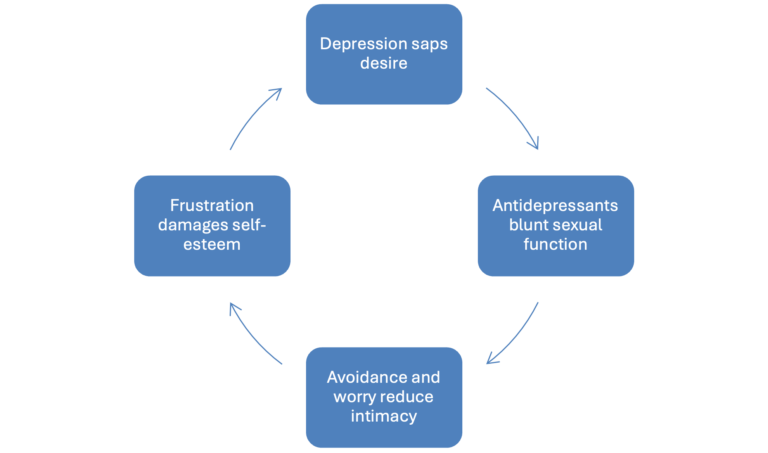
Unfortunately, sexual side effects can intensify symptoms of persistent low mood. What begins as a temporary dip in desire or arousal can turn into a repeating cycle: anxiety about sex, avoidance, relationship strain, and then guilt and shame—all of which can deepen depression.
Once this cycle begins, each factor feeds the others: depression saps desire; antidepressants blunt sexual function; avoidance and worry reduce intimacy; frustration damages self-esteem. And the loop continues.
Understanding how depression and antidepressants each uniquely impact brain function can help clarify why changes in sexual function happen, and why they matter.
With depression, neurotransmitters like serotonin, dopamine, and norepinephrine often shift. These neurochemicals regulate mood, but they also influence sexual desire, arousal, and reward. Lowered dopamine and norepinephrine, and imbalanced serotonin, can decrease the desire for intimacy and make sex feel uninteresting or exhausting.
Studies in depressed women show significantly lower sexual desire and reduced overall sexual functioning compared with their non-depressed peers. Moreover, depression brings fatigue, low self-worth, and emotional numbness. All of that can contribute to loss of interest in sex, even when someone is physically capable.
Antidepressants, especially SSRIs, work by increasing serotonin levels in the brain. That increase improves mood, but it can also interfere with sexual response. Research shows serotonin has an inhibitory effect on the neural systems that drive arousal, orgasm, and desire.
In particular, higher serotonin levels may lead to reduced dopamine signaling (important for desire), altered norepinephrine levels, or direct impacts on the neurological circuits that regulate sexual function.
That difference, between what depression does to your brain and what the medication does, helps explain why even when the depression lifts, the sexual side effects associated with antidepressants may linger or even intensify.
Here’s a real-world example shared by a happily married woman and patient of Amen Clinics. This woman went to see a traditional psychiatrist, where she complained of depressive feelings and an inability to sleep.
In less than ten minutes, the woman was diagnosed with depression and anxiety and was prescribed an SSRI (fluoxetine/Prozac), anti-anxiety medication, and a strong sleep aid.
She was feeling much better within a few days of taking the medication when something unusual and alarming happened. She was at a stoplight in her car when a man in the car next to her winked at her. She smiled at him then unbuttoned her shirt and revealed her breasts to the man.
Right after doing this, she was shocked and mortified by her out-of-character behavior. That’s when she quit taking the medications and came to Amen Clinics to seek out answers to help her understand her unusual behavior.
A comprehensive evaluation at Amen Clinics, including brain SPECT imaging, showed that the woman had low activity in her prefrontal cortex, which is commonly seen in ADHD. The antidepressant she was prescribed further reduced brain activity, leading to her impulsive sexual behavior. On a more targeted treatment plan, her depression improved without the impulsivity.
This story illustrates how easily a hasty, one-size-for-all prescription for antidepressants can result in unexpected behavior.
In this case, it appears to have increased impulsivity and a lack of inhibitions, especially around sex and intimacy. It’s a vivid reminder that sexual side effects aren’t only about desire or performance. Sometimes they impact identity, impulse control, and relationships.
Instead of guessing based on reported symptoms, emerging research using brain imaging, including single photon emission computed tomography (SPECT), suggests that observing images of brain activity and blood flow might provide a greater understanding of an individual’s brain function. And this could lead to more effective, targeted treatment plans for patients.
Using SPECT imaging at Amen Clinics, our clinicians have observed that depression and medications physically alter brain function in areas tied to mood, arousal, reward, and decision-making.
Interestingly, research indicates SSRIs can broadly alter neural activity in brain regions regulating sexual desire and arousal. For instance, research reveals a strong correlation between the binding affinity of an antidepressant to the serotonin transporter and reported sexual side effects.
Although imaging research specifically linking SPECT findings to long-term sexual dysfunction remains limited, such methods highlight how antidepressants rewire brain chemistry and alter neurotransmitter pathways.
At the same time, these insights pave the way for more personalized, brain-based interventions. By understanding someone’s unique brain activity, clinicians may in the future tailor treatments to support both mood and sexual health, a central philosophy at Amen Clinics.
SSRIs come with more than sexual side effects. In addition to low libido and potential for hypersexuality, side effects associated with SSRIs may include:
Experiencing even one of these side effects could be debilitating, negating any benefit the medication offers.
The cost of sexual dysfunction is great. It can negatively impact self-esteem and lead to frustration, anxiety, and anger. Hypersexuality, on the other hand, can cause psychological, relational, and even physical harm with a higher risk of sexually transmitted diseases.
Given these risks, SSRIs may not be right for everyone. As depressive disorders are the most common mental health disorders after anxiety in the U.S., it’s critical to have other effective medications and holistic alternatives for treating depression.
Thankfully, there are effective ways to treat depression that don’t compromise your sexual well-being. Healing shouldn’t have to come at the cost of intimacy. Being open and honest with your doctor is essential to finding a treatment approach that truly works for you.
You can choose an antidepressant with fewer sexual side effects. For example, as noted above, studies show medications such as bupropion (which works more on dopamine and norepinephrine) show a lower risk for sexual side effects.
When appropriate and under careful supervision, other non-serotonergic treatments may also be considered to preserve sexual function while treating depressive symptoms.
Natural supplements are a great alternative or adjunctive therapy to antidepressants. Consult an integrative or functional medicine practitioner to learn more as they typically are knowledgeable about herbal and nutritional supplements known to boost mood with few side effects. (Of course, any change to a treatment plan should be discussed with a medical doctor first.)
Saffron has been studied in placebo-controlled trials and found to improve mood without causing sexual dysfunction. In some cases, it even enhanced arousal and satisfaction.
Psychotherapy, sex therapy, and lifestyle interventions remain cornerstones in healing sexual dysfunction caused by medication and lifestyle choices. Working with a mental health professional (ideally one trained to address sexual function) can help unpack how depression, medication, self-esteem, relationship dynamics, and brain chemistry are interacting.
Lifestyle changes such as improving sleep, reducing stress, exercising, and nurturing emotional intimacy, can also help rebuild desire, arousal, and satisfaction.
Related: Antidepressant Withdrawal: What You Need to Know to Quite Safely
When depression is treated thoughtfully and under the guidance of a qualified mental health professional, you can continue to enjoy sexual intimacy or start to enjoy it again.
Sometimes, the missing piece isn’t a one-size-fits-all antidepressant, but a more comprehensive brain-based, personalized treatment plan.
Whether that means exploring alternative medications, integrating natural therapies, working with a therapist, or adjusting lifestyle habits, there are paths that support both mood and sexual well-being.
If you’re struggling, reach out to a qualified mental health professional who understands the complex interplay between mood, brain function, and intimacy. With clarity, compassion, and the right guidance, you can rekindle desire, strengthen connection, and reclaim this essential part of your life.
Depression, sexual dysfunction, and other mental health conditions can’t wait. At Amen Clinics, we provide personalized, science-backed treatment plans designed to target the root causes of your symptoms. Our 360-approach includes brain SPECT imaging, clinical evaluations, innovative therapeutic techniques, medications (when necessary), and holistic lifestyle recommendations to promote the health of your brain, body, and mind. Speak to a specialist today at 888-288-9834 or visit our contact page here.
No. While many antidepressants (especially SSRIs and SNRIs) are associated with a high risk of sexual side effects, others like bupropion, mirtazapine, and certain newer agents tend to carry a lower risk.
Depression influences neurotransmitters and brain circuits tied to desire, energy, reward, and self-esteem. The mood disorder itself, even without medication, often leads to reduced libido, lower arousal, and less interest in intimacy.
Some people find relief through lifestyle changes, psychotherapy, stress management, and supplements like saffron. While natural alternatives won’t replace medication for everyone, they may offer mood support without compromising sexual health. Just be sure to use them under guidance of a licensed doctor or therapist.
Oftentimes, yes. Clinics that use brain-based assessments—such as SPECT imaging at Amen Clinics—can better understand how depression and medications may be affecting a person’s brain function.
These insights can help to guide a personalized treatment approach that supports mood and sexual well-being with fewer or no sexual side effects depending on the treatment.

From nonstop notifications and tight work deadlines to constant family demands, stress is a condition of modern life. Most people shrug it off as “normal.” But stress doesn’t just affect your mood, it can also quietly reshape how your brain functions and how your mental health holds up over time.
When stress is constant, it alters the brain’s ability to regulate impulses, process information, and recover from emotional strain. Left unchecked, it can erode focus, resilience, and emotional balance—often without obvious warning signs.
So, what are the key signs of stress affecting mental health? And more importantly, how does stress affect mental health before it reaches a breaking point?
Many people don’t realize how stress can affect your mental health until anxiety, irritability, burnout, or depression begin to interfere with daily life.
When stress is constant, it alters the brain’s ability to regulate impulses, process information, and recover from emotional strain. Left unchecked, it can erode focus, resilience, and emotional balance—often without obvious warning signs.
At Amen Clinics, we regularly see people whose symptoms worsen when chronic stress goes unaddressed. Their experiences reveal just how powerfully unmanaged stress can disrupt emotional well-being, cognitive performance, and overall quality of life.
The good news?
Stress-related mental health challenges are often preventable—and reversible. By recognizing early warning signs and understanding how stress impacts the brain, you can take meaningful steps to protect your mental wellness before the effects of stress escalate into more serious concerns. Here’s what you need to know.
You may be wondering, how does stress affect mental health? The mental health impact of stress begins immediately when you encounter a stressful situation. According to research, when a structure in the brain called the amygdala perceives a threat, it activates the fight-or-flight response.
Your brain’s hypothalamus then signals the release of hormones like cortisol to help you respond quickly to perceived threats. This is, of course, highly beneficial in short bursts—even lifesaving in some instances—but long term stress keeps cortisol levels elevated and the brain locked in a constant state of alert.
Brain SPECT imaging at Amen Clinics reveals that when stress becomes prolonged, it leads to overactivity in the limbic system (which houses the amygdala), your brain’s center for fear and emotional responses.
The prefrontal cortex, which is responsible for focus, decision-making, planning and impulse control becomes underactive under chronic stress. The hippocampus, which is crucial for learning and memory loses volume under continual stress and functions less effectively.
As a result of these stress-driven brain alterations, you begin to experience persistent worry, trouble concentrating, difficulty in regulating your emotions, and impulsive decision-making.
Chronic stress also has a negative impact on your overall nervous system. It can trigger brain inflammation further impairing your mental clarity and emotional resilience. Stress also significantly impacts the immune system, which affects your overall health (including brain and mental health) and your susceptibility to illness, studies note.
Related: 11 Reasons To Manage Your Stress
When stress starts to affect your mental health, you may begin noticing cognitive, emotional, physical, and behavioral changes.
Here are the common indicators to be aware of:
We all experience stress when faced with a challenge like getting ready to travel, taking an exam, or meeting a deadline. The stress is finite and passes when the challenge has been met.
But how does chronic stress affect your mental health over time?
For starters, chronic stress doesn’t just disappear on its own. Studies show that when it goes unchecked for a long period, it evolves from mild discomfort to patterns that appear similar to diagnosable mental health conditions.
Here’s what happens:
Prolonged stress can heighten your brain’s threat response, causing you to live in constant worry, restlessness, or hypervigilance even when there’s nothing wrong. Chronic stress can lead to the development of anxiety disorders too.
As stress continues to deplete your brain’s ability to regulate mood, you may begin to experience loss of motivation, persistent sadness, and emotional heaviness that you weren’t feeling before.
Chronic stress tends to lower your tolerance to frustration, making irritability and outbursts more common.
When stress becomes intense, people cope in different ways. For instance, some people numb out with social media use or binge watch tv, eat comforting foods, or consume alcohol to soothe the pressure.
Sometimes, prolonged stress comes with mental health symptoms similar to what one exhibits after a traumatic experience, such as avoidance, hypervigilance, and reactivity to small triggers.
When stress builds over time, it significantly diminishes your attention. Prolonged stress according to research can slow down your thinking and create a sense of mental exhaustion, making everyday tasks feel harder.
Through brain SPECT imaging, experts at Amen Clinics have observed that individuals with specific brain patterns can be more vulnerable to these changes.
For example, individuals with an overactive anterior cingulate gyrus (known to fuel inflexibility, rumination, and worry) are more likely to show these responses to stress, as do individuals who have poor activity in the prefrontal cortex (an area of the brain that governs judgment, decision-making, planning, and impulse control).
Below are groups of individuals who are more vulnerable to stress:
The ripple effects of being in a near constant state of stress are less obvious, but still alarming.
Stress can cause emotional exhaustion, leaving you drained even after engaging in small tasks. It can also deplete your motivation to a point that the activities you normally handled with ease feel less important or too hard to begin.
Research shows that chronic stress can disrupt your ability to do simple things like driving to a familiar place. Prolonged stress can also create tension in relationships, increasing your sensitivity and causing you to pull away from others.
In some cases, stress can lower your self-esteem, making you feel less capable than you really are. Additionally, you can develop a sense of pessimism as a result of prolonged stress, where nothing feels manageable for you.
It’s perfectly normal for you to feel stressed from time to time. However, some signs could be an indicator that stress may be interfering with your mental health. Consider reaching out for help if you encounter the following:
As mentioned earlier, Amen Clinics uses brain SPECT imaging to observe the effects of chronic stress on brain activity. Our clinicians use these scans to identify overactive worry networks as well as the underactive regions that regulate impulse control and focus.
With these insights, they can tailor customized treatment plans suitable for each patient’s unique brain patterns.
Treatment usually includes an integrative approach that combines nutrition, targeted supplements, lifestyle tools, therapy, and medication where appropriate.
For instance, one of our patients, a 32-year-old professional, was experiencing work-related worries that were causing tension and irritability.
Through structured distraction techniques like singing his favorite songs whenever the negative thoughts arose, he was able to gain control over his worries and calm his nervous system.
Related: 10 Natural Ways to Calm Stress
In today’s world, we all need methods for reducing stress before it becomes chronic. Taking these small steps at the earliest signs of stress will help you to restore calm in your mind and body:
Stress can affect anyone at any point, but it shouldn’t reach a point where it erodes your mental well-being.
Recognizing what is happening early enough can make a meaningful difference in how well you manage it. If symptoms persist despite your efforts, consider an assessment or brain imaging at Amen Clinics to gain clarity and guidance on what to do next.
Stress often begins affecting mental health quietly. Before anxiety or depression develop, people may notice irritability, mental fatigue, difficulty concentrating, sleep problems, or feeling emotionally drained.
These early changes reflect how stress disrupts brain regions involved in emotional regulation, focus, and resilience long before symptoms meet diagnostic criteria.
Yes. Chronic stress can alter brain activity and structure over time. Prolonged exposure to stress hormones like cortisol can overstimulate your brain’s centers for fear and emotion while weakening areas responsible for judgment, impulse control, and memory.
These changes can make it harder to manage emotions, think clearly, and cope with everyday life challenges.
When stress becomes ongoing, the brain stays in a heightened state of alert. This constant activation drains mental energy and reduces the brain’s ability to recover.
Over time, stress can lower frustration tolerance, increase negative thinking patterns, and make even small tasks feel overwhelming, creating a cycle that reinforces emotional exhaustion.
At Amen Clinics, as part of a comprehensive mental health evaluation, our clinicians look at how stress is affecting the brain using SPECT imaging to identify overactive and underactive brain areas. This allows them to create personalized treatment plans that address each person’s unique brain patterns.
Care often includes targeted lifestyle strategies, nutrition, supplements, therapy, and medication (when appropriate) to help restore balance and resilience.
Chu, B., Marwaha, K., Sanvictores, T., Awosika, A. O., & Ayers, D. (2024). Physiology, stress reaction. In StatPearls [Internet]. StatPearls Publishing. https://www.ncbi.nlm.nih.gov/books/NBK541120/
Alotiby A. Immunology of Stress: A Review Article. J Clin Med. 2024 Oct 25;13(21):6394. doi: 10.3390/jcm13216394. PMID: 39518533; PMCID: PMC11546738.
Mariotti, A. (2015). The effects of chronic stress on health: new insights into the molecular mechanisms of brain–body communication. Future science OA, 1(3), FSO23. doi: 10.4155/fso.15.21
Brown TI, Gagnon SA, Wagner AD. Stress Disrupts Human Hippocampal-Prefrontal Function during Prospective Spatial Navigation and Hinders Flexible Behavior. Curr Biol. 2020 May 18;30(10):1821-1833.e8. doi: 10.1016/j.cub.2020.03.006. Epub 2020 Apr 2. PMID: 32243859; PMCID: PMC7331937.
When you hear the word “insulin,” you might think of it as the “diabetes hormone.” But it’s actually a key player in mental health too. This chemical messenger controls blood sugar and fuels how your brain cells communicate, regulate mood, and maintain focus.
When your body becomes resistant to insulin, it’s not only your metabolism that suffers. Your energy crashes, your concentration slips, and your emotions can become harder to manage.
Scientists are now discovering that insulin resistance may be the hidden thread connecting seven major mental health issues. Understanding this connection between insulin resistance and mental health could be the breakthrough you need to know why you feel the way you do and how to restore balance within your brain and body.
If you’ve been struggling with fatigue, mood changes, or difficulty concentrating, this one hormone, not just your habits, may be at the root of it.
If you’ve been struggling with fatigue, mood changes, or difficulty concentrating, this one hormone, not just your habits, may be at the root of it.
Insulin is a hormone produced by the pancreas that allows your body to use glucose from carbohydrates for energy. When you eat, your blood sugar rises, signaling the pancreas to release insulin so glucose can enter those cells, giving you sustainable energy.
However, when you have insulin resistance, your cells ignore these signals. The pancreas compensates by making more insulin, eventually exhausting itself.
Over time, this imbalance contributes to fatigue, weight gain, inflammation, brain fog, and metabolic syndrome—all of which impact brain health and mental wellness.
Insulin resistance and mental health are more intertwined than you might realize. Your nervous system and stress hormones play a major role in this process.
Chronic stress can spike cortisol, which in turn worsens insulin resistance, disrupts appetite, and drains energy. Because of this, you get a vicious cycle that causes imbalances in your body and brain.
Over time, this biochemical tug-of-war can contribute to depression, anxiety, and cognitive decline if left unaddressed. All of these are warning signs that your metabolism and mental health may be struggling.
Related: The Stress Hormone: How Cortisol Crushes Mental Health
There’s a growing body of evidence linking insulin resistance and depression as well as anxiety. Insulin directly influences neurotransmitters such as serotonin and dopamine, which regulate mood and motivation. When insulin signaling is disrupted, so is emotional regulation.
One study published in 2025 found a strong connection between insulin resistance and anxiety and depression. Rates were higher among those with both insulin resistance and diabetes but also present among nondiabetic people.
| Mental Health Conditions | Insulin Resistant + Diabetic | Insulin Resistant + Nondiabetic |
|---|---|---|
| Depression | 75% | 60% |
| Anxiety | 65% | 55% |
Another 2025 study published in Nature Mental Health found that young people with insulin resistance were more likely to develop mood disorders even without diabetes. The researchers noted that poor insulin sensitivity alters brain metabolism, particularly in regions involved in emotional control and stress response.
Emerging research suggests that insulin resistance and ADHD symptoms may share a biological connection. A 2021 study found that insulin resistance in the prefrontal cortex, which is your brain’s CEO for decision-making, can impair attention, planning, and impulse control.
At Amen Clinics, brain SPECT imaging has shown similar patterns: reduced blood flow and metabolism in the prefrontal cortex of people with ADHD and those with insulin resistance. Both conditions disrupt dopamine regulation, making focus and motivation harder to maintain.
Poor insulin signaling has been identified as a key contributor to Alzheimer’s disease, sometimes referred to as “Type 3 diabetes.”
When insulin can’t properly fuel brain cells, neurons struggle to communicate, leading to cognitive decline and memory loss. Over time, this can increase the risk of various types of dementia.
The reward centers of the brain depend on the neurotransmitter, dopamine, which is influenced by insulin. When insulin resistance develops, your dopamine signaling weakens, which increases cravings for sugar, alcohol, or other addictive substances.
Research in Frontiers in Psychology shows that this disruption makes it harder for the brain to feel pleasure naturally, pushing people toward unhealthy behaviors to get that same dopamine “hit.” Healing hormone imbalance and insulin resistance can therefore reduce compulsive eating and improve emotional self-regulation.
Related: Do You Need a Dopamine Detox?
If you’ve ever felt irritable or anxious after skipping a meal, there’s a reason. Low blood sugar, or hypoglycemia, causes your brain to release adrenaline and cortisol. These “fight-or-flight” hormones start to make you feel jittery, moody, or even panicked.
When insulin resistance causes your blood sugar to swing up and down, these emotional crashes can feel like mini anxiety attacks. This connection between blood sugar and mood explains why emotional stability often begins with metabolic balance.
The relationship between insulin resistance and mental health conditions goes far beyond mood. Psychiatrists have long known that many antipsychotic medications that are used to treat schizophrenia have side effects, such as glucose elevation, which may lead to diabetes, and in turn insulin resistance.
However, a pair of studies point to insulin resistance as a potential risk factor for schizophrenia.
| Insulin Resistance Is Linked To 7 Mental Health Issues: |
|---|
| 1. Depression |
| 2. Anxiety |
| 3. ADHD |
| 4. Dementia |
| 5. Addiction |
| 6. Anger |
| 7. Schizophrenia |
Food can be medicine or poison, depending on how it affects your hormones. Your diet plays one of the biggest roles in preventing and reversing insulin resistance symptoms.
Processed foods, refined sugars, and trans fats can inflame your body and worsen hormonal imbalances for a long time. In contrast, nutrient-dense foods help improve blood sugar levels and restore equilibrium.

Yerba mate, mulberry leaf, chamomile, mint, hibiscus, and cinnamon teas may improve insulin sensitivity and reduce inflammation. Although not considered an herbal tea, green tea produces the same effects.

Salmon, tuna, chicken, turkey, and tofu provide amino acids that stabilize blood sugar.

Broccoli, cauliflower, and asparagus are low in carbs but high in fiber and antioxidants.

Avocados, almonds, walnuts, chia seeds, and flaxseeds improve hormone balance and reduce cravings.

Berries, green apples, and pears deliver fiber that slows sugar absorption, keeping energy steady.
Do you want to address insulin resistance? Brain health support with the right interventions can improve insulin levels.
Healing begins with regulating the nervous system, because chronic stress is often the spark that ignites hormonal chaos. Simple lifestyle shifts can make a powerful difference:
Remember, the goal isn’t just to stabilize your blood sugar, but to restore energy and emotional balance to your mind and body.
When insulin levels stabilize, so does the mind. By addressing insulin resistance through nutrition, lifestyle, holistic care, and medication (when necessary), you’re not just preventing disease—you’re supporting a clearer mind, calmer mood, and longer life. Healing your metabolism is, quite literally, healing your brain.
At Amen Clinics, we use brain SPECT imaging along with lab tests to assess blood sugar, insulin, and other key biomarkers. This integrative approach helps uncover whether metabolic issues are contributing to symptoms like depression, anxiety, or focus problems.
Yes. Stabilizing blood sugar can reduce mood swings, improve memory, and decrease risks for conditions like dementia and schizophrenia. At Amen Clinics, we combine nutrition coaching, lifestyle strategies, and targeted therapies to support both brain and body.
Our team develops personalized treatment plans that may include dietary guidance, nutritional supplements, psychotherapy, and medical care when needed. We focus on the least toxic, most effective solutions to restore balance and improve mental health.
Freeman AM, Acevedo LA, Pennings N. Insulin Resistance. [Updated 2023 Aug 17]. In: StatPearls [Internet]. Treasure Island (FL): StatPearls Publishing; 2025 Jan-. Available from: https://www.ncbi.nlm.nih.gov/books/NBK507839/
Ma, X., Nan, F., Liang, H., Shu, P., Fan, X., Song, X., Hou, Y., & Zhang, D. (2022). Excessive intake of sugar: An accomplice of inflammation. Frontiers in immunology, 13, 988481. https://doi.org/10.3389/fimmu.2022.988481
Rahman, M. S., Hossain, K. S., Das, S., Kundu, S., Adegoke, E. O., Rahman, M. A., Hannan, M. A., Uddin, M. J., & Pang, M. G. (2021). Role of Insulin in Health and Disease: An Update. International journal of molecular sciences, 22(12), 6403. https://doi.org/10.3390/ijms22126403
Julian M Yabut, Justin D Crane, Alexander E Green, Damien J Keating, Waliul I Khan, Gregory R Steinberg, Emerging Roles for Serotonin in Regulating Metabolism: New Implications for an Ancient Molecule, Endocrine Reviews, Volume 40, Issue 4, August 2019, Pages 1092–1107, https://doi.org/10.1210/er.2018-00283
Abdelfattah, H.E., Bekhet, M.M.M., Tawfik, F.A. et al. The association between insulin resistance and risk of developing depression and anxiety disorders in a sample of Egyptian population. Egypt J Intern Med 37, 56 (2025). https://doi.org/10.1186/s43162-025-00434-9
Shin, M., Crouse, J.J., Weger, M. et al. Insulin resistance as an early marker in youth with mood disorders. Nat. Mental Health 3, 969–971 (2025). https://doi.org/10.1038/s44220-025-00472-w
Mathew P, Thoppil D. Hypoglycemia. [Updated 2022 Dec 26]. In: StatPearls [Internet]. Treasure Island (FL): StatPearls Publishing; 2025 Jan-. Available from: https://www.ncbi.nlm.nih.gov/books/NBK534841/
Berridge, K. C. (2018). Evolving concepts of emotion and motivation. Frontiers in Psychology, 9, 1647. https://doi.org/10.3389/fpsyg.2018.01647
Choi, S. E., Roy, B., Freeby, M., Mullur, R., Woo, M. A., & Kumar, R. (2020). Prefrontal cortex brain damage and glycemic control in patients with type 2 diabetes. Journal of diabetes, 12(6), 465–473. https://doi.org/10.1111/1753-0407.13019
Zhang, X., Zhang, L., Zhang, B., Liu, K., Sun, J., Li, Q., & Zhao, L. (2022). Herbal tea, a novel adjuvant therapy for treating type 2 diabetes mellitus: A review. Frontiers in Pharmacology, 13, 982387. https://doi.org/10.3389/fphar.2022.982387
American Diabetes Association. (n.d.). Non-starchy vegetables for blood glucose control. https://diabetes.org/food-nutrition/reading-food-labels/non-starchy-vegetables
Calvano, A., , Izuora, K., , Oh, E. C., , Ebersole, J. L., , Lyons, T. J., , & Basu, A., (2019). Dietary berries, insulin resistance and type 2 diabetes: an overview of human feeding trials. Food & function, 10(10), 6227–6243. https://doi.org/10.1039/c9fo01426h
Verkouter, I., Noordam, R., le Cessie, S., van Dam, R. M., Lamb, H. J., Rosendaal, F. R., van Heemst, D., & de Mutsert, R. (2019). The Association between Adult Weight Gain and Insulin Resistance at Middle Age: Mediation by Visceral Fat and Liver Fat. Journal of clinical medicine, 8(10), 1559. https://doi.org/10.3390/jcm8101559
Fritschi, C., Park, C., Quinn, L., & Collins, E. G. (2020). Real-Time Associations Between Glucose Levels and Fatigue in Type 2 Diabetes: Sex and Time Effects. Biological research for nursing, 22(2), 197–204. https://doi.org/10.1177/1099800419898002
Zhao, H., Zhang, J., Cheng, X. et al. Insulin resistance in polycystic ovary syndrome across various tissues: an updated review of pathogenesis, evaluation, and treatment. J Ovarian Res 16, 9 (2023). https://doi.org/10.1186/s13048-022-01091-0
Jiao, Y., Butoyi, C., Zhang, Q. et al. Sleep disorders impact hormonal regulation: unravelling the relationship among sleep disorders, hormones and metabolic diseases.Diabetol Metab Syndr 17, 305 (2025). https://doi.org/10.1186/s13098-025-01871-w
Mary C. Gannon, Frank Q. Nuttall; Effect of a High-Protein, Low-Carbohydrate Diet on Blood Glucose Control in People With Type 2 Diabetes. Diabetes 1 September 2004; 53 (9): 2375–2382. https://doi.org/10.2337/diabetes.53.9.2375
Sellami, M., Almuraikhy, S., Naja, K. et al. Eight weeks of aerobic exercise, but not four, improves insulin sensitivity and cardiovascular performance in young women. Sci Rep 15, 1991 (2025). https://doi.org/10.1038/s41598-025-86306-2
Amen, D. G., & Easton, M. (2021). A New Way Forward: How Brain SPECT Imaging Can Improve Outcomes and Transform Mental Health Care Into Brain Health Care. Frontiers in psychiatry, 12, 715315. https://doi.org/10.3389/fpsyt.2021.715315
Tomasik J, Lago SG, Vázquez-Bourgon J, et al. Association of Insulin Resistance With Schizophrenia Polygenic Risk Score and Response to Antipsychotic Treatment. JAMA Psychiatry. 2019;76(8):864–867. doi:10.1001/jamapsychiatry.2019.0304
Guest PC. Insulin Resistance in Schizophrenia. Adv Exp Med Biol. 2019;1134:1-16. doi: 10.1007/978-3-030-12668-1_1. PMID: 30919329.

Have you ever wondered if the challenges you or someone you love faces every day might be more than just quirks or a personality trait?
Maybe social situations feel more overwhelming than it seems for other people? Do everyday tasks drain your energy to the point you need to recharge for days after? Have your relationships never “clicked” the way they do for others?
If you’ve spent years feeling different without knowing why, it’s possible that untreated autism could be part of your story. Understanding what happens when autism goes undiagnosed and untreated is the first step toward finding answers, support, and a path forward.
If you’ve spent years feeling different without knowing why, it’s possible that untreated autism could be part of your story.
Have you ever wondered if the challenges you or someone you love faces every day might be more than just quirks or a personality trait?
Maybe social situations feel more overwhelming than it seems for other people? Do everyday tasks drain your energy to the point you need to recharge for days after? Have your relationships never “clicked” the way they do for others?
If you’ve spent years feeling different without knowing why, it’s possible that untreated autism could be part of your story. Understanding what happens when autism goes undiagnosed and untreated is the first step toward finding answers, support, and a path forward.
Autism spectrum disorder (ASD) affects an estimated one in 31 children and one in 45 adults in the U.S., according to statistics. While autism awareness has grown in recent years, many people still face late detection or never receive a formal diagnosis.
This means countless people are living with untreated autism, often struggling in silence and pain.
The consequences of autism aren’t limited to childhood. They extend into adulthood, shaping mental health, physical health, relationships, and even life expectancy.
Understanding the effects of untreated autism is critical for individuals, families, and caregivers. Getting a diagnosis and treatment helps ensure that every person on the spectrum can reach their fullest potential and their healthiest life.
Related: 4 Challenges and 4 Strengths in High-Functioning Autism
Research has shown that untreated autism isn’t simply about behavioral symptoms—it’s rooted in differences in brain function.
At Amen Clinics, over 30 years of brain SPECT imaging has shown that there is not just one brain issue found in adults and children with autism. Brain scans of over 1,000 autistic children and adults reveal brain patterns with areas of high activity, low activity, or both in some cases.
On SPECT scans, abnormal activity is often seen in the following brain regions:
Knowing a person’s brain pattern can lead to more effective treatment options.
Other research supports these findings. A 2021 study found atypical connectivity in the brain networks of autistic individuals, impacting communication between regions responsible for social interaction, sensory processing, and executive function.
Another 2024 study showed that early intervention helps strengthen neural pathways associated with learning and adaptation, while autism without treatment often leads to entrenched difficulties that become harder to address over time.
When autism is left untreated, challenges in processing emotions, communication, and attention regulation can spill over into your personal and professional life. For adults, this may translate into difficulties maintaining employment, managing relationships, or coping with everyday stressors.
All of these are areas where untreated autism has ripple effects on long-term success and quality of life.
Autism without treatment often results in worsening symptoms because individuals often lack strategies to navigate their environment effectively. Without understanding the underlying cause, behaviors such as sensory overload, social withdrawal, or repetitive routines may intensify as coping mechanisms.
Over time, these unmanaged symptoms can contribute to isolation, anxiety, and frustration, creating a cycle that makes daily life increasingly difficult. Early recognition and supportive therapies can break this cycle for the better. However, without intervention, the consequences of untreated autism tend to compound.
One of the most concerning risks of untreated autism is its impact on mental health. Autistic children and adults without a diagnosis or treatment plan are more vulnerable to co-occurring mental health conditions.
According to one study, 78 percent of children with autism spectrum disorder have at least one co-existing mental health conditions and nearly half of them have two or more such issues. In this study, the most common mental health disorders were:
Brain imaging with SPECT can reveal the presence of other brain-based problems so that a targeted autism treatment plan can be developed to address all the issues affecting you or your child.
When these co-occurring disorders also go untreated, it can have devastating effects on a person’s life. A 2023 meta-analysis in Molecular Autism revealed that adults with autism have significantly higher rates of suicide attempts (around 35 percent) and suicidal ideation (about 66 percent) compared to the general population.
Without proper support, the weight of masking symptoms, navigating misunderstandings, and struggling with unmet needs can erode emotional well-being.
The effects of untreated autism also extend into your physical health. Many autistic adults and kids can experience:
When autism goes undiagnosed, these physical symptoms may be overlooked or misattributed, delaying proper medical care. Stress from unaddressed autism can also increase cortisol levels, contributing to long-term risks such as cardiovascular disease.
This highlights how untreated autism affects not just the mind but the entire body.
Living with autism left untreated can greatly impact your independence and relationships. Without tailored support, you may find daily tasks overwhelming. Ask yourself if you’ve ever struggled with…
Socially, difficulties with communication and understanding social cues can often lead to strained friendships, romantic challenges, and workplace misunderstandings.
For caregivers, this uncertainty can evoke something called caregiver burnout. When autism isn’t recognized, families may not know how to support their loved one effectively, leading to frustration, exhaustion, and emotional strain.
Families benefit when the right diagnosis and interventions are put in place, not only for the autistic person but for the health of the entire support system.
Yes! Research shows a direct connection between untreated autism and reduced life expectancy. A landmark 2023 study found that autistic people without intellectual disability die an average of 16 years earlier than the general population, primarily due to mental health conditions and suicide.
Those with intellectual disability face even greater health disparities, with life expectancy shortened by up to 30 years.
In everyday terms, this means untreated autism increases risks tied to unmanaged stress, missed medical conditions, and unhealthy lifestyle habits. Lack of diagnosis can prevent children and adults with ASD from accessing therapies, accommodations, and medical care that extend both quality of life and longevity.
Another hidden risk of untreated ASD is that medical conditions often go unnoticed. Autistic people may have difficulty communicating pain, discomfort, or changes in health, leading to misdiagnoses or delayed treatment.
For example, research shows that epilepsy, which is more common in autistic populations, can be overlooked if behaviors are mistaken for psychological rather than neurological symptoms.
Similarly, sensory sensitivities may mask sleep apnea, hearing issues, or dental pain. Without a diagnosis, the overlap between autism and medical problems can create serious gaps in healthcare.
Whether at age three or 30, proper intervention matters. Both early and late intervention can improve outcomes by teaching coping strategies, strengthening brain function, and reducing long-term health risks. Benefits include:
Even if autism has gone untreated for years, receiving a diagnosis and beginning supportive care can make life more manageable and fulfilling.
There is no one-size-fits-all treatment for autism. Each child and adult is unique and requires a personalized treatment plan to help mitigate the long-term effects of untreated autism. Autism treatment may include:
Related: 5 Foods That Make Autism Worse
These approaches support brain health, emotional regulation, and overall well-being. If you suspect that you or your child may have autism, getting an accurate diagnosis and a targeted treatment plan can greatly enhance quality of life.
At Amen Clinics, we use a comprehensive evaluation process that includes brain SPECT imaging, clinical interviews, and neuropsychological testing. Brain scans help us see where activity may be overactive, underactive, or misfiring—patterns often seen in autism spectrum disorder (ASD). This allows us to distinguish autism from other conditions that may look similar, such as ADHD, OCD, or anxiety, and create more precise treatment plans.
Yes. Many individuals with autism also experience co-existing conditions such as ADHD, anxiety, or depression. These additional challenges can worsen daily struggles with focus, mood, and relationships if left untreated. At Amen Clinics, we carefully evaluate for overlapping conditions so that no contributing factor is overlooked in your or your child’s care.
Our approach goes beyond symptom management. We design personalized, science-backed treatment plans that may include brain health strategies, targeted supplements, nutritional support, therapy, and when appropriate, medications. By addressing autism and co-occurring conditions together, we help improve focus, emotional balance, social functioning, and overall quality of life.

Do you or a loved one experience intense emotional dysregulation or rapid shifts in mood? Are you prone to impulsive behavior, unexplained outbursts, or black-and-white thinking? Or do you struggle with a distorted self-image?
These are just some signs of borderline personality disorder (BPD). While recognized by psychiatrists as far back as the 1930s, BPD often goes misdiagnosed or improperly treated, even today.
Borderline personality disorder is a serious and often misunderstood mental health condition, but it’s also highly treatable. That’s why it’s so important to understand and recognize the symptoms of borderline personality disorder.
Fortunately, a brain-based, integrative approach to treating BPD can lead to lasting recovery. Borderline personality disorder treatment and healing are possible—using natural, non-pharmaceutical strategies.
The key is to employ a holistic, or whole-person, approach. For example, functional brain imaging with a SPECT scan helps avoid misdiagnosis and pinpoint root causes of symptoms to guide an effective treatment plan. And targeted treatments contribute to long-term healing.
This blog will demystify the condition by exploring borderline personality disorder symptoms, causes, treatments, and more—including tips on how to support a loved one with this diagnosis.
Borderline personality disorder is frequently mistaken for bipolar disorder, posttraumatic stress disorder (PTSD), or depression, which can lead to years of ineffective treatment.
The roots of borderline personality disorder stretch back to 1938, when psychiatrist Adolph Stern first used the term “borderline personality.”
According to clinical guidelines of BPD, Stern wished to describe patients who “fit frankly neither into the psychotic nor into the psychoneurotic group.” The word “borderline” was used because it seemed to “border” on these other conditions.
It wasn’t until the 3rd edition of the Diagnostic and Statistical Manual of Mental Disorders, in 1980, that it received its own entry. Even today, however, it remains one of the most misunderstood and stigmatized mental health conditions.
Unlike mood disorders, BPD is a personality disorder, characterized by emotional dysregulation. Extreme shifts in mood and behavior, with difficulty controlling emotions, are common symptoms. The resulting periods of anger, anxiety, or depression may last a few hours or days.
Borderline also tends to be associated with a distorted self-image, as well as rapid and unexplainable changes in values and interests. This may lead to extreme views of people and situations, as seen in black-and-white thinking.
When interacting with a person with borderline personality disorder, you may notice symptoms like emotional outbursts, impulsiveness, and mood swings. All the issues listed above can affect an individual’s education, career, and relationships.
BPD usually begins not in childhood, but in a person’s late teens or early 20s. Borderline personality disorder symptoms include:
Those with BPD may also show signs of other mental health issues, including depression, bipolar disorder (BD), anxiety disorders, or eating disorders. And BPD is frequently mistaken for bipolar disorder, posttraumatic stress disorder (PTSD), or depression.
Moreover, people with borderline personality who are not properly treated may self-medicate with drugs, including alcohol. This tends to worsen symptoms or lead to addiction, which generates its own problems.
Related: 9 Things Not to Do If You Have Borderline Personality Disorder
More women than men are diagnosed with BPD, at a ratio of 75% to 25%. Still, some experts believe that males are simply undiagnosed or misdiagnosed. Men’s borderline personality disorder symptoms are more likely to be labeled as PTSD or depression.
Other research has pointed out that symptoms stemming from female hormonal changes, as well as chronic infections like Lyme disease, can be mistaken for BPD.
Related: Can Lyme Disease Change Your Personality?
With many mental health overlaps possible, it’s important to address any co-occurring issues that occur with BPD. Only then can a person begin the healing process—and find optimal success with treatment.
When comparing BPD vs. bipolar disorder, it’s easy to see why misdiagnosis is a common pitfall. Both conditions have symptoms such as intense emotions, mood instability, and impulsivity.
However, bipolar disorder is characterized by cycles of manic and depressive episodes. Mania is associated with extremely elevated mood, racing thoughts, and grandiose ideas. Depressive episodes bring low energy and mood, loss of interest in pleasurable activities, and suicidal thoughts.
These bipolar disorder cycles tend to last longer than the rapid mood shifts associated with BPD. However, there is also a form of BD called rapid-cycling bipolar disorder, in which shifts are accelerated.
To reduce confusion, a study established that certain symptoms are present in BPD but not usually in BD, even the rapid-cycling type. These BPD symptoms include:
Furthermore, dramatic mood changes in BPD generally stem from identifiable triggers (stressful events), while bipolar disorder cycles may not follow a predictable pattern. Ultimately, accurate diagnosis is critical to ensure that the correct condition is being addressed with treatment.
According to a 2024 comprehensive review, 0.7 percent to 2.7 percent of the general adult population will develop borderline personality disorder over the course of a lifetime. Among those receiving psychiatric services, that number jumps to 12 percent to 22 percent.
The review notes that research strongly suggests links between the development of BPD and influences like genetic factors, trauma, and adverse childhood experiences (ACEs).
Related: The Long-Term Consequences of Adverse Childhood Experiences (ACEs)
All the potential underlying neurobiological factors are still being studied. Still, the review listed several attributes possibly associated with BPD, including:
Another study estimates that heredity makes up 46% of the risk for developing BPD, while 54% stems from environmental factors.
Press Play for Dr. Amen’s Take on BPD
In this episode of @PursuitOfWellnessPodcast with Mari Llewellyn, Dr. Amen describes why he is not a fan of borderline personality disorder as a diagnosis and gives his opinion on a better way to think about the condition and how to treat it.
Click below to tune in:
Brain imaging is an effective way to pinpoint the root causes of symptoms while assessing possible co-occurring conditions and BPD. At Amen Clinics, brain SPECT imaging is combined with a whole-person evaluation to guide clinicians in creating a personalized treatment plan.
SPECT, which stands for single photon emission computed tomography, measures blood flow and activity and shows abnormal brain activity in individuals with BPD and/or bipolar disorder. Over decades of performing scans, Amen Clinics has determined that borderline personality disorder is often associated with abnormal activity in the areas of the brain involved with fear, emotions, and impulsivity.
If symptoms are related to outside causes—such as chronic infections or mild traumatic brain injuries—instead of BPD, a SPECT scan can help identify them. Brain scans are also helpful for understanding co-existing conditions that could affect the course of treatment.
Some people are surprised to learn that natural treatment for BPD, rather than prescription medication, is the #1 recommendation for counteracting borderline personality disorder symptoms.
Brain-healthy, evidence-backed lifestyle interventions should complement professional treatment for best results. Here are some natural strategies that will help individuals with borderline personality disorder:
Related: Cognitive Behavioral Therapy: What Is It and Who Can Benefit?
Family support for BPD will help you thrive despite a borderline diagnosis—whether your own or a loved one’s. If you don’t know how to assist a family member with BPD, here are some practical strategies that can help:
Emotional dysregulation and mood swings are hallmark signs of borderline personality disorder. But you don’t need to tiptoe around your loved one in fear. Suppressing your thoughts and feelings to avoid a confrontation isn’t a healthy or sustainable solution over the long term.
Set healthy boundaries with yourself. Rather than being swept up in your loved one’s emotional ups and downs, repeat the 3 Cs:
I didn’t cause it.
I can’t cure it.
I can’t control it.
Understanding what you are and are not responsible for will prevent you from taking on negative feelings, like guilt and remorse.
When someone struggles with BPD, it can be tempting to isolate. To push back against the feelings of hopelessness that accompany this disorder, ensure your loved one stays connected. Suggest meetups with family, friends, or support groups to provide encouragement and understanding.
Someone with BPD can get angry and lash out verbally. Rather than retaliating, remain calm and focus on the emotions behind what they’re sharing. Simply acknowledging their pain can help build trustworthy relationships and reduce reactivity.
When recovering from BPD, understand that healing takes time. Pace yourself for a marathon, not a sprint. Set realistic goals along the way but understand that setbacks are part of the process. Take baby steps—and celebrate wins, big or small.
Ultimately, it’s important to set healthy boundaries and learn communication techniques to best help your loved one with BPD. Armed with these strategies, family members can empower themselves to offer support—without suffering from burnout or enabling harmful behaviors.
While untreated cases can be devastating, properly diagnosed BPD is highly treatable. With the right interventions, many patients dramatically improve within two to 10 years, often no longer meeting criteria for the diagnosis.
In fact, according to a decades-long study with results published in 2025, BPD is now considered the most treatable major mental health condition. After following more than 300 people diagnosed with BPD since 1992, researchers found that proper treatment, especially psychotherapy, can promote healthy, productive lives in these patients.
Borderline personality disorder, bipolar disorder, and other mental health conditions can’t wait. At Amen Clinics, we provide personalized, science-backed treatment plans designed to target the root causes of your symptoms. Our 360-approach includes brain SPECT imaging, clinical evaluations, innovative therapeutic techniques, medications (when necessary), and holistic lifestyle recommendations to promote the health of your brain, body, and mind. Speak to a specialist today at 888-288-9834 or visit our contact page here.
Yes. At Amen Clinics, we’ve seen many people improve through a comprehensive treatment plan that includes therapy, targeted nutraceuticals, brain-healthy habits, and functional brain imaging for BPD. Medication may help in some cases, but it’s not the only path to healing.
While both involve mood changes, borderline personality disorder is defined by rapid, emotionally reactive shifts often triggered by relationships or fear of abandonment. Bipolar disorder involves longer mood cycles and distinct episodes of mania or depression. Accurate diagnosis is essential, and that’s why we use brain SPECT imaging to help distinguish between the two.
We don’t rely on guesswork or labels. Our approach includes brain SPECT imaging, a thorough assessment of your biological, psychological, social, and spiritual health, and a customized treatment plan that supports long-term transformation. We treat the whole person, not just the symptoms.
National Collaborating Centre for Mental Health (UK). Borderline Personality Disorder: Treatment and Management. Leicester (UK): British Psychological Society (UK); 2009. (NICE Clinical Guidelines, No. 78.) 2, BORDERLINE PERSONALITY DISORDER. Available from: https://www.ncbi.nlm.nih.gov/books/NBK55415/
Eisenlohr-Moul TA, DeWall CN, Girdler SS, Segerstrom SC. Ovarian hormones and borderline personality disorder features: Preliminary evidence for interactive effects of estradiol and progesterone. Biol Psychol. 2015 Jul;109:37-52. doi: 10.1016/j.biopsycho.2015.03.016. Epub 2015 Mar 30. PMID: 25837710; PMCID: PMC4516641.
Leichsenring F, Fonagy P, Heim N, Kernberg OF, Leweke F, Luyten P, Salzer S, Spitzer C, Steinert C. Borderline personality disorder: a comprehensive review of diagnosis and clinical presentation, etiology, treatment, and current controversies. World Psychiatry. 2024 Feb;23(1):4-25. doi: 10.1002/wps.21156. PMID: 38214629; PMCID: PMC10786009.
Skoglund, C., Tiger, A., Rück, C. et al. Familial risk and heritability of diagnosed borderline personality disorder: a register study of the Swedish population. Mol Psychiatry 26, 999–1008 (2021). https://doi.org/10.1038/s41380-019-0442-0
Highly Treatable: Lessons Learned From Decades-Long Borderline Personality Disorder Study. March 28, 2025. McLean Hospital. https://www.mcleanhospital.org/news/highly-treatable-lessons-learned-decades-long-borderline-personality-disorder-study

If you have a parent or sibling with bipolar disorder, you may have wondered: Am I at risk too? The truth is, bipolar disorder is one of the most heritable mental health conditions—with research showing a 44 percent to 90 percent increased risk if a close family member is affected. But genes are only part of the picture.
While the answer to, “Is bipolar disorder genetic?” is yes, it’s only part of the picture. Thanks to advances in genetic research and brain imaging, we now know that environmental triggers, trauma, and even brain activity patterns also play a major role in who develops bipolar disorder—and how it shows up.
In this blog, you’ll discover what science says about the genetic connection, plus how understanding your brain can lead to a more accurate diagnosis and more effective treatment.
Non-genetic or environmental factors significantly contribute to the risk of developing bipolar disorder, often interacting with genetic predispositions
Bipolar disorder (BD) is a serious mental health condition characterized by dramatic shifts in mood states and energy levels. These shifts are typically more pronounced than the normal ups and downs most people experience. They are intense emotional states or mood episodes that occur over a distinct period of time—lasting from days to weeks to months.
Formerly called manic-depressive illness, bipolar disorder’s mood states include periods of mania/hypomania (extreme happiness) and depression (sad or low mood). These episodes follow a cyclical pattern. That said, it’s not uncommon for people with bipolar disorder to have periods of neutral mood states as well.
Related: Signs of Bipolar Disorder in Adolescents and Teens
Bipolar disorder’s manic states are characterized as intensely happy or highly agitated with a decreased need for sleep and having grandiose ideas or racing thoughts. The disorder’s depressive states are characterized as having low mood, loss of interest in activities once found pleasurable, and sometimes, suicidal thoughts. (A more comprehensive list of signs of manic/depressive episodes is listed below.)
More than 40 million adults worldwide are affected by bipolar disorder, as well as millions of children and adolescents. The disorder typically begins in young adulthood (late teens to mid-20s), but it can start earlier in childhood or in mid-life as well.
The National Institute of Mental Health (NIMH) reports that about 2.8 percent of U.S. adults had the mental disorder in the past year, impacting males (2.9 percent) and females (2.8 percent). About 4.4 percent of U.S. adults will have BD at some point during their lives.
Bipolar disorder is a serious mental health condition, ranking sixth on the list of the world’s leading causes of disability, according to the World Health Organization.
When left untreated, it can greatly impact a person’s quality of life and can cause major problems such as:
On a hopeful note, research has found that early and accurate diagnosis combined with patient acceptance of the disorder are key to treatment success in many cases of BD.
Press Play to Learn More About What Bipolar Disorder Is
In this video, Dr. Faber, a clinical psychiatrist at Amen Clinics Encino, dives deep into understanding Bipolar Disorder. He clarifies what it is and explores common symptoms.
Click below to tune in.
Bipolar disorder runs in families. People with a parent or sibling with bipolar disorder are more likely to have bipolar disorder, but not everyone with higher bipolar disorder genetic risk will develop it. Also, many genes are involved in the development of the mental health disorder—no one gene can cause the condition.
While research on the rates of bipolar disorder heritability varies, one recent large study published in JAMA Psychiatry found a 44 percent heritability rate for BD. Not surprisingly, research with twins has shown higher estimated rates of heritability ranging from 60 percent and 90 percent.
Additionally, research on families with bipolar disorder suggest that different types of bipolar disorder—for example, bipolar 1 vs bipolar 2—are partly genetically distinct. The risk factor for bipolar 2 disorder is higher in relatives of people with bipolar 2 than relatives of those with bipolar 1. (The different types of bipolar disorder are explained in detail below.)
It’s important to note that many individuals with increased genetic risk for bipolar disorder do not develop the condition. That said, they may be more likely to develop it after experiencing trauma or other stressful life events.
Related: 5 Ways Your Family History Affects Your Mental Health
While genetics play a key role in bipolar disorder, they don’t tell the whole story. Other causes of bipolar disorder include environmental factors, such as trauma, chronic stress, substance use, sleep disruption, and the use of some medications. These factors can interact with genetic vulnerabilities and significantly increase the risk of developing the condition.
Understanding and addressing these non-genetic influences not only helps reduce the risk but can also improve outcomes for those already living with bipolar disorder.
Non-Genetic Risk Factors of BD

This is not an exhaustive list. There are other influencing factors too, such as birth-related factors, infections, and persona and social background.
Bipolar disorder is polygenic, meaning that many genes play a role in its development. In recent years, genetic research has yielded a number of discoveries that are progressing science to potentially develop new treatments to successfully manage the mental health issue.
In terms of psychiatric medication, lithium is currently the main treatment for bipolar disorder. However, it doesn’t help all patients and can have significant side effects
In 2025, findings were published from one of the largest genome-wide studies to date on bipolar disorder. An international team of psychiatric genetics researchers identified 298 regions of the genome (essentially a human’s “blueprint”) containing DNA variations that increase risk and 36 genes suspected to be relevant to it. More research will be conducted on these genes.
A 2022 genetic study involving thousands of people with bipolar disorder helped to reveal new insight into the disorder’s molecular underpinnings. The effort pinpointed a gene called AKAP11 as a particularly strong risk factor for both BD and schizophrenia—the first time a single gene had been identified as having a major impact on bipolar disorder risk.
What’s more, the protein product of AKAP11 was found to interact with another protein called GSK3B, which is a molecular target of lithium and a possible mechanism of efficacy. Isolating the AKAP11 gene may uncover more information about how lithium works and its effects in the body. This, in turn, could potentially lead scientists to identify other therapeutic targets.
Research also suggests that altered calcium functioning may play a role in bipolar disorder. Experts believe that dysregulation of calcium signaling (the process by which cells use calcium ions to communicate) pathways in the brain may contribute to the mood swings and cognitive impairments seen in bipolar disorder.
Other studies suggest the genes CACNA1C and ANK3 are risk factors for BD, as variants of these genes impact neuronal functioning by modulating calcium and sodium channels. However, more research is needed to more fully understand their role and impact in BD.
Signs of bipolar disorder include the following symptoms associated with manic and depressive episodes.
Signs of Manic Episodes
Signs of Depressive Episodes
These symptoms appear at different levels of severity depending on which bipolar type an individual has.
Like so many mental health conditions, bipolar disorder is not a simple or single condition—it manifests in different ways. Mental health experts have identified at least four types of the condition. Knowing an individual’s type is essential for developing the right medication and therapeutic approach.
The types are distinguished by the severity of the symptoms (yet all four types are equally serious):
The great news is that bipolar disorder responds well to proper treatment. However, getting an accurate diagnosis to determine your bipolar type can be challenging. Unfortunately, research shows that 69 percent of patients with bipolar disorder are misdiagnosed initially. And they can remain misdiagnosed for over seven years.
When functional brain imaging, such as the SPECT scans used at Amen Clinics, is part of a comprehensive evaluation, it can aid in the accurate diagnosis of bipolar disorder. Brain SPECT imaging evaluates blood flow and activity in the brain. It shows three things: healthy activity, too little activity, or too much activity.
SPECT scans of people with cyclic mood disorders often show focal areas of increased activity in the limbic system as well as too much activity across the surface of the brain.
Another benefit of a SPECT scan for bipolar disorder is that it can help differentiate between bipolar disorder vs traumatic brain injury. The brain-imaging work at Amen Clinics shows that many people misdiagnosed with bipolar disorder actually have a TBI that has never been properly diagnosed or treated. For these people, healing the underlying TBI can be instrumental in alleviating symptoms linked to BD.
A SPECT scan for bipolar disorder can also help with compliance, which is a common problem for many people with bipolar disorder. When they start to feel better, they don’t believe they have a problem at all and often stop taking their medication.
For many patients, seeing their brain scan helps them accept their diagnosis, stay compliant with treatment, and feel empowered to heal.
Individuals diagnosed with bipolar disorder or genetically predisposed to bipolar disorder have reason to be more hopeful than ever before. With accurate diagnosis and early treatment, good outcomes follow.
World Health Organization survey research shows that the majority of individuals with bipolar symptoms find that treatment helps. And the National Alliance on Mental Illness (NAMI) reports that when serious mental illnesses are addressed with the best treatments, between 70 and 90 percent of individuals have a significant reduction of symptoms and improved quality of life.
Bipolar disorder is influenced by both genetics and life experiences. You may have a genetic predisposition, but trauma, brain injury, substance use, and stress can also play a major role.
Yes. At Amen Clinics, we use SPECT brain imaging as part of a comprehensive evaluation. Brain scans can help identify bipolar patterns and rule out other conditions that mimic its symptoms such as depression, anxiety, or even trauma-related issues.
We believe in a comprehensive approach tailored to your brain. That means combining medication (when necessary) with lifestyle changes, nutritional support, therapy, and ongoing monitoring to improve stability, focus, and quality of life.
Mood disorders, such as depression or bipolar disorder, and other mental health conditions can’t wait. At Amen Clinics, we provide personalized, science-backed treatment plans designed to target the root causes of your symptoms. Our 360-approach includes brain SPECT imaging, clinical evaluations, innovative therapeutic techniques, medications (when necessary), and holistic lifestyle recommendations to promote the health of your brain, body, and mind. Speak to a specialist today at 888-288-9834 or visit our contact page here.
Cullen-Drill M, Cullen-Dolce D. Early and accurate diagnosis of bipolar II disorder leads to successful outcomes. Perspect Psychiatr Care. 2008 Apr;44(2):110-9.
Kendler K et al. An Extended Swedish National Adoption Study of Bipolar Disorder Illness and Cross-Generational Familial Association With Schizophrenia and Major Depression. JAMA Psychiatry. 2020 Mar 18;77(8):1–9.
Connell K and Combes B. Genetic contributions to bipolar disorder: current status and future directions. Psychol Med. 2021 Apr 21;51(13):2156–2167.
Barnett J and Smoller J. The Genetics of Bipolar Disorder. Neuroscience. 2009 Apr 7;164(1):331–343.
Johnson SL. Life events in bipolar disorder: towards more specific models. Clin Psychol Rev. 2005 Dec;25(8):1008-27.
Park YM, Shekhtman T, Kelsoe JR. Effect of the Type and Number of Adverse Childhood Experiences and the Timing of Adverse Experiences on Clinical Outcomes in Individuals with Bipolar Disorder. Brain Sci. 2020 Apr 27;10(5):254.
Cheng KY, Robinson N, Ploner A, Kuja-Halkola R, Molero Y, Lichtenstein P, Bergen SE. Impact of traumatic brain injury on risk for schizophrenia and bipolar disorder. Psychiatry Res. 2024 Sep;339:115990. 1911.
O’Connell, K.S., Koromina, M., van der Veen, T. et al. Genomics yields biological and phenotypic insights into bipolar disorder. Nature 639, 968–975 (2025).
Palmer, D.S., Howrigan, D.P., Chapman, S.B. et al. Exome sequencing in bipolar disorder identifies AKAP11 as a risk gene shared with schizophrenia. Nat Genet54, 541–547 (2022).
Harrison, P.J., Hall, N., Mould, A. et al. Cellular calcium in bipolar disorder: systematic review and meta-analysis. Mol Psychiatry 26, 4106–4116 (2021).
Nava Sosa AP et al. Association Study Between CACNA1C and ANK3 Genes in the Etiology of Bipolar Disorder in Mexican Patients. European Neuropsychopharmacology, Volume 75, Supplement 1,2023,Page S239.
Singh T, Rajput M. Misdiagnosis of bipolar disorder. Psychiatry (Edgmont). 2006 Oct;3(10):57-63.
Nierenberg AA et al; WHO World Mental Health Survey Collaborators. Perceived helpfulness of bipolar disorder treatment: Findings from the World Health Organization World Mental Health Surveys. Bipolar Disord. 2021 Sep;23(6):565-583.
NAMI California website
https://namica.org/what-is-mental-illness/#:~:text=The%20best%20treatments%20for%20serious,the%20impacts%20of%20mental%20illness. Accessed June 27, 2025

Are you dating as a neurodivergent adult—or dating someone who is neurodivergent? Are you navigating intimacy with ADHD or autism? Or are you wondering about the links between neurodiversity and emotional connection?
Like neurodivergence itself, relationships are never simple or straightforward. But with some helpful hints on improving your neurodivergent partnerships, you’ll be better equipped to establish and maintain healthy interpersonal connections that thrive over the long term.
All partners—not just neurodivergent individuals—will benefit from taking steps toward creating a healthier brain. And so will their relationships.
Thanks to emerging research, we know that neurodivergent brains are simply wired differently. The American Psychiatric Association notes that neurodivergence can describe multiple conditions, including:
In addition, these can be complex disorders. For example, brain-imaging research at Amen Clinics shows there are seven types of ADHD, also known as attention deficit disorder (ADD), as well as eight to 10 suspected factors influencing ASD (which can be categorized into high and low activity patterns).
Related: Getting Treatment for 7 Types of ADHD eBook
Each type and each individual has their own brain patterns and symptoms. However, neurodivergence in general can affect relationships in multiple ways.
ADHD can create problems with attention, focus, impulsivity and hyperactivity. Resulting behavior issues can disrupt social development and peer interactions.
Procrastination, disorganization, and lack of follow-through can also frustrate friends, workmates, and partners. Here are some additional ways ADHD can negatively impact relationships:
Because of these issues, the ADHD experts at Amen Clinics say that ADHD and relationship conflict often go together.
Related: How Can ADHD Affect Your Love Life and Relationships?
Autism is associated with deficiencies in social and communication skills, as well as limited and repetitive behaviors and interests. In many cases, ASD is accompanied by developmental disabilities, including intellectual and language impairments.
Some of these symptoms can make relationships more challenging. This includes difficulties with nonverbal communication, like understanding social cues and reading facial expressions. It may also be difficult for those with autism to engage in or initiate communication with others.
However, a study published in Autism established that, when communicating with other autistic people, they possessed “the skills to share information well with one another and experience good rapport.”
But in mixed groups (which included non-autistic people), there was less information shared, as well as less rapport. This may suggest an ability to communicate better in situations where they are (or feel) more understood.
Another study, published in a 2025 issue of Neuroscience & Biobehavioral Reviews, evaluated social cognition in both autism and ADHD. Its author explained that those with autism tend to have different performance on social cognition tests versus neurotypical subjects.
The study notes that this difference in social cognition relates to implicit processing (automatic cognitive processes) in those with autism. But those with ADHD—who tend to achieve “intermediate” performance on social cognition tests—are more affected by difficulties with their executive functioning.
Fortunately, interventions like appropriate medication for ADHD and social skills building for those with autism have been shown to improve social performance. It also seems to improve with age.
In recent years, neurodiversity advocates have pointed out that rather than seeing these traits as “wrong,” they can simply be considered different. Therefore, both partners in a neurodivergent relationship should hone their interpersonal skills with their different needs in mind.
Here are some relationship strategies for neurodiverse individuals. Further below, you’ll learn how to help support a neurodivergent partner.
All partners—not just neurodivergent individuals—will benefit from taking steps toward creating a healthier brain. And so will their relationships. Some easy tips to maximize brain health include:
Those with conditions like ADHD and autism benefit from establishing routines. Setting aside specific times to spend with your partner can reduce anxiety, help with schedule management, and create needed structure.
One of the best communication tips for neurodiverse individuals is to share your story. Only you can decide what and when to disclose with partners when it comes to your health, including any mental health challenges you face.
But, when you feel safe doing so, sharing your story with a friend or romantic partner allows them to better support you.
Exercise is imperative for everyone, but it can be especially helpful for neurodivergent individuals. Schedule time with your partner to go for a walk, run, or bike ride. You’ll both benefit from a shared, health-boosting activity—and become closer in the process.
A 2023 systematic review found that those with ADHD and autism are prone to “poorer psychosexual functioning…including a lack of satisfaction in their sexual relationships, sexual dysfunction, risky sexual behaviors, and victimization.” These issues appear to be more prominent among females.
Researchers advise dialogue between clinicians and their neurodivergent patients about these potential pitfalls. Therefore, you may want to discuss with your doctor topics such as sexuality, risky behaviors, and adopting safe sexual health practices to prevent negative outcomes.
Learning more about your partner’s type of neurodiversity is a great start in understanding them better. And, because each individual is unique, opening a nonjudgmental dialogue is also crucial. Taking turns sharing and listening will help establish empathy on both sides.
There are also general steps you can take according to your partner’s condition. For example, the brain health experts and mental health professionals at Amen Clinics have found that the following tactics may help an autistic partner feel safer in a relationship:
Meanwhile, the experts at Amen Clinics recommend the following ways to support those with ADHD:
Finally, remember that different types of neurodivergence can overlap. For example, one 2019 review found that autism and ADHD co-occurred in 21% of subjects. And these conditions can also coincide with mental health issues, like depression and anxiety.
Regardless of the symptoms or condition(s) present, neurodivergent relationships can be optimized by employing many of the same tactics that promote health in all relationships.
When both partners cultivate care, open communication, and empathy, they will enjoy plentiful rewards—and minimize misunderstandings—as they deepen their bond.
ADHD, autism, and other mental health conditions can’t wait. At Amen Clinics, we provide personalized, science-backed treatment plans designed to target the root causes of your symptoms. Our 360-approach includes brain SPECT imaging, clinical evaluations, innovative therapeutic techniques, medications (when necessary), and holistic lifestyle recommendations to promote the health of your brain, body, and mind. Speak to a specialist today at 888-288-9834 or visit our contact page here.
American Psychiatric Association. Exploring a Strengths-Based Approach to Neurodiversity. April 11, 2022. https://www.psychiatry.org/news-room/apa-blogs/exploring-a-strengths-based-approach-to-neurodiver
Crompton CJ, Ropar D, Evans-Williams CV, Flynn EG, Fletcher-Watson S. Autistic peer-to-peer information transfer is highly effective. Autism. 2020 Oct;24(7):1704-1712. doi: 10.1177/1362361320919286. Epub 2020 May 20. PMID: 32431157; PMCID: PMC7545656.
Sven Bölte, Social cognition in autism and ADHD, Neuroscience & Biobehavioral Reviews, Volume 169, 2025, 106022, ISSN 0149-7634, https://doi.org/10.1016/j.neubiorev.2025.106022. https://www.sciencedirect.com/science/article/pii/S0149763425000223
Young S, Cocallis K. A Systematic Review of the Relationship Between Neurodiversity and Psychosexual Functioning in Individuals with Autism Spectrum Disorder (ASD) or Attention-Deficit/Hyperactivity Disorder (ADHD). Neuropsychiatr Dis Treat. 2023 Jun 2;19:1379-1395. doi: 10.2147/NDT.S319980. PMID: 37287894; PMCID: PMC10243356.
National Autistic Society. Autism and Communication. https://www.autism.org.uk/advice-and-guidance/topics/about-autism/autism-and-communication
Children and Adults with Attention-Deficit/Hyperactivity Disorder (CHADD): Attention Magazine, June 2018. Don’t Give Up, Don’t Give In: Survival Skills for the Non-ADHD Partner by Susan Tschudi LMFT. https://chadd.org/attention-article/dont-give-up-dont-give-in-survival-skills-for-the-non-adhd-partner/
Hollingdale J, Woodhouse E, Young S, Fridman A, Mandy W. Autistic spectrum disorder symptoms in children and adolescents with attention-deficit/hyperactivity disorder: a meta-analytical review. Psychological Medicine. 2020;50(13):2240-2253. doi:10.1017/S0033291719002368