ARCHIVE

Why a Person Cheats: The Neuroscience & Psychology of Infidelity

Why People Cheat: The Neuroscience of Infidelity

Table of Contents

The Real Reasons People Cheat: Infidelity and the Brain

Infidelity evokes strong emotions, and few examples have captured public attention as vividly as last summer’s viral scandal.

The married former CEO of tech company Astronomer was seen on a Coldplay concert screen. He was leaning close to his mistress, who was also the company’s HR chief. The moment the couple recognized themselves on the giant kiss cam, they quickly pulled away. But not before Chris Martin, the band’s lead singer, quipped, “Either they’re having an affair or they’re just really shy.”

It was, of course, an extramarital affair. The moment spread across social media and news outlets within hours, giving the world a front-row seat to the betrayal. Watching it unfold in real time sparked intense and wide-ranging reactions.

Share on X: Neurotransmitters, reward systems, emotional regulation, and overall brain function can strongly influence decision-making and behavior—and this influence can increase an individual’s risk of cheating.

Yet, shocking as it may be, infidelity is far from rare. A 2022 survey found that 20 percent of men and 13 percent of women said they had an affair while married. When so many men and women step outside their committed relationships, it begs the question, why do people cheat? And more pertinent to the work of Amen clinics, could brain chemistry play a role in infidelity?

Infidelity is complex, and many reasons exist for why a person cheats. However, there is a neuroscience of infidelity. Neurotransmitters, reward systems, emotional regulation, and overall brain function can strongly influence decision-making and behavior—and this influence can increase an individual’s risk of cheating.

In this article, you will learn what causes infidelity, including how brain chemistry plays a role. You will also discover the varied reasons people cheat. Finally, we will explore how couples can heal after cheating.

The Brain Chemistry Of Attraction And Infatuation

Mother Nature knew what she was doing when she made the strong mix of brain chemicals that cause love and infatuation.

It appears that romantic love and infatuation are not so much an emotion as they are motivational drives. They are built into the brain’s reward system. These feelings intensify and compel lovers to seek mating partners.

The chemicals that stimulate the motivation and drive system in the brain are the neurotransmitters epinephrine, dopamine, serotonin, and phenylethylamine (PEA).

Here’s a closer look at these neurotransmitters of love:

The Neurochemistry of Love and Lust

Neurotransmitter What It Does
Epinephrine Causes an adrenaline rush that increases heart rate, raises blood pressure, and quickens breathing.
Dopamine Associated with pleasure, motivation, and concentration; activates the brain’s reward centers. High levels are linked to attraction and feeling sexy.
Serotonin Known as the “feel-good” neurotransmitter, yet drops sharply during new love, likely causing obsession, anxiousness, and constant thoughts about a new partner.
PEA An adrenaline-like substance that speeds communication between nerve cells. Triggered by attraction and known as the “love molecule,” it initiates surges of norepinephrine and dopamine that produce euphoria and infatuation.

The enjoyable feelings and motivations behind romantic love come mainly from a mix of strong neurohormones in your brain. That may be why some neuroscientists say that love “blooms” in the brain!

But blossoms do not last forever, and neither does the high of new love. Neuroscientists have determined that after a period of anywhere from 6 months to 2 years, the brain downshifts its response, and the production of stimulating chemicals and levels of neurotransmitters like PEA start to drop off. It is the body’s innate wisdom to turn down the volume because it cannot maintain the lust-crazed state forever, or people would eventually collapse with exhaustion!

When the amazing high and trance-like bliss of falling in love and being infatuated with each other eventually fades, couples generally either progress into deeper love and commitment or make the decision to break apart and detach.

Many couples therapists say that many unnecessary divorces and breakups happen during this time. People often mistake the lack of intensity and excitement as a sign that they have fallen out of love.

How Does Your Brain Influece Self-Control And Risk Of Cheating?

For individuals vulnerable to addiction, falling in love can be a tricky business. The intoxicating neurochemicals of love have drug-like effects. Recent research on love and addiction shows that brain scans reveal both romantic love and drugs activate the brain’s reward pathway.

The rush of dopamine makes you want to see the person you care about all the time. You crave their presence and attention, which drives you to find them. The “wanting” loop is the same circuitry found in substance abuse.

Related: 9 Natural Ways to Balance Dopamine in the Brain

Hence, the withdrawal from the chemicals of infatuation can drive some individuals to look for other sex partners to try to re-create that high.

But that’s not the only brain-based factor that can drive infidelity.

Problems in the brain’s self-control network can also lead a person to cheat on their significant other. The self-control circuit balances different parts of the brain. The deep limbic system pushes you to seek pleasure. Meanwhile, the prefrontal cortex (PFC) helps you think twice before risky actions, like having an affair.

When the self-control circuit is balanced, it gives you adequate impulse control to stop you from having an affair with a coworker or with your significant other’s best friend. However, when the PFC is low in activity, it can create an imbalance that causes you to give in to your impulsive desires without thinking about the consequences.

Interestingly, low activity in the PFC is a hallmark feature of ADD/ADHD. A survey of 3,000 individuals with ADHD found that 39 percent of men and 40 percent of women with this condition had at least one physical affair – much higher numbers than in the general population.

The hormone testosterone might affect how likely a man is to look for a sexual partner outside his relationship. A 2019 study found that men with high testosterone levels were more likely to have extramarital affairs than men with lower levels.

Testosterone is involved in mood, motivation, and sexuality. High testosterone levels are linked to lower empathy and a strong sex drive. This combination may lead to having an affair. The negative results can include divorce, losing half your money, and seeing your children every other weekend.

Why Do People Cheat? Psychological Motivations Behind Infidelity

Of course, cheating is not all about brain biology; there are other psychological factors at play. A recent study in the Journal of Sex Research looked at why nearly 500 young adults cheat. These adults admitted to being unfaithful while in a committed relationship.

The researchers identified eight common reasons people cheat:

  1. Anger – They admitted to seeking revenge for a partner’s betrayal.
  2. Sexual desire They reported feeling unsatisfied with the sex in a relationship and wanting to explore something novel.
  3. Lack of love – They no longer felt passion or interest in a partner; fell “out of love.”
  4. Neglect They were not receiving enough love, respect, and/or attention.
  5. Low commitment One partner was not as committed as the other, or both partners didn’t have an understanding that their relationship was exclusive.
  6. Situation – They found themselves in scenarios outside the norm, such as being intoxicated, on vacation, or under high stress.
  7. Esteem – They were seeking to boost self-worth by having sex with multiple partners.
  8. Variety – They wanted to experience sex with as many partners as possible.

The survey responses also provided a number of insights about infidelity. Here are some of the highlights:

  • Men and women have different motives for cheating.

Men were more likely to say they cheated for physical reasons. These reasons included sexual desire, wanting variety, and certain situations. On the other hand, women were more likely to cheat for emotional reasons, and mainly because of neglect.

  • Motive impacts duration of infidelity.

People who cheated because of anger, revenge, lack of love, or a desire for variety had longer affairs. In contrast, affairs that happened due to situational infidelity, like being drunk or overwhelmed, ended sooner. Women tended to have longer affairs than men on average.

  • Secrecy

By nature, infidelity is secretive. That said, some cheaters were less careful than others—and maybe intentionally so.

People who cheated due to a lack of love or low self-esteem were more likely to go on public dates. They also showed more public displays of affection toward their partner. To the contrary, situational cheaters were more private, which may be because they hoped to keep their primary relationship and not get caught.

  • Emotional intimacy

When cheaters felt less connected to their main partner, they felt more emotional closeness in the affair. This may show that they were trying to meet that need. When lack of love was the motivation, individuals found the experience more intellectually and emotionally satisfying as well.

Ultimately, the survey showed that infidelity is complex and unpredictable. When infidelity arose from anger, lack of love, low commitment, or neglect, it was more likely to end. It was less likely to end when the infidelity was circumstantial. The varying motivations associated with infidelity indicate it can happen to anyone – even among individuals in seemingly contented relationships.

Individual & Personality Factors That Increase Cheating Risk

An individual’s past actions, personality traits, attachment style, and genetics can also increase the risk of infidelity.

 Past infidelity increases the risk of future infidelity, according to a longitudinal study. The study found that people who cheated in their first relationship were three times more likely to cheat again. This was compared to those who did not cheat in their first relationship.

An individual’s personality type and attachment style can indicate a higher risk of infidelity. For example, people who cheat in romantic relationships tend to score higher in neuroticism. This means they may feel more anxious, unstable, and moody. They also score higher in openness to experience and extraversion. However, they score lower in conscientiousness. studies show.

Individuals who have subclinical levels of psychopathy, narcissism, and Machiavellianism – called Dark Triad traits – are well-known to have higher risk of infidelity. Research indicates that people with insecure attachment styles are more likely to cheat in marriages. This is especially true for those who are very anxious or avoidant.

Incredibly, there appears to be a potential genetic link to infidelity in some individuals. Researchers found that differences in dopamine signaling may make cheating more likely. This is especially true for people with lower dopamine levels. Specifically, research links genetic differences in dopamine receptor D4 to infidelity and unfaithfulness. It’s possible that this genetic makeup magnifies the brain’s response to novel and exciting experiences, making cheating more compelling.

Related: 8 Surefire Ways to Ruin Your Relationship

How Do Relationship Problems And Life Stressors Influence Infidelity?

Even though many factors contribute to infidelity, one cannot overlook the role of the relationship itself. Longitudinal research shows that decreased satisfaction in a present relationship is closely related to infidelity among married people.

There are a host of factors that lead to relationship dissatisfaction. Psychologist John Gottman, cofounder of the Gottman Institute, studied marriage. He found that one of the worst things in a marriage is when a person ignores their partner’s attempt to connect. (A bid is any gesture, verbal or nonverbal, that asks for your partner’s support, affection, or attention.)   

Rejected bids can cause emotional neglect, little to no effective communication, and sexual dissatisfaction, ultimately making infidelity more likely to happen. 

Big stressors, like losing a job, money problems, illness, or caring for aging parents, can affect how we feel. Life changes, such as moving, starting a new job, or becoming a parent, can also play a role.

These factors can lead to more conflict in relationships. People may seek understanding and affection outside their relationships when this happens. Of course, stress also impairs self-control, which raises the odds of turning to an outside partner.

Substance abuse harms relationships. It breaks trust through lies and secrecy. It also replaces emotional closeness with selfishness and neglect. It promotes infidelity by lowering inhibitions and judgment, making risky behaviors like cheating more probable.

Being close to coworkers can lead to emotional or sexual affairs. This can happen when you interact with them often, either in the office or during business trips. This also applies to virtual contact through social media and dating apps.

How Can Couples Begin To Heal?

Infidelity causes many emotions in both the cheater and the betrayed. These feelings include anger, sadness, loss, anxiety, and depression. It can also lead to low self-esteem and sometimes PTSD. The emotions can be overwhelming.

To reduce blame and encourage healing, it is important to understand why a person cheats. This includes looking at their brain motivations, personality traits, attachment styles, and relationship dynamics. Addressing these underlying factors that contribute to infidelity is an essential part of healing.

Couples therapy can provide a safe place to express difficult feelings and begin to address underlying issues. With help and guidance, two willing partners can grow closer again by becoming more aware of patterns, learning to communicate needs, and taking care of brain issues. Slowly, over time, they can rebuild trust together. 

FAQ About Brain Health and Infedelity

No, but brain biology can play a role. For example, some individuals have brains with low activity in the prefrontal cortex, which can impair their ability to control impulses and make sound judgments, increasing cheating risk.

Or the feel-good neurochemicals released with new love can be like a drug for some individuals, motivating them to seek the excitement and novelty of a new partner in order to feel that euphoria again.

No. There are many factors that lead to infidelity. Brain chemistry is one of them.

In some cases, it is about sex. Numerous studies indicate that men are more likely than women to cheat for purely sexual reasons or opportunism.

But more often, for both men and women, cheating results from a combination of factors including brain function, personality traits, and relational issues (emotional neglect, poor communication, resentment, etc.), to name a few.

Yes, Amen Clinics uses brain SPECT imaging and detailed clinical evaluations to identify patterns of brain activity that may increase vulnerability to cheating, such as low prefrontal cortex activity (linked to impulsivity), overactive emotional centers, or brain patterns associated with addiction-like behaviors.

By understanding how a person’s brain functions, clinicians can create a personalized plan to strengthen impulse control, improve emotional regulation, and support healthier relationship choices.

Infidelity, hormonal imbalances, relationship problems, and related mental health conditions can’t wait. At Amen Clinics, we provide personalized, science-backed treatment plans designed to target the root causes of your symptoms. Our 360-approach includes brain SPECT imaging, clinical evaluations, innovative therapeutic techniques, medications (when necessary), and holistic lifestyle recommendations to promote the health of your brain, body, and mind. Speak to a specialist today at 888-288-9834 or visit our contact page here.

Amen Clinics

Founded in 1989 by double-board certified psychiatrist and neuroscientist Daniel G. Amen, MD, Amen Clinics Inc. (ACI) is known as the best brain and mental health company in the world. Our clinical staff includes over 50 healthcare specialists, including adult and child psychiatrists, integrative (functional) medicine physicians, naturopaths, addiction specialists, forensic psychiatrists, geriatric psychiatrists, nutritionists, licensed therapists, and more. Our clinicians have all been hand-selected and personally trained by Dr. Amen, whose mission is to end mental illness by creating a revolution in brain health. Over the last 35-plus years, ACI has built the world’s largest database of functional brain scans—over 250,000 SPECT scans on patients from 155 countries—related to how people think, feel, and behave.
  1. Institute of Family Studies website
  2. “Who Cheats More? The Demographics of Infidelity In America”
  3. https://ifstudies.org/blog/who-cheats-more-the-demographics-of-cheating-in-americaAccessed 11/23/25
  4. Esch T, Stefano GB. The neurobiology of love and addiction: Central nervous system signaling and energy metabolism. Cogn Affect Behav Neurosci. 2025 Oct;25(5):1225-1236.
  5. Emotional Affair website“Is it possible that adult ADHD contributed to an affair?”
  6. https://www.emotionalaffair.org/adhd-contributed-to-an-affair/Accessed 11/23/25
  7. Klimas C, Ehlert U, Lacker TJ, Waldvogel P, Walther A. Higher testosterone levels are associated with unfaithful behavior in men. Biol Psychol. 2019 Sep;146:107730.
  8. University of Maryland website“Why do people cheat? UMD research identifies 8 motivating factors.” https://bsos.umd.edu/featured-content/why-do-people-cheat-umd-research-identifies-8-motivating-factorsAccessed 11/23/28
  9. Knopp K, Scott S, Ritchie L, Rhoades GK, Markman HJ, Stanley SM. Once a Cheater, Always a Cheater? Serial Infidelity Across Subsequent Relationships. Arch Sex Behav. 2017 Nov;46(8):2301-2311.
  10. C.J.J. van Zyl, et al. The five factor model and infidelity: Beyond the broad domains. Personality and Individual Differences.Volume 172, 2021. 110553, ISSN 0191-8869.
  11.  
  12. Ghiasi N, Rasoal D, Haseli A, Feli R. The interplay of attachment styles and marital infidelity: A systematic review and meta-analysis. Heliyon. 2023 Dec 3;10(1):e23261.
  13. Garcia JR, MacKillop J, Aller EL, Merriwether AM, Wilson DS, Lum JK. Associations between dopamine D4 receptor gene variation with both infidelity and sexual promiscuity. PLoS One. 2010 Nov 30;5(11):e14162.
  14. Previti, D., & Amato, P. R. (2004). Is Infidelity a Cause or a Consequence of Poor Marital Quality? Journal of Social and Personal Relationships, 21(2), 217-230.
  15. The Gottman Institute website
  16. “How do affairs happen?”
  17. https://www.gottman.com/blog/how-do-affairs-happen/
  18. Accessed 11/23/25

Related Articles

7 Differences Between Male and Female Brains

people looking at brain
In one of the largest functional brain imaging studies ever, Amen Clinics compared the brain SPECT scans of 46,034 female and male brains, and it

Does your toddler or preschooler struggle with hyperactivity, impulsivity, or inattention? Are they prone to tantrums or appear overly sensitive? If so, you may wonder if these are just normal phases of childhood, or if they indicate attention deficit hyperactivity disorder (ADHD), also known as attention deficit disorder (ADD).

Many children can demonstrate the early signs of ADHD, such as restlessness, outbursts, or lack of concentration. Parents may expect them to “grow out” of these tendencies by their later years. But if they do have the neurodevelopmental condition and carry it into adulthood—especially if they remain undiagnosed and/or untreated—it can negatively impact their entire lives.

Today, we have more knowledge than ever about this common mental health condition, which affects 7 million (11.4%) children ages 3-17, according to the Centers for Disease Control (CDC). Children who are found to meet the criteria for ADHD can be diagnosed as early as 4 years old.

Recognizing the earliest warning signs of ADHD is key to getting kids the help they need. In this blog, you’ll discover seven ADD symptoms every parent needs to know.

EARLY-CHILDHOOD RISK FACTORS FOR ADD/ADHD

A retrospective study of risk factors for ADHD in different stages of infancy found that eight elements were significantly associated with the condition’s later development. At 0-1 month old, these factors were:

  • Advanced maternal age
  • Lower maternal education
  • Family history of ADHD
  • Social problems (such as divorce, socioeconomic difficulties, and parental illness)

At 3 and 18 months, a decrease in head circumference growth was associated with later ADHD. And, at 9 and 18 months, there were correlations found between ADD, delays in motor and language development, and having a difficult temperament.

A 2023 systematic review of 48 articles also found that temperament in infancy or toddlerhood could indicate an early risk for childhood ADHD. Moderate associations were found with activity level, negative emotionality, and sustained attention.

The first two of these were found to be “predictive of all three symptom dimensions (i.e., inattention, hyperactivity/impulsivity, and combined).” The third, sustained attention, was associated only with combined symptoms.

Further research will help explore the links between ADHD’s development and sustained attention and inhibition in a child’s earliest months and years.

Finally, in an overview published in Health Psychology Research, a variety of genetic, neurobiologic, and neurochemical factors were explored as contributors to ADHD in young children. These include:

  • Heredity and genetics
  • Brain structure, neurobiology, and neuropsychology
  • Cognitive dysregulation
  • Pregnancy or birth complications
  • Exposure to environmental toxins
  • Parenting styles
  • Diet

EARLY SIGNS OF ADD/ADHD

What does this mean for parents who are concerned about possible early symptoms of ADHD in their child? Here are some early signs of ADHD to look out for in your toddler or preschooler:

  1. Poor coordination and a tendency to be accident-prone.

The overview mentioned above notes that ADHD in children can manifest with poor motor coordination or motor performance and balance.

These children are also more prone to accidental injuries and physical trauma, including head trauma, which itself can lead to or exacerbate ADHD symptoms.

  1. Impulsivity.

One of the hallmarks of ADHD, impulsivity in a preschooler or toddler may present itself as speaking before thinking, impatience while waiting, or interrupting others.

An impulsive child may also yell or scream when they’re frustrated, get physical with other kids, or run into the street without looking for oncoming vehicles.

  1. Impaired academic performance.

Once a child reaches preschool, their performance may already be compromised by the academic challenges associated with ADHD. One of the early signs of ADD in preschoolers, trouble with paying attention, impacts their ability to learn in a traditional classroom.

Parents working with their child’s teachers may be instrumental in helping children with ADHD perform better, which is one benefit of early diagnosis.

  1. Sleep disruption.

A 2022 study published in Frontiers in Pediatrics noted that children with ADHD are more likely to have sleep disorders.

This association works in both directions. Not only does the degree of ADHD symptoms correlate with sleep disorder severity, but sleep disorders can trigger or worsen the symptoms of ADHD.

  1. Sensitivity and intense emotions.

In the retrospective study mentioned above, researchers found that temperamental and behavioral problems in children 9 and 18 months old are “an important predictive factor for the development of ADHD.”

This may take the form of excessive crying during infancy. Later, these children displayed issues with sensory integration, attention, and behavioral development.

Emotional hyperarousal, emotional dysregulation, and rejection sensitive dysphoria are some of the common emotional issues faced by those who have ADHD.

Parents may notice that their child has intense reactions or stays “stuck” in emotions for longer periods than would be expected. Or perhaps their child has more, or longer-lasting, tantrums and outbursts, or frequently shows signs of frustration.

  1. Behavioral issues.

A 2021 study reported that 40% to 60% of children with ADHD also have oppositional defiant disorder (ODD). Another behavioral disorder that may overlap with ADHD is conduct disorder. Harming oneself and/or others (with behaviors such as biting) may also become an issue in children with ADHD.

  1. Constant movement.

Young children with ADHD can be excessively restless or fidgety, with difficulty sitting still and paying attention. They may be constantly in motion and excessively talkative. Parents may have trouble getting them to sleep, eat a meal, or focus on tasks.

TREATING ADHD IN TODDLERS AND PRESCHOOLERS

According to the American Academy of Pediatrics’ (AAP) Clinical Practice Guideline for the Diagnosis, Evaluation, and Treatment of Attention-Deficit/Hyperactivity Disorder in Children and Adolescents, ADHD criteria can be applied to children as young as ages 4-6. The guidelines advise medical professionals to note symptoms across multiple settings, such as home and preschool.

The most common treatment prescribed at these early childhood ages is parent training in behavior management (PTBM). The AAP explains that this consists of helping parents learn:

  • What to expect in terms of age-appropriate development
  • Behaviors that will help strengthen the parent’s relationship with the child
  • Useful skills to help manage problem behaviors

Parents who have spent time implementing and incorporating these strategies at home can then report their results to the medical professional, as well as provide a picture of the child’s persistent symptoms and struggles. This enables a more accurate ADHD diagnosis.

Brain SPECT scans can also help in the diagnosis of ADHD in toddlers and preschoolers. Because there are seven different types of ADD/ADHD, it’s crucial to pinpoint which type is interfering with a child’s development. With brain scans, clinicians can then determine an effective and personalized treatment plan.

Many doctors rely on prescription medications for childhood ADHD, and they can be highly beneficial for some kids. However, stimulant medications are not effective for all ADD types—and they may even cause harm. In addition to ADHD medication or in lieu of it, children can reap significant benefits from all-natural lifestyle changes, including:

  • An elimination diet that removes sugar, gluten, dairy, corn, soy, and artificial dyes and sweeteners from the diet (to rule out potential allergies)
  • A higher-protein, lower-carbohydrate diet
  • More exercise
  • Sleep hygiene and increased sleep duration
  • Less screen time
  • Supplements such as omega-3 fatty acids

Parents can also help by rethinking traditional discipline measures, which may not be helpful for children with ADHD. Instead of yelling, threats, and anger, these children tend to respond to different strategies. Remaining calm and positive will help better guide their behavior.

Finally, because there is a genetic component associated with the condition, parents of children with attention problems may want to undergo screening for ADHD themselves. At Amen Clinics, many adults with ADHD only learn about their condition after bringing in their child for an evaluation.

HELPING ADHD TODDLERS, PRESCHOOLERS, AND PARENTS

It’s never easy to be a parent. But it can be even more challenging when you’re parenting a child who shows the early signs and symptoms of ADHD.

Fortunately, we know more than ever about what to watch for in our toddlers and preschoolers—as well as the benefits of early diagnosis. With vigilance, patience, and understanding, we can help ensure that they are given the best chance of success in life.

Reviewed by Amen Clinics Inc. Clinicians

We Are Here For You

Brain and mental health conditions can’t wait. At Amen Clinics, we’re here for you. We offer in-clinic brain scanning and appointments, as well as mental telehealth, clinical evaluations, and therapy for adults, teens, children, and couples. Find out more by speaking to a specialist today at 888-288-9834 or visit our contact page here.

Amen, Daniel G et al. “Gender-Based Cerebral Perfusion Differences in 46,034 Functional Neuroimaging Scans.” Journal of Alzheimer’s disease : JAD vol. 60,2 (2017): 605-614. doi:10.3233/JAD-170432

Nishizawa, S et al. “Differences between males and females in rates of serotonin synthesis in human brain.” Proceedings of the National Academy of Sciences of the United States of America vol. 94,10 (1997): 5308-13. doi:10.1073/pnas.94.10.5308

Related Posts

Understanding Depression and Memory Loss Causes and Solutions

Recover From Memory Loss
More than half of the people who develop depression experience cognitive changes, such as memory problems and brain fog.

Anyone who has ever suffered from depression knows how impairing the mood symptoms can be. The pervasive sadness or irritability along with trouble sleeping, feeling hopeless, fatigued, and empty makes the world seem much darker than it is.

As if these aren’t difficult enough, clinical depression can also affect memory and hurt the cognitive functioning of your brain (and not just in older adults) although this isn’t mentioned as much as the other symptoms are.

More than half of depressed individuals also experience memory problems and brain fog. And when memory impairment arises, some people may even worry they are developing Alzheimer’s disease.

Although it may be difficult to discern these mental health issues from other depression symptoms in the midst of an episode, such changes in cognitive function can nonetheless disrupt a person’s thinking skills and ability to remember things, even after the other depression symptoms have lifted.

More than half of the people who develop depression experience cognitive changes, such as memory problems and brain fog. Share on X

HOW DEPRESSION IMPACTS BRAIN FUNCTION AND MEMORY

Like most mental health conditions, depression is complex and isn’t a simple or single disorder. In fact, symptoms can be caused by many different factors, including changes in the brain’s structure and function. Therefore, treating memory loss or other cognitive impairments that so often accompany major depressive disorder can be a challenge.

Clinically important research on depression, published in the medical journal Neuroimage: Clinical, utilized magnetic resonance imaging (MRI) and found decreased grey matter (atrophy) in the brain.

Atrophy was especially noted in two brain regions:

  • Prefrontal cortex (PFC)

  • Anterior cingulate gyrus (ACG)

These areas of the brain are involved with paying attention, planning, decision-making, and judgment, along with other important aspects of cognitive function.

Similarly, in a study in the Journal of Affective Disorders, researchers observed decreased activity (low blood flow) in the PFC and ACG as well as other areas. Other brain regions included the left temporal lobe, a part of the brain that is critical for memory and emotional processing.

This suggests that the depression-memory loss connection is very real!

CAUSES FOR THE DEPRESSION-MEMORY LOSS CONNECTION

Although the specific underlying reasons for findings like these are still being researched, science does know there are several potential causes for the link between depression and memory loss.

  • Decreased synaptic connections: One is that during depressive episodes there often is a decrease in synaptic connections in the brain. This means that the communication between brain cells is disrupted and affects memory function, which can explain poor recollection or memory retrieval.

  • Brain chemical abnormalities: Abnormalities in neurotransmitters—such as decreased levels of serotonin and dopamine—and other brain chemicals can lead to a wide range of depressive symptoms.

    They can also contribute to symptoms related to cognition and memory troubles, as well as a tendency to focus on negative events. Thus, when people seek treatment for depression, medications, such as selective serotonin reuptake inhibitors (SSRIs) might be recommended to help balance brain chemistry.

Despite how concerning the abnormalities in brain function might sound, most people who struggle with depression and its persistent sad mood will find that the right mental health treatment options can help.

Positive lifestyle strategies and other depression treatments can not only boost mood and energy but also help with memory loss and clear up that annoying brain fog that disrupts normal executive function.

5 NEUROSCIENCE TIPS TO REVERSE MEMORY ISSUES DUE TO DEPRESSION

Taking steps to heal from depression and memory loss associated with it can improve how you feel as well as how your brain works. It requires doing things that support your brain function and avoiding behaviors that are harmful to it.

The following neuroscience-based lifestyle strategies can help you get back on your game again.

1. Begin (or resume) a regular exercise regimen.

Depression affects motivation, so when feeling really down, getting started might be hard at first. But, once you take that first step—even if it’s going for a walk down the street—you’ll notice it makes you feel a little better, which will motivate you to do it more often.

This happens because exercise increases blood flow in the brain and causes the release of neurotransmitters, like serotonin and dopamine, that help people focus more on positive events rather than negative cognitions (thoughts).

Research published in CNS Neuroscience & Therapeutics found that strength training, aerobic activity, and mind-body exercise, such as yoga, can reduce depressive symptoms and induce neuroplasticity—the brain’s ability to repair itself.

Furthermore, getting regular exercise is critical for reducing the risk of developing long-term cognitive impairment or Alzheimer’s disease.

2. Give meditation a try.

If you’ve never meditated before, when you do experience it, you will likely be pleased by the way it helps you feel more centered and grounded, as well as how it can improve brain function.

A 2019 study that analyzed the benefits of a daily 13-minute guided meditation over the course of eight weeks resulted in a better memory, mood, and focus, among other gains for the participants.

3. Consider transcranial magnetic stimulation (TMS).

This non-invasive technology, which is FDA approved for the treatment of depression symptoms, uses a powerful magnet to stimulate blood flow in the brain.

In addition to it helping reduce depressive symptoms, a meta-analysis (review of multiple studies) published in Psychological Medicine found that TMS also improved working memory. This is the short-term memory that holds small bits of information needed from moment to moment while working on a task.

During a depressive episode, short-term memory is often compromised, which can cause difficulty concentrating making it hard to get things accomplished. With TMS, symptoms of depression and memory loss can be improved.

4. Switch to an anti-inflammatory diet.

Although you aren’t likely to physically feel inflammation in your brain, it can be a contributing factor to depression and memory loss and can cause brain fog.

Sugar and other high-glycemic foods as well as ones that are processed with hydrogenated oils promote inflammation and can exacerbate symptoms.

Therefore, it’s important to opt instead for foods that support the cognitive function of your brain, such as those found in a Mediterranean diet—tomatoes, leafy greens, berries, legumes, nuts, olive oil, and cold-water fish like salmon.

Nutritional supplements like omega-3 fatty acids and curcumins also have anti-inflammatory properties.

5. Give your brain a workout.

Just like we need to exercise our muscles to stay strong, we also need to engage in brain workouts, especially after depression-related memory problems have gotten in your way.

There are some very accessible (and often free) tools that affect memory and other residual cognitive issues in a helpful way and can easily be incorporated into your day. For example:

  • Tackle word search puzzles, Sudoku, Wordle, and crossword puzzles.

  • Try online brain games that require concentration, recall, and speed.

  • Learn new words from the dictionary (and practice using them).

  • Memorize the alphabet backward.

As your memory issues decrease and you’re able to think more clearly, boost your executive function even more with challenges like these:

  • Take a class on a new subject or hobby that interests you.

  • Brush up on the foreign language you studied in high school.

  • Learn to play a musical instrument, or learn a different one if you’re already skilled with a particular instrument.

To further enhance your cognitive function as you incorporate these treatment options to recover from depression, it is vital to get at least seven hours of sleep each night, increase your social connectedness, and avoid alcohol and recreational drugs like marijuana because they adversely affect mood and cognition functions, including memory problems.

OVERCOME DEPRESSION-RELATED MEMORY LOSS WITH DAILY PRACTICE

As you have learned here, depression and memory treatment options go beyond antidepressant medications like selective serotonin reuptake inhibitors.

By practicing healthy lifestyle choices every day, you increase your capacity to heal from memory issues related to depression. This means you can get back to doing the things that you bring joy and fulfillment—and create positive memories to cherish in the future.

We Are Here For You

Anxiety, depression, stress, and other mental health conditions can’t wait. At Amen Clinics, we’re here for you. We offer in-clinic brain scanning and appointments, as well as mental telehealth, clinical evaluations, and therapy for adults, teens, children, and couples. Find out more by speaking to a specialist today at 888-288-9834 or visit our contact page here.

Remes O, et al. Generalised anxiety disorder and excess cancer deaths: findings from a large, longitudinal population study. The Lancet, Volume 388, Special IssueS100, November 2016. https://www.thelancet.com/journals/lancet/article/PIIS0140-6736(16)32336-4/fulltext

American Cancer Society, 2024—First Year the US Expects More than 2M New Cases of Cancer, January 17, 2024, https://www.cancer.org/research/acs-research-news/facts-and-figures-2024.html

Singer, J. Das-Munshi, E. Brähler, Prevalence of mental health conditions in cancer patients in acute care—a meta-analysis, Annals of Oncology, Volume 21, Issue 5, 2010, Pages 925-930, ISSN 0923-7534, https://doi.org/10.1093/annonc/mdp515. https://www.sciencedirect.com/science/article/pii/S0923753419392221

Purushotham, S. Bains, G. Lewison, G. Szmukler, R. Sullivan, Cancer and mental health—a clinical and research unmet need, Annals of Oncology, Volume 24, Issue 9, 2013, Pages 2274-2278, ISSN 0923-7534, https://doi.org/10.1093/annonc/mdt214. https://www.sciencedirect.com/science/article/pii/S0923753419369467

Helena Carreira, Rachael Williams, Martin Müller, Rhea Harewood, Susannah Stanway, Krishnan Bhaskaran, Associations Between Breast Cancer Survivorship and Adverse Mental Health Outcomes: A Systematic Review, JNCI: Journal of the National Cancer Institute, Volume 110, Issue 12, December 2018, Pages 1311–1327, https://doi.org/10.1093/jnci/djy177

Caruso R, Breitbart W. Mental health care in oncology. Contemporary perspective on the psychosocial burden of cancer and evidence-based interventions. Epidemiol Psychiatr Sci. 2020 Jan 9;29:e86. doi: 10.1017/S2045796019000866. PMID: 31915100; PMCID: PMC7214708.

Gupta A, Hurley C, Mangal R, Daniel A, Ganti L. Cancer caregivers are primarily motivated by love and sense of duty. Health Psychology Research. 2024;12. doi:10.52965/001c.92643

American Cancer Society, Depression, https://www.cancer.org/cancer/managing-cancer/side-effects/emotional-mood-changes/depression.html

American Cancer Society, Anxiety, https://www.cancer.org/cancer/managing-cancer/side-effects/emotional-mood-changes/anxiety.html

National Cancer Institute, Emotions and Cancer, https://www.cancer.gov/about-cancer/coping/feelings

Related Posts

This post has been updated since it’s original publish date. What part of the brain makes up about 30 percent of the total human brain – compared with just 11 percent for chimpanzees, 7 percent for dogs, 3 percent for cats (perhaps why they need nine lives), and 1 percent for mice (perhaps why they’re eaten by cats)? If you guessed the prefrontal cortex (PFC), you’re right.

What is the “Executive Center” of the Brain?

Your brain is responsible for every aspect of your life—how you think, how you feel, how you act, and how you interact with others. But do you know which region of the brain plays the biggest role in your ability to think, problem-solve, plan ahead, and communicate effectively? It’s the prefrontal cortex, otherwise known as the executive center of the brain. This region makes up about 30% of the total human brain. Compare that with just 11% for chimpanzees, 7% for dogs, 3% for cats, and 1% for mice. Learning to love and care for your brain’s executive center can mean the difference between struggling in life or living the life you want. Healthy habits contribute to a well-functioning brain while unhealthy habits increase the risk of brain dysfunction.
Click to tweet

PREFRONTAL CORTEX BASICS

The prefrontal cortex (PFC) is the most evolved part of the brain. It occupies the front third of the brain, behind the forehead. The PFC is divided into three sections: • Dorsal lateral section, located on the outside surface of the PFC • Inferior orbital section, located on the front undersurface of the brain • Anterior cingulate gyrus, running through the middle of the frontal lobes The PFC is involved with executive functions, such as: • Focus • Empathy • Judgment • Organization • Impulse control • Learning from mistakes Our ability as a species to think, plan ahead, use time wisely, and communicate with others is heavily influenced by this part of the brain. The PFC is responsible for helping you be goal-oriented, socially responsible, and productive in every area of your life. Brain-imaging research shows that the PFC continues to develop throughout childhood, into late adolescence, and even into a person’s mid-20s. As such, an individual’s daily habits greatly impact how the brain develops. The brain-imaging work using SPECT scans at Amen Clinics clearly shows that healthy habits contribute to a well-functioning brain while unhealthy habits increase the risk of brain dysfunction.

THE PREFRONTAL CORTEX AND SELF-CONTROL

Why are some people able to say no to cocktails, drugs, potato chips, gambling, and other behaviors that aren’t good for them, while others impulsively partake in risky activities? It has to do with self-control. In large part, self-control is tied to the PFC. When the brain’s reward system drives you to seek out things that bring you pleasure, it’s the PFC that puts on the brakes to prevent you from engaging in risky behavior. In a healthy self-control circuit, an effective PFC provides impulse control and good judgment. At the same time, the reward system offers an adequate dose of motivation, so you can plan and follow through on your goals. But what happens when the PFC isn’t working well?

PROBLEMS IN THE PFC

Think of the PFC as your boss at work. When the PFC is low in activity, it’s as if the boss is on vacation, so there’s little to no supervision and nothing gets done. On the other end of the spectrum, when the PFC works too hard, it’s as if the boss is micromanaging everyone and people are left with anxiety and worry. Decreased activity in the PFC has been associated with lack of forethought, poor judgment, impulse control problems, and poor internal supervision. If the PFC is underactive, it can create an imbalance in the reward system and cause you to lose control over your behavior. When this is the case, you’re more likely to fall victim to your cravings.

HEAD INJURIES AND THE PFC

Due to its location, the PFC is especially susceptible to concussions. Unfortunately, much of the PFC sits on top of several sharp, bony ridges inside the skull, and it lies just behind the area where many blows to the head occur. Your brain wasn’t made to endure the punishment of soccer headers, tackle football, or boxing. Even mild traumatic brain injuries (mTBI) can have far-reaching health consequences. Post-concussion syndrome can lead to brain fog, aggression, substance abuse, and more. A growing body of research shows that head injuries are a major cause of psychiatric disorders including anxiety, depression, and even memory issues and Alzheimer’s disease. ADD/ADHD AND THE PFC Attention-deficit/hyperactivity disorder (ADHD), also referred to as attention-deficit disorder (ADD), typically occurs as a result of neurological dysfunction in the PFC. When people with ADD/ADHD try to concentrate, PFC activity tends to decrease. Normally, the PFC sends inhibitory signals to certain areas of the brain, quieting stimulation from the environment so that you can concentrate. When the PFC is underactive, it doesn’t adequately dampen the sensory parts of the brain. As a result, too many stimuli bombard the brain at once. For those who struggle with ADD/ADHD, distractibility is evident in many different settings. Common ADD/ADHD symptoms include: Without proper PFC function, it’s difficult to act in consistent, thoughtful ways, and impulses can take over. Impulse control problems may lead to behaviors such as lying, stealing, having affairs, or excessive spending. Increased death rates have been associated with impulsive behaviors, such as: tobacco use, poor diet, excessive alcohol use, violence, risky sexual behavior, aggressive driving, suicide, and drug use. According to research, these factors can have a huge impact on a person’s longevity.

4 WAYS TO STRENGTHEN THE EXECUTIVE CENTER OF YOUR BRAIN 

  1. Get your heart pumping.
Exercise is literally the fountain of youth. It boosts blood flow to the brain and increases chemicals that are important for learning, memory, and stimulating the growth of new brain cells. Exercise boosts blood flow to the PFC, which can help you be more productive. Try to exercise at least 30 minutes every day. 
  1. Get adequate sleep.
While you sleep, your brain is still working hard to carry out essential tasks. According to a 2019 study, as you slumber, your brain washes itself, clearing away toxins and neural debris that has accumulated during the day. When your brain doesn’t take out the “neural trash,” it accumulates and contributes to sluggish brain function. Sleep disorders can lead to brain and mental health problems, such as slower reaction times, brain fog, and poor decision-making. To keep your executive center operating at peak condition, it’s recommended that you get 7 to 9 hours of sleep every night. 
  1. Balance your blood sugar.
Low blood sugar levels are associated with lower overall blood flow to the brain, poor impulse control, irritability, and bad decisions. Basically, it drains your executive center. For optimal executive center function, keep your blood sugar balanced throughout the day with healthy snacks. Also, supplements, green tea, and Rhodiola can increase blood flow to the PFC which can help you make better decisions.
  1. Ask yourself this question.
Whenever you’re about to make a decision, ask youself, “Then what?” When it comes to your health, these are the two most important words in the English language. Think about the consequences of your behavior before you act. Exercising self-control is one of the best ways to strengthen your PFC. To develop your PFC, you can practice saying no to the things that aren’t good for you and, over time, you’ll find it easier to do the right thing.

SUPPORT YOUR PFC

Taking care of your brain is the single most important thing you can do for your health, your life, and the lives of those around you. When your executive center works optimally, it helps you be smarter, healthier, happier—and even wealthier. Isn’t that what you want? ADD/ADHD and other mental health issues can’t wait. At Amen Clinics, we’re here for you. We offer in-clinic brain scanning and appointments, as well as mental telehealth, clinical evaluations, and therapy for adults, teens, children, and couples. Find out more by speaking to a specialist today at 888-288-9834 or visit our contact page here. Are you finding it harder to pay attention these days? You’re not alone. A study by Microsoft found that the human attention span has dwindled to just 8 seconds. That’s less than the 9-second attention span of a goldfish! In part, you can blame our fast-paced, digital society for the dramatic decrease. With our phones, laptops, tablets, and digital personal assistants pinging and buzzing constantly, it’s nearly impossible not to get distracted. That’s bad news for anyone who wants to succeed in life. Whether you’re working on a big project at work, developing a new product line for your business, or taking a professional course, concentration is key. What can you do to regain your mental focus in the face of distractions? The first step is optimizing your brain, especially a region called the prefrontal cortex that’s heavily involved in focus, planning, and follow-through. With our phones, laptops, tablets, and digital personal assistants pinging and buzzing constantly, it’s nearly impossible not to get distracted. That’s bad news for anyone who wants to succeed in life.
Click to tweet

WHAT IS THE PREFRONTAL CORTEX?

The prefrontal cortex (PFC) is the most evolved part of the brain. As such, it is essential in helping you reach your goals. The PFC is responsible for executive functions, which are higher-level cognitive skills. These brain functions include concentration, attention span, judgment, impulse control, organization, follow-through, empathy, and critical thinking. This brain region controls your ability to look at situations, organize your thoughts, plan what you want to do, and carry out your plans. When the PFC is healthy, it makes it easier for you to carry out these functions. When your prefrontal cortex is low in activity, it’s more challenging. Functional brain imaging with a technology called SPECT proves it. At Amen Clinics, which has built the world’s largest database of SPECT scans, the images from tens of thousands of patients show that blood flow and activity in the prefrontal cortex are critical for focus. Low blood flow and activity in the PFC are associated with difficulty concentrating, poor impulse control, disorganization, poor judgment and more. It is also a common sign of attention-deficit/hyperactivity disorder (ADHD), also called attention-deficit disorder (ADD). People with ADD/ADHD also have lower levels of the neurotransmitter dopamine. This is linked to decreased motivation and focus. The good news is that you can boost activity in the PFC and improve focus and attention with some simple lifestyle changes. Here are 5 neuroscience-based tips to enhance prefrontal cortex function to help you have better focus.

5 LIFESTYLE STRATEGIES FOR BETTER FOCUS

  1. Eat a diet that’s higher in protein.
Nutritional intervention can be especially helpful for this part of the brain. Unfortunately, the standard American diet is filled with refined carbohydrates, which have a negative impact on dopamine levels in the brain and concentration. Typical breakfasts consist of foods that are high in simple carbohydrates, such as frozen waffles, pancakes, Pop-Tarts, muffins, pastry, or cereal. This drains the brain and reduces the ability to pay attention to what’s most important in your life. Focus Rx: Choose foods that are higher in protein and lower in simple carbohydrates. This is especially important for breakfast to start the day with better focus.
  1. Listen to classical music.
Music has been proven to reduce distractions and improve focus. One study found that listening to Mozart was helpful for people with ADD/ADHD. Rosalie Rebollo Pratt and colleagues studied 19 individuals, ages 6 to 27, who had been diagnosed with ADD/ADHD. They played recordings of Mozart for them three times a week during neurofeedback therapy sessions. The group that listened to Mozart reduced their theta brain-wave activity (slow brain waves that are often excessive in ADD/ADHD) in exact rhythm to the underlying beat of the music. This group displayed better focus and mood control, diminished impulsivity, and improved social skill. Focus Rx: While studying or doing other mentally taxing tasks, turn on classical music in the background.
  1. Meditate or pray daily.
Most people think meditation helps you turn your brain off. In reality, it heightens activity in the brain, especially in the prefrontal cortex. Research indicates that both meditation and prayer improve blood flow to the PFC, which increases focus and concentration. Studies show that even short sessions of mindfulness meditation improve attention. And you don’t have to be an expert at meditation to reap the benefits. In this study, beginners who listened to a 10-minute meditation session performed better on attention tasks. Focus Rx: Spend 10-20 minutes a day in prayer or meditation.
  1. Focus on what you love.
The prefrontal cortex is intimately involved with focus, concentration, and attention span. Where we focus our attention has a significant impact on how we feel and act day to day. Many people with prefrontal cortex challenges, especially those with ADD/ADHD, tend to be conflict-driven as a way to stimulate activity in the PFC. They look for the negative, pick fights, and create drama to “turn on” their brain. Unfortunately, this behavior has many negative side effects, especially on relationships and immune system functioning. When you’re struggling with your relationships or physical health, it makes it harder to stay focused on your goals. Focus Rx: Focusing on what you like about your life and about others is a powerful way to keep your prefrontal cortex, relationships, and immune system healthy.
  1. Do your best to stay organized.
People who have PFC difficulties often have trouble with organization. This can impact your ability to succeed at work, in relationships, and at home. You might miss deadlines at work because you can’t find your files on your computer. You may irritate your significant other because you space out and leave the dirty dishes in the sink. Or you might forget to pay your bills because they’re hidden under a stack of junk on your desk. It’s time to learn how to get organized. Focus Rx: Day planners and computer organizational programs can be lifesaving. If you need additional help, ask others to teach you organizational skills.

STAY FOCUSED ON YOUR ABILITY TO PAY ATTENTION

Focus and attention are so important in life. Make it a priority to keep an eye on your ability to concentrate. By implementing the strategies in this blog, you’ll be better able to stay on track to reach your goals. If you find that after putting these tips into action, you’re still struggling, seek help from a mental health professional. Be sure to look for a provider who understands that the brain’s prefrontal cortex is the key to improving focus and attention and who provides brain-based treatment plans. ADD/ADHD and other mental health issues can’t wait. At Amen Clinics, we’re here for you. We offer in-clinic brain scanning and appointments, as well as mental telehealth, clinical evaluations, and therapy for adults, teens, children, and couples. Find out more by speaking to a specialist today at 888-288-9834 or visit our contact page here. This post has been updated from it’s original publish date. If you have ADHD, also called ADD—or if you have a child with ADHD—it can make life more challenging in so many ways. For example, people may think you’re lazy because you show up late for work, or because you wait until the last minute to start your household chores or work assignments. Your child may impulsively say rude things, which makes it hard for them to make friends. And that can have a negative effect on the trajectory of their life. It can make them feel like a failure. What you may not realize is that attention-deficit/hyperactivity disorder (ADHD), or attention-deficit disorder (ADD), isn’t your fault. It’s due to faulty brain activity in an area called the prefrontal cortex. Learning more about this important brain region and how it functions in people with the mental health disorder can change the way you view yourself or your child. And it can lead the way to better control over ADD/ADHD symptoms. What you may not realize is that ADD/ADHD isn’t your fault. It’s due to faulty brain activity in an area called the prefrontal cortex.
Click to tweet

WHAT IS THE PREFRONTAL CORTEX?

The prefrontal cortex (PFC), also known as the brain’s “executive center,” is the most evolved part of the brain. It occupies the front third of the brain, behind the forehead. It is often divided into three sections: • Dorsal lateral section—on the outside surface of the PFC • Inferior orbital section—on the front undersurface of the brain • Anterior cingulate gyrus—which runs through the middle of the frontal lobes The PFC is involved in many functions, such as: • Focus and attention • Planning • Organization • Forethought • Judgment • Empathy • Impulse control • Learning from mistakes • Follow-through Healthy PFC activity helps people think through the consequences of their behavior, which is essential for effective living in nearly every aspect of life. It impacts decisions related to: • Choosing a good mate • Interacting with customers • Dealing with difficult children • Spending money wisely • Driving safely on the freeway Without proper PFC function, it’s difficult to act in consistent, thoughtful ways, and impulses can take over. Damage to the prefrontal cortex can have far-reaching effects, such as with YouTube star Logan Paul. The YouTuber’s decision-making often lands him in hot water and made him the most hated celebrity in 2018.

ADD/ADHD IS A BRAIN-BASED DISORDER

ADD/ADHD is a neurodevelopmental disorder. Functional brain imaging with SPECT scans shows that it is associated with abnormal function in the prefrontal cortex. On SPECT scans of people with healthy brain function, the act of concentrating increases activity in the PFC. However, when those with ADD/ADHD try to concentrate, PFC activity decreases rather than increases. Healthy Brain SPECT Scan
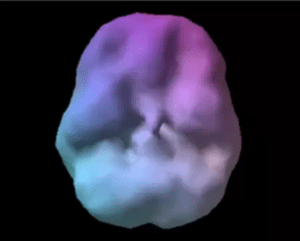
In the healthy brain, there is full, even, symmetrical blood flow/activity.
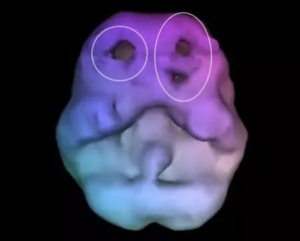
ADD/ADHD Brain SPECT Scan In the ADD/ADHD brain, there is low blood flow/activity in the prefrontal cortex. In the image here, the holes indicate areas of low blood flow. Due to low activity in the PFC, people can struggle with a range of ADD/ADHD symptoms, such as:

ADD/ADHD AND THE PREFRONTAL CORTEX

Here are some common characteristics of ADD/ADHD that clearly connect this disorder to the PFC:
  1. The harder you try, the worse it gets.

Research has shown that the more people with ADD/ADHD try to concentrate, the worse things get for them. Instead of increasing as it should, the activity in the PFC will actually decrease. This means that when a parent, teacher, supervisor, or manager puts more pressure on the person or student with ADD to perform, he or she often becomes less effective. Too frequently when this happens, the parent, teacher or boss interprets this decreased as willful misconduct, and serious problems arise. Although it is true that almost all of us perform better with praise, praise is especially impactful for people with ADD/ADHD. When the boss encourages an employee to do better in a positive way, it is more likely to lead to greater productivity. In parenting, teaching, supervising, or managing someone with ADD/ADHD, it is much more effective to use praise than harsh criticism.
  1. You have difficulty paying attention.

A short attention span is the hallmark of this disorder. People with ADD have trouble sustaining attention and effort over prolonged periods of time. Their attention tends to wander and they are frequently off task, thinking about or doing things other than the task at hand. Yet one of the things that often fools inexperienced clinicians assessing this disorder is that people with ADD/ADHD do not have a short attention span for everything. Often, people with the disorder can pay attention just fine to things that are new, novel, highly stimulating, interesting, or frightening. These things provide enough intrinsic stimulation that they activate the PFC so the person can focus and concentrate.
  1. You get easily distracted.

The prefrontal cortex sends inhibitory signals to other areas of the brain, quieting stimulation from the environment so you can concentrate. When the PFC is underactive, it doesn’t adequately dampen the sensory parts of the brain. This means that too many stimuli bombard the brain as a result. Distractibility is evident in many different settings for the person with ADD/ADHD. In class, during meetings, or while listening to a partner, people with ADD/ADHD tend to notice other things going on and have trouble staying focused on the issue at hand. These are the individuals who tend to look around the room, drift off, appear bored, forget where the conversation is going, and interrupt with extraneous information. Their distractibility and short attention span may also cause them to take much longer to complete their work.
  1. You say and do things impulsively.

Lack of impulse control gets many ADD/ADHD people into hot water. They may say inappropriate things to parents, friends, teachers, supervisors, colleagues, or customers. Poorly thought-out decisions also relate to impulsivity. Rather than thinking a problem through, these people want an immediate solution and act without the necessary forethought. In a similar vein, impulsivity causes these people to have trouble going through the established channels at work. They often go right to the top to solve problems, rather than working through the system.
  1. You like drama.

Many people with ADD unconsciously seek conflict as a way to stimulate their own PFC. They do not know they are doing it. They do not plan to do it. They deny that they do it. And yet they do it just the same. The relative lack of activity and stimulation to the PFC craves more activity. Hyperactivity, restlessness, and humming are common forms of self-stimulation. Another way that people with ADD will “try to turn on their brains” is by causing turmoil. If they can get their parents or spouses to be emotionally intense or yell at them, it may increase frontal lobe activity. This helps them to feel more tuned in. Again, this is not a conscious phenomenon, but it appears that many children and adults with ADHD become addicted to the turmoil.

SUPPORT THE PREFRONTAL CORTEX

Anyone with ADD/ADHD needs to support the brain for better prefrontal cortex function. Strategies to optimize the PFC include: Some people may also benefit from stimulant medication to optimize brain function and control ADD/ADHD symptoms. Work closely with a mental health professional who uses functional brain imaging to ensure you get the most effective treatment. ADD/ADHD and other mental health issues can’t wait. At Amen Clinics, we’re here for you. We offer in-clinic brain scanning and appointments, as well as mental telehealth, clinical evaluations, and therapy for adults, teens, children, and couples. Find out more by speaking to a specialist today at 888-288-9834 or visit our contact page here. Content updated from previous publish date. It has been said that boys will be boys and girls will be girls. But what are the true differences between the two sexes when it comes to the brain? We now know the answer thanks to one of the largest functional brain-imaging studies ever done. Amen Clinics, which has built the world’s largest database of functional brain scans, compared 46,034 brain SPECT scans to identify the differences between male and female brains. The study analyzed a total of 128 regions of the brain, and in this blog, you’ll discover the main ways male and female brains work differently. These differences help us understand some of the unique strengths and vulnerabilities of the female brain and give us important clues on how to optimize it. One of the largest functional brain-imaging studies ever done helps us understand the unique strengths and vulnerabilities of the female brain and give us important clues on how to optimize it.
Click to tweet

ANALYZING MALE AND FEMALE BRAIN SCANS

The study, which was published in the Journal of Alzheimer’s Disease, involved a brain imaging technology called SPECT, which looks at blood flow and activity patterns. In general, SPECT reveals 3 important things: areas of the brain with healthy activity, too much activity, and too little activity. For the study, the researchers performed 2 sets of brain scans—one at rest and one while performing a concentration task—on 119 healthy participants as well as 26,683 patients.

FEMALE BRAINS ARE MORE ACTIVE

On brain scans, female brains showed significantly more activity in many regions. Because of the increased activity, females often exhibit greater strengths in the areas of: This increased activity, however, also makes females more vulnerable to a number of mental health issues. For example, women experience and depression at twice the rate as men, and they are also twice as likely as men to struggle with anxiety. These brain differences also increase the likelihood that females will have insomnia, eating disorders, and chronic pain.

KEY DIFFERENCES IN THE FEMALE BRAIN VS. MALE BRAIN

The Amen Clinics study also found that females have stronger activity in an area of the brain called the prefrontal cortex, which is involved with planning, judgment, empathy, and self-control. Think of the prefrontal cortex as the brain’s brake. It helps keep you on track toward reaching your goals and stops you from saying or doing things you shouldn’t. When the prefrontal cortex is low in activity, which is more common in males, according to the study, people can struggle with short attention spans, distractibility, problems with impulse control, and in some cases ADD/ADHD. When it works too hard, as it often does in women, it’s like the parking brake is always on, and you can get stuck on certain thoughts or behaviors, such as worrying or holding grudges. An area deep in the prefrontal cortex called the anterior cingulate gyrus is also more active in females. It is involved with error detection, which is why women can sometimes focus too much on what is wrong in their life—their relationships, career, children, weight, and so on.

WOMEN & SEROTONIN

A brain-imaging study from Canada showed that the rate of serotonin synthesis in women is 52% lower compared with men. This is very important as serotonin helps calm and relax the prefrontal cortex. When serotonin levels are too low, people often struggle with: Other brain-imaging research has found that females also have more connections than men between the right and left hemispheres of the brain, improving communication between analytic and intuition. There is also increased activity in the regions of the brain responsible for gut feelings and intuition. They also have more activity in the limbic or emotional and bonding areas of the brain, which may explain why women tend to be primary caretakers for children and the elderly, and why they often excel at collaboration.

5 WAYS TO UNLEASH THE POWER OF THE FEMALE BRAIN

Based on these differences, female brains tend to have 5 special strengths: empathy, intuition, collaboration, self-control, and a little worry.

1. Balance empathy with self-care.

Women are doing more today than ever before, and the constant stress is stealing their health and making them sick. Women tend to make health appointments for everyone else, but not themselves. Make stress-reduction part of your daily routine and consider the supplements l-theanine, magnesium, and Holy Basil, which can help lower stress.

2. Tap into your Intuition.

Those gut feelings are an important skill that keeps us alive and gives women an important edge. If you tap into it, you can get to solutions faster. To do so, pay attention to your physical sensations. Do you have a pit in your stomach? Are you getting chills? Do you have goosebumps? Tune into these signs to help guide your decisions.

3. Boost collaboration by working to include others.

This is why women often make great bosses. They have gifts of empathy, collaboration, and intuition and also tend to make fewer risky decisions when stressed. Create teams to help you reach your goals.

4. Boost serotonin to enhance your moods.

Healthy serotonin levels are associated with better moods. Your body needs the essential amino acid tryptophan in order to produce serotonin. Try adding foods that are rich in tryptophan, such as chicken, beef, turkey, salmon, pork, pumpkin seeds, and eggs.

5. Balance worry with wellness.

Some anxiety is good if it keeps you on track, but too much is painful. To get your nerves under control, avoid anxiety-inducing foods and try natural solutions to calm anxiety. Anxiety, depression, and other mental health issues can’t wait. At Amen Clinics, we’re here for you. We offer in-clinic brain scanning and appointments, as well as mental telehealth, clinical evaluations, and therapy for adults, teens, children, and couples. Find out more by speaking to a specialist today at 888-288-9834 or visit our contact page here. Here’s a sad statistic: Having attention-deficit disorder (ADD), more commonly referred to as attention-deficit hyperactivity disorder (ADHD), increases the risk for mood disorders such as depression. Even worse, when a child or an adult has these co-existing disorders, both conditions are intensified. When ADD/ADHD goes untreated, young people who struggle with co-occurring depression, especially girls, are at higher risk of suicide. And adults with undiagnosed or untreated ADD/ADHD and depression may lose jobs, struggle in relationships, and are at greater risk for substance abuse and addiction. For those who currently struggle with ADHD, there’s positive news. Research indicates that when ADD/ADHD is properly diagnosed and successfully treated, the risk of depression significantly decreases. Having ADD/ADHD increases the risk for mood disorders such as depression. And when a child or an adult has these co-existing disorders, both conditions are intensified.
Click to tweet

BASICS ABOUT ADD/ADHD

Currently, it is estimated that 9.4% of children and 4.4% of adults in the U.S. have ADD/ADHD, according to Centers for Disease Control and Prevention data. However, experts believe there are millions more that remain undiagnosed. ADD/ADHD is a neurodevelopmental disorder characterized by issues with attention, and in many cases, impulsive and hyperactive behavior as well. Although the disorder affects millions of people, it continues to be highly misunderstood and is often incorrectly treated, if it is treated at all. Research estimates that roughly 40% of kids with ADD/ADHD symptoms don’t receive proper diagnosis or treatment, and a review study on ADD/ADHD underdiagnosis estimates that 80% of adults with symptoms of the condition do not get the treatment they need. The implications are far-reaching.

THE ADD/ADHD-DEPRESSION CONNECTION

The link between ADD/ADHD and major depressive disorder in medical research is strong. Studies indicate that among youths with ADD/ADHD, rates of concurrent depression range from 12% to 50%, and additional research suggests the rate in adults to be from 16% to 31%. ADD/ADHD and depression “travel together” in several ways. The most obvious connection is that the consequences of living with the core symptoms of ADD/ADHD—which include short attention span for common everyday tasks; poor organization; being easily distracted; procrastination; lack of follow-through; and poor impulse control—lead to depression. These symptoms can and do create a lot of problems in children and adults. They can adversely affect school or work performance, leading to a poor self-image and low self-esteem, which can contribute to depression, studies have shown. Relationships, finances, and even driving are negatively impacted by ADD/ADHD, which may contribute to low mood. Those with ADD/ADHD have more difficulty regulating emotions. They often experience emotions more intensely than others without the condition, and they can struggle to soothe themselves and transition out of difficult emotions, which factors into a low mood. Further, research in the Journal of Abnormal Psychology shows that for inattentive ADD/ADHD types, social problems with peers and dysfunctional parent-child relationships can trigger depression. One study that controlled for poor academic performance and social problems with peers found that adolescents with ADD/ADHD remained at high risk for depression, suggesting that additional factors are at play. Indeed, there are other factors involved, including what’s happening in the brain. The combined symptoms of ADD/ADHD and depression include inattentiveness, being easily distracted, disorganization, chronic low mood or negativity, a “glass half empty” perspective, low energy, a tendency to be more isolated socially, and general feelings of hopelessness and worthlessness a majority of the time. Those with ADD/ADHD and depression may or may not be hyperactive.

ADD/ADHD, DEPRESSION, AND THE BRAIN

ADD/ADHD brains work differently. Brain SPECT imaging scans have revealed that ADD/ADHD is associated with biological changes in the brain. When neurotypical people (those without ADD/ADHD) concentrate, blood flow increases to the prefrontal cortex, the area of the brain that controls focus, planning, judgment, empathy, and impulse control. However, in those with ADD/ADHD, scans reveal decreased activity in the prefrontal cortex during concentration. This physiological difference may explain why it is difficult for people with ADD/ADHD to focus. In fact, the harder they try to focus, the worse it gets. Similarly, when people are depressed, SPECT scans reveal decreased activity in the prefrontal cortex (especially on the left side) at rest, although it improves with concentration—and increased deep limbic activity at rest and during concentration. The limbic system is the brain’s emotional center. What’s more, a 2021 neuroimaging study has shown that both conditions are associated with dysregulation of the brain’s reward system.  Dopamine, the neurochemical that drives motivation and plays a role in reward systems and moods is typically in short supply in people with ADD/ADHD.  It’s not surprising then that research indicates those with the condition have a harder time realizing rewards and staying motivated. One study in the Journal of Clinical Psychology on college students with ADD/ADHD revealed that this dysfunction in reward responsivity is evident in both ADD/ADHD and depression (although not for hyperactive types).

UNTREATED ADD/ADHD AND DEPRESSION

There are reasons ADD/ADHD often goes undiagnosed and untreated. Unfortunately, the stereotype of ADD/ADHD to be a childhood affliction limited to hyperactive boys with poor impulse control causes other less obvious symptomology to fly under the radar. According to a 2016 paper in The ADHD Report the condition is likely underdiagnosed in girls because they more frequently exhibit inattentive symptoms, which are internalized rather than externalized and more difficult to catch. Additionally, symptoms are misinterpreted in childhood, especially the ones having to do with focus and attention, distractibility, procrastination, and disorganization. Kids (and their parents) may simply believe they are not smart, lazy, or not trying hard enough. Many of those undiagnosed in childhood continue to struggle as adults. And adults are more prone to overlook these symptoms. In fact, the condition is so unrecognized in adults that research in the Journal of Psychiatric Research shows it’s usually the accompanying depression that gets people to seek treatment, not the ADD/ADHD.

UNDERSTAND THE SIGNS OF ADD/ADHD AND DEPRESSION

It’s important for parents and adults to understand the signs of both ADD/ADHD and depression and what the risk factors are for them occurring together. Getting the correct treatment for both conditions is essential. Here are some risk factors to keep in mind: If you suspect you or a loved one may have undiagnosed or untreated ADD/ADHD and related depression, it is important to identify and address both conditions. With proper diagnoses, these brain-based disorders can be treated successfully. ADD/ADHD, depression, and other mental health issues can’t wait. At Amen Clinics, we’re here for you. We offer in-clinic brain scanning and appointments, as well as mental telehealth, clinical evaluations, and therapy for adults, teens, children, and couples. Find out more by speaking to a specialist today at 888-288-9834 or visit our contact page here. Have you (or a loved one) experienced a sudden change in personality? Have you noticed inappropriate social behavior, impulsivity, or emotional outbursts that are out of character? These could be signs of a disorder that most people have never heard of: frontal lobe syndrome.

WHAT ARE THE FRONTAL LOBES?

The human brain is a very delicate but vastly complex organ that is involved in everything we think, say, do, believe, and create. It is comprised of 200 billion neurons (a type of brain cell) and many distinct, but interconnected structures each of which provides a vital and necessary role in our human experience. The outermost portion of the brain is called the cerebral cortex—often referred to as grey matter. It is divided into four major sections: the frontal, temporal, parietal, and occipital lobes. Of these, the frontal lobe is the largest and is comprised of the prefrontal cortex and the motor cortices (plural for cortex). The frontal lobes are responsible for a wide range of higher-level functions, including: A healthy frontal lobe is paramount for personal autonomy, appropriate social behavior, good interpersonal relationships, information processing, and success in life. However, the brain’s fragile texture makes it vulnerable to damage. When this happens in the frontal lobes, a person may start acting and thinking differently and get diagnosed with what is called frontal lobe syndrome. When the brain’s frontal lobes are damaged, a person may start acting and thinking differently and get diagnosed with what is called 'frontal lobe syndrome.'
Click to tweet

COMMON CAUSES OF FRONTAL LOBE SYNDROME 

There are numerous ways the function of the frontal lobes can be disrupted. Some of the more common causes of this are:

Traumatic Brain Injury:

The frontal lobes are one of the two brain areas most often damaged in head injuries. The more severe the injury, the greater the number of symptoms and problems a person will likely develop. The famous case of Phineas Gage, although a dramatic example, is a good illustration of what can happen to this part of the brain after a serious injury. In the mid-1800s, Mr. Gage was a popular and affable man who worked installing new railroad tracks. One day while using a long tamping iron to pack down explosive powder, the powder ignited and caused the tamping iron to shoot through his cheek, brain, and the top of his skull, exiting completely and landing on the ground. Although he lost one eye from the incident, he survived physically. His personality, however, was a different story. The accident transformed him from being a well-liked citizen into a rude, inconsiderate, irritable, profane, and poorly behaved man. The tamping rod had significantly damaged his frontal lobes.

Cerebrovascular Disease and Stroke:

We have blood vessels—capillaries, veins, and arteries—throughout our body and brain. A disease called atherosclerosis (hardening of the arteries) is caused by the buildup of plaque and other substances in the arterial walls. This is often the result of high cholesterol, hypertension, insulin resistance, inflammation, or tobacco use, among other health problems. Over time, the arteries become stiff, brittle, and vulnerable to rupture, and plaques can obstruct the flow of blood in the brain. Both processes can cause a stroke, which can occur in many areas of the brain, including the frontal lobes. The resulting damage will depend on the severity and location of the stroke.

Brain Tumors:

A cancerous or benign tumor growing inside the brain or under the skull can destroy or damage cells, put pressure on brain tissues, or cause a buildup of fluid inside the skull and/or brain. Frontal lobe tumors can interfere with the way this part of the brain works.

Neurodegenerative Diseases and Other Conditions:

Although they are usually classified under their own disease category, many neurodegenerative processes can alter frontal lobe function. For instance, vascular dementia, which results from the aforementioned damage to blood vessels in the brain, is thought to be one of the more common causes of frontal lobe symptoms. Other forms of dementia as well as degenerative neurological conditions such as Huntington’s disease and Parkinson’s disease can deteriorate the frontal lobes. And, while not necessarily degenerative, brain infections and frontal lobe epilepsy can also affect behavior, movement, and thinking processes associated with this part of the brain.

SYMPTOMS OF FRONTAL LOBE SYNDROME

Because of their diverse functions and critical connectivity to other parts of the brain, injury to the frontal lobes can cause significant changes in the way a person behaves, thinks, and is able to function. In any individual, the symptoms that emerge will reflect the damage to the specific frontal lobe structures that have been impacted by injury or disease, and can include any of these: While many of these symptoms are seen in other mental health or medical disorders, when someone develops frontal lobe syndrome, these symptoms will be new for them. In other words, prior to the injury or disease, they were not noticeable concerns or were related to a previously diagnosed problem for which the symptoms have worsened since the damage occurred.

TREATMENT FOR FRONTAL LOBE SYNDROME

In addition to any medications or surgical procedures necessary for addressing the underlying cause of symptoms, treatment strategies for frontal lobe syndrome vary depending on the type and degree of damage to the brain. For example, when the motor areas are affected, physical rehabilitation can help someone build strength and function to the extent possible or learn alternative ways of moving. Other types of treatment may include: In addition, many people can benefit from making healthy dietary changes. Switching from a high-sugar, high-fat, processed-food diet to one that has clean and lean protein sources, plenty of fresh produce and foods that are high in omega-3s (such as salmon, walnuts, and chia and flax seeds) can help to support brain function and the recovery process. Brain injuries, concussions, and other mental health issues can’t wait. At Amen Clinics, we’re here for you. We offer in-clinic brain scanning and appointments, as well as mental telehealth, clinical evaluations, and therapy for adults, teens, children, and couples. Find out more by speaking to a specialist today at 888-288-9834 or visit our contact page here. While American culture tends to love the extrovert—the outgoing, charismatic, confident, sociable personality—in recent years, the value of the focused, deep-thinking, quiet, listening introvert has gained favor. Unfortunately, negative stereotypes of both temperaments persist. Research is revealing that both extroverts and introverts have unique and valuable attributes that may largely be driven by genetics and brain function.     Research is revealing that both extroverts and introverts have unique and valuable attributes that may largely be driven by genetics and brain function.
Click to tweet

INTROVERSION, EXTROVERSION, AND BRAIN TYPES

Whether you have introverted or extroverted tendencies depends in part on your brain. After analyzing blood flow and activity patterns on more than 300,000 brain SPECT imaging scans, the team of psychiatrists at Amen Clinics has identified 5 primary brain types: Balanced, Spontaneous, Persistent, Sensitive, and Cautious. Several of these brain types are associated with attributes commonly seen in introversion and extroversion.

Introversion 

Introverts are more likely to have the sensitive brain type (associated with being deeply feeling and empathic and having a tendency for low moods or depression) or the cautious brain type (associated with being prepared, risk-averse, and anxious). Brain SPECT imaging indicates that sensitive types have high activity in the limbic system, or emotional centers, of the brain, and cautious types have too much activity in the basal ganglia. An Amen Clinics study on the neurobiological underpinnings of introversion and extroversion also revealed higher levels of brain activity in introverts in several other brain regions, including the anterior cingulate gyrus, temporal lobes, and parietal lobes. The parietal lobes are located in the top back part of the brain and are responsible for sensing the world. Sensory information—sights, sounds, scents, and so on—can be overwhelming and put introverts into sensory overload. Thus, introverts need alone time to decompress and re-energize. They need quiet to concentrate, are reflective, self-aware, take their time to make decisions, are comfortable in their own company, prefer to write than talk, may not like working in a group, and are drained after social activity or being in a crowd.

Extroversion

Extroverts are more likely to have the spontaneous brain type, which is associated with being adventurous and creative. SPECT scans show this brain type is associated with low activity in the prefrontal cortex (PFC). This mirrors the findings of Amen Clinics’ study mentioned above, which showed that extroverts had lower levels of overall brain activity, including reductions in the PFC. This brain type tends to run low in dopamine. Extroverts are drawn to activities (social, external reward, high sensory) that typically boost dopamine, but they may be impulsive and engage in risky behavior, such as drinking too much or participating in dangerous sports like free climbing. They are more prone to ADD/ADHD and addiction.  An extrovert typically does not require a lot of alone time, thrives around people, enjoys wide social circles, prefers to talk out problems or questions, is outgoing and optimistic, and is not afraid to take a risk. Research shows that these temperaments are strong and can last throughout one’s lifetime, indicating that they are likely rooted in the differential excitability of particular brain structures. Let’s look more closely at what drives introversion and extroversion, and dispel the unhelpful myths that lack compassion and understanding.

DEBUNKING 4 MYTHS ABOUT INTROVERTS AND EXTROVERTS

Myth#1: Extroverts Are Attention-Seekers

Don’t be quick to judge an extrovert negatively. Extroverts may like being the center of attention, but it probably has more to do with brain function than self-centeredness. As mentioned above, extroverts tend to have a spontaneous brain type with low PFC activity and low dopamine. As such, they seek out external rewards that increase dopamine because they need more of it. Some research indicates that extroverts have more dopamine receptors in their brain and are therefore less sensitive to it, increasing their need for it to feel happy. Getting attention, quick action, risk-taking, seeking novelty, talking, and socializing – these increase dopamine and its “feel good” effects.

Myth#2: Introverts Make Poor Leaders

Because extroverts seek external rewards and are outgoing, sociable, charismatic, quick thinkers, and decision-makers, they are often placed in positions of leadership. Yet, introverts make great leaders, too – and sometimes even better leaders because of the different skills that they bring to the table – and, in part, this is due to brain function. Unlike extroverts, research shows that the neural reward response in introverts is more sensitive to dopamine than in extroverts. In fact, one study that observed neural reward responses in extroverts and introverts found introverts had a much more measured response to dopamine. It may be why high-dopamine experiences put introverts on sensory overload.  Hence, they crave activities and experiences that are calming. Additionally, experts believe that their reward response comes from acetylcholine. Its effects are more subtle, which include relaxation, alertness, and contentment. Activities like reading that call for focus and engagement of the mind make introverts feel good. The acetylcholine reward response is believed to be more involved than that of dopamine. Researcher Dr. Marty Olsen Lani, who studies the physiology underlying introverted and extroverted temperaments, posits that this acetylcholine response pathway in introverts travels through several areas of the brain, which includes regions governing empathy, self-reflection, emotional meaning, detection of errors, planning, long-term memory storage, and more. As a result, introverts have the ability to focus for long periods, balanced and critical thinking, empathy, and an ability to quietly empower others. These introverted attributes have shown sometimes greater business success than extroverts. An analysis of CEO performances published in the Harvard Business Review showed that more than half of the best-performing CEOs were actually introverts!

Myth#3: Introverts Are Shy, Afraid, and Don’t Like Social Situations

An introvert’s need to retreat, think, and be alone in order to restore and re-energize is often misunderstood. A study published in the Journal of Neuroscience found that introverts had a larger, thicker gray matter in their PFC, which is an area of the brain associated with abstract thought and decision-making. (Interestingly, this same area is thinner in extroverts.) This indicates that an introvert’s brain has designated more neural resources to abstract thought. They are, by nature, deep thinkers. What appears to be shyness, fear, or dislike of social situations is in reality a need to quietly think things through or assimilate a situation. Introverts prefer to listen and quietly observe, which can also be misunderstood as shyness or social awkwardness.

Myth#4: You Are Either an Introvert or Extrovert

As humans, we love to categorize and think in absolutes. We label people as introverts or extroverts, period. But experts suggest that these temperaments are a continuum. We are likely to lean towards one or the other and have a mix of introverted/extroverted traits. Although some findings suggest that our temperament doesn’t change much throughout our lives, other research indicates that there’s a benefit to developing personality traits that do not come naturally. Introverts can bolster their happiness by participating in “extroverted” activities such as giving a presentation or socializing. Likewise, an extrovert can benefit by taking time to unwind and enjoy their own company for a time, to listen attentively, or to focus deeply on a problem. While our brain function and genetics may place us on either side of the introversion/extroversion continuum, research shows that developing both extroverted and introverted traits may be the recipe for success. Introverts, extroverts, and those with both traits, all have valuable gifts to offer the world, as well as brain health vulnerabilities to overcome. Identifying your brain type and temperament can be helpful to your well-being. Depression, anxiety, and other mental health issues can’t wait. At Amen Clinics, we’re here for you. We offer in-clinic brain scanning and appointments, as well as mental telehealth, clinical evaluations, and therapy for adults, teens, children, and couples. Find out more by speaking to a specialist today at 888-288-9834 or visit our contact page here.