ARCHIVE

Catastrophic Thinking: How to Stop Worst-Case Scenario Syndrome

Learn how to stop catastrophic thinking in three simple steps to reduce anxiety, reframe fear, and regain control of your mind.

Are you constantly waiting for something bad to happen? Do you routinely predict the worst? This pattern of thinking—known as catastrophic thinking or “worst-case scenario syndrome”—can hijack your peace of mind and wreak havoc on your mental well-being. It’s that spiral where a single setback snowballs into a full-blown disaster in your mind, even when there’s no real evidence to support it.

While it’s normal to worry occasionally, chronic catastrophizing is different. It trains your brain to expect the worst, amplifying fear, anxiety, and hopelessness. Over time, it can chip away at your confidence, relationships, and even your physical health.

The good news? You don’t have to stay stuck in this thought trap. Understanding why catastrophic thinking happens—and how to break free from it—can help you reclaim calm, clarity, and control in your life.

Chronic catastrophizing trains your brain to expect the worst, amplifying fear, anxiety, and hopelessness. Over time, it can chip away at your confidence, relationships, and even your physical health.

WHAT IS CATASTROPHIC THINKING?

Catastrophizing is a term that was introduced in the 1960s and later popularized by psychiatrist Aaron Beck. This form of cognitive distortion that occurs when you anticipate something bad happening, and as a consequence, predict that something even worse will take place.

It is a type of automatic negative thought (ANT) that can ruin your day. Here are some examples of catastrophic thinking:

  • I’m probably going to lose my job, and I’ll never find another one, so I’ll end up homeless. 
  • My spouse had a biopsy. I’m sure it’s going to be cancer, and then it’s going to be a slow and painful death.
  • I had a fight with my significant other. Now they’re going to leave me, and I’ll be alone for the rest of my life. 
  • If I go on the sailing excursion and there’s a storm, we’ll capsize, and then I’ll be lost at sea for days and eaten by a shark.

Do you see how one negative thought leads to another even bigger negative notion? These are “fortune-telling” ANTs that breed more ANTs. They multiply and eventually, the ANTs infest your mind.

Related: Do You Have an ANT Infestation in Your Head?

Most people who think this way don’t even realize they’re doing it. They take the littlest problems and turn them into major disasters waiting to happen. It can hold you back from trying new things or going for your goals.

When you’re constantly on edge expecting something awful to occur, it makes you feel stressed, depressed, and anxious.

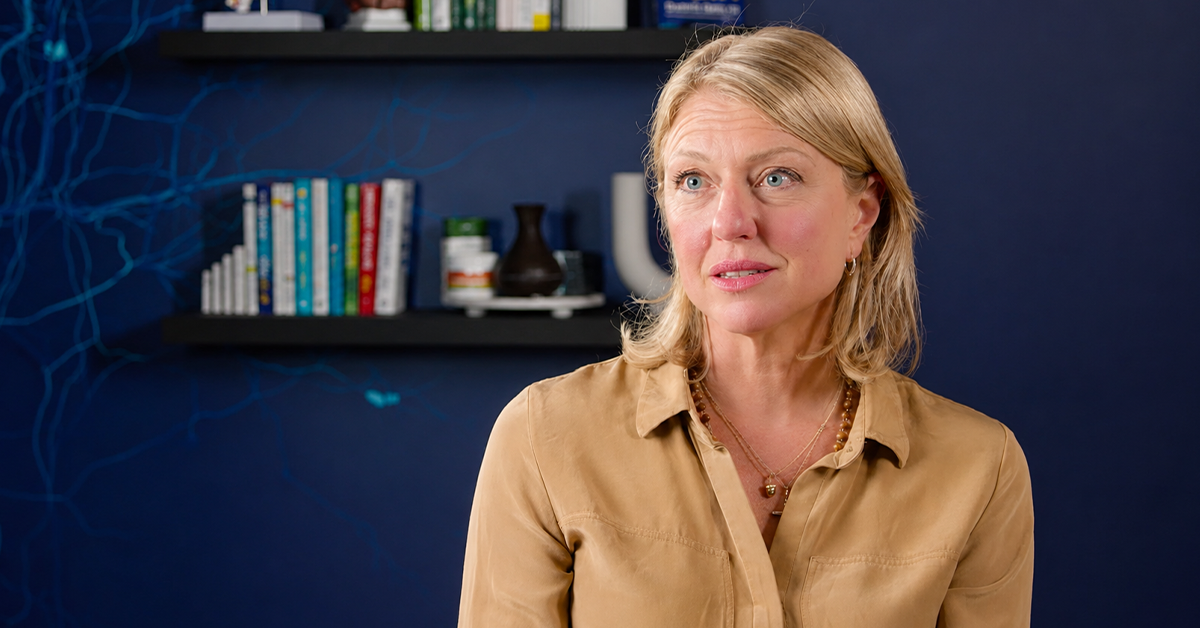
Press Play to See How Catastrophic Thinking Haunted One Woman

In this video, Dr. Amen evaluates Miranda Pearman-Maday and her wife actress Raven-Symoné. Miranda opens up about having a catastrophic mentality and how it’s led to a life filled with fearful and anxious thoughts.

Click below to tune in:

WHY ARE SOME PEOPLE MORE LIKELY TO CATASTROPHIZE?

Have you ever wondered why some people naturally think about the worst-case scenario, while others seem calm even during stressful times? At Amen Clinics, we’ve seen that certain psychological and environmental factors can make some individuals more likely to develop worst-case scenario syndrome. 

Factors that increase catastrophic thinking include:

  • Anxious Temperament: Some people are naturally more anxious or cautious. Their brains are wired to notice potential dangers, even minor ones, making them more prone to expect negative outcomes.
  • Early-Life Experiences: Growing up in unpredictable or unsafe environments can lead people to develop catastrophic thinking as a way of coping. Over time, this habit sticks—even when the environment becomes safe and stable.
  • Learned Behavior from Parents or Caregivers: If parents frequently display catastrophic thinking, children may unconsciously adopt similar thought patterns. They may believe this reaction is normal when facing stress.
  • Cognitive Rigidity: People who struggle to adapt their thinking during uncertainty often become stuck on negative outcomes. This makes it difficult to shift to more balanced or optimistic viewpoints.

Related: The Long-Term Impacts of Adverse Childhood Experiences (ACEs)

CATASTROPHIC THINKING AND THE BRAIN

Every time you have a thought, it causes the brain to release chemicals. Happy thoughts trigger the release of feel-good chemicals. Negative thoughts prompt the release of chemicals that make you feel bad. Catastrophizing triggers a cascade of feel-bad neurochemicals.

In addition, when catastrophic thinking occurs regularly, it strengthens neural pathways and causes it to become a habit. Each time you think something bad will happen then imagine an even more terrible consequence, you teach your brain to repeat the process.

Brain-imaging research shows that people who tend to predict the worst typically have abnormal activity in certain areas of the brain. One study on people with chronic pain who catastrophize revealed heightened activity in brain regions associated with emotions related to pain. This research also noted changes in the hypothalamus and pituitary responses.

At Amen Clinics, which has built the world’s largest database of brain scans related to behavior, SPECT scans show that people who catastrophize often have overactivity in the brain’s emotional and fear centers.

CATASTROPHIZING AND MENTAL HEALTH ISSUES

The brain activity abnormalities seen in Amen Clinics patients who engage in catastrophic thinking are also consistent with those who have anxiety disorders or major depressive disorder.

Scientific research supports these clinical findings and shows that having catastrophic thoughts rolling around in your head is associated with certain mental health disorders.

For example, findings in Child Psychiatry & Human Development analyzed thinking patterns in 2,802 teenagers and concluded that those who catastrophize are more likely to have anxiety problems.

Similarly, in a study on children, researchers noted a connection between catastrophic thinking and anxiety and depression. The association with depressive disorder was especially high in kids at 3rd grade level or younger.

Other scientific research has noted a link between catastrophizing and fatigue. For example, a systematic review in the Journal of Psychosomatic Research analyzed 14 previous studies and  found a significant relationship between this unhealthy thinking pattern and exhaustion in 13 of them. This isn’t surprising as fatigue is one of the most common symptoms of depression.

This type of thinking can also develop after being exposed to some form of trauma. When a traumatic event occurs, it may make you believe that the worst can happen. To be prepared for the worst or to avoid it, you may begin actively playing out worst-case scenarios in your mind.

Catastrophic thinking can also increase the risk of developing other types of mental health problems. For example, a study involving nearly 80,000 active-duty soldiers found that those who had experienced a higher number of combat stressors combined with engaging in the most catastrophic thinking were 274% more likely to develop posttraumatic stress disorder (PTSD).

WHY DOES UNDERSTANDING CATASTROPHIZING HELP?

Understanding why you or someone else might be more prone to catastrophic thinking can:

  • Increase self-compassion and empathy.
  • Help you identify the root causes of your thoughts.
  • Create a foundation for making positive changes.

With this insight, you’re better prepared to take meaningful steps to overcome catastrophic thinking. Next, let’s explore practical steps you can use to shift away from negative thinking patterns and regain control of your emotional well-being.

3 STEPS TO STOP CATASTROPHIZING

  1. Think about your thinking.

To end excessive worrying, you must first become aware that you’re doing it. If you find yourself ruminating on negative thoughts and predictions, make it a practice to write them down.

  1. Notice your triggers.

Take note of what may have preceded your downward spiral of thinking. Were you hungry or tired? Did you drink alcohol or have a fight with your significant other?

Avoiding triggers can help. Knowing that they may set you off can help you be ready to combat catastrophic thoughts can recognize them for what they are.

  1. Challenge your thoughts.

Ask yourself if the end-of-days thoughts you’re having are true. Make a list of any evidence that refutes them. Also make a list of any evidence that the opposite is true.

Catastrophic thinking doesn’t have to control your life. By becoming aware of these patterns, identifying your triggers, and actively challenging your negative thoughts, you can start rewiring your brain for greater calm, resilience, and hope. With practice and support, you can break free from the spiral of worst-case scenarios and move toward a more balanced, peaceful mindset.

We're Here To Help

Anxiety, depression, and other mental health conditions can’t wait. At Amen Clinics, we provide personalized, science-backed treatment plans designed to target the root causes of your symptoms. Our 360-approach includes brain SPECT imaging, clinical evaluations, innovative therapeutic techniques, medications (when necessary), and holistic lifestyle recommendations to promote the health of your brain, body, and mind. Speak to a specialist today at 888-288-9834 or visit our contact page here.

Quartana, Phillip J et al. “Pain catastrophizing: a critical review.” Expert review of neurotherapeutics vol. 9,5 (2009): 745-58. doi:10.1586/ern.09.34

Chan, S.M., Chan, S.K. & Kwok, W.W. Ruminative and Catastrophizing Cognitive Styles Mediate the Association Between Daily Hassles and High Anxiety in Hong Kong Adolescents. Child Psychiatry Hum Dev 46, 57–66 (2015). https://doi.org/10.1007/s10578-014-0451-9

Noël, V.A., Francis, S.E., Williams-Outerbridge, K. et al. Catastrophizing As a Predictor of Depressive and Anxious Symptoms in Children. Cogn Ther Res 36, 311–320 (2012). https://doi.org/10.1007/s10608-011-9370-2

Lukkahatai, Nada, and Leorey N Saligan. “Association of catastrophizing and fatigue: a systematic review.” Journal of psychosomatic research vol. 74,2 (2013): 100-9. doi:10.1016/j.jpsychores.2012.11.006

 Seligman, M. E. P., Allen, A. R., Vie, L. L., Ho, T. E., Scheier, L. M., Cornum, R., & Lester, P. B. (2019). PTSD: Catastrophizing in Combat as Risk and Protection. Clinical Psychological Science, 7(3), 516-529. https://doi.org/10.1177/2167702618813532

Related Posts

7 Differences Between Male and Female Brains

people looking at brain
In one of the largest functional brain imaging studies ever, Amen Clinics compared the brain SPECT scans of 46,034 female and male brains, and it

Does your toddler or preschooler struggle with hyperactivity, impulsivity, or inattention? Are they prone to tantrums or appear overly sensitive? If so, you may wonder if these are just normal phases of childhood, or if they indicate attention deficit hyperactivity disorder (ADHD), also known as attention deficit disorder (ADD).

Many children can demonstrate the early signs of ADHD, such as restlessness, outbursts, or lack of concentration. Parents may expect them to “grow out” of these tendencies by their later years. But if they do have the neurodevelopmental condition and carry it into adulthood—especially if they remain undiagnosed and/or untreated—it can negatively impact their entire lives.

Today, we have more knowledge than ever about this common mental health condition, which affects 7 million (11.4%) children ages 3-17, according to the Centers for Disease Control (CDC). Children who are found to meet the criteria for ADHD can be diagnosed as early as 4 years old.

Recognizing the earliest warning signs of ADHD is key to getting kids the help they need. In this blog, you’ll discover seven ADD symptoms every parent needs to know.

EARLY-CHILDHOOD RISK FACTORS FOR ADD/ADHD

A retrospective study of risk factors for ADHD in different stages of infancy found that eight elements were significantly associated with the condition’s later development. At 0-1 month old, these factors were:

  • Advanced maternal age
  • Lower maternal education
  • Family history of ADHD
  • Social problems (such as divorce, socioeconomic difficulties, and parental illness)

At 3 and 18 months, a decrease in head circumference growth was associated with later ADHD. And, at 9 and 18 months, there were correlations found between ADD, delays in motor and language development, and having a difficult temperament.

A 2023 systematic review of 48 articles also found that temperament in infancy or toddlerhood could indicate an early risk for childhood ADHD. Moderate associations were found with activity level, negative emotionality, and sustained attention.

The first two of these were found to be “predictive of all three symptom dimensions (i.e., inattention, hyperactivity/impulsivity, and combined).” The third, sustained attention, was associated only with combined symptoms.

Further research will help explore the links between ADHD’s development and sustained attention and inhibition in a child’s earliest months and years.

Finally, in an overview published in Health Psychology Research, a variety of genetic, neurobiologic, and neurochemical factors were explored as contributors to ADHD in young children. These include:

  • Heredity and genetics
  • Brain structure, neurobiology, and neuropsychology
  • Cognitive dysregulation
  • Pregnancy or birth complications
  • Exposure to environmental toxins
  • Parenting styles
  • Diet

EARLY SIGNS OF ADD/ADHD

What does this mean for parents who are concerned about possible early symptoms of ADHD in their child? Here are some early signs of ADHD to look out for in your toddler or preschooler:

  1. Poor coordination and a tendency to be accident-prone.

The overview mentioned above notes that ADHD in children can manifest with poor motor coordination or motor performance and balance.

These children are also more prone to accidental injuries and physical trauma, including head trauma, which itself can lead to or exacerbate ADHD symptoms.

  1. Impulsivity.

One of the hallmarks of ADHD, impulsivity in a preschooler or toddler may present itself as speaking before thinking, impatience while waiting, or interrupting others.

An impulsive child may also yell or scream when they’re frustrated, get physical with other kids, or run into the street without looking for oncoming vehicles.

  1. Impaired academic performance.

Once a child reaches preschool, their performance may already be compromised by the academic challenges associated with ADHD. One of the early signs of ADD in preschoolers, trouble with paying attention, impacts their ability to learn in a traditional classroom.

Parents working with their child’s teachers may be instrumental in helping children with ADHD perform better, which is one benefit of early diagnosis.

  1. Sleep disruption.

A 2022 study published in Frontiers in Pediatrics noted that children with ADHD are more likely to have sleep disorders.

This association works in both directions. Not only does the degree of ADHD symptoms correlate with sleep disorder severity, but sleep disorders can trigger or worsen the symptoms of ADHD.

  1. Sensitivity and intense emotions.

In the retrospective study mentioned above, researchers found that temperamental and behavioral problems in children 9 and 18 months old are “an important predictive factor for the development of ADHD.”

This may take the form of excessive crying during infancy. Later, these children displayed issues with sensory integration, attention, and behavioral development.

Emotional hyperarousal, emotional dysregulation, and rejection sensitive dysphoria are some of the common emotional issues faced by those who have ADHD.

Parents may notice that their child has intense reactions or stays “stuck” in emotions for longer periods than would be expected. Or perhaps their child has more, or longer-lasting, tantrums and outbursts, or frequently shows signs of frustration.

  1. Behavioral issues.

A 2021 study reported that 40% to 60% of children with ADHD also have oppositional defiant disorder (ODD). Another behavioral disorder that may overlap with ADHD is conduct disorder. Harming oneself and/or others (with behaviors such as biting) may also become an issue in children with ADHD.

  1. Constant movement.

Young children with ADHD can be excessively restless or fidgety, with difficulty sitting still and paying attention. They may be constantly in motion and excessively talkative. Parents may have trouble getting them to sleep, eat a meal, or focus on tasks.

TREATING ADHD IN TODDLERS AND PRESCHOOLERS

According to the American Academy of Pediatrics’ (AAP) Clinical Practice Guideline for the Diagnosis, Evaluation, and Treatment of Attention-Deficit/Hyperactivity Disorder in Children and Adolescents, ADHD criteria can be applied to children as young as ages 4-6. The guidelines advise medical professionals to note symptoms across multiple settings, such as home and preschool.

The most common treatment prescribed at these early childhood ages is parent training in behavior management (PTBM). The AAP explains that this consists of helping parents learn:

  • What to expect in terms of age-appropriate development
  • Behaviors that will help strengthen the parent’s relationship with the child
  • Useful skills to help manage problem behaviors

Parents who have spent time implementing and incorporating these strategies at home can then report their results to the medical professional, as well as provide a picture of the child’s persistent symptoms and struggles. This enables a more accurate ADHD diagnosis.

Brain SPECT scans can also help in the diagnosis of ADHD in toddlers and preschoolers. Because there are seven different types of ADD/ADHD, it’s crucial to pinpoint which type is interfering with a child’s development. With brain scans, clinicians can then determine an effective and personalized treatment plan.

Many doctors rely on prescription medications for childhood ADHD, and they can be highly beneficial for some kids. However, stimulant medications are not effective for all ADD types—and they may even cause harm. In addition to ADHD medication or in lieu of it, children can reap significant benefits from all-natural lifestyle changes, including:

  • An elimination diet that removes sugar, gluten, dairy, corn, soy, and artificial dyes and sweeteners from the diet (to rule out potential allergies)
  • A higher-protein, lower-carbohydrate diet
  • More exercise
  • Sleep hygiene and increased sleep duration
  • Less screen time
  • Supplements such as omega-3 fatty acids

Parents can also help by rethinking traditional discipline measures, which may not be helpful for children with ADHD. Instead of yelling, threats, and anger, these children tend to respond to different strategies. Remaining calm and positive will help better guide their behavior.

Finally, because there is a genetic component associated with the condition, parents of children with attention problems may want to undergo screening for ADHD themselves. At Amen Clinics, many adults with ADHD only learn about their condition after bringing in their child for an evaluation.

HELPING ADHD TODDLERS, PRESCHOOLERS, AND PARENTS

It’s never easy to be a parent. But it can be even more challenging when you’re parenting a child who shows the early signs and symptoms of ADHD.

Fortunately, we know more than ever about what to watch for in our toddlers and preschoolers—as well as the benefits of early diagnosis. With vigilance, patience, and understanding, we can help ensure that they are given the best chance of success in life.

Reviewed by Amen Clinics Inc. Clinicians

We Are Here For You

Brain and mental health conditions can’t wait. At Amen Clinics, we’re here for you. We offer in-clinic brain scanning and appointments, as well as mental telehealth, clinical evaluations, and therapy for adults, teens, children, and couples. Find out more by speaking to a specialist today at 888-288-9834 or visit our contact page here.

Amen, Daniel G et al. “Gender-Based Cerebral Perfusion Differences in 46,034 Functional Neuroimaging Scans.” Journal of Alzheimer’s disease : JAD vol. 60,2 (2017): 605-614. doi:10.3233/JAD-170432

Nishizawa, S et al. “Differences between males and females in rates of serotonin synthesis in human brain.” Proceedings of the National Academy of Sciences of the United States of America vol. 94,10 (1997): 5308-13. doi:10.1073/pnas.94.10.5308

Related Posts

This post has been updated from its original publish date. Dr. Daniel Amen sat down with Dave Asprey, founder of Bulletproof 360, Inc. in 2013 and founder of Bulletproof Nutrition Inc. in 2014, to talk about the power of brain SPECT imaging and the relationship that we have with our brains. Dr. Amen: Talk to me about the difference that the scan made in your life. Dave Asprey: Dr. Amen, your SPECT scan 12 years ago rocked my world. I was a very high performing engineer. I was getting my MBA at Wharton while working full time at a startup that we sold for 600 million dollars—and I was struggling. I would sit down to do one of my tests and I would get 100% of the first question, I would get 50% of the next one, and I couldn’t remember my name on the third question, and I felt guilty. I felt that there’s something wrong with me. I ended up even having extra time assigned for the tests and I still struggled. I did graduate, but barely. During that time, I read your book, your first book, and I said, “I’m going to get a scan.” And I did. The psychiatrist who evaluated me said, “Dave, inside your brain there’s total chaos—I don’t know how you’re standing here in front of me…” and that led to me going, “It’s not me. It’s my meat. It’s my biology.” And that was something that you can fix, something you can repair. So it turned from being a lack of effort or a lack of willpower or just being a bad person, into being someone who had a medical issue that could and would be dealt with. Dr. Amen: If somebody was thinking about coming to the clinic to get a scan and they read some of the noise on the internet, what would you say? Dave Asprey: For everyone who’s making a difference, there will be a handful of critics and there’s an amazing study. It says: Those who approach the world with a skeptical view have three times the level of senile cognitive dementia later in life. So, you need to look at the source, where it’s coming from and what conflicts of interests there are, because when I look at critics online, they are very angry people who obviously need the most brain scans, and there are people with a conflict of interest, and those are pretty much the only two kinds, and sometimes there are even connections between those people. But when you published as much science as you have, when you’ve written a dozen books, when you’ve got thousands and thousands of people who’ve benefited—including people like me who would want to talk about this in public—and a lot of people who benefit but still don’t want to admit that their brain might not be perfect. I don’t care. I kicked ass when my brain wasn’t that perfect, and that sort of thing is amazing. So to people who are thinking of coming and getting a scan and they see some rant, somewhere online: Balance the evidence, and the evidence is very clear. Dr. Amen: When you saw your scan, what did it do to your relationship with your brain? David Asprey: My relationship with my brain changed a lot because I don’t identify myself as being my brain. And when—to this day—something happens that I don’t like, that isn’t like me, “What did my brain do?”—not “What did I do?” And the difference there is profound, because I can control what my brain does, but I am not my brain; and that for me was a huge thing because it allowed me to be more forgiving for myself. And, when I look at other people: Is that person actually an evil person, or is that a person who’s profoundly toxic, or a person who has been abused, or a person who whacked their head too many times, and they’re acting that way without their own knowledge, without their own consent, without their own permission. There’s so much of that behavior in the world around me and around us, but people aren’t aware of it, their medical professionals aren’t aware of it—their psychologists, their spouses, their children—so there’s a lot of people feeling terribly guilty about things they’ve done, who don’t know there’s a biological basis for their behavior. It’s not a personality defect. Dr. Amen: And be healed if you do the right thing. David Asprey: Absolutely! I’m a living proof of this. For more, watch below:

We Can Help Today

At Amen Clinics, we can help you and your loved ones overcome the stigma and suffering associated with ADD/ADHD, anxiety, depression, brain injury, weight loss, addictions, memory issues, brain fog, and other emotional and cognitive issues. If you are ready to regain control over your life or help a loved one do the same, give us a call at 888-288-9834 or click here to ask a question. Do you ever notice yourself becoming hyperfocused on everything that’s going wrong? If so, you may be blinded to the things that are going right in your world. And you’re certainly not alone. Criticism comes naturally to all of us, and it’s further fueled by our modern information-overload existence. Fortunately, you don’t have to be stuck in fault-finding mode. You can learn to put the brakes on overly critical thinking.   Overly critical thinking gets us stuck in negative thought patterns and leads to nonstop fault finding with people and situations. That creates more stress and possibly other mental health concerns, like depression or anxiety.
Click to tweet

WHY HUMANS CAN BE SO CRITICAL

We, humans, are wired to note the negative when we’re taking in external stimuli. It’s one reason we have been able to survive and thrive as a species. In today’s world, however, it can feel less helpful. Overly critical thinking gets us stuck in negative thought patterns and leads to nonstop fault-finding with people and situations. That creates more stress and possibly other mental health concerns, like depression and anxiety. There are various reasons for what is called the “negativity bias,” and various ways it manifests. In simple terms, the right hemisphere of the brain develops first in infancy, before the more logical left hemisphere. Negative emotions reside in the right hemisphere of the brain. They’re helpful when warning us of danger and setting off the “fight or flight” response. But we also store any negative experiences here, including those that happen in our earliest years. In addition, we have an implicit memory system, a nonverbal type of memory that is centered in the amygdala. It holds fast to past dangers, and these memories tend to be rigid rather than evolving over time. So, we might have faced a danger years ago, but we still retain its lessons in the body and brain. It’s a useful adaptation in our evolution but less welcome when we can’t move past old fears. Perceived dangers from early traumas are essentially branded into the more primitive parts of the nervous system, including the amygdala. That’s why they persist and can even last a lifetime. Much research has examined the operation of negativity bias in humans. One study pointed to a plethora of past scientific findings to explain its prevalence, including: The researchers concluded “an approximate encoding of the negativity bias at the neural level.” Ultimately, they said, “Adults are far more attentive to and much more influenced in most psychological domains by negative than by positive information.”

NEGATIVITY BIAS IN THE BRAIN

Excessive criticism is rooted in brain activity, according to  Dr. Daniel Emina, a psychiatrist and Associate Medical Director at Amen Clinics. The brain SPECT imaging work at Amen Clinics shows that areas of the brain with too much activity or too little activity can contribute to negative thinking patterns. Some of the brain regions that can influence a critical point of view include: When this area is in balance, a person can usually let problems go. When there’s too much activity in the anterior cingulate gyrus, there can be what Dr. Emina calls excessive error detection. “That’s when you’re finding too many problems, either in yourself, in others, or in situations,” he says in an episode of Scan My Brain.

WAYS TO COMBAT OVERLY CRITICAL THINKING

According to Dr. Emina, the key is to channel negative energy in more beneficial ways. This will reduce the habit of looking for problems to solve. In other words, we can transform our critical drives into a more positive experience. Dr. Emina recommends healthy strategies to rest and disconnect. Activities such as crafting, playing a musical instrument, drawing, painting, or using adult coloring books can help. There are many other ways we can train our brains to be less critical. Here are some helpful techniques:

1. Question yourself.

When the mind is full of automatic negative thoughts (ANTs), it can lead to a racing mind or a victim mentality. Both of these can increase negative thinking. When we really analyze a problem, however, we might find that it doesn’t hold up to scrutiny. So, if you feel yourself being overly critical, take a pause and examine what’s true. Use these questions from the realm of cognitive behavioral therapy and the work of Byron Katie:
  1. Is it true?
  2. Is it absolutely true—are you 100 % sure it is true?
  3. How do you feel when you have the thought?
  4. How would you feel if you didn’t have that thought?
Then replace the negative with a kinder, more positive, and objective thought instead. Sit with this new thought for some time and see how it feels. Alternatively, if you’re focused on a bothersome trait in someone else, you might turn the microscope back to yourself. We humans often project our own “unlikable” characteristics onto others. Identifying with someone else, versus pointing the finger, can help you gain more compassion for others—and for yourself.

2. Start a gratitude practice.

When we’ve trained the brain to seek out the “bad” in the world, we can overlook the good. One way to consciously start noticing more of those positives is by seeking them out. And a gratitude practice helps you do just that. When you become accustomed to noticing the everyday joys of life, you are more likely to appreciate them when they arrive. If you’re feeling critical about a situation, can you list any positives that might emerge from it? If you are nitpicking in a relationship, can you list some positive qualities of that person instead? Looking at all sides gives you a more balanced, nuanced view. This helps fight against damaging (and untrue) black-and-white thinking.

3. Slow down.

Mindfulness, meditation, yoga, and tai chi are practices that force a slow-down in the mind and body. They also put a bit of a distance between ourselves and our thoughts. Then we can evaluate them with more objectivity instead of getting caught up in the reactive “story” we want to spin. You might also get your thoughts out on paper instead of blasting away at someone in anger or letting frustrations build. The American Psychological Association reports that journaling has been found to reduce intrusive negative thoughts. Finally, deep breathing quickly calms us, as it activates the parasympathetic nervous system. And it can be done anywhere, anytime, on the spot. With these tactics, you’ll also reduce your stress levels. This makes it less likely you’ll fly off the handle at falsely perceived injustices. Try some or all of them to reduce the negativity and instead learn how to embrace the beauty that life offers. Depression, anxiety, and other mental health issues can’t wait. At Amen Clinics, we’re here for you. We offer in-clinic brain scanning and appointments, as well as mental telehealth, clinical evaluations, and therapy for adults, teens, children, and couples. Find out more by speaking to a specialist today at 888-288-9834 or visit our contact page here. Have you ever wondered why some people see the world through rose-colored glasses while others tend to view things in a negative light? It could have something to do with your thalamus. “The thalamus is the brain’s emotional gatekeeper,” says Dr. Steven Storage, a child and adult psychiatrist at Amen Clinics. It influences how you see the world. In fact, new research points to the thalamus as the primary brain region involved in major depressive disorder.   The thalamus is the brain’s emotional gatekeeper, according to Dr. Steven Storage, a child and adult psychiatrist at Amen Clinics. It influences how you see the world.
Click to tweet
Dr. Storage shared his insights on the thalamus and how it influences moods with a young patient in a recent episode of Scan My Brain. In this candid conversation, Dr. Storage shared how this brain region can contribute to depression and lack of motivation. He also offered tips on how to balance activity in this important brain region for brighter moods.

WHAT IS THE THALAMUS?

The thalamus is a large structure deep in the center of your brain that acts like a relay station. It relays information from the outside world to your cerebral cortex. The cerebral cortex is the wrinkly, walnut-shaped structure that makes up the outermost portion of the brain. After receiving the data from the thalamus, it processes and interprets it. The thalamus also relays information from many other structures within the brain, including: Inputs from these brain regions are forwarded to the cerebral cortex.

WHAT ARE THE FUNCTIONS OF THE THALAMUS?

Because your thalamus is connected to so many parts of the brain, it influences a wide range of important functions. Primarily, it acts as a relay station for sensory and motor information. In addition to its functions as a relay station, the thalamus plays an important role in several other areas, including:

HOW DOES THE THALAMUS INFLUENCE MOOD?

The thalamus is part of the limbic system, which is considered the emotional center of the brain. A growing body of research shows that thalamus function is related to your moods and may be implicated in mood disorders, such as major depressive disorder (MDD). In the 2023 study in NeuroImage: Clinical mentioned above, researchers suggested that “the thalamus is the most crucial causal hub for MDD.” Functional brain imaging with SPECT at Amen Clinics also shows that activity levels in this part of the limbic system are connected to moods. SPECT is an imaging technology that measures blood flow and activity in the brain. On SPECT scans, “some people have an active thalamus because they tend to be really sensitive, empathetic people,” says Dr. Storage. Based on over 225,000 SPECT scans at Amen Clinics, it has become clear that when activity levels in the thalamus are too high it is associated with increased risk for low moods and clinical depression. Other brain-imaging studies suggest that the thalamus also plays a role in posttraumatic stress disorder (PTSD). Overactivity in the thalamus is also commonly seen in people who experience chronic pain. This isn’t surprising considering that scientific research has found a strong association between chronic pain and depression. In fact, up to 75% of people with depression also had chronic pain in a study in the Journal of Neurology, Neurosurgery, & Psychiatry.

HOW TO BALANCE ACTIVITY IN THE THALAMUS FOR BETTER MOODS

Overactivity in the thalamus is treatable. Calming activity in this brain region can enhance moods and motivation. According to Dr. Storage, “Boosting serotonin in your brain is the key for calming the thalamus.” There are several natural ways to boost serotonin in the brain to balance activity in the thalamus. Here are 4 simple strategies you can incorporate into your daily life.

1. Eat pumpkin seeds.

Pumpkin seeds are full of tryptophan and tyrosine, both of which are precursors to serotonin. The more tryptophan you get in your brain, the more serotonin you produce.

2. Eat more salmon.

This delicious fish boosts serotonin in 2 important ways. First, eating just 6 ounces of salmon provides 570mg of tryptophan (over 200% of the RDI). Second, salmon is abundant in omega-3 fatty acids. These fatty acids increase serotonin production in the brain, according to research.

3. Exercise on a regular basis.

Physical activity helps get more tryptophan into the brain, which can increase serotonin levels.

4. Take 5HTP.

A naturally occurring amino acid, 5HTP helps the body produce serotonin. Taking a 5HTP nutritional supplement may help boost serotonin in the brain. If you struggle with mood issues, try these natural serotonin boosters. If you don’t notice any improvements, it may be time to seek help from a mental health professional for additional treatment options. Brain SPECT imaging can be very helpful in determining if overactivity in the thalamus is contributing to mood problems, or if depressive symptoms are due to other underlying issues. How can you know unless you look? Depression, PTSD, and other mental health issues can’t wait. At Amen Clinics, we’re here for you. We offer in-clinic brain scanning and appointments, as well as mental telehealth, clinical evaluations, and therapy for adults, teens, children, and couples. Find out more by speaking to a specialist today at 888-288-9834 or visit our contact page here. The pandemic may be in our rear-view mirror, but not for everyone. Many people who had COVID—even mild cases—are still struggling with fuzzy thinking, confusion, and trouble concentrating. These neurological issues are called Covid brain fog. It’s one of the most common symptoms in individuals with long COVID, also called COVID long-haulers. For Emma Heming-Willis—who is the wife of actor Bruce Willis, a model, and founder of CocoBaba skin care products—her struggle with brain fog began after having COVID in the spring of 2022. “I went through [COVID] fine,” Emma says to Dr. Daniel Amen in an episode of Scan My Brain. “But I came out of it with the worst brain fog that I haven’t been able to shift. It kind of comes in waves, but I have not cleared it at all. I’m constantly in this haze, and it’s scary.” I went through COVID fine, but I came out of it with the worst brain fog that I haven’t been able to shift. It kind of comes in waves, but I have not cleared it at all. I’m constantly in this haze, and it’s scary. -Emma Heming-Willis
Click to tweet

WHAT IS BRAIN FOG?

Brain fog isn’t classified as a medical condition. Instead, it’s a term that is used to refer to symptoms that impact your ability to think clearly. Brain fog symptoms include: These COVID brain fog symptoms can range from mild to severe and can last for weeks, months, or even years. The debilitating signs and symptoms of brain fog after COVID can have a major impact on a person’s life. It can leave you feeling frustrated, unhappy, and unsure if you’ll ever return to who you were before having COVID.

BRAIN FOG CAUSES

Brain fog can be caused by a number of medical conditions and other issues. Some of the risk factors for brain fog include: For Heming Willis, a number of these issues were contributing to her own brain fog symptoms. In addition to dealing with the long-term effects of COVID, she had been diagnosed with ADD/ADHD as a child and was struggling with her moods. Her mood issues may be related to increased activity in the emotional centers of her brain after having COVID. That’s not all. Her brain SPECT scan also revealed damage to her temporal lobes from past head injuries. On top of all this, she had been under extreme stress and was grieving due to recent events in her life. When multiple issues stack up, as they had in Heming Willis’ life, it increases the chances of experiencing brain fog symptoms.

6 WAYS TO OVERCOME BRAIN FOG

Fortunately, there is treatment for long COVID brain fog. Treating brain fog from other causes is also possible. Here are 6 strategies to clear persistent brain fog.

1. Reduce inflammation.

Avoid eating pro-inflammatory foods like sugar, refined carbohydrates, alcohol, and processed deli meats.

2. Manage your stress.

Practice stress-reduction techniques like meditation or havening to get control over the stress in your life.

3. Engage in physical activity.

Exercising on a regular basis can brighten moods and improve cognitive function.

4. Try hyperbaric oxygen therapy (HBOT).

To heal underlying brain injuries, consider HBOT. This therapy involves breathing pure oxygen in a chamber to accelerate the healing process. A 2022 study shows that HBOT improves cognitive function in people with long COVID.

5. Process your grief.

If you’re struggling with grief, consider seeking help from a mental health professional for psychotherapy. This can be very beneficial in helping you work through your feelings in a healthy way.

6. Consider taking nutritional supplements.

Nutraceuticals that support focus and attention include rhodiola and ashwagandha. To promote calm and relaxation, try GABA and magnesium. Take the omega-3 fatty acids DHA and EPA, which help to enhance brain function while reducing inflammation. Addressing any and all contributing issues is the key to overcoming brain fog and regaining mental clarity, focus, and improved memory. Brain fog, ADHD, and other mental health issues can’t wait. At Amen Clinics, we’re here for you. We offer in-clinic brain scanning and appointments, as well as mental telehealth, clinical evaluations, and therapy for adults, teens, children, and couples. Find out more by speaking to a specialist today at 888-288-9834 or visit our contact page here.   Anxiety gets a bad rap. Most people are looking for ways to reduce or even eliminate it from daily life. But contrary to what you may think, you shouldn’t try to completely banish anxiety, according to Dr. Daniel Emina, a psychiatrist at Amen Clinics. In fact, he says some anxiety can actually be good for you. Here’s why.     You shouldn’t try to completely banish anxiety, according to Dr. Daniel Emina, a psychiatrist at Amen Clinics. In fact, he says some anxiety can actually be good for you.
Click to tweet

WHAT IS ANXIETY?

Anxiety disorder is the most common mental health condition in the United States, affecting nearly 30% of adults at some point in their lives, according to the American Psychiatric Association. Under this general umbrella, there are a variety of conditions that can create serious obstructions in daily life. Anxiety disorders include: Left untreated, anxiety disorders can lead to a host of other issues, including: They can also increase the risk of physical ailments like common colds. We all have worries from time to time—they’re a normal part of life. Anxiousness is common, especially when we’re faced with stressful situations like a first date or a job interview. Anxiety disorders, though, can be more debilitating with physical symptoms such as dizziness, headaches, nausea, fatigue, trembling, or a racing heartbeat. These can interfere with everyday tasks and make typical environments—work, school, or family life—feel difficult to cope with. Like with many mental health conditions, anxiety symptoms may occur as a byproduct of nature or nurture or both. More than 30% of anxiety disorder patients show a genetic link. Upbringing can also factor in—as a result of childhood trauma, for example, or growing up with overly controlling parents. And there are many other risk factors that can arise throughout life, such as a traumatic brain injury, substance abuse, or a hormonal imbalance, to name a few. When it comes to excessive anxiety, it’s a good idea to seek treatment. Natural solutions like meditation, mindfulness, a healthy diet, exercise, and supplements can be especially helpful. But for those of us who experience manageable levels of anxiety, here’s a radical thought: Be thankful for it—it’s actually helping to keep you alive!

EMBRACING HEALTHY ANXIETY

Recently, Neels Visser, a young entrepreneur, appeared in an episode of Scan My Brain with Dr. Emina. Visser was seeking a brain SPECT scan specifically to understand his own symptoms of anxiety and stress. “It kind of circulates in my brain daily, and I wanted to find better ways to manage it and understand it,” he told Dr. Emina. “Over the past 6 years, I’ve had a very unique lifestyle, where I’ve pretty much lived on airplanes every 4 to 5 days, and that has created a disbalance.” While most of us aren’t stressed out about jet-setting around the world, many Americans can relate to Visser’s feelings of anxiety, which he described as “a negative feedback loop” playing in his brain. But when Dr. Emina asked if there are any benefits to the loop, Visser admitted that it can aid him in preparing for life, such as by helping him avoid mistakes he’s made in the past. Dr. Emina briefly described how neurophysiology works in that way. “We have a thought pattern that eventually leads to an emotion, eventually leads to behaviors and repetition…and just like any other habit that we form, good or bad, you can strengthen them,” he said. “There may be good things about being able to overthink about a situation—that allows you to prepare for something. The challenge is usually when you get to a situation where you feel like you can’t improve, or you can’t fix.” Looking at Visser’s brain scan, Dr. Emina noted a lot of activity in the emotional brain, or the basal ganglia, which acts as the pleasure reward center and assists with fine motor movement. In addition, high activity in the caudate, which helps set anxiety levels, validated Visser’s reports of increased anxiety. According to Dr. Emina, however, the extra brain activity here can turn into a positive when channeled into a productive activity. He suggests playing a musical instrument, doing calligraphy, or other hobbies that involve fine motor skills. “We actually need anxiety,” Dr. Emina concluded. “Everybody thinks that anxiety is a bad thing, but you’re not supposed to try to completely avoid all anxiety. You’re supposed to see it as your brain is trying to tell you something.” He says he gets concerned when people’s anxiety levels dip too low. Whether it’s due to taking anti-anxiety medications or from things like smoking weed or drinking alcohol, it can be a problem. When anxiety drops too low, it will eventually impact motivation.

THE BENEFITS OF HEALTH ANXIETY

As Dr. Emina noted, anxiety is not always an evil to be erased at all costs. Instead, we should be aware of the many ways it helps us in life. We’ve all heard phrases like “Don’t worry, be happy.” People who adopt this attitude, however, are more likely to die early from things like accidents or preventable illnesses. Many people who come to Amen Clinics are surprised that it isn’t beneficial to eliminate all traces of anxiety. Without some level of worry, what would stop us all from making careless and downright dangerous choices, like driving too fast, eating junk food, or indulging in harmful drugs? In essence, a healthy dose of anxiety keeps us alive. We become more responsible citizens who exercise a fair amount of caution and conscientiousness. Ultimately, the people who have some anxiety are living more consistent, longer, healthier lives. They avoid making potentially tragic mistakes. And like Visser, they’re better prepared for life’s demands. They’re showing up ready for a job interview, a test in school, or a challenging work assignment. That enhanced mental preparation then works to lower anxiety levels because we’re better equipped to meet the situation and perform accordingly. On the other hand, the various opposites of anxiety can easily lead to more serious issues: Many people who visit Amen Clinics are surprised to hear that anxiety can help us, but they’re also relieved to know that their worries aren’t always working against them. Instead, try a dose of realism (versus blind optimism), and find healthy outlets for relieving stress. Rather than fearing anxiety’s effects, you can learn to embrace the many ways it can improve and lengthen your life. Anxiety, panic disorders, and other mental health issues can’t wait. At Amen Clinics, we’re here for you. We offer in-clinic brain scanning and appointments, as well as mental telehealth, clinical evaluations, and therapy for adults, teens, children, and couples. Find out more by speaking to a specialist today at 888-288-9834 or visit our contact page here. So many things can damage our brains, such as excessive drug or alcohol use, health conditions like diabetes or heart disease, infections like Lyme disease or Covid, and of course head injuries. And these can all have a negative impact on our memory. If you’ve been bad to your brain, if you have health issues, or if you’ve experienced traumatic brain injuries—even mild ones—you may be wondering if there’s any hope for your brain and memory. In fact, some of the most common questions the psychiatrists at Amen Clinics hear are, “Am I stuck with the brain I have?” and “Is my memory gone for good?” That’s what Olympic boxer Tony Jeffries wanted to know when he visited Amen Clinics for a brain scan. Some of the most common questions the psychiatrists at Amen Clinics hear is, “Am I stuck with the brain I have?” and “Is my memory gone for good?”
Click to tweet
In an episode of Scan My Brain, Jeffries says, “If you asked me what I did yesterday, it would take a good 5 minutes to really think about what I did.” Now retired from the ring, the boxing entrepreneur, who is the co-owner of Box ’N’ Burn Gyms, was hoping a brain SPECT scan could help him find targeted ways to optimize his brain and enhance his memory so he can perform at his highest level. SPECT, which measures blood flow and activity in the brain, offers a picture of how the brain is functioning and shows areas that could benefit from optimization.

COMMON WAYS THE BRAIN AND MEMORY GET DAMAGED

Head injuries

Getting in a car accident, falling off a bike, or getting punched in the head causes damage to the brain and can lead to memory problems. Most people don’t get hit in the head as many times as Jeffries, who had 106 career fights. Jeffries estimates he’s had 7 or 8 concussions and has been hit 40,000-50,000 times. You don’t have to experience that level of repetitive trauma to have memory loss. Decades of research show that traumatic brain injuries—even mild ones—are a major cause of memory problems, but few people make the connection between the injury and forgetfulness. In evaluating Jeffries’, Dr. Jay Faber, one of the psychiatrists at Amen Clinics, compares his brain SPECT scans to those “we might see in people who fall downstairs… play soccer and take a lot of hits to the front of the head… or who’ve been in a minor car accident.”

Excessive drug or alcohol use

Drugs and alcohol are toxins that damage the brain and increase the risk of Alzheimer’s disease and other dementias. On SPECT scans, heavy drinkers and drug users often have a pattern called scalloping, which makes the brain appear to have a bumpy surface. This is a sign of overall low blood flow, which is associated with memory problems and is the #1 brain-imaging predictor of future Alzheimer’s disease. A study at Johns Hopkins found that people who drink every day have smaller brains, and when it comes to the brain, size matters! A study at Amen Clinics analyzing 62,454 brain scans found that marijuana accelerates brain aging, making it the equivalent of 2.8 years older. In this study, blood flow was decreased the most in the right hippocampus, an area commonly involved with Alzheimer’s disease and memory loss of all types.

Health conditions that affect blood flow

The brain uses 20% of the blood flow in your body, and any physical condition that decreases blood flow impacts the brain and memory. Heart disease and diabetes are two common health problems that impact blood flow, which harms the brain. Having a heart attack significantly increases the risk for future memory problems, and so does diabetes. Research has found a link between the abnormal insulin levels seen in diabetes and Alzheimer’s disease and cognitive decline. The connection is so strong, some researchers are calling Alzheimer’s “Type 3” diabetes.

Infections

Infectious diseases are a major cause of memory problems and dementia, but they remain overlooked in the medical and psychiatric community, according to an editorial in JAMA by an international consensus group of 33 scientists. Brain SPECT imaging shows that Lyme disease is associated with overall low blood flow and scalloping. One of the most common complaints among people with Lyme disease is brain fog, including memory issues. Similarly, brain-imaging research on COVID, which is also associated with brain fog, reveals that the infection can cause inflammation in the brain.

HEALING THE BRAIN AND MEMORY

Healing after head injury

One of the most exciting things to come out of brain-imaging research is the fact that putting the brain in a healing environment offers the potential for improvement after a head injury. Even for Jeffries who has been punched in the face thousands of times, there is the ability to increase blood flow and optimize activity. Among several recommendations for Jeffries, Dr. Faber suggested hyperbaric oxygen therapy (HBOT), which uses pure oxygen to accelerate the healing process. In light of the scalloping seen in Jeffries’ brain, Dr. Faber explains that with HBOT, “we increase the oxygen concentration and atmospheric pressure, and it pushes oxygen across the blood-brain barrier and helps support these areas to get them smooth again.” Like many people who see their brain scan, Jeffries thinks it’s a game changer. He says, “It gives me hope that I can improve that part of my brain, and I’ll be able to focus better and have a better memory and ultimately live a better life. Without having the scans and without talking to the doctor and finding this stuff out I would never know what was going on, but now I know.”

Healing damage from alcohol and drugs

To rehabilitate the brain and strengthen memory, it is best to eliminate alcohol and drugs. Alcohol is not a health food, as it is commonly portrayed. And marijuana is not innocuous. If necessary, seek a professional from someone trained in addiction treatment to stop drinking or using drugs.

Healing from health conditions

If you have heart disease or diabetes, it’s time to get serious about your health. To boost blood flow exercise regularly, limit caffeine, and engage in meditation or prayer. To manage diabetes, maintain a healthy weight and eat a low-glycemic diet.

Healing from infections

One of the first steps to overcoming chronic infections that affect the brain and memory is getting an accurate diagnosis. Work with an integrative (also called functional) medicine doctor to get to the root cause of your memory issues. Treating the underlying infection can be beneficial in boosting brainpower and improving memory. When you put your brain in a healing environment, you give it the foundation it needs to operate at a more optimal level. Taking stock of where you are in terms of brain health can help you take the next step to a healthier brain and better memory. Memory loss, addictions, and other brain and mental health issues can’t wait. At Amen Clinics, we’re here for you. We offer in-clinic brain scanning and appointments, as well as mental telehealth, clinical evaluations, and therapy for adults, teens, children, and couples. Find out more by speaking to a specialist today at 888-288-9834 or visit our contact page here. How can someone with a million-watt smile, a powerhouse singing voice, and wild success feel so empty, so blah, so ho-hum? Just ask Grammy Award winner LeAnn Rimes. The superstar singer, actress, and author has spoken publicly about dealing with a lack of motivation, a shortage of energy, anxious thoughts, and a serious lack of joy in her life. To help her understand why, LeAnn visited Amen Clinics to get a brain scan and talked about it in an episode of Scan My Brain with Daniel Amen, MD. Her brain scan revealed some surprises about dopamine, depression, and anxiety.   For about 10 years, LeAnn Rimes has been dealing with a lack of motivation, a shortage of energy, anxious thoughts, and a serious lack of joy in her life. To help her understand why she visited Amen Clinics to get a brain scan.
Click to tweet

GROWING UP WITH STRESS

Like many young people, LeAnn grew up with a lot of stress. Stress can take many forms. For some kids, it’s due to neglectful parents, domestic violence, abuse, food insecurity, bullying, or other issues. For LeAnn, it took shape in her teenage years when at the age of 16 she sued her father, who was her manager at the time, and her record label. In the Scan My Brain episode, she told Dr. Amen the lawsuit against her father was due to financial mismanagement. And the one against her record label? “The record deal I signed is known as the worst deal in history,” she sighs. It took time to disentangle herself from it, and she recalls that period of her life as a traumatic one. Despite this, LeAnn loved performing, and in her first 3.5 years as an entertainer, she did about 500 concerts. Her songs hit the charts and fans screamed her name everywhere she went. That kind of fandom can go to a person’s head—literally! That much excitement and adulation at such a young age can have a significant impact on the developing brain. In particular, it affects the brain’s reward system and dopamine production.

DOPAMINE AND MOTIVATION

Dopamine is a feel-good neurotransmitter that is involved in motivation, mood, and attention. It is released whenever something rewarding happens, such as eating that first bite of a tasty meal, having sex, buying something new, or getting a promotion. Think of these rewards as a dopamine drip, that gives you little doses of the neurotransmitter. In LeAnn’s case, performing on stage in front of thousands of fans as a teenager was more like a dopamine flood. This can wear out the dopamine receptors in the brain, causing a person to need more and more excitement to feel happiness. When the receptors are worn out, it can be associated with depression, a lack of motivation, and low energy. It’s like the zest for life got squashed. LeAnn says she feels a need to be in constant motion—recording music, doing interviews, and more. “They’re all dopamine drivers,” she acknowledges.

WHAT BRAIN SCANS REVEAL ABOUT DEPRESSION, ANXIETY, AND MORE

Brain SPECT imaging reveals so much about depression, anxiety, and more. SPECT is a neuroimaging technology that measures blood flow and activity in the brain. It shows areas of the brain with healthy activity, too much activity, and too little activity. What did LeAnn’s brain scan show? In the Scan My Brain episode, Dr. Amen explains that the singer’s brain scan reveals low blood flow in the temporal lobes—a common sign of a past head injury. LeAnn shares that she hit her head in a car accident when she was about 25. Concussions can be associated with moodiness and anxiousness. And it was a few years later that the singer’s struggles with depression and anxiety began. The brain imaging work at Amen Clinics shows that mild traumatic brain injuries are a major cause of psychiatric symptoms, but few people know it because most psychiatrists never look at the brain. Considering there are millions of head injuries each year, there are likely millions of people with undetected damage to the brain that may be causing symptoms associated with psychiatric conditions.

HOW MEDICATION CAN CHANGE YOUR BRAIN

SPECT shows that medications can alter the way the brain functions. For the Scan My Brain episode, LeAnn’s brain was scanned multiple times—once while taking a medication called Vyvanse, which is a prescription medication that boosts frontal lobe function, and again when she was not taking the medication. Her brain scans on and off the prescribed drug show marked differences in activity. While off the medication, her brain scan reveals heightened activity in the emotional centers of the brain, which is associated with depression. On the medication, the activity in the emotional centers is more balanced, however, there is increased activity in the basal ganglia, which is commonly seen in people with anxiety. Seeing the images helped LeAnn understand the changes in the way she feels when taking or not taking the medication. On it, she says she feels more motivated but also more anxious. Off it, she’s calmer but moodier and lethargic.

HEALING THE ANXIETY AND EMOTIONAL CENTERS OF THE BRAIN

Medication isn’t the only way to balance brain function in the emotional centers or anxiety centers of the brain, improve moods, and calm anxiousness. There are many natural strategies to overcome depression and anxiety. In addition, there are several natural ways to balance dopamine in the brain. In the Scan My Brain episode, Dr. Amen introduces LeAnn to a few simple techniques to reduce negative thinking patterns that contribute to depression, anxiety, and worry. By incorporating daily brain-healthy habits, many people can reduce or eliminate prescription medications altogether. Depression, anxiety, and other mental health issues can’t wait. At Amen Clinics, we’re here for you. We offer in-clinic brain scanning and appointments, as well as mental telehealth, clinical evaluations, and therapy for adults, teens, children, and couples. Find out more by speaking to a specialist today at 888-288-9834 or visit our contact page here. Is the mirror your worst enemy? When you see your reflection, do you focus in on your flaws? Maybe you obsess over the extra weight around your midsection, the acne that can’t be hidden with concealer, or the shape of your nose. Most of us have had negative thoughts about our bodies at some point in our lives, but for people with body dysmorphic disorder, the obsession with physical imperfections—real or perceived—is all-consuming and interferes with daily life. That’s how 26-year-old Riverdale actress Lili Reinhart explains it in an episode of Scan My Brain with Dr. Daniel Amen. Her struggle with body dysmorphia began in 8th grade. “I was 12 or 13 and my skin was really bad,” she says. “I started to deal with it, not about my body, but very much focused on my skin. I was doing my makeup in the dark. I didn’t want to wake up and turn on the fluorescent lights in my bathroom and stare at my acne. So, I would do it in very dim lighting.” Most of us have had negative thoughts about our bodies at some point in our lives, but for people with body dysmorphic disorder, the obsession with physical imperfections is all-consuming and interferes with daily life.
Click to tweet
Reinhart is one of an estimated one in 50 Americans who struggle with body dysmorphia. People with this condition may feel so ashamed, unattractive, or embarrassed by their appearance that they isolate themselves or don’t live life to its fullest. Thoughts about imperfect features can cause extreme distress, anxiety, or depression, and can interfere with relationships, work, and home life.

WHAT IS BODY DYSMORPHIA?

Body dysmorphia is a brain-based disorder that distorts a person’s perception of their appearance to such a degree that it disrupts everyday living and steals their happiness. The imagined flaws people with this condition see may not even be noticeable to others. For example, you might obsess over the size of your ears, hips, or nose, but others may not think they are big at all. Some of the features that people with body dysmorphic disorder tend to scrutinize include: This disorder affects females and males equally and can develop at any time across the lifespan, however, it begins most commonly in adolescents or teens. People with body dysmorphia tend to have a love-hate relationship with the mirror. It is not uncommon for people with body dysmorphia to intentionally check their appearance in the mirror dozens of times a day. Reinhart says she has been in that category. “I would not want to look at myself, but then I was also obsessively looking at myself to try and see how I looked at different angles, to look at the acne at different angles. It’s kind of like a I hate looking in the mirror, but I have an obsessive sort of component there,” she says. “If I have swelling somewhere, or if I have a breakout or something’s wrong cosmetically, I’m very attached to it, obsessed with it, and have to look at it all the time.” For many people, it isn’t just one single feature that causes distress. In some cases, the feature that causes distress may change. For example, Reinhart’s attention has shifted in recent months from breakouts to her weight. “I’m obsessively looking in the mirror at my body,” she says. Even more anxiety-provoking is the fact that as an actress with a high profile, she is routinely subjected to media coverage. “I’m constantly exposed to pictures of myself all the time on social media,” says the actress, who also witnessed her weight changes documented on her show Riverdale, which she started when she was just 19. She can’t help but compare what she looks like now with her appearance when she was just a teenager. “It’s me versus me,” she says. How many others feel that way? Do you compare yourself to how you looked back in high school or college? It can feel like a losing battle. Fortunately, there are treatment options for people who struggle with body image.

BODY DYSMORPHIA IS A BRAIN DISORDER

Body dysmorphia is associated with abnormal activity in the brain. The brain imaging work at Amen Clinics, which involves SPECT (single photon emission computed tomography) scans, has identified overactivity in the following brain regions in people with body dysmorphia: Reinhart’s SPECT scan showed overactivity in these brain regions in a pattern referred to as the “diamond pattern,” which is often associated with past emotional trauma.

BODY DYSMORPHIA TREATMENTS

It is possible to treat body dysmorphic disorder. A study in the Journal of Nervous and Mental Disease found that more than three-fourths of people with body dysmorphia experienced full recovery after treatment and only 14% of them had a relapse of symptoms. Although these statistics are promising, the majority of those struggling with body image issues don’t get the help they need. Treatments for body dysmorphia may include: Considering that body dysmorphia is a brain-based disorder, it is critical to target any nutritional supplements and medications to an individual’s brain. Understanding and addressing any co-existing mental health issues—such as OCD, anxiety disorders, or depression—is an important part of an effective treatment program. Body dysmorphic disorder, anxiety, depression, and other mental health issues can’t wait. At Amen Clinics, we’re here for you. We offer in-clinic brain scanning and appointments, as well as mental telehealth, clinical evaluations, and therapy for adults, teens, children, and couples. Find out more by speaking to a specialist today at 888-288-9834 or visit our contact page here.