
ARCHIVE
The brain-body connection is real and more apparent than you might think. While some disease is hereditary, bad health is often born out of unhealthy choice and behaviors. When your brain suffers, so does your body, but it’s never too late to change your brain, and your life. Alzheimer’s disease is expected to triple by 2050, and there is no cure on the horizon. Alzheimer’s disease affects 50 percent of people age eighty-five and older. If you are fortunate to live until you are eighty-five or beyond you have a one-in-two chance of losing your mind along the way. To make matters worse, recent brain-imaging research has demonstrated that Alzheimer’s disease and other forms of dementia actually start in the brain decades before you have any symptoms. Depression is one of the greatest killers of our time. It affects 50 million Americans at some point in their lives and has increased 400 percent since 1987. Depression is associated with suicide, divorce, job failure, heart disease, obesity, and dementia. Depression doubles the risk of Alzheimer’s disease in women and quadruples it in men. Attention deficit disorder (ADD), also called attention deficit hyperactivity disorder (ADHD), is now being diagnosed more frequently than ever. Statistics from the Centers for Disease Control and Prevention report that nearly one in five high-school-age boys and 11 percent of school-age children overall have received a diagnosis of ADD, including an estimated 6.4 million children between the ages of six and seventeen. Many people underestimate the devastating consequences of ADD. Yet, when left untreated, it is associated with school underachievement and failure (35 percent never finish high school), drug and alcohol abuse, job failure, divorce, incarceration, obesity, depression, and dementia. Obesity is a serious national crisis with two-thirds of Americans over- weight and one-third obese. Obesity increases inflammation, which is a low-level fire in the body that destroys our organs and is a risk factor for more than thirty medical illnesses, including cancer, diabetes, depression, and dementia. There are many published studies, including two by the research team at Amen Clinics, that report as your weight goes up, the size and function of your brain go down. If you are not a warrior for the health of your brain and the brains of those who depend on you, ADD, depression, dementia, premature aging, diabetes, obesity, and premature death are the consequences for your loved ones and yourself. Do not be a victim; if you are ready to start fighting for yourself and your loved ones we can help you! Call Amen Clinics at 888-288-9834 or visit us at online. There are many reasons children struggle and misbehave. It is important to try to understand because if you know the reasons they are having trouble with their behavior you’re more likely to use the right interventions. Sometimes children or teens misbehave because of other reasons, such as underlying emotional or neurological problems (ADD, depression, anxiety, learning disabilities, etc.) Between 10-20% of kids have an emotional or learning problem that interferes with their ability to manage their behavior. It is very common for parents who take my course to have one of these children. Clearly, they are more difficult to parent. For that reason, I will go into depth on this issue. For those parents whose children do not have any of these problems, it is a good time to light candles at church and be thankful (or be thankful in any way that best fits). Here are some common reasons:ATTENTION
When a child gets little positive attention they will seek negative attention. Any attention is better than no attention at all. Attention from parents is critical to the development of a child’s sense of themselves and their self-esteem. Without significant attention from parents, they flounder.CONTROL
Some children misbehave as a way to rule the nest. When parents are too controlling or they allow the child to be too manipulative power issues come into play. Overcontrolling parents breed oppositional behavior in kids. At the same time, if you are a wimp and the child can get his or her way by whining, yelling or screaming you give them power they are more than willing to take. When in doubt, firm and kind is the rule to follow.HELPLESSNESS
Some kids misbehave as a way to get out of doing things. If they can appear helpless (to clean their room or do the dishes) and the parent buys into it, the helplessness gives them a powerful tool to escape work. Try to never allow a child to get out of doing their responsibilities through feigning helplessness.LACK OF GOOD TEACHING
Some kids are never taught to behave in an acceptable way. Their parents have the idea that their child is born knowing how to be socially appropriate and they abdicate their parental role as a teacher. Depression is a common emotional problem in children and teenagers. It is characterized by:- prolonged periods of sadness,
- irritability,
- poor concentration and memory,
- loss of motivation or interest,
- marked increase or decrease in sleep,
- marked decreased or increased appetite,
- low energy,
- feelings of helplessness, hopelessness or worthlessness,
- a tendency to only think negative thoughts, and
- suicidal thoughts (often not expressed to anyone)
- 35% of people with ADD never finish high school
- 43% of boys with ADD will be arrested for a felony by the time they’re 16
- 52% of people with ADD will have drug or alcohol problems
- 75% of people with ADD have relationship problems as children and adults
ADD Core Symptoms
Though each of the ADD subtypes has its own set of symptoms, they all share the same core symptoms.- A short attention span for regular, routine, everyday tasks (homework, chores, etc.)
- Distractibility
- Organization problems (like having a messy room, always running late, etc.)
- Procrastination
- Forgetfulness
- Problems with follow-through
- Poor impulse control (saying or doing something before thinking it through)
ADD Type 6 Symptoms
In addition to the core symptoms, the unique characteristics of Type 6/Ring of Fire ADD include:- Irritability
- Impulsivity
- Sensitive to noise, light, clothes or touch
- Periods of mean, nasty or insensitive behavior
- Grandiose or inflexible thinking
- Talks fast
- Racing thoughts
- Appears anxious or fearful
- May or may not be hyperactive
ADD Quick Facts
- Ring of Fire ADD has an overall hyperactive brain activity, which is a stark contrast to the other 7 types of ADD. When seen on a SPECT scan, there is a ring of hyperactivity around the brain, hence the term “Ring of Fire.”
- Possibly correlated with allergies or inflammation, Ring of Fire ADD has many symptoms, including distractibility, oppositional behavior, worrying and obsessiveness, hypersensitivity to the environment, and mood instability.
- Because of its status as the most intense of the 7 types of ADD, Ring of Fire ADD can sometimes be referred to as “ADD Plus.”
- Those with Type 6 ADD tend to have difficulty “turning off” their brains and typically feel overwhelmed with thoughts and emotions.
- People with Ring of Fire ADD often see, think, feel, and sense too much—anxiety can be especially heightened.
- Type 6 ADD is made worse with stimulant and serotonergic (serotonin-enhancing) medications alone.
- People can have both Ring of Fire ADD and bipolar disorder, and some studies suggest that as many as half of the people with bipolar disorder also meet the criteria for ADD.
Implementing these six tips will help you manage the symptoms of ADD Type 6:

Elimination Diet:
One of the treatment options for Ring of Fire ADD is to start an elimination diet. Through the process of elimination, and focusing on dietary factors, this short-term eating plan can help to identify certain foods that are causing allergies and other digestive reactions.Decrease Hyperactivity with Physical Activity
Exercise accelerates blood flow to all parts of the body, including the brain. Physical activity also increases the availability of serotonin in the brain, which tends to calm hyperactivity. It’s recommended that those with Type 6 ADD get 30 to 45 minutes of exercise daily.Train Your Second Brain:
Since the gut is often referred to as the second brain, reducing inflammation and restoring balance in the GI tract can not only help to regulate mood, but also lower risk factors for cardiovascular disease, obesity, and autoimmune issues. Mood-boosting foods include berries, beans, fish, leafy greens, dark chocolate and whole fruits.Only as Needed:
Although natural interventions are recommended for treating Type 6 ADD, medications may be necessary in certain cases. Anticonvulsants and blood pressure drugs tend to calm overall hyperactivity.Become an ANT Killer:
ANTs are the Automatic Negative Thoughts that pop into your head, causing you to get upset or depressed. Once you identify an ANT, jot it down, identify it and then kill it by writing a more realistic version of the same thought.Get a Customized Solution:
Like many other mental health conditions, ADD is not just a single and simple disorder; therefore, treatment is not a one-size-fits-all solution. Each of the seven types of ADD requires a different treatment plan. What works for one person with ADD may not work for another—or could even make the symptoms worse! ADD is a neurobiological disorder with serious psychological and social consequences. Amen Clinics is here to help you understand your brain and provide treatment options that address more than just symptoms. Want more information? Download Amen Clinics’ free Getting to Know the 7 ADD Types eBook. Healing ADD starts with knowing if you have it and then finding out which type you have. We’ve helped tens of thousands of people with ADD from all over the world. If you suspect that you or a loved one might have ADD, don’t wait to get help. Call us today at 888-288-9834 or visit us online to schedule a visit. Do you have ADD or ADHD? If so, do you know which of the 7 types you have? There is a way to know for sure. Here are the signs and symptoms of ADD Type 5 (also known as Limbic ADD):Core Symptoms of ADD
Though each of the ADD subtypes has its own set of symptoms, they all share the same core symptoms.- A short attention span for regular, routine, everyday tasks (homework, chores, etc.)
- Distractibility
- Organization problems (like having a messy room, always running late, etc.)
- Procrastination
- Forgetfulness
- Problems with follow-through
- Poor impulse control (saying or doing something before thinking it through)
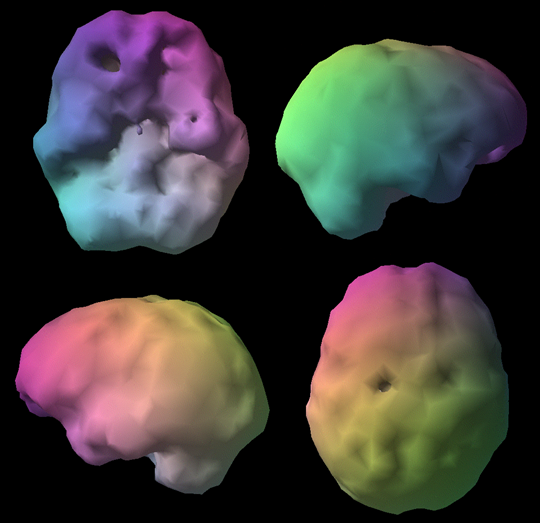
ADD Type 5 Symptoms
In addition to the core symptoms, the unique characteristics of Type 5 Limbic ADD include:- Moodiness
- Frequent irritability
- Tendency for social isolation
- Frequent feelings of helplessness and worthlessness
- Loss of interest in things
- Sleep changes (too much or too little)
- Chronic low-grade sadness or negativity (“glass half empty” syndrome)
- May or may not be hyperactive
ADD Quick Facts
- The limbic system can affect motivation, drive, and the bonding mechanism that enables a person to connect emotionally with others.
- Main symptoms of Limbic ADD include low self-esteem, chronic mood problems, decreased interest in activities previously considered fun, feelings of hopelessness, and being easily distracted.
- Limbic ADD is frequently misdiagnosed as depression. However, when individuals with Limbic ADD are given antidepressants it can increase their moodiness and negative symptoms.
- High-stress levels are a major trigger for depression in Type 5 individuals.
- People with Limbic ADD often suffer from low energy, short attention spans, and get stuck on negative thoughts and guilty feelings.
- Stimulant medications alone frequently make people with Limbic ADD more negative and moody.
Implementing these six tips will help you manage the symptoms of ADD Type 5:
Boost Your Mood With Food:
A balanced diet of high-quality proteins, healthy fats, and fewer carbohydrates will help reduce negative symptoms and balance your mood. A healthy diet can also be paired with supplements, like DL-phenylalanine and SAMe, to boost and stabilize the mood.Avoid Absolutes:
Alleviating the symptoms of Limbic ADD includes learning how to structure your thoughts and actions. For example, an “all or nothing” approach automatically sets you up for failure which, in turn, will cause emotional distress.Get Back to the Essentials:
Create strategies that will allow you to calm yourself down when you are triggered. Essential oils, such as lavender, bergamot, grapefruit, and peppermint, can help boost your mood.Collect Happy Memories:
Build a library of positive memories from happy experiences in your life. Sad people tend to dwell on negative memories. When you’re suffering from the negative symptoms of Type 5 ADD, you can bring yourself to a better place by collecting and reflecting on happy memories.Build Strong Relationships:
One way to curb negative thinking patterns is to surround yourself with people who encourage positive cognitive processes and support conversational bonding. Build strong relationships with them and with those closest to you.Get a Customized Solution:
Like many other mental health conditions, ADD is not just a single and simple disorder; therefore, treatment is not a one-size-fits-all solution. Each of the seven types of ADD requires a different treatment plan. What works for one person with ADD may not work for another—or could even make the symptoms worse! ADD is a neurobiological disorder with serious psychological and social consequences. Amen Clinics is here to help you understand your brain and provide treatment options that address more than just symptoms. Want more information? Download Amen Clinics’ free Getting to Know the 7 ADD Types eBook. Healing ADD starts with knowing if you have it and then finding out which type you have. We’ve helped tens of thousands of people with ADD from all over the world. If you suspect that you or a loved one might have ADD, don’t wait to get help. Call us today at 888-288-9834 or visit us online to schedule a visit. Do you have ADD or ADHD? If so, do you know which of the 7 types you have? There is a way to know for sure. Here are the signs and symptoms of ADD Type 4 (also known as Temporal Lobe ADD):Core Symptoms of ADD
Though each of the ADD subtypes has its own set of symptoms, they all share the same core symptoms.- A short attention span for regular, routine, everyday tasks (homework, chores, etc.)
- Distractibility
- Organization problems (like having a messy room, always running late, etc.)
- Procrastination
- Forgetfulness
- Problems with follow-through
- Poor impulse control (saying or doing something before thinking it through)
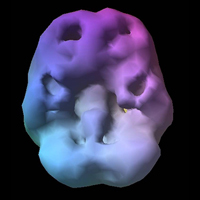
ADD Type 4 Symptoms
In addition to the core symptoms, the unique characteristics of Type 4/Temporal Lobe ADD include:- Irritability
- Periods of spaciness or confusion
- Auditory processing issues
- Periods of panic and/or fear for no reason
- Headaches or abdominal pain of uncertain origin
- Dark thoughts (may involve suicidal or homicidal thoughts)
- Possible learning disabilities
- May or may not be hyperactive
ADD Quick Facts
- People with Temporal Lobe ADD have memory challenges and behavioral problems, such as sudden bursts of anger and mild paranoia.
- Type 4 ADD has been correlated with previous head injuries (TBI) and toxic or infectious exposure.
- A person with Temporal Lobe ADD can experience periods of mood instability and often misinterpret comments in a conversation.
- During aggressive periods, Type 4 individuals may be defiant towards parents or authority figures.
- People with Temporal Lobe ADD may have difficulties controlling negative thoughts.
- Some people with Type 4 ADD experience déjà vu, see shadows or objects changing shape, and may hear sounds that nobody else hears.
Implementing these six tips will help you manage the symptoms of ADD Type 4:
Natural Remedies:
Individuals with Temporal Lobe ADD should consider natural remedies, such as making changes to diet and lifestyle, to help control their symptoms. When it comes to diet, those with Temporal Lobe ADD should eat more protein, healthy fats, and fewer carbohydrates.Brain Healthy Supplements:
For Type 4 ADD, supplements that promote calmness, like GABA, theanine, and magnesium, are ideal. Stimulating supplements such as green tea can also increase focus.Aerobic Exercise:
Aerobic exercise increases blood flow to the brain and releases endorphins which improve overall well-being. Those with Temporal Lobe ADD should get 30-45 minutes of intense aerobic activity each day.Action Plan:
Individuals with Type 4 ADD should have an action plan in place to deal with aggressive tendencies. The first step involves tracking mood shifts and identifying triggers. Next, try the 5x3x8 breathing technique. Breathe in for 5 seconds, hold it for 5 seconds, and breathe out for 5 seconds. Repeat this process 8 times. This will help to reduce irritability and increase a sense of control over the situation.Behavioral Programs:
Behavioral programs are available for children suffering from Temporal Lobe ADD. These programs provide an opportunity for children with Temporal Lobe ADD to meet each other, learn coping mechanisms, and work towards improving behavior. These groups are also an excellent way for parents to meet each other and find support.Get a Customized Solution:
Like many other mental health conditions, ADD is not just a single and simple disorder; therefore, treatment is not a one-size-fits-all solution. Each of the seven types of ADD requires a different treatment plan. What works for one person with ADD may not work for another—or could even make the symptoms worse! ADD is a neurobiological disorder with serious psychological and social consequences. Amen Clinics is here to help you understand your brain and provide treatment options that address more than just symptoms. Want more information? Download Amen Clinics’ free Getting to Know the 7 ADD Types eBook. Healing ADD starts with knowing if you have it and then finding out which type you have. We’ve helped tens of thousands of people with ADD from all over the world. If you suspect that you or a loved one might have ADD, don’t wait to get help. Call us today at 888-288-9834 or visit us online to schedule a visit.
Do you have ADD or ADHD? If so, do you know which of the 7 types of ADD you have? There is a way to know for sure.
Here are the signs and symptoms of Type 2 ADD (also known as Inattentive ADD):
As a parent, you’ll do anything to help your child. It’s so painful to watch your son or daughter struggle. But, where do you go when it seems like you’ve tried everything? Unfortunately, Liz knows how that feels. She felt like she was losing her daughter, Isabella, who had been severely struggling with ADD symptoms at school.
Isabella was in third grade when she started to fall behind in her schoolwork. Initially, Liz took notice but didn’t want to overreact. It was only third grade. “By fourth grade, we knew there were definitely some issues,” Liz explained. “By the time we were changing schools, we knew there was more than an educational or behavioral problem.”
Liz and her husband spent the next year and a half doing everything they could to help their daughter. Isabella’s older brother helped with after-school efforts too. They tried tutoring, an educational therapist, and even ocular therapy. A local educational foundation evaluated Isabella and said the core challenge was her memory. The whole family worked on memory games with her.
Type 2 ADD Core Symptoms
Though each of the ADD subtypes has its own set of symptoms, they all share the same core symptoms.- A short attention span for regular, routine, everyday tasks (homework, chores, etc.)
- Distractibility
- Organization problems (like having a messy room, always running late, etc.)
- Procrastination
- Forgetfulness
- Problems with follow-through
- Poor impulse control (saying or doing something before thinking it through)
Type 2 ADD Symptoms
In addition to the core symptoms, the unique characteristics of Type 2/Inattentive ADD include:- Difficulty maintaining focus
- Tendency to lose things
- Making careless mistakes; poor attention to detail
- Complaints of being bored
- Appearing unmotivated or apathetic
- Being tired, sluggish or slow moving
- Appearing “spacey” or preoccupied
Type 2 ADD Quick Facts
- Inattentive ADD is the second most common type of ADD.
- Those with Inattentive ADD tend to be introverted and may have trouble finding motivation in life.
- People with Type 2 ADD are frequently found daydreaming or looking out the window.
- Along with struggling to complete academic tasks, children with Inattentive ADD may have difficulty listening, processing verbal instructions, and following directions.
- Children with Inattentive ADD are often ignored because they are less likely to cause a disruption in class.
- Many children with Inattentive ADD are extremely intelligent.
- While the academic performance of Type 2 students may be satisfactory in elementary and middle school, their tendency to internalize their ADD symptoms and not seek treatment may cause them to hit a wall in high school.
- Adolescents with Inattentive ADD may struggle with stress, time management, and chronic anxiety.
- Girls tend to have Type 2 ADD as much if not more than boys.
- Inattentive ADD is commonly misdiagnosed as a learning disability.
- People with Type 2 don’t show the impulsive and hyperactive traits that are typically associated with ADD, so, unfortunately, many of them are never diagnosed.
Implementing these six tips will help you manage the symptoms of Type 2 ADD:
Behavior Therapy:
Behavior therapy can equip parents with the tools necessary to help their Type 2 child thrive in school and life. One effective behavioral technique for Type 2 kids is to set up a reward system: reward good behavior and withhold privileges when negative behaviors occur.Clear Instructions:
Since children with Type 2 ADD often become frustrated when they are unable to attain their goals, giving clear and simple instructions is essential to set them up for success. Children with Inattentive ADD respond better to straightforward directions that establish fair and realistic expectations.Break It Down:
Children with Inattentive ADD will find smaller tasks (or larger tasks broken down into smaller goals) easier to accomplish. Simply telling your child to clean up their room will not suffice. A child with Inattentive ADD will understand their task better if you say: “Put away the clothes on your bed. Then pick up the toys on the floor and put them in your toy box.”Write It Down:
Writing down tasks and creating a checklist for your child is even better than breaking down tasks verbally. Your child will feel a sense of accomplishment when they visually see their goals being achieved.Educate Your Child:
It’s important to educate your child about Type 2 ADD. Parents should inform their child of the positive traits associated with Inattentive ADD and help them learn coping mechanisms and strategies for critical thinking.Get a Customized Solution:
Like many other mental health conditions, ADD is not just a single and simple disorder; therefore, treatment is not a one-size-fits-all solution. Each of the seven types of ADD requires a different treatment plan, including dietary and cultural influences on ADD. What works for one person with ADD may not work for another—or could even make the symptoms worse! ADD is a neurobiological disorder with serious psychological and social consequences. Amen Clinics is here to help you understand your brain and provide treatment options that address more than just symptoms. Want more information? Download Amen Clinics’ free Getting to Know the 7 ADD Types eBook. Healing Type 2 ADD starts with knowing if you have it and then finding out which type you have. We’ve helped tens of thousands of people with ADD from all over the world. If you suspect that you or a loved one might have ADD, don’t wait to get help. Call us today at 888-288-9834 or visit us online to schedule a visit.When Hard Work Doesn’t Pay Off
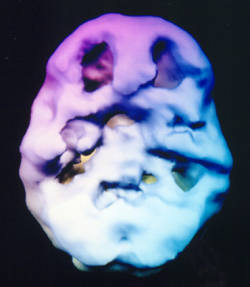
“It wasn’t that Isabella wasn’t trying hard,” Liz said. The tutoring and therapy commitments alone were taking two hours a day, four or five days a week. Isabella worked so hard every day and still got D’s and mostly F’s in her schoolwork. Liz and her husband pulled their daughter out of all extracurricular activities; school seemed so much more important. But even that choice appeared to have devastating effects. “She was losing self-confidence. She was turning inward, doubting every move,” Liz said. “We were losing our daughter, and it was killing us.” Then two different family friends heard about Isabella’s challenges. Both made the same recommendation: call Amen Clinics. Something rang true when Liz heard about SPECT scans. In a leap of faith, Liz scheduled a Full Evaluation. At the first consultation looking at Isabella’s brain SPECT scans, Liz and her husband were stunned. The front cortex of her brain looked like “her brain was on fire” due to its overactivity. Isabella’s psychiatrist explained that Isabella’s brain was quite literally exhausted. It didn’t know how to shut down, to calm itself—a vital task in the learning process. Isabella’s psychiatrist spoke with her parents, describing Isabella’s particular form of Attention Deficit Disorder (ADD). ADD is the most common psychiatric challenge for children. However, conventional treatments often fall short in “classic” cases. The explanation for this is simple, according to Dr. Daniel Amen’s findings, there are seven types of ADD, with each type requiring very different treatment.Report Card Improvements
Isabella’s parents looked at their options and chose to begin treatment through exercise, dietary choices, and brain-focused supplements only. “Within three weeks, Isabella’s grades went from mostly F’s to C’s and D’s,” Liz said. “Within six weeks, she went to almost all C’s.” At a follow-up appointment, the family decided to try two prescription medications that could further help Isabella focus while at school. They learned that Isabella’s challenge would not benefit from solely a stimulant medication; rather it would require specific medication to calm the overactive regions of her brain and another to activate the frontal cortex for focus. Using minimal dosages of two different medications, and continuing the dietary and lifestyle choices, Isabella went through a transformation at school. “Within three weeks of being on prescriptions, Isabella became a B-student at a very distinguished private school,” Liz said. Isabella is 14 now, an eighth grader with top grades and involved in sports again and acts in school plays. Most importantly, she feels confident again and even ran for student body president.Pinpointing Problems and Solutions
Amen Clinics brought Isabella and her family an accurate diagnosis, proven solutions, and hope. “They were able to pinpoint exactly what was Isabella’s problem,” Liz said. Through a whole-person approach, she has been able to become her very best—not only in school but in every aspect of her life. “It’s been unbelievable to watch the transformation. We’re very blessed.” What can a Full Evaluation do for you or a loved one? It’s time to stop guessing. Amen Clinics Full Evaluation of your biological-psychological-social-spiritual history including two brain SPECT imaging scans (at rest and concentration), cognitive testing, and clinical assessment is designed to address your unique needs and offer targeted treatment options. At Amen Clinics, we specialize in childhood learning challenges and ADHD. Our holistic treatment approaches are yielding transformative results. Call 888-288-9834 or visit us online to schedule an appointment now. It’s time to open the door to a bright and hopeful future for your child and your whole family. Attention Deficit Hyperactivity Disorder (ADHD or ADD), is one of the most common psychiatric challenges among adults. Symptoms vary widely, from inattentiveness and procrastination to outbursts and impulsiveness, resulting in a condition that can be challenging to treat. Shedding light on that complexity, Daniel G. Amen, M.D. has successfully defined seven sub-types of ADHD and for four of them, typical stimulant medications make symptoms worse. This is where the cycle of unsuccessful treatment, stress, and despair often begins. There is hope: Amen Clinics has pioneered innovative ADHD treatments that are highly successful. A recent six-month Outcome Study of 500 Amen Clinics’ patients of varying ages revealed that 75% showed significant improvement in their condition, and 85% reported improved quality of life after implementing their personalized protocols. The statistics are impressive. But every ADHD case is unique; it’s the individual success stories that are really inspiring. Just ask Adam, who was diagnosed with ADHD and learning disabilities as a teen. Treatment with Ritalin made no significant improvements for Adam, but he found ways to cope. Then a tragedy happened that made his symptoms much worse.Adam’s Story
When Adam was 18 he was in a motorcycle accident. He survived, but things were not the same afterward; his ADD symptoms got much worse. “I had bad impulse control and anger problems. I lost control of my emotions. I just didn’t know what was wrong with me,” relates Adam. “I would be okay and then all of a sudden lash out in anger…I couldn’t let go of an argument. I was impulsive and bought three cars in two weeks.” Adam’s wife couldn’t ignore how ADD was limiting his everyday life. It was clear he was struggling with focus and attention, impulse control and anger. The couple went through a list of psychiatrists—and medications. But sometimes they made things worse! It was exhausting, but Adam’s wife kept looking for answers. Finally, she found Amen Clinics. “I did the Full Evaluation with a brain SPECT scan and entire personal history,” Adam said. A brain SPECT scan (Single-Photon Emission Computerized Tomography) is a vivid image of the brain’s activity, which helps us better understand how it works and what is going on inside it. Adam’s Amen Clinic psychiatrist showed him a SPECT scan of a healthy brain and compared it to the SPECT scan of Adam’s brain. The comparison was a shock but Adam was grateful for the comprehensive evaluation of his condition. There was no more need for “trial and error meds”. The Amen Clinics Method offered targeted treatment for Adam’s unique brain and defined exactly what was needed in terms of medication and nutrition. “After starting my treatment plan at Amen Clinics, it changed my life dramatically. I was able to regain focus and get my anger under control.” “I had a follow-up brain SPECT scan after one year. We could see how my brain improved!” Adam said. He has continued to have additional scans to follow the progress. Today, Adam regularly refers others to Amen Clinics. He regards his experience as nothing short of life-changing. “I know if my wife hadn’t found Amen Clinics, we would not be married today,” he said. “Now she’s able to rely on me. I’m able to sustain a fairly normal life. Thank God my wife found Amen Clinics.”Amen Clinics Can Help
The Amen Clinics Method of integrative psychiatric care has brought hope to Adam and many others dealing with a wide range of conditions. Using innovative and personal care, our outcomes consistently demonstrate improvement for patients – including many who have tried other unsuccessful treatment approaches in the past. Amen Clinics utilizes a highly unique whole-person clinical intake and strategic brain-focused nutrition alongside conventional treatment options. Leading edge brain SPECT technology literally provides inside information needed to guide treatment strategies and confirm results.What can a Full Evaluation do for you or a loved one?
It’s time to stop guessing. Amen Clinics Full Evaluation of your biological-psychological-social-spiritual history including two brain SPECT imaging scans at rest and at concentration, cognitive testing, and clinical assessment is designed to address your unique needs and offer targeted treatment options. For more information, call us at 888-288-9834 or schedule a visit today. It’s back to school time already, which can mean helping your child adjust to a new classroom, new teachers, and for many—new distractions. Getting through this transition can be a challenge for those with undiagnosed or untreated ADD, and can wreak havoc on their lives – and yours! But, it doesn’t have to; learning more about the symptoms and treatment for ADD can lead you and your loved ones to healthier and more productive lives. One of Dr. Amen’s scientific contributions is, through the use of brain SPECT imaging, he uncovered the 7 subtypes of ADD, each involving a unique pattern of activity in the brain. And, not surprisingly, that each of the ADD types requires a different treatment—not a one-size-fits-all ADD solution.While each of the 7 types of ADD has its own unique set of symptoms, they generally share the same core symptoms:
- Short attention span
- Distractibility
- Organization problems
- Procrastination
- Problems with follow-through
- Poor impulse control