
ARCHIVE
As the legalization of cannabis expands in the U.S., interest is skyrocketing in the drug’s potential as a therapy for physical and psychological issues. Many teens see legalization as a green light to light up. But even though some research suggests possible therapeutic effects for people with anxiety, depression, and PTSD, other studies point to marijuana’s negative effects on young, developing brains.1. Increases the risk of depression and suicidal behavior
Using marijuana before the age of 18 significantly increases the risk of developing depression, suicidal thoughts, or suicide attempts in young adulthood, according to a 2019 review of 11 studies involving more than 23,000 people. The study concluded, “This is an important public health problem and concern, which should be properly addressed by health care policy.”2. Impairs cognitive function
Decades of research shows that marijuana impairs brain functions, such as memory, learning, and attention. Adolescents who use cannabis frequently have been shown to experience a decline in IQ, perform more poorly in school, and are more likely to drop out. Later in life, they have higher rates of unemployment and tend to have lower rates of satisfaction with their life in general.3. Disrupts the brain’s maturation process
During the teenage years, the brain is undergoing rapid development. A process called myelination takes place, coating neurons with a protective white-colored sheath that helps speed communication in the brain. This important process, which gives the brain’s white matter its color, isn’t completed until a person’s mid-20s. Heavy cannabis use as an adolescent can interfere with this process, damage the brain’s white matter, and result in a higher incidence of impulsivity, especially in teens who started smoking marijuana prior to the age of 16.4. Reduces blood flow to the brain
A 2016 brain imaging study on nearly 1,000 cannabis users showed overall decreased blood flow compared to a healthy group of nonusers. The brain region most likely to be affected in marijuana users in this study was the hippocampus, which is involved in memory, moods, and learning. Low blood flow on brain SPECT imaging has also been seen with ADHD, depression, suicide, bipolar disorder, schizophrenia, and more. Any addictive substance can ruin lives and ruin families, and marijuana is no exception. Amen Clinics takes a 360-degree approach to treating addictions — addressing any co-existing conditions and using a whole suite of strategies to enhance overall brain health. If you’re concerned about an adolescent’s cannabis use, reach out today to make an appointment online or by calling 888-288-9834. Most of us think of our teens and 20s as the years when life is full of parties and good times. But it isn’t always fun and games for every 14- to 27-year-old who make up “Generation Z”. Disturbing research shows that teens and young adults are more likely to feel stressed, depressed, or even suicidal compared with millennials when they were the same age. The researchers noted a 71 percent increase in young adults reporting psychological distress and a 63 percent jump in those with symptoms of depression. Among adolescents, the incidence of depressive symptoms jumped by 52 percent. And nearly twice as many in the GenZ population have thought about suicide. And that was before the pandemic! The stress, fear, worry, boredom, and frustration since the arrival of COVID-19 is hitting adolescents and young adults harder than any other age group. According to a survey by the CDC, young adults ages 18-24 are experiencing the highest levels of depression and anxiety, and 25% of them have had serious thoughts about suicide. Aside from the obvious effects of the pandemic, what’s behind the rise in mental illness in young adults? Researchers point to two likely culprits.2 Biggest Drivers of Mental Health Issues in Young Adults
1. Excessive Tech Use
Being tethered to our smartphones isn’t helping our mental health. Several studies have found that heavy social media use is associated with a greater risk for anxiety and depression, loneliness, feelings of isolation, self-esteem issues, and suicidal thoughts. In a study of over 1 million teens, researchers found that those who had less time screen time and more face-to-face time with friends were happier than those who spent more time on the internet, playing computer games, doing social media, texting, using video chat, or watching TV. Another study from 2018 found that when college students limited social media time to no more than 30 minutes a day for three weeks, they reported significant reductions in depression and loneliness, as well as less anxiety and FOMO (or “fear of missing out”). Tech addiction is real, and teens are particularly vulnerable to it. With the pandemic, tech usage has skyrocketed even higher. One study showed that internet providers have seen increases in usage of 40% to 100% compared to pre-pandemic statistics.2. Lack of Sleep
Sleep is vital for mental health, and teens need more of it than adults. For optimal cognitive function, teens require about 8 to 10 hours of sleep each night, but less than 9% are getting adequate shut-eye. Research has found a link between a lack of adequate sleep and mental illness in teens. One study that looked at nearly 28,000 high school students found a 38% increase in symptoms of depression and a 58% rise in suicide attempts for every hour of sleep lost. This same study also found that sleep deprivation was also tied to a 23% increased risk for substance abuse. Addiction is often associated with co-existing mental health issues. An online survey from Harvard Medical School about how the pandemic is affecting the mental health of young people found that sleep disruption is the most common symptom. In May 2020, over 75% of young adults experience trouble sleeping. By October, that percentage had dipped slightly to about 72%. Addiction to technology and lack of sleep not only increases the risk of mental illness but can also disrupt the important processes that are taking place in the developing brain. The brain continues developing until a person’s mid-20s, so it’s critical to address issues that could interfere with healthy development. Mental health issues in young people can’t wait. At Amen Clinics, we use brain SPECT imaging as part of a comprehensive evaluation to identify any underlying brain health issues. As an essential medical practice, Amen Clinics locations are open and available for in-clinic brain scanning and appointments, as well as mental telehealth, remote clinical evaluations, and video therapy. Find out more by speaking to a specialist today at 888-288-9834 or visit our contact page here.Brain SPECT imaging has dramatically influenced the way we diagnose and treat our patients. In Part 1 of this blog, you learned the basics about brain SPECT imaging and why it is considered the future of psychiatry. In Part 2, you discovered some of the common patterns seen in SPECT brain scans. In this part, you will discover three additional brain SPECT imaging patterns, what causes them, and the corresponding interventions.
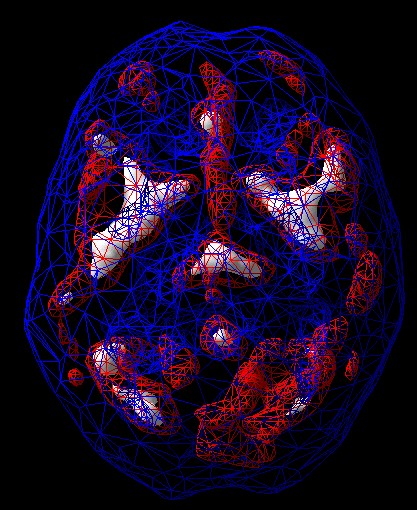
Brain SPECT Imaging Pattern 4: Hyperfrontality (frontal lobes work too hard)
SPECT Scan: Hyperfrontality Examples
OCD: Hyperfrontal pattern
Anxiety with obsessive thoughts: Hyperfrontal pattern
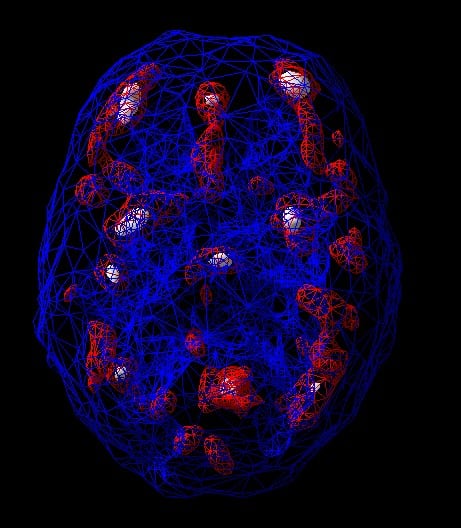
In this pattern, the frontal lobes of the brain are working too hard. We saw this pattern in a 37-year-old woman who came to see us because she was having trouble in her relationship and at work. Her husband complained that she was very negative and argumentative. At work, whenever something didn’t go as planned, she would stew about it for hours and miss deadlines. We diagnosed her with overfocused anxiety and depression and treated her with a combination of exercise, supplements, and specific foods. The treatment helped her relax, feel happier, and be more flexible in all areas of her life. Hyperfrontality can be seen in the following conditions:
• Obsessive-Compulsive disorder spectrum
• Oppositional defiant disorder
• Autism spectrum
• People who get stuck, worried, rigid, inflexible (when things get upset is things don’t go their way)
• Overfocused depression or anxiety (can’t stop thinking bad thoughts)
Interventions:
Increase serotonin to calm the brain through the following:
• Exercise
• Diet
• Supplements (5HTP or saffron)
• SSRIs (antidepressant medication, if necessary)
Brain SPECT Imaging Pattern 5: Hypofrontality (low frontal lobe activity)
SPECT Scan: Hypofrontality
This pattern shows decreased activity in the front part of the brain

Hypofrontality indicates low activity in the frontal lobes. We noticed this pattern in a 7-year-old boy, who was restless, fidgety, unable to focus, and doing poorly in school. While he was at rest, his brain scan showed full even activity, but when he performed a concentration task his frontal lobes decreased in activity—an indicator of ADHD. In people who don’t have ADHD, the frontal lobes typically increase in activity while concentrating. With the right diagnosis and interventions, the boy was better able to pay attention in class and his grades improved. Hypofrontality is associated with:
• ADHD
• Schizophrenia
• Traumatic brain injury
• Medications
• Predicts relapse in alcoholics
• Lack of conscientiousness
• Lack of forward thinking
• Some forms of depression
Interventions:
• Exercise
• Stimulating supplements, such as green tea, l-tyrosine, and rhodiola
• Stimulants, if ADHD
• Stimulating antipsychotics, if needed
• Stimulating antidepressants or SAMe, if depressed
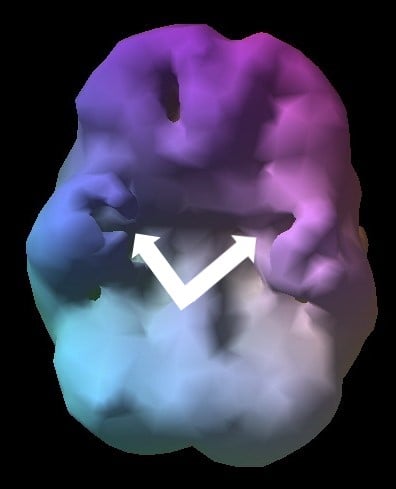
Brain SPECT Imaging Pattern 6: Temporal Lobe Abnormalities
SPECT Scans: Temporal Lobe Examples
Intermittent Explosive Disorder: Low prefrontal and left and right temporal lobe activity (arrows)
Social Skills Issues, trouble reading social cues: Low right temporal lobe activity
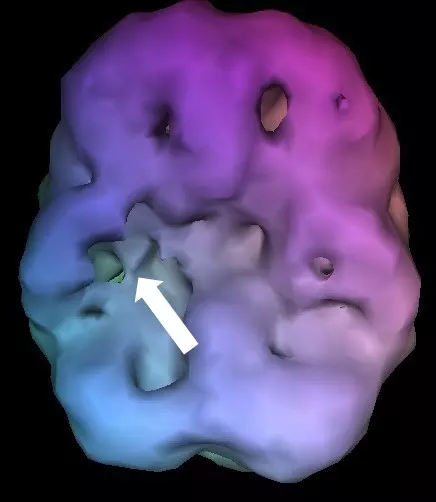
This pattern indicates one or both of the temporal lobes are unbalanced. We saw this pattern in a 23-year-old man, who came to see us when his employer told him he would be fired if he didn’t get his anger under control. The young man would suddenly lash out at coworkers for no reason and then go back to being pleasant. After seeing temporal abnormalities in his SPECT brain scan, he began hyperbaric oxygen therapy and started following a ketogenic diet, which helped him gain control of his anger. Not only did he keep his job, he got promoted to a managerial role and gained the trust of his colleagues. Temporal lobe abnormalities can be seen in:
• Temporal lobe epilepsy
• Temporal lobe dysrhythmia
• Dyslexia
• Mood instability
• Irritability
• Intermittent explosive disorder
Interventions:
• Ketogenic diet
• Hyperbaric oxygen therapy (HBOT)
• Anti-seizure medications
• Memory-enhancing medications or supplements, if memory is the problem
How does identifying these brain SPECT imaging patterns influence treatment?
In a 2012 study we conducted, we asked 7 psychiatrists to evaluate 109 consecutive charts without scans and then with scans. In 8 times out of 10, adding the scan into the review changed the diagnosis and/or treatment. In over 1 in 5 cases, the scan revealed an unexpected brain injury, and in another 1 in 5 cases, it revealed unexpected toxicity. And 60 percent of the time, it changed the medications or supplements recommended.
With brain SPECT imaging, do patients get better faster?
This is one of the most common questions I hear. We do outcome studies on all of our patients—we have over 7,000 outcomes on our patients. At the end of 6 months, if they are treated at Amen Clinics 84 percent of our complicated patients report being improved. And quality of life scores go up in 85 percent of patients. You can change your brain and change your life.
The Amen Clinics has been using brain SPECT imaging with its patients since 1991 and has the world’s largest functional brain imaging database related to brain health/mental health issues with over 150,000 SPECT scans on patients from 120 countries.
If you or someone you know would like more information about brain SPECT imaging at Amen Clinics, watch these two videos, or to make an appointment, visit us online or call: 888-288-9834.
SPECT Made Ridiculously Simple with Dr. Daniel Amen Part 1
SPECT Made Ridiculously Simple with Dr. Daniel Amen Part 2
When it comes to psychiatry, brain imaging changes everything. In Part 1 of this blog, you learned the basics about brain SPECT imaging and why it’s considered the future of psychiatry. In this part, you will discover some of the common patterns seen in SPECT brain scans, what may be causing them, and the corresponding interventions.
Brain SPECT Imaging Pattern 1: Scalloping/Overall Decreased Activity
SPECT Scans: Scalloping Examples
Inhalant Abuse: Moderate to severe scalloping
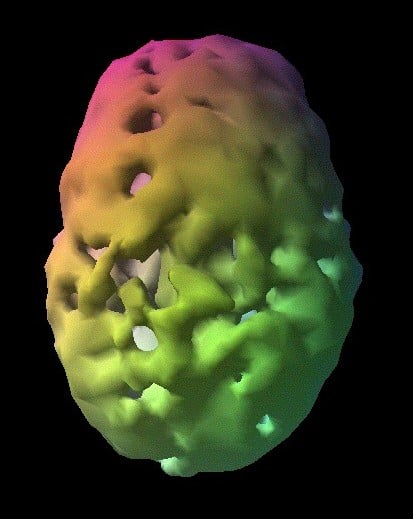
Chemotherapy and Radiation: Moderate to severe scalloping
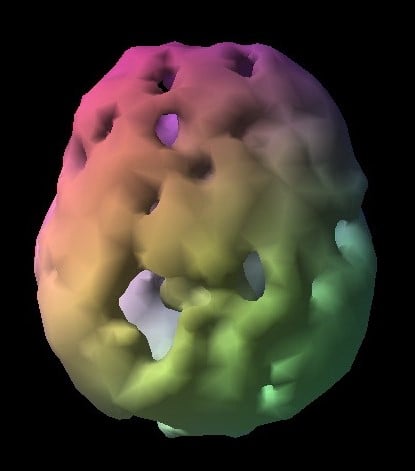
One of the first things I learned from our brain imaging work is that drugs and alcohol are bad for the brain and lead to a pattern called scalloping or overall decreased activity. Over the years, I realized that some people who didn’t use drugs or alcohol had the same pattern. When we see this pattern, we ask why. For example, I met with a couple who failed marital therapy. The husband had been a good-natured guy when they married 15 years earlier, but in the past 8 years, he had developed a bad temper and would lash out at his wife. It turned out the guy worked in a factory that finished furniture and he was being exposed to toxins all day long that were damaging his brain. It would be easy to say the guy’s a jerk and you should divorce him, but the harder question is to ask why? When this man got out of that toxic environment and followed other treatment recommendations, the anger diminished and their marriage survived.
Scalloping can be caused by:
• Toxicity (drugs or alcohol)
• Chemotherapy
• Environmental toxins
• Carbon monoxide poisoning (firefighters)
• Anoxia (near drowning episode, heart attack where you stopped breathing)
• Infections
• Hypothyroidism
• Severe anemia
Interventions:
Stop the toxin.
Treat infections.
Brain rehab program (put the brain in a healing environment)
• Care about the brain
• Avoid things that hurt the brain
• Do things that help the brain
• Neurofeedback
• Hyperbaric oxygen therapy (HBOT)
• Medications and/or supplements
Brain SPECT Imaging Pattern 2: Overall Increased Activity
SPECT Scans: Overall Increased Activity Examples
Bipolar Disorder, Manic: Overall increased activity

Lupus Flare: Overall increased activity
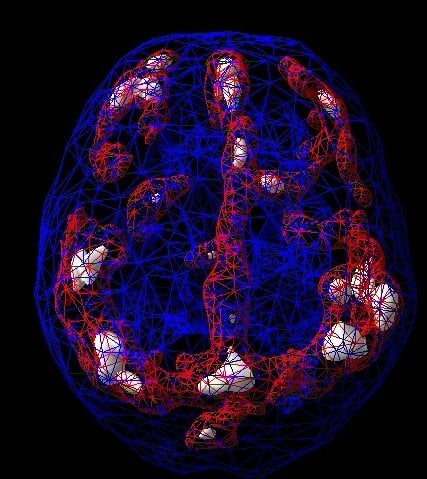
Ring of Fire ADHD: Overall increased activity
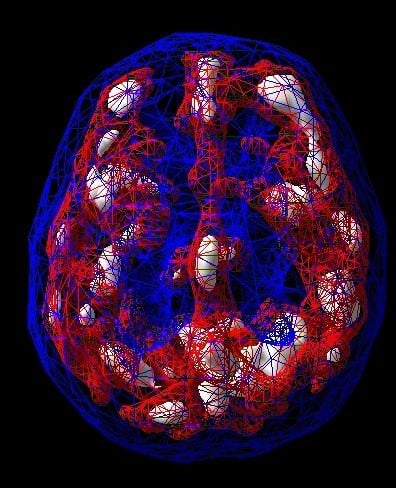
Obsessional Psychotic State: Overall increased activity
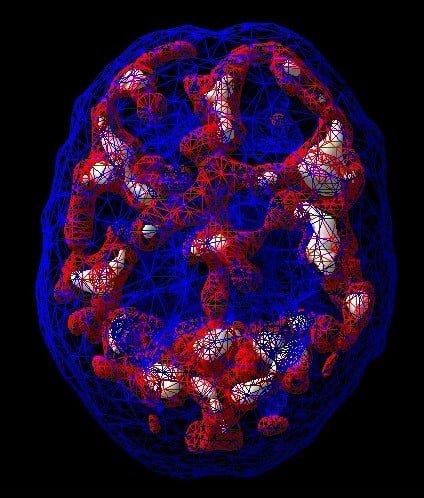
This pattern is commonly seen in bipolar disorder during manic episodes; in inflammatory processes, such as lupus or other autoimmune disorders; and in types of ADHD that are typically made worse by stimulant medication. We call this pattern in ADHD the Ring of Fire. One mother brought her 10-year-old son to see us after he had been diagnosed with ADHD and placed on stimulant medication (Ritalin). On the medication, his symptoms had worsened, and he would scream and throw temper tantrums when asked to do something. When we scanned his brain, it showed the Ring of Fire pattern. After changing his medication and his diet, his behavior improved tremendously.
Interventions:
• Work up and treat inflammation, such as lupus, or food allergies
• Eliminate allergens
• Calming interventions – GABA, magnesium, anticonvulsants
Brain SPECT Imaging Pattern 3: Traumatic Brain Injury
SPECT Scans: Traumatic Brain Injury Examples
Fall from roof: Frontal and left temporal lobe damage
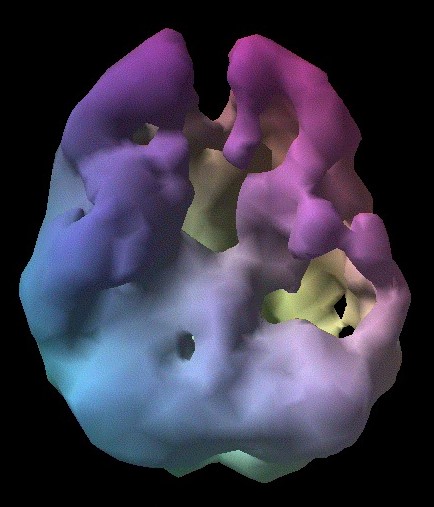
Motorcycle accident: Damage to whole right side of brain

Traumatic brain injuries are more common than you think. In fact, 40 percent of the patients we see at Amen Clinics have experienced a brain injury. I worked with a captain in the Marines, who had suffered multiple head injuries while on duty. Although he seemed to have healed physically, he began experiencing intense headaches, became prone to angry outbursts, and had trouble concentrating and focusing. When he saw the damage to his right temporal lobe on SPECT, he was determined to improve his brain health. On our brain rehab program, the headaches went away and he felt a dramatic improvement in his personality and focus.
On brain SPECT imaging, TBIs can appear in different forms, including:
• Focal deficits (one area affected)
• Asymmetries, where one side is hurt, but the other side not)
• Decreases of the prefrontal cortex (91%) and temporal loves (70%)
Interventions:
Brain rehab program:
• Care about the brain
• Avoid things that hurt the brain
• Do things that help the brain
• Hyperbaric oxygen therapy (HBOT)
• Medications and/or supplements that are area specific
In Part 3 of this blog, you will discover three additional common brain SPECT imaging patterns, the conditions they are associated with, and the corresponding interventions.
The Amen Clinics has been using brain SPECT imaging with its patients since 1991 and has the world’s largest functional brain imaging database related to brain health/mental health issues with over 150,000 SPECT scans on patients from 120 countries.
If you or someone you know would like more information about brain SPECT imaging at Amen Clinics, watch these two videos, or to make an appointment, visit us online or call: 888-288-9834.
SPECT Made Ridiculously Simple with Dr. Daniel Amen Part 1
SPECT Made Ridiculously Simple with Dr. Daniel Amen Part 2
At Amen Clinics, we’ve been using brain SPECT imaging since 1991. Let me briefly share how I fell in love with the brain imaging work we do. In 1972 I was an infantry medic where my love of medicine was born. After about 18 months I was retrained as an X-ray technician and developed a passion for medical imaging. As our professors used to say, “How do you know unless you look?”
In 1979, as a second-year medical student, someone I loved tried to kill herself, and I took her to see a wonderful psychiatrist. Over time, I realized that if he helped her, which he did, it would not only help her, but it would also help her children and even grandchildren as they would be shaped by someone who was happier and more stable. I fell in love with psychiatry because I realized it had the potential to help generations of people. But I fell in love with the only medical profession that virtually never looked at the organ it treats. I knew we could do better.
Why is brain SPECT imaging considered revolutionary in psychiatry?
How can you know what’s going on inside your head if nobody ever looks? Experienced psychiatrists can tell if someone is likely to have ADHD, OCD, or bipolar disorder without the benefit of these tools. But without functional brain imaging tools like SPECT, clinicians will never be able to know the underlying brain patterns of the patients they treat, so they are handicapped to throw medicated tipped darts in the dark at their patients. Brain SPECT is a state-of-the-art brain mapping tool that can give psychiatrists more information to help their patients more effectively.
Here is a quick primer on brain SPECT imaging and why it can be important to help you or your loved ones.
What is SPECT?
Single photon emission computed tomography (SPECT) is a nuclear medicine study that evaluates blood flow and activity in the brain. Basically, it shows three things: healthy activity, too little activity, or too much activity. Then based on what we see, our job is to balance your brain—to calm it down if it is working too hard or stimulate it if it is underactive.
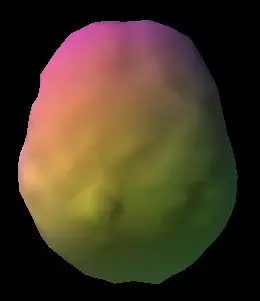
SPECT SURFACE VIEW
A healthy “surface” scan, looking down from the top, shows full, even symmetrical activity. The color is not important, it’s the shape that matters. Surface scans help us see areas that are healthy and those with low activity.
Healthy Surface SPECT Scan: Full, even, symmetrical activity.
SPECT ACTIVE VIEW
A healthy “active” scan shows the most active parts of the brain. Here blue is average activity and red (or sometimes red and white) are the most active parts of the brain. In a healthy scan, the most active area is in the cerebellum, at the back/bottom part of the brain, which makes up just 10 percent of the brain’s volume but houses half of the brain’s neurons.
Healthy Active SPECT Scan: Grey is average activity, white is top 15% showing most active areas of the brain.
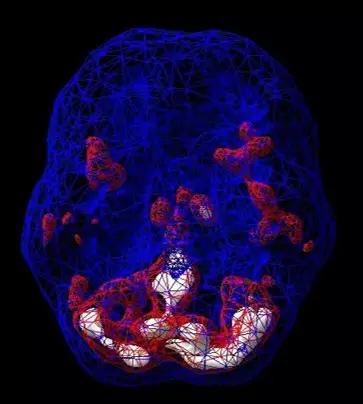
With SPECT, you can see healthy vs. unhealthy brains. Look at the following scans of people with Alzheimer’s disease or who have addictions.
SPECT Scan Alzheimer’s disease: Severe decreases in back half of the brain.
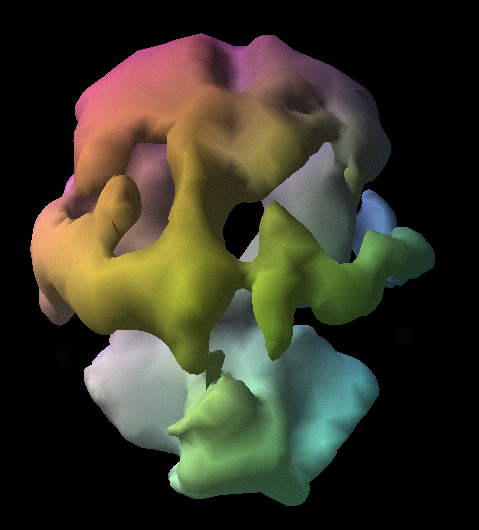
SPECT Scan Marijuana Addiction: Marked decreased activity in the prefrontal cortex and temporal lobes.
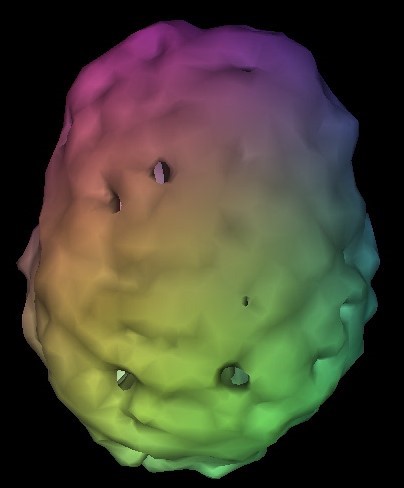
What does brain SPECT imaging teach us about the brain?
One of the big lessons we’ve learned from brain imaging is that mild traumatic brain injury ruins people’s lives. Your brain is very soft, about the consistency of soft butter, and the inside of your skull is very hard and has sharp, bony ridges. Your brain can be easily damaged. About 40 percent of the patients who come to Amen Clinics have experienced a traumatic brain injury. And so many of them don’t realize that brain injuries and concussions, even if you don’t pass out, are associated with a high degree of mental health challenges. Brain SPECT imaging shows evidence of traumatic brain injuries, even mild ones that happened decades earlier. Recognizing an underlying brain injury can be an important factor in healing mental health symptoms.
What is the biggest discovery brain SPECT imaging has revealed about psychiatric issues?
One of the biggest things brain SPECT imaging has taught us is that psychiatric issues—ADHD, depression, anxiety, schizophrenia, addiction, and more—are not single or simple disorders. They all have multiple types. It’s critical to know your type in order to get treatment that is targeted to your specific needs.
What are some of the ways SPECT brain scans improve treatment?
SPECT brain scans can:
• Show evidence of trauma, exposure to toxins like chemotherapy, or infections like Lyme disease (treating the underlying problem may help alleviate psychiatric symptoms)
• Show if medications are toxic (This is one of the main reasons why I rarely prescribe benzodiazepines because they are harmful to brain activity)
• Help prevent mistakes (You never want to stimulate a brain that’s already working too hard or calm a brain that isn’t working hard enough.)
How can SPECT brain scans help people with mental health disorders and addictions?
Brain SPECT imaging can be very powerful in treating people with psychiatric illnesses and/or addictions because it:
• Breaks denial
• Increases compliance
• Helps understand comorbidities
• Encourages follow-up scans (helping determine if treatment needs to be adjusted)
• Decreases stigma (helping you see that the problem is medical not moral)
• Decreases shame, guilt, self-loathing, and anger (helping you understand that your issues are not a personal failure)
• Increases, compassion and forgiveness for families
How does brain SPECT imaging offer hope to people struggling with mental health conditions?
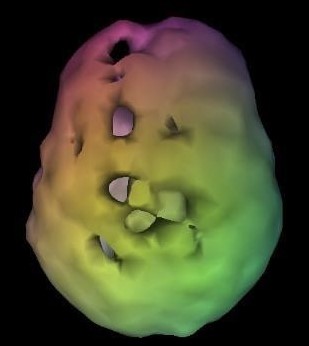
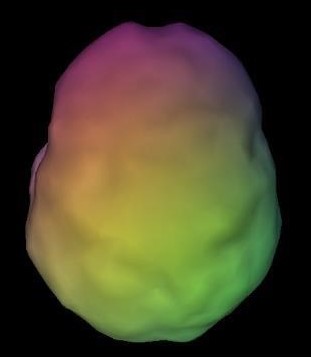
Seeing before-and-after brain scans shows that you are not stuck with the brain you have. You can change your brain and change your life.
SPECT Scans: Before Treatment and After Treatment
Low overall blood flow:
Marked overall improvement:
In Part 2 of this blog, you will discover some of the common patterns seen in SPECT brain scans, what they mean, and the corresponding interventions.
The Amen Clinics has been using brain SPECT imaging with its patients since 1991 and has the world’s largest functional brain imaging database related to brain health/mental health issues with over 150,000 SPECT scans on patients from 120 countries.
If you or someone you know would like more information about brain SPECT imaging at Amen Clinics, watch these two videos, or to make an appointment, visit us online or call: 888-288-9834.
SPECT Made Ridiculously Simple with Dr. Daniel Amen Part 1
SPECT Made Ridiculously Simple with Dr. Daniel Amen Part 2