
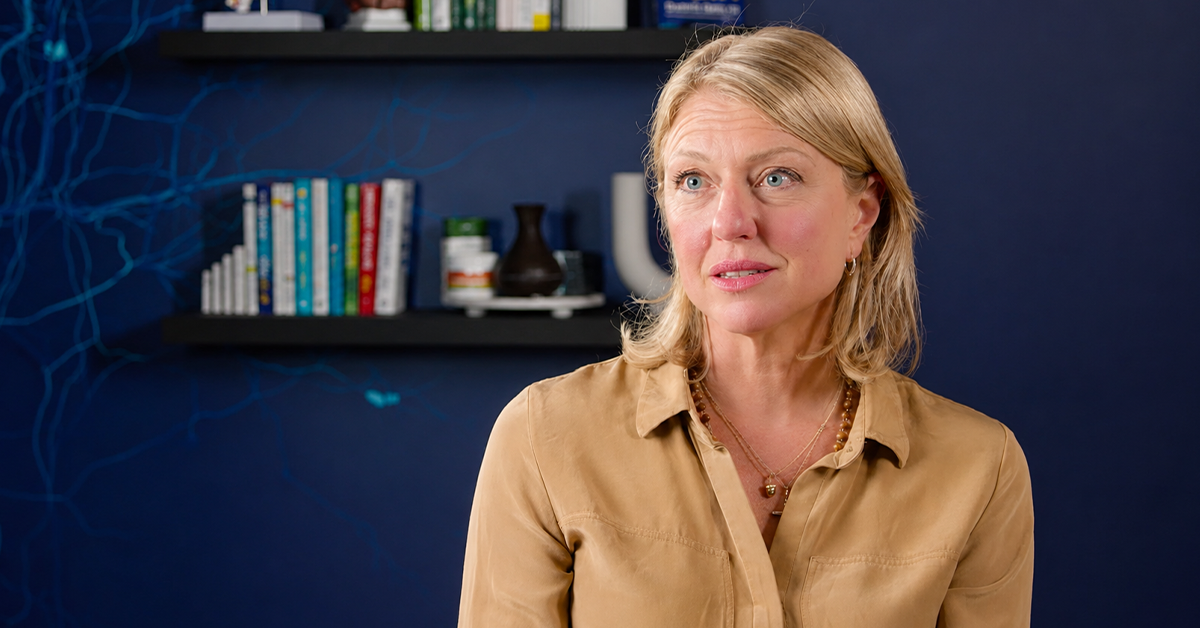
Mental Health and Post-Concussion Syndrome: Katie’s Story
Facebook-f X-twitter Youtube TL;DRKatie Jolly struggled with mental health challenges for most of her life, often feeling ashamed and without clear answers.Her breakthrough came after

If you’re struggling with an anxiety disorder, you probably know it’s important to eat a healthy diet. What you may not know is that some so-called healthy foods may actually increase anxiety. You need to know which ones to watch out for.
Anxiety continues to be a growing mental health concern in America. According to 2022 statistics from the Centers for Disease Control (CDC), almost one in five U.S. adults (18.2 percent) had experienced symptoms of anxiety in the previous two weeks.
Unfortunately, the Standard American Diet is only contributing to this trend. Even “feel-good” or so-called “healthy” foods can deteriorate brain function and contribute to mental health symptoms.
This blog will explain which common foods increase anxiety—and what you can choose instead to calm your brain and soothe feelings of anxiousness.
Even foods marketed as healthy can disrupt brain chemistry and increase feelings of anxiety and stress.
In a 2021 review published in Nutrients, more than 1,500 articles were evaluated to better understand the links between anxiety and diet. Researchers found that certain dietary habits were associated with less anxiety while other eating habits raised anxiety levels.
| Dietary Habits Linked to Less Anxiety |
|---|
| Eating more fruits and vegetables |
| Consuming omega-3 fatty acids |
| Following healthy dietary patterns |
| Caloric restriction |
| Eating breakfast |
| Eating a ketogenic diet |
| Taking broad-spectrum micronutrient supplementation |
| Consuming adequate amounts of zinc, magnesium, and selenium |
| Consuming probiotics |
| Consuming a range of phytochemicals |
| Dietary Habits Linked to Higher Levels of Anxiety |
|---|
| Eating a high-fat diet |
| Inadequate intake of tryptophan and dietary protein |
| High intake of sugar and refined carbohydrates |
| Following unhealthy dietary patterns |
Foods that may trigger anxiety are plentiful on grocery store shelves. Ultra-processed “Frankenfoods” are obvious culprits. But keep in mind that even foods marketed as healthy can disrupt brain chemistry and increase feelings of anxiety and stress.
Can healthy foods cause anxiety? You may be surprised to know that what you’re eating may have a lot to do with what’s eating you! Did you know that the very foods and beverages we seek out to soothe anxious feelings, although providing temporary relief, may make anxiety worse in the long run?
When you’re struggling with anxiety disorders and you’re trying to eat a healthy diet, you might reach for fat-free foods like yogurt or granola bars. But consuming them may make anxiety worse.
Many fat-free foods are filled with sugar and refined carbohydrates that spike blood sugar, which increases anxiety and contributes to mood crashes. Unstable blood sugar can trigger irritability, restlessness, and panic-like symptoms.
When you eat something high in added sugar or refined carbs, it causes your blood sugar to spike and then drop faster than it would if you had a more balanced meal with protein, carbs, fiber, and fat.
Science confirms it. Researchers observed increased symptoms of anxiety in a 2018 animal study where subjects were fed a diet high in refined carbohydrates.
Remember that added sugars can come in many forms and hide in all kinds of “healthy” fat-free foods. You can even find added sugar in fat-free sauces, dressings, and condiments.
Choose smarter carbs that support calm and are naturally low in fat. Reach for complex carbs like sweet potatoes, berries, and quinoa to stabilize your energy and mood.
Packaged juices may seem healthy, but they deliver sugar without fiber, impacting mood regulation due to the blood sugar-anxiety connection explained above. Juice-induced glucose spikes even affect serotonin and cortisol levels.
Conversely, studies on diabetes have established that high anxiety levels can result in the release of sympathetic hormones, which can:
Rather than sip high-sugar fruit juices, try infused water, herbal teas, or whole-fruit smoothies that offer the benefits of added protein and fiber.
While often a go-to for “healthy eating,” wheat products can negatively affect sensitive individuals such as those with gluten sensitivity or leaky gut.
As a reminder, gluten is the general name used for the proteins found in wheat, rye, barley, and triticale (a cross between wheat and rye). But this ingredient is increasingly a problem for those who have a sensitivity to it.
Researchers have estimated that while 1 percent of the US population has been diagnosed with celiac disease, “non-celiac gluten sensitivity” affects up to 6 percent of people in the U.S.
In these people, studies have found, gluten triggers gut dysbiosis, neuroinflammation, and gut-brain axis dysfunction. It even increases vulnerability for dementia.
Another review study found that gluten sensitivity and celiac disease are related to numerous brain health and mental health issues, including:
However, evidence shows that a gluten-free diet has been associated with improvements in mental health conditions. Going gluten-free produced a decrease in symptoms in some people in a study on autism, research on ADHD, and a review study on depression.
For healthier bread alternatives, reach for sprouted grains, gluten-free options made with seeds and legumes, or gluten-free coconut wraps.
Fruit sounds healthy, but non-organic produce may contain pesticide residues linked to mood and brain issues. A 2023 systematic review of 57 studies found that farm workers exposed to pesticides had increased depressive disorders and a higher suicide risk.
Meanwhile, a 2024 study of pesticide-exposed farmers also drew a link between exposure and mental health symptoms. The researchers hypothesized that pesticide exposure “compromises antioxidant defense mechanisms and induces inflammatory processes that may compromise neural circuits.”
These changes may be associated with the development of anxiety disorders and major depressive disorder in the pesticide-exposed farmers who were studied. Considering the neurotoxic effects of these chemicals on the brain, it’s important to reduce or eliminate exposure as much as possible.
Certain types of produce are notorious for having more pesticides than others. Strawberries, apples, and blueberries, for example, consistently appear on the “Dirty Dozen” list created by the Environmental Working Group (EWG).
Choose clean, mood-safe produce by looking for organic apples and other fruits and vegetables on the “Dirty Dozen” list. Also refer to the EWG’s “Clean 15” list to find which produce has the least pesticides.
Many people view chicken as a preferred alternative to red meat—and it can, in fact, be a healthier choice. But factory-farmed versions may contain added hormones, antibiotics, or inflammatory fats.
That’s why quality of meat matters. Additives in low-quality meats may contribute to systemic inflammation and anxiety.
A report by The College of Natural Sciences at the University of Massachusetts Amherst warned that modern industrial chicken farming exposes both chickens and humans to many health dangers. These include infectious diseases, antibiotics, and arsenical drugs.
To reduce exposure, choose local, pasture-raised and/or organic poultry rich in omega-3s that are grown without harmful chemicals.
Check your labels! “Sugar-free,” yogurt may contain artificial sweeteners like aspartame. Because artificial sweeteners affect the gut-brain axis, they are known to disrupt gut health and mood stability.
As known neurotoxins, artificial sweeteners can also disrupt normal nervous system function, leading to increased symptoms of anxiety.
One study focusing on nutrition as a metabolic treatment of anxiety suggested that increased anxiousness from artificial sweeteners may be a result of the adverse impacts they have on the microbiome and inflammation.
Another study in Nutrition Neuroscience suggested that aspartame (in brands such as Equal and Nutrasweet) can inhibit the transport of dopamine and serotonin precursors into the brain. They may increase the levels of excitatory neurotransmitters, shifting brain chemistry to be more anxiety prone.
To protect your mental health, make better dairy and dairy-free choices. Choose full-fat plain yogurt with live cultures, or dairy-free yogurts made from coconut or almond milk, enriched with probiotics for better gut health.
When you replace anxiety-triggering foods with nutrient-dense choices, you’ll help reduce inflammation and improve mood. In fact, numerous foods can help reduce anxiety naturally, including foods rich in GABA, vitamin B6, magnesium, omega-3s, probiotics, and L-theanine.
| GABA-rich foods | Green, black, or Oolong teas, lentils, berries, grass-fed beef, wild-caught fish, seaweed, noni fruits, potatoes, and tomatoes |
| Vitamin B6-rich foods | Spinach, garlic, broccoli, brussels sprouts, and bananas |
| Magnesium-rich foods | Pumpkin and sunflower seeds, almonds, spinach, Swiss chard, sesame seeds, beet greens, summer squash, quinoa, black beans, and cashews |
| Omega-3-rich foods | Flaxseeds, walnuts, salmon, sardines, beef, shrimp, walnut oil, chia seeds, avocados, and avocado oil |
| Probiotic-rich foods | Brined vegetables, kimchi, sauerkraut, kefir, miso soup, pickles, spirulina, chlorella, and kombucha tea |
| L-theanine | Drink green tea |
Also ensure that you plan your meals to stabilize mood. Include sufficient protein, fiber, and healthy fats in every meal to prevent blood sugar crashes and brain fog. Remember, when it comes to your mood and your overall health, you are what you eat!
Anxiety, depression, and other mental health conditions can’t wait. At Amen Clinics, we provide personalized, science-backed treatment plans designed to target the root causes of your symptoms. Our 360-approach includes brain SPECT imaging, clinical evaluations, innovative therapeutic techniques, medications (when necessary), and holistic lifestyle recommendations to promote the health of your brain, body, and mind. Speak to a specialist today at 888-288-9834 or visit our contact page here.
Terlizzi EP, Zablotsky B. Symptoms of anxiety and depression among adults: United States, 2019 and 2022. National Health Statistics Reports; no 213. Hyattsville, MD: National Center for Health Statistics. 2024. DOI: https:// dx.doi.org/10.15620/cdc/64018.
Aucoin M, LaChance L, Naidoo U, Remy D, Shekdar T, Sayar N, Cardozo V, Rawana T, Chan I, Cooley K. Diet and Anxiety: A Scoping Review. Nutrients. 2021 Dec 10;13(12):4418. doi: 10.3390/nu13124418. PMID: 34959972; PMCID: PMC8706568.
Masana MF, Tyrovolas S, Kolia N, Chrysohoou C, Skoumas J, Haro JM, Tousoulis D, Papageorgiou C, Pitsavos C, Panagiotakos DB. Dietary Patterns and Their Association with Anxiety Symptoms among Older Adults: The ATTICA Study. Nutrients. 2019 May 31;11(6):1250. doi: 10.3390/nu11061250. PMID: 31159322; PMCID: PMC6627391.
Santos CJ, Ferreira AVM, Oliveira AL, Oliveira MC, Gomes JS, Aguiar DC. Carbohydrate-enriched diet predispose to anxiety and depression-like behavior after stress in mice. Nutr Neurosci. 2018 Jan;21(1):33-39. doi: 10.1080/1028415X.2016.1213529. Epub 2016 Jul 29. PMID: 27472404.
Wong H, Singh J, Go RM, Ahluwalia N, Guerrero-Go MA. The Effects of Mental Stress on Non-insulin-dependent Diabetes: Determining the Relationship Between Catecholamine and Adrenergic Signals from Stress, Anxiety, and Depression on the Physiological Changes in the Pancreatic Hormone Secretion. Cureus. 2019 Aug 24;11(8):e5474. doi: 10.7759/cureus.5474. PMID: 31485387; PMCID: PMC6710489.
Igbinedion SO, Ansari J, Vasikaran A, Gavins FN, Jordan P, Boktor M, Alexander JS. Non-celiac gluten sensitivity: All wheat attack is not celiac. World J Gastroenterol. 2017 Oct 28;23(40):7201-7210. doi: 10.3748/wjg.v23.i40.7201. PMID: 29142467; PMCID: PMC5677194.
Daulatzai MA. Non-celiac gluten sensitivity triggers gut dysbiosis, neuroinflammation, gut-brain axis dysfunction, and vulnerability for dementia. CNS Neurol Disord Drug Targets. 2015;14(1):110-31. doi: 10.2174/1871527314666150202152436. PMID: 25642988.
Jackson JR, Eaton WW, Cascella NG, Fasano A, Kelly DL. Neurologic and psychiatric manifestations of celiac disease and gluten sensitivity. Psychiatr Q. 2012 Mar;83(1):91-102. doi: 10.1007/s11126-011-9186-y. PMID: 21877216; PMCID: PMC3641836.
Whiteley P, Haracopos D, Knivsberg AM, Reichelt KL, Parlar S, Jacobsen J, Seim A, Pedersen L, Schondel M, Shattock P. The ScanBrit randomised, controlled, single-blind study of a gluten- and casein-free dietary intervention for children with autism spectrum disorders. Nutr Neurosci. 2010 Apr;13(2):87-100. doi: 10.1179/147683010X12611460763922. PMID: 20406576.
Niederhofer H. Association of attention-deficit/hyperactivity disorder and celiac disease: a brief report. Prim Care Companion CNS Disord. 2011;13(3):PCC.10br01104. doi: 10.4088/PCC.10br01104. PMID: 21977364; PMCID: PMC3184556.
Busby E, Bold J, Fellows L, Rostami K. Mood Disorders and Gluten: It’s Not All in Your Mind! A Systematic Review with Meta-Analysis. Nutrients. 2018 Nov 8;10(11):1708. doi: 10.3390/nu10111708. PMID: 30413036; PMCID: PMC6266949.
Mariane Magalhães Zanchi, Katiuska Marins, Ariane Zamoner, Could pesticide exposure be implicated in the high incidence rates of depression, anxiety and suicide in farmers? A systematic review, Environmental Pollution, Volume 331, Part 2, 2023, 121888, ISSN 0269-7491, https://doi.org/10.1016/j.envpol.2023.121888.
Mariane Magalhães Zanchi, Filomena Marafon, Katiuska Marins, Margarete Dulce Bagatini, Ariane Zamoner, Redox imbalance and inflammation: A link to depression risk in Brazilian pesticide-exposed farmers, Toxicology, Volume 501, 2024, 153706, ISSN 0300-483X, https://doi.org/10.1016/j.tox.2023.153706.(https://www.sciencedirect.com/science/article/pii/S0300483X23002937)
EWG’s 2025 Shopper’s Guide to Pesticides in Produce, By EWG Science Team. JUNE 11, 2025, https://www.ewg.org/foodnews/summary.php
Effects of Poultry Management Systems on Consumer Health, December 5, 2013. https://websites.umass.edu/natsci397a-eross/effects-of-poultry-management-systems-on-consumer-health-3/
Norwitz NG and Naidoo U (2021) Nutrition as Metabolic Treatment for Anxiety. Front. Psychiatry 12:598119. doi: 10.3389/fpsyt.2021.598119
Choudhary AK, Lee YY. Neurophysiological symptoms and aspartame: What is the connection? Nutr Neurosci. 2018 Jun;21(5):306-316. doi: 10.1080/1028415X.2017.1288340. Epub 2017 Feb 15. PMID: 28198207.

If you’ve been feeling like your mental health is a rollercoaster, one day you’re OK, and the next day you’re off the rails, take a deep breath. You’re not broken. You’re not lazy. And it’s not your fault.
Here’s the truth. In the rush of modern life, stress can build up faster than you think. Before you know it, you’re running on empty, and even then, carving out time to take care of your mind can feel like just another task on an already full plate.
But have you ever thought of how tiny habits for mental health can create the shift you desire? Major interventions like taking a sabbatical leave, signing up for therapy, or a complete overhaul of your routine can be powerful, but they may feel out of reach when you’re just trying to get through the day.
Sometimes it’s the smallest steps that can make the biggest difference. Tiny Habits is a concept created by Professor B. J. Fogg, director of the Persuasive Tech Lab at Stanford University, and his sister, Linda Fogg-Phillips. These habits are anchored to something you do (or think or feel) so that they are more likely to become automatic.
In this blog, you’ll discover eight of these tiny but powerful habits. They takes just a few minutes to complete, but they can lead to lasting changes.
When it comes to improving mental health, sometimes it’s the smallest steps that can make the biggest difference.
When your feet hit the floor first thing in the morning, say these words out loud: “Today is going to be a great day!” How you start the first few moments of your morning sets the tone for your day. Your morning is your brain’s prime time. It is the best time to shape your mindset.
As you say those words, you are activating the prefrontal cortex—the region of your brain that is responsible for hope, focus, goal setting, decision making, and motivation. Though it may seem small, this is one of those powerful mental health habits you need to gently retrain your brain over time.
Even if the day may not go perfectly, this habit trains your mind to look out for the good rather than scanning for stress and negativity. This is not about pretending that everything is perfect. It’s about telling your brain where to focus.
Press Play to Learn Dr. Amen’s Favorite Brain Health Habit
In this video, Dr. Daniel Amen reveals a simple habit that can change your brain and change your life.
Click below to tune in:
In a day, your brain produces thousands of thoughts. Sadly, not all are true or helpful. Some are automatic negative thoughts (ANTs) that keep crawling in without a warning.
Research shows that ANTs steal your peace, and over time, increase your risk of depression. They trigger the fear circuits in your brain, especially the amygdala, causing you to feel hopeless, anxious, and stuck.
The good news is, you don’t have to believe every thought that comes to your mind. The next time a negative thought comes to your mind, for instance, “I am not good enough,” pause and write it down.
Ask yourself, is it true? This is a simple healthy habit, but it helps you challenge distorted thinking and shift your focus to more accurate and balanced thinking.
Think of this as mental hygiene. Just like brushing your teeth, questioning your negative thoughts is a brain health habit that will steer your mindset in the right direction. This rewiring builds resilience with time and improves your mood, giving you greater control over how you feel or react.
Related: 9 Natural Ways to Help Depression
Your brain depends on cues to transition smoothly from a state of activity or busyness to calm. After putting away your computer and keys, engage in a calming ritual.
You could press play on a meditation audio or soothing music. It helps signal your brain that the working day is done.
Studies show that it also lowers the levels of cortisol, the stress hormone, and quiets the amygdala, which is like your brain’s alarm system. Consequently, this ritual activates your prefrontal cortex and strengthens your ability to relax and focus, as it prepares you for restful sleep.
Anchor this habit to an action you already do, like taking off your shoes when you get home from work or switching off your phone, so it can be easier to give your mind a break every evening.
Your brain craves consistency, particularly in the quiet moments that lead to sleep. Taking a moment every evening to ask yourself, “What went well today?” isn’t just a practice of gratitude. It’s also a powerful way to rewire your brain to seek out or recognize the good.
This habit helps redirect your focus from the chaos of the day to a calm and purposeful reflection. You don’t have to come up with major accomplishments. It could be something as small as a few kind words you heard from someone you admire, finishing a challenging task at work, or just making it through a hectic day.
So tonight, before you drift off to sleep, take a moment and reflect on what went well. As you fall asleep, your mind will be more settled. You will also wake up more prepared to handle the next day.
When life gets overwhelming, pausing to focus on your breath is the quickest way back to calm. Incorporating this into your daily mental health practices can make a significant difference in how you handle stress.
Research shows that deep, intentional breathing sends a signal to your nervous system that you’re safe. It helps to slow your heart rate and quiets the racing thoughts. Stop just for a moment, even if things feel urgent.
While at it, stay focused on the rhythm of your breath. As you do this, you will notice a shift. Your thoughts will slow down, you’ll feel your shoulders drop, and your heart rate will settle. Use this as a reset button to center your mind anytime, whether you’re having a chaotic morning or an anxious evening.
Life presents us with difficult moments from time to time. But how you respond to them can shift everything.
Develop the habit of always asking yourself, “What’s there to be glad about in this situation?” This simple practice builds positive thinking habits that train your brain to focus on resilience rather than defeat.
It could be a supportive friend, a lesson learned, or simply the fact that you’re still standing despite the ordeal you’re going through. It isn’t about denying the struggle. This is about expanding your point of view to appreciate the good during hard moments.
With time, this habit will help to rewire your mindset and make you more grounded emotionally, even when life is throwing curveballs.
When gratitude is shared, it grows. Simple habits to improve mental health, like reaching out to someone you appreciate with a quick text or voice note after breakfast, can brighten their day and deepen your connection.
Other than lifting the person you care about, such gestures also boost your mood and sense of belonging. While you practice these habits, you’ll be training your brain to notice the positive.
Studies show that gratitude can help reduce stress and enhance your emotional resilience. As you deepen these relationships, you are also creating a ripple effect of kindness and connection that will benefit your mental health and the well-being of those around you.
If you’re looking for the best tiny habits to reduce anxiety, consider prayer or meditation. These practices can ground you and shift your perspective. In situations where your thoughts spiral or your heart starts racing, a short pause for stillness can invite calm and clarity.
When you pray, you release control and find comfort in faith. You realize that you are not alone in that struggle. On the other hand, meditation grounds you in the present. It allows you to gently observe your thoughts and prevents you from getting caught up in them.
According to research, meditation can significantly lower anxiety symptoms, in the same way that anti-anxiety medications can help a patient over eight weeks.
You don’t need to do it in a perfect setting. Just a few minutes in stillness, whether in reflection or spiritual connection, and you will feel more centered and capable.
With time, these habits will become powerful tools that will steady your emotions and strengthen you as you handle the daily pressures of life.
Related: 11 Natural Ways to Help Anxiety
Your brain is more adaptable than you may think. As you take one small, manageable step at a time, you will be amazed at the quiet strength that will begin to rise within you. Resilience that is not rooted in hustle, but in intention, awareness, and peace.
Life’s demands can tempt you to skip your rituals, meaning you might face moments of forgetfulness or doubt, and that’s very normal. However, bit by bit, these tiny habits will carve new pathways in your brain, build resilience, and reveal a more grounded version of your everyday life.
Eating disorders and other mental health conditions can’t wait. At Amen Clinics, we provide personalized, science-backed treatment plans designed to target the root causes of your symptoms. Our 360-approach includes brain SPECT imaging, clinical evaluations, innovative therapeutic techniques, medications (when necessary), and holistic lifestyle recommendations to promote the health of your brain, body, and mind. Speak to a specialist today at 888-288-9834 or visit our contact page here.
Yes! Research shows that small, consistent actions can rewire the brain over time—a concept known as neuroplasticity. Tiny habits, especially those that engage the prefrontal cortex and calm the amygdala, help reduce stress, improve mood, and build emotional resilience. It’s not about doing everything at once—it’s about creating sustainable change, one small shift at a time.
Everyone’s brain is different, but the physicians at Amen Clinics have found that building a new habit can take anywhere from one to three months for go-getters and up to six months for slow-and-steady types. The good news? Some brain-based habits—like deep breathing, gratitude, or positive morning affirmations—can provide benefits almost immediately, such as a calmer nervous system or a shift in mindset. The key is consistency over perfection.
Absolutely. These habits are not a replacement for professional mental health treatment but can be a powerful complement. Many people find that adding daily brain-healthy routines supports and enhances the benefits of therapy, medication, or other holistic interventions. Always speak with your healthcare provider when making changes to your mental health plan.
Goldberg, S. B., Rojas, R., Kintziger, K. W., Forman, E. M., & Whitfield-Gabrieli, S. (2022). Can mindfulness meditation really reduce stress and anxiety? A meta-review of randomized controlled trials. Journal of Affective Disorders, 299, 22–31. https://doi.org/10.1016/j.jad.2021.10.129
Lally, P., van Jaarsveld, C. H., Potts, H. W., & Wardle, J. (2010). How are habits formed: Modelling habit formation in the real world. European Journal of Social Psychology, 40(6), 998–1009. https://www.ncbi.nlm.nih.gov/pmc/articles/PMC3505409/
Nguyen, L. H., Wu, J., Koenen, K. C., & Greden, J. F. (2024). Strengthening mental health care through prevention science: Opportunities for clinical practice and health systems. Frontiers in Psychiatry, 14, Article 10741869. https://doi.org/10.3389/fpsyt.2023.10741869
Zhao, Y., Yang, L., Sahakian, B. J., Langley, C., Zhang, W., Kuo, K., Li, Z., Gan, Y., Li, Y., Zhao, Y., Yu, J., Feng, J., & Cheng, W. (2023). The brain structure, immunometabolic and genetic mechanisms underlying the association between lifestyle and depression. Nature Mental Health, 1(11), 736–750. https://doi.org/10.1038/s44220-023-00120-1
Emmons, R. A., & McCullough, M. E. (2003). Counting blessings versus burdens: An experimental investigation of gratitude and subjective well-being in daily life. Journal of Personality and Social Psychology, 84(2), 377–389. https://doi.org/10.1037/0022-3514.84.2.377

Are you struggling with depression but not finding relief from antidepressants? You’re not alone. Nearly half of individuals diagnosed with the mood disorder may fall into the category of treatment-resistant depression, according to findings in a 2025 study.
The research—published in the British Journal of Psychiatry—revealed that 48% of patients with a depression diagnosis had been prescribed at least two different antidepressants. More alarming is the fact that 37% had tried four or more types of antidepressants without getting better.
This highlights the significant number of people who aren’t finding relief through conventional treatments. If you or someone you love is struggling with depression that won’t go away, here’s what to do when antidepressants don’t work.
At least 30% of individuals with depression meet the criteria for treatment-resistant depression but that number could be as high as 55%, according to research.
Treatment-resistant depression (TRD) is when someone doesn’t get better after trying at least two different antidepressants, even when taking them as prescribed.
When symptoms of depression persist, it can have a major negative impact on your life. It increases the risk of substance abuse, makes you more vulnerable to certain medical issues, destroys relationships, and interferes with the ability to excel at work, to name a few.
In the 2025 study mentioned above, the researchers characterize treatment-resistant depression as “one of the most challenging yet neglected conditions in psychiatry.”
Thankfully, researchers are now recognizing the severe negative effects of TRD and looking for effective alternative treatments for depression. The study above recommends access to diverse treatment options and adoption of a more holistic treatment approach when it comes to TRD.
There are several reasons why antidepressants don’t work for everybody who’s been diagnosed with major depressive disorder (MDD). If you’re resistant to pharmaceutical treatment, understanding what additional factors are at play can open up new alternatives to try.
Related: 6 Biological Causes of Depression
Here are a few significant reasons why antidepressants don’t work:
Innovative research conducted using brain SPECT imaging found that people who didn’t respond to depression treatment had lower overall blood flow in the brain. Brain scans showed reduced blood flow particularly in key brain regions:
For patients with low blood flow, antidepressants that enhance serotonin, known as selective serotonin reuptake inhibitors (SSRIs), may not be helpful since they tend to lower brain activity.
Most people don’t realize that depression isn’t a simple or single disorder. Brain imaging and depression have shown that depression is more complex.
In fact, the brain-imaging work at Amen Clinics reveals that there are seven types of depression and anxiety (anxiety often accompanies depression). Each type requires individualized treatment.
A tailored approach often involves lifestyle changes that support greater or lesser activity in certain areas of the brain helping to improve mood and calm anxiety.
The best way to determine your type of depression is with brain imaging like SPECT. Obtaining a SPECT scan for depression can help unlock what therapies are best for you. However, most psychiatrists fail to look at the organ they treat.
Related: Treating the Brain for Anxiety and Depression
Did you know that the feelings of sadness, lack of motivation, irritability, and trouble concentrating associated with depression may actually be caused by biological issues?
Here are some common biological causes of depression:
If antidepressants aren’t working for you, it’s a good idea to see your healthcare professional to investigate these possibilities and treat them if necessary.
Press Play to Learn How One Woman Overcame Depression
One woman had been struggling with depression that had gotten so severe it was hard to leave her bed. In this video, she describes how her life transformed after visiting Amen Clinics for help.
When antidepressants aren’t working, consider the following natural treatments:
There are many ways to enhance your mood through diet and supplementation. Here are some well-studied ways to help:
While more definitive research is needed, a 2025 review of existing clinical research found that the anti-inflammatory properties and neurotransmission and membrane benefits of omega-3 supplementation can reduce symptoms of depression significantly.
Additionally, the same review study found that supplementing with vitamin D may boost cognitive function and mood regulation. The researchers suggest this may be due to vitamin D’s neuroinflammatory benefits and modulation of neurotransmitter activity.
Physical exercise releases feel-good neurotransmitters to boost your mood.
Other innovative natural treatment options that can help reduce depression include neurofeedback, hypnotherapy, IV nutrient therapy, and psychotherapy.
In particular, cognitive behavioral therapy (CBT) has been found to be as effective as antidepressants in the short-term, when they work, and more effective in the long-term in helping to reduce depressive symptoms, research has found.
If you or a loved one is struggling with treatment-resistant depression, be reassured that antidepressants are not the only treatment pathway. Reach out to a qualified mental health professional to explore your options.
Depression and other mental health conditions can’t wait. At Amen Clinics, we provide personalized, science-backed treatment plans designed to target the root causes of your symptoms. Our 360-approach includes brain SPECT imaging, clinical evaluations, innovative therapeutic techniques, medications (when necessary), and holistic lifestyle recommendations to promote the health of your brain, body, and mind. Speak to a specialist today at 888-288-9834 or visit our contact page here.
Mangweth-Matzek B, Kummer KK, Hoek HW. Update on the epidemiology and treatment of eating disorders among older people. Curr Opin Psychiatry. 2023 Nov 1;36(6):405-411.
Isabel Krug, Shanshan Liu, Jade Portingale, Sarah Croce, Beya Dar, Katrina Obleada, Veena Satheesh, Meila Wong, Matthew Fuller-Tyszkiewicz. A meta-analysis of mortality rates in eating disorders: An update of the literature from 2010 to 2024. Clinical Psychology Review. Volume 116, 2025, 102547.
Stice E, Marti CN, Rohde P. Prevalence, incidence, impairment, and course of the proposed DSM-5 eating disorder diagnoses in an 8-year prospective community study of young women. J Abnorm Psychol. 2013 May;122(2):445-57.
van Eeden AE, van Hoeken D, Hoek HW. Incidence, prevalence and mortality of anorexia nervosa and bulimia nervosa. Curr Opin Psychiatry. 2021 Nov 1;34(6):515-524.
Gagne DA, Von Holle A, Brownley KA, Runfola CD, Hofmeier S, Branch KE, Bulik CM. Eating disorder symptoms and weight and shape concerns in a large web-based convenience sample of women ages 50 and above: results of the Gender and Body Image (GABI) study. Int J Eat Disord. 2012 Nov;45(7):832-44. doi: 10.1002/eat.22030.
Auger N, Potter BJ, Ukah UV, Low N, Israël M, Steiger H, Healy-Profitós J, Paradis G. Anorexia nervosa and the long-term risk of mortality in women. World Psychiatry. 2021 Oct;20(3):448-449.
Yilmaz Z, Hardaway JA, Bulik CM. Genetics and Epigenetics of Eating Disorders. Adv Genomics Genet. 2015;5:131-150.
Makki N, Althubyani SA, Mobarki RQ, Alsayed JA, Almohammadi RJ, Baabdullah RA. The Effect of Sociocultural Attitudes on Developing Eating Disorders Among Young Females in Almadinah Almunawarah, Saudi Arabia. Cureus. 2023 Dec 15;15(12):e50576.
The Renfrew Center website
https://www.renfrewcenters.com/services/specialized-programming/midlife
Accessed July 11, 2025
Gagne DA, Von Holle A, Brownley KA, Runfola CD, Hofmeier S, Branch KE, Bulik CM. Eating disorder symptoms and weight and shape concerns in a large web-based convenience sample of women ages 50 and above: results of the Gender and Body Image (GABI) study. Int J Eat Disord. 2012 Nov;45(7):832-44.
Hofmeier SM, Runfola CD, Sala M, Gagne DA, Brownley KA, Bulik CM. Body image, aging, and identity in women over 50: The Gender and Body Image (GABI) study. J Women Aging. 2017 Jan-Feb;29(1):3-14.
Mangweth-Matzek B, Kummer KK, Hoek HW. Update on the epidemiology and treatment of eating disorders among older people. Curr Opin Psychiatry. 2023 Nov 1;36(6):405-411.

Do you or a loved one experience intense emotional dysregulation or rapid shifts in mood? Are you prone to impulsive behavior, unexplained outbursts, or black-and-white thinking? Or do you struggle with a distorted self-image?
These are just some signs of borderline personality disorder (BPD). While recognized by psychiatrists as far back as the 1930s, BPD often goes misdiagnosed or improperly treated, even today.
Borderline personality disorder is a serious and often misunderstood mental health condition, but it’s also highly treatable. That’s why it’s so important to understand and recognize the symptoms of borderline personality disorder.
Fortunately, a brain-based, integrative approach to treating BPD can lead to lasting recovery. Borderline personality disorder treatment and healing are possible—using natural, non-pharmaceutical strategies.
The key is to employ a holistic, or whole-person, approach. For example, functional brain imaging with a SPECT scan helps avoid misdiagnosis and pinpoint root causes of symptoms to guide an effective treatment plan. And targeted treatments contribute to long-term healing.
This blog will demystify the condition by exploring borderline personality disorder symptoms, causes, treatments, and more—including tips on how to support a loved one with this diagnosis.
Borderline personality disorder is frequently mistaken for bipolar disorder, posttraumatic stress disorder (PTSD), or depression, which can lead to years of ineffective treatment.
The roots of borderline personality disorder stretch back to 1938, when psychiatrist Adolph Stern first used the term “borderline personality.”
According to clinical guidelines of BPD, Stern wished to describe patients who “fit frankly neither into the psychotic nor into the psychoneurotic group.” The word “borderline” was used because it seemed to “border” on these other conditions.
It wasn’t until the 3rd edition of the Diagnostic and Statistical Manual of Mental Disorders, in 1980, that it received its own entry. Even today, however, it remains one of the most misunderstood and stigmatized mental health conditions.
Unlike mood disorders, BPD is a personality disorder, characterized by emotional dysregulation. Extreme shifts in mood and behavior, with difficulty controlling emotions, are common symptoms. The resulting periods of anger, anxiety, or depression may last a few hours or days.
Borderline also tends to be associated with a distorted self-image, as well as rapid and unexplainable changes in values and interests. This may lead to extreme views of people and situations, as seen in black-and-white thinking.
When interacting with a person with borderline personality disorder, you may notice symptoms like emotional outbursts, impulsiveness, and mood swings. All the issues listed above can affect an individual’s education, career, and relationships.
BPD usually begins not in childhood, but in a person’s late teens or early 20s. Borderline personality disorder symptoms include:
Those with BPD may also show signs of other mental health issues, including depression, bipolar disorder (BD), anxiety disorders, or eating disorders. And BPD is frequently mistaken for bipolar disorder, posttraumatic stress disorder (PTSD), or depression.
Moreover, people with borderline personality who are not properly treated may self-medicate with drugs, including alcohol. This tends to worsen symptoms or lead to addiction, which generates its own problems.
Related: 9 Things Not to Do If You Have Borderline Personality Disorder
More women than men are diagnosed with BPD, at a ratio of 75% to 25%. Still, some experts believe that males are simply undiagnosed or misdiagnosed. Men’s borderline personality disorder symptoms are more likely to be labeled as PTSD or depression.
Other research has pointed out that symptoms stemming from female hormonal changes, as well as chronic infections like Lyme disease, can be mistaken for BPD.
Related: Can Lyme Disease Change Your Personality?
With many mental health overlaps possible, it’s important to address any co-occurring issues that occur with BPD. Only then can a person begin the healing process—and find optimal success with treatment.
When comparing BPD vs. bipolar disorder, it’s easy to see why misdiagnosis is a common pitfall. Both conditions have symptoms such as intense emotions, mood instability, and impulsivity.
However, bipolar disorder is characterized by cycles of manic and depressive episodes. Mania is associated with extremely elevated mood, racing thoughts, and grandiose ideas. Depressive episodes bring low energy and mood, loss of interest in pleasurable activities, and suicidal thoughts.
These bipolar disorder cycles tend to last longer than the rapid mood shifts associated with BPD. However, there is also a form of BD called rapid-cycling bipolar disorder, in which shifts are accelerated.
To reduce confusion, a study established that certain symptoms are present in BPD but not usually in BD, even the rapid-cycling type. These BPD symptoms include:
Furthermore, dramatic mood changes in BPD generally stem from identifiable triggers (stressful events), while bipolar disorder cycles may not follow a predictable pattern. Ultimately, accurate diagnosis is critical to ensure that the correct condition is being addressed with treatment.
According to a 2024 comprehensive review, 0.7 percent to 2.7 percent of the general adult population will develop borderline personality disorder over the course of a lifetime. Among those receiving psychiatric services, that number jumps to 12 percent to 22 percent.
The review notes that research strongly suggests links between the development of BPD and influences like genetic factors, trauma, and adverse childhood experiences (ACEs).
Related: The Long-Term Consequences of Adverse Childhood Experiences (ACEs)
All the potential underlying neurobiological factors are still being studied. Still, the review listed several attributes possibly associated with BPD, including:
Another study estimates that heredity makes up 46% of the risk for developing BPD, while 54% stems from environmental factors.
Press Play for Dr. Amen’s Take on BPD
In this episode of @PursuitOfWellnessPodcast with Mari Llewellyn, Dr. Amen describes why he is not a fan of borderline personality disorder as a diagnosis and gives his opinion on a better way to think about the condition and how to treat it.
Click below to tune in:
Brain imaging is an effective way to pinpoint the root causes of symptoms while assessing possible co-occurring conditions and BPD. At Amen Clinics, brain SPECT imaging is combined with a whole-person evaluation to guide clinicians in creating a personalized treatment plan.
SPECT, which stands for single photon emission computed tomography, measures blood flow and activity and shows abnormal brain activity in individuals with BPD and/or bipolar disorder. Over decades of performing scans, Amen Clinics has determined that borderline personality disorder is often associated with abnormal activity in the areas of the brain involved with fear, emotions, and impulsivity.
If symptoms are related to outside causes—such as chronic infections or mild traumatic brain injuries—instead of BPD, a SPECT scan can help identify them. Brain scans are also helpful for understanding co-existing conditions that could affect the course of treatment.
Some people are surprised to learn that natural treatment for BPD, rather than prescription medication, is the #1 recommendation for counteracting borderline personality disorder symptoms.
Brain-healthy, evidence-backed lifestyle interventions should complement professional treatment for best results. Here are some natural strategies that will help individuals with borderline personality disorder:
Related: Cognitive Behavioral Therapy: What Is It and Who Can Benefit?
Family support for BPD will help you thrive despite a borderline diagnosis—whether your own or a loved one’s. If you don’t know how to assist a family member with BPD, here are some practical strategies that can help:
Emotional dysregulation and mood swings are hallmark signs of borderline personality disorder. But you don’t need to tiptoe around your loved one in fear. Suppressing your thoughts and feelings to avoid a confrontation isn’t a healthy or sustainable solution over the long term.
Set healthy boundaries with yourself. Rather than being swept up in your loved one’s emotional ups and downs, repeat the 3 Cs:
I didn’t cause it.
I can’t cure it.
I can’t control it.
Understanding what you are and are not responsible for will prevent you from taking on negative feelings, like guilt and remorse.
When someone struggles with BPD, it can be tempting to isolate. To push back against the feelings of hopelessness that accompany this disorder, ensure your loved one stays connected. Suggest meetups with family, friends, or support groups to provide encouragement and understanding.
Someone with BPD can get angry and lash out verbally. Rather than retaliating, remain calm and focus on the emotions behind what they’re sharing. Simply acknowledging their pain can help build trustworthy relationships and reduce reactivity.
When recovering from BPD, understand that healing takes time. Pace yourself for a marathon, not a sprint. Set realistic goals along the way but understand that setbacks are part of the process. Take baby steps—and celebrate wins, big or small.
Ultimately, it’s important to set healthy boundaries and learn communication techniques to best help your loved one with BPD. Armed with these strategies, family members can empower themselves to offer support—without suffering from burnout or enabling harmful behaviors.
While untreated cases can be devastating, properly diagnosed BPD is highly treatable. With the right interventions, many patients dramatically improve within two to 10 years, often no longer meeting criteria for the diagnosis.
In fact, according to a decades-long study with results published in 2025, BPD is now considered the most treatable major mental health condition. After following more than 300 people diagnosed with BPD since 1992, researchers found that proper treatment, especially psychotherapy, can promote healthy, productive lives in these patients.
Borderline personality disorder, bipolar disorder, and other mental health conditions can’t wait. At Amen Clinics, we provide personalized, science-backed treatment plans designed to target the root causes of your symptoms. Our 360-approach includes brain SPECT imaging, clinical evaluations, innovative therapeutic techniques, medications (when necessary), and holistic lifestyle recommendations to promote the health of your brain, body, and mind. Speak to a specialist today at 888-288-9834 or visit our contact page here.
Yes. At Amen Clinics, we’ve seen many people improve through a comprehensive treatment plan that includes therapy, targeted nutraceuticals, brain-healthy habits, and functional brain imaging for BPD. Medication may help in some cases, but it’s not the only path to healing.
While both involve mood changes, borderline personality disorder is defined by rapid, emotionally reactive shifts often triggered by relationships or fear of abandonment. Bipolar disorder involves longer mood cycles and distinct episodes of mania or depression. Accurate diagnosis is essential, and that’s why we use brain SPECT imaging to help distinguish between the two.
We don’t rely on guesswork or labels. Our approach includes brain SPECT imaging, a thorough assessment of your biological, psychological, social, and spiritual health, and a customized treatment plan that supports long-term transformation. We treat the whole person, not just the symptoms.
National Collaborating Centre for Mental Health (UK). Borderline Personality Disorder: Treatment and Management. Leicester (UK): British Psychological Society (UK); 2009. (NICE Clinical Guidelines, No. 78.) 2, BORDERLINE PERSONALITY DISORDER. Available from: https://www.ncbi.nlm.nih.gov/books/NBK55415/
Eisenlohr-Moul TA, DeWall CN, Girdler SS, Segerstrom SC. Ovarian hormones and borderline personality disorder features: Preliminary evidence for interactive effects of estradiol and progesterone. Biol Psychol. 2015 Jul;109:37-52. doi: 10.1016/j.biopsycho.2015.03.016. Epub 2015 Mar 30. PMID: 25837710; PMCID: PMC4516641.
Leichsenring F, Fonagy P, Heim N, Kernberg OF, Leweke F, Luyten P, Salzer S, Spitzer C, Steinert C. Borderline personality disorder: a comprehensive review of diagnosis and clinical presentation, etiology, treatment, and current controversies. World Psychiatry. 2024 Feb;23(1):4-25. doi: 10.1002/wps.21156. PMID: 38214629; PMCID: PMC10786009.
Skoglund, C., Tiger, A., Rück, C. et al. Familial risk and heritability of diagnosed borderline personality disorder: a register study of the Swedish population. Mol Psychiatry 26, 999–1008 (2021). https://doi.org/10.1038/s41380-019-0442-0
Highly Treatable: Lessons Learned From Decades-Long Borderline Personality Disorder Study. March 28, 2025. McLean Hospital. https://www.mcleanhospital.org/news/highly-treatable-lessons-learned-decades-long-borderline-personality-disorder-study

Facebook-f X-twitter Youtube WordPress Considering that anxiety is the world’s most common mental disorder, you would think everyone would have a good understanding of it.
Considering that anxiety is the world’s most common mental disorder, you would think everyone would have a good understanding of it. That’s not what people with anxiety say. In fact, individuals with anxiety disorders continue to face many hurtful myths and stigma surrounding the condition.
It’s time to clear up those untruths. Understanding anxiety from personal perspectives puts you in a better position to offer the appropriate support. Here are 10 things that people with anxiety wish you knew.
As a legitimate mental health condition, an anxiety disorder extends beyond the everyday worries that we all experience.
According to the World Health Organization (WHO), anxiety affected 4% of the population worldwide, or 301 million people, in 2019.
Since the pandemic, the prevalence of mental health concerns like anxiety has only risen, especially in our youth. Among all ages, the WHO reported a 25% increase in anxiety and depression in just the first year of COVID-19.
Related: Kids in Crisis: The Pandemic’s Toll on Childhood Mental Health
Unfortunately, the organization’s stats also show that only one in four people with anxiety receive treatment for it. This means many people are suffering in silence. And, to add to their struggle, their loved ones often hold misconceptions about what they’re going through.
While anxiety is part of being human—especially in the face of stressful events or life changes—anxiety disorders involve heightened symptoms that interfere with daily life. For example, people with generalized anxiety disorder can feel excessive worry, nervousness, and fear about everyday responsibilities and events, even ones that aren’t threatening.
Related: What’s the Difference Between Situational Anxiety an Anxiety Disorder?
In addition, they may have trouble managing their stress. As a result, they can feel overwhelmed and have trouble carrying out daily tasks. They may experience debilitating effects like panic attacks.
As a legitimate mental health condition, an anxiety disorder extends beyond the everyday worries that we all experience.
Most people think of anxiety as being solely a psychological problem. But it’s also associated with a host of physical symptoms, such as:
If a friend or family member is often feeling unwell physically, it could be a sign of anxiety.
People who don’t personally struggle with debilitating anxiety may, even without realizing it, minimize others’ symptoms. Dismissive statements like “It’s all in your head” only add to feelings of loneliness and despair.
Instead, practice active listening and patience. Don’t try to convince them to feel differently, say they should “just snap out of it,” or tell them to “look on the bright side.” Instead, validate their experience and express your willingness to listen and provide support.
Many people with mental health conditions like anxiety disorders feel misunderstood, judged, shamed, isolated, fearful, or minimized. Therefore, it’s crucial to make them feel heard, seen, and cared for. This can be as simple as saying, “I’m sorry you’re going through this” and “I’m here if you need to talk.”
While listening and supporting someone with anxiety is always a good idea, it’s best to avoid making assumptions or giving advice when they haven’t asked for it. For example, some people might think they’re being helpful by saying, “Have you tried meditation?” or by sharing the benefits of positive thinking.
Unless the person you’re speaking to has directly asked for advice, offer an ear rather than recommendations. If they do ask for your assistance, you may choose to share helpful resources but do so without expectation or judgment.
Anxiety will look different from person to person. There are different categories of anxiety disorders, such as:
In addition, anxiety is not a single or simple disorder. Through more than 30 years of brain SPECT imaging, Amen Clinics has determined that there are actually seven brain patterns associated with anxiety and depression. (These two conditions occur together 75% of the time.)
Single photon emission computed tomography (SPECT) measures blood flow and activity in the brain. This advanced technology helps psychiatrists see areas of the brain that have healthy activity levels, too much activity or not enough. According to brain scans, the seven types of anxiety and depression are:
Related: 7 Types of Anxiety and Depression (eBook)
Accordingly, each individual will experience different symptoms, with different levels of severity. Some days, a person with anxiety may be relatively high functioning. Other days, simply leaving the house can feel like a challenge.
There are multiple causes of anxiety disorders, with both genetic and environmental factors potentially increasing risk. These factors include:
However, keep in mind that anxiety is not the same as stress. As the American Psychological Association notes, stress and anxiety may produce similar mental and physical symptoms. But anxiety can be present even without any external stressors.
Press Play to See What Anxious People Should Never Do
In this video, Dr. Daniel Amen provides a brief overview of the “don’ts” for anyone who is dealing with anxiety disorders.
Click below to tune in:
Sometimes, people with anxiety can’t follow through on things. They aren’t being flaky, difficult, or cruel; they may simply struggle with tasks that other people might consider routine. For example, social anxiety can make it difficult to face gatherings and events.
It’s common for people with mental health disorders to feel guilty or burdensome to the people they love. If they’re unable to follow through with a commitment, be understanding and tolerant of their situation. And, if they do follow through, be flexible and avoid making unrealistic expectations or demands.
If people with anxiety could simply “stop worrying” to please others, they probably would. But anxiety can make even simple tasks feel like impossible achievements. Their loved ones quizzing or accusing them about what they haven’t been able to accomplish is only likely to fuel their anxiety.
Anxiety is associated with hidden side effects like trouble concentrating, low moods, and suicidal thoughts. Difficulties like racing thoughts and even full-on panic attacks may not be immediately apparent to the people around them.
Moreover, anxiety often breeds more anxiety. And the toll can be both physical and mental, leading to exhaustion.
Some people expect stereotypical warning signs like nail biting or hyperventilating in those who struggle with anxiety, but you may never see these occur. Many symptoms are internal and undetectable.
Without a comprehensive treatment plan, people with anxiety disorders may feel like they need to medicate with substances such as cannabis, alcohol, or prescribed benzodiazepines. But these “solutions” can actually cause more anxiety and other problems, such as addiction and memory issues.
The good news is, although anxiety symptoms can be debilitating, drug-free treatment options can be effective in reducing them. For example, there are various natural ways to cope with anxiety, from diet and exercise to deep breathing and nutritional supplements.
Determining the underlying brain patterns of anxiety is a helpful first step in creating a targeted treatment plan. Anxiety is often associated with overactivity in the basal ganglia, but other brain areas may also show abnormal activity, depending on which of the 7 types of anxiety/depression someone has.
Related: 10 Ways a Brain Scan Can Help My Anxiety
In other words, when it comes to anxiety treatment, what works for one person with anxiety may not work for another—or could even make their symptoms worse. For personalized help managing anxiety, seek out a qualified mental health professional.
Anxiety is not just about feeling nervous—it’s a deeply rooted condition that affects thoughts, behaviors, and even physical health. Many people with anxiety long for support but often struggle to communicate their needs. If you want to support someone with anxiety, here are key ways to offer genuine, meaningful help.
It can be tempting to offer reassurances like, “Just relax,” or “There’s nothing to worry about”” but these statements can feel dismissive to someone struggling with anxiety. Instead, try saying:
This validation helps them feel seen and heard, rather than brushed off.
While it’s important to encourage someone with anxiety to take small steps outside their comfort zone, pressuring them can make things worse. Instead of pushing them into situations they’re not ready for, offer gentle encouragement:
This allows them to feel supported rather than forced into discomfort.
Every person with anxiety has different needs. Some may appreciate distractions, while others may prefer space. Ask simple, direct questions:
Respecting their response builds trust and strengthens your relationship.
Understanding anxiety from personal perspectives can help you be a more supportive friend, partner, or family member. Learning about how anxiety affects the brain, triggers stress responses, and influences decision-making allows you to offer more thoughtful support.
With more people than ever living with anxiety symptoms, we must all make it a priority to spread greater understanding and awareness, ensuring we’re part of the solution.
World Health Organization. Anxiety disorders, Sept. 27, 2023. https://www.who.int/news-room/fact-sheets/detail/anxiety-disorders
American Psychological Association. What’s the difference between stress and anxiety? February 14, 2022. https://www.apa.org/topics/stress/anxiety-differenc
Facebook-f X-twitter Youtube TL;DRKatie Jolly struggled with mental health challenges for most of her life, often feeling ashamed and without clear answers.Her breakthrough came after

Facebook-f X-twitter Youtube TL;DR: Zach Skow’s life was once defined by early alcohol and drug addiction, leading to liver failure and a fight for survival. Through

Have you ever wondered why dramatic news stories easily get you into panic mode, but warnings about the everyday habits that threaten your health don’t phase you?
This kind of mismatch is called the risk perception gap, a phenomenon that influences how our brains prioritizes fear. If there’s a news alert about contaminated vegetables, for example, people will rush to throw out all their groceries and warn their loved ones about it.
Interestingly, later that day, those same people will grab fast food, even though we all know that poor diet is linked to health issues like diabetes and heart disease. In general, we tend to overestimate the danger posed by rare events and underestimate more prevalent risks.
In this blog, we will unpack why our brains work this way, how it affects the decisions we make, and what we can do to focus on the real dangers.
Have you ever wondered why dramatic news stories easily get you into panic mode, but warnings about the everyday habits that threaten your health don’t phase you? This kind of mismatch is called the risk perception gap.
The risk perception gap is the discrepancy between how risky something actually is based on statistics or facts and how risky people think it is based on their personal beliefs, feelings, or instincts. According to research, this is a case of risk misperception where people categorize threats based on emotions rather than rationality or reason.
For instance, some people may have an intense fear of occurrences like plane crashes, even though they are very rare, yet they underestimate more common and fatal risks like car accidents or heart disease. Such misperception leads to complacency or unnecessary fear as people try to manage real-world risks.
Our brains often rely on mental shortcuts, also known as cognitive biases, to simplify information processing.
These biases can be useful in quick decision-making, especially when managing complex life situations in limited time. Even so, cognitive bias and fear usually work hand in hand, bypassing logical thinking in favor of past experiences or instincts.
So, what are some of the most common cognitive biases? Here are four mental shortcuts that distort thinking:
This is an important element of the risk perception psychology that explains how we judge the probability of an event based on how easily we can recall instances or examples. In most cases, this results from the level of attention some of these events receive from the media.
For example, after hearing about a plane crash, you are more likely to believe that air travel is riskier than it actually is. You may overestimate such a risk just because that memory is still fresh in your mind.
Related: Phobias: Types, Causes, Symptoms, and Treatments
Our brains are hardwired to focus more on negative information than positive or neutral information. Naturally, your mind is attracted to negative emotions, experiences, or events because they are usually viewed as threatening or urgent.
For instance, if you see numerous positive reviews about a product but only one negative review, you’re more likely to focus on and remember the negative review. This can influence your decisions based on fear and caution rather than rationality.
Probability neglect is the cognitive bias where emotions like excitement or fear can cloud your judgment, making you overlook the actual likelihood of an event taking place.
For instance, watching a horror movie can make you so scared that you believe something dangerous could be lurking around you. This feeling of fear can make you exaggerate the risk in your mind and overlook the reality of the matter.
This is about how we tend to rely heavily on the first bit of information we come across, to make judgements or decisions. This piece of information is called the anchor. Anchoring bias causes your brain to cling to the first information you received and use it to judge everything that follows.
As an example, let’s say you hear that a certain purse costs $1,000. That price will stick in your mind. But later when you see a similar bag being sold for $700, it will feel like a bargain even though it’s still costly.

To understand how the brain assesses risk, let’s begin by examining the key areas and processes involved in rational and emotional thinking:
This part of the brain processes emotions, especially fear. Once the amygdala senses a potential threat, it initiates an immediate emotional response that is meant to protect you.
This usually happens even before the logical regions of your brain get time to assess the situation. This is why you may react impulsively, and in some cases, overestimate risks based on emotions rather than reason.
This region is responsible for advanced-level thinking processes like planning, rational decision-making and impulse control. In essence, this is the part of the brain that helps in logical risk assessment. It allows you to carefully weigh facts.
That said, whenever you have strong emotions like fear, your prefrontal cortex gets overpowered by the amygdala. That results in distorted judgment, which can cause you to prioritize immediate emotional reaction instead of careful reasoning.
Related: What Is the Executive Center of the Brain?
Media coverage plays a significant role in influencing how our brains perceive risks. Research shows that through dramatic and emotionally charged reporting, the media heavily amplifies threats that are unlikely to actualize.
Unusual events like terrorist incidents, shark attacks, or airplane crashes often grab public attention as they trigger intense emotional reactions. That can lead to distorted risk perception, whereby, as a viewer, your fears become misaligned with the actual probabilities.
Social media algorithms often highlight shocking content, which induces fear. It makes uncommon occurrences seem more frequent than they actually are. As a user, you find yourself constantly worrying about rare dangers while overlooking everyday risks.
Press Play to Find Out Why We’re Addicted to Fear
In this video, health and wellness expert and bestselling author Tana Amen shares why she stopped watching the news and how you need to take notice of what’s driving your fears.
Click below to tune in:
This gap between rare vs. real dangers often goes unnoticed, more so because of the dramatic headlines that steal the spotlight. While we’ve been conditioned to focus on the rare dangers, the risks that quietly affect our environment, physical, and mental health tend to slip under the radar.
Having a clear understanding of the brain and risk assessment will save you from unnecessary panic and help you to focus on avoiding or addressing the real dangers.
Factors like lack of exercise, poor diet, excessive alcohol, and smoking continue to pose major health risks. Similarly, chronic stress, among other untreated mental health-related issues, have been silently eroding the quality of life for many.
At the same time, people have been exposing themselves to long-term air pollution, among other invisible health hazards, oblivious to the fact that they contribute to diseases and premature death. These are the real dangers, but unfortunately, they receive far less attention.
Related: Toxic Brain Quiz: 23 Everyday Toxins That Destroy Thinking
Understanding why you fear the wrong things is just the first step. Next, it’s important to focus on practical ways to restructure your thinking. Rather than relying on fear-based assumptions, you can rewire your response patterns by taking the following simple steps:
These are tactics that will help you identify your distorted thought patterns and replace them with more rational perspectives.
For instance, if you are always assuming the worst when someone doesn’t respond to your messages right away, pause and ask yourself, “Is there real evidence that something is wrong, or am I just jumping to conclusions?” Consider alternative explanations; “Perhaps, they haven’t seen the messages yet.”
If you notice that your emotions are taking over in any situation, pause and redirect your focus on your breathing, sounds, or even the physical sensations around you. These exercises will calm your nervous system, allowing you to think more clearly.
In today’s world, where there is constant media fearmongering, it’s a good idea to get familiar with basic probabilities. Researchers in Germany suggest adopting a habit of questioning any dramatic claims you come across. Always ask, “How likely is this risk?” This will allow you to focus on real concerns.
Say no to living in a constant state of unnecessary fear. Understanding the way your brain works can help you redirect your focus to risks that matter rather than exaggerated threats. The good news? The risk perception gap isn’t permanent. You can rewire it with intention and practice.
All you have to do is begin with one small action. At the end of the day, take time to reflect on a fear you’ve always had and ask, was it about facts or just feelings? Noticing when it’s your emotions or objective data that are influencing your fears is how you are going to reshape your worldview over time.
Also, limit the amount of time you spend every day consuming content that makes you feel overwhelmed with fear. Remember, five minutes of watching doom-laden news can hijack your emotional state for days. Replace that with reading a self-help book, engaging in mindful meditation, or some other form of relaxation.
Slovic, P. (Ed.). (2000). The perception of risk. Earthscan Publications. https://doi.org/10.4324/9781315661773
Slovic, P., & Weber, E. U. (2002). Perception of risk posed by extreme events. Center for Hazards and Risk Research, Columbia University. https://www.ldeo.columbia.edu/chrr/documents/meetings/roundtable/white_papers/slovic_wp.pdf
Slovic, P., & Peters, E. (2012). The perception gap: Recognizing and managing the risks that arise when fears do not match the evidence. Risk Analysis, 32(6), 1033–1044. https://doi.org/10.1111/j.1539-6924.2012.01817.x
Brown, V. J. (2014). Risk perception: It’s personal. Environmental Health Perspectives, 122(10), A276–A279. https://doi.org/10.1289/ehp.122-A276
Heuckmann, B., & Krüger, F. (2022). Approaching the risk perception gap: Effects of a subject matter knowledge-based intervention in a health context. Journal of Biological Education, 57(5), 1006–1021. https://doi.org/10.1080/00219266.2021.2009005
Posner, E. A., & Masur, J. (2011). Regulation, unemployment, and cost-benefit analysis. John M. Olin Program in Law and Economics Working Paper No. 571. University of Chicago Law School. https://chicagounbound.uchicago.edu/cgi/viewcontent.cgi?article=1384&context=law_and_economics
Institute of Medicine (US) & National Research Council (US) Committee on the Science of Adolescence. (2011). Biobehavioral processes. In The science of adolescent risk-taking: Workshop report. National Academies Press. https://www.ncbi.nlm.nih.gov/books/NBK53414/
Facebook-f X-twitter Youtube TL;DRKatie Jolly struggled with mental health challenges for most of her life, often feeling ashamed and without clear answers.Her breakthrough came after
Facebook-f X-twitter Youtube TL;DR: Zach Skow’s life was once defined by early alcohol and drug addiction, leading to liver failure and a fight for survival. Through

Experienced mental health professionals can tell if someone is likely to have clinical depression, anxiety disorders, or anger issues. By asking about a person’s symptoms, they may recognize symptom clusters associated with ADD/ADHD, obsessive-compulsive disorder (OCD), or bipolar disorder.
However, what most psychiatrists and psychologists cannot do—and will never be able to do—is to know the underlying brain biology of the patients they treat. That’s because most mental health professionals don’t use functional brain imaging as part of their evaluation process.
Why is this so important?
In this blog, you’ll discover how functional brain imaging can help you find out what’s causing your mental health symptoms, so you can get the most effective treatment plan for your needs.
Functional brain imaging can help you find out what’s causing your mental health symptoms and which treatments will be most effective for you.
Without using functional brain scans—such as SPECT (single photon emission computed tomography) or QEEG (quantitative electroencephalogram)—your doctor cannot tell if your inattention, depression, compulsions, mood swings, or aggression is from:
If mental health professionals don’t look at the brain, they are unnecessarily flying blind. That can lead them to miss important diagnoses, give the wrong treatment plan, and hurt the people they are entrusted to help.
Jason is a prime example of how not looking at the brain can be life-threatening. He was 18 and in his first year in college at the University of Rhode Island when he first started hearing voices and having visual hallucinations.
Based on his symptoms, the university psychiatrist diagnosed him with schizophrenia and told his parents he would need to be on antipsychotic medication for the rest of his life. But the medication triggered suicidal thoughts.
Horrified, his mother called Amen Clinics, where Jason underwent a functional brain-imaging study.
Jason’s SPECT scan showed evidence of a past brain injury affecting his left temporal lobe, which when damaged is often involved in mood instability, dark thoughts, and hallucinations. It also showed low activity in his frontal lobes (where focus, forethought, and planning occur).
When he was 5 years old, Jason jumped headfirst into an empty bathtub and was unconscious for a brief period. He also had sustained several concussions from wrestling and playing soccer.
Since the age of 5, Jason had struggled with low-grade depression. His symptoms worsened when he was 12 years old and experienced bullying at school.
While at college, Jason started hearing voices. They constantly made mean comments about him and others. Often, the voices would speak at the same time. In addition, he began seeing gory visions of his own death, including being strangled by a snake.
After a comprehensive evaluation at Amen Clinics, including his personal history, SPECT brain scans, neuropsychological assessments, and more, his diagnosis changed.
Jason didn’t have schizophrenia. Rather, he had experienced a psychotic depression, which had been made worse by the prior brain injury, undisciplined thought patterns, and chronic stress.
Jason stopped taking his antipsychotic medication and began supporting his brain recovery with healing nutrients and cognitive behavioral therapy (CBT). He also did multiple sessions of hyperbaric oxygen therapy (HBOT) to help heal his prior brain injury.
Within 4 months, Jason was remarkably improved and the following year he was back at school. If no one had ever looked at his brain and put him on a more effective treatment plan, his life would have been very different.
Functional brain imaging takes psychiatry from a generalized symptom-cluster diagnostic and treatment specialty without any biological evidence to a more objective specialty, one that is solidly based on using state-of-the-art brain mapping tools to help optimize the patient’s brain function.
Besides completely changing the way mental health professionals diagnose mental health disorders, functional imaging leads to completely different treatment protocols to improve brain function.
By finding the root causes of your symptoms—such as exposure to toxic mold, Lyme disease, or a past head injury—you can get more targeted treatment that works.
For example, if your depressive symptoms are related to toxic mold exposure, it’s unlikely that antidepressant medications are going to help. Unless you eliminate the mold, you’re going to continue struggling with low moods.
Similarly, if Lyme disease is causing psychotic episodes, but you’re diagnosed with schizophrenia, antipsychotics won’t work. You have to treat the underlying infection.
When brain scans help a psychiatrist get to the root causes, you’re more likely to feel better faster.
Looking at the brain also leads to more natural strategies to treat mental health conditions. Seeing areas of the brain that are either overactive or underactive helps physicians pinpoint lifestyle habits to optimize brain function.
If you’re struggling with mental health symptoms that aren’t responding to traditional treatments or psychiatric medications, it’s a good idea to consider a brain scan. Additional biological information can be so helpful in discovering why you feel depressed, anxious, angry, or unfocused. And it can give you a clearer roadmap to healing.
American Psychological Association Website
What Is Psychiatry?
https://www.psychiatry.org/patients-families/psychotherapy
Accessed April 18, 2025
How Long Will It Take for Treatment to Work?
https://www.apa.org/ptsd-guideline/patients-and-families/length-treatment
Accessed April 18, 2025
Jacob, J., Stankovic, M., Spuerck, I. et al. Goal setting with young people for anxiety and depression: What works for whom in therapeutic relationships? A literature review and insight analysis. BMC Psychol 10, 171 (2022).
Law C, et al. Exposure and Response Prevention in the Treatment of Obsessive-Compulsive Disorder: Current Perspectives. Psychol Res Behav Manag. 2019 Dec 24;12:1167–1174.
Wilson G, et al. The Use of Eye-Movement Desensitization Reprocessing (EMDR) Therapy in Treating Post-traumatic Stress Disorder—A Systematic Narrative Review. Front Psychol. 2018 Jun 6;9:923.
NIH: National Library of Medicine
National Center for Biotechnology Information
Psychotherapy and Therapeutic Relationship
https://www.ncbi.nlm.nih.gov/books/NBK608012/
Accessed April 18, 2025
Vermani M, et al. Rates of Detection of Mood and Anxiety Disorders in Primary Care: A Descriptive, Cross-Sectional Study. Prim Care Companion. 2011;13(2):PCC.10m01013.
Swift J, Callahan J. Decreasing treatment dropout by addressing expectations for treatment length. Psychother Res. 2011 Mar;21(2):193-200.
Facebook-f X-twitter Youtube TL;DRKatie Jolly struggled with mental health challenges for most of her life, often feeling ashamed and without clear answers.Her breakthrough came after
Facebook-f X-twitter Youtube TL;DR: Zach Skow’s life was once defined by early alcohol and drug addiction, leading to liver failure and a fight for survival. Through

Anxiety—it can make you feel like a mental mess with swirls of nervousness, fear, and worry filling your mind. But that’s not the only negative impact of anxiety disorders, the most common mental health issue in America.
Beyond the more predictable mental and emotional challenges that come with anxiety, there are a host of unexpected physical symptoms that can take a toll on your overall physical health. Having anxiety can profoundly affect your body—literally, from head to toe.
In this blog, you’ll discover how anxiety impacts your immune system as well as 10 unexpected physical signs of anxiety you need to know.
Beyond the more predictable mental and emotional challenges that come with anxiety, unexpected physical symptoms are far-reaching and can take a toll on your overall health.
Anxiety isn’t just a mental health issue—it has profound effects on your entire body, including your immune system. While the common symptoms of anxiety, such as rapid heartbeat and muscle tension, are well-documented, many people don’t realize how chronic stress and anxiety can weaken their immune defenses, making them more susceptible to physical illness.
When you experience anxiety, your body goes into fight-or-flight mode, triggering the release of stress hormones like cortisol and adrenaline. In small doses, this response is helpful—it prepares you to react to danger.
However, when anxiety becomes chronic, these stress hormones stay elevated for extended periods, which can suppress immune function.
Key ways anxiety affects the immune system:
Back aches, neck pain, and other forms of muscle tension are common in people with anxiety and panic disorders, according to decades of research. Feeling persistently fearful, worried, or anxious leads to tightness throughout the body, contributing to physical aches and pains.
If you’re experiencing frequent body aches, joint pain, or other issues that aren’t responding to standard treatments, you may want to consider that an emotional issue like anxiety may be involved.
Teeth grinding is common sign of anxiety. One study in the Journal of Research in Personality suggests that teeth grinding is more common in those who suffer from anxiety and is more severe during heightened states of anxiousness and stress. It is common to crack your teeth and damage your jaw because of teeth grinding.
Throughout the day, pay attention to your jaw. Is it tense? Are your muscles tight? Are you clenching your teeth? It is common to do this while asleep and could result in waking up with a headache or sore jaw.
Horizontal grooves across your nails—known as Beau’s Lines—can be a subtle physical sign of anxiety. These ridges may appear when stress disrupts normal nail growth. On their own, they may not raise red flags, but when combined with other symptoms, they could point to the physical toll anxiety is taking on your body.
When your mind is wracked with worry, it lowers your body’s ability to fight off germs. That’s why people with anxiety are more likely to catch a cold or flu bug. If you routinely get more colds than others, or you can’t fight off the flu, it could be a sign of underlying anxiety.
An article published in Psychiatric Times suggests that anxiety can hinder sexual arousal and notes that panic disorder is correlated with sexual aversion. When a “fight or flight” response is activated, libido decreases.
While there could be other reasons behind a low libido, such as hormonal changes or relationship concerns, anxiety can markedly suppress your sexual desire.
The gut-brain connection is real and powerful. The gastrointestinal tract is sensitive to emotion, and the brain is reactive to a disturbance in the gut. In fact, there is a two-way relationship between our gut and brain.
Anxiety can wreak havoc on digestion, and IBS causes issues such as bloating, constipation, loose stools, and intolerance to a wide variety of foods. According to a meta-analysis, people with anxiety are three times more likely to suffer from IBS.
Research published in Neuropsychiatric Disease and Treatment suggests an association between hypertension and anxiety. High blood pressure can be dangerous if left untreated and has its own symptoms such as headaches and blurry or double vision.
It is important to check your blood pressure regularly as it changes several times throughout the day.
The feeling of being unable to catch your breath is common in people with anxiety. It can increase nervousness as it is a frightening sensation to feel like you can’t breathe. This can trigger a cycle that is hard to break once it begins and can lead to a panic attack.
Notice whether you’re taking shallow or deep breaths throughout the day, not just when you feel a heightened state of anxiety. Anytime you find that you’re taking shallow breaths, make it a point to inhale more deeply and exhale more fully.
Anxiety can mess with your weight. Some research shows a correlation between anxiety, weight gain, and obesity. Eating sweets and other processed “comfort” foods not only intensifies symptoms of anxiety but can also lead to irritability and fluctuations in energy levels.
Related: 5 Worst Foods for Anxiety
Conversely, other scientific findings indicate that anxiety can act as an appetite suppressant and increase metabolism, but not in an advantageous way. People who lose weight as a result of anxiety suffer as they often aren’t getting enough nourishment.
Anxiety is associated with changes in activity levels within the brain. Brain SPECT imaging, which measures blood flow and activity in the brain, shows increased activity in the basal ganglia in people with anxiety.
Related: SPECT Made Ridiculously Easy
The good news is you’re not stuck with the brain you have. If your brain shows overactivity in the basal ganglia, you can take action to calm your brain.
Interventions that calm the brain include meditation, hypnosis, diaphragmatic breathing, practicing gratitude, challenging automatic negative thoughts (ANTs), and taking supplements like GABA, magnesium, and L-theanine (from green tea).
BREAKING THE CYCLE: STRENGTHENING YOUR IMMUNE SYSTEM
If you struggle with anxiety, taking steps to support your immune health can make a significant difference in your physical well-being. Here are a few strategies:
Press Play to Learn More About How to Calm Anxiety
In this video, Dr. Kandace Licciardi, a clinical psychiatrist at Amen Clinics, explores the mind-body connection and shares tips to soothe your brain and body.
Click below to tune in.
By understanding how anxiety affects your immune system, you can take proactive steps to protect both your mind and body. Addressing anxiety not only improves your mental well-being but also strengthens your ability to fight off illness and maintain overall health.
Tayefi, M et al. Depression and anxiety both associate with serum level of hs-CRP: A gender-stratified analysis in a population-based study. Psychoneuroendocrinology, Volume 81, July 2017, Pages 63-69. https://doi.org/10.1016/j.psyneuen.2017.02.035
Gallagher, Sean, and Mary F Barbe. “The impaired healing hypothesis: a mechanism by which psychosocial stress and personal characteristics increase MSD risk?.” Ergonomics vol. 65,4 (2022): 573-586. doi:10.1080/00140139.2021.1974103
Pluess, M et al. Muscle tension in generalized anxiety disorder: A critical review of the literature. Journal of Anxiety Disorders, Volume 23, Issue 1, January 2009, Pages 1-11. https://doi.org/10.1016/j.janxdis.2008.03.016
Pan, Yu et al. “Association between anxiety and hypertension: a systematic review and meta-analysis of epidemiological studies.” Neuropsychiatric Disease and Treatment vol. 11 1121-30. 22 Apr. 2015, doi:10.2147/NDT.S77710
Corretti G, et al. The Relationship Between Anxiety Disorders and Sexual Dysfunction. Psychiatric Times Vol 24 No 9 (2007). https://www.psychiatrictimes.com/view/relationship-between-anxiety-disorders-and-sexual-dysfunction
Zamani, M et al. Systematic review with meta-analysis: the prevalence of anxiety and depression in patients with irritable bowel syndrome. Alimentary Pharmacology and Therapeutics, 2019. https://doi.org/10.1111/apt.15325
Faith, M. S., Allison, D. B., & Geliebter, A. (1997). Emotional eating and obesity: Theoretical considerations and practical recommendations. In S. Dalton, Overweight and weight management: The health professional’s guide to understanding and practice (pp. 439–465). Aspen Publishers. https://psycnet.apa.org/record/1997-08830-008
Xie, X et al. Activation of Anxiogenic Circuits Instigates Resistance to Diet-Induced Obesity via Increased Energy Expenditure. Cell Metabolism, Volume 29, Issue 4, 917 – 931.e4. https://www.cell.com/cell-metabolism/fulltext/S1550-4131(18)30755-1
Sutin, Angelina R et al. “Teeth Grinding: Is Emotional Stability related to Bruxism?.” Journal of Research in Personality, vol. 44,3 (2010): 402-405. doi:10.1016/j.jrp.2010.03.006
Facebook-f X-twitter Youtube TL;DRKatie Jolly struggled with mental health challenges for most of her life, often feeling ashamed and without clear answers.Her breakthrough came after
Facebook-f X-twitter Youtube TL;DR: Zach Skow’s life was once defined by early alcohol and drug addiction, leading to liver failure and a fight for survival. Through

Are you constantly waiting for something bad to happen? Do you routinely predict the worst? This pattern of thinking—known as catastrophic thinking or “worst-case scenario syndrome”—can hijack your peace of mind and wreak havoc on your mental well-being. It’s that spiral where a single setback snowballs into a full-blown disaster in your mind, even when there’s no real evidence to support it.
While it’s normal to worry occasionally, chronic catastrophizing is different. It trains your brain to expect the worst, amplifying fear, anxiety, and hopelessness. Over time, it can chip away at your confidence, relationships, and even your physical health.
The good news? You don’t have to stay stuck in this thought trap. Understanding why catastrophic thinking happens—and how to break free from it—can help you reclaim calm, clarity, and control in your life.
Chronic catastrophizing trains your brain to expect the worst, amplifying fear, anxiety, and hopelessness. Over time, it can chip away at your confidence, relationships, and even your physical health.
Catastrophizing is a term that was introduced in the 1960s and later popularized by psychiatrist Aaron Beck. This form of cognitive distortion that occurs when you anticipate something bad happening, and as a consequence, predict that something even worse will take place.
It is a type of automatic negative thought (ANT) that can ruin your day. Here are some examples of catastrophic thinking:
Do you see how one negative thought leads to another even bigger negative notion? These are “fortune-telling” ANTs that breed more ANTs. They multiply and eventually, the ANTs infest your mind.
Related: Do You Have an ANT Infestation in Your Head?
Most people who think this way don’t even realize they’re doing it. They take the littlest problems and turn them into major disasters waiting to happen. It can hold you back from trying new things or going for your goals.
When you’re constantly on edge expecting something awful to occur, it makes you feel stressed, depressed, and anxious.
Press Play to See How Catastrophic Thinking Haunted One Woman
In this video, Dr. Amen evaluates Miranda Pearman-Maday and her wife actress Raven-Symoné. Miranda opens up about having a catastrophic mentality and how it’s led to a life filled with fearful and anxious thoughts.
Click below to tune in:
Have you ever wondered why some people naturally think about the worst-case scenario, while others seem calm even during stressful times? At Amen Clinics, we’ve seen that certain psychological and environmental factors can make some individuals more likely to develop worst-case scenario syndrome.
Factors that increase catastrophic thinking include:
Related: The Long-Term Impacts of Adverse Childhood Experiences (ACEs)
Every time you have a thought, it causes the brain to release chemicals. Happy thoughts trigger the release of feel-good chemicals. Negative thoughts prompt the release of chemicals that make you feel bad. Catastrophizing triggers a cascade of feel-bad neurochemicals.
In addition, when catastrophic thinking occurs regularly, it strengthens neural pathways and causes it to become a habit. Each time you think something bad will happen then imagine an even more terrible consequence, you teach your brain to repeat the process.
Brain-imaging research shows that people who tend to predict the worst typically have abnormal activity in certain areas of the brain. One study on people with chronic pain who catastrophize revealed heightened activity in brain regions associated with emotions related to pain. This research also noted changes in the hypothalamus and pituitary responses.
At Amen Clinics, which has built the world’s largest database of brain scans related to behavior, SPECT scans show that people who catastrophize often have overactivity in the brain’s emotional and fear centers.
The brain activity abnormalities seen in Amen Clinics patients who engage in catastrophic thinking are also consistent with those who have anxiety disorders or major depressive disorder.
Scientific research supports these clinical findings and shows that having catastrophic thoughts rolling around in your head is associated with certain mental health disorders.
For example, findings in Child Psychiatry & Human Development analyzed thinking patterns in 2,802 teenagers and concluded that those who catastrophize are more likely to have anxiety problems.
Similarly, in a study on children, researchers noted a connection between catastrophic thinking and anxiety and depression. The association with depressive disorder was especially high in kids at 3rd grade level or younger.
Other scientific research has noted a link between catastrophizing and fatigue. For example, a systematic review in the Journal of Psychosomatic Research analyzed 14 previous studies and found a significant relationship between this unhealthy thinking pattern and exhaustion in 13 of them. This isn’t surprising as fatigue is one of the most common symptoms of depression.
This type of thinking can also develop after being exposed to some form of trauma. When a traumatic event occurs, it may make you believe that the worst can happen. To be prepared for the worst or to avoid it, you may begin actively playing out worst-case scenarios in your mind.
Catastrophic thinking can also increase the risk of developing other types of mental health problems. For example, a study involving nearly 80,000 active-duty soldiers found that those who had experienced a higher number of combat stressors combined with engaging in the most catastrophic thinking were 274% more likely to develop posttraumatic stress disorder (PTSD).
Understanding why you or someone else might be more prone to catastrophic thinking can:
With this insight, you’re better prepared to take meaningful steps to overcome catastrophic thinking. Next, let’s explore practical steps you can use to shift away from negative thinking patterns and regain control of your emotional well-being.
To end excessive worrying, you must first become aware that you’re doing it. If you find yourself ruminating on negative thoughts and predictions, make it a practice to write them down.
Take note of what may have preceded your downward spiral of thinking. Were you hungry or tired? Did you drink alcohol or have a fight with your significant other?
Avoiding triggers can help. Knowing that they may set you off can help you be ready to combat catastrophic thoughts can recognize them for what they are.
Ask yourself if the end-of-days thoughts you’re having are true. Make a list of any evidence that refutes them. Also make a list of any evidence that the opposite is true.
Catastrophic thinking doesn’t have to control your life. By becoming aware of these patterns, identifying your triggers, and actively challenging your negative thoughts, you can start rewiring your brain for greater calm, resilience, and hope. With practice and support, you can break free from the spiral of worst-case scenarios and move toward a more balanced, peaceful mindset.
Quartana, Phillip J et al. “Pain catastrophizing: a critical review.” Expert review of neurotherapeutics vol. 9,5 (2009): 745-58. doi:10.1586/ern.09.34
Chan, S.M., Chan, S.K. & Kwok, W.W. Ruminative and Catastrophizing Cognitive Styles Mediate the Association Between Daily Hassles and High Anxiety in Hong Kong Adolescents. Child Psychiatry Hum Dev 46, 57–66 (2015). https://doi.org/10.1007/s10578-014-0451-9
Noël, V.A., Francis, S.E., Williams-Outerbridge, K. et al. Catastrophizing As a Predictor of Depressive and Anxious Symptoms in Children. Cogn Ther Res 36, 311–320 (2012). https://doi.org/10.1007/s10608-011-9370-2
Lukkahatai, Nada, and Leorey N Saligan. “Association of catastrophizing and fatigue: a systematic review.” Journal of psychosomatic research vol. 74,2 (2013): 100-9. doi:10.1016/j.jpsychores.2012.11.006
Seligman, M. E. P., Allen, A. R., Vie, L. L., Ho, T. E., Scheier, L. M., Cornum, R., & Lester, P. B. (2019). PTSD: Catastrophizing in Combat as Risk and Protection. Clinical Psychological Science, 7(3), 516-529. https://doi.org/10.1177/2167702618813532
Facebook-f X-twitter Youtube TL;DRKatie Jolly struggled with mental health challenges for most of her life, often feeling ashamed and without clear answers.Her breakthrough came after
Facebook-f X-twitter Youtube TL;DR: Zach Skow’s life was once defined by early alcohol and drug addiction, leading to liver failure and a fight for survival. Through