Have you ever banged your head and seen stars for a fleeting moment or blacked out? Have you ever fallen off your bike, had a car accident, taken a helmet-to-helmet tackle in a football game, or experienced an explosion in military combat? If so, you may have had a concussion, even if you never got diagnosed with one. Unfortunately, many mild concussions go undiagnosed. But any kind of head injury—even one that doesn’t make you lose consciousness—can lead to lasting problems that ruin lives.
Many people are aware of concussion symptoms—such as headache, confusion, and passing out—that can occur immediately. But very few people realize that many things we consider to be signs of a psychiatric condition are actually concussion symptoms. Look what happened to Will.
Will: Concussions Changed His Mental Health
At age 16, Will was such a good soccer player, it looked like he was on a path to becoming a professional. But then he got kicked in the head during a match. It wasn’t the first time. In fact, it was the fourth concussion he had sustained from playing the sport. The other three times, he had eventually gone back to playing and everything seemed normal. But this time was different. He became irritable, moody, and easily distracted, and he started making poor decisions. It got so bad, he had to take a year off from school.
What Will’s Brain Scan Revealed
Will underwent brain imaging technology called SPECT that showed significant damage to his prefrontal cortex, which is located in the front of the brain, as well as damage to his occipital lobes, which are in the back of the brain. Seeing his brain scan made Will rethink his future, and he made the decision to give up the game he loved so much. “I love soccer, but I know I’ll love my future wife and children more. I have to do a better job of protecting my brain,” he said. Using a concussion treatment protocol, Will improved over time and his mood, irritability, and decision-making dramatically improved.
Will’s Concussion Brain Scan: The holes indicate damage to the front and back of his brain.
Here are 5 concussion symptoms that are often misdiagnosed as simple mental health symptoms:
1. Anxiety:
Many people who have a concussion develop increased anxious feelings and distressing thoughts—sometimes months or years after the incident. Research shows that people who have had a head injury are more likely to develop anxiety and panic disorders.
2. Depression:
In the first and largest brain imaging study on active and retired NFL players, high levels of brain damage were evident. In addition, depression was very common in the NFL players in this study—four times higher than the national average.
3. Problems with focus and organization:
After a concussion, people often struggle with attention and have trouble with organization. This can affect your performance at work or school, and it can have negative consequences in your personal relationships. Research reveals that head injuries increase the risk of ADD/ADHD.
4. Memory problems:
Having trouble remembering things is very common in people who have had a head injury, such as a concussion. The risk for memory issues is even more likely in those who have suffered multiple concussions.
5. Anger and irritability:
Some people, like Will, tend to become more aggressive or have angry outbursts in the months and years following a head injury. People often don’t realize this is connected to a concussion they suffered in the past.
Unfortunately, many doctors treat these symptoms as simple psychiatric disorders. They don’t ask about previous head injuries or concussions and don’t actually look at the brain with imaging, so they don’t understand the root cause of these symptoms. And traditional psychiatric treatment alone is not going to heal the brain. Treating the underlying biological problem is key to the healing process.
At Amen Clinics about 40% of our patients, including Will, have experienced head injuries. But many of them don’t remember suffering a concussion until they see the damage in their brain scan. Seeing the underlying biology of the brain allows us to create an individualized treatment plan that helps heal the brain to address the root cause of symptoms.
If you think a concussion may be contributing to your symptoms, don’t wait to seek professional help. Schedule a visit today or call 888-288-9834.
YouTube superstar, Logan Paul is no stranger to controversy. Logan Paul has claimed he lacks empathy and feels motivated by his fans to only increase risk taking behavior.
Logan Paul made headlines last year for posting on his channel a dead body found in Japan’s sacred suicide forest. He has also insulted the LBGTQ community by offering to “go gay” for a month, and he is constantly pulling stunts and making bad choices that are filmed for his millions of fans.
But why does he constantly opt for the wrong options? Why was he considered the most hated celebrity of 2018?
To help find answers, Logan Paul visited Amen Clinics, which is among the world leaders in applying brain imaging science to help people who struggle with emotional issues, behavioral challenges, cognitive problems and learning challenges such as ADD.
SPECT Imaging Reveals Brain Damage
Logan Paul went to visit double board certified psychiatrist Daniel G. Amen, MD to find out why he acts inappropriately and seemingly without empathy. Dr. Amen scanned Logan’s brain with a study called single photon emission computed tomography (SPECT), which maps blood flow in the brain. They discovered he has low blood flow and abnormal activity in key areas of his prefrontal cortex that rule the “human” part of being human. Dr. Amen knows that Logan’s history of repetitive head trauma from football combined with a trampoline accident where he fractured his skull is the main reason behind his bad decisions. Logan’s very significant injury shows trouble with empathy among other problems.
Dr. Amen explained to Logan the long-term problems he faces if he does not follow treatment for healing this brain injury.
“You hurt [the prefrontal cortex], which means you’re gonna have trouble with focus and forethought, and follow through, and organization, planning, and empathy, so for relationships, and learning from the mistakes you’ve made… If we don’t fix this, no matter how successful you are, you’re not going to make the decisions you need to move your life in the direction you want… Living the rest of your life with this brain is not going to be a lot of fun, for you for the people who love you. Because you’re gonna have trouble connecting. ”
Logan Paul’s Treatment for Prefrontal Cortex Brain Damage
But, luckily for Logan, his brain can be helped with the treatment plan laid out. Dr. Amen determined his treatment should include targeted supplements for supporting brain health and 80 1-hour sessions in a hyperbaric oxygen chamber.
Logan Paul and Dr. Amen just might be the reason young men and women will start seeking help for their difficult behaviors that damage their work, relationships, and overall happiness.
Watch here:
For more information on how SPECT imaging can help provide a customized treatment plan to help heal your brain, call us today at 888-288-9834 or visit us online to schedule a visit. Mental health problems are often challenging to diagnose. Depression is a very common mental illness that can be related to many brain disorders. Treatment for depression depends on the root cause of the patient’s diagnoses and calls for a thorough examination.
At Amen Clinics, we strive to identify the root cause of depression. Treatment for depression begins with a four-pronged method designed to give you the best possible individualized care. We are unique in using brain SPECT imaging to diagnose all types of depression.
Diagnosis & Treatment for Depression: Find the Root Cause
Most psychiatrists do not look at the organ they treat. This is why Amen Clinics has developed a system of looking at all aspects of a patient’s mental health, revealing many specific brain health problems. Brain SPECT imaging allows health experts to see where abnormalities are occurring in the brain.
Our clinic’s approach includes an advanced four-step assessment:
• We will begin by taking the time to explore your specific biological, psychological, social and spiritual influences.
• Next, we will perform neuropsychological tests to measure various aspects of your brain function.
• Then, we will perform two brain SPECT scans: one at rest and one during concentration.
• Finally, we will order lab tests to rule out nutritional deficiencies, hormone imbalances, toxicity, etc.— if deemed necessary.
Not only does SPECT help identify proper treatment for depression with imaging, it also allows patients to overcome the emotional burden of seeking help for a problem they may not believe is physical.
Natural Treatments for Depression vs Antidepressants
It is our goal to focus on natural treatments for depression. In some cases, antidepressants might be prescribed, but only when deemed necessary. Many people suffering from depression do not find SSRIs to be effective, and Amen Clinics is committed to finding treatments that work for you.
Many of our recommendations include healthy changes to diet, exercise, supplementation, and positive strategies for coping with stress. Treatment options will depend on your unique assessment and include the following options:
• Coaching
• Hormone Replacement Therapy
• Talk Therapy / Psychotherapy
• Neurofeedback
• IV Nutrient Therapy
• Hypnotherapy
• Nutrition Counseling
• Supplements and MedicationBrain reserve is a concept we often talk about when a person has run out of the capacity to cope with stress. When lifestyle changes are not enough, we do not stop to help patients on their path to become better and have many treatment options available.
Depression Symptoms & Causes
Depression is not the same as situational sadness, however, grief can send a person into a deep depression as well. Losing a loved one, suffering a chronic illness, enduring a sudden injury, and taking on immense emotional burdens all cause stress to the body and can cause depression. Treatment for depression depends on the cause.
Anxiety and depression are closely related. Amen Clinics often views these two mental health issues as two sides to the same problem, categorizing them together into 7 types. These are some of the most common symptoms:
• Feelings of guilt, worthlessness, helplessness, hopelessness or pessimism
• Decreased appetite and/or weight loss or overeating and weight gain
• Decreased energy, fatigue or feeling “slowed down”
• Disruption in sleep patterns
• Persistent sad or negative mood
• Loss of interest in usually pleasurable activities
• Restlessness, irritability or excessive crying
• Frequent feelings of nervousness or anxiety
• Excessive fear of being judged or scrutinized by others
• Being easily startled or tendency to freeze in anxiety provoking or intense situation
• Shyness, timidity and getting easily embarrassed
• Thoughts of death or suicide, or suicide attempts
Identifying your symptoms of depression and anxiety are the start to finding the root cause. Amen clinics is experienced with a diverse range of causes to depression and prepared to meet you individual needs.
Depression Treatment with Suicidal Depression
Suicidal depression requires immediate help. If you or a loved one suffers from suicidal depression, there are steps to take today to find treatment. Learn to recognize suicidal depression and prevent a tragedy for yourself and a loved one. Some suffering from suicidal depression choose to hide their pain while others show it and must be taken seriously.
The most important aspect to overcoming suicidal depression is to offer help or seek help. Talking about depression is the first step to finding treatment for depression.
Depression Treatment with Mood Disorders
Bipolar disorder treatment is not straightforward. Around 4% of Americans suffer from bipolar disorder, but at Amen Clinics we often find patients have been underdiagnosed or misdiagnosed. Many bipolar disorder patients suffer from ADD/ADHD, brain injury, or other problems which mimic and exacerbate the symptoms of bipolar disorder.
Depression is very common with mood disorders as people experience manic and depressive states. These are serious brain disorders which must be properly diagnosed in order to identify treatment for the root cause of their depression. Following through on treatment for depression in mood disorders is challenging as patients often feel they are cured or never needed treatment once the treatment is effective. Finding professional help and a support network to aid with following through is essential.
Depression Treatment with Brain Injury
One common symptom of a brain injury is depression.
When we are young, we sometimes take a tumble during an important phase of development. When we grow older, we partake in activities such as football and driving, which can lead to a head injury. You might have memories of a head injury prior to a dramatic shift in your personality. Symptoms might be accompanied by:
• Confusion
• Difficulty with concentrating
• Memory problems
• Difficulty with word choice
• Mental or physical fatigue
• Sleep problems
• Moodiness
• Anger outbursts
• Anxiety
• Vision problems
• Balance problems
Depression Treatment with Postpartum Depression
During pregnancy and after childbirth, women are at serious risk of developing postpartum depression. It’s important to view depression as an illness and not as a lack of will to be a good mother. Symptoms include:
• Sadness or hopelessness
• Sudden anger or rage
• Anxiety or difficulty with decision-making
• Feelings of failing to adopt “motherly instincts”
• Self-isolation from friends and family
• Sleeping too little or too much, and out of sync with the baby
• Eating too little or too much
• Difficulty forming an attachment to the baby
• Thoughts of self-harm or harming the baby
Fluctuations in hormones, major life changes, and biological triggers all come into play when diagnosing depression for mothers. Postpartum depression treatment is offered by Amen Clinics to help mothers feel pride in their lives again.
Find Treatment for Your Depression
Those with depression experience similar symptoms to each other, but depression has many root causes. To find the right treatment for depression, it is essential to diagnose the problem. Amen Clinics is prepared to help you on your unique journey.
Make an appointment by calling 888-288-9834 today or scheduling online, and review our locations to find the nearest clinic to your home. Bipolar disorder (BD) is a severe and complex brain disorder causing shifts between manic and depressive phases, requiring bipolar disorder treatment. The patient may feel out of control of their lives and unable to participate in daily activities.
Episodes of bipolar disorder can lead to dramatic changes in the person’s life, such as a lost job, failure in school, damaged friendships, or even jail time. Those with bipolar disorder are often hospitalized for their mental illness when experiencing an episode.
The disorder can be difficult to diagnose as there are not many tests to offer a true diagnosis. The cyclical emotional state of the patient and vital information based on brain SPECT imaging are the two main factors Amen Clinics uses to diagnose and recommend bipolar disorder treatment.
What is Bipolar Disorder?
Bipolar disorder is found to run in families despite not having a single cause, and three out of five patients with bipolar disorder are women. The brain disorder affects around 4% of Americans as a fairly common illness. Unfortunately, those with bipolar disorder are 15 times more likely to attempt suicide when compared to the general population.
There are four distinct types of bipolar disorder:
Bipolar I
Bipolar II
Cyclothymic disorder
Bipolar disorder otherwise not specified
Bipolar I is typical bipolar with classic symptoms of extreme mood shifts lasting between weeks and months. Bipolar II indicates the patient has experienced less intense manic moods and may experience more depressive moods when compared to bipolar I. Cyclothymic disorder is similar to Bipolar I but with less extreme shifts over shorter periods of time.
Symptoms of “manic” states include:
Periods of high energy and motivation
A decreased need for sleep
Selective racing ideas
Grandiose or delusional thinking with exaggerated self-confidence
Excessive involvement in risk-taking activities
Symptoms of “depressive” states include:
Periods of depression or hopelessness
Fatigue and loss of energy
Loss of interest in hobbies
Inability to concentrate
Thoughts of suicide
Those with bipolar disorder may also fall into psychosis where they detach from reality. This symptom can sometimes mimic schizophrenia, a brain disorder marked by a withdrawal from reality.
Oftentimes, people are diagnosed with bipolar disorder but have the traumatic effects of a brain injury. This is why proper assessment of bipolar disorder is essential to identify the root cause of the brain disorder for treatment.
Treatment and Therapy for Bipolar Disorder
Those with bipolar disorder experience unique struggles and require highly customized treatment.
Here at Amen Clinics, we’ve found brain SPECT imaging is vital to identifying the root cause of bipolar disorder. Bipolar disorder is sometimes identified with co-existing problems, such as brain injury, and as many as 50% of those with bipolar disorder also have ADD/ADHD.
Brain SPECT imaging gives patients a direct view into the physical nature of their brain, destigmatizing any fears they might have against treatment. The emotional toll of finding help for this brain disorder can be lifted once the patient understands the physical nature of their illness.
While this condition is difficult to diagnose due to bipolar disorder’s many types and tendency to overlap with other brain disorders, it is a serious psychiatric condition requiring expert care. Many patients with bipolar disorder fall into continuous episodes because they do not follow through on their bipolar disorder treatment, believing there is no longer a problem once treatment starts or that there never was a problem.
Amen Clinics is committed to offering personalized bipolar disorder treatment options that take into consideration all aspects of the patient’s life. When enrolling with Amen Clinics to treat you or your loved one’s bipolar disorder, we use a four-pronged approach to first assess your case by taking the following steps:
We will begin by taking the time to explore your specific biological, psychological, social and spiritual influences.
Next, we will perform neuropsychological tests to measure various aspects of your brain function.
Then, we will perform two brain SPECT scans: one at rest and one during concentration.
Finally, we will order lab tests to rule out nutritional deficiencies, hormone imbalances, toxicity, etc.— if deemed necessary.
How to Manage Symptoms of Bipolar Disorder
Patients with bipolar disorder can go through a variety of troubling experiences while battling their illness. There is currently no cure for bipolar disorder, but treatment can give patients control of their lives.
A new daily regimen focused on nutrition, exercise, supplementation, talk therapy, and other bipolar disorder treatments specified by your doctor, must be followed. Exercises for meditation, gratitude, and positive thinking to rid thoughts of ANTS (Automatic Negative Thoughts) may be recommended. Strengthening one’s sense of community also plays an important role in relieving stress and building resilience.
Find a Clinic to Treat Your Bipolar Disorder
Make an appointment by calling 888-288-9834 today or scheduling online, and review our locations to find the nearest clinic to your home. Many people associate sports concussions with football since it is widely publicized in the media. However, we tend to forget about the popular sport soccer, where frequent contact with the ball and head occur since players use their heads to propel the ball to score, at it is recognized as a skill in the game.
A study showed that players who headed an average of 125 balls over the course of two weeks were more prone to concussions than those who headed only four balls in that same period of time. Those players who headed more frequently were more prone to complain of concussion symptoms like unconsciousness, dizziness, headaches, and confusion.
One Sport, Multiple Risks
But heading is not the only way that soccer players can get a brain injury. There is also a lot of player to player contact that has not been accounted for on the field. For example, one study shows that player contact was to blame for 69 percent of concussions in boys and 51 percent of girls. While no sport is necessarily “safe” specialists believe that the takeaway is to enforce fair play and the rules of the game rather than put on a show for spectators.
The problem with the show aspect of the sport is that many times children try to emulate what they see on TV leading to aggressive behavior on the field. John O’Kane, a sports physician, and professor at the University of Washington Medical Center thinks that banning heading might not solve the whole problem. “Heading is part of the sport and while there is risk involved, no sport is completely safe,” he says via email. The question is how to make heading and soccer in general safer, especially for kids. I believe that we place an emphasis on winning over learning proper technique at too young an age,” he says, “The result is teams with big, fast aggressive players that win by running over people instead of playing good soccer.”
It is important to note that your child is always vulnerable to head injuries in sports. Discuss ways to avoid concussions when they aren’t necessary, like heading and aggressive play in soccer.
Unfortunately, sometime these can’t be avoided. Be prepared and follow our checklist below.
8 Ways to Recover From a Brain Injury:
1. Protect Your Brain
You do not want to retain any more damage if you’ve already suffered head trauma. You should protect your brain from further injury as best you can.
2. Have Brain Envy
As you move forward with a brain healthy life, it’s important to keep your brain health at the forefront of your daily actions and behaviors. Brain Envy is a term we use to describe the burning desire to have a better brain.
3. Avoid Things That Can Damage The Health Of Your Brain
Some examples include being overweight and toxic substances like alcohol.
4. Give Your Brain A Healthy Foundation With Brain-Directed Dietary Supplements
Some essential to start with include a great multiple vitamin and mineral to assure a broad spectrum of nutrients, and a higher-serving fish oil (3-4 grams for adults, 1-2 grams for children) to support a healthy response to inflammation, healthy levels of DHA in the brain, and healthy nerve cell fluidity.
5. Move Your Body!
Exercise boosts brain blood flow and improves mood, instantly! If exercise is new for you, start with “walking like you’re late” for 45 minutes, 4 days a week.
6. Eat Right So You Can Think Right
7. Get At Least 7-8 Hours Of Sleep Each Night
8. Consider Natural, Brain Healthy Treatments That Promote Healing
Depending on the severity, consider hyperbaric oxygen therapy (HBOT), and biofeedback or neurofeedback. These are great ways to support optimized brain function.
At Amen Clinics, we look for the least harmful, most effective way of healing the brain, which typically means treating patients naturally (supplements, nutrition, lifestyle recommendations) rather than with high-powered psychiatric medications.
Our Full Evaluation of your biological/psychological/social/spiritual history, coupled with two brain SPECT imaging scans (in concentrating and resting states), cognitive testing, and clinical assessment is designed to address unique needs and offer targeted treatment options.
If you would like to learn more about how brain imaging can provide customized solutions for you or a family member, call us today at 888-288-9834 or visit us online to schedule a visit. Muhammad Ali died on June 3, 2016. He was “The Greatest.” He told us so himself. And Sports Illustrated named him the greatest athlete of the 20th century. He is a three-time winner of the heavyweight championship.
Ali was polarizing. When he converted to Islam, he rejected his birth name or what he referred to as, his “slave name,” Cassius Marcellus Clay, Jr. and renamed himself, Muhammad Ali. On April 28, 1967, with the United States at war in Vietnam, Ali publicly refused the military draft because of his new-founded religious beliefs. He was then convicted of draft evasion, sentenced to five years in prison, and was stripped of his boxing titles.
On June 28, 1971, the Supreme Court overturned his conviction for draft evasion, but because he was banned from boxing, he lost three prime years of his career. Nonetheless, his protest to the Vietnam War made him a hero to many.
My father, the child of Italian immigrants, loved boxing because so many successful boxers in his youth were Italians like Rocky Marciano, Jake LaMotta, Rocky Graziano, Gus Mercurio, Nino Benvenuti, and Rocky Castellani. The list goes on.
March 8, 1971, one of my fondest childhood memories was when my father and I attended the closed circuit telecast of the first Muhammad Ali and Joe Frazier fight, known as The Fight of the Century. This was, of course, long before I learned just how bad boxing was for the brain. Frazier won that fight, but Ali prevailed in their next two rematches. In 1974, Ali also prevailed in his famous “Rumble in the Jungle” fight with George Foreman in Zaire. During this fight, Ali used his famous “Rope a Dope” strategy, letting Foreman pound Ali with brutal blows round after round until Foreman wore himself out. Then Ali staged his comeback and knocked Foreman out in the eighth round.
Ali’s performance with Foreman was heroic. But, he received blow after blow from Foreman during that fight. Larry Holmes, “The Easton Assassin,” himself a remarkable heavyweight fighter, said it was Ali who was “the dope” during that fight because of how many times Ali allowed Foreman to hit him. Ali’s strategy during the “Rumble” was far from the “float like a butterfly and sting like a bee” strategy that Ali so often bragged about. And his brain surely paid the price for being a human punching bag for Foreman.
In his prime, Ali was larger than life, but his brain health eventually gave out because of all the punches he absorbed during his career. We remember those sad scenes from his later years—the trembling giant who could hardly move because of Parkinson’s disease.
Best-selling author Jonathan Eig is coming out with an Ali biography later this year that promises to document the number of times Ali got hit during his fights. We’ll have to wait until the October 2017 publication date to learn that number. Ali himself reportedly estimated that he’d been hit 29,000 times in his fights. Plus, how many more times was he hit during his training sessions?
Regardless of that total number, getting hit in the head accidentally or receiving repeated head blows form sports is terrible for the brain. Had Ali realized all the damage that he was doing to his brain, would he have stopped boxing? Probably not, but with so many of our kids playing sports – whether it’s boxing, football, soccer, snowboarding or lacrosse – Muhammad Ali’s life is a sobering reminder that we must protect our brains.
At Amen Clinics, SPECT brain imaging allows us to see the damage caused by head injuries. Every day we see lives ruined by daily bad habits that could have been avoided. Protect your brain. And if you or someone you love is suffering from a head injury, come in to see us. We can help. Call today at 888-288-9834 or visit us online to schedule a visit.
Dr. Joseph A. Annibali graduated magna cum laude from the University of Pennsylvania, where he was a Senatorial Scholar, and from which he received an Honors award for studies in Biological Chemistry. Dr. Annibali is the Chief Psychiatrist at Amen Clinics Washington DC. Author of Reclaim Your Brain—How to Calm Your Thoughts, Heal Your Mind, and Bring Your Life Back Under Control.
“It’s amazing where I am now, compared to where I’ve come from,” says Anthony Davis, the former running back whose USC career earned him induction into the College Football Hall of Fame. “It’s scary what my head used to be like.”
Davis played five years professionally, including two in the NFL. He says he’s “one of the lucky ones” because he had only two diagnosed concussions. Even so, when Davis first came to Amen Clinics, he was 54-years-old with a brain that looked like that of an 85-year-old.
Today, Davis says, “I feel like a new person, a new man,” in large part to undergoing Hyperbaric Oxygen Therapy (HBOT) as part of a comprehensive brain rehabilitation program.
What is Hyperbaric Oxygen Therapy?
Hyperbaric Oxygen Therapy (HBOT) involves breathing oxygen in a pressurized chamber (there are hard and soft chambers) in which the atmospheric pressure is raised up to three times higher than normal. Under these conditions, your lungs can gather up to three times more oxygen than would be possible breathing oxygen at normal air pressure.
Hyperbaric Oxygen Therapy works as its name implies – hyper (more of) and baric (pressure) – and that is exactly how it works. It is the increased pressure of the gas we breathe every day that can signal the DNA in our cells to perform healing tasks that the body normally can’t do.
Having been used for decades among scuba divers to re-introduce them to standard atmospheric pressure, today HBOT is finding many uses in the medical and mental health professions.
The Benefits of Hyperbaric Oxygen Therapy
HBOT improves the quality of life for people dealing with a variety of issues, especially when standard medicine is not working.
Often, healing is inhibited by a restriction of blood flow to the injured part of the body. Healing is promoted by maximizing the amount of oxygen in the blood that can reach the injured area.
It has long been known that healing cannot take place in many areas of the body without appropriate oxygen levels in the tissue. HBOT provides this extra oxygen naturally and with minimal side effects.
HBOT benefits a variety of conditions in multiple ways including speeding healing, boosting the immune system, decreasing inflammation, killing bacteria, and helping the body build new connective tissue.
Most excitingly, HBOT can bring an injured brain back on line by improving the function of the cell’s energy centers – the mitochondria. It’s like bringing your car’s misfiring pistons back into proper timing. It’s all about energy and if your brain has the energy it needs to function better, everything gets better!
HBOT can be used to treat conditions which benefit from more oxygen being available in the tissues. HBOT has been used successfully to improve many conditions including, but not limited to:
HBOT is perhaps the safest procedure in medicine at the pressures used to treat brain injuries.
As for Anthony Davis, he considers it a lifesaver and says that after following HBOT, he had more energy, better focus, improved comprehension, and overall felt more relaxed.
At Amen Clinics, we have spent decades helping people treat their brain and can help you, too. Call us today at (888) 288-9834 or visit our website to learn more about whether HBOT is right for you or to schedule an appointment. Whether you are an athlete recovering from an injury or concussion, are dealing with a mental health concern or just want to stay in optimum condition, Hyperbaric Oxygen Therapy (HBOT) may be right for you. People all over the world have recovered from serious diseases and conditions with the help of HBOT.
What is Hyperbaric Oxygen Therapy?
HBOT works as its name implies: hyper (more of) and baric (pressure). HBOT uses the power of oxygen to create a healing environment for your body. Increased air pressure can signal the DNA in your cells to perform healing tasks the body normally can’t do. HBOT has been used for decades to reintroduce scuba divers to standard atmospheric pressure. In recent years, HBOT has found many uses in the medical and mental health professions.
How Does It Work?
During an HBOT session, a patient lies down in a pressurized chamber and begins to breathe normally. With increased pressure, the lungs can gather up to 3 times more oxygen than would be possible breathing at normal air pressure. This pressurization allows oxygen to be pushed deeper into the tissues throughout the body. Healing is promoted by maximizing the amount of oxygen in the blood that can reach the injured area.
What Does It Treat?
HBOT has been used to improve many conditions, including:
• Sports injuries
• Burns
• Carbon monoxide poisoning
• Decompression sickness (“the bends”)
• Diabetic ulcers and complications
• Non-healing wounds
• Parkinson’s disease
• Lyme disease
• Migraines
• Multiple sclerosis
• Vascular dementia
• Post-surgical healing
• Cerebral palsy
• Alzheimer’s disease
• Stroke
Benefits of HBOT
HBOT can enhance mitochondrial function, boost the immune system, and increase stem cell and ATP production. HBOT supports the white blood cells’ ability to fight infection, helps the body build new connective tissue, and may kill certain types of harmful bacteria.
HBOT patients have reported reduced headaches, depression, and irritability, as well as improved sleep, cognition, mood and memory. While HBOT is often used for healing the body, it can also be effective in helping the brain.
HBOT and Traumatic Brain Injury (TBI)
TBIs caused by physical trauma and sports-related activities are a major concern for your brain health. HBOT has been shown to reduce inflammation and the effects of hypoxia (lack of oxygen). HBOT may also increase blood circulation to underactive portions of the brain, which enhances recovery and stimulates healing. HBOT can help TBI patients by: improving cognitive function, supporting the growth of new neurons and stimulating neuroplasticity – the brain’s ability to change, adapt, and grow.
HBOT and Memory
There is evidence that HBOT may slow the progression of serious memory problems by increasing blood flow to the brain. In addition to sharper recall, some individuals who’ve used HBOT have also experienced quicker reactions in speech and thought. Since HBOT helps provide more oxygen to the brain, it can help to improve brain regulation and overall cognition, including memory.
HBOT and Autism Spectrum Disorders (ASD)
HBOT has been successful at improving cognitive and behavioral functions in autistic patients by compensating for decreased blood flow in affected areas of the brain.
For autism spectrum patients, HBOT has been shown to:
• Improve cognitive and sensory awareness
• Promote quality sleep
• Reduce aggression
• Advance social interactions
If you know someone who struggles with any of the above conditions, use these 3 proven strategies for preserving and restoring the brain:
Protect Your Brain
Since there’s an increased risk associated with multiple hits to the head, do everything you can to take care of your brain. Even though protecting your head should be a no-brainer, it’s helpful to be reminded of some practical brain safety tips that can reduce your risk of head trauma, such as: avoid high-risk sports where you can hit your head, remember to wear a seatbelt when in a vehicle and always wear a helmet when on a motorcycle, bicycle, skateboard, snowboard, skis or rollerblades.
Get Moving
Exercise is perhaps the single most important thing you can do to keep your brain healthy. Physical activity can increase blood flow and other positive nutrients to the brain, naturally boost dopamine levels and generate new brain cells. Walking can help clear your mind, improve your mood and burn some calories all at the same time. It’s recommended that you “walk like you’re late” for 45 minutes, 4 days a week.
Take a Look
How can you really know if you have a head injury unless you get an image of your brain? Brain SPECT imaging is the best tool for determining if your brain has suffered functional damage from a concussion or TBI.
Brain SPECT imaging can:
• Help identify if there has been brain trauma
• Show brain blood flow deficits NOT visible in anatomical studies, such as CT or MRI
• Identify affected brain systems
• Help determine if there could be co-occurring conditions that need treatment
• Increase treatment compliance by showing pictures of results
• Provide scientific documentation that may help with special services or legal issues
• Help identify therapies, which may include HBOT, that can help heal your brain
Our Full Evaluation includes two SPECT images (concentrating and resting states), a detailed clinical history, neuropsychological testing and comprehensive evaluation with one of our doctors to target treatment specifically to your brain, using the least toxic, most effective means.
If you or a loved one have suffered a concussion or TBI and are experiencing anxiety, depression, aggressive behaviors, or memory loss, call us today at 888-288-9834 or visit us online to schedule a visit.
Research on the nature of traumatic brain injuries (TBI) and concussions continues to expand and advance.
One area of focus is the role gender plays in head trauma. While it’s long been maintained that males are at a higher risk for head trauma (due to violent sports like football), new research is painting a different picture of the concussion landscape.
Women and Concussion
According to the CDC, emergency room visits related to TBIs and concussions among women doubled between 2001 and 2010. These incidents were the result of a variety of head traumas, including: falls, car accidents, assaults, and sports injuries.
Research has shown that women are more prone to concussion, even when playing the same sports as men. When women experience a concussion, their symptoms can be more severe, and the recovery process even longer than with similarly affected men. Concussed women also exhibit symptoms that are dramatically more conspicuous, such as trouble with balance, loss of consciousness and migraines.
Explanations from the Experts
According to a recent Penn Study, one of the reasons why women are more susceptible to concussions than men is that they have smaller, more breakable nerve fibers. In tests that simulated the effects of a TBI, female axons were found to be more likely to break than male axons when the same amount of force was applied. For this reason, it’s believed that women have an increased risk of concussion and have worse outcomes than men.
Another possible explanation for why it takes longer for women to heal from concussions involves the hormone progesterone. Production of progesterone, which supports brain cell growth and aids in keeping the brain calm, drops significantly when a brain injury is sustained. Depleted levels of progesterone can intensify concussion symptoms and extend the recovery period. Other research indicates that the point at which a concussion occurs during a woman’s menstrual cycle can determine the severity of the symptoms.
Know the Warning Signs
While some people display warning signs immediately following a TBI, others don’t develop symptoms until weeks or even months later. The result of this delay is that the underlying cause of the symptoms is often forgotten. Here are some of the most common symptoms of mild to moderate TBIs and concussions:
• Confusion
• Difficulty with concentration and paying attention
• Memory problems
• Difficulty with word finding
• Mental and/or physical fatigue
• Sleep problems
• Sensitivity to noise and/or light
• Moodiness
• Anger outbursts
• Increased anxiety
• Social isolation
• Vision problems
• Balance problems
• Nausea
The Silent Epidemic
The World Health Organization ranks TBI as the leading cause of both disability and mortality in individuals under the age of 45. According to the Centers for Disease Control and Prevention, 2 million new TBIs are reported each year in the United States due to falls, accidents, and concussions. Millions of others go unnoticed, leading to what many researchers have called the “silent epidemic.”
Brain injuries that don’t result in a loss of consciousness are frequently ignored and are never diagnosed or treated. Any head injury, even a seemingly innocuous bump on the head, may come with extreme long-term health consequences, including Alzheimer’s disease and other dementias.
If you or a family member have suffered a concussion or TBI, use these 3 strategies to protect and preserve your brain:
Safety Tips
Though certainly not an exhaustive list, applying these common safety tips can help safeguard your brain from a concussion or TBI:
• Wear a seat belt every time you drive or ride in a vehicle.
• Never drive under the influence of alcohol or drugs, including prescription medications that can impair the ability to drive.
• Install handrails on all stairways in your home.
• Avoid high risk sports and activities where you can hit your head.
• When working out, do exercises that strengthen your neck.
• Use a step stool with a grab bar to reach objects on high shelves.
• Always wear a helmet, and make sure your children wear helmets, during contact sports, bike riding, horseback riding, skateboarding, snowmobiling, skiing or snowboarding.
• Don’t dive in water less than 12 feet deep or in above-ground pools. Measure the depth and check for debris in the water before diving.
• Don’t text and walk/drive.
Ask the Right Questions
All too often, concussions aren’t taken seriously unless a person has noticeable symptoms right after the head injury occurs. However, every brain injury is significant – even sub-concussive events. If you don’t already have a set of questions for assessing a head injury, use this list.
Take a Look
How can you really know if you have a head injury unless you get an image of your brain? Brain SPECT imaging is the best tool for determining if your brain has suffered functional damage from a concussion or TBI.
Brain SPECT imaging can:
• Help identify if there has been brain trauma
• Show brain blood flow deficits NOT visible in anatomical studies, such as CT or MRI
• Identify affected brain systems
• Help determine if there could be co-occurring conditions that need treatment
• Increase treatment compliance by showing pictures of results
• Provide scientific documentation that may help with special services or legal issues
Our Full Evaluation includes two SPECT images (concentrating and resting states), a detailed clinical history, neuropsychological testing and comprehensive evaluation with one of our doctors to target treatment specifically to your brain, using the least toxic, most effective means.
If you or a loved one have suffered a concussion or TBI and are experiencing anxiety, depression, aggressive behaviors, or memory loss, call us today at 888-288-9834 or visit us online to schedule a visit.
Contrary to popular opinion, you don’t have to be in a car accident or get concussed on a football field to injure your brain. A brain injury may result from a hit to the head from a seemingly innocuous fall. Brain injuries can also occur from the sudden, jarring movement of the head and neck (like whiplash).
This is Your Brain
Your brain is incredibly soft and is housed in a really hard skull with multiple sharp bony ridges, making it easy to injure. Think of a consistency between Jell-O and egg whites on the softness spectrum – that’s your brain. Jolting motions and hitting your head can cause the brain to slam into the hard interior of the skull. Such hits to the head can force brain cells to twist and stretch – resulting in brain injuries that can ruin lives.
Ask the Right Questions
If you don’t already have your own set of questions for assessing a history of head injury, consider using these:
• Have you ever been knocked unconscious? If so, for how long?
• Have you ever temporarily “blacked out?”
• Have you ever gotten your “bell rung?”
• Have you ever fallen down or been hit and felt disoriented, confused or nauseous afterward?
• Did you play sports such as football, rugby, soccer, lacrosse or ice hockey?
• Have you ever crashed while skiing, snowboarding, skateboarding, cycling, or skating?
• When you were a child, did you ever fall out of a tree, off the jungle gym, off a porch, or out of a window?
• Have you ever been in a car accident, even a minor one and even if you didn’t hit your head? If so, how many?
Undiagnosed Head Injuries
It’s estimated that there are about 2 million emergency room visits for traumatic brain injury (TBI) in the U.S. each year, in addition to hundreds of thousands of unreported incidents of head trauma, including undiagnosed concussions.
Often, brain injuries that don’t result in a loss of consciousness go unnoticed and are never treated. Research shows that undiagnosed brain injuries are a major cause of ADD/ADHD, depression, panic attacks, drug and alcohol abuse, domestic violence, divorce, homelessness and suicide. Untreated brain injuries can also lead to Alzheimer’s disease and other dementias.
Other Symptoms
Some symptoms of TBI overlap with those of other conditions, including post-traumatic stress disorder (PTSD) where sleep problems, irritability or anger, concentration problems and social isolation are commonly found in both. Because of this, people can be misdiagnosed and given the wrong type of treatment if no one actually looks at their brain.
Two research studies published in 2015 by the research team at Amen Clinics, in collaboration with scientists from UCLA, Thomas Jefferson University, and the University of British Columbia, were able to differentiate PTSD from TBI with high accuracy using SPECT imaging. This achievement was recognized by Discover Magazine as #19 of the top 100 science stories of 2015. This research paves the way for people suffering with one or both of these conditions to get the correct treatment.
And the good news is that it’s possible to rehabilitate the brain! You truly are not stuck with the brain you have.
If you or a child have suffered a concussion or TBI, don’t delay in implementing these 3 tips for protecting your brain:
Practice Brain Safety
Always wear a helmet and make sure your children wear helmets during contact sports, bike riding, horseback riding, skateboarding, snowmobiling, skiing or snowboarding. Also, to reduce the risk of head injury, wear a seat belt in vehicles, don’t climb ladders, stay off the roof and don’t text while driving or walking.
Balance Your Blood Sugar
Keep your blood sugar balanced throughout the day with healthy snacks, green tea, and the vitamins and nutrients you need. Low blood sugar levels are associated with lower overall blood flow to the brain, poor impulse control, irritability, and bad decisions.
Take a Look
How can you really know if you have a head injury unless you get an image of your brain? Brain SPECT imaging is the best tool for determining if your brain has suffered functional damage from a concussion or TBI.
Brain SPECT imaging can:
• Help identify if there has been brain trauma
• Show brain blood flow deficits NOT visible in anatomical studies, such as CT or MRI
• Identify affected brain systems
• Help determine if there could be co-occurring conditions that need treatment
• Increase treatment compliance by showing pictures of results
• Provide scientific documentation that may help with special services or legal issues
Our Full Evaluation includes two SPECT images (concentrating and resting states), a detailed clinical history, neuropsychological testing and comprehensive evaluation with one of our doctors to target treatment specifically to your brain, using the least toxic, most effective means.
If you or a loved one have suffered a concussion or TBI and are experiencing anxiety, depression, aggressive behaviors, or memory loss, call us today at 888-288-9834 or visit us online to schedule a visit.



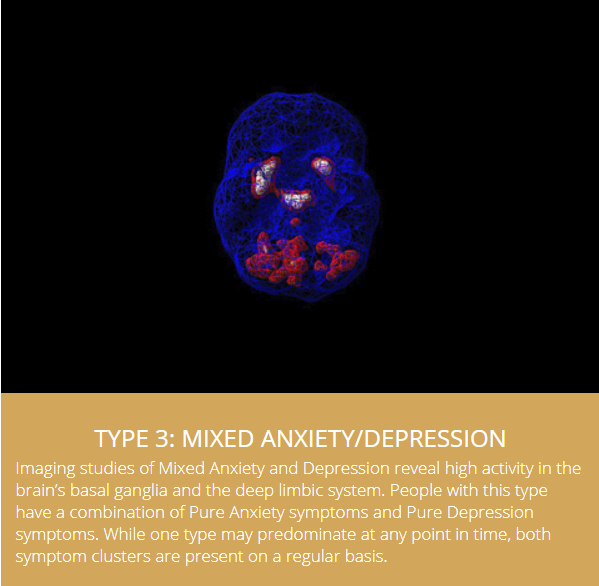 Our clinic’s approach includes an advanced four-step assessment:
• We will begin by taking the time to explore your specific biological, psychological, social and spiritual influences.
• Next, we will perform neuropsychological tests to measure various aspects of your brain function.
• Then, we will perform two brain SPECT scans: one at rest and one during concentration.
• Finally, we will order lab tests to rule out nutritional deficiencies, hormone imbalances, toxicity, etc.— if deemed necessary.
Not only does SPECT help identify proper treatment for depression with imaging, it also allows patients to overcome the emotional burden of seeking help for a problem they may not believe is physical.
Our clinic’s approach includes an advanced four-step assessment:
• We will begin by taking the time to explore your specific biological, psychological, social and spiritual influences.
• Next, we will perform neuropsychological tests to measure various aspects of your brain function.
• Then, we will perform two brain SPECT scans: one at rest and one during concentration.
• Finally, we will order lab tests to rule out nutritional deficiencies, hormone imbalances, toxicity, etc.— if deemed necessary.
Not only does SPECT help identify proper treatment for depression with imaging, it also allows patients to overcome the emotional burden of seeking help for a problem they may not believe is physical.