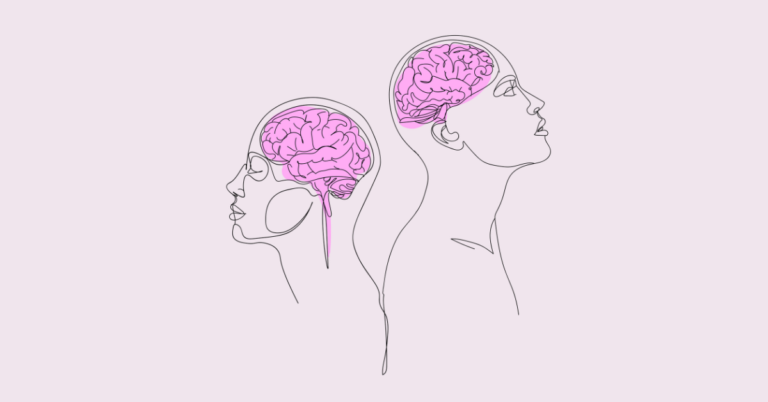
Anyone who has experienced a panic attack knows how intense and frightening they can feel. But panic attack aftereffects, also known as a panic attack hangover, can be just as disorienting.
After a panic attack ends, many people still feel “off.” Because so few people know that there are effects-post panic attack, symptoms can come as a surprise.
So, what is this lingering state? This blog will tell you exactly what it is, including symptoms, why an anxiety “hangover” happens, and eight ways to promote a faster recovery.
In contrast with the panic attack itself, which tends to have short-term effects, the resulting panic attack hangover refers to lingering effects after the event.
A panic attack hangover can be called many names: an adrenaline hangover, panic attack aftereffects, post-panic symptoms, or an anxiety hangover. In contrast with the panic attack itself, which tends to have short-term effects, the resulting panic attack hangover refers to lingering effects after the event, which can last hours or days.
Panic attacks are acute events. They happen suddenly, either “out of the blue” or in response to a trigger, such as a phobia or fear. There is often no real danger present. Those who experience recurrent panic attacks may be diagnosed with panic disorder, which affects 2-3 percent of the U.S. population.
However, about one in ten American adults experience at least one panic attack in a given year. And an estimated one-third of all Americans will have at least one during their lifetime.
A panic attack involves sudden feelings of intense fear and worry as well as overwhelming physical symptoms. Though panic attacks are not life threatening, they can present alarming side effects, including the following:
Fortunately, panic attacks are usually short-lived, lasting about 10 minutes. Multiple panic attacks can occur consecutively, but these are unique, separate events, as opposed to lingering aftereffects.
Over time, an individual can start to live in fear of having another panic attack. They may avoid certain places or situations, interfering with their quality of life, work, or relationships. When an individual experiences recurrent, unexpected panic attacks and has a persistent fear or worry about having more attacks, they have a panic disorder, which is a type of anxiety disorder.
Because panic attacks are acute, they create a cascade of experience. After the fight-or-flight activation, the body naturally reverts to a recovery or rebound state. This occurs because of various biological and nervous system mechanisms.
The autonomic nervous system is comprised of the sympathetic nervous system and the parasympathetic nervous system. When faced with a perceived threat, the sympathetic nervous system triggers the fight-or-flight response. The adrenal glands release adrenaline and cortisol.
After the threat has passed, the parasympathetic nervous system then enables the body’s “rest and digest” period. But this process of relaxation, unlike the fight-or-flight response, doesn’t happen instantly, which can cause lingering physical and emotional side effects: the panic attack hangover.
Indeed, stress impacts many systems of the body, including neurotransmitters, energy systems, and brain circuits. Over time, research has shown, stress can even affect memory, cognition, and learning, due to its effects on brain regions such as the hippocampus, amygdala, and temporal lobes. The period following the panic attack is when these systems recalibrate.
Panic attack hangovers are the lingering effects experienced after the panic attack has passed. You may have any of the following symptoms:
The aftereffects of a panic attack can last for as little as a couple of hours or as long as a week. The length of time varies for each individual. When other chronic health conditions are present, you might also experience a flareup of those symptoms.
When a panic attack strikes, it’s important to recognize that your body may need a little extra time to return to its normal state. This is the first step toward healing. Acceptance of this fact helps prevent unnecessary additional stress.
Here are eight ways to assist after panic attack recovery:
After a panic attack, give your body a chance to recover. Allow for ample downtime, possibly aided with soothing music, dim lighting, or a quiet environment. Avoid overstimulation in the aftermath.
Bring your body back into the present moment by using the 5-4-3-2-1 technique: Name five things you can see, four things you can feel, three things you can hear, two things you can smell, and one thing you can taste.
Alternatively, try a body scan. Lying or sitting down, slowly move your awareness up your body, working from your feet to the top of your head.
While you don’t want to throw yourself into vigorous activity, gentle movement can help restore flow and ease while releasing tension. Exercise helps regulate mood, reduces stress hormone levels, and promotes feelings of calm.
Tactics like diaphragmatic breathing can also promote relaxation. Try the 4-7-8 method: Breathe in for four seconds, hold for seven seconds, and breathe out for eight seconds. This stimulates the parasympathetic nervous system’s “rest and digest” response and lowers cortisol levels.
Food and water are the building blocks for wellness, fueling the body for a healthy stress response. Aim for balanced meals with lean protein, healthy fats, and complex carbohydrates. Drink plenty of water and avoid destabilizing substances like caffeine, sugar, and alcohol.
After a panic attack, take time to recalibrate and process your emotions. Relax with activities like prayer or journaling. Or talk out your feelings with a trusted friend or therapist. These actions help reduce residual anxiety and may highlight any patterns around the onset of your attacks.
You may feel tired and depleted after a panic attack. If possible, take a short nap. Then, to ensure proper recovery in the hours and days after the attack, make sure you get restful sleep. Good sleep hygiene helps reduce inflammation and strengthens immune function.
Therapeutic approaches can be effective for managing anxiety, panic attacks, and panic disorders. For example, cognitive behavioral therapy (CBT) and eye movement desensitization and reprocessing (EMDR) help with issues like anxiety and trauma.
If you’re taking any medications, review them with your doctor to ensure they are not contributing to panic attacks.
Panic attacks and their aftereffects can be frightening. Understanding the process helps you to be prepared by lowering uncertainty that can increase already elevated anxiety levels.
Still, watch out for certain red flags after panic attacks. Seek help if symptoms persist beyond a few days or escalate in intensity. Also seek help if thoughts of harm, persistent panic, or impairment pervade your daily life.
In these cases, consulting a mental health provider or physician can help. At Amen Clinics, SPECT brain imaging demonstrates that panic attacks and panic disorder are not character flaws or personal weaknesses. They are simply associated with biological changes in the brain.
For example, those with anxiety and panic attacks often show overactivity in the basal ganglia. Individuals with panic disorder may also experience abnormal activity in other brain regions.
Panic attacks and panic disorder can be misdiagnosed for PTSD, obsessive compulsive disorder, social anxiety disorder, or generalized anxiety disorder. SPECT imaging helps to ensure more accurate diagnosis and serves an important role in a full neuropsychiatric evaluation. Combined with a detailed personal history, clinical labs, and cognitive testing, Amen Clinics’ clinicians are able to create a personalized treatment plan geared to address and treat the root causes of panic disorder or other related mental health conditions.
Getting help for panic attacks may also aid in preventing additional impacts over the long term. Decades ago, researchers established that individuals who experienced past panic attacks were more likely to experience lasting negative effects, compared to those who never had them.
These effects included significantly higher anxiety and depression scores on psychological tests, as well as significantly more social phobias and avoidance behaviors.
While panic attacks feel intense, their lingering effects can add another layer of disturbance. Knowing that they are common and manageable with proper care helps you practice patience and self-compassion when faced with panic attack hangovers.
By using the recommendations outlined above, you can better ease your body’s transition from fight-or-flight to a more relaxed, resting state. These strategies will help reduce recovery time and better prepare you to face future panic attacks if they arise.
Panic attacks differ from anxiety attacks. Anxiety tends to build up over time, in response to a stressful event. Panic attacks are less predictable, often seeming to occur “out of the blue,” with more intense symptoms.
Residual symptoms after a panic attack can last for as little as a couple of hours or as long as a week. If symptoms persist for a lengthy period or worsen over time, don’t hesitate to seek professional help.
After a fight-or-flight response, the body will naturally move to the “rest and digest” stage, which is a function of the parasympathetic nervous system. While this process takes time, you can aid your recovery using strategies such as deep breathing, mindfulness, rest, proper nutrition, and gentle exercise.
A panic attack happens suddenly and usually peaks after 10 minutes, then subsides. The most severe symptoms last about 5 to 20 minutes. Residual symptoms can be intense, but they will not likely be as strong or sudden as a new panic attack.
Panic attack hangovers, panic attacks, anxiety disorders, and other mental health conditions can’t wait. At Amen Clinics, we provide personalized, science-backed treatment plans designed to target the root causes of your symptoms. Our 360-approach includes brain SPECT imaging, clinical evaluations, innovative therapeutic techniques, medications (when necessary), and holistic lifestyle recommendations to promote the health of your brain, body, and mind. Speak to a specialist today at 888-288-9834 or visit our contact page here.

Have you ever struggled to explain why you feel exhausted, even on days that don’t look especially demanding? Or have you wondered why simple tasks can feel overwhelming, while others seem to move through the day with ease?
For many people managing mental health challenges, this experience is deeply familiar, and often misunderstood.
This is where a concept called Spoon Theory resonates. At its core, Spoon Theory is a simple way to describe limited daily energy. Limited daily energy refers to the mental, emotional, and physical fuel required to get through everyday life. It gives people a shared language to explain why energy can run out quickly, why priorities must shift, and why “pushing through” isn’t always possible.
Importantly, Spoon Theory is not a medical diagnosis. It doesn’t label or define a condition. Instead, it’s a communication tool that helps individuals express their needs, set boundaries, and make thoughtful decisions about how to use their energy.
It also helps caregivers, loved ones, and coworkers better understand invisible struggles that aren’t always obvious from the outside.
By putting words to unseen fatigue, Spoon Theory transforms frustration into clarity. It creates space for compassion, support, and healthier daily choices.
One of the most valuable aspects of the mental health Spoon Theory is its ability to facilitate communication. It gives individuals a simple shared language that helps explain their limits without feeling the need to justify or defend them.
Spoon Theory is a simple metaphor that explains how people with limited energy can manage their lives. This concept was originally created by Christine Miserando, a lupus patient advocate, to describe her own experience of living with lupus. “Spoons” in this framework represent units of energy. Every physical, emotional, or mental task requires one or more spoons.
The main aim of this metaphor is to explain that energy is finite and that people must use it thoughtfully. The actions that people engage in every day (for instance, making decisions, socializing, or working) can quickly reduce the energy available, especially for people living with mental health issues.
According to research, people with elevated depression or anxiety often need increased cognitive and emotional effort, which contributes to quicker exhaustion and mental fatigue.
Although this metaphor originated in the context of chronic illness, it resonates with the people who are living with mental health challenges like depression or anxiety. This is because it clearly illustrates how such conditions can quietly drain someone’s energy even when the symptoms aren’t visible.
Spoon Theory is widely used in the context of mental health because it explains the challenges that aren’t visible to other people.
Indeed, studies highlight that mental health conditions may affect emotional regulation, attention, and mental stamina. This makes routine activities require greater effort than they appear from the outside.
When applied thoughtfully, the Spoon Theory analogy effectively communicates this important understanding to struggling individuals. They comprehend in a new way why daily life can feel more demanding. As a result, they can manage their energy more efficiently.
For the people living with conditions such as ADHD, anxiety, depression, or unresolved trauma, daily tasks usually require far more emotional and cognitive effort than they seem to on the surface. This is referred to as the “mental load.” Activities like staying focused, making daily decisions, managing emotions, or navigating social interactions can silently drain someone’s energy throughout the day.
Everyday life experiences can cause mental fatigue that stems from:
The Spoon Theory helps to explain why these unseen demands can consume energy quickly, usually before the activities of the day are fully underway.
Energy levels can significantly vary from day to day. This is due to factors like:
Challenges in mental health have an effect on how your brain processes information and responds to stress. Research asserts that conditions like depression and anxiety can alter emotional regulation, attention, and stress response systems, which can diminish your brain capacity. It can also influence your motivation, stress levels, and stamina.
Amen Clinics puts more emphasis on the brain-health approach to mental wellness. It recognizes that factors like stress, sleep, and emotional regulation have a significant effect on daily energy levels.
Such fluctuations do not reflect personal failure. They are a representation of how your brain and nervous system respond to life’s ongoing demands. The Spoon Theory helps to normalize these shifts by showing why some days may feel manageable while others may feel overwhelming, even when the responsibilities are similar.
According to research, individuals dealing with mental health challenges usually face difficulty trying to describe their internal experiences. Some go through rapid energy depletion due to the uncertainty of their symptoms or the fear of being misunderstood. This kind of struggle is not visible to others and is difficult to explain.
One of the most valuable aspects of the mental health Spoon Theory is its ability to facilitate communication. It gives individuals a simple shared language that helps explain their limits without feeling the need to justify or defend them.
Through the use of the Spoon Theory as a point of reference, people can set clear boundaries, reduce feelings of guilt, and help others to develop expectations that are more realistic. This can help improve the relationship and understanding among patterns, with family members and coworkers. It can also create space for support, empathy, and healthier daily interactions.
Spoon Theory offers a useful way to help individuals to understand what everyday life can feel like when energy is unpredictable or limited. Every morning comes with a specific number of “spoons”. The number of spoons you start with each day is up to you.
To gauge an appropriate number, someone without chronic health issues or ongoing mental health conditions, would start with about 10–12 spoons on a typical day. These spoons represent total available physical, mental, and emotional energy for the day.
By contrast, people managing mental health conditions, chronic stress, or illness may:
Unlike time and money, the number of spoons you have are not the same every day. They vary from one day to another, and when they are spent, they cannot be easily replenished.
For an individual who is managing mental health challenges, simply waking up can use a significant portion of these spoons. Lingering stress, poor sleep, or emotional overload may reduce the energy that is available even before the day begins.
For example, studies have shown that sleep deprivation, even for 24 hours, can lead to an increase in cognitive impairments like confusion and decreased vigilance. On such days, the tasks that would once feel manageable can suddenly feel overwhelming. This isn’t because the individual is lazy or lacks effort. It is because the spoons available are fewer.
Different tasks require varying amounts of spoons. Again, the cost can differ from one person to another.
For some people, responding to messages, getting dressed, making breakfast, or having a short phone call can use only one spoon. For others, it may require several spoons. Decision making, emotional effort, and social interactions usually drain more energy than you may expect, especially if you are having mental health symptoms.
Here’s what using Spoon Theory might look like with different mental health conditions.
If you are living with anxiety challenges, worry and anticipation can use your spoons even long before you begin to do any task. Preparing for conversations, commuting, or handling the uncertainties of life can require a significant amount of mental energy. Even events that are positive may feel draining, especially if they involve constant alertness or overstimulation.
If you’ve been dealing with depression, you may wake up with fewer spoons because of disrupted sleep or emotional heaviness. Basic routines such as getting out of bed, dressing up, preparing a meal, responding to messages, and tidying up can quickly drain your energy. By midday, most of your spoons may already be used, which makes it difficult for you to focus, socialize, or complete additional responsibilities.
For someone with PTSD, hypervigilance, triggers, or emotional flashbacks may consume large amounts of energy without warning. Everyday environments or interactions may feel exhausting, which may leave fewer spoons for routine tasks or social engagement.
People living with ADHD usually spend extra spoons on focus, organization, and task initiation. Managing distractions, switching between tasks, or keeping up with deadlines can quickly deplete their energy, even though they seem productive externally.
These scenarios are a demonstration of how Spoon Theory makes the struggles that are invisible easier to understand. By recognizing how energy is spent differently, people and those close to them can set realistic expectations, plan their days in a more intentional way and approach mental health with a lot of empathy.
When your mental and emotional energy is limited, you don’t need to worry. Spoon Theory provides a simple and flexible way to help you plan your daily life effectively. Once you are able to recognize your energy limits early enough, you can structure your day in ways that reduce the strain and support balance.
Start by noticing how your body feels when you wake up. Consider important factors like how well you slept, your current stress levels, and your emotional state. During the days when your energy feels low, it’s important that you assume that you have fewer spoons available and plan accordingly. This is a simple mental check that can help you prevent overcommitment.
First, use your spoons on essential tasks like medical needs, work responsibilities, or caregiving. You can then simplify or postpone the activities that are less urgent. When you prioritize, you ensure that your limited energy is spent where it is needed most.
Instead of pushing through fatigue or waiting until you are feeling drained, schedule short breaks throughout the day. Occasionally resting before your spoons are fully depleted can help stabilize your energy and reduce your mental overload.
Creating routines that you follow consistently lowers the number of spoons you need for making daily decisions. You can conserve your time and energy by preparing meals in advance, setting several reminders, or creating predictable schedules.
As mentioned earlier, this analogy offers a simple way for you to communicate your limits. For instance, saying “I’m low on spoons today” can help the people around you understand when you need flexibility, rest, or support even without further explanation.
Spoon theory can be a helpful tool through which individuals can increase awareness and help the vulnerable manage their daily energy in a more thoughtful way. That said, there are situations whereby tracking spoons may not fully address the challenges individuals are facing.
Whenever mental strain, fatigue, or emotional depletion disrupt daily functioning, it may be an indicator of concerns that go beyond everyday energy management.
Emotional overload, persistent exhaustion, or mental fatigue that continues to worsen over time or feels unexplained can indicate that something more is happening at a deeper level.
In such cases, depending only on coping strategies can leave important questions unanswered. Sometimes, understanding why your energy is depleted is as crucial as learning how to conserve it.
In cases like these, you may need a more comprehensive evaluation to gain more clarity. At Amen Clinics, we use brain-based assessments to have a better understanding of how different regions of the brain can influence your energy levels, mood, and focus.
Through this approach, individuals can move beyond surface-level coping strategies and explore a personalized plan to optimize brain function and improve mental health
There’s a close relationship between mental energy and how the brain operates.
At Amen Clinics, we use brain SPECT imaging to observe brain blood flow patterns of activity. They help to explain why some people may experience emotional exhaustion, ongoing fatigue, or difficulties in maintaining focus. The scans do not diagnose mental health conditions on their own; however, they provide valuable insights into how various regions of the brain are working.
For some people, imaging can show areas with overactivity, which are usually associated with conditions like anxiety, obsessive thinking, or PTSD. In other individuals, underactivity can be present, a pattern that is commonly witnessed in ADHD, depression, or the effects of TBI (Traumatic Brain Injury).
Both patterns may have an influence on how much mental energy an individual has available for the tasks they are expected to handle every day.
By recognizing such activity patterns, clinicians better understand how brain function can affect mood, focus, and energy levels Combined with a personal health history, neuropsychiatric assessments, and clinical labs, our clinicians can created a tailored treatment plan as part of a comprehensive evaluation.
Spoon Theory offers a simple way to describe the energy limits that are usually invisible to others, and sometimes even to oneself.
Recognizing energy limits opens a door to healthier daily choices. The use of strategies like building consistent routines, pacing tasks, taking restorative breaks, and setting clear boundaries can help support focus, emotional well-being, and physical health.
If you are dealing with a mental health disorder or cognitive issues, let Spoon Theory help you to be kinder to yourself and better manage your energy.
Originally, Spoon Theory was created to describe the lives of people living with chronic physical illnesses, but now, it is widely used in mental health. This theory explains how conditions such as depression, anxiety, or ADHD affect daily energy.
There’s no fixed number of spoons because energy levels can vary from one person to another or from day to day. Factors like stress, sleep, and emotional load may change how many spoons someone can have available.
Absolutely. Spoon Theory can help in explaining how tasks such as planning, focusing or even switching between activities can feel more demanding for the people who are living with executive dysfunction or ADHD. It provides a simple way to describe the mental effort that is not always visible.
Begin by describing spoons as units of energy. Explain that every task utilizes some of that energy. Allowing family to know when spoons are low can help them to understand your needs and limits better.
If you’re constantly feeling low on energy and it keeps getting worse, you may need to look beyond daily coping strategies. Seek a deeper evaluation, as it can offer insight into the underlying factors affecting your mental energy.
Feeling mentally drained is common for people managing mental health challenges. At Amen Clinics we use advanced brain imaging and clinical assessments to uncover why energy may fluctuate and provide personalized strategies to help protect and optimize your daily mental energy.
Managing daily life with brain health issues and mental health conditions can’t wait. At Amen Clinics, we provide personalized, science-backed treatment plans designed to target the root causes of your symptoms. Our 360-approach includes brain SPECT imaging, clinical evaluations, innovative therapeutic techniques, medications (when necessary), and holistic lifestyle recommendations to promote the health of your brain, body, and mind. Speak to a specialist today at 888-288-9834 or visit our contact page here.

High-functioning autism is often misunderstood. People who fit this description may be praised for their intelligence, strong verbal skills, or intense focus, while their very real social, communication, and sensory challenges are quietly minimized. Others are judged as awkward, unsocial, or difficult, without recognition of the remarkable strengths that frequently accompany this neurotype.
The truth is that these strengths and challenges are not separate. They are different expressions of the same underlying brain differences.
Even the term “high-functioning autism” can be misleading. While still commonly used, it is not a formal diagnosis and can unintentionally invalidate the daily struggles many autistic individuals experience. It may also reinforce masking, the conscious or unconscious effort to appear neurotypical in order to fit in, often at significant emotional cost.
Today, autism is diagnosed as autism spectrum disorder, reflecting a wide continuum of abilities and support needs. Individuals previously described as having high-functioning autism are now typically diagnosed with Level 1 autism spectrum disorder, indicating a need for support with social communication and restricted or repetitive behaviors, even when outward functioning appears strong.
For the purposes of this blog, the terms high-functioning autism (HFA) and Level 1 autism spectrum disorder (ASD) will be used interchangeably, as both remain widely recognized.
It is important to understand that functioning well on the surface does not mean life is effortless underneath. Many individuals with HFA perform well academically, maintain employment, or live independently, yet still face ongoing challenges with flexibility, sensory processing, emotional regulation, and social connection.
Because these struggles are often less visible, diagnosis is frequently delayed until later in childhood, adolescence, or even adulthood, research has found.
True understanding requires moving beyond labels and stereotypes. When families, educators, and clinicians recognize both the strengths and the challenges of autism at this level, they can provide brain-based support that helps individuals with Level 1 ASD not just cope but truly thrive.
Many individuals with high-functioning autism perform well academically, maintain employment, or live independently, yet still face ongoing challenges with flexibility, sensory processing, emotional regulation, and social connection
While people with HFA often possess significant cognitive abilities, they still experience core autism-related challenges. These difficulties are neurological, not behavioral choices. Understanding them is critical to getting effective support.
For many people with high-functioning autism, social interaction can feel like navigating a world without an instruction manual. Studies show that adults with autism show unique brain activity and behaviors when making social decisions, while still sharing core social-mapping brain systems with others. These challenges highlight the differences and strengths in how social information guides choices, including:
A 2022 study shows these challenges stem from differences in social cognition networks within the brain, particularly regions involved in emotional processing and theory of mind.
Change can be deeply unsettling for people who may struggle with Level 1 ASD. It’s not due to stubbornness or defiance; instead, it’s most likely because predictability provides neurological safety.
Routines help regulate sensory input, reduce anxiety, and conserve mental energy. Research shows that consistent structure supports emotional regulation in people with autism who struggle with neurodevelopmental delays.
A hallmark of HFA is intense focus on specific subjects. While this can become a strength, challenges can arise when:
Neuroimaging studies suggest this intensity is linked to reward circuitry activation and deep-focus attention systems. Without guidance, these interests may narrow opportunities but, with personalized support, they often become pathways to mastery.
Many people living with Level 1 ASD experience heightened sensitivity to sensory input, including:
Sensory overload can activate stress responses, leading to avoidance, irritability, or shutdown. Research links these sensitivities to atypical sensory integration and cortical excitability patterns in the brain.
Too often, discussions of autism stop at the challenges. The truth is that people with HFA have strengths born out of their characteristic differences. They often emerge because of them.
When engaged, people with Level 1 ASD can often sustain attention for extended periods of time. This kind of deep focus enables:
In supportive environments, studies show the concentration they exhibit rivals, and often exceeds, neurotypical performance. This has been seen particularly well in fields like technology, research, design, and the arts.
Many people with HFA demonstrate exceptional traits that are often revered in professional or specific social settings, which may include:
Research highlights enhanced perceptual processing and memory networks in autistic brains, contributing to creative problem-solving and innovative thinking.
Another remarkable trait in those with HFA is that they tend to be refreshingly direct. They tend to value truth, fairness, and transparency over social performance. This can look like sharing in clear communication styles, having a lack of manipulation or hidden agendas, and genuine acceptance of differences in other people.
In relationships and within workplaces, this kind of integrity builds trust and connection with others, especially when paired with mutual understanding and compassion. This is a major trait to appreciate when trying to understand and support someone with Level 1 ASD.
The same traits that drive routine and focus often translate into exceptional dependability. Many people with Level 1 ASD have been known to have similar behavioral consistencies, such as:
Employment studies increasingly highlight these qualities as major assets when workplaces provide appropriate accommodations. These extraordinary strengths aren’t discussed enough but are beginning to be understood and valued in the workplace.
Blog: What Happens When People with Autism Go Untreated?
It’s important to note that recent research notes distinct differences between autistic women and men in the workplace. Autistic women often face more intense social/communication stress, masking autism for acceptance, and gendered appearance expectations, which leads to increased anxiety.
Autistic men tend to struggle more visibly with executive function issues, specific sensory overload, and disclosing their disability. Both genders need flexible, structured environments. Women are often under-recognized or diagnosed later due to masking.
It’s important to acknowledge that there are key differences among autistic men and women as well for a more comprehensive workplace roadmap. A 2023 study shows that autistic men and women can experience sensory under-responsiveness differently. These differences may shape how each navigates attention, stress, and daily demands
High-functioning autism rarely exists in isolation. While autism itself reflects a unique pattern of brain wiring, many people also experience co-occurring conditions that influence mood, attention, energy, and daily functioning. These overlapping challenges are not signs of “more severe” autism. They are reflections of how interconnected brain systems communicate, regulate stress, and process information. These co-occurring conditions may include, but are not limited to:
Research shows that these mental health disorders can amplify social, sensory, or executive-function challenges if left unrecognized. Because these symptoms often overlap or mask one another, they are sometimes misattributed to personality traits or “just part of autism,” delaying effective support and better understanding.
Viewing Level 1 ASD through a brain-health framework helps clarify what aspects of brain function are related to autism and what may stem from other, treatable co-occurring mental health disorders.
A 2025 study in Human Brain Mapping shows that overlapping brain-network differences, particularly in attention, emotion regulation, and executive functioning, can intensify daily challenges, especially if left unaddressed.
This is where a brain-health assessment becomes so critical. Functional brain imaging, such as brain SPECT scans, can identify patterns related to overactivity, underactivity, or dysregulation across specific brain regions. These insights allow clinicians like those at Amen Clinics to move beyond one-size-fits-all approaches and develop targeted, individualized treatment plans.
Early identification and brain-informed intervention are associated with improved emotional regulation, social functioning, and long-term life outcomes.
This can be especially true when strengths are understood and valued while more challenging aspects of Level 1 ASD can be successfully addressed to optimize well-being.
High-functioning autism is not a limitation, but a different neurological operating system. When challenges are misunderstood or ignored, autistic individuals can struggle unnecessarily. But, when strengths are recognized and brain health is supported, those same traits can become powerful advantages that help them succeed farther than they realized was possible.
At Amen Clinics, a whole-brain approach helps individuals with high-functioning autism better understand how their brain works so they can reduce friction, enhance resilience, and build lives aligned with their natural strengths.
Typical challenges include HFA social interaction difficulties and missed cues, need for routine and dislike of change, intense or restricted interests, and sensory sensitivities.
Strengths often include deep focus on interests, strong memory and visual thinking skills, honesty and acceptance of others, and high reliability or conscientiousness.
The term refers informally to those on the autism spectrum without major intellectual impairment who often live independently or attend mainstream school or work. Typically aligned with a Level 1 autism spectrum disorder diagnosis, these individuals still struggle and need support.
Leveraging strengths builds confidence, meaningful work, and self-esteem while targeted support addresses challenges like social skills or sensory regulation.
Brain-health evaluation helps identify activity patterns and co-occurring conditions, allowing personalized strategies that enhance strengths and reduce challenges.
High-functioning autism and other mental health conditions can’t wait. At Amen Clinics, we provide personalized, science-backed treatment plans designed to target the root causes of your symptoms. Our 360-approach includes brain SPECT imaging, clinical evaluations, innovative therapeutic techniques, medications (when necessary), and holistic lifestyle recommendations to promote the health of your brain, body, and mind. Speak to a specialist today at 888-288-9834 or visit our contact page here.

Facebook-f X-twitter Youtube Table of Contents 5 Common Traits of Adult Children of Alcoholics + How to Heal Growing up in a home with an
Growing up in a home with an alcoholic parent often means growing up without stability. Chaos, unpredictability, and emotional neglect become the norm—forcing children to adapt in order to survive. Over time, these adaptations can turn into deeply ingrained coping patterns.
While these survival strategies may protect children in the moment, they can quietly undermine mental health, relationships, and self-esteem in adulthood. Many adult children of alcoholics (ACoAs) carry these patterns forward, even if they never develop alcohol use disorder themselves.
Adult children of alcoholics (ACoA) traits describe the lasting psychological and brain-health effects of growing up in an alcoholic home. In this blog, you’ll learn five common ACoA traits—and the science-backed paths that can help foster healing and long-term well-being.
Adult children of alcoholics may have an increased risk of mental health conditions like anxiety, depression, ADHD, and complex PTSD. They may also lack trust or relationship building skills.
The presence of substance use disorder (SUD) in American homes is growing. In 2019, the American Academy of Child & Adolescent Psychology reported that one in five adult Americans lived with an alcoholic relative while growing up.
Related: Alcoholic Parents: What Does It Do to a Child’s Brain?
Sadly, stats from the 2023 National Survey on Drug Use and Health found that almost 19 million U.S. children—now one in four—lived with at least one SUD-affected parent or primary caregiver.
When one or both parents struggle with alcoholism (or other dangerous drug use), the home environment can be highly disruptive for a child of an alcoholic. Alcoholic behavior from a parent may lead to:
At the same time, children observe their parent’s faulty coping strategies as they reach for numbing substances. They may never witness their parent modeling healthy emotional regulation. All of the household members therefore suffer from high levels of stress.
These children then grow up to face complex issues as adults. For example, ACoAs may have an increased risk of mental health conditions like anxiety, depression, attention deficit hyperactivity disorder (ADHD), and complex post-traumatic stress disorder (CPTSD). They may also lack trust or relationship building skills.
Adult children of alcoholics are more likely to develop issues with substance abuse (or other impulsive behaviors) or enter into partnerships with addicted individuals. They may exhibit perfectionism, codependency, or people-pleasing. They may fear conflict or abandonment, leading to hypervigilance.
We now know, from research about adverse childhood experiences (ACEs), how much childhood development can impact adult outcomes—in terms of both mental and physical health. Various studies have found that a child’s brain development is very sensitive to its environment.
A loving, predictable home helps foster healthy brain development in children. Conversely, brain development is often compromised in households with trauma, instability, abuse, or neglect.
Chronic exposure to adverse and traumatic experiences constantly sends the brain’s stress activation system into overdrive. This stress impacts the functions of the body’s immune, metabolic, and cardiovascular systems.
The constant flood of stress hormones also disrupts the delicate balance of neurotransmitters (brain chemicals) that are necessary for healthy brain function. These processes are especially important as the brain develops in childhood.
As a result, certain areas of the brain may be stunted, such as the hippocampus (important for memory formation). Moreover, when a child’s brain is so often stuck in fight-or-flight mode, they may experience difficulties with:
Finally, research has noted the increased likelihood of ACoAs developing oppositional defiant disorder (ODD), conduct disorder (CD), and eating disorders. They may be hyperactive or inattentive in school, have personality problems, or struggle with finding a job, among other difficulties.
The field of epigenetics illustrates how these issues can be passed along from one generation to the next. This fuels the cycle of generational trauma. That’s why even the grandchildren of alcoholics can feel the effects of an alcoholic home.
If you grew up in a family with SUD, you’re not alone. Here are five common traits of adult children of alcoholics, which may also occur within a dysfunctional family of any kind:
Growing up around adults with volatile and unpredictable moods leads to fear of criticism, distrust of and fear of authority figures, and often isolation or withdrawal.
Chronic fear can physically change the brain. The amygdala, or fear center of the brain, becomes overactive. At the same time, studies have shown that stress impacts the hippocampus in numerous ways, including reducing its volume.
Together, these changes can make people perceive threats even when none are present. As a result, the individual experiences excess anxiety and fear, interfering with everyday tasks and well-being.
When a child has not witnessed or learned from a healthy caretaker, many types of toxic relationship patterns can follow them into adulthood. These issues can take many forms, including:
We know that unhappy relationships take a significant toll on mental and physical health. In fact, one Harvard study, spanning more than 80 years, found that positive relationships, more than any other metric, were the factor most likely to boost a person’s longevity and quality of life.
Low self-esteem can manifest in multiple ways and negatively impact virtually every area of life. This trait may emerge in behaviors such as:
These habits erode relationships and interfere with performance at school, work, or in the home as a parent. Low self-esteem is associated with underachieving, fear of trying, and feelings of anxiety and depression.
For many adult children of alcoholics, accepting that their childhood was dysfunctional, unhealthy, or damaging may be very difficult. These children have often learned to suppress their emotions and, even as adults, refuse to acknowledge how they have been affected.
Or they may simply minimize the impact of their alcoholic home. They might say, “It could have been worse” or “No one’s parents are perfect.”
While these statements may be accurate, not facing up to the damages wrought by alcoholic parents can lead to unresolved issues building up. Eventually, without a safe way to process them, they create behavioral or emotional eruptions and harm mental and physical health over time.
Growing up in a chaotic home teaches children to be on constant alert. As adults, if this habit continues, they remain on guard and tend to be “jumpy.”
Similarly, they may be unable to relax or fully trust a person or situation. Early exposure to trauma conditions the nervous system to constantly scan for threats rather than rest. This hypervigilance is draining, exhausting the body and mind.
Related: The Generational Impact of Addiction
Because this population is more likely to develop mental health issues, it’s crucial to monitor, maintain, and maximize ACoA brain health. Several brain-healthy strategies help to repair the damaging effects of an alcoholic parent.
That’s the good news. Although people who grew up with alcoholic parents face unique challenges, they absolutely can heal and thrive, provided they are willing to seek help.
Here are several ways to heal adult children of alcoholics traits, improve their mental health, and embrace a new freedom:
Various therapeutic approaches can help with the effects of trauma, negative thinking patterns, and problematic behaviors. These include:
Assessment, including brain SPECT imaging, helps determine how well your brain is functioning. It can assist in distinguishing between conditions with overlapping symptoms.
Scans are also useful to increase awareness of any co-occurring brain patterns of ACoAs. For example, results may point to an ADD subtype, such as overfocused ADD. This knowledge can decrease stigma and guide more effective treatment plans.
Stay aware of your family history and be proactive in terms of prevention for the next generations. As we touched on earlier, even grandchildren of alcoholics can feel the reverberations of an alcoholic home, and kids should be educated on their unique risks.
Learn healthy coping and emotional regulation skills to deal with stressors—and model them for your own children. Changing these patterns will ensure that the lineage of dysfunction doesn’t need to infect future generations.
There are 12-step recovery groups, such as Adult Children of Alcoholics & Dysfunctional Families (known as ACA or ACoA), that offer meetings and literature to help survivors heal. Similar programs, such as Codependents Anonymous (CoDA) support groups, can also be instrumental in healing adult children of alcoholics.
Meditation, mindfulness, deep breathing, and journaling or writing a daily gratitude list can all help to keep stress levels down and to process difficult emotions. Healthy lifestyle habits can help minimize stress as well, including regular exercise, following a nutritious diet, spending time in nature, and ensuring good sleep hygiene.
Adults impacted by an alcoholic can absolutely find healing. While childhood makes lasting imprints on all of us, it doesn’t have to sentence anyone to a lifetime of struggle and unhappiness. Thanks to the powers of neuroplasticity, the brain can repair itself, even from deep-seated emotional trauma.
With increased awareness of your challenges, patterns, and family dynamics—and by using the tools above—you can recover well-being. Remember that the cycle of generational family trauma can end with you.
Common traits of adult children of alcoholics include fear of others and authority figures, relationship problems (such as codependency and rescuing), low self-esteem, denial of their childhood’s impact, and hypervigilance or constant alertness.
Exposure to unpredictable moods, emotional neglect, inconsistent care, and trauma in childhood can lead to a variety of negative effects. These include anxiety, depression, attention issues, complex PTSD, low self-worth, relational difficulties, and brain-health impacts in adulthood.
Yes. Some ACoAs show brain patterns such as a subtype of ADHD known as “overfocused.” This brain pattern is associated with rigid thinking, worry, and inflexibility. These individuals may require more tailored brain-health approaches beyond standard treatments.
Potentially successful approaches include trauma-informed therapy (such as EMDR, CBT, and DBT) and brain-health evaluation (including SPECT scans and lifestyle changes).
In addition, it’s important for an adult child to make healthy relational choices, such as setting boundaries and avoiding rescuing roles. Be sure to educate next-generation children about their family history and associated risks.
No. Although early childhood shapes the brain and behavior, adults can still change their patterns. With a personalized, brain-based treatment program, such as what Amen Clinics offers, they can build self-esteem, improve relationships, and address brain-health issues. As a result, they can prevent these traits from affecting their children or grandchildren.
The brain and mental health challenges adult children of alcoholics experience can’t wait. At Amen Clinics, we provide personalized, science-backed treatment plans designed to target the root causes of your symptoms. Our 360-approach includes brain SPECT imaging, clinical evaluations, innovative therapeutic techniques, medications (when necessary), and holistic lifestyle recommendations to promote the health of your brain, body, and mind. Speak to a specialist today at 888-288-9834 or visit our contact page here.

During this stage, you begin to navigate major life transitions, including choosing a career or education path, managing your finances, shifting relationships, and exploring personal identity.
Remember, at this stage, the brain regions responsible for stress management, decision-making, and emotional regulation are still developing. These overlapping demands could easily result in stress that is difficult to handle without the right support.
The good news? It doesn’t have to be so daunting. You only need to have the right tools and mindset to turn these challenges into opportunities for growth. So, let’s explore these challenges, and how you can overcome them to make adulting easier to mange.
While your early stages of adulthood may feel exciting and liberating, they can also overwhelm you with pressures you never saw coming.
From time to time, you’ll find yourself asking, “But why is adulting so hard?” This is because early adulthood is less about having all the answers and more about learning how to navigate challenges.
Here are common issues you’re likely to encounter:
Young adulthood mental health has become a growing concern. Research shows that about 50 percent of all mental disorders begin by age 14, and 75 percent take root by age 24.
Many young people are experiencing heightened stress, anxiety, and depression as they navigate work, school, and relationships.
According to research, some engage in self-harm, underage drinking, or cannabis use to cope. Studies show that teen girls are suffering from record rates of sadness and suicidality, but it doesn’t have to be this way.
If you experience the following signs, seek professional help before the challenges escalate.
Related: Why are Teen Girls Suffering from Record Levels of Sadness and Suicidality?
Among other adulting challenges, young people often have the added stressor of balancing student loans with rising rents and other bills. Or they may be unable to leave their parents’ home because they can’t afford to strike out on their own.
In recent years, studies have shown that young adults today are further disadvantaged by a lack of financial literacy, money management skills, and income stability.
In past generations, a college degree might have been seen as a surefire path to employment. Or landing a job would be considered a decades-long commitment, providing stability for a lifetime.
Choosing a career path or job is one of the many obstacles in young adulthood today. You are more likely to switch roles many times over the course of your life, or you hold multiple jobs at once to make ends meet.
As priorities shift in a young adult’s life, building and maintaining relationships can prove challenging. Other young adult challenges involve navigating friendships that may fall away as you move from high school to college or enter the workforce.
Dating and forming romantic relationships can be an intense testing ground for interpersonal skills that are still under development.
While teens and young adults are often eager to exert independence, they may be unfamiliar with how to tackle typical adult tasks. Managing household chores and responsibilities, such as cooking, grocery shopping, and maintaining a home, can feel mysterious or difficult.
These are common problems in early adulthood, especially if you are also balancing school and work. We all know what it’s like to feel pulled in a hundred directions, and young adults feel the strain, too.
Young people today are shaping their identity in a rapidly changing world that seems to shift by the minute, due to factors like technology and social media.
With these advancements comes a new pressure to conform to societal expectations and to make unfavorable comparisons with others online.
Such pressures can contribute to young adult mental health issues, as constant comparison can affect self-esteem, mood, and overall well-being. Not surprisingly, social media use has been studied for its link to mental health problems, including eating disorders, attention issues, addictive behavior, depression, and more.
Related: Is Social Media Causing the Youth Mental Health Crisis?
As life evolves for teenagers and young adults, they might experience a feeling of being disconnected from their childhood friends. This shift can negatively impact early adulthood mental health as loneliness increases emotional strain.
Because young people are now accustomed to connecting online versus in-person, a reality further accelerated by the pandemic, they might feel lonely or unsupported.
According to a report published in 2022, only a small portion (27 percent-33 percent) of children and adolescents aged 5-17 years are getting the recommended 60 minutes or more per day of moderate-to-vigorous-intensity exercise.
Researchers hypothesize that factors like pandemics, war/conflicts, and climate or economic changes might decrease these numbers further in the future. Because physical health has such a profound impact on mental health, it’s crucial to prioritize a healthy diet and exercise.
Balancing all aspects of health is challenging for everyone in our fast-paced society. As young people juggle school, work, relationships, self-development, and more, they face a greater risk of burnout and overcommitment.
In addition, as a result of the increased job competition mentioned above, they may feel an even more intense pressure to perform and succeed. Therefore, it’s important that they learn strategies for effective time management and allow themselves to take regular breaks for self-care.
Challenges in young adulthood tend to overlap instead of unfolding one after another. As a result, they intensify each other, creating a compounding effect that can impact their emotions and relationships.
For instance, having financial stress can activate your brain’s fear and alarm centers, raising your anxiety levels. When anxiety spills into your relationships, it can cause irritability, misunderstandings, and withdrawal.
Relational strain can drain your energy and worsen underlying mental health symptoms.
It’s normal to get stressed during your late teens and early twenties. However, research shows that it can be harmful when it begins to turn into chronic anxiety, depression, avoidance, or noticeable impairment in your daily life.
Watch out for warning signs like:
To manage young adulthood, you’ll need to build practical skills and habits that will support your emotional, mental, and financial well-being. Below are key strategies that can help you navigate this stage:
As a young adult, you may be dealing with unique stressors, but it’s important to understand that this is a time full of opportunities to discover yourself, learn, and grow. The pressures you’re facing aren’t signs that you are failing. They are a natural part of developing resilience, independence, and life skills.
Learn to approach challenges as opportunities rather than setbacks. Focus on small practical steps such as seeking support, exploring your values, and building healthy habits.
They will make adulthood manageable. Every challenge you navigate boosts your confidence, strengthens your ability to thrive in the coming years.
If stress starts affecting your mood, relationships, school, work, or daily functioning, it’s no longer “normal.” Persistent anxiety, sadness, burnout, or using substances to cope are signs to get support.
Your brain is still developing in areas tied to decision-making, emotional regulation, and stress control. Pair that with big life transitions and overwhelm is common, not a character flaw.
Often, yes. Changes in sleep, diet, exercise, therapy, and thought patterns can help. But if symptoms persist, a personalized treatment approach may be needed..
Feeling unsure is normal. Start small: explore interests, reflect on your values, try new experiences, and seek guidance from mentors or a therapist to gain clarity.
Amen Clinics uses brain SPECT imaging and whole-person evaluations to uncover the root causes of anxiety, depression, burnout, attention issues, and more. This leads to personalized, science-backed treatment plans designed to help young adults feel better faster.

When 7-year-old Bryce’s mother read Alice’s Adventures in Wonderland to him, he became very upset. The visual distortions described in the book by Lewis Carroll felt too familiar to him. He said that he felt like Alice.
“I have weird things happen to me,” he told her. “I see things.”
During the day, Bryce saw objects change shapes, often getting smaller. He also saw green, shadowy ghosts at night. The young boy also had a lot of anxiety symptoms.
Some moms might chalk this up to a “childish imagination,” but Bryce’s mom could see the fear in her child’s eyes and believed him. Frightened that Bryce was losing his mind (a cousin had already been diagnosed with a “schizophrenic-like” illness), she realized she needed to seek help for her son.
A brain SPECT scan at Amen Clinics, doctors discovered the real culprit behind the “ghosts” Bryce was seeing. Bryce wasn’t “haunted.” He had temporal lobe epilepsy, a brain condition that can cause intense visual hallucinations, emotional swings, and déjà vu experiences.
Bryce could have been headed down a very dark path and a future of psychiatric medications and treatments. But what looked supernatural was actually related to brain function and completely treatable.
“I have weird things happen to me. I see things,” said a 7-year-old boy who was seeing ghost-like figures. His mom, worried that he might be losing his mind, took him to Amen Clinics for a brain SPECT scan, which revealed the real culprit.
The temporal lobes are situated behind the ears on each side of the brain and play a key role in memory, emotion, and sensory processing. When abnormal electrical activity occurs here, it can lead to temporal lobe epilepsy (TLE), a form of focal epilepsy that often goes unrecognized.
Children, in particular, may describe “seeing things,” “time stopping,” or “hearing music that isn’t there.” Just remember that these are classic childhood epilepsy symptoms, not signs of imagination or misbehavior.
Related: Jason’s Story: From Hallucinations to Happy and Healthy
Because symptoms of temporal lobe epilepsy overlap with mental disorders, misdiagnosis is common. A child describing “ghosts” or “voices” may be thought to have schizophrenia, anxiety, or just a vivid imagination. Additionally, adults may be treated for depression or panic attacks instead of epilepsy.
The consequences of ignoring temporal lobe problems can have a profound impact like emotional instability, cognitive changes, and distress that worsens over time. Many people spend years in therapy before learning their symptoms stem from electrical misfires in the brain, not emotional weakness or spiritual experiences.
Without looking at the brain, even well-intentioned professionals may miss the true cause.
Traditional tools like MRI or EEG (electroencephalogram) and can reveal structural or electrical abnormalities in the brain, but they don’t always show the full picture. MRI scans show anatomy, while EEG measures surface brain waves. Both can miss subtle activity patterns deep in the brain.
That’s where brain SPECT imaging, which is what we use at Amen Clinics, comes in. A brain SPECT scan for temporal lobe epilepsy measures blood flow and activity patterns, helping clinicians see the origins of seizures.
In Bryce’s case, his brain scan revealed increased activity in his right temporal lobe, confirming that his “ghost sightings” were brain-based events. With this insight, his doctors could target the root cause rather than just the symptoms.
Bryce’s comprehensive evaluation also included a clinical history and neuropsychological testing to ensure an accurate diagnosis and a treatment plan.
Traditional tools like MRI or EEG (electroencephalogram) and can reveal structural or electrical abnormalities in the brain, but they don’t always show the full picture. MRI scans show anatomy, while EEG measures surface brain waves. Both can miss subtle activity patterns deep in the brain.
That’s where brain SPECT imaging, which is what we use at Amen Clinics, comes in. A brain SPECT scan for temporal lobe epilepsy measures blood flow and activity patterns, helping clinicians see the origins of seizures.
In Bryce’s case, his brain scan revealed increased activity in his right temporal lobe, confirming that his “ghost sightings” were brain-based events. With this insight, his doctors could target the root cause rather than just the symptoms.
Bryce’s comprehensive evaluation also included a clinical history and neuropsychological testing to ensure an accurate diagnosis and a treatment plan.
When temporal lobe epilepsy is left untreated, symptoms can intensify and evolve. Research shows that ongoing seizures or abnormal brain activity can lead to changes in brain structure and emotional regulation.
According to multiple studies, long-term consequences can include:
Early diagnosis and treatment are essential for healing and preventing lasting brain changes, especially in children whose brains are still developing.
Related: Breaking From Reality: The Complexity of Psychotic Disorders
The good news? Healing temporal lobe epilepsy is possible. With proper diagnosis, most people experience major improvements in symptoms and overall brain function. Some common treatment options may include:
Once Bryce began treatment, everything changed. The hallucinations that had terrified him disappeared. His anxiety calmed down, his focus improved, and his confidence returned. His family finally understood that he wasn’t “seeing ghosts” but instead experiencing a medical condition that could be treated and managed.
Bryce’s story illustrates the power of seeing brain health through a compassionate, scientific lens. When parents and clinicians look beyond surface symptoms, children like Bryce can reclaim their health, peace, joy, and potential.
If you or your child experiences unexplained hallucinations, fear, or memory lapses, there is hope. Here’s how to start healing:
At Amen Clinics, our experts have helped thousands of people uncover the root causes of mysterious symptoms and begin their journey to healing.
Hallucinations, confusion, or emotional swings that don’t respond to traditional treatment can be signs of a troubled brain. With science, compassion, and the right tools, temporal lobe epilepsy can be understood, managed, and healed.
Just like Bryce, countless others have learned that the “ghosts” they see are not spirits rather signals from the brain asking for help.
Amen Clinics uses brain SPECT imaging to measure blood flow and activity patterns. This allows clinicians to see areas of the brain like the temporal lobes that may be overactive or underactive, leading to more accurate diagnoses and better outcomes.
McIntosh WC, Das JM. Temporal Seizure. [Updated 2023 Jul 4]. In: StatPearls [Internet]. Treasure Island (FL): StatPearls Publishing; 2025 Jan-. Available from: https://www.ncbi.nlm.nih.gov/books/NBK549852/
Mostafavi S, Bidaki R, Farzan A. Reporting a Remarkable Visual Illusion Due to Temporal Lobe Epilepsy and an Unusual Response to Lamotrigine.Thrita J Neu.2016;5(2):e29061.https://doi.org/10.5812/thrita.29061
Martin CB, Mirsattari SM, Pruessner JC, Burneo JG, Hayman-Abello B, Köhler S. Relationship between déjà vu experiences and recognition-memory impairments in temporal-lobe epilepsy. Memory. 2021 Aug;29(7):884-894. doi: 10.1080/09658211.2019.1643891. Epub 2019 Jul 24. PMID: 31339436.
Garcia-Santibanez, R., & Sarva, H. (2015). Isolated Hyperreligiosity in a Patient with Temporal Lobe Epilepsy. Case reports in neurological medicine, 2015, 235856. https://doi.org/10.1155/2015/235856
Feraco, P., Donner, D., Picori, L., & Rozzanigo, U. (2020). Unusual diagnostic findings in temporal lobe epilepsy: A combined MRI and 18F-dopa case study. European journal of radiology open, 7, 100241. https://doi.org/10.1016/j.ejro.2020.100241
Szałwińska, K., Cyuńczyk, M., Kochanowicz, J., & Witkowska, A. M. (2021). Dietary and lifestyle behavior in adults with epilepsy needs improvement: a case-control study from northeastern Poland. Nutrition journal, 20(1), 62. https://doi.org/10.1186/s12937-021-00704-6
Bjørke, A. B., Nome, C. G., Falk, R. S., Gjerstad, L., Taubøll, E., & Heuser, K. (2018). Evaluation of long-term antiepileptic drug use in patients with temporal lobe epilepsy: Assessment of risk factors for drug resistance and polypharmacy. Seizure, 61, 63–70. https://doi.org/10.1016/j.seizure.2018.07.011
Vinti, V., Dell’Isola, G. B., Tascini, G., Mencaroni, E., Cara, G. D., Striano, P., & Verrotti, A. (2021). Temporal Lobe Epilepsy and Psychiatric Comorbidity. Frontiers in neurology, 12, 775781. https://doi.org/10.3389/fneur.2021.775781
Xu S, Zhu Q, Zhou J, Ye L, Ye H, Shen C, Zheng Z, Jiang H, Wang S, Ding Y, Chen C, Guo Y, Wang Z, Wang S. Ictal scalp EEG patterns are shaped by seizure etiology in temporal lobe epilepsy. Epilepsia Open. 2025 Apr;10(2):466-476. doi: 10.1002/epi4.13134. Epub 2025 Feb 7. PMID: 39918427; PMCID: PMC12014931.
Salpekar J. (2016). Mood Disorders in Epilepsy. Focus (American Psychiatric Publishing), 14(4), 465–472. https://doi.org/10.1176/appi.focus.20160017

The beginning of every school year brings renewed hope. But as a parent to a child with ADHD, this can be a moment filled with anxiety and uncertainty.
You would want to trust that the coming year will be different, but deep down, you’re worried about the missed assignments, poor grades, emotional outbursts, and the struggles of keeping your child organized and focused.
ADHD and learning challenges are a common combo that can make your life—and your neurodivergent child’s life—more difficult than it needs to be.
The good news is that you can learn how to help a child with ADHD succeed in school. And once you do, you’ll feel more equipped to support your child’s growth, both in the classroom and beyond.
Attention deficit hyperactivity disorder (ADHD), also called attention deficit disorder (ADD), remains one of the most misunderstood and often mismanaged conditions today. But a growing body of research shows that improvement could be hidden in how your child eats, moves, or rests.
In this blog, you’ll get to learn about three proven, brain-based strategies that will help you unlock your child’s full learning potential.
You can learn how to help a child with ADHD succeed in school. And once you do, you’ll feel more equipped to support your child’s growth, both in the classroom and beyond.
One of the most beneficial ADHD school strategies is creating time for your child to engage in physical activities every day. Studies show that regular physical activity plays a vital role in supporting brain function and managing core symptoms of ADHD.
There is a strong relationship between exercise and ADHD, with research showing that consistent physical activity helps increase blood flow to the brain and boosts the production of feel-good chemicals like serotonin and dopamine.
Boosting these chemicals can support your child by helping them:
Even though they are intelligent and hardworking, children with ADHD often find it difficult to keep up, which can take an emotional toll on the entire family.
The good thing about it?
It doesn’t have to be complicated. You can take a nature walk with your child, dance to music, or take a 30-minute bike ride. Including movement in your child’s routine, more so during long breaks like summer, will not only support their brain health but also set the stage for improved behavior and better learning throughout the school year.
As you do this consistently, you will begin to notice some changes in your child. For instance, the emotional outbursts are likely to reduce in frequency, plus, they will have better focus in class and a calmer mind overall.
Food is not just fuel. It’s a key pillar in supporting brain health and the management of ADHD symptoms. Research on nutrition for ADHD kids highlights how targeted dietary choices can significantly improve focus, regulate emotions, and support better behavior.
Ensure your child’s diet is high in protein and low in refined sugar. It will help stabilize your child’s blood sugar levels and support the production of neurotransmitters like dopamine, which could be lacking in a child with ADHD.
Experiment with meals that are simple and family-friendly. To fuel your child’s brain, focus on:
Traditional mental health care approaches often rely on symptom checklists to diagnose ADHD, leading to cookie-cutter diagnoses and treatment for ADHD. But ADHD is not a single or simple mental health condition.
Based on the brain-imaging work at Amen Clinics involving over 250,000 brain scans, there are seven types of ADHD. Each ADHD type has its own unique pattern of brain activity and behavioral profile.
If these underlying brain activity patterns are not identified, treatment can involve a long process of trial and error. This can result in months or even years of added frustration for you and your child.
Related: Treating the Brain for 7 Types of ADHD
A comprehensive evaluation for ADHD should involve more than just symptom checklists. Neuropsychological assessments are key components that can help in the diagnostic process. Getting a brain scan for ADHD can also be beneficial.
Brain SPECT imaging, the advanced technology used at Amen Clinics, evaluates blood flow and activity in the brain. It goes beyond surface-level symptoms to provide a clear, visual understanding of how your child’s brain is functioning.
It can reveal areas of the brain with healthy activity, too much activity, or too little activity. In most types of ADHD, there’s a decrease in activity in an area called the prefrontal cortex. The PFC is involved in executive functions like planning, impulse control, judgment, follow-through, and learning from your mistakes.
Getting a SPECT scan for ADHD allows specialists to deliver a more accurate ADHD diagnosis.
Related: Brain SPECT Made Ridiculously Simple
Most ADHD treatment plans center on stimulant medications. But using prescription stimulants alone is bad treatment. Why?
Medication that works for one child may not work for another when it comes to managing ADHD. That’s because this common neurodevelopmental disorder isn’t a single, uniform condition. As you saw above, children may have one or more of the seven types of ADD, requiring a personalized treatment plan.
Giving a child the wrong ADHD medication can limit progress or exacerbate symptoms. And depending on standard medication alone isn’t enough.
The best way to treat ADHD goes beyond medication and should include a whole-child approach. Personalized ADHD treatment plans may involve:
Brain-based ADHD interventions focus on understanding your child’s specific brain functions. This allows you and your health care providers to choose the most effective strategies for their unique needs.
According to research, one child may benefit from dietary changes, while another child may respond well to targeted therapy or medication. Without such individualized approaches, treatment may be ineffective or could make a child’s symptoms worse.
When you understand the structure and functioning of your child’s brain, you’re better equipped to help them succeed at school, at home, and in life. This kind of approach is one that supports the growth of your child and reduces stress. It also improves the overall quality of life of your entire family.
Start establishing healthy routines as soon as possible. Introduce brain friendly meals, add nature walks, and establish a consistent sleep and wake up schedule, even on weekends.
These habits will help regulate your child’s mood and improve their focus as you prepare them for the structure of school. With a routine in place before the next academic year begins, your child will succeed both emotionally and academically.
While both involve mood changes, borderline personality disorder is defined by rapid, emotionally reactive shifts often triggered by relationships or fear of abandonment. Bipolar disorder involves longer mood cycles and distinct episodes of mania or depression. Accurate diagnosis is essential, and that’s why we use brain SPECT imaging to help distinguish between the two.
To determine your child’s ADHD type, it’s important to start by looking at what is happening inside their brain. A SPECT scan will provide a detailed image of how blood is flowing through their brain, as it shows areas that are underactive and overactive.
When paired with a detailed clinical evaluation and neuropsychological assessments, this brain-based diagnostic process will help clarify which of the seven ADHD types is present. This insight can guide a treatment plan tailored to your child’s specific needs.
ADHD and other mental health conditions can’t wait. At Amen Clinics, we provide personalized, science-backed treatment plans designed to target the root causes of your symptoms. Our 360-approach includes brain SPECT imaging, clinical evaluations, innovative therapeutic techniques, medications (when necessary), and holistic lifestyle recommendations to promote the health of your brain, body, and mind. Speak to a specialist today at 888-288-9834 or visit our contact page here.
Mehren A., et al. Physical Exercise in Attention Deficit Hyperactivity Disorder—Evidence and Implications. Borderline Personal Disord Emot Dysregul. January 2020;7:1. doi: 10.1186/s40479-019-0115-2. PMC6945516
Chan Y‑S, Jang J‑T, Ho C‑S. Effects of physical exercise on children with attention deficit hyperactivity disorder. Biomed J. 2022 Apr;45(2):265–270. PMID: 34856393; PMCID: PMC9250090. doi: 10.1016/j.bj.2021.11.011
Lange, K. W., Lange, K. M., Nakamura, Y., & Reissmann, A. (2023). Nutrition in the management of ADHD: A review of recent research. Current Nutrition Reports, 12(4), 383–394. https://doi.org/10.1007/s13668-023-00487-8
Centers for Disease Control and Prevention. (2024, October 22). ADHD in the classroom: Helping children succeed in school. Retrieved June 6, 2025, from https://www.cdc.gov/adhd/treatment/classroom.html

Before becoming a parent, you may have sworn you’d never be the one losing it in the grocery store aisle. But if you’re raising a child with attention deficit hyperactivity disorder (ADHD), also known as attention deficit disorder (ADD), you’ve probably found yourself yelling more times than you’d like to admit.
You’re not alone. Raising an ADHD child can be challenging—and it can stretch even the most patient parent to the brink. But here’s the tough truth: yelling doesn’t help. In fact, it usually makes things worse.
In this blog, you’ll discover why yelling doesn’t work with children with ADHD, and you’ll find nine calm parenting strategies that do work.
Yelling at an ADHD child may give their brain a dopamine hit—and reinforce bad behavior. Here’s what to do instead.
The brain-imaging work at Amen Clinics shows that children and teens with ADHD often have low activity in the prefrontal cortex, the part of the brain responsible for impulse control and emotional regulation.
SPECT scans on tens of thousands of children and adults with ADD show that when they try to concentrate, activity in this critical brain region drops.
That’s the opposite of what happens in the brains of those without the condition. When kids who don’t have ADHD attempt to focus, the prefrontal cortex activates to help them.
Children with ADHD also tend to have low levels of dopamine and adrenaline, which can make them feel under-stimulated.
That’s where the conflict comes in. They look for ways to activate their brain.
Related: The Prefrontal Cortex and ADD
Yelling, screaming, or engaging in power struggles actually stimulates their brain. Your angry reaction becomes their emotional fuel. They don’t consciously seek it out, but when they have a meltdown and you explode, they get a hit of adrenaline and dopamine—and it feels good to their brain.
Over time, this can lead to an unconscious addiction to chaos. Your anger becomes their medicine. Research published in the Journal of Child and Family Studies explored conflicts between parents and adolescents with ADHD and found the most common arguments centered around:
This pattern is sometimes referred to as children addicted to conflict—a destructive cycle in which emotional outbursts reinforce the child’s need for stimulation and attention, while leaving parents feeling drained and defeated.
Press Play to Learn More About Parenting ADHD Kids
In this video, Dr. Daniel Amen explains why yelling only makes things worse—and what strategies help children with ADHD thrive.
In our clinical work at Amen Clinics, we often see an unhealthy cycle of behavior. Basically, a child with ADHD becomes addicted to provoking intense reactions from others—especially their parents.
They know how to push your buttons. They know what words, actions, or tone will make you lose it. And when you finally do, they feel better. It’s a neurological rush.
That’s why your anger may be feeding the very ADHD behaviors you’re trying to stop. This cycle is a classic example of ADHD and conflict seeking—a behavioral loop driven by underactive brain regions and a subconscious craving for stimulation.
Related: 10 Things Parents Should Never Do
Here’s something important to know: when you stop reacting with anger, your child’s behavior may escalate at first. They’re going through a kind of withdrawal from the emotional intensity they’re used to getting from you.
They may become more outrageous, louder, or more defiant—because they believe you’ll eventually give them the adrenaline rush they crave.
But don’t fall for it.
If you practice calm parenting strategies, their conflict-driven behavior and emotional dysregulation will usually diminish over time. This is where calm discipline for ADHD becomes essential.
As psychiatrist and Amen Clinics founder Dr. Daniel Amen writes in his book Raising Mentally Strong Kids, “Remember the words firm and kind.” He calls these two words the essence of great parents who raise great people.
So what should you do instead of yelling? These behavior strategies for ADHD will help you respond more effectively—without feeding the conflict.
Your child’s behavior is not an excuse to lose control. Take a few seconds to pause and center yourself before reacting. Remember, your calmness can help regulate your child’s nervous system.
Make a rule for yourself: No talking until you can speak at a normal volume and respectful tone. If your tone is out of control, your message will be lost.
Teach yourself and your child simple breathing techniques to calm a tense situation. A few slow inhales and exhales can change everything. Even just 10 deep breaths can shift you out of fight-or-flight mode.
When things start to escalate, everyone goes to a quiet space for 10–15 minutes to cool down. This gives both you and your child a break to reset and prevent further escalation.
Don’t ignore broken rules, but avoid emotional punishment. State the consequence in a neutral tone and follow through. Consistency builds trust and teaches accountability without fear.
Try humming a tune or silently counting to 30. It helps you stay grounded. Small distractions can interrupt the flood of emotions before they take over.
Help your child shift focus—offer a new activity or ask a surprising question to interrupt the cycle. A well-timed redirection can break the loop of defiance or dysregulation.
Not every annoying behavior needs a response. Focus on what really matters. Letting go of minor infractions can reduce unnecessary power struggles.
It sounds counterintuitive, but speaking softly can snap your child to attention more effectively than shouting. A whisper forces them to tune in, and it models emotional control.
If you’re wondering how to stop yelling at your child with ADHD, these strategies provide a powerful place to start.
Yelling shows your child that you’ve lost control. And guess what? Kids do more of what you do—not what you say.
Emotional regulation for parents is just as important as it is for kids. Modeling calm, regulated behavior teaches them to manage their emotions more effectively, too. When you respond with patience, even in difficult moments, you’re showing your child what emotional self-regulation looks like in real time.
Over time, your steady presence becomes a powerful anchor for their nervous system. Children with ADHD often struggle with impulse control and emotional outbursts, but when they’re consistently exposed to a calm role model, their brain begins to internalize those strategies.
It’s not about being perfect—it’s about being predictable, present, and peaceful. That’s the essence of parenting without yelling—less chaos, more connection.
At first, they may push harder. That’s a normal part of change. Stick with it. If behavior continues to escalate, a brain-based evaluation can help uncover root causes.
Because behavioral symptoms often overlap, SPECT scans can reveal distinct brain activity patterns helping identify the correct diagnosis and avoid trial-and-error treatment.
If yelling, meltdowns, or defiance are a daily issue, it’s time to get support. At Amen Clinics, we use a functional brain-imaging technique called SPECT (single photon emission computed tomography) to understand what’s really going on and how to help.
SPECT scans have helped us identify seven types of ADD, and knowing your child’s type is critical to getting the most effective treatment. Brain scans also help physicians ask better questions and help target treatment plans to an individual’s brain patterns and specific needs.
ADHD and other mental health conditions can’t wait. At Amen Clinics, we provide personalized, science-backed treatment plans designed to target the root causes of your symptoms. Our 360-approach includes brain SPECT imaging, clinical evaluations, innovative therapeutic techniques, medications (when necessary), and holistic lifestyle recommendations to promote the health of your brain, body, and mind. Speak to a specialist today at 888-288-9834 or visit our contact page here.
Garcia, A.M., Medina, D. & Sibley, M.H. Conflict between Parents and Adolescents with ADHD: Situational Triggers and the Role of Comorbidity. J Child Fam Stud 28, 3338–3345 (2019). https://doi.org/10.1007/s10826-019-01512-7
Ginapp, Callie M et al. “The experiences of adults with ADHD in interpersonal relationships and online communities: A qualitative study.” SSM. Qualitative research in health vol. 3 (2023): 100223. doi:10.1016/j.ssmqr.2023.100223
Amen DG and Fay C. Raising Mentally Strong Kids: How to Combine the Power of Neuroscience with Love and Logic to Grow Confident, Kind, Responsible, and Resilient Children and Young Adults. Tyndale Refresh, 2024.

Are there moments when your child yells at you in public, hits their sibling, or throws things across the room in frustration? You’re not alone, and it doesn’t mean you’re a bad parent. Studies show that it’s normal for children experience outbursts from time to time, which is part of their developmental journey.
That said, a child’s anger can sometimes become so intense that it begins to affect their daily life, relationships, and school performance. When aggressive behavior in kids becomes frequent and disruptive, it may signal something deeper than just a phase you can simply “wait out” as a parent.
Some outbursts may be early signs of behavioral problems that call for intervention and tailored child anger management strategies.
In this blog, we’ll explore potential underlying neurological or mental health conditions and offer practical approaches to help your child manage big emotions effectively. Plus, you’ll find a quiz to help you gauge if your child’s anger is a problem.
Anger in kids isn’t always just a phase. Sometimes, it’s a sign of something deeper—like ADHD, anxiety, or even a brain issue. Take the quiz to find out what your child’s temper might really mean.
Sometimes, child anger issues are not just about defiance or frustration. Intense or hard-to-manage anger could be rooted in the way a child’s brain functions. These brain differences may be linked to mental health conditions like:
Consider the story of Denise, a 13-year-old girl who once pulled a knife on her mother during a temper outburst. Upon realizing that this was beyond the usual teenage behavior, her parents decided to take her to Amen Clinics for mental health assessments for children to understand what could be causing her distress.
A brain-imaging scan using a technology called SPECT showed that Denise had abnormal activity in her left temporal lobe.
The temporal lobes of the brain are involved in mood stability, memory, and learning. Abnormal activity in this region is associated with aggression, dark or violent thoughts, and emotional instability. It’s also seen in reading difficulties.
Denise always had school problems, especially when reading, and that caused intense frustration. She would blame herself, thinking, “If I just try harder, I won’t be so stupid.”
But trying harder wasn’t the real issue. Her brain simply required support. Through a tailored treatment plan and educational therapy, her child anger problems subsided.
Her academic and emotional well-being greatly improved. Since then, her mother no longer had to worry about her daughter threatening her with a knife.
If your kid’s anger is out of control, it’s important to get a complete evaluation to see if it may be due to child behavioral disorders, a traumatic brain injury (even a mild one), or a temporal lobe problem.
With proper treatment of the underlying issue, your child can stop feeling so angry and start feeling better fast. This will help them perform better at school, make friends more easily, and get along better with the whole family.
Press Play to See How a Young Boy Stopped Being So Mad All the Time
In this video, watch as a caring mother tried desperately to find a solution to her son’s explosive temper tantrums without success. Then see what turned it all around.
Click below to tune in:
Anger is a natural human emotion that both adults and children experience. But when it becomes frequent, intense, and disruptive to your child’s daily life, you need to look beneath the surface.
When you understand what causes anger in children, you become more empowered to respond with empathy and compassion rather than frustration.
Here are some of the common triggers for anger in children:
Do you always find yourself asking,” Why is my child so angry?” especially whenever they explode over issues that appear small? Research shows that exhaustion, overstimulation, hunger, or feeling ignored are needs that, when unmet, can escalate into outbursts.
Kids with explosive tempers are usually not able to express what they are feeling, more so when embarrassment, fear, or jealousy are at play. Being unable to find the right words or feeling misunderstood can make your child’s frustration build up so quickly that it results in yelling, defiance or aggression.
Signs of anger issues in children can also emerge as a result of them being in an environment that feels unstable or overwhelming. Events like moving to another home, starting a new school, the arrival of a new sibling, or parental conflict can disrupt their sense of stability and safety.
Such stressors can spark insecurity and confusion, making the child easily irritable.
Research shows that some of the stages in child development are more emotionally intense compared to others. For instance, during the “terrible twos,” your toddler may want to do things by themselves, but they are yet to learn the skills to manage frustration.
Likewise, adolescents have social pressure and identity to deal with, which can make them more sensitive and reactive.
Both stages are characterized by a strong desire for autonomy, which may lead to frustration, anger, and power struggles, especially when they feel restricted or misunderstood.
In some children, chronic anger may be the result of deeper issues. Mental health issues like anxiety, ADHD, sensory processing difficulties, and oppositional defiant disorder (ODD) can alter how a child processes stimuli and regulates their emotions.
In such cases, anger may be a sign that a neuropsychological issue needs attention. If a child’s temper is leading to behavioral or school problems, it’s a sign there may be an underlying mental health problem.
Related: A Parent’s Guide to Children’s Mental Health
Understanding how to deal with an angry child is an important step towards helping them through difficult emotions. So here are ways in which you can empower your child:
Reassure your child that it’s OK to talk to you about how they feel at any time, even if they are angry. Frustrations in a child begin to ease when they feel heard and understood.
You can achieve that by using open-ended questions, for example, “Can you help me understand what happened?” and “What do you need right now to feel better?”
You can gently guide your child on how to manage emotions like anger by introducing coping tools that are simple and age appropriate. Help them regain control using techniques like:
Studies show that children thrive in routines. Knowing what to expect can make your child feel safer.
You can lower your child’s anxiety and reduce their anger flare-ups by establishing regular mealtimes and bedtimes. Also, when change is unavoidable, try notifying them in advance.
Your child will mirror how you handle stress in their presence. If you respond with self-control and calmness, they will start doing the same over time.
Try naming your emotions, too. For example, “I’m feeling so disappointed right now, so I’m going to take a deep breath.”
If your child’s anger is frequent, feels overwhelming, or affects their relationships in school or at home, it’s time to reach out for professional support.
Functional brain imaging, such as SPECT, and child mental health assessments can be very instrumental in identifying underlying issues. Such evaluations can guide mental health experts in creating tailored treatment plans that work long-term.
Take this quiz to see if your child’s anger is out of control.
If you answered yes to any of these questions, it’s likely that your child would benefit from an evaluation. This doesn’t mean you’re a bad parent, and you definitely aren’t alone.
In fact, anger issues are one of the most common reasons why parents take their children to see a child and adolescent psychiatrist. Seeking help is a sign of strength, not weakness.
Anger issues, aggressive behavior, and other mental health conditions can’t wait. At Amen Clinics, we provide personalized, science-backed treatment plans designed to target the root causes of your symptoms. Our 360-approach includes brain SPECT imaging, clinical evaluations, innovative therapeutic techniques, medications (when necessary), and holistic lifestyle recommendations to promote the health of your brain, body, and mind. Speak to a specialist today at 888-288-9834 or visit our contact page here.
National Center for Health Statistics. (2019). Health, United States, 2018 – Mental health. U.S. Department of Health and Human Services, Centers for Disease Control and Prevention. Retrieved from https://www.ncbi.nlm.nih.gov/books/NBK544286/
Rao, V., Rosenberg, P., Bertrand, M., Salehinia, S., Spiro, J., Vaishnavi, S., Rastogi, P., Noll, K., Schretlen, D. J., Brandt, J., & others. (2009). Aggression after traumatic brain injury: Prevalence and correlates. The Journal of Neuropsychiatry and Clinical Neurosciences, 21(4), 420–429. https://www.ncbi.nlm.nih.gov/pmc/articles/PMC2918269/
Kaźmierczak, I., Zajenkowska, A., Rajchert, J., Jakubowska, A., & Abramiuk-Szyszko, A. (2023). The Role of Anger Expression in Unmet Expectations and Depressive Symptoms. International Journal of Environmental Research and Public Health, 20(15), 1–20. https://doi.org/10.3390/ijerph20155900
Sukhodolsky, D. G., Smith, S. D., McCauley, S. A., Ibrahim, K., & Piasecka, J. B. (2016). Behavioral interventions for anger, irritability, and aggression in children and adolescents. Journal of Child and Adolescent Psychopharmacology, 26(1), 58–64. https://doi.org/10.1089/cap.2015.0120
Selman, S. B., & Dilworth‐Bart, J. E. (2024). Routines and child development: A systematic review. Journal of Family Theory & Review, 16(2), 272–328. https://doi.org/10.1111/jftr.12549

It’s normal to feel a few butterflies before a big moment. But when your heart starts pounding like a drum before public speaking, your hands go clammy before a friendly pickleball match, or your mind goes completely blank before a test—you may be dealing with performance anxiety.
Also known as stage fright, competitive anxiety, or “choking,” this intense fear of being judged or failing in high-stakes situations can affect anyone—students, athletes, executives, musicians, even romantic partners. And it’s far more common than most people realize.
In fact, up to 60% of individuals experience performance anxiety at some point in their lives, according to research in Frontiers in Psychology.
The good news? You don’t have to keep living at the mercy of your nerves. With the right strategies, you can train your brain and body to respond with calm instead of panic when you’re under pressure.
In this blog, we’ll explore science-backed stress management strategies to reduce performance anxiety—so you can step into the spotlight, the arena, or the boardroom with confidence and clarity.
Also known as stage fright, competitive anxiety, or “choking,” performance anxiety involves an intense fear of being judged or failing in high-stakes situations. And it can affect anyone.
Performance anxiety is not considered a diagnosable mental health condition. Rather it falls under the umbrella of anxiety disorders, such as social anxiety or generalized anxiety disorder.
It typically occurs in situations where you’re expected to perform, be evaluated, or deliver results under pressure. It can show up in a wide variety of settings:
While a little nervous energy can motivate you, excessive anxiety can interfere with your ability to think clearly, communicate confidently, and perform at your best. You may experience common symptoms like:
In some instances, it can lead to a full-blown panic attack. If any of this sounds familiar, you’re in the company of some high-performing athletes, executives, and actors. The key to overcoming this is learning tools to manage those reactions and retrain your mind and body.
One of the most effective ways to overcome performance anxiety is through intentional relaxation techniques that calm your nervous system. These methods help shift your body out of fight-or-flight mode and into a calmer, more focused state mentally, emotionally, and physically.
When you’re anxious, your body releases stress hormones such as cortisol and adrenaline. This ramps up those physical symptoms and can make your thoughts race faster than you can think through them.
Relaxation techniques have been shown to reduce anxiety naturally by soothing your parasympathetic nervous system, which results in slower breathing, lower heart rate, and easing muscle tension.
Here are a few simple stress management strategies you can try:
Practicing relaxation regularly trains your body to respond more calmly in high-pressure situations wherever you are. Over time, these techniques can reduce anxiety naturally and become your go-to tools for navigating stress in healthier (and easier) ways.
Another powerful strategy to overcome performance anxiety is through visualization—mentally rehearsing success. Visualization is one of the top boost confidence techniques used by athletes, public speakers, and performers because it works.
Visualization helps you tap into your brain’s ability to simulate experiences. When you vividly imagine yourself performing well, your brain fires off the same neural pathways as it would if you were actually doing it.
By making the event or goal feel familiar and less threatening, you end up reducing performance anxiety and achieving more than you thought you would.
Visualization strengthens the mind-body connection by reinforcing positive expectations. When you “see” yourself succeeding, your body follows suit in action, which reduces performance anxiety and boosts self-trust over time.
You can also try guided imagery to help you relax and fall asleep when needed. Basically, this technique involves envisioning yourself in an imaginary environment—a tropical beach, a flower-filled meadow, or a cozy fireplace, for example—and taking in the sights, scents, and sounds. After visiting this imaginary place, you feel more relaxed.
Cognitive behavioral therapy, or CBT, is a psychological approach that helps you identify and challenge the unhelpful thoughts driving your anxiety. By shifting your mindset, CBT allows you to reduce anxiety naturally and respond to stress with a plan.
Related: Cognitive Behavioral Therapy: What Is It and Who Can Benefit?
One of the best stress management strategies CBT offers is cognitive restructuring. Instead of thinking…
“I’m going to fail.”
…CBT can help you reframe your thoughts to…
“I’ve prepared for this, and I can handle it.”
This mental shift allows you to take back the mental control you need to reduce panic and restore balance in your life.
Try these CBT-inspired tools to help manage your performance anxiety:
Related: Gain Control Over Negative Self-Talk
If you’re struggling to cope with persistent performance anxiety, working with a mental health professional can help you apply CBT principles in a more personalized way. Therapy offers a safe space to explore deeper fears and reduce anxiety naturally over time.
Mindfulness—the practice of being present without judgment—is one of the most reliable stress management strategies for reducing anxiety naturally. You can learn to stay focused during high-stakes moments by taking a moment to recenter yourself.
Mindfulness interrupts that spiral of anxious thoughts by grounding you in the present. This helps reduce anxiety naturally by shifting your attention away from what could go wrong and toward what is happening right now.
These can boost confidence techniques that help you center yourself before stressful events. Choose one or more to use when you need them:
Consistent mindfulness practice improves emotional dysregulation, sharpens focus, and builds stress resilience. It makes this one of the most sustainable stress management strategies for managing performance anxiety long-term.
Your everyday habits—how you eat, sleep, and move—play a major role in how your body responds to stress. Healthy routines can help you stay grounded and reduce the intensity of performance anxiety.
Research shows that eating the wrong foods can trigger anxiety at the moments when you need to be at your best. For example, eating a high-fat diet, getting inadequate amounts of protein, and consuming excessive amounts of sugar and refined carbohydrates can negatively impact focus, energy, and memory—all things you need when it’s time to perform.
Press Play to Learn How Caffeine Affects Anxiety
If you struggle with performance anxiety, you may want to check your caffeine intake. Too much java may be giving you the jitters.
Click below to tune in.
Decades of research on physical activity shows that it boosts mood-enhancing brain chemicals like serotonin and dopamine. Regular exercise is a beneficial way to reduce anxiety naturally, improve sleep, and help you feel more capable and in control.
You may already know that a lack of sleep and poor nutrition spikes cortisol (stress) levels. But did you know that they can also make you more reactive to stress?
Prioritizing rest and eating balanced meals can help your brain and body perform optimally. Proper sleep and nutrition help calm your body’s nervous system, so you don’t get so fearful when you need to perform.
To recap, here are a few simple habits that enhance your daily stress management strategies to calm anxiety:
Fortunately, even these small changes can add up to greater emotional balance and resilience.
In most cases, no single method will solve performance anxiety overnight. The most effective approach is to combine multiple confidence-boosting techniques that work for your unique personality and lifestyle.
To manage your performance anxiety, feel free to mix and match strategies that you’ll enjoy doing again and again:
Performance anxiety doesn’t have to control your life. Creating your own personalized toolkit will help you be better prepared to handle any high-pressure situation with clarity and confidence.
Performance anxiety isn’t classified as a formal mental health disorder, but it falls under the broader category of anxiety-related issues. It’s closely related to social anxiety and can significantly impact quality of life if left unaddressed.
Yes. Performance anxiety isn’t limited to public speaking or performing on stage. It can show up during athletic competitions, academic testing, work presentations, romantic relationships, and even one-on-one conversations—any situation where you feel pressure to perform.
Try deep, slow breathing or box breathing to reset your nervous system. These techniques calm your body’s fight-or-flight response in minutes, helping you feel more grounded and in control when the pressure is on.
National Center for Health Statistics. (2019). Health, United States, 2018 – Mental health. U.S. Department of Health and Human Services, Centers for Disease Control and Prevention. Retrieved from https://www.ncbi.nlm.nih.gov/books/NBK544286/
Rao, V., Rosenberg, P., Bertrand, M., Salehinia, S., Spiro, J., Vaishnavi, S., Rastogi, P., Noll, K., Schretlen, D. J., Brandt, J., & others. (2009). Aggression after traumatic brain injury: Prevalence and correlates. The Journal of Neuropsychiatry and Clinical Neurosciences, 21(4), 420–429. https://www.ncbi.nlm.nih.gov/pmc/articles/PMC2918269/
Kaźmierczak, I., Zajenkowska, A., Rajchert, J., Jakubowska, A., & Abramiuk-Szyszko, A. (2023). The Role of Anger Expression in Unmet Expectations and Depressive Symptoms. International Journal of Environmental Research and Public Health, 20(15), 1–20. https://doi.org/10.3390/ijerph20155900
Sukhodolsky, D. G., Smith, S. D., McCauley, S. A., Ibrahim, K., & Piasecka, J. B. (2016). Behavioral interventions for anger, irritability, and aggression in children and adolescents. Journal of Child and Adolescent Psychopharmacology, 26(1), 58–64. https://doi.org/10.1089/cap.2015.0120
Selman, S. B., & Dilworth‐Bart, J. E. (2024). Routines and child development: A systematic review. Journal of Family Theory & Review, 16(2), 272–328. https://doi.org/10.1111/jftr.12549