ARCHIVE

7 Early Signs of ADHD in Toddlers and Preschoolers

7 Early Signs of ADHD in Toddlers and Preschoolers
When your childhood years are marked by abuse, neglect, or trauma, it can have a negative lasting impact with serious consequences. In fact, adverse childhood

Does your toddler or preschooler struggle with hyperactivity, impulsivity, or inattention? Are they prone to tantrums or appear overly sensitive? If so, you may wonder if these are just normal phases of childhood, or if they indicate attention deficit hyperactivity disorder (ADHD), also known as attention deficit disorder (ADD).

Many children can demonstrate the early signs of ADHD, such as restlessness, outbursts, or lack of concentration. Parents may expect them to “grow out” of these tendencies by their later years. But if they do have the neurodevelopmental condition and carry it into adulthood—especially if they remain undiagnosed and/or untreated—it can negatively impact their entire lives.

Today, we have more knowledge than ever about this common mental health condition, which affects 7 million (11.4%) children ages 3-17, according to the Centers for Disease Control (CDC). Children who are found to meet the criteria for ADHD can be diagnosed as early as 4 years old.

Recognizing the earliest warning signs of ADHD is key to getting kids the help they need. In this blog, you’ll discover seven ADD symptoms every parent needs to know.

EARLY-CHILDHOOD RISK FACTORS FOR ADD/ADHD

A retrospective study of risk factors for ADHD in different stages of infancy found that eight elements were significantly associated with the condition’s later development. At 0-1 month old, these factors were:

  • Advanced maternal age
  • Lower maternal education
  • Family history of ADHD
  • Social problems (such as divorce, socioeconomic difficulties, and parental illness)

At 3 and 18 months, a decrease in head circumference growth was associated with later ADHD. And, at 9 and 18 months, there were correlations found between ADD, delays in motor and language development, and having a difficult temperament.

A 2023 systematic review of 48 articles also found that temperament in infancy or toddlerhood could indicate an early risk for childhood ADHD. Moderate associations were found with activity level, negative emotionality, and sustained attention.

The first two of these were found to be “predictive of all three symptom dimensions (i.e., inattention, hyperactivity/impulsivity, and combined).” The third, sustained attention, was associated only with combined symptoms.

Further research will help explore the links between ADHD’s development and sustained attention and inhibition in a child’s earliest months and years.

Finally, in an overview published in Health Psychology Research, a variety of genetic, neurobiologic, and neurochemical factors were explored as contributors to ADHD in young children. These include:

  • Heredity and genetics
  • Brain structure, neurobiology, and neuropsychology
  • Cognitive dysregulation
  • Pregnancy or birth complications
  • Exposure to environmental toxins
  • Parenting styles
  • Diet

EARLY SIGNS OF ADD/ADHD

What does this mean for parents who are concerned about possible early symptoms of ADHD in their child? Here are some early signs of ADHD to look out for in your toddler or preschooler:

  1. Poor coordination and a tendency to be accident-prone.

The overview mentioned above notes that ADHD in children can manifest with poor motor coordination or motor performance and balance.

These children are also more prone to accidental injuries and physical trauma, including head trauma, which itself can lead to or exacerbate ADHD symptoms.

  1. Impulsivity.

One of the hallmarks of ADHD, impulsivity in a preschooler or toddler may present itself as speaking before thinking, impatience while waiting, or interrupting others.

An impulsive child may also yell or scream when they’re frustrated, get physical with other kids, or run into the street without looking for oncoming vehicles.

  1. Impaired academic performance.

Once a child reaches preschool, their performance may already be compromised by the academic challenges associated with ADHD. One of the early signs of ADD in preschoolers, trouble with paying attention, impacts their ability to learn in a traditional classroom.

Parents working with their child’s teachers may be instrumental in helping children with ADHD perform better, which is one benefit of early diagnosis.

  1. Sleep disruption.

A 2022 study published in Frontiers in Pediatrics noted that children with ADHD are more likely to have sleep disorders.

This association works in both directions. Not only does the degree of ADHD symptoms correlate with sleep disorder severity, but sleep disorders can trigger or worsen the symptoms of ADHD.

  1. Sensitivity and intense emotions.

In the retrospective study mentioned above, researchers found that temperamental and behavioral problems in children 9 and 18 months old are “an important predictive factor for the development of ADHD.”

This may take the form of excessive crying during infancy. Later, these children displayed issues with sensory integration, attention, and behavioral development.

Emotional hyperarousal, emotional dysregulation, and rejection sensitive dysphoria are some of the common emotional issues faced by those who have ADHD.

Parents may notice that their child has intense reactions or stays “stuck” in emotions for longer periods than would be expected. Or perhaps their child has more, or longer-lasting, tantrums and outbursts, or frequently shows signs of frustration.

  1. Behavioral issues.

A 2021 study reported that 40% to 60% of children with ADHD also have oppositional defiant disorder (ODD). Another behavioral disorder that may overlap with ADHD is conduct disorder. Harming oneself and/or others (with behaviors such as biting) may also become an issue in children with ADHD.

  1. Constant movement.

Young children with ADHD can be excessively restless or fidgety, with difficulty sitting still and paying attention. They may be constantly in motion and excessively talkative. Parents may have trouble getting them to sleep, eat a meal, or focus on tasks.

TREATING ADHD IN TODDLERS AND PRESCHOOLERS

According to the American Academy of Pediatrics’ (AAP) Clinical Practice Guideline for the Diagnosis, Evaluation, and Treatment of Attention-Deficit/Hyperactivity Disorder in Children and Adolescents, ADHD criteria can be applied to children as young as ages 4-6. The guidelines advise medical professionals to note symptoms across multiple settings, such as home and preschool.

The most common treatment prescribed at these early childhood ages is parent training in behavior management (PTBM). The AAP explains that this consists of helping parents learn:

  • What to expect in terms of age-appropriate development
  • Behaviors that will help strengthen the parent’s relationship with the child
  • Useful skills to help manage problem behaviors

Parents who have spent time implementing and incorporating these strategies at home can then report their results to the medical professional, as well as provide a picture of the child’s persistent symptoms and struggles. This enables a more accurate ADHD diagnosis.

Brain SPECT scans can also help in the diagnosis of ADHD in toddlers and preschoolers. Because there are seven different types of ADD/ADHD, it’s crucial to pinpoint which type is interfering with a child’s development. With brain scans, clinicians can then determine an effective and personalized treatment plan.

Many doctors rely on prescription medications for childhood ADHD, and they can be highly beneficial for some kids. However, stimulant medications are not effective for all ADD types—and they may even cause harm. In addition to ADHD medication or in lieu of it, children can reap significant benefits from all-natural lifestyle changes, including:

  • An elimination diet that removes sugar, gluten, dairy, corn, soy, and artificial dyes and sweeteners from the diet (to rule out potential allergies)
  • A higher-protein, lower-carbohydrate diet
  • More exercise
  • Sleep hygiene and increased sleep duration
  • Less screen time
  • Supplements such as omega-3 fatty acids

Parents can also help by rethinking traditional discipline measures, which may not be helpful for children with ADHD. Instead of yelling, threats, and anger, these children tend to respond to different strategies. Remaining calm and positive will help better guide their behavior.

Finally, because there is a genetic component associated with the condition, parents of children with attention problems may want to undergo screening for ADHD themselves. At Amen Clinics, many adults with ADHD only learn about their condition after bringing in their child for an evaluation.

HELPING ADHD TODDLERS, PRESCHOOLERS, AND PARENTS

It’s never easy to be a parent. But it can be even more challenging when you’re parenting a child who shows the early signs and symptoms of ADHD.

Fortunately, we know more than ever about what to watch for in our toddlers and preschoolers—as well as the benefits of early diagnosis. With vigilance, patience, and understanding, we can help ensure that they are given the best chance of success in life.

Reviewed by Amen Clinics Inc. Clinicians

We Are Here For You

ADD/ADHD, and other mental health conditions can’t wait. At Amen Clinics, we’re here for you. We offer in-clinic brain scanning and appointments, as well as mental telehealth, clinical evaluations, and therapy for adults, teens, children, and couples. Find out more by speaking to a specialist today at 888-288-9834 or visit our contact page here.

Early Markers in Infants and Toddlers for Development of ADHD, Journal of Attention Disorders published online 28 June 2012. Mina Gurevitz, Ronny Geva, Maya Varon and Yael Leitner. DOI: 10.1177/1087054712447858

Joseph HM, Lorenzo NE, Fisher N, Novick DR, Gibson C, Rothenberger SD, Foust JE, Chronis-Tuscano A. Research Review: A systematic review and meta-analysis of infant and toddler temperament as predictors of childhood attention-deficit/hyperactivity disorder. J Child Psychol Psychiatry. 2023 May;64(5):715-735. doi: 10.1111/jcpp.13753. Epub 2023 Jan 4. PMID: 36599815; PMCID: PMC10404471.

Singh A, Yeh CJ, Verma N, Das AK. Overview of Attention Deficit Hyperactivity Disorder in Young Children. Health Psychol Res. 2015 Apr 13;3(2):2115. doi: 10.4081/hpr.2015.2115. PMID: 26973960; PMCID: PMC4768532.

Yin Huimei, Yang Dong, Yang Lin, Wu Guangsheng. Relationship between sleep disorders and attention-deficit–hyperactivity disorder in children. Frontiers in Pediatrics, VOLUME 10, 2022, https://www.frontiersin.org/journals/pediatrics/articles/10.3389/fped.2022.919572, DOI=10.3389/fped.2022.919572, ISSN=2296-2360

Tzang, Ruu-Fen et al. “Structural Equation Modeling (SEM): Childhood Aggression and Irritable ADHD Associated with Parental Psychiatric Symptoms.” International journal of environmental research and public health vol. 18,19 10068. 25 Sep. 2021, doi:10.3390/ijerph181910068

Wolraich, ML, et al. Subcommittee On Children and Adolescents with Attention-Deficit/Hyperactive Disorder. Clinical Practice Guideline for the Diagnosis, Evaluation, and Treatment of Attention-Deficit/Hyperactivity Disorder in Children and Adolescents. Pediatrics (2019) 144 (4): e20192528. https://doi.org/10.1542/peds.2019-2528

Related Posts

10 Things Parents Should NEVER Do

10 Things Parents Should Never Do
Based on Tens of Thousands of Patients at Amen Clinics, Our Child Psychiatrists Have Identified 10 Bad Parenting Habits You Should Avoid.

As parents, it’s common to focus on parenting strategies that will help you raise mentally strong kids, but you may be overlooking what NOT to do. These people are typically well-intentioned, but their parenting skills aren’t helping them get the results they desire.

Based on tens of thousands of patients at Amen Clinics, our child psychiatrists have seen parents who unknowingly engage in habits that are counterproductive. Here’s a look at 10 bad parenting habits you should avoid.

If you want to learn more about what too many parents are doing wrong, tune in to the Change Your Brain Every Day podcast, hosted by Dr. Daniel Amen and his wife Tana Amen. Their episode on parenting “don’ts” is available wherever you get your favorite podcasts.

10 BAD PARENTING HABITS

  1. Ignore your child’s brain.

Your child’s brain controls everything they do—how they think, behave, and relate to others. When their brain works right, they work right, but when their brain is troubled, they are more likely to have trouble in their life. And if they have problems in their life, you have problems in yours.

Healthy brain function is critical for focus, mood stability, motivation, academic performance, and so much more. But most parents don’t think about the health of their child’s brain. This is a major mistake. If you want your child to be their best, you must teach them to love and care for their brain.

The brain SPECT imaging work at Amen Clinics shows that a child’s brain health is linked to emotional and behavioral issues. The SPECT scans below show:

  • Healthy brain
  • Traumatic brain injury (TBI)
  • Attention deficit hyperactivity disorder (ADHD), also called attention deficit disorder (ADD
  1. Rarely spend quality time with your child.

Healthy parent-child relationships require “special time” together. If you don’t spend time with them one-on-one, they are likely to develop resentment and rebel against you.

One of the most effective things you can do is spend at least 20 minutes of quality time each day with your child—listening and doing something they want to do (within reason).

Silence your phone so you can pay 100% attention to your child. Research has found that when parents are always distracted by their devices, it interferes with a child’s emotional intelligence development. A child may act out and behave poorly in an attempt to get your attention.

  1. Be a poor listener.

When you are disagreeing with your child and they are talking, do you interrupt them? Are you focusing on understanding what they are saying, or are you thinking of how you are going to respond to them?

Being a bad listener sends the message that your child isn’t important enough to merit your attention. And this can have devastating effects on their self-esteem.

Learn active listening. Don’t judge or criticize what they are saying, rather repeat back what you hear. Ultimately, your child can solve a lot of their own problems.

  1. Use name calling.

Never tell your child “You’re a spoiled brat” or say “You’re stupid” when they’ve made a mistake or done something wrong. This is not helpful for their development.

Children will internalize these negative names and begin to believe them, which can adversely affect their self-esteem.

  1. Be overly permissive.

Letting your child do whatever they want may make them “happy” in the moment, but it can be detrimental in the long run. Multiple studies have demonstrated that the children who grow up to have the most mental health problems had permissive parents who never set appropriate boundaries.

Children need clear boundaries to help them understand what is and is not OK. Do this by being firm and kind. Develop a set of rules and stick by them.

  1. Fail to supervise your child.

The brain’s frontal lobes—which are involved in planning, judgment, and impulse control—are not fully developed until about age 25. Therefore, you need to act as your child’s frontal lobes until theirs develop. Failing to do so increases the chances that your child will engage in risky behaviors that can have major consequences.

Healthy supervision means checking in on what your child is doing and with whom and helping them make good decisions. This doesn’t make you a helicopter parent—rather, it shows how much you care.

  1. Be a lousy role model.

If your motto is “Do as I say, not as I do,” you’re setting yourself up for trouble. Being a poor role model means your child will likely pick up on that and follow your lead.

If you lie, cheat, are rude or disrespectful, eat an unhealthy diet, and never address your own health, your child is going to follow your example. So, model how you want your child to be.

  1. Only notice what your child does wrong.

Noticing all the little mistakes your child makes infuses them with a negative mind-set and self-view. This can carry over into adulthood and hold them back from reaching their potential.

In addition, if the only time you notice them is when they are doing something wrong, you are teaching them that doing something bad is the best way to get any attention from you.

Instead, do whatever you can to catch them doing things right as often as possible. By doing that, you will reinforce their good behavior and good choices.

  1. Ignore their mental health issues.

Mental health issues, such as ADHD, anxiety disorders, depression, bipolar disorder, and obsessive-compulsive disorder (OCD), can have a devastating impact on your child’s life. On average, it takes 11 years from the time a child starts to develop mental health symptoms to when they are seen for their first psychiatric evaluation.

In the meantime, children with untreated mental health conditions can struggle to succeed in school, in their friendships, and in life. These types of problems can rob them of their mental strength, happiness, self-esteem, motivation, and focus. As their parent, pay attention and take them for an evaluation if you have any concerns.

  1. Ignore your own mental health problems.

If you’re suffering from any mental health conditions, it can devastate your children. Remember the saying, “Put on your own oxygen mask first.” You need to take care of yourself and be the best version of you so you can also be the best parent to them.

If you have trouble with focus, anxiety issues, depression symptoms, or other mental health issues, seek help from a mental health professional.

LEARN BETTER PARENTING SKILLS

Discover more common parenting mistakes and helpful parenting strategies on Dr. Amen and Tana’s Change Your Brain Every Day podcast, available wherever you get your favorite podcasts.

Reviewed by Amen Clinics Inc. Clinicians

We Are Here For You

Behavior problems, ADHD, depression, anxiety, and other childhood mental health issues can’t wait. At Amen Clinics, we’re here for you. We offer in-clinic brain scanning and appointments, as well as mental telehealth, clinical evaluations, and therapy for adults, teens, children, and couples. Find out more by speaking to a specialist today at 888-288-9834 or visit our contact page here.

Keator DB, et al. Adverse childhood experiences, brain function, and psychiatric diagnoses in a large adult clinical cohort. Frontiers in Psychiatry, Volume 15 (2024). https://doi.org/10.3389/fpsyt.2024.1401745

Anda, Robert F et al. “The enduring effects of abuse and related adverse experiences in childhood. A convergence of evidence from neurobiology and epidemiology.” European archives of psychiatry and clinical neuroscience vol. 256,3 (2006): 174-86. doi:10.1007/s00406-005-0624-4

Gu, Wenjie et al. “Impact of adverse childhood experiences on the symptom severity of different mental disorders: a cross-diagnostic study.” General psychiatry vol. 35,2 e100741. 22 Apr. 2022, doi:10.1136/gpsych-2021-100741

Related Posts

6 Coping Strategies When You Have an Estranged Adult Child

The common perception that estranged parents must have behaved egregiously when raising their children and into their adulthood is often untrue.

Are you experiencing the heartbreak and devastation of having your adult child cut off contact with you?  Do you find yourself ruminating about your parenting, looking for what you may have done wrong? Are you desperate to re-establish contact?

For a parent, estrangement from an adult child can be one of life’s greatest pains. Unfortunately, cutting off a parent or parents (having no contact for a temporary amount of time or indefinitely) is becoming increasingly common among adult children—especially young adult children.

The exact prevalence of parental estrangement is not clear as research is new. However, one longitudinal survey study published in 2023 in the Journal of Marriage and the Family showed that 26% of respondents reported estrangement from fathers at an average age of 23 years old, and 6% of respondents reported estrangement from mothers at an average age of 26 years old.

If you or someone you know is suffering from parental estrangement, here’s what experts believe is driving this phenomenon, as well as tips on how to cope and work toward reconciliation.

WHY ARE ADULT CHILDREN CUTTING PARENTS OFF?

An adult child who experienced physical, sexual, or emotional abuse or serious neglect at the hands of a parent may unquestionably need to have no contact with that parent in order to protect themselves or loved ones.

Additionally, estrangement may be the necessary solution for adult children who have parents that vilify them for their gender identities or sexualities or who continue to disparage them for their religious or political beliefs.

These and other clear-cut reasons for estrangement such as parental substance use and untreated mental health conditions have been reported by adult children in research.

Yet, there are a host of additional less clear reasons adult children are going “no contact,” which may not involve such egregious behavior.  Indeed, well-meaning parents who make mistakes, and sometimes big ones, as all parents do, may find themselves cut off and baffled.

COMPLEX FACTORS IN PARENTAL ESTRANGEMENT

It can be heartening for estranged parents to learn there are many influences at play when it comes to estrangement. The survey mentioned above additionally revealed that the transition to young adulthood is one of the most volatile periods in the parent-child tie.

This time period is associated with a marked reduction in both closeness and contact, indicating a potential developmental factor involved. Estrangement can also happen when an adult child finds a mate or gets married and is negatively influenced by a spouse or partner.

Another significant driver of estrangement is divorce and resulting parental alienation and/or potential new spouses and stepsiblings. Children or adult children may feel displaced by new spouses and children and/or poisoned against one parent.

Culture shifts in filial ties seem to be playing a part in estrangement too. Today’s younger adult children do not share the social norm of familial obligation seen in previous generations.

They often place greater value on individualism, the pursuit of happiness, and developing healthy relationships. When they feel criticized, unsupported, unloved, and/or treated without empathy in a parental relationship, they do not feel obliged to maintain it, if it proves to be too difficult or stressful.

These factors are reflected in a study that solicited reasons for estrangement from 52 adult children. The participants cited the following reasons for estrangement:

  • Parental toxic behavior
  • Feeling unsupported
  • Feeling unaccepted
  • Feeling unloved

They also found their parents’ narrow-minded viewpoint and self-centered behavior to be roadblocks to resolution. Experts have observed that young adults increasingly view parents as a source of trauma, and estrangement as a path to healing.

Dr. Joshua Coleman, a leader in parental estrangement and author of Rules of Engagement: Why Adult Children Cut Ties & How to Heal the Conflict, has observed several conditions driving estrangement in his practice working with both parents and adult children.

In a popular blog post on causes of estrangement, he notes that the common perception that estranged parents must have behaved egregiously when raising their children and into their adulthood is often untrue.

In fact, he notes that estrangement can result from too much careful, conscientious, anxious parenting, which is so common today. Also referred to as helicopter parenting, in adulthood, these children may struggle to find their own footing unless they cut off ties. He calls it “cutting off the parent to find themselves.”

Parents’ greater involvement in their children’s lives came with the expectation that their efforts would produce happy, successful adults. Yet, having been over-parented and overprotected, some young adult children lack resilience and struggle in today’s world. Young adults are also experiencing higher levels of depression and anxiety.

Compounding the problem, there are many therapists who hold the mistaken notion that most of an adult child’s difficulties today are a result of poor parenting and/or trauma in childhood, according to Dr. Coleman.

Indeed, TikTok, Reddit, and Instagram are rife with posts about cutting ties with toxic, narcissistic, boundary-crossing, gaslighting parents in the name of mental health.

Thus, blaming a parent and cutting them off can be a child’s reaction to their difficult circumstances (like having trouble getting a job or making enough money) and avoiding taking responsibility for their own unhappiness.

EMOTIONAL ABUSE AND ESTRANGEMENT

In another more recent survey conducted by researchers at the University of Cambridge, respondents overwhelmingly attributed parental estrangement to emotional abuse. In this survey, 59% of respondents noted emotional abuse from mothers and 65% from fathers.

Interestingly, emotional abuse is highly subjective. The term is being applied to behavior that may not have been deemed abusive a generation ago.

Dr. Coleman believes that young adult children are more likely to term what are relatively normal “slings and arrows” of family life as emotional abuse.

This idea of today’s young adult children pathologizing everyday experience is echoed in an article published in Psychological Inquiry.

In some cases, breaking off contact may not be a heroic escape from abuse but rather, conflict avoidance.

The take-home message here for estranged parents is that there are many factors involved in parental estrangement, and your role in the broken relationship may be smaller than you think.

6 TIPS FOR ESTRANGED PARENTS

Because the adult child typically initiates estrangement, parents are usually the ones who must make the first steps toward reconciliation. The following tips are gleaned from experts in parental estrangement and research. They do not guarantee reconciliation, but they may make it more likely. They may also help a suffering estranged parent find relief from the pain.

  1. Accept it’s unfair.

It can feel very unfair to have your adult child cut you off, knowing how much time, energy, and resources you poured into your child. You may have many good memories of positive experiences with them.

You may want to defend your record as a parent when they accuse you of gaslighting, toxic, abusive, and narcissistic behavior. You may feel your adult child is rewriting family history, reframing typical family squabbles as outbursts of emotional abuse, and remembering timeouts as episodes of traumatic punishment or neglect.

You may have been a very good parent and, still, your child will not talk to you. It’s not fair. But until you accept that it’s not fair, you will continue to be very angry and less likely to do what’s necessary to make reconciliation possible. 

  1. Seek to understand your child’s perspective.

If your goal is reconciliation, stop defending yourself and demanding that your adult child understand you. Instead, seek to understand your child’s perspective.

Assume they have reasons for cutting you off, even if you think their point of view is inaccurate or overblown. They have all the power in the negotiation.

Dr. Joshua Coleman suggests that parents look for the “kernel of truth” in the bushel of complaints. Hear their feelings. Validate their perspective. This does not mean you have to agree with their perspective but try to find the piece of it that is your responsibility.

  1. Be your best supporter.

It’s vital to develop unconditional love for yourself and continue to enjoy your life. When your child turns against you, it’s hard to hold your value as a human being.

One recommended exercise is to jot down things you did for your child and ways you showed love, caring, support, and dedication. Read it when your self-esteem is feeling particularly low.

Surround yourself with loving, supportive, understanding friends who remind you of your positive attributes. You may need to compartmentalize your relationship with your adult child in order to move forward with living your life. 

  1. Work with a therapist or join a group.

There are many qualified mental health professionals now that are trained in parental estrangement, as well as support groups for estranged families. Seek help. Don’t go it alone.

A 2022 study found that individuals who were experiencing family estrangement reported feeling less ashamed, less alone, and significantly less distressed after attending a support group with people facing similar situations.

  1. Craft an amends letter.

If you work with a therapist individually, one of the most important steps they can guide you through is devising a way to make amends with your estranged adult child—usually in the form of an amends letter. It will help set the grounds for reconciliation.

The amends letter serves to provide an opportunity for you to express your desire to learn more about your adult child’s experience, to take responsibility for wrongs in the past, and your willingness to work to improve the relationship, if they choose.

Experts warn against defending yourself, criticizing your child, attempting to manipulate with guilt, expressing anger, or making any demands in the letter. It will only thwart your efforts to achieve reconciliation.

At a later point, if you build a more equitable relationship with your adult child, you might have the opportunity to share your perspective and feelings.

  1. Be patient.

While the amends letter often provides an opening for healing, it may not. Be patient. Your adult child may not be ready for any number of reasons, including:

  • They may be too influenced by a partner or alienated by an ex-spouse to reach out to you.
  • They may be too saddled with their own mental health conditions to see you clearly.
  • If their life is not going well, they need to blame you for how it has turned out.
  • They need more time to find themselves in the world without you.

Try to let go of any expectations you may have about when and if reconciliation happens. Let them reach out to you. Sometimes if you stop contacting your child and trying so hard, it may give your adult child space to miss you.

IF YOUR ADULT CHILD REACHES OUT

Try to appreciate any effort your child makes to contact you, even if it’s a cryptic text. Remember that you are playing the long game. Reconciliation may take years, if it happens.

On a brighter note, research shows that the majority of estranged adult children become un-estranged. An estimated 81% reconnect with their mothers, and 69% reconnect with their fathers.


We Are Here For You

Parental estrangement and the anxiety, stress, and depression it can cause can’t wait. At Amen Clinics, we’re here for you. We offer in-clinic brain scanning and appointments, as well as mental telehealth, clinical evaluations, and therapy for adults, teens, children, and couples. Find out more by speaking to a specialist today at 888-288-9834 or visit our contact page here.

Reczek R, Stacey L, Thomeer MB. Parent-Adult Child Estrangement in the United States by Gender, Race/ethnicity, and Sexuality. J Marriage Fam. 2023 Apr;85(2):494-517.

Scharp, K, et al. “It was the straw that broke the Camel’s back”: Exploring the distancing processes communicatively constructed in parent-child estrangement backstories. Journal of Family Communication, 15(4), 330–348.

Carr K, et al. Giving voice to the silence of family estrangement: Comparing reasons of estranged parents and adult children in a nonmatched sample. Journal of Family Communication. 2015;15(2), 130–140.

Dr. Joshua Coleman

https://www.drjoshuacoleman.com/post/a-shift-in-american-family-values-is-fueling-estrangement

Accessed September 27,2024

Hidden Voices

Family Estrangement in Adulthood

Final Report

https://www.standalone.org.uk/wp-content/uploads/2015/12/HiddenVoices.FinalReport.pdf

Haslam, N. Concept Creep: Psychology’s Expanding Concepts of Harm and Pathology. Psychological Inquiry, 2016;27(1), 1–17.

Blake L, et al.The efficacy of a facilitated support group intervention to reduce the psychological distress of individuals experiencing family estrangement. Eval Program Plann. 2022 Dec:95:102168.

Reczek R, Stacey L, Thomeer MB. Parent-Adult Child Estrangement in the United States by Gender, Race/ethnicity, and Sexuality. J Marriage Fam. 2023 Apr;85(2):494-517.

Related Posts

Does your child seem persistently hopeless or helpless? Do they lack motivation or interest in hobbies and activities they once enjoyed? Are they isolating from peers, more tired than usual, or experiencing changes in their sleeping or eating patterns? Every parent knows that children’s moods can shift quickly, especially in the tumultuous adolescent and teen years. But sometimes their behavior signals more than simple mood swings. It may be pointing to a deeper mental health concern such as depression. It’s not uncommon for depression to be misdiagnosed as a different mood disorder, such as bipolar disorder, or for other conditions, such as ADD/ADHD.
Click to tweet

THE RISE OF CHILDHOOD DEPRESSION

According to a 2019 study published in The Journal of Pediatrics, among children 3-17 years old, 7.1% had current anxiety problems, 7.4% had a current behavioral/conduct problem, and 3.2% had current depression. Youngsters diagnosed with clinical depression were the most likely to have received treatment in the previous year (almost 80%). However, the pandemic elevated mental health concerns, including major depressive disorder, among our vulnerable youth. A 2020 study noted a significant increase in depression symptoms among children during the period of pandemic-related lockdowns, for example. Another study in JAMA Network Open cited stats that, by 2021, 41% of U.S. adolescents reported persistently feeling sad or hopeless and demonstrated higher rates of stress and anxiety. Meanwhile, rates of suicidal ideation in adolescents increased from 17% in 2017 to 37% during the pandemic. Teen girls in particular are suffering from record levels of sadness and suicidality, according to research from 2021. Factors like trauma, puberty-related hormonal changes, social media, substance abuse, and lack of social connectedness—any of which can also affect boys—can contribute to these effects.

5 CHILDHOOD DEPRESSION SYMPTOMS

Do you suspect your child is struggling with their mental health? Keep an eye out for these 5 warning signs of depression:
  1. Mood and attention changes

According to the Child Mind Institute, the most noticeable symptoms of depression relate to changes in mood. You may find that your child is sadder or more irritable than usual. Younger children can be more prone to throwing temper tantrums. Kids can also feel lonely or be more likely to cry. While adolescent mood changes are normal, it’s important to recognize when your child displays low or irritated moods more often, or even most of the time. You may also notice your child lacks focus or is having more difficulty paying attention.
  1. Loss of interest and/or motivation

Low energy levels, lethargy, tiredness/fatigue, and lack of motivation are just some ways depression can manifest in kids and teens. Perhaps your child has lost interest in activities they previously enjoyed. Or they may withdraw from social activities and isolate. These symptoms can start to interfere with their social lives and school performance. If you suspect childhood depression, it’s helpful to talk to your child’s teachers and ask if they’ve also noticed any noteworthy changes.
  1. Self-destructive behaviors

Self-harm can include everything from cutting and hair pulling to substance abuse. Other children may gain or lose weight as they engage in overeating or skipping meals. Meanwhile, teens can show an increase in risk-taking behaviors, such as unprotected sex or reckless driving. They may skip school, drop out of school altogether, or run away from home. And, in cases of childhood and teen depression, tactics like “tough love” and harsh punishments often backfire.
  1. Physical symptoms

We know that mental health conditions can manifest through physical ailments. For example, aches and pains that occur frequently and without a clear cause may point to depression. Additional physical symptoms can include gastrointestinal issues, sleeping too much or too little (especially when there have been changes in sleep patterns), restlessness, muscle tension, headaches, and more.
  1. Negative thinking patterns

Automatic negative thoughts (ANTs) are common in those with depression. As a result, your child can experience feelings of guilt, helplessness, hopelessness, fear, or self-loathing. For example, children with depression may engage in all-or-nothing thinking or catastrophizing. They may feel less-than compared to their peers or struggle with maintaining healthy self-esteem. Treatments like cognitive behavioral therapy (CBT) can be effective in helping reframe their thoughts.

DIAGNOSING CHILDHOOD DEPRESSION

In both children and adults, many factors can contribute to depression. Stressful societal changes such as the pandemic are widespread issues that affect everyone to varying degrees. But there are also numerous biological factors, from head injuries to toxin exposure, that can trigger signs of depression. Other youngsters may have a genetic predisposition, with depression present in their family. However, it’s important to note that depression is not a diagnosis, but a symptom. Finding the root cause(s) why they feel depressed is the first step toward healing. This is especially important for young people, as an incorrect diagnosis can set them up for years—or a lifetime—of ineffective treatment. It’s not uncommon for depression to be misdiagnosed as a different mood disorder, such as bipolar disorder, or for other conditions, such as attention-deficit/hyperactivity disorder (ADHD) also called attention-deficit disorder (ADD). The dangers of not treating or improperly treating depression include: Also keep in mind that not all depression is the same. At Amen Clinics, neuroimaging with single photon emission computed tomography (SPECT) has identified 7 types of depression based on brain activity patterns. Pure depression, for example, may correlate to persistent sad or negative mood, low self-esteem, and difficulty concentrating. It often results from excessive activity in the deep limbic system. Other lesser-known depression types include: Ultimately, brain scans shows that the appropriate treatment for one type may be ineffective or even detrimental when used on another type.

HOW TO HELP YOUR CHILD WITH SIGNS OF DEPRESSION

As a parent, you may feel powerless when faced with your child’s mental health struggles. But you can take several steps to help them if you suspect they’re experiencing depression. First, keep the lines of communication open and ask questions. They may not have the words to express what they’re dealing with, but being familiar with the above symptoms will help you establish if there’s a problem. When needed, don’t hesitate to seek help. If the telltale signs are persistent (lasting for weeks at a time) and/or interfering with everyday life, it’s important to test for depression and determine which type is affecting your child. Keep in mind that antidepressant medication should never be considered the only depression treatment option. There are numerous natural depression treatments that can help with depressive symptoms, including changes in diet and getting more exercise. Therapy or counseling can help, allowing your child to talk through their problems with a mental health professional. And mindfulness and relaxation techniques, such as meditation and breathing exercises, can also be beneficial for those with depression.

OVERCOMING CHILDHOOD DEPRESSION

Too many kids, adolescents, and teens with depression are dismissed or disparaged as lazy, unmotivated, low-performing, difficult, or troublemaking. But when parents and other adults in a child’s life look behind troublesome behavior to determine its root causes, they may find a problem that runs deeper than simple youthful rebellion. Fortunately, depression in children and adolescents is treatable. An accurate diagnosis, healthy lifestyle habits, and support from caring adults can make a world of difference. In fact, by introducing kids to healthier coping strategies, treatment has the potential to transform childhood depression from life-disrupting to life-enriching. Depression and other mental health issues can’t wait. At Amen Clinics, we’re here for you. We offer in-clinic brain scanning and appointments, as well as mental telehealth, clinical evaluations, and therapy for adults, teens, children, and couples. Find out more by speaking to a specialist today at 888-288-9834 or visit our contact page here. This post has been updated since its original publication date. When you think of attention-deficit disorder (ADD), more commonly referred to as attention-deficit/hyperactivity disorder (ADHD), your mind probably goes straight to hyperactive schoolchildren. However, kids aren’t the only ones with this common condition. Adults can have it too. A host of celebrities are sharing that they have been diagnosed with ADHD. For example, Olympic gold medalist Simone Biles announced on X that she has ADHD and has taken medication for the condition since she was a child. Maroon 5 frontman Adam Levine wrote in Additude Magazine that the ADHD he had as a child didn’t go away in adulthood. And “Dancing With the Stars” performer Karina Smirnoff told the Saturday Evening Post that she’s an adult with ADHD. Unfortunately, too many adults with ADD/ADHD go undiagnosed and untreated. And this can have devastating lifelong consequences. Too many adults with ADD/ADHD go undiagnosed and untreated. And this can have devastating lifelong consequences.
Click to tweet

WHAT IS ADULT ADHD?

ADD/ADHD is a disorder that affects brain development. It typically begins in childhood and can persist into adulthood. It is associated with a short attention span and behavior issues that can interfere with school, work, and relationships. It is estimated that 4.4% of American adults currently have ADD/ADHD, but experts suggest the condition is underreported in adults, so the number could be much higher. This indicates that many adults are likely unaware that they have the condition and remain untreated. Having undiagnosed ADHD or untreated ADHD can lead to consequences that lower your quality of life and can keep you from reaching your potential.

ADULT ADD AND THE BRAIN

Individuals with ADD/ADHD are considered “neurodivergent.” Simply, this means their brains work differently than the brains of people who are “neurotypical.” A person who is neurotypical has healthy brain function. The brain-imaging work using SPECT scans at Amen Clinics shows that children and adults with ADD/ADHD typically have low activity in an area of the brain called the prefrontal cortex (PFC). In particular, activity in the PFC decreases when people with the condition try to concentrate. This is the opposite of what occurs in neurotypical individuals. In the healthy brain, concentration increases activity levels in the PFC. Healthy SPECT Scan Healthy SPECT Scan ADD spect scan ADD/ADHD SPECT Scan In the ADD/ADHD SPECT scan here, the “holes” indicate areas of low blood flow and activity in the prefrontal cortex. The PFC is responsible for planning, judgment, organization, follow-through, impulse control, empathy, and more. These are known as executive functions. When there is low activity in the PFC, people tend to have trouble with these functions.
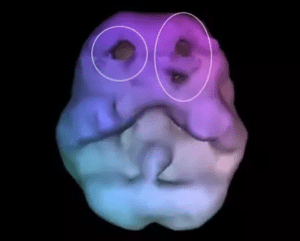
10 ADULT ADHD SYMPTOMS

Adults with ADD/ADHD may experience a wide range of emotional and behavioral symptoms, including the following. 1. Having a short attention span A lack of focus is one of the hallmark symptoms of ADD/ADHD. In adults, this can include having a hard time with routine tasks, not paying attention to details, making careless mistakes, and having trouble staying focused in conversations. If you have this brain-based disorder, you may start a lot of things but have difficulty completing them. Having a slew of unfinished projects lying around is a sign of adult ADD/ADHD. 2. Being disorganized Adults with ADD/ADHD often have trouble keeping things organized. At work, you might have a hard time finding what you need to finish a task because your desk is messy, your computer files are scattered randomly, and your emails are unorganized. This can make projects seem more challenging and take longer to complete. Disorganization also includes have trouble prioritizing assignments and keeping track of them. When you aren’t sure which task to tackle first, it can lead to procrastination. 3. Being easily distracted Having adult ADD/ADHD makes you more likely to notice more things in your environment compared to others. This means you can be easily distracted by external stimuli, including sounds, lights, scents, touch, or some tastes. For example, you may be overly aware of a tag in the back of your shirt, a flickering light, or a beeping noise. This acute sensitivity can prevent you from focusing on an important task at hand. 4. Having poor internal supervision Many people with ADD struggle with impulse control and judgment. You may say or do things reflexively without thinking about the consequences of your actions. This can lead to problems at work, at home, and in relationships. Another one of the common signs of adult ADHD is having a hard time learning from your mistakes. Making the same errors over and over is an indicator that you might have this condition. 5. Procrastinating and being chronically late Individuals with ADD/ADHD often have trouble with time management. You may put things off until the last minute. For example, you may wait until the night before a project is due to start working on it. ADHD adults are also notorious for being late for everything. Showing up 15 minutes, 30 minutes, or an hour late for work, appointments, and events is a red flag. 6. Being hyper focused Surprisingly, research shows that many adults with ADD/ADHD can achieve laser-like focus for certain things. In general, hyperfocus is more likely to occur when a person engages in something that they love to do or in things that are highly stimulating, frightening, fun, or novel. When hyperfocused, people become completely absorbed in an activity and tune out everything else. In these instances, you may not notice external stimuli, such as your spouse asking you a question, the doorbell ringing, or your dog barking because they need to go outside. 7. Being forgetful Forgetfulness is common in ADD/ADHD and can become a major issue on the job and in relationships. People with this condition often forget birthdays, anniversaries, and deadlines. You may leave your work materials at home or forget that it’s your day to pick up your child after school. In some cases, forgetfulness may be related to distractibility. If you aren’t paying attention to what someone is saying to you, it’s going to be harder to remember what they said. 8. Lacking motivation Some types of ADD/ADHD are associated with low levels of the neurotransmitter dopamine, which is heavily involved in motivation. Because of this, adults with this disorder may feel unmotivated. This can hold you back in your career and in other areas of your life. 9. Low self-esteem Self-doubt and a lack of confidence are common in people with ADD/ADHD. In part, this may come from growing up with people talking about you in a negative way due to your symptoms. Many ADHD types grow up hearing people say that they are “lazy,” “dumb,” or “troublemakers.” These hurtful comments can have lasting repercussions on a person’s self-image. 10. Misusing substances Adults with ADD/ADHD are at a greater risk for substance use disorders compared with people who don’t have the condition, according to research. If you turn to alcohol, marijuana, nicotine, or other substances to self-medicate or to improve focus, it’s a problem.

SEEKING AN ADULT ADHD DIAGNOSIS

Adults who suspect they may have the condition often wait to seek help. At Amen Clinics, which has helped tens of thousands of mental health patients over the past 30-plus years, adults typically don’t get diagnosed with ADD until they are experiencing the following: Being diagnosed with ADD/ADHD as an adult can be life-changing. It can help you understand that your issues aren’t due to a character flaw or lack of willpower, but rather related to your brain function. This can be very powerful in helping you reduce feelings of shame and enhance your self-image.

TAKE THE ADHD QUIZ

Take Dr. Amen’s simple, confidential 4-minute ADD quiz . This will help you discover if you potentially have the condition. In addition, the brain-imaging work at Amen Clinics has helped identify 7 types of ADD/ADHD. Taking this quiz can help you determine if you may be struggling with one of these types.

ADULT ADHD TREATMENT

If you are diagnosed with ADD/ADHD, be aware that in some cases, treatment may require medication. However, many people see improvement with natural treatments for ADD/ADHD. ADD/ADHD and other mental health issues can’t wait. At Amen Clinics, we’re here for you. We offer in-clinic brain scanning and appointments, as well as mental telehealth, clinical evaluations, and therapy for adults, teens, children, and couples. Find out more by speaking to a specialist today at 888-288-9834 or visit our contact page here.       Does “no” seem to be your child’s favorite word? Do you expect temper tantrums whenever you set a boundary or deny your child something? Do you struggle with their constant arguments and pushback? Or has your child exhibited resentful, spiteful, or vengeful attitudes or behaviors? The word no may be only two letters long, but in some children the constant message of defiance comes across loud and clear. Children usually start to embrace their ability to say no when they reach around two years old, and it marks an important stage of their development. However, when your older child or teen is saying no to almost anything you ask, you may be dealing with oppositional defiant disorder (ODD). If you find that asking a question receives a refusal from your child more than 7 out of 10 times—perhaps even reaching 10 of 10—that’s a sign you may be dealing with ODD.
Click to tweet

SYMPTOMS OF OPPOSITIONAL DEFIANT DISORDER

Many kids and teens demonstrate a rebellious streak or resistance to typical parental requests, like completing their chores or going to bed on time. But oppositional defiant disorder in children means that their responses of no are severe or persistent (lasting 6 months or more). They may even say no to things that most kids would enthusiastically agree to. ODD, a behavioral disorder, is estimated to affect 2% to 11% of all children. Kids with ODD tend to be uncooperative at both home and school, causing relationship difficulties with parents, teachers, peers, and siblings. They may argue, become easily annoyed, or throw temper tantrums. How many nos are considered excessive enough to indicate ODD? If you find that asking a question receives a refusal from your child more than 7 out of 10 times—perhaps even reaching 10 of 10—that’s a sign you may be dealing with ODD. More formally, the National Library of Medicine shares 8 symptoms listed in the Diagnostic and Statistical Manual of Mental Disorders, Fifth Edition (DSM-5). The child should show at least 4 of these on most days for at least 6 months:
  1. Loses temper
  2. Touchy or easily annoyed
  3. Angry and resentful
  4. Argues with authority figures or (for children and adolescents) with adults
  5. Actively refuses or defies complying with requests or rules
  6. Deliberately annoys others
  7. Blames others for his or her mistakes or misbehavior
  8. The child has been spiteful or vindictive at least twice within the past 6 months

OPPOSITIONAL DEFIANT DISORDER AND THE BRAIN

In brain SPECT scans at Amen Clinics, oppositional defiant disorder in children has been linked with increased activity in the front part of the brain, including in a brain region called the anterior cingulate gyrus (ACG). Healthy Brain SPECT Scan Healthy Brain SPECT Scan ODD SPECT Scan ODD SPECT Scan SPECT is a functional brain-imaging technology that evaluates blood flow and activity in the brain. In simple terms, it shows areas with healthy activity, too little activity, or too much activity. In the scans shown here, blue represents average activity while red and white represent increased activity levels. In the healthy brain scan, the highest level of activity is seen in the cerebellum (situated at the back/bottom of the brain). In the ODD brain scan, there is excessive activity in the ACG. Known as the brain’s gear shifter, the ACG is the region that allows us to switch up our thoughts. Someone with too much activity in the ACG means they’re more likely to get stuck in a thought loop or fixed on a single action. Not surprisingly, SPECT scans also show this brain pattern in those with obsessive-compulsive disorder (OCD). But in oppositional defiant disorder, the brain gets stuck specifically on negating—which can look like repeatedly saying no or arguing. Due to the difficulty in shifting thoughts, parents can find themselves unable to dissuade their child from a problematic line of thinking or behavior. Though many children grow out of this condition, ODD is also possible in adults. Researchers have known for years that oppositional defiant disorder in adults often corresponds not only to ODD in childhood, but to other co-occurring mental health conditions. For example, one study found that people who had attention-deficit/hyperactivity disorder (ADHD) and a childhood history of ODD displayed increased risk for bipolar disorder, multiple anxiety disorders, and substance use disorders, compared to ADHD patients without ODD. Researchers concluded that both children with ODD and adults with a childhood history of ODD “have high rates of psychiatric comorbidity and more impaired psychosocial functioning” than those without ODD. 

OPPOSITIONAL DEFIANT DISORDER TREATMENT

Understandably, parents dealing with children who have oppositional defiant disorder symptoms often feel stressed, confused, or even hopeless. But children with ODD can be helped with treatments for oppositional defiant disorder—even without the use of prescribed drugs. It’s critical to diagnose and treat oppositional defiant disorder, because ODD can point to, or lead to, larger issues. The Cleveland Clinic reports that most children and teens with ODD have at least one additional mental health concern, such as: In addition, roughly 30% of children with ODD will eventually show signs of conduct disorder, which encompasses both behavioral and emotional problems that may escalate to aggression. On a positive note, patients at Amen Clinics have found success with natural treatments for ODD, including using nutraceuticals for symptom regulation. One study in the Journal of Abnormal Child Psychology showed that omega-3 fatty acid supplements, combined with individual and family psychoeducational psychotherapy (a family-focused type of cognitive behavioral therapy), showed promise in treating youth with depression and behavior problems like ODD. Another study in Frontiers in Psychology noted that diet may have an impact on ODD behavior, as children with both ADD/ADHD and ODD were found to experience a major decrease in symptoms by following a few-foods diet. In addition to individual and family therapy, a variety of other helpful treatment options for children and parents alike include:

HOW FAMILIES CAN MANAGE OPPOSITIONAL DEFIANT DISORDER

Families can also benefit from utilizing a variety of coping techniques at home with their children. For example, try offering positive reinforcement for good behavior and setting age-appropriate consequences for unacceptable behavior. Work with your child’s other authority figures, from teachers to other parents, to exchange management skills. Here are some additional tips for helping your child with ODD:
  1. Set an example.

When you engage in arguments by yelling or acting out, you’re only modeling the behavior that you’d like to eradicate in your child. Conversely, if you always give in to their tantrums, you’ll reinforce that behavior pattern, too. Instead, stay firm, calm, and kind. And, since ODD or oppositional thinking can run in families, examine your own behavior. Do you struggle with obsessive thoughts, compulsive behaviors, or an inflexible personality? Find ways you can make an effort to think and act in a more flexible manner.
  1. Prevent the no.

When you ask a child with ODD a yes or no question, chances are, you will receive a no in response. Instead, offer your child an either-or option—for example, “Would you prefer either X or Y?” An additional tactic is to include them in the decision-making process by offering possible time frames on completing a task. Allowing them to choose their timing can help remove them from the stuck thought patterns around being defiant.
  1. Break patterns.

Another way to interrupt the stuck thought patterns associated with ODD is to suggest a time-out when arguments feel heated. You’ll not only allow yourself and your child to cool down, but you’ll also throw a wrench in the loop of negative thinking. Distractions and cool-downs can be helpful for both children and parents. Return to the issue later, with a clearer and calmer head.

FINDING HELP FOR OPPOSITIONAL DEFIANT DISORDER

While oppositional defiant disorder symptoms in children can create stressful dynamics at home and in school, there is hope for those who are affected. It’s important to include the entire family in the management and treatment process, while ensuring proper diagnosis of any other mental health conditions that may be present. Brain SPECT scans can help identify co-occurring conditions. And pairing natural treatments with therapeutic techniques can help minimize the impacts of ODD, allowing your child to grow and develop into a healthy, responsible adult. Oppositional defiant disorder (ODD) and other mental health issues can’t wait. At Amen Clinics, we’re here for you. We offer in-clinic brain scanning and appointments, as well as mental telehealth, clinical evaluations, and therapy for adults, teens, children, and couples. Find out more by speaking to a specialist today at 877-247-7938 or visit our contact page here.

Are You Raising Competent Young Adults or Just Big Kids?

Excerpted from Raising Mentally Strong Kids, by Daniel Amen, MD, and Charles Fay, PhD Eighteen—that magic number we see as “adulthood.” Way before that age most of us hope that our kids are growing in independence, resourcefulness, responsibility, and resilience. As most seasoned parents know, however, it takes well into our children’s mid-twenties, or later, for most of us to feel they no longer need our guidance. It takes well into our children’s mid-twenties, or later, for most of us parents to feel they no longer need our guidance.
Click to tweet

WHY YOUNG ADULTS STILL NEED PARENTAL GUIDANCE

Basically, a young person’s brain is still developing until their mid-twenties, so they still need parental guidance. “Guidance” doesn’t mean that we need to be overly involved in their adult lives, trying to control their decisions. Nor does it mean that we are rescuing them from their poor decisions or even typical challenges. Guidance means we are showing that we care and believe in them, continuing to model what we hope they will become, and sharing our wisdom when they want it. That’s why most of the parenting skills of practical neuroscience also apply to young adult children. When you face relationship challenges or hear about their struggles, don’t hesitate to respond with love and firmness.

5 PRINCIPLES OF RAISING MENTALLY STRONG KIDS AND YOUNG ADULTS

To raise mentally strong kids and young adults, you need to know the Five Principles of Love and Logic. Like a delicious meal, the first four principles are the ingredients. The fifth represents the wonderful results of combining them: Mutual Dignity + Shared Thinking + Shared Control + Empathy = Healthy Relationships.
  1. Develop mutual dignity with adult children.

The principle of mutual dignity means that both parties in a relationship treat each other with great respect and worth. Putting someone on a pedestal and lavishing them with praise and gifts meant for royalty creates great confusion, a sense of entitlement, and anger toward the ones bearing gifts. It also plays a sad role in stunting their ability to handle adversity. Mental strength is always lacking in people who’ve been idolized and expected to do very little. They express more anxiety, lower academic achievement, substance abuse, and other negative outcomes. When someone tries to do everything for us and give us all that we need and want, it interferes with the hard work required to grow up and develop the hallmarks of maturity. Like wildlife consistently fed by a well-meaning yet unwise animal lover, we become dependent. This dependency leads to resentment, which often promotes aggression. Mental health professionals often call this outcome hostile dependency. Developing mutual dignity requires:

2 (and 3). Strengthen shared thinking and shared control.

Boundaries help transition responsibility and accountability to where it belongs. When you embrace them, you give up trying to control your child. You allow them to take control and learn to use their brains. That’s the only way your children will grow up and you’ll transition out of the parent role.
  1. Use empathy.

Empathy in parenting is a lifelong skill that will keep your relationship with your children healthy, even if they get off track as adults. It’s essential that empathy accompanies listening, requests, and boundaries at any age.
  1. Create healthy relationships.

When you raise kids with a practical neuropsychological approach, you give them the foundation they need to become mentally strong adults who are confident, competent, and resilient. Other factors may come into play that make young adulthood challenging for them to navigate. In any case, remember that your grown children are the only ones responsible for their choices. Your job is to love them with firmness, kindness, and empathy. Your consistency will strengthen your relationship, emphasize that they are in control of their own lives, and assure them that they know where to turn for support.

RAISING MENTALLY STRONG KIDS

You will find a Quick Boundary Test and more parenting strategies for young adults in the book Raising Mentally Strong Kids. In the book, Raising Mentally Strong Kids, brain and mental health expert Dr. Daniel Amen and child psychologist Dr. Charles Fay have teamed up to reveal what’s missing from most parenting books. It’s the fact that you need to address both the brain and the mind of your child (and yourself) in order to be an effective parent and raise competent humans. In this groundbreaking, science-backed book where neuroscience meets practical psychology, parents are given proven tools to help children of all ages go from defiance, meltdowns, and power struggles to being responsible, resilient, and confident. Order your copy now and put your child on the path to a brighter future. If you want to join the tens of thousands of parents and children who have already learned how to be mentally stronger at Amen Clinics, speak to a specialist today at 888-288-9834 or visit our contact page here.  

Is Your Child Struggling with Mental Health Issues?

Have you been working diligently to put proven parenting strategies into practice? Despite this, is your child is still misbehaving, creating conflict, lacking motivation, procrastinating, underperforming at school, having trouble making friends, or having other problems? If so, a mental health issue may be the culprit. When parenting strategies aren’t working, a childhood mental health issue may be the culprit.
Click to tweet

KIDS AND MENTAL HEALTH PROBLEMS

Mental health problems and learning disorders—all of which are actually brain health issues—are rising among the more than 73 million kids ages 0 to 17 in the US. Just look at these statistics: Although approximately half of all mental health issues show up by the mid-teens, most children aren’t diagnosed and don’t receive treatment until several years after symptoms first appear.

WHY PARENTS MISS MENTAL HEALTH ISSUES IN KIDS

This is not surprising because most parents aren’t experts in the differences between “normal” and “abnormal” behaviors, emotional health, or brain and mental wellness. Parents are usually only exposed to their own children, their nieces and nephews, and their kids’ friends. So, when a youngster seems consistently down in the dumps, constantly worries, or acts aggressively, it’s natural to assume it’s just your child’s nature or that they have an attitude problem. If you misread an underlying brain health problem or mental health issue as an attitude issue, your knee-jerk reaction may be to increase discipline and consequences, which may be harmful. Many kids who have brain/mental health problems are actually trying hard to do what Mom and Dad ask, but they just aren’t able to do it because of the way their brain is wired. If your child is consistently struggling at school, routinely having trouble getting along with others, or frequently losing their temper, take a moment and ask yourself, “Could this be a sign of something else?”

WHEN TO SEEK HELP FOR YOUR CHILD’S MENTAL HEALTH

If you have a feeling that your youngster or adolescent may have a behavioral, emotional, or learning issue, don’t wait. Bring up any concerns with your child’s pediatrician or other healthcare provider. Small issues that remain untreated can morph into big problems. On the flip side, early intervention can put a halt to unwanted issues and can improve your child’s future. In some cases, simple lifestyle changes or nutritional supplements may be all they need. If you’re noticing problematic behaviors or emotional issues, it’s important to get your child on a brain-healthy program sooner rather than later. When these issues remain untreated, they can have lifelong consequences that make parenting exponentially more difficult. In the short term, these issues are associated with increased family discord, academic underachievement, and more. Over time and into adulthood, they are linked with increased risks of school dropouts, traffic accidents, substance abuse, job failure and unemployment, financial problems, obesity, divorce, and suicidal thoughts and behaviors. After working with thousands of children, we can assure you that seeking treatment for brain/mental health and learning problems is not a sign of weakness; it is a sign of strength and love for your child.

COMMON CHILDHOOD MENTAL HEALTH ISSUES IN KIDS

Some of the more common mental health issues seen in children include:

RAISING MENTALLY STRONG KIDS

You will find the warning signs associated with these common childhood mental disorders, as well as natural solutions, in the book Raising Mentally Strong Kids. In the book, Raising Mentally Strong Kids, brain and mental health expert Dr. Daniel Amen and child psychologist Dr. Charles Fay have teamed up to reveal what’s missing from most parenting books. It’s the fact that you need to address both the brain and the mind of your child (and yourself) in order to be an effective parent and raise competent humans. In this groundbreaking, science-backed book where neuroscience meets practical psychology, parents are given proven tools to help children of all ages go from defiance, meltdowns, and power struggles to being responsible, resilient, and confident. Order your copy now and put your child on the path to a brighter future. If you want to join the tens of thousands of parents and children who have already learned how to be mentally stronger at Amen Clinics, speak to a specialist today at 888-288-9834 or visit our contact page here.   Having can negatively impact your life in many ways. Most people are familiar with the neurodevelopmental disorder’s trademark short attention span, distractibility, impulsivity, disorganization, and procrastination. What many people don’t realize is that having ADD/ADHD also puts you at increased risk for substance use disorders, such as alcoholism or drug abuse. In fact, as many as half of all adolescents and adults with substance use disorders have been diagnosed with ADD/ADHD at some point during their lives, according to research. As many as half of all adolescents and adults with substance use disorders have been diagnosed with ADD/ADHD at some point during their lives.
Click to tweet
What’s the link between ADD/ADHD and addictions? And what can you do to reduce your risk of alcohol abuse, nicotine use, or drug dependence?

THE DISTURBING STATISTICS ABOUT ADHD AND ADDICTIONS

Decades of research show that individuals with attention-deficit/hyperactivity disorder (ADHD), also called attention-deficit disorder (ADD), are more likely to develop substance use disorders than those without the mental health disorder. For example, adults with ADD/ADHD are about three times more likely to struggle with a substance use disorder (SUD) than their peers. Similarly, compared to kids who don’t have ADD/ADHD, children with the condition are two to three times more likely to abuse substances, according to a study in Clinical Psychology Review. In particular, research shows that children with ADD/ADHD are: The fact that nearly 10% of school-age children have received a medical diagnosis of ADD/ADHD raises a red flag on the issue.

ADHD AND THE BRAIN

ADD/ADHD is a brain-based disorder. The brain-imaging work using SPECT at Amen Clinics shows that the brain functions differently in people with this condition. Specifically, SPECT scans show abnormal activity in a part of the brain called the prefrontal cortex (PFC). This brain region is responsible for executive functions, such as planning, judgment, forethought, impulse control, and follow-through. In the healthy brain, concentration stimulates activity in the PFC. Not so in the ADD/ADHD brain. In people with this disorder, there’s a reduction in activity in the PFC when they try to concentrate. Effectively, this makes it harder for them to pay attention. The decreased activity in the PFC also helps explain the symptoms associated with the disorder. Brain imaging shows that having ADD/ADHD symptoms is not due to a lack of willpower or failing to try hard enough. Rather it’s related to the way the brain functions.

ADHD AND THE BRAIN’S SELF-CONTROL CIRCUIT

ADD/ADHD is also associated with other brain functions, such as the self-control circuit. This circuit involves the brain systems that drive you to seek out things that bring you pleasure and the prefrontal cortex (PFC), which puts on the brakes when you are about to engage in risky behavior. In a healthy self-control circuit, an effective PFC provides impulse control and good judgment while the deep limbic system offers an adequate dose of motivation so you can plan and follow through on your goals. You can say no to alcohol, marijuana, cocaine, cigarettes, and other substances. When activity in the PFC is decreased, the drive circuits take control and cause you to lose control over your behavior. When this is the case, you’re more likely to fall victim to your cravings. Having low activity often results in a tendency for impulse-control problems and poor internal supervision. These contribute to the increased risk of addiction.

SELF-MEDICATION AND THE ADHD BRAIN

Many people with ADD/ADHD self-medicate with substances in order to feel better—more focused, less anxious, less depressed, or less overwhelmed. Because the PFC is underactive in the ADD/ADHD brain, it can lead people to use substances as a way to stimulate brain activity. And those with hyperactivity may turn to other substances to calm down. Although these individuals abuse substances as a way to treat their underlying problems, it is bad medicine. Over time, substance abuse often exacerbates ADD/ADHD symptoms. The brain-imaging work at Amen Clinics clearly shows that substance abuse is harmful to brain function. Alcohol, marijuana, nicotine, cocaine, methamphetamines, and even caffeine reduce brain activity over time. In some cases, the reduction in brain activity can be significant. This means that when a teen with ADD/ADHD drinks alcohol to calm internal feelings of restlessness, it soothes them but only temporarily. At the same time, it damages cellular activity, which can lead to a worsening of symptoms in the long run. One study out of UCLA found that cocaine addicts had 23% less overall brain activity compared to individuals who had never taken drugs. In this study, the people addicted to cocaine who also smoked cigarettes had 45% less activity in their brain. Based on the clinical experience at Amen Clinics, people tend to use different substances based on which type of ADD/ADHD they have. The SPECT scans at Amen Clinics have helped identify 7 types of ADD/ADHD. People with Classic or Inattentive ADD/ADHD tend to use stimulants, such as cocaine or methamphetamine. Individuals with Overfocused ADD/ADHD are more likely to abuse alcohol. Having Temporal Lobe or Limbic ADD/ADHD makes people more inclined to use marijuana or stimulants. People with Anxious or Ring of Fire ADD/ADHD tend to abuse alcohol and marijuana.

ADHD STIMULANT TREATMENT AND ADDICTION

Substance abuse often complicates the treatment of ADD/ADHD. As mentioned earlier, as many as 50% of adolescents and adults with ADD/ADHD also have substance abuse issues. Some people fear that stimulant medications may be a gateway drug to other substances. However, research has found that this is not the case. In fact, a 2016 study found that people who are taking prescription stimulants for ADD/ADHD are 7.3% less likely to develop a substance use disorder. However, many health care providers feel uncomfortable prescribing stimulant medications such as Ritalin or Adderall to people who have a substance use disorder. Physicians have to be very careful when this is the case. If you have an active addiction, you may need to wait until you’re enrolled in an addiction treatment program before a physician will prescribe stimulant medication for ADHD. After showing a sustained commitment to sobriety, you may be prescribed ADD/ADHD stimulants. Be aware that you will likely need to be monitored frequently. If you have ADD/ADHD, several lifestyle changes can also help prevent substance abuse. A healthy diet, daily exercise, and meditation are all natural ways to boost activity in the PFC to help you regain control. ADD/ADHD, addictions, and other mental health issues can’t wait. At Amen Clinics, we’re here for you. We offer in-clinic brain scanning and appointments, as well as mental telehealth, clinical evaluations, and therapy for adults, teens, children, and couples. Find out more by speaking to a specialist today at 888-288-9834 or visit our contact page here

5 Tips for Reaching the Underachieving Child

Excerpted from Raising Mentally Strong Kids, by Daniel Amen, MD, and Charles Fay, PhD Underachievement is one of the most complex challenges facing children, parents, and schools, and it can have devastating effects on a young person’s sense of self-worth and mental strength. Too often, parents start with the assumption that the child is simply being lazy. Then these well-meaning adults often resort to practices that make the problem worse. Here’s an overview of methods that seem like they should work but that tend to backfire. Plus, you’ll find 5 proven tips for reaching the underachieving child to boost their confidence, motivation, and performance. Underachievement is one of the most complex challenges facing children, parents, and schools, and it can have devastating effects on a young person’s sense of self-worth and mental strength.
Click to tweet

WORST WAYS TO MOTIVATE UNDERACHIEVING KIDS

 Some of the most common but wrong ways to try to motivate underachieving children include: Those approaches look like they should work, and decades of parents and teachers have used them. In fact, those tactics may yield some positive short-term results. In the long run, though, they make underachievement worse by creating: Those practices also lower feelings of self-competence, especially with kids who are dealing with problems related to learning, family and peer relationships, mental health, and other deeper issues. As perceptions of self-competence diminish, so does motivation and social and emotional health. Here are 5 better ways to motivate underachievers.

5 TIPS FOR RAISING AN ACADEMICALLY SECURE AND MOTIVATED CHILD

Tip #1: End the control battle.

As soon as a control battle begins, anxiety increases and academic motivation decreases. As soon as power struggles start, the bond we have with our kids weakens. Control battles can damage many aspects of our children’s development. 

Tip #2: Transition responsibility for learning to your child.

Whose learning are we talking about? Is it yours or your child’s? Obviously, you can’t do school for your kids. While true, this doesn’t stop many parents from taking way more ownership in their kids’ learning than their kids do.

Tip #3: Respond with empathy and reasonable, logical consequences.

Anger shuts the door on learning. Empathy opens the door to learning. Anger implies that the problem is ours. Empathy allows it to remain our child’s. Empathy, in and of itself, assists in meeting most of the needs for love and belonging. It calms anxiety, and it helps us communicate that we understand our child’s feelings.

Tip #4: Follow some guidelines for helping with homework.

Successful parents care about their children’s homework, and they follow some basic guidelines for helping in productive ways:

Tip #5: Look for underlying causes of underachievement.

If you’ve tried these strategies but still aren’t seeing increased motivation or achievement in your child, don’t beat yourself up and don’t get angry with them. Be curious, not furious. Investigate what might be causing the problem. A biological condition, brain health issue, or mental health problem may be at play.

RAISING MENTALLY STRONG KIDS

You will find several more strategies to reach underachieving children in the book Raising Mentally Strong Kids. In the book, Raising Mentally Strong Kids, Dr. Daniel Amen, a brain and mental health expert, and Dr. Charles Fay, a child psychiatrist and the founder of Love and Logic have teamed up to reveal what’s missing from most parenting books. It’s the fact that you need to address both the brain and the mind of your child (and yourself) in order to be an effective parent and raise competent humans. In this groundbreaking, science-backed book where neuroscience meets practical psychology, parents are given proven tools to help children of all ages go from defiance, meltdowns, and power struggles to being responsible, resilient, and confident. Order your copy now and put your child on the path to a brighter future. If you want to join the tens of thousands of parents and children who have already learned how to be mentally stronger at Amen Clinics, speak to a specialist today at 888-288-9834 or visit our contact page here.