
ARCHIVE
So, you fall off a ladder, get whiplash in a car accident, or wipe out on your bike and whack your head. You may get diagnosed with a concussion or traumatic brain injury (TBI) and told to “take it easy.” But then you start experiencing brain fog, a fuzzy memory, irritability, blue moods, or other issues. In a pro-active move, you decide to seek professional help and are advised to get a magnetic resonance imaging (MRI) scan. You’re hoping it will reveal answers that could lead to effective solutions for these problems. But then your physician tells you that your MRI results are normal and that’s the end of the line in terms of any treatment. But you’re still experiencing bothersome symptoms. How frustrating! When it comes to your cognitive, emotional, and psychological health following a head injury, MRI is not conclusive, and it isn’t the best brain imaging tool. Before exploring why MRI falls short and why other types of brain imaging are more effective, let’s look at how TBIs impact mental health. When it comes to your cognitive, emotional, and psychological health following a head injury, MRI is not conclusive, and it isn’t the best brain imaging tool.HEAD TRAUMA AND MENTAL HEALTH
Many people, including many mental health professionals, don’t realize that head trauma is associated with an increased risk of mental health problems. Some of the problems that can develop following a TBI include:- Anxiety
- Panic disorders
- Depression
- ADD/ADHD
- PTSD
- Dementia
- Psychosis
- Suicide
- Learning problems
- Borderline and antisocial personality disorders
- Aggression
WHY MRI DOESN’T TELL THE WHOLE STORY FOLLOWING A TBI
MRI isn’t the most useful scanning technology when psychological or cognitive issues develop after a head injury. This is because MRI, which uses a strong magnetic field and radio waves to provide detailed pictures, only shows the structure and anatomy of the brain. The 3-D images it creates can reveal anatomical problems in the brain or brain stem, such as swelling, inflammation, tumors, cysts, blood vessel problems, or infections. The problem with MRI is that it doesn’t provide any information about the way the brain is functioning. And mental, emotional, and behavioral issues are all related to brain function. In fact, many times an MRI will appear normal after a TBI when there is actually functional damage to the brain that could be contributing to mental health symptoms.SPECT: A BETTER BRAIN IMAGING TOOL FOR HEAD INJURIES
Functional brain SPECT imaging is a better way to identify areas of the brain that aren’t working optimally after a concussion, TBI, or repetitive sub-concussive traumas (like contact from tackle football, blows from boxing, or heading soccer balls). SPECT (single-photon emission computed tomography) is a nuclear medicine study that evaluates blood flow and activity in the brain. Basically, this state-of-the-art brain mapping tool shows three things:- Areas of the brain with healthy activity
- Areas of the brain with too little activity
- Areas of the brain with too much activity
THE TBI/PTSD EPIDEMIC
Did you know 16.8 U.S. military veterans commit suicide every day? Traumatic brain injuries (TBI) and post-traumatic stress disorder (PTSD) are underlying factors in many of those deaths. Every year, over 2 million Americans—military and others—sustain a TBI. Even when it doesn’t lead to suicide, TBI and PTSD can ruin a person’s life. Head trauma is a major cause of psychiatric illness, but very few people know it because most mental health professionals never look at the brains of their patients. Research shows that TBIs increase the risk of:- Anxiety
- Panic disorders
- Depression
- ADD/ADHD
- Memory problems/dementia
- Anger issues
- Psychosis
- Personality disorders
- PTSD
- Suicide
AMEN CLINICS PATIENTS FEATURED IN QUIET EXPLOSIONS
Among the people featured in the documentary, Quiet Explosions are Super Bowl XXVI MVP Mark Rypien, famed “Notre Dame Killer” running back from USC Anthony Davis, and big-wave surfer Shawn Dollar—all of whom received treatment at Amen Clinics. Each of these world-class athletes had brain SPECT imaging scans performed at Amen Clinics. SPECT is a nuclear medicine tool that measures blood flow and activity in the brain. It shows three things—areas with healthy activity, areas with too much activity, and areas with too little activity. Each of their scans showed signs of brain trauma. Dollar says his brain scans showed he’s suffered “hundreds, if not thousands, of concussions.”DISTINGUISHING TBI FROM PTSD
Many of the symptoms seen in PTSD are also seen in people with TBI. Unfortunately, most healthcare professionals never look at the brain with functional brain scans, so they can’t detect the brain patterns associated with TBI and PTSD. This results in too many people being misdiagnosed and given the wrong kind of treatment. Getting the wrong treatment can make your symptoms worse, which leads to more unnecessary suffering. Functional brain imaging with SPECT can help. The research team at Amen Clinics, in collaboration with other scientists, has published two groundbreaking studies showing that brain SPECT imaging can distinguish TBI from PTSD with 94% accuracy. This research was named in Discover Magazine’s Top 100 science discoveries of 2015. This is important because MRI or CT scans, which show the brain’s structure, often find that people with mild TBI or PTSD have “normal” results. This leaves people who are suffering feeling like they’re imagining their symptoms and that there is no hope for recovery. This is wrong. TBI and PTSD can be treated effectively.TREATING TBI AND PTSD
Each of the three TBI survivors who visited Amen Clinics got their lives back with treatment protocols that are ignored by most traditional healthcare providers. At Amen Clinics, concussion rescue treatments may include: These are in addition to a comprehensive concussion rescue brain-body approach that also includes brain healthy nutrition, lifestyle changes, targeted nutraceuticals, and more. For PTSD, treatment may also include EMDR (eye movement desensitization and reprocessing), a powerful, non-invasive therapy for overcoming emotional trauma. The documentary Quiet Explosions explores the treatments that helped Rypien, Davis, Dollar, and several other remarkable people get their lives back. It may give you or a loved one hope for healing. TBIs, PTSD, and other mental health conditions can’t wait. During these uncertain times, your mental well-being is more important than ever and waiting until life gets back to “normal” is likely to make your symptoms worsen over time. At Amen Clinics, we’re here for you. We offer in-clinic brain scanning and appointments, as well as mental telehealth, remote clinical evaluations, and video therapy for adults, children, and couples. Find out more by speaking to a specialist today at 888-288-9834. If all our specialists are busy helping others, you can also schedule a time to talk.
Athletes who want to reach their potential are more than willing to devote 110% to their training efforts. They hit the weight room with scientifically backed programs designed to ramp up strength, power, or explosiveness. They monitor what they eat thanks to nutritionists who tailor diets specifically for their goals. They even turn to psychologists and mindfulness experts to boost their mental fitness. But there’s one critical piece missing from their regimen, and it’s something that can have a powerful impact on their performance, decision-making, motivation, accuracy, reaction times, and risk of injury.
What is this missing piece? Sleep.
Poor Sleep is Common Among Athletes
A wealth of studies shows that most athletes aren’t getting the sleep they need. In fact, research estimates that the prevalence of sleep disturbances among athletes ranges from 13% to as high as 70%. And sleep problems are seen in nearly all sports.
In recent years, contact sports have gotten the bulk of the media attention when it comes to head injuries and sleep problems, such as sleep apnea, associated with them. However, sleep disorders are also extremely prevalent in aesthetic sports, which are sports in which leanness is highly encouraged—think gymnastics, dance, cheerleading, and figure skating. An estimated 33% of athletes in these sports suffer from sleep issues.
In a study of 107 professional ice hockey players, 1 in 4 players was found to have a significant sleep disorder. Likewise, 25% of Canadian National Team athletes were identified as having clinically relevant sleep disturbances that required further clinical sleep assessment. In a 2019 survey of Qatar Stars League (QSL) soccer players, 68.5% reported poor sleep quality and 22.5% experienced daytime sleepiness. And the list goes on.
Basically, what these studies highlight is that there is a very high prevalence of sleep problems and sleepiness among athletes across all nations, ethnicities, and sports. And this is bad news for their performance.
Poor Sleep = Poor Performance
A growing body of evidence on a variety of sports show that sleep deprivation affects almost every aspect of athletic ability, including the following:
- Recovery time: A study of cyclists showed that one night of partial sleep deprivation impairs recovery from a single HIIT session. Peak power output (PPO) was reduced and they felt sleepier and less motivated to train.
- Performance and injury risk: In a 2019 study, restricting sleep to just 4 hours a night for 3 days decreased maximal jump performance, increased joint coordination variability, and was associated with greater impairment in response time, which may contribute to reductions in athletic performance and increased injury risk.
- Learning: A study that entailed a single night of sleep deprivation in junior soccer players (14-19 years old) resulted in a steeper learning curve in addition to negative effects on skills, such as the continuous kicking test and the 30‐meter sprint with directional changes.
- Strength and attention: A study of adolescent karate athletes showed that a single night of sleep deprivation affected selective attention and maximal isometric strength, two key skills in combat sports.
- Cognitive fitness: Hult International Business School’s Professor Vicki Culpin led a study that linked sleep deprivation to poor performance. From the 30 aspects of cognitive behavior assessed in the research, the results indicate that the executive control functions of decision-making, creativity, processing, adaptability, learning, and control of emotions performed by the pre-frontal cortex within the brain are all highly impacted by sleep loss.
- Emotional regulation: The amygdala (located within the temporal lobes) helps with emotional regulation and mood stability (including psychological resilience). Studies have shown that a lack of sleep leads to more emotional responses because the amygdala becomes as much as 60% more active than normal.
- Resilience: In a study of 632 junior athletes, mental resilience was positively associated with sleep quality, while worry and perceived stress were negatively associated with sleep quality.
Optimal Sleep = Peak Performance
Conversely, getting adequate sleep on a regular basis can be just as impactful on performance in a positive way. For example, studies have shown that:
- Tennis players can get up to a 42% boost in hitting accuracy.
- Split-second decision-making ability increases by 4.3%.
- Speed, accuracy, reaction times, and mental wellbeing significantly improve in basketball players.
Elite athletes have devoted a lifetime to hard work and discipline, and sleep is the final frontier in performance optimization.
The first step is educating athletes that sleep is really a secret weapon to not only optimize individual performance, but also to improve overall health, enhance relationships with teammates and coaches, boost memory and learning, stave off aging and dementia, and improve immunity and the lifespan.
The next step is learning exactly how to develop a sleep training program for peak performance. You can find the specific steps you need to take in Peak Sleep Performance for Athletes.
In Peak Sleep Performance for Athletes author Dr. Shane Creado, who is board-certified in both psychiatry and sleep medicine and is on the Board of Directors for the International Society for Sports Psychiatry, shares his unique sleep optimization program for athletes that he uses with his patients at Amen Clinics. Order your copy here.
If you or a loved one is looking for that competitive edge or is struggling with sleep problems, Amen Clinics can help. Speak to a specialist today at 888-288-9834 or schedule a visit online.
TikTok, a fast-growing video-sharing app claims its mission is to “capture and present the world’s creativity, knowledge, and precious life moments.” But that doesn’t accurately describe what’s trending lately on the app—a prank that’s been dubbed the “Skull Breaker Challenge.”
In this potentially lethal game, two people stand on either side of a third person and trick them into jumping up in the air. But as the unsuspecting middle person hops up, the two outside people kick the back of the airborne person’s legs, knocking them on their butt, back, or skull.
A pair of students in Daytona, Florida, who pulled the prank on another student are facing misdemeanor charges of battery and cyberbullying, according to a report by Today.
Parents are being encouraged to talk to their children about the dangers of the prank because it could cause broken bones, neck or back injuries, or concussions. It’s admirable that the media is getting the word out about this trending challenge, but most of the coverages neglect to inform parents about the very real and lasting harm that can come from a head injury in early life.
6 Reasons Why Concussions in Youngsters are So Devastating
Parents may not be aware that the consequences of a head injury at a young age—in childhood or adolescence—can ruin a young person’s life. Here are 6 ways that traumatic brain injuries (TBIs) impact cognitive, psychological, and behavioral health.
1. School problems
Head trauma can impair cognitive function that leads to school problems. Young people with head injuries are more likely to have trouble with attention, problem-solving, planning, and memory. A study in the journal Pediatrics on children ages 6-13 found that those who had suffered TBIs had higher rates of attention lapses and behavior problems as well as lower intelligence ratings. These issues can impact a young person’s ability to succeed in the classroom and beyond, which can have lasting effects on self-esteem and prevent them from living up to their potential.
2. Mental health disorders
Head injuries are a major cause of mental illness, but few people—even healthcare professionals—know it. A wealth of research has shown that young people who have suffered a head injury are at increased risk of ADD/ADHD, depression, anxiety, aggression, personality disorders, and psychosis. Sadly, many people never make the connection between a head injury that happened years or decades earlier and symptoms of depression or another psychiatric disorder. This can lead to years of unnecessary suffering.
3. Drug and alcohol addiction
Experiencing head trauma as a youth raises the risk of developing a substance abuse problem. Why? Research on animals has found that head injuries cause changes to synapses and neuronal networks with the brain’s reward system. The reward system’s pathways are still under development in childhood and adolescence, and a 2019 study suggests that TBI in early life disrupts the maturation process of this network. Having an increased vulnerability to addictions can ruin a young person’s life as well as the lives of loved ones.
4. Hormonal imbalances
When a head injury causes the brain to ricochet within the skull, it often damages a vulnerable area called the pituitary gland, a pea-sized gland that plays a major role in hormone production. However, pituitary dysfunction following a TBI is potentially underreported, according to a 2017 study. When hormones are off-balance it can alter the way you think, feel, and behave, causing a variety of symptoms, such as fatigue, difficulty concentrating, mood swings, or brain fog. This all leads to a lower quality of life.
5. Dementia
Most people worry about the immediate consequences of a concussion, but few understand that its devastating effects can also be felt decades later. Research in the Archives of Neurology shows that moderate to severe TBIs in early life have been linked to a twofold to fourfold increase in the risk of dementia later in life.
6. Suicidal thoughts and behavior
One of the most devastating consequences of a TBI is an increased risk of suicide. A 2020 study in the Journal of Affective Disorders found that concussions in youth are associated with a greater chance of suicidal ideation and suicide attempts.
Because of the tremendous impact a head injury can have on a young person’s life, it is critical for parents to talk about the dangerous Skull Breaker Challenge and to monitor children’s internet usage appropriately.
At Amen Clinics, we have helped thousands of children and adults with concussions or TBIs to heal their brain and minimize their symptoms. We use a combination of the least toxic, most effective therapies, which may include neurofeedback, hyperbaric oxygen therapy (HBOT), nutraceuticals, and medications, as well as simple lifestyle changes that can make a big difference.
If you experienced a head injury in your youth, or if your child has suffered head trauma, Amen Clinics can help. Speak to a specialist today at 888-288-9834. If all our specialists are busy helping others, you can also schedule a time to talk.
Aaron Hernandez was supposed to be the epitome of the American Dream—overcoming childhood setbacks to earn a spot in the NFL on the New England Patriots. Millions of kids across America wish they could be so lucky. But the 2020 documentary on Netflix, “Killer Inside: The Mind of Aaron Hernandez,” takes a deep dive into his life to investigate how his dream unraveled into a nightmare. Convicted of murdering his friend Odin Lloyd and accused of killing two other men (but found not guilty), Hernandez took his own life in a prison suicide in 2017. He was only 27.
The compelling docuseries explores many of the factors that could have contributed to the tragic end of such a promising life—childhood abuse, unstable parenting, hidden bisexuality. And then there was his brain. The docuseries delivers a fascinating look at his troubled brain, but it misses one key factor that may have contributed to Hernandez’ brain dysfunction.
The Brain of Aaron Hernandez
After Hernandez’s death, his brain was delivered to Boston University, where researchers made razor-thin slices for examination. Their findings? His brain was “riddled” with Stage 3 chronic traumatic encephalopathy (CTE). This neurodegenerative disease, which has 4 stages, has been found in athletes like football players, boxers, and soccer players who endure repeated concussions and other blows to the head. It has been associated with memory loss, cognitive dysfunction, and suicidal thoughts and behavior.
A Boston University publication reported that Ann McKee, director of BU’s Chronic Traumatic Encephalopathy Center, said that his brain was the worst case of CTE ever seen in someone so young. “Especially in the frontal lobes, which are very important for decision-making, judgment, and cognition, we could see damage to the inner chambers of the brain,” she said. The frontal lobes are also involved in impulse control, empathy, and learning from past experiences.
The documentary focuses heavily on CTE and the significant role it likely played in Hernandez’ downfall, and for good reason. The filmmakers also hone in on another aspect of his life that may have contributed to his troubles—cannabis use. It is reported that the football player began smoking marijuana regularly in high school and continued to smoke throughout his pro career. The docuseries calls him a “chainsmoker” with a serious habit, but it neglects to connect the dots between marijuana use and brain dysfunction.
Marijuana and the Brain
A growing body of evidence shows that marijuana use impairs brain activity. In the largest known brain imaging study, which appeared in the Journal of Alzheimer’s Disease, scientists from Amen Clinics, Google, Johns Hopkins University, UCLA, and the UC San Francisco evaluated 62,454 brain SPECT scans of more than 30,000 individuals (ages 9 months to 105 years) to investigate factors that accelerate brain aging. SPECT (single-photon emission computed tomography) is a brain imaging technology that measures brain activity and blood flow. The study found that a number of brain disorders and behaviors predicted accelerated aging. Of all the disorders and behaviors analyzed, cannabis abuse ranked as the second-highest brain ager, topped only by schizophrenia.
The study, which included brain scans from 1,000 cannabis users, 25,168 non-cannabis users, and 100 healthy controls, showed reduced cerebral blood flow among the cannabis users compared to non-users and healthy controls. A significant decrease in blood flow was noted specifically in the right hippocampus, an area of the brain that helps with memory formation. This part of the brain is severely affected in those that suffer from Alzheimer’s disease.
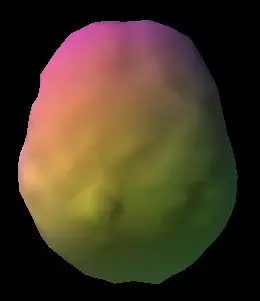
Healthy SPECT Scan

Other research has concluded that marijuana harms the teenage brain in numerous ways. For example, a 2019 review found that it increases the risk of depression and suicidal thoughts and behaviors. And marijuana use at a young age has also been associated with increased impulsivity.
Although pot promoters would argue that most people who smoke marijuana don’t become murderers and don’t die by suicide, it’s important to understand that in vulnerable people it may have negative impacts on brain function that contribute to unhealthy behaviors. Sadly, considering that Hernandez’s brain was so damaged by CTE, marijuana use was likely only making bad brain function worse.
You Can Change Your Brain
Unfortunately, this information is too late to help Hernandez, but it isn’t too late for other football players who have endured years of helmet-to-helmet tackles. A study at Amen Clinics on 30 retired professional football players who had suffered head trauma showed that after following a brain healthy program for 6 months, 80% showed significant improvement in blood flow to the frontal lobes, as well as improvements in overall cognitive functioning, processing speed, attention, reasoning, and memory. Hall of Fame quarterback Terry Bradshaw spoke openly about his own brain rehabilitation after suffering multiple concussions.
Likewise, it isn’t too late for people who grew up in traumatic households. See how a man named Kevin overcame his traumatic upbringing to enhance his brain health using a variety of innovative therapies. And it isn’t too late for people who have been bad to their brain with drug use. Find out how Arnie broke free from the chains of addiction. It’s never too late to start enhancing brain function.
The world’s largest database of brain scans related to behavior—over 160,000 and growing—shows that when you adopt a brain health program, you can change your brain and change your life for the better.
At Amen Clinics, we take a unique brain-body approach that gets to the root cause of your symptoms. Our comprehensive evaluations include brain SPECT imaging, as well as laboratory testing and assessing other important factors that could be contributing to symptoms. By getting to the root cause of your symptoms, we can create a more effective, personalized treatment plan for you.
If you want to join the tens of thousands of people who have already enhanced their brain health, overcome their symptoms, and improved their quality of life at Amen Clinics, speak to a specialist today at 888-288-9834. If all our specialists are busy helping others, you can also schedule a time to talk.
Every year on Super Bowl Sunday, people gather around the TV to root for their home team and to place all sorts of bets—who will win, if they’ll beat the point spread, the total number of passing yards, and so on—all based on the predictions of sports bookies. But there’s one prediction that our brain imaging work says is a sure thing—you can bet that nearly every player on the field will have experienced some form of damage to the brain from playing football.
All those crushing helmet-to-helmet hits over a player’s career can cause mild traumatic brain injuries (TBIs) that often go undetected. As the number of hits to the head add up, it is associated with an increased risk of anxiety, depression, anger, attention problems, weight gain, brain fog, substance abuse, memory loss, and suicide. Football players literally have their brains, their mental health, and their lives on the line every time they take the field.
Football and the Brain
At Amen Clinics, we’ve been studying the brains of football players for decades. Our brain imaging work reveals that Pop Warner and high school players, aged 8 to 18, already show clear evidence of TBIs. The brain scans of college players show even greater damage. And the scans of NFL players are even worse. In the past few decades, Amen Clinics has performed several studies on active and retired professional football players, and the results are startling.
For a 2011 study on 100 active and former NFL players from 27 different teams, we took detailed histories, had the players perform cognitive tests and did both brain SPECT scans and QEEG studies on each of them. The results were very clear—playing football damaged multiple areas of the brain in greater than 90% of the players. There was persistent damage to the following areas of the brain:
- Prefrontal cortex (judgment, planning, forethought, and impulse control)
- Temporal lobes (learning, memory, and mood stability)
- Cerebellum (mental agility and processing speed)
To date, we have conducted 4 studies on gridiron greats. Our 2012 study in Translational Psychiatry found that as retired NFL players’ weight goes up—which it often does after they stop playing—the size and function of their brain goes down. Even a study sponsored by the National Football League itself found that retired players ages 30-49 were given a dementia-related diagnosis at 20 times the rate of age-matched populations, while players over the age of 50 received a dementia-related diagnosis 5 times the national average.
At this point, there is little doubt that playing football at any level can cause long-term cognitive and emotional trouble.
It’s Never Too Early to Start a Brain “Pre-hab” Program
That’s why every single person who plays tackle football—and anyone who is at risk from brain trauma, including firefighters, police officers, and military personnel—needs to be involved in a brain “pre-hab” program on a daily basis. You can’t wait to have a concussion or major head injury to start thinking about the health of your brain. You need to be pro-active about it.
What’s exciting is that our brain imaging work with football players shows that damaged brains can be healed. In a 2011 study we put 30 retired NFL players with damaged brains and cognitive impairment on a brain healthy program for an average of 6 months. At the end of the trial 80% showed significant improvement in blood flow to the prefrontal cortex, as well as the parietal lobes, occipital lobes, anterior cingulate gyrus, and cerebellum. And cognitive testing showed statistically significant increases in scores of attention, memory, reasoning, information processing speed, and accuracy.
10 Brain Pre-Hab Strategies You Can Bet On
On Super Bowl Sunday, think about your own brain health too. By putting your brain in a healing environment, you can boost your brain reserve, which is the extra cushion of brain function you have to help you deal with whatever stresses or injuries come your way.
Here are 10 simple pre-hab strategies you can bet on to protect your brain from injury.
- Always wear your seatbelt when you drive or ride in a vehicle.
- To prevent falls or other injuries, do not carry too many packages or boxes at one time.
- Wear a helmet when skiing, biking, etc.
- Avoid going up on the roof or climbing ladders.
- Slow down.
- Do not text and walk or drive.
- Be careful when going up and down stairs; hold the handrail.
- If you have had a head trauma, have your hormone levels checked and optimize any that are low.
- Take the herb peppermint to help with healing.
- Eat eggs to boost acetylcholine, a neurotransmitter that helps with learning and memory
At Amen Clinics, we have helped thousands of children and adults with concussions or TBIs to heal their brain and minimize their symptoms. We use a combination of the least toxic, most effective therapies, which may include neurofeedback, hyperbaric oxygen therapy (HBOT), nutraceuticals, and medications, as well as simple lifestyle changes that can make a big difference.
If you are in a profession that’s at high risk for trauma—such as football players, firefighters, police officers, and others—speak to a specialist today at 888-288-9834. If all our specialists are busy helping others, you can also schedule a time to talk.
By Kabran Chapek, ND
It seems like everybody is talking about the ketogenic—or “keto”—diet these days. It’s been touted as the latest weight-loss secret with bonus side effects, such as a boost in energy and enhanced mental clarity. There’s actually another benefit to this diet that most people don’t know about. And if you, or a loved one, have ever suffered a concussion any type of traumatic brain injury (TBI), you’ll want to take note.
How a Change in Diet Changed His Life
Just ask Chris. When he came to see me, he was at the end of his rope.
Two years after cracking his head on a sidewalk in a bike crash, he still struggled with daily headaches, crushing fatigue, and keeping his balance—all of which contributed to him losing his job as captain of a ferryboat that plied the San Juan Islands. His marriage was in divorce court because of the anger and rage he exhibited.
In the midst of this personal turmoil, Chris wasn’t getting any better. After telling me that he had little money for treatment, he asked, “What are the one or two supplements I can take to heal my brain?” It was obvious that Chris wanted to get the most bang for his buck.
I told him that one of the most powerful treatments he could do for a brain injury was not to take a supplement but to change his diet. I recommended a version of the keto diet, which is basically a low-carb, high-fat diet.
Within one week, Chris noticed that he felt better, and his sleep improved. Within a month, as he faithfully stayed with his new way of eating, he experienced more energy, felt his depression lift, and started to lose the weight that he had gained in the past two years.
3 Ways the Keto Diet Helps Heal a Brain Injury
1. The ketone effect
The keto diet is thought to be effective because of the healing effect of ketone bodies on the brain. Ketones are three water-soluble molecules produced by the liver when fatty acids are broken down for energy. Early research on ketone bodies showed that they caused the body to go into a state of nutritional ketosis, whereby the body shifts over from burning carbohydrates as its predominant fuel source to fats.
Take note, the keto diet does NOT mean going into a state of ketoacidosis, which is a potentially life-threatening condition for type I diabetics.
2. Neuroprotection
In addition to the keto diet’s energy-stabilizing effect on the brain, it also has neuroprotective effects. For openers, patients experience decreased oxidative stress, which is an imbalance between the production of free radicals and the ability of the body to detoxify their harmful effects through the body’s antioxidants system. In fact, research shows that the ketones themselves have antioxidant capacity.
3. Improving low-brain states
In recent years, studies have shown that the keto diet has helped a number of low-brain and energy-state conditions such as TBI, as well as migraine headaches, Parkinson’s disease, Alzheimer’s disease, amyotrophic lateral sclerosis (ALS), cancer, stroke, mitochondrial disorders, depression, and autism.
Is Your Injured Brain Starving?
A single common pathway of dysfunction for a number of neurological conditions is that a very hungry organ—the brain—is starving, and according to research in Frontiers in Pharmacology, the keto diet is one solution for replenishing it.
This is an important point because early in a TBI, brain glucose levels rise and then drop below normal. A wealth of scientific evidence shows that giving glucose to TBI patients—or eating high-sugar foods if you’ve had a head injury—certainly worsens outcomes.
- A human study in which patients were fed a low-carb diet, but not a keto diet, demonstrated they did have some ketone production compared to a control group fed a standard carbohydrate-rich diet.
- A laboratory animal study where rats fasted after suffering a TBI demonstrated that fasting for 24 hours after a TBI event was protective.
That said, we need more human research on the keto diet for acute and chronic brain injury.
How to Modify the Keto Diet for TBI Healing
In my book, Concussion Rescue, I offer a 5-step blueprint of the important ways people with a TBI need to modify the keto diet for maximum effectiveness. You’ll also find an easy meal plan to help you get started. And if you’re considering switching to a keto diet, be sure to check with your doctor first!
In Concussion Rescue, author Dr. Kabran Chapek shares many of the diet and supplement protocols he uses with TBI patients at Amen Clinics. Order your copy here.
If you or a loved one is struggling with symptoms that may be related to a concussion or TBI, making changes to your diet and nutritional supplements can be an important part of an effective treatment plan. If you want to join the thousands of people who have already healed from TBIs with the Amen Clinics Concussion Rescue Program, speak to a specialist today at 888-288-9834. If all our specialists are busy helping others, you can also schedule a time to talk.
By Kabran Chapek, ND
Almost everybody has a first aid kit for life’s little emergencies—the scraped knees, sprained ankles, or painful insect stings that happen when you least expect it. Most of them contain the typical bandages, gauze pads, antibiotic ointment, antiseptic wipes, aspirin, and tweezers. But do you have anything in your first aid kit to deal with concussions or other head injuries? And would you even know what to put in it? And what about school sports teams? Isn’t it time they stock their first aid kits with the must-have items that can accelerate the healing process after a concussion?
The Emergency Kit Every Family and Sports Team Should Have
I’m a psychiatrist who has seen far too many patients with long-lasting symptoms—including “psychiatric” symptoms like anxiety, depression, ADD/ADHD, anger, substance abuse, dementia, and suicidal thoughts—related to traumatic brain injuries (TBIs). I’m shocked that we’re all so well-prepared to take care of minor cuts, burns, and bruises, but we’re so ill-prepared to minimize the damage from injury to our greatest asset—the human brain.
Because I understand how devastating and life-changing head trauma can be, I always carry a TBI first aid kit with me on hikes and bike rides or keep one stashed in my car just in case. My goal isn’t to replace 911 or emergency medical care, but rather to do immediate preventative care while waiting for trained EMTs to arrive.
I recommend that you keep a concussion first aid kit on hand, and I urge every school sports team (including cheerleading and dance squads) and every professional sports team to make it standard practice to have one.
I’m providing a handy chart below to help you know what to include in the kit. And if you’re wondering if it’s a hassle carrying such a kit on a hike or bike ride, let me put you at ease. This TBI first aid kit is designed to be portable and to do the most good for your brain in the shortest amount of time.
The 6 Essentials of a Concussion First Aid Kit
Your TBI emergency kit should include 6 important nutrients that accelerate the healing process and increase the likelihood of recovery if the head is rattled or injured. They include potent antioxidants and other nutrients that aid with brain protection and cell repair that will ameliorate some of the cell death and inflammation that starts almost immediately following a concussion.
Here is what you should include in your kit, along with basic information about timing and dosage. Make a copy of the following list and keep it in your kit at all times so you don’t have to have to try to recall all the information from memory during an emergency.
Remember, this first aid kit does not in any way take the place of emergency medical care.
TBI First Aid Kit
8 NAC (500 mg/cap)—Recommended dosage is 50mg for every kilogram of body weight—this dosage is based on a 175lb person
2 curcumin (500 mg/cap)
2 vitamin C (1000mg/cap)
2 vitamin D (5000IU/cap)
1 TBSP MCT oil powder or 6 caps
1 TBSP flavored branched-chain amino acid (BCAA) powder
Place all the supplements—NAC, curcumin, vitamin C, and vitamin D—in a small sealed baggie or an empty vitamin bottle. In a separate sealed baggie, measure out 1 tablespoon of the MCT oil powder (or 6 caps) and 1 tablespoon of flavored BCAA powder. Some companies make premixed MCT oil/BCAA powder in convenient packets.
In case of a head injury, take everything in the kit immediately, ideally within 1-3 hours, but no later than 24 hours after the injury. Be sure to mix the MCT oil powder and BCAA powder into 8-10 ounces of water. The kit relies on the injured party’s ability to swallow supplements, which can be problematic for young children, but even kids can take the MCT and BCAA powders when mixed with water.
The idea is to use these ingredients in addition to getting a thorough check-up to make sure that nothing serious, such as a brain bleed or skull fracture, has occurred. Remember, loss of consciousness is not required for a serious injury to the brain. Taking immediate action with a TBI first aid kit may help you avoid a future of debilitating fatigue, depression, anger, and a higher risk of dementia.
At-Home Follow-Up Care
In addition to the emergency kit, you should also have a home TBI first aid kit that includes an adequate supply of supplements to take for at least one week. In my book, Concussion Rescue, I share which supplements to include and the recommended dosages for your at-home kit.
In Concussion Rescue, author Dr. Kabran Chapek shares many of the protocols he uses with TBI patients at Amen Clinics. Order your copy here.
If you or a loved one is struggling with symptoms that may be related to a concussion or TBI, it’s important to make sure you’re getting the nutrients your brain needs for healing and supplements can be an important part of an effective treatment plan. If you want to join the thousands of people who have already healed from TBIs with the Amen Clinics Concussion Rescue Program, speak to a specialist today at 888-288-9834. If all our specialists are busy helping others, you can also schedule a time to talk.
By Kabran Chapek, ND
Head trauma can lead to psychiatric symptoms that steal your happiness and ruin your life. But how can you know if your “mental health” problems are related to a traumatic brain injury (TBI), even one that happened years or decades earlier?
In my book, Concussion Rescue, I outline all of the critical components of an adequate concussion assessment, but here are 3 of the most important you need to know about.
1. Investigate your history.
Have you ever fallen down a flight of stairs, hit your head in a car accident, or smacked your head while playing sports?
These are questions your physician should ask you, but unfortunately, most primary care physicians, psychiatrists, and counselors don’t think about underlying brain trauma as a possible cause for mental health symptoms.
With my patients at Amen Clinics, I ask a lot of questions about possible head injuries, and I typically ask them over and over again—at least 10 times! Some patients wonder why I keep repeating the same questions. Here’s why.
Many people experience amnesia surrounding a head injury. I have met with so many patients who answer “no” to all these questions multiple times before finally recalling falling off a horse or getting whiplash. In some cases, it’s another family member who has to jog their memory about a childhood accident
Also, as a society, we tend to minimize hits to the head and damage to the brain because we can’t see the injury. A person on the street with a broken leg hobbling on crutches will typically get more sympathy than someone with a brain injury.
In addition, many of my patients feel their injury simply wasn’t significant enough to mention. If they didn’t blackout or get diagnosed with a concussion, they think it isn’t worth bringing up. My advice is to bring up any and all incidents, no matter how insignificant you think they might be.
2. Test your cognitive functioning.
Cognitive testing, which involves any kind of examination that measures how your brain works, is another critical part of identifying brain trauma. For example, your doctor might ask you to remember 3 random words—such as purple, gravy, and Chevrolet—and then ask you to recite them 5 minutes later. This type of test measures recall memory, which is often impaired following a concussion or other type of TBI.
A cognitive exam typically involves testing the following functions:
- working memory
- processing speed
- attention
- verbal memory
- visuo-spatial recall
- reaction time
- executive function
Testing may involve using a standard pencil and paper, or it may be computerized. One such exam is WebNeuro, a generalized web-based test used to measure cognitive function. This test, which has been well-validated by the medical community for assessing many areas of brain function, takes about 30 to 45 minutes to complete and covers attention, processing speed, memory, mood, emotion identification, and self-regulation.
If you want to test your own cognitive function, you can do so by signing up to take WebNeuro on MyBrainFitLife. Your results are summarized so you can learn the areas of your cognitive function that are working well and areas that need to be optimized. You can also repeat the test to track your progress as you recover from a TBI.
3. Look at how your brain functions.
MRI (magnetic resonance imaging) or CT (computerized tomography) scans are normally used in brain injury assessment. In some cases, however, an MRI or CT scan will come back normal, even though a person has a brain injury. This is because MRIs and CTs look at the brain’s structure rather than function. It’s like taking a picture of a beautiful sports car that is pristine on the outside, but when you pop open the hood, the engine is a mess. Therefore, this perfect-looking car either won’t start or won’t run at optimum performance. It can be the same with an injured brain.
Functional brain imaging, such as SPECT (single photon emission computed tomography) is different. It can look “under the hood” of your brain rather than just at its structure. In other words, a SPECT scan looks at the activity of the brain and the brain’s blood flow. SPECT scans can show evidence of brain trauma, even if it’s from an accident that occurred decades earlier.
With this information, your physician can create the most effective treatment plan for you.
If you suspect you may have had a head injury that’s contributing to your mental health problems be sure to visit a physician who uses all 3 of these assessment methods, or your underlying injury could be missed. And remember, ruling out a TBI can be just as important in getting an accurate diagnosis.
In Concussion Rescue, author Dr. Kabran Chapek shares even more about the specific assessment methods, lab tests, and protocols he uses at Amen Clinics to help accurately diagnose patients with a TBI. Order your copy here.
If you or a loved one is struggling with symptoms that may be related to a concussion or TBI, understand that treating the underlying damage to the brain is the key to feeling better fast. At Amen Clinics, our Concussion Rescue Program has helped thousands of people heal from concussions and improve their quality of life. Speak to a specialist today at 888-288-9834 or schedule a visit online.
By Kabran Chapek, ND
When someone suffers a concussion or head injury and they go to the emergency room, they usually go through a battery of tests, including brain imaging with a CT scan or MRI scan. If nothing serious is noted—no bleeding, no swelling—they’re typically sent home and told to “watch and wait and take Tylenol for a headache.” That’s standard protocol in the traditional medicine world.
Many people, if not most, do recover from a concussion, but what about those who don’t? Postconcussion syndrome may affect 40-80% of people after they have a concussion. In these cases, “watch and wait” isn’t helpful advice. In fact, some of the recommendations people get after a head injury may inadvertently be slowing or even preventing the healing process.
Why Didn’t Kevin Get Better
That’s exactly what happened to Kevin. During a high school soccer match, Kevin leaped high to make a header, but instead of hitting the ball, his head collided with another player’s skull. There was a sickening thud and the youngster tumbled to the ground, where he cried out in pain.
Fortunately, Kevin didn’t lose consciousness, but his parents insisted on taking him to the ER anyway. Following a long wait, a short examination, and a quick visit to the CT scanner, the ER doc informed Kevin and his parents that based on the results of the CT scan, he had suffered a concussion but would be “just fine.”
But Kevin wasn’t fine. Instead of recovering quickly, as most teen boys do, he experienced splitting headaches, had trouble with his memory, and sank into depression.
That’s when Kevin came to see me. As a doctor of naturopathic medicine, my goal is to treat the root cause of symptoms and heal the underlying brain injury rather than simply recommend over-the-counter pain relievers and rest.
Kevin isn’t alone. I’ve had many patients who have suffered a TBI who are able to function and get through everyday life, but who remain plagued by lingering symptoms, such as anger, focus issues, balance problems, dizziness, tinnitus, depression, anxiety, fatigue, or insomnia. They typically come to me as a last resort when their traditional doctors didn’t have the answers they wanted or the solutions they needed.
The Falsehoods That Prevent Healing
When mild brain injury symptoms persist the way they did in Kevin’s case, traditional doctors typically tell people three things, all of which are false. In my book Concussion Rescue, I write about how these three falsehoods can prevent you from getting better, as well as the three truths that will put you on the path to faster healing.
Lie #1: There is nothing more that can be done.
Truth: There are many things a person can do to heal from a concussion. Telling someone there’s nothing that can be done is like an invitation to wallow in misery. Even worse, it can lead the way to bad lifestyle habits that actually intensify feelings of anxiety, depression, and anger; make it harder to focus, and increase sleep disturbances.
Lie #2: Healing happens over time.
Truth: Time does not necessarily heal all wounds. Although rest and high-quality sleep are important, rest alone is not always enough to heal. This advice causes people to simply sit back and wait for the healing process to occur rather than taking a pro-active approach. This means you spend more time feeling bad rather than getting on the road to feeling better.
Lie #3: If healing doesn’t occur over time, you can take stimulants to help with brain function, antidepressants for mood swings, and muscle relaxers for sore muscles.
Truth: Stimulant medications, antidepressants, and muscle relaxers are not necessarily the best solutions, and in some cases, they can exacerbate symptoms. Healing from a concussion is possible, but because brain injuries are complex, the solution must encompass more than just popping pills. By following a TBI rescue program that takes a comprehensive brain-body approach, you can accelerate the healing process, even if an injury occurred years earlier. It’s never too late to start healing from a TBI.
For Kevin, after just two weeks on an appropriate treatment program, his headaches diminished, he began to regain his memory, and he was feeling much better about his life. He was thrilled with his progress but wished he had known earlier about all the simple things he could do to promote healing.
In Concussion Rescue, author Dr. Kabran Chapek shares the specific programs and protocols he uses at Amen Clinics to put patients on the pathway to healing from TBIs. Order your copy here.
If you or a loved one is struggling with symptoms that may be related to a TBI, understand that treating the underlying damage to the brain is the key to feeling better fast. At Amen Clinics, our Concussion Rescue Program has helped thousands of people heal from concussions and improve their quality of life. Speak to a specialist today at 888-288-9834 or schedule a visit online.