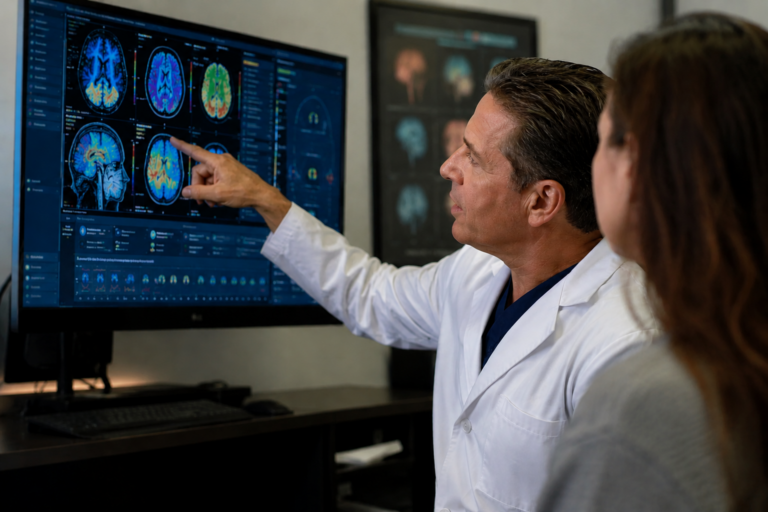

If you’ve ever wondered why you feel scattered when you’re anxious, unmotivated when you’re depressed, or stuck in an endless search for focus, the reason may be simpler than you think. That’s because not all depression is the same.
In fact, brain-imaging research at Amen Clinics has helped our clinicians identify seven distinct types of anxiety and depression. Each one requires a different approach to treatment.
Brain SPECT imaging has helped Amen Clinics clinicians identify seven distinct brain patterns, or subtypes, associated with depression and anxiety. Each one requires a different approach to treatment.
Type 7 (unfocused anxiety and depression) is a specific brain-based subtype in which emotional distress blends with cognitive fog, distractibility, and inconsistent attention. It’s the pattern that makes your mind feel too busy and not engaged enough at the same time.
Understanding your subtype matters.
Unfortunately, people with Type 7 are often misdiagnosed with attention-deficit hyperactivity disorder, high-functioning anxiety, or treated only for depression. Without looking at functional brain imaging, most mental health professionals are unable to see that multiple areas of the brain are affected, which can lead to unsuccessful treatment.
When treatment doesn’t match the underlying brain pattern, progress can stall, or symptoms can even worsen. This can be deeply confusing and discouraging to the individual, affecting both work and personal life. Some people begin to blame themselves, feeling as though they’re not trying hard enough or doing something wrong.
Learning how this subtype works opens the door to clarity, accurate support, and a treatment plan that truly addresses your lived experience.
Here’s what you need to know about Type 7 depression, and what to do if you recognize these symptoms in yourself or someone you love.
Related: Understanding the Anxiety and Depression Types—Type 2: Pure Depression
You may be wondering what “unfocused” means in terms of symptoms. It essentially refers to symptoms rooted in inattention, distractibility, negative thinking patterns, mental fatigue, and brain fog.
With Type 7 anxiety depression, these unfocused symptoms occur along with the emotional symptoms of anxiety and depression. This can create an internal feeling of being overwhelmed while feeling externally disengaged, which presents as a cognitive slowdown (a decrease in thinking abilities like memory, attention, and reasoning).
Some typical signs of Type 7 include:
Symptoms of unfocused anxiety and depression may include any of the following:
Though this subtype is not a formal diagnosis in the latest version of the Diagnostic and Statistical Manual of Mental Disorders, it’s important to understand it and share it with your doctor if the symptoms seem to fit. Clinicians familiar with this subtype typically look for:
One important distinction of this pattern from more typical anxiety or depression is that the cognitive impairments occur alongside emotional symptoms, not independent of them.
Brain SPECT imaging conducted at Amen Clinics suggests that unfocused anxiety depression subtype 7 is characterized by a combination of underactive and overactive brain regions. Unlike structural imaging, which shows brain anatomy, SPECT is a type of functional imaging that measures blood flow activity in the brain.
Although research continues, there are several distinct blood flow activity patterns that have consistently emerged across studies of attention networks and mood regulation, including the following:
The prefrontal cortex (PFC) is the brain’s command center for focus, planning, impulse control, and organization. When it’s there’s too little activity in this area, especially during tasks requiring sustained attention, people experience distractibility, poor follow-through, and mental fog.
Studies show that reduced PFC activity is linked with attention problems, low motivation, and difficulty managing emotions. A 2018 neuroimaging review in Neuropsychopharmacology found that PFC hypoactivity (low activity) is common in both attentional disorders and depressive disorders, especially those characterized by cognitive slowing.
The basal ganglia and limbic system coordinate emotional regulation and threat sensitivity. When these regions show relative overactivity, symptoms such as worry, nervous energy, and emotional tension increase.
Research has shown that heightened limbic activation is associated with anxiety, rumination, and the negative mood states often seen in depression. When combined with an underactive prefrontal cortex, the result is a brain that feels “stuck on” emotionally but sluggish cognitively.
Unlike structural imaging that looks at anatomy only, SPECT scans show brain blood flow patterns in real time making it possible for a clinician to visually see if a patient’s attention issues may be stemming from anxiety, depression, trauma, or attention-deficit hyperactivity disorder (ADHD), also known as attention deficit disorder (ADD).
Brain SPECT imaging can reveal whether inattention stems from:
This distinction helps tailor treatment, especially since stimulant medications may worsen anxiety if your emotional circuitry is already overactive.
When symptoms overlap, it can be challenging for mental health clinicians to catch more nuanced presentations of combined disorders like brain type 7 anxiety depression. Here are some helpful clues.
Because Type 7 blends emotional and cognitive symptoms, it’s often confused with ADHD or generalized anxiety disorder (GAD). A recent article for mental health professionals reported that up to 30% of adults with depression also meet criteria for attention impairments, which can mimic ADHD. However, Type 7 tends to fluctuate with mood, stress levels, or inflammation, whereas ADHD is typically lifelong.
Clinicians should consider Type 7 when:
People with Type 7 will often describe their experience as “unfocused because I’m overwhelmed,” rather than “unfocused no matter what mood I’m in.”
Type 7 is more likely when someone reports:
Research notes that cognitive in mood disorders often presents as slowed processing speed. Keep in mind that this trait is more characteristic of Type 7 than standard ADHD.
Type 7 may develop from a mix of biology, environmental factors, and prior health issues, which includes:
A family history of depression, anxiety, attentional disorders, or executive-function challenges increases risk.
Chronic stress, poor sleep, addictive behaviors, alcohol and substance abuse, hormonal fluctuations, systemic inflammation, or blood sugar instability can worsen Type 7 symptoms dramatically.
Head injury, concussion, toxin exposure, mold exposure, or untreated thyroid issues can all decrease PFC functioning, making cognitive and emotional symptoms more pronounced.
Managing Type 7 symptoms involves strategies that boost focus and calm emotional overactivation. The goal is to support prefrontal cortex function while calming limbic overactivity to promote better executive function and emotional equanimity.
Here are a number of easy, natural ways to help boost prefrontal cortex activity and calm the brain’s emotional centers:
For deeper support, many readers benefit from Amen Clinics’ resources on brain health, including related articles on depression, anxiety, and emotional regulation.
Remember that all types of depression are a brain health issue. The symptoms you experience with Type 7 serve as an indicator that your brain needs help. Be careful not to dismiss the symptoms as something else and delay getting the right treatment.
It can be helpful to note what Type 7 is not:
On a positive note, unfocused anxiety and depression is highly treatable. The challenging symptoms resulting from the emotional imbalance and cognitive underactivity that are characteristic of this anxiety-depression subtype improve with the right strategies. Type 7 responds extremely well to targeted intervention.
While brain SPECT is a vital aspect of Amen Clinics’ comprehensive evaluation, it’s just one portion of it. Clinical diagnosis is based on multiple factors. Our process also includes taking a thorough personal history, traditional psychiatric assessments, cognitive testing, and medical diagnostic. Such a comprehensive approach is aimed at uncovering underlying causes rather than just treating symptoms. The information gathered from each assessment serves as the basis for developing an effective, personalized treatment plan.
If you’ve been cycling between anxious thoughts, low mood, and foggy concentration, Type 7 may finally give a name to your experience. This anxiety-depression subtype has identifiable features, understandable brain patterns, and, most importantly, effective treatment options that address both the emotional and cognitive layers.
You don’t have to navigate these symptoms alone. Amen Clinics’ brain-based approach offers effective solutions to help restore focus, calm anxiety, and lift mood by treating the underlying causes. Personalized plans may include any number of targeted therapies, medication (when necessary), nutraceuticals, and specific lifestyle recommendations, plus ongoing support.
No. While the inattention can feel similar, ADHD is typically lifelong, whereas Type 7 emerges from mood patterns, stress, trauma, or brain chemistry shifts. ADHD involves consistent inattention across situations while Type 7 fluctuates with emotional state.
Imaging is not required, but it is incredibly helpful. Clinicians typically diagnose Type 7 based on medical history, symptoms, and functional changes. SPECT imaging can help clarify whether inattention stems from mood circuits or true ADHD.
Yes. Because it’s a functional pattern, and not structural damage, symptoms can often improve significantly with targeted brain-based strategies, psychotherapy, nutrition, and lifestyle changes.
After gaining an accurate diagnosis from a qualified mental health professional, an individual with Type 7 can initially be helped by establishing a daily rhythm and building healthy habits like eating high-protein meals, getting consistent sleep, and reducing stress with calming activities.
These simple lifestyle adjustments can help foster better focus, more calm, and a stabilized mood. Seeking a comprehensive evaluation at Amen Clinics would provide both an accurate diagnosis and a personalized treatment plan.
Unfocused depression and anxiety, and other mental health conditions can’t wait. At Amen Clinics, we provide personalized, science-backed treatment plans designed to target the root causes of your symptoms. Our 360-approach includes brain SPECT imaging, clinical evaluations, innovative therapeutic techniques, medications (when necessary), and holistic lifestyle recommendations to promote the health of your brain, body, and mind. Speak to a specialist today at 888-288-9834 or visit our contact page here.

From nonstop notifications and tight work deadlines to constant family demands, stress is a condition of modern life. Most people shrug it off as “normal.” But stress doesn’t just affect your mood, it can also quietly reshape how your brain functions and how your mental health holds up over time.
When stress is constant, it alters the brain’s ability to regulate impulses, process information, and recover from emotional strain. Left unchecked, it can erode focus, resilience, and emotional balance—often without obvious warning signs.
So, what are the key signs of stress affecting mental health? And more importantly, how does stress affect mental health before it reaches a breaking point?
Many people don’t realize how stress can affect your mental health until anxiety, irritability, burnout, or depression begin to interfere with daily life.
When stress is constant, it alters the brain’s ability to regulate impulses, process information, and recover from emotional strain. Left unchecked, it can erode focus, resilience, and emotional balance—often without obvious warning signs.
At Amen Clinics, we regularly see people whose symptoms worsen when chronic stress goes unaddressed. Their experiences reveal just how powerfully unmanaged stress can disrupt emotional well-being, cognitive performance, and overall quality of life.
The good news?
Stress-related mental health challenges are often preventable—and reversible. By recognizing early warning signs and understanding how stress impacts the brain, you can take meaningful steps to protect your mental wellness before the effects of stress escalate into more serious concerns. Here’s what you need to know.
You may be wondering, how does stress affect mental health? The mental health impact of stress begins immediately when you encounter a stressful situation. According to research, when a structure in the brain called the amygdala perceives a threat, it activates the fight-or-flight response.
Your brain’s hypothalamus then signals the release of hormones like cortisol to help you respond quickly to perceived threats. This is, of course, highly beneficial in short bursts—even lifesaving in some instances—but long term stress keeps cortisol levels elevated and the brain locked in a constant state of alert.
Brain SPECT imaging at Amen Clinics reveals that when stress becomes prolonged, it leads to overactivity in the limbic system (which houses the amygdala), your brain’s center for fear and emotional responses.
The prefrontal cortex, which is responsible for focus, decision-making, planning and impulse control becomes underactive under chronic stress. The hippocampus, which is crucial for learning and memory loses volume under continual stress and functions less effectively.
As a result of these stress-driven brain alterations, you begin to experience persistent worry, trouble concentrating, difficulty in regulating your emotions, and impulsive decision-making.
Chronic stress also has a negative impact on your overall nervous system. It can trigger brain inflammation further impairing your mental clarity and emotional resilience. Stress also significantly impacts the immune system, which affects your overall health (including brain and mental health) and your susceptibility to illness, studies note.
Related: 11 Reasons To Manage Your Stress
When stress starts to affect your mental health, you may begin noticing cognitive, emotional, physical, and behavioral changes.
Here are the common indicators to be aware of:
We all experience stress when faced with a challenge like getting ready to travel, taking an exam, or meeting a deadline. The stress is finite and passes when the challenge has been met.
But how does chronic stress affect your mental health over time?
For starters, chronic stress doesn’t just disappear on its own. Studies show that when it goes unchecked for a long period, it evolves from mild discomfort to patterns that appear similar to diagnosable mental health conditions.
Here’s what happens:
Prolonged stress can heighten your brain’s threat response, causing you to live in constant worry, restlessness, or hypervigilance even when there’s nothing wrong. Chronic stress can lead to the development of anxiety disorders too.
As stress continues to deplete your brain’s ability to regulate mood, you may begin to experience loss of motivation, persistent sadness, and emotional heaviness that you weren’t feeling before.
Chronic stress tends to lower your tolerance to frustration, making irritability and outbursts more common.
When stress becomes intense, people cope in different ways. For instance, some people numb out with social media use or binge watch tv, eat comforting foods, or consume alcohol to soothe the pressure.
Sometimes, prolonged stress comes with mental health symptoms similar to what one exhibits after a traumatic experience, such as avoidance, hypervigilance, and reactivity to small triggers.
When stress builds over time, it significantly diminishes your attention. Prolonged stress according to research can slow down your thinking and create a sense of mental exhaustion, making everyday tasks feel harder.
Through brain SPECT imaging, experts at Amen Clinics have observed that individuals with specific brain patterns can be more vulnerable to these changes.
For example, individuals with an overactive anterior cingulate gyrus (known to fuel inflexibility, rumination, and worry) are more likely to show these responses to stress, as do individuals who have poor activity in the prefrontal cortex (an area of the brain that governs judgment, decision-making, planning, and impulse control).
Below are groups of individuals who are more vulnerable to stress:
The ripple effects of being in a near constant state of stress are less obvious, but still alarming.
Stress can cause emotional exhaustion, leaving you drained even after engaging in small tasks. It can also deplete your motivation to a point that the activities you normally handled with ease feel less important or too hard to begin.
Research shows that chronic stress can disrupt your ability to do simple things like driving to a familiar place. Prolonged stress can also create tension in relationships, increasing your sensitivity and causing you to pull away from others.
In some cases, stress can lower your self-esteem, making you feel less capable than you really are. Additionally, you can develop a sense of pessimism as a result of prolonged stress, where nothing feels manageable for you.
It’s perfectly normal for you to feel stressed from time to time. However, some signs could be an indicator that stress may be interfering with your mental health. Consider reaching out for help if you encounter the following:
As mentioned earlier, Amen Clinics uses brain SPECT imaging to observe the effects of chronic stress on brain activity. Our clinicians use these scans to identify overactive worry networks as well as the underactive regions that regulate impulse control and focus.
With these insights, they can tailor customized treatment plans suitable for each patient’s unique brain patterns.
Treatment usually includes an integrative approach that combines nutrition, targeted supplements, lifestyle tools, therapy, and medication where appropriate.
For instance, one of our patients, a 32-year-old professional, was experiencing work-related worries that were causing tension and irritability.
Through structured distraction techniques like singing his favorite songs whenever the negative thoughts arose, he was able to gain control over his worries and calm his nervous system.
Related: 10 Natural Ways to Calm Stress
In today’s world, we all need methods for reducing stress before it becomes chronic. Taking these small steps at the earliest signs of stress will help you to restore calm in your mind and body:
Stress can affect anyone at any point, but it shouldn’t reach a point where it erodes your mental well-being.
Recognizing what is happening early enough can make a meaningful difference in how well you manage it. If symptoms persist despite your efforts, consider an assessment or brain imaging at Amen Clinics to gain clarity and guidance on what to do next.
Stress often begins affecting mental health quietly. Before anxiety or depression develop, people may notice irritability, mental fatigue, difficulty concentrating, sleep problems, or feeling emotionally drained.
These early changes reflect how stress disrupts brain regions involved in emotional regulation, focus, and resilience long before symptoms meet diagnostic criteria.
Yes. Chronic stress can alter brain activity and structure over time. Prolonged exposure to stress hormones like cortisol can overstimulate your brain’s centers for fear and emotion while weakening areas responsible for judgment, impulse control, and memory.
These changes can make it harder to manage emotions, think clearly, and cope with everyday life challenges.
When stress becomes ongoing, the brain stays in a heightened state of alert. This constant activation drains mental energy and reduces the brain’s ability to recover.
Over time, stress can lower frustration tolerance, increase negative thinking patterns, and make even small tasks feel overwhelming, creating a cycle that reinforces emotional exhaustion.
At Amen Clinics, as part of a comprehensive mental health evaluation, our clinicians look at how stress is affecting the brain using SPECT imaging to identify overactive and underactive brain areas. This allows them to create personalized treatment plans that address each person’s unique brain patterns.
Care often includes targeted lifestyle strategies, nutrition, supplements, therapy, and medication (when appropriate) to help restore balance and resilience.
Chu, B., Marwaha, K., Sanvictores, T., Awosika, A. O., & Ayers, D. (2024). Physiology, stress reaction. In StatPearls [Internet]. StatPearls Publishing. https://www.ncbi.nlm.nih.gov/books/NBK541120/
Alotiby A. Immunology of Stress: A Review Article. J Clin Med. 2024 Oct 25;13(21):6394. doi: 10.3390/jcm13216394. PMID: 39518533; PMCID: PMC11546738.
Mariotti, A. (2015). The effects of chronic stress on health: new insights into the molecular mechanisms of brain–body communication. Future science OA, 1(3), FSO23. doi: 10.4155/fso.15.21
Brown TI, Gagnon SA, Wagner AD. Stress Disrupts Human Hippocampal-Prefrontal Function during Prospective Spatial Navigation and Hinders Flexible Behavior. Curr Biol. 2020 May 18;30(10):1821-1833.e8. doi: 10.1016/j.cub.2020.03.006. Epub 2020 Apr 2. PMID: 32243859; PMCID: PMC7331937.
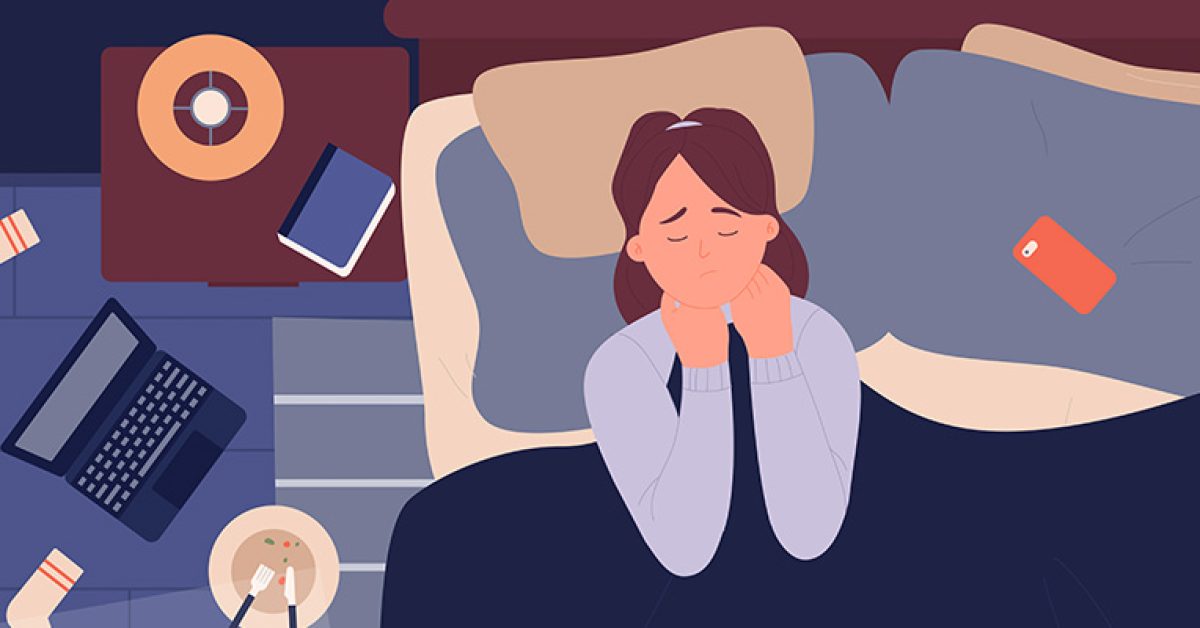
Feeling blue? You’re not alone.
Millions of people struggle to balance life’s demands while learning how to cope with depression. According to a 2025 Gallup poll, about 18.3 percent of U.S. adults—roughly 47.8 million people—report currently having or being treated for depression.
And an even higher percentage of young people struggle with low mood. About 19.2 percent of adolescents (age 12-19) experience depression as well, according to figures from the CDC.
Depression’s constant feeling of fatigue, emotional stress, and low mood can make life feel heavy. In these moments, it’s easy to fall into habits that can unintentionally make symptoms worse.
Depression’s constant feeling of fatigue, emotional stress, and low mood can make life feel heavy. Even the simplest parts of daily life can feel overwhelming.
Over time, you may slip into survival mode—doing just enough to get through the day. In these moments, it’s easy to fall into habits that can unintentionally make symptoms worse.
The good news? With the right support and strategies, you can avoid these painful patterns and begin making choices that help you regain a sense of control.
In this blog, we’ll explore practical structures and guidance to help you feel supported—not alone—as you work toward reducing emotional overwhelm and feeling better.
When dealing with depression, it’s natural for you to want to do what feels easiest and most comforting.
Sadly, even well-intended choices can sometimes work against you. Understanding what not to do in depression is just as important as knowing what to do.
For instance, you may decide to protect yourself by withdrawing from others, avoiding difficult emotions, or pushing through with negative self-talk. Unfortunately, such patterns cause more harm than good.
While coping with depression, it’s important to steer away from behaviors that can make recovery harder without you even realizing it. Here’s how:
Too much loneliness and isolation are highly associated with depression, according to research. That’s because humans are social beings. Satisfying social relationships are the antidote to low mood.
When you don’t get enough sleep, the regions responsible for focus, emotional control, and mood regulation in your brain become less efficient. This can cause you to become easily irritable and moody.
Alcohol or marijuana may provide temporary relief, but ultimately, they can depress brain function and make you feel worse.
Studies have shown that heavy alcohol use can worsen anxiety and depression. Brain SPECT imaging at Amen Clinics shows reduced cerebral blood flow in both marijuana and alcohol users. Lowered blood flow to the brain can negatively impact your brain function and mood.
Related: Alcohol or Marijuana: Which is Worse for Your Brain?
Research has shown that automatic negative thoughts (ANTs) are a hallmark feature of depression. Our thoughts lie to us a lot when we are experiencing low mood. Don’t believe them. Learn to question their accuracy and correct or reframe them.
Staying sedentary when depressed can worsen fatigue, low mood, and rumination. Light movement, like stretching, gentle yoga, or short walks, can help regulate your mood and boost your energy.
If you eat a poor diet, you are adding insult to injury. Research shows that a diet high in red and/or processed meat, refined carbohydrates and sweets, saturated fats, and low in fruits and vegetables is associated with an increased risk of depression.
During depressive episodes, you can easily assume that no one will understand your feelings. You might also worry that sharing your struggles will burden others. The truth is that shutting out support will only intensify the feeling of hopelessness and loneliness. Sharing your challenges with a trusted friend, family member, or therapist is a critical step in finding relief.
Another common depression pitfall is not seeking help early enough. Don’t get tempted to wait it out, hope it passes, or convince yourself that you can handle it. Delaying support often deepens the symptoms, making recovery feel even harder.
During depression, you begin to replay situations, feel guilty for things that aren’t your fault, or criticize yourself harshly. Guilt spiral and self-blame will only make you feel worthless and cause you to feel pain that you don’t deserve.
Beware of taking too much on when dealing with depression. It can drain the little energy you have. Accept your limits and avoid pushing yourself beyond your capacity, as it can lead to guilt, overwhelm, and deeper exhaustion.
Getting out of bed or taking a shower is a sign of resilience, not weakness. Don’t dismiss them as insignificant. That can make you feel stuck and hopeless. Take note of the small things you manage to do.
Related: Why are we so negative
Biologically, these behaviors disrupt your brain’s ability to produce, release, and use serotonin and dopamine, the neurotransmitters that regulate your mood and motivation.
Psychologically, patterns like isolation, self-blame, or avoidance can reinforce the negative thought circuits, which can make the low moods feel permanent.
Behaviorally, overcommitting, staying sedentary, or skipping sleep can increase your stress and fatigue. For example, someone who prefers to isolate themselves and stops engaging in small daily tasks may feel temporary relief but will likely end up stuck in deeper sadness and low energy.
The main goal when it comes to depression self-help is acknowledging how you feel at any given time and choosing gentle ways to support yourself. Here are steps you can take:
Reach out to support groups, family, or friends. Connecting with people will provide emotional relief, reduce loneliness, and strengthen your brain’s resilience to stress and anxiety.
Eat a brain-healthy diet, full of vegetables, fruits, whole grains, healthy fats, and lean protein. The right nutrition will balance your blood sugar and support your overall physical health, mood, and cognitive function.
Take a short walk, engage in light yoga, or stretch a little. Incorporating gentle movement in your day will help increase serotonin and dopamine, improve your motivation, and break cycles of rumination. Manage the difficult emotions with tools like deep grounding exercises and deep breathing.
Challenge negative self-talk and practice self-compassion. Treat yourself as you would a friend and rephrase the thoughts that reinforce blame, guilt, or hopelessness.
Establish a calming bedtime routine that will help you get consistent sleep. Minimize the time you spend on the screen and create a restful environment. Adequate sleep will help you support your neurotransmitter balance and, consequently, regulate your mood and energy.
Seek professional help early instead of waiting. Clinical evaluations, telehealth appointments, and therapy can help identify the underlying causes, guide treatment, and provide the tools you need to manage depression effectively.
Acknowledge your small wins and celebrate incremental progress. Tiny steps like getting out of bed and completing even a single task are all signs of resilience. Those are critical building blocks in your recovery path.
The following strategies will help you move forward in a steady, manageable way, even when depression feels strongest.
Start With Tiny, Doable Steps
Aim at accomplishing micro actions. Sit outside for two minutes, drink a glass of water, or stretch for 30 minutes. When you are operating on low energy, even the smallest step is still progress.
Lean on Accountability and Support
Share your goals with a friend who understands your journey or someone you trust. You could also join a support group or schedule regular check-ins with a professional. External support will help you stay grounded when motivation fades.
Choose Consistency Over Intensity
Focus on doing a little bit every day. Gentle, repeatable habits will help to strengthen your coping skills. Forget about the big, dramatic changes or the occasional bursts of effort.
Track Your Progress and Adjust Gently
Track how you feel and what habits you’re managing to keep. Adjust your expectations without judgment. Understand that progress isn’t linear, but noticing the patterns is what will help you stay on course.
READY TO BUILD HABITS THAT LIFT YOUR MOOD?
Focus on the small, manageable shifts and allow them to build over time. That one healthier choice, singular routine change, or moment of kindness is what you need to lift your mood.
While you’re avoiding the harmful habits, you’re creating room for healing in your mind and body to begin. Remember, progress in depression is slow, but absolutely achievable.
Yes. Without action, your symptoms can intensify, which can make your daily functioning harder and slow down the recovery process.
Start with one manageable action. You can get out of bed, go for a short walk, or reach out to a friend. Small, consistent steps will build momentum. Progress varies from one individual to another. However, many notice small improvements within days to a few weeks. Improvement is gradual. Consistency matters more than speed.
Seek treatment for depression if symptoms persist, worsen, or interfere with your daily life. Reach out for help if you experience thoughts of self-harm. Early guidance from a clinician will help improve the outcome.
Amen Clinics uses brain-based evaluations, including functional brain SPECT imaging, along with detailed clinical assessments to identify the specific type of depression you may be experiencing. This personalized approach helps guide more targeted and effective treatment.
Gallup website
“U.S. Depression Rate Remains Historically High,” September 9, 2025
https://news.gallup.com/poll/694199/u.s.-depression-rate-remains-historically-high.aspx
Accessed December 1, 2025
Centers for Disease Control and Prevention website
National Center for Health Statistics
https://www.cdc.gov/nchs/products/databriefs/db527.htm#section_1
Accessed December 2, 2015
Mushtaq, R., Shoib, S., Shah, T., & Mushtaq, S. (2014). Relationship between loneliness, psychiatric disorders and physical health? A review on the psychological aspects of loneliness. Journal of clinical and diagnostic research: JCDR, 8(9), WE01. doi: 10.7860/JCDR/2014/10077.4828
Schuckit, M. A. (2016). Alcohol, anxiety, and depressive disorders. Alcohol health and research world, 20(2), 81. https://pmc.ncbi.nlm.nih.gov/articles/PMC6876499/
Chahar Mahali, S., Beshai, S., Feeney, J. R., & Mishra, S. (2020). Associations of negative cognitions, emotional regulation, and depression symptoms across four continents: International support for the cognitive model of depression. BMC psychiatry, 20(1), 18. https://link.springer.com/article/10.1186/s12888-019-2423-x
Li, Y., Lv, M. R., Wei, Y. J., Sun, L., Zhang, J. X., Zhang, H. G., & Li, B. (2017). Dietary patterns and depression risk: a meta-analysis. Psychiatry research, 253, 373-382. https://doi.org/10.1016/j.psychres.2017.04.020

We are knee-deep in the holiday season. For some, this is great news, but for others, a dreadful, stressful time. The stress of family gatherings with toxic relatives, the financial pressure of buying gifts, and navigating busy crowds can wreak havoc on our brains and bodies, mentally, emotionally, and physically.
For some people, even so much as anticipating get-togethers, gift-giving, or company parties can change body chemistry and raise stress hormones, such as cortisol levels. Holiday stress can cause your brain and body to fall out of sync, leaving you emotionally drained and tense.
Even so, awareness is the beginning of change. Can you tell when holiday stress is starting to take a toll on your mind? What can you do to keep your balance through it all? And how can a brain-body approach help you rediscover calm and joy this season? Let’s help you find your calm amid this holiday’s chaos.
The stress of family gatherings with toxic relatives, the financial pressure of buying gifts, and navigating busy crowds can wreak havoc on our brains and bodies. A brain-based approach can help you rediscover calm and joy.
Holiday stress can sneak up on you, but as the pressure builds, your body will start sending subtle warning signs. You may be asking, what are the signs of holiday stress and toxicity? Here is what to watch out for:
If you are not clinically diagnosed with an anxiety disorder or depression, you might find that you feel some of the symptoms of one or both during this hectic and possibly toxic time.
Strained relationships can stir up unresolved emotions, making gatherings exhausting instead of joyful. Constant busyness, from planning, shopping, and social events can drain your mental energy. Again, overstimulation from lights, noise, and activity overwhelms your senses and raises stress hormones like cortisol.
As holiday anxiety mounts, your brain releases stress hormones like cortisol and adrenaline. High levels of cortisol can disrupt your brain’s communication pathways, affect your concentration, and impair your memory.
When elevated, cortisol can also shrink the areas of your brain responsible for emotional regulation. Physically, this can increase inflammation and weaken your immune system.
Financial worry, family conflicts and overcrowding can keep your brain constantly on alert. The combination of physical exhaustion and emotional strain can make it harder for you to stay calm, think clearly and experience genuine joy.
Communicate your needs with kindness and honesty. Use statements like “I’d like to have some quiet time tonight” to help others understand your limits without guilt. Say no when you feel drained or overwhelmed.
Saying yes to every request, can cause resentment or force you to spread yourself too thin and cancel your commitment at the last minute.
Effective boundary setting isn’t about shutting people out. It’s an important part of learning how to avoid holiday stress that helps protect your energy. Effective boundaries help you connect more meaningfully with those you love.
Related: 6 People-Pleasing Behaviors to Avoid During the Holidays
One of the most effective holiday stress tips is embracing meditation. A 2017 study showed that practicing mindfulness meditation can significantly improve your mood. Use a guided meditation to help you focus and stay present if needed.
Make a daily routine of closing your eyes, focusing on your breath, and being still for even a few minutes throughout your day. It can calm your nervous system by lowering your cortisol levels. Meditation can also increase your dopamine and serotonin levels, which are needed to boost your focus.
Gentle forms of movement allow your body to release tension without adding physical strain. If your schedule feels packed, try a ten-minute morning walk, dancing while you cook, or just a few minutes of yoga.
Exercise during a stressful holiday season can cause a decrease in depression and anxiety according to research. It stimulates a release of feel-good chemicals in your brain that help clear your mind and calm your nervous system.
During a toxic holiday season, compassion can help you stay grounded. While it might not seem easy or even possible, try to accept and feel love for the people in your life.
If someone is particularly toxic or your dynamic is unhealthy, then it could be time to sever ties, but in less extreme cases and with the public at large, take a breath and remember that people are sometimes difficult to communicate with and other times loving, funny, and thoughtful
Let the small stuff go as best you can. Beware of toxic perfectionism, where you might set unrealistic goals, be very hard on yourself, or feel underlying shame about past behavior that motivates you to be “good” all of the time.
Related: The Trouble with Toxic Perfectionism
A study examining the effects of chronic alcohol consumption at low to moderate amounts showed decreases in grey and white matter in the brain and brain shrinkage.
Additionally, alcohol lowers the ability to think clearly and make sound choices and can lead to more toxic interactions with others. Find new mocktails or infused water to make, and remember, it’s always OK to stay hydrated by sipping on water at a holiday party!
Neutral conversation and asking people question about themselves can help you manage holiday stress and keep get-togethers non-toxic.
If someone else brings up a contentious political topic, set a boundary such as “I’m going to keep our conversation to things other than politics” and ask about their children, pets, job, favorite sports team, hobby, or next vacation.
Financial stress can directly affect your brain health as it triggers the release of stress hormones like cortisol. This can impair your focus, emotional regulation, and memory. Offer loving acts such as babysitting, dog sitting, or making healthy treats. Plan a special day outdoors, go to a museum, make a music playlist, or write a meaningful letter to those you love.
Whether you’re an introvert or an extrovert, solitude is an important way to recharge and get quiet. Solitude can increase self-connection, a sense of autonomy, and self-reliance.
Quiet time during holidays can reduce your sensory overload and the stress hormone levels, which is crucial for the recovery of your brain and nervous system.
Diaphragmatic breathing is a great breathing exercise to try, as it’s breathing from your belly, through your nose, and out through your mouth. Getting more oxygen into our bloodstream is extremely beneficial to slow down racing thoughts, regulate mood, and reset an overall state of being from stressed to relaxed.
A truly healthy holiday requires balance. Nurture a compassionate mindset, practice mindfulness, set clear boundaries and stay active.
Reflect on the ideas that resonate most with you, then pick 1 or 2 strategies to start today. If your holiday stress becomes too heavy to handle, remember, professional support is always available.
The holiday season doesn’t have to drain you. With a few intentional practices like setting healthy boundaries, you can move through this season with resilience.
If the stress becomes unbearable or you find yourself feeling stuck, just remember that Amen Clinics offers a compassionate, brain-based approach, meant to help you understand what’s really going on in your brain and guide you toward lasting emotional wellbeing and balance.
The great news is that you don’t have to dread the holidays. Give yourself the gift of prioritizing your mental well-being. By caring for your brain and reaching out for professional support, if needed, you can protect your mood, enjoy more peace, and create meaningful moments that truly matter.
Holiday stress often comes from unrealistic expectations, family conflicts, financial strain, and overscheduling.
The brain’s stress response (including elevated cortisol levels) can be triggered by too many commitments, unresolved emotions, or sensory overload. Learning to set boundaries and simplify your schedule can significantly reduce this stress.
Start by taking slow, deep breaths to activate your body’s relaxation response. Short mindfulness breaks, walks outdoors, or brief meditations can also reset your nervous system. Focusing on gratitude and using positive self-talk helps your brain shift away from stress and anxiety.
If your stress feels unmanageable causing sleep issues, persistent sadness, irritability, or physical symptoms it may be time to reach out for professional support. A brain-based evaluation at Amen Clinics can help uncover underlying causes of stress or mood changes and create a personalized plan to restore balance.

The holidays are meant to be a time of joy and connection, and for many, they are. Yet for others, the season stretching from Thanksgiving to New Year’s Day can bring an undercurrent of stress, loneliness, and grief that leads to holiday depression.
In this post, you’ll discover 12 brain-based strategies to protect your mental health and stay emotionally resilient throughout the holidays.
The season stretching from Thanksgiving to New Year’s Day can bring an undercurrent of stress, loneliness, and grief that leads to holiday depression.,81wsAXZC
If you typically have trouble with your mental health during the holidays, you’re not alone. In an American Psychological Association survey, 89 percent of U.S. adults reported feeling holiday stress, with 41 percent experiencing more stress than usual, which can contribute to depression, holiday anxiety, and other issues.
If you have a mental health disorder, the holidays can be particularly challenging. Another holiday survey from the National Alliance of Mental Illness (NAMI) found that 64 percent of respondents with a mental illness reported their conditions worsen at this time of year.
There are a number of conditions unique to the holidays that, together, create a perfect storm of mental health challenges, including the following:
If left unaddressed, these conditions can steal your joy, undermine your well-being, and trigger self-defeating behaviors that can spoil the season. However, the great news is that you can learn to manage or avoid holiday depression by following these easy-to-implement strategies.
Related: 4 Ways to Beat the Seasonal Blues
Think about your brain health and holidays together. When your brain is healthy, your holiday is happy.
Foundational to brain health and beating holiday depression is making sleep, diet, and exercise a priority. Consistent practice of these fundamental tenets of good health, plus routine, are linked to healthy brain function and improved mental health.
In a published study, researchers propose the trifecta of healthy eating, physical activity, and sleep hygiene (HEPAS) as a viable intervention to reduce the risk of developing depression and other mental health disorders. HEPAS is even presented as an essential part of treatment for depression and other mental health disorders.
Additionally, research shows how important a healthy routine is to mental wellness. The brain thrives with routine as your daily habits with respect to rest, diet, and exercise help to minimize uncertainty. This calms the brain’s anxiety control center and allows the frontal cortex to focus on consequential tasks like decision-making.
Our bodies synthesize vitamin D when our skin is exposed to the sun. During the fall and winter when there are fewer hours of daylight and more time is spent indoors, vitamin D levels tend to go down, along with your mood. Low vitamin D levels are linked to depression, research shows.
But that’s not all. Sunlight impacts certain key hormones too. Less sunlight can cause an overproduction of melatonin and reduced levels of serotonin, which may contribute to depression as well.
These conditions can put you at risk of seasonal affective disorder (SAD), which is a form of depression believed to come about when brain biology is impacted by too little (or sometimes too much) exposure to sunlight.
You can protect against seasonal depression and support a balanced mood by ensuring you get morning sunlight on your skin for 10-15 minutes (sans sunscreen). If you can’t get sunlight, bright light therapy (BLT) has been a first-line treatment for SAD for several decades. With BLT, patients sit in front of a special light box for a set amount of time each day, often in the morning at home.
BLT can help other types of depression, too. A recent study published in JAMA Psychiatry found BLT to be an effective supplementary treatment for depressive disorders other than seasonal depression.
You can also supplement with a quality vitamin D3, shown to be the most effective form of vitamin D in helping to relieve depressive symptoms. Many health experts suggest 2,000-5,000 IUs of vitamin D3 per day for optimal health.
Related: How Bright Light Therapy Improves Moods, Focus, and Sleep
If you want to avoid depression during the holidays, alcohol and sugar are not your friends.
Both substances impact your brain function negatively, which can worsen anxiety, mood swings, and fatigue.
Both provide a temporary rush of good feelings (both trigger a release of the feel-good neurohormone dopamine), but the cost to your mental well-being is high.
High sugar consumption is linked to depression due to its effects on blood sugar, brain inflammation, and neurotransmitter balance. Sugar causes blood sugar spikes and crashes that can lead to irritability and fatigue, while longer term high-sugar intake increases chronic inflammation, oxidative stress, and insulin resistance.
These all negatively impact brain function and are linked to an elevated risk of depression and anxiety. A 2024 BMJ study involving more than 18,000 U.S. adults found that 100 g/day of dietary sugar intake was associated with a 28% higher prevalence of depression!
When you consume alcohol, initially, it increases serotonin and dopamine levels, creating a temporary euphoric feeling. However, when the alcohol wears off, these levels drop below normal, resulting in a depressed mood.
To maintain a balanced mood, keep your sugar and alcohol intake to a minimum during the holiday season.
Do you typically have high expectations for the holidays? Are you perfectionistic about things being a certain way? If so, you ‘re not alone. A Harris Poll found that 44 percent of more than 2,000 U.S. adults surveyed reported that they strive for perfection during the holidays and 32 percent say their high expectations are usually met with disappointment.
Despite what ads, movies, and social media posts depict, there is no such thing as a perfect, Hallmark holiday, although there may be moments that feel like it. Adjust your expectations to what is real.
The APA survey research noted earlier clearly shows that the holidays are a mixed bag. More than 40 percent of U.S. adults used both positive and negative words to describe the holidays, and more than 70 percent said the holiday season can feel bittersweet.
Let go of perfectionism by letting go of what you cannot control. Base your happiness on your own attitude and actions, not on other people’s moods.
Embrace a “good enough” mindset instead of perfection. Focus your energy on meaningful time spent with loved ones over perfect gifts, decor, or appearances that break the bank and increase stress.
When mishaps happen, such as weather delays, canceled plans, a burnt pot roast, or Uncle Fred drinking too much, take it as an opportunity to be flexible (or maybe fodder for a funny story!).
Did you know that every thought you have triggers the release of neurochemicals, which are involved in rewiring your brain? It’s true.
Negative thoughts can cause your brain to immediately release chemicals that affect your body’s cells and make you feel bad. Conversely, a pleasant or positive thought triggers the release of chemicals that make you feel good.
If you are a perfectionist or struggle with depression, it’s likely you have a lot of automatic negative thoughts (ANTs), particularly the “all-or-nothing” type of ANTs (thinking that things are either all good or all bad) and “just the bad” ANTs (seeing only the bad in a situation).
Research indicates that reframing negative thoughts can reduce depressive symptoms. You can start exterminating your ANTs by challenging them with these four questions based on the work of Byron Katie:
Eliminating ANTs reduces overwhelm, lifts mood, strengthens relationships, and creates lasting emotional resilience. It’s one of the keys to rewiring the brain for greater positivity and happiness.
If you want a near immediate mood lift, exercise is your best bet as it boosts feel-good neurotransmitters serotonin, dopamine, and endorphins. It also helps to regulate the stress hormone cortisol keeping anxiety in check, improve sleep, boost self-esteem, provide a positive distraction from life’s troubles, and offer opportunities to socialize.
In fact, research shows that exercise is as effective at reducing depressive symptoms as an antidepressant! It’s no wonder mental health experts suggest it as an alternative or adjuvant treatment for non-severe depression in adults.
There’s a strong connection between disrupted sleep and depression. Roughly 75 percent of people with depression also have insomnia, research shows – and the association is bi-directional, meaning it goes both ways.
During the hectic holiday season, it’s easy to skimp on sleep or get dysregulated with sleep when traveling through time zones, which can worsen your mood and make you more irritable.
Training your mind to look for gratitude will increase your sense of well-being during the holidays. People who express gratitude regularly are more positive, healthier, better at working towards goals, and more helpful to others.
Focusing on the things you’re thankful for helps to calm the deep limbic or emotional areas of your brain, research has found. To cultivate gratitude, simply write down three things that you’re grateful for every day.
People attend an average of three holiday events between Thanksgiving and New Year’s Day. While you may have a second helping of stuffing or an extra slice of pie at these holiday gatherings, don’t abandon healthy eating on all the other days of the season!
To protect against depression, aim for balanced eating that provides steady energy and essential nutrients. That means consistently eating power-packed meals and snacks with plenty of the following:
This will help to stabilize your blood sugar levels and prevent the energy crashes that can trigger fatigue, mood swings, and poor concentration.
Of course, limit or bypass foods associated with increased risk of depression such as sugary foods, refined carbohydrates, processed foods, artificial sweeteners, and foods high in saturated fats.
Spreading yourself too thin doing things you don’t really want to do will harm your mental well-being. Be vigilant with your boundaries, especially if you tend to be a people-pleaser. People-pleasing puts you at higher risk for anxiety and depression.
Protect yourself by planning ahead and saying “no” to commitments that drain your energy this holiday season. Although it can be momentarily difficult, setting boundaries by saying no will help your mental well-being in the long run.
If you tend to be a people pleaser, consider abstaining from accepting invitations or volunteering your help for anything without discussing it first with another person, preferably someone who understands your people-pleasing tendencies.
Related: 6 People-Pleasing Behaviors to Avoid During the Holidays
As humans, we have a fundamental need for social interaction. Dealing with loneliness during the holidays is essential to your mental health.
It’s important to reach out to individuals who can offer you encouragement and support, whether that is trusted friends, family members, or community or religious leaders. Spending time in a positive community or fellowship of like-minded people is a wonderful way to boost your bliss hormones, such as oxytocin.
Be careful about being too isolated over the holiday period, even if you are feeling vulnerable.
Though isolating yourself during tough times may feel like the safest option when you are feeling blue or anxious, closing yourself off from the world can make your mental health worse.
Indeed, researchers note that social isolation is a risk factor for worsening anxiety and depression. Reach out to your support network. If your mood dips alarmingly low, do not hesitate to reach out to a mental health professional or go to your local emergency room.
The holidays are typically filled with a mix of emotions. Statistics from the APA holiday stress survey mentioned earlier also found that even though 80 percent of respondents think of the holidays as fun, joyous and exciting, 63 percent describe it with negative words such as stressful, overwhelming, or exhausting. Let yourself feel it all.
We all may get a bout of low mood during the season, but if you find you’re having trouble coping with the holiday blues, it may be clinical depression. It’s important to get professional help as soon as possible if you experience any of the following signs of depression most of the day, nearly every day for two weeks or longer:
If you recognize any of these signs, reach out to a qualified mental health professional as soon as possible. Early and appropriate treatment based on accurate diagnosis is critical to successful treatment.
The great news is that you don’t have to dread the holidays. Give yourself the gift of prioritizing your mental well-being. By caring for your brain and reaching out for professional support, if needed, you can protect your mood, enjoy more peace, and create meaningful moments that truly matter.
Here’s how to discern whether you are experiencing a temporary bout of low mood or if you might have holiday depression.
Temporary Low Mood/Stress
Holiday Depression
Yes, holiday depression can be managed or prevented by ensuring consistent adequate sleep, brain-healthy nutrition, enjoying social connections, exercising, and recognizing and eliminating negative thinking.
At Amen Clinics, we understand that depression is a brain disorder. Our clinics use brain SPECT imaging, which measures blood flow patterns, to help our clinicians identify and treat underlying causes.
Our brain-imaging studies have revealed that there are different types of depression, each requiring a tailored approach for treatment. This data, plus additional diagnostic testing, allows our clinicians to customize an effective treatment plan for you.
Treatment for holiday depression may involve lifestyle interventions, nutritional supplements, innovative therapies, and medication (when necessary) geared to balance your brain and brighten your mood.

Like with any mental health concern, it’s important to take a holistic approach when treating attention deficit hyperactivity disorder (ADHD), also known as attention deficit disorder (ADD). While medication is a frequent strategy for this condition, natural ADHD treatments can help by addressing the entire person.
Fortunately, various natural remedies for ADHD have been studied for their efficacy. From sleep and exercise to dietary changes and therapeutic interventions, incorporating non-pharmacological approaches can maximize results, even when medication is also prescribed.
This blog will explore the best natural ADHD treatments, the science behind them, and how they can help.
From sleep and exercise to dietary changes and therapeutic interventions, incorporating non-pharmacological approaches to ADHD treatment can maximize results, even when medication is also prescribed.
According to CDC stats, an estimated 15.5 million (6 percent) U.S. adults had a current ADHD diagnosis in 2023. About one-third of them were not receiving any ADHD treatment. And among those who were receiving stimulant pharmacotherapy, 71.5 percent reported difficulty obtaining their ADHD medication.
While medicine may be prescribed, it should never be the only form of treatment. Natural alternatives to ADHD medication have been found to reduce a number of ADHD symptoms, including:
When you’re seeking complementary ADHD treatments, there are a range of options available, including:
Remove potential allergens: sugar, gluten, dairy, corn, soy, and artificial dyes and sweeteners. Add them back, one at a time (except artificial dyes and sweeteners, which should be avoided) and monitor your response. Avoid any ingredient that aggravates symptoms.
such as ketogenic or paleo, for one month. Evaluate its effects on your focus.
Even simple movements will help, like brisk walking for 45 minutes 4 times a week.
Maintain good sleep hygiene practices.
to check ferritin, vitamin D, magnesium, zinc, and thyroid levels. Balance any that are not optimal.
Each day, take 1,000 mg of EPA and DHA omega-3 fatty acids, 200-300 mg of phosphatidylserine, and 100-500 mg of magnesium glycinate, citrate, or malate.
Natural ADHD strategies can improve ADHD symptoms, often with few to no dangers or downsides. When used safely and under a clinician’s care, they can have a small to moderate impact on overall well-being and act as helpful adjuncts to medication and therapy.
Related: Natural Ways to Help ADD
Here are answers to frequently asked questions about natural ADHD treatments—plus the current scientific findings behind them.
The best-supported natural options for ADHD include:
In addition, omega-3s and addressing deficiencies in iron, zinc, and magnesium may help some individuals. You may also consider short, supervised trials of dye-reduction or elimination diets. Any of these may be combined with medication when needed.
A 2015 systematic review and meta-analysis examined the effects of physical exercise in children with ADHD. Findings suggested that aerobic exercise had a moderate to large effect on core symptoms in children with ADHD, including:
In this analysis, yoga exercise was also associated with an improvement in ADHD’s core symptoms. And another meta-analysis in 2022 concluded that physical exercise helped alleviate the symptoms of ADHD in children—specifically, attention, executive function, and motor skills.
How does exercise help ADHD focus? Movement helps with brain blood flow, which can be compromised in those with ADHD. According to SPECT science, the ADHD brain often shows low blood flow and activity in the prefrontal cortex (PFC). This tends to affect key functions like attention span, organization, and impulse control.
Proper sleep is crucial for anyone—and especially those with ADHD. In one study published in 2023, 27 ADHD-diagnosed children and adolescents (7-15 years old) were found to benefit from low doses of melatonin (1 mg) to assist their sleep.
After one month of treatment, participants experienced a significant increase in their sleep duration. They also had small improvements in the categories of falling asleep, nighttime awakenings, and sleep efficiency. Only minor adverse gastrointestinal effects were reported in some subjects.
A 2023 review in Current Nutrition Reports noted that those with ADHD often have deficiencies in copper, magnesium, manganese, chrome, iron, and zinc. Therefore, proper levels of minerals might have beneficial effects on ADHD symptoms.
Omega-3 and ADHD have also been studied in children. A 2020 study in the Journal of Dietary Supplements found that children ages 6-12 with behavioral disorders improved significantly by taking omega-3 dietary supplements. They reported better health status, quality of life, and scores on Strengths and Difficulties Questionnaires.
Meanwhile, an analysis of 10 studies in the Journal of the American Academy of Child and Adolescent Psychiatry found that omega-3 fatty acid supplements had a small but significant effect in improving ADD/ADHD symptoms. A higher EPA dose in the supplements was significantly correlated with efficacy.
Finally, a 2017 review of 16 studies found that omega-3 fatty acids improved symptoms associated with ADHD. These included impulsivity, hyperactivity, attention, visual learning, and working/short-term memory.
While these effects may be small, it’s a good idea to test levels of ferritin, zinc, magnesium, and vitamin D. Deficiencies should be addressed with supplements.
A 2023 review in Current Nutrition Reports noted that those with ADHD often have deficiencies in copper, magnesium, manganese, chrome, iron, and zinc. Therefore, proper levels of minerals might have beneficial effects on ADHD symptoms.
Omega-3 and ADHD have also been studied in children. A 2020 study in the Journal of Dietary Supplements found that children ages 6-12 with behavioral disorders improved significantly by taking omega-3 dietary supplements. They reported better health status, quality of life, and scores on Strengths and Difficulties Questionnaires.
Meanwhile, an analysis of 10 studies in the Journal of the American Academy of Child and Adolescent Psychiatry found that omega-3 fatty acid supplements had a small but significant effect in improving ADD/ADHD symptoms. A higher EPA dose in the supplements was significantly correlated with efficacy.
Finally, a 2017 review of 16 studies found that omega-3 fatty acids improved symptoms associated with ADHD. These included impulsivity, hyperactivity, attention, visual learning, and working/short-term memory.
While these effects may be small, it’s a good idea to test levels of ferritin, zinc, magnesium, and vitamin D. Deficiencies should be addressed with supplements.
In a 2025 review, researchers found that neurofeedback “demonstrated medium to large effect sizes in improving attention and reducing hyperactivity.” And the long-term effects lasted up to 12 months after treatment, with fewer negative side effects than medications.
Neurofeedback, the authors added, may offer potential long-term savings compared to the costs of ongoing medications. Still, they concluded that integrative approaches involving neurofeedback as well as standard treatments could optimize outcomes.
Meanwhile, a 2015 review explained that mindfulness can be integrated with cognitive behavioral therapy (CBT) for adults with ADHD. Mindfulness for ADHD was found to be a well-accepted intervention.
Related: Neurofeedback for ADHD and Anxiety: A Natural Brain-Based Approach That Lasts
Whenever adding a new treatment to your mental health toolkit, it’s important to work with a qualified clinician. First, they can evaluate when to combine natural ADHD treatments with medications. This includes testing before recommending supplements like melatonin, iron, zinc, and magnesium.
Then the clinician should monitor the patient’s sleep and their adherence to interventions, as well as any side effects or interactions. Setting and tracking goals will help determine how well these treatments are working.
Finally, it’s important for clinicians and patients alike to balance their expectations. Natural treatments may not be miracle cures or able to completely replace medications. But the appropriate individualized plan will create a holistic approach to treatment—and therefore optimal results.
ADHD and other mental health conditions can’t wait. At Amen Clinics, we provide personalized, science-backed treatment plans designed to target the root causes of your symptoms. Our 360-approach includes brain SPECT imaging, clinical evaluations, innovative therapeutic techniques, medications (when necessary), and holistic lifestyle recommendations to promote the health of your brain, body, and mind. Speak to a specialist today at 888-288-9834 or visit our contact page here.

What if the key to lifting your mood isn’t found in a pill bottle, but on your plate? The sadness, low energy, or brain fog you’ve been struggling with may not be “all in your head”—it may be fueled by what you eat.
A growing body of research reveals a strong connection between diet and depression. The foods you choose every day don’t just fuel your body, they also influence your brain chemistry, impact your gut health, drive inflammation, and affect your mental clarity.
At Amen Clinics, where we’ve studied nearly 300,000 brain scans, we’ve seen firsthand how poor nutrition can impair brain function and contribute to mood disorders. That’s why our approach combines nutritional psychiatry, brain imaging, and functional medicine to uncover hidden causes of depression—and empower you with food and lifestyle strategies that support long-term healing and emotional resilience.
Here’s what you need to know about diet and depression.
The foods you choose every day don’t just fuel your body, they also influence your brain chemistry, impact your gut health, drive inflammation, and affect your mental clarity.
According to research, a poor diet not only starves your brain of the nutrients it requires to function optimally, but it also increases your vulnerability to anxiety, depression, and other mood disorders.
If you want to truly understand the link between diet and depression, you need to look beyond the brain and into the gut. Studies show that your digestive system isn’t just breaking down food—it’s constantly sending and receiving messages from your brain through what’s known as the gut-brain axis.
A healthy gut microbiome produces key neurotransmitters like serotonin and dopamine, which play an essential role in stabilizing mood, regulating sleep, and supporting focus. In fact, about 90 percent of the body’s serotonin is made in the gut, not the brain.
But when your gut is out of balance—due to a poor diet, chronic stress, infections, or even overuse of antibiotics—it can disrupt this delicate communication. An unhealthy microbiome can trigger nutrient deficiencies, increase systemic inflammation, and send distress signals to the brain. The result? Greater risk for symptoms of anxiety and depression.
In other words: when your gut isn’t happy, your brain often isn’t either.
Your brain depends on certain nutrients from food to produce neurotransmitters. These chemical messengers—such as dopamine, serotonin, and GABA—regulate your mood, motivation, relaxation, and more.
For instance, amino acids from protein help to build dopamine and serotonin, while vitamin B6 and magnesium help support the production of GABA. A diet overloaded with sugar and processed food lacks these nutrients and therefore can throw off the balance of mood-regulating chemicals.
This may make you feel demotivated, anxious, or emotionally unstable. Choosing nutrient-rich, whole foods will help to keep you maintain balance in your brain chemistry and keep your mood steady.
Related: 10 Best Brain Foods for Mood, Memory, Focus, and Cognitive Health
Some everyday foods may be the reason behind your low moods and brain fog. Understanding the link between diet and depressive disorders can help you make choices that support better mental health.
Refined sugars and processed foods like candy, white rice, bread, pasta, and soda may give you a quick boost, but they often lead to sharp spikes and crashes in blood sugar. The highs and lows can leave you feeling irritable, unfocused, anxious, and emotionally drained.
With time, these diets can contribute to chronic inflammation, insulin resistance and oxidative stress, all of which negatively impact your brain function and are linked to depression.
Some of the so-called “healthy” foods, such as whole wheat bread or yogurt, can cause problems for some people. Food sensitivities, particularly to gluten, which is a protein found in wheat, and casein, the protein in dairy, can trigger inflammation in your brain.
For sensitive individuals, the inflammation may lead to symptoms like fatigue, brain fog, headaches, bloating, irritability, and low mood. Since these reactions may be subtle and are often delayed, most people don’t realize that what they ate a day or two earlier could be contributing to their emotional distress.
Food dyes, sweeteners, and preservatives are some of the artificial additives that may seem harmless. However, growing research suggests that they can have a negative impact on brain health and emotional wellbeing, particularly in individuals who are sensitive.
Some of the synthetic dyes and preservatives offer no nutritional value but have been associated with irritability, hyperactivity, and mood swings, especially in children.
Aspartame and sucrose are some of the artificial sweeteners that may interfere with the production of neurotransmitters, contributing to depression and anxiety in some people.
Related: Brain Health Guide to Red Dye 40
Surprisingly, you could be eating regularly but not supplying your brain with the nutrients it needs to thrive. Changing your eating habits can be a powerful tool in managing diet and depression effectively.
As mentioned earlier, your brain depends on certain nutrients to regulate energy, mood, and cognitive function. When you are low in key minerals and vitamins, it can have a direct impact on how you think and feel. It’s also important to look out for the mild deficiencies as they can also erode your emotional resilience silently.
Consider this:
Studies indicate that a diet for depression can help balance moods and protect mental health. Knowing the foods that fight depression is key to eating right.
Related: 8 Mood Foods that Fight Depression
Prioritize nutrient-dense foods that support both your emotional stability and cognitive sharpness. Anti-inflammatory foods, wild-caught fish, leafy greens, berries, avocados, legumes, and clean proteins offer essential vitamins, minerals, and healthy fats to fuel your brain.
Eating these brain foods will improve your mood, mental clarity, and protect you against age-related cognitive decline. Look at the chart for Happy Foods to consume and Sad Foods to avoid.
| Happy Foods | Sad Foods |
|---|---|
|
Foods that spark endorphins: Spicy foods (jalapeño, habanera, chili, and other peppers) and dark chocolate Fruits and vegetables: Eat up to eight servings a day to boost levels of happiness; tomatoes have been shown to lift mood Serotonin-rich foods: Combine tryptophan-containing foods (eggs, turkey, seafood, chickpeas, nuts, and seeds) with healthy carbohydrates like sweet potatoes and quinoa to drive insulin into the brain Omega-3-rich foods: Flaxseeds, walnuts, salmon, sardines, beef, shrimp, walnut oil, chia seeds, avocados, and avocado oil Probiotic-rich foods: Brined vegetables, kimchi, sauerkraut, kefir, miso soup, pickles, spirulina, chlorella, and kombucha tea Prebiotic-rich foods: Dandelion greens, psyllium, artichokes, asparagus, beans, cabbage, raw garlic, onions, leeks, and root vegetables (carrots, jicama, beets, turnips and more) MACA: A root vegetable native to Peru |
Simple carbs, such as bread, rice, pasta, and potatoes, which increase inflammation and the risk of depression and negativity |
Balanced eating provides steady energy and essential nutrients. Including fiber-rich foods, healthy fats, and clean protein consistently in your diet helps to stabilize your blood sugar levels and prevent the energy crashes that can trigger fatigue, mood swings, and poor concentration.
Omega-3s support your brain cell structure and communication, protein supplies the amino acids that help produce neurotransmitters, and fiber promotes your gut health. Together, they sustain your mental stamina.
Take action. Start by understanding the connection between low moods and food. Track your food intake on a daily basis and note how it affects your emotions. With time, you may begin to see patterns emerge.
If your symptoms don’t improve, seek help from a mental health professional who understands that treating depression needs to involve a whole-person approach.
At Amen Clinics, we understand that what you eat largely affects your moods, motivation, and energy. Our clinicians create targeted nutrition plans for depression that will help you improve moods and enhance brain function.
Amen Clinics takes a whole-person approach to healing that involves four key aspects of life: biological, psychological, social, and spiritual. Nutritional psychiatry falls within the biological circle as one part of a comprehensive healing plan.
Through comprehensive lab testing, Amen Clinics can uncover nutrient deficiencies that could be affecting your brain health and mood. By identifying low levels of vital nutrients like vitamin D, magnesium, zinc, omega-3s, and B vitamins, we can create a personalized supplement plan tailored to meet your brain’s specific needs.
Our clinicians at Amen Clinics create personalized brain-healthy meal plans tailored to your unique needs. Targeted nutraceuticals may also be recommended as nutritional support to help optimize brain function. Most depressed patients report improvements in depression symptoms when they follow a brain-healthy diet.
Absolutely! At Amen Clinics, we’ve seen tens of thousands of people with depression experience great improvements in mood, emotional stability, and overall wellbeing when they switch to eating the best brain foods.
Nourishing your body with the right foods gives it the tools it needs to heal and function better, helping you to feel more like yourself again.
Depression, mood disorders, and other mental health conditions can’t wait. At Amen Clinics, we provide personalized, science-backed treatment plans designed to target the root causes of your symptoms. Our 360-approach includes brain SPECT imaging, clinical evaluations, innovative therapeutic techniques, medications (when necessary), and holistic lifestyle recommendations to promote the health of your brain, body, and mind. Speak to a specialist today at 888-288-9834 or visit our contact page here.
Wu, H., Gu, Y., Meng, G., Zhang, Q., Liu, L., Wu, H., Zhang, T., Wang, X., Sun, S., Wang, X., Zhou, M., Jia, Q., Song, K., Chang, H., Tao, H., & Niu, K. (2023). Relationship between dietary pattern and depressive symptoms: an international multicohort study. International Journal of Behavioral Nutrition and Physical Activity. Published June 20, 2023.
Menniti G, Meshkat S, Lin Q, Lou W, Reichelt A, Bhat V, et al. Mental health consequences of dietary restriction: increased depressive symptoms in biological men and populations with elevated BMI. BMJ Nutrition, Prevention & Health. 2025; DOI: 10.1136/bmjnph‑2025‑001167.
Osadchiy, V., Martin, C. R., & Mayer, E. A. (2019). The Gut–Brain Axis and the Microbiome: Mechanisms and Clinical Implications. Clinical Gastroenterology and Hepatology, 17(2), 322–332. PMID: 30292888; PMCID: PMC6999848.
Gómez-Pinilla, F. (2008). Brain foods: the effects of nutrients on brain function. Nature Reviews Neuroscience, 9(7), 568-578.
Center for Science in the Public Interest (CSPI). Synthetic Food Dyes and California’s OEHHA Assessment: Fact Sheet. March 2022. California Office of Environmental Health Hazard Assessment (OEHHA) concluded that the scientific literature indicates synthetic food dyes can impact neurobehavior in some children.
Petrilli, Matthew A et al. “The Emerging Role for Zinc in Depression and Psychosis.” Frontiers in pharmacology vol. 8 414. 30 Jun. 2017, doi:10.3389/fphar.2017.00414

Actor Oliver Hudson, the co-host of the Sibling Rivalry podcast with his sister Kate Hudson, has spent years on and off antidepressants to help him cope with anxiety and panic attacks. On an episode of the Change Your Brain Every Day podcast, he told Dr. Daniel Amen that due to some strange side effects, he decided to go off antidepressant medication.
But that process came with its own downsides. “The withdrawal process was horrible,” Hudson says.
According to Dr. Amen, who has treated tens of thousands of people for depression, anxiety, panic attacks, and other mood disorders, that’s not uncommon. He says, “When they put you on this stuff, they don’t tell you if it doesn’t work and we have to take you off, or if it works and you want to go off, it could be a nightmare for you.”
Antidepressants are the most commonly prescribed psychiatric medications in the U.S., yet many people are unaware of what can happen when they try to stop taking them. For some, like Hudson, coming off these medications can trigger a wide range of withdrawal symptoms—sometimes mild, but in many cases, surprisingly severe.
Antidepressant withdrawal, also known as antidepressant discontinuation syndrome, has only recently gained attention in research. This blog reviews the latest findings on antidepressant withdrawal and its symptoms and provides guidance on how to taper off these medications safely.
Antidepressants are the most commonly prescribed psychiatric medications, yet many people are unaware of what can happen when you stop taking them. Antidepressant withdrawal symptoms can be mild or surprisingly severe.
Antidepressant therapy is one of the most common treatments for depression, with more than one in 10 Americans taking one. Selective serotonin reuptake inhibitors (SSRIs), a class of antidepressants, are considered the gold-standard treatment for depression. There are several other main classes of antidepressants, but SSRIs are the most prescribed type.
Related: Antidepressants: Everything You Need to Know
Generally, antidepressants work by adjusting the levels of certain neurotransmitters in your brain. SSRIs work by increasing serotonin levels in your brain. Serotonin helps to regulate your mood, sleep, memory, appetite, social behavior, and sexual desire.
Unlike other types of antidepressants, SSRIs have little impact on other neurotransmitters, such as dopamine or norepinephrine, which explains why they have fewer side effects compared to other antidepressants.
That said, when it comes to stopping antidepressant therapy, SSRIs tend to be associated with more withdrawal symptoms, depending on which type you take.
Here in the U.S. the following SSRIs (and their brand names) include:
For many individuals, especially those with severe depression, these medications can be a critical tool in their treatment. They can help people stabilize emotionally and increase their ability to cope with daily life.
They can help to reduce symptoms of depression and related anxiety such as:
SSRIs are often prescribed for depression and anxiety, as well as the following:
Sometimes an individual will try several antidepressants before finding one that works. Some people do not respond to antidepressant treatment, which is known as treatment-resistant depression.
As mentioned earlier, antidepressant withdrawal is also called antidepressant discontinuation syndrome (ADS). The term “discontinuation” was chosen because some mental health experts believe it is more accurate. That’s because people do not technically “withdraw” from antidepressants as they are not addictive medications.
ADS can occur after stopping any antidepressant. The risk is greater in those who take antidepressants longer and when the medication in question has a short “half-life” (is eliminated from the body quickly).
Withdrawal problems are most likely to occur if you suddenly stop taking your antidepressant, after one month of continuous use.
Antidepressant withdrawal symptoms start to show after a few days and can last for several weeks or months. SSRI withdrawal symptoms include:
These symptoms are usually described as mild but unpleasant. However, a growing body of research is showing that ADS can be severe for many people.
When antidepressants are taken for longer durations, as they typically are, and at higher dosage levels, withdrawal symptoms can be much worse.
Research makes it clear that many people experience unpleasant symptoms when they stop taking antidepressants. But when it comes to the severity and duration of those symptoms, study findings vary.
Recent research shows that the average person takes antidepressants for about five years, yet most withdrawal studies are based on just 8–12 weeks of use.
A 2019 study reviewed 24 reports and found:
Over 50% of people experience withdrawal symptoms
Nearly half of those cases are severe
Symptoms can last weeks or months, not just two weeks
The longer someone takes antidepressants, the worse the withdrawal tends to be. Researchers warn that outdated guidelines may lead to misdiagnosis and longer use, and they urge doctors to better inform patients about withdrawal risks.
A 2020 study in Therapeutic Advances in Psychopharmacology set out to better understand long-term withdrawal symptoms after stopping antidepressants. They refer to these types of symptoms experienced over the long haul as protracted withdrawal syndrome (PWS).
The study analyzed 69 patient narratives from the internet forum SurvivingAntidepressants.org and found that PWS symptoms were experienced for an average of eight years. An astounding 81 percent of people reported affective symptoms such as anxiety, depression, emerging suicidality, and agitation.
Three-quarters of them complained about somatic symptoms such as headache, fatigue, dizziness, brain zaps, visual changes, muscle aches, tremor, diarrhea, and nausea. Sleep problems were reported by 44 percent and cognitive impairments by 32 percent. The main takeaway is that protracted withdrawal syndrome can be severe, long-lasting, and varied.
| Antidepressant Withdrawal Symptoms | Percentage of People Affected |
|---|---|
| Anxiety, depression, emerging suicidality, agitation | 81% |
| Headache, fatigue, dizziness, brain zaps, visual changes, muscle aches, tremor, diarrhea, nausea | 75% |
| Sleep disturbances | 44% |
| Cognitive impairments | 32% |
A 2023 survey study of 708 patients in various stages of coming off antidepressants provided an opportunity to hear their experience in getting guidance and support from medical professionals.
The researchers were struck by survey responses revealing how angry, frustrated, disappointed, and let down patients felt by their health care providers. These feelings stemmed from being disbelieved by providers, the lack of accurate information provided to them, and the poor level of care they were given once they became ill with withdrawal symptoms.
Additionally, antidepressant withdrawal symptoms were common, severe, and prolonged for a substantial number of users. As in other studies, longer duration of use was associated with greater likelihood of severe and protracted symptoms.
Online forums are indeed popular gathering spots for patients to share experience and get help. For example, the aforementioned forum Surviving Antidepressants has more than 23,000 members. A Facebook group that helps users taper off the antidepressant Cymbalta has nearly 45,000 members. Many others exist on different platforms, for specific antidepressants and in a number of different languages.
Contrary to these findings, some newer studies suggest that antidepressant discontinuation syndrome is mostly mild and temporary. A 2024 German study found that just 15 percent of patients experienced withdrawal symptoms like dizziness, headache, nausea and insomnia, and 3 percent of patients experienced severe withdrawal.
Additionally, a new 2025 review and analysis of 49 studies on antidepressant withdrawal published in JAMA psychiatry, found that it didn’t qualify as a discontinuation syndrome. It’s important to know that a conflict of interest was noted for several of the study’s authors who had ties to pharmaceutical companies.
Critics of these newer studies point out that the research findings were largely based on short-term antidepressant use. Even though the research is contradictory, it remains abundantly clear that coming off antidepressants carries the risk of withdrawal symptoms.
On a positive note, there are measure you can take that can help to support your mental health while tapering off antidepressants. Here are some tips for how to stop antidepressants.
Related: 11 Alternatives to Antidepressant Medication
At Amen Clinics, which has built the world’s largest database of brain scans related to behavior, the mental health specialists have found that depression isn’t a diagnosis, it’s a symptom. Knowing what’s causing your depression is key to healing.
The experts at Amen Clinics have identified 11 major risk factors that can contribute to depression. Discovering which risk factors you have can help you in understanding how to overcome depression symptoms.
Before discontinuing an antidepressant, make sure you’re mentally ready. Do you feel confident that you’re functioning well? Are your life circumstances sound? Are you ready to deal with any negative thoughts that might emerge?
If you are undergoing major changes in your life like a move, divorce, or an illness—it’s probably not the best time to go off your antidepressant.
Don’t ever stop antidepressants abruptly on your own. Once you’ve decided you want to go off your antidepressant, talk to a psychiatric doctor.
Research suggests that tapering off antidepressants under the supervision of a qualified mental health professional reduces the risk of withdrawal symptoms and depression recurrence.
Each medication is different and requires a specific protocol for tapering safely. Talk it out with your doctor or psychiatrist and make a plan for how to deal with symptoms as they arise.
Only 20 percent of people on antidepressants undergo psychotherapy, according to a recent study. Yet, research indicates that people who undergo psychotherapy while discontinuing an antidepressant are less likely to have a relapse.
Cognitive behavioral therapy (CBT) has been shown to be effective in treating anxiety and depression. So, if you’re contemplating quitting antidepressants, consider talk therapy to help you through the transition.
Low levels of certain vitamins and nutrients have been linked to symptoms of depression. For example, having low levels of omega-3 fatty acids, folate, vitamin B12, vitamin D, and homocysteine have been associated with depressive symptoms.
To boost omega-3s, methylfolate, vitamin B12 and vitamin D levels, take high-quality nutritional supplements. Other nutraceuticals that may boost your mood include:
Saffron: There are more than 20 studies showing saffron is more effective than placebo and equal to the antidepressant effects of Prozac, Zoloft, Effexor, and imipramine for depression.
Curcumin: Studies have found that curcumin—as Longvida, which is much more efficiently absorbed than simply root extract—helps with depression.
Zinc: A review of the existing studies suggests potential benefits of zinc supplementation—as citrate or glycinate— for depression.
Here are some strategies to help boost your mood and mental well-being as you taper off antidepressants and beyond:
Establish a daily routine: Creating a structured daily routine can provide a sense of stability, helping to alleviate the anxious feelings that accompany uncertainty.
Practice self-care: Prioritize yourself with self-care activities such as regular exercise, meditation, and spending time in nature, which can all significantly improve mood and reduce stress.
Build a support network: Surround yourself with supportive friends, family, and mental health professionals for emotional support and to reduce feelings of isolation.
Engage in pleasurable activities: Participate in activities that bring joy and satisfaction. They can help counter low mood and anxiety by promoting overall well-being.
Get enough sleep: Prioritizing good sleep hygiene is crucial, as too little sleep can exacerbate depressive symptoms. Develop a consistent sleep schedule and create a restful sleep environment.
Unfortunately, antidepressant discontinuation syndrome isn’t always preventable, but these tips may help to keep symptoms in check and support a stable mood.
Antidepressant withdrawal, also called antidepressant discontinuation syndrome, refers to the symptoms that occur when stopping antidepressant medications—especially after long-term use. These symptoms can include anxiety, insomnia, dizziness, “brain zaps,” and mood changes.
It’s never recommended to quit antidepressants abruptly. Tapering slowly under the guidance of a qualified mental health professional greatly reduces the risk of withdrawal symptoms and relapse. At Amen Clinics, we create personalized tapering plans supported by brain-based therapies, nutrition, and psychotherapy.
Yes. At Amen Clinics, we use brain SPECT imaging and a comprehensive evaluation to uncover the root causes of depression. This helps us create an individualized plan that may include natural therapies, targeted supplements, lifestyle changes, and psychotherapy to support a safer transition off antidepressants when appropriate.
Depression, mood disorders, and other mental health conditions can’t wait. At Amen Clinics, we provide personalized, science-backed treatment plans designed to target the root causes of your symptoms. Our 360-approach includes brain SPECT imaging, clinical evaluations, innovative therapeutic techniques, medications (when necessary), and holistic lifestyle recommendations to promote the health of your brain, body, and mind. Speak to a specialist today at 888-288-9834 or visit our contact page here.
Mojtabai R, Olfson M. National patterns in antidepressant treatment by psychiatrists and general medical providers: results from the national comorbidity survey replication. J Clin Psychiatry. 2008 Jul;69(7):1064-74.
Ward W, Haslam A, Prasad V. Antidepressant Trial Duration Versus Duration of Real-World Use: A Systematic Analysis. Am J Med. 2025 May 3:S0002-9343(25)00286-4.
James Davies, John Read. A systematic review into the incidence, severity and duration of antidepressant withdrawal effects: Are guidelines evidence-based? Addictive Behaviors. Volume 97, 2019, Pages 111-121.
Hengartner MP, Schulthess L, Sorensen A, Framer A. Protracted withdrawal syndrome after stopping antidepressants: a descriptive quantitative analysis of consumer narratives from a large internet forum. Ther Adv Psychopharmacol. 2020 Dec 24;10:2045125320980573.
John Read, Stevie Lewis, Mark Horowitz, Joanna Moncrieff. The need for antidepressant withdrawal support services: Recommendations from 708 patients. Psychiatry Research.Volume 326, 2023, 115303, ISSN 0165-1781.
Henssler, Jonathan et al. Incidence of antidepressant discontinuation symptoms: a systematic review and meta-analysis. The Lancet Psychiatry. Volume 11, Issue 7, 526 – 535.
Kalfas M, Tsapekos D, Butler M, et al. Incidence and Nature of Antidepressant Discontinuation Symptoms: A Systematic Review and Meta-Analysis. JAMA Psychiatry. Published online July 09, 2025.
Horowitz MA, Framer A, Hengartner MP, Sørensen A, Taylor D. Estimating Risk of Antidepressant Withdrawal from a Review of Published Data. CNS Drugs. 2023 Feb;37(2):143-157.
Groot PC, van Os J. Outcome of antidepressant drug discontinuation with taperingstrips after 1-5 years. Ther Adv Psychopharmacol. 2020 Sep 2;10:2045125320954609.
Olfson M, McClellan C, Zuvekas SH, Wall M, Blanco C. Psychotherapy Trends in the United States. Am J Psychiatry. 2025 May 1;182(5):483-492.
Guidi J, Fava GA. Sequential Combination of Pharmacotherapy and Psychotherapy in Major Depressive Disorder: A Systematic Review and Meta-analysis. JAMA Psychiatry. 2021 Mar 1;78(3):261-269.
Yang X, Chen X, Fu Y, Luo Q, Du L, Qiu H, Qiu T, Zhang L, Meng H. Comparative efficacy and safety of Crocus sativus L. for treating mild to moderate major depressive disorder in adults: a meta-analysis of randomized controlled trials. Neuropsychiatr Dis Treat. 2018 May 21;14:1297-1305.
Lopresti AL, Drummond PD. Efficacy of curcumin, and a saffron/curcumin combination for the treatment of major depression: A randomised, double-blind, placebo-controlled study. J Affect Disord. 2017 Jan 1;207:188-196.
Lai J, Moxey A, Nowak G, Vashum K, Bailey K, McEvoy M. The efficacy of zinc supplementation in depression: systematic review of randomised controlled trials. J Affect Disord. 2012 Jan;136(1-2):e31-e39.

Are you struggling with depression but not finding relief from antidepressants? You’re not alone. Nearly half of individuals diagnosed with the mood disorder may fall into the category of treatment-resistant depression, according to findings in a 2025 study.
The research—published in the British Journal of Psychiatry—revealed that 48% of patients with a depression diagnosis had been prescribed at least two different antidepressants. More alarming is the fact that 37% had tried four or more types of antidepressants without getting better.
This highlights the significant number of people who aren’t finding relief through conventional treatments. If you or someone you love is struggling with depression that won’t go away, here’s what to do when antidepressants don’t work.
At least 30% of individuals with depression meet the criteria for treatment-resistant depression but that number could be as high as 55%, according to research.
Treatment-resistant depression (TRD) is when someone doesn’t get better after trying at least two different antidepressants, even when taking them as prescribed.
When symptoms of depression persist, it can have a major negative impact on your life. It increases the risk of substance abuse, makes you more vulnerable to certain medical issues, destroys relationships, and interferes with the ability to excel at work, to name a few.
In the 2025 study mentioned above, the researchers characterize treatment-resistant depression as “one of the most challenging yet neglected conditions in psychiatry.”
Thankfully, researchers are now recognizing the severe negative effects of TRD and looking for effective alternative treatments for depression. The study above recommends access to diverse treatment options and adoption of a more holistic treatment approach when it comes to TRD.
There are several reasons why antidepressants don’t work for everybody who’s been diagnosed with major depressive disorder (MDD). If you’re resistant to pharmaceutical treatment, understanding what additional factors are at play can open up new alternatives to try.
Related: 6 Biological Causes of Depression
Here are a few significant reasons why antidepressants don’t work:
Innovative research conducted using brain SPECT imaging found that people who didn’t respond to depression treatment had lower overall blood flow in the brain. Brain scans showed reduced blood flow particularly in key brain regions:
For patients with low blood flow, antidepressants that enhance serotonin, known as selective serotonin reuptake inhibitors (SSRIs), may not be helpful since they tend to lower brain activity.
Most people don’t realize that depression isn’t a simple or single disorder. Brain imaging and depression have shown that depression is more complex.
In fact, the brain-imaging work at Amen Clinics reveals that there are seven types of depression and anxiety (anxiety often accompanies depression). Each type requires individualized treatment.
A tailored approach often involves lifestyle changes that support greater or lesser activity in certain areas of the brain helping to improve mood and calm anxiety.
The best way to determine your type of depression is with brain imaging like SPECT. Obtaining a SPECT scan for depression can help unlock what therapies are best for you. However, most psychiatrists fail to look at the organ they treat.
Related: Treating the Brain for Anxiety and Depression
Did you know that the feelings of sadness, lack of motivation, irritability, and trouble concentrating associated with depression may actually be caused by biological issues?
Here are some common biological causes of depression:
If antidepressants aren’t working for you, it’s a good idea to see your healthcare professional to investigate these possibilities and treat them if necessary.
Press Play to Learn How One Woman Overcame Depression
One woman had been struggling with depression that had gotten so severe it was hard to leave her bed. In this video, she describes how her life transformed after visiting Amen Clinics for help.
When antidepressants aren’t working, consider the following natural treatments:
There are many ways to enhance your mood through diet and supplementation. Here are some well-studied ways to help:
While more definitive research is needed, a 2025 review of existing clinical research found that the anti-inflammatory properties and neurotransmission and membrane benefits of omega-3 supplementation can reduce symptoms of depression significantly.
Additionally, the same review study found that supplementing with vitamin D may boost cognitive function and mood regulation. The researchers suggest this may be due to vitamin D’s neuroinflammatory benefits and modulation of neurotransmitter activity.
Physical exercise releases feel-good neurotransmitters to boost your mood.
Other innovative natural treatment options that can help reduce depression include neurofeedback, hypnotherapy, IV nutrient therapy, and psychotherapy.
In particular, cognitive behavioral therapy (CBT) has been found to be as effective as antidepressants in the short-term, when they work, and more effective in the long-term in helping to reduce depressive symptoms, research has found.
If you or a loved one is struggling with treatment-resistant depression, be reassured that antidepressants are not the only treatment pathway. Reach out to a qualified mental health professional to explore your options.
Depression and other mental health conditions can’t wait. At Amen Clinics, we provide personalized, science-backed treatment plans designed to target the root causes of your symptoms. Our 360-approach includes brain SPECT imaging, clinical evaluations, innovative therapeutic techniques, medications (when necessary), and holistic lifestyle recommendations to promote the health of your brain, body, and mind. Speak to a specialist today at 888-288-9834 or visit our contact page here.
Mangweth-Matzek B, Kummer KK, Hoek HW. Update on the epidemiology and treatment of eating disorders among older people. Curr Opin Psychiatry. 2023 Nov 1;36(6):405-411.
Isabel Krug, Shanshan Liu, Jade Portingale, Sarah Croce, Beya Dar, Katrina Obleada, Veena Satheesh, Meila Wong, Matthew Fuller-Tyszkiewicz. A meta-analysis of mortality rates in eating disorders: An update of the literature from 2010 to 2024. Clinical Psychology Review. Volume 116, 2025, 102547.
Stice E, Marti CN, Rohde P. Prevalence, incidence, impairment, and course of the proposed DSM-5 eating disorder diagnoses in an 8-year prospective community study of young women. J Abnorm Psychol. 2013 May;122(2):445-57.
van Eeden AE, van Hoeken D, Hoek HW. Incidence, prevalence and mortality of anorexia nervosa and bulimia nervosa. Curr Opin Psychiatry. 2021 Nov 1;34(6):515-524.
Gagne DA, Von Holle A, Brownley KA, Runfola CD, Hofmeier S, Branch KE, Bulik CM. Eating disorder symptoms and weight and shape concerns in a large web-based convenience sample of women ages 50 and above: results of the Gender and Body Image (GABI) study. Int J Eat Disord. 2012 Nov;45(7):832-44. doi: 10.1002/eat.22030.
Auger N, Potter BJ, Ukah UV, Low N, Israël M, Steiger H, Healy-Profitós J, Paradis G. Anorexia nervosa and the long-term risk of mortality in women. World Psychiatry. 2021 Oct;20(3):448-449.
Yilmaz Z, Hardaway JA, Bulik CM. Genetics and Epigenetics of Eating Disorders. Adv Genomics Genet. 2015;5:131-150.
Makki N, Althubyani SA, Mobarki RQ, Alsayed JA, Almohammadi RJ, Baabdullah RA. The Effect of Sociocultural Attitudes on Developing Eating Disorders Among Young Females in Almadinah Almunawarah, Saudi Arabia. Cureus. 2023 Dec 15;15(12):e50576.
The Renfrew Center website
https://www.renfrewcenters.com/services/specialized-programming/midlife
Accessed July 11, 2025
Gagne DA, Von Holle A, Brownley KA, Runfola CD, Hofmeier S, Branch KE, Bulik CM. Eating disorder symptoms and weight and shape concerns in a large web-based convenience sample of women ages 50 and above: results of the Gender and Body Image (GABI) study. Int J Eat Disord. 2012 Nov;45(7):832-44.
Hofmeier SM, Runfola CD, Sala M, Gagne DA, Brownley KA, Bulik CM. Body image, aging, and identity in women over 50: The Gender and Body Image (GABI) study. J Women Aging. 2017 Jan-Feb;29(1):3-14.
Mangweth-Matzek B, Kummer KK, Hoek HW. Update on the epidemiology and treatment of eating disorders among older people. Curr Opin Psychiatry. 2023 Nov 1;36(6):405-411.

Do you or a loved one experience intense emotional dysregulation or rapid shifts in mood? Are you prone to impulsive behavior, unexplained outbursts, or black-and-white thinking? Or do you struggle with a distorted self-image?
These are just some signs of borderline personality disorder (BPD). While recognized by psychiatrists as far back as the 1930s, BPD often goes misdiagnosed or improperly treated, even today.
Borderline personality disorder is a serious and often misunderstood mental health condition, but it’s also highly treatable. That’s why it’s so important to understand and recognize the symptoms of borderline personality disorder.
Fortunately, a brain-based, integrative approach to treating BPD can lead to lasting recovery. Borderline personality disorder treatment and healing are possible—using natural, non-pharmaceutical strategies.
The key is to employ a holistic, or whole-person, approach. For example, functional brain imaging with a SPECT scan helps avoid misdiagnosis and pinpoint root causes of symptoms to guide an effective treatment plan. And targeted treatments contribute to long-term healing.
This blog will demystify the condition by exploring borderline personality disorder symptoms, causes, treatments, and more—including tips on how to support a loved one with this diagnosis.
Borderline personality disorder is frequently mistaken for bipolar disorder, posttraumatic stress disorder (PTSD), or depression, which can lead to years of ineffective treatment.
The roots of borderline personality disorder stretch back to 1938, when psychiatrist Adolph Stern first used the term “borderline personality.”
According to clinical guidelines of BPD, Stern wished to describe patients who “fit frankly neither into the psychotic nor into the psychoneurotic group.” The word “borderline” was used because it seemed to “border” on these other conditions.
It wasn’t until the 3rd edition of the Diagnostic and Statistical Manual of Mental Disorders, in 1980, that it received its own entry. Even today, however, it remains one of the most misunderstood and stigmatized mental health conditions.
Unlike mood disorders, BPD is a personality disorder, characterized by emotional dysregulation. Extreme shifts in mood and behavior, with difficulty controlling emotions, are common symptoms. The resulting periods of anger, anxiety, or depression may last a few hours or days.
Borderline also tends to be associated with a distorted self-image, as well as rapid and unexplainable changes in values and interests. This may lead to extreme views of people and situations, as seen in black-and-white thinking.
When interacting with a person with borderline personality disorder, you may notice symptoms like emotional outbursts, impulsiveness, and mood swings. All the issues listed above can affect an individual’s education, career, and relationships.
BPD usually begins not in childhood, but in a person’s late teens or early 20s. Borderline personality disorder symptoms include:
Those with BPD may also show signs of other mental health issues, including depression, bipolar disorder (BD), anxiety disorders, or eating disorders. And BPD is frequently mistaken for bipolar disorder, posttraumatic stress disorder (PTSD), or depression.
Moreover, people with borderline personality who are not properly treated may self-medicate with drugs, including alcohol. This tends to worsen symptoms or lead to addiction, which generates its own problems.
Related: 9 Things Not to Do If You Have Borderline Personality Disorder
More women than men are diagnosed with BPD, at a ratio of 75% to 25%. Still, some experts believe that males are simply undiagnosed or misdiagnosed. Men’s borderline personality disorder symptoms are more likely to be labeled as PTSD or depression.
Other research has pointed out that symptoms stemming from female hormonal changes, as well as chronic infections like Lyme disease, can be mistaken for BPD.
Related: Can Lyme Disease Change Your Personality?
With many mental health overlaps possible, it’s important to address any co-occurring issues that occur with BPD. Only then can a person begin the healing process—and find optimal success with treatment.
When comparing BPD vs. bipolar disorder, it’s easy to see why misdiagnosis is a common pitfall. Both conditions have symptoms such as intense emotions, mood instability, and impulsivity.
However, bipolar disorder is characterized by cycles of manic and depressive episodes. Mania is associated with extremely elevated mood, racing thoughts, and grandiose ideas. Depressive episodes bring low energy and mood, loss of interest in pleasurable activities, and suicidal thoughts.
These bipolar disorder cycles tend to last longer than the rapid mood shifts associated with BPD. However, there is also a form of BD called rapid-cycling bipolar disorder, in which shifts are accelerated.
To reduce confusion, a study established that certain symptoms are present in BPD but not usually in BD, even the rapid-cycling type. These BPD symptoms include:
Furthermore, dramatic mood changes in BPD generally stem from identifiable triggers (stressful events), while bipolar disorder cycles may not follow a predictable pattern. Ultimately, accurate diagnosis is critical to ensure that the correct condition is being addressed with treatment.
According to a 2024 comprehensive review, 0.7 percent to 2.7 percent of the general adult population will develop borderline personality disorder over the course of a lifetime. Among those receiving psychiatric services, that number jumps to 12 percent to 22 percent.
The review notes that research strongly suggests links between the development of BPD and influences like genetic factors, trauma, and adverse childhood experiences (ACEs).
Related: The Long-Term Consequences of Adverse Childhood Experiences (ACEs)
All the potential underlying neurobiological factors are still being studied. Still, the review listed several attributes possibly associated with BPD, including:
Another study estimates that heredity makes up 46% of the risk for developing BPD, while 54% stems from environmental factors.
Press Play for Dr. Amen’s Take on BPD
In this episode of @PursuitOfWellnessPodcast with Mari Llewellyn, Dr. Amen describes why he is not a fan of borderline personality disorder as a diagnosis and gives his opinion on a better way to think about the condition and how to treat it.
Click below to tune in:
Brain imaging is an effective way to pinpoint the root causes of symptoms while assessing possible co-occurring conditions and BPD. At Amen Clinics, brain SPECT imaging is combined with a whole-person evaluation to guide clinicians in creating a personalized treatment plan.
SPECT, which stands for single photon emission computed tomography, measures blood flow and activity and shows abnormal brain activity in individuals with BPD and/or bipolar disorder. Over decades of performing scans, Amen Clinics has determined that borderline personality disorder is often associated with abnormal activity in the areas of the brain involved with fear, emotions, and impulsivity.
If symptoms are related to outside causes—such as chronic infections or mild traumatic brain injuries—instead of BPD, a SPECT scan can help identify them. Brain scans are also helpful for understanding co-existing conditions that could affect the course of treatment.
Some people are surprised to learn that natural treatment for BPD, rather than prescription medication, is the #1 recommendation for counteracting borderline personality disorder symptoms.
Brain-healthy, evidence-backed lifestyle interventions should complement professional treatment for best results. Here are some natural strategies that will help individuals with borderline personality disorder:
Related: Cognitive Behavioral Therapy: What Is It and Who Can Benefit?
Family support for BPD will help you thrive despite a borderline diagnosis—whether your own or a loved one’s. If you don’t know how to assist a family member with BPD, here are some practical strategies that can help:
Emotional dysregulation and mood swings are hallmark signs of borderline personality disorder. But you don’t need to tiptoe around your loved one in fear. Suppressing your thoughts and feelings to avoid a confrontation isn’t a healthy or sustainable solution over the long term.
Set healthy boundaries with yourself. Rather than being swept up in your loved one’s emotional ups and downs, repeat the 3 Cs:
I didn’t cause it.
I can’t cure it.
I can’t control it.
Understanding what you are and are not responsible for will prevent you from taking on negative feelings, like guilt and remorse.
When someone struggles with BPD, it can be tempting to isolate. To push back against the feelings of hopelessness that accompany this disorder, ensure your loved one stays connected. Suggest meetups with family, friends, or support groups to provide encouragement and understanding.
Someone with BPD can get angry and lash out verbally. Rather than retaliating, remain calm and focus on the emotions behind what they’re sharing. Simply acknowledging their pain can help build trustworthy relationships and reduce reactivity.
When recovering from BPD, understand that healing takes time. Pace yourself for a marathon, not a sprint. Set realistic goals along the way but understand that setbacks are part of the process. Take baby steps—and celebrate wins, big or small.
Ultimately, it’s important to set healthy boundaries and learn communication techniques to best help your loved one with BPD. Armed with these strategies, family members can empower themselves to offer support—without suffering from burnout or enabling harmful behaviors.
While untreated cases can be devastating, properly diagnosed BPD is highly treatable. With the right interventions, many patients dramatically improve within two to 10 years, often no longer meeting criteria for the diagnosis.
In fact, according to a decades-long study with results published in 2025, BPD is now considered the most treatable major mental health condition. After following more than 300 people diagnosed with BPD since 1992, researchers found that proper treatment, especially psychotherapy, can promote healthy, productive lives in these patients.
Borderline personality disorder, bipolar disorder, and other mental health conditions can’t wait. At Amen Clinics, we provide personalized, science-backed treatment plans designed to target the root causes of your symptoms. Our 360-approach includes brain SPECT imaging, clinical evaluations, innovative therapeutic techniques, medications (when necessary), and holistic lifestyle recommendations to promote the health of your brain, body, and mind. Speak to a specialist today at 888-288-9834 or visit our contact page here.
Yes. At Amen Clinics, we’ve seen many people improve through a comprehensive treatment plan that includes therapy, targeted nutraceuticals, brain-healthy habits, and functional brain imaging for BPD. Medication may help in some cases, but it’s not the only path to healing.
While both involve mood changes, borderline personality disorder is defined by rapid, emotionally reactive shifts often triggered by relationships or fear of abandonment. Bipolar disorder involves longer mood cycles and distinct episodes of mania or depression. Accurate diagnosis is essential, and that’s why we use brain SPECT imaging to help distinguish between the two.
We don’t rely on guesswork or labels. Our approach includes brain SPECT imaging, a thorough assessment of your biological, psychological, social, and spiritual health, and a customized treatment plan that supports long-term transformation. We treat the whole person, not just the symptoms.
National Collaborating Centre for Mental Health (UK). Borderline Personality Disorder: Treatment and Management. Leicester (UK): British Psychological Society (UK); 2009. (NICE Clinical Guidelines, No. 78.) 2, BORDERLINE PERSONALITY DISORDER. Available from: https://www.ncbi.nlm.nih.gov/books/NBK55415/
Eisenlohr-Moul TA, DeWall CN, Girdler SS, Segerstrom SC. Ovarian hormones and borderline personality disorder features: Preliminary evidence for interactive effects of estradiol and progesterone. Biol Psychol. 2015 Jul;109:37-52. doi: 10.1016/j.biopsycho.2015.03.016. Epub 2015 Mar 30. PMID: 25837710; PMCID: PMC4516641.
Leichsenring F, Fonagy P, Heim N, Kernberg OF, Leweke F, Luyten P, Salzer S, Spitzer C, Steinert C. Borderline personality disorder: a comprehensive review of diagnosis and clinical presentation, etiology, treatment, and current controversies. World Psychiatry. 2024 Feb;23(1):4-25. doi: 10.1002/wps.21156. PMID: 38214629; PMCID: PMC10786009.
Skoglund, C., Tiger, A., Rück, C. et al. Familial risk and heritability of diagnosed borderline personality disorder: a register study of the Swedish population. Mol Psychiatry 26, 999–1008 (2021). https://doi.org/10.1038/s41380-019-0442-0
Highly Treatable: Lessons Learned From Decades-Long Borderline Personality Disorder Study. March 28, 2025. McLean Hospital. https://www.mcleanhospital.org/news/highly-treatable-lessons-learned-decades-long-borderline-personality-disorder-study