ARCHIVE

Persistent Post-Concussion Symptoms: The Overlooked Cause of Depression, Anxiety, and Brain Fog

Persistent Post-Concussion Symptoms The Overlooked Cause of Depression, Anxiety, and Brain Fog
Persistent post-concussion symptoms can trigger anxiety, depression, and brain fog. Discover how to heal your brain.

Table of Contents

Can a Mild Head Injury Cause Lasting Mood & Memory Problems?

It’s a harsh truth, but a single blow to the head can have a lasting impact on your life. After experiencing head trauma, a person who once enjoyed a lifetime of emotional stability, healthy energy levels, and mental clarity can sink into depression, addiction, brain fog, and more.

What’s especially troubling is the fact they many people don’t realize that a head injury is the source of their mental health issues. When they seek help for their problems, traditional treatments often fail because the underlying brain injury isn’t being treated.

This can lead to months, years, or even decades of emotional, behavioral, and cognitive problems that can sabotage your career, relationships, and health.

In this blog, you’ll discover just how common mild head injuries are, how to recognize persistent post-concussion symptoms, and what you can do about it.

Millions of people suffer from persistent post-concussion symptoms, which includes a wide range of cognitive and psychological issues. But most of them don’t realize that their mental health issues may be related to a mild head injury.

How Common Are Traumatic Brain Injuries (Tbi)?

Every year, over 2 million new head injuries are diagnosed in the U.S., and millions more go undetected. Traumatic brain injuries (TBI) are increasingly common among military personnel, with an estimated 67 percent of veterans experiencing at least one TBI.  

The number of concussions is on the rise. Research shows that from 2010 to 2015, concussion diagnoses jumped 43 percent among the general population. among people ages 10 to 19 years of age, concussion diagnoses skyrocketed 71 percent.

Among Amen Clinics patients, mild head injuries are common. Based on the Amen Clinics database of nearly 300,000 brain SPECT scans, 40 percent of patients have suffered a brain injury. However, most of them don’t realize that their mental health issues may be related to a mild traumatic brain injury (mTBI) they suffered in the past.

Many people who sustain a concussion recover from their symptoms, but an alarming number of them may develop mental health issues that ruin their life and steal their happiness. There’s a strong connection between concussion and mental health issues.

In fact, millions of people struggle with persistent post-concussion symptoms (PPCS), formerly known as post-concussion syndrome.

Are you one of them? How can you know if you have lingering concussion symptoms? Look for these 10 common signs of post-concussion syndrome.

What Are Persistent Post-Concussion Symptoms?

1. Brain Fog

Following a head injury, you may feel confused or mentally fuzzy. Difficulties with problem-solving and reasoning are common complaints of post-concussion brain fog.

Some people experience a feeling that everything is “slowed down.” It may take you longer to read an article or book or to understand the content. You may find it hard to follow conversations, television shows, or directions.

Related: Common Causes of Brain Fog (And How to Fix It)

2. Memory Problems

Memory loss can arise after experiencing a head injury. For example, you may have difficulty remembering new information.

It is also quite common to have trouble recalling the time period prior to the concussion. Some people experience memory lapses, forgetting parts of conversations or events.

3. Feeling Depressed

It’s common to experience emotional symptoms after concussion. In fact, depression is one of the most prevalent mental disorders associated with head injuries.

Research in the Journal of Neurotrauma shows that depression affects about 33 to 42 percent of people within the first year of experiencing a TBI.

The number of people developing major depressive disorder jumps to 61 percent within the first seven years after a TBI, according to the study’s findings.

Women are especially vulnerable to post-concussion depression. According to an analysis of nine studies, women are nearly 50 percent more likely than their male counterparts to develop depression after experiencing a concussion or other TBI. 

If you’re experiencing depressive symptoms that don’t respond to traditional treatment, it’s worth investigating if an underlying concussion or TBI may be contributing to these issues.

4. Anxiety

Research shows that TBI patients are 1.9 times more likely to have anxiety than people who haven’t experienced a brain injury. Post-concussion anxiety issues may include:

  • Generalized anxiety disorder
  • Panic disorder
  • Obsessive-compulsive disorder (OCD)
  • Posttraumatic stress disorder (PTSD)
  • Specific phobia
  • Social anxiety disorder

Any anxiousness, nervousness, panic, obsessions, or compulsions that arise post-concussion deserve attention.

5. Focus and Attention Problems

If you have experienced a head injury, even if you don’t remember hitting your head, you may have difficulty paying attention, concentrating, of staying focused.

Completing projects, multitasking, or engaging in long conversations may be challenging. You may find yourself feeling restless or being easily distracted. Research shows there is an increased likelihood of developing attention deficit hyperactivity disorder (ADHD) after a TBI.

Related: Can a Head Injury Cause Adult ADHD Symptoms?

6. Substance Abuse

Findings in the Journal of Neurotrauma show that TBI can increase the use of alcohol or drugs in people who had no previous substance abuse. Drug or alcohol addictions also impede the recovery process after a head injury.

7. Aggression

One of the most common personality changes following a head injury is an increase in aggression. According to a study in The Journal of Neuropsychiatry and Clinical Neurosciences, nearly 30 percent of people with a first-time TBI experience post-concussion aggression.

Any increases in irritability, anger, or aggressive behavior could be a lingering symptom related to prior head trauma.

8. Fatigue

Being chronically tired and having a lack of energy are frequent complaints heard from people who have experienced concussions.

Many people assume their fatigue is related to stress, age, or other issues, so they don’t make the connection to a past brain injury.

9. Insomnia

Having trouble sleeping, whether it’s difficulty falling asleep or staying asleep, is a common post-concussion symptom. Poor quality sleep is often tied to the fatigue people experience.

10. Low Motivation

Along with a lack of energy, people who have suffered a TBI often notice a decline in motivation. Even if they had previously been a go-getter, they no longer have the get-up-and-go to actively pursue their goals at work or in life.

Patients at Amen Clinics whose brain scans show damage from head trauma often say they have been labeled as “lazy.”

If you have some of these symptoms, and especially if they aren’t responding to standard treatment, it’s critical to dig deeper to find the root cause.

HOW CAN BRAIN IMAGING HELP POST-CONCUSSION TREATMENT?

One of the biggest challenges with post-concussion symptoms is that they’re often invisible. You can look perfectly fine on the outside while struggling with brain fog, mood swings, headaches, or fatigue on the inside.

Traditional imaging tools like MRI or CT scans typically only show structural damage, such as bleeding or swelling, but they can miss the subtle functional changes that cause lingering symptoms.

At Amen Clinics, we use brain SPECT imaging to see how your brain is actually working. SPECT measures blood flow and activity patterns, revealing areas that are underactive (often linked to concentration problems and memory loss) or overactive (commonly tied to anxiety, depression, and irritability).

These scans frequently uncover hidden brain injuries that standard imaging cannot detect.

With this deeper level of insight, specialists can design a personalized post-concussion treatment plan to target your brain’s specific needs. This may include therapies that improve circulation and oxygenation, such as hyperbaric oxygen therapy (HBOT), along with neurofeedback, nutritional support, and strategies to calm overactive regions.

By addressing the precise areas of dysfunction, brain imaging helps guide healing, restore balance, and reduce persistent post-concussion symptoms.

You need a well-structured evening routine to help you prime both your body and brain for uninterrupted rest.

Align your mindset, habits, and environment so you can reduce stimulation and signal to your nervous system that it’s time to wind down. If you take small, intentional steps consistently, you can make a major difference. 

Studies show that ideally, a sleep-supportive routine should start about two hours before bedtime. It will train your brain to associate these cues with rest and make it easier for you to fall and stay asleep. Below is a sample flow you can consider adapting:

FAQ ABOUT POST-CONCUSSION SYMPTOMS AND TREATMENT

At Amen Clinics, we go beyond symptom checklists. Using brain SPECT imaging, we can identify areas with abnormal activity caused by head trauma. These scans often reveal brain injury patterns that traditional MRI or CT scans miss, helping our clinicians link your emotional, cognitive, and behavioral symptoms to underlying brain changes.

We create personalized, brain-based treatment plans that promote healing from the inside out. Depending on your scan results and full assessment, your plan may include hyperbaric oxygen therapy (HBOT) to improve blood flow, neurofeedback to retrain brain activity, nutritional and lifestyle support, targeted supplements, and psychotherapy to restore cognitive and emotional function.

Yes. Healing is possible, even years after a concussion. Many Amen Clinics patients who struggled with fatigue, brain fog, mood changes, or focus problems for years have seen significant improvement after receiving proper diagnosis and targeted treatment. By addressing the brain directly, we help you regain clarity, energy, and emotional balance.


Concussions, TBIs, and the mental health issues associated with them can’t wait.

At Amen Clinics, we’re here for you. We offer a comprehensive Concussion Rescue treatment program, in-clinic brain scanning and appointments, as well as mental telehealth, clinical evaluations, and therapy for adults, teens, children, and couples. 

Speak to a specialist today at 888-288-9834 or visit our contact page here.

Amen Clinics

Founded in 1989 by double-board certified psychiatrist and neuroscientist Daniel G. Amen, MD, Amen Clinics Inc. (ACI) is known as the best brain and mental health company in the world. Our clinical staff includes over 50 healthcare specialists, including adult and child psychiatrists, integrative (functional) medicine physicians, naturopaths, addiction specialists, forensic psychiatrists, geriatric psychiatrists, nutritionists, licensed therapists, and more. Our clinicians have all been hand-selected and personally trained by Dr. Amen, whose mission is to end mental illness by creating a revolution in brain health. Over the last 35-plus years, ACI has built the world’s largest database of functional brain scans—over 250,000 SPECT scans on patients from 155 countries—related to how people think, feel, and behave.
  1. Brain Injury Association of America. Incidence of Traumatic Brain Injury in Military Service Members Receives Widespread Media Coverage. Dec. 17, 2024.

    https://biausa.org/public-affairs/public-awareness/news/incidence-of-traumatic-brain-injury-in-military-service-members-receives-widespread-media-coverage

  2. Morgan, K. Why childhood concussion diagnoses have skyrocketed. USA Today. Jan. 24, 2019. https://www.usatoday.com/story/sponsor-story/blue-cross-blue-shield-association/2019/01/24/why-childhood-concussion-diagnoses-have-skyrocketed/2658679002/

  3. Fann, Jesse R et al. “Treatment for depression after traumatic brain injury: a systematic review.” Journal of neurotrauma vol. 26,12 (2009): 2383-402. doi:10.1089/neu.2009.1091

  4. American Association of Anesthesiologist. Women at much higher risk of depression after traumatic brain injury, analysis finds. Oct. 15, 2023. https://www.asahq.org/about-asa/newsroom/news-releases/2023/10/women-at-much-higher-risk-of-depression

  5. Dehbozorgi, M., Maghsoudi, M.R., Mohammadi, I. et al. Incidence of anxiety after traumatic brain injury: a systematic review and meta-analysis. BMC Neurol 24, 293 (2024). https://doi.org/10.1186/s12883-024-03791-0

  6. Schachar RJ, Park LS, Dennis M. Mental Health Implications of Traumatic Brain Injury (TBI) in Children and Youth. J Can Acad Child Adolesc Psychiatry. 2015 Fall;24(2):100-8. Epub 2015 Aug 31. PMID: 26379721; PMCID: PMC4558980.

  7. Bjork, James M, and Steven J Grant. “Does traumatic brain injury increase risk for substance abuse?.” Journal of neurotrauma vol. 26,7 (2009): 1077-82. doi:10.1089/neu.2008.0849

  8. Rao, Vani et al. “Aggression after traumatic brain injury: prevalence and correlates.” The Journal of neuropsychiatry and clinical neurosciences vol. 21,4 (2009): 420-9. doi:10.1176/jnp.2009.21.4.420

Boost Focus with 10 ADHD Study Tips

a person sitting at a table with an open book
Discover 10 simple, brain-based tips from Amen Clinics to help people with ADHD improve concentration, study habits, and learning success.

Have trouble focusing? Can’t keep your mind from wandering? Get easily distracted? These are common symptoms of ADHD. And if you have this mental health condition, you may find it challenging to learn and study effectively.


Figuring out how to study with ADHD can feel like chasing butterflies in a hurricane. It’s equally frustrating and exhausting as it is aimless and unproductive. But it doesn’t have to be that way.


Based on over 30 years of clinical practice and tens of thousands of brain scans on people with attention deficit hyperactivity disorder (ADHD), also called attention deficit disorder (ADD), Amen Clinics has developed strategies that help you boost focus and study more effectively.


In this blog, you’ll find answers to the most common questions people with ADHD ask about improving concentration and the ability to study. Whether you’re a student, professional, or lifelong learner, these simple shifts can transform your ability to focus, retain information, and actually enjoy learning again.

Based on over 30 years of clinical practice and nearly 300,000 brain scans on people with ADHD and other mental health issues, Amen Clinics has developed strategies that help you boost focus and study more effectively.

1. HOW CAN I CREATE A DISTRACTION-FREE STUDY ENVIRONMENT?

Your environment plays an important role in your ability to concentrate. Research shows that people with ADHD have brains that are more sensitive to sensory input, making the right setup essential for studying success.

What environment cues support focus?

Visual imagery, color choices, mental clutter can overstimulate the ADHD brain. Choose calming colors like soft blues, muted greens, or neutral tones to help quiet mental noise. Organize your space so everything has a place that feels balanced—think minimal but not sterile.

Some research suggests that studying outdoors or by a window with natural sunlight may reduce inattention while improving mood and alertness. When your brain knows what to expect visually, it has more energy to focus internally.

2. SHOULD I SIT AT THE FRONT OF THE ROOM TO PAY ATTENTION?

Essentially, yes, you should. Here’s why: proximity equals presence. Sitting front and center has been shown to minimize your field of distractions and maximize your chances of staying locked in. 

How does proximity to the speaker affect my brain activity?

When you’re physically closer to the action, your brain’s attentional networks light up more efficiently. You hear and see better, plus, your brain doesn’t have to filter out as many competing sounds or movements.

It’s a simple shift with a powerful payoff, especially for lectures, Zoom meetings, or group discussions in school or at work.

3. IS MINIMIZING BACKGROUND NOISE REALLY IMPORTANT?

Absolutely! ADHD brains tend to hyper-process stimuli, which means even low background chatter can pull you off task. Silence is golden and strategic in this case.

How much noise impairs ADHD focus?

Research shows that even moderate noise (like a ticking clock or hallway footsteps) can disrupt working memory and task persistence in people with ADHD.

Noise-canceling headphones, white noise machines, or focus-enhancing soundtracks like binaural beats can help. Silence is ideal, but if that’s not possible, choose consistent, neutral sounds over unpredictable noise.

4. WHY SHOULD I TAKE BREAKS INSTEAD OF CRAMMING?

Your brain needs a bit of breathing room to reset and refocus. Cramming floods your prefrontal cortex, the part responsible for decision-making, organization, and concentration. These three functions are already challenged in ADHD brains, so give yourself space to reset.

What’s the optimal study-rest cycle?

Do about 15 to 20 minutes of focused work followed by a 5- to 10-minute break. After about four rounds, take a longer break of about 15 to 30 minutes.

Use your short breaks to stretch, hydrate, move, or look out the window. This will help your brain shift gears and reset for alertness.

5. HOW DOES PHYSICAL ACTIVITY HELP ME CONCENTRATE?

Movement is like a natural medicine for the ADHD brain. Exercise increases the release of dopamine and norepinephrine, two neurotransmitters that are typically low in people who are struggling with ADHD.

These neurotransmitters are involved in attention, motivation, and mood. Keeping them balanced is one of the key ways to boost focus and attention.

Related: 7 Natural ADHD Treatments You Can Start Today

What kind of activity works best?

Any form of aerobic activity can work. A brisk five-minute walk, a dance break, or a few jumping jacks can improve focus for up to an hour. Even a walk around the block before studying can prepare your brain for better retention. Findings in a 2021 study show that the benefits of regular exercise increase over time.

6. CAN CREATIVITY BOOST MY FOCUS AND LEARNING?

Yes, creativity can be a powerful reset button. Creative activities stimulate different brain regions, giving your executive function networks a well-deserved break.

Why intersperse creative hobbies during study?

Sketching, doodling, journaling, or playing music engages the brain’s default mode network, which allows ideas to settle and consolidate. These creative breaks recharge your mental battery so you return to study tasks with sharper focus and more stamina.

7. COULD SPACING STUDYING IMPROVE MY ATTENTION?

Yes! Cramming is like sprinting a marathon. You might finish, but you’ll forget most of it tomorrow. Instead, let your brain breathe and build lasting connections to retain the information, not just memorize it.

How to schedule study sessions over time?

Break down your learning into smaller chunks over multiple days. For example, study 30 minutes a day for a week instead of two hours in one sitting.

Spaced repetition improves long-term memory and reduces burnout. Use study apps or set simple reminders to review flashcards or notes over time without the anxiety of forgetting.

Podcast: Stop Believing These ADHD Myths: Get the Real Deal, with Dr. Steven Storage

8. DOES SLEEP AFFECT MY CONCENTRATION?

Yes. ADHD brains that are sleep-deprived struggle even more with attention, mood regulation, and impulse control.

That’s bad news for the estimated 25 to 50 percent of people with ADHD who experience sleep problems, according to research. And the nearly 70 percent of children with ADHD who don’t get enough sleep.

What’s the best nap or sleep habit for focus?

Aim for seven to nine hours of sleep each night and stick to a consistent bedtime. If you feel like you’re dragging midday, a 10–20 minute power nap can improve alertness without grogginess.

Poor sleep can exacerbate ADHD in children, so be intentional about making sleep a priority.  

9. WHAT KIND OF SNACK HELPS MY BRAIN FOCUS?

Food is fuel, but not all fuel is created equal. The ADHD brain thrives on consistent, nutrient-dense meals that stabilize blood sugar and support neurotransmitter production.

Which foods support sustained attention?

You can start by filling your refrigerator and pantry with foods like the following:

  • Go for high-protein snacks like turkey slices, hard-boiled eggs, or protein smoothies.
  • Add in some brain-boosting fats like avocado or almonds.
  • Choose low-glycemic carbs like berries or sweet potatoes.
  • Steer clear of sugary snacks, food dyes, and processed foods to prevent spikes then crashes of your energy and focus.

You can create a brain-healthy nutrition plan that can help you get a boost when you’re learning how to study with ADHD.

Related: Foods That Help With ADHD

10. SHOULD I REWRITE MY NOTES TO STUDY BETTER?

Yes! Also, ditch the highlighters for better outcomes. Rewriting activates multiple senses, improves recall, and reinforces what you’ve learned more effectively than passive review.

How does rewriting enhance memory?

Research shows writing by hand strengthens neural encoding by engaging motor memory, visual processing, and language centers simultaneously. Try summarizing your notes in your own words after each study session. For added benefit, say them out loud for even deeper retention.

WHAT BRAIN-BASED ROUTINE CAN TIE ALL THESE ADHD STUDY TIPS TOGETHER?

Learning how to study with ADHD is about finding a rhythm that works for you outside of the typical rigid routines. A well-rounded study plan weaves together your environment, energy, and creativity in a way that feels sustainable.

What does an effective ADHD study schedule look like?

Here’s a sample study routine that you can tailor to your schedule.

Time Block Activity
2:30 PM – 2:40 PM 10‑minute walk to wake up your brain
2:40 PM – 2:50 PM Have a healthy snack and a glass of water
2:50 PM – 3:00 PM Set up a clutter‑free space, play calming music or silence
3:00 PM – 3:20 PM First study block
3:20 PM – 3:30 PM Quick break (dance, look out the window, go outside)
3:30 PM – 3:50 PM Second study block
3:50 PM – 4:00 PM Creative break (doodle, journal, play an instrument)
4:00 PM – 4:20 PM Third study block
4:20 PM – 4:30 PM 10‑minute walk
4:30 PM – 4:50 PM Review and rewrite notes (by hand, if possible)
4:50 PM – 5:00 PM Clean up space

Adjust the timing to your own energy peaks and lows. Make sure to include physical activity, creative rest, healthy food and hydration, and active study techniques.

ADHD and other mental health conditions can’t wait. At Amen Clinics, we provide personalized, science-backed treatment plans designed to target the root causes of your symptoms. Our 360-approach includes brain SPECT imaging, clinical evaluations, innovative therapeutic techniques, medications (when necessary), and holistic lifestyle recommendations to promote the health of your brain, body, and mind. Speak to a specialist today at 888-288-9834 or visit our contact page here.

Amen Clinics

Founded in 1989 by double-board certified psychiatrist and neuroscientist Daniel G. Amen, MD, Amen Clinics Inc. (ACI) is known as the best brain and mental health company in the world. Our clinical staff includes over 50 healthcare specialists, including adult and child psychiatrists, integrative (functional) medicine physicians, naturopaths, addiction specialists, forensic psychiatrists, geriatric psychiatrists, nutritionists, licensed therapists, and more. Our clinicians have all been hand-selected and personally trained by Dr. Amen, whose mission is to end mental illness by creating a revolution in brain health. Over the last 35-plus years, ACI has built the world’s largest database of functional brain scans—over 250,000 SPECT scans on patients from 155 countries—related to how people think, feel, and behave.

Ghanizadeh, Ahmad. “Sensory processing problems in children with ADHD, a systematic review.” Psychiatry investigation vol. 8,2 (2011): 89-94. doi:10.4306/pi.2011.8.2.89

Kuo, Frances E, and Andrea Faber Taylor. “A potential natural treatment for attention-deficit/hyperactivity disorder: evidence from a national study.” American journal of public health vol. 94,9 (2004): 1580-6. doi:10.2105/ajph.94.9.1580

Schramm M, et al. Electrophysiological evidence for increased auditory crossmodal activity in adult ADHD. Frontiers in Neuroscience. Volume 17 (2023) https://doi.org/10.3389/fnins.2023.1227767

Wajszilber, Dafna et al. “Sleep disorders in patients with ADHD: impact and management challenges.” Nature and science of sleep vol. 10 453-480. 14 Dec. 2018, doi:10.2147/NSS.S163074

Larssen I, et al. Sleep interventions for children with attention deficit hyperactivity disorder (ADHD): A systematic literature review. Sleep Medicine. Volume 102, February 2023, Pages 64-75. https://doi.org/10.1016/j.sleep.2022.12.021

Chan, Y. S., Jang, J. T., & Ho, C. S. (2022). Effects of physical exercise on children with attention deficit hyperactivity disorder. Biomedical journal, 45(2), 265–270. https://doi.org/10.1016/j.bj.2021.11.011

Girard-Joyal, O., & Gauthier, B. (2022). Creativity in the Predominantly Inattentive and Combined Presentations of ADHD in Adults. Journal of attention disorders, 26(9), 1187–1198. https://doi.org/10.1177/10870547211060547

Chillemi, K., & Frye, D. (2022, September 21). Preventing autistic burnout and ADHD burnout. Psychology Today. https://www.psychologytoday.com/us/blog/functional-legacy-mindset/202209/preventing-autistic-burnout-and-adhd-burnout

Marano, G., Kotzalidis, G. D., Lisci, F. M., Anesini, M. B., Rossi, S., Barbonetti, S., Cangini, A., Ronsisvalle, A., Artuso, L., Falsini, C., Caso, R., Mandracchia, G., Brisi, C., Traversi, G., Mazza, O., Pola, R., Sani, G., Mercuri, E. M., Gaetani, E., & Mazza, M. (2025). The Neuroscience Behind Writing: Handwriting vs. Typing-Who Wins the Battle?. Life (Basel, Switzerland), 15(3), 345. https://doi.org/10.3390/life15030345

Neurofeedback for ADHD and Anxiety: A Natural Brain-Based Approach That Lasts

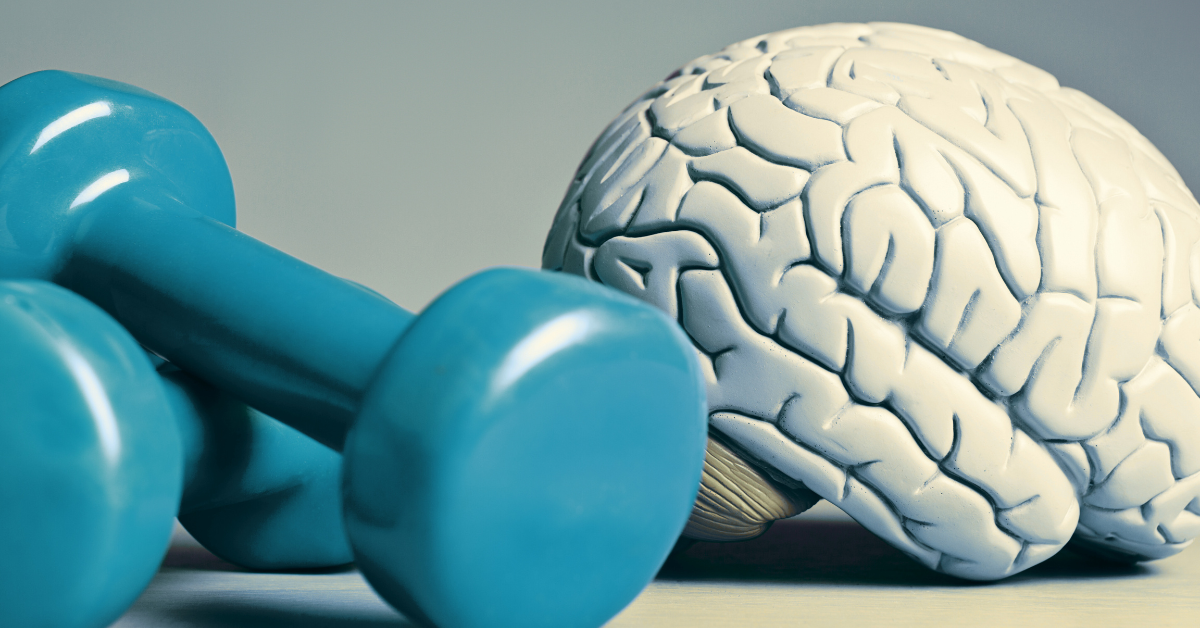
an image of a brain and two dumbbells
The benefits of neurofeedback for ADHD and anxiety includes improved focus, consistent self-regulation, and more.

Table of Contents

Neurofeedback for ADHD and Anxiety: A Drug-Free Approach

Struggling with focus, procrastination, or feeling overwhelmed in today’s world is not uncommon. However, if you—or your child or teen—is unable to focus, learn, or perform daily tasks due to ADHD or anxiety, you may need help.

While stimulant medications are the most common treatment for attention deficit hyperactivity disorder (ADHD), also called attention deficit disorder (ADD), and anti-anxiety pills are often a first-line treatment for anxiety disorders, they aren’t the only options. Many people are now turning to neurofeedback for ADHD and anxiety for a natural, brain-based approach that trains the brain to function better.

Studies have shown that neurofeedback can improve focus and emotional regulation, especially in kids and teens.

At Amen Clinics, we’ve seen amazing results in people of all ages who’ve used this technique to overcome restlessness, impulsive behaviors, and anxiety without relying on medication. Here’s a closer look at how neurofeedback works and why it can lead to lasting positive change.

Many families are now turning to neurofeedback for ADHD and anxiety for a natural, brain-based approach that trains the brain to function better.

JOEY AND MONICA’S STORY: REAL KIDS, REAL RESULTS


There is real-world proof that neurofeedback for ADHD works. Look at Joey, for example. At age 9, he was struggling with hyperactivity, impulsive behavior, and difficulty paying attention in class. After his doctor suggested stimulant medication, his mom made the decision to explore other options.

That’s when she decided to visit Amen Clinics and learned about neurofeedback therapy as a natural ADHD treatment for children and adults. After just a few weeks of sessions, Joey’s focus improved, and his restlessness calmed. Best of all, the changes stuck after he finished his sessions.

Then there’s 17-year-old Monica, who was dealing with anxiety, mood swings, and trouble in school. Traditional therapy helped a little, but not enough to be consistent. And when she was on medications, she tried didn’t feel right.

Once she visited Amen Clinics and started neurofeedback, everything began to shift. Within a month, she felt less anxious. After six months, Monica was more focused and emotionally balanced. Even her family noticed how much calmer and cooperative she had become.

Related: 10 Ways to Overcome Impulse Disorders


WHAT IS NEUROFEEDBACK AND HOW DOES IT WORK?


Think of neurofeedback as a workout for your brain. It’s a safe, non-invasive way to help the brain learn how to self-regulate better using real-time feedback.

During a session, your (or your child’s) brain waves are monitored using sensors placed on the scalp. When the brain is in a focused, calm state, you get a reward—like a sound, a graphic on the screen, or points in a game.


Most people wonder what to expect from neurofeedback and if it’ll be a fast or obvious result. The reality is that, over time, this “training” helps the brain recognize what calm and focus feel like and how to return to that state more easily on its own.


That’s the big difference. It doesn’t just temporarily treat symptoms. Studies show promising results in teaching the brain to function better long-term.


Press Play for Natural Ways to Heal ADHD

In this video, Amen Clinics psychiatrist and ADHD specialist Dr. Steven Storage reveals non-drug ADHD treatments that work.

Click below to tune in:

WHY FAMILIES CHOOSE NEUROFEEDBACK OVER MEDICATION

ADHD medications can be helpful for some people, but they’re not for everyone. Some individuals experience side effects like appetite changes, mood swings, or trouble sleeping. Others don’t respond well to meds at all.

That’s why many parents are seeking natural ADHD treatments for kids that don’t involve altering brain chemistry with drugs. Neurofeedback therapy offers a way to teach the brain to function better—without any unwanted side effects.

Related: 7 Natural ADHD Treatments You Can Start Today

BECOMING THE BOSS OF YOUR BRAIN

One of the best parts of neurofeedback? It helps anxious people feel empowered and confident. Instead of feeling like they’re “broken,” they learn that they can change their brain and calm nervousness.

For kids like Monica, who struggled with anxiety, that sense of control can be life changing. Neurofeedback becomes a non-medication treatment for anxiety to overcome fearfulness increase a sense of peace. 

Kill the ANTs (Automatic Negative Thoughts)

People who have ADHD or anxiety are often filled with ANTs—automatic negative thoughts—that pop up and create stress or self-doubt. At Amen Clinics, we also teach people how to identify and stop those ANTs.

When used alongside neurofeedback as a natural ADHD treatment for kids or adults, this strategy helps people take charge of their thoughts and their brain health. Think of it as a way to build lasting mental strength.

Related: Negative Thinking: Do You Have an ANT Infestation in Your Head?

Conclusion: A Calmer, More Focused Future Is Possible

If you or your child is struggling with ADHD or anxiety, know that lasting change is possible—without relying solely on medication. Neurofeedback therapy offers a safe, non-invasive way to retrain the brain for better focus, emotional regulation, and overall mental wellness.

Just look at Joey, who went from restless and distracted to focused and calm after just a few weeks of neurofeedback sessions. Or Monica, whose anxiety and mood swings improved so much that even her family noticed a transformation. Their stories aren’t rare—at Amen Clinics, we’ve seen thousands of individuals benefit from this science-backed, brain-based therapy.

Whether you’re exploring options for your child, your teen, or yourself, neurofeedback could be the missing piece in your mental health journey. With the right tools and support, you can build a brain that works better—and a life that feels better.

FAQ

Yes! At Amen Clinics, we’ve seen amazing results using neurofeedback for ADHD and anxiety. People become calmer, more focused, and more in control. It’s also recognized by the American Academy of Pediatrics as a top-level treatment for ADHD.

Unlike medication, which often only manages symptoms short-term, neurofeedback helps train the brain to function better long-term. It’s a great option for people looking for drug-free solutions or for kids or adults who don’t respond well to medications.

You (or your child) will play fun, brain-based games while wearing small sensors that read brain activity. When their brain is in a focused or calm state, you get instant feedback. Over time, this helps the brain repeat those healthy patterns more often.

ADHD, anxiety, and other mental health conditions can’t wait. At Amen Clinics, we provide personalized, science-backed treatment plans designed to target the root causes of your symptoms. Our 360-approach includes brain SPECT imaging, clinical evaluations, innovative therapeutic techniques, medications (when necessary), and holistic lifestyle recommendations to promote the health of your brain, body, and mind. Speak to a specialist today at 888-288-9834 or visit our contact page here.

Amen Clinics

Founded in 1989 by double-board certified psychiatrist and neuroscientist Daniel G. Amen, MD, Amen Clinics Inc. (ACI) is known as the best brain and mental health company in the world. Our clinical staff includes over 50 healthcare specialists, including adult and child psychiatrists, integrative (functional) medicine physicians, naturopaths, addiction specialists, forensic psychiatrists, geriatric psychiatrists, nutritionists, licensed therapists, and more. Our clinicians have all been hand-selected and personally trained by Dr. Amen, whose mission is to end mental illness by creating a revolution in brain health. Over the last 35-plus years, ACI has built the world’s largest database of functional brain scans—over 250,000 SPECT scans on patients from 155 countries—related to how people think, feel, and behave.

Nguyen GH, Oh S, Schneider C, Teoh JY, Engstrom M, Santana-Gonzalez C, Porter D, Quevedo K. Neurofeedback and Affect Regulation Circuitry in Depressed and Healthy Adolescents. Biology (Basel). 2023 Nov 3;12(11):1399. doi: 10.3390/biology12111399. PMID: 37997998; PMCID: PMC10669603.


Van Doren J, Arns M, Heinrich H, Vollebregt MA, Strehl U, K Loo S. Sustained effects of neurofeedback in ADHD: a systematic review and meta-analysis. Eur Child Adolesc Psychiatry. 2019 Mar;28(3):293-305. doi: 10.1007/s00787-018-1121-4. Epub 2018 Feb 14. PMID: 29445867; PMCID: PMC6404655.


Trambaiolli, L. R., Kohl, S. H., Linden, D. E. J., & Mehler, D. M. A. (2021). Neurofeedback training in major depressive disorder: A systematic review of clinical efficacy, study quality and reporting practices. Neuroscience & Biobehavioral Reviews, 125, 33–56. https://doi.org/10.1016/j.neubiorev.2021.02.015


Gray SN. An Overview of the Use of Neurofeedback Biofeedback for the Treatment of Symptoms of Traumatic Brain Injury in Military and Civilian Populations. Med Acupunct. 2017 Aug 1;29(4):215-219. doi: 10.1089/acu.2017.1220. PMID: 28874922; PMCID: PMC5580369.


Chen C, Xiao X, Belkacem AN, Lu L, Wang X, Yi W, Li P, Wang C, Sha S, Zhao X, Ming D. Efficacy Evaluation of Neurofeedback-Based Anxiety Relief. Front Neurosci. 2021 Oct 28;15:758068. doi: 10.3389/fnins.2021.758068. PMID: 34776855; PMCID: PMC8581142.


Cueli, M., Rodríguez, C., Cabaleiro, P., García, T., & González-Castro, P. (2019). Differential Efficacy of Neurofeedback in Children with ADHD Presentations. Journal of clinical medicine, 8(2), 204. https://doi.org/10.3390/jcm8020204


Patil, A. U., Madathil, D., Fan, Y. T., Tzeng, O. J. L., Huang, C. M., & Huang, H. W. (2022). Neurofeedback for the Education of Children with ADHD and Specific Learning Disorders: A Review. Brain sciences, 12(9), 1238. https://doi.org/10.3390/brainsci12091238

7 Natural ADHD Treatments You Can Start Today

Natural ADD treatments
Do you or your child have trouble focusing, staying organized, or completing tasks? It could be attention-deficit disorder (ADD), also known as attention-deficit hyperactivity disorder

Do you or your child have trouble focusing, staying organized, or completing tasks? It could be attention-deficit disorder (ADD), also known as attention-deficit hyperactivity disorder (ADHD). If you (or a loved one) have ADHD, you may think stimulant medication, such as Ritalin or Adderall, is the only answer. It’s not.

ADHD medications, while effective in increasing neurotransmitter levels to enhance focus and manage symptoms, can have potential side effects. Many natural treatments for ADHD are backed by science, offering effective ways to manage symptoms without relying solely on medication.

If you (or a loved one) have ADD/ADHD, you may think stimulant medication, such as Ritalin or Adderall, is the only answer. Wrong! Many natural ADD/ADHD solutions are backed by science.

Although research in the journal Plos One found that the usage of stimulant medications for ADHD doubled from 2006-2016, it isn’t the only option. Scientific findings reveal that natural treatments for ADHD can improve symptoms like short attention span, distractibility, poor impulse control, procrastination, and disorganization, offering holistic approaches for better focus and behavior.

If you’re one of the 4.4% of adults in America who are affected by ADD, or your child is among the over 6 million youngsters who have this condition, you may benefit from some of these natural strategies. In some instances, natural ADHD remedies can help reduce or eliminate the need for prescription stimulants.

If you or your child are currently taking ADHD medication, be sure to discuss your situation with your healthcare provider before making any changes to your prescription medication.

UNDERSTANDING ATTENTION DEFICIT HYPERACTIVITY DISORDER (ADHD)

Attention Deficit Hyperactivity Disorder (ADHD) is a neurodevelopmental disorder characterized by symptoms of hyperactivity, inattentiveness, and impulsivity. It is a complex condition that affects both children and adults, impacting their daily lives, relationships, and overall well-being.

ADHD is not a result of poor parenting, too much screen time, or a lack of intelligence. Rather, it is a brain-based disorder that requires a comprehensive treatment approach.

ADHD symptoms can vary from person to person, but common signs include difficulty paying attention, following instructions, and completing tasks. Individuals with ADHD may also exhibit hyperactive behavior, such as fidgeting, restlessness, and impulsivity.

These symptoms can lead to difficulties in school, work, and social relationships, making it essential to seek professional help for proper diagnosis and treatment.

7 NATURAL REMEDIES FOR ADHD

  1. Nourish the ADD/ADHD brain with nutritional supplements.

Nutritional supplements are among the most effective natural treatments for ADHD, addressing deficiencies in vitamin D, zinc, magnesium, and ferritin that are often seen in individuals with this condition. Fish oil supplements, rich in omega-3 fatty acids, are often discussed for their potential benefits in treating ADHD symptoms, though reviews from experts are mixed.

Taking a high-quality daily multiple vitamin/mineral supports healthy levels of foundational nutrients. Similarly, studies have found that people with ADD/ADHD generally have lower levels of important omega-3 fatty acids.

Supplementing with omega-3s can improve issues with impulse control, attention, and hyperactivity, according to findings in Translational Psychiatry and the Journal of Lipids.

  1. Avoid stimulating substances.

Avoiding stimulating substances like caffeine and nicotine is a vital step in implementing natural treatments for ADHD, as these substances can worsen symptoms over time.

At Amen Clinics, brain SPECT imaging studies show that, over time, caffeine and nicotine reduce activity in the brain. SPECT is a type of brain scan that measures blood flow and activity in the brain.

During concentration in people with ADD/ADHD, SPECT scans show that there is typically lower activity in the prefrontal cortex, and this can be compounded with caffeine and nicotine use.

Additionally, consider exploring alternative treatments such as nutritional supplements, exercise, and dietary changes, which may offer non-stimulant options for managing ADHD symptoms.

  1. Get moving.

Physical exercise enhances blood flow and activity in the brain, which can improve focus and attention. The benefits of intense physical exercise are so great, that it should be viewed as supplemental medication to improve ADHD symptoms.

  1. Put devices away.

Limiting screen time to no more than 30 minutes a day can make a significant difference in children with ADHD. A study in Plos One found that preschoolers who spent more than two hours of screen time per day had “clinically significant” increases in ADD/ADHD symptoms, such as attentional problems.

  1. Eat to heal ADHD symptoms.

Consuming a higher-protein, lower-simple carbohydrate diet can help with focus and attention in most people with ADD/ADHD. As part of natural remedies for ADHD, dietary changes are crucial in managing symptoms. There is one exception, however.

People who have Over-Focused ADD—one of the seven types of ADD identified by Amen Clinics—usually do better with a diet that includes higher levels of complex carbohydrates.

  1. Find out if other issues are contributing to ADD/ADHD symptoms.

Research shows that 60%-100% of kids with ADHD also struggle with co-existing disorders. And these co-occurring conditions can last into adulthood.

For example, head trauma, depression, and hormonal imbalances are common in people with ADD/ADHD. Another condition called Irlen Syndrome, which is a visual processing problem, is commonly seen with the condition.

Brain SPECT imaging, in addition to lab testing, can help determine the root causes of your (or your child’s) symptoms.

Randomized controlled trials show that treating any co-existing conditions can be a critical part of the process of healing from ADD and in managing ADHD symptoms.

  1. Try behavioral therapy for ADHD treatment,

Behavioral therapy is a crucial component of ADHD treatment, helping individuals manage their symptoms and improve their overall functioning. This type of therapy focuses on teaching new skills, behaviors, and strategies to overcome challenges associated with ADHD.

Behavioral therapy can be tailored to meet the unique needs of each individual, whether it’s a child, adolescent, or someone with adult ADHD.

There are several types of behavioral therapy used to treat ADHD, including:

  • Cognitive-behavioral therapy (CBT): Helps individuals identify and change negative thought patterns and behaviors.
  • Behavioral modification: Focuses on reinforcing positive behaviors and reducing negative ones.
  • Social skills training: Teaches individuals how to interact with others, develop relationships, and improve communication skills.
  • Parent training: Educates parents on how to create a supportive environment, set clear boundaries, and encourage positive behaviors.

Behavioral therapy can be conducted individually or in a group setting, and it’s often used in conjunction with ADHD medication and other treatments. By addressing the behavioral aspects of the condition, individuals can learn to manage their ADHD symptoms, improve their relationships, and enhance their overall quality of life.

TARGET NATURAL TREATMENTS FOR YOUR TYPE OF ADD/ADHD.

As discussed earlier, SPECT scans show that there are seven types of ADD/ADHD. Natural ADHD remedies, such as relaxation practices, mindfulness, and lifestyle changes, can benefit both children and adults experiencing different types of ADHD. Knowing which ADD/ADHD type you (or your child) have is an important step in finding the most effective natural solutions.


We Are Here For You

ADD/ADHD and other mental health conditions can’t wait. At Amen Clinics, we’re here for you. We offer in-clinic brain scanning and appointments, as well as mental telehealth, clinical evaluations, and therapy for adults, teens, children, and couples. Find out more by speaking to a specialist today at 888-288-9834 or visit our contact page here.

Piper, Brian J et al. “Trends in use of prescription stimulants in the United States and Territories, 2006 to 2016.” PloS one vol. 13,11 e0206100. 28 Nov. 2018, doi:10.1371/journal.pone.0206100

Chang, J.PC., Su, KP., Mondelli, V. et al. High-dose eicosapentaenoic acid (EPA) improves attention and vigilance in children and adolescents with attention deficit hyperactivity disorder (ADHD) and low endogenous EPA levels. Transl Psychiatry 9, 303 (2019). https://doi.org/10.1038/s41398-019-0633-0

Derbyshire E. Do Omega-3/6 Fatty Acids Have a Therapeutic Role in Children and Young People with ADHD? J Lipids. 2017;2017:6285218. doi: 10.1155/2017/6285218. Epub 2017 Aug 30. PMID: 28951787; PMCID: PMC5603098.

Gnanavel, Sundar et al. “Attention deficit hyperactivity disorder and comorbidity: A review of literature.” World journal of clinical cases vol. 7,17 (2019): 2420-2426. doi:10.12998/wjcc.v7.i17.2420

Young, S et al. “Cognitive-behavioural therapy in medication-treated adults with attention-deficit/hyperactivity disorder and co-morbid psychopathology: a randomized controlled trial using multi-level analysis.” Psychological medicine vol. 45,13 (2015): 2793-804. doi:10.1017/S0033291715000756

Gillies D, Sinn JKh, Lad SS, Leach MJ, Ross MJ. Polyunsaturated fatty acids (PUFA) for attention deficit hyperactivity disorder (ADHD) in children and adolescents. Cochrane Database Syst Rev. 2012 Jul 11;2012(7):CD007986. doi: 10.1002/14651858.CD007986.pub2. Update in: Cochrane Database Syst Rev. 2023 Apr 14;4:CD007986. doi: 10.1002/14651858.CD007986.pub3. PMID: 22786509; PMCID: PMC6599878.

Piper BJ, Ogden CL, Simoyan OM, Chung DY, Caggiano JF, Nichols SD, McCall KL. Trends in use of prescription stimulants in the United States and Territories, 2006 to 2016. PLoS One. 2018 Nov 28;13(11):e0206100. doi: 10.1371/journal.pone.0206100. PMID: 30485268; PMCID: PMC6261411.

Tamana, S. K., Ezeugwu, V., Chikuma, J., et al. (2019). Screen-time is associated with inattention problems in preschoolers: Results from the CHILD birth cohort study. PLoS ONE, 14(4), e0213995. https://doi.org/10.1371/journal.pone.0213995

Related Posts

By Rishi Sood, MD When you’re in a meeting, focusing on what your supervisor is saying or concentrating on a work project, there’s a specific part of your brain that’s especially active, helping you pay attention. This brain system is known as the dorsal attention network (DAN). The DAN plays a crucial role in how you focus your attention on various tasks throughout the day, from studying to playing sports. When this brain network is functioning optimally, it helps you concentrate. When the DAN is not working as well as it should, it can make it harder for you to stay focused. It can also make you more vulnerable to certain mental health disorders. When the dorsal attention network is functioning optimally, it helps you concentrate. When it’s not working as well as it should, it can make it harder for you to stay focused.
Click to tweet

WHAT IS THE DORSAL ATTENTION NETWORK?

The dorsal attention network is a group of brain areas located primarily in the top and front parts of the human brain. Research shows that brain regions involved in the DAN include: This network is like the director of a movie, deciding where the camera should focus. In the same way, the DAN helps you focus your “mental camera” on the right subjects, ignoring distractions that might throw you off course. Studies show that the DAN is also involved in visual and verbal working memory tasks. Working memory is when you temporarily hold information in your mind while manipulating it. Think of it like a sticky note inside your brain. For example, I was recently at a psychiatry conference where I saw a fascinating presentation. As I watched the lecture, I had a question about something the presenter said. So, I basically put that question on a sticky note in my brain and then when I met the presenter later that day, I retrieved the sticky note and asked my question.

HOW DOES THE DORSAL ATTENTION NETWORK WORK?

Think of the DAN as your brain’s control panel for attention. When you need to concentrate, the DAN lights up, helping you zero in on what’s important at that moment. It controls what you pay attention to by increasing your brain’s sensitivity to certain stimuli, like a teacher’s voice, and reducing sensitivity to others, like the chatter from classmates. Experts refer to this as top-down attention, where your brain chooses what to focus on. Your brain intentionally directs your attention to something that matters to you based on your goals and expectations. This differs from bottom-up attention, where your brain shifts its focus due to unexpected external changes, such as a loud noise or a bird flying right in front of your face.

THE DORSAL ATTENTION NETWORK AND MENTAL HEALTH

The way the dorsal attention network functions is vital for your ability to focus, but it also plays a significant role in your mental health. Here’s how: In adults with ADHD, difficulty with focus can impact every aspect of life—at work, at home, and in relationships. Scientists are increasingly suggesting that exploring the connectivity of the DAN with other brain networks may be important in gaining a better understanding of ADHD. Exciting new brain-imaging research published in 2023 in the Journal of Affective Disorders suggests that decreases in the DAN could potentially be a biomarker for major depressive disorder.

SUPPORTING THE DORSAL ATTENTION NETWORK FOR BETTER MENTAL HEALTH

Understanding the role of the dorsal attention network can help us find better ways to support our mental health. Here are some strategies that can strengthen this network: By taking care of your dorsal attention network through healthy habits and understanding its function, you can improve your focus and attention. This not only helps with work projects or schoolwork but also supports your mental health, making daily tasks more manageable and enjoyable. Anxiety, depression, and other mental health issues can’t wait. At Amen Clinics, we’re here for you. We offer in-clinic brain scanning and appointments, as well as mental telehealth, clinical evaluations, and therapy for adults, teens, children, and couples. Find out more by speaking to a specialist today at 888-288-9834 or visit our contact page here. Dr. Rishi Sood is Associate Medical Director of Amen Clinics Inc. and a child and adult psychiatrist. This post has been updated since its original publication date. When you think of attention-deficit disorder (ADD), more commonly referred to as attention-deficit/hyperactivity disorder (ADHD), your mind probably goes straight to hyperactive schoolchildren. However, kids aren’t the only ones with this common condition. Adults can have it too. A host of celebrities are sharing that they have been diagnosed with ADHD. For example, Olympic gold medalist Simone Biles announced on X that she has ADHD and has taken medication for the condition since she was a child. Maroon 5 frontman Adam Levine wrote in Additude Magazine that the ADHD he had as a child didn’t go away in adulthood. And “Dancing With the Stars” performer Karina Smirnoff told the Saturday Evening Post that she’s an adult with ADHD. Unfortunately, too many adults with ADD/ADHD go undiagnosed and untreated. And this can have devastating lifelong consequences. Too many adults with ADD/ADHD go undiagnosed and untreated. And this can have devastating lifelong consequences.
Click to tweet

WHAT IS ADULT ADHD?

ADD/ADHD is a disorder that affects brain development. It typically begins in childhood and can persist into adulthood. It is associated with a short attention span and behavior issues that can interfere with school, work, and relationships. It is estimated that 4.4% of American adults currently have ADD/ADHD, but experts suggest the condition is underreported in adults, so the number could be much higher. This indicates that many adults are likely unaware that they have the condition and remain untreated. Having undiagnosed ADHD or untreated ADHD can lead to consequences that lower your quality of life and can keep you from reaching your potential.

ADULT ADD AND THE BRAIN

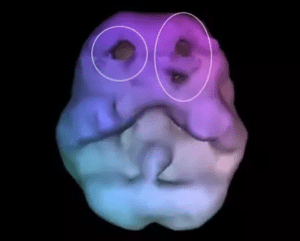
Individuals with ADD/ADHD are considered “neurodivergent.” Simply, this means their brains work differently than the brains of people who are “neurotypical.” A person who is neurotypical has healthy brain function. The brain-imaging work using SPECT scans at Amen Clinics shows that children and adults with ADD/ADHD typically have low activity in an area of the brain called the prefrontal cortex (PFC). In particular, activity in the PFC decreases when people with the condition try to concentrate. This is the opposite of what occurs in neurotypical individuals. In the healthy brain, concentration increases activity levels in the PFC. Healthy SPECT Scan Healthy SPECT Scan ADD spect scan ADD/ADHD SPECT Scan In the ADD/ADHD SPECT scan here, the “holes” indicate areas of low blood flow and activity in the prefrontal cortex. The PFC is responsible for planning, judgment, organization, follow-through, impulse control, empathy, and more. These are known as executive functions. When there is low activity in the PFC, people tend to have trouble with these functions.
10 ADULT ADHD SYMPTOMS

Adults with ADD/ADHD may experience a wide range of emotional and behavioral symptoms, including the following. 1. Having a short attention span A lack of focus is one of the hallmark symptoms of ADD/ADHD. In adults, this can include having a hard time with routine tasks, not paying attention to details, making careless mistakes, and having trouble staying focused in conversations. If you have this brain-based disorder, you may start a lot of things but have difficulty completing them. Having a slew of unfinished projects lying around is a sign of adult ADD/ADHD. 2. Being disorganized Adults with ADD/ADHD often have trouble keeping things organized. At work, you might have a hard time finding what you need to finish a task because your desk is messy, your computer files are scattered randomly, and your emails are unorganized. This can make projects seem more challenging and take longer to complete. Disorganization also includes have trouble prioritizing assignments and keeping track of them. When you aren’t sure which task to tackle first, it can lead to procrastination. 3. Being easily distracted Having adult ADD/ADHD makes you more likely to notice more things in your environment compared to others. This means you can be easily distracted by external stimuli, including sounds, lights, scents, touch, or some tastes. For example, you may be overly aware of a tag in the back of your shirt, a flickering light, or a beeping noise. This acute sensitivity can prevent you from focusing on an important task at hand. 4. Having poor internal supervision Many people with ADD struggle with impulse control and judgment. You may say or do things reflexively without thinking about the consequences of your actions. This can lead to problems at work, at home, and in relationships. Another one of the common signs of adult ADHD is having a hard time learning from your mistakes. Making the same errors over and over is an indicator that you might have this condition. 5. Procrastinating and being chronically late Individuals with ADD/ADHD often have trouble with time management. You may put things off until the last minute. For example, you may wait until the night before a project is due to start working on it. ADHD adults are also notorious for being late for everything. Showing up 15 minutes, 30 minutes, or an hour late for work, appointments, and events is a red flag. 6. Being hyper focused Surprisingly, research shows that many adults with ADD/ADHD can achieve laser-like focus for certain things. In general, hyperfocus is more likely to occur when a person engages in something that they love to do or in things that are highly stimulating, frightening, fun, or novel. When hyperfocused, people become completely absorbed in an activity and tune out everything else. In these instances, you may not notice external stimuli, such as your spouse asking you a question, the doorbell ringing, or your dog barking because they need to go outside. 7. Being forgetful Forgetfulness is common in ADD/ADHD and can become a major issue on the job and in relationships. People with this condition often forget birthdays, anniversaries, and deadlines. You may leave your work materials at home or forget that it’s your day to pick up your child after school. In some cases, forgetfulness may be related to distractibility. If you aren’t paying attention to what someone is saying to you, it’s going to be harder to remember what they said. 8. Lacking motivation Some types of ADD/ADHD are associated with low levels of the neurotransmitter dopamine, which is heavily involved in motivation. Because of this, adults with this disorder may feel unmotivated. This can hold you back in your career and in other areas of your life. 9. Low self-esteem Self-doubt and a lack of confidence are common in people with ADD/ADHD. In part, this may come from growing up with people talking about you in a negative way due to your symptoms. Many ADHD types grow up hearing people say that they are “lazy,” “dumb,” or “troublemakers.” These hurtful comments can have lasting repercussions on a person’s self-image. 10. Misusing substances Adults with ADD/ADHD are at a greater risk for substance use disorders compared with people who don’t have the condition, according to research. If you turn to alcohol, marijuana, nicotine, or other substances to self-medicate or to improve focus, it’s a problem.

SEEKING AN ADULT ADHD DIAGNOSIS

Adults who suspect they may have the condition often wait to seek help. At Amen Clinics, which has helped tens of thousands of mental health patients over the past 30-plus years, adults typically don’t get diagnosed with ADD until they are experiencing the following: Being diagnosed with ADD/ADHD as an adult can be life-changing. It can help you understand that your issues aren’t due to a character flaw or lack of willpower, but rather related to your brain function. This can be very powerful in helping you reduce feelings of shame and enhance your self-image.

TAKE THE ADHD QUIZ

Take Dr. Amen’s simple, confidential 4-minute ADD quiz . This will help you discover if you potentially have the condition. In addition, the brain-imaging work at Amen Clinics has helped identify 7 types of ADD/ADHD. Taking this quiz can help you determine if you may be struggling with one of these types.

ADULT ADHD TREATMENT

If you are diagnosed with ADD/ADHD, be aware that in some cases, treatment may require medication. However, many people see improvement with natural treatments for ADD/ADHD. ADD/ADHD and other mental health issues can’t wait. At Amen Clinics, we’re here for you. We offer in-clinic brain scanning and appointments, as well as mental telehealth, clinical evaluations, and therapy for adults, teens, children, and couples. Find out more by speaking to a specialist today at 888-288-9834 or visit our contact page here.       Are you finding it harder to pay attention these days? You’re not alone. A study by Microsoft found that the human attention span has dwindled to just 8 seconds. That’s less than the 9-second attention span of a goldfish! In part, you can blame our fast-paced, digital society for the dramatic decrease. With our phones, laptops, tablets, and digital personal assistants pinging and buzzing constantly, it’s nearly impossible not to get distracted. That’s bad news for anyone who wants to succeed in life. Whether you’re working on a big project at work, developing a new product line for your business, or taking a professional course, concentration is key. What can you do to regain your mental focus in the face of distractions? The first step is optimizing your brain, especially a region called the prefrontal cortex that’s heavily involved in focus, planning, and follow-through. With our phones, laptops, tablets, and digital personal assistants pinging and buzzing constantly, it’s nearly impossible not to get distracted. That’s bad news for anyone who wants to succeed in life.
Click to tweet

WHAT IS THE PREFRONTAL CORTEX?

The prefrontal cortex (PFC) is the most evolved part of the brain. As such, it is essential in helping you reach your goals. The PFC is responsible for executive functions, which are higher-level cognitive skills. These brain functions include concentration, attention span, judgment, impulse control, organization, follow-through, empathy, and critical thinking. This brain region controls your ability to look at situations, organize your thoughts, plan what you want to do, and carry out your plans. When the PFC is healthy, it makes it easier for you to carry out these functions. When your prefrontal cortex is low in activity, it’s more challenging. Functional brain imaging with a technology called SPECT proves it. At Amen Clinics, which has built the world’s largest database of SPECT scans, the images from tens of thousands of patients show that blood flow and activity in the prefrontal cortex are critical for focus. Low blood flow and activity in the PFC are associated with difficulty concentrating, poor impulse control, disorganization, poor judgment and more. It is also a common sign of attention-deficit/hyperactivity disorder (ADHD), also called attention-deficit disorder (ADD). People with ADD/ADHD also have lower levels of the neurotransmitter dopamine. This is linked to decreased motivation and focus. The good news is that you can boost activity in the PFC and improve focus and attention with some simple lifestyle changes. Here are 5 neuroscience-based tips to enhance prefrontal cortex function to help you have better focus.

5 LIFESTYLE STRATEGIES FOR BETTER FOCUS

  1. Eat a diet that’s higher in protein.
Nutritional intervention can be especially helpful for this part of the brain. Unfortunately, the standard American diet is filled with refined carbohydrates, which have a negative impact on dopamine levels in the brain and concentration. Typical breakfasts consist of foods that are high in simple carbohydrates, such as frozen waffles, pancakes, Pop-Tarts, muffins, pastry, or cereal. This drains the brain and reduces the ability to pay attention to what’s most important in your life. Focus Rx: Choose foods that are higher in protein and lower in simple carbohydrates. This is especially important for breakfast to start the day with better focus.
  1. Listen to classical music.
Music has been proven to reduce distractions and improve focus. One study found that listening to Mozart was helpful for people with ADD/ADHD. Rosalie Rebollo Pratt and colleagues studied 19 individuals, ages 6 to 27, who had been diagnosed with ADD/ADHD. They played recordings of Mozart for them three times a week during neurofeedback therapy sessions. The group that listened to Mozart reduced their theta brain-wave activity (slow brain waves that are often excessive in ADD/ADHD) in exact rhythm to the underlying beat of the music. This group displayed better focus and mood control, diminished impulsivity, and improved social skill. Focus Rx: While studying or doing other mentally taxing tasks, turn on classical music in the background.
  1. Meditate or pray daily.
Most people think meditation helps you turn your brain off. In reality, it heightens activity in the brain, especially in the prefrontal cortex. Research indicates that both meditation and prayer improve blood flow to the PFC, which increases focus and concentration. Studies show that even short sessions of mindfulness meditation improve attention. And you don’t have to be an expert at meditation to reap the benefits. In this study, beginners who listened to a 10-minute meditation session performed better on attention tasks. Focus Rx: Spend 10-20 minutes a day in prayer or meditation.
  1. Focus on what you love.
The prefrontal cortex is intimately involved with focus, concentration, and attention span. Where we focus our attention has a significant impact on how we feel and act day to day. Many people with prefrontal cortex challenges, especially those with ADD/ADHD, tend to be conflict-driven as a way to stimulate activity in the PFC. They look for the negative, pick fights, and create drama to “turn on” their brain. Unfortunately, this behavior has many negative side effects, especially on relationships and immune system functioning. When you’re struggling with your relationships or physical health, it makes it harder to stay focused on your goals. Focus Rx: Focusing on what you like about your life and about others is a powerful way to keep your prefrontal cortex, relationships, and immune system healthy.
  1. Do your best to stay organized.
People who have PFC difficulties often have trouble with organization. This can impact your ability to succeed at work, in relationships, and at home. You might miss deadlines at work because you can’t find your files on your computer. You may irritate your significant other because you space out and leave the dirty dishes in the sink. Or you might forget to pay your bills because they’re hidden under a stack of junk on your desk. It’s time to learn how to get organized. Focus Rx: Day planners and computer organizational programs can be lifesaving. If you need additional help, ask others to teach you organizational skills.

STAY FOCUSED ON YOUR ABILITY TO PAY ATTENTION

Focus and attention are so important in life. Make it a priority to keep an eye on your ability to concentrate. By implementing the strategies in this blog, you’ll be better able to stay on track to reach your goals. If you find that after putting these tips into action, you’re still struggling, seek help from a mental health professional. Be sure to look for a provider who understands that the brain’s prefrontal cortex is the key to improving focus and attention and who provides brain-based treatment plans. ADD/ADHD and other mental health issues can’t wait. At Amen Clinics, we’re here for you. We offer in-clinic brain scanning and appointments, as well as mental telehealth, clinical evaluations, and therapy for adults, teens, children, and couples. Find out more by speaking to a specialist today at 888-288-9834 or visit our contact page here. You may think life circumstances determine your mood, but there are seven brain neurochemicals that also have a huge impact on how you feel. Serotonin is one of them. Known as the “feel-good” neurotransmitter, serotonin regulates not just your mood, but a number of additional functions such as appetite, sexual desire, sleep, stress, and memory, to name a few. When serotonin levels are imbalanced, even a slight amount, it can trigger a negative mood, disrupt your sleep, increase your appetite, or lead to emotional overeating. Low levels of serotonin can also affect your thinking causing you to get stuck in worry and negative thoughts. Serotonin influences us to be more open-minded, flexible, and adaptive—and it helps us to focus our attention away from worries and be amenable to cooperating with others.
Click to tweet
While this powerful neurochemical can help you feel good, it can also cause you to feel bad when you have suboptimal amounts. Here’s what you need to know about serotonin, and how to keep your body’s serotonin levels balanced to maximize your happiness.

WHAT IS SEROTONIN?

In simple terms, serotonin is a chemical messenger that transmits information between nerve cells and throughout your body. About 5-10% of your body’s serotonin is produced in the brain’s raphe nuclei, located in the brainstem. The other 90-95% is surprisingly synthesized in your gastrointestinal tract. Serotonin is made from the essential amino acid tryptophan, which has to be obtained in your diet. Serotonin influences us to be more open-minded, flexible, and adaptive—and it helps us to focus our attention away from worries and be amenable to cooperating with others. When you feel respected by others and have healthy self-esteem, serotonin increases—and conversely, when you feel disrespected, serotonin levels go down. Hence, it plays an indispensable role in helping us to navigate life well. Serotonin also plays a role in sleeping, eating, digestion, blocking pain, and blood platelet function to heal wounds!

CONSEQUENCES OF SEROTONIN IMBALANCES

Less than adequate levels of serotonin are associated with low mood, worry, anxious feelings, poor memory, pain, aggression, suicidality, low self-esteem, oppositional behavior, rigidity, and difficulty dealing with new, changing, or unplanned events. On the flip side, higher levels of serotonin are associated with brighter moods, feeling more respected, and greater flexibility. Experts are not entirely sure why some people have low serotonin levels. It is thought that genetic factors, brain changes due to aging, chronic stress, lack of sunlight and physical activity, and chronic pain may play a role. Too much serotonin, better known as serotonin syndrome, shows signs that can be mild or severe and can be life-threatening. It’s often caused by a change in medication. Of course, the key to feeling good is making choices that support healthy serotonin levels in the brain and body. Below are nine researched ways to balance serotonin.

9 WAYS TO BALANCE SEROTONIN NATURALLY

1. Consume Tryptophan-Rich Foods

Since your body needs to get the essential amino acid tryptophan from the diet to make serotonin, eating tryptophan-rich foods can help increase serotonin levels. Animal proteins such as lean chicken and turkey, beef, and pork are some of the richest sources of tryptophan. Other good sources include salmon, soybeans, milk, pumpkin seed, oats, and eggs. It’s important to combine tryptophan-rich foods with complex carbs (such as sweet potatoes, quinoa, veggies, legumes, fruits, whole grains, etc.), which helps drive tryptophan to the brain.

2. Eat More Seafood

The omega-3 fatty acids eicosapentaenoic acid (EPA) and docosahexaenoic acid (DHA) and vitamin D play critical roles in serotonin synthesis and release, according to a study published in the Federation of American Societies of Experimental Biology (FASEB). Ensuring your body has healthy levels of these three nutrients helps to optimize brain serotonin concentration and function. Both nutrients are plentiful in wild-caught fish such as salmon, sardines, Atlantic mackerel, cod, herring, lake trout, and canned light tuna. If you have trouble consuming adequate amounts of seafood and vitamin D, consider supplementing.

3. Make Positive Comparisons

When you negatively compare yourself to others, it erodes your self-esteem. The antidote to this kind of negative thinking is to focus on what you have and write it down. This action can give you an emotional boost, according to research, likely increasing serotonin levels. A daily focus on what you are grateful for can help build neural pathways that make it easier to recognize what is right about yourself, instead of always focusing on what you lack.

4. Exercise

Exercise helps to drive tryptophan into the brain, which can turbocharge serotonin levels. One review study found that exercise increases the firing rates of serotonin neurons. Research has demonstrated that exercise can boost mood and cognitive flexibility.

5. Take Serotonin-Boosting Nutritional Supplements

Try supplementing with targeted supplements that have shown some indication of helping to optimize serotonin levels in the body. 5-hydroxytryptophan (5-HTP), curcumin, St. John’s Wort, magnesium, and B vitamins have all been associated with increased serotonin levels in studies.

6. Enjoy Regular Massage

Research indicates that chronic stress negatively impacts serotonin production and hinders serotonin receptor function. Massage counters stress. One study evaluated 84 pregnant women with depression. Those who received a 20-minute massage twice a week reported feeling less anxious and depressed and had higher serotonin and dopamine levels and lower cortisol levels after four months.

7. Get Sunlight or Bright Light Therapy

Getting sunlight or bright light therapy increases serotonin levels and improves mood. One Australian study found higher serotonin levels in individuals who were exposed to sunnier days. Getting 15 minutes or less is enough to make a difference. Bright light therapy has been shown to have mood-boosting effects in people struggling with depression, as well as seasonal affective disorder, according to research. This convenient method allows you to safely receive the benefit of light independent of the weather outside.

8. Enjoy Meditation and Downtime

Spiritual contemplation and meditation increase serotonin levels, some research indicates. Take time out of your day for reflection and contemplation.

9. Keep Your Thoughts Positive

Your thoughts are powerful. In fact, research indicates your thoughts influence how you feel and the serotonin your brain makes. In one study that used positron emission tomography (PET) scans, researchers measured serotonin levels in healthy subjects when they focused on positive, negative, and neutral thoughts. Focusing on positive thoughts was correlated with increased levels of serotonin. If you focus on something positive, your serotonin levels increase, and you feel better! Depression, anxiety, and other mental health issues can’t wait. At Amen Clinics, we’re here for you. We offer in-clinic brain scanning and appointments, as well as mental telehealth, clinical evaluations, and therapy for adults, teens, children, and couples. Find out more by speaking to a specialist today at 888-288-9834 or visit our contact page here. ADD. ADHD. People use these terms interchangeably to describe the attention-deficit condition that affects approximately 9.4% of children and 4.4% of adults, according to the CDC. But are ADD and ADHD the same thing? And if not, what are the differences between them? Experts used to refer to attention-deficit disorder primarily as ADD but that has since changed, and ADHD (attention-deficit hyperactivity disorder) is now the preferred term. However, this is confusing because not everybody with the condition is hyperactive. Brain SPECT imaging at Amen Clinics has helped identify 7 types of ADD/ADHD, and surprisingly, there is only 1 type in which hyperactivity is always a symptom. Brain SPECT imaging at Amen Clinics has helped identify 7 types of ADD/ADHD, and surprisingly, there is only 1 type in which hyperactivity is always a symptom.
Click to tweet

HYPERACTIVITY AND THE 7 TYPES OF ADD/ADHD

The 7 types of ADD/ADHD are: There are a number of hallmark symptoms seen in all of the types, including short attention span, distractibility, disorganization, procrastination, and poor internal supervision. Hyperactivity, however, is not a hallmark symptom, meaning it is not present in each of the types. In the classic type, hyperactivity is a common symptom that may take the shape of squirming, tapping feet or hands, talking incessantly, fidgeting, or being in constant motion. This restlessness occurs on a routine basis and can be disruptive in certain situations. Such is not the case for the inattentive type, which doesn’t involve wriggling, twitching, or perpetual movement. People with this type are more likely to be daydreamers or to appear spacey or lazy. They may also be forgetful, seem bored, or be unmotivated. In the remaining 5 types, hyperactivity may or may not be present. This means that in 6 of the 7 types, a person may have ADHD even though they do not display hyperactive tendencies.

WHY NON-HYPERACTIVE ADHD OFTEN GOES UNDIAGNOSED  

Because hyperactivity is highly noticeable to other people, it is often what prompts an assessment for ADHD. On the contrary, people with non-hyperactive ADHD are more likely to fly under the radar. Symptoms such as being inattentive, being a daydreamer, or seeming bored aren’t as readily identifiable and aren’t always associated with the condition. For this reason, people who are missing the “H” in ADHD are more likely to remain undiagnosed. This is especially important for females, in whom inattentive ADHD is more common. People who are missing the “H” in ADHD are more likely to remain undiagnosed.
Click to tweet
A lack of diagnosis means these individuals don’t receive the treatment they need to overcome their symptoms. Having any type of untreated ADHD is associated with an increased risk of depression, substance abuse, divorce, obesity, and other issues that further compound symptoms.

7 TREATMENTS FOR ALL TYPES OF ADHD

There are many treatments that are beneficial for all people with ADHD, including non-hyperactive ADHD.
  1. Take a 100% multIvitamin every day. Research shows that they help prevent chronic illness and help people with learning.
  2. Take omega-3 fatty acids in the form of high-quality fish oil. Recommended dosages are about 2,000 – 6,000mg for adults and 1,000 – 2,000mg for children. According to research, fish oil that is higher in the EPA form of omega-3s may be the most helpful, however, it depends on which type of ADHD a person has.
  3. Skip caffeine and ditch nicotine. These substances interfere with sleep, which may worsen symptoms.
  4. Aim for 30-45 minutes of daily exercise. Table tennis is the world’s best brain game, but any brain-safe activity will do.
  5. Set limits on digital device time. Strive for less than 30 minutes a day. This may be difficult, but it can be highly beneficial.
  6. Eat for the ADHD brain. Most people with ADHD do best with a higher-protein, lower-carbohydrate diet.
  7. Never give up seeking help and target treatments to your specific type of ADD/ADHD.
ADD/ADHD and other mental health issues can’t wait. At Amen Clinics, we’re here for you. We offer in-clinic brain scanning and appointments, as well as mental telehealth, clinical evaluations, and therapy for adults, teens, children, and couples. Find out more by speaking to a specialist today at 888-288-9834 or visit our contact page here. He’s a #1 New York Times bestselling author, host of the On Purpose podcast, and has over 28 million followers on Facebook alone. Jay Shetty, a former monk, spreads his unique brand of inspiration by talking about mental wellness and finding your purpose in life. While living as a monk, he learned to train his brain to overcome negativity, manage his thoughts, strengthen his empathy, and more. In general, these practices enhance overall brain function. As someone who advocates the importance of self-awareness, however, Shetty wanted to know even more about his own brain. That’s why he visited psychiatrist and brain health expert Dr. Daniel Amen at Amen Clinics to get a brain SPECT scan. SPECT measures blood flow and activity in the brain and reveals areas of the brain with healthy activity, low activity, or too much activity. “I’m at a place in my life where I don’t want to be irresponsible about my own health and well-being, and if I can see my brain and see what I can improve, this is the best place to come for brain health,” says Shetty in an episode of Scan My Brain at Amen Clinics.

SCREENING FOR BRAIN HEALTH

As Shetty explains it, most people would think if you’re getting a brain scan, it must be because something’s wrong. But the former monk sees things differently “I’m doing really well,” he says, “but why would we not be curious [about our brain].” Shetty’s attitude is gaining momentum as more people realize that the brain is a physical organ that runs our lives, and it deserves far more of our attention. The medical community advocates regular screening and scanning of so many parts of the body—the heart, breasts, and colon—but it ignores the brain that runs them all. This is changing. At Amen Clinics, which has built the largest database of functional brain scans related to behavior, more and more highly successful, well-adjusted people like Shetty are getting scanned. But they aren’t doing it to overcome specific mental health challenges or cognitive issues. Instead, they’re looking at it as a way to prevent any future problems and to provide a roadmap to brain optimization and peak performance.

UNDERSTANDING YOUR BRAIN TYPE

Brain imaging studies reveal that not all brains are alike. In fact, after reviewing over 170,000 brain scans, the psychiatric team at Amen Clinics has identified 16 different brain types. Each brain type has unique strengths and challenges that influence the way you think, act, and interact with others. Your brain type plays a role in how you perform at work, how you get along in relationships, how you parent your children, and so much more. Knowing your brain type gives you key information about the best ways to optimize your brain, including the types of food to eat, the nutritional supplements to take, and the lifestyle changes that will have the biggest benefit for your brain and your life. Take our Brain Health Assessment to find your brain type. The notion that our brains are “not all the same” resonates with Shetty. “The idea that all of our bodies, brains, and minds are so different and react differently to the same things is still very new,” says the former monk. He thinks it’s time to say goodbye to the one-size-fits-all approach our society generally takes toward solving problems, including issues that are medical, mental, or spiritual. Shetty says there’s a better way. “Providing a more personalized, specific approach—whether it’s meditation or fasting or whatever it may be—is important.”

THE BRAIN OPTIMIZATION SOLUTION

Even if you already have a good brain, you can make it better. When your brain is optimized, it means brighter moods, better focus, and greater clarity—now and in the future. Strengthening your brain now can help you prevent cognitive decline, reduce the risk of developing issues like anxiety or depression, and give you the tools you need to cope with life’s stressors. Add it all up and it leads to more success, a stronger ability to achieve your goals and a bigger dose of happiness. We could all use that! The health of your brain can’t wait. At Amen Clinics, we’re here for you. We offer in-clinic brain scanning and appointments, as well as mental telehealth, clinical evaluations, and therapy for adults, teens, children, and couples. Find out more by speaking to a specialist today at 888-288-9834 or visit our contact page here.