In times of our greatest celebrations, our darkest sadness, and in the moments in between, we seek out hugs from family, friends, and loved ones. Big bear hugs make you feel safe, warm, happy, comforted and connected. But with the pandemic, people aren’t getting these much-needed embraces. That’s bad news, because hugs don’t just feel good, they come with a host of brain benefits.
BRAIN BENEFITS OF HUGS
Some of the psychological and neurological benefits of wrapping your arms around your loved ones include:
Triggers the release of oxytocin. Sometimes referred to as the “cuddle hormone,” oxytocin is a hormone and neurotransmitter that promotes a sense of well-being, relaxation, and bonding. It may be best known for its involvement in childbirth and breastfeeding to strengthen the bonds between mother and baby. More recently, it has become known as “the love hormone” as it brings forth feelings of trust, security, connection, calmness, and contentment. Some research suggests that intranasal oxytocin may be used to enhance relationships interpersonal connections.
Boosts moods. Hugging increases levels of the feel-good neurotransmitters dopamine and serotonin to elevate moods. Receiving a hug also helps protect people from negative moods, according to findings in a 2018 study in Plos One.
Decreases the stress hormone cortisol and lowers stress levels. Hugs protect against chronic stress, which reduces “brain reserve,” the extra cushion of brain tissue you have to deal with the curveballs life throws your way. Uncontrolled stress is also associated with reduced immune system function, increasing your risk of infections and illness. To keep stress at bay, it’s a good idea to “hug it out” on a regular basis.
Lowers anxiety, depression, and feelings of loneliness. The simple act of embracing another human has positive impacts on psychological well-being. For example, a 2013 study from researchers at the University of Amsterdam found that hugs help reduce anxiety and fears in people with low self-esteem.
FEEL-GOOD HUG ALTERNATIVES
If you’re feeling hug-deprived, try these 3 alternatives to get some of the same mental health benefits that hugging provides.
1. Wrap yourself in a weighted blanket.
Weighted blankets, which weigh up to about 30 pounds, can provide a sensation similar to a full-body hug. Weighted blankets provide a form of deep pressure stimulation, a therapy that relaxes the nervous system. Research has shown that these heavy blankets improve sleep and can reduce symptoms associated with anxiety, as well as some of the symptoms seen in ADD/ADHD and autism.
2. Learn the art of self-hugging.
If you’re on your own and yearning for a hug, do it yourself. A therapeutic self-hugging technique called havening uses touch to create calming brainwaves that promote relaxation and a sense of well-being.
Just because you can’t reach out and touch someone doesn’t mean you can’t create that same feeling. The human brain senses the world, and if you can change its inputs, you can often quickly change how you feel. Hugs activate the touch inputs, but if you can’t get a real hug you still have 4 other senses you can use to enhance positivity. Here’s how.
Hearing: Music can help to optimize your state of being. In his powerful book, The Secret Language of the Heart, Barry Goldstein reviews the neuroscience properties of music. “Music stimulates emotional circuits in the brain … releases oxytocin, the cuddle hormone, which can enhance bonding, trust, and relationships. … Listening to music can create peak emotions, which increase the amount of dopamine, a specific neurotransmitter that is produced in the brain and helps control the brain’s reward and pleasure centers.”
Smell: Certain scents are known to have mood-enhancing effects, especially lavender oil (for anxiety, mood, sleep, and migraine headaches), rose oil, and chamomile.
Sight: Soothing images can impact your mood. Images of nature and fractals (never-ending patterns) can soothe stress. In a 2012 study in the Journal of Alternative and Complementary Medicine, people who looked at real plants or posters of plants experienced less stress waiting for medical procedures.
Taste: Flavoring food with cinnamon, saffron, mint, sage, or nutmeg has been shown to enhance mood.
Depression, anxiety, loneliness, and other mental health issues can’t wait. During these uncertain times, your mental well-being is more important than ever and waiting until life gets back to “normal” is likely to make your symptoms worsen over time. At Amen Clinics, we’re here for you. We offer in-clinic brain scanning and appointments, as well as mental telehealth, remote clinical evaluations, and video therapy for adults, children, and couples. Find out more by speaking to a specialist today at 888-288-9834 or visit our contact page here. The year 2020 really threw the mental health field for a loop. The pandemic, economic fallout, and social unrest led to skyrocketing incidences of anxiety, depression, post-traumatic stress disorder (PTSD)—or pandemic stress disorder (PSD)—and suicidal thoughts. At Amen Clinics, and for mental health professionals across the nation and around the world, this translated into a greater need than ever for our services.
With restrictions on travel and fears about COVID-19 swirling, however, many people who desperately need our services—and yours—are opting for telemental health appointments. At Amen Clinics, where we have patients in over 150 countries, we have been using telehealth and video therapy for decades. But in the last year, we’ve learned even more about some of the challenges of virtual mental health as well as ways to make these appointments the most effective possible.
Here are 5 things you need to know about mental telehealth.
1. Get a handle on technology issues.
Technology can be a blessing or a curse. If you’re working from home like so many psychiatrists, psychologists, therapists, and counselors these days, be sure to find a place in your home where the internet connection is strong. Before any appointments, be sure you’re all set with any necessary application downloads, such as Zoom, Skype, FaceTime, or Google Meet. Always test the equipment prior to appointments so you can troubleshoot any issues. If you have important materials you’d like to show, practice sharing your screen so your clients/patients can benefit from them.
In addition, be prepared for technological problems and always have a plan B. “I’ve found it helpful to let my patients know ahead of time that if there are any issues with the video on either end that I will call them,” says Rishi Sood, MD, a psychiatrist at Amen Clinics. “For people with anxiety, it takes a bit of the pressure off. They don’t have to worry about missing their session if there’s a computer glitch.”
2. Maintain boundaries.
One of the benefits of telemental health is that clients and patients may feel more comfortable in their own surroundings than in an office setting. In some instances, being able to cozy up with a beloved pet, sit cross-legged on the couch, or have a guitar in hand may help people open up in ways they don’t in the office. In other cases, however, that comfort may creep into a gray area in terms of boundaries. Jennifer Love, MD, an Amen Clinics psychiatrist and author of When Crisis Strikes, says, “I’ve had some patients go shirtless or drink alcohol during appointments, which is a challenge. Others have been out walking, which is like watching ‘The Blair Witch Project.’” Dr. Love says it’s best to encourage clients and patients to sit in a quiet room, have a shirt on, and make space for the appointment. “They need to be present, not at the grocery store where they are distracted by 100 things.”
3. You can’t count on body language.
All mental health professionals know that reading people’s body language can offer important clues to feelings and emotions, but it can be difficult to do that on Zoom and other platforms. You may need to be more vigilant about asking clients/patients to verbalize their emotions. “I put a set of questions near my computer as a reminder to ask for clarifications when I can’t tell from their body language,” says Dr. Sood.
4. It’s a boon for couples therapy.
Seeing couples interact in their home environment can be very helpful and may provide insights you wouldn’t otherwise notice in traditional therapy settings. In addition, people having marital difficulties may benefit more from practicing communication strategies in a real-life setting. “Some of the couples I’m seeing virtually for relationship issues are responding better to the tools and techniques I’m sharing with them,” says Dr. Love.
5. Be prepared for interruptions.
When clients or patients are at home for online sessions, there’s a greater possibility for intrusions—dogs barking, kids bursting into the room, and so on. Understand that this may occur and be ready to bring them back to the session after the disruption. According to Dr. Sood, “When this happens, I have the patient take a couple of deep breaths together with me to reform a connection and re-focus.”
Dr. Rishi Sood and Dr. Jennifer Love practice at Amen Clinics, which offers in-clinic brain scanning and appointments, as well as mental telehealth, remote clinical evaluations, and video therapy for adults, children, and couples. Find out more about our services at AmenClinics.com. The hallmark of Type 6: Cyclic Anxiety/Depression is a cyclic pattern of low moods or anxiousness. People with this type tend to experience major mood swings, their depression or anxiety comes and goes, or it increases and decreases in severity. Cyclical disorders, such as bipolar disorder, cyclothymia, premenstrual dysphoric disorder (PDD), and panic attacks are part of this category because they are episodic and unpredictable. Seasonal affective disorder (SAD), which is associated with winter blues, is a variant of this type.
Type 6: Cyclic Anxiety/Depression is a spectrum disorder, which means you can have a very mild form or a very severe form, or anything in between. A person can have a mild form of premenstrual syndrome (PMS) or a mild cyclic mood disorder, or the problems can be so severe that they are debilitating or even life-threatening.
Cyclic Anxiety/Depression must be closely and skillfully monitored, especially at critical times in the course of the disorder, such as when a person is experiencing intense stress, going through a hormonal transition, or changing medications.
The hallmark of Type 6: Cyclic Anxiety/Depression is a cyclic pattern of low moods or anxiousness.
Decreased need for sleep, feeling energetic on dramatically less sleep than usual
Grandiose notions, ideas, or plans
Increased talking or pressured speech
Racing thoughts
Markedly increased energy
Poor judgment leading to risk-taking behavior (departure from usual behavior)
Inappropriate social behavior
Irritability or aggression
Delusional or psychotic thinking
TYPE 6: CYCLIC ANXIETY/DEPRESSION IN THE BRAIN
Type 6: Cyclic Anxiety/Depression is associated with extremely high activity in the brain’s basal ganglia and/or deep limbic system. These areas of excessive activity act like “emotional seizures” as the emotional centers hijack the brain for periods of time in a cyclical pattern. Not surprisingly, SPECT scan findings for this type vary depending on the phase of the disorder.
For example, a woman with severe premenstrual syndrome may show only increased focal deep limbic activity during the unaffected time of her cycle. However, during the worst time of her cycle, her scans may show not only increased focal deep limbic activity but also decreased activity in the prefrontal cortex (associated with trouble concentrating and impulsivity) and increased activity in the anterior cingulate gyrus (associated with getting stuck on thoughts or behaviors).
INTERVENTIONS FOR TYPE 6: CYCLIC ANXIETY/DEPRESSION
In some cases, people with cyclic mood disorders or anxiety may require medication to stabilize moods. This needs to be monitored very closely. There are other natural solutions that may be beneficial, including:
Diet: Consuming foods that are high in omega-3 fatty acids—such as salmon, tuna, avocados, and walnuts—promotes healthier moods.
Supplements: Taking supplements, such as omega-3 fatty acids, GABA, saffron, or SAMe, may be helpful.
Psychotherapy: Therapy and other psychological interventions can help you learn how to decrease the stressors that may trigger an episode of the disorder.
Depression, anxiety, bipolar disorder, mood swings, and other mental health issues can’t wait. During these uncertain times, your mental well-being is more important than ever and waiting until life gets back to “normal” is likely to make your symptoms worsen over time. At Amen Clinics, we’re here for you. We offer in-clinic brain scanning and appointments, as well as mental telehealth, remote clinical evaluations, and video therapy for adults, children, and couples. Find out more by speaking to a specialist today at 888-288-9834 or visit our contact page here. Do you find yourself frequently getting into spats with your spouse? Butting heads with coworkers? Going to war with your neighbors? If your relationships are filled with angst and arguments, it can rob you of your happiness and make your life miserable. It doesn’t have to be this way.
In 30 years of clinical practice, the psychiatrists at Amen Clinics have helped thousands of couples overcome marital conflict and thousands of other patients learn how to get along better with the people in their lives. And there’s one secret they’ve found that is the most helpful.
Shut up and listen!In 30 years of clinical practice the psychiatrists at Amen Clinics have helped tens of thousands of patients learn how to get along better with others. And there’s one secret they’ve found that is the most helpful: Shut up and listen!
According to the team at Amen Clinics, learning the art of listening is the key to better communication that will help all of your relationships. Here’s what you need to know.
3 RULES OF LISTENING FOR BETTER RELATIONSHIPS
1. Practice active listening.
“I hear you saying…,” or active listening, is a technique therapists are taught to increase communication. It forces you to really hear and understand what the other person is saying. This technique involves repeating back what you understand the other person to be saying. In this way, you check with the sender whether the message you received is the one they intended to convey.
Communication often breaks down because of distortions between intention and understanding, especially in emotionally charged encounters. Simply saying, “I hear you saying… Is that what you meant?” can help you avoid misunderstandings. This technique is particularly helpful when you suspect a breakdown in communication.
Different phrases in using this technique might be:
“I heard you say…. Am I right?”“Did you mean to say…?” “I’m not sure I understand what you said. Did you say….?”“Did I understand you correctly? Are you saying that….?”“Let me see if I understand what you’re saying to me. You said that…?”
Advantages to “active listening” include:
You receive more accurate messages.
Misunderstandings are cleared up immediately.
You are forced to give your full attention to the other person.
Both parties are now responsible for accurate communication.
The speaker is likely to be more careful with what they say.
It increases your ability to really hear the other person and thus learn from them.
It stops you from thinking about what you’re going to say next so that you can really hear what the other person is saying.
It increases communication.
It tends to cool down conflicts.
2. Listen without judgment.
This can be really tough for some people, but don’t try to prove that others are wrong and you’re right. Let them say their piece and think carefully about how you react to what they’re sharing. Avoid saying things like:
“You shouldn’t feel that way.”“Get over it.”“You brought this on yourself.”“That’s a dumb idea.”“Don’t be so stupid.”Diminishing someone else’s feelings, blaming someone, or calling them names is hurtful and can put them on the defensive. It almost guarantees a heated exchange or a rift in the relationship. When listening to others, try to put yourself in their place and use phrases like the following instead.
“That must be challenging for you.”“I feel for you.”“It’s a shame that this is happening.”“Let’s flesh out that idea to see if it could work.”“Maybe there’s another way to look at this.”
Offering support and letting people know they can open up to you enhances communication and will solidify your relationship.
3. Don’t talk over people.
Stop interrupting and let others finish what they’re saying. If you’re the type who jumps in to complete others’ sentences or to respond to what you think they may say, take a moment to pause. Your brain may be infested with fortune-telling ANTs, automatic negative thoughts that cause you to predict the worst.
Also, when you try to guess what others are going to say, you deny them the chance to fully express themselves. You may think you’re showing an interest in their views, but they may interpret it as you not allowing them to be heard. Sometimes the best thing you can do is say nothing at all and just let the other person speak.
Marital problems and trouble in other relationships can’t wait. During these uncertain times, your mental well-being is more important than ever and waiting until life gets back to “normal” is likely to make your symptoms worsen over time. At Amen Clinics, we’re here for you. We offer in-clinic brain scanning and appointments, as well as mental telehealth, remote clinical evaluations, and video therapy for adults, children, and couples. Find out more by speaking to a specialist today at 888-288-9834 or visit our contact page here. C’mon, admit it. Have you been diving headfirst into bottomless rabbit holes of depressing COVID statistics? Thumbing endless hateful political threads on Twitter that make you irritated and angry? Compulsively scanning your social media pages for posts that drive your anxiety?
Sounds like you’ve been “doomscrolling.”
The act of scrolling through your phone or computer for content that causes physical and mental distress is becoming more and more common these days. It’s so widespread now that the word doomscrolling has been recognized by Merriam-Webster and Dictionary.com.
Spending hours doomscrolling for stress-provoking content causes changes in your brain that drive anxiety, depression, obsessive compulsive behavior, and addictions.
Spending hours doomscrolling for stress-provoking content causes changes in your brain that drive anxiety, depression, obsessive compulsive behavior, and addictions.
Think of doomscrolling like pouring toxic doom-and-gloom thoughts into your brain. The constant frightening images activate the brain’s fear circuits (amygdala), making you feel chronically anxious and afraid. Information is like crack. Brain-imaging research in a 2019 issue of PNAS found that information triggers the dopamine-fueled reward system in the same way as food, money, or even drugs. The authors suggest this neural mechanism explains why we are susceptible to clickbait.
Doomscrolling is like clickbait on steroids.
Neuroscience shows us that the human brain is wired for negativity and pays extra attention to anything that might harm us. That’s why all those scare-inducing headlines about spiking COVID cases, outrageous political maneuvers, looting, and rioting keep you glued.
In a survey from the American Psychological Association, 56% of people said that regularly following the news causes stress. That’s just “following” the news, not even close to the obsessive clicking and consumption that comes with doomscrolling. Over time, elevated stress hormones shrink the major memory centers in your brain, increase inflammation, and put excessive fat around your waist
With each click, you feel more anxious, more hopeless, more stressed. That fuels unhealthy behaviors.
HOW DOOMSCROLLING DRIVES UNHEALTHY BEHAVIOR
When you’re stressed to the max, you’re more likely to stay up late and skimp on sleep, more inclined to indulge in sugary treats that increase anxiousness and bad moods, and more apt to reach for an alcoholic drink or marijuana to calm your nerves. But these behaviors backfire.
Lack of sleep: A night of staring at the ceiling can make you wake up feeling angry, irritable, sad, or stressed the next day; lower your ability to concentrate; and impair your judgment. For example, research shows that teenagers who on average get an hour less sleep at night were 38% more likely to feel sad and hopeless, 42% more likely to consider suicide, 58% more likely to attempt suicide, and 23% more likely to engage in substance abuse.
Not-so-sweet treats: Giving in to cravings for sugar or refined carbs causes blood sugar levels to spike and, subsequently, causes them to crash. This rollercoaster effect can impact your moods and mental wellbeing. Research shows that high-sugar diets and blood sugar issues are associated with anxiety, depression, irritability, anger, and trouble concentrating.
Alcohol:Alcohol lowers activity in the prefrontal cortex, which increases impulsivity, making you more likely to get caught up in a nasty Twitter debate, ignore your significant other while you continue doomscrolling, or to stay up until the wee hours of the morning even though you have a big presentation due at work the next day.
Marijuana: Research shows marijuana impairs short-term memory, contributes to learning and attention problems, reduces focus and coordination, and increases the risk for psychosis. In fact, a 2019 study in The Lancet Psychiatry found that potent cannabis may be associated with 10% of new cases of psychosis. That can make doomscrolling even more frightening.
Relationship problems: For every person who is addicted to doomscrolling and blurting out all the scary info they discover, there is likely a significant other who doesn’t want to hear it. Or your dysfunctional love affair with your devices may be keeping you from paying attention to your spouse or partner and causing marital conflict.
6 STEPS TO STOP DOOMSCROLLING
If you want to kick your doomscrolling habit, follow these steps.
Set time limits for scrolling. No more than 15 minutes at any one time.
Add good news to your daily scrolling. Make it a rule to start and end your day with some positivity, such as the inspiring stories you can find at the Good News Network.
Go on an intermittent information fast. Mentally unplug from your news sources on a regular basis.
If you’re tempted to send a snarky reply to a post, say “STOP” and count to 10 before hitting the send button.
Set up blocks and filters on your devices. If certain news sites or social media sites are particularly distressing, block them.
Make your bedroom a technology-free zone and don’t use any devices right before bedtime, or it may make it hard to sleep.
Depression, anxiety, bipolar disorder, mood swings, and other mental health issues can’t wait. During these uncertain times, your mental well-being is more important than ever and waiting until life gets back to “normal” is likely to make your symptoms worsen over time. At Amen Clinics, we’re here for you. We offer in-clinic brain scanning and appointments, as well as mental telehealth, remote clinical evaluations, and video therapy for adults, children, and couples. Find out more by speaking to a specialist today at 888-288-9834 or visit our contact page here. Feeling lonely? With lockdowns and social isolation, it’s no wonder so many of us are feeling alone. But people who are profoundly lonely can feel alone when they’re in a room full of people. Even superstar Justin Bieber, who performs in front of hundreds of thousands of adoring fans, sings about feeling isolated in his song, “Lonely.”
What if you had it all
But nobody to call?
Maybe then, you’d know me
‘Cause I’ve had everything
But no one’s listening
And that’s just f—n’ lonely
I’m so lonely
Lonely
Another pop idol, Donny Osmond, tweeted similar feelings after hearing the song:
@justinbieber’s new song #Lonely really hit home for me. Despite crowds of screaming fans and endless attention, I still feel debilitating loneliness. I relate to what Justin’s been through, & I admire the way he’s changed his life.
As these pop icons show, loneliness isn’t due to a lack of acquaintances or social contacts, it’s caused by a lack of feeling connected to others. A wealth of scientific evidence reveals that loneliness can take a devastating toll on your mental health and cognitive function. According to a recent review in Psychiatry Research that analyzed 114 studies, loneliness has a medium to large effect on a person’s well-being with the biggest impact on mental health, especially on depression, anxiety, and suicidal thoughts and behaviors. Other research shows that loneliness negatively impacts brain function.
Loneliness isn’t a lack of acquaintances or social contacts, it’s a lack of feeling connected to others.
Are you lonely? Are feelings of solitude affecting your psychological health? It could be linked to some of your daily habits. Scientists have identified common habits that are signs of loneliness. Changing these habits may help you overcome feelings of loneliness and strengthen your mental well-being.
The 8 Habits of Lonely People
1. You’re always busy.
Rushing around all day every day to get through your to-do list is one of the signs of lonely people. Filling your day with activities that prevent you from connecting with others is a way lonely people fill the void they feel inside.
Connection Tip: Make bonding with others a priority and add social appointments to your to-do list. With “text Jenny,” “call Mom,” or “invite Jason for Zoom get-together” on your list, you’re more likely to maintain connections.
2. You shop a LOT.
Scientific findings in the Journal of Consumer Research show that some people get emotionally attached to their purchases out of loneliness. Referred to as “material possession love” among scientists, this relationship with inanimate objects replaces a lack of close ties with others.
Connection Tip: The next time you’re about to hit the “Buy” button on a shopping site, take a break and reach out to someone you care about first. Just a simple text, voice mail, or email saying, “Hi, checking in to see how you’re doing” is enough. Then return to the shopping site to see if you still “have to have” that item.
3. You’re judgmental.
Having an “us vs. them” mentality in which you criticize others separates you from them and can make you feel alone. Being overly critical or consistently seeing what’s “wrong” with other people can also be a sign of increased activity in an area of the brain called the anterior cingulate gyrus (ACG). The ACG is involved in error detection, and when it’s overactive, you can get stuck on critical or negative thoughts.
Connection Tip: Rather than focusing on your differences, look for things you have in common. To calm overactivity in the ACG, boost serotonin by consuming healthy carbs (such as sweet potatoes and hummus), salmon, turkey, eggs, nuts, and seeds; and taking supplements like 5-HTP and saffron.
4. You don’t share your vulnerability.
People who are afraid to open up to others out of fear of being criticized or judged are often lonely. These individuals frequently stick to superficial relationships where they don’t have to let anyone else see them for who they really are. This is common in people who have too much activity in the basal ganglia, which is associated with anxiety.
Connection Tip: Learning to open up with others can take time, especially for anxious people who feel a need to appear perfect. Choose one person you think will be supportive and share some of your worries, flaws, or vulnerabilities. In addition, you can soothe the brain’s anxiety centers by avoiding caffeine, alcohol, and sugary sweets, and by supplementing your diet with GABA, magnesium, and B6.
5. You’re a rigid thinker.
When you’re inflexible, it’s hard to fit others into your daily routines. You may automatically say no when others invite you to a Zoom party, ask you to play golf or suggest going for a hike even though you might really enjoy it. People who are rigid thinkers often have overactivity in the ACG.
Connection Tip: Try saying yes more often to opportunities to socialize. See solutions to calm an overactive ACG above.
6. You prefer to connect online.
Are you one of those people who have thousands of followers on social media, but you don’t have any friends or family you can call to share good news or to get support when you’re feeling low? Results from a 2018 survey show that using social media as a replacement for real connections worsens feelings of loneliness. And a 2017 study in the American Journal of Preventive Medicine found that young adults who are heavy users of social media are twice as likely to experience social anxiety.
Connection Tip: Socializing online has become more prevalent since the pandemic, but bonding in more personal ways while maintaining physical distancing is more important than ever.
7. You’re surrounded by lonesome people.
According to a 10-year study in the Journal of Personality and Social Psychology, loneliness is contagious. The researchers found that people who spent time with someone who was lonely were 52% more likely to become lonely as well.
Connection Tip: Choose your social circle wisely. Find the healthiest, happiest people you can stand and spend time with them.
8. You have a quick temper.
People who habitually fly off the handle tend to alienate others, which can lead to loneliness. Anger issues are commonly seen in people with depression, ADD/ADHD, or substance abuse and may be associated with abnormal activity in the temporal lobes. Problems in this region of the brain are often due to head injuries, toxic exposure, or chronic infections like Lyme disease.
Connection Tip: Psychotherapy and anger management classes can be very beneficial for some people with a short fuse. However, if you have underlying damage or dysfunction in the brain due to traumatic brain injuries, exposure to toxins, or infections, this needs to be addressed. Taking supplements—such as GABA, magnesium, theanine, and taurine—and eating a higher-protein, lower-carbohydrate diet may be helpful. Depression, anxiety, loneliness, and other mental health issues can’t wait. During these uncertain times, your mental well-being is more important than ever and waiting until life gets back to “normal” is likely to make your symptoms worsen over time. At Amen Clinics, we’re here for you. We offer in-clinic brain scanning and appointments, as well as mental telehealth, remote clinical evaluations, and video therapy for adults, children, and couples. Find out more by speaking to a specialist today at 888-288-9834 or visit our contact page here. Are you stuck in a rut? Do you find yourself falling back into the same old habits even though you want to adopt healthier ones? Whether you’re trying to quit smoking, kick your sugar habit, or stop losing your temper, you need neuroscience on your side to help you do it.
Change is easy if you know how to do it.
HOW THE BRAIN DEVELOPS HABITS
When neurons fire together, they wire together, through a process called long-term potentiation (LTP), and habits and responses become an ingrained part of your life. LTP occurs when the brain learns something new, whether it’s good or bad, and causes networks of brain cells to make new connections. Early in the learning process, the connections are weak, but over time, as behaviors are repeated, the networks become stronger, making the behaviors more likely to become automatic, reflexive, or habitual. At this point, the networks are said to be “potentiated.”
BRAIN REGIONS INVOLVED IN HABIT FORMATION
Along with long-term potentiation, it’s important to know about two areas of the brain that are involved with flexibility and habit formation: the anterior cingulate gyrus (ACG) and the basal ganglia.
ACG: Located deep in the frontal lobes the ACG allows us to shift our attention, go from thought to thought, move from idea to idea, see options, go with the flow, and cooperate. When the ACG is healthy, we tend to be flexible, adaptable, cooperative, and learn from our mistakes. When the ACG is overactive, often due to low levels of the calming neurotransmitter serotonin, people tend to get stuck on negative thoughts or negative behaviors and be uncooperative.
Basal ganglia: Located deep in the brain, the basal ganglia are involved with integrating thoughts, emotions, and movement, which is why we jump when we get excited or freeze when we become scared. The BG may be involved in habit formation, according to studies. Research suggests that when the basal ganglia are overactive people tend to struggle with generalized anxiety, dislike uncertainty, and avoid conflict. With increased activity, there can be repetitive behaviors, such as tics, nail-biting, and teeth grinding, and compulsions, such as hand washing and checking locks.
7 STRATEGIES TO GET OUT OF A RUT
Strategy 1. Boost serotonin naturally.
When serotonin levels are low, the ACG and basal ganglia tend to be more active, which can inhibit change and contribute to inflexibility and getting stuck on negative thoughts or negative behaviors. To help calm these areas of the brain, increase serotonin. When you feel stuck in a rut:
Exercise
Try bright light exposure (studies show it increases cognitive flexibility)
Eat tryptophan-containing foods (such as eggs, turkey, seafood, chickpeas, nuts and seeds, sweet potatoes, quinoa)
Take nutritional supplements that can raise brain levels of serotonin (saffron, 5-HTP, and l-tryptophan)
Strategy 2. Define what you want and why.
To help the front part of your brain lead the way, it helps if you clarify which behaviors you want to change. Your brain makes happen what it sees. What ruts would you like to turn into superhighways of success? Write them out. Create a vivid and believable “Future of Success” in detail. Define what you want, then ask yourself “does it fit?”—is your behavior getting you what you want?
If not, be clear with yourself that every time you engage in the wrong behavior, it is strengthening your brain to do the wrong thing. Whenever you do the right thing, it is beginning to strengthen those circuits instead. Practice does not make perfect. It makes the brain do what you practice. Perfect practice makes perfect.
Practice does not make perfect. It makes the brain do what you practice. Perfect practice makes perfect.
Are you ready to change to eliminate the ruts in your life? Ambivalence and uncertainty are the enemies of change.
Strategy 4. Know what you need to do.
What are the new behaviors you need to master to be successful? For any problem, such as losing weight, overcoming an addiction, calming your temper, or getting distracted, it is critical to know which important behaviors will help you reach your goal, then practice them over and over.
Strategy 5. Develop “if-then” plans to overcome your vulnerable moments.
It’s important to know your most vulnerable moments. Once you identify them, you can create contingency plans to overcome unwanted behaviors. Psychology professor Peter Gollwitzer from New York University has published extensive research on behavior change. He recommends that people create “if-then” scenarios that spell out how they’ll break unwanted habits. If x happens (situation), then I will do y (pre-planned action). For example, IF I am tempted to eat unhealthy foods, THEN I’ll at least eat the healthy ones first.
According to research in Social Neuroscience, using this simple technique has been shown to increase activity in the prefrontal cortex, the brain’s supervisor, which can help override the brain’s automatic or reflexive behaviors from the ACG and basal ganglia.
In a similar way, the two most important words in the English language when it comes to brain health are “then what.” If I do this, then what happens? Thinking ahead helps to prevent a lot of unwanted trouble.
The two most important words in the English language when it comes to brain health are “then what.” If I do this, then what happens?—Amen Clinics
Strategy 6. Reframe your pain.
If you’re ever going to succeed at changing, you have to disarm your impulses and make the right choices pleasurable. The only way you can sustain change is to change what brings you pleasure! Learn how to find what you love about not being inebriated, or identify great low-calorie, highly nutritious food. Learn to find what you love about exercise. Mindset is key.
Strategy 7. Turn accomplices into friends.
The people you spend time with matters! Cultivating bad habits—and good ones—is a team sport. Accomplices are people who encourage or are complicit with your negative behaviors. Bad habits need lots of accomplices to start and sustain them. Friends, mentors, or coaches are people who support your positive behaviors. Ask for their help. Adding friends improves your chances for success up to 40%, and this is especially true for weight loss and fitness.
If you have bad habits that are causing problems in your everyday life, relationships, or career, it’s important to seek treatment. The neuropsychiatrists, functional medicine physicians, and nutritionists at Amen Clinics can help.At Amen Clinics, we’re here for you. We offer in-clinic brain scanning and appointments, as well as mental telehealth, remote clinical evaluations, and video therapy for adults, children, and couples. Find out more by speaking to a specialist today at 888-288-9834 or visit our contact page here. Do you typically travel for the holidays? Do you celebrate with a big gathering of family and friends? Do you get swept up in the holiday cheer? If so, this year may look very different for you.
With the numbers of COVID-19 infections spiking, we’re being cautioned to avoid unnecessary travel, stick to small gatherings, avoid indoor restaurants, and more. It makes you wonder what there is to celebrate.
The holidays are typically a joyous time. But the anxiety, stresses, isolation, job losses, and depression from the ongoing pandemic are threatening to squash holiday fun. So how can you find a little happiness this year?
Here are 7 strategies to add some cheer this holiday season.
1. Focus on what you CAN do.
It’s so easy to get caught up in what you can’t do this year. But brain imaging shows that when you get stuck on negative thoughts, it fires up the emotional centers of the brain and makes you more likely to feel stressed, anxious, and depressed. Make a conscious effort to be grateful for what you can do.
2. Keep traditions alive.
Although you might not be able to hop on a plane to visit family in another state, you are still able to engage in a host of holiday traditions. Go wild with decorations, build a gingerbread house, or get creative with a family photo for holiday cards.
3. Start new traditions.
With everything up in the air this year, it’s the ideal time to create new traditions. Try a virtual cooking competition with friends or family, set up a scavenger hunt for presents, or find new ways to volunteer.
4. Eat right to think right.
The holiday season is a time when guilt drives many Brain Warriors to fall back into old habits that drive anxiousness and negativity. Family get-togethers can make you feel obligated to indulge in your Grandpa’s famous mashed potatoes drenched in butter and gravy, your sister’s green bean casserole with condensed mushroom soup and fried onion strips or your Mom’s apple pie with whipped cream. This year, take advantage of staying home and cook up a brain healthy feast, even if it’s just for one or two. You can always put the leftovers in the freezer. Eating good-for-you foods can help you keep stress in check, soothe anxiety, and promote a cheerier mood.
Holiday gatherings often set the table for past hurts and emotional trauma to resurface, leading to arguments and drama. For some people, no matter how hard you try, the same stressful scenes play out each year. With big parties out of the picture this year, use this time to address unresolved issues from your past. Give yourself the gift of EMDR therapy, a non-invasive technique that helps overcome trauma, or work to get beyond your grudges.
6. Skip the eggnog.
Who says you have to drink alcohol to be merry? So many holiday events encourage drinking, and Americans typically double their alcohol intake over the holidays, according to a 2018 study. Drinking can help you feel better in the short-term, but in the long run, it ramps up anxiety, fuels depression, gives you brain fog, leads to poor decisions and bad behavior, makes you more likely to fight with loved ones, and is bad for brain health. Without all the parties this year, you won’t feel the pressure to drink seasonal cocktails.
7. Try a “Zoomsgiving” this year.
Can’t stand the thought of not seeing your favorite cousin, sibling, or granny? Connect quarantine-style on Zoom or another platform. Invite everyone to share some good news or to say what they’re grateful for this year. When you focus on what’s going right in your life, you’ll feel better fast, and it will last throughout the holiday season—and beyond.
Depression, anxiety, PTSD, and other mental health issues can’t wait. During these uncertain times, your mental well-being is more important than ever, and waiting until life gets back to “normal” is likely to make your symptoms worsen over time. At Amen Clinics, we’re here for you. We offer in-clinic brain scanning and appointments, as well as mental telehealth, remote clinical evaluations, and video therapy for adults, children, and couples. Find out more by speaking to a specialist today at 888-288-9834 or visit our contact page here.
As a teen, DJ has bitten, kicked, and punched his family members. He broke his mother Victoria’s nose. One time, while in the car, DJ’s mom said they couldn’t go to McDonald’s and DJ went ballistic, grabbing the steering wheel and trying to run them off the road. On other occasions, he’s tried to jump out of a moving car if he doesn’t get his way. His mom says that when DJ isn’t enraged, he’s a wonderful, loving teen who is highly intelligent. Why can’t he be like that all the time, and why does he fly out of control?
To find out, Dr. Phil recently invited Daniel G. Amen, MD, to join him on the Dr. Phil show to get to the root of DJ’s anger issues. According to Dr. Amen there are 4 Circles of health or illness—biological, psychological, social, and spiritual. On the Dr. Phil show, he delved into some of these areas and how they are contributing to DJ’s issues.
The 4 Circles in DJ’s Life
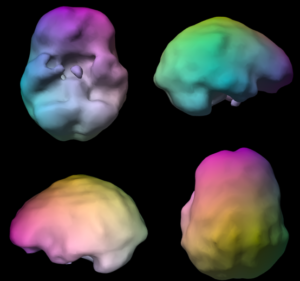
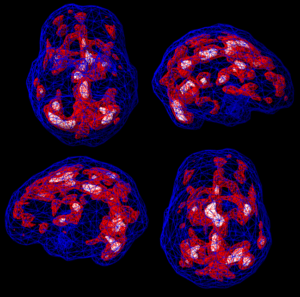
In the biological circle, it all starts with the brain. After reviewing over 170,000 brain SPECT imaging scans at Amen Clinics, Dr. Amen says it has become clear that mental health problems are really brain health problems that steal your mind. SPECT is a functional imaging tool that measures blood flow and activity in the brain and shows 3 things: areas with healthy activity, areas with too much activity, and areas with too little activity.
What did DJ’s brain scans reveal? It’s interesting to note that a previous MRI of his brain showed “normal” results. MRI and CT scans show the physical structure of the brain whereas SPECT shows how the brain functions. DJ’s SPECT scans showed signs of:
Head trauma—DJ’s father viciously abused him, strangling him and smashing his face into a car door when he was 8 years old
Decreased blood flow in the left medial temporal lobe—the temporal lobes are associated with mood and anger issues
Too much activity in an area called the anterior cingulate gyrus—associated with getting stuck on thoughts and actions
(DJ’s Surface SPECT scan and Active SPECT scan)
DJ had other biological issues as well. Labwork showed that he had previously had a strep infection, and he tested positive for mycoplasma pneumoniae, a bacterial infection commonly referred to as “walking pneumonia.”
Infections in children can sometimes lead to PANS/PANDAS, a common cause of mental health issues in kids, such as obsessive compulsive disorder, anxiety, tics, personality changes, and more. He also experienced anoxia (lack of oxygen) when he crowned for 2.5 hours before birth, which is bad for overall brain health. And he had a genetic vulnerability to violence based on his father’s violent tendencies.
In the psychological circle, DJ had dealt with abandonment after his father left and stopped communicating with him. In general, the teen feels unwanted, has low self-esteem, and is highly emotional.
In the social circle, DJ experienced trauma vicariously by seeing his mother being abused, being abused himself by his father, and being “farmed out” by his mother to others—including his grandmother and treatment centers—to parent him. He grew up witnessing his father model violent behavior. Children learn by exposure and when they are exposed to violence, they often learn that this is the way to deal with the stresses and problems in life. When DJ was living with his grandmother, he was incident-free, so his environment was likely playing a role in his aggressive behavior.
What’s DJ’s Diagnosis?
Based on DJ’s scans as well as a full evaluation at Amen Clinics that included psychological testing, a clinical history, and lab work, DJ was diagnosed with intermittent explosive disorder, ADHD (the overfocused and temporal lobe subtypes), traumatic brain injury (TBI), anoxia at birth, PTSD, PANDAS, restrictive eating disorder (he only likes eating potatoes), and video game addiction (he plays Grand Theft Auto from the time he wakes up until 2 am).
Can DJ’s behavior change? YES!
Tens of thousands of patients at Amen Clinics have shown that you can change your brain and change your life. With the proper treatment and by addressing all of the contributing factors in the 4 circles of his life, DJ is improving his brain health and his overall behavior is much better.
Violence, anger, OCD, TBIs and other brain health conditions can’t wait. During these uncertain times, your mental well-being is more important than ever and waiting until life gets back to “normal” is likely to make your symptoms worsen over time.At Amen Clinics, we’re here for you. We offer in-clinic brain scanning and appointments, as well as mental telehealth, remote clinical evaluations, and video therapy for adults, children, and couples. Find out more by speaking to a specialist today at 888-288-9834 or visit our contact page here. No matter where you fall on the political spectrum, you may be feeling stressed, anxious, and perhaps even traumatized. Are you still obsessively scrolling through your social media feeds searching for items that confirm your beliefs that the other side is WRONG? Are you arguing with loved ones who don’t share your views? Do you have a queasy feeling about the future?
You may be struggling with post-election stress trauma (PEST), a real “pest” that is affecting people of all political persuasions all across America. The brain SPECT imaging work at Amen Clinics—over 160,000 functional brain scans and growing—shows how your brain type plays a role in your vulnerability for PEST and offers valuable clues to the best ways to get past it.
First, it’s important to understand how harmful PEST can be.
MENTAL AND PHYSICAL EFFECTS OF POST-ELECTION STRESS TRAUMA
KNOW YOUR BRAIN TYPE TO COPE WITH POST-ELECTION STRESS TRAUMA
To overcome PEST, you need to know your brain type.
The Spontaneous Brain Type (conflict seeking).
Don’t agree with some of your friends and family? If you know that talking about certain issues will upset others and you impulsively do it anyway, you may have this brain type. People with this brain type tend to be drama driven; they’re the ones who like to “poke the bear” to get a reaction. Brain SPECT imaging shows that this is associated with low activity in the brain’s frontal lobes, and people create conflict as a way to stimulate their sleepy brain. This type is common in those with ADD/ADHD.
The Spontaneous Brain Fix: Set boundaries for discussion topics when you get together whether it’s in person or virtually. For example, you may want to say that talking about politics is off the table. Instead, focus on what you have in common to keep relationships alive. To boost frontal lobe activity, eat a higher-protein diet, engage in daily aerobic activity, and consider nutritional supplements that stimulate the brain (including green tea, rhodiola, and ginseng).
The Persistent Brain Type (rigid thinking).
When you argue with reality, welcome to hell. If you’re stuck in rigid thinking patterns, such as “It’s my way or the highway,” you’re likely to feel extreme stress when elections don’t go your way or when others don’t agree with you. This can keep you locked into PEST, filling you with anger, depression, or relationship issues. SPECT scans show that cognitive inflexibility is often related to overactivity in the anterior cingulate gyrus (the brain’s gear shifter that helps you go from thought to thought or from behavior to behavior), along with low levels of the neurotransmitter serotonin. This is often seen in people with obsessive compulsive disorder, eating disorders, and other types of anxiety disorders.
When you argue with reality, welcome to hell.
The Persistent Brain Fix: To calm an overactive ACG and enhance flexible thinking, boost serotonin in the brain by eating “smart carbs” (such as sweet potatoes and hummus), salmon, turkey, eggs, nuts, and seeds; taking supplements like 5-HTP and saffron; and doing activities like burst training.
The Sensitive Brain Type (overwhelmed by negative thinking).
People with this brain type struggle with moods, can feel overwhelmed, and are likely to have lots of automatic negative thoughts (ANTs). When you focus on what’s wrong in your life, it can make you feel depressed and gloomy. This type is associated with too much activity in the deep limbic system, the emotional centers of the brain. It is common in people with mood disorders, such as depression.
The Sensitive Brain Fix: Whenever you have a sad, anxious, or negative thought, write it down and ask yourself if it is true. Questioning your thoughts can help you clean up the mental mayhem. In addition, calm the emotional centers of the brain with healthy fats, such as avocado, almonds, and salmon; take omega-3 fatty acids, s-adenosylmethionine (SAMe), and vitamin D; and do physical activities like dancing or team sports.
The Cautious Brain Type (fearful about the future).
Your brain is always listening and reacting to the inputs you’re feeding it. For people with this brain type, watching the news and scrolling through social media can fire up your brain’s anxiety center (basal ganglia) and trigger nervousness, panic, and fear. It is common in people with anxiety, panic disorder, and phobias.
The Cautious Brain Fix: One of the first steps to harnessing PEST is to pay attention to your news and social media consumption. Limit your daily diet of distressing news and inflammatory posts. Soothe the brain’s anxiety centers by avoiding caffeine, booze, and sugary sweets; supplement your diet with GABA, magnesium, and B6; and try calming activities like yoga.PTSD, anxiety, depression, and other mental health issues can’t wait. During these uncertain times, your mental well-being is more important than ever and waiting until life gets back to “normal” is likely to make your symptoms worsen over time. At Amen Clinics, we’re here for you. We offer in-clinic brain scanning and appointments, as well as mental telehealth, remote clinical evaluations, and video therapy for adults, children, and couples. Find out more by speaking to a specialist today at 888-288-9834 or visit our contact page here.

 (DJ’s Surface SPECT scan and Active SPECT scan)
DJ had other biological issues as well. Labwork showed that he had previously had a strep infection, and he tested positive for mycoplasma pneumoniae, a bacterial infection commonly referred to as “walking pneumonia.”
Infections in children can sometimes lead to PANS/PANDAS, a common cause of mental health issues in kids, such as obsessive compulsive disorder, anxiety, tics, personality changes, and more. He also experienced anoxia (lack of oxygen) when he crowned for 2.5 hours before birth, which is bad for overall brain health. And he had a genetic vulnerability to violence based on his father’s violent tendencies.
In the psychological circle, DJ had dealt with abandonment after his father left and stopped communicating with him. In general, the teen feels unwanted, has low self-esteem, and is highly emotional.
In the social circle, DJ experienced trauma vicariously by seeing his mother being abused, being abused himself by his father, and being “farmed out” by his mother to others—including his grandmother and treatment centers—to parent him. He grew up witnessing his father model violent behavior. Children learn by exposure and when they are exposed to violence, they often learn that this is the way to deal with the stresses and problems in life. When DJ was living with his grandmother, he was incident-free, so his environment was likely playing a role in his aggressive behavior.
(DJ’s Surface SPECT scan and Active SPECT scan)
DJ had other biological issues as well. Labwork showed that he had previously had a strep infection, and he tested positive for mycoplasma pneumoniae, a bacterial infection commonly referred to as “walking pneumonia.”
Infections in children can sometimes lead to PANS/PANDAS, a common cause of mental health issues in kids, such as obsessive compulsive disorder, anxiety, tics, personality changes, and more. He also experienced anoxia (lack of oxygen) when he crowned for 2.5 hours before birth, which is bad for overall brain health. And he had a genetic vulnerability to violence based on his father’s violent tendencies.
In the psychological circle, DJ had dealt with abandonment after his father left and stopped communicating with him. In general, the teen feels unwanted, has low self-esteem, and is highly emotional.
In the social circle, DJ experienced trauma vicariously by seeing his mother being abused, being abused himself by his father, and being “farmed out” by his mother to others—including his grandmother and treatment centers—to parent him. He grew up witnessing his father model violent behavior. Children learn by exposure and when they are exposed to violence, they often learn that this is the way to deal with the stresses and problems in life. When DJ was living with his grandmother, he was incident-free, so his environment was likely playing a role in his aggressive behavior.