


ARCHIVE

Heal Grief and Trauma: Safe Brain-Based Treatment

Heal Grief and Trauma Safe Brain-Based Treatment
Discover how grief and trauma impact your brain, why misdiagnosis happens, and how brain-based diagnostics and care can help you heal fully.

Table of Contents

Can You Ever Really Heal from Grief and Trauma?

Why do some people seem to bounce back from loss while others carry the same pain for years, unable to move forward?

It has nothing to do with willpower. 

Most people don’t realize that grief and trauma aren’t just emotional wounds. They are experiences that leave lasting imprints on the brain.

Whether you’ve lost someone you loved or faced the shock of a life-threatening event, these encounters can alter your brain activity and leave you feeling stuck in a constant state of despair. 

Trauma and grief can be mistaken for other mental health conditions, such as posttraumatic stress disorder (PTSD), anxiety, ADHD, and depression. They can also mimic symptoms seen in people with traumatic brain injuries (TBI). Understanding all underlying issues is key to getting the most effective treatment.

At Amen Clinics, we use advanced brain SPECT imaging to identify brain patterns to ensure an accurate diagnosis. We then create personalized, brain-based treatment plans to address the root cause and not just the symptoms, and to help you move forward with clarity and hope. 

Whether you’ve lost someone you loved or faced the shock of a life-threatening event, these encounters can alter your brain activity and leave you feeling stuck in a constant state of despair.

What Are Some Common Symptoms Of Trauma And Grief?

Trauma, grief, and loss can leave you with a host of uncomfortable symptoms, such as:

Because these symptoms are similar to those seen in other mental health issues, it’s not uncommon for people suffering from grief and trauma to be misdiagnosed.

Why Do Trauma And Grief Often Look Like PTSD Or TBI?

Even the most skilled clinicians can have challenges trying to distinguish grief and trauma from other conditions like PTSD and depression. According to research, your brain’s response to deep emotional pain can mimic such disorders, making misdiagnosis common. 

How Does Misdiagnosis Impact Recovery?

Small stressors may seem minor while they are happening on their own. However, as they happen repeated

Misdiagnosis can lead to interventions that don’t target the real problem. For example, a grieving individual may be prescribed antidepressants that don’t address changes in the brain that are trauma-related. That can leave symptoms like irritability, anxiety, or memory problems unresolved.

Because deep loss and emotional trauma can make it hard to focus and pay attention, it can sometimes be misdiagnosed as ADHD. Giving someone who’s struggling with past trauma stimulant medication for ADHD may actually make their symptoms worse.

In such cases, the wrong treatment can prolong suffering and cause frustration and hopelessness. It can slow down the recovery process and make it more complicated.

ly, their effects compound, a process known as allostatic load.

This term, according to research, describes the wear and tear that your brain and body go through when your stress response is constantly activated without enough time to reset. 

Understanding how these micro-stressors accumulate is the first step towards protecting your brain resilience and restoring emotional balance. 

Think of it like drops of water falling on a rock. One drop cannot change much, but over time, those drops may wear down the rock. In the same way, microtraumas subtly reshape how your brain manages attention and emotion.

Your brain’s alarm system stays partially activated, where it floods your body with the hormone cortisol. As a result, you remain in a constant state of alert. As the quiet buildup continues, it becomes harder for you to focus, relax, and bounce back after moments of stress. 

Related: Healing Emotional Trauma: The Brain-Based Approach

Why Is Brain Imaging Essential?

You can’t completely avoid life’s small stressors. Neither can you prevent them from happening. But you have the power to condition your brain and body to adapt and recover more effectively. 

Resilience has nothing to do with brushing off

Without seeing what’s really happening inside the brain, mental health professionals are left guessing what might be causing a person’s problems. Studies have shown that clinicians can mistake PTSD for anxiety, effects of mild traumatic brain injury for emotional instability, and grief for depression.

SPECT imaging measures blood flow and activity patterns in the brain to reveal which areas are underactive, overactive, or damaged. With these added insights, clinicians can better determine whether symptoms are rooted in PTSD, unresolved grief, or traumatic brain injury.

Pinpointing the true cause allows precise targeting when it comes to treatment. It also reduces the risk of ineffective or unnecessary interventions.

difficult emotions. It is about learning how to recover, reset, and keep your inner balance even when things are tough. 

Below are four tips to help you build resilience to microtrauma:

What Happens To Your Brain When Trauma Or Grief Goes Unresolved?

Studies reveal that unprocessed trauma or grief won’t just fade away. Your brain doesn’t just move on.

Instead, the emotional impact gets stuck in the networks designed to help you survive danger. Your mind keeps replaying the ordeal, causing your body to respond as if the event is happening now, even if years have passed.

Why Do Traumatic Memories Replay Over and Over?

Unresolved trauma usually lingers in the limbic system, which is your brain’s emotional control center. It specifically takes root in the amygdala, the area responsible for detecting threats, keeping it in a constant state of high alert.

With that overactivation, even small reminders such as scent, a sound, or a phrase can trigger your stress hormones. Your body tends to react as if the original event has happened again, leading to challenges like:

  • Insomnia that is caused by a hypervigilant, restless mind 
  • Anxiety that comes up without warning
  • Emotional pain that doesn’t seem to fade

How Does Grief Impact Cognitive Function and Sleep?

Grief reshapes your brain. It alters activity in your prefrontal cortex, which is responsible for decision-making and focus, and the hippocampus, which is critical when it comes to memory. Those changes lead to the following:

  • Memory problems that can cause you to struggle with recalling details and staying organized.
  • Trouble concentrating, whereby tasks that were once easy can begin to feel exhausting.
  • Disrupted sleep, where your brain’s sleep-wake cycle is thrown off, making it difficult for you to rest. You also experience more vivid and distressing dreams. 

In other words, unresolved grief and trauma hijack your emotional and cognitive systems, making your everyday life feel heavier and harder to manage.

Related: Healing Emotional Trauma: The Brain-Based Approach

How Does EMDR Therapy Help You Heal Fast?

EMDR (Eye Movement Desensitization and Reprocessing) is a well-researched therapy that can help the brain safely reprocess traumatic experiences so they no longer trigger intense distress. Research highlights that it promotes lasting emotional relief by allowing you to face past situations without feeling overwhelmed.

Related: What Is EMDR Therapy?

How Does EMDR Therapy Help You Heal Fast?

The EMDR process starts with the identification of the traumatic event alongside the beliefs, emotions, and sensations connected to it. While focusing on a specific memory, a trained therapist guides you through bilateral stimulation, using side-by-side eye movements, sound, or taps.

This activates your brain’s natural healing process to help reframe the memory, then integrate it in a way to reduce its emotional charge. 

How Soon Do People Feel Relief With EMDR?

A lot of people experience significant relief in just a few sessions as the memories that used to trouble them lose their emotional intensity. Even though trauma that is deeper or more complex may take longer to heal, studies show that EMDR can deliver results in weeks as opposed to the months or years often required by traditional talk therapy. 

Why Can Medication Prolong Grief?

Medication can allow you to feel temporary relief from intense emotional pain. However, it may also dull the feelings your brain needs to process.

Grief is a natural cycle, and even though it can be deeply painful, it allows emotional closure over time. As medication suppresses these emotions, it can interrupt your brain’s ability to complete the cycle and leave you stuck emotionally. 

What Non-Medicinal Grief Strategies Actually Work?

Some of the proven strategies that you can use to navigate grief naturally include:

People may tell you to wait to heal from grief, but if you fell and broke your arm, when would you want to starting healing? Immediately! This doesn’t mean healing will be quick—it rarely is—but you start with one step.

Grief often steals sleep, so try well-researched nutritional supplements, such as melatonin, vitamin B6, magnesium, GABA, 5-HTP, and L-theanine. They may help promote grief-related sleep.

Related: What Is Grief Brain and How to Overcome It

There is no set schedule for grief. Understanding that your process is unique can help reduce pressure and self-judgement.

Spend 15 minutes a day for four days getting the story out, making sure to list both the positives (“He is no longer suffering”) and the negatives (“I miss her so much it hurts”) of the situation. Studies have shown this can reduce anxiety and depression while improving grief recovery.

When you get anxious or short of breath, belly breathing can calm you down or help you catch your breath.

Join a grief support group that will allow you to share your story with other individuals who are going through similar pain to foster connection and understanding.

FAQ About Healing From Trauma And Grief

You don’t have to endure pain alone. You can take your first step towards healing today!

At Amen Clinics, your healing journey starts with a clear picture of your brain’s health. Brain SPECT imaging measures blood flow and activity patterns, revealing areas of the brain that with healthy activity and regions that need support.

Other brain assessments evaluate your cognitive, emotional, and intellectual functioning. Combine this with a deep dive into your personal history, and our physicians can develop a customized plan designed to restore both your mental clarity and emotional balance. 

Depending on your individual needs, a personalized treatment plan for trauma and grief may include:

  • Helpful forms of therapy Strategies that help to reframe your thought patterns and build resilience.
  • EMDR – A guided method to help you process traumatic memories safely.
  • Supplements and nutrition – Targeted nutrients that support brain repair and function.
  • Neurofeedback – A non-invasive technology that allows you to train your brain to achieve a more balanced emotional state. 
  • Follow-up support – Ongoing check-ins to monitor your progress and make treatment adjustments as needed.

Our patients often experience measurable improvements that include:

  • Deeper, more restful sleep
  • Calmer thoughts
  • More balanced emotions
  • Greater sense of emotional freedom — no longer trapped in past pain
  • Sharper focus
  • Enhanced mental clarity
  • Increased energy

It’s simple. Call the phone number at the top of this web page or fill out our quick online form near the end of this blog to schedule an evaluation. Our trained care coordinators can help guide you to the best options for your needs.

Yes, Amen Clinics provides support for children, teens, and adults of all ages. We have helped countless people who have experienced various types of trauma and loss.

Our approach is best for people who are seeking brain-based, proven strategies for lasting mental health and emotional well-being. 


Trauma, grief, and other mental health conditions can’t wait.


At Amen Clinics, we provide personalized, science-backed treatment plans designed to target the root causes of your symptoms. Our 360-approach includes brain SPECT imaging, clinical evaluations, innovative therapeutic techniques, medications (when necessary), and holistic lifestyle recommendations to promote the health of your brain, body, and mind.

Speak to a specialist today at 888-288-9834 or visit our contact page here.

Amen Clinics

Founded in 1989 by double-board certified psychiatrist and neuroscientist Daniel G. Amen, MD, Amen Clinics Inc. (ACI) is known as the best brain and mental health company in the world. Our clinical staff includes over 50 healthcare specialists, including adult and child psychiatrists, integrative (functional) medicine physicians, naturopaths, addiction specialists, forensic psychiatrists, geriatric psychiatrists, nutritionists, licensed therapists, and more. Our clinicians have all been hand-selected and personally trained by Dr. Amen, whose mission is to end mental illness by creating a revolution in brain health. Over the last 35-plus years, ACI has built the world’s largest database of functional brain scans—over 250,000 SPECT scans on patients from 155 countries—related to how people think, feel, and behave.
References
  1. Komischke-Konnerup, K. B., Vang, M. L., Lundorff, M., Elklit, A., & O’Connor, M. (2023). Do early symptoms of prolonged grief disorder lead to symptoms of posttraumatic stress disorder and depression? A longitudinal register-based study of the first two years of bereavement. Journal of Psychopathology and Clinical Science, 132(8), 996–1006. https://doi.org/10.1037/abn0000859

  2. Lenferink, L. I. M., Nickerson, A., de Keijser, J., Smid, G. E., & Boelen, P. A. (2020). Trajectories of grief, depression, and posttraumatic stress in disaster-bereaved people. Depression and Anxiety, 37(1), 35–44. https://doi.org/10.1002/da.22850

  3. Chen, G., et al. (2020). Amygdala functional connectivity features in grief: A pilot study. Frontiers in Psychology, 11, 580. https://doi.org/10.3389/fpsyg.2020.00580

  4. Gainer, D. (2020). A flash of hope: Eye movement desensitization and reprocessing (EMDR) therapy. Innovations in Clinical Neuroscience, 17(7–9), 12–20. 

  5. Shapiro, F. (2014). The role of eye movement desensitization and reprocessing (EMDR) therapy in medicine: Addressing the psychological and physical symptoms stemming from adverse life experiences. The Permanente Journal, 18(1), 71–77. https://doi.org/10.7812/TPP/13-098

  6. Lillian M. Range et al., “Does Writing about the Bereavement Lessen Grief Following Sudden, Unintentional Death?” Death Studies 24, no. 2 (March 2000): 115–134.

  7.  
The holiday season can be an exciting and wondrous time of the year. It also can be a time filled with hassles and disappointments. Many things can steal your joy during the holidays…if you let them. Regardless of the situation, you can control your reaction to life’s curveballs. How you deal with stressful or frustrating circumstances can either make you bitter or grateful.

Focus on Gratitude

Although being thankful is commonly associated with the holidays, there are significant health benefits to remaining grateful year-round. Did you know that practicing gratitude actually makes your brain work better? It causes significant changes to occur in your brain that can enhance function and make you feel better. Research suggests that focusing on gratitude helps to calm the deep limbic areas and enhance the other judgment centers of your brain. People who express gratitude on a regular basis are healthier, more optimistic, make better progress toward their goals, have a greater sense of well-being, and are more helpful to others. Living in a state of gratitude is more than just thanking someone for opening the door for you – although that’s a good thing to do. It’s about having an attitude of gratitude despite hardships or setbacks. Implementing these 6 habits can help you remain grateful during the holidays and throughout the year:

6 Tips for Remaining Grateful Year-round

1. Take a Timeout

You may feel pressure to be everything to everyone, but there’s only so much one person can accomplish. Increase your energy and stamina by giving yourself a timeout. We all need time to recharge our batteries and self-care is one of the best things you can do for yourself. Taking the time to reflect on what you’re grateful for can help reduce your stress and improve your mood.

2. Write It Down

One of the best ways to remain grateful is to write down five things you’re thankful for every day. Keeping a journal can be an enjoyable hobby as well as a great way to unwind after a stressful day. When you focus on what you love, your brain works better, and you’ll feel better. You should notice a significant increase in your level of happiness in a short period of time.

3. Relaxing Tunes

It’s no surprise that listening to music can increase pleasurable feelings, improve mood, boost energy, raise dopamine levels and help with focus and concentration. Remaining in a relaxed state of mind is easier to accomplish when you have a happy tune running through your head. Listen to brain enhancing music specifically composed to enhance mood, gratitude, motivation, and inspiration.

4. Put People First

Disconnect from technology, not people. Multiple research studies have indicated that spending too much time texting, browsing the internet and posting content on social media can lead to stress, sleeping disorders, anxiety and depression. On the flipside, spending time with positive people can have a dramatic impact on your health and habits. Be grateful for family, friends and other caring people in your life.

5. Boost Longevity

Expressing gratitude for the blessings you experience daily can help prolong your life. Although this sounds far too good to be true, different studies have indicated that gratitude can extend lifespan. Gratitude produces optimism which can lead to longevity. Do whatever you can to stay in a grateful state. Your future self thanks you.

6. Meditation and Relaxation

Taking breaks for meditation and relaxation can provide benefits for both your physical and mental health. Spending just 15 minutes alone, without distractions, may help refresh your mind. Clearing your mind and slowing your breathing can help restore inner calm. Repeating simple words like “May I be safe and secure” can increase positive emotions and decrease negative ones. Loving Kindness Meditations (LKM) can promote gratitude and restore a positive outlook.

Gratitude and the Brain

Psychologist Noelle Nelson and Dr. Daniel Amen conducted a study on appreciation and gratitude. While working on her book, “The Power of Appreciation,” two SPECT (Single Photon Emission Computed Tomography) images were taken of Noelle’s brain. 30 minutes prior to her first scan, Noelle meditated on things she was thankful for in her life. Her brain looked very healthy after this “appreciation meditation.” Several days later, Noelle was scanned after focusing on her major fears. Her fearful scan looked radically different than her meditation scan. Noelle had significantly decreased activity in her cerebellum and temporal lobes. The results of Noelle’s scans were striking. Thankful thoughts had a positive effect, while fearful thoughts had a negative effect on her brain. Many people have experienced improved mood, increased energy, and optimized brain function after getting brain SPECT imaging at one of the Amen Clinics. By discovering your specific brain type, we can create a tailored solution for you. We’re committed to treating our patients with the least toxic, most effective regimen possible. Our Full Evaluation of your biological/psychological/social/spiritual history, coupled with two brain SPECT imaging scans (in concentrating and resting states), cognitive testing, and clinical assessment is designed to address unique needs and offer targeted treatment options. For more information on how brain SPECT imaging can provide a customized treatment plan for you or a loved one, call us today at 888-288-9834 or visit us online to schedule a visit. Content updated from previous publish date. Are you one of those people who can’t resist ordering dessert when the restaurant staff brings the dessert tray to your table? Do you get intense urges to snack on something sweet or salty when the clock hits 3 p.m.? Do you reflexively grab a candy bar while in the checkout line at the grocery store? Why is it so hard for some of us to resist cravings? It depends on how your brain functions.   Low blood sugar levels can make you feel hungry, irritable, or anxious—all of which make you more likely to make poor food choices.
Click to tweet

CRAVINGS AND THE BRAIN

Cravings involve several brain circuits and neurotransmitters, including: When activity in the PFC is healthy, these brain systems and neurotransmitters work together to help you fight off cravings. However, if there is low activity in the PFC, it can allow the pleasure and emotional centers to hijack your brain and drive you to cave to cravings. If you routinely give in to your urges to snack on unhealthy fare, you can learn to fight back and regain control of your brain with the following 5 tips.

5 BRAIN-BASED TIPS TO CONQUER CRAVINGS

1. Keep your blood sugar balanced.

Low blood sugar levels are associated with lower overall brain activity, including lower activity in the prefrontal cortex (PFC), the brain’s brake. Low brain activity here means more cravings and more bad decisions. Low blood sugar levels can make you feel hungry, irritable, or anxious—all of which make you more likely to make poor food choices. A study in the Journal of Personality and Social Psychology outlines the critical nature of blood sugar levels and self-control. They write that self-control failures are more likely to occur when glucose is low. Restoring glucose to a sufficient level typically improves impulse control. Conquer Cravings: To balance blood sugar levels, eat smaller meals with protein throughout the day. In addition, avoid alcohol because it reduces glucose throughout the brain and body and impairs many forms of self-control.

2. Decrease consumption of artificial sweeteners.

If you really want to decrease your cravings, you must get rid of the artificial sweeteners in your diet. You may think of these sweeteners as “free” because they have no calories, but they can be up to 600 times sweeter than sugar, which means they may activate the appetite centers of the brain making you crave even more food and more sugar. Conquer Cravings: Ditch the diet sodas that are full of artificial sweeteners and stick with water infused with lemons, limes, or cucumbers. In addition, eliminate packaged sugar-free snacks, yogurt, and other fare that are usually made with artificial sweeteners and other no-good-for-you stuff.

3. Manage your stress.

Chronic stress has been associated with increased appetite and cravings for sugary, fatty fare. It is also linked to abdominal obesity, low energy, poor concentration, elevated cholesterol levels, heart disease, and hypertension, as well as an increased risk for anxiety and depression. Conquer Cravings: To decrease your cravings, get on a daily stress-management program that includes meditation or prayer, deep-breathing exercises, and calming supplements (such as GABA and magnesium).

4. Get moving.

Scientific research has found that physical activity can cut cravings whether you crave sugary or salty snacks. A study in the journal Appetite showed that cravings for chocolate decreased following a 15-minute brisk walk. And findings from a 2022 animal study show that acute high-intensity interval training curbs cravings for high-fat foods. In this study, rats on a month-long diet that did intense exercise were better able to resist cues for yummy high-fat food pellets. Think of it as the equivalent of being able to drive past a doughnut shop or pizza parlor without being tempted to pull the car over and indulge. Conquer Cravings: Instead of immediately giving in to your cravings or focusing on how much you want something, get moving if possible. Go for a brisk walk outside. And consider starting an exercise routine that includes high-intensity interval training. However, be sure to check with your physician before starting any exercise program.

5. Get adequate sleep.

Have you ever noticed that after a night with almost no sleep, you wake up ravenously hungry and want to eat anything and everything in sight? That is because lack of sleep increases food cravings. Research shows that lack of sleep causes changes in the brain associated with an increased desire for high-calorie foods. An expanding body of scientific evidence has shown that the less sleep you get, the more cravings you have, the more calories you eat, the more belly fat you have, and the higher your BMI. Conquer Cravings: Make sleep a priority and aim for 7-8 hours each night. If you have trouble sleeping, develop a nightly routine that promotes rest. For example, turn off all tech devices at least an hour before bedtime, sip a cup of warm chamomile tea, and consider supplements such as melatonin, magnesium, GABA, l-theanine, 5-HTP, and vitamin B6.

CALMING CRAVINGS

With these tips, you can learn to calm cravings. The more times you say no to them, the easier it will become to resist the temptation to give in. Anxiety, depression, and other mental health issues can’t wait. At Amen Clinics, we’re here for you. We offer in-clinic brain scanning and appointments, as well as mental telehealth, clinical evaluations, and therapy for adults, teens, children, and couples. Find out more by speaking to a specialist today at 888-288-9834 or visit our contact page here. With an estimated 4.4% of American adults diagnosed with attention deficit hyperactivity disorder (ADHD), often called attention-deficit disorder (ADD), many people cope with the range of symptoms associated with this condition. For example, those who have ADHD may indulge in impulsive behaviors, procrastinate, have trouble staying organized, become distracted easily, or struggle with a short attention span. Moreover, experts now know that ADD/ADHD can trigger an array of physical consequences and may carry frustrating side effects on overall life quality, including workplace issues, romantic relationship problems, addiction, and even financial difficulties. But there is another lesser-known danger for those who contend with ADD/ADHD: burnout. Though the exact definition can be difficult to pinpoint, burnout generally refers to a trio of general symptoms—alienation from activities, exhaustion, and poor performance—that can strike at work or in the home and may be confused with depression. Here are just some of the ways in which the characteristics of ADHD can contribute—all of which can combine to create a snowball effect, ultimately leading to the utter depletion known as burnout. Burnout generally refers to a trio of general symptoms—alienation, exhaustion, and poor performance—that can strike at work or in the home. It can happen to anyone, but people with ADD/ADHD are more prone to burnout.
Click to tweet

6 ADHD Characteristics That Lead to Burnout

1. Impulsively saying yes.

Impulsivity is a common manifestation of ADD/ADHD, and when that behavior leads to volunteering for more than you can handle, burnout may occur in the not-too-distant future. Taking on too many tasks without thinking through the effort involved leaves you exhausted, overwhelmed, and even resentful. These tendencies stem from the same area of the brain: ADD/ADHD typically occurs as a result of neurological dysfunction in the prefrontal cortex, while saying yes without considering consequences is associated with low activity in the prefrontal cortex. Signing up for an overload of responsibility often leads to anxiety and, eventually, burnout. Beat burnout: Practice saying, “Let me think about it” before reflexively saying yes.

2. Trouble with organization.

Alongside saying yes without thinking, disorganization is one of the bad habits that can derail forward progress in life—and those with ADD/ADHD are particularly prone to it. When faced with a lack of organization in the home or workplace, it takes greater effort to stay on track and complete tasks. This can trigger a cumulative effect: When those disorganization-fueled derailments pile up, they may further exacerbate procrastination and ultimately lead to the desire to give up completely. Beat burnout: Ask a friend or family member to help you get organized or to teach you how to use organizational systems.

3. Difficulty concentrating.

Those with ADD/ADHD can display remarkable concentration when delving into their passion projects. But, on the other side of the coin, staying focused can frequently pose a challenge. Though not all attention issues are caused by ADD/ADHD, this condition often leads to the feeling that the brain is “all over the place,” unable to home in on a specific target. There is a reason for this inability to concentrate: Brain imaging at Amen Clinics has found that when people with ADD/ADHD try to concentrate, blood flow actually decreases in the prefrontal cortex—the opposite of a healthy brain, in which blood flow increases during concentration. Beat burnout: Start a daily meditation practice, as brain imaging research shows that it enhances function in the PFC and improves focus.

4. Lack of motivation.

Those with ADHD may often be written off as lazy, but they’re often just misunderstood—because this condition appears to be closely tied to a lack of motivation. One study even concluded that ADD/ADHD is a disorder marked not only by lack of attention, hyperactivity, and impulsivity but also by a deficit in motivation. The study noted that this appears to reflect a low-functioning dopamine reward pathway, which therefore makes it difficult to summon the motivation needed to tackle tasks. This deficit can make someone want to give up altogether—another telltale sign of burnout. Beat burnout: In order to boost dopamine naturally, your body needs tyrosine, which can be found in avocados, almonds, bananas, eggs, fish, beans, and dark chocolate.

5. Difficulty prioritizing.

When it’s time to start a project, a person with ADD/ADHD may have trouble knowing how or where to begin—or, for a project that’s already underway, how to prioritize during the process, in order to follow through and complete it. This lack of initiative or continuity understandably causes anxiety, which can contribute to feelings of burnout. Beat burnout: For tasks such as work projects, hobbies, or schoolwork, employ helpful learning strategies to push back against these potential pitfalls.

6. Stress from overcompensation.

Especially in school or the workplace, comparison with others—and feeling like you aren’t measuring up to your colleagues—easily leads to increased stress over time. This all can add up to working harder and putting in longer hours to do what others can do more efficiently in less time. One study found that the persistent hyperactivity associated with ADHD may lead to emotional exhaustion and poor work performance. The findings demonstrated that ADHD is also likely an underlying factor of emotional exhaustion syndrome and burnout. Because burnout itself creates a hyperactive phase, it can be difficult to differentiate from the hyperactivity caused by ADHD, but the condition makes someone extra vulnerable to stress, which can easily result in burnout. Beat burnout: Practice stress-management strategies and challenge automatic negative thoughts (ANTs) such as, “I’m not good enough” or “I’m not as smart as my colleagues.” ADD/ADHD and other mental health issues can’t wait. At Amen Clinics, we’re here for you. We offer in-clinic brain scanning and appointments, as well as mental telehealth, remote clinical evaluations, and video therapy for adults, children, and couples. Find out more by speaking to a specialist today at 888-288-9834 or visit our contact page here. Mental health problems are often challenging to diagnose. Depression is a very common mental illness that can be related to many brain disorders. Treatment for depression depends on the root cause of the patient’s diagnoses and calls for a thorough examination. At Amen Clinics, we strive to identify the root cause of depression. Treatment for depression begins with a four-pronged method designed to give you the best possible individualized care. We are unique in using brain SPECT imaging to diagnose all types of depression.

Diagnosis & Treatment for Depression: Find the Root Cause

Most psychiatrists do not look at the organ they treat. This is why Amen Clinics has developed a system of looking at all aspects of a patient’s mental health, revealing many specific brain health problems. Brain SPECT imaging allows health experts to see where abnormalities are occurring in the brain. Our clinic’s approach includes an advanced four-step assessment: • We will begin by taking the time to explore your specific biological, psychological, social and spiritual influences. • Next, we will perform neuropsychological tests to measure various aspects of your brain function. • Then, we will perform two brain SPECT scans: one at rest and one during concentration. • Finally, we will order lab tests to rule out nutritional deficiencies, hormone imbalances, toxicity, etc.— if deemed necessary. Not only does SPECT help identify proper treatment for depression with imaging, it also allows patients to overcome the emotional burden of seeking help for a problem they may not believe is physical.
Natural Treatments for Depression vs Antidepressants

It is our goal to focus on natural treatments for depression. In some cases, antidepressants might be prescribed, but only when deemed necessary. Many people suffering from depression do not find SSRIs to be effective, and Amen Clinics is committed to finding treatments that work for you. Many of our recommendations include healthy changes to diet, exercise, supplementation, and positive strategies for coping with stress. Treatment options will depend on your unique assessment and include the following options: • Coaching • Hormone Replacement TherapyTalk Therapy / PsychotherapyNeurofeedbackIV Nutrient TherapyHypnotherapyNutrition CounselingSupplements and Medication Brain reserve is a concept we often talk about when a person has run out of the capacity to cope with stress. When lifestyle changes are not enough, we do not stop to help patients on their path to become better and have many treatment options available.

Depression Symptoms & Causes

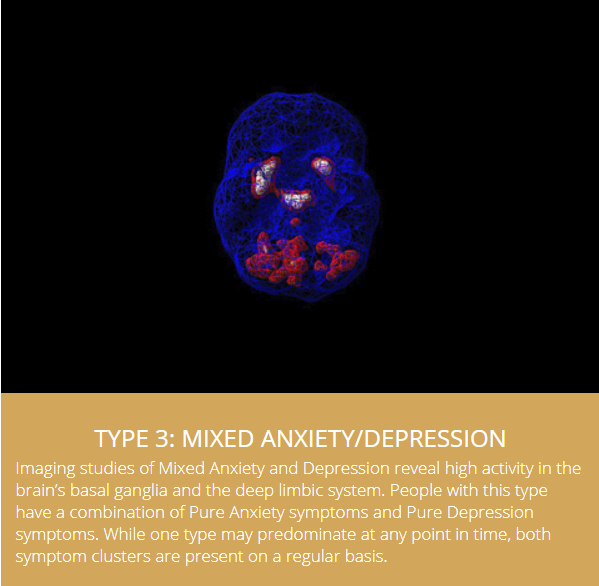
Depression is not the same as situational sadness, however, grief can send a person into a deep depression as well. Losing a loved one, suffering a chronic illness, enduring a sudden injury, and taking on immense emotional burdens all cause stress to the body and can cause depression. Treatment for depression depends on the cause. Anxiety and depression are closely related. Amen Clinics often views these two mental health issues as two sides to the same problem, categorizing them together into 7 types. These are some of the most common symptoms: • Feelings of guilt, worthlessness, helplessness, hopelessness or pessimism • Decreased appetite and/or weight loss or overeating and weight gain • Decreased energy, fatigue or feeling “slowed down” • Disruption in sleep patterns • Persistent sad or negative mood • Loss of interest in usually pleasurable activities • Restlessness, irritability or excessive crying • Frequent feelings of nervousness or anxiety • Excessive fear of being judged or scrutinized by others • Being easily startled or tendency to freeze in anxiety provoking or intense situation • Shyness, timidity and getting easily embarrassed • Thoughts of death or suicide, or suicide attempts Identifying your symptoms of depression and anxiety are the start to finding the root cause. Amen clinics is experienced with a diverse range of causes to depression and prepared to meet you individual needs.

Depression Treatment with Suicidal Depression

Suicidal depression requires immediate help. If you or a loved one suffers from suicidal depression, there are steps to take today to find treatment. Learn to recognize suicidal depression and prevent a tragedy for yourself and a loved one. Some suffering from suicidal depression choose to hide their pain while others show it and must be taken seriously. The most important aspect to overcoming suicidal depression is to offer help or seek help. Talking about depression is the first step to finding treatment for depression.

Depression Treatment with Mood Disorders

Bipolar disorder treatment is not straightforward. Around 4% of Americans suffer from bipolar disorder, but at Amen Clinics we often find patients have been underdiagnosed or misdiagnosed. Many bipolar disorder patients suffer from ADD/ADHD, brain injury, or other problems which mimic and exacerbate the symptoms of bipolar disorder. Depression is very common with mood disorders as people experience manic and depressive states. These are serious brain disorders which must be properly diagnosed in order to identify treatment for the root cause of their depression. Following through on treatment for depression in mood disorders is challenging as patients often feel they are cured or never needed treatment once the treatment is effective. Finding professional help and a support network to aid with following through is essential.

Depression Treatment with Brain Injury

One common symptom of a brain injury is depression. When we are young, we sometimes take a tumble during an important phase of development. When we grow older, we partake in activities such as football and driving, which can lead to a head injury. You might have memories of a head injury prior to a dramatic shift in your personality. Symptoms might be accompanied by: • Confusion • Difficulty with concentrating • Memory problems • Difficulty with word choice • Mental or physical fatigue • Sleep problems • Moodiness • Anger outbursts • Anxiety • Vision problems • Balance problems

Depression Treatment with Postpartum Depression

During pregnancy and after childbirth, women are at serious risk of developing postpartum depression. It’s important to view depression as an illness and not as a lack of will to be a good mother. Symptoms include: • Sadness or hopelessness • Sudden anger or rage • Anxiety or difficulty with decision-making • Feelings of failing to adopt “motherly instincts” • Self-isolation from friends and family • Sleeping too little or too much, and out of sync with the baby • Eating too little or too much • Difficulty forming an attachment to the baby • Thoughts of self-harm or harming the baby Fluctuations in hormones, major life changes, and biological triggers all come into play when diagnosing depression for mothers. Postpartum depression treatment is offered by Amen Clinics to help mothers feel pride in their lives again.

Find Treatment for Your Depression

Those with depression experience similar symptoms to each other, but depression has many root causes. To find the right treatment for depression, it is essential to diagnose the problem. Amen Clinics is prepared to help you on your unique journey. Make an appointment by calling 888-288-9834 today or scheduling online, and review our locations to find the nearest clinic to your home. Imagine sitting in a room at home with goggles and headphones on. Strobe lights flicker through the goggles and pulses come through the headphones, both designed to stimulate your mind. Our minds think in states of brain- wave frequency, and changes in frequencies are based on brain activity. When we stimulate the brain audiovisually with light and sound pulses, it begins to mimic or follow the same frequencies.

Irlen Lenses: Brain-Calming Glasses

When a patient who had severe, debilitating migraine headaches told us that being diagnosed with and treated for Irlen syndrome completely cured her headaches, we wanted to help more like her. Helen Irlen, PhD, is a school psychologist. Back in the early 1980s she was working under a federal research grant with college-educated adults who struggled with learning and reading difficulties. At that time, she discovered that colored, filtered lenses could reduce stress on the brain and allow it to function better. Irlen Syndrome is a visual processing problem, where certain colors of the light spectrum tend to irritate the brain. It runs in families and is common after traumatic brain injuries. Anyone experiencing symptoms of anxiety, irritability, depression, or decreased concentration should be screened for Irlen syndrome. Common symptoms include: • Light sensitivity; being bothered by glare, sunlight, headlights, or streetlights • Strain or fatigue with computer use • Fatigue, headaches, mood changes, restlessness, or an inability to stay focused when in a room with bright or fluorescent lights • Trouble reading words that are on white, glossy paper • Words or letters shifting, shaking, blurring, moving, running together, disappearing, or becoming difficult to perceive while reading • Feeling tense, tired, or sleepy when reading, or even getting headaches when reading • Problems judging distance and difficulty with such things as escalators, stairs, ball sports, driving, or coordination • Migraine headaches

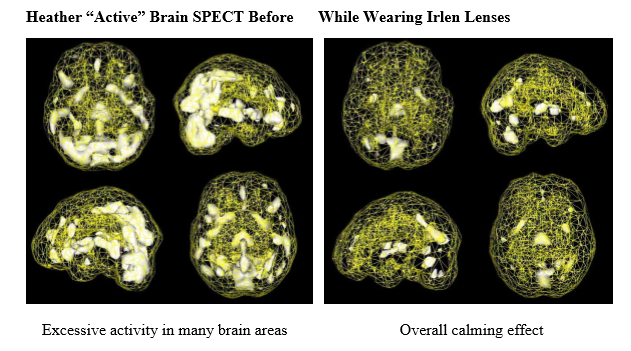
Meet Heather

Heather, 42, had been in 10 car accidents when she came to see us for symptoms of ADHD, anxiety, and depression. During her history she told one of our physicians that she had trouble reading and fluorescent lights gave her headaches. Suspecting Irlen Syndrome, he sent her for an evaluation. When we saw Heather two weeks later, she was beaming. With the Irlen lenses, her focus was better, her anxiety was reduced, and her mood had improved. Her prior brain scan had been remarkably overactive, but the Irlen lenses significantly calmed her brain.

Heather’s Next Phase Of Healing

We were excited about Heather’s progress until a few weeks later when her physician reported she was struggling with depression. Here’s the rest of the story. When Heather was a child, she was a prodigy guitar player. Apparently, she was amazing and gave performances around the area where she lived. But she could never learn to read music because the notes would move and dance on the page. At the age of 12, she took the guitar and smashed it, and she never played again. Now, 30 years later, she finds out that she has Irlen Syndrome and is mourning the loss of what could have been. Heather did not need Prozac to deal with the depression. She needed grief therapy, which we gave her. Within a few weeks she was back to feeling great and bought herself a new guitar. Dealing with a condition like Heather’s can be challenging in many areas of day-to-day functioning, especially when symptoms are compounded by other mental health issues. If you want to read more stories like Heather’s, we recommend reading Dr. Daniel Amen’s new book, “Feel Better Fast And Make It Last.” You can order the book by clicking here. For more information on how SPECT imaging can help provide a customized treatment plan to help heal your brain, call us today at 888-288-9834 or visit us online to schedule a visit. Nearly 30 years after we first began our brain imaging work, we have built the world’s largest database of functional brain imaging scans related to behavior. Brain SPECT scans have taught us and our patients so many important lessons. We will provide you with our top 10 lessons, which can help you feel better fast and dramatically change your life.

Lesson #1: Current psychiatric diagnostic models are outdated because they don’t assess the brain.

Today, the typical way most people are diagnosed and treated for mental health issues is by going to a professional and telling him or her their symptoms. The doctor or therapist listens, examines them, looks for symptom clusters, and then diagnoses and treats them. Patients may say, “I’m depressed,” for example, and the doctor will look at them and then give them a diagnosis with the same name—depression. Treatment is typically an antidepressant medication. Psychiatrists are the only medical specialists who virtually never look at the organ they treat. Cardiologists look, neurologists look, gastroenterologists look, orthopedists look. Psychiatrists guess. There is a better way.

Lesson #2: Psychiatric diagnoses are not single or simple disorders; they all have multiple types, and each requires its own treatment.

This was one of the earliest lessons SPECT taught us. Giving someone the diagnosis of depression is like giving him or her the diagnosis of chest pain. No doctor would do that because it doesn’t identify the cause of the pain or what to do for it. Consider this: What can cause chest pain? Heart attacks, heart arrhythmias, pneumonia, grief, anxiety, chest-wall trauma, gas, and ulcers, just to name a few. Likewise, what can cause depression? Loss, grief, low thyroid, brain infections, brain trauma, a brain that works too hard, or a brain that does not work hard enough. Do you think all of these will respond to the same treatment? Of course not. We have described seven brain types associated with anxiety and depression, seven types of ADD, six types of addicts, five types of overeaters, and even three types associated with violence. No one treatment will work for everyone who is depressed, anxious, inattentive, addicted, overweight, or aggressive. They all have different brain types.

Lesson #3: Looking at the brain decreases stigma, increases compliance with treatment, and completely changes the discussion around mental health.

When psychiatrists don’t have hard biological data to help them make their diagnoses, many people do not take them seriously. Unfortunately, that leaves a huge emotional hole for patients, who often feel belittled or defective if they have to seek help for a “mental” illness. Imaging completely changes the discussion around mental health. Quite frankly, few people really want to see a psychiatrist. No one wants to be labeled as defective, crazy, or abnormal, but everyone wants a better brain. What if mental health were really brain health? Scans have taught our patients that lesson over and over.

Lesson #4: If what you’re doing is not working, look at the brain.

Sudden changes in behavior are usually associated with brain trauma, toxins, infections, or a defined emotional trauma.

Lesson #5: Looking at the brain improves outcomes, and people get better faster.

The most important reason to look at the brain is to improve outcomes. That was Dr. Daniel Amen’s clinical experience when he first started scanning patients, but to find out what the data showed, we started a formal outcome study in 2011 on many of the patients we saw. To date we have six-month outcome results on more than 7,000 patients. The study made it crystal clear that in general, we see people with complex issues who have been unsuccessfully treated by multiple health care providers. On average, our patients have 4.2 diagnoses.

Lesson #6: Looking at the brain completely changes the discussion about good and evil.

A picture may be worth a thousand words, but a map is priceless. A map tells you where you are and gives you directions on how to get where you want to go. Without an accurate map you are lost, and that may cost you precious time in getting the help you need—or it may even cost your life. SPECT imaging is a map to help guide people to better brains and better lives.

Lesson #7: Looking at the brain helps to prevent mistakes.

One of the biggest lessons from imaging was that it helped us prevent mistakes, such as stimulating an overactive brain, calming one that is underactive, or labeling behavior as willful, when it was clearly brain-based.

Lesson #8: Looking at the brain provides hope.

Ever since we started our brain imaging work, the images provide hope that there is a better way, and there is hope for healing.

Lesson #9: Alzheimer’s and other forms of dementia start years, even decades, before people have any symptoms.

One of the most profound lessons from our brain imaging work is that Alzheimer’s disease and other forms of dementia can be seen on SPECT scans years before people have any symptoms. SPECT is a leading indicator of problems, meaning it shows evidence of the disease process years before people show signs of it. Anatomical studies, such as CT and MRI, are lagging indicators. They show problems later in the course of the illness, when interventions tend to be less effective.

Lesson #10: The most important lesson from 150,000 scans is that you can change your brain, and it will change your life.

This is the biggest and most exciting lesson our patients have learned from our work. And it is personal. When Dr. Daniel Amen’s 9 year-old godson attacked a little girl on the baseball field for no apparent reason, it set events in motion that would ultimately lead to a revolution in psychiatric practice. To learn more new lessons from Dr. Daniel Amen, we recommend reading his new book, “Feel Better Fast And Make It Last.” You can order the book by clicking here. For more information on how SPECT imaging can help provide a customized treatment plan to help heal your brain, call us today at 888-288-9834 or visit us online to schedule a visit. There is a Chinese saying that goes: “If you want happiness for an hour, take a nap. If you want happiness for a day, go fishing. If you want happiness for a year, inherit a fortune. If you want happiness for a lifetime, help somebody.” For centuries, the greatest thinkers have suggested the same thing: Happiness is found in helping others.

Five Strategies to Create Lasting Joy and Feel Better Fast

1. Focus on what you want, on what gives you passion and purpose.

Reflect daily and ask yourself is your behavior getting you what you want? Know what you want; write it down and look at it every day. It will encourage your brain to help make it happen.

2. Limit low value dopamine-producing activities/substances that wear out your pleasure centers. These include:

• Caffeine • Nicotine • Excessive television • Excessive video games • Pornography • Undisciplined digital behavior • Scary movies

3. Engage in high value activities that increase dopamine and strengthen your brain. Here are several examples:

• Sunlight (vitamin D) • Exercise • Meditation • Yoga • Touch • Massage therapy • Pleasurable music • DHA from fish oil • Olive oil • Green tea • Protein-rich diet • Turmeric • Oregano • Magnesium • Resveratrol

4. Focus each moment on living with meaning and purpose.

Ask yourself, do the foods I am eating, the exercises I am doing, the conversations I am having, the activities I am engaging in have meaning? Look at your day—where are you spending your time? Is it meaningful in reaching your goals? Get rid of the things in your life that do not fit your goals.

5. Live with the end in mind.

Psychiatrist Elizabeth Kubler-Ross, a pioneer in near-death studies and the author of the groundbreaking book On Death and Dying said, “It is the denial of death that is partially responsible for people living empty, purposeless lives; for when you live as if you’ll live forever, it becomes too easy to postpone the things you know that you must do.” If you truly want to live a purposeful life, live with the end in mind. None of us know when death is going to come, but if you knew you would be dead in a week, a month, a year, five years, what would matter to you most? Where and with whom would you spend your time? What will matter toward the end of your life? What will you want to be doing? Whom do you want to be with? What will have mattered in your life? If you live that way along the way, you’ll find your life more purposeful, more meaningful, and more filled with love. These five strategies will help you to live with love, passion, meaning and purpose over a prolonged period of time. For more tips and strategies to live your life to the fullest and healthiest, we recommend reading Dr. Daniel Amen’s new book, “Feel Better Fast and Make It Last.” You can order the book by clicking here. For more information on how SPECT imaging can help provide a customized treatment plan to help heal your brain, call us today at 888-288-9834 or visit us online to schedule a visit. One of the strategies we commonly use at Amen Clinics is to change our patients’ diets. We help them eat foods that nourish their brains and bodies— such as colorful vegetables and fruits as well as healthy proteins and fats—and eliminate, at least temporarily, all of the potential troublemaker foods that could be causing negative reactions in their bodies, such as gluten, dairy, corn, soy, food additives and preservatives, and artificial sweeteners.

Strategy #1: Give yourself an attitude makeover.

Your attitude, or mind-set, may be the single most important factor in feeling better fast. When your mind-set is one of deprivation and your focus is on what you cannot have, you are more likely to remain mired in illness and brain fog. Yes, you may be giving up sugary fast foods and beverages you enjoy—which are often, by the way, pesticide-laden—but these are the very things that drive inflammation and illnesses such as diabetes, heart disease, cancer, depression, dementia, and early death. To feel better fast and make it last for a lifetime, it is critical to develop an abundance mind-set, where you focus on the high-quality, nutritious, and delicious foods you can have that build and sustain your health.

Strategy #2: Learn the Feel Better Fast Food Rules.

There are six rules, or guidelines, that will help you start to eat healthier. You may already be following some of these guidelines. The more of them you adopt, the better off your brain and body will be.

Concentrate On Consuming Brain Smart Calories

Calories do matter. If you eat more of them than you burn, you will definitely gain weight, as your weight goes up, the size and function of your brain go down. Yet the quality of your calories matters more than the amount. Contrast a 582-calorie meal of a large soda and a slice of pizza, which promotes inflammation, brain fog, and illness, with a 540-calorie meal of wild salmon, Swiss chard, sweet potato, and dark chocolate, which promotes good health.

Make (Zero-Calorie) Water Your Beverage Of Choice

Your brain is 80 percent water. Being dehydrated by just 2 percent impairs your ability to carry out tasks that require attention, memory, and physical performance. We recommend drinking about eight 10-ounce glasses of water a day. If you drink a glass of water 30 minutes before meals or snacks, you’re likely to eat less and still feel satiated. However, avoid drinking water with your meal, as it slows down digestion by diluting stomach acid. And try to limit consumption of anything that dehydrates you, including caffeine, alcohol, and other diuretics.

Eat Small Amounts Of Protein Several Times A Day

Think of protein the way you do medicine—that it should be taken in small doses with every meal and snack. Protein helps to balance blood sugar levels, decrease cravings, and burn more calories than eating high-carb, sugar-filled foods. Protein also provides your body with the amino acids it requires. Nuts, seeds, legumes, some grains, and vegetables contain some of the 20 essential amino acids you need. Fish, poultry, and most meats contain all of them. To the degree your budget allows, shop for animal protein that is free of hormones and antibiotics, free-range, and grass fed. It is more expensive than industrial, farm-raised animal protein, but it is a good investment in your health. Be careful not to overdo it on protein, as that can put an increased strain on your kidneys and promote inflammation. Somewhere in the range of 15 to 25 percent of your total daily calories is a healthy amount.

Make Friends With Fat

Fat continues to get a bad rap, even though good fats are essential to the health of your brain and do not raise your cholesterol. In fact, low-fat diets are bad for the brain. A Mayo Clinic study found that people who ate either a fat-based or a protein-based diet had a 42 percent or a 21 percent lower risk, respectively, of developing mild cognitive impairment and dementia, but those who ate a diet based on simple carbohydrates (think bread, pasta, potatoes, rice, and sugar) had a 400 percent increased risk of developing these conditions. Fat is not the problem—sugar is.

Choose Healthy (High-Fiber, Blood-Sugar-Steadying) Carbohydrates

So-called “smart” carbohydrates are essential to life because they are loaded with nutrients, help to balance your blood sugar, and decrease cravings. Most vegetables, legumes, and fruits, such as apples, pears, and berries, that are low glycemic (unlikely to raise blood sugar) are smart carbs. High-glycemic, low- fiber carbohydrates steal your health because they promote inflammation, diabetes, and depression. Women should consume 25–30 grams of fiber every day; men, 30–38 grams. High-fiber foods, such as broccoli, berries, onions, flaxseeds, nuts, green beans, cauliflower, celery, and sweet potatoes (the skin of one sweet potato has more fiber than a bowl of oatmeal!) have the added benefit of making you feel full faster and longer.

Fill Your Plate With Colorful Vegetables And Fruits

Colorful vegetables and fruits have tremendous health benefits. They provide an enormous array of the plant nutrients, vitamins, minerals, and antioxidants that are necessary for good health. Plant foods also help prevent cancer and reduce inflammation, which contributes to Alzheimer’s disease, heart disease, arthritis, gastrointestinal disorders, high blood pressure, and many other illnesses.

Strategy #3: Time your meals to get healthier.

If you have symptoms of low blood sugar, getting your diet right can make an immediate positive difference for you.

Strategy #4: Choose 20 foods you love that love you back.

To be successful at optimizing your diet, you must find foods you love, that love you back. We are creatures of habit and change can be hard. That is why you have to set yourself up to win. Do this by finding 20 high-quality, delicious foods and beverages, based on the rules outlined above. If you can find 20 foods, odds are you will be able to find 40, 80, 100, or more.

Make it Last

For more nutrition strategies, Dr. Daniel Amen’s new book “Feel Better Fast And Make It Last” is available to order, please visit here. For more information on how SPECT imaging can help provide a customized treatment plan to help heal your brain, call us today at 888-288-9834 or visit us online to schedule a visit. Many famous performers have experienced worldwide fame, which releases massive amounts of dopamine, stimulating their pleasure centers over and over as strangers recognize them everywhere they go, often begging for autographs or screaming their names. Repeated, intense activation of the pleasure centers wears them out, much like a cocaine high that lessens with frequent use of the drug. Over time, if these stars are not careful, it takes more and more dopamine-producing activities—more fame, falling in love, affairs with multiple partners, drugs, racing cars, and even stealing—just to feel normal or not to feel depressed.

Pleasure Centers

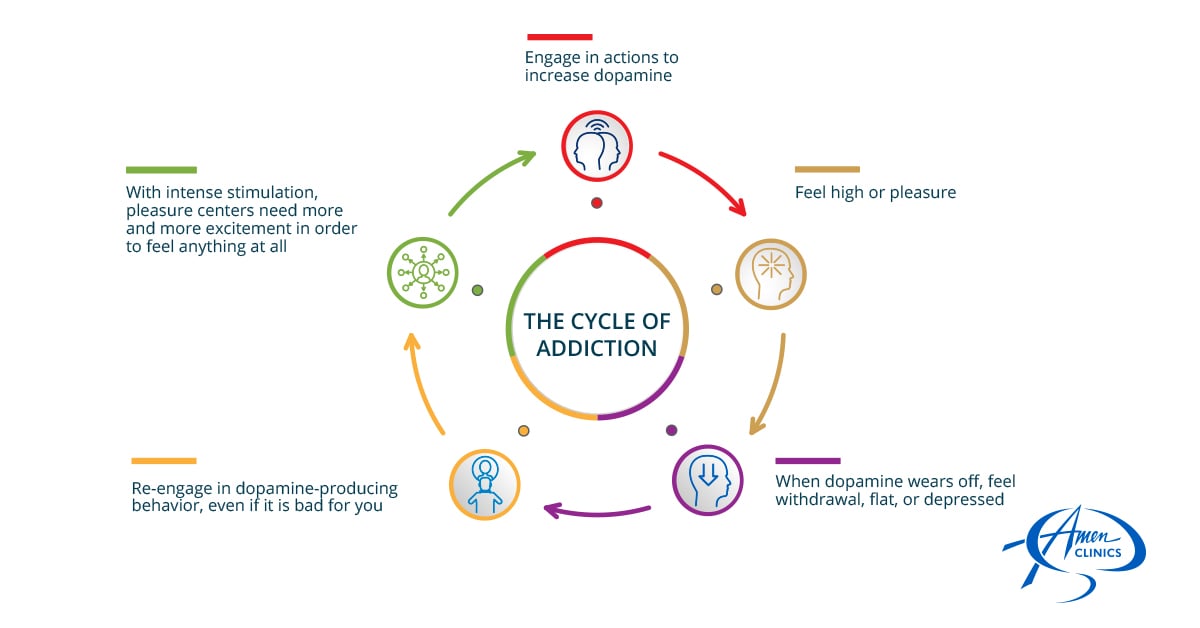
If the pleasure centers become damaged by overuse, toxins, or head trauma, or if dopamine is excessively high for prolonged periods, the ventral tegmental area, nucleus accumbens, and basal ganglia become less responsive. The dopamine high stops being as intense as it once was. This increases the risk of depression—or addiction to substances that people turn to in order to fix the bad feelings caused by the numbing of these brain regions. The addictive substances include nicotine, alcohol, methamphetamines, cocaine, pornography, and food (specifically, foods high in sugar and fat). When a powerful release of dopamine hits the pleasure centers, increases euphoria, and then wears off, people can feel flat or depressed and start craving a way out of the bad feelings. As a result, they reengage in the actions that intensely ramped up their dopamine levels in the first place. Over time, it takes more and more of the substance to get the same response. This is the cycle of addiction.

The Cycle of Addiction

Many forces in our changing society, besides fame, are putting excessive demands on our pleasure centers. When dopamine wears off, experience withdrawal, leaving you feeling flat or depressed pleasure centers in the same way that cocaine does. We all know people who are glued to their smartphones even while they are talking to others. For these people, every time their devices ping to signal a new incoming message, it causes a small release of dopamine.

Entertainment & Dopamine

Television is all about “breaking news” and quick, high-intensity action. Dopamine is constantly released in video gamers as they play, and the games were specifically designed to hook your attention. As video game and technology usage goes up, so do depression and obesity. In short, our devices, online communities, games, TV-watching habits, and scary movies are wearing out our pleasure centers and changing our brains. Our fast-paced, pleasure-seeking lifestyle is robbing us of the ability to experience joy from the simple things in life. Things that once made us happy—such as a smile from a friend, a glorious sunset, or a great tennis match—have lost the power to move us. Our excessive pursuit of constant thrills may contribute to emotional problems, such as depression and anxiety, as well as addictions to drugs, alcohol, Internet gambling, pornography, and compulsive shopping.

Video Games

Even new love, for millennials at least, has turned into a video game. Amen Clinics collaborated with The Dr. Oz Show on a brain imaging–Tinder experiment with several thirtysomething men and women to determine the effect of the dating app on mood and focus. If they were lucky enough to get a “swipe right”—meaning someone using the dating app liked their pictures and short bio—it increased activity in the pleasure and mood centers of their brains. If, however, there were fewer “swipes right” and more “swipes left,” indicating rejection, their brains were more vulnerable to pain and depression.

How to Protect Your Pleasure Centers

With so many diversions in our lives that have the potential to negatively affect our pleasure centers and keep us from experiencing purpose and passion for the things we value most, we need to act. Here are some simple steps to take to protect your pleasure centers and keep them healthy: • Limit or eliminate the use of constantly stimulating devices and activities, such as smartphones, gaming, shopping, pornography, scary movies, and high-risk activities. • Engage in regular physical exercise, especially something you love that does not endanger your brain, such as dancing, swimming, or tennis. • Meditate—it protects the brain while enhancing a sense of well-being. • Make time to laugh—humor enhances the pleasure centers without wearing them out. • Connect meaningful activities with pleasure, such as volunteering for activities you love. • Start every day by thinking of three things for which you are MINUTES grateful (a small dopamine drip) and one person you appreciate, then reach out through text or e-mail. • Seek pleasure in the little things in your life, such as a walk with a friend, holding hands with your spouse, a great meal, or a meaningful church service. • Eat foods that contain dopamine-boosting properties, such as chicken, turkey, seafood, almonds, pumpkin and sesame seeds, turmeric, oregano, vegetables (for folate and magnesium), olive oil, and green tea. • Consider supplements to support dopamine, such as omega-3 fatty acids, SAMe, and green tea extract. At Amen Clinics, we’re committed to treating our patients with the least toxic, most effective regimen. For more information about you can start to get on track today, we recommend reading Dr. Amen’s new book, “Feel Better Fast and Make It Last.” You can order the book by clicking here. For more information on how SPECT imaging can help provide a customized treatment plan to help heal your brain, call us today at 888-288-9834 or visit us online to schedule a visit.