
ARCHIVE
Depression in children and teens can take many forms and is increasing at a shivering rate affecting their social, academic, and familial functioning. Many children become depressed because of their difficult home life and tense family relations. However, depression can occur at any point in a child’s life even when things seem to be going well and those affecthed may have difficulty dealing with everyday activities and responsibilities. For instance, depression may affect the way kids behave at home and at school, how they interact with others, and how they feel about themselves. In a recent study done by Columbia University was the first of its kind distinguishing trends in depression by gender, income, and education. This study looked at children who are the age 12 and older for a ten-year period. The study concluded in 2015 and found that children who are aged 12 to 17 increased from 8.7% in 2005 to 12.7% in 2015. The authors note, major depression is associated with “significant disability, morbidity, and mortality.” Be proactive in noticing depression in children and teens with these tips:Some of the factors that may predispose children to depression are:
- Parents’ functional level
- Mental illness in a family member
- A family history of mental illness (genetic markers)
- Substance abuse in family
- Loss of a parent through illness, separation, or divorce
- A history of neglect and/or physical, emotional, or sexual abuse of a child
Know the Signs:
- Persistent sadness and hopelessness
- Withdrawal from friends and activities once enjoyed
- Increased irritability or agitation
- Changes in eating and sleeping habits (e.g. significant weight loss, or insomnia)
- Indecision, lack of concentration, or forgetfulness
- Feelings of worthlessness or excessive guilt
- Frequent physical complaints, such as headaches and stomachaches
- Lack of enthusiasm or motivation
- Low energy and chronic fatigue
- Thoughts of suicide
Know the Facts:
- Children under stress, who have experienced loss, or who have attention, learning, or conduct disorders, are at a higher risk for depression
- Adolescent girls are more likely than adolescent boys to develop depression
- Adolescents and particularly children who develop depression are likely to have a family history of the disorder
- Four out of every five runaway youths suffer from depression
- As many as one in every 33 children and one in eight adolescents may have depression
- Two-thirds of children with mental health problems do not get the help they need
- Once a child or adolescent has experienced an episode of depression, he or she is at risk for developing another depression within the next five years
- Depression in childhood may predict more severe depressive illness in adulthood
- Depression in children and adolescents is associated with an increased risk for suicidal behaviors
Why Am I A Slave to These Cravings? Understanding the Brain’s Reward System
Whether you experience consequences and quit the bad behavior or keep repeating it depends in large part on the biological makeup of your brain and your brain’s reward system. What is the brain’s reward system? It is an intricate network of brain systems and neurotransmitters that are critical to human survival. It drives us to seek out the things we need to stay alive and carry on the human race. Many other things that are not necessarily crucial to our survival also activate the reward system:- Listening to music
- Taking a warm bath
- Looking at a beautiful painting
- Cocaine
- Methamphetamines
- Heroin
- Alcohol
- Caramel fudge brownies
- Playing video games
- Excessive texting and gambling
BRAIN CHEMICALS INVOLVED WITH CRAVINGS AND SELF-CONTROL
Dopamine—motivation, saliency, drive, stimulant Serotonin—happy, anti-worry, calming GABA—inhibitory, calms, relaxes Endorphins—pleasure and pain-killing properties- Dopamine is a feel-good chemical. Whenever we do something enjoyable, it’s like pressing a button in the brain to release a little bit of dopamine to make us feel pleasure. Cocaine, methamphetamines, alcohol, and nicotine all cause dopamine surges that make these substances highly desirable—sometimes even more desirable than the things we need to survive like food, water, and sex. The amount of dopamine released when drugs are taken can be two to ten times more than what your brain produces for natural rewards.
- Serotonin is thought of as the happy, anti-worry, flexibility chemical. Many of the current antidepressants work on this neurotransmitter. When serotonin levels are low, people tend to be worried, rigid, inflexible, oppositional and argumentative, and suffer from anxiety, depression, obsessive thinking, or compulsive behaviors. Simple carbohydrates increase l-tryptophan in the brain, which is why some people can get hooked on cookies, bread, potatoes, and sugar.
- GABA, or gamma-aminobutyric acid, is an inhibitory neurotransmitter that calms or helps to relax the brain. If you have suffered an emotional trauma or you are under a lot of stress, GABA may be depleted and your emotional or limbic brain may become excessively active, making you feel anxious, uptight, or sad. This makes you eat or drink in an attempt to calm your limbic brain.
- Endorphins are the brain’s own natural pleasure and pain-killing chemicals. They are the body’s own natural morphine or heroin-like substances. These substances are heavily involved in addiction and the loss of control.
Why Can’t I Just Say No? The Brain’s Self-Control Circuit
The brain systems that drive you to seek out things that bring you pleasure and the prefrontal cortex (PFC), which puts on the brakes when you are about to engage in risky behavior, work in concert to create your self-control circuit. In a healthy self-control circuit, an effective PFC provides impulse control and good judgment while the deep limbic system offers an adequate dose of motivation so you can plan and follow through on your goals. You can say no to alcohol, hot fudge sundaes, cigarettes, gambling, sex fetishes, and many other bad behaviors. In the addicted brain, the PFC is diminished and the drive circuits take control. When the PFC is underactive, it can create an imbalance in the reward system and cause you to lose control over your behavior. When this is the case you are more likely to fall victim to your cravings. Having low activity often results in a tendency for impulse-control problems and poor internal supervision. Imaging changes everything. At Amen Clinics, we can help you and your loved ones overcome the stigma and suffering associated with addiction issues. If you are ready to regain control over your life or help a loved one do the same, give us a call at 1-888-288-9834 or click here to ask a question. Do you have ADD or ADHD? If so, do you know which of the 7 types you have? There is a way to know for sure. Here are the signs and symptoms of ADD Type 5 (also known as Limbic ADD):Core Symptoms of ADD
Though each of the ADD subtypes has its own set of symptoms, they all share the same core symptoms.- A short attention span for regular, routine, everyday tasks (homework, chores, etc.)
- Distractibility
- Organization problems (like having a messy room, always running late, etc.)
- Procrastination
- Forgetfulness
- Problems with follow-through
- Poor impulse control (saying or doing something before thinking it through)
ADD Type 5 Symptoms
In addition to the core symptoms, the unique characteristics of Type 5 Limbic ADD include:- Moodiness
- Frequent irritability
- Tendency for social isolation
- Frequent feelings of helplessness and worthlessness
- Loss of interest in things
- Sleep changes (too much or too little)
- Chronic low-grade sadness or negativity (“glass half empty” syndrome)
- May or may not be hyperactive
ADD Quick Facts
- The limbic system can affect motivation, drive, and the bonding mechanism that enables a person to connect emotionally with others.
- Main symptoms of Limbic ADD include low self-esteem, chronic mood problems, decreased interest in activities previously considered fun, feelings of hopelessness, and being easily distracted.
- Limbic ADD is frequently misdiagnosed as depression. However, when individuals with Limbic ADD are given antidepressants it can increase their moodiness and negative symptoms.
- High-stress levels are a major trigger for depression in Type 5 individuals.
- People with Limbic ADD often suffer from low energy, short attention spans, and get stuck on negative thoughts and guilty feelings.
- Stimulant medications alone frequently make people with Limbic ADD more negative and moody.
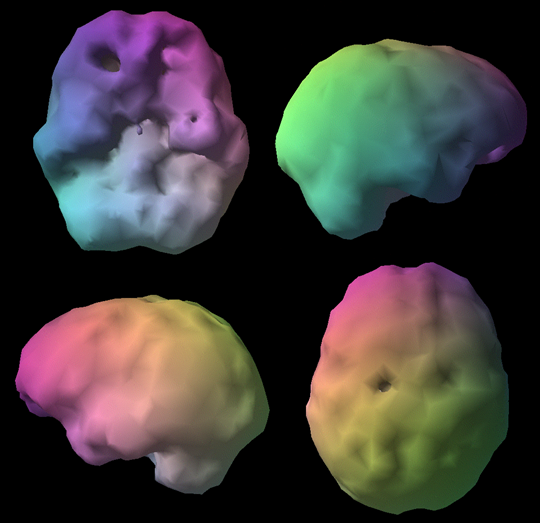
Implementing these six tips will help you manage the symptoms of ADD Type 5:
Boost Your Mood With Food:
A balanced diet of high-quality proteins, healthy fats, and fewer carbohydrates will help reduce negative symptoms and balance your mood. A healthy diet can also be paired with supplements, like DL-phenylalanine and SAMe, to boost and stabilize the mood.Avoid Absolutes:
Alleviating the symptoms of Limbic ADD includes learning how to structure your thoughts and actions. For example, an “all or nothing” approach automatically sets you up for failure which, in turn, will cause emotional distress.Get Back to the Essentials:
Create strategies that will allow you to calm yourself down when you are triggered. Essential oils, such as lavender, bergamot, grapefruit, and peppermint, can help boost your mood.Collect Happy Memories:
Build a library of positive memories from happy experiences in your life. Sad people tend to dwell on negative memories. When you’re suffering from the negative symptoms of Type 5 ADD, you can bring yourself to a better place by collecting and reflecting on happy memories.Build Strong Relationships:
One way to curb negative thinking patterns is to surround yourself with people who encourage positive cognitive processes and support conversational bonding. Build strong relationships with them and with those closest to you.Get a Customized Solution:
Like many other mental health conditions, ADD is not just a single and simple disorder; therefore, treatment is not a one-size-fits-all solution. Each of the seven types of ADD requires a different treatment plan. What works for one person with ADD may not work for another—or could even make the symptoms worse! ADD is a neurobiological disorder with serious psychological and social consequences. Amen Clinics is here to help you understand your brain and provide treatment options that address more than just symptoms. Want more information? Download Amen Clinics’ free Getting to Know the 7 ADD Types eBook. Healing ADD starts with knowing if you have it and then finding out which type you have. We’ve helped tens of thousands of people with ADD from all over the world. If you suspect that you or a loved one might have ADD, don’t wait to get help. Call us today at 888-288-9834 or visit us online to schedule a visit.
Do you have ADD or ADHD? If so, do you know which of the 7 types of ADD you have? There is a way to know for sure.
Here are the signs and symptoms of Type 2 ADD (also known as Inattentive ADD):
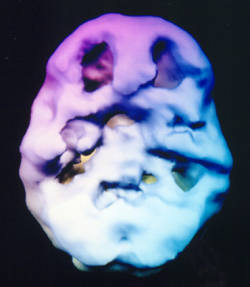
It’s back to school time already, which can mean helping your child adjust to a new classroom, new teachers, and for many—new distractions. Getting through this transition can be a challenge for those with undiagnosed or untreated ADD, and can wreak havoc on their lives – and yours! But, it doesn’t have to; learning more about the symptoms and treatment for ADD can lead you and your loved ones to healthier and more productive lives.
One of Dr. Amen’s scientific contributions is, through the use of brain SPECT imaging, he uncovered the 7 subtypes of ADD, each involving a unique pattern of activity in the brain. And, not surprisingly, that each of the ADD types requires a different treatment—not a one-size-fits-all ADD solution.
Type 2 ADD Core Symptoms
Though each of the ADD subtypes has its own set of symptoms, they all share the same core symptoms.- A short attention span for regular, routine, everyday tasks (homework, chores, etc.)
- Distractibility
- Organization problems (like having a messy room, always running late, etc.)
- Procrastination
- Forgetfulness
- Problems with follow-through
- Poor impulse control (saying or doing something before thinking it through)
Type 2 ADD Symptoms
In addition to the core symptoms, the unique characteristics of Type 2/Inattentive ADD include:- Difficulty maintaining focus
- Tendency to lose things
- Making careless mistakes; poor attention to detail
- Complaints of being bored
- Appearing unmotivated or apathetic
- Being tired, sluggish or slow moving
- Appearing “spacey” or preoccupied
Type 2 ADD Quick Facts
- Inattentive ADD is the second most common type of ADD.
- Those with Inattentive ADD tend to be introverted and may have trouble finding motivation in life.
- People with Type 2 ADD are frequently found daydreaming or looking out the window.
- Along with struggling to complete academic tasks, children with Inattentive ADD may have difficulty listening, processing verbal instructions, and following directions.
- Children with Inattentive ADD are often ignored because they are less likely to cause a disruption in class.
- Many children with Inattentive ADD are extremely intelligent.
- While the academic performance of Type 2 students may be satisfactory in elementary and middle school, their tendency to internalize their ADD symptoms and not seek treatment may cause them to hit a wall in high school.
- Adolescents with Inattentive ADD may struggle with stress, time management, and chronic anxiety.
- Girls tend to have Type 2 ADD as much if not more than boys.
- Inattentive ADD is commonly misdiagnosed as a learning disability.
- People with Type 2 don’t show the impulsive and hyperactive traits that are typically associated with ADD, so, unfortunately, many of them are never diagnosed.
Implementing these six tips will help you manage the symptoms of Type 2 ADD:
Behavior Therapy:
Behavior therapy can equip parents with the tools necessary to help their Type 2 child thrive in school and life. One effective behavioral technique for Type 2 kids is to set up a reward system: reward good behavior and withhold privileges when negative behaviors occur.Clear Instructions:
Since children with Type 2 ADD often become frustrated when they are unable to attain their goals, giving clear and simple instructions is essential to set them up for success. Children with Inattentive ADD respond better to straightforward directions that establish fair and realistic expectations.Break It Down:
Children with Inattentive ADD will find smaller tasks (or larger tasks broken down into smaller goals) easier to accomplish. Simply telling your child to clean up their room will not suffice. A child with Inattentive ADD will understand their task better if you say: “Put away the clothes on your bed. Then pick up the toys on the floor and put them in your toy box.”Write It Down:
Writing down tasks and creating a checklist for your child is even better than breaking down tasks verbally. Your child will feel a sense of accomplishment when they visually see their goals being achieved.Educate Your Child:
It’s important to educate your child about Type 2 ADD. Parents should inform their child of the positive traits associated with Inattentive ADD and help them learn coping mechanisms and strategies for critical thinking.Get a Customized Solution:
Like many other mental health conditions, ADD is not just a single and simple disorder; therefore, treatment is not a one-size-fits-all solution. Each of the seven types of ADD requires a different treatment plan, including dietary and cultural influences on ADD. What works for one person with ADD may not work for another—or could even make the symptoms worse! ADD is a neurobiological disorder with serious psychological and social consequences. Amen Clinics is here to help you understand your brain and provide treatment options that address more than just symptoms. Want more information? Download Amen Clinics’ free Getting to Know the 7 ADD Types eBook. Healing Type 2 ADD starts with knowing if you have it and then finding out which type you have. We’ve helped tens of thousands of people with ADD from all over the world. If you suspect that you or a loved one might have ADD, don’t wait to get help. Call us today at 888-288-9834 or visit us online to schedule a visit.While each of the 7 types of ADD has its own unique set of symptoms, they generally share the same core symptoms:
- Short attention span
- Distractibility
- Organization problems
- Procrastination
- Problems with follow-through
- Poor impulse control
The 7 Types of ADD:
Type 1: Classic ADD
This first type of ADD – what is known as ADHD (H = Hyperactive), is usually evident early in life. As babies, they tend to be colicky, active and wiggly, growing into children who tend to be restless, noisy, talkative, impulsive and demanding. Their hyperactivity and sometimes conflict-driven behavior gets everyone’s attention early on. Classic ADD tends to be more frequently seen in boys.Type 2: Inattentive ADD
Those with this type are usually quiet, more introverted and appear to daydream a lot. They may be labeled as unmotivated—even slow or lazy. Inattentive ADD is common in girls and boys but is often missed because children with this type tend to have fewer behavioral problems and don’t draw the negative attention to themselves as do those with Classic ADD. Nonetheless, left untreated they may live life below their true potential.Type 3: Overfocused ADD
People suffering from this type have most of the ADD features, but rather than not being able to pay attention, they become hyper-focused on certain things while tuning everything else out. These folks tend to get stuck or locked into negative thought patterns and behaviors. This type of ADD is often found in substance abusers as well as the children and grandchildren of alcoholics.Type 4: Temporal Lobe ADD
In addition to the core features of ADD, people with this type have symptoms associated with temporal lobe problems, such as problems with learning, memory, mood instability, aggression, temper outbursts, and sometimes, even violence. It is not unusual to see this type of ADD in people who have had head injuries.Type 5: Limbic ADD
In Limbic ADD, the core symptoms of ADD intersect with mood issues and are present over a long period of time. Commonly, people with this type suffer from not only the symptoms of ADD, but also with low self-esteem, sadness, low energy and motivation, and a loss of interest in fun activities.Type 6: Ring of Fire ADD
With this type, people often have difficulty “turning off” their brains, typically feeling overwhelmed with thoughts and emotions, in addition to problems with inattention, distractibility and other core ADD symptoms. Ring of Fire ADD can also be related to some form of allergy, infection or inflammation in the brain, or to bipolar disorder.Type 7: Anxious ADD
With Type 7, the core symptoms of ADD are compounded by symptoms of anxiety such as worry, nervousness, tension and fear of being judged. Furthermore, the ADD symptoms in people suffering from this type tend to be magnified by their anxiety. ADD is a neurobiological disorder with serious psychological and social consequences. Children, teens, adults, and parents need to know that it’s not their fault, they didn’t cause it, and there is hope. Amen Clinics is here to help you understand the ADD brain and provide treatment options that address more than just symptoms. Call us today at 888-288-9834 or visit us online to schedule a visit. For daily brain health updates, follow us on Facebook. Did you know that the number one predictor of longevity is the amount of lean muscle mass you have on your body? Turns out, there’s a lot of truth behind the saying “use it or lose it.” When it comes to aging, if you don’t use your body, you will surely lose it. Without a consistent exercise regimen, your muscles will become weak and flabby and your joints will become stiff and brittle. No matter your age, moderate exercise will help ward off Alzheimer’s and memory problems, decrease anxiety and depression, boost your focus and enhance your brain’s ability to repair itself. Here are five proven techniques for achieving peak physical fitness and a high-octane brain: Interval Training– If you want a greater mood enhancer and a better brain booster as an aerobic exercise, try interval training—60-second bursts at a go-for-broke intensity (such as running), followed by a few minutes of lower-intensity exertion (such as brisk walking). One study has found that doing high-intensity burst training burns fat faster than continuous moderately intensive activities. Resistance Training– Take your workouts to the next level by adding resistance training. Without proactive strength training, aging adults tend to lose muscle mass and strength. According to research done at Rush University Medical Center in Chicago, individuals with weaker muscles appear to have a higher risk for Alzheimer’s disease and declines in cognitive function over time. Coordination Activities– Boost your brain with coordination activities such as dancing, tennis, or table tennis (which I consider to be the world’s best brain sport). In such activities, the aerobic exercise spawns new brain cells while the coordination moves strengthen the connections between those new cells, so your brain can recruit them for other purposes such as thinking, learning, and remembering. It’s recommended that you do some form of aerobic coordination activity at least four to five times a week for at least 30 minutes. Balance Exercises- Controlled movement exercises, like yoga or tai chi, can increase balance and decrease falls. Balance exercises can help prevent major physical injuries and brain traumas. Don’t Overdo It– Avoid excessive exercise, which can cause free radicals to attack your cells, damage your DNA and accelerate aging. Bottom line: exercise is a great way to feel better, gain health benefits and just have fun. As a general goal, aim for at least 30 minutes of some form of physical activity every day. If you’re looking to lose weight, you may want to extend the duration and increase the intensity of your workout sessions. The best way to lose weight, boost energy and optimize brain function is to get brain SPECT imaging at one of the Amen Clinics. By discovering your particular brain type, we can obtain vital information that can help us create the best nutrition and lifestyle plan for you. We can help you have the best brain possible! Call us today at 888-288-9834 or visit us online to schedule a visit. According to recent reports, marijuana use has more than doubled in the past decade. Although it is often portrayed as harmless, and sometimes even therapeutic, marijuana causes significant brain changes by slowing activity in the frontal and temporal lobes, areas of the brain involved with focus, concentration, motivation, memory, learning, and mood stability. Some argue that marijuana is not addictive, but as this study demonstrates, it is a drug like any other. Anything that makes a person feel good—be it food, drugs, alcohol, exercise, gambling, or sex—causes a rewiring of the pleasure centers in the brain and intensifies cravings for it. When it comes to addiction, you need to think about your children’s future as much as your own since it comes with a generational toll. New evidence suggests that teenagers who smoke marijuana may be affecting themselves and their future children. Another study shows that offspring of parents who were addicted to drugs or alcohol are twice as likely to be depressed in adulthood as compared to their peers whose parents were not addicted. The question is, how can you intervene and stop the negative effects of not only addiction but also depression, which so often leads to addiction? Most young adults start developing personal and life goals, such as going to college or pursuing a particular career, by age 14. That’s why it’s important to encourage kids to begin thinking about how their brain health will affect their life and ability to accomplish those goals. Here are three recommendations for parents and their children who are ready to break the cycle of addiction and start reversing the damage that’s been done:Accept Hope
The Amen Clinics, which have collectively performed over 150,000 scans on individuals from 120 countries over the years, have treated many patients with addiction, depression, and other psychiatric conditions. We have seen recovery, repair, and re-engagement with life in patients who had almost given up on the possibility of getting better. The brain is complicated and delicate, but it is also resilient beyond explanation. When you accept that there is hope, taking action is the natural next step.Find Support
It is difficult for most people to change. Studies have shown that those who surround themselves with a support group are far more likely to have success when implementing major changes. The act of reaching out to others for support can initiate the process of healing.Get an Assessment of Your Brain
How can you change your brain if you don’t know anything about it? By using brain SPECT imaging, we can better understand the inner workings of your brain and how to effectively help you recover. Our Full Evaluation includes a detailed history, cognitive testing, two brain SPECT scans (concentrating and resting states) and a doctor’s evaluation that will detail your diagnosis and treatment plan. At Amen Clinics, we can help you and your loved ones overcome the stigma and suffering associated with addictions and other emotional and cognitive issues. If you are ready to regain control of your life, give us a call at 1-888-288-9834 or visit our website Romance and love is a part of life. Whether we are single or are in a relationship, having a good understanding of how your brain works and getting brain healthy can put the sizzle in your love life or dating life. Typically, we don’t think of the brain when contemplating dating or improving relationships, but our brains play a big part in how attractive we are to others and how sexy we feel. Here are five parts of the brain that you may want to pay attention to if you want a better love life.Limbic System (LS)
The Limbic System can help you feel more attractive. It sets the emotional tone of the mind, it modulates motivation and the libido. It stores emotional memories and promotes bonding. When you’re feeling positive you can filter information accurately; you feel playful and sensual. That is an indication your LS is working well. This also means you’re more comfortable in close relationships, can go with the flow better, and can have fun dating and connecting with new people. An overactive LS can make dating and maintaining relationships more difficult, overactivity can cause depression, negative thinking, you may shy away from sexual activity, push people away. To improve your LS:- Get social. Bonding is essential to all human relationships. Be sure to spend time with others.
- Look for scents that make you feel attractive. The LS processes the sense of smell.
- Kill the ANTs (automatic negative thoughts). Do not believe every thought you have. Focus on positive uplifting and nurturing thoughts about yourself.
Basal Ganglia (BG)
The BG is involved with integrating feelings, thoughts and physical movements. It sets the body’s anxiety levels and mediates pleasure and ecstasy. When this area of the brain is functioning properly you see a positive future, feel good and relaxed enough to feel attractive and sensual. If you are feeling plagued with multiple physical complaints, there may be problems in this area. To improve the BG:- Predict the best. Look positively at prospects.
- Breathe to get control of your anxiety, tension.
- Focus on what you want. Clear focus is essential.
Prefrontal Cortex (PFC)
The PFC is the brain system that focuses on behavior. When the PFC is functioning properly, you are effectively supervising what you say and do. You’re more likely to follow through on your commitments. Having an underactive PFC can cause problems building or sustaining relationships. People with underactive PFC have impulsive tendencies. They may say hurtful things without much forethought. To improve the PFC:- Be cool and stay calm.
- Focus on what you like most, not what you don’t like.
- Get organized.
Anterior Cingulate Gyrus (ACG)
The ACG is responsible for cognitive flexibility and ability to shift attention, with a well-functioning ACG you are flexible, and adaptable with the ability to forgive mistakes. When it’s over-active, you may find that you get locked in thoughts and hold grudges and hurts from the past. To improve the ACG:- Notice when you are stuck. Break negative cycles notice when you are in them. Be aware of repetitive negative patterns.
- Have a smart carbohydrate snack such as sweet potatoes or hummus to improve your moods low blood sugar often correlates with anger and irritability.
Temporal Lobes (TL)
The TLs are involved with understanding and processing language, word retrieval, long-term memories, the TLs also controls emotion stability. In romantic situations, people with properly functioning TLs clearly understand what is said. TLs that aren’t functioning well tend to be temperamental, they struggle with memory, and they may often take things the wrong way. To improve the TL:- Dance with your partner.
- Listen to healing music.
- Create a library of experiences to treasure.
- Over 40 million Americans struggle with anxiety disorders, roughly 18 percent of the population, and only one-third of those suffering will receive treatment.
- The World Health Organization projects that major depression will be the leading cause of disease burden by the year 2030.
- Anxiety disorders are the most common class of mental disorders present in the general population.
- Health problems
- Failure to reach your full potential at school or work
- Low self-esteem
- Chronic stress
- Disability
- Family conflict
- Withdrawal from social activities
- Alcohol and substance abuse
- Disturbing thoughts
- Legal and criminal problems
- And sometimes, suicide (In fact, the risk for suicide in people with depression is more than 20 times higher)
Brain Systems Involved with Anxiety and Depression
The brain is a very complex organ. Through SPECT brain imaging at the Amen Clinics, we have found that there are five major systems in the brain involved with how we feel, what we think and how we act or behave. Abnormalities in any of these five systems – including combinations – can contribute to the symptoms of anxiety and depression.- The Basal Ganglia: Allows for smooth integration of emotions, thoughts, and physical movement.
- The Deep Limbic System: Sets the emotional tone of your mind, stores emotional memories, controls motivation and appetite.
- The Anterior Cingulate Gyrus: Responsible for cognitive flexibility, this is your ability to go with the flow, adapt to change, and deal successfully with new problems.
- The Temporal Lobes: The storage of memories and images that help us define our sense of ourselves.
- The Prefrontal Cortex: The “Executive Center” of the brain.