Learn how gut health and mental stability can impact your microbiome and mood, focus, and mental clarity with science-backed gut health strategies to feel better.
Have you ever had a “gut feeling” about something or felt butterflies in your stomach when you were nervous? It turns out those aren’t just concepts or figures of speech.
Your gut and brain are in constant conversation, which plays a huge role in how you feel—from your mood to your mental clarity to your emotional stability. The reality is your gut health and mental stability depend on each other to help you survive.
A growing body of research shows that imbalances in the gut microbiome may contribute to anxiety, depression, brain fog, and more. On the flip side, taking care of your gut may produce noticeable improvements in your mental health.
In this blog, we’ll explore the science behind the gut-brain connection and uncover practical ways to support both your digestive and emotional well-being.
Imbalances in the gut microbiome may contribute to anxiety, depression, brain fog, and more. On the flip side, taking care of your gut may produce noticeable improvements in your mental health.
UNDERSTANDING THE GUT-BRAIN CONNECTION
Your gut and brain are linked through a complex communication network called the gut-brain connection. This includes:
Vagus nerve: Part of the parasympathetic nervous system, the vagus nerve acts like a sort of nervous system “telephone line” between your digestive system and brain.
Neurotransmitters: Chemical messengers, such as serotonin and dopamine, are produced in the gut as well as in the brain.
Enteric nervous system: Sometimes called the “second brain,” this system helps regulate digestion and mood.
Roughly 90% of serotonin—a key brain chemical that influences mood and anxiety—is produced in the gut. When the gut is out of balance, it directly impacts your brain chemistry and leads to emotional and cognitive challenges.
The Role of the Microbiome in Brain Function
One of the most powerful aspects of the gut-brain connection relationship is your microbiome—essentially, the ecosystem of trillions of bacteria, fungi, and other microorganisms living in your digestive tract.
Other microbes influence cortisol levels, which affect your stress response
A diverse, balanced microbiome supports better resilience to emotional triggers and inflammation
When your microbiome is thrown off by poor diet, stress, antibiotics, or illness, it affects your mood, sleep, and focus. In other words, there is a clear link between your microbiome and mood so take it seriously.
How Gut Inflammation Can Affect Mental Health
Another critical factor in your gut health and brain function is inflammation. When the lining of your gut becomes compromised (often referred to as “leaky gut”), harmful substances can pass into the bloodstream and trigger immune responses.
This chronic inflammation is increasingly being linked to mental health issues. In fact, studies show a strong relationship between inflammation and mental illness, particularly in cases of:
Major depressive disorder
Generalized anxiety disorder
Bipolar disorder
Schizophrenia
It’s important to know that inflammation in your gut doesn’t just stay there. It often causes neuroinflammation, which affects how your brain functions and how stable your mood feels day to day.
SIGNS YOUR GUT MAY BE IMPACTING YOUR MENTAL HEALTH
You might not immediately connect that your gut is a big reason why you’re feeling disconnected emotionally. Here are some signs that poor gut health could be at the root of your mental instability:
Digestive issues like bloating, gas, constipation, or food sensitivities
If these symptoms sound familiar, it’s worth exploring the link between your gut health and mental stability with an integrative mental health professional. Amen Clinics takes a “whole person” approach to mental health that includes investigating potential gut-brain imbalances.
FOODS AND NUTRIENTS THAT SUPPORT THE GUT-BRAIN AXIS
If you want to improve your gut-brain connection, it starts with what’s on your plate. Certain foods can nourish your microbiome and reduce inflammation, which benefits your mood and mental clarity. Here are some gut healthy foods the specialists at Amen Clinics recommend:
Fiber-rich vegetables like broccoli, leafy greens, and sweet potatoes feed beneficial gut bacteria
Fermented foods such as kimchi, sauerkraut, miso, and kefir introduce healthy bacteria
Omega-3 fatty acids from fatty fish (salmon, sardines), flaxseeds, and walnuts reduce inflammation
Prebiotic foods like garlic, onions, leeks, and bananas help “fertilize” good bacteria
Eating a whole-foods, anti-inflammatory diet is one of the most accessible and effective gut health strategies you can adopt to improve your mental well-being.
Press Play to Discover Foods That Fuel Gut Health
In this video, Tana Amen reveals her favorite gut-healing foods.
Click below to tune in:
The Best Probiotics for Supporting Mental Health
You may have heard of probiotics for mental health, but not all probiotic strains are created equal. Research highlights specific strains—sometimes called “psychobiotics”—that support emotional regulation and reduce stress.
Some of the most promising strains include:
Lactobacillus rhamnosus: Linked to reduced anxiety and improved GABA production
Bifidobacterium longum: Supports mood regulation and stress response
Lactobacillus helveticus: Shown to reduce symptoms of depression
Ask a mental health professional how to incorporate targeted probiotics in a personalized care plans.
Nutritional Psychiatry: Fueling the Mind Through the Gut
The field of nutritional psychiatry is helping to bridge that gap between your mental health and digestion, so they work together. More practitioners are using food as a first-line approach to mood disorders, focusing on how dietary changes impact brain function. This includes:
Reducing processed sugar and refined carbs, which feed harmful gut bacteria
Incorporating anti-inflammatory nutrients like turmeric, magnesium, and zinc
Eating consistent, balanced meals to support blood sugar and cortisol levels
If you’re struggling with anxiety, depression, or brain fog, your fork might be one of your most powerful tools for change.
LIFESTYLE HABITS THAT ENHANCE GUT AND MENTAL HEALTH
To be clear, your diet is only one piece of the puzzle. Here are some additional gut health strategies you can make into habits that benefit your mental stability:
Stay active: Exercise stimulates the release of feel-good neurotransmitters and helps with gut motility
Manage stress: Chronic stress negatively impacts both the gut and the brain
Stay hydrated: Water supports digestion, detoxification, and mental clarity
Creating a gut-friendly lifestyle doesn’t mean you have to be perfect. The goal is to make small, consistent steps toward a better lifestyle to feel better from the inside out.
WHEN TO SEEK HELP FOR GUT AND MOOD ISSUES
Never underestimate the power of a conversation with your healthcare provider. Seek help if you’re experiencing:
Persistent anxiety or depression that doesn’t improve with lifestyle changes
Ongoing gut symptoms like IBS, food intolerances, or bloating
Mental health struggles that worsen with poor digestion
To determine if gut issues are contributing to mental health conditions, it’s a good idea to get help from a functional mental health physician. Integrative or functional psychiatry specialists use comprehensive brain-body evaluations to uncover root causes and tailor treatment plans to address your emotional and physical symptoms.
How Functional Medicine Approaches Gut-Brain Imbalance
Unlike conventional approaches that treat symptoms in isolation, functional medicine addresses the body as an interconnected system. A functional medicine approach to gut health and mental stability might include:
Stool testing to assess microbiome diversity and inflammation
Hormone and neurotransmitter panels to evaluate mood imbalances
A personalized plan that includes nutrition, probiotics, lifestyle shifts, and emotional support
By identifying and treating the underlying issues, functional medicine can help mental stability.
If you’ve been struggling with emotional ups and downs and can’t figure out why, don’t overlook your digestive health. Through simple gut health strategies, targeted probiotics, and a personalized treatment plan, you can begin to heal from the inside out.
At Amen Clinics, we recognize that the gut and brain are in constant communication through the vagus nerve and chemical messengers like serotonin. When your gut microbiome is imbalanced or inflamed, it can disrupt mood, focus, and overall mental clarity. Addressing gut health is often a key part of restoring emotional balance and cognitive function.
If you’re experiencing symptoms like brain fog, chronic fatigue, mood swings, anxiety, or unexplained depression especially alongside digestive issues like bloating or food sensitivities, it may be a sign that gut-brain imbalance at play. Our comprehensive evaluations help identify whether your symptoms may stem from the inside out.
Research has shown that certain probiotic strains known as “psychobiotics” can influence mood, lower anxiety, and support emotional regulation. At Amen Clinics, we often incorporate targeted probiotic and nutritional protocols as part of a personalized care plan.
Anxiety, depression, and other mental health conditions can’t wait. At Amen Clinics, we provide personalized, science-backed treatment plans designed to target the root causes of your symptoms. Our 360-approach includes brain SPECT imaging, clinical evaluations, innovative therapeutic techniques, medications (when necessary), and holistic lifestyle recommendations to promote the health of your brain, body, and mind. Speak to a specialist today at 888-288-9834 or visit our contact page here.
Amen Clinics
Founded in 1989 by double-board certified psychiatrist and neuroscientist Daniel G. Amen, MD, Amen Clinics Inc. (ACI) is known as the best brain and mental health company in the world. Our clinical staff includes over 50 healthcare specialists, including adult and child psychiatrists, integrative (functional) medicine physicians, naturopaths, addiction specialists, forensic psychiatrists, geriatric psychiatrists, nutritionists, licensed therapists, and more. Our clinicians have all been hand-selected and personally trained by Dr. Amen, whose mission is to end mental illness by creating a revolution in brain health. Over the last 35-plus years, ACI has built the world’s largest database of functional brain scans—over 250,000 SPECT scans on patients from 155 countries—related to how people think, feel, and behave.
Xiong RG, Li J, Cheng J, Zhou DD, Wu SX, Huang SY, Saimaiti A, Yang ZJ, Gan RY, Li HB. The Role of Gut Microbiota in Anxiety, Depression, and Other Mental Disorders as Well as the Protective Effects of Dietary Components. Nutrients. 2023 Jul 23;15(14):3258. doi: 10.3390/nu15143258. PMID: 37513676; PMCID: PMC10384867.
Clapp M, Aurora N, Herrera L, Bhatia M, Wilen E, Wakefield S. Gut microbiota’s effect on mental health: The gut-brain axis. Clin Pract. 2017 Sep 15;7(4):987. doi: 10.4081/cp.2017.987. PMID: 29071061; PMCID: PMC5641835.
Breit, S., Kupferberg, A., Rogler, G., & Hasler, G. (2018). Vagus nerve as modulator of the brain–gut axis in psychiatric and inflammatory disorders. Frontiers in Psychiatry, 9, Article 44. https://doi.org/10.3389/fpsyt.2018.00044
Fleming MA 2nd, Ehsan L, Moore SR, Levin DE. The Enteric Nervous System and Its Emerging Role as a Therapeutic Target. Gastroenterol Res Pract. 2020 Sep 8;2020:8024171. doi: 10.1155/2020/8024171. PMID: 32963521; PMCID: PMC7495222.
Barandouzi, Z.A., Lee, J., del Carmen Rosas, M. et al. Associations of neurotransmitters and the gut microbiome with emotional distress in mixed type of irritable bowel syndrome. Sci Rep 12, 1648 (2022). https://doi.org/10.1038/s41598-022-05756-0
Braga, J.D., Thongngam, M. & Kumrungsee, T. Gamma-aminobutyric acid as a potential postbiotic mediator in the gut–brain axis. npj Sci Food 8, 16 (2024). https://doi.org/10.1038/s41538-024-00253-2
Ouabbou S, He Y, Butler K, Tsuang M. Inflammation in Mental Disorders: Is the Microbiota the Missing Link? Neurosci Bull. 2020 Sep;36(9):1071-1084. doi: 10.1007/s12264-020-00535-1. Epub 2020 Jun 27. PMID: 32592144; PMCID: PMC7475155.
Tsamakis K, Galinaki S, Alevyzakis E, Hortis I, Tsiptsios D, Kollintza E, Kympouropoulos S, Triantafyllou K, Smyrnis N, Rizos E. Gut Microbiome: A Brief Review on Its Role in Schizophrenia and First Episode of Psychosis. Microorganisms. 2022 May 29;10(6):1121. doi: 10.3390/microorganisms10061121. PMID: 35744639; PMCID: PMC9227193.
Nagy-Szakal, D., Williams, B.L., Mishra, N. et al. Fecal metagenomic profiles in subgroups of patients with myalgic encephalomyelitis/chronic fatigue syndrome. Microbiome 5, 44 (2017). https://doi.org/10.1186/s40168-017-0261-y
Fu Y, Wang Y, Gao H, Li D, Jiang R, Ge L, Tong C, Xu K. Associations among Dietary Omega-3 Polyunsaturated Fatty Acids, the Gut Microbiota, and Intestinal Immunity. Mediators Inflamm. 2021 Jan 2;2021:8879227. doi: 10.1155/2021/8879227. PMID: 33488295; PMCID: PMC7801035.
Sarkar A, Lehto SM, Harty S, Dinan TG, Cryan JF, Burnet PWJ. Psychobiotics and the Manipulation of Bacteria-Gut-Brain Signals. Trends Neurosci. 2016 Nov;39(11):763-781. doi: 10.1016/j.tins.2016.09.002. Epub 2016 Oct 25. PMID: 27793434; PMCID: PMC5102282.
Sun J, Fang D, Wang Z, Liu Y. Sleep Deprivation and Gut Microbiota Dysbiosis: Current Understandings and Implications. Int J Mol Sci. 2023 May 31;24(11):9603. doi: 10.3390/ijms24119603. PMID: 37298553; PMCID: PMC10253795.
Casale TB, Warren C, Gupta S, Schuldt R, Wang R, Iqbal A, Seetasith A, Gupta R. The mental health burden of food allergies: Insights from patients and their caregivers from the Food Allergy Research & Education (FARE) Patient Registry. World Allergy Organ J. 2024 Mar 23;17(4):100891. doi: 10.1016/j.waojou.2024.100891. PMID: 38559493; PMCID: PMC10973659.
Think you’re eating healthy? Some foods can secretly harm your brain. Avoid these six fake health foods and discover better brain-boosting swaps!
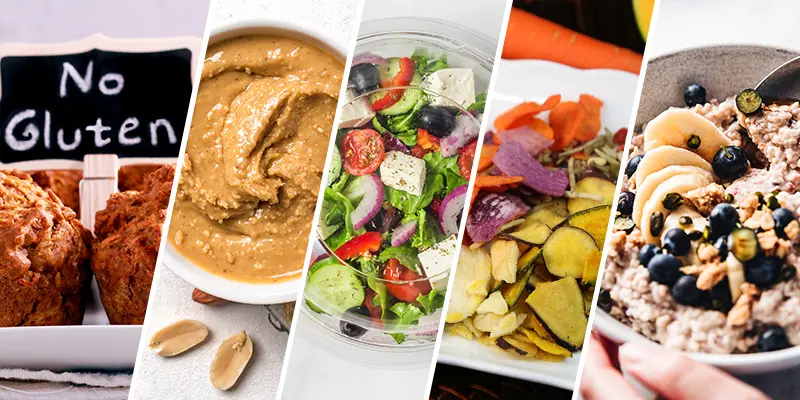
Need a quick healthy meal or snack? If you’re like most Americans, you’ll probably reach for something that’s prepackaged. Research suggests that about 60% of the average American’s calories are derived from eating processed foods. Many of these foods say things like, “All natural,” “Gluten-Free,” or “Fruit-Filled.” Sure, they sound healthy, but are they really?
Unfortunately, many store products that claim to be good for you are actually harming your brain, sabotaging your moods, and stealing your focus. To help you make better choices, here are six so-called healthy foods to avoid as well as brain healthy swaps.
Unfortunately, many store products that claim to be good for you are actually harming your brain, sabotaging your moods, and stealing your focus.
6 FAKE HEALTH FOODS
Pre-Made Fruit Smoothies
What could be better than a refreshing fruit smoothie? If you’re buying a packaged variety off the store shelf, it could be hiding harmful ingredients.
Check the nutrition labels of these pre-blended beverages and depending on the brand, you may find upwards of 50 grams of sugar, no fiber, and only a skimpy amount of protein. These are like a straight shot of sugar into your bloodstream, which can lead to feelings of anxiousness or irritability.
Brain healthy swap: If you can’t make your own smoothie, opt for one that has whole ingredients for higher fiber content, low sugar, and higher protein levels.
Veggie Chips
Looking for a healthy crunch? Veggie chips made from spinach, tomatoes, and other garden-fresh fare seems like a perfect solution. Not so fast!
Most of these “veggie” chips are filled with potato starch, harmful oils, sodium, and sugar. Just as bad as what’s in these snacks is what isn’t—fiber. Eating a diet of low-fiber foods that are high in sugar is a recipe for diabetes, a condition that is associated with increased risk of Alzheimer’s disease, anxiety disorders, and clinical depression.
Brain healthy swap: Crunch on real veggies—chopped carrots or cucumbers, for example—and dip in hummus.
Gluten-Free Muffins
Didn’t we learn anything from the fat-free craze of the ’80s? In order to tempt shoppers to buy products that aren’t healthy, food manufacturers add flashy catch-phrases like “gluten-free” on their packaging.
This doesn’t mean these food-like substances contain anything nutritious. Gluten-free fare like muffins, cookies, or pancake mix can be bursting with sugar, bad-for-you oils, artificial dyes, and preservatives. Artificial dyes have been associated with hyperactivity in some children and adults and may worsen symptoms of attention deficit hyperactivity disorder (ADHD).
Brain healthy swap: Take charge of what goes into your body by making it yourself. For a delicious and brain-approved breakfast treat, try Tana Amen’s Grainless Blueberry Muffins.
Peanut Butter
Yes, nut butters can be a great snack that provides healthy fats and protein. But some peanut butters are chock full of cheap and unhealthy oils, sugar, corn syrup solids, soy protein, and preservatives. Plus, peanuts are a common allergen that can trigger inflammation, and inflammation is associated with a host of psychiatric issues such as depression.
Research in the Journal of Food Protection shows that America’s favorite nuts (which are actually legumes rather than nuts) may contain harmful substances, such as aflatoxins. These are a form of mycotoxins, which can contribute to mental and cognitive health symptoms.
Brain healthy swap: Try organic almond, cashew, or macadamia nut butter instead of peanut butter. And make sure your nut butter has no more than 2 ingredients—nuts and salt.
Instant Oatmeal
Oatmeal is well-known as a good source of fiber, and it contains important vitamins, minerals, and antioxidants. But the instant variety doesn’t have as much of these good-for-you nutrients. It also has lower amounts of iron and protein.
In addition, instant oats are often flavored with loads of added sugars, sodium, artificial flavors, and milk powders. And the quick-cooking stuff ranks high on the glycemic index, which means it causes blood sugar levels to spike then crash.
A study in the American Journal of Clinical Nutrition shows that high-glycemic, low-fiber foods also increase the risk of depression.
Brain healthy swap: Once a week, make a pot of steel-cut oats or slow-cooking rolled oats. Then just grab a small bowl that you can quickly heat up when you want them. Add fresh fruit, raw nuts, and brain healthy spices like cinnamon for a well-rounded meal.
Ready-Made Salads
If you’re looking for a quick meal with lots of fresh veggies, look elsewhere. Most of the salad-in-a-bag options may have a decent base of greens, but those little packets included can be where the trouble lies.
They may contain corn (a potential allergen for many people), sweetened cranberries (hello, sugar!), toasted croutons (gluten galore), and dressing (unhealthy vegetable oils, sugar, and sodium).
Potential allergens—such as corn, soy, MSG, dairy, artificial sweeteners, and gluten—may result in brain inflammation that is associated with a host of mental health issues, such as brain fog, anxiety, depression, bipolar disorder symptoms, ADD/ADHD, autism symptoms, and more.
Brain healthy swap: Take a couple extra minutes in the morning and make your own salad to go. Toss in fresh chopped veggies and mix up a simple dressing with extra virgin olive oil and vinegar.
EAT RIGHT TO FEEL RIGHT
When it comes to your mental well-being, the food you put on the end of your fork or spoon has a major impact on how you feel. Eating pre-packaged or store-bought items that have a “health halo”—meaning they seem nutritious—can backfire and contribute to brain fog, low moods, high anxiety, concentration problems, and more.
Always read nutrition labels so you understand what you’re putting into your body. As much as possible, stick to whole foods to fuel your brain and improve your mental health. Eating right can be a powerful part of a mental health treatment plan to help enhance moods, calm anxiety, and think more clearly.
We're Here To Help
Anxiety, depression, ADHD, and other mental health conditions can’t wait. At Amen Clinics, we’re here for you. We offer in-clinic brain scanning and appointments, as well as mental telehealth, clinical evaluations, and therapy for adults, teens, children, and couples. Find out more by speaking to a specialist today at 888-288-9834 or visit our contact page here.
Founded in 1989 by double-board certified psychiatrist and neuroscientist Daniel G. Amen, MD, Amen Clinics Inc. (ACI) is known as the best brain and mental health company in the world. Our clinical staff includes over 50 healthcare specialists, including adult and child psychiatrists, integrative (functional) medicine physicians, naturopaths, addiction specialists, forensic psychiatrists, geriatric psychiatrists, nutritionists, licensed therapists, and more. Our clinicians have all been hand-selected and personally trained by Dr. Amen, whose mission is to end mental illness by creating a revolution in brain health. Over the last 35-plus years, ACI has built the world’s largest database of functional brain scans—over 250,000 SPECT scans on patients from 155 countries—related to how people think, feel, and behave.
Gupta, Shilpi et al. “Characterizing Ultra-Processed Foods by Energy Density, Nutrient Density, and Cost.” Frontiers in nutrition vol. 6 70. 28 May. 2019, doi:10.3389/fnut.2019.00070
Mupunga, I et al. “Natural occurrence of aflatoxins in peanuts and peanut butter from Bulawayo, Zimbabwe.” Journal of food protection vol. 77,10 (2014): 1814-8. doi:10.4315/0362-028X.JFP-14-129
Gangwisch, James E et al. “High glycemic index diet as a risk factor for depression: analyses from the Women’s Health Initiative.” The American journal of clinical nutrition vol. 102,2 (2015): 454-63. doi:10.3945/ajcn.114.103846
Facebook-f X-twitter Youtube TL;DRKatie Jolly struggled with mental health challenges for most of her life, often feeling ashamed and without clear answers.Her breakthrough came after
Facebook-f X-twitter Youtube TL;DR: Zach Skow’s life was once defined by early alcohol and drug addiction, leading to liver failure and a fight for survival. Through
A number of foods and food ingredients, common in the standard American diet, are toxic for mental health.
Wondering why you feel depressed, anxious, or unfocused? Take a hard look at your diet. Experts are increasingly linking the foods you eat to your mental health.
For example, in a 2020 study in The BMJ the lead authors stated, “Poor nutrition may be a causal factor in the experience of low mood, and improving diet may help to protect not only the physical health but also the mental health of the population.” In other words, food matters when it comes to mental health.
Unfortunately, many foods and food ingredients that are common in the standard American diet are toxic to your mental well-being. They can harm your brain, and put you at increased risk for brain health problems and mental health conditions such as:
Attention deficit hyperactivity disorder (ADHD), also called attention deficit disorder (ADD)
In this blog, you’ll discover the research behind six common toxic foods showing how they increase mental health problems. Plus, you’ll learn some simple detox tips to reduce your intake of toxic foods to boost brainpower and mental strength.
6 TOXIC FOODS THAT FUEL MENTAL HEALTH ISSUES
Sugar and Refined Carbohydrates
Often when we feel bad, we crave sugary sweetness. We love the comfort sweet foods provide, but they don’t love us back.
Sugar (and even natural honey and maple syrup), as well as refined carbohydrates (white bread, pastries, pasta, and crackers), cause blood sugar levels to spike and then drop, impacting your mood and sense of wellbeing.
Diets high in sugar increase inflammation, cause fatigue and cravings, and lead to erratic brain cell firing that has been implicated in aggression, a 2021 study indicates. Another recent study showed increased markers of preclinical Alzheimer’s disease (lower overall brain and hippocampal volume, poorer episodic memory, and cognitive decline) associated with regular consumption of sugary beverages.
Detox tip: Read labels carefully to avoid added sugars and beware of the many alternative names for sugar used on food labels.
10 Common Alternative Names for Sugar Used on Food Labels
Agave nectar
Barley malt
Cane juice crystals
Dextrose
Fruit juice concentrate
Galactose
High fructose corn syrup
Malt syrup
Maltose
Sucanat
Mercury in Top Predatory Fish
While fish is normally a very healthy food, some types of fish are very high in mercury and should be avoided. Mercury, a known neurotoxin, makes its way up the food chain and can collect in harmful amounts in top predatory fish.
Mercury can damage the brain and nerves. A study published in 2017 found an association with mercury exposure and neurological distress, mood changes, and difficulty regulating emotions, as well as gastrointestinal disruptions.
Inflammation in the gut is directly linked to central nervous system disruption and mental health issues including anxiety and depression, according to research.
Because of their high mercury content, king mackerel, shark, swordfish and tilefish are on the “do not eat” list created by the U.S. Food and Drug Administration and the Environmental Protection Agency.
Detox tip: Avoid high-mercury fish and eat fish that are lower in mercury, such as anchovies, Atlantic mackerel, salmon, sardines, and trout.
Artificial Sweeteners
Surprisingly, artificial sweeteners—including aspartame (NutraSweet, Equal), saccharine (Sweet’N Low), and sucralose (Splenda)—can lead to chronically elevated insulin levels, according to studies. This raises your risk of depression, Alzheimer’s disease, heart disease, diabetes, and other health problems.
Research shows that artificial sweeteners have also been associated with metabolic syndrome and may contribute to obesity, both of which can play a role in mental health issues.
Aspartame appears to be particularly egregious as research has separately linked it to behavioral and cognitive problems, as well as neurophysiological symptoms such as learning problems, headache, seizure, migraines, irritable moods, anxiety, depression, and insomnia.
Additionally, for people with chronic digestive inflammatory disorders, evidence suggests that artificial sweeteners may induce pro-inflammatory changes in gut bacteria and gut wall immune reactivity. As mentioned above, this can play a role in depression, anxiety. and other mental health disorders.
Detox tip: Skip artificial sweeteners and go for natural sweeteners, such as stevia, that don’t impact insulin levels.
Pesticide-Laden Fruits and Vegetables
While fruits and vegetable are critical to vibrant health, some conventionally grown produce is tainted with pesticide residue, which can negatively impact mental health.
According to testing conducted by the Environmental Working Group, the most pesticide-laden fruits and veggies for 2024 (known as the “Dirty Dozen”) include:
Strawberries
Spinach
Kale, collard and mustard greens
Grapes
Peaches
Pears
Nectarines
Apples
Bell and hot peppers
Cherries
Blueberries
Green beans
One recent study suggests that low levels of pesticide exposure can affect young children’s neurological and behavioral development, showing a link between pesticides and neonatal reflexes, psychomotor and mental development, and ADHD.
Detox tip: Eat organic produce whenever possible.
Monosodium Glutamate (MSG)
MSG may be an FDA-approved flavor enhancer, but it is also a type of excitatory neurotoxin (excitotoxin) that has been shown to adversely affect the brain. It is required to be noted as an ingredient on food labels, but it often goes undetected when it is listed as:
Glutamic acid
Hydrolyzed protein
Autolyzed protein
Autolyzed yeast extract
Textured protein
What are excitotoxins? They are substances, usually amino acids, that overstimulate neuron receptors. Upon excitotoxin exposure, neurons fire more rapidly than normal. This process, if prolonged, can exhaust and weaken neurons, resulting in neuronal death.
Don’t underestimate their effects. The electrical activity from excitotoxins like MSG can change the activity of the brain and can be associated with temper outbursts, depression, suicidal thoughts, panic attacks, distractibility, and confusion.
Detox tip: Avoid foods containing MSG and learn the alternate names used for this substance so you can detect its presence on food labels.
Gluten
Gluten is the general name given for the proteins found in wheat, rye, barley, and triticale (a cross between wheat and rye) and is increasingly a problem for people who have a sensitivity to it.
The Center for Celiac research reports that approximately 18 million Americans have gluten sensitivity. It is associated with autoimmune conditions such as celiac disease, type 1 diabetes, and Hashimoto’s thyroiditis.
One review study found that gluten sensitivity and celiac disease are related to a number of brain health/mental health issues, including:
ADD/ADHD
Depression
Mood disorders
Anxiety disorder
Schizophrenia
Autism spectrum disorders (ASD)
Scientific evidence shows that a gluten-free diet has been associated with improvements in people who have mental health conditions. Specifically, one study found a decrease of symptoms in a set of patients with schizophrenia. And going gluten-free produced a decrease in symptoms in some people in a study on autism, research on ADD/ADHD, and a review study on depression.
Detox tip: Try giving up gluten for 30 days. Notice any changes in how you feel physically and mentally. Then add it back into your diet and take note of any symptoms that arise. If you do experience symptoms, you may want to consider switching to a gluten-free diet on a permanent basis.
BEST DIET FOR BRAIN HEALTH
While we’ve highlighted a few toxic foods for mental health, there are more, and this field of examination is evolving. Foods that produce allergic reactions such as soy, corn, and milk products may increase mental health problems. Other food additives, such as Red Dye #40, have been shown to have negative effects.
Stay informed, read labels, and pay attention to how you feel. Importantly, choose brain healthy foods on a regular basis to improve brainpower and mental strength.
Reviewed by Amen Clinics Inc. Clinicians
Depression, ADHD, anxiety, and other mental health problems can’t wait.
At Amen Clinics, we’re here for you. We offer in-clinic brain scanning and appointments, as well as mental telehealth, clinical evaluations, and therapy for adults, teens, children, and couples. Find out more by speaking to a specialist today at 888-288-9834 or visit our contact page here.
Founded in 1989 by double-board certified psychiatrist and neuroscientist Daniel G. Amen, MD, Amen Clinics Inc. (ACI) is known as the best brain and mental health company in the world. Our clinical staff includes over 50 healthcare specialists, including adult and child psychiatrists, integrative (functional) medicine physicians, naturopaths, addiction specialists, forensic psychiatrists, geriatric psychiatrists, nutritionists, licensed therapists, and more. Our clinicians have all been hand-selected and personally trained by Dr. Amen, whose mission is to end mental illness by creating a revolution in brain health. Over the last 35-plus years, ACI has built the world’s largest database of functional brain scans—over 250,000 SPECT scans on patients from 155 countries—related to how people think, feel, and behave.
Firth, Joseph et al. “Food and mood: how do diet and nutrition affect mental wellbeing?.” BMJ (Clinical research ed.) vol. 369 m2382. 29 Jun. 2020, doi:10.1136/bmj.m2382
Johnson RJ, et al. (2021) “Fructose and uric acid as drivers of a hyperactive foraging response: A clue to behavioral disorders associated with impulsivity or mania?” Evolution and Human Behavior vol. 42(3): 194-203. https://doi.org/10.1016/j.evolhumbehav.2020.09.006
Pase, Matthew P et al. “Sugary beverage intake and preclinical Alzheimer’s disease in the community.” Alzheimer’s & dementia : the journal of the Alzheimer’s Association vol. 13,9 (2017): 955-964. doi:10.1016/j.jalz.2017.01.024
Gump, Brooks B et al. “Background lead and mercury exposures: Psychological and behavioral problems in children.” Environmental research vol. 158 (2017): 576-582. doi:10.1016/j.envres.2017.06.033
Clapp, Megan et al. “Gut microbiota’s effect on mental health: The gut-brain axis.” Clinics and practice vol. 7,4 987. 15 Sep. 2017, doi:10.4081/cp.2017.987
Mathur, Kushagra et al. “Effect of artificial sweeteners on insulin resistance among type-2 diabetes mellitus patients.” Journal of family medicine and primary care vol. 9,1 69-71. 28 Jan. 2020, doi:10.4103/jfmpc.jfmpc_329_19
Choudhary, Arbind Kumar, and Yeong Yeh Lee. “Neurophysiological symptoms and aspartame: What is the connection?.” Nutritional neuroscience vol. 21,5 (2018): 306-316. doi:10.1080/1028415X.2017.1288340
Basson, Abigail Raffner et al. “Artificial Sweeteners: History and New Concepts on Inflammation.” Frontiers in nutrition vol. 8 746247. 24 Sep. 2021, doi:10.3389/fnut.2021.746247
Liu, Jianghong, and Erin Schelar. “Pesticide exposure and child neurodevelopment: summary and implications.” Workplace health & safety vol. 60,5 (2012): 235-42; quiz 243. doi:10.1177/216507991206000507
Jackson, Jessica R et al. “Neurologic and psychiatric manifestations of celiac disease and gluten sensitivity.” The Psychiatric quarterly vol. 83,1 (2012): 91-102. doi:10.1007/s11126-011-9186-y
Levinta, Anastasia et al. “Use of a Gluten-Free Diet in Schizophrenia: A Systematic Review.” Advances in nutrition (Bethesda, Md.) vol. 9,6 (2018): 824-832. doi:10.1093/advances/nmy056
Whiteley, Paul et al. “The ScanBrit randomised, controlled, single-blind study of a gluten- and casein-free dietary intervention for children with autism spectrum disorders.” Nutritional neuroscience vol. 13,2 (2010): 87-100. doi:10.1179/147683010X12611460763922
Niederhofer, Helmut. “Association of attention-deficit/hyperactivity disorder and celiac disease: a brief report.” The primary care companion for CNS disorders vol. 13,3 (2011): PCC.10br01104. doi:10.4088/PCC.10br01104
Busby, Eleanor et al. “Mood Disorders and Gluten: It’s Not All in Your Mind! A Systematic Review with Meta-Analysis.” Nutrients vol. 10,11 1708. 8 Nov. 2018, doi:10.3390/nu10111708
Facebook-f X-twitter Youtube TL;DRKatie Jolly struggled with mental health challenges for most of her life, often feeling ashamed and without clear answers.Her breakthrough came after
Facebook-f X-twitter Youtube TL;DR: Zach Skow’s life was once defined by early alcohol and drug addiction, leading to liver failure and a fight for survival. Through
Dopamine has been making headlines these days. Check out some of the latest articles on this feel-good neurochemical:
“Can dopamine décor make your home a happier place to be?” (Cosmopolitan)
“‘Dopamine dressing’ is our new post-pandemic salve” (Mic)
“Break the cycle of addiction with these strategies to keep dopamine in check” (NPR)
Why is dopamine top of mind? A growing number of people are aware of dopamine’s influence on pleasure, but this unique neurotransmitter is involved in so much more. For example, it helps with focus and staying on task.
Dopamine supports the brain’s ability to recall life’s significant moments, whether good or bad. Dopamine can be likened to a “chemical of more.” You always want more dopamine since it is the principal neurotransmitter that makes you feel good.
Let’s take a deeper dive into this fascinating neurochemical and the myriad roles dopamine plays in our well-being.
Why is dopamine top of mind? A growing number of people are aware of dopamine’s influence on pleasure, but this unique neurotransmitter is involved in so much more.
WHAT IS DOPAMINE?
The dopamine system is complex. Dopamine-producing cells are found in the ventral tegmental area in the brainstem and the substantia nigra as well as other brain structures.
Dopamine is the neurotransmitter of wanting, especially wanting more. It is the most critical player in the brain’s reward system, thus we have a natural proclivity for increasing dopamine.
It is involved with anticipation, possibility, love, and seeking success to maximize future resources. Expecting a reward (food, sex, money, shopping) triggers dopamine release or when you get an unexpected happy surprise.
Dopamine activates motivation (going toward a reward), memory, mood, attention, and other important features of mental health. Conversely, low dopamine levels can have an adverse effect. (Some of the symptoms of low dopamine are described below)
Think of dopamine as a salesman that drives you to pursue a better life. But like many salesmen, it can also lie to you and promise you pleasure when, in fact, pain will result. For example, think of cocaine addiction or other addictive behavior, unhealthy habits, or having affairs. Even the anticipation of these harmful activities produce dopamine.
Dopamine also helps to regulate motor control, which is why you jump when you get excited, such as when your team wins the World Series, or when your child hits a home run in Little League.
There are 2 main brain dopamine systems in the reward pathway that relate to happiness:
The dopamine reward center in the front half of the nucleus accumbens of the basal ganglia (involved with seeking pleasure and addiction). Think of the dopamine reward system involved with wanting and desire.
The dopamine control center that enhances the activity of the prefrontal cortex/orbitofrontal cortex and helps you think before you act and stop unhelpful behaviors. The dopamine control center is involved with forward-thinking, judgment, planning, impulse control, and long-term happiness.
Think of these 2 systems as the gas (dopamine reward center) and the brakes (dopamine control center); both are essential to get anywhere special.
CAN DOPAMINE IMBALANCES CAUSE PROBLEMS?
For happiness and a healthy sense of drive, dopamine plays a critical role, but it needs to be balanced. Too much or too little of it causes problems.
For example, too much dopamine has been associated with mental health problems like agitation, obsession or compulsions, psychosis, and violence. Of the more than 100 murderers who have had brain SPECT imaging done at Amen Clinics, nearly half of them committed their crimes when they were on methamphetamines, which raises the brain’s dopamine level to an abnormally high amount.
Low dopamine levels in the brain’s reward center can cause adversely affect brain function and lead to apathy, fatigue, boredom, low motivation, impulsivity, sugar cravings, and thrill-seeking and conflict-seeking behavior. It’s also associated with some neurological and medical conditions such as Parkinson’s disease.
Dopamine deficiency is also thought to be related to attention deficit hyperactivity disorder (ADD/ADHD), which is associated with short attention span, distractibility, disorganization, procrastination, and impulse control issues.
Many people with attention deficit hyperactivity disorder play the game of “Let’s have a problem” in an unconscious attempt to stimulate low dopamine levels. Needless to say, the brain’s dopamine balance is essential for good mental health.
9 WAYS TO BALANCE DOPAMINE LEVELS NATURALLY
Knowing how to balance dopamine is fundamental to happiness and physical health. Here are 9 natural ways to help ensure your brain is making enough dopamine.
1. Consume foods high in tyrosine.
One of the amino acids and important building block for dopamine, tyrosine can be found in almonds, bananas, avocados, eggs, beans, fish, chicken, and dark chocolate. These tasty foods increase dopamine levels naturally.
2. Try a balanced diet that’s higher in protein-rich foods and lower in carbohydrates.
In animal studies, ketogenic diets have been shown to increase dopamine availability in the brain. Eating highly processed and sugary foods leads to cravings and overeating, which can reduce the sensitivity of dopamine receptors in the pleasure centers in the prefrontal cortex and lead to weight gain.
Being overweight can impair dopamine pathways and neurotransmitter function. You can boost dopamine levels by making some simple changes to your diet.
3. Make physical exercise a habit.
Physical activity increases levels of dopamine, while slowing down brain cell aging. Exercise has also been associated with improved mood and a better overall outlook on life. It’s the perfect way to get a natural dopamine hit.
4. Say “om.”
Hundreds of research studies have demonstrated the overall health benefits of prayer and meditation (or focusing your mind). One found that dopamine release increased 65% following a single hour of meditation.
5. Get a rubdown.
Exciting research has demonstrated that massage therapy increases dopamine levels by about 30% while decreasing the stress hormone cortisol.
6. Get adequate sleep.
To ensure that your brain increases dopamine naturally, make sure you get enough sleep. Lack of sleep has been shown to reduce concentrations of neurotransmitters, including dopamine, and their receptors.
7. Listen to calming music.
It’s no surprise that listening to calming music can increase pleasurable feelings, improve mood, reduce stress, and help with focus and concentration. Research has demonstrated that much of this occurs because of an increase in dopamine levels.
8. Go outside.
Sunlight exposure increases dopamine in the brain, according to research, and is another helpful way to boost lower dopamine levels
9. Take nutritional supplements.
The herbals ashwagandha, rhodiola, and panax ginseng have been found to increase dopamine levels, promoting improved focus and increased energy while enhancing endurance and stamina. Other supplements that increase dopamine include curcumins, l-theanine, and L-tyrosine, which promote alertness, attention, and focus.
Depression, violence, obsessions and compulsions, and other mental health issues can’t wait. At Amen Clinics, we’re here for you. We offer in-clinic brain scanning and appointments, as well as mental telehealth, clinical evaluations, and therapy for adults, teens, children, and couples.Find out more by speaking to a specialist today at 888-288-9834or visit our contact page here
Autism, or autism spectrum disorder (ASD), is diagnosed in 1 in 54 children, according to the CDC. The condition is associated with an array of challenges, including abnormal social skills, developmental delays, communication problems, and behavioral issues.
According to research, over 70% of children with autism spectrum disorder have at least one co-existing physical or mental health condition, and 40% have two or more of them. Among children with autism:
30-61% have ADHD
11-40% have anxiety disorders
7% have depression
Over 50% have chronic sleep problems
32% are overweight (2 to 5 year-olds)
16% are obese (2 to 5 year-olds)
In addition, kids with autism are 8 times more likely to have gastrointestinal issues compared to those who don’t have the condition. It is not unusual for them to have food allergies or food sensitivities.
Among adults with ASD, 26% have depression and 4-35% have schizophrenia (compared to 1.1% of the general population).
All of these challenges and symptoms can range from mild to severe. And a child’s diet (or an adult’s) can have an impact on severity. So, if you’re wondering what foods to avoid with autism spectrum disorders, you’ve come to the right place!
AUTISM AND THE BRAIN
Having seen more than 1,000 patients with autism spectrum disorder (ASD) at Amen Clinics, one of the first lessons we learned is that the ASD condition is not caused by one specific thing in the brain; there are actually 8-10 different factors that influence abnormal brain function.
We see ASD brains through SPECT imaging that are wildly overactive – often due to an inflammatory process. For others, we see brains with dramatic under-activity, which may be due to a toxin or some type of insult or injury to the brain.
This is one of the reasons why it is so important to look at brain function when coming up with a treatment plan for ASD. Throwing medication-tipped darts in the dark can hurt people.
However, there is one thing that all people with ASD should do regardless of whether their brains are overactive or under-active…eliminate anything that can hurt their brain health. This often means making dietary changes and eliminating specific foods.
THE FOOD YOU EAT MATTERS
It is important to realize that the food you eat is either medicine or it is poison. It is either helping your brain, body, and mind or hurting them. In other words, eating habits impact health, so it is important to avoid foods that can worsen symptoms.
We understand that children and adults with autism spectrum disorder are often known for picky eating and have certain food aversions or food preferences. However, dietary considerations are important in helping to manage autism spectrum disorder.
Here are the top 5 foods to avoid because they can adversely affect an otherwise healthy diet and make ASD and co-occurring condition symptoms worse.
1. DAIRY
When casein (one of the proteins in milk and dairy products) mixes with stomach acid, it produces something called an exorphin.
Exorphins bind to the opioid receptor sites and can result in a variety of troubles, including brain fog, spaciness, inability to concentrate, and a numbness to pain, just to name a few. A casein-free diet can reduce symptoms such as those.
Dairy is also problematic because it is considered one of the most pro-inflammatory foods in the Standard American Diet. According to a growing body of evidence, including a 2018 study in Pharmaceuticals, research suggests that inflammation is strongly associated with autism and is also commonly linked to immune system dysfunction.
This study shows that neuro-inflammation and neuro-immune abnormalities are key factors in the development and maintenance of ASD.
Avoiding anything that promotes inflammation is critical for anyone with autism spectrum disorder.
Gastrointestinal symptoms are fairly common with this condition, and in our experience, when people with ASD avoided dairy products, they began talking more, their hyperactivity was reduced, and bowel problems were resolved.
2. GLUTEN
Research shows that gluten—a mixture of proteins found in grains such as wheat, barley, and rye—can increase systemic inflammation when ingested. In fact, your body can create antibodies to gluten which can fire up, or inflame, your brain.
Gluten also decreases good bacteria in the gastrointestinal system, which is associated with an increased likelihood of feeling anxious, stressed, or depressed. The gut-brain connection in autism is real, according to findings in a 2019 study.
Gluten seems to particularly negatively affect the functioning of the cerebellum. Located at the back bottom of the brain, the cerebellum is involved with motor and thought coordination and is essential for processing complex information.
Through the brain-imaging work at Amen Clinics, we have discovered that those with autism spectrum disorder already often have decreased functioning of their cerebellum. Consuming gluten can make it much worse.
Although the research is mixed, many parents with autistic children report seeing improvements in symptoms after they put them on a gluten-free diet.
3. CORN
In the U.S., per capita consumption of corn products has risen from 28.4 pounds per year in 2000 to a whopping 35.2 pounds per year in 2019, according to Statista.
Since 1972, corn has been the top pesticide-using crop in the nation, based on findings from the USDA. A growing body of research, including a 2013 study in the journal Entropy, suggests a potential link between exposure to the herbicide glyphosate and the risk of autism.
Additionally, corn has the most unhealthy fatty-acid profile (high in omega-6 fatty acids that promote inflammation, compared to omega-3 fatty acids that are anti-inflammatory) of any of the whole grains. Yes, you read that right, grain. Corn is not a vegetable.
Another reason corn is one of the worst foods is that it has been found to be a breeding ground for fungi. In fact, a 2015 study identified 46 fungal isolates derived from maize grains.
There is simply nothing truly beneficial and many potentially harmful things that can come from eating corn. This grain is not necessary for getting the essential nutrients you need.
4. SUGARY SNACKS/REFINED CARBS
Not only are sugary foods pro-inflammatory, but it also increases erratic brain cell firing, and it is very addictive.
In addition, research appearing in Frontiers in Endocrinology found that people with ASD, like those with type 2 diabetes, have impaired glucose tolerance and excessive levels of insulin (a condition known as hyperinsulinemia). Because of this, consuming sugar may magnify improper insulin signaling.
Research in Plos One also shows that children on the autism spectrum who also suffer from gastrointestinal distress have poor metabolism of sugars. In these children, scientists found deficiencies in the levels of enzymes and transporters involved in the digestion of sugars.
Avoiding sugar and refined carbohydrates, including sugary snacks and cereals, and increasing consumption of lean proteins can dramatically improve concentration and judgment, and decrease impulsiveness.
5. ARTIFICIAL INGREDIENTS
A 2019 study suggests that the spike in autism may be connected to the preservatives found in processed foods. Other research points to a possible link between autism symptoms and artificial ingredients in our food supply.
Avoid all artificial additives, preservatives, dyes and artificial colors, artificial flavorings, and artificial sweeteners. Although these things are not really “foods”, they are found in so many food products that we wanted to list them here.
These substances can make autistic symptoms worse and are definitely unnecessary for proper nutrition.
If you or a loved one has ASD, paying close attention to the foods being consumed is particularly important.
For our patients with autism, we often recommend an elimination diet. This involves eliminating gluten, dairy, sugar, corn, soy, and other categories of potentially allergenic foods for one month.
Then add these back one at a time and be alert for reactions to them, which would indicate that your child’s nutrition plan should exclude that food.
Along with diet, other areas should also be investigated to uncover and address the challenges of ASD.
Autism and other mental health issues can’t wait. At Amen Clinics, we’re here for you. We offer in-clinic brain scanning and appointments, as well as mental telehealth, clinical evaluations, and therapy for adults, teens, children, and couples.Find out more by speaking to a specialist today at 888-288-9834 or visit our contact page here.
Content updated from previous publish date.
Skittles—sweet treats or toxic chemicals? A 2023 bill passed in California aims to ban several ingredients found in many candies and snack foods. The four ingredients that have been targeted by the state’s lawmakers are propylparaben, potassium bromate, brominated vegetable oil, and Red Dye 3.
These are toxic chemicals that can have adverse affects on physical and mental health and cause behavioral changes.
The bill originally included another ingredient called titanium dioxide, which is found in Skittles. This led people to believe the popular candy would get yanked from store shelves, which is how the bill got nicknamed the “Skittles ban.”
But Skittles doesn’t have any of the ingredients named in the ban, so they will still be available for sale.
Just because they are on store shelves, however, doesn’t mean they’re good for your brain or mental health. In fact, Skittles and other foods and drinks that are red in color can have harmful effects. In part, this is because they contain another commonly used artificial food coloring called Red Dye 40.
The use of Red Dye 40 is concerning because it has been linked to adverse effects, such as a host of physical and mental health issues, including ADD/ADHD, allergies, immune disorders, mind storms (which are issues with the brain’s wiring or electrical activity), and even inflammatory bowel diseases.
Horrifyingly, the food industry dumps 15 million pounds of synthetic food dyes into what we eat every year—over 40% of which is Red Dye 40, a petroleum-based substance. Red Dye 40 is the number-one food dye used in the United States, found in most unnaturally red foods. According to a 2010 article by the Center for Science in the Public Interest (CSPI), consumption of such dyes has increased five-fold since 1955.
There are 9 artificial dyes used in our food supply that are certified by the Food and Drug Administration (FDA).
Even though there are safe and natural alternatives available, artificial food dyes are a cheap way for manufacturers to make processed foods brighter and more appealing when you see it on a shelf in the grocery store. Manufacturers also choose artificial coloring because it provides more uniform colors compared to natural food coloring.
Artificial dyes are also used to help hide the fact that many processed foods don’t contain much (or any) of the nutrients or foods they claim to have. For example, without Red Dye 40, the chocolate instant pudding would actually look green (because there’s VERY little real chocolate in it).
Although Red Dye 40 has been approved by the FDA for use in food products and must be listed as an ingredient on labels, it has been banned at one time or another throughout Australia and other countries, including most of Europe, due to health concerns.
SURPRISING FOOD ITEMS CONTAINING RED DYE 40
Not all of the foods with Red Dye 40 are red. You will also find it in brown, blue, green, orange, and even white food products, too. Take pickles for example. A combination of artificial dyes, including Red Dye 40, is used to give some pickles a more pronounced yellow-green color.
You can find Red Dye 40 in a wide range of foods and beverages, including:
Candy
Condiments
Snack foods
Baked goods
Beverages, including energy drinks
Salad dressings
Dairy products
Frozen desserts
Breakfast cereals
Fruit bars
Sauces
Food items aren’t the only place you’ll find this artificial dye. Many personal care products, such as toothpaste and mouthwash, can be artificially dyed. Even more disconcerting, some prescription medications may be tinted with the stuff.
THE CONNECTION BETWEEN RED DYE 40 AND ADD/ADHD
Multiple studies published in journals such as Pediatrics, The Lancet, and Journal of Pediatrics demonstrate that some children with ADD/ADHD may be adversely affected by artificial food colors. Other research indicates that artificial coloring and flavors, as well as the preservative sodium benzoate, can make some non-ADD/ADHD kids hyperactive.
Some children who have been diagnosed with ADD/ADHD and are taking medications for the condition make such an improvement after eliminating Red Dye 40 from their diet that they are able to stop taking their prescription drugs.
Many parents who notice increased hyperactivity in their children after a sweet snack mistakenly blame a “sugar rush” for the bad behavior. But often, it’s the artificial food coloring that’s the real culprit.
Additionally, both adults and children have reported upset stomach, migraines, jitteriness, nervousness, and inability to concentrate after a high intake of Red Dye 40. The CSPI released a report that says artificial food dyes pose a “rainbow of risks,” including everything from allergies to cancer.
DOES RED DYE 40 TRIGGER ABNORMAL BRAIN ACTIVITY?
Artificial dyes may also trigger “mind-storms,” which are issues with the brain’s wiring or electrical activity. Your brain is the world’s most powerful hybrid electrochemical engine. It uses electricity and neurotransmitters to help you think, feel, and act.
Abnormal electrical activity can not only change the activity of the brain, but it can also change your mind and cause mind storms that can be associated with temper outbursts, depression, suicidal thoughts, panic attacks, distractibility, and confusion.
CAN RED DYE 40 LEAD TO INFLAMMATORY BOWEL DISEASES?
The downsides of Red Dye 40 also include problems with inflammatory bowel diseases (IBD). A 2022 study on mice in Nature Communications found that frequent consumption of artificially colored red foods like Lifesavers, Jell-O, and Gatorade increases the chances of developing an IBD, such as Crohn’s disease or ulcerative colitis.
The findings suggest that long-term exposure to the dye in quantities commonly consumed in food products damages gut health and raises the risk of inflammation. According to the study, artificial food coloring impairs the gut’s lining, which typically acts as a barrier, allowing bacteria to permeate the gut and disrupting the microbiome.
“What we have found is striking and alarming, as this common synthetic food dye is a possible dietary trigger for IBDs,” said study author Waliul Khan in a press release. “This research is a significant advance in alerting the public on the potential harms of food dyes that we consume daily.”
RED DYE 40 AND THE BRAIN
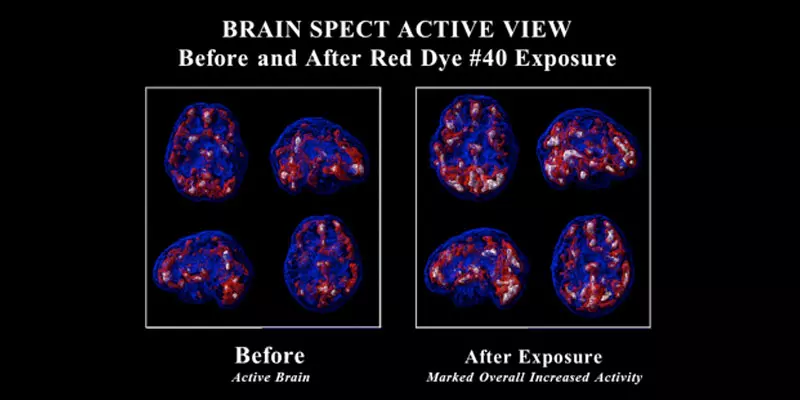
The brain imaging work at Amen Clinics demonstrates that Red Dye 40 can dramatically affect brain function. Consider the case of Robert, a 15-year-old who underwent brain SPECT imaging at Amen Clinics. SPECT is a functional brain imaging tool that measures blood flow and activity in the brain.
His parents noticed that whenever Robert ate or drank something bright red, his behavior became aggressive and hostile. He would easily cry and storm off in a huff or throw things. They brought him to Amen Clinics to confirm their suspicions that he was reacting to these food additives.
As can be seen on this teen’s SPECT scan, his brain showed remarkable overall increased activity with exposure to Red Dye 40. In the images, blue equals average activity, red equals the top 15% of brain activity, and white equals the top 8% of brain activity.
After removing Red Dye 40 from his diet, Robert’s behavior improved dramatically. His mother strongly believes that their experience is not a unique one and that Red Dye 40 should be completely banned from our food supply.
HOW TO SPOT FOOD DYES ON NUTRITION LABELS
A new field called nutritional psychiatry shows how important food is for mental health, emotional well-being, cognitive function, and behavioral stability. Knowing that you are what you eat, no discussion about changing your diet can miss the importance of eliminating this substance!
To rid this dye from your family’s diet, you need to learn to scour nutrition labels. Red Dye 40 goes by many names. Look for any of these ingredients on labels:
Allura Red
Allura Red AC
C.I. 16035
C.I. Food Red 17
FD&C Red No. 40
Red 40
Red No. 40
Be aware that even though food manufacturers are required to list the dye on nutrition labels, they don’t have to specify how much is included. Your best strategy is to steer clear.
HOW TO KNOW IF FOOD DYES ARE AFFECTING YOU
An elimination diet can help you determine if artificial food dyes may be contributing to bothersome symptoms. For one month, cut out sugar, gluten, dairy, corn, and soy, as well as artificial dyes, additives, and preservatives to see if you feel better. Then add these substances back one at a time and be alert for reactions to them, which would indicate that you should permanently avoid that food.
ADD/ADHD, behavioral problems, and other mental health issues can’t wait. At Amen Clinics, we’re here for you. We offer in-clinic brain scanning and appointments, as well as mental telehealth, clinical evaluations, and therapy for adults, teens, children, and couples.Find out more by speaking to a specialist today at 888-288-9834 or visit our contact page here.
You may think the ketogenic diet, or keto diet, is simply one of the latest trends in weight loss. But did you know that this diet has been used since the 1920s as a medical treatment?
For about 100 years, physicians have been recommending the keto diet to patients with treatment-resistant epilepsy. In fact, scientific research shows that it cuts the frequency of epileptic seizures in children by more than 50%.
But that isn’t its only impact on the brain. What else does the keto diet do to your brain? Does it enhance brain function and mental health? Or does it lead to problems?
In this blog, you’ll learn more about the keto diet, how it impacts the brain, and the pros and cons regarding its effects on mental health.
On the ketogenic diet, or keto diet, you can lose weight while eating bacon, cheese, chocolate, avocado, and whipped cream. Sounds great, right?
It works, but only if you dramatically decrease your intake of carbohydrates. That means little or no grains, sugary sweets, or potatoes. For many people who want to lose weight, this sounds like a good trade-off.
The keto diet can be challenging to maintain, but when it works it can be powerfully effective. The main idea is for you to get more calories from protein and fat and significantly fewer calories from carbohydrates. Basically, you cut back on carbs that are easy to digest, such as sugar, soda, pastries, and white bread—something you should do anyway.
When you eat less than 50 grams of carbohydrates a day, your body runs out of blood sugars and eventually (usually after 3-4 days) starts to break down protein and fat for energy. This is called ketosis.
People use this diet most often to lose weight because it takes more calories to convert fat into energy than carbohydrates and helps you feel fuller longer.
However, it has also been used to help with medical conditions, such as seizures, type 2 diabetes, high blood pressure, acne, and even some forms of cancer.
THE KETO DIET AND MENTAL HEALTH: PROS
A growing body of research shows that the keto diet can have positive benefits on mental health. A review of studies on the diet show it improved symptoms related to depression, anxiety disorders, attention-deficit/hyperactivity disorder (ADHD), and schizophrenia.
At Amen Clinics, we have seen the beneficial effects of the keto diet on some of our patients. For example, one woman visited Amen Clinics because she was struggling with a severe case of premenstrual dysphoric disorder (PMDD).
In the days before her period, she would experience symptoms like mood swings, anger, irritability, and irrational behavior.
On SPECT scans, her brain showed extreme overactivity in the limbic system and anterior cingulate gyrus (ACG) right before her period. On brain scans, too much activity in the limbic system is associated with low moods, and heightened activity in the ACG is seen in people who tend to get stuck on negative thoughts and behaviors.
When she went on the keto diet, she noticed that her moods brightened significantly, and her other symptoms improved greatly. Her follow-up SPECT scans while on the low-carbohydrate diet showed calmer overall activity.
The interest in the keto diet as a treatment for mental health disorders is increasing. Currently, there are dozens of clinical trials underway exploring the effects of the keto diet on mental health conditions, such as bipolar disorder, schizophrenia, autism, clinical depression, anxiety disorders, psychotic disorders, eating disorders, post-traumatic stress disorder (PTSD), alcohol use disorders, Alzheimer’s disease, and more.
THE KETO DIET AND MENTAL HEALTH: CONS
The keto diet isn’t right for everyone and there can be a few downsides when it comes to mental health and physical wellness.
The keto diet may negatively impact gut health.
The traditional keto diet is low in dietary fiber, which can negatively impact gut bacteria. Fiber-rich foods are necessary to feed the good bacteria in our gut. Without enough fiber, their numbers can decrease, allowing the population of bad bugs to proliferate.
This can lead to trouble because the gut communicates with the brain in the synthesis of neurotransmitters, such as serotonin, which is important for healthy moods. Gut imbalances are associated with several mental health problems.
The keto diet may lead to hormonal imbalances in women.
Because most of the research on the keto diet has been done on men (and quite a few lab rats), some of its effects on women remain unclear. Although the diet was effective for the woman with PMDD described above, it may not be helpful for all women.
In some women, consuming a keto-friendly diet may cause hormonal imbalances, which can interfere with healthy neurotransmitter production and contribute to mood disorders, anxiousness, and irritability.
The keto diet may impair thyroid function.
Research on the keto diet’s effects on thyroid function is mixed. Some research, such as a 2017 study on children with epilepsy on a keto diet, suggest that following a ketogenic eating plan increases the risk of thyroid dysfunction.
Other studies have reported that thyroid levels have changed significantly in people on a keto diet while others found no changes in thyroid function.
This is important because the thyroid is a neurohormone, and if it is either underactive or overactive, it can contribute to symptoms associated with mental illness.
For example, when the thyroid is underactive (hypothyroidism), it can lead to symptoms of depression, attention problems, memory problems, and psychosis. An overactive thyroid is associated with anxiety, racing thoughts, difficulty concentrating, mania, and more.
Considering that the jury is still out on the keto diet and thyroid function, it is advisable for people with thyroid issues to consult with a healthcare professional before starting a keto plan.
IS THE KETO DIET RIGHT FOR YOUR BRAIN?
Be sure to check with your physician before starting a new diet plan. If you get the go-ahead, try it and see if it has a positive effect on your physical and mental well-being. If it does, stick with it. If it exacerbates any psychiatric symptoms, it may not be right for you.
Depression, anxiety, and other mental health issues can’t wait. At Amen Clinics, we’re here for you. We offer in-clinic brain scanning and appointments, as well as mental telehealth, clinical evaluations, and therapy for adults, teens, children, and couples.Find out more by speaking to a specialist today at 888-288-9834 or visit our contact page here.
When you have depression, life feels like a constant struggle. In addition to dealing with internal feelings of hopelessness, helplessness, worthlessness, and emptiness, you may experience some “embarrassing” symptoms of depression.
Maybe you haven’t showered in days. Maybe you’re late to work every day because you can’t motivate yourself to get out of bed. Maybe you’re more forgetful. These are some of the outward signs of depression that the people around you tend to notice.
The problem is most of those people are unaware that these issues are associated with your underlying mental health condition. As a result, you may end up being labeled in unkind ways.
At Amen Clinics, patients with major depressive disorder often open up about their most “embarrassing” symptoms, behaviors, and traits. If you’ve experienced some of these same issues, it’s helpful to know that you aren’t alone.
To help break the stigma and shame that comes with depression and other mental disorders, it’s important to be open about these cringe-inducing symptoms.
In addition to dealing with internal feelings of hopelessness, helplessness, worthlessness, and emptiness, you may experience some “embarrassing” symptoms of depression.
Based on tens of thousands of patients at Amen Clinics, here are 7 of the most common bad habits and unwanted behaviors depressed people say they experience.
Not bathing.
If you’re like many of the depressed patients at Amen Clinics, you may not be able to muster the energy to bathe on a daily basis. You might prefer to stay in your pajamas all day—especially if you’re working from home. You may also skip washing your hair or shaving, which can make you look unkempt.
When Shelly, a 47-year-old attorney, visited Amen Clinics, she said, “I can go for days on end without even thinking about taking a shower. But then when I have to meet a client at the office, I realize how unprofessional I look, and I get embarrassed about my body odor.”
Gaining weight.
For some people, weight gain is the most mortifying side effect of depression. Among women, increased body mass index (BMI) is actually linked to a rise in suicidal thoughts, according to research in the American Journal of Public Health.
Statistics from the CDC show that 43% of people with depression are obese, and adults who are depressed are at increased risk for obesity. What’s the connection?
For 23-year-old Terra, eating was a way to try to fill the emptiness she felt inside, but it backfired. “All this extra weight makes me feel awful about myself. I don’t want to see any of my friends or family because I’m ashamed of the way I look, and I’m worried about what they might say to me,” she said.
Treating clinical depression with antidepressants can make things worse as antidepressant medications list weight gain as a possible side effect. Being able to maintain a healthy weight is another reason why it is so important to look for natural ways to promote healthy moods.
Brain fog.
Do you find yourself forgetting what your spouse said to you 5 minutes ago? Do you have trouble following conversations? Do you feel mentally confused? Brain fog is a frustrating complaint among people with affective disorders.
For Amen Clinics patient Jill, 43, brain fog was the most embarrassing aspect of depression. “Everything seems all mixed up in my head, and I can’t remember anything,” she said. “I feel stupid and don’t want to open my mouth for fear of saying something wrong.”
Sexual dysfunction.
Men and women both complain that depression causes a host of sexual problems. Even worse, commonly prescribed antidepressants can sabotage your sex life. You may have low or no sex drive, and it may take longer to achieve an orgasm if you are able to climax at all.
Depression is also associated with erectile dysfunction, which can be a major source of embarrassment for men. “Having problems in the bedroom makes me feel so inadequate,” said 42-year-old Robbie, who sought help for his anxiety and depressive symptoms. “It’s so humiliating.”
Appearing flaky.
With depressed moods, it’s common to isolate yourself from other people. When asked if you want to join family or friends for an event, you may say “yes” and genuinely mean it. But when the time comes to get ready and head out the door, a sense of dread may descend over you, and you cancel your plans.
“Bailing on plans at the last minute makes me seem flaky and unreliable,” said 50-year-old Blaine, a pilot who had always prided himself on being punctual and dependable. “I hate this version of myself.”
Being a bad employee.
Do you zone out on Zoom meetings? Are you always showing up late to work because you overslept or didn’t have the energy to get out of bed in the morning? Do you get irritated with your coworkers? Depression can wreak havoc with your ability to be productive and creative in your work.
Jason, 25, sought treatment at Amen Clinics for clinical depression that had started when he was in college. He said, “I should have been excited about getting my first promotion at work after graduating from college. But my depression made it really hard for me to concentrate so I would miss my deadlines.”
In addition, Jason said, “I felt so exhausted all the time that I would arrive late, then I started skipping work altogether. Eventually, I got demoted, which was so embarrassing.”
Snapping at my kids.
Irritability and anger are some of the most unrecognized depression symptoms of depression. However, research shows that about one-third of depressed people also experience moments of rage. Many Amen Clinics patients with mood disorders admit that they are quick to lose their temper and tend to yell, throw things, or slam the door.
Anton, a 38-year-old computer programmer with two toddlers under the age of 5, didn’t realize that his depressive disorder was tied to his anger. “I get so irritated at the kids and I snap at them in front of other people,” he said. “Then I instantly regret it and feel so ashamed, like I’m a bad parent.”
OVERCOMING EMBARRASSING DEPRESSION SYMPTOMS
As these patients learned, you don’t have to continue suffering from embarrassing signs of depression. Understanding that your unwanted behaviors are, in fact, related to depression is one of the first steps to healing.
In addition, the brain SPECT imaging work at Amen Clinics shows that depression is a brain-based disorder. It isn’t a character flaw, and it isn’t your fault.
One of the biggest lessons from over 225,000 SPECT scans in the Amen Clinics database is the fact that depression is not just one thing. In fact, there are 7 types of depression. Knowing your depression type is one of the keys to getting the most effective treatment.
Discovering this helped each of the Amen Clinics patients mentioned in this blog to overcome feelings of shame associated with their habits. That’s why it’s so important to seek help from mental health professionals who utilize brain imaging as a tool to help diagnose and treat mental health conditions.
Targeted treatment for depression that involves natural solutions whenever possible can be the key to overcoming those embarrassing behaviors and feeling good about yourself again.
Depression, brain fog, aggression, and other mental health issues can’t wait. At Amen Clinics, we’re here for you. We offer in-clinic brain scanning and appointments, as well as mental telehealth, clinical evaluations, and therapy for adults, teens, children, and couples.Find out more by speaking to a specialist today at 888-288-9834or visit our contact page here.This blog has been updated from its original publish date.
It seems like every family has at least one relative who excels at creating drama during the holidays. Think about the “crazy maker” at your family gatherings and try to identify them among this cast of characters:
• Uncle Jim is intoxicated by 4 pm, then has a brutally honest “nugget” to share with someone else in the family. Why is he always sticking his nose where it doesn’t belong and instigating arguments?
• Then there’s Cousin Lucy. She’s riddled with worry over uncle Jim’s drinking and still holds a grudge over the rude comment he made to her last year, which resulted in an uncomfortable argument during dinner.
• Or what about Grandpa Joe, who sits in the corner of the room and looks spaced out all day? Even though he refuses to participate in family games, he complains about being bored all the time.
What makes family members act this way? It could be they have ADD.
Did you know that there’s more than one type of ADD? Daniel G. Amen, MD has identified 7 different types. Three of those types are represented in our hypothetical family: Uncle Jim has Ring of Fire ADD, Cousin Lucy is dealing with Over-focused ADD, and Grandpa Joe has a bad case of Inattentive ADD.
The Dangers of Undiagnosed ADD
While ADD is most often thought of as a disorder for children and adolescent boys with behavioral issues, 4.1% of all U.S. adults have ADD, and 41% of them have cases the National Institute of Mental Health classify as severe.
However, those are just the adults who are diagnosed with ADD; scores more struggle through life never realizing they have it. When left untreated, ADD can be incredibly debilitating, not only for those dealing with it but their loved ones as well. People with untreated ADD often suffer from other disorders as well, including: social isolation, depression and anxiety.
If you suspect someone in your family has ADD, here are some practical steps you can take to ensure a stress-free holiday…
5 Ways to Prevent Your Holiday from Being Ruined
1. Leave Early
People with ADD often struggle with procrastination. The prefrontal cortex is the brain’s supervisor and is involved with forethought, judgment, planning and impulse control. When this part of the brain is low in activity, which is the most common research finding in ADD, people can’t supervise themselves very well, which can lead to chronic lateness and irritated family members.
Set multiple alarms to keep your family on track and tell everyone in your house that you’re leaving 30 minutes before you actually have to depart. Avoid the last-minute scramble to get out the door, which can lead to stress, anxiety, and arguments.
2. Minimize Conflict
Many people with ADD can focus well with stress, but not well without it. Conflict-seeking behavior and arguments can be used as a form of self-medication to wake up the brain, and people with ADD can get addicted to it.
So how do you handle someone who thrives on conflict? Fighting fire with fire, by raising your voice or using abusive or unsavory language, certainly won’t help matters. Avoiding confrontations isn’t the answer either, since minimizing or brushing aside a dispute can further embolden the aggressor and make things even worse.
Resist the urge to participate in discussions that can offend or create family strife. Always look for a way to redirect negative tirades or inappropriate conversations. If that doesn’t work, isolate the individual from the rest of the group to prevent them from ruining the holidays.
3. Get Active
If you need a break from a movie marathon or if you just want to work off that extra slice of turkey or ham, get the family outside for some fresh air and exercise. Engage in a brain safe activity or take a long walk. Walking can help you clear your mind, decrease anxiety, improve your mood and burn some calories all at the same time.
Intense physical exercise boosts blood flow to the brain. When everyone in the family is thinking clearly, better decisions and behaviors should follow. It’s always better to stimulate the brain with physical activity than family drama.
4. Lose the Booze
Many people think serving alcohol at a holiday gathering will help to settle everyone down, but it’s more like rocket fuel for impulsivity and family conflict.
Alcohol predisposes you to sugar abuse, stimulates your appetite, prolongs the time you sit during a meal and is associated with continued eating even though you feel full. Alcohol exerts substantial influence on the circulation in your pancreas, which increases the production of insulin. This leads to low blood sugar levels, which can negatively affect your decision-making.
Instead of alcohol, serve a low-sugar hot apple cider – it makes the house smell amazing and will warm cold hands after outdoor family fun.
5. Steer Clear of Sugar
There’s mounting evidence that sugar is toxic…even lethal. Excessive sugar intake, which is linked to diabetes, heart disease, and cancer, is responsible for 35 million deaths a year globally.
Sugar increases erratic brain cell firing, has been implicated in aggression, and increases the types of inflammation that worsen ADD symptoms.
Low blood sugar levels are associated with overall lower brain activity, which means more cravings and more bad decisions, like reaching for a sugary snack or soda. The best way to regulate your blood sugar is to eat a healthy snack every 3-4 hours. Natural snacks, like whole fruits, seeds, and nuts, are portable and are ideal for fending off hunger between meals.
We Can Help
ADD is a neurobiological disorder with serious psychological and social consequences. Children, teens, adults and parents need to know that it’s not their fault, they didn’t cause it, and there is hope.
ADD isn’t just one thing, so one treatment plan will never fit everyone. Amen Clinics is here to help you understand the ADD brain and provide customized solutions that address more than just symptoms. For more information about our full range of services and treatments, call us today at 888-288-9834 or visit us online to schedule an appointment.