
ARCHIVE
Alecia, 22, was a very bright young college student, but she was no longer performing up to her potential. She was having trouble thinking clearly, problems with goal setting, and difficulty staying organized. She also felt like she didn’t have enough energy, was prone to angry outbursts, and spent money foolishly. It got so bad she had to drop out of school.
What was Alecia’s problem?
To find out, Alecia’s parents took their daughter for a brain scan, which revealed marked decreased activity in her prefrontal cortex and temporal lobes. The problems, it turned out, stemmed from an accident she’d had a year earlier when she tripped and fell face first on a slick, rain-soaked ramp at college. The fall had caused a traumatic brain injury even though she never passed out. Based on the brain scan, Alecia was given a treatment plan targeted to help heal and balance her brain and eventually returned to school where she excelled.


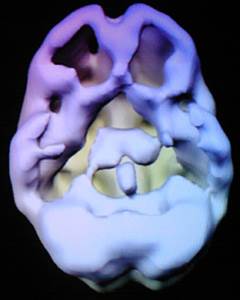
But what would have happened if she hadn’t gotten that brain scan?
The #1 Key to Optimal Performance—Your Brain
If you want to perform at your peak level at work, in school, or on the playing field, you need a healthy brain. Your brain is involved in everything you do and everything you are, including how you think, feel, act, and interact with others. Your brain is the organ of learning, communicating, personality, character, and every decision you make.
When your brain works right, you work right—whether we’re talking about work, school, sports, relationships, money, health, or anything else. Likewise, when your brain is troubled for whatever reason, you are much more likely to have trouble in your life.
How Can You Know Unless You Look?
The problem is no one ever looks at your brain. If you go to the doctor with crushing chest pain, they’ll scan your heart. But if you have crushing sadness, no one will scan your brain.
This needs to change. Brain imaging technology called SPECT measures blood flow and activity in the brain and can reveal areas of the brain with healthy activity, too much activity, or not enough activity. With this knowledge, you can get personalized strategies to balance brain activity for next-level performance.
Here’s what SPECT brain scans show about some of the most common issues that could be impacting your performance.
Acting Impulsively
Routinely acting impulsively without considering the consequences or taking uncalculated risks can get you into hot water and cause losses for you and your organization.
SPECT findings: Impulsivity is often associated with low activity in the brain’s frontal lobes. In some people, it is associated with ADD/ADHD.
Getting Stuck in Your Ways
Falling into a rut can prevent you from staying up to date in terms of skills and trends. When you’re stuck in outdated thinking patterns, it stunts creativity and innovation.
SPECT findings: Too much activity in the brain’s frontal lobes is commonly seen in people who tend to get stuck, have looping thoughts, or compulsive behaviors. In severe cases, it is linked to obsessive compulsive disorder.
Anger/Mood Issues
How can you expect to perform your best when you feel mad, sad, or anxious? These issues can rob your motivation, drain your energy, and sideline your ability to focus on your goals.
SPECT findings: Anger and aggression are often linked to damage in the temporal lobes. People who have low moods or depression often have increased activity in the brain’s limbic system, and those with high anxiety tend to have too much activity in the basal ganglia, insular cortex, and amygdala.
Relationship Problems
There’s no way to be operating at full capacity if you’re constantly butting heads with your colleagues, classmates, or teammates. And relationship problems at home can spill over into the mindset you take to the office, classroom, or playing field and throw you off your game.
SPECT findings: Having trouble getting along with others can be associated with a variety of brain issues. Low activity in the frontal lobes can make you blurt out hurtful things. Too much activity in this area can make you argumentative and prone to pointing out what you don’t like about others. Abnormal activity in the temporal lobes can make you tend to have temper problems. All of these things can make it hard for you to maintain personal and professional relationships.
Disorganization
How can you hit your deadlines and do your best work when you can’t find your files, lose your phone with all your contacts, and miss important meetings because you put a reminder on a sticky note that’s now under a pile of stuff?
SPECT findings: Decreased activity in the frontal lobes is commonly seen in people who are disorganized and those who have ADD/ADHD.
Memory Issues
You can’t be your best if you can’t remember due dates, upcoming appointments, people’s names, or your team’s playbook.
SPECT findings: A number of brain issues can be associated with memory problems, including overall low blood flow, a toxic-looking brain, or damage from a traumatic brain injury.
Seeing is believing. When you see on SPECT scans that your brain is troubled, it gives you a blueprint to finding the right strategies to balance it. And when you optimize your brain function, you optimize your ability to perform at your very best. Get your brain right and it will be much easier for you to be at the top of your game in every area of your life.
At Amen Clinics, we utilize brain SPECT imaging to help people see what’s happening in their brain that is keeping them from performing at peak levels. We have helped thousands of CEOs, executives, entertainers, influencers, professional and college athletes, and students optimize their brain health and enhance their performance in everything they do.
If your performance at work, in school, or on the field is holding you back, finding the root cause is the first step to turning things around. Call 888-288-9834 today to speak to a specialist about getting a brain scan as part of a complete evaluation or schedule a visit online.
Ever wonder if the media your tweens and teens are watching influences their moods and mental health? Consider this. In the month following the release of the critically acclaimed but controversial Netflix show “13 Reasons Why” the suicide rate among Americans ages 10-17 jumped by nearly 30 percent! The series, which began streaming on Netflix in 2017, follows the story of a teenage girl who took her own life and left behind 13 audiocassettes for her friends that unravel the reasons why she did it.
The study, which was funded by the National Institute of Mental Health (NIMH) and appeared in the Journal of the American Academy of Child and Adolescent Psychiatry, analyzed five years of suicide rates among people between the ages of 10 to 64. Although there was no change in suicide rates for adults in the month after the show’s release, the rate among those under 18 rose dramatically. And it was particularly evident among boys.
These findings are troubling and should be a wake-up call for parents.
Young Brains Still Under Construction
Young people’s brains are still developing until their mid-20s, with girls’ brains typically developing faster than boys’ brains. In particular, the prefrontal cortex is the last area of the brain to mature at about age 25.
This brain region is involved in judgment, planning, forethought, and impulse control. So, you can understand why teens—and especially male teens—are more likely to make rash decisions. Even car insurance companies know this. It’s why they charge more until a driver reaches their mid-20s.
Troubled Teen Brains
Sadly, suicide is a growing problem in our society. The overall rate of suicide has increased 33 percent since 1999. It is the second leading cause of death among people ages 10 to 34. And teens today are more likely to have suicidal thoughts or to suffer from depression compared with Millennials when they were the same age.
Reducing the Teen Suicide Risk
There are many things parents can do to help protect their kids from falling victim to suicide.
1. Monitor their media consumption.
Parents need to understand that what your kids and teens watch on television, online, and on social media can play a role in the development of their brain. Set limits, use parental controls, and talk to your kids about what they’re watching.
2. Don’t let adolescents smoke marijuana.
Research shows that using cannabis as an adolescent raises the risk of depression and increases suicidal thoughts and suicide attempts when they become young adults.
3. Encourage healthy sleep habits.
Did you know that teenagers who average just one hour less of sleep at night are 38 percent more likely to feel sad and hopeless, 42 percent more likely to consider suicide, and 58 percent more likely to attempt suicide?
4. Protect their brain.
Head injuries and concussions—even mild ones that are never diagnosed—increase the risk for suicide. Make sure young people always wear a helmet when riding a bike and don’t let your kids hit soccer balls with their heads.
5. Seek help for mental health issues.
If your child is experiencing symptoms of depression, anxiety, or ADD/ADHD, it’s critical to seek help for those issues. Be aware that medications don’t always work, and in some cases, they can make a teen worse. Getting a comprehensive evaluation is key to finding solutions that work.
If you are having suicidal thoughts, call the National Suicide Prevention Lifeline at 1-800-273-TALK (8255).
At Amen Clinics, we have helped thousands of teens and tweens overcome feelings of anxiety, depression, and suicidal thoughts, as well as to gain control over impulse control issues. We believe in using the least toxic, most effective treatments based on comprehensive evaluations that include brain imaging, lab work, and cognitive testing. If you have concerns about your teen, reach out today by calling 888-288-9834 or schedule a visit online.
YouTube superstar, Logan Paul is no stranger to controversy. Logan Paul has claimed he lacks empathy and feels motivated by his fans to only increase risk taking behavior. Logan Paul made headlines last year for posting on his channel a dead body found in Japan’s sacred suicide forest. He has also insulted the LBGTQ community by offering to “go gay” for a month, and he is constantly pulling stunts and making bad choices that are filmed for his millions of fans. But why does he constantly opt for the wrong options? Why was he considered the most hated celebrity of 2018? To help find answers, Logan Paul visited Amen Clinics, which is among the world leaders in applying brain imaging science to help people who struggle with emotional issues, behavioral challenges, cognitive problems and learning challenges such as ADD.
SPECT Imaging Reveals Brain Damage
Logan Paul went to visit double board certified psychiatrist Daniel G. Amen, MD to find out why he acts inappropriately and seemingly without empathy. Dr. Amen scanned Logan’s brain with a study called single photon emission computed tomography (SPECT), which maps blood flow in the brain. They discovered he has low blood flow and abnormal activity in key areas of his prefrontal cortex that rule the “human” part of being human. Dr. Amen knows that Logan’s history of repetitive head trauma from football combined with a trampoline accident where he fractured his skull is the main reason behind his bad decisions. Logan’s very significant injury shows trouble with empathy among other problems. Dr. Amen explained to Logan the long-term problems he faces if he does not follow treatment for healing this brain injury. “You hurt [the prefrontal cortex], which means you’re gonna have trouble with focus and forethought, and follow through, and organization, planning, and empathy, so for relationships, and learning from the mistakes you’ve made… If we don’t fix this, no matter how successful you are, you’re not going to make the decisions you need to move your life in the direction you want… Living the rest of your life with this brain is not going to be a lot of fun, for you for the people who love you. Because you’re gonna have trouble connecting. ”Logan Paul’s Treatment for Prefrontal Cortex Brain Damage
But, luckily for Logan, his brain can be helped with the treatment plan laid out. Dr. Amen determined his treatment should include targeted supplements for supporting brain health and 80 1-hour sessions in a hyperbaric oxygen chamber. Logan Paul and Dr. Amen just might be the reason young men and women will start seeking help for their difficult behaviors that damage their work, relationships, and overall happiness. Watch here: For more information on how SPECT imaging can help provide a customized treatment plan to help heal your brain, call us today at 888-288-9834 or visit us online to schedule a visit. When you hear the word “addiction,” the first thing that pops into your head is probably drugs or alcohol. Gambling or sex addictions might also register as types of negative habits. Or perhaps even the digital obsession many have with their devices. But video game addiction? Is there really such a thing?Is It Really an Addiction?
Most people would agree that video game binges or all-night marathons aren’t beneficial to your health, either physically or mentally. But is there a time limit that should be observed by gamers? Is there a way to know for sure when video game playing becomes excessive…or even addictive? The World Health Organization recently evaluated the harmful effects of spending too much time playing video games. Based on scientific evidence, the WHO has classified “gaming disorder” as a serious addiction. However, the agency claims that the condition only affects 3% of gamers. Although the American Psychiatric Association hasn’t labeled excessive gaming as a mental health condition, the organization does admit that the disorder warrants further clinical research.Addiction Begins in the Brain
The brain is the supercomputer that runs everything in your life. It plays a central role in your vulnerability to addiction and your ability to recover and maintain sobriety. Understanding the brain’s role in addiction, prevention, and treatment is the key to helping people break free from their addictions. Until then, they will continue to fuel their addictions with daily habits and actions that pollute the brain and make it even harder for them to break free from those addictions. One way to help identify addiction in the brain is with SPECT imaging. Overloaded work schedules, not getting enough sleep, and living with strained relationships all can lower brain function, and make it more difficult to fight addiction. Eating a fast food diet, guzzling sugary sodas, and gobbling unhealthy snacks deprives the brain of proper nutrients, which decreases your ability to think clearly and make good decisions. Isolating yourself from family and friends to hide your addiction also has a negative effect on your brain that can further intensify your addictive behaviors.The Brain’s Reward System
Your motivation to either commit or quit harmful acts is tied to the biological makeup of your brain and your brain’s reward system. This system is an intricate network of neurotransmitters that are critical to human survival. Your self-control circuit is comprised of: 1. the brain systems that drive you to seek out things that bring you pleasure and, 2. the prefrontal cortex (PFC), which applies the brakes when you’re about to engage in risky behavior. In the addicted brain, the underactive PFC can create an imbalance in the reward system and cause you to lose control over your behavior. When this happens, you’re more likely to fall victim to your cravings. Having low activity in the PFC often results in impulse control problems and poor internal supervision.ADHD and Video Game Addiction
Many individuals with ADHD, who can barely spend ten minutes doing mundane tasks such as paying bills or preparing their taxes, can easily lose themselves for hours on end playing video games. The stimulation, novelty, and excitement grabs and maintains their interest. Without these stimuli, they can be apathetic, fatigued, or spacey. A recent study found that gamers with ADHD symptoms may be at a greater risk for developing video game addiction. Up to 23 percent of people who play video games report symptoms of addictive behavior. If you know someone who can’t put down the controller, here are some practical strategies that can help them overcome Video Game Brain:Healthy Pleasure Centers
Deep inside the brain, your pleasure centers respond to several neurotransmitters, particularly dopamine. When dopamine is depleted, depression and low motivation are much more likely to occur – it can be harder to find your sense of joy and lift yourself out of a funk. Boost dopamine naturally by engaging in meaningful and pleasurable activities on a regular basis. Do work that you love, get consistent exercise and take time to have fun with your loved ones.Boost Your PFC
The prefrontal cortex (PFC) is responsible for helping you be goal-oriented, socially responsible, and productive in every area of your life. Decreased activity in the PFC has been associated with lack of forethought and poor judgment. Exercising self-control is one of the best ways to strengthen your PFC. To develop your PFC, you can practice saying no to the things that aren’t good for you and, over time, you’ll find it easier to do the right thing. Also, supplements, green tea, and Rhodiola can increase blood flow to the PFC which can help you make better decisions.“Then What?”
Addictions are made worse when we literally “wear out” the brain’s pleasure centers from constant exposure to highly stimulating activities, such as drugs, video games, and internet pornography. Take inventory of the adrenaline-producing habits in your life. Eliminate unhealthy ones and take breaks from activities (even good ones) that are becoming compulsive. When fighting an addiction, always keep these two words in mind: “Then what?” Whenever you think about doing or saying something that may have a negative impact on your life, consider the consequences of your behavior. This question can serve as a stop sign to impulses that are about to take you down the wrong path. Brain dysfunction is the #1 reason why people fall victim to addiction. If a loved one is struggling with any form of addiction, our method of integrative psychiatric support can help. Our Full Evaluation of your biological/psychological/social/spiritual history, coupled with two brain SPECT imaging scans (in concentrating and resting states), cognitive testing, and clinical assessment is designed to address unique needs and offer targeted treatment options. If you or someone you know is struggling with a video game addiction, call us today at 888-288-9834 or visit us online to schedule a visit. Your brain controls everything you do and all the decisions you make. When the brain works correctly, you work correctly. When the brain is troubled, you are much more likely to make troubled decisions. Whenever human frailties are involved, think about the brain. In our experience, with a thoughtful approach, the brain can be better, which will ultimately be better for the whole family. “Why are so many men acting badly?” “Men are high-testosterone-driven cheaters who choose to make bad decisions.” “They should just say no and stop making decisions that harm and hurt people.” At Amen Clinics, we have neuroscientists who have scanned tens of thousands of patients’ brains over the last 28 years, many of whom were sex addicts. We understand the brain tells a different story. There is an area in the front part of the brain called the prefrontal cortex. It is also known as the executive center of the brain because it acts like a boss at work. The prefrontal cortex is involved in: • Forethought • Judgment • Impulse control • Organization • Planning When there are problems in this part of the brain, men in particular are excitement-seeking and prone to exhibit poor judgment. Our founder, Dr. Daniel Amen was on the Dr. Phil Show for a feature he did on compulsive cheaters. He performed a brain SPECT (single photon emission computed tomography) scan on Jose, who had cheated on his wife eight times in the four years they were together. His brain showed very low activity in his prefrontal cortex. He also had a brain injury pattern from playing football and mixed martial art fighting. From seeing his own scan, Jose developed brain envy and wanted a better brain. He did not want to be divorced and have his daughter raised by someone else. Cheaters often experience the pain of rejection from their behavior and, with enough pain, can become motivated to change. Jose changed his habits, improved his nutrition, took some simple supplements to boost brain function and has not cheated on his wife for over a year. His follow-up brain scan also looked dramatically better. As he changed his brain, he changed his life. So how do we proceed with treating cheating as a condition? Let’s start by looking at their brains. Psychiatrists, whom people come to see for help, are the only medical professionals who rarely look at the organ they treat. Psychiatrists still make diagnoses today as they did in 1841, by talking to people and looking for symptom clusters. Imagine if a cardiologist or an orthopedic doctor treated patients that way. If the cheater’s brain is healthy, then he/she should just deal with the fallout of their poor judgment and learn to behave better. If, however, there is brain dysfunction (as is often the case), perhaps from a brain injury in the past or other prefrontal cortex problems (such as ADHD), then getting a brain makeover with appropriate treatment is essential. If you or someone you know is dealing with these sort of problems, we would love to speak with you today. Please reach out at 888-288-9834 or make an appointment. There is always hope and room for lasting change at Amen Clinics. While ADD is most often thought of as a disorder for children and adolescent boys with behavioral issues, 4.1% of all US adults have ADD, and 41% of those adults have cases the National Institute of Mental Health classify as severe. However, those are just those adults who are diagnosed with ADD. When left untreated, ADD can be incredibly debilitating for not only the people struggling with it but their loved ones as well. They may have trouble focusing, but that isn’t all, patients with untreated ADD often suffer from other disorders as well, from social isolation to depression and anxiety. And those who love them may not know what makes them act so differently. One of our patients named Larry was 62 when he came in to see us. He was experiencing a great deal of marital conflict and was on the brink of divorce. His wife complained that he never talked to her, was unreliable, never finished projects that he started, and that he was very negative. He tended to be moody, tired, and disinterested in sex. As a child, Larry had mediocre to poor grades in school, and as an adult he went from job to job, complaining of boredom. But, he was never diagnosed with ADD. After his marital specialist referred him to Amen Clinics, and we had a chance to scan his brain, Larry’s SPECT scan showed decreased prefrontal cortex activity and increased activity in the deep limbic system of his brain. Larry had Limbic ADD, with problems that looked like a combination of ADD and mild, chronic depression. That’s right, Larry had suffered from limbic ADD, one of the seven types of ADD, for his whole life, and he had never been diagnosed. Luckily for Larry, after getting him on a personalized treatment program, his ADD is under control. Last time we spoke, they told me that he and his wife were happier than when they first were married! ADD is a neurobiological disorder with serious psychological and social consequences. Children, teens, adults and parents need to know that it’s not their fault, they didn’t cause it, and there is hope. Amen Clinics is here to help you understand the ADD brain and provide treatment options that address more than just symptoms. Call us today at 888-288-9834 or visit us online to schedule a visit. Jeremy was a bright student who worked hard and succeeded academically. He loved to learn and had done exceptionally well at a prestigious university, but he had a tendency to get bored easily. As a result of his hard work, Jeremy attained his dream of being accepted to medical school. He expected that medical studies would be an extension of the smorgasbord of intellectual challenges he had experienced in college. But Jeremy was soon disappointed when he discovered how much rote memorization was involved. Having to memorize a seemingly endless number of uninteresting facts made Jeremy and his brain feel half asleep. He resorted to simultaneously listening to both the television and the radio to remain awake enough and have sufficient attention to commit to memory what he needed for his exams. The fact that Jeremy’s brain began to fall asleep when faced with uninteresting information was an important sign that he had attention deficit disorder, also known as attention deficit hyperactivity disorder (ADD/ADHD). People with adult ADD, which affects an estimated 4.4% of Americans, have a high susceptibility to boredom, have difficulty tolerating boredom, and are easily distracted. They’re the ones who tend to look around the room, drift off, appear bored, forget where the conversation is going, or interrupt with extraneous information. Why is boredom associated with this condition? It starts in the brain.Your Brain’s Role in Boredom
ADD/ADHD is a brain disorder that results in problems with low stimulation and increased boredom. Brain SPECT imaging shows that in people with ADD/ADHD, there is low activity in the prefrontal cortex, a region of the brain that is involved with focus, attention, concentration, goal-setting, planning, organization, and impulse control. Underactivity in this part of the brain can contribute to problems in these areas and feelings of boredom.How ADD/ADHD Boredom Interferes with Everyday Life
Because of the way the ADD/ADHD brain functions, people with this disorder have trouble completing everyday activities, such as paying bills, doing household chores, or organizing their files at work. If you have ADD/ADHD, this means you may fall behind on payments, neglect cleaning the house, or have a messy desk at work. This can cause a host of problems in your life—financial issues, relationship trouble, and problems holding a job. Some people with ADD/ADHD also have trouble maintaining everyday relationships. They often quickly become bored with their romantic partner. When the rush of new love wears off, boredom sets in, they end the relationship and seek out someone new.Why People with ADD/ADHD Need Stimulation
Because people with ADD/ADHD need stimulation or excitement in order to stay engaged. They can pay attention just fine to things that are new, novel, interesting, highly stimulating, or frightening. For example, they can easily lose themselves for many consecutive hours playing exciting video games. And activities that would make most of us tremble with anxiety—such as motorcycle racing, free climbing, or skydiving—seem to calm these individuals. Take a look at an Amen Clinics patient who was an airplane wing walker. This man required an extreme amount of stimulation in order to feel calm and comfortable. Most of us would be paralyzed by anxiety walking on the wing of an airplane mid-flight, but this man, who normally experienced boring situations as remarkably intolerable, was optimally stimulated when engaging in his hobby. He stopped being distracted and became mindful, alert, and fully aware in the present moment. Why? The excitement boosted adrenaline, which is often low in those with ADD/ADHD due to adrenal gland disorders and stimulated his frontal lobes. This allowed him to feel calm and focused while walking on wings instead of rattled by his normal state of intense boredom.Unhealthy Ways to Stimulate the ADD/ADHD Brain
Many people with this condition unconsciously—based on brain-driven mechanisms (not will-driven)—play ADD/ADHD games as a way to boost adrenaline and stimulate their frontal lobes. These games just seem to happen. No one plans for them to happen. Most ADD/ADHD people deny that they engage in these behaviors, but they are common in the patients at Amen Clinics.Here are 3 unhealthy ways that people with ADD/ADHD create stimulation:
- “Let’s have a problem.” Without enough stimulation, the brain looks for ways to increase its own activity. Being mad, upset, angry, or negative has an immediate stimulating effect on the brain. Whenever you get upset your body produces increasing amounts of adrenaline stimulating heart rate, blood pressure, muscle tension, and, yes, brain activity. Many people with ADD/ADHD pick on others to get a rise out of them, get them upset, or make them crazy.
- “Fighting as foreplay.” Many couples where one or both partners have ADD/ADHD have intense fights followed by a period of making up and making love. One minute you’re fighting and talking about divorce, and the next moment you’re making wild passionate love. It’s confusing, but the arguing provides the stimulation that gets you ready for love.
- “Let’s get addicted.” People with ADD/ADHD have a higher incidence of addiction, whether it’s to drugs and alcohol, food, video games, social media, or even work. Think of those who are addicted to their iPhones and other mobile devices. It’s the constant pings alerting them to new information and novelty that stimulates their brain and relieves their boredom.
Healthy Ways to Stimulate the ADD/ADHD Brain
There are better ways to support and stimulate the brain, including:
- Intense exercise
- Goal setting
- A diet that is higher in high-quality proteins and fats and lower in simple carbs
- Omega-3 fatty acids that are higher in EPA
- Supplements that support focus, such as green tea, rhodiola, ginseng, and tyrosine
Here are some natural tips to start helping ADD/ADHD today:
1. Take a high-quality multivitamin and mineral supplement every day.
Research shows that people with ADD/ADHD often have nutritional deficiencies, including low levels of vitamin D, zinc, ferritin, and magnesium. Taking a supplement helps replenish levels of these important nutrients. Studies have reported that daily multivitamins/minerals help people with learning and help prevent chronic illness.2. Take omega-3 fatty acids.
Multiple studies, including a 2020 trial in Translational Psychiatry and a 2017 study in the Journal of Lipids, show that taking omega-3 fatty acids can be beneficial for symptoms related to ADD/ADHD, such as attention, impulsivity, and hyperactivity. There are 2 active compounds in omega-3 fatty acids: EPA (eicosapentaenoic acid) and DHA (docosahexaenoic acid). Research suggests that fish oil higher in the EPA form of omega-3s may be the most helpful, but it depends on your type of ADD/ADHD. Dose suggestions for adults are 2,000 to 6,000 mg of high-quality fish oil a day (1,000-2,000 mg for children.)3. Eliminate everyday stimulants.
Avoid consuming caffeine or using nicotine products. The brain SPECT imaging work at Amen Clinics—over 160,000 functional brain scans and growing—shows that caffeine and nicotine decrease brain activity over time, sometimes, significantly. In addition, both interfere with sleep, and people with ADD/ADHD often have difficulty sleeping.4. Exercise daily for 30-45 minutes.
The neuropsychiatrists at Amen Clinics have seen a direct relationship between the level of exercise a patient gets and the severity of their symptoms (more exercise = less severe symptoms). Physical activity boosts blood flow to the brain. In addition, when ADD patients are playing sports, such as basketball, where there is intense aerobic exercise, they tend to do better in school or at work. For kids, if you can’t find a safe exercise (no brain injuries please from football, hockey, or soccer headers), take them on long, fast walks.5. Limit screen time.
Keep television, video games, and device time to no more than 30 minutes a day. This may be hard for kids and teens, but it can make a huge difference. In a 2019 study on preschoolers in Plos One, when screen time exceeded 2 hours a day, there were “clinically significant” increases in attentional problems and other symptoms associated with ADD/ADHD.6. Think of food as a drug.
Most people with ADD/ADHD do best with a higher-protein, lower-simple carbohydrate diet. This isn’t true for all types of ADD. People with Type 3: Over-Focused ADD tend to respond better to a more balanced diet with more complex carbohydrates.7. In dealing with kids, employees, and spouses with ADD – NO YELLING!
Many people with ADD have low activity in the prefrontal cortex (PFC) due to lower levels of the neurotransmitter dopamine. To feel more alert, they often find themselves seeking conflict or excitement. They can be masterful at making other people mad or angry at them. Don’t lose your temper with them, because it often makes things worse. If they get you to explode, their unconscious, low-energy PFC activates and unconsciously, they come to crave it. Never let your anger be their medication. They can get addicted to it.8. Get screened for other issues.
Up to 60% of people with ADD/ADHD also have learning disabilities, and they are particularly common in Type 4: Temporal Lobe ADD. People with ADD/ADHD should also be screened for Irlen Syndrome, a visual processing problem that is commonly seen with the condition.9. Never give up seeking help.
If you aren’t getting the results you want from your treatment plan, keep investigating. Other issues, such as head trauma, co-occurring conditions like depression, or hormonal imbalances may play a role in the severity of your symptoms. Brain SPECT imaging and lab testing may be helpful in determining if other issues are at work.10. Know your (or your child’s) ADD Type.
The brain imaging work at Amen Clinics has shown that there are 7 types of ADD/ADHD. Knowing your type is critical to getting the right treatment plan. You can begin with our ADD Type Test to discover your (or your loved one’s) ADD Type and get a personalized overview on what to do about it. ADD/ADHD—as well as anxiety, depression, and other mental health conditions—can’t wait. During these uncertain times, your mental well-being is more important than ever and waiting until life gets back to “normal” is likely to make your symptoms worsen over time. At Amen Clinics, we’re here for you. We offer in-clinic brain scanning and appointments, as well as mental telehealth, remote clinical evaluations, and video therapy for adults, children, and couples. Find out more by speaking to a specialist today at 888-288-9834. If all our specialists are busy helping others, you can also schedule a time to talk. “It’s a natural plant! What’s the big deal?” —A common declaration among youth who believe that the effects of marijuana are harmless and that the substance shouldn’t be regulated. Regardless of public opinion, the science is clear: Regular recreational use of marijuana during adolescence is harmful to the brain, which isn’t fully developed until the age of 25.What Research Says
A review article further emphasized legitimate reasons for concern, suggesting that recreational use of marijuana increases an adolescent’s risk for anxiety and depression; addictions; disruptions in cognitive development; brain changes that can stretch well into adulthood, including impaired activity in the areas that govern alertness, awareness, learning, memory and inhibitory control; and overall lower IQ.Long-Term Risks of Marijuana
The long-term risks of using recreational marijuana are even greater for adolescents with ADD/ADHD because the cognitive issues are magnified in those with already-low prefrontal cortex (PFC) function. At Amen Clinics, we call the PFC the brain’s “executive center” because it regulates impulse control and keeps us focused on the outcome of our decisions.