In recent times, there has been a lot of hype surrounding the use of psychedelic drugs as potential treatments for mental health issues. The excitement about the possibilities of these mind-altering substances to relieve symptoms associated with a variety of mental health conditions is reaching a fevered pitch. But does the reality live up to the hype? And just how safe are these substances?
Although it’s true that some scientific research suggests potential mental health benefits from using psychedelics in a clinical setting, there are downsides too. Extreme caution is needed. Here’s what you need to know about psilocybin, ketamine, MDMA, and LSD.
Although it’s true that some scientific research suggests potential mental health benefits from using psychedelics in a clinical setting, there are downsides too. Extreme caution is needed.
The term psychedelics refers to mind-altering drugs that can expand the consciousness and impact sensory perceptions. There are many such substances—some that occur in nature while others are chemical compounds developed in laboratories.
Four of the most commonly discussed drugs currently gaining traction in the field of psychiatry are psilocybin, MDMA, LSD, and ketamine.
Psilocybin
Have you heard of “magic mushrooms?” These natural substances contain a psychoactive compound called psilocybin that can alter thoughts and perceptions and can cause visual and auditory hallucinations at high doses.
The psychedelic effects of psilocybin include feeling like time has slowed down, a sense of euphoria, seeing colors more vividly, thinking unusual thoughts, and seeing stationary objects appear to move.
In the 1960s, people began investigating using psilocybin for depression and addiction. In the 1970s, it was classified as a Schedule 1 drug, meaning it currently has no accepted medical use, and it has a high potential for abuse.
MDMA
Commonly known as MDMA, ecstasy, or Molly, 3,4-methylenedioxymethamphetamine (is a mood-altering chemical that produces enhanced sensory perception and feelings of closeness to others.
In the late 1970s, some psychiatrists began using MDMA because they believed it improved patient communications and gave patients greater insight into their mental health issues.
The DEA issued an emergency ban on it in 1985, classifying it as a Schedule I drug.
LSD
Discovered in the 1950s by Swiss chemist Albert Hofmann, lysergic acid diethylamide (LSD) was made available to the psychiatric research community. By the following decade, over 130 studies on the substance showed that it produced positive results in a range of mental health issues, such as anxiety, depression, and alcohol abuse.
In the 1970s, however, following a surge in the recreational use of LSD and instances of “bad trips,” the drug was banned.
Ketamine
Developed more than half a century ago, ketamine is a dissociative anesthetic. It dulls pain and makes people feel dissociated from their body. This substance can have hallucinogenic effects and has been used as a recreational drug with the nickname “Special K.”
In the 1960s, practitioners began using the ketamine as a human anesthetic in the clinical setting. Subsequently, it has been used as a potential treatment for treatment-resistant depression and chronic pain relief.
Today, ketamine is a controlled drug and is classified as a Schedule 3 substance, which means there is a risk for abuse, but the risk is lower than with Schedule 1 drugs or Schedule 2 substances. Other Schedule 3 drugs include codeine and anabolic steroids.
On October 10, 2023, the FDA issued a warning stating that it has not approved ketamine for the treatment of any mental health disorder. In this warning, the FDA clearly states that it has not determined that ketamine is safe and effective for the treatment of mental health conditions such as depression, anxiety, post-traumatic stress disorder (PTSD), or obsessive-compulsive disorder (OCD).
PROS AND CONS OF MICRODOSING PSYCHEDELICS
Emerging research is investigating the use of psychedelics for the treatment of depression, anxiety, PTSD, addiction, and more. In the field of psychiatry, this typically involves microdosing, or administering very small amounts of the psychedelic substance.
This is intended to produce benefits without causing a “bad trip” or triggering intense hallucinatory effects. A very important caveat of microdosing psychedelics is that the drugs are administered by a trained mental health professional in a clinical setting.
The substances are used as a way to enhance psychotherapy, which is why this practice is referred to as drug-assisted therapy.
Be aware, however, that studies also point to potential downsides related to the use of mind-altering substances. This is why the use of these substances outside the clinical setting is not recommended.
Psilocybin
The research on psilocybin remains mixed. Some studies point to potential benefits for the administration of this substance in a clinical setting while others show negligible benefits.
On the positive side, a 2021 study in JAMA Psychiatry involving 24 people with major depressive disorder, found that psilocybin-assisted therapy produced “large, rapid, and sustained antidepressant effects.”
Another research paper from 2021 in The New England Journal of Medicine on people with moderate to severe depression showed that treatment with psilocybin was equally effective as treatment with a common antidepressant (escitalopram, brand name Lexapro).
On the other side, scientific research in Scientific Reports shows that although psilocybin may work in the short-term, its effects are not long term. In fact, depression returns in a majority of people four to five months after a dose of the drug.
When it comes to side effects, a 2023 study in JAMA found that participants receiving psilocybin was linked to a higher rate of adverse events and more serious adverse events compared with participants who received a dose of niacin.Downsides: Some people who ingest magic mushrooms also experience negative reactions, such as anxiety, panic attacks, paranoia, feelings of fear and depression, nausea, and numbness.
MDMA
MDMA may have some benefits for people with PTSD. A 2021 randomized, double-blind, placebo-controlled phase 3 clinical trial appearing in Nature Medicine looked at the impact of MDMA-assisted therapy on individuals suffering from severe PTSD.
Following the treatment, 67% of participants no longer met the diagnostic criteria for PTSD. The researchers concluded that “MDMA-assisted therapy represents a potential breakthrough treatment that merits expedited clinical evaluation.”
That’s the good news. The not-so-good-news comes from a 2024 review in Neuropsychopharmacology. This review found that in phase 3 clinical trials, people receiving MDMA were 3.5 times more likely to experience adverse events compared to controls.
Downsides: Anxiety, jaw clenching, blurred vision, nausea, nausea, sweating, and chills are some of the unwanted effects of taking MDMA.
LSD
In a 2020 study looking at LSD and other psychedelics as possible depression treatments, the researchers suggested that “low doses of psychedelics could play a role in depression by inducing some kind of cognitive flexibility, which might lead to decreased rumination.”
Animal studies have found that side effects of microdosing LSD can last for weeks and include hyperactivity, heightened aggression, and difficulty feeling pleasure.
Ketamine
Downsides: The effects of this mind-alerting drug are unpredictable and can vary from one person to another. In high doses,
Numerous studies point to ketamine’s positive effects on major depressive disorder. Findings in a 2013 study in the American Journal of Psychiatry showed that in people with treatment-resistant depression, ketamine quickly triggered antidepressant effects.
Significant improvement in depressive symptoms among people taking ketamine was also noted in a 2017 review in Mental Health Clinician. In 2019, the Food and Drug Administration (FDA) approved esketamine nasal spray—a derivative of ketamine—as a treatment for depression and treatment-resistant depression.
Downsides: Ketamine may be addictive and may cause high blood pressure, dizziness, and nausea.
HOW PSYCHEDELICS WORK ON THE BRAIN
Clearly, any mind-altering substance also has an impact on brain function. Here’s what the science shows so far about how psychedelics affect the brain.
Psilocybin
A 2020 brain-imaging study in the journal NeuroImage looked at brain scans of people before and after taking psilocybin and found that the drug lowers activity in an area called the claustrum.
This brain region is believed to be involved with setting attention and shifting tasks, which may explain why people taking psilocybin.
MDMA
experience feelings of connectedness and a lack of ego.
MDMA triggers the release of neurotransmitters, including serotonin, dopamine, and norepinephrine. Experts point to the heightened levels of serotonin as the primary basis for the feelings of euphoria that recreational users tend to experience.
After this surge of serotonin, however, levels of the neurotransmitter may become depleted, leading to negative psychological effects.
Long-term heavy use of MDMA is also associated with changes in regions of the brain associated with impulse control and attention,
LSD
working memory, visual information processing,Research shows that this psychoactive drug works on a variety of receptors in the brain, including serotonin and dopamine.
Ketamine
Research shows that ketamine alters the way the brain’s neurons communicate. The substance binds to receptors that trigger the release of glutamate, an abundant neurotransmitter in the brain that is involved in memory and learning.
A 2019 study in the journal Science suggests that ketamine promotes the growth of synapses in the brain.
IS MICRODOSING SAFE?
Although some research is pointing to potential benefits of microdosing, there isn’t enough information yet to know how microdosing psychedelics in a clinical setting will affect the brain on a long-term basis.
More investigation on the use of psychedelics as a psychiatric treatment is needed to understand their lasting impacts on brain health and to establish how safe they really are.
PSYCHEDELICS IN PSYCHIATRY
Depression, anxiety, PTSD, and other mental health issues can’t wait. At Amen Clinics, we’re here for you. We offer in-clinic brain scanning and appointments, as well as mental telehealth, clinical evaluations, and therapy for adults, teens, children, and couples.Find out more by speaking to a specialist today at 888-288-9834or visit our contact page here. Traumatic experiences can be devastating to those who are exposed to them. They can lead to significant mental health problems and changes in how a person functions and copes—even long after the trauma has passed. Posttraumatic Stress Disorder (PTSD) and Complex PTSD (CPTSD) are 2 types of diagnoses people may be given, based on symptoms that result from significant emotional and/or physical trauma.
Generally speaking, PTSD can develop after a single traumatic event that is life-threatening—or perceived to be—by the person who experiences it. Common examples of such situations include:
This condition may also be diagnosed in people who have survived other types of horrific situations, such as having been:
A prisoner of war
Subjected to torture
Kidnapped
Living in a war-torn area
A victim of human trafficking
Abused by a domestic partner over an extended period of time
Symptoms in PTSD and Complex PTSD
Right now, the most current version of the Diagnostic and Statistical Manual (DSM-V) does not separate PTSD from CPTSD in its classifications; however, the ICD-11 (International Classification of Diseases) identifies these as 2 separate conditions. While both PTSD and CPTSD share some of the same symptoms, there are specific characteristics in complex PTSD that are not seen in regular PTSD.
To be diagnosed with PTSD, a person must have significant problems in functioning due to the following core symptoms that last for at least several weeks:
Have nightmares or flashbacks during which the fear of the traumatic event is vividly re-experienced
Avoidance of activities, situations—or even thoughts and memories—of the traumatic event
Being in a state of hypervigilance or being easily startled because of an ongoing perceived sense of threat (even though the traumatic event has passed)
A person with PTSD can also have other symptoms, such as sleep problems, difficulty with, concentration and memory, anger issues, depressive symptoms, and even suicidal thoughts.
According to the ICD-11, a person with complex PTSD is likely to have the same core symptoms of PTSD listed above, but in addition, has the following symptoms that are persistent and severe in nature:
Problems controlling their emotions
Believe they are worthless or a failure and inferior to others
Have feelings of profound shame and guilt related to the traumatic event that distorts their perspective of themselves and the traumatic event(s)
Have difficulty getting close to others and sustaining relationships
People with CPTSD may also have periods of amnesia about what happened and periods of dissociation (feeling removed from themselves). The combination of all of these symptoms can lead to significant problems functioning in many aspects of their lives, including personally, with family, socially, and at school or work.
Interestingly, there may be some mitigating factors that can reduce the number and degree of symptoms a person develops from a chronic traumatic situation. For example, some research has found that there may be protective factors for certain people, such as a genetic predisposition for resilience and/or familial support that may help a person to develop PTSD, rather than extra challenges associated with complex PTSD.
Complex PTSD vs. Borderline Personality Disorder
From a clinical perspective, there are some similarities between complex PTSD and borderline personality disorder (BPD), particularly with regard to emotional stability, and so a person may get diagnosed with PTSD plus BPD. However, as explained in a 2020 article published in the British Journal of Psychiatry, people with BPD have a fluctuating (good/bad) perception of themselves, whereas, with CPTSD, self-perception is typically only negative. Also, those with CPTSD tend to avoid relationships or have a difficult time maintaining them, while those with borderline personality tend to jump into relationships quickly and create a lot of instability with their partners.
Treatment for Trauma Makes a Difference
People with complex PTSD often have difficulty trusting others. Given the horror of what they must have gone through at the hands of another person (or multiple people), it is understandable. Finding a mental health professional who is skilled in working with CPTSD is very important so that some level of trust and emotional comfort can develop. When that happens, additional therapeutic modalities can be included in a person’s healing journey, such as:
EMDR: Eye Movement Desensitization and Reprocessing (EMDR) has been one of the more successful treatments for PTSD. It involves less talking than other therapies and generally allows for traumatic memories to be addressed in a way that feels safer to the person working through them.
DBT: Dialectical Behavioral Therapy (DBT), which has a strong mindfulness component, can be helpful for learning to regulate emotions as well as managing stress and self-destructive behaviors, such as substance abuse or self-injury.
With the right kind of compassionate support and treatment, symptoms of complex PTSD and PTSD and really can get better over time.
PTSD and other mental health issues can’t wait. During these uncertain times, your mental well-being is more important than ever and waiting until life gets back to “normal” is likely to make your symptoms worsen over time. At Amen Clinics, we’re here for you. We offer in-clinic brain scanning and appointments, as well as mental telehealth, remote clinical evaluations, and video therapy for adults, children, and couples. Find out more by speaking to a specialist today at 888-288-9834 or visit our contact page here. Have you ever been mobbed? Have you felt targeted by a group of people at work, at school, on social media, or even in your church who spread lies about you, harassed you, or tried to oust you from the community? That’s “mobbing,” a term that has emerged to define the way individuals can develop a group mentality to relentlessly pick on one person. If you have been the target of mobbing, it can have devastating psychological consequences.
What Exactly is Mobbing?
Mobbing is actually a primitive animal group instinct. For instance, birds will surround and attack a potential predator or other threat in order to drive it away. Well, humans do this too, although not with beaks! Whether it’s at a business office, in school, in your neighborhood—or even in the military, group members will insidiously start to (non-violently) attack a particular person to push them out of the group or organization.
Mobbing can be initiated for any number of reasons. Perhaps the targeted person is seen as “different” or is perceived to be a threat to the status quo—or even because the person is envied.
The process of mobbing can include overt and/or covert psychological harassment, non-violent hostility, gossiping, undermining, making false accusations about the person—and related hurtful behavior. It’s a systematic effort by a group of people to diminish the value, contributions, or credibility of someone with the primary objective of driving that person away.
Mobbing is like getting kicked off the team, even though you know you never did anything to let the team down. Not surprisingly, those who are targeted can be left feeling defeated, isolated, and confused about what they did to deserve such treatment. It can feel devastating.
People targeted by mobbing can feel defeated, isolated, and confused about what they did to deserve such treatment. It can feel devastating.
Unfortunately, I have personal experience with the concept of mobbing. I spoke about it recently when I interviewed my friend, Dr. Loree Sutton, who is a retired Army Brigadier General and is now running for Mayor of NYC. She’d brought up the topic during our talk, and it struck a chord with me.
Mobbing is very similar to what happened to me in the early 1990s. At that time, I had begun talking with fellow psychiatrists about our work with brain SPECT imaging and the importance of looking at the brain to understand the underlying causes of patients’ symptoms. But instead of this work being received enthusiastically, many of my psychiatry colleagues belittled, criticized, isolated, and diminished me. It was a very painful time in my career.
Fortunately, our brain imaging work at Amen Clinics has already helped tens of thousands of patients. And, I have heard from many more people who have read my books or seen my public television specials who’ve said that their lives are better thanks to adopting the brain health principles I share. I remained buoyed by the support of all those we have been able to help over the decades, and that encouragement has kept me focused and charging ahead with brain imaging and my mission to end mental illness by starting a brain health revolution.
The Negative Impact of Mobbing
Although I was not deterred by what happened to me early on in my career, I know there are many people who are adversely affected by the mental and physical health consequences of mobbing. While most published research on this behavior is focused on work environments (or bird battles), mobbing can happen anywhere and to anyone.
In 2019, a study on the psychological trauma caused by mobbing was published in the Archives of Neuropsychiatry. The researchers found that of those who had been subjected to workplace mobbing, 71% developed symptoms of PTSD and 78% had major depression. Not surprisingly, people with a history of trauma were more vulnerable to a worsening of symptoms after being targeted in this way.
Mobbing can also lead to—or worsen—anxiety and sleep problems as well as somatoform disorders (physical problems without an identifiable cause). As you can imagine, it is a very stressful situation to be in and can impact physical health as well. A study published in the Journal of Occupational Medicine and Toxicology last year found that those who were subjected to mobbing at work had a 28-57% increased risk of having cardiovascular disease!
In addition, many people also must face social challenges, such as leaving a job (because the mobbers made work so miserable), concerns about feeling welcomed at a school or church again, being able to feel emotionally safe in joining new organizations in their community—or even posting on social media.
If you’ve ever been the target of mobbing—or know someone who has—it’s really worthwhile to seek the support of a trained mental health professional who can help you process the experience and help you make sense of it, so you can go forward with greater confidence and belief in yourself.
Regardless of the cause, PTSD, anxiety, depression and other mental health issues can’t wait. During these uncertain times, your mental well-being is more important than ever and waiting until life gets back to “normal” is likely to make your symptoms worsen over time. At Amen Clinics, we’re here for you. We offer in-clinic brain scanning and appointments, as well as mental telehealth, remote clinical evaluations, and video therapy for adults, children, and couples. Find out more by speaking to a specialist today at 888-288-9834 or visit our contact page here. Just as it sounds, the phenomenon of survivor’s guilt can affect anyone who has experienced or witnessed a life-threatening and traumatic situation that has taken the lives of others, but not their own. While our brains are primed for survival, those who get through such events alive may find themselves asking, “Why not me? Why wasn’t I taken too?” The gift of surviving can become emotionally torturous for some.
“Why not me? Why wasn’t I taken too?” The gift of surviving a traumatic event can become emotionally torturous for some. It’s called survivor’s guilt.
There are many heart-wrenching examples of how this can happen, including:
Veterans of war who witnessed the deaths of their fellow soldiers
First responders—like firefighters—having teammates perish in a fire they were fighting together
Losing family and friends during hurricanes, earthquakes, and other natural disasters
Acts of terrorism, such as the attacks of 9/11
Parents whose children died, or family members who lose siblings to hereditary illnesses or suicide
Losing a loved one, friend, or colleague in a pandemic
The Link to PTSD
These are the same types of events that can lead to posttraumatic stress disorder (PTSD). In fact, survivor’s guilt is often considered a serious symptom of PTSD. While not everyone who endures a traumatic event will develop PTSD, some research estimates that as many as 90% of people who lived through events where others died experience feelings of guilt. They may question their own survival and feel a sense of responsibility for what happened:
Why did my buddy get killed, but not me?
Why did I run away from it?
Why didn’t I do more to save others?
What could I have done to prevent this tragedy?
Other Symptoms to Look For
From the outside, it may be easy to think that a person is fortunate to have survived such a tragic event—and they are. However, on the inside, those with survivor’s guilt often have terrible remorse about what happened and may have a very difficult time coping with and processing the loss they survived. They are also likely to experience other symptoms of PTSD, such as:
Survivor’s guilt is very distressing, and some people may be more vulnerable to developing it because of their personal and developmental history. For example, those who suffered abuse during childhood may be especially triggered because the new traumatic event brings old ones to the surface again. Also, people who have mental health problems like anxiety and depression (or a family history of psychiatric disorders), or have substance use disorder may be at greater risk as well.
There is Hope for Healing!
Humans are remarkably resilient, and many people will recover from PTSD and survivor’s guilt within a year or so—even without treatment. However, research indicates nearly 30% of those suffering from PTSD will not recover quickly. They may become overwhelmed by their symptoms and have difficulty functioning because of what happened.
If you or someone you know is dealing with the anguish of survivor’s guilt and PTSD, it’s important to know that it is possible to heal so life can feel enjoyable again. It’s also critical to understand it was not your fault that others perished in a catastrophic event. Getting professional help can make all the difference in the world for you.
Symptoms of PTSD and other mental health issues can’t wait. During these uncertain times, your mental well-being is more important than ever and waiting until life gets back to “normal” is likely to make your symptoms worsen over time. At Amen Clinics, we’re here for you. We offer in-clinic brain scanning and appointments, as well as mental telehealth, remote clinical evaluations, and video therapy for adults, children, and couples. Find out more by speaking to a specialist today at 888-288-9834 or visit our contact page here. Armored vehicles, stun guns, tear gas—these are some of the tools law enforcement personnel use in the field. But the National Police Association is realizing that there is one weapon in police officers’ arsenal that is more powerful than any other—the brain.
The National Police Association is realizing that there is one weapon in police officers’ arsenal that is more powerful than any other—the brain.
The National Police Association has begun encouraging all of its officers to support their brain health by following the research, advice, and books of 12-time New York Times bestselling author, psychiatrist, and founder of Amen Clinics, Daniel G. Amen, MD. A brain health expert, Dr. Amen has scanned the brains of many police officers as part of a full evaluation at Amen Clinics and has worked closely with some police departments to implement a program that promotes better brain health.
IMPACTS OF A CAREER IN LAW ENFORCEMENT ON BRAIN HEALTH
A wealth of research shows that a career in law enforcement exposes officers to a variety of stressors that can have a negative impact on brain health. Here’s what the National Police Association is recommending to its officers and what you can learn from Dr. Amen’s strategies to optimize the brain.
Head Injuries
There’s a concussion crisis in law enforcement. There’s a shortage of statistics on the number of traumatic brain injuries (TBIs) suffered by law enforcement personnel, however, police officers are 3 times more likely to experience a nonfatal injury than all other U.S. workers, according to a 2018 study in the American Journal of Preventive Medicine. According to Dr. Amen, mild TBIs are a major cause of mental illness but few people know it because traditional psychiatrists never look at the brain.
Optimizing brain health: The National Police Association now recommends that officers wear protective headgear more frequently in an effort to avoid head trauma. Dr. Amen also suggests avoiding playing contact sports, wearing a helmet when biking or skiing, and holding the railing when walking down stairs.
Emotional Trauma
Approximately 10% of first responders will develop post-traumatic stress disorder (PTSD), according to 2018 findings from SAMHSA (Substance Abuse and Mental Health Services Administration). PTSD is associated with an increased risk of anxiety, depression, anger, panic attacks, addictions, and other issues. The brain SPECT imaging work at Amen Clinics shows that PTSD is associated with too much activity in several areas of the brain, including the limbic system (the brain’s emotional center), basal ganglia (the brain’s anxiety center), and anterior cingulate gyrus (the brain’s gear shifter that helps you go from thought to thought or action to action). On SPECT scans, it typically resembles a diamond pattern. In a 2005 Amen Clinics evaluation of 6 police officers who had been involved in on-the-job shootings and who had developed PTSD, the “diamond pattern” was seen in all of their brain scans.
Optimizing brain health: The National Police Association recommends arming police officers with coping strategies for dealing with trauma and encourages seeing a mental health professional following traumatic events. One therapy Dr. Amen suggests for overcoming emotional trauma is EMDR (eye movement desensitization and reprocessing), a non-invasive treatment intended to remove the emotional charges attached to traumatic memories.
Mental Health Issues
Law enforcement personnel are at greater risk of mental health problems, with research showing that approximately 30% of first responders will develop some type of behavioral health condition compared to just 20% of the general population. Brain SPECT imaging shows that issues such as depression, anxiety, and PTSD (see above) are associated with abnormal brain activity.
Optimizing brain health: Loving and caring for the brain are foundational steps for police officers—and for everybody—to reduce symptoms associated with psychiatric disorders.
Substance Abuse
Studies have shown that police officers are at risk for drinking problems and substance abuse as a way to cope with the stresses of the job. Alcohol and drugs are toxic for the brain and impair brain function.
Optimizing brain health: The National Police Association says that introducing officers to effective stress-management techniques and addressing trauma-related issues can help them avoid turning to unhealthy coping mechanisms like alcohol and drugs. According to Dr. Amen, there is hope for recovery even if drugs or alcohol have negatively impacted brain function. Before-and-after SPECT scans of Amen Clinics patients with drug or alcohol addictions show some of the most dramatic improvements.
Sleep Issues
People in law enforcement often work rotating shifts, night shifts, and long hours that lead to fatigue or lack of quality sleep. Inadequate sleep is detrimental to brain health in many ways. During sleep, your brain cleans or washes by eliminating cellular debris and toxins that build up during the day (basically taking out the neural trash), consolidates learning and memory, and prepares for the following day. The brain processes that occur during sleep are also important for the health of your immune system, appetite control, and neurotransmitter production. Over time, sleep problems can lead to a higher risk of depression, ADD/ADHD, panic attacks, brain fog, memory problems, and dementia.
Optimizing brain health: The National Police Association is recommending that officers receive adequate time off to ensure they can get the sleep they need. According to Dr. Amen, everyone should aim for at least 7 hours of quality sleep each day. Creating a healthy sleep routine—shutting off electronics 2 hours before bedtime; making sure the bedroom isn’t too warm; and taking calming supplements like magnesium, melatonin, GABA, and 5-HTP—can be helpful.PTSD, concussions, addictions, and other mental health and brain health issuescan’t wait. During these uncertain times, your mental well-being is more important than ever and waiting until life gets back to “normal” is likely to make your symptoms worsen over time. At Amen Clinics, we’re here for you. We offer in-clinic brain scanning and appointments, as well as mental telehealth, remote clinical evaluations, and video therapy for adults, children, and couples. Find out more by speaking to a specialist today at 888-288-9834 or visit our contact page here.
As a teen, DJ has bitten, kicked, and punched his family members. He broke his mother Victoria’s nose. One time, while in the car, DJ’s mom said they couldn’t go to McDonald’s and DJ went ballistic, grabbing the steering wheel and trying to run them off the road. On other occasions, he’s tried to jump out of a moving car if he doesn’t get his way. His mom says that when DJ isn’t enraged, he’s a wonderful, loving teen who is highly intelligent. Why can’t he be like that all the time, and why does he fly out of control?
To find out, Dr. Phil recently invited Daniel G. Amen, MD, to join him on the Dr. Phil show to get to the root of DJ’s anger issues. According to Dr. Amen there are 4 Circles of health or illness—biological, psychological, social, and spiritual. On the Dr. Phil show, he delved into some of these areas and how they are contributing to DJ’s issues.
The 4 Circles in DJ’s Life
In the biological circle, it all starts with the brain. After reviewing over 170,000 brain SPECT imaging scans at Amen Clinics, Dr. Amen says it has become clear that mental health problems are really brain health problems that steal your mind. SPECT is a functional imaging tool that measures blood flow and activity in the brain and shows 3 things: areas with healthy activity, areas with too much activity, and areas with too little activity.
What did DJ’s brain scans reveal? It’s interesting to note that a previous MRI of his brain showed “normal” results. MRI and CT scans show the physical structure of the brain whereas SPECT shows how the brain functions. DJ’s SPECT scans showed signs of:
Head trauma—DJ’s father viciously abused him, strangling him and smashing his face into a car door when he was 8 years old
Decreased blood flow in the left medial temporal lobe—the temporal lobes are associated with mood and anger issues
Too much activity in an area called the anterior cingulate gyrus—associated with getting stuck on thoughts and actions
(DJ’s Surface SPECT scan and Active SPECT scan)
DJ had other biological issues as well. Labwork showed that he had previously had a strep infection, and he tested positive for mycoplasma pneumoniae, a bacterial infection commonly referred to as “walking pneumonia.”
Infections in children can sometimes lead to PANS/PANDAS, a common cause of mental health issues in kids, such as obsessive compulsive disorder, anxiety, tics, personality changes, and more. He also experienced anoxia (lack of oxygen) when he crowned for 2.5 hours before birth, which is bad for overall brain health. And he had a genetic vulnerability to violence based on his father’s violent tendencies.
In the psychological circle, DJ had dealt with abandonment after his father left and stopped communicating with him. In general, the teen feels unwanted, has low self-esteem, and is highly emotional.
In the social circle, DJ experienced trauma vicariously by seeing his mother being abused, being abused himself by his father, and being “farmed out” by his mother to others—including his grandmother and treatment centers—to parent him. He grew up witnessing his father model violent behavior. Children learn by exposure and when they are exposed to violence, they often learn that this is the way to deal with the stresses and problems in life. When DJ was living with his grandmother, he was incident-free, so his environment was likely playing a role in his aggressive behavior.
What’s DJ’s Diagnosis?
Based on DJ’s scans as well as a full evaluation at Amen Clinics that included psychological testing, a clinical history, and lab work, DJ was diagnosed with intermittent explosive disorder, ADHD (the overfocused and temporal lobe subtypes), traumatic brain injury (TBI), anoxia at birth, PTSD, PANDAS, restrictive eating disorder (he only likes eating potatoes), and video game addiction (he plays Grand Theft Auto from the time he wakes up until 2 am).
Can DJ’s behavior change? YES!
Tens of thousands of patients at Amen Clinics have shown that you can change your brain and change your life. With the proper treatment and by addressing all of the contributing factors in the 4 circles of his life, DJ is improving his brain health and his overall behavior is much better.
Violence, anger, OCD, TBIs and other brain health conditions can’t wait. During these uncertain times, your mental well-being is more important than ever and waiting until life gets back to “normal” is likely to make your symptoms worsen over time.At Amen Clinics, we’re here for you. We offer in-clinic brain scanning and appointments, as well as mental telehealth, remote clinical evaluations, and video therapy for adults, children, and couples. Find out more by speaking to a specialist today at 888-288-9834 or visit our contact page here. If you’re someone who’s been following Amen Clinics for a while, you may consider yourself a Brain Warrior. Brain Warriors are in a fight for the health of their body, mind, and spirit. As a Brain Warrior, you’re equipped with a toolkit of techniques and strategies to combat stress and promote calm and relaxation. But with the avalanche of stress upon us now—COVID-19, economic uncertainty, homeschooling, isolation, loneliness, frustration—that toolkit may not be enough. Too many people are suffering from “pandemic stress disorder” and need next-level coping mechanisms.
Have your stress-management techniques failed you recently? If so, it’s time to bring in the Brain Warrior Special Forces Unit.
Have your stress-management techniques failed you recently? If so, it’s time to bring in the Brain Warrior Special Forces Unit.
Most people are aware that chronic stress can be harmful to your physical health, increasing the risk of heart disease, hypertension, and stroke. You may even know that ongoing stress can also wreak havoc on your mental health, leading to issues like depression, anxiety, or personality disorders. But few people are aware that uncontrolled stress is also associated with cognitive problems, such as having trouble thinking clearly or memory loss/dementia (including Alzheimer’s disease, which is the most common form of dementia).
Chronic exposure to stress chemicals, including cortisol, can damage the brain’s memory centers. Research shows that overexposure to cortisol shrinks the size of the hippocampus, an important brain region involved in forming memories. Chronic stress in midlife has been associated with memory problems later on, as evidenced in a 2014 study in BMJ Open.
Experiencing stress is considered a normal part of life when it is occasional and temporary, such as feeling anxious and stressed before an exam or a job interview, but when it becomes frequent or chronic, as in a prolonged pandemic, you need to take action.
THE BRAIN WARRIOR’S WAY OF COPING WITH ANYTHING
If pandemic stress is taking a weighty toll on you, it’s time to get serious and rise to the ranks of the Brain Warrior’s Special Forces Unit. This involves pulling out all the stops and attacking stress from every angle. Here are 12 research-proven tips that work to lower stress and boost your level of happiness and overall mental health. Try them all to combat PSD.
Start on a high note. Begin every day with the words, “Today is going to be a great day.” Your mind makes happen what it visualizes. When you start the day by saying these words, your brain will look for the reasons it will be a great day rather than looking for reasons why it will be stressful.
Avoid “breaking news stress disorder.” Stay informed, but don’t let fear-inducing headlines and news programs ramp up your stress. A 2012 study shows that women are more likely to experience stress-related to negative news than men. Limit your exposure to news to no more than 15 minutes a day.
Focus on what you can control. Decades of research show that feeling a lack of control over a threatening situation causes more stress. Training your brain to think about the things you can control helps alleviate stress.
Exercise. It’s the fastest way to feel better. And remember, more isn’t necessarily better. Studies show that going for a brisk 20-30-minute walk several times a week can provide stress-reduction benefits.
Do a Loving Kindness Meditation. This meditation, which is directed at showing kindness to yourself and others, is a proven way to relieve stress and improve your mood.
Write down 3 things you’re grateful for every day.Researchers found that people who did this significantly increased their sense of happiness in just 3 weeks. When you feel happier, you feel less stressed.
Enjoy some dark chocolate. In one study, people who rated themselves as highly stressed lowered their levels of the stress hormones cortisol and catecholamines after eating dark chocolate every day for 2 weeks.
Listen to music. Just 25 minutes of Mozart or Strauss has been shown to lower blood pressure and stress, according to a 2016 study. Listening to ABBA has also been shown to lower stress hormones— “Mamma Mia!”
Drink green tea. It contains l-theanine, an ingredient that research shows help you feel more relaxed and more focused.
Take a walk in nature. It’s associated with reducing worry, according to a 2015 study.
Journal your feelings.Journaling helps to get your stressful thoughts out of your head and helps you gain perspective.
Learn to kill the ANTs (automatic negative thoughts). Whenever you feel stressed, sad, mad, nervous, or out of control, write down your negative thoughts. Next, ask yourself if they are really true, or if they are a bit distorted to make you feel worse. Focusing your mind on positive, rational thoughts will help you feel much better.
Chronic stress, anxiety, panic attacks, depression, and other mental health issues can’t wait. During these uncertain times, your mental well-being is more important than ever and waiting until life gets back to “normal” is likely to make your symptoms worsen over time. At Amen Clinics, we’re here for you. We offer in-clinic brain scanning and appointments, as well as mental telehealth, remote clinical evaluations, and video therapy for adults, children, and couples. Find out more by speaking to a specialist today at 888-288-9834. If all our specialists are busy helping others, you can also schedule a time to talk. A powerful documentary featuring Daniel G. Amen, MD, is set to be released November 10, 2020, on Amazon (DVD and SVOD). Based on Adam and Andrew Marr’s bestselling Tales from the Blast Factory, EMMY Award-winning director Jerri Sher’s latest documentary Quiet Explosions: Healing the Brain tells the compelling story of veterans and others whose lives were shattered after suffering a traumatic brain injury (TBI), but who eventually made miraculous recoveries.
THE TBI/PTSD EPIDEMIC
Did you know 16.8 U.S. military veterans commit suicide every day? Traumatic brain injuries (TBI) and post-traumatic stress disorder (PTSD) are underlying factors in many of those deaths. Every year, over 2 million Americans—military and others—sustain a TBI. Even when it doesn’t lead to suicide, TBI and PTSD can ruin a person’s life.
Head trauma is a major cause of psychiatric illness, but very few people know it because most mental health professionals never look at the brains of their patients. Research shows that TBIs increase the risk of:
At Amen Clinics, brain SPECT imaging shows that 40% of patients have experienced some form of head trauma. Many patients don’t remember experiencing a head injury, or they never connected the incident to their emotional, behavioral, or cognitive symptoms.
Following a head injury or traumatic event, some people develop PTSD, which affects an estimated 3.5% of U.S. adults. With the pandemic, however, research is showing that rates of PTSD are likely to rise. Some of the symptoms associated with PTSD include distressing memories, flashbacks, anxiety, depression, feeling emotionally numb, guilt, shame, problems sleeping, anger, and irritability. All of these can keep you from living the life you want.
AMEN CLINICS PATIENTS FEATURED IN QUIET EXPLOSIONS
Among the people featured in the documentary, Quiet Explosions are Super Bowl XXVI MVP Mark Rypien, famed “Notre Dame Killer” running back from USC Anthony Davis, and big-wave surfer Shawn Dollar—all of whom received treatment at Amen Clinics.
Each of these world-class athletes had brain SPECT imaging scans performed at Amen Clinics. SPECT is a nuclear medicine tool that measures blood flow and activity in the brain. It shows three things—areas with healthy activity, areas with too much activity, and areas with too little activity. Each of their scans showed signs of brain trauma. Dollar says his brain scans showed he’s suffered “hundreds, if not thousands, of concussions.”
DISTINGUISHING TBI FROM PTSD
Many of the symptoms seen in PTSD are also seen in people with TBI. Unfortunately, most healthcare professionals never look at the brain with functional brain scans, so they can’t detect the brain patterns associated with TBI and PTSD. This results in too many people being misdiagnosed and given the wrong kind of treatment. Getting the wrong treatment can make your symptoms worse, which leads to more unnecessary suffering.
Functional brain imaging with SPECT can help. The research team at Amen Clinics, in collaboration with other scientists, has published two groundbreaking studies showing that brain SPECT imaging can distinguish TBI from PTSD with 94% accuracy. This research was named in Discover Magazine’s Top 100 science discoveries of 2015.
This is important because MRI or CT scans, which show the brain’s structure, often find that people with mild TBI or PTSD have “normal” results. This leaves people who are suffering feeling like they’re imagining their symptoms and that there is no hope for recovery.
This is wrong. TBI and PTSD can be treated effectively.
TREATING TBI AND PTSD
Each of the three TBI survivors who visited Amen Clinics got their lives back with treatment protocols that are ignored by most traditional healthcare providers. At Amen Clinics, concussion rescue treatments may include:
These are in addition to a comprehensive concussion rescue brain-body approach that also includes brain healthy nutrition, lifestyle changes, targeted nutraceuticals, and more. For PTSD, treatment may also include EMDR (eye movement desensitization and reprocessing), a powerful, non-invasive therapy for overcoming emotional trauma.
The documentary Quiet Explosions explores the treatments that helped Rypien, Davis, Dollar, and several other remarkable people get their lives back. It may give you or a loved one hope for healing.
TBIs, PTSD, and other mental health conditions can’t wait. During these uncertain times, your mental well-being is more important than ever and waiting until life gets back to “normal” is likely to make your symptoms worsen over time. At Amen Clinics, we’re here for you. We offer in-clinic brain scanning and appointments, as well as mental telehealth, remote clinical evaluations, and video therapy for adults, children, and couples. Find out more by speaking to a specialist today at 888-288-9834. If all our specialists are busy helping others, you can also schedule a time to talk. Going through emotional trauma or grief—both of which are being experienced by millions of people these days—can leave a lasting imprint on the brain and can cause a laundry list of symptoms. You may feel sad, unable to concentrate, edgy, anxious, or irritable, and may have trouble sleeping. Often, grief is mislabeled as depression, ADD/ADHD, panic disorder, or other psychiatric conditions. And post-traumatic stress disorder (PTSD), which affects many people who experience trauma, is often misdiagnosed as a traumatic brain injury (TBI) because they have overlapping symptoms.
This is problematic because if you’re misdiagnosed, psychotropic medications can get in the way of healing and in some cases, can prolong grief and emotional trauma. If you experience lingering symptoms related to trauma or a loss, consider doing grief work before taking medication.
Whenever you have a painful or disruptive memory or feeling, write out the answers to the following questions:
When was the last time you struggled, had the painful or disruptive memory or feeling, or felt suffering? Write down the details.
What were you feeling at the time? Describe the predominant feeling.
When was the first time you had that feeling? In your mind, imagine yourself on a train going backward through time. Go back to the time when you first had the feeling. Write down the incident or incidents in detail.
Can you go back even further to a time when you had that original feeling? Write down the details of the original incident.
If you have a clear idea of the origins of the feelings, can you disconnect them by reprocessing them through an adult or parent mindset, or reframe them in light of new information? Consciously disconnect the emotional bridge to the past with the idea that what happened in the past belongs in the past, and what happens now is what matters.
Here’s an example of how this can work.
HOW A TEEN LEARNED TO LEAVE THE PAST BEHIND
Nate, 15, came to see me at Amen Clinics because he was suffering from panic attacks. He had several episodes a day when he felt like he was choking or drowning. His breathing became shallow, fast, and labored. His heart raced, he broke out in a sweat, and he felt as though he was dying. Nate hated these episodes, and the fear of having them became so overwhelming that he stopped going to school. During his second session with me, I went through the following steps with him.
1. When was the last time you had a panic attack?
Nate said it was the day before. He was eating dinner when all of a sudden, he felt like he was starting to choke. He couldn’t get air, his heart started to race, he was sweating, and felt as though he was going to die.
2. What you were feeling at the time? Describe the predominant feeling.
Nate said he felt as though he was going to die.
3. In your mind, imagine yourself on a train going backward through time. Go back to a time when you first had the feeling that you were going to die.
The teen sat there for a minute and then started to choke. It looked like he was having a panic attack right in front of me. I asked him to breathe slowly and tell me what was going on. He slowed his breathing, wiped his brow, and told me about a time when he was 6 years old. He was sitting at a lunch table at school and accidentally swallowed a plastic wrapper from a candy bar. He started to choke on the wrapper. Initially, no one saw him. He said he started to turn blue. He couldn’t breathe, and no one noticed. He thought he was going to die. After what seemed like an eternity, a teacher saw him and did the Heimlich maneuver on him, dislodging the wrapper. Nate said he had forgotten about the event until now.
4. After he settled down and composed himself, I asked him to go back even further in his mind to see if there was an earlier time when he had the feeling he was going to die.
He closed his eyes and said he remembered a time when he was very young. He was coming out of a very dark place into a place filled with bright lights, lights that felt hot. People were moving around. He felt fear. He couldn’t breathe, and something awful covered his face. He felt as though he was going to die.
To my amazement, Nate had just described a birth experience. When he opened his eyes, I asked him if he knew anything about his birth. He said no, no one had ever talked to him about it. I invited his mother to come into the room and asked her about his birth experience. She told me that he was a meconium baby, where the infant’s feces get into the amniotic fluid, which is very dangerous for the newborn. He was born blue and had to be resuscitated by the doctor. His mother said she had never talked about it with Nate. She didn’t want to worry him.
5. Break the bonds of the past through an adult or parent mindset or reframe them in light of new information.
With Nate’s mother in the room, I took him back to both of those times. First, with the birth experience, I had the grown teenage Nate go back and explain to the baby what had happened. The baby was in trouble for a short time, but the doctors helped clean him up so he could breathe normally. I then took him through the candy wrapper incident and had the teenage Nate tell 6-year-old Nate that he is grateful to the teacher who helped him and that he is alive, well, and healthy (and he needed to stop eating candy wrappers).
After that session, Nate’s panic attacks disappeared. I saw him a few more times, but essentially disconnecting his present symptoms from the past sensitizing event took care of them.
WHO CAN BENEFIT FROM BREAKING THE BONDS OF THE PAST?
I have seen this technique work with people who have experienced all kinds of emotional trauma or grief and who are suffering from symptoms, such as panic attacks (like Nate), anxiety, PTSD, alcoholism and other addictions, and even sexual impotence. Be aware that this process can dredge up painful memories. If they don’t go away in a short period of time, seek professional help from a licensed psychotherapist.
Emotional trauma, PTSD, and the bothersome symptoms they cause can’t wait.During these uncertain times, your mental well-being is more important than ever and waiting until life gets back to “normal” is likely to make your symptoms worsen over time. At Amen Clinics, we’re here for you. We offer in-clinic brain scanning and appointments, as well as mental telehealth, remote clinical evaluations, and video therapy for adults, children, and couples. Find out more by speaking to a specialist today at 888-288-9834. If all our specialists are busy helping others, you can also schedule a time to talk. Have you ever experienced trauma? Were you physically, emotionally, or sexually abuse? Have you been subjected to intense stress, such as surviving a fire, flood, or assault? Were you the victim of bullying at school? Or maybe you’re being traumatized by the coronavirus pandemic?
Emotional trauma tends to activate the limbic or emotional centers of the brain. When trauma is severe or prolonged—think of the months-long pandemic—your brain’s emotional centers can get stuck.
In some people who experience trauma, the brain gets “stuck in overdrive,” making you feel anxious, fearful, and sleepless. This can develop into post-traumatic stress disorder (PTSD), a condition that affects 3.5% of U.S. adults, but that may affect far more people due to the pandemic.
In some people who experience trauma, the brain gets “stuck in overdrive,” making you feel anxious, fearful, and sleepless.
If you’ve experienced emotional trauma, your brain may be stuck too. Take a moment to assess whether your symptoms are more in line with a brain that’s stuck in overdrive or a brain that’s stuck off.
WHAT IMAGING SHOWS ABOUT BRAINS THAT ARE STUCK
Understanding what’s happening in the brain is critical in terms of getting help for your symptoms. Here’s why. People with PTSD are often misdiagnosed with traumatic brain injury (TBI) because the 2 conditions share many overlapping symptoms. Similarly, people with trauma-related depression may be misdiagnosed with ADD/ADHD, bipolar disorder, or even dementia.
Getting misdiagnosed means you may be given a treatment plan that isn’t right for your brain. It can stimulate a brain that’s already stuck in overdrive, making you feel even more anxious and on edge. Or, it may further calm a brain that’s already stuck off, making you feel more numb, exhausted, and disoriented.
Functional brain SPECT imaging can help. A pair of brain imaging studies from Amen Clinics (published in Plos One and Brain Imaging and Behavior) shows that emotional trauma can leave a lasting imprint on your brain. The study in Plos One found that people with PTSD showed increased in the limbic regions, cingulum, basal ganglia, insula, thalamus, prefrontal cortex, and temporal lobes. And both studies showed that SPECT imaging can distinguish PTSD from TBI with high accuracy.
With trauma-related depression, it’s important to differentiate from other mood disorders, such as bipolar disorder, as well as other conditions like ADD/ADHD or dementia. Looking at the brain can help you get a more accurate diagnosis.
BALANCE YOUR EMOTIONAL BRAIN
The good news is that if your brain is stuck—either in overdrive or off—you can get it unstuck. And there are many natural ways to help you do it.
If your emotional brain seems to be stuck in overdrive, you can calm it with the following:
If you feel shut down, you can activate your brain with:
physical exercise
upbeat music
scents, such as peppermint or eucalyptus or
stimulating supplements, such as rhodiola, green tea, or L-tyrosine
neurofeedback (a non-invasive, medication-free treatment)
When your brain gets unstuck, you’ll be able to move beyond past emotional trauma and feel happier, more motivated, and more at peace.
PTSD, depression, anxiety, and other mental health issues can’t wait. During these uncertain times, your mental well-being is more important than ever and waiting until life gets back to “normal” is likely to make your symptoms worsen over time. At Amen Clinics, we’re here for you. We offer in-clinic brain scanning and appointments, as well as mental telehealth, remote clinical evaluations, and video therapy for adults, children, and couples. Find out more by speaking to a specialist today at 888-288-9834. If all our specialists are busy helping others, you can also schedule a time to talk.

 Depression, anxiety, PTSD, and other mental health issues can’t wait. At Amen Clinics, we’re here for you. We offer in-clinic brain scanning and appointments, as well as mental telehealth, clinical evaluations, and therapy for adults, teens, children, and couples. Find out more by speaking to a specialist today at 888-288-9834 or visit our contact page here. Traumatic experiences can be devastating to those who are exposed to them. They can lead to significant mental health problems and changes in how a person functions and copes—even long after the trauma has passed. Posttraumatic Stress Disorder (PTSD) and Complex PTSD (CPTSD) are 2 types of diagnoses people may be given, based on symptoms that result from significant emotional and/or physical trauma.
Generally speaking, PTSD can develop after a single traumatic event that is life-threatening—or perceived to be—by the person who experiences it. Common examples of such situations include:
Depression, anxiety, PTSD, and other mental health issues can’t wait. At Amen Clinics, we’re here for you. We offer in-clinic brain scanning and appointments, as well as mental telehealth, clinical evaluations, and therapy for adults, teens, children, and couples. Find out more by speaking to a specialist today at 888-288-9834 or visit our contact page here. Traumatic experiences can be devastating to those who are exposed to them. They can lead to significant mental health problems and changes in how a person functions and copes—even long after the trauma has passed. Posttraumatic Stress Disorder (PTSD) and Complex PTSD (CPTSD) are 2 types of diagnoses people may be given, based on symptoms that result from significant emotional and/or physical trauma.
Generally speaking, PTSD can develop after a single traumatic event that is life-threatening—or perceived to be—by the person who experiences it. Common examples of such situations include:
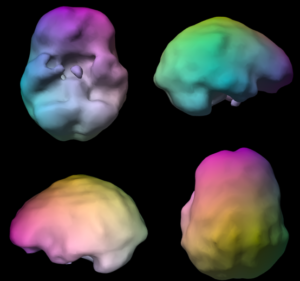
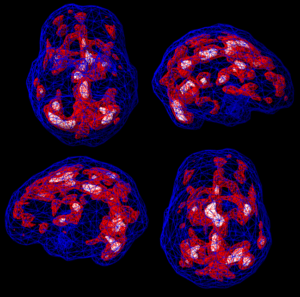 (DJ’s Surface SPECT scan and Active SPECT scan)
DJ had other biological issues as well. Labwork showed that he had previously had a strep infection, and he tested positive for mycoplasma pneumoniae, a bacterial infection commonly referred to as “walking pneumonia.”
Infections in children can sometimes lead to PANS/PANDAS, a common cause of mental health issues in kids, such as obsessive compulsive disorder, anxiety, tics, personality changes, and more. He also experienced anoxia (lack of oxygen) when he crowned for 2.5 hours before birth, which is bad for overall brain health. And he had a genetic vulnerability to violence based on his father’s violent tendencies.
In the psychological circle, DJ had dealt with abandonment after his father left and stopped communicating with him. In general, the teen feels unwanted, has low self-esteem, and is highly emotional.
In the social circle, DJ experienced trauma vicariously by seeing his mother being abused, being abused himself by his father, and being “farmed out” by his mother to others—including his grandmother and treatment centers—to parent him. He grew up witnessing his father model violent behavior. Children learn by exposure and when they are exposed to violence, they often learn that this is the way to deal with the stresses and problems in life. When DJ was living with his grandmother, he was incident-free, so his environment was likely playing a role in his aggressive behavior.
(DJ’s Surface SPECT scan and Active SPECT scan)
DJ had other biological issues as well. Labwork showed that he had previously had a strep infection, and he tested positive for mycoplasma pneumoniae, a bacterial infection commonly referred to as “walking pneumonia.”
Infections in children can sometimes lead to PANS/PANDAS, a common cause of mental health issues in kids, such as obsessive compulsive disorder, anxiety, tics, personality changes, and more. He also experienced anoxia (lack of oxygen) when he crowned for 2.5 hours before birth, which is bad for overall brain health. And he had a genetic vulnerability to violence based on his father’s violent tendencies.
In the psychological circle, DJ had dealt with abandonment after his father left and stopped communicating with him. In general, the teen feels unwanted, has low self-esteem, and is highly emotional.
In the social circle, DJ experienced trauma vicariously by seeing his mother being abused, being abused himself by his father, and being “farmed out” by his mother to others—including his grandmother and treatment centers—to parent him. He grew up witnessing his father model violent behavior. Children learn by exposure and when they are exposed to violence, they often learn that this is the way to deal with the stresses and problems in life. When DJ was living with his grandmother, he was incident-free, so his environment was likely playing a role in his aggressive behavior.