
ARCHIVE
When it comes to mental health/brain health, your family history matters. Scientific research has shown that having family members with depression, anxiety, ADD/ADHD, bipolar disorder, obsessive compulsive disorder, schizophrenia, addictions, or dementia, increases your risk.
5 ways psychiatric issues in your family make you more susceptible to mental health issues.
1. Genetic makeup
Your genetic makeup can increase your vulnerability. For Celina, 36, compulsiveness and other issues seemed to run in the family. She was a perfectionist, had repetitive negative thoughts, and had to have all the shirts in her drawer buttoned a certain way or she’d get very upset. Her 8-year-old daughter Lisa had a locking compulsion—every time someone left the house, Lisa would be right behind them to lock the door. Then there was Celina’s 10-year-old son Samuel. Once he got a thought in his head, he couldn’t get it out and he would follow his mom around the house asking her the same questions for hours.
All three of them underwent brain SPECT imaging studies to see if there might be a genetic component to their problems. The brain scans showed that all three of them had overactivity in an area called the anterior cingulate gyrus.
2. Added stress
When there are mental health challenges in your family, it’s likely that you were exposed to stressful situations throughout your lifetime. Growing up in a stressful home life or being subjected to abuse from a parent or relative increases the likelihood of developing depression or anxiety.
3. Epigenetics
A new field of genetics called epigenetics shows that our habits and emotions can impact our biology so deeply it actually causes changes in the genes that are transmitted to the next several generations. This means the stress associated with mental health challenges in your parents, grandparents, or great-grandparents actually altered your genes to become more susceptible to trouble. In addition, if your ancestors ate poor diets, were exposed to environmental toxins, lived with chronic stress, or didn’t get eat healthy prenatal nutrition, it changed their genes—and subsequently, yours—to be more likely to express mental health problems.
4. When family members self-medicate
If the members of your family self-medicate with harmful substances—think alcohol, cigarettes, drugs, marijuana—or by engaging in bad habits, you are more likely to adopt some of these same behaviors. After all, exposure equals preference. These habits contribute to mental health/brain health issues. In addition, in children and grandchildren of alcoholics, childhood trauma resets the activity in their brains to a higher-than-normal level, setting them up for emotional problems later in life.
5. Lack of love for the brain
When your family members don’t love themselves and don’t love their brain enough to change their behavior, you may also find it hard to learn to love yourself enough to engage in a brain-healthy lifestyle. This puts your brain and mental wellbeing at risk.
How to Overcome Genetic Risk for Mental Health
Having a genetic risk is not a death sentence; it should be a wakeup call for you to know your vulnerabilities and get serious about taking care of your brain.
Think of it this way. Your genes load the gun, but it’s your behavior and environment that pull the trigger. Engaging in a brain healthy lifestyle can help “turn off” or “turn down” the genes that make you more vulnerable to mental health issues.
And remember, it’s not just about you, it is about generations of you. By reducing your risk, you also alter the genes of your children, grandchildren, and beyond to make them less susceptible to problems.
If your family history has put you at risk or is contributing to mental health/brain health issues, understand that at Amen Clinics, we treat the whole person. In addition to our leading-edge brain imaging work, we also assess the biological, psychological, social, and spiritual factors that influence your life and either contribute to psychiatric disorders or help heal them.
For more information about how we can help, reach out today to speak with a specialist at 888-288-9834 or schedule a visit online.
Veterans with PTSD are over four times more likely to have suicidal thoughts as those who don’t suffer from the condition. And those who have suffered multiple traumatic brain injuries are twice as likely to consider suicide compared with those who have experienced a single TBI or no brain trauma. These conditions also increase their risk of homelessness, incarceration, and substance abuse.
In 2008 Capt. Patrick Caffrey was deployed in Afghanistan with the Second Battalion, Seventh Marines (2/7) Combat Engineer Platoon. The combat engineer officer was tasked with an intense mission—detect and clear mines and Improvised Explosive Devices (IEDs) from roads so the infantry and convoys could pass through safely. Helping protect Caffrey and his platoon were new, specially armored vehicles. “They could take an enormous blast, and you’d be able to walk away unscathed—or so we thought,” he says.
While in Afghanistan, Caffrey experienced three blasts and sustained three concussions, but he walked away each time. He was no stranger to concussions; he had already had five or six of them from playing sports and other injuries. But he felt okay, so he thought everything was fine.
It wasn’t.
Over time, Caffrey’s personality began to change. “I was more irritable than ever, I had intense headaches, trouble focusing and concentrating (particularly listening to what people were saying), trouble with memory, and an inability to sleep,” he says. “I was rude and nasty to people and the worst part was that I didn’t really know just how much I had changed.”
When he sought help, the diagnosis wasn’t clear-cut. His symptoms pointed to two possibilities: posttraumatic stress disorder (PTSD) or traumatic brain injury (TBI).
The Problem with Overlapping Symptoms
Caffrey isn’t alone. Since 2000, more than 500,000 veterans and active military personnel have been diagnosed with PTSD, TBI, or both. Unfortunately, these debilitating brain issues can be difficult to distinguish because they share many of the same symptoms, including:
- Increased or excessive anxiety
- Feeling emotionally numb
- Problems with sleep
- Anger and irritability
- Depressive symptoms
- Social isolation
In the field of psychiatry, diagnoses are typically made by looking for symptom clusters. For this reason, PTSD and TBI can be misdiagnosed, which can have dire consequences.
The Consequences of Guesswork
Although the symptoms are similar, the treatments for PTSD and TBI are vastly different. More importantly, the treatments for PTSD can be harmful to those with TBI and, likewise, remedies for TBI could be detrimental to those with PTSD.
Misdiagnoses and treatment failures mean our nation’s veterans can spend years trying to get relief for their symptoms. In the meantime, haunting memories and debilitating symptoms can hold them captive and get in the way of work, relationships, family life, and life itself.
Although our society has engineered advanced robotics that is helping troops heal from the physical damages of war, we as a nation are failing our veterans on the mental health front.
The Veterans Administration, like most in the field of psychiatry, continues to diagnose and treat people based on symptom clusters, the same way mental health professionals have been practicing for over 100 years. In terms of treatment, they are basically throwing darts in the dark at the problem.
The current administration has established a task force on veteran suicide that will research ways to prevent and treat the problem. This sounds promising, but if we continue to throw money at an outdated treatment model, we will lose the battle.
We can do better.
Brain Imaging Offers a New Model
“The traditional model isn’t working. The system that is supposed to be supporting our veterans is failing them,” according to Dr. Jomar Suarez at Amen Clinics Northern California, who is involved in research that is looking at how brain imaging technology called SPECT can help reverse these devastating trends.
A study led by Amen Clinics that appeared in 2015 issue of PLOS One found that SPECT brain imaging technology, which measures blood flow and activity in the brain, could effectively distinguish PTSD from TBI with a 94% accuracy rate. By comparison, MRI and CT scans often show “normal” results, which makes veterans think they are imagining their symptoms.
According to the SPECT research study, which was ranked #19 on Discover Magazine’s Top 100 discoveries of the year in 2015, patients with TBI show decreased activity in certain areas of the brain. In PTSD patients, however, there is increased activity in some brain regions.
In an effort to get an accurate diagnosis and the right treatment, Caffrey decided to undergo the brain imaging test. His SPECT brain scan revealed damage to his right temporal lobe, which explained his behavioral and cognitive changes, headaches, decrease in ability to focus and concentrate, and memory issues. There was also too much activity in some regions. The SPECT findings, combined with his personal history and symptoms, indicated that he had both PTSD and TBI.
“Boy, did I underestimate the value of actually looking at the brain when you have a brain problem!” he said.
Capt. Caffrey’s Brain Scans
TBI: damage to right temporal lobe and decreased activity.

PTSD: Increased activity.

Hope for Suicide Prevention
Additional research is currently underway to investigate if adding SPECT brain imaging to the traditional model practiced at the VA could improve diagnostic accuracy and treatment effectiveness within the veteran population for other conditions, such as depression, as well as suicide prevention.
Preliminary data from a 2019 SPECT research project being undertaken by Amen Clinics and No Vet Alone on a small group of veterans showed promising results. Among the participants who were taking medication and still experiencing disabling symptoms, “75% had SPECT scans that suggested a different medication might be more effective,” says Suarez. “This suggests that with SPECT, we can avoid a lot of the trial-and-error involved in the traditional model and target and treat brain imbalances more effectively.”
This most recent project, which Suarez hopes to expand to a larger research study, showed other potential benefits of brain imaging. For example, among the veterans who were opposed to taking medications due to past treatment failure, seeing their brain scans opened their mind to taking medication targeted to their needs.
In addition, in 100% of the veterans involved, SPECT brain scans suggested additional therapies beyond medications that might help, including hyperbaric oxygen therapy, neuromodulation, EMDR, nutritional supplements, and more.
Suarez says one of the overarching goals of the project is to identify brain imaging biomarkers that may help predict veterans who are suicidal and ultimately prevent suicide.
A Path to More Effective Treatment
In Caffrey’s case, the brain scan helped create a rehabilitation program that was targeted to treat both conditions. “I felt a dramatic difference right away,” he says. “I felt more mentally sharp and focused than ever.” Caffrey has continued to improve and says, “Ultimately, the scan was my gateway tool to a set of brain healthy strategies that I still use to have a better brain and a better life.”
Capt. Caffrey’s brain scan was performed at Amen Clinics, which has the world’s largest database of functional brain scans and is where the 2015 PLOS One brain imaging study was conducted. Amen Clinics has treated hundreds of people, including veterans, with TBI, PTSD, and other co-existing conditions and is able to tailor more effective treatment plans based on SPECT brain imaging technology.
If symptoms of PTSD, TBI, or co-existing conditions are impacting your life or you aren’t responding to treatment, call 888-288-9834 to speak to a specialist or schedule a visit online.
Insomnia treatment is required for many people to enjoy a standard quality of living. Up to 35% of American adults and 69% of high school students don’t get adequate sleep at night. To find the right insomnia treatment, it’s important to find an expert who can understand the root cause of the problem. There could be an underlying condition which causes insomnia and must be treated before symptoms can resolve. Insomnia treatment calls for a personalized approach to understand all factors behind the patient’s dysfunction.
What is Insomnia?
Insomnia is excessive wakefulness of the brain. In modern sleep medicine, we view the problem as the brain feeling awake when it should not be. Insomnia is one of six sleep conditions treated at Amen Clinics. When someone experiences insomnia, it is often diagnosed alongside other disorders. Amen Clinics also treats the following sleep disorders: • Hypersomnia • Sleep Apnea (Sleep Disordered Breathing) • Parasomnias • REM (Rapid Eye Movement) Sleep Behavior Disorder • Circadian Rhythm Disorders Treating your sleep disorder is essential to helping with other chronic conditions.Types of Insomnia
Researchers are still learning more about insomnia each day. By identifying the different types of insomnia, insomnia treatment is more successful and can target the individual’s root cause. According to the Netherlands Institute for Neuroscience with research released in 2019, there are five types of insomnia: • Type 1: Patients scored high on neuroticism and feeling down or tense. • Type 2: Patients were less distressed and had high sensitivity to reward. • Type 3: Patients were less distressed and had low sensitivity to reward. • Type 4: Patients were even less distressed and responded to stressful life events with severe and long-lasting insomnia. • Type 5: Patients were even less distressed but were unaffected by stressful life events. Many patients who turn to Amen Clinics feel they have no hope left to find help for their illness. Our experts stay abreast on cutting edge research in each field and have the goal to give patients the best possible individualized care.Insomnia Causes & Symptoms
Sleep disorders often overlap with psychiatric disorders and requires special attention. A common cause of insomnia is depression, and the two go hand in hand. For example, there’s a 20% concordance between sleep apnea and major depression. Children can also be affected by sleep apnea. It’s important to remember that depression is not just one thing. Treatment for depression relies on finding the root cause and can rely on a wide range of dysfunctions, including brain injury, bipolar disorder, childbirth, unhealthy diet, and much more. Just a few common causes of insomnia include the following: • Environmental factors (light, noise, temperature, etc.) • Stress (home, work, school, etc.) • Emotional distress (financial, occupational, familial, etc.) • Physical discomfort (Restless Legs Syndrome, chronic pain, etc.) • Medications • Irregular sleep schedule (shift work, jet lag, etc.) Just as depression is not one thing, insomnia is not one thing. By identifying the types of insomnia, experts have taken a step closer to identifying the root cause for each individual’s insomnia treatment.Natural Treatments for Insomnia: Melatonin, Hypnosis & More
Natural ways to treat insomnia help to bring balance to your life and give relief. Melatonin can be helpful for aiding in sleep, but it is often misprescribed and wrongly dosed to treat insomnia. The correct way to use melatonin is to nudge the patient into sleep rather than “knock them out.” Magnesium is one type of vitamin to consider to help with nutritional support for sleep. It can be effective with calming the brain before sleep due to its help with activating GABA receptors. 5-HTP can help those who struggle with sleep due to worrying as it aids with creating serotonin in the brain. Amen Clinics only recommends medication when absolutely necessary, and always turns first to natural remedies while identifying the root cause. Our clinic is unique in using brain SPECT imaging to inform treatment for all patients. We us a four-pronged approach to evaluate the biological, psychological, social and spiritual influences in your life and review your brain scans for any abnormalities before recommending treatment. Ways Amen Clinics often treats insomnia may include: • Coaching • Hormone Replacement Therapy • Hyperbaric Oxygen Therapy • IV Nutrient Therapy • Neurofeedback • Nutrition Counseling • Psychotherapy • Supplements and Medication • HypnotherapyHow to Find Help for Insomnia: Insomnia Treatment Clinics
Sometimes, eight hours of sleep is not enough. Getting less than seven hours of sleep at night is associated with weight issues, hypertension, accidents, and marriage conflict. Amen Clinics offers personalized insomnia treatment with the care of our expert sleep medicine team. Find a clinic today and schedule your appointment. We have clinic locations in Atlanta, Chicago, Northern California, Orange County, CA, New York, Bellevue, WA, Washington D.C, and Los Angeles. This blog has been updated from it’s original publish date. In an ideal world, the holidays would only be filled with good times and happy memories. Unfortunately, most families don’t live in that Norman Rockwell reality. It seems that every family has at least one relative who excels at creating drama during the holidays. When you’re around such negative or aggressive people, it’s common to feel apprehensive, defensive, and uncomfortable. Your body may react to stressful situations by secreting excessive amounts of adrenaline, which will make you feel even more anxious and on edge.What Causes Family Strife?
There are many reasons why arguments flare up during holiday gatherings. Some family members just enjoy creating drama. Others want to be the center of every conversation. Then there’s the gossiper who ignites emotional brushfires wherever she goes or the loudmouth who has no filter and is only too happy to inform you that you’ve gained weight since the last time he saw you. Alcohol could be another culprit. Liquid courage has been known to loosen tongues and lower inhibitions. For people who love stirring the pot by bringing up controversial or politically charged topics, alcohol can act as an accelerant for all manner of bad behaviors. An abrasive family member may have a type of ADD that drives them to be combative. Many people with ADD have low activity in the brain’s prefrontal cortex, due to lower levels of the neurotransmitter dopamine. To feel more alert, many people with ADD seek out conflict. If they can lure you into an argument, the low energy in their frontal brain is stimulated, and that rush temporarily makes them feel better. Don’t let your anger become their medication. They can get addicted to it! So how do you handle someone who thrives on conflict? Fighting fire with fire, by raising your voice or using abusive or unsavory language, certainly won’t help matters. Avoiding confrontations isn’t the answer either, since minimizing or brushing aside a dispute can further embolden the instigator and make things even worse. To effectively deal with disagreements, handle them calmly and appropriately as they happen. Implement these 6 practical tips when encountering family strife this holiday season:6 Strategies for Handling Holiday Strife
Keep Your Cool
To prevent a pressure packed situation from getting out of hand, always keep your cool. Discipline yourself to remain quiet until you’re calm enough to speak at a normal volume and in a kind tone. Closely monitor your comments and reactions to make sure they’re coming from a rational place, rather than an emotional one. Offer thoughtful advice rather than criticism. Tone of voice is crucial in disarming a potentially heightened situation. Always model calm behavior and others will likely follow your example.Build a Bridge
Instead of trying to convince the other person that your viewpoint is correct, attempt to understand their perspective as well. The main objective isn’t to win the argument but to remove potential threats, address concerns and find common ground with the other person. Building a bridge is one of the best ways to avert a quarrel before it even starts.Distract Yourself
Some people have the ability to mentally escape to a happy place during heated discussions or tense moments. Others can sing a song or hum a tune in their head to distract themselves. Hopefully you won’t have to literally bite your tongue to remain silent, but whatever you need to do to keep from being dragged into the middle of a family feud is worth trying.Take a Time-out
When someone raises their voice or begins to lose their temper, take a family time-out. This type of collective breather is when everyone in the family goes to a separate part of the house for a designated period (10-15 minutes). Spending some time away from other family members may help everyone settle down and forget about the argument. A cooldown period only works if you have buy-in from the entire family, so make sure everyone agrees with taking a time-out to avoid starting yet another argument.Try Whispering
When others are yelling, start whispering. The dramatic change in the decibel level of your voice will most likely make everyone stop talking to hear what you have to say. Something in our psyche makes us lean in and listen more attentively when someone is whispering. This tactic has been used with great success from board rooms to political assemblies. If a family argument is getting out of control, try whispering to see if you can get everyone’s attention. Then you can attempt to deescalate the conflict.Take It Outside
When drawn into a discussion that makes you feel uncomfortable, look for a way to redirect the conversation. If that doesn’t work, find a polite way to remove yourself from the situation. Another strategy is to get the entire family outside for some fun and exercise. This is an effective way to let off some steam when things get too tense inside the house. It’s been said that the holidays bring out the best and worst in people. When it comes to the latter, you don’t have to let someone else ruin your holiday. Practicing these conflict management strategies can help to ensure that everyone in your family enjoys a fun-filled, stress-free holiday season. The best way to improve mood, increase energy, and optimize brain function is to get brain SPECT imaging at one of the Amen Clinics. By discovering your brain type, we can create a tailored solution for you. At Amen Clinics, we’re committed to treating our patients with the least toxic, most effective regimen possible. For more information on how SPECT imaging can provide a customized treatment plan for you or a loved one who is struggling with behavioral or mental issues, call us today at 888-288-9834 or visit us online to schedule a visit.Many people believe that the holidays are the “most wonderful time of the year.” But for others, the holiday season is a time of stress, anxiety, loneliness, and depression. The holiday blues are real. And they have an especially strong effect on people with mental health conditions. In fact, 64% of people with a diagnosed mental health condition say the holidays make their symptoms worse, according to a survey by the National Alliance of Mental Illness. In this survey, 75% of respondents admitted that the holiday season contributes to feelings of sadness or dissatisfaction.
With shorter days and longer lines, it’s no wonder people are more likely to struggle with low moods during the winter months. The holidays seem to be filled with unrealistic expectations and unforeseen pressures that can cause mood and sleep dysregulation. The holidays can also be particularly painful if you’ve lost a loved one. Grief over the death of a spouse or other close family member tends to hit hardest during the holiday season. Unaddressed, these forces have the power to steal your joy, sabotage your health, and trigger unproductive behaviors, which can absolutely ruin your holiday.
But with some easy-to-implement strategies, it’s possible to overcome the holiday blues and keep depressive symptoms under control. To help you put a smile on your face this season, follow these mood-boosting, stress-busting tips.
12 Ways to Fend Off the Holiday Blues
1. Talk It Out
Many people aren’t comfortable talking about their feelings. However, opening up about personal struggles can have big benefits for those who deal with depression. Let friends and family know when you’re emotionally overwhelmed. And if you don’t have family or live too far away to connect with them, seek out a support group or see a therapist. Talking it out can help reduce your sense of isolation and provide relief from your symptoms. Seek professional help if necessary, but don’t fight your battles on your own.
2. Take A Time Out
Almost 50% of all American women experience increased stress during the holidays, according to the American Psychological Association. And this leads to some unhealthy coping mechanisms, such as eating or drinking alcohol. It’s important to find better ways to deal with the added stress. For example, spending just 15 minutes a day by yourself—without distractions—may refresh your thoughts. Find something that reduces stress, clears your mind, slows your breathing, and restores inner calm. Repeating simple words like “May I be safe and secure” can increase positive emotions and decrease negative ones. Research has shown that such Loving Kindness Meditations (LKM) can minimize pain, migraine headaches, and the symptoms of PTSD.
3. Just Say No
Saying yes when you should say no can leave you feeling resentful and frustrated. Colleagues and friends will understand if you can’t participate in every project or social gathering. The holidays can make people feel out of control and at the mercy of traditions or expectations. But you can take control of the holidays by refusing to let them control you. Say no to events and activities that aren’t making you happy or are causing holiday stress.
4. Reach Out
Though isolating yourself during tough times may feel like the safest option, closing yourself off from the world can further aggravate your problems. Resist the urge to shut out the individuals who can offer you encouragement and support—friends, family, and trusted community or religious leaders. Spending time in a positive community of like-minded people is a wonderful way to boost your bliss hormones, such as oxytocin.
5. Stick To Your Plan
Don’t abandon your daily healthy habits. Refuse to let the holidays become an excuse to put your diet on hold until the New Year. This kind of binge mentality has contributed to a 37% increased risk for a heart attack on Christmas Eve, according to research in the British Medical Journal. Though it’s common to have that second helping of stuffing or an extra slice of pie during the holidays, don’t lose sight of your nutrition plan. Your heart and life may depend on it.
6. Bring A Healthy Snack
To avoid overeating at holiday parties, bring a few healthy snacks with you. Emergency rations can be a lifesaver in the case of cravings brought on by low blood sugar. Brain healthy snacks include sugar-free dried fruits (blueberries or goji berries), raw vegetables (baby carrots, celery, or snap peas), nuts (almonds or walnuts). These good-for-you foods contain bliss-enhancing nutrients, which can elevate your mood and help stave off hunger until your next healthy meal.
7. Get Quality Sleep
There’s a strong correlation between sleep disturbances and depression. Research shows that about 75% of people with depression also have insomnia. And the association goes both ways. During the hectic holiday season, many people skimp on sleep, which can lead to increased irritability and moodiness. To enhance your moods, make sure you’re getting 7-9 hours of sleep each night.
8. Take It Outside
Instead of wasting the holidays watching marathons on TV or playing video games, get the whole family outside for brain safe activities, like a long, brisk walk. Walking can help you clear your mind, decrease anxiety, improve your mood and burn some calories all at the same time. Physical activity accelerates blood flow to all parts of the body, including the brain, and research shows that exercise is an effective antidepressant. It’s recommended to get 30 to 45 minutes of exercise daily.
9. Practice Gratitude
Did you know that practicing gratitude can make your brain work better? Research has demonstrated that people who express gratitude on a regular basis are healthier, more optimistic, make more progress toward their goals, have a greater sense of well-being, and are more helpful to others. Focusing on the things you’re thankful for helps to calm the deep limbic or emotional areas of your brain. Write down three things that you’re grateful for every day. Then experience the joy that gratitude can bring.
10. Relaxing Music
There are a variety of relaxation methods, including meditating, diaphragmatic breathing, and listening to brain-enhancing music. Remaining in a blissful state of mind is easier to accomplish when you have a happy tune running through your head. Listen to brain enhancing music specifically composed to enhance mood, memory, focus, motivation, and inspiration.
11. Learn To Laugh
When all else fails, laugh. Laughing releases stress-reducing endorphins into your bloodstream. Scientific evidence shows that laughter truly is the best medicine and can work wonders in relieving anxiety and depression. Enjoying humor enhances the brain’s pleasure centers without wearing them out. Having fun and laughing are some of the best ways to lower stress and release feel-good neurotransmitters.
12. Take A Look
Knowing how your brain works is critical to getting the help you need. One of the keys to overcoming depression is to know which type you have. Brain imaging studies have shown that there are 7 types of depression, and each type requires a different treatment plan. Brain SPECT imaging can help identify your type so you can get the most effective treatment.
If you need help overcoming the holiday blues or more serious depression, Amen Clinics can help. We use brain SPECT imaging to more accurately diagnose and treat the 7 types of depression and we also look at the other biological, psychological, social, and spiritual factors that may be contributing to your symptoms.
If you want to join the tens of thousands of people who have already enhanced their brain health and overcome their symptoms at Amen Clinics, speak to a specialist today at 888-288-9834. If all our specialists are busy helping others, you can also schedule a time to talk.
Depression is often difficult to see until the affected person seeks help. When it comes to ABC’s hit show “A Million Little Things,” a friend commits suicide and leaves a wake of confusion behind. The show has brought attention to the nature of suicidal depression. Those who are affected by suicidal depression sometimes present a pattern of not revealing their illness. Each day, they contemplate the moment of suicide as a deliberate and well-thought act. While the event shocks friends and family, the idea has been present all along. The help for depression could have come much sooner, and this is the premise of “A Million Little Things” depression. The show unravels reasons why the character, Jon, committed suicide and the plans he put in place for after his death.How Does Friendship Influence Depression?
“Friendship isn’t a big thing. It’s a million little things.” While it appears that Jon had everything he wanted in life, many cracks start to show with “A Million Little Things” depression. Flashing back to the time before his death, it’s apparent Jon had hidden traumas and a deteriorated sense of community, two factors for building stress resilience. Just as depression isn’t one thing, friendship is not one thing. The relationships formed are complicated and not easily understood as leading to Jon’s depression and suicide, but all characters seem to be in a crisis with attempts to hide it from one another. Adult friendships often have boundaries from discussing what’s happening underneath. That is why it’s important to find someone to talk to through depression. “A Million Little Things” displays how friends who once connected over a deep moment of understanding can drift apart and no longer share what is most important in life. Jon is connected to many happy memories with his friends, but the question still remains: Why would he commit suicide?Why Did Jon Kill Himself in “A Million Little Things”?
In the season finale, new insight was revealed as to why the character committed suicide. 17 years earlier, in 2001, Jon was going to a real estate conference in L.A. for work. He asked his roommate, Dave, to join him on the trip so they could hang out and make it a good time. In the airport on the way to his terminal Jon stopped at concessions, which caused him to be late and the gate was closed for his flight. Dave had boarded the plane already, so Jon called him, let him know he couldn’t make it, and planned to catch the next flight out. As it turns out, the flight was hijacked and involved in one of the crashes of 9/11. Jon watched the news footage in the airport. He kept in touch with Dave’s girlfriend after the event, as she was pregnant, and it was revealed that the day he committed suicide he had sent her a video apologizing and expressing his deep grief even 17 years later. Grief and trauma are deeply damaging emotions which leave a lasting impact on brain health when not managed in a healthy way. The symptoms of grief and trauma are often diagnosed as PTSD. It is highly important to be evaluated by a professional for this disorder, as a traumatic brain injury (TBI) may also cause the same symptoms as PTSD. This is why Amen Clinics specializes in brain SPECT imaging for mapping blood flow in the brain and identifying functional abnormalities. While Jon from “A Million Little Things” is a fictional character, had he undergone our evaluation process at Amen Clinics, he would receive a full evaluation to rule out a TBI.Symptoms of Suicidal Depression
The responsibility to get better always lies on the person needing to get better, but when it comes to depression, friends and family are essential to seeing the signs and pushing the loved one to seek help. Recognizing depression is the first step. Amen Clinics has identified seven total types of anxiety and depression while the following are symptoms of “pure depression”: ● Persistent sad or negative mood ● Loss of interest in usually pleasurable activities ● Restlessness, irritability or excessive crying ● Feelings of guilt, worthlessness, helplessness, hopelessness or pessimism ● Sleeping too much or too little, or early morning awakening ● Decreased appetite and/or weight loss or overeating and weight gain ● Decreased energy, fatigue or feeling “slowed down” ● Thoughts of death or suicide, or suicide attempts ● Difficulty concentrating, remembering or making decisions ● Persistent physical symptoms that don’t respond to treatment, such as headaches, digestive problems or chronic pain ● Chronic low self-esteem ● Persistent feeling of being dissatisfied or bored ● Increased automatic negative thoughts Friends might notice a sudden calmness influence the depressed loved one, which may indicate a decision to end his or her life. This may be followed by personality changes, such as partaking in reckless behavior or not taking care of one’s hygiene. They may also feel the need to get their life in order for others to inherit their belongings, such as making sudden business decisions. If the loved one has gone through a recent traumatic event, they may be overwhelmed with stress and have run out of ways to cope. Everyone has what is referred to as “brain reserve,” which is your brain’s extra function and tissue left to deal with harmful life events. When we run out of brain reserve, we begin to experience mental decline. Those affected by the symptoms of depression must be pushed towards a diagnosis in order to get the help they deserve. Depression comes in many forms and treatment varies, requiring expert care.Treatment for Suicidal Depression
At Amen Clinics, we are dedicated to offering attentive support with proven treatments for patients suffering from suicidal depression. Depression is not diagnosed as one thing and has many causes. Treatment must be carefully given to address the root cause of the problem. Our approach is not “one size fits all” as we conduct a complete health assessment of each patient’s biological, psychological, social and spiritual influences. Unlike most psychiatrists who treat depression, we conduct neuropsychological tests and perform brain SPECT scans to identify any abnormalities in the brain before diagnosis. We also order lab tests to rule out deficiencies, hormone imbalances and toxic exposure. If you are having suicidal thoughts, call the National Suicide Prevention Lifeline at 1-800-273-TALK (8255). Make an appointment by calling 888-288-9834 today or schedule a visit online. Review the Amen Clinics locations to find the nearest clinic to your home. We have eight locations across the country in cities including Atlanta, Chicago, New York, Washington DC, and Los Angeles. We also have locations in Orange County, CA, in Walnut Creek, CA, and in Bellevue, WA. For more on Dr. Amen’s approach on depression and anxiety, watch the video below with an intimate chat between Dr. Amen and his wife, Tana Amen. Many women are affected by feelings of hopelessness and depression after giving birth. There is no single cause for this mood disorder, and postpartum depression treatment requires expert care.What Are the “Baby Blues?”
It’s natural for mothers to feel unhappiness, sometimes referred to as the “baby blues.” This is a temporary and mild feeling that may last a week or two during periods of difficulty while managing the baby. Postpartum depression (PPD) may onset before the baby is born and affects the early weeks and months of bonding with the baby. This gives the mother extreme symptoms, getting in the way of caring for herself and the baby.Causes & Symptoms of Postpartum Depression
Mothers with postpartum depression often experience a deep level of despair. They will feel physically exhausted and emotionally burdened while unable to lift themselves from their sadness. If left untreated, this depression can continue for an extended period of time, possibly into the baby’s early childhood. Women may also feel depressed during pregnancy, and early signs of depression should be made aware to a physician for postpartum depression treatment at the start of symptoms. Despite popular belief, depression and anxiety are very similar disorders. Mothers with postpartum depression and anxiety may feel they are swinging between two extreme moods. These are the most common symptoms of postpartum depression: • Feelings of sadness or hopelessness • Feelings of sudden anger or rage • Feelings of anxiety or difficulty with decision-making • Feelings of failing to adopt “motherly instincts” • Self-isolation from friends and family • Sleeping too little or too much, and out of sync with the baby • Eating too little or too much • Difficulty forming an attachment to the baby • Thoughts of self-harm or harming the baby Other mothers may experience postpartum infections in the uterine, bladder or kidney. These infections sometimes don’t become apparent until weeks after delivery. Mothers may also experience breast tenderness, backaches, headaches, hair loss, constipation, and pain with intercourse. Full recovery from delivery can take months, and women with cesareans may also experience pain around the site of the scar for up to six months. It’s very common for women to feel overwhelmed by the side effects of giving birth, and to fall into postpartum depression.Postpartum Depression Treatment & Therapy
The first step all mothers must take if they are feeling the symptoms of postpartum depression is to seek help. Postpartum depression is never something to feel ashamed of, and treatment is crucial to the health of both the mother and the baby. Mothers are not at fault for their symptoms and require help in order to feel better. Mothers who are depressed put their children at risk of Reactive Attachment Disorder, a disorder where the child can’t properly form attachment due to emotional neglect. At this time in a women’s life, some mothers may also find they are genetically predisposed to a disease or experience dramatic hormonal changes. The stress of childbirth often affects our bodies to express genes which weren’t previously expressed. In a conversation on “Why Do Mothers Suffer From Depression,” Dr. Amen discusses with his wife, Tana Amen, the significance of women having their thyroid hormones checked. Hashimotos, for example, is an autoimmune disease which primarily affects the thyroid and can have a large influence on swinging between anxiety and depression.4 Ways to Help Heal Depression in Mothers
Postpartum depression treatment starts with lifestyle changes. Amen Clinics recommends medication when necessary, and prioritizes natural treatments to help women feel themselves again. Treating postpartum depression without medication is our goal, and all cases are treated with a personalized health plan for the greatest possibility of success.1. Exercise and Return to Fun Hobbies
Exercising is a sure way to boost your dopamine, which affects the pleasure centers of the brain. Starting up your favorite hobbies and surrounding yourself with friends and family can help boost your overall stress resilience, and can get yourself and the baby out of the house.2. Positive Thinking
Positive thinking can be very difficult for women with postpartum depression. Here at Amen Clinics, we often talk about an acronym called ANTS, which stands for “automatic negative thoughts.” Become aware of these thoughts and learn how to correct them with our help.3. Omega 3 Fatty Acids
Dr. Amen also recommends taking omega 3 fatty acids, as they play a role in the central nervous system and have been found to influence depressive disorders.4. Get Assessed
Depression is not one thing, and treatment depends on what kind of depression you have. Seeking expert help is essential for identifying the root cause of the depression and treating it for lasting results. For example, many adults are undiagnosed with ADD/ADHD, and only a professional mental health expert can identify and treat for the root cause of depression and anxiety.Find a Postpartum Depression Clinic
In addition to the physical stress labor, childbirth, and recovery put on women’s bodies, a newborn baby must also be taken care of. For many mothers, occasional sadness is natural to experience, but there is always help for feelings of depression. Here at Amen Clinics, we help women with postpartum depression and anxiety so that they are capable of caring for themselves and their babies. Make an appointment for postpartum depression treatment by calling 888-288-9834 today or scheduling online, and review our locations to find the nearest clinic to your home. We have eight locations across the country in cities including Atlanta, Chicago, New York, Washington DC, and Los Angeles. We also have locations in Orange County, CA, in Walnut Creek, CA, and in Bellevue, WA. For more insight, watch the following video from Dr. Amen’s episode of “Why Do Mothers Suffer From Depression,” starting at the 2-min mark. Depression. It’s a word that many of us are all too familiar with. Whether we’re living with it ourselves or seeing the impact it has on a loved one, it may turn into devastating suicidal depression. At Amen Clinics, we understand how monumentally important it is to distinguish between depression and situational sadness or despair. Sadness and despair are universal human emotions – something we’ve all felt at one time. Suicidal depression, however, is an all-encompassing state of being that is more than a mood, more than an emotion, and more than most can handle and tackle on their own. Thankfully, handling and tackling suicidal depression on your own is not necessary. There is hope, and there is help. Amen Clinics was founded with a goal of offering our clients the best of both.Suicidal Depression Help: You Are Not Alone
The World Health Organization (WHO) estimates that more than 300 million people globally suffer from depression, and that “depression is the leading cause of disability worldwide.” It’s been reported that as many as 55% of the population have considered suicide at some point in their lives. At Amen Clinics, we’ve identified seven types of anxiety and depression. The main signs of each depression vary, but pure depression contains the following symptoms: • Persistent sad or negative mood • Loss of interest in usually pleasurable activities • Restlessness, irritability or excessive crying • Feelings of guilt, worthlessness, helplessness, hopelessness or pessimism • Sleeping too much or too little, or early morning awakening • Decreased appetite and/or weight loss or overeating and weight gain • Decreased energy, fatigue or feeling “slowed down” • Thoughts of death or suicide, or suicide attempts • Difficulty concentrating, remembering or making decisions • Persistent physical symptoms that don’t respond to treatment, such as headaches, digestive problems or chronic pain • Chronic low self-esteem • Persistent feeling of being dissatisfied or bored It’s important to remember that friendship and community play a large role in continued depression. You may experience symptoms of depression, and a turn towards suicidal depression warrants additional support from friends, loved ones and even acquaintances in the community, as every connection can play a role in helping ease the deep sense of loneliness. Suicidal depression calls for the most urgent and comprehensive approach to care. We understand and honor that sense of urgency at Amen Clinics, and are committed to helping you on your path toward a healthier mind and body, every step of the way.Overcoming Suicidal Depression
First and foremost, overcoming suicidal depression calls for an ally in the battle against your illness, and we will employ whatever resources, recommendations, and advanced testing we have at our disposal. The Amen Clinics Method takes a four-pronged approach: 1. We will explore your specific biological, psychological, social and spiritual influences. 2. Perform neuropsychological tests to measure various aspects of your brain function 3. Perform two brain SPECT scans: one at rest and one during concentration 4. Order lab tests to rule out nutritional deficiencies, hormone imbalances, toxicity, etc.—if deemed necessary We offer comfort in discovering if you may be experiencing a physical component to your depression in the brain itself. With advanced testing, we can identify physical abnormalities in the brain to help cure your suicidal depression.Brain SPECT Imaging: The Amen Clinics Difference for Suicidal Depression Help
Brain SPECT Imaging provides an essential layer of insight that is missing from many other depression treatment plans, allowing us unparalleled clarity in regards to what your depression actually looks like. Oftentimes, there is a functional problem in your brain that is an integral component of your suicidal depression. Not many people know that brain injury is a leading cause of depression. Chances are good that any possible previous attempts to tackle your depression did not consider and address this functional issue. As well-meaning and well-developed as those previous treatment plans may have been, it is often the additional information and insight we learn from your SPECT scan that is the missing piece of the puzzle in treating your depression.Are SPECT Scans a New Tool?
We understand that many of the people we work with have never heard of SPECT scans, and that it sounds like a new technology, which can cause a certain degree of apprehension. SPECT is a proven imaging technology that helps measure the way an organ works, such as by mapping blood flow.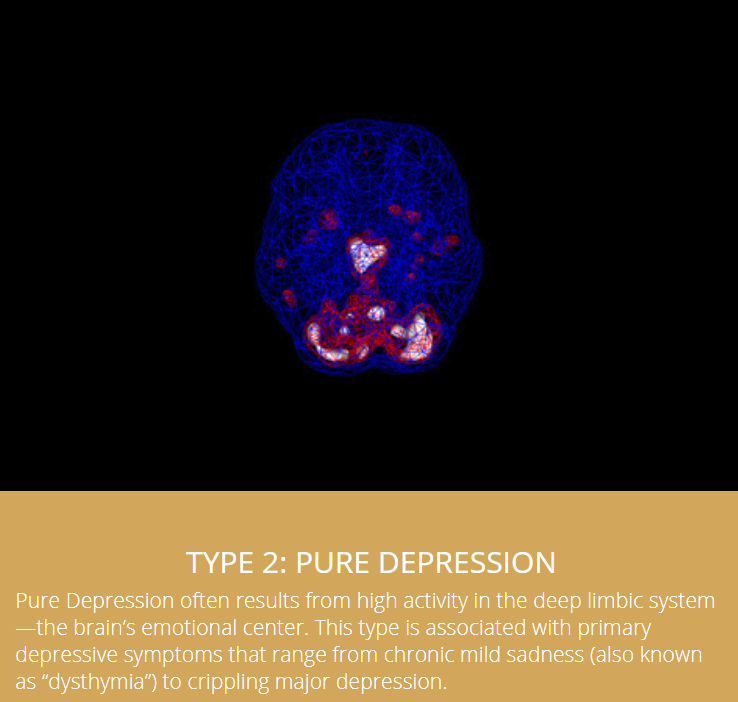 We are proud to say that the SPECT imaging scans Amen Clinics offers are not new technology, rather they have served as the backbone of our health care clinics for nearly three decades. We are the best in the world when it comes to administering and reading brain SPECT imaging, and have performed more than 150,000 brain SPECT scans over the past 30 years.
Many of the people we’ve worked with arrive at Amen Clinics after months, years, or even decades of being misunderstood. You may have been told everything from “it’s all in your head” to “don’t sweat the small stuff.” You will never be treated that way at Amen Clinics. That is our enduring commitment and promise to help you through your suicidal depression
Our team has nothing but the utmost respect and compassion for your journey, and the significant step you have taken in trusting us to help you move past suicidal depression into the life you so deserve. A range of patients enter our facility with illnesses varying from postpartum depression, borderline personality disorder, panic disorder, reactive attachment disorder, toxic exposure, PTSD, dementia, and many who are undiagnosed with a problem aside from experiencing depression and anxiety.
We are honored to be your partner and care provider and will apply our extensive knowledge and tools in helping you become free from suicidal depression. Depression may have been such a huge part of your life for so long that you can’t remember a time before it and can’t envision a life without it. But we urge you to consider that just because you’ve been living with something for a long time does not mean that it’s the only way. It simply means that you haven’t yet found the right treatment plan for you. But that was then, and this is right now.
We are proud to say that the SPECT imaging scans Amen Clinics offers are not new technology, rather they have served as the backbone of our health care clinics for nearly three decades. We are the best in the world when it comes to administering and reading brain SPECT imaging, and have performed more than 150,000 brain SPECT scans over the past 30 years.
Many of the people we’ve worked with arrive at Amen Clinics after months, years, or even decades of being misunderstood. You may have been told everything from “it’s all in your head” to “don’t sweat the small stuff.” You will never be treated that way at Amen Clinics. That is our enduring commitment and promise to help you through your suicidal depression
Our team has nothing but the utmost respect and compassion for your journey, and the significant step you have taken in trusting us to help you move past suicidal depression into the life you so deserve. A range of patients enter our facility with illnesses varying from postpartum depression, borderline personality disorder, panic disorder, reactive attachment disorder, toxic exposure, PTSD, dementia, and many who are undiagnosed with a problem aside from experiencing depression and anxiety.
We are honored to be your partner and care provider and will apply our extensive knowledge and tools in helping you become free from suicidal depression. Depression may have been such a huge part of your life for so long that you can’t remember a time before it and can’t envision a life without it. But we urge you to consider that just because you’ve been living with something for a long time does not mean that it’s the only way. It simply means that you haven’t yet found the right treatment plan for you. But that was then, and this is right now.
Amen Clinics Treatment for Suicidal Depression
The team of experienced professionals at Amen Clinics brings extensive knowledge, compassion, empathy, and an unwavering commitment to your treatment in all they do. We understand that you are a complex individual whose suicidal depression has been shaped by many things, including your life experiences, your physical and mental health, a possible family history of mental health issues or other issues that contribute to depression, and, importantly, your brain itself. Through extensive research, our clinics have come to understand how brain SPECT imaging can predict treatment outcomes in depressed patients. We will thoughtfully study your scan to see which personalized treatment plan is most likely to help your unique situation. We are strong proponents of highly individualized plans that might include a physical wellness plan, dietary recommendations, transcranial magnetic stimulation, psychotherapy including hypnotherapy and cognitive behavioral therapy, traditional antidepressants only as needed, and more. We are steadfast in our commitment to design the plan that will work for you.Find Suicidal Depression Help with Amen Clinics
To be sure, sometimes depression can feel like such an integral part of who you are that you fear what will remain if you overcome it. But we promise that you are so much more than your depression. You deserve more than your depression wants for you. You deserve to be in charge of your present and your future. You deserve to take the time and necessary steps to get at the root of your suicidal depression and work towards unraveling yourself from its web. You are a whole, complex, one-of-a-kind person that deserves a life free from suicidal thoughts and depression. You deserve the help that Amen Clinics can provide. If you or someone you love is suffering from suicidal depression, please reach out to us online or call us at 888-288-9834. If you fear that your life, or the life of someone you know, is in imminent danger, please dial 911 or reach out to one of the rescue lines below immediately: In the US: Crisis Text Line: Text HOME to 741741 from anywhere in the USA, at any time, about any type of crisis The National Suicide Prevention Lifeline: 1-800-273-8255 The Trevor Project: 1-866-488-7386 Outside the US: The International Association for Suicide Prevention lists several suicide hotlines by country. For more information on the Amen Clinics approach to anxiety and depression, watch the following intimate talk between Dr. Amen and his wife, Tana Amen.Panic disorder is considered a psychiatric disorder that creates sudden moments of panic and fear without a reasonable cause, requiring panic disorder treatment. This disorder may affect you throughout daily life, causing a quick onset of overwhelming terror, and is also referred to as panic attack disorder.
Panic disorder can affect your life at any time, whether you are simply grocery shopping, driving your car, or even in your sleep. You may feel afraid to leave your house for fear of being judged, or you may feel nauseous at the thought of trying something new. The onset of a panic attack is likely a constant worry in your life and calls for expert panic disorder treatment.
Symptoms of Panic Disorder
If you’re experiencing chronic panic disorder symptoms including sudden shortness of breath, heart palpitations, dizziness, trembling, losing control of your emotions and thoughts, cold chills, clammy hands, and muscle tenseness that feels paralyzing, we have methods to help.
What is the most effective treatment for panic disorder?
First of all, when you sense a panic attack is about to strike, follow these steps to take back control. Panic disorder treatment starts with managing your panic attacks.
1. Stop and take three slow, deep breaths. Breathing quickly and from your upper chest triggers an adrenaline response when you instead need to breathe diaphragmatically.
2. Do not leave the area unless you are in real danger. To break your panic attack, you should stay and overcome your initial adrenaline reaction, showing yourself there is no reason to “fight or flight.”
3. Break your tunnel vision. When your fear sets in, you will quickly have tunnel vision and this will cause you to feel trapped. By looking slowly from side to side, you become aware of your surroundings and can begin reasoning that there is no danger.
4. Think of warming images and warm your hands. A visual cue can very strongly bring your focus off of any anxious thoughts you may have, so consider looking at pictures on your phone. Running your hands under warm water offers an immediate relaxation response.
5. Speak out loud in complete sentences. This will prevent you from hyperventilating and initially you will speak with short, blunt words, but as you gain control, you will also be able to express your emotions accurately.
How to Cure Panic Disorder
Here at Amen Clinics, we often talk about an acronym called ANTs, which stands for “automatic negative thoughts.” These thoughts may creep into your life at any moment, and strongly influence you when a panic attack strikes.
For each thought that comes to your mind, your body releases chemicals in response. This is true for both positive and negative thoughts. These thoughts are in your control, and you can learn to recognize them so that you define these negative thoughts — such as predicting the worst, reading people’s minds, feeling overly guilty, blaming others and labeling yourself — as untrue. To aid with panic disorder treatment, we highly recommend writing these thoughts down so that you can objectively address them.
If you find ANTs are ruining your life and the panic attacks never seem to go away, Dr. Daniel Amen is considered a maverick in his field by reviewing brain scans to help treat psychological disorders. While most psychiatrists address symptoms, Amen Clinics seeks instead to find the root cause of your panic disorder problem.
Treatment for Panic Attacks
When enrolling with our clinic to treat your anxiety or depression associated with panic disorder, we first assess you by taking the following steps:
● We will begin by taking the time to explore your specific biological, psychological, social and spiritual influences.
● Next, we will perform neuropsychological tests to measure various aspects of your brain function.
● Then, we will perform two brain SPECT scans: one at rest and one during concentration
● Finally, we will order lab tests to rule out nutritional deficiencies, hormone imbalances, toxicity, etc.—if deemed necessary
Can a panic disorder be cured?
At Amen Clinics, we are trained in treating people who suffer from chronic anxiety and depression. If you feel you have nowhere left to turn for panic disorder treatment, we believe there is always hope to relieve your symptoms.
Treatment will vary depending on your assessment. Two treatment methods that might be of interest to you include Hypnotherapy and Music Therapy.
Our staff at Amen Clinics are experienced in these fields to help you reach a state of relaxation without prescription medication. We can help guide you to reaching this state throughout moments of your day.
Find a Clinic to Treat Your Panic Disorder
Make an appointment by calling 888-288-9834 today or scheduling online, and review our locations to find the nearest clinic to your home.
We have eight locations across the country in cities including Atlanta, Chicago, New York, Washington DC, and Los Angeles. We also have locations in Orange County, CA, in Northern California, and in Bellevue, WA.
It is important to maintain strong relationships with people, but just how important? The United Kingdom appointed a Minister for Loneliness to address the finding that nine million British people often or always feel lonely. To some, this may come as a surprise. It should not.