
ARCHIVE
As a leader in the field of mental health, Amen Clinics has treated an array of psychiatric conditions over the past 30 years and has amassed the world’s largest database of brain scans at 300,000 and growing. Though many people have come to know about us due to the remarkable results we’ve seen with brain SPECT imaging, we also offer a wide range of therapy options at the nationwide Amen Clinics locations. One of the brain health and wellness services we are excited to recommend is Cognitive Behavioral Therapy (CBT).What is Cognitive Behavioral Therapy?
Cognitive Behavioral Therapy (CBT) is the most widely used practice for improving mental health. CBT is an evidence-based, action-oriented psychological treatment that focuses on the way people think (cognitive) and act (behavioral). CBT can help individuals cope with personal challenges by breaking them down into smaller areas to concentrate on. CBT addresses five fundamental areas: • Actions • Emotions • Physical feelings • Situations • Thoughts CBT focuses on correcting negative thinking patterns and developing accurate, more positive thinking skills, which in turn can change your behavior and help boost your mood, motivation and determination. In head-to-head studies, taking fish oil, exercising, and CBT has been found to be as effective as medication.How Does It Work?
CBT sessions can occur one-on-one or in groups. During the first session, a therapist will make sure the patient is comfortable and then ask a few questions pertaining to the patient’s background and current situation. Future sessions may focus on various aspects of what the patient is struggling with, breaking down the problem into manageable parts and implementing practical solutions or strategies (which may include homework) to address those concerns and improve the patient’s situation.Who Does It Treat?
CBT can benefit a wide range of psychiatric and mental health conditions, including: ADD/ADHD, anxiety, anger, autism spectrum disorders, bipolar, depression, eating/weight issues, OCD/ODD, pain management, PTSD, sleep dysregulation, traumatic brain injury (TBI) and toxic exposure.What Are the Benefits?
CBT can help you: • Learn how to slow down and relax • Change your beliefs about yourself • Control anxious or negative thoughts • Prevent addiction relapse • Manage your anger • Cope with grief and loss • Deal with chronic pain • Resolve relationship challengesCBT and Insomnia
Research has shown that CBT can help to relieve the effects of insomnia. CBT-I therapy seeks to undo the notion that sleep requires effort or that it needs to be fixed. CBT-I teaches patients to: • Establish a regular wake-up time and stick to it • Get out of bed during waking periods • Avoid eating, reading, watching TV or similar activities in bed • Refrain from taking daytime napsCBT and PTSD
CBT helps people identify, challenge, and modify automatic negative thoughts (ANTs) and abnormal mental scenarios. People learn how to identify cognitive distortions, find evidences for and against thoughts, create alternatives, and finally reappraise their beliefs about themselves and the trauma by creating a new narrative of the traumatic event. CBT not only helps to reduce symptoms of posttraumatic stress disorder PTSD, but also reverses the underlying biology of the disorder within the brain. If you experience reoccurring stress from traumatic memories, CBT combined with a psychotherapeutic treatment technique called EMDR (eye movement desensitization and reprocessing) may help.How Many Sessions Are Recommended?
The number of sessions will be determined by the therapist. Sessions typically last either 30 or 60 minutes. For medication management, a 90-minute consult may be recommended.Is it Safe?
CBT is non-invasive, has no side effects and is safe for people of all ages. Not all services are offered at each Amen Clinics location. Call us today at 888-288-9834 for availability at a clinic near you, or tell us more online for additional guidance. As a society, we often hear a lot of the negative impact to the brain that football players endure playing the sport but we rarely hear of the damage ice hockey has on the players. Contrary to popular opinion, you don’t have to be in a car accident or get concussed on a football field to actually injure your brain. A brain injury may also result from a sports injury or a knock to the head from a seemingly innocuous fall.How Can a Traumatic Brain Injury (TBI) occur?
Brain injuries can also occur from the sudden, jarring movement of the head and neck (like whiplash). Ice hockey – along with other contact sports such as football – poses a particularly high risk of TBI, especially when their heads are slammed against a hard surface such as the ice or the Plexiglas wall. According to the Centers for Disease Control and Prevention (CDC), approximately 2.5 million traumatic brain injuries (TBIs) occur each year in the United States, in addition to hundreds of thousands of unreported incidents of head trauma, including undiagnosed concussions.Is Hockey Safe for My Child?
There is a list of typical hockey injuries that your aspiring young player may come up against. Concussion tops the list. As a parent, be aware that your child doesn’t need to pass out to have a concussion. The CDC defines a sports-related concussion as a “traumatic brain injury, or TBI, caused by a bump, blow, or jolt to the head that can change the way your brain normally works.” The CDC recommends that if, after a bump to the head or a jolt, your child is confused, slowly answers questions or is unaware of the game going on, complains of a headache or dizziness, vomits or has blurry vision, he needs to be removed from the game and taken for immediate medical attention. Other injuries common to the game are broken wrists, elbow, hip, knee, back and shoulder injuries. USA Hockey Magazine reports that two out of every 100 hockey players end up in the ER due to injuries suffered on the ice. Additionally, the American Academy of Pediatrics says that body checking in hockey is related to increased risk of medical issues in adolescent players such as concussion and severe injury. Those are not wonderful numbers when you’re concerned about your kid’s brain and body health.Prevention is the Best Option for Brain Health
To help keep your brain safe and prevent TBI:- Always buckle your child into a child safety seat, booster seat, or seat belt (according to the child’s height, weight, and age) in the car.
- Avoid high-risk sports and activities where you can hit your head.
- Always wear a helmet and make sure your children wear helmets during contact sports, bike riding, horseback riding, skateboarding, snowmobiling, skiing or snowboarding.
One Sport, Multiple Risks
But heading is not the only way that soccer players can get a brain injury. There is also a lot of player to player contact that has not been accounted for on the field. For example, one study shows that player contact was to blame for 69 percent of concussions in boys and 51 percent of girls. While no sport is necessarily “safe” specialists believe that the takeaway is to enforce fair play and the rules of the game rather than put on a show for spectators. The problem with the show aspect of the sport is that many times children try to emulate what they see on TV leading to aggressive behavior on the field. John O’Kane, a sports physician, and professor at the University of Washington Medical Center thinks that banning heading might not solve the whole problem. “Heading is part of the sport and while there is risk involved, no sport is completely safe,” he says via email. The question is how to make heading and soccer in general safer, especially for kids. I believe that we place an emphasis on winning over learning proper technique at too young an age,” he says, “The result is teams with big, fast aggressive players that win by running over people instead of playing good soccer.” It is important to note that your child is always vulnerable to head injuries in sports. Discuss ways to avoid concussions when they aren’t necessary, like heading and aggressive play in soccer. Unfortunately, sometime these can’t be avoided. Be prepared and follow our checklist below.8 Ways to Recover From a Brain Injury:
1. Protect Your Brain
You do not want to retain any more damage if you’ve already suffered head trauma. You should protect your brain from further injury as best you can.2. Have Brain Envy
As you move forward with a brain healthy life, it’s important to keep your brain health at the forefront of your daily actions and behaviors. Brain Envy is a term we use to describe the burning desire to have a better brain.3. Avoid Things That Can Damage The Health Of Your Brain
Some examples include being overweight and toxic substances like alcohol.4. Give Your Brain A Healthy Foundation With Brain-Directed Dietary Supplements
Some essential to start with include a great multiple vitamin and mineral to assure a broad spectrum of nutrients, and a higher-serving fish oil (3-4 grams for adults, 1-2 grams for children) to support a healthy response to inflammation, healthy levels of DHA in the brain, and healthy nerve cell fluidity.5. Move Your Body!
Exercise boosts brain blood flow and improves mood, instantly! If exercise is new for you, start with “walking like you’re late” for 45 minutes, 4 days a week.6. Eat Right So You Can Think Right
7. Get At Least 7-8 Hours Of Sleep Each Night
8. Consider Natural, Brain Healthy Treatments That Promote Healing
Depending on the severity, consider hyperbaric oxygen therapy (HBOT), and biofeedback or neurofeedback. These are great ways to support optimized brain function. At Amen Clinics, we look for the least harmful, most effective way of healing the brain, which typically means treating patients naturally (supplements, nutrition, lifestyle recommendations) rather than with high-powered psychiatric medications. Our Full Evaluation of your biological/psychological/social/spiritual history, coupled with two brain SPECT imaging scans (in concentrating and resting states), cognitive testing, and clinical assessment is designed to address unique needs and offer targeted treatment options. If you would like to learn more about how brain imaging can provide customized solutions for you or a family member, call us today at 888-288-9834 or visit us online to schedule a visit. In September 2015, big wave surfer Shawn Dollar met the challenge of his life. Not a giant wave like those he’s in the record books for conquering, but a boulder he struck when he dove under a wave. The impact broke his neck in four places and gave him a concussion. Fortunately, he made it to shore and then to his car and the hospital without becoming paralyzed. Within months Dollar’s doctors pronounced him healed, but he was far from well. When he sought help at the Amen Clinics, he was suffering from migraines, intense mood swings, anxiety, a failing memory and more. SPECT imaging revealed why: Like the NFL players’ brains we had examined previously, Dollar’s brain showed the porous pattern of a severe traumatic brain injury (TBI). Our treatment plan helped him recover his focus and memory; he’s even surfed again, though he no longer rides the big waves. A blow to the head from a fall, a car accident, a football tackle (or other sports trauma), domestic violence or a combat injury—even if you don’t lose consciousness—can scramble your mind and memory. Your brain is like soft custard, and the skull’s sharp ridges can cause severe damage. Repeated blows, like those boxers and football players often endure, can result in CTE (chronic traumatic encephalopathy), which researchers recently found in the brains of 87 percent of the 202 deceased former football players’ brains they examined.Here is the great news: You can recover from a TBI. We developed a plan, tested it in athletes and published the findings that show it works.
Our protocol for head trauma is part of the Amen Clinics’ new BRIGHT MINDS Program, which identifies and treats the 11 risk factors that can steal your memory and your mind. The risks are summed up in the words BRIGHT MINDS, which makes it easy to remember them: B – Blood Flow R – Retirement/Aging I – Inflammation G – Genetics H – Head Trauma T – ToxinsM – Mental Health I – Immunity/Infection Issues N – Neurohormone Deficiencies D – Diabesity S – Sleep Issues If you have had a head injury or concussion (ask your mom if you can’t recall one; in many cases, you won’t remember it) and/or you notice a loss of your sense of smell, it’s essential that you check in with your health-care provider and ask about these tests:
- Functional imaging study of your brain, such as SPECT or QEEG
- Smell test
- Post-traumatic hormone screening (in case the pituitary, the master hormone gland, has been damaged)
- Reduce your risk of further head injury: wear a seat belt in vehicles, don’t climb ladders, stay off the roof, do not text while driving or walking
- Consider HBOT (hyperbaric oxygen therapy), a treatment that provides increased amounts of oxygen to your body to stimulate healing
- Look into neurofeedback, a form of biofeedback focused on changing your brain waves to healthier ones
- Put your nose to work: practice smelling essential oils of rose, lemon, clove and eucalyptus to help restore your sense of smell
- Take a daily multivitamin/mineral with extra D and an omega-3 fatty acid supplement with EPA/DHA
- Supplement with a combination of ginkgo biloba, ALCAR (acetyl-L-carnitine), vinpocetine, NAC (N-acetyl-cysteine), PS (phosphatidylserine), huperzine A and alpha-lipoic acid
- Use turmeric and peppermint in cooking
- Eat more choline-rich foods such as shrimp and eggs
- Limit your intake of sugar, caffeine, alcohol and processed foods
Undiagnosed Concussions are a Serious Problem
Even mild TBI’s can have far-reaching health consequences. Head injuries are a major cause of psychiatric disorders including anxiety, depression, substance abuse and even memory issues and Alzheimer’s disease. If you or someone you know has suffered a concussion or TBI, don’t delay in implementing these five brain healthy strategies:Know the Symptoms
While some people display warning signs immediately following a TBI, others don’t develop symptoms until weeks or even months later. The result of this delay is that the underlying cause of the symptoms is often forgotten. Here are some of the most common symptoms of mild to moderate TBI and concussions:- Confusion
- Difficulty with concentration and paying attention
- Memory problems
- Difficulty with word finding
- Mental and/or physical fatigue
- Sleep problems
- Sensitivity to noise and/or light
- Moodiness
- Anger outbursts
- Increased anxiety
- Social isolation
- Vision problems
- Balance problems
- Nausea
Ask the Right Questions
All too often concussions are not taken seriously unless a person has noticeable symptoms right after the head injury occurs. Many times, clinicians don’t know how to ask their patients about previous head injuries. However, it’s vitally important to ask patients multiple times and in multiple ways, because they often forget or dismiss such incidents as inconsequential. But every brain injury matters—even sub-concussive events. If you don’t already have a set of questions for assessing a head injury, consider using this list.Seek Recovery
If you’ve had a concussion or TBI, the good news is that it is possible to rehabilitate your brain! You truly are not stuck with the brain you have—even if you’ve been bad to it. Here are some brain healthy ways to recover what you’ve lost.Practice Brain Safety
Even though protecting your head should be a no-brainer, it’s useful to remind you of some practical brain safety tips that can reduce your risk for TBI and concussion:- Don’t do “headers” in soccer
- Avoid high-risk sports and activities where you can hit your head
- Always wear your seatbelt when in a vehicle
- Always wear a helmet when on a motorcycle, bicycle, skateboard, snowboard, skis, or rollerblades.
Take a Look
How can you really know if you have a head injury unless you get an image of your brain? Brain SPECT imaging is the best tool for determining if your brain has suffered functional damage from a concussion or TBI—CT and MRI studies aren’t sensitive enough to do this.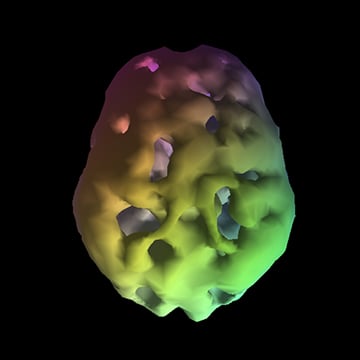
Remembering Head Trauma
Research published in the Journal of the International Neuropsychological Society demonstrates that this phenomenon isn’t unique to Amen Clinics. The research was based on a 35-year longitudinal study of 1,265 children. Of those who sustained a TBI, only slightly more than half of the people recalled that they had sustained a head injury when asked about it later in life. The other half completely forgot about it. Additionally, the accuracy of their recall differed depending upon the severity of the injury. Those who sustained a moderate to severe head injury had almost perfect recall of having experienced a head injury at some point in their lives. However, most TBI’s are mild and the recall of these injuries is frequently quite poor. The accuracy of recall also depends on how long ago the injury occurred – the farther back you go, the poorer the recall. It was also noted that the earlier in life the TBI occurred, the more vulnerable a person was to negative outcomes later in life…yet these are the same individuals who are most likely to forget that they even had a TBI.Delayed Symptoms
While some people develop symptoms immediately after a TBI, others find that symptoms emerge over a period of weeks or months. Because of this delay, the underlying cause of the symptoms is often forgotten and never uncovered. Many times, doctors don’t ask about possible brain injuries and don’t actually look at the brain with imaging. Instead, the problems are frequently attributed to a psychiatric condition and the person is treated with medication. The impact of head trauma is often overlooked in psychiatry. Even minor head injuries to vulnerable parts of the brain can cause problems for years to come. Brain SPECT imaging is one of the best tools for detecting the functional damage from TBI that’s often missed by CT and MRI studies.Undiagnosed Head Injuries
It’s estimated that there are about 2 million emergency room visits for traumatic brain injury (TBI) in the U.S. each year, in addition to hundreds of thousands of unreported incidents of head trauma, including undiagnosed concussions. Research shows that undiagnosed brain injuries are a major cause of depression, anxiety, drug and alcohol abuse, homelessness, ADD/ADHD, and suicide. Some symptoms of TBI overlap with those of other conditions, including post-traumatic stress disorder (PTSD) where sleep problems, irritability or anger, concentration problems and social isolation are commonly found in both. Because of this, people can be misdiagnosed and given the wrong type of treatment if no one actually looks at their brain. If you or a family member have suffered a concussion or TBI, take these 3 steps toward brain recovery:Ask the Right Questions
All too often concussions are not taken seriously unless a person has noticeable symptoms right after the head injury occurs. Many times, clinicians don’t know how to ask their patients about previous head injuries. However, it’s vitally important to ask patients multiple times and in multiple ways, because they often forget or dismiss such incidents as inconsequential. But every brain injury matters – even sub-concussive events. If you don’t already have a set of questions for assessing a head injury, consider using this list.Know the Symptoms
While some people display warning signs immediately following a TBI, others don’t develop symptoms until weeks or even months later. The result of this delay is that the underlying cause of the symptoms is often forgotten. Here are some of the most common symptoms of mild to moderate TBI and concussions: • Confusion • Difficulty with concentration and paying attention • Memory problems • Difficulty with word finding • Mental and/or physical fatigue • Sleep problems • Sensitivity to noise and/or light • Moodiness • Anger outbursts • Increased anxiety • Social isolation • Vision problems • Balance problems • NauseaTake a Look
How can you really know if you have a head injury unless you get an image of your brain? Brain SPECT imaging is the best tool for determining if your brain has suffered functional damage from a concussion or TBI.Brain SPECT imaging can:
• Help identify if there has been brain trauma • Show brain blood flow deficits NOT visible in anatomical studies, such as CT or MRI • Identify affected brain systems • Help determine if there could be co-occurring conditions that need treatment • Increase treatment compliance by showing pictures of results • Provide scientific documentation that may help with special services or legal issues Our Full Evaluation includes two SPECT images (concentrating and resting states), a detailed clinical history, neuropsychological testing and comprehensive evaluation with one of our doctors to target treatment specifically to your brain, using the least toxic, most effective means. If you or a loved one have suffered a concussion or TBI and are experiencing anxiety, depression, aggressive behaviors, or memory loss, call us today at 888-288-9834 or visit us online to schedule a visit. Joey, age 9, struggled with hyperactivity, restlessness, impulse control problems, inattention, and distractibility. His pediatrician had suggested trying a couple of different medications but Joey’s mother was interested in trying alternative treatments first. She had heard about our work with neurofeedback and wanted an alternative to medication. Joey did neurofeedback twice a week and we quickly began seeing significant changes, including less hyperactivity and longer ability to focus. After he stopped the neurofeedback he continued to do well in school and at home.WHAT IS NEUROFEEDBACK?
Neurofeedback is a specialized treatment that uses advanced computer technology for balancing and optimizing your brain. It is a fun, interactive and engaging treatment that helps you strengthen and retrain your brain to a healthier, more focused state. Using real-time displays of brain activity, you can learn how to self-regulate your brain function. Monica, age 17, came to the clinic for problems with anxiety, worrying, temper outbursts, poor school performance, and oppositional behavior. She had been in psychotherapy for two years, which seemed to help her temper problems but not her oppositional behavior or school performance. Additionally, she had tried two different medications but she did not like the side effects. When she learned about neurofeedback she liked the idea of learning how to control her own brain. We did neurofeedback twice a week and within the first month she noticed less worrying. By the end of 6 months she felt more focused, less anxious, and overall more cooperative, which her family validated. Research has demonstrated the effectiveness of neurofeedback to improve many conditions including:- ADD/ADHD
- Anxiety
- Autism Spectrum Disorder
- Bipolar Disorder
- Chronic Pain
- Depression
- Headaches
- Memory Issues
- PTSD
- Sleep Problems
- Traumatic Brain Injury
WHAT ARE THE BENEFITS OF NEUROFEEDBACK?
Patients report enhanced memory and focus, decreased impulsivity and anxiety, better mental clarity, more restful sleep, improved mood, and a host of other benefits after using neurofeedback without side effects! In fact, the American Academy of Pediatrics named neurofeedback a “Level 1: ‘Best Support’ intervention for ADD/ADHD, on par with medication.” The effects and benefits of training last long after the training itself has stopped. Because the brain has actually learned (or relearned) a more efficient way of performing, it will continue in this way as new pathways in the brain are created, thus making lasting change the path of least effort.WHAT TO EXPECT?
With neurofeedback, YOU become an active part of your brain’s healing. You will play a video game using just your brain—it’s fun! Here’s how it works: electrodes are placed on your head to measure electrical activity in your brain (this is painless, non-invasive, and safe for people of all ages). Then, you will play some games that require concentration. At the same time, you will be able to view your brain activity on a computer monitor. A clinician will show you how to interpret the activity: which patterns mean your brain is engaged and which patterns mean your brain is less engaged. You CAN change your brain and change your life. Amen Clinics can help. To learn more about neurofeedback strategies or to schedule an appointment, contact the Amen Clinics Care Center today at 888-288-9834. “It’s amazing where I am now, compared to where I’ve come from,” says Anthony Davis, the former running back whose USC career earned him induction into the College Football Hall of Fame. “It’s scary what my head used to be like.” Davis played five years professionally, including two in the NFL. He says he’s “one of the lucky ones” because he had only two diagnosed concussions. Even so, when Davis first came to Amen Clinics, he was 54-years-old with a brain that looked like that of an 85-year-old. Today, Davis says, “I feel like a new person, a new man,” in large part to undergoing Hyperbaric Oxygen Therapy (HBOT) as part of a comprehensive brain rehabilitation program.What is Hyperbaric Oxygen Therapy?
Hyperbaric Oxygen Therapy (HBOT) involves breathing oxygen in a pressurized chamber (there are hard and soft chambers) in which the atmospheric pressure is raised up to three times higher than normal. Under these conditions, your lungs can gather up to three times more oxygen than would be possible breathing oxygen at normal air pressure. Hyperbaric Oxygen Therapy works as its name implies – hyper (more of) and baric (pressure) – and that is exactly how it works. It is the increased pressure of the gas we breathe every day that can signal the DNA in our cells to perform healing tasks that the body normally can’t do. Having been used for decades among scuba divers to re-introduce them to standard atmospheric pressure, today HBOT is finding many uses in the medical and mental health professions.The Benefits of Hyperbaric Oxygen Therapy
HBOT improves the quality of life for people dealing with a variety of issues, especially when standard medicine is not working. Often, healing is inhibited by a restriction of blood flow to the injured part of the body. Healing is promoted by maximizing the amount of oxygen in the blood that can reach the injured area. It has long been known that healing cannot take place in many areas of the body without appropriate oxygen levels in the tissue. HBOT provides this extra oxygen naturally and with minimal side effects. HBOT benefits a variety of conditions in multiple ways including speeding healing, boosting the immune system, decreasing inflammation, killing bacteria, and helping the body build new connective tissue. Most excitingly, HBOT can bring an injured brain back on line by improving the function of the cell’s energy centers – the mitochondria. It’s like bringing your car’s misfiring pistons back into proper timing. It’s all about energy and if your brain has the energy it needs to function better, everything gets better! HBOT can be used to treat conditions which benefit from more oxygen being available in the tissues. HBOT has been used successfully to improve many conditions including, but not limited to:- Traumatic Brain Injury
- Carbon Monoxide Poisoning
- Sports Injuries
- Autism
- Cerebral Palsy
- Alzheimer’s Disease
- Stroke
- Lyme Disease
- Migraine
- Multiple Sclerosis
- Vascular Dementia