

Most people don’t think about their mental health until something breaks. If you’re not overwhelmed, burnt out, or emotionally spiraling, it’s easy to assume you’re “fine.” But waiting for a crisis is one of the biggest mistakes people make when it comes to their mental well-being.
According to the American Psychiatric Association, more than one in three Americans (about 38 percent) plan to prioritize mental health this year. The good news? You don’t need drastic changes or trendy hacks to improve your well-being and feel good. Mental health is built through small, consistent habits that support your brain health before problems take hold.
That’s exactly what these top 10 tips to maintain your mental health are designed to do. They’re practical, science-backed actions that stabilize your emotions, protect brain function, and strengthen your resilience to everyday stress—without adding more pressure to your life.
With decades of clinical experience and brain imaging research, Amen Clinics has consistently shown that mental health is brain health. By meeting your brain’s basic needs daily, you can build a stronger foundation for focus, emotional balance, and long-term well-being—this year and beyond.
Mental health isn’t shaped by one habit alone but influenced by a network of biological, emotional, cognitive, and social factors. The following 10 strategies work together to support your brain, protect emotional well-being, and build long-term mental health.
Most people don’t think about their mental health until something breaks. But waiting for a crisis is one of the biggest mistakes you can make. Mental health is built through small, consistent habits that support your brain health.
As one of the most powerful tools for protecting mental health, sleep is a basic need that, too often, people fail to prioritize. However, sleep plays a central role in the biological foundation of maintaining mental health and emotional regulation. It also determines things like hunger cues and maintaining energy.
Research shows that deep sleep helps your brain consolidate memories, regulate hormones, and clear metabolic waste through the lymphatic system. When you ensure you get quality sleep, you are essentially supporting learning, emotional balance, stress resilience, and decision-making.
Chronic sleep loss, on the other hand, disrupts neurotransmitter balance and increases activity in the brain’s threat-detection centers, which heightens anxiety and increases stress . A 2024 study showed that having a chronic sleep deficit is associated with heightened anxiety, irritability, depression risk, impaired focus, and reduced impulse control.
When you can’t fall asleep, stay asleep, or sleep too little, your brain can’t effectively consolidate information or clear hormonal byproducts and metabolic waste. This increases feelings of mental overload and emotional strain.
The brain is metabolically demanding, using roughly 20 percent of your body’s energy. This energy comes from the foods you eat, which fuels how you think, feel, and act. A balanced diet rich in nutrient-dense foods provides the building blocks for neurotransmitters, stabilized blood sugar, and reduced inflammation (linked to mood disorders and cognitive decline).
Amen Clinics founder, Dr. Daniel Amen, frequently recommends these seven brain-healthy foods to help you build a foundation that benefits your brain and keeps your taste buds satisfied:
Wild-caught fatty fish (such as salmon, mackerel, and sardines) – Delivers a healthy dose of brain-boosting protein and fats
Blueberries – Provides a burst of antioxidants
Dark leafy greens (spinach, kale, and arugula) – Hydrates and quells inflammation
Avocados – Offers healthy fat and dietary fiber
Nuts and seeds – Provides a perfect nutrient-dense, powerhouse snack
Olive oil – Delivers neuroprotective polyphenols to fight inflammation
Beans and legumes – Provides a rich source of fiber
These foods supply your brain with essential nutrients to support your memory, mood, and executive function.
For example, research from the American Journal of Clinical Nutrition shows that omega-3 fatty acids (found in fatty fish, dark leafy greens, and nuts and seeds), help to regulate neurotransmitters like serotonin and dopamine. Additionally, their antioxidant power helps to reduce oxidative stress in the brain. Of course, consuming quality fats helps to slow down gastric emptying, which helps to maintain stable blood sugar levels. In turn, this protects against mood swings and fatigue.
“An object in motion stays in motion.” – Newton’s First Law of Motion
Movement is about more than physical health. Indeed, taking time each day to exercise is one of the best things you can do for your mental health.
The hardest thing for people to do is to start doing something, especially when it comes to exercise. But if you needed a sign to take your mobility seriously, this is it. Research shows that physical movement increases blood flow to the brain, stimulates growth factors like BDNF (brain-derived neurotrophic factor), and improves mood-regulating neurotransmitters. Your mood is truly influenced by how often you move your body.
If you are not athletic or dislike the gym, don’t worry. Movement doesn’t have to be intense to be effective. You can choose something that you enjoy and will be sustainable for you to keep doing, no matter how busy you get. You can start with these accessible daily practices to make the start of your daily movements easier:
A 2018 study showed that regular walking improves mood, attention, and memory while lowering stress hormones. Start with a 10-minute walk outdoors or on a treadmill, or 30 minutes of outdoor hiking. The goal is to start moving! Let go of the idea that you need to do back-breaking workouts.
Gentle stretching reduces muscle tension and activates the parasympathetic nervous system, which can also change brain activity towards a more relaxed and positive mental state.
According to research in Physical Activity and Nutrition, low-impact exercise has been shown to improve emotional regulation and reduce symptoms of anxiety and depression.
Note: Always consult a healthcare professional to ensure the movement you choose supports your individual health goals in a safe and comprehensive way.
The sense of belonging we receive from human connection is a biological need, not a luxury. However, it’s not the quantity of friends that benefits your mental health, but rather the quality of connection. Be intentional about who is in your close circle of friends by spending time with the connections that are healthy and supportive.
Studies confirm that having supportive relationships you trust can buffer stress, reduce inflammation, and lower the risk of depression and cognitive decline. Regular check-ins with trusted friends or family, even if they are brief, can help regulate emotions and reinforce a sense of safety and belonging.
Chronic stress is the cause of a host of preventable diseases. It’s essential to pay attention to the stress signals your body gives you. When stress goes unchecked, it can lock your brain and nervous system into a threat-focused state, making emotional equanimity and clear thinking more difficult over time. Chronic stress elevates cortisol, impairs memory, disrupts sleep, and weakens emotional regulation.
Starting with one of the following stress-busting techniques and practice it consistently. Observe how your nervous system responds and build a personalized mental health toolkit that works best for you.
Slow, intentional breathing exercises activate the parasympathetic nervous system, which counters the body’s stress response. Research shows that diaphragmatic breathing can lower heart rate, reduce cortisol levels, and improve emotional regulation by calming overactive stress circuits in the brain. Over time, regular breathing practices can improve resilience to daily stressors and reduce symptoms of anxiety. Plus, you can practice it virtually anywhere!
You can use mindfulness practices to train your brain to observe thoughts and emotions without immediately reacting to them. Studies show that mindfulness improves emotional regulation, decreases rumination, and reduces activity in brain regions associated with stress and fear responses. Consistent practice has also been linked to structural and functional brain changes that support attention and emotional balance.
Expressive writing helps the brain process emotions more efficiently by organizing your thoughts and reducing mental clutter.
Research suggests that journaling can lower stress levels, improve mental distress, and enhance mood by helping you make meaning out of experiences rather than suppress them. Over time, this supports healthier emotional processing and better stress recovery.
Grounding techniques anchor attention in the present moment through sensory awareness, helping interrupt spiraling thoughts and anxiety loops. Studies show that grounding practices can reduce symptoms of anxiety and emotional distress by shifting the brain out of threat mode and into a state of safety and awareness. These exercises are especially helpful during moments of acute stress or overwhelming emotions.
Be careful about negative social interactions online or in person.
Digital device use can be incredibly useful in so many ways; however, unmanaged exposure can overload your brain. Excessive stimulation has been shown to increase anxiety, disrupt sleep, and fragment attention. Try setting time limits (through your own willpower or apps developed for this practice) to keep your brain balanced and stress-free.
Be especially careful of the following social inputs that can harm your brain and mental health:
Doomscrolling is something we all do at some point. What seems like a harmless act of scrolling up or down on a screen actually keeps your brain in a heightened threat-detection state by exposing it to a continuous stream of negative or alarming information.
Research links this habit to increased stress, anxiety, and depressive symptoms, in part because it reinforces rumination and activates stress-related brain circuits for prolonged periods. Over time, this constant hypervigilance can impair emotional regulation and increase feelings of helplessness and inaction through procrastination.
Extended screen exposure on addictive social media, especially without breaks, has been associated with mental fatigue, reduced attention span, sleep disruption, and mood disturbances. Blue light exposure and constant cognitive switching can interfere with circadian rhythms and increase cognitive overload, making it harder for the brain to recover and focus effectively.
Studies suggest that limiting screen time, particularly in the evening, can improve sleep, energy and focus, emotional stability, and mood disturbances.
Though building quality social connections are important for your mental health, not all social interaction is restorative. Chronically stressful or emotionally draining relationships can elevate cortisol levels and increase inflammation linked to long-term stress exposure.
Research shows that persistent interpersonal strain is associated with higher levels of inflammatory markers, which are connected to mood disorders and reduced stress resilience over time.
Replacing stress-inducing social interactions with restorative activities (such as reading, nature exposure like gardening, or other creative hobbies) provides an opening for your brain to calm and recover.
The draw to engage in stressful social interactions, either online or in person, can be hard to break. Be patient with yourself as you learn to disengage from them.
Boundaries protect your mental energy and physical well-being. They reduce burnout, prevent emotional overload, and create space for rest and clarity. Learning how to say “no” supports your emotional balance and long-term mental health.
Meaning-based activities strengthen psychological resilience and reduce stress-related brain changes. Creativity, time in nature, spiritual practices, and hobbies improve mood and cognitive flexibility. Joy doesn’t have to be productive; it just needs to be nourishing.
Mental health symptoms often reflect a mix of biological, psychological, lifestyle, and social factors. At Amen Clinics, brain-based assessments help identify those patterns related to mood, focus, trauma, or stress. Clinical insight can clarify what’s driving your symptoms.
With excellent data, our clinicians are able to develop effective personalized care plans to support mental well-being for the long-term, as well as provide and ongoing support.
Early intervention prevents symptoms from compounding. Research shows that timely mental health support improves outcomes and reduces symptom severity. If stress, anxiety, or low mood interferes with your daily functioning, it is essential to seek help from a qualified mental health professional or medical doctor. For some individuals with suicidal ideation, getting early treatment may mean the prevention of a suicide crisis, research has found.
Mental health is shaped by interconnected systems. Dr. Amen’s Four Circles of Mental Health (biological, psychological, social, and spiritual) highlight how small habits compound over time to deliver whole-person well-being. Learning how to support each of your circles will help you to achieve and maintain better brain function and overall mental health.
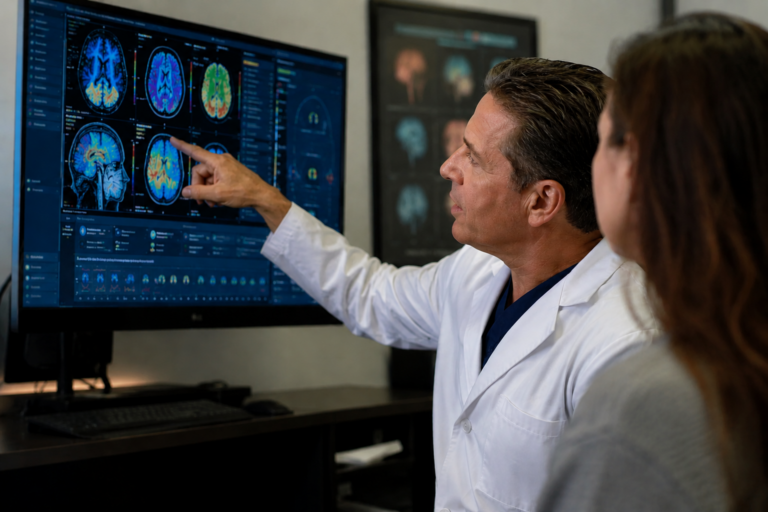
Amen Clinics uses brain SPECT imaging to evaluate brain activity patterns related to attention, mood, trauma, and stress. Treatment considers brain function along with your personal health history (including your lifestyle, habits, and emotional needs), neuropsychological assessments, and clinical labs (if needed) to determine a whole-person, mental health care treatment plan rather than a symptom-only approach.
Mental health isn’t something you either have or don’t. It’s something you build. Small, consistent steps create powerful momentum toward mental wellness over time. Start where you are, choose one habit to strengthen, and let progress compound.
When symptoms persist, professional and brain-based support can help uncover deeper patterns and guide meaningful change.
Sleep, nutrition, movement, stress management, social connection, and early support form the foundation of long-term mental health and well-being. Each one supports the other, so taking each one seriously benefits your overall health.
Your daily habits regulate brain chemistry, stress hormones, and emotional processing. This shapes how your brain responds to personal challenges and life events.
Yes. Sleep directly impacts your mood regulation, memory loss, stress resilience, fatigue, emotional stability, hunger signals, and even mobility/injury prevention.
If symptoms persist after making consistent healthy changes, consult a mental health professional for deeper evaluation, personalized guidance, and/or potential medication.
Keep in mind that lifestyle changes are a great way to boost mental health for mild symptoms only. Seek professional help from a medical doctor immediately if your mental health symptoms are severe or disrupting your ability to function in daily life.
Brain-based assessments can identify functional patterns influencing mood, focus, and behavior. This supports a more targeted care plan, which is exactly what you need to care for your specific brain type.
Depression, anxiety, stress, and other mental health conditions can’t wait. At Amen Clinics, we provide personalized, science-backed treatment plans designed to target the root causes of your symptoms. Our 360-approach includes brain SPECT imaging, clinical evaluations, innovative therapeutic techniques, medications (when necessary), and holistic lifestyle recommendations to promote the health of your brain, body, and mind. Speak to a specialist today at 888-288-9834 or visit our contact page here.

From nonstop notifications and tight work deadlines to constant family demands, stress is a condition of modern life. Most people shrug it off as “normal.” But stress doesn’t just affect your mood, it can also quietly reshape how your brain functions and how your mental health holds up over time.
When stress is constant, it alters the brain’s ability to regulate impulses, process information, and recover from emotional strain. Left unchecked, it can erode focus, resilience, and emotional balance—often without obvious warning signs.
So, what are the key signs of stress affecting mental health? And more importantly, how does stress affect mental health before it reaches a breaking point?
Many people don’t realize how stress can affect your mental health until anxiety, irritability, burnout, or depression begin to interfere with daily life.
When stress is constant, it alters the brain’s ability to regulate impulses, process information, and recover from emotional strain. Left unchecked, it can erode focus, resilience, and emotional balance—often without obvious warning signs.
At Amen Clinics, we regularly see people whose symptoms worsen when chronic stress goes unaddressed. Their experiences reveal just how powerfully unmanaged stress can disrupt emotional well-being, cognitive performance, and overall quality of life.
The good news?
Stress-related mental health challenges are often preventable—and reversible. By recognizing early warning signs and understanding how stress impacts the brain, you can take meaningful steps to protect your mental wellness before the effects of stress escalate into more serious concerns. Here’s what you need to know.
You may be wondering, how does stress affect mental health? The mental health impact of stress begins immediately when you encounter a stressful situation. According to research, when a structure in the brain called the amygdala perceives a threat, it activates the fight-or-flight response.
Your brain’s hypothalamus then signals the release of hormones like cortisol to help you respond quickly to perceived threats. This is, of course, highly beneficial in short bursts—even lifesaving in some instances—but long term stress keeps cortisol levels elevated and the brain locked in a constant state of alert.
Brain SPECT imaging at Amen Clinics reveals that when stress becomes prolonged, it leads to overactivity in the limbic system (which houses the amygdala), your brain’s center for fear and emotional responses.
The prefrontal cortex, which is responsible for focus, decision-making, planning and impulse control becomes underactive under chronic stress. The hippocampus, which is crucial for learning and memory loses volume under continual stress and functions less effectively.
As a result of these stress-driven brain alterations, you begin to experience persistent worry, trouble concentrating, difficulty in regulating your emotions, and impulsive decision-making.
Chronic stress also has a negative impact on your overall nervous system. It can trigger brain inflammation further impairing your mental clarity and emotional resilience. Stress also significantly impacts the immune system, which affects your overall health (including brain and mental health) and your susceptibility to illness, studies note.
Related: 11 Reasons To Manage Your Stress
When stress starts to affect your mental health, you may begin noticing cognitive, emotional, physical, and behavioral changes.
Here are the common indicators to be aware of:
We all experience stress when faced with a challenge like getting ready to travel, taking an exam, or meeting a deadline. The stress is finite and passes when the challenge has been met.
But how does chronic stress affect your mental health over time?
For starters, chronic stress doesn’t just disappear on its own. Studies show that when it goes unchecked for a long period, it evolves from mild discomfort to patterns that appear similar to diagnosable mental health conditions.
Here’s what happens:
Prolonged stress can heighten your brain’s threat response, causing you to live in constant worry, restlessness, or hypervigilance even when there’s nothing wrong. Chronic stress can lead to the development of anxiety disorders too.
As stress continues to deplete your brain’s ability to regulate mood, you may begin to experience loss of motivation, persistent sadness, and emotional heaviness that you weren’t feeling before.
Chronic stress tends to lower your tolerance to frustration, making irritability and outbursts more common.
When stress becomes intense, people cope in different ways. For instance, some people numb out with social media use or binge watch tv, eat comforting foods, or consume alcohol to soothe the pressure.
Sometimes, prolonged stress comes with mental health symptoms similar to what one exhibits after a traumatic experience, such as avoidance, hypervigilance, and reactivity to small triggers.
When stress builds over time, it significantly diminishes your attention. Prolonged stress according to research can slow down your thinking and create a sense of mental exhaustion, making everyday tasks feel harder.
Through brain SPECT imaging, experts at Amen Clinics have observed that individuals with specific brain patterns can be more vulnerable to these changes.
For example, individuals with an overactive anterior cingulate gyrus (known to fuel inflexibility, rumination, and worry) are more likely to show these responses to stress, as do individuals who have poor activity in the prefrontal cortex (an area of the brain that governs judgment, decision-making, planning, and impulse control).
Below are groups of individuals who are more vulnerable to stress:
The ripple effects of being in a near constant state of stress are less obvious, but still alarming.
Stress can cause emotional exhaustion, leaving you drained even after engaging in small tasks. It can also deplete your motivation to a point that the activities you normally handled with ease feel less important or too hard to begin.
Research shows that chronic stress can disrupt your ability to do simple things like driving to a familiar place. Prolonged stress can also create tension in relationships, increasing your sensitivity and causing you to pull away from others.
In some cases, stress can lower your self-esteem, making you feel less capable than you really are. Additionally, you can develop a sense of pessimism as a result of prolonged stress, where nothing feels manageable for you.
It’s perfectly normal for you to feel stressed from time to time. However, some signs could be an indicator that stress may be interfering with your mental health. Consider reaching out for help if you encounter the following:
As mentioned earlier, Amen Clinics uses brain SPECT imaging to observe the effects of chronic stress on brain activity. Our clinicians use these scans to identify overactive worry networks as well as the underactive regions that regulate impulse control and focus.
With these insights, they can tailor customized treatment plans suitable for each patient’s unique brain patterns.
Treatment usually includes an integrative approach that combines nutrition, targeted supplements, lifestyle tools, therapy, and medication where appropriate.
For instance, one of our patients, a 32-year-old professional, was experiencing work-related worries that were causing tension and irritability.
Through structured distraction techniques like singing his favorite songs whenever the negative thoughts arose, he was able to gain control over his worries and calm his nervous system.
Related: 10 Natural Ways to Calm Stress
In today’s world, we all need methods for reducing stress before it becomes chronic. Taking these small steps at the earliest signs of stress will help you to restore calm in your mind and body:
Stress can affect anyone at any point, but it shouldn’t reach a point where it erodes your mental well-being.
Recognizing what is happening early enough can make a meaningful difference in how well you manage it. If symptoms persist despite your efforts, consider an assessment or brain imaging at Amen Clinics to gain clarity and guidance on what to do next.
Stress often begins affecting mental health quietly. Before anxiety or depression develop, people may notice irritability, mental fatigue, difficulty concentrating, sleep problems, or feeling emotionally drained.
These early changes reflect how stress disrupts brain regions involved in emotional regulation, focus, and resilience long before symptoms meet diagnostic criteria.
Yes. Chronic stress can alter brain activity and structure over time. Prolonged exposure to stress hormones like cortisol can overstimulate your brain’s centers for fear and emotion while weakening areas responsible for judgment, impulse control, and memory.
These changes can make it harder to manage emotions, think clearly, and cope with everyday life challenges.
When stress becomes ongoing, the brain stays in a heightened state of alert. This constant activation drains mental energy and reduces the brain’s ability to recover.
Over time, stress can lower frustration tolerance, increase negative thinking patterns, and make even small tasks feel overwhelming, creating a cycle that reinforces emotional exhaustion.
At Amen Clinics, as part of a comprehensive mental health evaluation, our clinicians look at how stress is affecting the brain using SPECT imaging to identify overactive and underactive brain areas. This allows them to create personalized treatment plans that address each person’s unique brain patterns.
Care often includes targeted lifestyle strategies, nutrition, supplements, therapy, and medication (when appropriate) to help restore balance and resilience.
Chu, B., Marwaha, K., Sanvictores, T., Awosika, A. O., & Ayers, D. (2024). Physiology, stress reaction. In StatPearls [Internet]. StatPearls Publishing. https://www.ncbi.nlm.nih.gov/books/NBK541120/
Alotiby A. Immunology of Stress: A Review Article. J Clin Med. 2024 Oct 25;13(21):6394. doi: 10.3390/jcm13216394. PMID: 39518533; PMCID: PMC11546738.
Mariotti, A. (2015). The effects of chronic stress on health: new insights into the molecular mechanisms of brain–body communication. Future science OA, 1(3), FSO23. doi: 10.4155/fso.15.21
Brown TI, Gagnon SA, Wagner AD. Stress Disrupts Human Hippocampal-Prefrontal Function during Prospective Spatial Navigation and Hinders Flexible Behavior. Curr Biol. 2020 May 18;30(10):1821-1833.e8. doi: 10.1016/j.cub.2020.03.006. Epub 2020 Apr 2. PMID: 32243859; PMCID: PMC7331937.

You probably brush off the small frustrations, rejections, and pressures you face each day—but your brain doesn’t.
A coworker’s curt comment. A traffic jam that makes you late. The endless stream of digital demands. These may seem insignificant, yet over time, these “microtraumas” can quietly chip away at your mental and emotional resilience.
Your brain perceives each of these moments as a tiny threat, activating stress responses meant to protect you—but when this happens repeatedly, it can keep your brain stuck in survival mode. The result? Chronic tension, irritability, fatigue, and even changes in mood, memory, and focus.
Understanding how microtraumas impact the brain can help you recognize the silent buildup of stress—and more importantly, learn how to interrupt it. With the right tools, you can retrain your brain toward resilience, calm, and healing.
Let’s take a closer look at the hidden effects of everyday stress—and how to recover from the toll it takes on your brain.
You probably brush off the small frustrations, rejections, and pressures you face each day—but your brain doesn’t.
Microtraumas are the minor but persistent psychological stress experiences or tiny emotional micro-wounds that quietly wear on your emotional and mental well-being.
Unlike major trauma, which often results from a single overwhelming event, microtraumas, according to research, are a slow but steady buildup of stress that your brain continues to record over time. They can stem from issues like:
Although they may seem insignificant, they can trigger stress responses and end up reshaping how your brain processes emotion, focus, and resilience.
Related: How Chronic Stress Rewires Your Brain and What to Do About It
Your brain is wired to keep you safe. So, every time you face these moments of stress, your brain’s emotional center, which is the limbic system, sounds an alarm. These constant “mini alerts” may not feel like a big deal on their own, but when they happen over and over, your brain stays on high alert.
Each of these micro-alerts triggers the surge of your body’s major stress hormone, cortisol.
Research shows that chronic exposure to high cortisol can shrink your hippocampus, the part of your brain responsible for memory, focus, and emotional balance. As a result, you may struggle to focus, remember details, and stay calm under pressure.
When your limbic system is overactive, calming down after minor stressors can become increasingly hard. It leaves you stuck in a cycle of anxiety, irritability, or even depression.
Studies have shown that daily micro-stressors keep your brain thinking that the world isn’t a safe place, even when nothing is wrong. That’s why it may be difficult for you to relax, connect, and think clearly.
Small stressors may seem minor while they are happening on their own. However, as they happen repeatedly, their effects compound, a process known as allostatic load.
This term, according to research, describes the wear and tear that your brain and body go through when your stress response is constantly activated without enough time to reset.
Understanding how these micro-stressors accumulate is the first step towards protecting your brain resilience and restoring emotional balance.
Think of it like drops of water falling on a rock. One drop cannot change much, but over time, those drops may wear down the rock. In the same way, microtraumas subtly reshape how your brain manages attention and emotion.
Your brain’s alarm system stays partially activated, where it floods your body with the hormone cortisol. As a result, you remain in a constant state of alert. As the quiet buildup continues, it becomes harder for you to focus, relax, and bounce back after moments of stress.
You can’t completely avoid life’s small stressors. Neither can you prevent them from happening. But you have the power to condition your brain and body to adapt and recover more effectively.
Resilience has nothing to do with brushing off difficult emotions. It is about learning how to recover, reset, and keep your inner balance even when things are tough.
Below are four tips to help you build resilience to microtrauma:
Awareness is the first step toward healing. Start by paying attention to the small triggers you normally ignore.
Take a minute to notice how your body feels when you are tense, frustrated, or rejected. That clenched jaw, quick sigh, or scrolling habit after a tough email. These are all clues that your brain is feeling overwhelmed.
Your brain can’t calm what it doesn’t recognize. Try mindfulness, brief journaling, or identifying Automatic Negative Thoughts (ANTs).
Writing them down can help your brain process emotions and reduce their impact on your mental wellness. The more you notice, the faster it is for you to react and respond calmly instead of reacting.
Taking short breaks during the course of your day can make a great difference. Whenever you feel overwhelmed, try a quick walk, take five slow breaths, or stretch gently. Even if you do 60 seconds of slow, steady breathing, research has shown that your brain will understand that it is safe to relax.
You may also consider tools like Heart Rate Viability (HRV) training or guided breathwork to strengthen your body’s ability to recover after stress. These are practices that help to regulate your heart and breathing patterns, signaling safety to your nervous system and restoring calmness.
Not all situations deserve your attention. Reduce your exposure to conversations that are toxic, relationships that drain you, or digital overload.
Here is what this might look like:
Such boundaries will help keep your brain from staying in constant alert mode.
At the core, it’s the basics that matter most. Sleep well, move your body, and eat nourishing foods. Regular exercise helps to regulate your hormones and mood.
A diet rich in antioxidants, omega-3s, and whole foods provides your brain with the nutrients it requires to stay strong amid cumulative stress and daily pressures. Good sleep helps in clearing out stress chemicals from your brain.
Healing from psychological microtrauma doesn’t require you to erase the past. It’s a journey of helping your brain recover from the quiet load of stress it’s been carrying.
Even though the “small hurts” have built up over time, your brain is capable of truly healing when you give it the right support.
You can consider therapies such as cognitive behavioral therapy (CBT), Eye Movement Desensitization and Reprocessing (EMDR), and neurofeedback.

How It Helps: Helps in identifying and reframing the negative thought patterns that form after repeated stress.

How It Helps: Often used to deal with emotional trauma, EMDR can also be powerful in handling cumulative stress. It can help your brain to process stored tension and ensure it no longer triggers emotional distress.

How It Helps: Helps people cope with emotional trauma by retraining the brain’s stress response. This non-invasive technique leads to improved emotional regulation.
What feels like “no big deal” in the moment can quietly build into real strain on your brain and emotional well-being.
The good news? No matter how long it’s been under pressure, your brain is not stuck.
You can begin to reverse the effects of microtraumas by nurturing your brain with awareness, compassion, and simple, healthy habits. Over time, you will experience a calmer mind, steadier emotions, and a renewed sense of balance.
Remember that healing doesn’t happen overnight, but every small act of care will help your brain rebuild strength and peace. It’s never too late to start healing from the small things that have been holding you back.
Major trauma comes from big, overwhelming incidents, but microtraumas are the small daily stressors that accumulate over time. At Amen Clinics, our imaging work shows how both can disrupt brain activity and emotional balance.
At Amen Clinics, brain SPECT imaging plays a special role in revealing how stress affects different areas of the brain, such as the prefrontal cortex and the limbic system.
When Amen Clinics physicians see these patterns on brain scans, we are able to personalize treatment combining nutrition, therapy, targeted supplements, and lifestyle changes to promote emotional balance and brain recovery.
We provide therapies like cognitive behavioral therapy (CBT), EMDR, neurofeedback, and more to reduce the cumulative impact of stress on your brain.
Yes. Many people with long-term anxiety or depression have brains overloaded by daily stress. Our clinicians create personalized plans to restore emotional balance and strengthen brain resilience.

Have you experienced unresolved psychological traumas or emotional shocks in your life? Are you coping with chronic stress and feeling perpetually overwhelmed? If so, you may be dealing with the consequences of an emotional concussion—or several of them.
Just as a physical concussion can disrupt brain function, emotional concussions can alter the way your brain works and lead to long-term negative effects. While traumas and chronic stress may seem like events and circumstances you can simply push past, they shouldn’t be ignored.
This blog will explore the symptoms of emotional concussions, their numerous potential effects on both physical and mental health, and the most effective brain-based strategies to help them heal.
Just as a physical concussion can disrupt brain function, emotional concussions can alter the way your brain works and lead to long-term negative effects.
Most people are familiar with physical concussions, which are a type of traumatic brain injury (TBI) caused by damaging events like hits or bumps to the head. In these instances, the injury can be obvious.
But brain injuries from emotional stress are also possible. When it comes to the brain, emotional trauma vs. physical trauma may seem completely different, but they do share some commonalities.
For example, both types often go unreported, undiagnosed, and untreated. Just as many people erroneously believe they need to lose consciousness to sustain a concussion, they might think their psychological trauma isn’t serious enough to cause an emotional concussion.
Both types of concussions can also lead to cognitive, behavioral, or mental health issues. That’s because a blow to the head, as well as emotional trauma, impacts healthy brain function.
When emotional traumas pile up—as with soldiers in war, first responders, or chronically traumatized children—these effects are compounded. And some individuals, such as those who lack social support, are more susceptible to lasting effects from trauma.
Such factors can increase the risk of developing mental health symptoms and conditions. This helps explain how emotional trauma affects mental health.
Furthermore, emotional concussions may remain undiagnosed—or misdiagnosed—because the symptoms overlap with those of other conditions. Emotional concussion symptoms include:
Emotional trauma and chronic stress can be silent destroyers, but they actually create changes in the brain. For example, prolonged or frequent stress rewires the brain’s emotional centers because it continually sets off the fight-or-flight response. Over time, the individual can experience reduced brain reserve and diminished cognitive focus.
Several brain regions are impacted by chronic stress and trauma:
When emotional concussions remain untreated, they can create serious negative impacts on various areas of an individual’s life. For example, those with unhealed emotional trauma may experience an increased risk of mental health issues, including post-traumatic stress disorder (PTSD), depression, and anxiety.
Thanks to heightened emotional reactivity and difficulty regulating emotions, relationship problems can also occur after emotional concussions. Because building healthy relationships is crucial for overall health and longevity, challenges in this domain can have a devastating domino effect.
Finally, the National Center for PTSD reports that substantial research has linked psychological trauma and physical health, starting with neurochemical changes in the brain. The organization notes that PTSD, for example, has been associated with:
Therefore, physical symptoms like headaches, gut issues, chronic pain, and fatigue may occur as a side effect of untreated emotional concussions.
With several regions of the brain potentially affected by emotional trauma and chronic stress, functional brain imaging is essential for revealing a full picture of the impact. When emotional trauma and stress accumulate, brain SPECT scans often reveal a diamond pattern in the brain, reflecting increased activity in the basal ganglia, ACG, and parts of the deep limbic system.
Fortunately, thanks to the remarkable ability of neuroplasticity, rewiring the brain for increased stress resilience is possible.
Certain psychotherapy modalities can be helpful for tackling emotional trauma. Cognitive behavioral therapy (CBT) assists in questioning and reframing automatic negative thoughts. Eye movement desensitization and reprocessing (EMDR) addresses and reduces the severity of emotional trauma symptoms.
Adopting positive lifestyle habits further works to reduce stress and anxiety. Ensure high-quality sleep, exercise regularly to boost blood flow to the brain, and eat a well-balanced diet with anti-anxiety foods. Introduce calming practices like journaling, mindfulness/meditation, deep breathing, and prayer.
Finally, embrace natural strategies to calm an overactive or overwhelmed brain. Try relaxation-inducing supplements like GABA, magnesium, and lemon balm. Brain-based therapies such as neurofeedback can help retrain your brain and create more balance, reducing mental health symptoms. And hypnosis can change negative thought patterns and habits while soothing anxiety.
While emotional scars can run deep, they are not beyond help and healing. Treating an emotional concussion is possible with a holistic brain-body approach.
Because these invisible wounds often go undiagnosed, the first step toward healing is awareness. If the symptoms of an emotional concussion are interfering with your life and well-being, seek help from a mental health professional to start on the road to recovery.
National Library of Medicine. https://pubmed.ncbi.nlm.nih.gov/?term=brain+%2B+spect
Amen DG, Jourdain M, Taylor DV, Pigott HE, Willeumier K. Multi-site six month outcome study of complex psychiatric patients evaluated with addition of brain SPECT imaging. Adv Mind Body Med. 2013 Spring;27(2):6-16. PMID: 23709407.
Yandrapalli S, Puckett Y. SPECT Imaging. [Updated 2022 Oct 3]. In: StatPearls [Internet]. Treasure Island (FL): StatPearls Publishing; 2025 Jan-. Available from: https://www.ncbi.nlm.nih.gov/books/NBK564426/

Facebook-f X-twitter Youtube TL;DRKatie Jolly struggled with mental health challenges for most of her life, often feeling ashamed and without clear answers.Her breakthrough came after

Facebook-f X-twitter Youtube TL;DR: Zach Skow’s life was once defined by early alcohol and drug addiction, leading to liver failure and a fight for survival. Through

Financial stress is a feeling many of us are, unfortunately, all too familiar with in today’s ever-changing economy. Whether you’re worrying about how to pay your bills, dealing with unexpected expenses, or managing debt, the weight of financial anxiety can feel overwhelming.
It’s not even just a matter of stress. These kinds of money worries can deeply impact your cognitive function. In fact, financial stress doesn’t just drain your energy—it can actually affect your brain’s ability to solve problems and plan effectively.
Understanding how financial pressure impacts your brain health and decision-making ability is the first step to overcoming money problems and mental health issues. Then you can take practical steps to improve your financial wellbeing and mental health.
Understanding how financial pressure impacts your brain health and decision-making ability is the first step to overcoming money problems and mental health issues.
Your brain’s executive center is essentially its control center, so it’s responsible for organizing, planning, and making decisions. This includes processes like memory, attention, problem-solving, and impulse control.
When your executive functions are compromised, tasks that require focus or long-term planning can become difficult. Think of the last time you had brain fog and anxiety at a time you needed to concentrate. Nothing gets done and everything feels impossible to accomplish.
When your brain is under stress—especially financial stress—your cognitive abilities are impaired, you get stuck on making any decisions, managing resources seems impossible, and mental clarity gets cloudy. It can be torturous when you’re just trying to get through the work day or mentally relax but you still have a million things to do.
Your executive center plays a huge role in how you navigate daily challenges and make thoughtful choices, so taking care of your brain under financial stress is critical.
In a nutshell, financial stress is the mental, emotional, and psychological strain caused by financial difficulties. This can come from a variety of factors, such as:
The constant worry about making ends meet or achieving your financial goals can become all-consuming, which only leads to a heightened state of anxiety. This type of stress triggers your body’s fight-or-flight response, which releases stress hormones like cortisol, ultimately affecting your brain’s ability to function efficiently.
When faced with money worries, the brain enters a heightened state of stress, which directly impacts cognitive function. According to research, financial scarcity can narrow your cognitive “bandwidth tax” and leave you with fewer mental resources to devote to everyday tasks.
This affects your ability to weigh the pros and cons of deciding what’s best for your financial situation, also known as “tunneling”. This means that, when your mind is consumed by financial worry, it can be harder to focus on other important things like your job, your relationships, and your physical health.
Stress-related decision-making mistakes happen when you’re worrying about money, bills, and debt. A 2018 study conducted by the American Academy of Neurology found stress hormones, like cortisol, interfere with memory and cognitive function, which can actually make your brain volume shrink. Money worries can exacerbate those conditions since money is a necessary part of survival today.
Financial pressure often leads to rash decisions, such as impulse spending or avoidance of critical financial tasks. Anxiety impairs self-control because you’re more likely to try and alleviate stress by choosing short-term relief that results in long-term financial instability.
For example, people experiencing financial anxiety may resort to high-interest loans or credit card debt, ultimately compounding their stress instead of alleviating it. Some of this can be necessary to alleviate the immediate burden, but it’s still important to gain financial literacy to improve the situation sooner rather than later.
Chronic stress alters brain structure, particularly in the prefrontal cortex, which is responsible for decision-making, impulse control, and managing complex tasks. The more stressed you are, the more difficult it becomes to take a step back and evaluate your financial situation rationally.
This can lead to a vicious cycle where stress-induced poor decisions, like overspending or delaying critical payments, further exacerbate financial strain. Over time, these repeated stress responses weaken your prefrontal cortex and make it even harder to break free from those reactive patterns.
Financial anxiety can directly interfere with your cognitive function by overwhelming your brain with constant worry. A Pew Research study found that people who experience significant financial anxiety have higher levels of cortisol that are often associated with several adverse health outcomes, such as:
Financial stress can also lead to increased activity in the amygdala, the brain region responsible for processing emotions like fear and anxiety. Chronic financial hardship has been associated with reduced amygdala volume, potentially impacting emotional regulation and increasing susceptibility to stress-related disorders.
Financial strain has been shown to reduce gray matter in areas of the brain responsible for memory and learning, especially when growing up in poverty. This increases the likelihood of errors and cognitive biases that impact future financial health and health outcomes.
Essentially, the brain’s executive function becomes compromised, affecting everything from day-to-day decisions to long-term financial planning.
Scientific evidence shows that stress also reduces neuroplasticity—your brain’s ability to adapt and change—but all hope is not lost. For example, chronic financial stress often makes it harder for the brain to form new habits, learn new skills, or adapt to changing financial circumstances. As a result, under financial pressure, you may struggle to develop healthier financial habits or better ways of managing your money.
Making thoughtful decisions when you’re under financial stress isn’t easy, but it’s not impossible. To help you make better financial decisions, start by breaking down larger financial goals into smaller, more manageable steps. This can reduce the overwhelming feeling that often follows financial pressures—no matter the size.
Additionally, mindfulness practices like meditation or breathing exercises can help calm the mind, enabling clearer thinking and better decision-making before you dive into your budget. Taking breaks and stepping away from whatever is causing you financial worry can also help reduce your stress levels to improve your ability to make sound choices.
While it’s nearly impossible to eliminate financial stress completely, there are coping strategies that can reduce the severity of its impact on your brain health and mental well-being. Here are some tips that may help:
Creating a realistic budget and sticking to it can help alleviate financial anxiety by offering clarity and control over your finances.
If you can swing it, financial advisors and counselors can offer practical advice and guidance to reduce anxiety and improve future decisions.
Regular activity can alleviate physical symptoms, reduce stress, improve cognitive blood flow, and maintain mental clarity during financial challenges.
Focus on ways to start building an emergency fund to reduce the fear of unexpected expenses and alleviate financial burdens.
Practicing stress management can improve emotional regulation and strengthen resilience, which can keep you calm and help you focus on what you can do right now.
The relationship between financial stress and brain health is complex but undeniable. Money worries can diminish mental clarity, impair decision-making, and affect overall brain function.
However, by implementing stress-reduction strategies, seeking professional advice, and focusing on improving financial health and literacy, it is possible to regain control and reduce the cognitive impacts of financial pressure.
Remember, managing your financial health not only improves your bank account but also strengthens your mind, enabling you to make clearer, more thoughtful decisions, both financially and in other aspects of life.
Ryu S, Fan L. The Relationship Between Financial Worries and Psychological Distress Among U.S. Adults. J Fam Econ Issues. 2023;44(1):16-33. doi: 10.1007/s10834-022-09820-9. Epub 2022 Feb 1. PMID: 35125855; PMCID: PMC8806009.
Kitces, M. (n.d.). Scarcity: How this rather innocuous-sounding economics concept actually impacts decision-making. www.kitces.com/blog/scarcity-how-this-rather-innocuous-sounding-economics-concept-actually-impacts-decision-making/
University of Texas Health Science Center at San Antonio. (n.d.). Study: Stress can impair memory, reduce brain size in middle age. Retrieved from https://news.uthscsa.edu/study-stress-can-impair-memory-reduce-brain-size-in-middle-age/
ScienceDirect. (2015). Neuroscience of stress: Effects on brain function, structure, and connectivity. Retrieved from https://www.sciencedirect.com/science/article/pii/S0896627315006273
Datta D, Arnsten AFT. Loss of Prefrontal Cortical Higher Cognition with Uncontrollable Stress: Molecular Mechanisms, Changes with Age, and Relevance to Treatment. Brain Sci. 2019 May 17;9(5):113. doi: 10.3390/brainsci9050113. PMID: 31108855; PMCID: PMC6562841.
Pew Research Center. (2021). Many Americans continue to experience mental health difficulties as pandemic enters second year. www.pewresearch.org/short-reads/2021/03/16/many-americans-continue-to-experience-mental-health-difficulties-as-pandemic-enters-second-year/
Butterworth P, Cherbuin N, Sachdev P, Anstey KJ. The association between financial hardship and amygdala and hippocampal volumes: results from the PATH through life project. Soc Cogn Affect Neurosci. 2012 Jun;7(5):548-56. doi: 10.1093/scan/nsr027. Epub 2011 May 6. PMID: 21551226; PMCID: PMC3375885.
Blair C, Raver CC. Poverty, Stress, and Brain Development: New Directions for Prevention and Intervention. Acad Pediatr. 2016 Apr;16(3 Suppl):S30-6. doi: 10.1016/j.acap.2016.01.010. PMID: 27044699; PMCID: PMC5765853.
Psychology Today. (2024, July). Loud budgeting can reduce financial stress and anxiety. www.psychologytoday.com/us/blog/mental-wealth/202407/loud-budgeting-can-reduce-financial-stress-and-anxiety
Fortune. (2024, March). Financial stress can lead to mental health and physical illness. https://fortune.com/well/article/financial-stress-mental-health-physical-illness/
Facebook-f X-twitter Youtube TL;DRKatie Jolly struggled with mental health challenges for most of her life, often feeling ashamed and without clear answers.Her breakthrough came after
Facebook-f X-twitter Youtube TL;DR: Zach Skow’s life was once defined by early alcohol and drug addiction, leading to liver failure and a fight for survival. Through

Taking care of your mental health can often fall to the wayside when you’re busy juggling other seemingly more pertinent things. But, just like a regular physical checkup, a mental health checkup is essential for staying emotionally and mentally fit.
According to 2022 Mental Health America stats, nearly 25% of Americans—roughly 60 million adults—experienced a mental illness in the past year. However, research found only about 50.6% of that number, which is about 30 million people, received a diagnosis and treatment for their mental illness.
Whether you’re curious about your own mental well-being or looking out for loved ones, a mental health check-in can help you catch early signs of mental health symptoms.
In this blog, we’ll go over a few starting points to assess any signs of mental health conditions so you can take action if necessary. If any of these 10 areas raise a concern, please don’t hesitate to consult with a mental healthcare professional for more in-depth mental health screening.
Whether you're curious about your own mental well-being or looking out for loved ones, a mental health check-in can help you catch early signs of mental health symptoms.
Difficulty concentrating is often one of the first signs of mental health decline. According to the National Institute of Mental Health, cognitive issues, like trouble focusing or memory lapses, are common symptoms of mental disorders such as depression and anxiety.
When your brain struggles to manage emotional imbalances or hormonal changes, your ability to process information and stay attentive can rapidly decline. If you find yourself repeatedly rereading the same paragraph or zoning out during conversations, it’s time for a mental health check-in.
Sleep is one of your most crucial needs to sustain life and plays a significant role in sustaining your physical well-being and mental health. Research shows that people who experience poor sleep and insomnia are 10 times more likely to develop mental health conditions like depression.
Your brain needs sleep to detoxify, process emotions, and restore itself. This is why you feel refreshed when you get quality REM sleep for seven or more hours consistently. This also affects your recovery time for any fitness goals, healing ability for your skin and gut health, and immune response for your ability to fight off illnesses.
If you’re consistently waking up tired or struggling with insomnia, this is a red flag for potential mental illness.
Procrastination and avoidance can feel like familiar habits to lean into, but they may signal underlying mental health disorders if left unchecked. Avoidance coping can quickly turn into chronic avoidance, which can lead to heightened stress and exacerbate mental health symptoms.
Ignoring responsibilities or isolating yourself from others only compounds feelings of anxiety or depression.
The real question becomes: Are you avoiding tasks or interactions because they feel overwhelming or because you need a break?
Pay attention to how your mind and body feel when you’re procrastinating and make a self-care plan to address what is causing you to avoid a task or situation.
Understanding the mind-body connection is vital for maintaining good mental health and building your self-awareness. Being self-aware means recognizing how your thoughts and emotions affect your physical and mental health.
Making habits of mindful practices like meditation have been shown to help improve self-awareness and reduce signs of mental health decline. In fact, a 2023 study found that prioritizing self-awareness as a mental health practice can help you develop the ability to introspect their emotions and establish necessary positive and negative cognitive functions.
Regular self-reflection will help you identify triggers and manage emotional responses more effectively. The focus should be on learning more about who you are within your mind and body to know what you need to feel and live better.
Sudden mood swings, such as increased irritability or apathy, often indicates oncoming mental health issues. The World Health Organization (WHO) notes that mood disorders, including bipolar disorder and depression, affect over 280 million people globally.
Some mood changes can become more severe signs of mental health issues like:
If you find yourself snapping at loved ones or feeling indifferent about things you once enjoyed, it’s time for a mental health assessment.
A noticeable drop in energy levels, despite adequate sleep and nutrition, could signal mental health symptoms. According to Harvard Health, chronic fatigue often accompanies many mental health conditions like depression, anxiety, bipolar disorder, post-traumatic stress disorder (PTSD), generalized anxiety disorder (GAD), and more.
If you’re struggling to find the energy for daily activities or socializing, it’s important to find a healthcare professional to get your important health numbers checked as well.
Anxiety and depression are two of the most common mental health conditions in the U.S., affecting tens of millions each year. These mental disorders can significantly impact your quality of life if left untreated. That’s why it’s essential to recognize the signs as early as possible.
Signs of Anxiety:
Signs of Depression:
A healthy social life doesn’t mean you need a large group of friends, but it does involve maintaining connections and seeking out new experiences. Research shows that people with strong social ties have a 50% increased likelihood of longevity and better mental health.
That can be for a multitude of personal reasons; however, the overarching reasons have to do with the fact that we are social beings.
The focus of your interactions should be about positive reinforcement, shared experiences, emotional support, and a sense of belonging. Just keep in mind, if you find yourself withdrawing from social interactions, it could be a sign of mental health decline.
Finding balance between work and personal life is key to maintaining mental well-being. Research from the American Psychological Association highlights that job satisfaction and self-esteem are closely linked to mental health conditions.
Reflect on whether your current lifestyle supports your goals, values, and self-care routines. Writing in a journal can be helpful to track whether you feel accomplished or are experiencing burnout.
Focus on how you feel now and where you want to be in the future to take more concrete steps in your mental health checkup plan.
Mental health doesn’t just affect your thoughts—it can also manifest physically. Common signs of mental health problems can often include:
According to the Mayo Clinic, physical symptoms like these often accompany high stress, excessive anxiety, and chronic depression. Pay attention to what your body might be telling you about your mental state to know if you should see a mental health professional for screening.
Just as routine physical exams help prevent illness, regular mental health check-ins can help you maintain emotional balance and prevent mental illness from worsening. Statistics from the National Alliance on Mental Illness (NAMI) reveal that 1 in 5 U.S. adults experience mental health disorders each year, but early intervention can significantly improve health outcomes.
By addressing mental health symptoms early, you can enhance your quality of life and reduce the risk of developing more severe mental health conditions.
Mental Health America. (2024). Prevalence of Mental Illness 2024. Mental Health America. https://mhanational.org/issues/2024/mental-health-america-prevalence-data
Substance Abuse and Mental Health Services Administration. (2023). Key substance use and mental health indicators in the United States: Results from the 2022 National Survey on Drug Use and Health (HHS Publication No. PEP23-07-01-006, NSDUH Series H-58). Center for Behavioral Health Statistics and Quality, Substance Abuse and Mental Health Services Administration. www.samhsa.gov/data/report/2022-nsduh-annual-national-report
National Institute of Mental Health (NIMH). (2024). Depression. National Institute of Mental Health. www.nimh.nih.gov/health/publications/depression
Scott AJ, Webb TL, Martyn-St James M, Rowse G, Weich S. Improving sleep quality leads to better mental health: A meta-analysis of randomised controlled trials. Sleep Med Rev. 2021 Dec;60:101556. doi: 10.1016/j.smrv.2021.101556. Epub 2021 Sep 23. PMID: 34607184; PMCID: PMC8651630.
Scott, E., & Snyder, C. (2024, January 12). Avoidance Coping and Why It Creates Additional Stress. Verywell Mind. www.verywellmind.com/avoidance-coping-and-stress-4137836
Yeo G, Tan C, Ho D, Baumeister RF. How do aspects of selfhood relate to depression and anxiety among youth? A meta-analysis. Psychol Med. 2023 Aug;53(11):4833-4855. doi: 10.1017/S0033291723001083. Epub 2023 May 22. PMID: 37212050; PMCID: PMC10476091.
Mechlińska A, Wiglusz MS, Słupski J, Włodarczyk A, Cubała WJ. Exploring the Relationship between Mood Disorders and Coexisting Health Conditions: The Focus on Nutraceuticals. Brain Sci. 2023 Aug 30;13(9):1262. doi: 10.3390/brainsci13091262. PMID: 37759862; PMCID: PMC10526332.
Horn AJ, Carter CS. Love and longevity: A Social Dependency Hypothesis. Compr Psychoneuroendocrinol. 2021 Sep 30;8:100088. doi: 10.1016/j.cpnec.2021.100088. PMID: 35757670; PMCID: PMC9216627.
National Alliance on Mental Illness (NAMI). (2023, April). Mental Health By the Numbers. www.nami.org/about-mental-illness/mental-health-by-the-numbers/
Facebook-f X-twitter Youtube TL;DRKatie Jolly struggled with mental health challenges for most of her life, often feeling ashamed and without clear answers.Her breakthrough came after
Facebook-f X-twitter Youtube TL;DR: Zach Skow’s life was once defined by early alcohol and drug addiction, leading to liver failure and a fight for survival. Through

While many people usher in the new year with resolutions to achieve better physical health, it’s also important to commit to boosting mental wellness. After all, without maintaining brain health and adopting smart mental health self-care strategies, you can’t reach your fullest potential.
Whether you’re setting mental health goals for 2025 or simply looking for daily mental health habits that can transform your overall wellness year-round, look no further. Dr. Amen’s top 10 brain-based strategies will help you optimize your mental health for the new year and beyond.
Dr. Amen’s top 10 brain-based strategies will help you optimize your mental health for the new year and beyond.
Just like your heart and liver, your brain is an organ—and it creates your mind. You can put your brain at risk through various lifestyle choices, like poor diet and lack of exercise or sleep. Or you can dedicate your efforts to tactics that promote better brain health.
When your brain suffers, your whole life can suffer: relationships, decision making, mental health, and more. On the other hand, when you work to optimize the physical functioning of your brain, you’ll enjoy a better mind—one that fosters more well-being, peace, and happiness in your everyday life.
In decades past, mental health issues were shrouded in stigma, shame, and misconceptions. Even today, individuals may hesitate to seek help for their mental health issues because they don’t want to be viewed as “defective” or “weak.”
However, stats show that if you have mental health symptoms—such as depression, anxiety disorders, memory loss, brain fog, or problems with focus—you’re no longer in a small minority. A wide-scale survey of individuals in 29 countries published in 2023 found that by age 75 about half the population will develop 1 or more of the 13 mental disorders considered.
Remember that asking for help is a sign of strength, and spreading awareness will contribute to ending the shame around mental health conditions.
Do you tend to beat yourself up for failures or bad days? If so, rethink your perspective. Slip-ups, setbacks, and mistakes can offer great lessons if you choose to learn from them rather than use them as evidence of your inadequacy.
In fact, setbacks are part of your progress, not in opposition to them. When you’re enacting any new habit, you’ll need time to adjust. Then, through practice, healthier habits will become automatic. And, when you backslide into old ways, don’t get frustrated—get curious. Ask yourself, “How can I learn from this experience?”
Even though we give simple labels to mental health issues like generalized anxiety disorder and major depressive disorder, we should never treat them as simple or straightforward.
Depression, for example, is a symptom with multiple possible causes, including biological reasons, lifestyle choices, and circumstances such as grief or stress. Amen Clinics has outlined seven types of depression and anxiety, seven types of ADD (attention deficit disorder), also called attention deficit hyperactivity disorder (ADHD), and six types of addiction.
Therefore, diagnosis and treatment should never be one-size-fits-all. Amen Clinics uses state-of-the-art brain scan technology called SPECT to enable the most effective targeted treatment.
Did you know that you can choose your own mood and attitude, simply by training your mind? You may have already noticed this phenomenon working in your life: When you focus on positive thoughts, you tend to breed more positive thoughts. When you focus on everything that is going (or could go) wrong, you’re more likely to notice the negative.
Your thoughts actually change your brain chemistry. Negative thoughts boost cortisol, the stress hormone, making you feel anxious and depressed. Positive thoughts generate feel-good chemicals, like dopamine and serotonin. To create your own “positivity bias,” make a daily gratitude list or journal about three positive things that happened in your day.
Related to #5 above, negative thinking is a habit like any other—and one you can break by exercising more discipline. First, become familiar with your automatic negative thoughts (ANTs). When you start to examine them and ask yourself if they’re true, you’ll find that they often aren’t based in reality. They also tend to build upon each other, creating further negative thoughts.
You don’t want to engage only in positive thinking, either. Aim instead for accurate thoughts. When your thoughts are realistic rather than falsely positive or doom-and-gloom, you’ll enjoy better mental health and more happiness, while engaging in fewer bad habits.
This phrase, adopted from Byron Katie, refers to the frustration that’s bound to result when you can’t roll with life’s punches. Those who are trapped in rigid thinking patterns, as opposed to embracing cognitive flexibility, create unnecessary suffering for themselves and others.
Instead of fighting reality, focus on what you can control. Notice and redirect negative thinking loops and seek to boost serotonin for better moods. When you go with the flow and adapt to uncertainty, you will create more peace and stability, even amid life’s inevitable stormy periods.
Doctors all too frequently consider prescription medications as the first or only line of defense for mental health issues. Sometimes, these can be helpful components of a treatment plan. But we should never overlook the many natural solutions available to counteract mental health symptoms like depression and anxiety.
Options like supplements, dietary changes, and exercise can make significant impacts on mental health. They can also be affordable (or free), without the side effects that medications may bring. Just make sure that any supplements you take contain clinically studied ingredients that are verified by an independent third party for optimal quality and efficacy.
Diet can aggravate common mental health conditions—including autism, memory problems, ADD/ADHD, and clinical depression—or it can assist in healing the brain and body.
Elimination diets help you find out if certain foods are contributing to physical, mental, cognitive, or behavioral issues. If you’re noticing symptoms associated with mental health disorders, examine and/or adjust your diet. As a bonus, every member of the family, including children and pets, will benefit from eating more brain-healthy foods.
For 2025, you can’t afford not to prioritize fueling your body with a high-quality diet. It will save you untold amounts of money and difficulties in the long term, helping decrease the risk of chronic diseases for years to come.
People often assume that seeking mental health treatment is too expensive or time-consuming. They may believe they’re performing at their best even while struggling with common mental health symptoms.
However, untreated psychiatric issues can take a serious toll. Strained relationships, substance abuse, lost jobs, and underperformance at work or school are just some potential outcomes. Just like maintaining a well-balanced diet, getting mental health help may require money and effort in the short term, but you’ll enjoy major savings over time.
These 10 mental health tips for 2025 may seem like small efforts, but they’re designed to create maximum impacts in your life and health. Even subtle tweaks, with consistent and diligent practice, can make a big difference.
Try a few of them—or all of them—to enjoy major strides in your mental health and prepare to mark significant progress by this time next year.
Reviewed by Amen Clinics Inc. Clinicians
McGrath JJ, et al. Age of onset and cumulative risk of mental disorders: a cross-national analysis of population surveys from 29 countries, The Lancet Psychiatry, Volume 10, Issue 9, 2023, Pages 668-681, ISSN 2215-0366, https://doi.org/10.1016/S2215-0366(23)00193-1. (https://www.sciencedirect.com/science/article/pii/S2215036623001931)
Facebook-f X-twitter Youtube TL;DRKatie Jolly struggled with mental health challenges for most of her life, often feeling ashamed and without clear answers.Her breakthrough came after
Facebook-f X-twitter Youtube TL;DR: Zach Skow’s life was once defined by early alcohol and drug addiction, leading to liver failure and a fight for survival. Through

Every year, millions of American hit the roads and the skies to travel to see loved ones, enjoy destination vacations, or both. For many people, anticipating travel is a mood booster and something to look forward to. However, for many others, travel is fraught with anxiety-inducing uncertainties.
Indeed, the realities of today’s travel—especially air travel—can cause a lot of anxiety about traveling for even those who normally enjoy taking a trip. Flight delays, the possibility of getting sick, unpredictable weather, and unanticipated expenses are just a few conditions that can increase stress levels.
Of course, for the estimated 19.1 percent of Americans who have some type of anxiety disorder, anxious feelings can intensify around travel as well.
If you or someone you love struggles with anxiety about traveling, here are common travel anxiety symptoms to look for, as well as expert tips on how to overcome your travel-related fears.
Travel anxiety is quite simply experiencing fear or anxiousness about any aspect of traveling. For example, you might feel fear or worry about traveling to an unfamiliar or faraway place. You may also experience anxiety while contemplating, booking, preparing for, or during your travels.
Having some stressful and/or anxious feelings about traveling is normal—even necessary to help you to rally and get yourself to your destination. However, disruptive travel anxiety is not normal.
While not a diagnostic term, having a travel anxiety disorder (severe travel anxiety) can deter an individual from ever taking trips at all. For this type of individual, travel and anxiety are inextricably linked.
This can lead to a diminished quality of life. Travel anxiety can prevent a person from enjoying new places, experiencing different cultures, or visiting loved ones.
It’s not exactly clear how many U.S. adults suffer from travel anxiety, but it is believed to be very common. Research from 2023 shows that 2.5% to 40% suffer from a fear of flying (aviophobia) in North America and regions of Europe, depending on how aviophobia is defined.
For individuals who suffer from travel anxiety, simply the idea of going to a new place may bring on feelings of fear and extreme nervousness. Any of the following signs or symptoms of travel anxiety may occur:
There’s no single cause of travel anxiety, but typically there are several factors that lead to its development. Here are the most common causes:
Individuals with anxiety disorders are the most likely candidates to experience increased anxiety about travel, and even phobias about common scenarios that happen while traveling.
Research suggests that the neurobiological cause of specific phobias occurs when fear processing in the amygdala is impaired, which leads to an exaggerated response to threat stimuli. A perceived threat usually triggers travel anxiety.
The most common type of phobia that causes travel anxiety is, as mentioned above, aviophobia or a fear of flying. Individuals with aviophobia may experience overwhelming anxiety about air turbulence, the very idea of flying thousands of feet off the ground, taking off and landing, or the possibility of crashing, to name a few.
An individual may feel overwhelmingly fearful about all these aspects of flying even knowing that air travel is one of the safest forms of travel.
Other specific phobias that can get triggered by travel are agoraphobia (fear of leaving environments that are known and safe) and claustrophobia (fear of confined spaces).
Social anxiety disorder and panic disorder can be at the root of travel anxiety as well. Individuals with these disorders may fear being around or engaging with other people or having a panic attack while flying. These may stem from:
Research has found that mindfulness-based interventions or meditation exercises aimed at calming worry and rumination may be especially effective protectors against anxiety. Download some anxiety-calming guided meditations from apps to listen to before or during your travel.
A 2023 study showed that deep breathing or diaphragmatic breathing diagnostically improves symptoms of anxiety and fewer panic attacks. Taking a few minutes for deep breathing at any point during your travels may almost instantly calm your nervous system and reduce anxiety levels.
Animal studies strongly suggest that regular exercise can do wonders for calming anxiety. Also, yoga and tai chi have been shown to reduce anxiety levels too, according to research. Simply taking a walk can make a difference!
A 2021 scoping review of more than 400 studies found that a dietary pattern with a higher intake of fermented foods, vegetables, fruit, whole grains, fish, legumes, and unprocessed meats was associated with decreased anxiety.
Additionally, increased consumption of culinary herbs and herbal teas; flavonoid-rich foods like dark chocolate and cocoa; phytoestrogenic foods such as soy and nut and seed extracts; and healthy fats such as omega-3s were all associated with lowered anxiety levels.
Do your best to keep anxiety-stoking foods such as alcohol, coffee, refined carbohydrates, saturated fats, artificial sweeteners, and sugar to a minimum and find healthier alternatives.
GABA, l-theanine, magnesium, and vitamin B6 supplements are all known for their calming properties. GABA can be particularly helpful in countering overactivity in your brain’s amygdala, research shows, helping to reduce anxiety. These are great go-to supplements to take when you plan to travel.
Use Dr. Amen’s Kill the ANTs exercise, inspired by author Byron Katie, to counter your negative thoughts. When you have a worrisome or anxious thought, ask yourself several questions.
First, ask “Is it true?” Second, “Am I absolutely certain that it’s true?” Third “What would it feel like to think another thought?” Then meditate or focus on an opposite thought to the one that is torturing you.
For example, if the ANT is “The plane is going to hit turbulence and possibly fall out of the sky,” counter it with “Flying is one of the safest forms of travel. I’m safer flying in the sky than I am driving down on the ground.”
There’s wisdom to the Boys and Girls Scouts’ motto “Be prepared.” There’s even some scientific evidence showing it to be true. Studies show that both informational preparation and psychological preparedness can reduce anxiety before a stressful exam or medical procedure.
Prepare yourself for your upcoming travel by taking actions to help alleviate your anxieties. Here are several examples of actions you can take:
If your anxiety is more than mild and interferes with your ability or desire to travel, reach out to a qualified mental health professional.
Cognitive behavioral therapy, exposure therapy, and virtual reality-based gradual exposure methods have all been shown to be effective in reducing travel anxiety. Learning about your triggers related to travel and how to deal with them can be an important aspect in helping you to overcome travel anxiety.
Getting professional help for other underlying anxiety disorders is critical too. When necessary, some forms of medications may also be helpful.
Reviewed by Amen Clinics Inc. Clinicians
Abuso ABV, Hashmi M, Hashmi H, Khoo A, Parsaik A. Overcoming Fear of Flying: A Combined Approach of Psychopharmacology and Gradual Exposure Therapy. Cureus. 2023 May 31;15(5):e39773. doi:10.7759/cureus.39773
Parmentier FBR, García-Toro M, García-Campayo J, Yañez AM, Andrés P, Gili M. Mindfulness and Symptoms of Depression and Anxiety in the General Population: The Mediating Roles of Worry, Rumination, Reappraisal and Suppression. Front Psychol. 2019 Mar 8;10:506. DOI: 10.3389/fpsyg.2019.00506
Banushi B, Brendle M, Ragnhildstveit A, Murphy T, Moore C, Egberts J, Robison R. Breathwork Interventions for Adults with Clinically Diagnosed Anxiety Disorders: A Scoping Review. Brain Sci. 2023 Feb 2;13(2):256. DOI: 10.3390/brainsci13020256
Anderson E, Shivakumar G. Effects of exercise and physical activity on anxiety. Front Psychiatry. 2013 Apr 23;4:27. doi: 10.3389/fpsyt.2013.00027
Field T, Diego M, Hernandez-Reif M. Tai chi/yoga effects on anxiety, heartrate, EEG and math computations. Complement Ther Clin Pract. 2010 Nov;16(4):235-8. doi: 10.1016/j.ctcp.2010.05.014
Aucoin M, LaChance L, Naidoo U, Remy D, Shekdar T, Sayar N, Cardozo V, Rawana T, Chan I, Cooley K. Diet and Anxiety: A Scoping Review. Nutrients. 2021 Dec 10;13(12):4418. DOI: 10.3390/nu13124418
Quirk, G, Gehlert, D. Inhibition of the Amygdala: Key to Pathological States? Annals of the New York Academy of Sciences. 2006, Jan 24. https://doi.org/10.1111/j.1749-6632.2003.tb07087.x
The Work of Byron Katie, Four Liberating Questions, https://thework.com/2017/10/four-liberating-questions/, Accessed November 15, 2024
Yusefzadeh H, Amirzadeh Iranagh J, Nabilou B. The effect of study preparation on test anxiety and performance: a quasi-experimental study. Adv Med Educ Pract. 2019 May 3;10:245-251. doi: 10.2147/AMEP.S192053
National Clinical Guideline Centre (UK). Sedation in Children and Young People: Sedation for Diagnostic and Therapeutic Procedures in Children and Young People [Internet]. London: Royal College of Physicians (UK); 2010 Dec. https://www.ncbi.nlm.nih.gov/books/NBK82237/
Facebook-f X-twitter Youtube TL;DRKatie Jolly struggled with mental health challenges for most of her life, often feeling ashamed and without clear answers.Her breakthrough came after
Facebook-f X-twitter Youtube TL;DR: Zach Skow’s life was once defined by early alcohol and drug addiction, leading to liver failure and a fight for survival. Through

Do you want to feel healthier, happier, and more hopeful in the new year? A great place to start is to focus on mental health growth. Since mental health starts with brain health, your pathway begins with developing brain healthy habits. When you make changes to your lifestyle that support brain health, your emotional and mental well-being improve too.
What does goal setting for mental wellness look like? It’s not making bold new year’s resolutions, which tend to be unrealistic and are often abandoned by mid-January, according to market research. Lasting change is attained by focusing on making new behavior a daily habit—by aiming for your big overall goal with small, doable regular actions.
Indeed, brain and mental wellness require daily practices, which are needed now more than ever as levels of anxiety, depression, memory issues, ADHD, PTSD, and bipolar disorder steadily increase.
Here are our best mental health tips for 2025, culled from the mental health experts at Amen Clinics. Consider them your roadmap to improve mental well-being in the new year!
Personal development goals for mental wellness must include learning to overcome habitual negative self-talk.
Negative self-talk is insidiously harmful, and it all starts in the brain. Your brain is always on, listening to all of your thoughts. When you have a positive, uplifting thought, it triggers your brain to release chemicals that affect all of the cells within your body, which make you feel good. However, when you have a negative thought, your brain releases chemicals that make you feel bad.
Rumination and self-blame are associated with a higher risk of mental health disorders, research has found. Worried, stressful and negative thoughts can also make existing mental health issues worse. It’s important to your mental health to combat these automatic negative thoughts (ANTs).
You can calm these stressful thoughts by practicing mindfulness techniques such as meditation, yoga, or tai chi—all of which promote relaxation in the mind and body. You can also combat them directly with this technique inspired by the work of author and self-help expert Byron Katie:
Part of enjoying mental wellness is having a sincere appreciation for the good in yourself and in your life. Research indicates that recognizing what you are grateful for helps to calm the deep limbic system in the brain and amplifies the judgment centers.
Individuals who regularly express gratitude are healthier, more optimistic, make better progress toward meaningful goals, enjoy a greater sense of well-being, and are more helpful to others.
Cultivating a mindset of gratitude is more than saying thank you now and again (although that’s a great practice); it is developing the ability to find gratitude for blessings received amidst hardships, challenges, and setbacks.
Here are some tips for cultivating gratitude:
As human beings, we require connection with others, a feeling of belonging, and an overall sense of community. Make sure you focus on strengthening your social connections as one of your personal development goals for mental wellness. Isolation and poor mental health travel together. Indeed, research shows that a lack of social connections is associated with higher rates of depression and anxiety.
We have a deep need to feel seen and heard by others. If you focus on strengthening your friendships, relationships with family, coworkers, and the community at large, you’ll be bolstering your well-being perhaps more than you know.
Here are some ideas to make that happen:
Of all the new year mental health resolutions you could make, consistently getting quality sleep each night is a chart topper. That’s because adequate sleep is critical to brain function and emotional well-being.
Brain cells repair themselves during sleep and brain toxins that build up throughout the day are washed away. Neuronal connections vulnerable to deterioration are activated.
Research shows that sleep deprivation interferes with connections between the brain’s prefrontal cortex (an area involved in judgment, planning, and impulse control) and the limbic system (emotional centers) and the reward network. This can lead to poor judgment and irrational behavior—quite the opposite of mental well-being!
Poor sleep is also associated with many types of health issues and diseases including depression, anxiety, type 2 diabetes, Alzheimer’s disease, poor decision-making, weight gain, and more.
Improve mental health in 2025 simply by creating a sleep routine that allows you to get 7-9 hours of sleep a night.
If you think your sleeping issues may relate to a sleep condition, reach out to a sleep specialist, such as Dr. Shane Creado at Amen Clinics, and/or get tested for obstructive sleep apnea.
When setting mental health priorities, don’t overlook your diet. What you habitually eat has a major impact on your overall brain health, mood, and mental health—for better or worse.
Research has found poor nutrition plays a crucial factor in the high prevalence and incidence of mental health disorders. On the flip side, eating brain-healthy foods enhances mental wellness.
One study found that the number of servings of fruits and vegetables you consume is directly tied to your level of happiness. For every serving you eat (up to eight per day) the happier you become. And it happens nearly instantly—faster than prescription antidepressants!
Regularly engaging in some form of exercise offers up mental health benefits such as stress relief, a more positive outlook, better sleep, and a greater ability to manage low mood and anxious symptoms. That’s a lot of mental health bang for your buck!
In the spirit of making achievable mental health goals, gently increase your movement if you have been mostly sedentary. Find exercise that you enjoy (or at least are willing to do!) at your current fitness level.
That could be as simple as a walk. Even 30 minutes of walking a day can boost your mood. That might look like a 15-minute walk in the morning and evening. Research shows that strength training can also be effective in helping to reduce anxiety levels. Stretching offers up mental health benefits too, research has found!
Find ways to make movement a fun, regular habit. Buddy up with a friend to walk on a regular basis. Go for a weekly hike with your family. Take a yoga class. Garden. Dance around to music. Try pickleball. Explore and find exercise that resonates with you.
If you have undiagnosed and/or untreated mental health conditions like anxiety or depression, it can be challenging to stick to brain healthy habits.
If you’re struggling with a substance abuse problem, behavioral addiction, or eating disorder—efforts to improve mental health will be sabotaged until you address these issues. To successfully improve mental well-being in the new year, it is essential to get targeted treatment for any mental disorders you may have.
Start with a full psychiatric evaluation from a qualified mental health professional so you can get an accurate diagnosis and customized treatment. Primary care physicians, admittedly, are not as well trained to deal with mental health conditions and lack confidence in prescribing psychiatric medications, according to survey research.
Amen Clinics’ comprehensive approach recognizes that mental health disorders and substance abuse problems come in many shapes and sizes. More than 250,000 brain scans have shown that mental conditions have multiple types—and each type needs its own tailored treatment.
Additionally, Amen Clinics understands that mental health conditions are brain health disorders. Brain SPECT imaging is used to see how the brain is working as part of an evaluation. SPECT imaging looks at blood flow in the brain, revealing where the brain works too hard, not enough, or about right. It plays a big role in developing a targeted treatment.
A comprehensive treatment plan may include lifestyle changes, nutraceuticals, therapy and, when necessary, medication. About 85% of those who are treated at Amen Clinics report a better quality of life after six months of treatment. These are some of the highest success rates published, compared to up to 60% of people with mental health disorders who experience treatment resistance.
Achieving better mental health is indeed possible, but it requires sustained effort and support. To better ensure success, share your goals with trusted friends and family members who can support you. Work with a therapist or coach, if need be.
To keep you motivated, listen to the Change Your Brain Every Day podcast hosted by Dr. Amen and his wife Tana Amen. In each weekly episode, they provide brain health tips and practical strategies to improve mental well-being.
Reviewed by Amen Clinics Inc. Clinicians
Drive Research
https://www.driveresearch.com/market-research-company-blog/new-years-resolutions-statistics/
Accessed December 12, 2024
Sarris, Jerome et al. Nutritional medicine as mainstream in psychiatry.
The Lancet Psychiatry, Volume 2, Issue 3, 271 – 274.
Strickland JC, Smith MA. The anxiolytic effects of resistance exercise. Front Psychol. 2014 Jul 10;5:753.
Jesús Montero-Marín et al. Aten Primaria. Effectiveness of a stretching program on anxiety levels of workers in a logistic platform: a randomized controlled study. Aten Primaria. 2013 Aug-Sep;45(7):376-83.
Wickramaratne PJ, et al. Social connectedness as a determinant of mental health: A scoping review. PLoS One. 2022 Oct 13;17(10).
Stilwell K, Pelkey L, Platt T, et al. Survey of primary care provider comfort in treating psychiatric patients in 2 community clinics: a pilot study. Prim Care Companion CNS Disord. 2022;24(1):21m03020.
Pressman SD, et al. Matthews KA, Cohen S, Martire LM, Scheier M, Baum A, Schulz R. Association of enjoyable leisure activities with psychological and physical well-being. Psychosom Med. 2009 Sep;71(7):725-32.
Primack, B. A., Shensa, A., Escobar-Viera, C. G., Barrett, E. L., Sidani, J. E., Colditz, J. B., & James, A. E. (2017). Use of multiple social media platforms and symptoms of depression and anxiety: A nationally-representative study among U.S. Young adults. Computers in Human Behavior, 69, 1–9.
Hunt, M. et al. No More FOMO: Limiting Social Media Decreases Loneliness and Depression. Journal of Social and Clinical Psychology. 2017. 37 (10).
American Psychological Association Website
https://www.psychiatry.org/news-room/news-releases/positive-mental-health-impact-of-pets
Accessed December 13, 2024
Kinderman P, Schwannauer M, Pontin E, Tai S. Psychological processes mediate the impact of familial risk, social circumstances and life events on mental health. PLoS One. 2013 Oct 16;8(10):e76564.
Kyeong, S., Kim, J., Kim, D. et al.Effects of gratitude meditation on neural network functional connectivity and brain-heart coupling. Sci Rep 7, 5058 (2017).
Redzo Mujcic and Andrew J. Oswald, “Evolution of Well-Being and Happiness After Increases in Consumption of Fruit and Vegetables,” American Journal of Public Health 106, no. 8 (August 1, 2016): 1504–10, https://ajph.aphapublications.org/doi/10.2105/AJPH.2016.303260.
Redzo Mujcic and Andrew J. Oswald, “Evolution of Well-Being and Happiness After Increases in Consumption of Fruit and Vegetables,” American Journal of Public Health 106, no. 8 (August 1, 2016): 1504–10, https://ajph.aphapublications.org/doi/10.2105/AJPH.2016.303260.
Facebook-f X-twitter Youtube TL;DRKatie Jolly struggled with mental health challenges for most of her life, often feeling ashamed and without clear answers.Her breakthrough came after
Facebook-f X-twitter Youtube TL;DR: Zach Skow’s life was once defined by early alcohol and drug addiction, leading to liver failure and a fight for survival. Through

What makes a mental health condition more perilous than others? Among the most common self-harm conditions are those associated with self-injury or suicide, which can stem from untreated mental health issues. And it is more common than you might imagine.
According to the National Institute of Mental Health, 20% of adults in the U.S. have a mental disorder of some type. This means almost 53 million Americans are struggling with mental health issues that have a wide array of symptoms ranging from mild to severe that may include self-injury.
It is crucial to address the underlying mental health conditions that drive these behaviors and seek help from a mental health provider. Could you or a loved one be at risk?
Self-injury, also known as self-harm or non-suicidal self-injury (NSSI), involves deliberately hurting oneself without the intention of causing a lethal injury. This behavior can take many forms, including cutting, burning, biting, carving, scratching the skin, or hitting oneself.
Although these actions may provide temporary relief from stress, painful memories, and difficult emotions, they are maladaptive coping mechanisms that can lead to more severe mental health issues.
People who self-injure often do so to express emotions they cannot verbalize, to regain a sense of control, or to distract themselves from emotional pain. However, self-injury is not a sustainable or healthy way to manage emotions.
It is crucial to address the underlying mental health conditions that drive these behaviors and seek help from a mental health professional.
When a person deliberately hurts the surface of their body without intending to cause a lethal injury, it is referred to as self-harm or non-suicidal self-injury (NSSI), which are common self-harm behaviors. Repeatedly cutting, burning, biting, carving, and scratching the skin or hitting oneself are common forms of NSSI.
Although these are maladaptive coping mechanisms, such behaviors can temporarily provide a sense of relief from stress, painful memories, and difficult emotions—or even give someone a sense of control when faced with uncertain circumstances. For some people, it may also be a way to express suicidal thoughts to avert the possibility of acting on them.
Unfortunately, the symptoms of some mental health disorders can feel intolerable to those suffering from them and suicide might feel like the only way out.
In 2019, the CDC reported that suicide was the 10th leading cause of death in the U.S., and for individuals between the ages of 10 and 34, it was the 2nd highest cause of mortality. Research has also found that people who engage in NSSI are at a much higher risk for suicide compared with the general population.
People self-harm for a variety of reasons, including:
Self-harm can be a way for individuals to deal with negative feelings, such as low self-esteem, anxiety, or depression. However, self-harm is not a sustainable or healthy way to manage emotions.
Seeking help from a mental health professional is essential for recovery, as they can provide the necessary support and treatment to address the underlying issues and develop healthier coping strategies.
The potential for severe symptoms in common self-harm conditions makes individuals more vulnerable to engaging in self-injury or even suicidal behaviors. Understanding these conditions is crucial for effective intervention.
While not an exhaustive list, here are seven of the most common disorders that have an increased risk for these behaviors:
Approximately half of the people with bipolar disorder engage in NSSI at least once in their life, according to a study published in the Journal of Nervous and Mental Disease.
Because symptoms in this condition can be very severe, the lifetime risk for suicidal behavior is believed to be about 20 to 30 times greater for those who have it. Sadly, 5-6% will intentionally end their life.
Females with bipolar disorder tend to make more suicide attempts, but males are more likely to have fatal results. While some factors influence suicidality in this condition, research has found that the most prominent one is a depressed mood state—which, in bipolar disorder, can be debilitating.
Characterized by impulsivity and instability in many areas of life, the Diagnostic and Statistical Manual for Mental Disorders (DSM-5TR) also includes repeated self-harming behavior as well as suicidal thoughts, threats, and attempts as one of the criteria for a diagnosis of this condition.
Repeated incidents of NSSI are common in borderline personality disorder and may be used to help manage the intense emotions they experience, offset feelings of unhappiness, or cope with distress. Self-harm may also occur during dissociative states.
Suicidal behavior is prevalent too. While some threats may be attempts to avoid abandonment or for other manipulative purposes, the risk of completed suicide for those with borderline personality is as high as 6%.
The previously referenced research from the Journal of Nervous and Mental Disease also found that 37% of people with unipolar depression (as opposed to bipolar depression) had engaged in NSSI at least once.
What’s even more concerning, however, is that some of the symptoms inherent in this disorder—especially hopelessness and an inability to experience joy or pleasure in life—are known to increase the chances of making a suicide attempt. Overall, people suffering from major depressive disorder have a 17-fold greater risk of taking their own life.
Depression often co-occurs with anxiety disorders, such as generalized anxiety disorder, panic disorder, and social anxiety disorder, which can significantly contribute to self-injury behaviors. Individuals with these conditions often experience overwhelming feelings of fear, worry, and apprehension.
In an attempt to cope with these intense emotions, they may turn to self-injury as a temporary relief. However, this behavior can exacerbate the underlying anxiety disorder, creating a vicious cycle of distress and self-harm.
Mental health professionals play a crucial role in helping individuals with anxiety disorders develop healthier coping mechanisms. Through helpful forms of therapy and, in some cases, medication, they can address the root causes of anxiety and reduce the reliance on self-injury as a coping strategy.
Early trauma, such as physical or emotional abuse, neglect, or bullying, can have a profound impact on an individual’s mental health. Those who experience early trauma may develop negative coping mechanisms, including self-injury, to deal with their emotions. Although self-injury may provide temporary relief from emotional pain, it can perpetuate a cycle of negative behaviors and further harm mental health.
A study published in the International Journal of Environmental Research and Public Health found that individuals with four or more adverse childhood experiences (ACEs) were more likely to repeatedly engage in NSSI and had a 12 times greater risk of committing suicide.
Mental health professionals can help individuals who have experienced early trauma by providing therapy and support to develop healthier coping mechanisms. Addressing the underlying mental health conditions is crucial for breaking the cycle of self-injury and promoting long-term recovery.
Some people who experience trauma can develop post-traumatic stress disorder (PTSD), a severe mental health condition. Individuals with PTSD often suffer from flashbacks, nightmares, and severe anxiety, which can lead them to engage in self-injury behaviors. For some, self-injury becomes a way to cope with overwhelming emotions and regain a sense of control over their lives.
However, self-injury can worsen PTSD symptoms and increase the risk of suicidal behaviors. Individuals with PTSD need to seek professional treatment, such as cognitive-behavioral therapy (CBT) and medication, to manage their symptoms and develop healthier coping mechanisms.
Self-harming behaviors often accompany this group of mental health conditions—especially anorexia and bulimia—which most frequently affect adolescents. A study that analyzed the relationship between NSSI and eating disorders found up to 42% of people with anorexia and as much as 55% of those with bulimia engaged in self-harming behaviors.
According to the DSM-5TR, 25-33% of people with bulimia struggle with suicidal thoughts and attempts, while suicide is the second leading cause of death for those suffering from anorexia.
Self-harm is not unusual for people who have this severe mental illness. In fact, researchers studying NSSI in those with schizophrenia found that when they had a co-occurring substance use disorder (mostly cannabis), the prevalence of self-harm was 43.6%.
Suicidal ideation is also very common in this condition and 20% of people who are schizophrenic will attempt suicide at least once. Sometimes the decision to do so is the result of delusions or demands that come from their hallucinations. There is a high lifetime risk for suicide and 5-6% of people with this condition will intentionally end their life.
Addictions are often linked to untreated mental health problems, including all the ones listed above. Therefore, it is not surprising that self-harming behaviors are also found in some people who struggle with alcohol or substance abuse, which by their inherent nature, exacerbate underlying psychiatric symptoms.
Even outside the presence of addiction, it is well-established that alcohol and illicit drugs diminish a person’s judgment and impulse control, which can increase the possibility that an act of intentional self-harm will accidentally cause a fatal injury.
Furthermore, disinhibition combined with the intensity of painful emotions can elevate the chance of someone becoming suicidal. Research that examined the suicide risk in people with alcohol and opiate use disorders found that at the time they took their own life, 22% had used alcohol, 20% had used opioids, and 10.2% had used marijuana.
Many people who struggle with these conditions have more than one type of mental health problem, thus increasing the risk of self-harm and suicide.
For example, about 50% of those with bipolar disorder also have alcohol use disorder, which can significantly worsen symptoms, especially during a depressed or psychotic state. Many people with borderline personality have co-occurring depression or bipolar disorder, substance abuse, an eating disorder, or other mental health conditions.
Understand that spotting the warning signs of self-injury can be challenging. For instance, in hot weather, children may conceal self-harm injuries by wearing long sleeves or jewelry, making it challenging to recognize the signs of self-harm.
These complex problems illustrate the critical importance of getting correctly diagnosed and receiving effective treatment as soon as possible to help stop the consequences of self-harming behaviors and offset the potential for a tragic ending.
***PLEASE NOTE:***If you observe warning signs of self-harm on a loved one (i.e. otherwise unexplainable scars, cuts, and bruises), talk with them about what is going on in their life—without judging or shaming—and encourage them to accept the need for professional help.
If you notice someone making statements about not wanting to be alive, it is a cry for help and should be taken seriously. Or, if a loved one is giving away their belongings, finalizing business matters, or purchasing a weapon or other lethal means, consider it an urgent situation that needs to be addressed immediately by a mental health professional. Call 911 or take the person to the nearest emergency room if you believe they are in crisis.
If you have concerns for yourself or someone you know, put the National Suicide Prevention Lifeline numbers in your phone directory: 800-273-8255 and 988. It is staffed 24/7 by trained counselors who provide compassionate and knowledgeable support as well as connections to helpful resources.
AMEN CLINICS DOES NOT PROVIDE CRISIS SERVICES
Reviewed by Amen Clinics Inc. Clinicians
Singhal A, Ross J, Seminog O, Hawton K, Goldacre MJ. Risk of self-harm and suicide in people with specific psychiatric and physical disorders: comparisons between disorders using English national record linkage. J R Soc Med. 2014 May;107(5):194-204. doi: 10.1177/0141076814522033. PMID: 24526464; PMCID: PMC4023515.
Weintraub MJ, Van de Loo MM, Gitlin MJ, Miklowitz DJ. Self-Harm, Affective Traits, and Psychosocial Functioning in Adults With Depressive and Bipolar Disorders. J Nerv Ment Dis. 2017 Nov;205(11):896-899. doi: 10.1097/NMD.0000000000000744. PMID: 29077652; PMCID: PMC5679240.
Dome P, Rihmer Z, Gonda X. Suicide Risk in Bipolar Disorder: A Brief Review. Medicina (Kaunas). 2019 Jul 24;55(8):403. doi: 10.3390/medicina55080403. PMID: 31344941; PMCID: PMC6723289.
Cleare S, Wetherall K, Clark A, Ryan C, Kirtley OJ, Smith M, O’Connor RC. Adverse Childhood Experiences and Hospital-Treated Self-Harm. Int J Environ Res Public Health. 2018 Jun 11;15(6):1235. doi: 10.3390/ijerph15061235. PMID: 29891825; PMCID: PMC6026473.
Rodríguez-López Á, Rodríguez-Ortiz E, Romero-Gonzalez B. Non-suicidal self-injury in patients with eating disorders: nuclear aspects. Colomb Med (Cali). 2021 Feb 12;52(1):e2044342. doi: 10.25100/cm.v51i4.4342. PMID: 33911321; PMCID: PMC8054705.
Güney E, Alnıak İ, Erkıran M. Predicting factors for non-suicidal self-injury in patients with schizophrenia spectrum disorders and the role of substance use. Asian J Psychiatr. 2020 Aug;52:102068. doi: 10.1016/j.ajp.2020.102068. Epub 2020 Apr 21. PMID: 32371364.
Rizk, M.M., Herzog, S., Dugad, S. et al. Suicide Risk and Addiction: The Impact of Alcohol and Opioid Use Disorders. Curr Addict Rep 8, 194–207 (2021). https://doi.org/10.1007/s40429-021-00361-z
Facebook-f X-twitter Youtube TL;DRKatie Jolly struggled with mental health challenges for most of her life, often feeling ashamed and without clear answers.Her breakthrough came after
Facebook-f X-twitter Youtube TL;DR: Zach Skow’s life was once defined by early alcohol and drug addiction, leading to liver failure and a fight for survival. Through