ARCHIVE

Elizabeth Smart: How Kidnapping Led to Post-traumatic Growth

In some people, trauma ultimately leads to posttraumatic growth (PTG)—positive changes in a person’s life.

When 14-year-old Elizabeth Smart was kidnapped from her bedroom in 2002, it made headline news across the nation and around the world. During her captivity, the young teen was repeatedly raped, chained up, and forced to follow her kidnappers’ every command. When Elizabeth was finally rescued nine months later, most people wondered if she could ever have a normal life.

Many people believe that everyone who endures a severe traumatic experience will develop posttraumatic stress disorder (PTSD). But that’s not true. Research shows that in some people, trauma ultimately leads to posttraumatic growth (PTG)—positive changes in a person’s life.

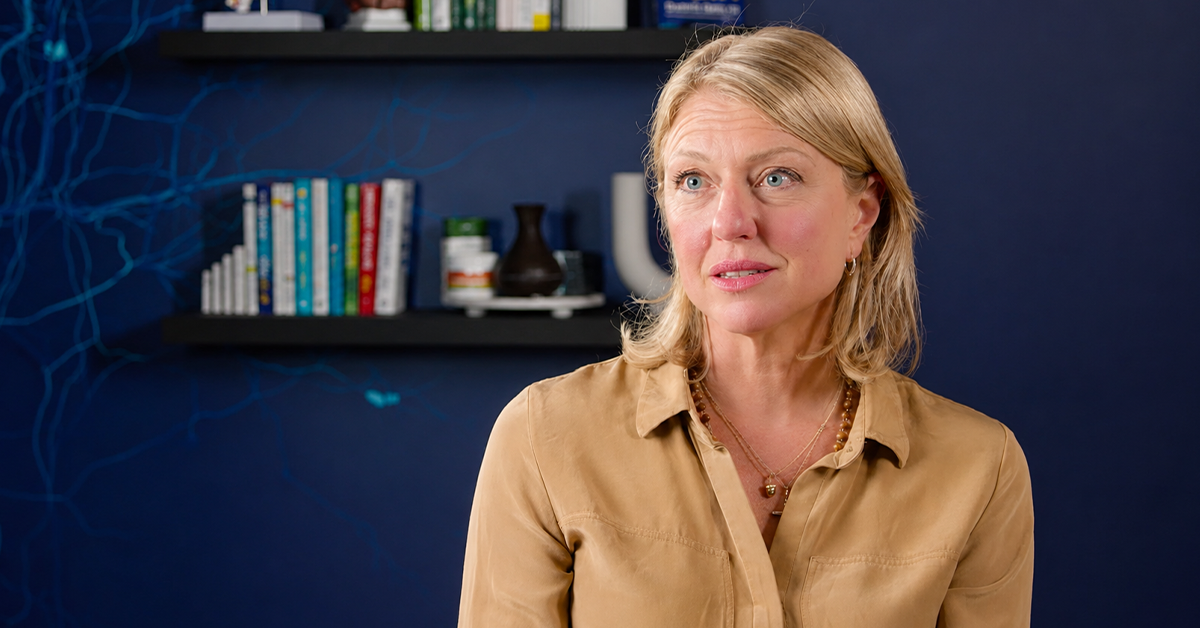
That’s what happened to Elizabeth, as she reveals on the Change Your Brain Every Day podcast hosted by Dr. Daniel Amen.

“It was the worst nine months of my life,” recalls Elizabeth. “But once I was rescued, I didn’t want to lose the rest of my life to what had happened the last nine months.”

How can some people find hope in the aftermath of trauma? “There are certain decisions you make that either increase the likelihood of trauma or decrease it,” says Dr. Amen in the podcast episode.

In this blog, you’ll discover the decisions and traits that help lead to posttraumatic growth.

TRAUMA’S IMPACT ON THE BRAIN

Trauma significantly alters brain activity. Brain SPECT imaging studies at Amen Clinics show that people who have experienced major traumatic events tend to have overactivity in the emotional centers of the brain in a diamond pattern.

According to a study in Plos One that used thousands of brain scans from Amen Clinics, overactivity occurs in the following brain regions:

  • Amygdala and basal ganglia: When overactive, these fear and anxiety centers of the brain are associated with heightened fear and anxiousness.
  • Anterior cingulate gyrus: Known as the brain’s gear shifter, the ACG allows you to shift from one thought to another. Overactivity in this region is associated with getting stuck on negative thoughts and behaviors
  • Thalamus: This relay station within the brain is associated with increased sensory awareness when it is too active.

Simultaneously, trauma reduces activity in the prefrontal cortex (PFC), which is responsible for impulse regulation, decision-making, empathy, and forward planning.

This imbalance means individuals with trauma often experience heightened fear responses (elevated amygdala activity) alongside diminished self-control (reduced PFC activity).

This mix of increased fear and reduced self-regulation often drives individuals toward self-medicating behaviors. Common coping mechanisms include using substances like alcohol, marijuana, or opiates. Other people turn to high-sugar diets as a way to self-soothe.

While these may temporarily soothe the amygdala and alleviate anxiety, they further suppress PFC activity, reducing control over such habits and creating a vicious cycle of escalating problems.

But it doesn’t have to.

According to Dr. Amen, a person’s brain health prior to trauma plays a major role in the resulting impacts following a traumatic experience.

“The brain you bring into the trauma determines the brain you have when you get out"

For example, growing up in a home filled with stability, love, and connection, as Elizabeth did, enhances brain health. Her SPECT scans, which she sees for the first time on the Change Your Brain Every Day podcast, reveal the impacts of her experiences on her brain.

Dr. Amen suggests that having a healthier brain going into the trauma likely enabled her to cope better with the horrors of her captivity.

Compare her experience to a child who grew up in a chaotic environment with alcoholic, neglectful parents. The chronic stress of this type of upbringing harms the brain and drains resilience, which would have made it much harder for someone to withstand the additional trauma of a kidnapping.

When stresses and traumas are compounded, it increases the likelihood of lasting negative consequences, such as PTSD.

WHAT IS POST-TRAUMATIC GROWTH?

One fascinating area of trauma research focuses on posttraumatic growth (PTG), a concept introduced in the mid-1990s by psychologists Richard Tedeschi and Lawrence Calhoun from the University of North Carolina at Charlotte. PTG refers to the positive transformation that can occur following adversity.

Their research shows that when groups of people endure trauma—whether from personal loss, natural disasters, major life transitions, or even kidnapping—they respond differently.

  • About 10% may develop PTSD, experiencing symptoms like nightmares, flashbacks, or emotional numbness.
  • About 80% will return to their baseline within a few months.
  • About 10% will emerge stronger, experiencing personal growth beyond their pre-trauma state.

This growth is driven by five key factors, captured by the mnemonic SPARK:

  • Spiritual life: Adversity often prompts people to find deeper meaning or purpose. For example, someone who loses a loved one may develop a stronger connection to their faith or discover a new calling, such as volunteering or mentoring others. This process of finding purpose can create a profound sense of spiritual fulfillment.

In Elizabeth’s case, she turned her pain into purpose by creating the Elizabeth Smart Foundation, which brings hope and empowerment to victims of sexual assault.

  • Possibilities: Difficult circumstances often unveil new opportunities. For example, someone who loses a job might discover a passion for starting a small business, writing a book, or pursuing a long-neglected hobby. Trauma can be a catalyst for exploring paths that may not have been considered before.

    Following her kidnapping and captivity, Elizabeth returned to playing the harp and majored in music in college. Plus, she has written two books, My Story and Where There’s Hope.

  • Appreciation for life: Facing challenges often highlights the value of everyday moments. For instance, someone recovering from a serious illness may develop a renewed sense of gratitude for time spent with loved ones or for the ability to simply enjoy nature. This newfound appreciation can transform how they approach daily life.
  • Relationships: Traumatic events can deepen bonds with loved ones or encourage healthier relationships. For example, someone who has gone through a divorce may develop a stronger support network with friends or family, or they may learn to form more meaningful and authentic connections in future relationships.
  • Kick-ass strength: Overcoming adversity builds resilience. Statements like “If I got through that, I can handle anything” reflect newfound mental toughness. For instance, someone who has endured a natural disaster may develop greater confidence in their ability to adapt and thrive under difficult circumstances.

    Practicing positive thinking and mental self-care can further enhance this inner strength. “If I can survive that, I can survive anything,” became Elizabeth’s mantra.

By nurturing these factors, individuals can plant the seeds for growth, turning challenges into opportunities for a stronger, more meaningful future. Whether facing personal, professional, or societal adversity, post-traumatic growth offers a powerful reminder that growth and transformation are possible even in the face of hardship.

HEALING THE BRAIN AFTER TRAUMA

In addition to these elements, it’s critical to rehabilitate the brain after experiencing trauma, whether it’s emotional trauma, sexual abuse, natural disaster, or some other life-changing event.

This is especially important if a person has been self-medicating with substances like alcohol or marijuana.

According to the experts at Amen Clinics, healing the brain post trauma may involve avoiding harmful substances, taking nutritional supplements, consuming brain healthy foods, exercising regularly, engaging in helpful forms of psychotherapy, and in some cases, taking medication.

We’re Stronger Together

Post-traumatic stress disorder, anxiety, depression, and other mental health conditions can’t wait. At Amen Clinics, we’re here for you. We offer in-clinic brain scanning and appointments, as well as mental telehealth, clinical evaluations, and therapy for adults, teens, children, and couples. Find out more by speaking to a specialist today at 888-288-9834 or visit our contact page here.

Dell’Osso, Liliana et al. “Post Traumatic Growth (PTG) in the Frame of Traumatic Experiences.” Clinical neuropsychiatry vol. 19,6 (2022): 390-393. doi:10.36131/cnfioritieditore20220606

Tedeschi, R G, and L G Calhoun. “The Posttraumatic Growth Inventory: measuring the positive legacy of trauma.” Journal of traumatic stress vol. 9,3 (1996): 455-71. doi:10.1007/BF02103658

Amen DG, et al. Functional Neuroimaging Distinguishes Posttraumatic Stress Disorder from Traumatic Brain Injury in Focused and Large Community Datasets. Plos One, July 1, 2015. https://doi.org/10.1371/journal.pone.0129659

Related Posts

Did you grow up feeling scared, neglected, or insecure? Was your family home filled with chaos, strife, or arguments? You may think you’ve outgrown those early days of uncertainty, but unfortunately, childhood trauma does not remain in childhood. It reverberates throughout our lives. These early exposures impact brain development and can lead to a host of issues later in life that create problems in adult relationships. From choosing unhealthy partnerships to avoiding commitment, the wounds we carry from childhood can greatly interfere with our adult relationships. Here, we will explore some of these impacts, how they impact the brain, as well as various ways to address them so you can have happier relationships. From choosing unhealthy partnerships to avoiding commitment completely, the wounds we carry from childhood can greatly interfere with our ability to thrive in adult relationships.
Click to tweet

THE IMPACTS OF ADVERSE CHILDHOOD EXPERIENCES

A young brain, faced with various forms of trauma (especially on an ongoing or regular basis), is constantly being flooded with stress hormones. This is problematic because it interrupts normal brain function, ultimately leading to stunted growth in the brain in areas like the hippocampus, which deals with memory formation. Indeed, studies have shown that post-traumatic stress disorder (PTSD) is associated with physical brain changes, including: In addition, people with PTSD tend to produce higher levels of cortisol and norepinephrine in response to stress. Ultimately, these constant stress responses—triggering a frequent “fight or flight” state—can impact everything from immune response to metabolic and cardiovascular functioning. Traumatized children may exhibit behavioral issues, including problems with emotional regulation, learning, social interactions, and aggression. They often struggle with creating healthy attachments later in life. To help gauge the possible impact of various traumatic events, experts created a questionnaire about adverse childhood experiences or ACEs. The ACE test asks 10 questions to determine the level of trauma experienced before a child’s 18th birthday. This childhood trauma test explores topics such as: There can be mitigating factors to help offset these events—for example, a loving relative or teacher present in the child’s life—and there can be additional traumas outside the home, like bullying in school. In general, higher ACE scores indicate exposure to more traumatic events and are associated with a higher risk of long-term health effects.

SYMPTOMS OF CHILDHOOD TRAUMA IN ADULTHOOD

According to the Centers for Disease Control and Prevention (CDC), 1 in 6 adults report experiencing 4 or more types of ACEs. But the CDC also notes that reducing these events could help reduce the instances of a surprising array of negative outcomes: This partial list gives us a glance at some of the many ways that childhood trauma can continue to wreak havoc long after the trauma has ended and throughout adulthood. The International Society for Traumatic Stress Studies points out that the effects of childhood trauma in adults are:

CHILDHOOD TRAUMA CASE STUDY: ABBY RAO

Recently, influencer Abby Rao appeared on an episode of Scan My Brain with Dr. Daniel Amen. As a child and teenager, she experienced mental abuse from certain family members—a stressor so intense that she recalls having suicidal thoughts by 13 years old. Now an adult, she had recently made positive lifestyle changes, such as quitting alcohol and adopting a healthier diet, and was curious about her childhood trauma’s long-term impacts on her brain. Dr. Amen detailed the problem: Trauma from childhood can feel just as alive in adulthood—it sets up shop in your brain and stays there, and we retain memories of ourselves at all ages. If we don’t manage or overcome trauma, our younger selves can take over and try to run the show whenever we’re “triggered.” It’s not surprising that this can greatly affect all of our relationships. Based on a database of roughly 225,000 brain SPECT scans at Amen Clinics, specific patterns of activity appear in people who have experienced trauma. For example, Rao’s brain scan revealed a diamond pattern, a common marker of trauma. People with the diamond pattern tend to have symptoms such as excessive worry, rumination (going over and over a thought in your head), or a tendency to get upset in the face of adversity. This can lead to anxious and sad feelings over time. Seeing the diamond pattern on a brain scan can be very helpful for people like Rao who experienced childhood trauma. “I feel really validated….I was told for so many years that nothing happened, so just to have that validation means a lot,” Rao says. “I’m so determined to undo what’s been done and let other people know that they can undo it, and also just how serious it is. It’s real.”

6 WAYS CHILDHOOD TRAUMA AFFECTS ADULT RELATIONSHIPS

With these far-reaching kinds of issues, it’s no wonder that many adults who have experienced childhood trauma also find that their adult relationships are marred by negative patterns. For example, one study indicated that children with trauma are more likely to “experience distrust, feel distant from others, and develop an insecure attachment style.” In addition, an increased risk for mental health problems, including depression, anxiety, and alcohol dependence, compounds negative impacts on relationships of all kinds. These findings echo earlier research that noted childhood trauma and mistreatment were more likely to affect relationships for both males and females. “Male and female abuse and neglect victims reported higher rates of cohabitation, walking out, and divorce,” the researchers stated. “Abused and neglected females were also less likely than female controls to have positive perceptions of current romantic partners and to be sexually faithful.” Sadly, childhood trauma may appear in many more ways when the victim enters a relationship in adulthood. Responses and patterns can include:
  1. Resisting intimacy or commitment.
  2. Harboring a deep fear of abandonment.
  3. Starting fights, or avoiding conflict at all costs.
  4. Choosing abusive partners (to mimic the treatment they received in childhood).
  5. Remaining isolated and avoiding relationships altogether.
  6. Codependency, which focuses on “fixing,” or finding one’s own identity in, a partner.

HELP FOR OVERCOMING CHILDHOOD TRAUMA

There is hope for people who have been impacted by childhood trauma, even in their adult years. Helpful strategies include: These steps can help pave the way for creating and maintaining healthier relationships for years to come. Emotional trauma, depression, and other mental health problems can’t wait. At Amen Clinics, we’re here for you. We offer in-clinic brain scanning and appointments, as well as mental telehealth, remote clinical evaluations, and video therapy for adults, children, and couples. Find out more by speaking to a specialist today at 888-288-9834 or visit our contact page here. Most people are aware that post-traumatic stress disorder (PTSD) can occur in military service men and women exposed to active combat and first responders exposed to traumatic events. However, these aren’t the only people who can experience PTSD. In fact, PTSD can also occur in people who are indirectly exposed to trauma.

WHAT IS INDIRECT TRAUMA?

Indirect trauma, also called vicarious trauma or secondary traumatic stress (STS), can occur when an individual or working professional hears a direct account of a violent or accidental trauma retold, usually by a close relative or friend, or patient/client—or when an individual sees graphic footage of a violent or traumatic incident as part of their job. With the proliferation of user-generated content (UGC) across social platforms and an increasing number of unspeakable abuses and traumatic events caught on video, PTSD is growing. It’s becoming especially more common among content moderators, journalists, and other workers routinely exposed to disturbing imagery. Social media platforms, in particular, are scrambling to provide mental health support and protocols to minimize the harm this specific type of exposure poses to workers. Here’s what you need to know about PTSD from indirect trauma. With the proliferation of user-generated content (UGC) across social platforms, PTSD is growing. It’s becoming especially common among content moderators, journalists, and other workers routinely exposed to disturbing imagery.
Click to tweet

WHAT IS PTSD?

PTSD is not a sign of personal weakness, but rather a brain-based mental health condition that develops as a response to a traumatic event, and its impact can be devastating. Experiencing a traumatic event (or in the case of indirect trauma, seeing or hearing a detailed account in an individual’s line of work) can be associated with: If PTSD goes untreated, it can cause a number of serious symptoms, including suicidality.

UNDERSTANDING THE STRESS RESPONSE

When an individual experiences a traumatic event or is exposed to one, it triggers the body’s stress response. The threat (real or perceived) signals the fight-or-flight system to kick in and release cortisol and other stress hormones. These hormones cause the heart rate to go up and muscles to be ready to either potentially run away from whatever the threat is or freeze. Its purpose is to increase our chances of survival. In general, after a threat passes, the stress response winds down, and the body returns to homeostasis. However, under some circumstances and in certain individuals the stress response becomes dysregulated, and symptoms of PTSD begin to emerge in the days, weeks, or months following exposure. While the neurobiology with indirect drama is not well understood, mental health experts believe that exposure to trauma shifts an individual’s worldview. In turn, this triggers PTSD symptoms, and some evidence suggests that repeated exposure to indirect sources of trauma increases the likelihood of developing PTSD.

PTSD SYMPTOMS

PTSD symptoms range from mild to severe and are not the result of medication, other illnesses, or substance abuse. Some of the most common PTSD symptoms include: When these feelings last for a month or longer and start to disrupt daily life (relationships, work, school, etc.) and normal functioning, it is a strong indicator of PTSD.

PTSD DUE TO INDIRECT TRAUMA EXPOSURE

Being glued 24/7 to distressing news feeds is a form of indirect trauma. Thankfully, most of us are protected from seeing the most disturbing forms of UGC on a regular basis because artificial intelligence (AI), journalists, and human content moderators filter it out for us. Yet, much like first responders and mental healthcare professionals who see or hear direct accounts of trauma, a growing number of content moderators and journalists are experiencing secondary traumatic stress. There are media reports of subcontracted workers who moderate severe content at Google and YouTube and other social media platforms such as Facebook suffering from PTSD symptoms amidst stressful working conditions. One class-action lawsuit noted that content moderators are regularly exposed to traumas such as live-streamed child sexual abuse, animal abuse, beheadings, murder, and suicide—and are not adequately supported with protocols and mental health services to protect against PTSD. A recent study examined minimizing stress for content operators by adding positive stimuli to break times such as awe-inspiring images and imagery of baby animals. However, it had the opposite effect. Yet on an educational note, the study did reveal that cumulative viewing video of abuse and trauma is the most destructive to content moderators and can lead to PTSD. In a 2021 published report titled “The Psychological Well Being of Content Moderators,” experts noted the negative psychological impact of UGC among content moderators, and compare it to other professions that experience similar indirect trauma—including emergency dispatchers, sex-trafficking detectives, and journalists, among others. Indeed, the connection between UGC, PTSD, and journalism caught the attention of the Dart Center for Journalism and Trauma, a project of the Columbia University Graduate School of Journalism. The center highlighted 2014 study findings showing repeated exposure of UGC by journalists to be psychologically harmful and offered the following researched tips for working with traumatic imagery to help protect journalists, which can be helpful to content moderators and others too: Hence, workers who are tasked to screen disturbing UGC need to take measures to protect themselves to prevent PTSD from developing. Additionally, as research continues, companies employing content moderators need to provide adequate mental health support to their workers.

PTSD TREATMENT

If you recognize PTSD in yourself or someone you know who has been exposed to indirect trauma, consult a qualified mental health professional as soon as possible. Both cognitive behavioral therapy and eye movement desensitization and reprocessing (EMDR) therapy can be helpful in treating PTSD. PTSD and other mental health issues can’t wait. At Amen Clinics, we’re here for you. We offer in-clinic brain scanning and appointments, as well as mental telehealth, clinical evaluations, and therapy for adults, teens, children, and couples. Find out more by speaking to a specialist today at 888-288-9834 or visit our contact page here. Being a teenager is hard. But teen girls are struggling with mental health more than ever before, according to the Centers for Disease Control and Prevention’s (CDC) Youth Risk Behavior Survey 2011-2021 (YRBS) published earlier this year. The survey findings are based on responses gathered in the fall of 2021 from 17,000 high school students across the U.S. Since the CDC began the survey in 2011, collecting new data every two years, it has revealed a steady increase in mental health issues among teens with each new report. The latest numbers are shocking.   An astounding 30% of high school girls reported seriously considering suicide in the year prior, 24% made a suicide plan, and 13% of females said they actually attempted suicide.
Click to tweet

RECORD LEVELS OF SADNESS IN TEEN GIRLS

The data from this most recent survey regarding the mental health of high school girls is particularly concerning. An alarming 57% of teen girls reported feeling so sad and hopeless for two weeks or more in the last year that they were not able to do some of their usual activities. In comparison, 29% of teen boys reported the same. The figure reflects a 60% increase in teen girls suffering from persistent sad and hopeless feelings since 2011. Adding insult to injury, an astounding 30% of high school girls reported seriously considering suicide in the year prior, 24% made a suicide plan, and 13% of females said they actually attempted suicide—roughly double what teen boys reported on all accounts. Since the YRBS was released, mental health professionals and parents are urgently seeking to better understand what’s driving the crisis. Several factors are presented here.

MENTAL IMPACT OF THE PANDEMIC ON TEENS

The 2021 YRBS survey no doubt reflects, in part, the mental health impact of the COVID-19 pandemic on all teens. Indeed, the sudden loss of social connection to peers and other supportive adult influences (tutors, teachers, coaches, neighboring parents, etc.) and activities outside the home was difficult for teens in general. Research shows this to be true. One study found social isolation is strongly associated with increased depression and anxiety among all teens. But some research showed a greater impact on teen girls, which was attributed to girls having greater worry about others contracting COVID-19, changes in daily and school routines, not seeing friends in person, and passive social media use. This is not totally surprising as girls are known to rely more on their friends for emotional support, especially during stressful times. However, there’s much more to the story as mental health issues amongst female teens had already been steadily increasing prior to the pandemic.

UNDERSTANDING THE FEMALE BRAIN

Male and female brains are not the same—and it’s possible that these differences factor into more mental health challenges for teen girls. A Harvard Medical School study took scans of male and female brains and found that female brains have larger volumes in the frontal and limbic cortices. The prefrontal cortex is the area of the brain used for learning, judgment, controlling impulses, and conscientiousness. The limbic system is the brain’s emotional center. This may explain why teen girls are less impulsive than teen boys and more concerned with emotion. Teen girls’ minds are often busier and tend to worry too much. This can lead to increased automatic negative thoughts (ANTs) and constant worry about what other people think about them and how they compare with peers—especially when it comes to appearance. The dramatic fluctuations of the hormones estrogen and progesterone menstruating teen girls experience each month fuels negative, worried thoughts even more. It may, in part, be why teen girls are more prone to anxiety, depression, and other mood disorders.

TEEN GIRLS’ MENTAL HEALTH AND SOCIAL MEDIA

When you combine the small but significant differences in female brains with the negative influence of increased social media use, they likely contribute to the current mental health crisis among teen girls. Indeed, experts have noted that the rise of smartphone and social media use, which escalated dramatically in the early 2010s, coincides with worsening mental health among teens, especially girls. One research study linked the escalation of mental health crises (increased rates of depression and suicide), especially among teen girls, with the rise of electronic use over other activities—noting that more screen time was associated with worse mental health outcomes. Digital media isn’t always a detriment though. For example, research analyzing digital media use among teens during the pandemic up until the fall of 2021 showed that when it involvedone-to-one communication, self-disclosure in the context of mutual online friendship, as well as positive and funny online experiences,” it helped lessen loneliness and stress. Yet, the very same analysis found many more instances of poor mental health associated with digital media use when it involved a young person’s tendency to compare, experience fear of missing out (FOMO), and exposure to negative content. Of course, social media has addictive qualities too, and young people are at greater risk of developing addictive symptoms, research has found. How social media is used is key. Surveys have indicated that teen girls use social media more than boys, which would potentially cause a greater impact on their well-being. A 2022 Pew Research report found that teen girls were more likely to report they use social media too much and would have a harder time giving it up. They were also more frequently using TikTok, Instagram, and Snapchat than boys—apps that are notorious for comparison and access to potentially harmful content. One recent report from the Center for Countering Digital Hate warns that TikTok pushes harmful content into users’ feeds promoting eating disorders and self-harm. Yet, social media is only one contributor to teen girls’ mental health.

TEENS GIRLS, TRAUMA, AND SUBSTANCE ABUSE

Additional factors impacting mental health, which disproportionately affect teen girls are sexual violence and bullying, according to the YRBS. Reports of sexual violence by anyone were more than three times as high for teen girls than boys with 18% of girls reporting having been violated sexually, compared to 5% for teen boys. Additionally, 14% of high school girls reported being forced to have sex versus 4% of high school boys. According to the YRBS, 20% of teen girls were cyber-bullied compared to 11% of boys. These traumas are, of course, associated with increased rates of depression, anxiety, and substance abuse. Cyber-bullying is particularly destructive to teen girls, research has found. And research also shows that it is highly associated with poor mental health, self-harm, and suicidality. While overall substance abuse is down among teens according to the YRBS, girls tended to use substances more than boys. In particular, 29% of female high school students reported drinking alcohol in the 30 days prior while only 19% of males said they drank alcohol. It is not uncommon for teens to self-medicate when they are struggling with mental health disorders, an abundance of research has found.

SOCIAL CONNECTEDNESS

While more insights are sure to come, the CDC has urged high schools to take measures to increase “social connectedness” for high school students by implementing programs that give students a sense that they are cared for, supported, and belong. For parents, implementing some parameters around digital media use and staying alert to sudden changes in their teen’s moods and/or behavior is critical. Heed the warning signs of trauma, depression, and substance abuse, and seek the help of a qualified mental health professional without delay. Depression, suicidality, and other mental health issues can’t wait. At Amen Clinics, we’re here for you. We offer in-clinic brain scanning and appointments, as well as mental telehealth, clinical evaluations, and therapy for adults, teens, children, and couples. Find out more by speaking to a specialist today at 888-288-9834 or visit our contact page here. Nearly everybody has heard of endorphins. They are well-known to be released during exercise, contributing to an overall feeling of happiness. Yet, these neurochemicals, which act as neurotransmitters in your nervous system and hormones in your circulatory system, are so much more. Endorphins play a critical role in relieving pain, enhancing pleasure, and helping to reduce inflammation and stress. They are essential to your well-being. However, endorphins are not always maintained by the body at optimal levels, which can have adverse effects on your health. Among the mental health conditions associated with low levels of endorphins are anxiety, depression, impulsive behavior, and addiction, to name a few. Among the mental health conditions associated with low levels of endorphins are anxiety, depression, impulsive behavior, and addiction.
Click to tweet
Here’s what you need to know about these remarkable neurochemicals, including ways to promote higher endorphin levels in your body to support and protect your overall wellness.

HOW ENDORPHINS WORK

In the 1970s, researchers discovered peptide molecules formed within the body (endogenous) that they believed to have morphine-like properties as they appeared to enhance pleasure, reduce stress, and relieve pain. They termed them endorphins (a combination of the words endogenous + morphine) because they acted on opioid receptors in the brain and nervous system. This is why you will sometimes see endorphins referred to as “endogenous opiates.” Endorphins are released by your brain’s hypothalamus and pituitary gland in response to injury, pain, or severe stress. When they bind to opioid receptors (part of the endogenous opioid system that is responsible for regulating pain, reward, and addictive behaviors), other neurochemicals are affected resulting in pain-relieving effects, pleasure, or euphoria, depending on the type of endorphin.

BENEFITS OF ENDORPHINS

The pain-relieving action from endorphins can sometimes be life-saving. For example, the fast-acting. analgesic effects of endorphins are what would allow you to get out of a burning car despite having broken bones! As part of the reward system pathway, endorphin levels may increase and enhance pleasurable activities such as consuming delicious foods like chocolate, experiencing sexual pleasure, or getting lost in a beautiful piece of music Of course, endorphins can also kick in if your body is pushed to the limit—like when an athlete runs long distances. In such instances, endorphin levels go up, helping to quell inflammation, reduce pain, and uplift mood. You’ve probably heard of the “runner’s high.” Although research is ongoing to determine what causes it, the pain relief, anti-inflammatory influence, and dopamine release resulting from endorphin levels increasing are believed by medical experts to help create that good feeling. When you are feeling good, confidence levels go up too!

MENTAL HEALTH CONSEQUENCES OF LOW LEVELS OF ENDORPHINS

Medical research has found genetic and non-genetic causes for endorphin deficiency. When people have low levels of endorphins, they are more likely to suffer from mood changes, depression, anxious feelings, difficulty sleeping, body aches and pain (including fibromyalgia and headaches). They are also much more vulnerable to addiction. Opioids such as heroin, fentanyl, and a number of prescription pain medications work on the same opioid receptors that endorphins do. However, they work faster and cause a much greater release of dopamine, and a more intense craving for more and more, which makes them extremely addictive—especially if your body is endorphin deficient to start with. Interestingly, though, you can get addicted to endorphins. As pain releases endorphins, people who exhibit self-harm behaviors like cutting or even compulsive tattooing may be addicted to the resulting endorphin release from the pain, research indicates. Studies have additionally highlighted a link between increased levels of endorphins and exercise addiction. While there are addictive behaviors related to endorphin’s feel-good benefits, it is rare for your body to produce too many of them.

8 WAYS TO BALANCE YOUR ENDORPHINS AND BOOST WELL-BEING

Help your body to produce plenty of pain-relieving, pleasure-enhancing, feel-good endorphins with the following actions.

1. Exercise on a consistent basis.

Research has shown higher levels of endorphins in subjects who exercise regularly. Perhaps that’s why a 2021 study showed that participants who exercised regularly during the pandemic maintained a healthy mood!

2. Be of service to others.

Giving your time, service, or resources to help another may activate endorphins. Imaging research has shown that the reward centers of the brain light up when we give to others.

3. Practice yoga.

Yoga is a well-known stress reliever. One research review suggests that there’s a neuro-physiological correlation between yoga, pain, and endorphins and encourages further study.

4. Meditate.

Although not fully understood, research acknowledges a connection between meditation, elevated endorphin levels, reduced pain, and feelings of joy.

5. Enjoy spicy food.

There’s a reason so many people enjoy spicy food! Jalapeno and other chili peppers contain a compound called capsaicin, which research has found to trigger both pain and pleasure perceptions, and the release of endorphins.

6. Eat dark chocolate.

Researchers know that consuming dark chocolate stimulates the release of endorphins, although it is not entirely clear why. One study theorizes that it is delicious palatability – the intense enjoyment of dark chocolate may trigger more good feelings!

7. Laugh more.

Do you know that fantastic feeling you get after a good, genuine laugh? Well, research shows that laughing triggers the release of endorphins – it’s the perfect therapy for low mood. You can watch a good comedy or spend time with people who make you laugh.

8. Get acupuncture.

Acupuncture and electroacupuncture have been accepted around the world as alternative medicine therapies for acute and chronic pain. Research has revealed that endorphins play a critical role in the pain relief electroacupuncture provides. Depression, anxiety, addiction, and other mental health issues can’t wait. At Amen Clinics, we’re here for you. We offer in-clinic brain scanning and appointments, as well as mental telehealth, clinical evaluations, and therapy for adults, teens, children, and couples. Find out more by speaking to a specialist today at 888-288-9834 or visit our contact page here. Entrepreneur and author Billy Carson didn’t grow up having it all. In fact, his upbringing was filled with stress and trauma—the stuff that can negatively impact your brain and contribute to depression, resentment, and anxiety. He experienced the type of trauma that can cause changes in the brain that make you more likely to turn to alcohol, drugs, sex, or video games for relief from painful memories. But not Carson. He used the childhood trauma he faced to fuel his ambitions and turned his pain into purpose. But even though he’s reached a high level of success, he wanted to know if he could be performing at an even higher level if improved his brain health. That’s why he visited Amen Clinics to get a brain SPECT scan. Entrepreneur and author Billy Carson used the childhood trauma he faced to fuel his ambitions and turned his pain into purpose.
Click to tweet

HOW CHILDHOOD TRAUMA IMPACTS MENTAL HEALTH

When you grow up with childhood trauma or in a stressful environment, it can play a major role in shaping your mental health as an adult. In many cases, adverse childhood experiences have a negative impact on brain function and mental health. For Carson, the odds seemed to be stacked against him. His dad was an alcoholic and drug addict. In an effort to get away from that negative influence, his mom moved the family to a town in Florida that, unfortunately, turned out to be so crime-ridden the police wouldn’t even go there. “They called it the Bermuda Triangle,” Carson says in an episode of Scan My Brain. By age 6, Carson was seeing people getting stabbed or being killed in the neighborhood. “It was a normal everyday event,” he says. At night, he would grab a butcher knife, push over the dinette table, put his siblings behind it, then stand guard all night to protect them. The town was so tough the school crossing guards would try to rob the kids on the way to school. The junior high school he attended got closed down because kids were murdering each other. With that start in life, it wouldn’t be a surprise if Carson had fallen into the same negative behaviors as the other neighbor kids. But something about Carson was different. He told his mother, “I don’t belong here.” And he started looking for a way out.

FROM TRAUMA SURVIVOR TO ENTREPRENEUR

Carson’s entry into the world of entrepreneurship came at age 7 courtesy of an ice cream truck. As a youngster, he desperately wanted something from the ice cream truck but didn’t have any money. He decided to sell his toys door-to-door and ended up with a handful of cash that he used to buy some Bazooka bubble gum. Success! At that moment, he came to a life-changing realization: “Nobody’s coming to save me. I’m gonna have to save myself.” With this understanding, he knew he was going to be okay in life. And that simple yet powerful shift in mindset changed everything. From that point on, he worked to build his own success, which now includes books, music, a television network called 4biddenKnowledge, and more. However, like many successful people, he wondered if his brain could be better.

HIDDEN BRAIN ISSUES THAT CAN HOLD YOU BACK

As an entrepreneur, business owner, or executive, your brain is your greatest asset. Some high achievers manage to excel in business despite challenges involving brain function that can affect focus, moods, anxiety, memory, and more. When Carson saw his brain scan, he could clearly see evidence of a mild traumatic brain injury stemming from a car accident that occurred at age 22. Carson was in the passenger seat when his friend who was driving fell asleep while going about 75 mph. The impact from the accident jettisoned Carson through the window, leaving him with nerve damage around his right eye. He also says his memory isn’t as good as it could be. On his brain SPECT scan, which measures blood flow and activity in the brain, Carson could see damage to the left temporal lobe, a brain region involved in memory. Another finding on his SPECT scan was too much activity in the brain’s emotional centers in a pattern that is commonly seen in people who have experienced trauma. In some people with this diamond pattern, it leads to negativity and blaming others for their lot in life. But not for Carson. With a positive, optimistic attitude, he exhibits resilience and focuses on problem-solving, which provides him with a sense of peace. This is something Daniel Amen, MD, refers to as posttraumatic growth, a process that occurs in some people that allows them to turn pain into purpose. For Carson, that comes in the form of helping others live more fulfilling lives.

OPTIMIZING BRAINPOWER FOR BETTER SUCCESS

For Carson, there is still some room for improvement in terms of brain health. To help optimize his brain, Dr. Amen’s recommendations include: By following a brain optimization plan, Carson is hoping to see increments of improvement in certain areas of his life. For any entrepreneur, achieving peak performance requires optimal brain function. Getting a brain scan to assess and identify brain regions that could benefit from optimization can be the key to reaching the next level of success. Optimizing brain health for peak performance can’t wait. At Amen Clinics, we’re here for you. We offer in-clinic brain scanning and appointments, as well as mental telehealth, clinical evaluations, and therapy for adults, teens, children, and couples. Find out more by speaking to a specialist today at 888-288-9834 or visit our contact page here. Euphoric highs. Debilitating lows. The ups and downs of living with bipolar disorder can be so challenging. But is medication the sole solution? Although prescription medication can be helpful and may be necessary in some cases, it is not the only way to address bipolar disorder, which affects roughly 5.7 million Americans. This complex brain disorder—which is associated with dramatic changes in moods, energy, and activity levels—does not have just one single cause. Instead, multiple risk factors contribute to the condition. Addressing these risk factors with nondrug therapies and lifestyle changes can be powerfully effective in managing symptoms of bipolar disorder. Before exploring these natural strategies, it’s necessary to understand the risk factors for bipolar disorder. Note: If you are currently taking medication for bipolar disorder, do not stop taking it without speaking to your healthcare provider first. Non-drug therapies and lifestyle changes can be powerfully effective in managing symptoms of bipolar disorder.
Click to tweet

DO YOU KNOW THE RISK FACTORS FOR BIPOLAR DISORDER?

Researchers have been working for decades to uncover the underlying causes of bipolar disorder and have discovered a variety of physical, emotional, psychiatric, and lifestyle factors that may increase risk. Among them are the following: Looking closely at some of these risk factors has revealed the following methods of treatment that involve no medication at all.

5 NATURAL WAYS TO ADDRESS BIPOLAR DISORDER

1. Trauma and Stress: Relax the Stress Response

Emotional trauma experienced in childhood and periods of extreme stress (such as the death of a loved one, disability, or divorce) trigger the body’s built-in fight-or-flight stress response (also referred to as the hypothalamic-pituitary-adrenal or HPA axis). In normal circumstances, when the stress response is triggered by a threat, real or perceived, the HPA axis ensures a swift response through the release of stress hormones. When the threat has passed, the stress response turns off. Yet studies have shown that trauma and extreme/chronic stress keep the HPA axis turned on. Constant firing of the stress response can cause HPA axis dysfunction, which increases the risk for bipolar disorder and/or bipolar episodes. Research suggests that targeting HPA axis dysfunction is one strategy to improve the outcomes of bipolar disorder, and the following non-drug options are aimed at doing just that. EMDR and CBT for Trauma The stress response and stored memories of trauma can be addressed with therapeutic techniques. Research indicates that cognitive behavioral therapy may help to reduce symptoms of emotional trauma, as well as reverse the underlying biology of the disorder within the brain. Additionally, EMDR (eye movement desensitization and reprocessing), a special psychotherapeutic technique, has been shown in studies to be an effective treatment for people who have been emotionally traumatized. Stress Reduction Of course, stress reduction offers another potential line of treatment as it calms the stress response. The following activities reduce stress markers in the body:

2. Substance Abuse, Mental Health, and Medical Issues: Address Comorbidity

Adding to bipolar disorder’s complexity, it’s common for those affected by it to have co-existing substance abuse problems, mental health issues, or medical problems. Co-occurring conditions can exacerbate manic and depressive episodes. One study examining nearly 400 bipolar cases found as many as 69% abused alcohol and up to 60% abused drugs. Cannabis use was identified in a 2015 review as a risk factor for bipolar disorder that may cause or exacerbate manic episodes. Some medical experts believe that substance abuse can also lead to changes in the brain that may contribute to the development of bipolar disorder. There are numerous mental health disorders that present with bipolar disorder as well. A study in Clinical Psychology found that 62% of those with bipolar disorder also meet the clinical criteria for ADD/ADHD.  Anxiety disorders, panic disorders, obsessive compulsive disorder, social phobias, eating disorders, and some personality disorders are also seen with bipolar disorder. In children and adolescents, bipolar disorder may also co-exist with oppositional defiant disorder and other conduct disorders. Obesity, migraine headaches, irritable bowel syndrome, and asthma are examples of medical issues that are common with bipolar disorder. Address Comorbidities Whether it is substance abuse, another mental health disorder, or a medical issue, bipolar disorder and/or the episodes can be avoided or reduced by properly addressing these co-occurring conditions. Seek the proper professional care and commit to making the lifestyle changes necessary to resolve them.

3. Traumatic Brain Injuries (TBIs)/Concussions: Heal Your Brain

If you’ve had a head injury, you’re at higher risk of developing bipolar disorder, according to a 2016 review. In fact, one study found that people with a prior TBI were 28% more likely to develop bipolar disorder. Heal Your Brain If you’ve been diagnosed with bipolar disorder and have experienced a head injury or suspect you may have had a concussion in the past, have your brain examined. At Amen Clinics, brain SPECT imaging reveals that many people who have been diagnosed with bipolar disorder have signs of undetected traumatic brain injury. Interestingly, head trauma can cause many of the same symptoms seen in bipolar disorder. In either case, healing the brain can be beneficial in decreasing the symptoms. You can help heal your brain and address bipolar disorder symptoms by adopting a brain-healthy lifestyle. This includes healthy nutrition, regulated sleep, moderate exercise, lifestyle changes, nutritional supplements, and helpful forms of therapy, including neurofeedback which has been shown to be beneficial in healing brain injuries in a 2017 study.

4. Sleep Disturbances: Regulate Your Sleep

Disturbed sleep may affect or trigger bipolar episodes. An ongoing study, following 1,100 individuals with bipolar disorder found that a lack of quality rest appears to impact the severity of manic and depressive episodes, particularly in women with the condition. Dysregulation of the sleep/wake cycle (circadian rhythms) can exacerbate manic and depressive episodes in those affected by bipolar disorder as well. Regulate Your Sleep Practicing healthy sleep habits and incorporating methods shown to regulate the sleep/wake cycle are excellent ways to keep bipolar disorder in check. Sleep tips include powering down digital devices at least an hour before bed; keeping the same sleep/wake times; avoiding caffeine and alcohol, which can disturb sleep; listening to a relaxing meditation before bed; keeping your room cool and dark. Supplementing with melatonin can help reset the sleep/wake cycle especially when traveling through different time zones.

5. Gut Health Issues: Support a Healthy Microbiome

A growing body of evidence is showing that mood disorders may be related to changes in the gut microbiome. A recent study following bipolar patients discharged from hospitalization for manic episodes showed a significantly lower incidence or rehospitalization after taking probiotics for 24 weeks than those who did not. Support a Healthy Microbiome Supporting a healthy microbiome by eating plenty of prebiotic foods (inulin fiber-containing foods that feed the good bacteria in your gut such as garlic, leeks, asparagus, and bananas) and fermented foods (foods containing healthy bacteria such as kimchi, yogurt, and kefir) is another way to reduce the risk of bipolar disorder episodes. Taking probiotic supplements can help too, as well as following a brain-healthy diet with loads of vegetables, fruits, nuts, whole grains, and lean meats.

PULL EVERY LEVER

Although there is no cure for bipolar disorder, it is highly treatable and can be managed effectively, especially if every lever of treatment is pulled. Of course, a treatment plan should be tailored to the individual under the care of a medical professional. Bipolar disorder and related mental health issues can’t wait. At Amen Clinics, we’re here for you. We offer in-clinic brain scanning and appointments, as well as mental telehealth, clinical evaluations, and therapy for adults, teens, children, and couples. Find out more by speaking to a specialist today at 888-288-9834 or visit our contact page here. We clearly see the physical attributes we receive from previous generations, like hair or eye color, but there’s so much more we inherit that we don’t see—including our family’s emotional history. Your parents’ or grandparents’ anxieties, fears, prejudices, phobias, and more, often become yours too, passed down through behaviors, cultural expectations, and even your genes.     For those who have never experienced trauma firsthand, yet suffer from inexplicable symptoms of PTSD and other mental health issues, it can be a great relief to learn that generational trauma may be the source.
Click to tweet
In the same way previous generations pass on genetic characteristics to you, research shows that they also pass along “acquired” or epigenetic characteristics born out of emotionally charged, traumatic experiences. It’s called generational trauma (or ancestral trauma), and it can be a powerful influence in your life as it can increase your vulnerability to a number of mental health conditions. For those who have never experienced trauma firsthand, yet suffer from inexplicable symptoms of post-traumatic stress disorder (PTSD) or other mental health issues—such as depression, anxiety, low self-esteem, dissociation, hypervigilance, shame, guilt, and more—it can be a great relief to learn that ancestral trauma may be the source.

UNDERSTANDING GENERATIONAL TRAUMA

Generational trauma may begin with a traumatic event affecting an individual, or a traumatic event(s) affecting multiple family members, or collective trauma affecting the larger community, cultural, racial, ethnic, or other groups/populations (known as a historical trauma). While ancestral trauma has the potential to affect us all, those at the greatest risk are in families and groups that have experienced significant forms of abuse, neglect, torture, oppression, and racial disparities. It’s common in the progeny of war refugees and victims of enslavement, genocide, domestic violence, sexual abuse, and extreme poverty. Researchers first noted generational trauma in the children, grandchildren, and great-grandchildren of the Holocaust. Findings from a study in the Journal of Psychiatric Research show that children and grandchildren of survivors are at higher risk of anxiety disorders and PTSD.  Another study in the American Journal of Psychotherapy found that among referrals to a child psychiatry clinic, grandchildren of Holocaust survivors were overrepresented by 300% compared to their peers. Research has shown similar effects in the descendants of many other historical traumas. That’s not surprising since children of a parent struggling with PTSD are 3 times more likely to have PTSD themselves. Generational trauma is also present in families where there has been significant emotional trauma such as divorce, tragic accidents or losses, abandonment, parental incarceration, substance abuse, a death by suicide, or early death of a family member. These traumas have lasting consequences. For example, with early death, the nervous system can be so deeply impacted that it changes the nature of family members’ genes, which can affect offspring for generations. Negative parenting behavior can be a source of trauma as well. When parents have unresolved trauma, their parenting can be negatively impacted by depression, substance abuse, mental illness, and other conditions. They can become less attuned as parents and model negative coping skills. They may even become perpetrators of their own trauma; sexual abuse is often repeated in families for generations. Ancestral trauma has been shown to affect the brain. A large 2019 study found that the children of parents with depression had smaller volume in the pleasure centers of their brain, which placed them at risk of developing depression themselves.

STOPPING GENERATIONAL TRAUMA

The great news is that ancestral trauma can be stopped, but it will not go away on its own. Families can make resilience their new legacy by actively seeking to address the trauma. Building resilience through open and loving communication between generations is one of the best ways to loosen generational trauma’s grip. Healing happens when family members speak up and work through any hurt, pain, or abuse from the past. If you are a parent, mental health experts suggest that you seek your own support and share your trauma openly with your children and possibly your grandchildren too. Tell them your story and whatever you know about what happened to your parents and your grandparents. If you are an adult child of parents or grandparents who may have trauma, ask them about their experiences. Find out as much as you can about your ancestry. Notice any automatic patterns, beliefs, or narratives from your family that you continue to portray. Talk through them with a trusted friend, family member, or therapist and consider new ways of being and communicating. Start creating a future for yourself without the pain of inherited trauma. Innovative therapies can be very helpful in resolving generational trauma. For example, somatic therapy is a type of trauma therapy that involves paying close attention to your inner body sensations as a way to regulate emotions. Also, eye movement desensitization and reprocessing (EMDR) therapy can be a very powerful treatment for people who have been emotionally traumatized. It uses eye movements or other alternate hemisphere stimulation to remove the emotional charges of traumatic memories. If you suspect generational trauma may be affecting you, reach out to a qualified mental health professional for help. The anxiety, depression, or other mental health issues you experience may not be all yours. Generational trauma and other mental health issues can’t wait. At Amen Clinics, we’re here for you. We offer in-clinic brain scanning and appointments, as well as mental telehealth, remote clinical evaluations, and video therapy for adults, children, and couples. Find out more by speaking to a specialist today at 888-288-9834 or visit our contact page here. How is it possible that people who appear to have it all—a successful career, good looks, athleticism, or lots of friends, for example—can feel like they aren’t good enough? Sadly, thinking “I’m not good enough” is a far-too common thought that can plague people of all ages, income levels, education levels, and cultures. This one belief is the mother thought of despair. It can drag you down and ruin your life by breeding anxiety, depression, and in some people, suicidal thoughts and behaviors. And when you don’t feel worthy as a human being, it can make you feel like your life doesn’t matter, which makes you more vulnerable to engaging in unhealthy habits, such as overeating, smoking, drinking too much alcohol, or using drugs. “I’m not good enough.” This one belief is the mother thought of despair. It can drag you down and ruin your life by breeding anxiety, depression, and in some people, suicidal thoughts and behaviors.
Click to tweet
No one is immune to this toxic thought. Look at music superstar Meghan Trainor. She had a #1 song worldwide—something only a handful of people on the globe have ever accomplished—yet she is wracked with worries that she isn’t successful enough. In an episode of Scan My Brain with Dr. Daniel Amen, she revealed that she routinely stresses about her career and forgets about all that success she had from her debut song “All About That Bass.” Do you feel this way too? What’s behind this harmful notion and how can you overcome it?

Here are 7 reasons that fuel thoughts of not being good enough and ways to change your thinking, so you can feel better about yourself.

1. Self-criticism

Are you frequently thinking that you aren’t good enough, that you’re a failure, or that you don’t deserve love? These thoughts are all ANTs (automatic negative thoughts) that infest your mind and steal your happiness. Feel better fast: Don’t believe every self-critical or negative thought you have. Challenge the ANT by asking yourself if the thought is true. Then try to find evidence that the opposite of that thought is more true.

2. Comparing yourself to others

These days, it’s almost impossible not to compare yourself to others on social media. But trying to live up to the images you see online is a recipe for feeling like a failure. Feel better fast: Stop trying to judge yourself based on the success of others. Instead, strive to be the best version of yourself.

3. Focusing on the negative

If you won a game of table tennis by a score of 11-3, would you focus on the 3 points you lost and beat yourself up about what you did wrong? When you focus on what you’re doing wrong or on areas of your life where you don’t measure up, it trains your brain to look for more negativity and keeps you mired in low self-esteem. Feel better fast: Write down the 20 top accomplishments in your life and 5 positive attributes you have and look at it any time you’re feeling down about yourself. By focusing on your strengths and accomplishments, you will develop a healthier self-esteem.

4. Perfectionism

When you believe that the only way others will love you or value you is if you’re perfect, you are setting yourself up for failure, anxiety, and depression. This kind of toxic perfectionism is extremely harmful to your overall emotional well-being. Feel better fast: When you make a mistake, try to treat yourself the same way you would treat a friend or family member. Learn to forgive yourself.

5. Childhood trauma

Experiencing physical or sexual abuse, emotional abuse, neglect, or other traumas as a child can have a lasting negative impact on your sense of self-worth. Feel better fast: Seek help from a professional mental health provider to address any unresolved issues stemming from adverse childhood experiences.

6. Critical parents

While you were a child, was it impossible to please one or both of your parents? Were you criticized about your looks, weight, schoolwork, choice of friends, and other things? For example, if you were proud to come home from school with B-plusses on your report card, did your mom or dad neglect to congratulate your hard work and ask why you didn’t get As? Constant parental criticism can set you up for a lifetime of feeling like you aren’t good enough. Feel better fast: Remember that when parents criticize a child, it often has more to do with their own issues than the child’s. Try not to take their remarks personally.

7. Negative social circle

If you surround yourself with people who are negative and who point out others’ flaws, you will likely adopt that same attitude. Feel better fast: Surround yourself with positive people who are encouraging and supportive, and who lift you up. You will feel better about yourself. Anxiety, depression, low self-esteem, and other mental health issues can’t wait. At Amen Clinics, we’re here for you. We offer in-clinic brain scanning and appointments, as well as mental telehealth, clinical evaluations, and therapy for adults, teens, children, and couples. Find out more by speaking to a specialist today at 888-288-9834 or visit our contact page here. Most kids are scared of monsters—the kind that hide under the bed or in the closet at night. For some youngsters, however, monsters aren’t figments of their imagination. They are real people who do horrible things and change the trajectory of a child’s life. Just ask Hannah Brown, the star of season 15 of The Bachelorette and the winner of the 2019 season of Dancing With the Stars. In an episode of Scan My Brain, she tells Daniel Amen, MD, about a terrifying ordeal that happened when she was just 7 that changed her outlook on life, made her fearful, and led her on a path to depression. For some youngsters, monsters aren’t figments of their imagination. They are real people who do horrible things and change the trajectory of a child’s life.
Click to tweet

WHEN TRAUMA FUELS FEAR, ANXIETY, AND DEPRESSION

In the Scan My Brain episode, Brown reveals a traumatic event that changed her life. It happened when she was only 7 years old, but she vividly remembers the day her aunt and cousins were brutally murdered. Brown’s aunt and uncle were kind people who believed in giving people a second chance in life. They had hired a former inmate who had been jailed for a nonviolent offense and who was on work release to work on their home and became friendly with him. Some time later, he started using drugs and needed money. Brown’s aunt got a call from him, and she invited him over. She made tea for him, but then saw him rummaging around in her purse. An altercation ensued, and her aunt and two young cousins were killed. As a child, all Brown knew of the story was that someone had gone into their home and “hurt” her extended family and that they were now in heaven. Just that bit of knowledge scared her. “I was terrified as a kid. I thought someone was going to come in. I wasn’t scared of monsters. I was scared of a person,” she says. It wasn’t until years later that Brown pieced together what really happened on that fateful day. In the meantime, other things added to the trauma she experienced. At age 11, she was diagnosed with pancreatic cancer, one of the deadliest forms of cancer. She underwent surgery to have an egg-sized tumor removed, and fortunately, the cancer had not spread to other organs. Brown eventually fell into depression and sought treatment to try to feel better. “I had never been to a psychiatrist, but I’m on medication,” she tells Dr. Amen in the episode. As Dr. Amen explains to her, 85% of psychiatric drugs are prescribed by non-psychiatrists—primary care physicians, nurse practitioners, and physician assistants—in brief, office visits. One study shows that 72% of antidepressant prescriptions are accompanied by no diagnosis in the medical charts. It’s no wonder these medications often fail, he says. Despite her newfound celebrity, Brown continues to be haunted by dark days. That’s part of what prompted her to visit Amen Clinics to get a brain SPECT scan. She was hoping it would give her clues to why she feels the way she does and why she acts the way she does.

THE BACHELORETTE’S BRAIN SCAN

Among the findings on Brown’s brain scan, which can be seen in the Scan My Brain episode, was a pattern of overactivity that is commonly seen in people who have experienced trauma. At Amen Clinics, this is referred to as the diamond pattern, and it is often associated with worry, anxiousness, and sadness. This helped Brown understand why she felt depressed. The good news for Brown and for anyone who has suffered from trauma or depression is that there are strategies that can help calm brain activity. Some beneficial strategies include: For Brown, balancing her brain is now a priority. In addition, becoming an advocate for mental health and sharing her story to help others and give them hope, is giving her own life purpose. She hopes that’s one step in the direction to greater happiness and fulfillment. Depression, trauma, and other mental health issues can’t wait. At Amen Clinics, we’re here for you. We offer in-clinic brain scanning and appointments, as well as mental telehealth, clinical evaluations, and therapy for adults, teens, children, and couples. Find out more by speaking to a specialist today at 888-288-9834 or visit our contact page here.