
Child Psychiatry
Children and teens can experience a wide range of mental health challenges, but their symptoms often differ from those seen in adults—making diagnosis more complex. At Amen Clinics, we use brain SPECT imaging to identify the unique brain patterns linked to conditions affecting young people, helping us deliver more accurate diagnoses and personalized, effective treatment plans.
What is child psychiatry?
If your child or adolescent is struggling in school, acting out, rebellious, inattentive, sad and lonely, forgetful, disorganized, or hanging out with the wrong crowd, you may think it’s just normal growing pains and hope they will grow out of it. Many kids and teens do grow out of troublesome behavior and emotional problems, but not all of them do. When your child or adolescent’s troubling symptoms and behaviors persist and negatively impact their schoolwork, friendships, and home life, it’s time to seek help. Allowing a child’s symptoms to go unchecked can increase the chances of school failure, limit their opportunities to go to college, hamper their ability to get the job they want, and set them up for relationships filled with strife. In the worst case, it can lead to suicidal thoughts and behavior.
Who Suffers?
The most commonly diagnosed conditions among kids and teens are ADD/ADHD, behavioral problems, anxiety, and depression. Other conditions that affect children and teens include bipolar disorder, obsessive compulsive disorder, autism spectrum disorder (ASD), eating disorders, PANDAS, PTSD, Tourette’s disorder, schizophrenia, aggression, and traumatic brain injury (TBI). According to the latest statistics from the CDC, the number of youngsters diagnosed with these conditions, as well as the number who took their own lives are:
- 7 million ages 3-17 have ADHD/ADD
- 4.5 million ages 3-17 have behavior issues
- 4.4 million ages 3-17 have anxiety
- 1.9 million ages 3-17 have depression
- 14,717 young people ages 10-24 died by suicide in 2017

What are the Symptoms?
Be aware that it is not unusual for children to have more than one condition. For example, nearly 2 out of 3 youngsters diagnosed with ADD/ADHD also have one or more other mental health condition. About half of all kids with ADD/ADHD also have a behavior problem or conduct disorder, and about 1 in 3 have anxiety. If your child shows multiple signs and symptoms, it could mean that co-occurring disorders are at work. See below for a list of warning signs—from school struggles to anger issues—that your child may need help.

WARNING SIGNS YOUR CHILD MAY NEED HELP
It can be difficult for you to know if the problems your children are having are just a phase or if they’re signs of something more serious. Some of the many red flags that could indicate your child is suffering from a mental health condition include:
- Sudden Anger or Behavior Changes
- School and Academic Struggles
- Fears and Worries
- Issues with Friends or Classmates
- Repetitive Actions
- Physical Pain
- Sleep Issues
- Weight Loss / Weight Gain
- Substance Use
- Delusions
- Self-Harm
- Suicidal Thoughts and Behavior
(See more on Warning Signs below.)

Why Choose Amen Clinics FOR TREATING YOUR CHILD’S MENTAL HEALTH ISSUES?
Our brain-imaging work at Amen Clinics shows that “mental health” conditions in children and teens are actually “brain health” conditions. One of the most exciting neuroimaging findings is that conditions like ADD/ADHD, depression, and anxiety aren’t simple or single disorders. In addition, brain imaging shows that head trauma is a major cause of psychiatric illness in children and adolescents, but few people realize it. For young people, getting accurately diagnosed and starting treatment early can be more effective and can help prevent long-term issues.
Children’s Brains Work Differently
Because young brains are still developing until a person’s mid-20s, untreated problems can alter brain development and lead to lasting problems in how the brain functions. For example, untreated ADD/ADHD increases the risk of depression, drug abuse, obesity, smoking, type 2 diabetes, and Alzheimer’s disease.
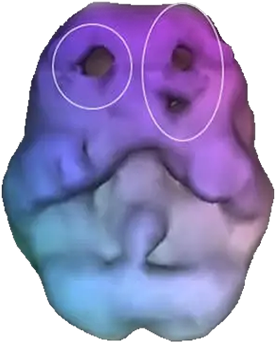
SPECT (single photon emission computed tomography) is a nuclear medicine study that evaluates blood flow and activity in the brain. Basically, it shows three things: healthy activity, too little activity, or too much activity. The healthy surface brain SPECT scan on the top right shows full, even symmetrical activity. The scan below it, taken during concentration, is from a child with ADD and reveals decreased blood flow and activity (the areas that look like “holes”) in the brain’s prefrontal cortex, one of 7 brain patterns associated with ADD.
Healthy
Brain Scan

Type 1: Classic ADD
WARNING SIGNS YOUR CHILD MAY NEED HELP
It can be difficult for parents to know if the problems your children are having are just a phase or if they’re signs of something more serious. Some of the many red flags that could indicate your child is suffering from a mental health condition include:
Sudden Anger or Behavior Changes
This can include consistently low moods, crankiness, a lack of interest in usually enjoyable activities, or extreme mood swings. Pay attention to any inexplicable changes from your child’s normal routine, moods, energy levels, behaviors, or school performance. Frequent temper tantrums, aggression, or defiance are red flags.
School and Academic Struggles
Ongoing academic troubles can be due to behavioral issues or attention problems.
Fears and Worries
Children who have overwhelming worries or nervousness that interfere with their ability to do things or that undermine their performance at school may have anxiety.
Issues with Friends or Classmates
Difficulty making friends or trouble connecting with others may be a warning sign of a deeper problem.
Repetitive Actions
Some kids have physical tics or vocalizations, or they repetitively check things and get upset if they aren’t in the right order.
Physical Pain
Frequent complaints about body aches, headaches, upset stomach with no known cause can be an indication that your child is struggling emotionally.
Sleep Issues
Sleeping too much or having trouble staying asleep through the night is associated with several mental health conditions.
Weight Loss / Weight Gain
Avoiding eating, using laxatives, extreme dieting, or vomiting after eating may be signs of an eating disorder. Frequent overeating can be a sign of using food to soothe bad feelings.
Substance Use
Some adolescents smoke, drink alcohol, or use drugs as a way to self-medicate mood, anxiety, emotional stress, low self-esteem, or other distressing problems.
Delusions
Hearing or seeing things others can’t see or hear is a red flag indicating that a significant mental illness might be emerging.
Self-Harm
Children and teens who intentionally injure themselves or engage in risky behavior are in need of help.
Suicidal Thoughts and Behavior
Suicide is the second leading cause of death among children and young adults ages 10-24, so if a child or teen is talking about suicide, it needs to be addressed and taken very seriously.