

Brain SPECT Research Overview
Brain SPECT imaging is supported by a substantial body of research, with over 14,000 scientific citations in the National Library of Medicine’s PubMed database highlighting its clinical applications.
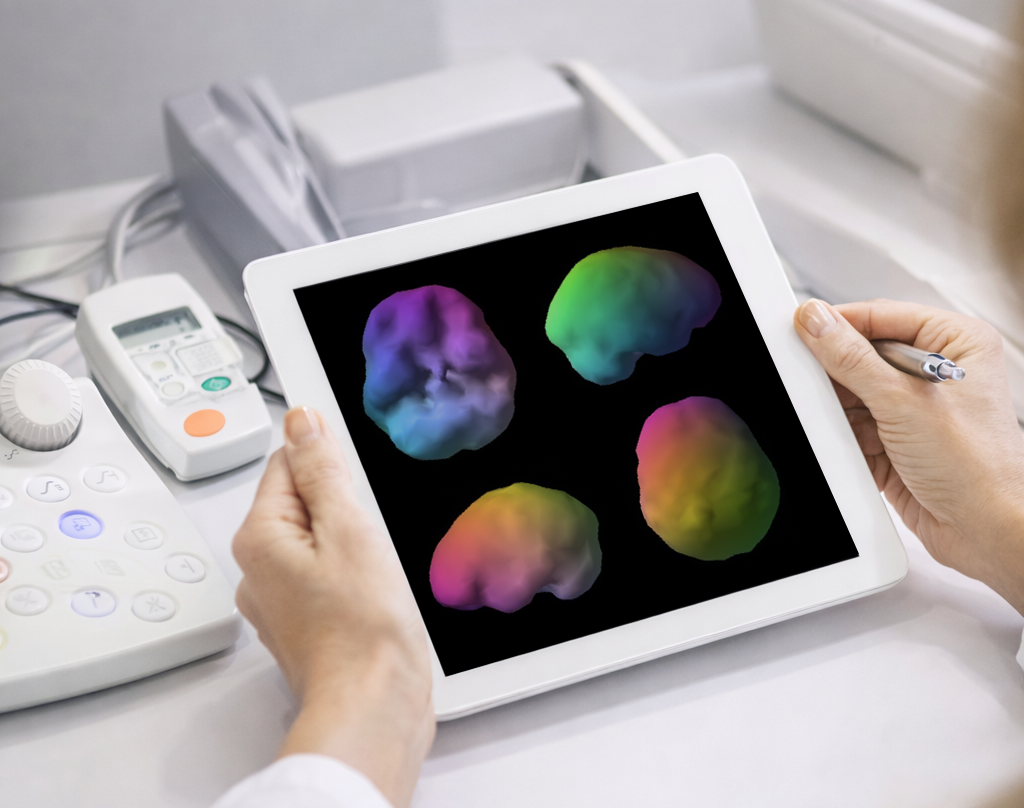
Research at Amen Clinics
Research has repeatedly recognized the value of brain SPECT—the imaging technology we use with our patients at Amen Clinics—for assessing many different areas of brain function, especially the blood flow patterns in issues such as traumatic brain injury, posttraumatic stress disorder, ADHD, depression, OCD, dementia, substance abuse, autism, seizures, and strokes.
Researchers at prestigious institutions that include New York University, UCLA, UC San Francisco, University of Pennsylvania, Thomas Jefferson University, New York University, and The University of British Columbia, have collaborated with the Amen Clinics Research Team on a wide array of published scientific studies, including:
- Traumatic brain injury, including our work with veterans and NFL players
- Posttraumatic stress disorder (PTSD)
- ADHD
- Substance abuse, especially marijuana
- Autism
- Aging
- Dementia
- Depression
- Anxiety
- Mania
- Eating disorders
- Gender differences
- Obesity
- Omega-3 fatty acid differences

Research ON SPECT
SPECT was originally developed more than 50 years ago to evaluate living tissue. Since the 1970s, brain SPECT has been used to evaluate strokes, seizures, and brain tumors. In the 1980s, scientists were also using it to study Alzheimer’s disease, head trauma, schizophrenia, depression, ADHD, and substance abuse. Today, the research on brain SPECT is vast with over 14,000 scientific research articles on it listed on www.pubmed.gov. Below is a listing of the number of scientific articles for some common neurological and psychiatric conditions.
Condition
Scientific Articles
Strokes
> 1,300
Dementia
> 2,200
Alzheimer’s disease
> 1,500
Seizures and epilepsy
> 1,600
Depression
> 850
Schizophrenia
> 570
Head trauma
> 350
Drug abuse
> 310
Alcohol abuse
> 280
Infections
> 270
Anxiety disorders
> 250
OCD
> 150
ADHD
> 120
Bipolar disorder
> 120
Autism
> 75
Eating disorders
> 70
PTSD
> 50
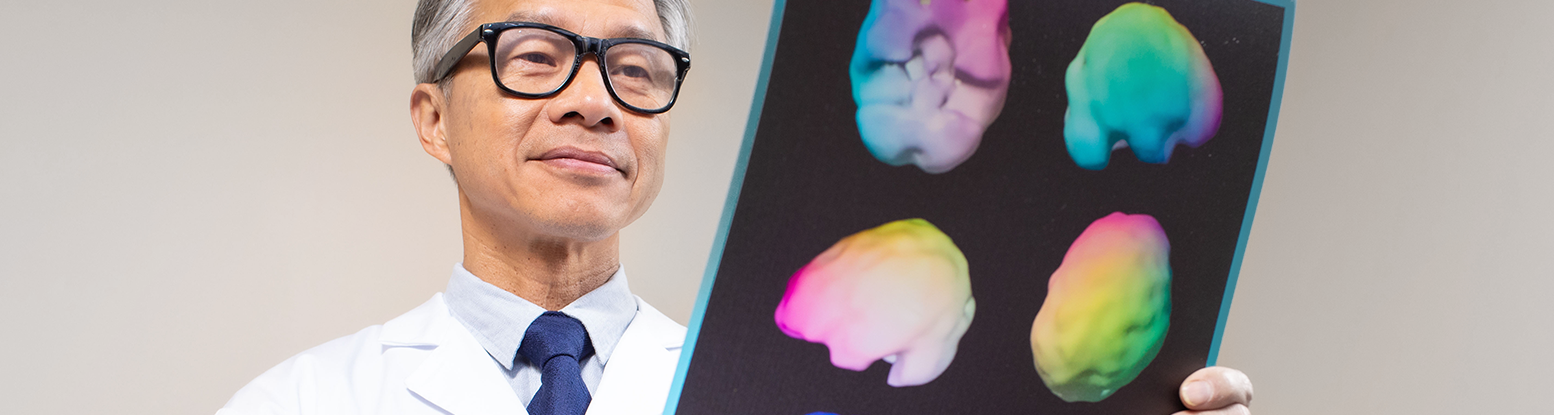
Physicians around the world typically order brain SPECT scans to look at the following conditions:
- Alzheimer’s disease
- Other types of dementia
- Seizures
- Strokes
- Head trauma
- Chemical exposure
- Lyme disease
- Brain inflammation
- Drug toxicity
At Amen Clinics, we have studied and used SPECT to help us with complex psychiatric patients for over 35 years, and have published 90 peer-reviewed scientific studies on SPECT, including those on:
- ADHD and predicting treatment response to stimulants in ADHD
- Aging
- Aggression and murder
- Alzheimer’s disease
- Anxiety
- Autism
- Depression, predicting treatment response in depression and mania
- Distinguishing depression from dementia
- Gender differences
- Distinguishing PTSD from TBI in veteran and general populations
- Discover Magazine listed this research as one of the top 100 Stories in Science (#19) for 2015
- Marijuana
- Meditation
- Omega-3 fatty acids
- Obesity
- Suicide
- Traumatic brain injury
- Impact of playing football in the NFL
- Rehabilitating brain trauma in NFL players
- Hyperbaric oxygen therapy in traumatic brain injury
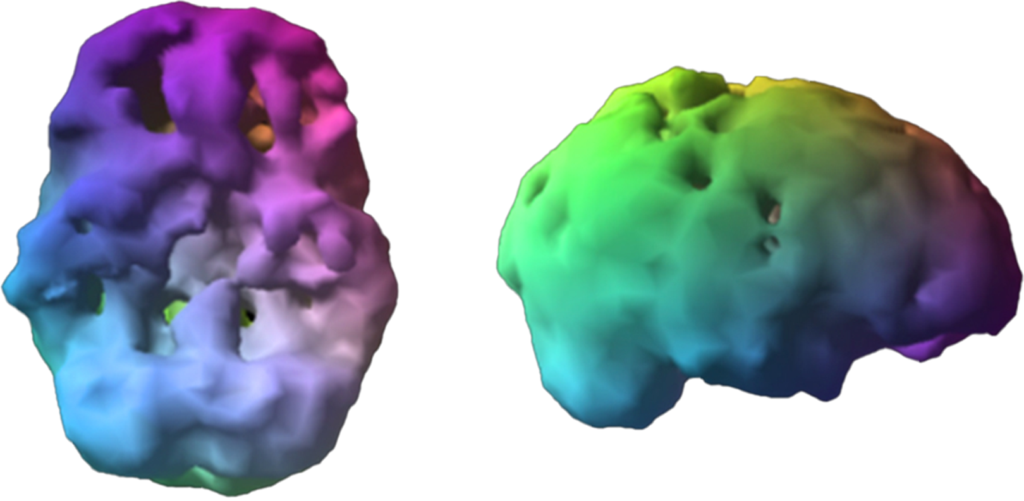
Healthy Versus
Unhealthy Brain

The Amen Clinics Research Library
Currently, the Amen Clinics’ Research Library contains over 90 peer-reviewed scientific research studies. The success rate of the Amen Clinics Method, a whole-person approach to treating psychiatric and behavioral problems, was scientifically validated through a multi-site study that followed 500 complex patients for 6 months.
The clinical history—including biological, psychological, social and spiritual influences—as well as brain SPECT imaging were obtained for each patient who was then given an individualized treatment plan tailored to their specific needs.
Well-known, structured clinical assessments measuring important factors such as symptoms, level of depression, and quality of life were administered before starting treatment and again after 6 months.
77% reported significant clinic improvement after only 6 months when treated with The Amen Clinics Method. 85% reported an improved quality of life.
The more compliant the study participants were with their treatment plans, the better they felt.
This study is confirmation that even though many patients have tried—but failed—to find answers and relief for symptoms through conventional psychiatry, the Amen Clinics Method offers real solutions and positive outcomes to help patients feel better, more quickly.
Study: https://www.ncbi.nlm.nih.gov/pubmed/?term=AMEN+DG+OUTCOMES
Brain SPECT Images
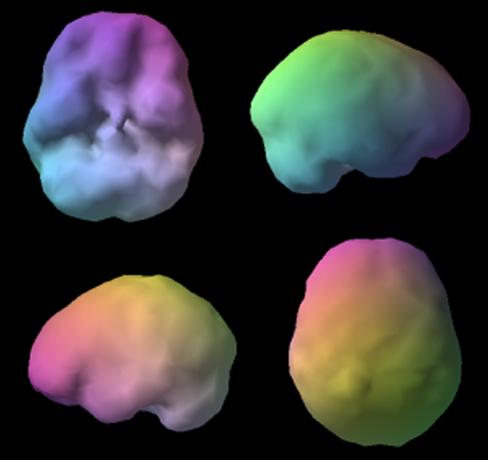
HEALTHY SURFACE RENDERING
Healthy 3D SPECT, looking at the top 45% of brain perfusion, anything below that level shows up as a hole or a dent.
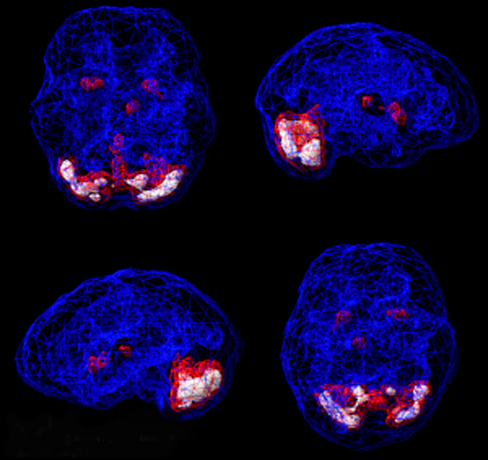
HEALTHY ACTIVE RENDERING
Blue equals average perfusion, red equals the top 15% of perfusion and white is the top 8%.
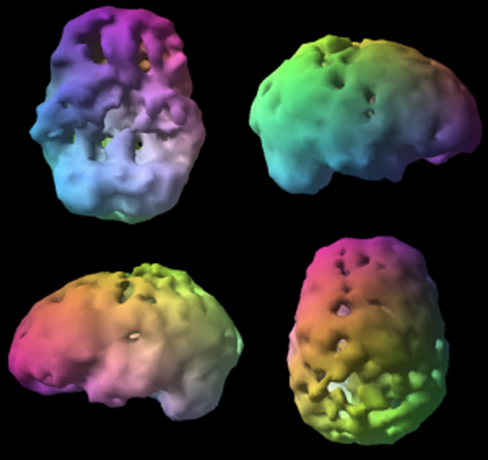
TOXIC SURFACE SCAN
Notice the “Swiss cheese,” shriveled appearance,
indicating areas of decreased perfusion.
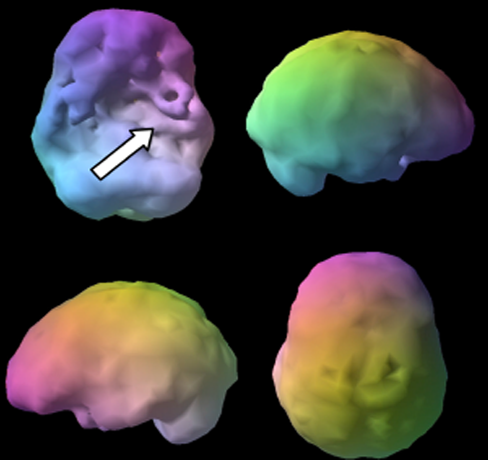
TRAUMA SURFACE SCAN
Asymmetrical decreased perfusion left frontal
temporal lobe.
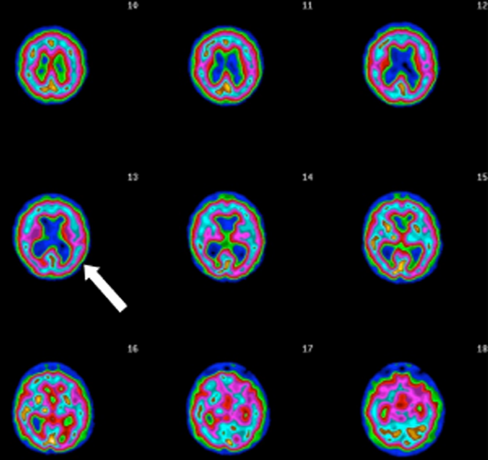
TRANSAXIAL SLICES
Slices 12 and 13 show inverted lobster pattern,
associated with ventricular enlargement.
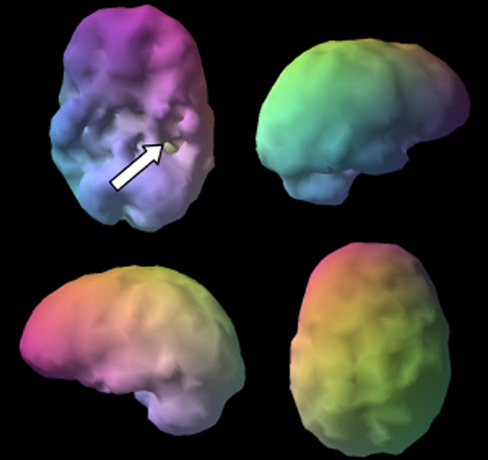
TEMPORAL LOBE DYSFUNCTION
Severe left temporal lobe hypoperfusion shown (arrow) consistent with epilepsy.
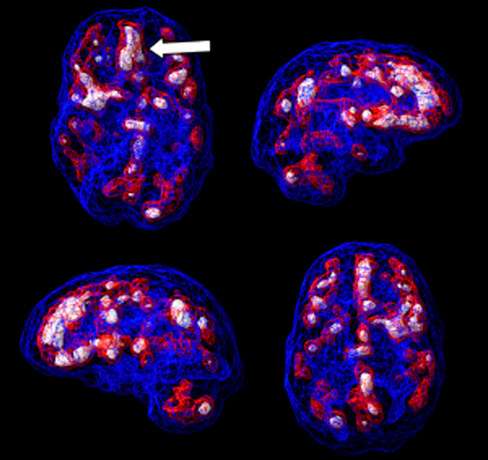
HYPERFRONTALITY ACTIVE SCAN
Severe hyperfrontality (arrow), a pattern consistent
with OCD.
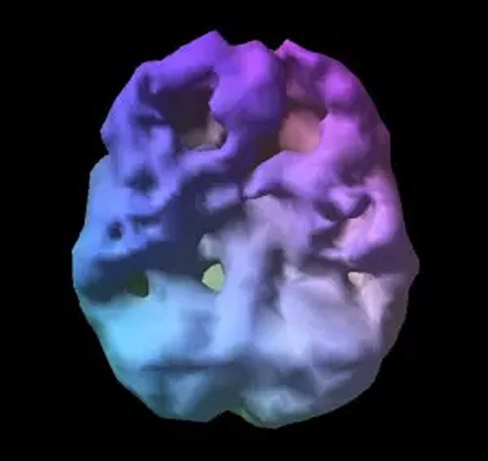
HYPOFRONTALITY SURFACE SCAN
Low prefrontal cortex perfusion
(holes at top of image)