


Marital Conflict and
Relationship Issues
Underlying brain dysfunction is a major cause of relationship issues, but few couples know it. Amen Clinics goes beyond standard mental health care, using advanced brain-imaging technology to identify brain patterns that may contribute to marital conflict and relationship problems.
What are Marital Conflict and Relationship Issues?
All relationships have strengths and vulnerabilities, and require commitment, awareness, and effort from both people to work through disagreements and other challenges. While it is normal at times for partners to feel irritated or upset with one another, when troubling behavior, anger problems, constant arguing, or increasing discord become an unhealthy pattern, it’s time for a couple to get professional help.
Who has Relationship Issues?
Although the divorce rate has gone down over the last two decades—decreasing from 4 splits per 1,000 marriages to 2.3 per 1,000, a Harris International poll found that 19% of people say they are unhappy in their relationship. And while there are many different causes of relationship difficulties, raising a blended family, in which the parents have children from previous marriages, brings additional stressors that can make these relationships more difficult to navigate. It is estimated that 60% of second marriages end in divorce.
What are the Core Symptoms?
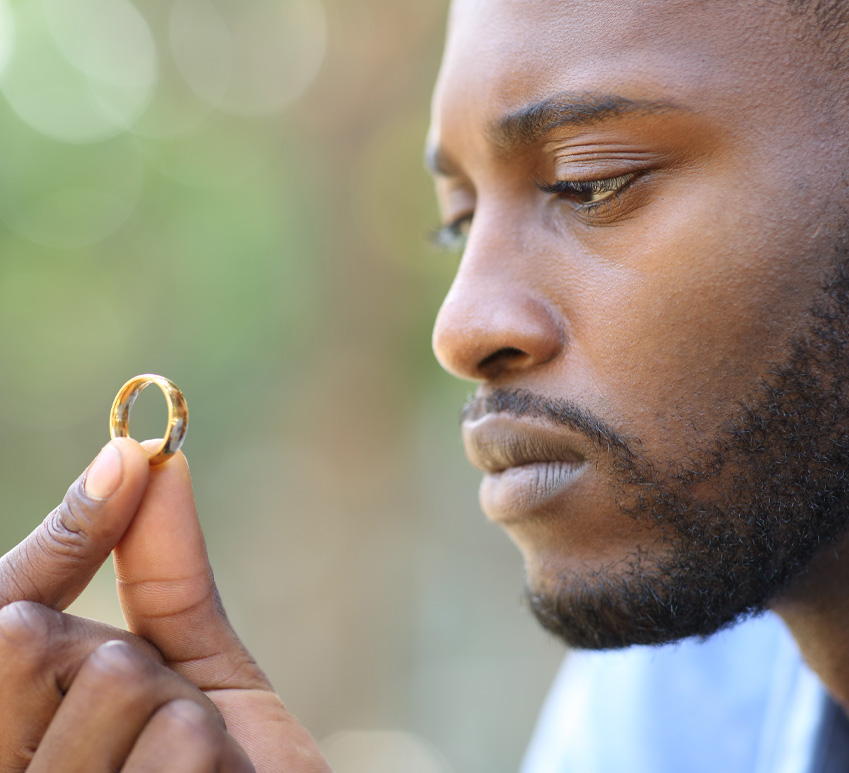
Relationship struggles or failures are often tied to problems in the brain. Poor decision-making, impulsivity, conflict-seeking behavior, negativity, unyielding criticism, stubbornness, intimacy issues, pessimism, infidelity, addiction, and abusive or disrespectful behavior are all a reflection of unhealthy brain function.

UNTREATED MARITAL CONFLICT AND RELATIONSHIP ISSUES ARE ASSOCIATED WITH:
- Chronic Stress
- Depression
- Diabetes
- Feeling Emotionally Drained
- Heart Problems
- Hypertension
- Increased Inflammation
- Obesity
- Weakened Immune System

What Causes Relationship Issues?
Many couples can work through their issues by attending marital (or couples) therapy and make positive changes to the way they relate to each other. However, for some people that isn’t enough—they need a deeper level of help that talk therapy cannot provide. This is because some relationship problems emerge as a result of abnormal brain function. Unfortunately, many therapists and other clinicians aren’t aware of how much the health of each person’s brain contributes to the quality of a relationship.

Why Choose Amen Clinics FOR TREATING MARITAL CONFLICT OR RELATIONSHIP ISSUES?
The first step for learning if your relationship difficulties are due to underlying brain problems is by taking a close look at how your brain works and how your partner’s does. Amen Clinics has helped hundreds of couples get back on track by identifying and treating brain issues. We do this by using an advanced technology called brain SPECT imaging, which shows how a person’s brain is actually working. The information from the scans provides a roadmap for treating any brain issues so that you and your partner will be better able to make positive changes.
Conflicted Brains Work Differently
When relationship difficulties are hard to resolve, a brain scan can be tremendously helpful for getting the answers you need. This is why the doctors at Amen Clinics use brain SPECT imaging to help couples who are at odds with each other. After 3 decades of using SPECT, we have found that marital and relationship problems are often linked to undetected problems with brain function in one partner or both. The valuable information from the scans can provide a new perspective for how you see yourself, your significant other, and your relationship issues. For example, the scans can show if there is undiagnosed and/or untreated ADD/ADHD, depression, obsessive-compulsive tendencies, brain injury, anxiety, PTSD, brain toxicity (see Bonnie and Dave’s story below), and more. Without looking at the brain, these problems might never be successfully addressed.
SPECT (single photon emission computed tomography) is a nuclear medicine study that evaluates blood flow (activity) in the brain. Basically, it shows three things: healthy activity, too little activity, or too much activity. The healthy SPECT scan on the top right shows full, even symmetrical activity on the surface of the brain. Dave’s brain scan below it shows a pattern called “scalloping” that reveals multiple areas of low blood flow on the surface of his brain. This pattern is often seen in people who abuse drugs or alcohol. But Dave, who was in marital therapy with his wife Bonnie, didn’t drink or use drugs. (See Bonnie and Dave’s story below.)
Healthy Brain Scan

Dave’s Brain Scan

How Marital & Relationship Problems are Linked to Brain Function
There are many things that lead to conflict in a marriage or relationship, so it is important to ask WHY you behave the way you do and WHY your partner acts the way they do. The answers lie in the brain.
The following problems are connected to brain function:
- Saying things you regret, using poor judgment, acting impulsively, making bad decisions, and even infidelity and addictions can indicate problems in an area of the brain called the prefrontal cortex (PFC). The PFC is involved with planning, forethought, judgment, focus, insight, empathy, and impulse control. When activity in this part of the brain is low, it leads to problems with these functions.
- Moodiness, negativity, feeling bored and unmotivated, low energy, and sleep and appetite problems can be signs of overactivity in the deep limbic system, which is the brain’s emotional center. When this part of the brain works well, it helps you be happy, feel motivated, and be able to enjoy the things you like to do.
- Worrying all the time, being stubborn and argumentative, or holding grudges may indicate dysfunction in the brain’s anterior cingulate gyrus (ACG). The ACG is involved with shifting attention from one thing to the next, but when there are problems in this area, people can get “stuck” on negative thoughts and behaviors. When the ACG is healthy, it helps you and your spouse go with the flow more easily, be open to each other’s ideas and opinions, and deal more successfully with new problems.
- Irritability, aggression, having a short fuse or episodes of rage, and even forgetfulness can indicate trouble in the temporal lobes. These brain structures are important for learning, memory, and emotional stability. Abnormal activity in the temporal lobes, such as after a head injury, can cause a nice and caring partner to become angry and combative. Or, if you always must remind your spouse or partner about appointments and daily tasks, it may be an indication that they have memory problems.
- Frequently feeling nervous and tense, a tendency to catastrophize situations, or always being extra cautious may be the result of overactivity in the basal ganglia, a part of the brain that sets the body’s “idle.” It plays an important role in motivation and drive, but too much activity in the basal ganglia can cause symptoms of anxiety that make it hard for you or your partner to stay calm and stop fretting.
Bonnie and Dave: How Brain Scans Enhance Couples Therapy
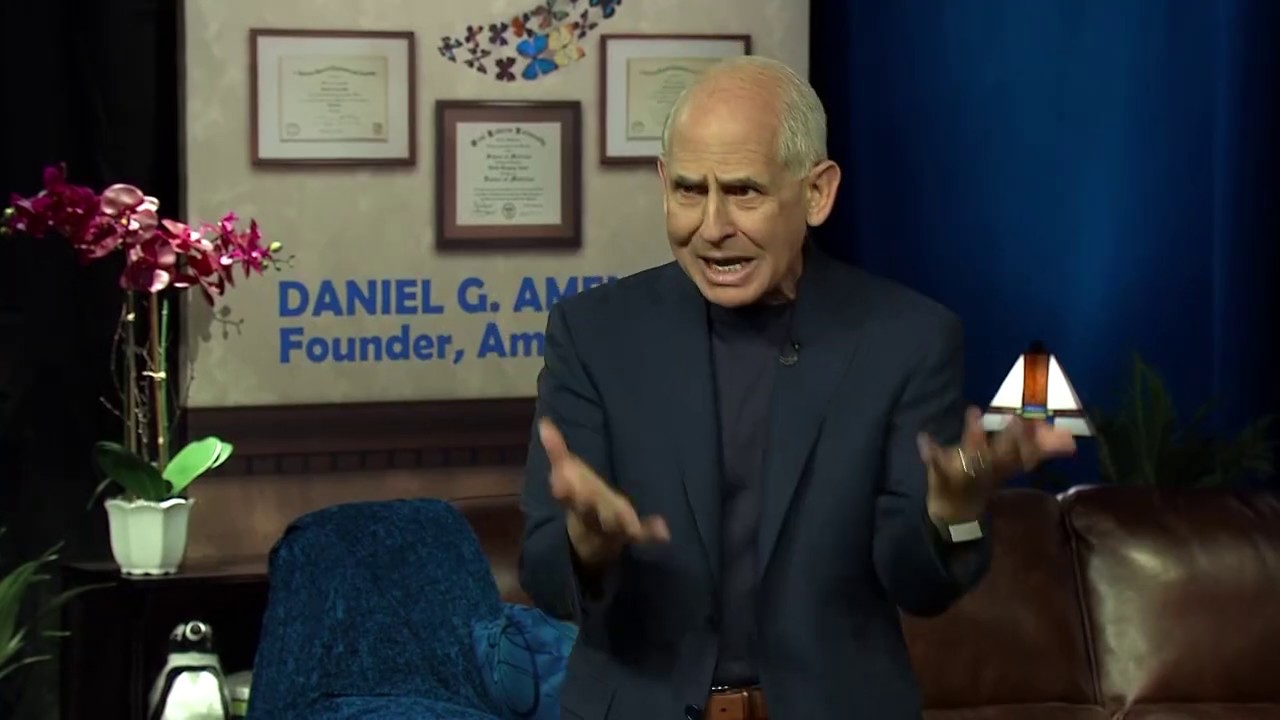

Bonnie and Dave went to an experienced marital therapist for three years and had spent $25,000 trying to save their marriage—without success. In fact, the therapist recommended they get a divorce, something they did not want to do. So, she recommended they visit Amen Clinics for a full evaluation and to find out if brain SPECT scans might reveal any underlying problems that contributed to their discord and prevented them from making progress with therapy.
Bonnie and Dave took her advice, and once they saw the results of their brain scans, everything changed for them. It became crystal clear why marriage therapy couldn’t help them at that time—nor would it regardless of how many more years they stuck with it.
Watch the video above to find out what Dave and Bonnie learned about their brains and how they were able to improve their marriage and stay together.
85%
of people report a better quality of
life after treatment at Amen Clinics.
ADDITIONAL TESTIMONIAL

I Saw the Words ‘Hang Myself’ and That Got My Attention – The Bagnalls’ Story