
Concussion Rescue Program
At Amen Clinics, brain scans reveal that 40% of our patients have suffered a mild traumatic brain injury—although many of them don’t remember experiencing head trauma—that contributes to their symptoms. Healing the underlying damage to the brain is a critical step in getting well.
Testing, Teamwork, Treatment: 3 Steps to Get Your Life Back
Suffering from a concussion or traumatic brain injury (TBI) can be life changing. But with the integrative 3-step Concussion Rescue Protocol from Amen Clinics, which includes the most advanced brain-imaging technology and innovative solutions, you can heal your brain, overcome your symptoms, and get your life back. Read below to learn more about our process, who we have helped, and why you should choose Amen Clinics to help with a head trauma.
Common Causes & Facts
There are many ways to get a head injury. A concussion can come from a fall (such as from a ladder or coming out of the bath tub), from a vehicle (being a driver in a collision or being hit by a car while on a bike), from any and all sports, from a violent act (such as being attacked), or from combat (such as a military blast). And these are just some of the more common ways to obtain a head injury.
- Head injuries are a major cause of mental illness.
- Most mild traumatic brain injuries go undiagnosed.
- Traumatic brain injuries can cause mental health symptoms years after the injury.
- Concussions can cause major hormonal imbalances.
- Brain injuries are often mislabeled as ADHD.
- You don’t have to black out to have a brain injury.
- Having 1 concussion increases the risk of future concussions.
- There are over 2 million new head injuries in the U.S. each year.
- The number of concussions is rising, especially among children and teens.
- People who suffer a TBI are 4 times more likely NOT to report their symptoms.

Potential risks of untreated TBI
- Anxiety
- Depression
- Sleep Issues
- Memory Issues
- Substance Abuse
- Relationship Issues
- Suicidal Thoughts
The Hidden Impact of Head Injuries
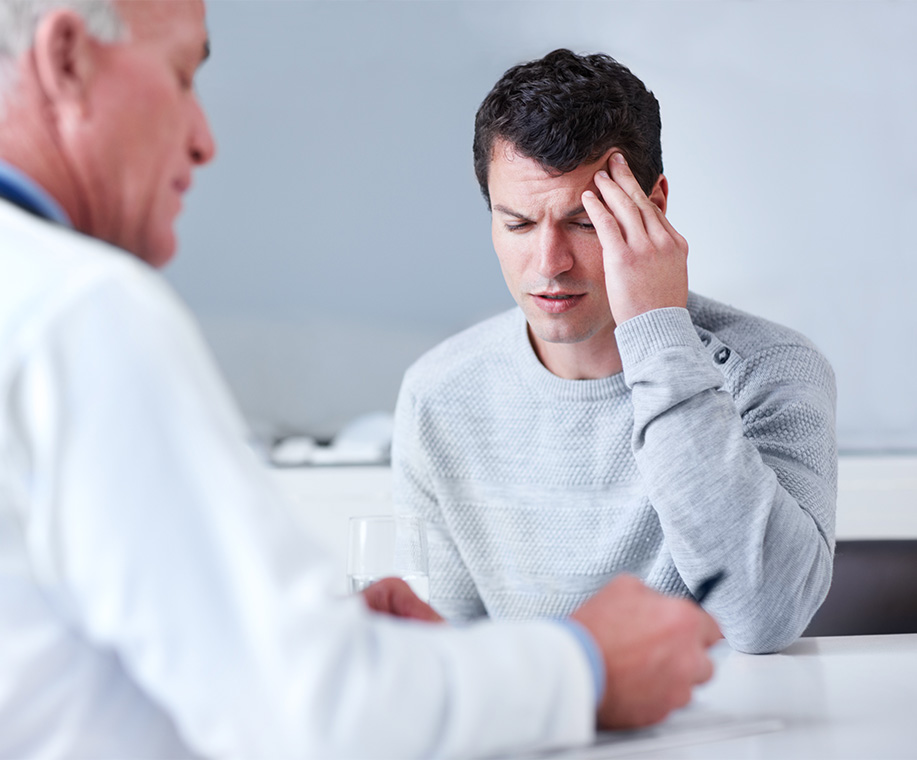
Head injuries are a leading cause of mental illness, yet most mild traumatic brain injuries go undiagnosed. Even years later, TBIs can trigger mental health symptoms and major hormonal imbalances. Often mislabeled as ADHD, concussions don’t always involve blacking out but still increase the risk of future injuries. With over 2 million new cases annually in the U.S.—especially among children and teens—concussions are on the rise. Alarmingly, those with TBIs are four times more likely not to report their symptoms, leaving many without proper care.

When To Seek Treatment
If you’re experiencing any lingering symptoms or aren’t responding to traditional treatment for your symptoms, it’s worth investigating if an underlying TBI could be the root cause of your issues. If you are experiencing any of the following, it is time to go to the emergency room.
- Loss of consciousness
- Feeling dazed
- Feeling confused
- Seizure
- Vomiting
- Headache

WHY CHOOSE AMEN CLINICS FOR TREATING YOUR HEAD TRAUMA?
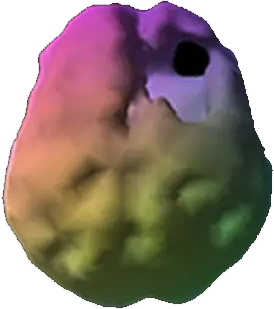
Brain SPECT imaging is one of the best tools available to identify areas of the brain hurt by TBI. CT and MRI scans show if there is any damage to the anatomy or structure of your brain, but these scans cannot tell how your brain is functioning. In fact, after a TBI, CT or MRI scans will often appear normal when there is actually functional damage to the brain that can be detected with SPECT. Brain SPECT imaging is also highly accurate in differentiating TBI from other disorders that have many of the same symptoms, such as PTSD. Two research studies published in 2015 by the research team at Amen Clinics and colleagues found that SPECT was able to differentiate PTSD from TBI with high accuracy. This research was recognized by Discover Magazine as #19 of the top 100 science stories of 2015.
The Concussion Rescue Protocol Has Already Helped
NFL Players, Championship Boxers, and Thousands of Everyday People
Professional football players, boxers, soccer players, big-wave surfers, skateboarders, and other high-profile athletes have already rehabilitated their brain health and enhanced their quality of life with our Concussion Rescue Protocol. So have everyday kids, teens, and adults who have experienced a head injury—even a mild one that didn’t cause a concussion or loss of consciousness—due to vehicle accidents, falls, sports injuries, blows to the head, violence, explosive blasts, or combat wounds. If you want to join the thousands of people who have already improved their cognitive function, psychological well-being, and behavior, our powerful 3-step Concussion Rescue Protocol can help. The basics of our protocol have been rigorously tested in the world’s largest study on retired NFL players with TBIs, conducted at Amen Clinics, which produced improvements in brain activity and cognitive function.
Healthy Brain
Scan

Concussions Brain Scan
Our Integrative Concussion Rescue Protocol
The Concussion Rescue Protocol is a 3-step process that is built on Testing, Teamwork, and Treatment, and it can be tailored to meet your individual needs.
1. TESTING: Comprehensive Assessments
We take a whole-person approach to diagnosing TBIs. It starts with your brain. Unlike traditional psychiatry that rarely looks at the organ it treats, at Amen Clinics, we look at the brain. With our advanced brain imaging, we can detect underlying patterns associated with TBIs—even if they happened decades earlier—as well as other conditions that often co-exist with head injuries. We also look at other factors that may be contributing to your symptoms, so we can address all of your needs. Our testing protocol includes:
- Brain SPECT imaging
- Detailed clinical history
- Psychological and cognitive testing
- Diagnostic lab tests (when necessary)
2. TEAMWORK: Meet Your Sports Neuropsychiatry & TBI Specialists
Healing from a TBI requires teamwork. Depending on your needs, your Amen Clinics team may include our concussion-trained Child & Adult Neuro-Psychiatrists, functional and integrative practitioners, nutrition experts, and others—all of whom will offer complete wraparound care to support you throughout the process. Your team of highly trained experts will also provide you with helpful guidelines to support and protect your brain for your lifetime.
3. TREATMENT: Targeted Solutions For Your Needs
At Amen Clinics, we understand that no two brains—and no two brain injuries—are alike. That’s why a one-size-fits-all approach to treatment will never work. Our Concussion Rescue Protocol treatment options are personalized for your individual needs and may include the following solutions:
- Hyperbaric Oxygen Therapy (HBOT)
- Neurofeedback
- Hormone Evaluation and Replacement
- Targeted Nutraceuticals
- Psychotherapy
- Integrative Medicine
- Brain Health Nutrition Coaching
- Medications (as needed)
TBI Signs and Symptoms
PHYSICAL
- Nausea
- Vision problems
- Balance problems
- Trouble sleeping
- Fatigue
- Sensitivity to noise and/or light
COGNITIVE
- Confusion
- Memory problems
- Difficulty with word finding
- Mental fatigue
- Difficulty concentrating or paying attention
PSYCHOLOGICAL
- Moodiness
- Increased anxiety
- Depression
- Suicidal thoughts
BEHAVIORAL
- Angry outbursts
- Poor judgment
- Risky behavior
- Impulsivity
- Drug and alcohol abuse
myths & misconceptions
After a concussion, you may hear many different things from many different people. But are these beliefs all true? Read on to learn more about the myths and misconceptions of a concussion.
Lie #1: There is nothing more that can be done.
Truth: There are many things a person can do to heal from a concussion. Telling someone there’s nothing that can be done is like an invitation to wallow in misery. Even worse, it can lead the way to bad lifestyle habits that actually intensify feelings of anxiety, depression, and anger; make it harder to focus; and increase sleep disturbances.
Lie #2: Healing happens over time.
Truth: Time does not necessarily heal all wounds. Although rest and high-quality sleep are important, rest alone is not always enough to heal. This advice causes people to simply sit back and wait for the healing process to occur rather than taking a pro-active approach. This means you spend more time feeling bad rather than getting on the road to feeling better.
Lie #3: Stimulants, antidepressants, and muscle relaxers are the key to healing.
Truth: Stimulant medications, antidepressants, and muscle relaxers are not necessarily the best solutions, and in some cases, they can exacerbate symptoms. Healing from a concussion is possible, but because brain injuries are complex, the solution must encompass more than just popping pills. By following a TBI rescue program that takes a comprehensive brain-body approach, you can accelerate the healing process, even if an injury occurred years earlier. It’s never too late to start healing from a TBI.
Lie #4: YOU SHOULD NOT SLEEP AFTER A HEAD INJURY.
Truth: The brain needs rest after a concussion.
Lie #5: Head Trauma Kills Brain Cells.
Truth: Brain cells may just be dormant, waiting to be awakened.
Testimonial: How Kattie Got Her Life Back


Driving alone one night, Kattie Boline’s car was crushed by a semi-truck in a horrible accident. Afterwards, Kattie had awful headaches and eventually experienced mood and personality changes. Her friends and family thought there was something wrong with her, and that it was “all in her head.” When Kattie came to Amen Clinics to get her brain scanned, the scans showed the aftermath of her accident, which had patterns consistent with her changes in attitude. So it was “all in her head” after all, or more specifically, “all in her brain.” After being put on a treatment plan of diet and lifestyle changes and a regime of supplements, Kattie was able to heal her brain and return to her former self, her true self. Watch her story above.