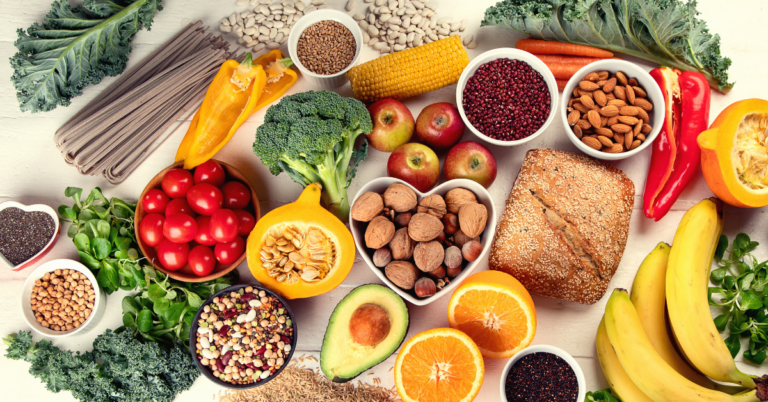

TL;DR: Fibermaxxing is a growing nutrition trend focused on increasing fiber intake through whole foods to support gut, brain, and overall health. Fiber helps nourish beneficial gut bacteria, regulate digestion, stabilize energy, and support mood and cognitive function through the gut-brain connection. While most people do not get enough fiber, a balanced, gradual increase from whole food sources is the most effective way to support long-term health and well-being.
Medically reviewed by Kabran Chapek, ND, Amen Clinics.
Remember seeing prunes and prune juice, or bran cereals and muffins in your grandparents’ kitchen as a child?
For many Gen Xers and boomers, the idea of increasing fiber intake still brings to mind these old-school, far-from-appealing images.
Thankfully, things have changed.
Fiber has had a much-deserved rebrand, especially among younger generations. Naturally high-fiber whole foods like legumes, berries, seeds, and vegetables are having a moment. “Fibermaxxing,” or deliberately maximizing fiber intake with whole foods, has become a popular social media trend.
Across platforms like Instagram and TikTok, health-minded creators are sharing high-fiber recipes for snacks and meals with the goal of boosting fiber intake.
With growing awareness of gut health and the gut-brain connection, more people are increasing their fiber intake to improve digestion and support better brain and mental health, as well as other health goals. Fiber is a critical nutrient for microbiome health, the ecosystem of your gut, which acts as a central hub for overall wellness.
Unfortunately, most Americans are not getting nearly enough. Recent data shows that more than 90 percent of U.S. adults fall short of the recommended daily intake. Fibermaxxing may be responding to a real need.
In this blog, we explore what fibermaxxing really is, its potential benefits and risks, and how fiber intake influences both gut and brain health.
With growing awareness of gut health and the gut-brain connection, more people are increasing their fiber intake to improve digestion and support better brain and mental health, as well as other health goals.
As the name suggests, fibermaxxing is a dietary trend focused on significantly increasing daily fiber intake to support digestion, metabolic health, brain and mental health, and overall well-being.
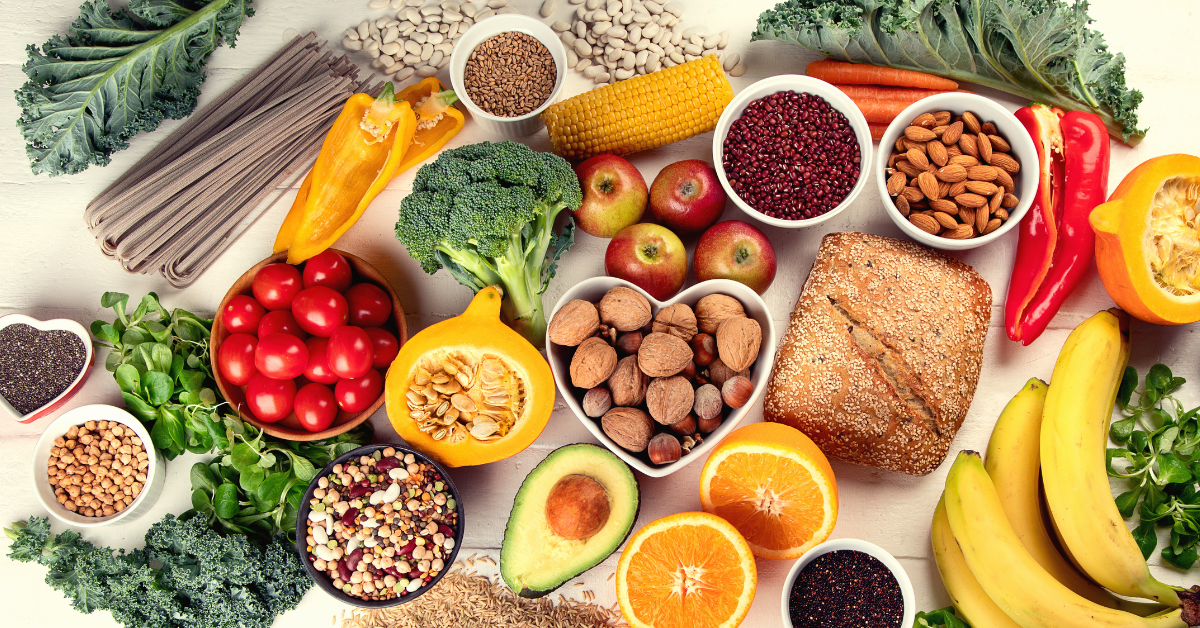
The trend emphasizes increasing fiber intake through whole foods such as vegetables, fruits, seeds, legumes, and whole grains rather than relying on supplements. By prioritizing naturally high-fiber ingredients, this approach can help nourish a diverse gut microbiome while promoting satiety and supporting overall health.
The gut microbiome is a vast community of trillions of microorganisms in your digestive tract, including bacteria, viruses, fungi, and other microbes, that function together as a complex ecosystem. Fiber plays a critical role in maintaining a healthy balance within this system by nourishing beneficial bacteria. As a result, increasing your fiber intake is one of the most effective ways to support gut health.
Those who follow fibermaxxing often aim for higher-than-recommended amounts by intentionally adding fiber-rich foods to every meal or snack. Increasing fiber intake is usually positive, but it can become a liability when individuals consume too much.
The recommended daily intake of fiber is 25 grams per day for women and 38 grams per day for men.
While there is no strict upper limit for dietary fiber, consuming more than 60 grams per day is generally considered too much for most people and can cause digestive distress. Even daily intake above 40 grams can cause symptoms in some individuals, especially if intake was increased quickly. Symptoms may include gas, bloating, constipation, or diarrhea.
It is important to approach fibermaxxing with balance. Sustainable, steady changes are far more beneficial than extreme increases in fiber intake.
Fibermaxxing has gained popularity in part due to increased awareness of gut health and its connection to overall wellness. More people now recognize that the gut influences not only digestion, but also mood and brain function.
Social media has also played a major role. Platforms are filled with videos and influencer content sharing creative recipes and tips to help people increase their fiber intake. As these posts gain traction, they encourage others to adopt similar habits.
Many people are also drawn to fibermaxxing because of a growing interest in natural approaches to health optimization and disease prevention. The goal is often to support the body through nutrition rather than relying solely on medication.
Other common motivations include weight management and improving digestion, since fiber-rich meals can help increase satiety and support regular bowel movements.
Fiber is essential to gut health. Different types of fiber, like prebiotic and other soluble fibers, as well as insoluble fibers, serve different functions in your digestive system. Soluble fiber dissolves in water to form a gel-like substance that helps slow digestion, while insoluble fiber remains intact and helps move material through the digestive tract.
Importantly, prebiotic fiber (a soluble fiber) feeds the beneficial bacteria in your gut microbiome, according to research.
Common foods abundant in prebiotic fiber include:
These foods nourish the gut’s beneficial bacteria, aiding digestion and reducing inflammation.
Other soluble fibers that are not prebiotics but still beneficial to the gut include psyllium husk, certain pectins, gums (naturally found in various plants), and some fibers in whole grains. These forms of soluble fiber become gelatinous, but they do not feed the healthy bacteria. They offer other benefits like helping to relieve constipation, or reduce LDL cholesterol, etc.
Insoluble fiber, which helps move material through the digestive system and adds bulk to stool, is found in high amounts in the following types of foods:
Many of the same foods have both soluble and insoluble fibers.
Consistent consumption of fiber-rich foods helps promote microflora diversity and makes it possible for a variety of bacteria to flourish in your gut. Research links gut microbiome diversity to better digestive health, stronger immunity, and overall wellness.
Your gut and brain are more connected than you might think.
More than 100 million neurons line your digestive tract, forming what is known as the enteric nervous system, or the “second brain.” This system is in constant communication with your brain through pathways like the vagus nerve, creating what is called the gut-brain axis.
Healthy gut bacteria play an important role in this connection. They help influence the production and regulation of key brain chemicals, such as serotonin, dopamine, GABA, and cortisol, which are involved in mood, focus, emotional balance, and your stress response.
Because of this, the health of your microbiome can directly affect stress resilience, cognitive function, and mental well-being. When the microbiome is out of balance, a condition known as dysbiosis, it has been linked in studies to issues such as anxiety, depression, and difficulty concentrating. Additionally, research has found that higher fiber consumption is linked to better cognitive function.
Gut health also influences inflammation and blood sugar regulation. Chronic inflammation and unstable blood sugar levels can negatively impact memory, mood, and focus. Supporting a healthy gut helps keep inflammation lower and energy levels more stable, which benefits overall brain function.
Fiber plays a key role in this process. As a primary fuel source for beneficial gut bacteria, fiber helps maintain a balanced microbiome. Research suggests that higher fiber intake is associated with improved metabolic health, more stable energy, and fewer symptoms of anxiety and low mood.
While fiber alone is not a treatment for mental health conditions, it is an important part of a whole-body approach to supporting brain and emotional health.
Fibermaxxing can offer several benefits, which may include:
Fibermaxxing offers no health guarantees. It is not a cure-all. But ensuring you consume the recommended daily amounts of fiber intake is one way to support a healthy microbiome, which benefits multiple areas of health.
Related: Is the Keto Diet Good or Bad for Brain Health?
Although fiber consumption offers great benefits, consuming it excessively can cause several issues, including:
You can minimize these risks by gradually increasing fiber in your diet. That can allow your digestive system to adjust slowly and maintain comfort.
Fiber-rich complex carbohydrates are a critical aspect of a brain healthy diet. But your brain also requires protein, healthy fats like omega-3 fatty acids, micronutrients, and fermented foods for optimum function.
Diet trends that are extreme, like solely focusing on fibermaxxing or even a strict keto approach, can overlook important nutrients needed to support mood, cognition, and energy. In addition to fiber, it’s important to include diverse brain-boosting foods.
Digestive issues are sometimes a red flag that there may be a gut-related brain health issue as well.
Chronic gut inflammation is often linked to changes in mood, anxiety, irritability, and fatigue. Symptoms may resemble psychiatric conditions.
Blood sugar fluctuations can also affect concentration, focus, and energy because the brain relies on stable levels of glucose to perform optimally.
This is why holistic psychiatry focuses on ruling out underlying digestive or medical causes before it attributes symptoms to mental health disorders. A whole-body approach recognizes the interplay between brain function and digestive health.
Amen Clinics takes a whole-body approach to diagnosis and treatment. Our clinicians recognize that behavioral, emotional, and cognitive symptoms are frequently linked to brain function, and that problems with gut health are often linked to cognitive and mental health conditions.
Our comprehensive evaluation includes brain SPECT imaging, a detailed personal history (which includes a review of lifestyle and dietary habits), clinical assessments, and lab testing, when necessary, to rule out underlying biological conditions.
The SPECT scan assesses brain function. It reveals blood flow and activity in different brain regions showing underactivity, overactivity, and areas of healthy activity.
Our clinicians can see if certain areas of the brain are working too hard or not enough and connect the pattern to your symptoms. They also consider how your diet is factoring into your symptoms, having a clear understanding of the gut-brain axis. Assessing what they see on your brain scan with all the other data collected, they are able to practice precision medicine. They make highly informed diagnoses and craft tailored treatment plans for your individual brain and body needs. There are no one-size-fits-all treatment plans.
When it comes to treatment, Amen Clinics practices holistic psychiatry. Our clinicians first consider natural ways to treat mental health conditions. This includes lifestyle suggestions (diet, nutritional supplements, sleep, relaxation, and exercise), therapy, and medication, only when necessary.
Fibermaxxing makes sense if your diet is low in fiber.
Here are the more detailed fiber intake recommendations for U.S. adults:
Fiber-rich foods are generally loaded with good nutrition, so you’ll be supporting your gut microbiome and brain and body health.
However, keep in mind that sudden and drastic increases in fiber intake or consuming too much fiber can be potentially harmful for some people and should be avoided.
If you need to elevate your fiber intake, it is best to do it gradually. A gradual increase will give your digestive system time to adjust, and it can reduce the likelihood of issues of discomfort like bloating or gas.
Whole food sources of fiber are best such as seeds, nuts, vegetables, fruits, and whole grains. Increased fiber intake generally requires more hydration. This is because fiber absorbs water as it moves through your digestive system. When you drink enough fluids, you get to support smoother digestion and also help the fiber work effectively.
If you’ve been experiencing digestive challenges like an irritable bowel pattern, persistent bloating, or gastrointestinal discomfort, it’s best to consult a healthcare provider before you make these significant changes in your diet.
Generally, fiber can be a valuable part of a balanced diet with thoughtful, gradual adjustments for your overall wellness.
It’s understandable to be curious about new nutrition trends. Many of them, like increasing fiber, are well intentioned and can offer real benefits. But the truth is, some trends can go too far, too fast.
That’s why it’s important to stay attuned to how you feel. Your brain and body will often tell you when something isn’t working.
If you notice new or worsening brain fog, low mood, increased anxiety, irritability, or trouble concentrating after changing your diet, it may be a sign that the approach is not right for you. The same goes for persistent digestive symptoms like bloating, discomfort, or irregular patterns.
And if you’re already struggling with these symptoms, it’s important not to rely on diet changes alone to fix them. Brain health and mental well-being are complex and often involve multiple factors, including biology, lifestyle, and underlying medical issues. Persistent brain fog, mood instability, fatigue, or digestive issues can all be signals that something deeper is going on in the brain and body. Amen Clinics takes a whole-body approach that includes investigating potential gut-brain imbalances.
If these challenges are interfering with your daily life, consider seeking guidance from a qualified healthcare or mental health professional. A comprehensive evaluation can help uncover root causes and guide a personalized plan that supports both your brain and overall well-being.
| Myth | Fact |
|---|---|
| More fiber is always better. | Balance matters; too much too quickly can cause issues. |
| Fiber alone improves mental health. | Mental health is influenced by many biological and psychological factors. Improving gut health with adequate fiber is one way to support mental health. |
| Gut health replaces psychiatric care. | Mental health disorders require comprehensive evaluation. Nutrition may support treatment but it does not replace professional care from a qualified mental health professional. |
It might be best to forgo fibermaxxing and choose a less drastic, sustainable method to get your fiber needs met. A balanced diet approach and slowly increasing consumption of fiber-rich whole foods is the safest way to boost your fiber intake. Focus simply on meeting the daily suggested intake of fiber to start, making gradual dietary changes, and supporting the body with adequate hydration and a variety of nutrients. If the habits are small but consistent, they can create meaningful change with time.
Fibermaxxing is a dietary trend that encourages people to intentionally increase their daily fiber intake to support digestion, a healthy gut, and satiety.
For many individuals, increasing fiber consumption through whole foods is safe. However, when increased dramatically or too quickly, it can cause bloating, gas, or digestive discomfort. Gradual changes are more helpful. For individuals with digestive issues, any increase in fiber intake should be made under medical supervision.
The recommended level of fiber consumption is 25 to 38 grams of fiber per day, depending on your age and sex. Consuming a significantly higher amount, especially in a short time period, can lead to digestive symptoms for some people.
Fiber provides support for your gut health, which is closely tied to your brain and mental health. If your diet is lacking in fiber, consuming more fiber-rich whole foods could potentially help your mental health. That said, mental health is affected by many factors, which include brain function, stress, lifestyle, sleep, and overall nutrition.
Experts suggest that the gut-brain connection can influence cognitive processes like focus, memory, and mood. When the gut microbiome is balanced, it can support overall brain health, though many biological and lifestyle factors contribute to cognitive function.
Check the Nutrition Facts label, use a food tracking app, or reference a nutrition database to find fiber content. Fiber is listed in grams per serving under total carbohydrates, often with a % Daily Value to show how high or low it is.

Dr. Kabran Chapek has been a staff physician at Amen Clinics since 2013. As a graduate of Bastyr University in the Seattle area, he is an expert in the use of functional and integrative treatments and collaborates extensively with many of the Amen Clinics physicians. He has a special interest in the assessment and treatment of Alzheimer’s and dementia, traumatic brain injuries, PTSD, and anxiety disorders. Dr. Chapek is the founding president of the Psychiatric Association of Naturopathic Physicians, an affiliate group of the American Association of Naturopathic Physicians.