Post-traumatic stress disorder (PTSD) has earned a place in the social consciousness due to increased media coverage about the condition. If you’re like most people, you probably think PTSD predominantly affects military veterans. Wrong! Surprisingly, the #1 trigger of
PTSD in the U.S. is rape.
Statistics from the Anxiety and Depression Association of America shows that 46% of women and 65% of men who are raped will develop the disorder, which affects 7.7 million adult Americans. Other forms of sexual assault—including attempted rape, unwanted physical contact, and childhood sexual abuse—can also increase the risk of developing PTSD.
HOW COMMON IS SEXUAL ASSAULT?
Sexual assault is alarmingly common. Every 68 seconds, someone in America is sexually assaulted, according to
RAINN, the nation’s largest anti-sexual violence organization. And
CDC statistics show that over 1 in 3 women and 1 in 4 men experience sexual violence in their lifetime. Experts agree that the incidence of sexual assault is likely much higher as many cases go unreported.
The lack of reporting is due, in part, to the stigma attached to being a rape survivor. Victims often feel guilt and shame about the experience, so they keep it to themselves. In some cases, an abuser threatens the victim or their loved ones with physical violence if they tell anyone. In other instances, victims feel hopeless and think that telling someone will do no good. Still, others may fear that speaking up will invite unwarranted scrutiny and victim-blaming.
Sadly, this means that millions of Americans keep rape and other forms of sexual assault a secret and don’t seek help for the distressing psychological consequences they bring.
SEXUAL ASSAULT AND PTSD
Following sexual trauma, it’s common to experience feelings of stress, anger, fear, anxiousness, guilt, and sadness. For most survivors, these feelings subside over time, but in others, they fester into PTSD. The researchers behind the 2020 meta-analysis mentioned earlier suggest that the trauma associated with sexual assault can result in the dysregulation of the body’s stress response system, leading to chronic stress or PTSD.
Sexual assault survivors are more likely to develop PTSD than people who experience other forms of trauma. An
epidemiological study of over 4,000 women found that 32% of rape survivors and 31% of sexual assault survivors will have PTSD at some point during their lifetime. Compare that to just 9% of survivors of traumatic events, such as a car accident or natural disaster, that aren’t crime-related.
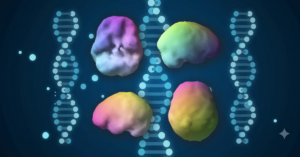
Brain SPECT imaging, which measures cerebellar blood flow and activity, shows that PTSD is associated with overactivity in the emotional centers of the brain. This overactivity seen on SPECT scans typically looks like a
diamond pattern that is also associated with an increased risk of other mental health issues.
OTHER MENTAL HEALTH CONSEQUENCES OF RAPE
PTSD isn’t the only psychological fallout associated with rape and other forms of sexual assault. Being the victim of this form of trauma is also linked to a heightened risk of a range of psychiatric issues, including:
Depression and anxiety.
Take a look at the findings of a
2019 study involving over 300 middle-aged women in
JAMA Internal Medicine, for example. In this study, 22% of the participants said they had been sexually assaulted, and the survivors were 3 times as likely to experience symptoms of major
depression and twice as likely to have
anxiety.
Suicidal thoughts and behaviors.
For some victims, the psychological impact of the incident is so powerful that they begin having
suicidal thoughts. A
2020 meta-analysis of dozens of studies with over 88,000 participants found a significantly greater prevalence of suicidal thoughts and behaviors among people with a history of sexual assault compared with those who had no such experiences. Specifically, over 27% of sexual assault survivors experienced
suicidality compared to just 9% of people with no history of assault.
This analysis confirms earlier research indicating a rise in suicidality following sexual assault. For example, a study in the
Archives of General Psychiatry indicates an increased risk of suicide attempts in women with a history of sexual assault. When the sexual trauma occurred before the age of 16, the rate of attempted suicide was 3-4 times higher.
Increased suicide risk also affects teens. Troubling findings in
JAMA Pediatrics point to an increased rate of suicide attempts among teenage females who have experienced recent dating violence and males who have been subjected to sexual assault.
Addictions.
A wealth of
research indicates that sexual assault and rape increase the risk of developing
substance abuse. Experts suggest that sexual assault victims may turn to alcohol or drugs to cope with the psychological distress that typically follows an attack.
Dementia and other brain disorders.
New
brain imaging research from the University of Pittsburgh shows that not only does sexual assault impact mental health, but it can also harm brain health. This 2021 study in
Brain Imaging and Behavior found that experiencing trauma, and especially sexual assault is associated with greater volumes of white matter hyperintensities (WMH), which are considered neuroimaging markers of
dementia, cognitive decline, stroke, and other brain disorders.
OVERCOMING PTSD ASSOCIATED WITH SEXUAL ASSAULT
If you’ve endured the trauma of a sexual assault and developed PTSD, it is possible to heal. In order to overcome PTSD related to rape—even if it occurred decades earlier—it’s critical to get a comprehensive assessment. SPECT can help you see if there are changes in blood flow or activity in the brain, such as the diamond pattern, that are typically associated with trauma and PTSD. Determining if you’re also suffering from other mental health issues—such as anxiety, depression, or substance abuse—is another critical part of the process to ensure you get the most targeted and effective treatment plan.
PTSD, anxiety, depression, and other mental health issues can’t wait. At Amen Clinics, we’re here for you. We offer in-clinic brain scanning and appointments, as well as mental telehealth, clinical evaluations, and therapy for adults, teens, children, and couples. Find out more by speaking to a specialist today at 888-288-9834 or visit our contact page here.