

Memory Problems and Dementia
Memory problems can occur at every stage of life and can impair learning, working, relationships, and even independence. Amen Clinics uses brain-imaging technology to help identify the root causes of memory loss and find solutions to improve memory and ward off dementia.
WHAT ARE MEMORY PROBLEMS AND DEMENTIA?
Losing track of time or forgetting to pay a bill every now and then does not necessarily mean your memory is failing. However, when remembering things becomes increasingly more difficult, or your thinking skills seem to be deteriorating, it may be a warning sign of dementia—a devastating and eventually debilitating neurological condition. Dementia is an umbrella term that refers to a category of progressive degenerative diseases that affect important brain functions and lead to memory loss, difficulty with language, cognitive impairment, and personality and behavior changes. Alzheimer’s disease is the most common and well-known type of dementia.
Who HAS MEMORY ISSUES?
It is estimated that there are 55 million people around the world living with some form of dementia, with a new person being diagnosed every 3 seconds. Globally and in the U.S., dementia is the 7th leading cause of death.
According to the Alzheimer’s Association, more than 6.9 million Americans currently have Alzheimer’s disease, and that number is expected to double by 2060. Millions more will experience other forms of dementia, and 75% of older adults will suffer from memory problems. Forgetfulness and memory loss are not only seen in the elderly. In the U.S., early onset Alzheimer’s disease affects approximately 300,000 people under the age of 65, many of whom are in their 30s and 40s. Those who develop frontal-temporal lobe dementia are usually diagnosed between the ages of 45 and 60. (See more on the various types of dementia and their symptoms below.)

COMMON SYMPTOMS OF MEMORY PROBLEMS AND DEMENTIA
- Forgetting recent conversations or events, names of people or objects, or appointments
- Losing or misplacing items like keys or glasses, or putting them in unusual places
- Getting lost in familiar places or on familiar journeys
- Forgetting how to do familiar tasks, like making a cup of tea, or having trouble finding the right word in a conversation
- Changes in mood or behavior for no clear reason
- Having trouble concentrating or following a conversation
- Having difficulty learning new things

UNTREATED MEMORY ISSUES INCREASE THE RISK OF:
- Occupational Problems
- Relationship Issues
- Academic Failure
- Poor Personal Hygiene
- Inability to Live Independently
- Difficulty Communicating
- Personality Changes
- Behavior Changes (including inappropriate conduct)

WHAT CAUSES MEMORY PROBLEMS?
Memory loss at any age is not normal—even for older people. It can affect children and young adults too. There are several factors that may contribute to memory problems and increase the risk for eventually developing dementia. They include:
- Family history of Alzheimer’s disease or other types of dementia
- Traumatic brain injury (TBI), including concussions
- Obesity and eating a poor diet
- Diabetes or prediabetes
- Alcoholism and substance abuse
- Depression, ADD/ADHD, and posttraumatic stress disorder (PTSD)
- Untreated sleep apnea
- Some medications
- Coronary artery disease, including heart problems
- Exposure to toxins
- Underactive thyroid
- Hypertension or prehypertension
- Periodontal (gum) disease
- Chronic inflammation
- Cancer/chemotherapy
- Lyme disease and other infections that can affect the brain

Why Choose Amen Clinics TO TREAT YOUR MEMORY PROBLEMS?
At Amen Clinics, we use brain SPECT imaging as part of a comprehensive evaluation that also includes lab testing and assessing the biological, psychological, social, and spiritual factors that may contribute to memory problems. Based on all of this information, we can identify the root causes of memory problems and develop a personalized treatment plan to reverse or slow down memory loss. Our Memory Rescue program has already helped thousands of patients improve their memory and cognitive abilities.
MEMORY-Challenged Brains Work Differently
Science now knows that the pathological processes of dementia start in the brain decades before symptoms become apparent. It is also recognized that unhealthy lifestyle practices have a significant impact on the risk for developing dementia. One of the great contributions of brain SPECT imaging is that it can show the abnormal patterns of dementia early in the course of the disease, and in some cases, even before noticeable symptoms emerge. Detection with SPECT gives people the opportunity to get treatment in the early stages when it will be most effective. SPECT can also reveal brain patterns associated with other conditions that can contribute to memory problems.
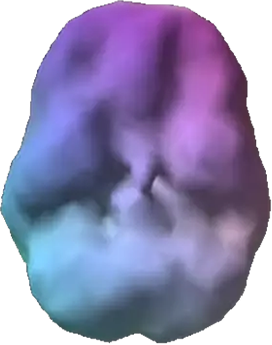
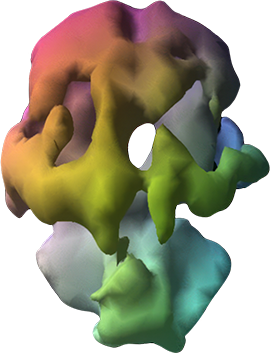
SPECT (single photon emission computed tomography) is a nuclear medicine study that evaluates activity (blood flow) in the brain. Basically, it shows three things: healthy activity, too little activity, or too much activity. The healthy surface brain SPECT scan on the top right, looking down from the top, shows full, even symmetrical activity. The Alzheimer’s disease brain scan below it reveals dramatically low overall activity and shows that the back half of the brain is profoundly deteriorated.
Healthy Brain Scan
Alzheimer’s Brain Scan
Common Types of Dementia and Related Symptoms
Dementia is an overarching term for several neurodegenerative conditions that progressively impair memory, cognitive function, and daily living skills. It can also affect a person’s emotions, behavior, and relationships. The following section provides greater detail on some of the more common types of dementia and the symptoms associated with them.
Type 1: Alzheimer’s Disease
Alzheimer’s disease (AD) accounts for 60-80% of dementia cases. Approximately 6.9 million people in the U.S are currently living with the disease, and that number is expected to double by the year 2060!
On SPECT scans, the signature brain pattern for Alzheimer’s is low activity in the posterior cingulate gyrus, parietal lobes, and temporal lobes. In later stages of Alzheimer’s, the low activity often extends into other areas of the brain, including the frontal lobes.
Recent autopsy research found that more than half of those who died from Alzheimer’s disease also had brain changes associated with one or more of the other dementia types.
Research has also shown that SPECT imaging can identify the abnormally low blood flow pattern of AD up to nine years before the onset of noticeable symptoms. This capacity of SPECT imaging is particularly valuable for anyone who has a family history of Alzheimer’s disease.
Common Symptoms in Alzheimer’s Disease:
- Memory loss
- Problems with numbers and mathematics
- Difficulty performing familiar tasks
- Problems constructing things
- Difficulty following directions
- Getting lost in previously familiar places
- Confusion with time, date, or location
- Difficulty interpreting what is seen
- Struggling with vocabulary, verbal expression, and following conversations
- Impaired judgment
- Changes in mood or personality
Type 2: Frontotemporal Dementia
Frontotemporal dementia, also known as frontal-temporal lobe dementia, is a neurodegenerative disease that affects the function of the frontal and temporal lobes, as its name suggests. This type of dementia causes decreased blood flow and low activity in these important areas of the brain that regulate thinking, language, behaving, impulse control, and memory. With this condition, the damage to the brain often starts in the front, so memory problems may not emerge until later in the course of the disease.
It’s estimated that about 5 percent of people with dementia have this type. Compared to Alzheimer’s disease, those with frontotemporal dementia are usually diagnosed at a younger age—between the ages of 45 and 60.
Sometimes this type of dementia is incorrectly diagnosed as late-onset bipolar disorder because some of the symptoms look similar, but the brain patterns for these two disorders are vastly different. Therefore, it is so important to use SPECT imaging to understand what is really going on in the brain.
Common Symptoms in Frontotemporal Dementia:
- Inappropriate and progressively declining behavior
- Loss of restraint/increased impulsivity
- Problems with language or speech, including aphasia
- Memory loss
- Cognitive difficulties
- Apathy
- Personality changes
- Compulsive and repetitive behavior
Type 3: Alcohol-Related Dementia
Alcohol-related dementia is caused by excessive use or abuse of alcohol—a substance that is toxic to the brain. Consequently, heavy long-term use of it impairs brain function over time, making the brain vulnerable to a progressively degenerative process.
With SPECT imaging, we typically see a widespread pattern of low blood flow in the brain of people with this condition. It is also thought that vitamin deficiencies (especially a lack of thiamine), which are commonly found in alcoholics, play an important role in alcohol- related dementia.
Common Symptoms of Alcohol-Related Dementia:
- Balance problems
- Memory loss
- Difficulty learning new things
- Clouded thinking
- Disorganization
- Social problems
- Loss of motivation or initiative
- Hallucinations
- Confabulation (making things up)
- Language problems
- Moodiness
- Personality changes
Type 4: Vascular Dementia
It is estimated that up to 10 percent of dementia patients are suffering from vascular dementia. This disease develops as a result of medical issues (such as strokes and transient ischemic attacks (TIAs) and mental health conditions, as well as lifestyle choices (such as poor diet) that inflame, damage, or cause blockages in blood vessels and consequently restrict blood flow in the brain. These include:
- High blood pressure
- Arthrosclerosis (hardening of the arteries)
- High cholesterol
- Diabetes
- Obesity
- Cerebral vascular (blood vessel) disease and stroke
- Lupus erythematosus
- Untreated obstructive sleep apnea
- Brain infections
- Traumatic brain injury
- Untreated depression
- Cigarette smoking
A sedentary lifestyle and lack of physical activity can also contribute to this condition.
With stroke, a person may develop dementia symptoms right afterward, depending on the area of the brain that has been damaged; however, symptoms can also develop over time as a result of the arterial disease affecting the brain. A person who has “mini strokes”—also known as TIAs that cause multiple small blockages in the brain—may also be vulnerable to vascular dementia.
Symptoms of vascular dementia can vary depending on which areas of the brain are most affected by the disease and may include several of the following:
- Thinking problems
- Confusion
- Poor reasoning and planning skills
- Difficulty with decision making
- Memory problems
- Poor concentration
- Difficulty with word-finding
- Difficulty in social situations
- Uncontrollable laughing or crying
- Restlessness or agitation
- Difficulty walking
- Urinary urgency or incontinence
SPECT imaging reveals areas of low blood flow, although the specific pattern for each person will vary based on the brain areas affected by vascular damage.
Type 5: Normal Pressure Hydrocephalus
Normal pressure hydrocephalus (NPH) is caused by an abnormal build-up of fluid in the brain, causing the ventricles to enlarge and press on areas of the brain involved with walking, bladder control, and cognitive processes. NPH causes symptoms that can mimic those seen in Alzheimer’s disease and Parkinson’s disease, so people suffering with NPH are often misdiagnosed. A SPECT scan can be extremely helpful in ruling out dementia so that a person with NPH can get the urgent medical attention and correct treatment needed for this potentially debilitating condition. If identified and treated early enough (before brain damage has occurred), the dementia-related symptoms of NPH can often be reversed.
Common Symptoms of Normal Pressure Hydrocephalus:
- Difficulty walking
- Slowed movements
- Loss of bladder control
- Memory problems
- Difficulty making decisions and planning
- Personality changes
- Behavior problems
- Apathy
Type 6: Pseudodementia
Pseudodementia is a condition in which a patient has another mental disorder—such as depression—yet has symptoms that mimic dementia (such as memory problems, apathy, and behavior changes) but does not actually have dementia. The role of SPECT imaging is important for revealing the underlying cause of symptoms since the treatment for depression is very different from that for dementia.
MEMORY LOSS EDUCATION & TESTIMONIALS


Actress Jennie Garth Having Trouble Remembering (Part 1)

Bestselling Author Jonny Bowden on Having ADHD & Memory Issues

Psychotherapist and Author Terri Cole on Emotional Eating & Memory Issues

Jolene Goring on Struggling with Focus & Memory

Dan Buettner Battling Memory Issues After a Concussion

About Memory Loss
WANT TO LEARN MORE? DOWNLOAD OUR MEMORY LOSS EBOOK