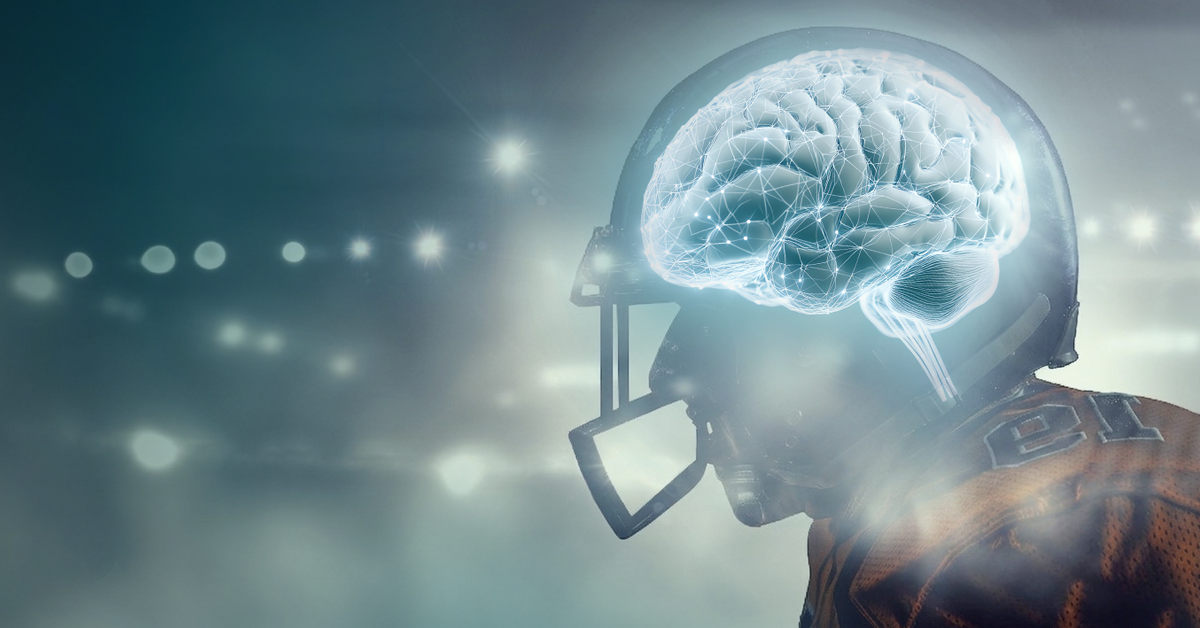
In the last decade, the question “What is CTE?” has been asked and searched online more than ever before. With a mix of curiosity, concern, and fear, this surge in interest in chronic traumatic encephalopathy has been fueled by gripping headlines about professional athletes, especially in contact sports, whose later-life struggles with mood, memory, speech, and behavior were linked to repeated head trauma. In fact, a landmark 2023 study showed that over 40 percent of young contact sport athletes who died before the age of 30 had evidence of CTE.
Rightfully so, everyone from parents and coaches to former players and clinicians want more clarity on this complex condition. Unfortunately, misinformation continues to make understanding what we know of CTE feel overwhelming. Many are forced to wonder what’s real, what’s speculation, and what truly matters to protect their brain.
This blog aims to cut through the noise and clarify what CTE is, what it isn’t, and how it truly affects the brain. By understanding CTE more accurately, you can take meaningful steps toward reducing risk, seeking appropriate evaluation, and accessing supportive care.
Medically reviewed by Kabran Chapek, ND, Amen Clinics
Chronic traumatic encephalopathy (CTE), is a progressive neurodegenerative condition linked to repeated traumatic brain injuries (TBIs), including both immediate concussive and not-so-immediate subconcussive hits. People with histories of contact sports participation or military service are at high risk.
Chronic traumatic encephalopathy (CTE), is a progressive neurodegenerative condition linked to repeated traumatic brain injuries (TBIs), including both immediate concussive and not-so-immediate subconcussive hits. It has been most often identified in people with histories of contact sports participation (especially football and boxing), military service, or other repetitive head impact exposure.
It’s important to know CTE is not simply a concussion. While concussions are a type of brain injury that may contribute to CTE risk, they are only one piece of a larger pattern of repeated head trauma believed to be an underlying cause of this condition.
CTE was first described in boxers in the early 20th century as “punch drunk” syndrome, and later brought into public awareness through high-profile neuropathological studies about former athletes. Today, it’s better understood as a condition characterized by abnormal changes in the brain that may progress over years or even decades.
So, what is CTE disease? At its core, CTE is a neurodegenerative tauopathy; essentially, a disease involving abnormal accumulation of the tau protein, a structural protein normally found inside neurons. In CTE, that protein becomes misfolded and accumulates around small blood vessels in the depths of the brain’s folds. Research shows that, over time, these deposits disrupt neural networks, which can block communication between cells and trigger inflammation.
The following three areas of the brain are impacted by CTE:
These changes can gradually interfere with cognitive processing, mood stability, behavior, and motor skills. The effects of these may show up as symptoms years after the initial injuries and trigger other neurological issues.
Football has been central to emerging CTE research. One shocking neuropathological study published in JAMA found rates of CTE as high as 99 percent in brains donated by former NFL players, where repeated collisions over seasons contribute to cumulative trauma. However, football is not the only sport where players experience CTE. The following sports have also shown significant impact on players’ brain health due to frequent head injury:
A 2022 study showed that military personnel exposed to blast injuries and physical abuse also had patterns consistent with CTE. This has helped researchers identify that risks are tied to repetitive trauma in general, rather than one sport or profession.
It’s critical to note that not everyone who plays football or other contact sports develops CTE. The relationship between exposure and disease is not absolute. Many factors, including genetics, age at the first exposure, and recovery time all influence the outcomes. If you have personal concerns about CTE risk for yourself or loved one, it’s important to talk to your doctor or medical professional about them.
CTE can only be formally diagnosed at autopsy. People found to have CTE often had histories of behavioral, cognitive, and mood changes during their life. However, since diagnosis happens post-mortem, symptoms are reported and associated with, not definitively caused by, CTE in living human beings. Reported CTE symptoms may include:
These experiences can feel deeply distressing, and they can also overlap with many treatable conditions such as depression, anxiety, PTSD, and post-concussion syndrome. For individuals suspecting CTE, it’s critical to get a full professional evaluation to rule out other conditions or diagnose co-occurring disorders.
CTE, concussion, traumatic brain injury (TBI), and dementia are all distinct neurological issues with some overlapping features. That’s why misunderstanding them can lead to unnecessary fear and delaying the right treatment. Here’s how to discern one from the other.
A concussion is an acute injury to the brain that typically resolves within days or weeks. On the other hand, CTE is thought to result from a snowball effect of repeated injuries over time, with symptoms emerging even years later.
A single moderate or severe traumatic brain injury (TBI) has lasting effects on your brain health, but it does not necessarily lead to CTE. Research shows that CTE is most strongly associated with repeated impact rather than isolated events.
A 2019 study showed that both Alzheimer’s disease and CTE involve abnormal proteins (tau and others) and can affect memory and thinking. The differences show in the patterns and locations of protein buildup.
Research shows that symptoms like emotional dysregulation or mood shifts may occur in PTSD or depression, which can also show up with CTE. These conditions are often clinically treatable, so there is a need for targeted evaluation rather than assuming CTE.
Recent research confirms that there are no diagnostic tests that can definitively confirm CTE in someone who is alive, although some protein biomarkers hold promise. Until more advancements are approved safe for human evaluations, the gold standard remains post-mortem examination of brain tissue. That being said, the research is evolving fast.
Scientists are studying these biomarkers and advanced imaging techniques could one day offer strong indicators of CTE pathology for the living. New approaches to brain imaging are supported by a study in the Frontiers in Neurology about PET scans targeting tau proteins, as well as diffusion MRI, and functional scans like SPECT. These are helping researchers spot changes linked to repeated head injuries, offering hope for earlier understanding and support. Many people with symptoms related to a history of head injuries may have other identifiable and treatable conditions, including:
These conditions are detectable and manageable with current clinical tools.
Advanced imaging, including single photon emission computed tomography (SPECT), can reveal functional brain patterns. This includes areas with reduced or excessive blood flow that correlate with history of head trauma, mood disorders, and cognitive symptoms. These insights can help guide personalized treatment plans based on how an individual’s brain is functioning rather than a clinician having to reference static images instead.
Unlike structural imaging (such as an MRI), which visualizes the anatomy of the brain, research shows that functional imaging, like SPECT, shows how your brain is working, not just what it looks like. That’s particularly helpful when structural scans appear normal despite significant symptoms.
Note: What imaging cannot do at the present moment is diagnose CTE with certainty in living human beings. A definitive diagnosis still requires post-mortem confirmation.
The seriousness of CTE underscores the need to understand risk; however, risk factors are not destiny. They should be used as a signal that it’s probable, not inevitable. Here are a few risk factors to keep in mind:
Spending years in activities like sports or combat that involve repeated head contact can increase the brain’s total exposure to injury over time. The longer this exposure continues, the more cumulative stress the brain may experience.
Research shows that for each concussion or repeated head impact, there is additional strain on brain cells and their connections. Over time, multiple injuries build on one another and raise the stress and risk level for lasting changes in brain function.
Starting contact sports at a young age can lengthen the period during which your brain is exposed to repeated impacts. Because the brain is still developing in childhood and adolescence, early exposure carries added vulnerability.
A 2025 study continues exploring whether certain genes related to inflammation and brain repair might influence who is more susceptible to long-term effects of CTE. While this science is still evolving, genetics may help explain why the outcomes differ from person to person.
Your brain needs adequate time to heal after any head injury, even a mild one. When impacts happen too close together, recovery is incomplete and increases the chance of ongoing damage and long-term issues.
If someone with a history of head trauma experiences persistent or worsening symptoms, it’s time for a professional evaluation. Early care for your concussion can make a measurable difference in quality of life. Here are some ways you can recognize when to seek help:
Ongoing irritability, depression, or anxiety can signal treatable brain or mental health concerns.
Any difficulties with concentration or memory that you find repetitive or did not happen before should be followed up immediately.
Research shows that sleep issues are an often overlooked but directly influential symptom of head trauma, so it deserves attention to promote healing.
Your loved ones can often detect shifts before you do, so take those cues and conversations seriously.
When everyday life becomes hard to manage where it wasn’t before, it’s time to partner with clinicians for support instead of relying on self-diagnosis.
At Amen Clinics, comprehensive evaluations include functional brain imaging, a thorough personal history, and clinical assessments to uncover patterns associated with past trauma, mood disorders, cognitive changes, and other treatable issues. These insights inform personalized treatment plans tailored to support brain function, improve mood, and enhance clarity, even without a definitive CTE diagnosis.
For example, our clinicians have often observed that individuals with a history of repeated head impacts show low blood flow in parts of the frontal lobes linked to impulse control and planning. A customized plan might address sleep, nutrition, stress, and brain stimulation strategies that support and optimize this area of the brain. In cases treated in this manner, our clinicians have observed improvements in symptoms and functional imaging over time. A holistic approach can make a meaningful difference.
Chronic traumatic encephalopathy is a complex, progressive brain condition associated with repeated head trauma, most commonly studied in athletes and individuals who experience repeated head injuries. While definitive diagnosis requires an autopsy confirmation, ongoing research into imaging and biomarkers will help accelerate understanding and intervention.
Any persistent symptoms deserve thorough evaluation from medical professionals because many underlying causes can be treatable, and early care has been shown to improve quality of life.
Remember that not all hope is lost. With personalized strategies, lifestyle adjustments, and professional support, you can strengthen your brain resilience and support your own well-being across your lifespan.
No. Many people with repeated head injuries don’t develop CTE. The risk involves multiple factors like total exposure, recovery, and your individual biology.
Yes. Symptoms associated with CTE can emerge long after the initial injury, sometimes decades later. That’s why regular physicals and early treatment are so important.
Not necessarily. Similar changes occur in depression, anxiety, PTSD, and other treatable conditions, so it’s essential to talk to your doctor about what those changes could mean.
There’s no guaranteed prevention, but reducing impact on your head and neck, ensuring the best recovery after any injuries, and using protective equipment may lower your risk.
No, but they can share similar symptoms in certain people. While both involve brain changes, they differ in pathology, progression, and typical clinical patterns.
Traumatic brain injury, repeated concussions, and other mental health conditions can’t wait. At Amen Clinics, we provide personalized, science-backed treatment plans designed to target the root causes of your symptoms. Our 360-approach includes brain SPECT imaging, clinical evaluations, innovative therapeutic techniques, medications (when necessary), and holistic lifestyle recommendations to promote the health of your brain, body, and mind. Speak to a specialist today at 888-288-9834 or visit our contact page here.
McKee AC, Mez J, Abdolmohammadi B, et al. Neuropathologic and Clinical Findings in Young Contact Sport Athletes Exposed to Repetitive Head Impacts. JAMA Neurol. 2023;80(10):1037–1050. doi:10.1001/jamaneurol.2023.2907
Safinia, C., Bershad, E. M., Clark, H. B., SantaCruz, K., Alakbarova, N., Suarez, J. I., & Divani, A. A. (2016). Chronic Traumatic Encephalopathy in Athletes Involved with High-impact Sports. Journal of vascular and interventional neurology, 9(2), 34–48. https://pmc.ncbi.nlm.nih.gov/articles/PMC5094259/
Orsini, F., Pollice, G., Carpano, F., Cipolloni, L., Cioffi, A., Cecannecchia, C., Bibbò, R., & De Simone, S. (2025). Advances in Understanding Chronic Traumatic Encephalopathy: A Systematic Review of Clinical and Pathological Evidence. Forensic Sciences, 5(3), 33. https://doi.org/10.3390/forensicsci5030033
Mez J, Daneshvar DH, Kiernan PT, et al. Clinicopathological Evaluation of Chronic Traumatic Encephalopathy in Players of American Football. JAMA. 2017;318(4):360–370. doi:10.1001/jama.2017.8334
Priemer, D. S., Iacono, D., Rhodes, C. H., et al. (2022). Chronic traumatic encephalopathy in the brains of military personnel. New England Journal of Medicine, 386, 2169–2177. https://doi.org/10.1056/NEJMoa2203199
Zedde, M., Piazza, F., & Pascarella, R. (2025). Traumatic Brain Injury and Chronic Traumatic Encephalopathy: Not Only Trigger for Neurodegeneration but Also for Cerebral Amyloid Angiopathy?. Biomedicines, 13(4), 881. https://doi.org/10.3390/biomedicines13040881
Katsumoto, A., Takeuchi, H., & Tanaka, F. (2019). Tau Pathology in Chronic Traumatic Encephalopathy and Alzheimer’s Disease: Similarities and Differences. Frontiers in neurology, 10, 980. https://doi.org/10.3389/fneur.2019.00980
Timmer-Murillo, S., Schramm, A. T., Geier, T. J., Mcleod, E., Larson, C. L., & deRoon-Cassini, T. A. (2023). Facets of emotion dysregulation differentially predict depression and PTSD symptom severity following traumatic injury. European journal of psychotraumatology, 14(2), 2193524. https://doi.org/10.1080/20008066.2023.2193524
Halicki, M. J., Hind, K., & Chazot, P. L. (2023). Blood-Based Biomarkers in the Diagnosis of Chronic Traumatic Encephalopathy: Research to Date and Future Directions. International journal of molecular sciences, 24(16), 12556. https://doi.org/10.3390/ijms241612556
Giarratana, A. O. (2025). From imaging to intervention: emerging potential of PET biomarkers to shape therapeutic strategies for TBI-induced neurodegeneration. Frontiers in Neurology, 16. https://www.frontiersin.org/journals/neurology/articles/10.3389/fneur.2025.1637243
Amen, D. G., & Easton, M. (2021). A new way forward: How brain SPECT imaging can improve outcomes and transform mental health care into brain health care. Frontiers in Psychiatry, 12. https://doi.org/10.3389/fpsyt.2021.715315
Khan, S., & Talley, L. (2025). Beyond the Hit: The Hidden Costs of Repetitive Head Trauma. Neuroscience insights, 20, 26331055251316315. https://doi.org/10.1177/26331055251316315
Hartman, S., Aytan, N., Nicks, R. et al. Genetic variation in TMEM106B alters microglial activation and cytokine responses in chronic traumatic encephalopathy. Acta Neuropathol150, 54 (2025). https://doi.org/10.1007/s00401-025-02955-7
Lucke-Wold, B. P., Smith, K. E., Nguyen, L., Turner, R. C., Logsdon, A. F., Jackson, G. J., Huber, J. D., Rosen, C. L., & Miller, D. B. (2015). Sleep disruption and the sequelae associated with traumatic brain injury. Neuroscience and biobehavioral reviews, 55, 68–77. https://doi.org/10.1016/j.neubiorev.2015.04.010