

Brain Fog Treatment Starts with Finding the Cause.
If you’re struggling with brain fog and aren’t finding answers, it may be time to look at your brain. At Amen Clinics, we go beyond symptoms to identify the underlying factors that may be contributing to brain fog, helping you find a more personalized path to better focus, memory, and mental clarity.

Learn How Amen Clinics Can Help Treat Your Brain Fog
Brain fog treatment depends on what is causing the symptoms, which include trouble concentrating, forgetfulness, slow thinking, mental fatigue, confusion, or difficulty finding words. While brain fog is not a mental health diagnosis itself, it is a common symptom that can interfere with work, relationships, and daily life.
Brain fog causes can include mental health issues, medical conditions, cognitive problems, lifestyle habits, and more. Because so many factors can contribute to brain fog, treatment should begin with a professional evaluation to identify potential underlying causes.
What is Brain Fog?
Brain fog is a group of symptoms that can make it harder to think clearly, focus, remember information, process tasks, or feel mentally sharp. It is a common term people use to describe cognitive problems or a feeling of mental fatigue.
Although many people experience brain fog, it is not considered an official mental health diagnosis. Instead, it may be a symptom of an underlying mental health condition, physical health issue, or cognitive problem.
Brain fog symptoms can affect focus, memory, processing speed, mental clarity, word recall, organization, decision-making, and mental stamina. Some people describe it as feeling mentally sluggish, distracted, forgetful, or “not like themselves.”
Depending on the underlying cause, brain fog can be temporary, recurring, or persistent. It may develop gradually or appear suddenly after illness, stress, poor sleep, hormonal changes, injury, or other health challenges.
Most importantly, brain fog is not laziness, lack of intelligence, or a character flaw. It is a real experience that may signal an underlying issue affecting brain function and overall health.

Brain Fog Symptoms
Brain fog symptoms can vary from person to person. Some people feel mildly distracted, while others struggle to complete everyday tasks or keep up with normal responsibilities.
Common brain fog symptoms may include:
- Trouble concentrating
- Forgetfulness
- Losing your train of thought
- Mental fatigue
- Confusion
- Slower thinking
- Difficulty finding words
- Trouble completing familiar tasks
- Poor short-term memory
- Difficulty problem-solving
- Feeling mentally “cloudy” or disconnected
- Difficulty processing information
- Trouble with planning or organization
- Low motivation or reduced productivity
- Feeling overwhelmed by normal responsibilities
Sudden confusion, slurred speech, facial drooping, severe headache, weakness on one side of the body, chest pain, or sudden neurological changes should be treated as urgent and evaluated immediately.
Brain Fog Causes
Brain fog causes vary widely, which is why treatment should not be one-size-fits-all. The same symptom, such as poor focus or forgetfulness, can come from different brain, body, lifestyle, or mental health factors, such as:
Anxiety, depression, and chronic stress are common causes of brain fog. When the brain is under ongoing emotional stress, it can become harder to focus, remember information, process thoughts efficiently, stay organized, or maintain motivation.
Many people with anxiety-related brain fog describe feeling distracted, overwhelmed, mentally exhausted, or unable to concentrate. According to studies, anxiety is taxing on a person’s mental resources, leaving fewer resources for cognitive functions.
Depression, anxiety, and chronic stress are common causes of brain fog. When the brain is under ongoing emotional stress, it can become harder to focus, remember information, process thoughts efficiently, stay organized, or maintain motivation.
Depression can also affect attention, memory, decision-making, processing speed, and mental energy, making everyday tasks feel more difficult. Research shows that cognitive symptoms are present up to 94% of the time during depressive episodes.
Chronic stress, anxiety, and depression are common causes of brain fog. When the brain is under ongoing emotional stress, it can become harder to focus, remember information, process thoughts efficiently, stay organized, or maintain motivation.

Brain fog is also commonly reported by people with PTSD, according to research. Hypervigilance, sleep disruption, intrusive thoughts, and chronic stress responses can place a significant burden on the brain, contributing to difficulties with concentration, memory, and mental clarity.

ADHD is another possible cause of brain fog, according to scientific findings. Many people with ADHD experience difficulties with attention, organization, planning, and completing tasks, which can create a constant feeling of mental clutter or overwhelm.

ADHD brain fog may include distractibility, forgetting important details, and losing track of conversations. Some people also experience mental restlessness, where their thoughts feel scattered or constantly pulled in different directions.
Executive functions are the brain’s management system, helping you organize information, prioritize responsibilities, regulate attention, and follow through on goals. When executive function is impaired, everyday activities can require significantly more mental effort, leading to frustration, reduced productivity, and symptoms often described as brain fog.
At Amen Clinics, our brain-imaging work has identified seven distinct brain patterns associated with ADHD. Two people with similar brain fog symptoms may have different underlying brain activity patterns and may benefit from different treatment approaches.
Alcohol and drug use can have a significant impact on mental clarity, attention, memory, and decision-making. Depending on the substance, brain fog may develop during use, while recovering from use, or as part of longer-term changes in brain function.
Substances that can negatively impact the brain include:
- Alcohol
- Marijuana
- Sedatives
- Opioids
- Stimulants
In some cases, substance use may worsen existing mental health symptoms, sleep problems, or cognitive difficulties that contribute to brain fog.
Brain fog can sometimes be linked to inflammation, infections, or exposure to environmental toxins. Research shows that many people have reported brain fog following illnesses such as COVID-19, including long COVID, as well as infections like Lyme disease. Autoimmune conditions and chronic inflammatory processes may also affect brain function and contribute to cognitive symptoms. Environmental factors can play a role as well. Exposure to toxic mold, heavy metals, chemicals, or other toxins has been associated with neuropsychological symptoms that may include brain fog, poor concentration, memory difficulties, mood swings, personality changes, and reduced mental clarity.

Hormonal imbalances can have a significant impact on brain function and are a potential cause of brain fog.
- Thyroid disorders are well-known for causing symptoms such as forgetfulness, slower thinking, mental fatigue, and difficulty focusing.
- Cortisol changes, the body’s primary stress hormone, can also affect attention, memory, and emotional well-being.
- Perimenopause, menopause, pregnancy, and the postpartum period, when hormone levels fluctuate, are associated with brain fog. These hormonal shifts may contribute to memory lapses, difficulty concentrating, reduced mental sharpness, and feeling mentally overwhelmed.
Hormonal issues can also mimic or worsen symptoms associated with anxiety, depression, mood swings, and brain fog.
Sleep plays a critical role in memory, learning, attention, and overall brain function. When sleep is disrupted, the brain may struggle to process information efficiently, leading to symptoms commonly described as brain fog.

Insomnia, poor sleep quality, irregular sleep schedules, and chronic fatigue can all contribute to difficulty concentrating, forgetfulness, slower thinking, and reduced mental stamina.
Sleep apnea is another important consideration. This common but often undiagnosed condition can reduce oxygen flow and repeatedly interrupt sleep, leaving people feeling mentally exhausted and cognitively impaired even after spending enough time in bed.
What you eat and how you care for your body can have a major impact on brain function. Poor nutrition, dehydration, blood sugar fluctuations, and other lifestyle factors can contribute to brain fog, mental fatigue, difficulty concentrating, and reduced mental performance.

- Blood sugar imbalances: When blood sugar levels rise and fall rapidly, some people experience symptoms such as mental sluggishness, irritability, poor focus, and difficulty processing information. Skipping meals, consuming highly processed foods, or following an unbalanced diet may make these symptoms worse.
- Nutrient deficiencies: Low levels of key nutrients, such as vitamin B12, vitamin D, iron, and omega-3 fatty acids, may contribute to memory problems, fatigue, and difficulty concentrating in some individuals.
- Dehydration: Even mild dehydration can impair cognitive function.
- Lifestyle factors: Everyday habits, such as excessive screen time and physical inactivity can further affect brain health and mental clarity.
Brain fog can sometimes be caused by medications or underlying medical conditions that affect brain function. Certain medications are known to contribute to cognitive symptoms in some people.

These may include:
- Chemotherapy treatments
- Sedating medications
- Antihistamines
- Pain medications
- Sleep aids
- Other drugs that affect the central nervous system
A variety of medical conditions that can affect the central nervous system:
- Diabetes
- Low blood sugar
- Autoimmune disorders
- Chronic illnesses
- Neurological conditions
There are many other health concerns that may interfere with the brain’s ability to function at its best.
Some causes of brain fog may be temporary and relatively easy to address. Others may require a more comprehensive evaluation to identify contributing factors and develop an appropriate treatment plan.
Understanding the underlying cause is one of the most important steps in finding effective brain fog treatment.
When to Seek Help for Brain Fog
Occasional mental fatigue can happen to anyone. However, persistent or worsening brain fog may be a sign that an underlying issue needs attention.
- Brain fog symptoms last more than a few weeks
- Symptoms interfere with work, school, parenting, relationships, or daily responsibilities
- Memory problems are becoming more frequent or worsening over time
- You feel confused, disoriented, or have difficulty functioning normally
- A loved one notices changes in your memory, thinking, mood, or behavior
- Symptoms began after a head injury, infection, toxin exposure, or medication change
- Brain fog occurs alongside depression, anxiety, panic attacks, sleep disruption, or significant fatigue
- You are concerned about dementia, cognitive decline, or changes in brain function
Seeking help does not mean something serious is necessarily wrong. It means taking symptoms seriously enough to understand what may be contributing to them and what steps can be taken to support better brain health.
Seek emergency medical care immediately if you experience sudden confusion, slurred speech, dizziness, facial drooping, weakness on one side of the body, a severe headache, chest pain, or other sudden neurological changes.
Brain fog can be frustrating, especially when you are trying hard to feel better but still struggle with focus, memory, mental clarity, or energy. These symptoms deserve answers, not guesswork.
Brain fog is not a character flaw, a lack of willpower, or a sign that you are weak. In many cases, it may be a signal that something is affecting brain function, overall health, or both.
At Amen Clinics, we take a brain health first, whole-body approach to understanding what may be contributing to cognitive symptoms. Our goal is to look beyond surface-level symptoms and identify factors that may be affecting the way your brain functions.
Treatment recommendations are personalized and may include:
- Natural brain health strategies
- Nutrition and lifestyle changes
- Targeted supplements when appropriate
- Therapy or coaching support
- Sleep optimization
- Medication when clinically necessary
- Treatment for underlying medical or mental health concerns

While every person’s situation is different, brain function can improve with the right interventions. The key is understanding what may be contributing to the symptoms and creating a plan tailored to your unique needs.

Our Brain-Based Approach to Brain Fog Treatment
At Amen Clinics, we practice precision medicine, using brain SPECT imaging and comprehensive evaluations to better understand what may be fueling your symptoms. By looking deeper at the factors that may be contributing to brain fog, we can develop personalized recommendations designed to support better focus, memory, mental clarity, and overall brain health.
A key part of our approach is brain SPECT imaging, which measures blood flow and activity patterns in the brain. SPECT is used as one component of a broader evaluation, not as a stand-alone diagnosis. The information it provides may help clinicians better understand patterns of brain function that can inform a more personalized treatment plan.
With decades of clinical experience and the world’s largest database of functional brain scans related to psychiatry, Amen Clinics has developed a unique understanding of how different patterns of brain activity may relate to cognitive, emotional, and behavioral symptoms. This helps explain why two people with similar complaints may require different treatment strategies.
Because brain fog can have many contributing factors, treatment plans at Amen Clinics are individualized. Our whole-body approach to holistic psychiatry combines cutting-edge neuroscience with natural ways to support mental health and brain health.
Treatment Recommendations May Include:
- Targeted nutrition strategies
- Personalized supplement recommendations
- Sleep optimization
- Exercise and lifestyle interventions
- Stress management techniques
- Therapy and behavioral health support
- Medication when clinically appropriate
- Treatment of underlying medical, hormonal, inflammatory, or cognitive concerns
Our brain health first philosophy focuses on identifying root causes and contributing factors whenever possible. The goal is to help support healthier brain function, improve mental clarity, and create a personalized path toward better cognitive and emotional well-being.
Common Brain Fog Treatment Options
There is no single brain fog treatment that works for everyone. What helps one person may not be appropriate for someone else with similar complaints. Getting the most effective treatment depends on the underlying causes.
Because brain fog is often a symptom rather than a diagnosis, treatment should focus on identifying and addressing the underlying cause whenever possible.
Depending on the contributing factors, treatment may include:
- Treatment for depression, anxiety, ADHD, PTSD, or other mental health conditions
- Treatment for infections or inflammation when present
- Treatment and recovery support for alcohol or substance use disorders
- Evaluation and treatment for sleep disorders, such as insomnia or sleep apnea
- Hormone testing and treatment for hormonal imbalances
- Medication reviews to identify drugs that may contribute to brain fog
- Laboratory testing to evaluate nutritional deficiencies, thyroid function, blood sugar issues, and other metabolic concerns
Addressing the root cause of brain fog often provides the best opportunity for meaningful and lasting improvement in focus, memory, and mental clarity.
Chronic stress and untreated mental health concerns can contribute to brain fog by affecting attention, memory, processing speed, motivation, and mental clarity. For many people, addressing emotional health is an important part of improving cognitive function.
Approaches that may help reduce stress and support brain health include:
- Individual therapy or counseling
- Mindfulness and meditation practices
- Breathwork and other relaxation techniques
- Establishing structured daily routines
- Building healthy coping skills for managing stress
When clinically appropriate, treatment for anxiety, depression, trauma, PTSD, ADHD, or other mental health conditions may also help reduce symptoms of brain fog and improve overall quality of life.
Supporting both mental and emotional well-being can help create a stronger foundation for focus, resilience, and healthier brain function.
Because sleep plays a critical role in memory, attention, and cognitive performance, improving sleep quality is often an important part of brain fog treatment.
Strategies that may help support healthy sleep and circadian rhythms include:
- Maintaining consistent sleep and wake times, even on weekends
- Getting evaluated for sleep apnea or other sleep disorders when indicated
- Reducing screen exposure before bedtime
- Avoiding alcohol close to bedtime, which can disrupt sleep quality
- Creating a calming bedtime routine that promotes relaxation and restorative sleep
For many people, improving sleep can lead to better focus, mental clarity, memory, energy levels, and overall brain function.
Nutrition can have a significant impact on energy levels, mental clarity, focus, and cognitive performance. For some people, improving eating habits and stabilizing blood sugar levels may help reduce symptoms of brain fog.
Strategies that may support brain health include:
- Eating balanced meals throughout the day
- Including adequate protein to support stable energy and focus
- Incorporating healthy fats that support brain function
- Staying well-hydrated
- Reducing ultra-processed foods and excess added sugars
- Identifying potential food sensitivities or dietary triggers when appropriate
While nutrition can play an important role in brain health, it is important to be cautious about extreme diet claims or one-size-fits-all solutions. The best approach is often a targeted eating plan that supports overall health and individual needs.
Healthy lifestyle habits can play an important role in supporting brain function, mental clarity, and overall cognitive health. Regular physical activity and meaningful daily engagement may help improve focus, energy, mood, and mental performance.
Brain-healthy habits may include:
- Regular movement throughout the day
- Aerobic exercise, such as walking, cycling, or swimming
- Strength training to support overall health and healthy aging
- Spending time outdoors and getting natural sunlight exposure
- Maintaining social connections with family, friends, and community
- Engaging in cognitively stimulating activities, such as learning new skills, reading, puzzles, or creative pursuits
While lifestyle changes may not address every cause of brain fog, they can help support healthier brain function and may complement other treatment strategies when appropriate.
Depending on the underlying cause of brain fog, targeted supplements or medications may be recommended as part of a comprehensive treatment plan.
Some people may benefit from targeted supplements that address nutritional deficiencies or support overall brain health. In some cases, medication may be appropriate when brain fog is linked to conditions such as depression, ADHD, inflammation, or other medical or mental health concerns.
Decisions about supplements and medications should be made with a qualified healthcare provider who can evaluate potential benefits, risks, interactions, and individual needs.
Why One-Size-Fits-All Treatment for Brain Fog Can Fall Short
Two people can both describe having “brain fog” but have very different underlying causes. That is one reason why a one-size-fits-all approach does not always provide lasting results.
For example, one person may be struggling with depression, low energy, and poor sleep. Another may have ADHD-related symptoms, anxiety, overthinking, poor working memory, and difficulty staying organized.
Someone else may be dealing with hormonal imbalances, mold or toxin exposure, post-viral symptoms, medication side effects, unresolved head trauma, or another medical issue affecting brain function.
When treatment focuses only on symptoms, these important differences can be overlooked. As a result, people with similar complaints may receive the same recommendations even though the factors driving their brain fog are very different.
At Amen Clinics, we look deeper. Using brain SPECT imaging and comprehensive evaluations, we seek to identify patterns that may be contributing to brain fog so we can develop a more personalized plan to support better focus, memory, mental clarity, and overall brain health.
What a Personalized Brain Fog Treatment Plan May Include
Because brain fog can have many different causes, treatment plans should be tailored to the individual. The most effective approach often addresses the health of the brain, body, and mind—not just the symptoms themselves.
Depending on the underlying factors involved, a personalized brain fog treatment plan may include:
- Treatment for anxiety, depression, ADHD, PTSD, or other mental health conditions
- Brain-healthy nutrition strategies to support cognitive function
- Targeted supplements when clinically appropriate
- Therapy, counseling, or coaching support
- Addiction recovery guidance and treatment when necessary
- Exercise recommendations and lifestyle planning
- Sleep hygiene strategies and treatment for sleep-related issues
- Medication when clinically necessary
- Ongoing follow-up visits and treatment adjustments based on progress
At Amen Clinics, treatment plans are designed around each person’s unique needs, symptoms, health history, and brain function patterns. The goal is to support healthier brain function, improve mental clarity, and help people perform at their best in everyday life.

Natural strategies can be an important part of brain fog treatment, especially when they support better sleep, energy, mood, focus, and overall brain health.
Helpful brain-healthy habits may include:
- Prioritizing quality sleep
- Hydrating consistently throughout the day
- Eating balanced, brain-healthy meals
- Stabilizing blood sugar with regular meals and healthy snacks when needed
- Moving your body daily
- Getting morning light exposure to support circadian rhythm
- Reducing or eliminating alcohol, marijuana, and other substances
- Taking breaks from long periods of screen time
- Practicing stress reduction techniques
- Staying socially connected
- Addressing possible nutrient deficiencies with professional guidance
- Tracking triggers such as poor sleep, certain foods, stress, cycle changes, or medication timing
These strategies are not a replacement for professional care when brain fog is persistent, worsening, or interfering with daily life. However, they can help support the health of the brain, body, and mind as part of a personalized treatment plan.

When meeting with a mental health professional or other healthcare provider, you may want to ask the following questions:
- What is brain fog, and is it a symptom of something else?
- Could my brain fog be related to sleep, hormones, blood sugar, medication, stress, anxiety, depression, ADHD, or infection?
- Should I be evaluated for sleep apnea, thyroid problems, vitamin deficiencies, or inflammation?
- Could past head trauma or toxin exposure be contributing?
- What tests or evaluations are appropriate?
- Are natural strategies enough, or do I need clinical treatment?
- How will we measure improvement?
- When should I follow up if symptoms do not improve?

Who Can Benefit from a Brain Health Evaluation?
A brain health evaluation may be helpful for anyone experiencing persistent brain fog, cognitive symptoms, or concerns about their mental performance.
You May Benefit from a Brain Health Evaluation if:
- Struggle with ongoing brain fog, mental fatigue, or poor concentration
- Experience memory problems or increasing forgetfulness
- Have difficulty with focus, organization, planning, or productivity
- Feel mentally slower than usual or have trouble processing information
- Notice changes in cognitive function after a head injury, illness, infection, or toxin exposure
- Have anxiety, depression, ADHD, PTSD, or other mental health concerns along with brain fog
- Experience sleep problems, chronic stress, or persistent fatigue
- Suspect hormonal, nutritional, metabolic, or inflammatory factors may be affecting your thinking
- Have concerns about cognitive decline or changes in memory
- Want a more comprehensive understanding of your brain health and cognitive function
At Amen Clinics, we help people of all ages identify factors that may be affecting brain performance so they can take steps toward better focus, memory, mental clarity, and overall brain health.
Why Professional Evaluation Matters for Brain Fog
Because the potential causes of brain fog are so varied, treating brain fog without understanding what is driving it can delay the right care. What appears to be stress, anxiety, ADHD, depression, or normal aging may actually have a different underlying explanation.
A professional evaluation that includes functional brain imaging can help identify or rule out medical contributors before assumptions are made about the cause of symptoms. Looking at both brain and body factors often provides a more complete picture of what may be affecting cognitive function.

What’s Included in an Amen Clinics Brain Fog Evaluation?
Amen Clinics takes a whole-body approach to treating brain fog, while traditional approaches often focus primarily on a brief symptom review.
What You’ll Learn from Your Amen Clinics Evaluation
After your evaluation, you’ll have a clearer understanding of the factors that may be contributing to your brain fog symptoms and why previous approaches may not have provided lasting results.
For example, you may learn:
- Whether anxiety, depression, ADHD, PTSD, sleep problems, or other mental health concerns are contributing to your symptoms
- If previous head injuries, infections, inflammation, toxin exposure, hormonal imbalances, or other health factors may be affecting brain function
- Whether lifestyle habits, nutrition, sleep quality, stress, or substance use may be impacting your focus, memory, and mental clarity
- Which brain health strategies may be most appropriate for your specific symptom pattern
- Whether targeted supplements may help support your brain health goals
- If additional testing, medical evaluation, or specialist referrals may be beneficial
- Which combination of therapies, lifestyle changes, supplements, and medications may be best suited to your needs

Most importantly, you’ll leave with a more personalized understanding of what may be affecting your brain function and a roadmap designed to support better focus, memory, mental clarity, and overall brain health.
Get an EvaluationHow Brain SPECT Imaging May Help Explain Brain Fog Symptoms
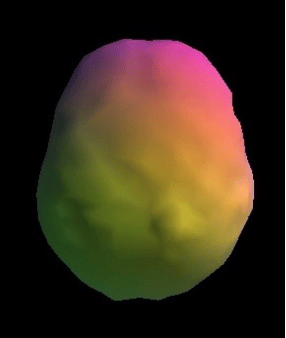
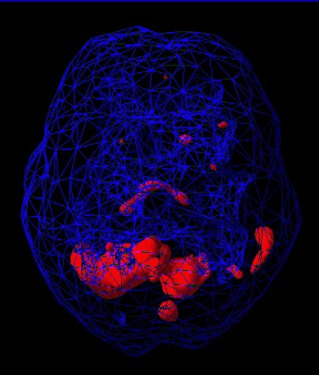
Brain SPECT imaging, or single photon emission computed tomography, is a functional brain imaging tool that measures blood flow and activity patterns in the brain.
Brain fog may involve brain systems related to attention, memory, mood, processing speed, sleep regulation, and executive function. Because these systems can be affected in different ways, similar symptoms may reflect different underlying brain patterns.
For example:
- Low prefrontal cortex activity may be associated with focus, planning, and organization issues
- Overactive stress or anxiety patterns may contribute to racing thoughts, mental tension, and poor concentration
- Head injury patterns may contribute to memory problems, slower processing, or reduced mental stamina
- Toxic or inflammatory patterns may affect mental clarity, energy, and cognitive endurance
Brain SPECT imaging is most effective when it is paired with clinical evaluation, medical history, symptom questionnaires, lab testing, and other assessments when appropriate.
Brain SPECT imaging can help move the conversation from “What symptoms do you have?” to “What patterns may be affecting the way your brain functions?” This may help clinicians create a more personalized brain fog treatment plan based on the individual’s unique brain and body factors.
Healthy SPECT Scan
Heavy Alcohol Use SPECT Scan

Healthy Active SPECT Scan
Anxiety SPECT Scan

Speak to a Brain Health Advisor Today
Call us Monday–Friday, 5 AM–5 PM (PST) at 949-427-8195. Our brain health advisors are here to listen, answer your questions, and guide you forward. Contact us today to take the first step!
Call Now

Frequently Asked Questions
Brain fog is a group of symptoms that can affect thinking, focus, memory, mental clarity, processing speed, and attention. It is not an official diagnosis by itself, but it can be a sign of an underlying brain, body, lifestyle, or mental health issue.
Common brain fog symptoms include trouble concentrating, forgetfulness, mental fatigue, confusion, slow thinking, difficulty finding words, poor focus, and feeling mentally cloudy or disconnected.
Brain fog causes may include poor sleep, stress, anxiety, depression, ADHD, substance use, hormonal changes, blood sugar issues, medication side effects, infections, long COVID, chronic inflammation, toxic exposure, nutritional deficiencies, or other medical conditions.
The best brain fog treatment depends on the underlying cause. Understanding what is happening in the brain helps determine the root cause.
A personalized brain-based plan may include sleep support, nutrition changes, stress reduction, treatment for anxiety or depression, ADHD care, hormone evaluation, medical testing, supplements, therapy, addiction recovery, or medication when appropriate.
Brain fog may improve when the underlying cause is identified and treated. Some cases are temporary, while others may be persistent or recurring. Professional evaluation is important when symptoms interfere with daily life or continue over time.
Yes. Anxiety and depression can affect concentration, memory, energy, motivation, and processing speed. However, brain fog can have many causes, so it is important to evaluate both mental health and medical contributors.
Amen Clinics uses a brain health first, whole-body approach that may include brain SPECT imaging, clinical history, cognitive concerns, questionnaires, lifestyle review, and additional testing or referrals when appropriate.
The goal is to better understand the brain and body factors that may be contributing to symptoms. This allows clinicians to develop a more personalized and effective treatment plan.
Seek professional help if brain fog is persistent, worsening, interfering with daily life, or occurs with new neurological symptoms, severe mood changes, head injury, toxin exposure, or concerns about memory loss.

Medical Director of Amen Clinics
Dr. Kandace Licciardi is a double board-certified psychiatrist in Adult and Forensic Psychiatry. She takes a comprehensive, whole-person approach to care that integrates evidence-based psychiatry with lifestyle and brain health strategies. Dr. Licciardi has extensive experience treating complex psychiatric conditions, including mood disorders, psychosis, and cognitive and behavioral health concerns.
Gonda, X., Pompili, M., Serafini, G. et al. The role of cognitive dysfunction in the symptoms and remission from depression. Ann Gen Psychiatry 14, 27 (2015). https://doi.org/10.1186/s12991-015-0068-9
Sarigiannidis, Ioannis et al. “Does overloading cognitive resources mimic the impact of anxiety on temporal cognition?.” Journal of experimental psychology. Learning, memory, and cognition vol. 46,10 (2020): 1828-1835. doi:10.1037/xlm0000845
Sanger, Brahm D et al. “Brain Fog and Cognitive Dysfunction in Posttraumatic Stress Disorder: An Evidence-Based Review.” Psychology research and behavior management vol. 18 589-606. 12 Mar. 2025, doi:10.2147/PRBM.S461173
Natalie Elisani Aldahondo-Matos. A Functional Nutrition Literature Review for Brain Fog and ADHD-Like Symptoms in Adults. NSU Florida. https://nsuworks.nova.edu/hpd_com_nutrition/44/
Harding, Cheryl F et al. “Differential effects of exposure to toxic or nontoxic mold spores on brain inflammation and Morris water maze performance.” Behavioural brain research vol. 442 (2023): 114294. doi:10.1016/j.bbr.2023.114294
Kavanagh, Emma. “Long Covid brain fog: a neuroinflammation phenomenon?.” Oxford open immunology vol. 3,1 iqac007. 27 Sep. 2022, doi:10.1093/oxfimm/iqac007