
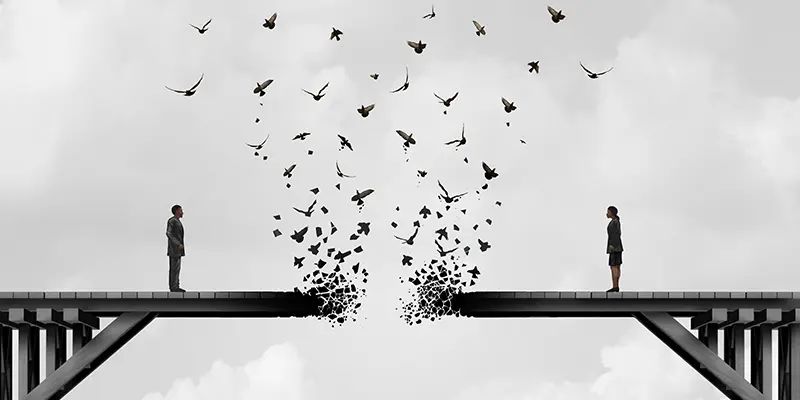
3 Surprising Ways Trauma Contributes to Marital Conflict
If you’ve ever gone through something traumatic, such as childhood abuse or neglect, a natural disaster, a violent assault, a hate crime, or a pandemic, you know that you don’t just shake it off and move on. Trauma has a way of sticking in your brain, seeping into your unconscious mind, and sparking your nervous system. Adverse childhood experiences or traumatic events in adulthood can have a lasting negative impact on your life and can lead to the development of internal “Wounded Dragons.”
In his book Your Brain Is Always Listening, Dr. Daniel Amen writes that these inner “dragons from the past” arise from trauma. They breathe fire on the emotional brain (amygdala), driving anxiety, panic, depression, anger, negative thinking, numbness, and irrational behavior. The Wounded Dragons can take a devastating toll on your emotional well-being as well as on your relationships. In fact, unresolved trauma can create a host of challenges that lead to marital conflict.
Trauma has a way of sticking in your brain, seeping into your unconscious mind, and sparking your nervous system. Unresolved trauma can create a host of challenges that lead to marital conflict.
3 Relationship Challenges Due to Past Trauma
No matter what type of trauma you have experienced, it can affect your ability to develop and maintain a loving relationship. And if trauma occurs during adulthood, it can negatively impact your marriage. Three of the most common relationship challenges facing people who have lived through trauma include the following.1. Trust issues
People who have lived through traumatic events often lose their sense of security and safety. It’s common to feel like danger is lurking around every corner, which can make it difficult to trust people, even those you previously trusted. This may cause you to create walls in relationships in an effort to protect yourself from getting hurt. But this can backfire. Shying away from emotional or physical intimacy can make your partner feel left out or unfulfilled and can create a source of tension.2. Triggered reactions
Anything that remotely reminds you of the past trauma—such as to scents, sights, or sounds—can dredge up painful memories and cause involuntary reactions. Something as seemingly innocuous as hearing a song can trigger a trauma survivor to react with anger, sadness, or anxiousness. You may lash out at your spouse, retreat from them, or tune out mentally. For your romantic partner, this may seem to come out of nowhere. In fact, the reaction may be unconscious and automatic, meaning you may not even realize why you’re behaving this way. It can leave your partner feeling confused, attacked, abandoned, rejected, or unloved, which may lead them to respond in kind. It creates an unhealthy cycle in which arguments and marital conflict become a common occurrence.3. Fight, flight, or freeze response
When you have unprocessed trauma or post-traumatic stress disorder (PTSD), reminders of past trauma may trigger your brain’s stress response. This internal survival mechanism kickstarts whenever you encounter a real or imagined threat. It is due largely to the amygdala, a region deep in the brain that is responsible for our “fight, flight, or freeze” response. This can be a lifesaver if you’re ever chased by an angry bear, but it can be counterproductive if it occurs in everyday situations that your brain erroneously interprets as dangerous. Here’s how these responses can impact your relationship.- Fight: Automatically reacting by screaming at your significant other, picking fights, blaming them for your issues, bringing up past problems, or getting physically abusive can damage the relationship.
- Flight: If you automatically run the other way in stressful situations, it can have a detrimental effect on your marriage. Being conflict avoidant or pretending problems don’t exist can cause issues to fester and become insurmountable. In other cases, you may feel the urge to run away from a relationship at the first sign of trouble.
- Freeze: In some stressful instances, you may shut down and withdraw from your partner. This can create a disconnect between the two of you that leaves your significant other feeling isolated and unwanted.
3 Ways to Heal Past Trauma and Improve Relationships
Past trauma doesn’t have to get in the way of a happy marriage. Working through the emotional pain of traumatic events can be helpful in preventing or overcoming relationship problems. Some of the most helpful therapies include:- Consider trauma-focused cognitive behavioral therapy (TF-CBT). Developed in the 1990s by a trio of professionals, TF-CBT can be effective for children, teenagers, and adults who have experienced trauma. This therapy aims to help trauma survivors overcome anxiety, depression, guilt, anger, powerlessness, self-abuse, and acting out. When you gain greater control over your emotions, it can help you cope more effectively with the normal ups and downs of married life.
- Stop ignoring past trauma. It’s normal to experience painful emotions related to past trauma, but many people attempt to block out those emotions. This is counterproductive, as scientific research shows that avoidance increases the risk of psychological issues, such as PTSD, depression, anxiety disorders, and more. When you are struggling, try talking to your significant other rather than shutting them out. Couples therapy may be beneficial in helping you develop or rebuild trust in your relationship, so you feel more comfortable sharing your fears and anxiousness.
- Try EMDR (eye movement desensitization and reprocessing). This helpful form of psychotherapy can minimize the emotional pain associated with trauma. EMDR, which involves moving the eyes from side to side while bringing up traumatic memories, helps remove the emotional charges connected to those memories. Processing traumatic memories with this therapy aids in rewiring and calming the brain, which can help you react in healthier ways to everyday stresses.