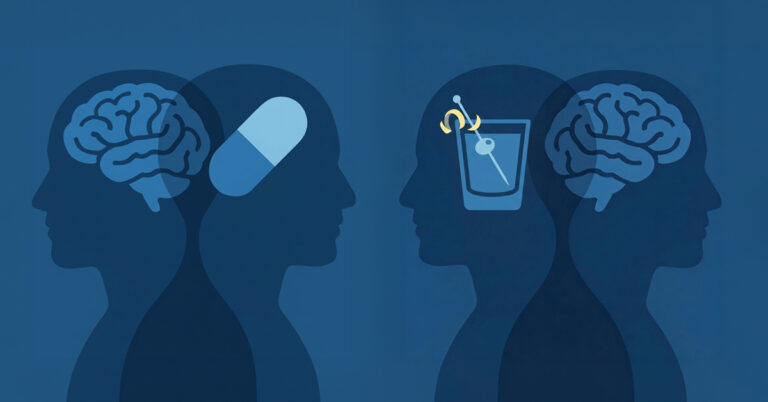

TLDR: Mental health conditions affect more than 1 in 5 U.S. adults, yet warning signs are frequently missed because they emerge gradually across multiple areas of functioning — emotional, cognitive, physical, behavioral, social, and age-specific.
According to the National Alliance on Mental Illness, 23.4% of U.S. adults experienced a mental illness in 2024. Symptoms that persist for two or more weeks or interfere with work, school, or relationships are a signal that professional evaluation is warranted.
Medically reviewed by Steven Storage, MD, Amen Clinics.

Recognizing when someone needs mental health support can be difficult, especially because the signs are not always obvious. Changes in mood, thinking, behavior, or physical well-being may develop gradually, making them easy to overlook at first. Yet noticing these changes early can make an important difference.
Today, conversations about mental health are becoming more open than they once were. While stigma kept many struggles hidden in the past, seeking mental health support is now widely recognized as a normal and responsible step toward protecting overall health.
After all, mental health is brain health. Caring for the brain is just as important as caring for the heart, skin, or muscles.
You may be surprised by how common mental health conditions are. According to statistics provided by the National Alliance of Mental illness, 23.4 percent of U.S. adults experienced a mental illness in 2024. That’s roughly 61.5 million people, representing more than one in five adults. If you or someone you care about is experiencing symptoms, you are far from alone.
Mental health challenges can show up in any of the following six categories, especially when these patterns last two weeks or longer or begin interfering with daily life:
Here are the signs someone may need mental health help and how to seek support.
For emergency mental health help, contact 911 or resources such as the 988 Suicide & Crisis Lifeline.
Stress is a common response to difficulties in life, such as after a big move, a divorce, or a one-time event like a car accident. This is normal and expected.
But if stress symptoms are frequent or intense, or they affect your ability to function, that’s a red flag. Changes that persist for two or more weeks, or interfere with daily life, affecting work, school, or relationships, are indications to see a mental health professional.
Though most cases begin earlier in life, mental health conditions can emerge at any age, from childhood through later adult years. When you suspect a mental health issue, investigate sooner rather than later. Early intervention results in better outcomes. But mental health rarely improves on its own, and untreated mental illness may worsen over time.
On a very positive note, mental health symptoms can be managed with proper support, leading to sustainable long-term maintenance. Accurate diagnosis and early treatment are critical to improvement.
Certain emotional and mood symptoms can signal that you need support. Here are some signs to watch out for:
Other warning signs are related to cognition and thoughts, such as:
If you have suicidal thinking or thoughts of death, thoughts of harming yourself or others, or are planning or preparing for suicide, seek help immediately. Call 911 or a local emergency number; call or text 988, the Suicide & Crisis Lifeline; or go to the nearest emergency room. In addition to emergency care, contact a mental health specialist and reach out to a trusted friend or family member for ongoing support.
Suicidal thinking doesn’t get better on its own. Get help immediately if you have these symptoms.
Because mental health is so closely linked with the body, you may experience physical side effects, including:
Sometimes symptoms of mental health disorders appear as physical problems. Always consult a healthcare provider to rule out underlying medical causes.
Certain types of behavioral changes indicate the need for help, including:
Signs of needing mental health help can also show up in your relationship and social connections, such as:
Relationship issues can lead to a number of side effects. Healthy relationships are known to be a fundamental predictor of life quality and longevity, so these issues can further erode mental health.
Certain age-specific signs may point to mental health issues, from childhood to adulthood.
Related: 10 Signs of Mental Health Problems in Kids You Might Miss
Regardless of age, some critical signs should never be ignored. Seek help immediately if you or a loved one have thoughts of death or suicide or have made these threats to self or others.
Certain risk factors may increase your need for support. For example, your vulnerability to mental health problems increases if you have a genetic or family history of mental illness, such as a parent or sibling with a diagnosed condition or a previous mental illness.
Other factors include:
Having risk factors doesn’t mean you will develop mental illness. But knowing your risk factors enables greater awareness, helping you monitor for signs and seek early intervention.
Here are signs you should seek immediate mental health help:
As mentioned earlier, it’s critical to get immediate help by calling 911 or your local emergency number, or call or text 988, the Suicide & Crisis Lifeline, which is available 24/7. You can also go to the nearest emergency room, call your mental health specialist, or contact a crisis hotline.
For additional help, reach out to a trusted friend or family member, spiritual leader, or faith community member. Remember that asking for help is a sign of strength, not weakness.
If you’re a veteran experiencing a mental health emergency, call 988, then press 1. Or text 838255 or chat online at the Veterans Crisis Line. Don’t hesitate to get help if you’re in crisis. Help is available anytime, and services are free and confidential.
When seeking non-emergency mental health help, you can start with your primary care provider to rule out underlying physical causes.
If needed, ask for referral to a mental health specialist for a full evaluation. You can find help through:
Our doctors and clinicians at Amen Clinics practice precision medicine by using brain SPECT imaging and comprehensive evaluations to understand what is really happening in your brain to find root causes of your mental health problems.
They take a whole-body approach to holistic psychiatry combining cutting-edge neuroscience with natural ways to treat mental health conditions, including targeted nutrition, supplements, lifestyle strategies, therapy, and medications (when necessary). Our team is highly experienced in providing coordinated and personalized care.
Wherever you seek a mental health appointment, be sure to seek a full evaluation and bring a list of your symptoms and concerns and when they started.
While mental health help has been stigmatized in the past, these conditions are like any other medical condition, and they deserve proper treatment.
Related: 10 Out of the Box Therapies for Mental Health Issues
If you notice changes in your loved one from their normal behavior, such as any of the signs listed above, trust your instincts. Look for patterns versus isolated incidents and pay attention when there are multiple warning signs.
When approaching someone about their mental health, start an open, honest discussion about your concerns. Express care and support, not judgment. Be specific about the behaviors you’ve noticed.
Listen without trying to “fix” everything. However, you may offer to help them find professional care, make an appointment, or go with them to the doctor. Even simply providing encouragement and support can make a big difference, so stay connected and check in regularly.
In emergency cases, don’t leave your loved one alone. Remove any access to means of self-harm, then take them to the hospital or call emergency services. Throughout their crisis, stay calm and supportive, and follow up after it passes. Remember: You can’t force someone to get help, but you can offer critical support and resources.
Finally, don’t forget to take care of yourself while helping others.
Prevention and self-care are important for optimal mental health. Pay attention to warning signs, learn what triggers your symptoms, and make a plan for if symptoms return. Monitor changes in how you feel and ask family or friends to also watch for signs.
Meanwhile, maintain routine care. Don’t neglect regular checkups, keep healthcare appointments, and promptly address any new health problems. Monitor medication side effects and maintain self-care basics, including:
Don’t wait until symptoms become severe. Early treatment is more effective for mental health conditions. Commit to regular maintenance and therapy to help manage symptoms over the long term.
Recognizing the signs you need mental health support is the first step in getting better. Seeking help is a sign of strength. And, with the right help, mental health conditions are very treatable. Most symptoms can be managed with proper support, and early intervention leads to better outcomes.
If you have experienced symptoms for two or more weeks, it’s a strong sign that you need support. Of course, if you are in crisis, seek emergency attention immediately using any of the crisis numbers mentioned several times in this blog.
Finally, include your loved ones who want to support you. With proper treatment, people with mental health conditions and symptoms can recover and live productive, fulfilling, and enjoyable lives.
If your symptoms are severe or persistent (lasting for two weeks or more), talk to your primary care provider or a mental health specialist for help. If you have had thoughts of harming yourself or others, reach out immediately to emergency resources such as 911 and 988, the Suicide & Crisis Lifeline.
If your loved one is showing signs of mental health symptoms, such as persistent low mood or behavioral changes, approach them with compassion, not judgment. Share your observations and listen without trying to “fix” them. Offer to help them make an appointment for a mental health evaluation.
Yes. At Amen Clinics, we view mental health as brain health. Just like any other organ in the body, the brain can be affected by stress, illness, trauma, lifestyle factors, and biological changes. Seeking support is not a sign of weakness; it is a proactive step toward understanding what is happening in your brain and getting the right help to improve your well-being.
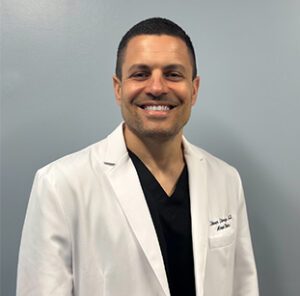
Dr. Storage is a dual board-certified child, adolescent, and adult psychiatrist at Amen Clinics in Southern California. Trained at UC Berkeley, UCLA, Stanford, and USC — where he remains Adjunct Clinical Professor of Psychiatry — he brings academic excellence and deep clinical expertise to every patient. He specializes in ADHD, anxiety, depression, autism, OCD, PTSD, and more, using a comprehensive, integrative approach to help patients become the best version of themselves.
988 Suicide & Crisis Lifeline. https://988lifeline.org/
“Mental Health By the Numbers”, National Alliance on Mental Illness website. Accessed March 10, 2026. https://www.nimh.nih.gov/health/statistics/mental-illness