
10 Signs of Mental Health Problems in Kids You Might Miss
As the pandemic and lockdown drag on, kids and teens are experiencing more emotional and behavioral issues. An estimated 1 in 6 children (17%) ages 2-8 have a diagnosed mental, behavioral, or developmental disorder, according to the CDC. And 20% of adolescents and teenagers 13-18 live with a mental health condition, according to the National Association of Mental Illness (NAMI).
With the pandemic, it’s getting worse. A recent study in Pediatrics suggests that since March 2020, 14% of children are experiencing worsening behavioral health. Another study in JAMA Pediatrics on 2,330 schoolchildren in China found that after a single month of lockdown, nearly 23% reported depressive symptoms, 19% had symptoms of anxiety, and over 37% said they were “quite worried” about being infected with COVID-19. This means more youngsters may be living with undiagnosed issues that can affect every aspect of their lives—academic performance, relationships, self-esteem, and more.
You may be aware of some of the classic symptoms of mental and behavioral health problems in children—hyperactivity, prolonged depression, debilitating anxiety—but there are many other subtle signs that often go overlooked. Especially now, it’s important to be on the lookout for these telltale signs.
Most Common Mental Health Problems in Children
At Amen Clinics, which has treated tens of thousands of children, the most common issues our neuropsychiatrists see in children, adolescents, and teens include:- ADD/ADHD
- Anxiety
- Depression
- Behavioral problems (including oppositional defiant disorder and anger issues)
- Concussions and traumatic brain injuries (TBI)
- Autism spectrum disorder (ASD)
- Bipolar disorder
- Obsessive compulsive disorder (OCD)
- PANDAS/PANS
- Post-traumatic stress disorder (PTSD)
- Substance use disorders
- Tourette syndrome
- Eating disorders
- Schizophrenia
- Learning disabilities
SUBTLE MENTAL ILLNESS SIGNS THAT ARE OFTEN OVERLOOKED
Pay attention to the following 10 signs that are commonly seen in mental and behavioral health problems.- Changes in sleeping habits: Keep an eye on your child’s sleep routine. Sleeping much more than usual or requiring far less sleep may be cause for concern.
- Persistent nightmares: Occasional bad dreams are normal, but research in the British Journal of Psychiatry shows that children who have recurring nightmares or night terrors are more likely to experience psychotic episodes later in life.
- Physical aches and pains: Headaches, stomachaches, muscle pain, and other forms of physical discomfort are commonly seen in anxiety and depression. If your child has frequent physical symptoms with no apparent cause, it may be time to investigate.
- Difficulty making friends: Kids who have trouble relating to their peers or developing friendships may be showing signs of behavioral or developmental disorders.
- Changes in appetite or diet: If your young one suddenly loses their appetite or makes big changes to their daily diet, it could mean they’re having trouble.
- Mood swings: You may think moodiness is typical behavior for young people, especially teenagers, but having emotional outbursts, temper tantrums, or crying spells can be a sign they’re struggling.
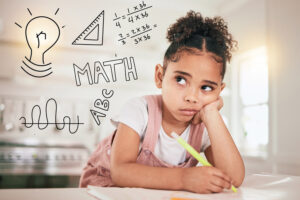
- Poor school performance: Having trouble in school can be a red flag warning that a child is having some form of issue that’s keeping them from performing up to their potential. Taking a long time to complete homework that should only take a short while is another indication that there may be an underlying issue.
- Avoiding or missing school: Pay attention if children or adolescents are skipping school, as it can be a sign that something is troubling them. This is also a common sign of substance abuse.
- Persistent boredom: Tired of hearing your child say “I’m bored” all the time? Everyone feels bored from time to time, but chronic boredom is associated with mental health issues, like ADD/ADHD and depression.
- Argumentative, aggressive, and oppositional behavior: The “terrible twos” when a child says no to everything, stomps their feet, and throws tantrums are cute for a 2-year-old. It isn’t cute in older children or teens. This type of behavior deserves professional attention.