

TL;DR
When Melinda Oschmann’s outgoing, high-functioning husband suddenly became withdrawn and unrecognizable after a mental breakdown, she feared something was seriously wrong.
In her husband Mark’s case, what started as stress led to a serious mental health crisis that worsened with a one-size-fits-all approach. Real healing began when clinicians looked at his brain, identified underlying issues like PTSD, and created a personalized treatment plan. With targeted care and lifestyle changes, recovery was not only possible, it was life-changing.
Medically reviewed by Mona Karimpour, DO, Amen Clinics
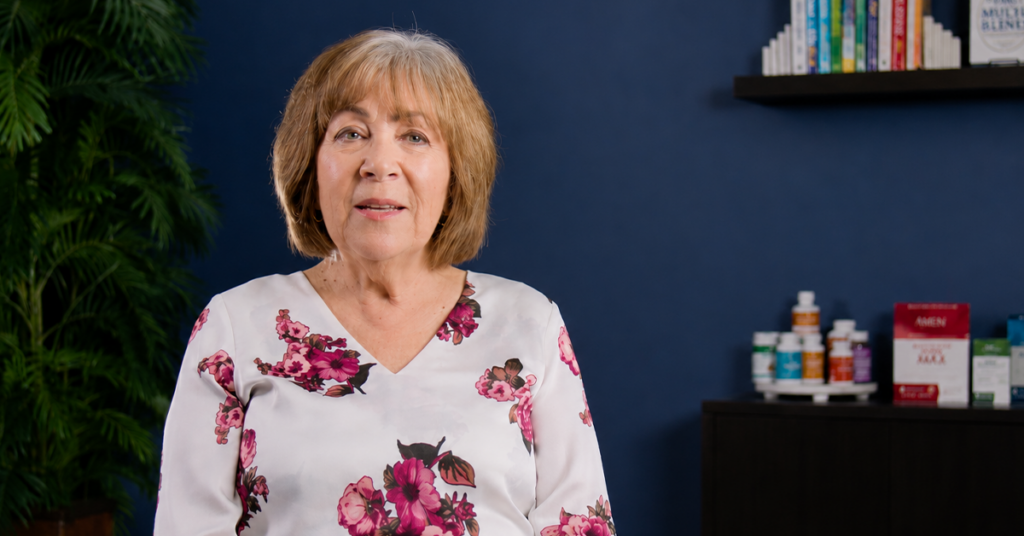
Have you ever watched someone you love experience a mental breakdown and felt completely powerless to help?
For Melinda Oschmann, that moment came when her husband, Mark, suddenly changed. Once “the world’s greatest extrovert,” as she described him, he could connect with anyone, anywhere. But under intense stress, he began to shut down.
“I saw him freeze up and stop talking,” she said, a shocking shift from the confident, high-functioning man she had always known.
At first, she hoped it was temporary. But as his condition worsened, it became clear this was something far more serious. Was mental breakdown recovery even possible, she wondered?
In this story, you’ll learn how a devastating mental health crisis became a turning point and how a brain-based approach helped Mark find his way back.
Once “the world’s greatest extrovert,” her husband began to shut down under intense stress. Doctors gave him antipsychotics and sedatives, but they made him worse. Was mental breakdown recovery even possible, she wondered?
Before everything changed, Mark was known for his energy, confidence, and ability to connect with anyone he met.
His wife, Melinda, said he was one of those guys who could walk into any room and strike up a conversation, navigate challenges with ease, and build relationships wherever he went. Whether in work or daily life, he was someone who thrived on interaction and problem-solving.
He wasn’t just social, he was highly capable. Mark had a natural ability to function under pressure, think on his feet, and work through difficult situations. To those around him, he seemed resilient and adaptable, the kind of person who could handle whatever life threw his way.
That’s why what happened next felt so unexpected and so deeply unsettling.
At first, the changes were easy to dismiss. Mark had been under a great deal of stress, and like many people, it seemed reasonable to assume he was just going through a difficult season.
Melinda hoped it would pass. But instead of improving, his condition worsened. And then came the moment everything changed. She witnessed a sudden shift when he became silent and withdrawn.
For a man who had always been outgoing, articulate, and engaged, the shift was shocking. It wasn’t just stress anymore. It was as if something in his brain had shut down.
By March 2024, Melinda recognized the severity of what was happening. What she initially thought was temporary had become something far more serious, a full mental breakdown.
Video: How an Extrovert Completely Shut Down (and How He Recovered)
A mental breakdown isn’t an official medical diagnosis, but it is a brain health crisis. Most experts define it as a period of intense stress that makes it difficult to function in daily life. An estimated one in 10 people experience a mental health crisis at some point in their lifetime.
Mental breakdown symptoms include:
Related: 4 Steps to Breaking an Anxiety Attack
Like many families facing a mental health crisis, Melinda did everything she could to get Mark help. She sought help through a mental health organization, hoping a thorough evaluation would bring clarity and a path forward. Mark was admitted for three days of examinations.
Melinda said, “They told me, ‘Don’t worry, we’ll test him. We’ll evaluate him. We’ll tell you what’s happened.’”
But instead of relief, the experience left her with even more concern. He was quickly placed on antipsychotics and sedatives.
While these medications are sometimes necessary, in his case, they appeared to make things worse. His cognitive function declined, and the vibrant, capable man Melinda knew seemed to fade even further.
For Melinda, it was heartbreaking. She had trusted that this approach would help, but instead, it deepened her fear. There was no clear explanation for what was happening in his brain, no personalized roadmap for recovery, and no real sense of progress.
“I didn’t see a lot of light at the end of the tunnel,” she said.
That’s when she realized they needed a different kind of answer, one that looked deeper at the brain itself.
At one of their lowest points, Melinda remembered something that would change everything.
Years earlier, she had seen a public television special featuring Dr. Daniel Amen, the founder of Amen Clinics. One message had stayed with her: a balanced brain is the foundation for a life that is happier, healthier, wealthier, and wiser.
In that moment of uncertainty, she knew what she had to do. “I have to get him there,” she thought.
Walking into Amen Clinics felt different right away. Instead of fear and confusion, “There was just an element of hope when you walked through the door that you could feel,” she said.
The environment itself felt positive, and for the first time since Mark’s mental health crisis, she began to believe that recovery from Mark’s brain health crisis might actually be possible.
What stood out most was the approach.
Rather than relying on guesswork alone, the Amen Clinics team looked directly at Mark’s brain. Using detailed brain SPECT imaging, along with a thorough history and assessments, they worked to understand what was really happening beneath the surface.
For Melinda, this was a turning point. After so much time with uncertainty and setbacks, they were finally getting answers.
For the first time since Mark’s brain health crisis started, things began to make sense.
During their initial visit, the Amen Clinics psychiatrist, Mona Karimpour, DO, carefully reviewed his brain scans and walked them through the findings, explaining how specific patterns in brain activity were connected to his symptoms.
Dr. Karimpour pointed out areas linked to anxiety and mood challenges, helping them see that Mark’s struggles weren’t a mystery or a personal failing, but rooted in how his brain was functioning.
Then came a crucial insight.
By combining the brain SPECT imaging results with Mark’s history and detailed assessments, the clinician identified something that had previously been missed: signs of post-traumatic stress disorder (PTSD).
For Melinda, it was a moment of clarity. “I thought, that makes sense to me,” she recalled.

In a healthy “active” SPECT scan, blue represents average activity and red and white represent increasingly higher levels of activity. In the healthy scan on the left, the most active area is in the cerebellum, located in the back/bottom part of the brain. In Mark’s SPECT scan, there are patterns of overactivity associated with anxiety, mood disorders, and post-traumatic stress disorder (PTSD).
Just as important, they learned that the medications he had been given earlier were likely contributing to his cognitive decline. The antipsychotics, in particular, were interfering with his ability to think clearly and process information.
This is common with antipsychotic medications. According to a 2025 study in JAMA Psychiatry, “Antipsychotics are not procognitive drugs.”
Instead of a one-size-fits-all diagnosis, they finally had a personalized, brain-based explanation. And with it, they had a new sense of direction.
When Melinda asked the question that had been weighing on her mind, “Is there hope?”, the answer was immediate and reassuring: yes, mental breakdown recovery is possible.
With a clear diagnosis in place, the focus shifted to something Melinda had been longing for: a clear path forward.
Instead of a one-size-fits-all approach, the team at Amen Clinics created a personalized treatment plan designed to support Mark’s brain as it healed. This included carefully changing his medications, along with targeted lifestyle strategies such as nutrition, exercise, and key supplements to support brain function.
One of the most important elements was restoring brain balance.
They learned that it would take time for the previous medications to leave his system, and that healing wouldn’t happen overnight. But for the first time, the plan made sense. It addressed the root causes of his symptoms and gave his brain what it needed to recover.
So, they committed fully.
Melinda and Mark followed the recommendations closely, improving his diet, prioritizing exercise, and staying consistent with the treatment plan. Each step was designed to support brain health and gradually rebuild his cognitive and emotional strength.
Then something remarkable happened.
“At one point, it was like someone flipped a switch,” Melinda said. “I call it a miracle.”
After months of fear and uncertainty, Mark began to come back.
As Mark’s brain began to heal, the changes were undeniable. Slowly but steadily, he started to return to the person Melinda had always known. He was engaged, capable, and full of life.
The progress wasn’t just noticeable; it was meaningful. By January, he was able to go back to work, a milestone that once felt out of reach.
But the transformation went beyond functioning.
Melinda noticed something even more powerful: joy. As Mark improved, that sense of lightness and happiness began to return, not just for him, but for her as well. After so much fear and uncertainty, life started to feel hopeful again.
And Mark could feel the difference.
“He always says every day, ‘Oh my gosh, I’m better every day,’” Melinda shared.
It became a daily reminder of how far he had come and how much further he could go. What once felt like a devastating mental breakdown had turned into a story of healing, growth, and renewed possibility.

Mental health challenges can feel overwhelming, especially when they seem to come out of nowhere and turn your life upside down.
For Mark and Melinda, what began as a frightening mental breakdown became a journey toward understanding, healing, and renewed hope.
Their story is a powerful reminder that when you look at the brain—the organ behind your thoughts, feelings, and behaviors—you can begin to uncover real answers. And with the right, personalized approach, mental breakdown recovery is possible.
Today, Mark continues to improve, embracing each day with gratitude and progress. And perhaps the most meaningful part of their journey is what comes next.
“I want to see other people have that joy too,” Melinda shared.
If you or someone you love is struggling, know this: you are not alone. With the right support and a brain-based approach, there is hope and a path forward.
A mental breakdown is a period of intense emotional or psychological distress that makes it difficult to function in daily life. While not a formal diagnosis, it often includes symptoms like anxiety, depression, confusion, or withdrawal. It’s a sign your brain is overwhelmed and needs support.
Mental breakdowns are a brain health crisis often caused by prolonged stress, trauma, major life changes, or untreated mental health conditions. These factors can disrupt brain function, affecting mood, thinking, and behavior. Whether biological, psychological, or environmental, identifying the root cause is key to effective treatment and recovery.
Yes, PTSD can contribute to a mental breakdown. Post-traumatic stress disorder affects how the brain processes fear and stress, which can lead to emotional overwhelm, shutdown, or impaired functioning. Without proper diagnosis, PTSD symptoms may worsen and appear as a sudden mental health crisis.
Functional brain scans, such as the SPECT scans used at Amen Clinics, show blood flow and activity patterns in the brain. This helps identify areas that may be overactive or underactive. When combined with a clinical history and cognitive assessments, brain scans can improve diagnostic accuracy and guide personalized treatment for conditions like anxiety, depression, and PTSD.
Yes, you can recover from a mental breakdown with the right support. Effective treatment often includes a combination of therapy, lifestyle changes, and sometimes medication. A brain-based approach that targets underlying causes can help restore function, improve mood, and support long-term mental wellness.
About the Reviewer
Dr. Mona Karimpour is a board-certified psychiatrist at Amen Clinics in the Orange County Metro Area who treats adolescents and adults ages 13 and older. After earning her medical degree from Western University, she completed her psychiatry residency at UT Southwestern Medical Center in Dallas. Dr. Karimpour has special training in psychodynamic psychotherapy, family therapy, and couples therapy. She is passionate about serving the Persian community in Southern California and enjoys working with college students while also supervising medical students and psychiatry residents.
References
National Institute of Mental Health. Mental Illness. Accessed April 13, 2026. https://www.nimh.nih.gov/health/statistics/mental-illness#:~:text=collection%20in%202022.-,Prevalence%20of%20Serious%20Mental%20Illness%20(SMI),AN)%20adults%20(7.3%25)
Feber L, Peter NL, Chiocchia V, et al. Antipsychotic Drugs and Cognitive Function: A Systematic Review and Network Meta-Analysis. JAMA Psychiatry. 2025;82(1):47–56. doi:10.1001/jamapsychiatry.2024.2890