
How Can ADD Affect Your Love Life and Relationships?
Are you having a rough time in your relationships? Is your spouse fed up with your inability to pay attention, focus, and follow through on your promises? Or are you sick of your significant other saying hurtful things, forgetting your birthday, and having extramarital affairs? You may be thinking it’s time to call it quits, but marital conflict and troubled relationships aren’t necessarily your fault. In reality, it could be undetected or untreated ADD, also called ADHD, that’s causing the problems.
At Amen Clinics, we’ve treated thousands of couples and families where one or more parties have ADD/ADHD and we have seen first-hand how it can lead to butting heads, hurting each other, or feeling neglected or misunderstood. In many cases, people don’t realize that ADD/ADHD is playing a destructive role in the relationship or that this condition is a brain-based disorder.
At Amen Clinics, we’ve treated thousands of couples and families where one or more parties have ADD/ADHD and we have seen first-hand how it can lead to butting heads, hurting each other, or feeling neglected or misunderstood.
ADD/ADHD IN THE BRAIN
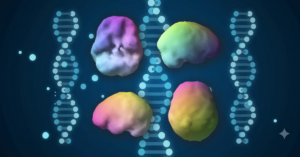
The brain imaging work at Amen Clinics—over 160,000 brain scans from people in 150 countries—shows that ADD/ADHD is typically related to abnormal blood flow and activity in the brain. Amen Clinics uses SPECT, which is a brain imaging tool that measures blood flow and activity in the brain. SPECT reveals 3 things:- Areas in the brain with healthy activity
- Areas in the brain with too little activity
- Areas in the brain with too much activity
HOW ADD/ADHD RUINS RELATIONSHIPS
Here are 6 of the most common ways ADD/ADHD interferes with healthy relationships.
- Playing the “let’s have a problem” game: Because ADD/ADHD brains tend to be “sleepy” (low activity in the PFC), these people often need stimulation and excitement to activate the brain. In relationships, they may create drama by picking fights with others. For the person on the receiving end, it can feel like the ADD/ADHD person is frequently pressing your buttons to irritate you on purpose.
- Saying hurtful things: Having ADD/ADHD is associated with low impulse control, meaning these people are likely to blurt out whatever pops into their head without thinking. Anyone in a relationship knows it’s not a good idea to say everything you think. But ADD/ADHD people can’t help themselves, and when these thoughts are unkind—“Those jeans make you look fat,” “That’s the dumbest idea I’ve ever heard,” “You’re so lazy”—it can cause a rift in the relationship.
- Having extramarital affairs: Most people in relationships will be sexually attracted to others at times, but they think about the consequences of an affair and that prevents them from acting on their impulses. A person with ADD/ADHD, however, may be attracted to someone they just met and even though they are married, they will have a sexual encounter that puts the relationship at risk.
- Forgetting important dates: People with ADD/ADHD may not remember birthdays, anniversaries, or holidays, making their loved ones feel unloved and unimportant.
- Being a procrastinator: Putting things off until the last minute and being chronically late are common signs of ADD/ADHD. In relationships, these traits can make others fume. Showing up 20 minutes late for a date, an important meeting at work or a child’s online learning class can sabotage the chances for a second date, create bad feelings with coworkers, and make a child feel unloved.
- Not following through. Even though people with ADD/ADHD may have every intention of keeping their word, they often drop the ball and don’t follow through or finish projects. The living room wall that’s only half-painted, the holiday cards that never made it into the mail, or the new flowers that died before they got planted in the garden are examples of good intentions but lack of follow-through. And these types of unfinished projects and broken promises can be sources of frustration in a relationship.
7 SIMPLE SOLUTIONS FOR ADD RELATIONSHIPS
Having ADD/ADHD or being in a relationship with someone who has this condition doesn’t have to be a dealbreaker. There are a number of ways to optimize brain activity to reduce symptoms and have a more fulfilling relationship.- Find healthier ways to activate the brain. For example, intense aerobic exercise (walking like you’re late) 5-7 days a week can be very beneficial for the ADD/ADHD brain.
- Use technology to your advantage. Set reminders in your calendar to help you stay on time and on track so you can follow through on your promises and complete projects.
- Practice structured goal setting. Create a “One Page Miracle”—a single sheet of paper where you write down what you want out of your relationships. Before saying or doing anything, ask yourself if your behavior is helping you achieve your goals.
- Eat foods that help the ADD/ADHD brain. Eat a diet that’s higher in high-quality proteins and healthy fats and lower in simple carbohydrates.
- Take nutraceuticals that optimize the ADD/ADHD brain. Nutritional supplements that are beneficial include rhodiola, green tea, ginseng, and tyrosine.
- Know your ADD/ADHD type. Not everyone with this condition has the same symptoms. Based on the world’s largest database of brain scans related to behavior, the psychiatrists at Amen Clinics have identified 7 types of ADD. Getting a brain scan to learn your type (or your loved one’s type) is the key to finding the most effective treatment plan.
- Seek professional help. If you and your loved ones are struggling, you may benefit from psychotherapy, including couples therapy or family therapy. Be sure to seek out a professional who understands the role the brain plays in relationships and ADD/ADHD so you can get the help you need.