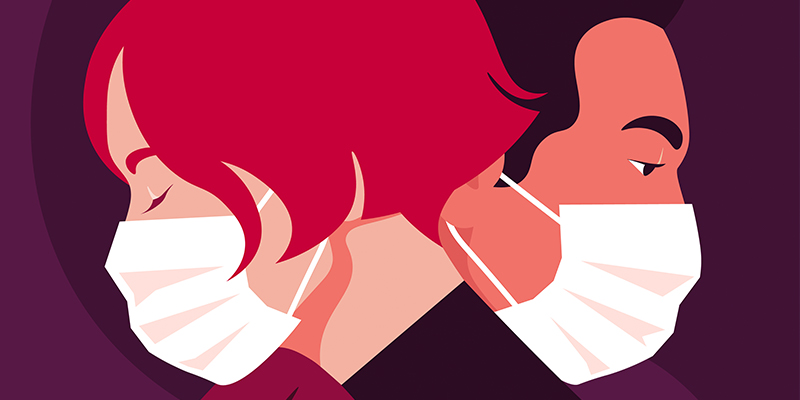
Are you lashing out at your spouse over every little thing? Are you feeling extra sensitive to critiques that are directed at you? Or is your significant other more irritable these days? Are you—or they—just being a jerk, or is something else coming between you? Science is pointing to
COVID-19 as a possible culprit.
As if the list of COVID fallout consequences wasn’t already long enough, you can now add breakups, divorces, and
relationship troubles. Being infected with COVID can wreak havoc with your love life or sour your relationships with your family and friends. However, people are largely unaware that lingering impacts of the infection could be the cause of friction in relationships.
INCREASED SENSITIVITY AND EMOTIONS AFTER COVID
Emerging
research shows that people who have had COVID, even mild cases of the infection, are at risk for lingering mental health issues. Anxiety,
depression, post-traumatic stress disorder (PTSD), obsessive-compulsive disorder (OCD), and sleep disturbances have all been noted among other psychiatric symptoms. All of these issues can have a negative impact on relationships.
Anxiety
When long COVID causes anxiousness it makes it hard for people to relax. It is also associated with being more sensitive to criticism as well as being more clingy and needy. People with
anxiety are often conflict-avoidant, which means they may let small issues fester until they become insurmountable problems.
Relationship enhancers: If you are experiencing anxiety due to COVID, consider psychotherapy and anxiety-reduction strategies such as meditation and deep breathing. If a loved one is feeling anxious, take extra care to help them feel safe, valued, and loved. Find ways to help them relax—a shoulder rub, calming music, or time alone with a good book.
Depression
When people feel
depressed after a bout with COVID, it can affect everyone around them. In relationships, they may focus on a loved one’s flaws, drag others down with their negativity, or hole up at home rather than going out to socialize. They also tend to take things the wrong way, so innocuous comments by a significant other can lead to misunderstandings or fights.
Relationship enhancers: Bright light therapy and supplements containing saffron can promote a more positive mood so you can both feel happier.
OCD
Long COVID symptoms associated with
OCD include a need to have everything in its place, performing rituals (such as excessive hand washing), and having obsessive thoughts. These thoughts may center on worries that their partner no longer loves them, fears that there is something wrong in the relationship or doubts that the significant other is the right person. OCD can get in the way of a healthy sex life as people may have obsessions related to their partner’s hygiene or unwanted, disturbing sexual thoughts.
Relationship enhancers: Physical activity and complex carbohydrates boost serotonin production, which promotes better cognitive flexibility, can help.
PTSD
Having
PTSD can make it hard to connect on an emotional level with others. Some people experiencing PTSD as a symptom of long COVID may clam up when uncomfortable feelings arise, essentially cutting themselves off from their loved ones. Intimacy can also be challenging for these people as they may feel emotionally detached.
Relationship enhancers: There is hope for people suffering from PTSD after COVID. Psychotherapy, as well as a therapy called EMDR (Eye Movement Desensitization and Reprocessing), can be helpful. Becoming aware of what triggers stressful feelings and using stress-relief techniques (such as deep-breathing exercises) can also promote relaxation and more openness to connecting with loved ones on an emotional level.
Sleep Disturbances
A lack of adequate
sleep can make anyone feel irritated, foggy, and stressed. It’s like a recipe for unhappy relationships. People who aren’t sleeping well in the weeks or months following infection with COVID may be more likely to snap at others, forget appointments, or space out during conversations. In addition, when you aren’t well-rested it’s hard to feel sexy, which can drive a wedge between partners.
Relationship enhancers: Adopt a sleep hygiene routine to help establish better habits. Go to bed and get up at the same time each day, skip daytime naps, and keep your room cool.
COVID AND THE EMOTIONAL BRAIN
Brain imaging studies show that having COVID, even if it is a mild case, can promote inflammation in the brain. In particular, it appears to impact the emotional centers of the brain, leading to overactivity in these areas. Too much activity here is associated with issues like depression, anxiety, and negativity, which helps explain why some people are experiencing these symptoms after recovering from COVID.
Anxiety, depression, and other effects of long COVID can’t wait. At Amen Clinics, we’re here for you. We offer in-clinic brain scanning and appointments, as well as mental telehealth, clinical evaluations, and therapy for adults, teens, children, and couples. Find out more by speaking to a specialist today at 888-288-9834 or visit our contact page here.