
What is Frontal Lobe Syndrome and What Causes It?
Have you (or a loved one) experienced a sudden change in personality? Have you noticed inappropriate social behavior, impulsivity, or emotional outbursts that are out of character? These could be signs of a disorder that most people have never heard of: frontal lobe syndrome.
WHAT ARE THE FRONTAL LOBES?
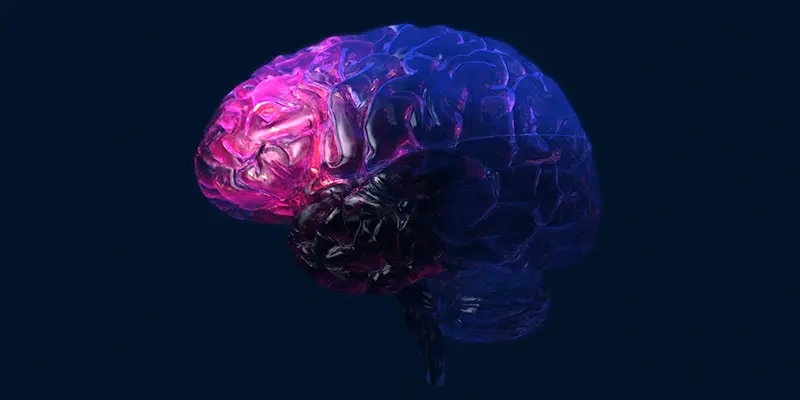
The human brain is a very delicate but vastly complex organ that is involved in everything we think, say, do, believe, and create. It is comprised of 200 billion neurons (a type of brain cell) and many distinct, but interconnected structures each of which provides a vital and necessary role in our human experience. The outermost portion of the brain is called the cerebral cortex—often referred to as grey matter. It is divided into four major sections: the frontal, temporal, parietal, and occipital lobes. Of these, the frontal lobe is the largest and is comprised of the prefrontal cortex and the motor cortices (plural for cortex). The frontal lobes are responsible for a wide range of higher-level functions, including:- Forethought, planning, and rational thinking
- Insight and empathy
- Judgment and impulse control
- Emotional and behavioral regulation
- Decision-making
- Analytical thinking and logic
- Speech and written language
- Sense of smell and taste
- Intentional body movements
- Creativity and imagination
- …And more
COMMON CAUSES OF FRONTAL LOBE SYNDROME
There are numerous ways the function of the frontal lobes can be disrupted. Some of the more common causes of this are:Traumatic Brain Injury:
The frontal lobes are one of the two brain areas most often damaged in head injuries. The more severe the injury, the greater the number of symptoms and problems a person will likely develop. The famous case of Phineas Gage, although a dramatic example, is a good illustration of what can happen to this part of the brain after a serious injury. In the mid-1800s, Mr. Gage was a popular and affable man who worked installing new railroad tracks. One day while using a long tamping iron to pack down explosive powder, the powder ignited and caused the tamping iron to shoot through his cheek, brain, and the top of his skull, exiting completely and landing on the ground. Although he lost one eye from the incident, he survived physically. His personality, however, was a different story. The accident transformed him from being a well-liked citizen into a rude, inconsiderate, irritable, profane, and poorly behaved man. The tamping rod had significantly damaged his frontal lobes.Cerebrovascular Disease and Stroke:
We have blood vessels—capillaries, veins, and arteries—throughout our body and brain. A disease called atherosclerosis (hardening of the arteries) is caused by the buildup of plaque and other substances in the arterial walls. This is often the result of high cholesterol, hypertension, insulin resistance, inflammation, or tobacco use, among other health problems. Over time, the arteries become stiff, brittle, and vulnerable to rupture, and plaques can obstruct the flow of blood in the brain. Both processes can cause a stroke, which can occur in many areas of the brain, including the frontal lobes. The resulting damage will depend on the severity and location of the stroke.Brain Tumors:
A cancerous or benign tumor growing inside the brain or under the skull can destroy or damage cells, put pressure on brain tissues, or cause a buildup of fluid inside the skull and/or brain. Frontal lobe tumors can interfere with the way this part of the brain works.Neurodegenerative Diseases and Other Conditions:
Although they are usually classified under their own disease category, many neurodegenerative processes can alter frontal lobe function. For instance, vascular dementia, which results from the aforementioned damage to blood vessels in the brain, is thought to be one of the more common causes of frontal lobe symptoms. Other forms of dementia as well as degenerative neurological conditions such as Huntington’s disease and Parkinson’s disease can deteriorate the frontal lobes. And, while not necessarily degenerative, brain infections and frontal lobe epilepsy can also affect behavior, movement, and thinking processes associated with this part of the brain.SYMPTOMS OF FRONTAL LOBE SYNDROME
Because of their diverse functions and critical connectivity to other parts of the brain, injury to the frontal lobes can cause significant changes in the way a person behaves, thinks, and is able to function. In any individual, the symptoms that emerge will reflect the damage to the specific frontal lobe structures that have been impacted by injury or disease, and can include any of these:- Personality changes
- Loss of motivation or inability to initiate self-directed activities
- Apathy
- Poor judgment
- Inappropriate or risky behavior
- Lack of impulse control
- Frequent and/or intense emotional outbursts
- Depressive symptoms
- Increased or decreased interest in sex
- Difficulty with problem solving and concentration
- Disorganization and distractibility
- Loss of sense of smell and/or taste
- Problems speaking or writing
- Falling down or difficulty with motor movements, such as walking or picking up objects
- Weakness on one side of the face or body
TREATMENT FOR FRONTAL LOBE SYNDROME
In addition to any medications or surgical procedures necessary for addressing the underlying cause of symptoms, treatment strategies for frontal lobe syndrome vary depending on the type and degree of damage to the brain. For example, when the motor areas are affected, physical rehabilitation can help someone build strength and function to the extent possible or learn alternative ways of moving. Other types of treatment may include:- Speech and language therapy to improve an individual’s ability to communicate, if those functions have been damaged
- Occupational therapy to help a person develop or improve their ability to engage in everyday activities, such as getting dressed and cleaning their teeth
- Cognitive behavioral therapy to identify negative thinking patterns, reduce impulsivity, and manage appropriate social behavior