In the health-damaging confines of the
standard American diet, much of what is classified as “comfort food” is anything but, especially when we examine the impacts it can have on our bodies. Sadly, those foods we so often reach for when we’re
stressed might actually be worsening the problem—and, in more serious cases, even affecting our mental health.
Anxiety in particular—the most common mental health issue in the United States, affecting 40 million-plus adults every year—has been closely linked with unhealthy dietary choices. In an animal
study from 2018, researchers noted increased symptoms of anxiety and
depressive behavior in mice that were fed a diet high in refined carbohydrates. Another
study from 2019, which looked at more than 1,100 Greek adults over age 50, found that consuming higher levels of saturated fats and added sugars was associated with higher anxiety levels.
While many foods can contribute to anxiousness, let’s look at some of the most common culprits and why they’re best avoided by those who struggle with everyday nervousness or who have been diagnosed with an
anxiety disorder—and by anyone who wants to avoid experiencing these symptoms.
AVOID THESE 5 ANXIETY-INDUCING FOODS
1. Sweets
If you’re one of the millions of people who reach for candy or desserts when feeling anxious, understand that these kinds of sugar-packed foods should never be considered treats. On the contrary, they create disturbance inside the body by causing a spike in blood sugar, which then leads to a quick crash. It’s this up-and-down roller coaster that worsens levels of anxiety in those who already struggle with it (even leading to symptoms that feel like a
panic attack). Diets high in
sugar are also linked to a range of additional anxiety-increasing side effects, such as
inflammation, fatigue, and erratic brain cell activity that has been implicated in
aggression, according to one
2021 study—while also leading to
cravings for more, perpetuating an
addiction-like cycle.
Remember that added sugar can assume many forms on a food label, from
high-fructose corn syrup and dextrose to honey and molasses. And sugar can be hiding in a variety of store-bought foods that are definitely not viewed as desserts. Check the labels on packaged foods before you buy, including fruit juice, salad dressings, nondairy milk, yogurt, condiments, soups, cereals, marinades, and sauces—you might be surprised at the added-sugar counts. If you tend to feel anxious, nervous, jittery, or tense, avoid blood sugar spikes and dips by eating balanced meals instead. Aim for a mix of protein, carbs, fat, and fiber to keep moods steadier throughout the day.
2. Processed meats
If you’re thinking of arranging a charcuterie plate for guests at your next gathering, think again. Due to their high saturated fat content, cured meats, like salami, bacon, and jerky—just like red meats in general—have been linked to inflammation in the body, which fuels anxiety. Cured meats have an additional strike against them, as they are prepared with sky-high amounts of salt. High sodium intake raises
blood pressure and puts extra strain on the heart, causing the body to release adrenaline into the bloodstream, which leads to feelings of anxiety.
On the other hand, if you’re looking to consume less meat, processed or otherwise, be careful also to avoid highly processed
meat alternatives. Protein replacements
can be a healthier choice if they’re made up of whole grains and vegetables, but make sure to read the labels for the ingredients list, as well as nutritional information like sodium counts.
3. Artificial sugar substitutes
We already know that artificial sweeteners, like the ones used in diet sodas,
won’t help you lose weight. But, since they’re
harmful to the brain, they can also be destructive to mental health. One 2018
study noted that aspartame (as found in NutraSweet or Equal) has been associated with anxiety and irritable moods, along with
depression,
insomnia, and a host of other neurophysiological issues. That’s because these fake sugars are known as neurotoxins that disrupt the functioning of the nervous system, which leads to increased symptoms of anxiety.
One
study, which focused on nutritional interventions as possible treatments for anxiety, suggested that the increased anxious feelings associated with artificial sweeteners may result from the adverse effects they have on the body, such as causing inflammation and disrupting the
microbiome. Another
study suggested that aspartame can inhibit the transport of
dopamine and serotonin precursors to the brain and may increase the levels of excitatory neurotransmitters—changes that alter brain chemistry for a more anxiety-prone effect.
4. Caffeinated beverages
With so many Americans coping with improper
sleep, hectic schedules, and a lack of energy-boosting diet and exercise plans, it’s no wonder they
feel tired on a daily basis. In an effort to push themselves toward better performance, highly caffeinated beverages such as coffee and energy drinks have become more popular standards in our diets, and in larger serving sizes than ever.
Unfortunately, in addition to these drinks often being loaded with sugar, they can also wreak havoc on those with anxiety—or create symptoms in those who add these beverages to their diet. One
study found that consuming more than 250 mg of caffeine per day “can lead to physical symptoms including restlessness, nervousness, psychomotor agitation, tremulousness, and insomnia.”
Another, from 2020, studied the consumption of energy drinks among young adults who were 20 and older, to examine its effects on mental health symptoms—and found that participants who added these drinks to their routines registered an increase in stress scores after the 2-year study.
Similarly, a Cambridge
study that tracked the coffee consumption of college students found that those who had high caffeine intake were more prone to headaches, anxiety, and psychological distress. Even moderate intake, as little as 1½ cups of coffee (equal to 150 mg of caffeine), may lead to increased anxiousness among those who have certain sensitivities, including those with markers associated with panic disorder, according to a different
study.
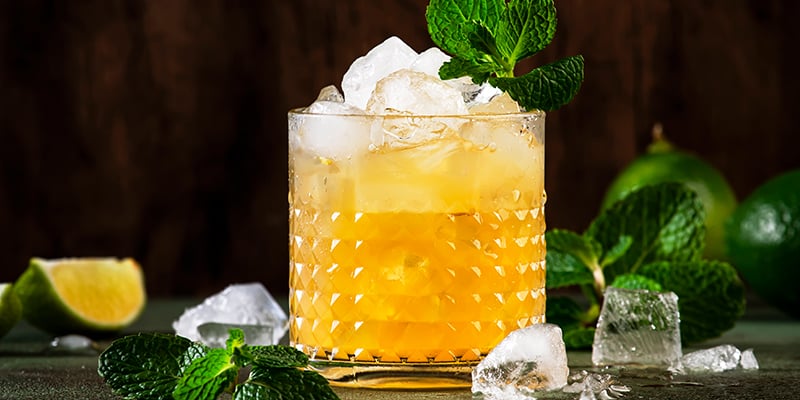
5. Cocktails
Cocktails serve up a double-whammy of anxiety-increasing elements. First,
alcohol (our country’s
most dangerous drug, killing more than 140,000 Americans each year, according to the
CDC) has been shown to be linked with anxiety. In fact,
alcohol use disorder and anxiety co-occur at notable rates—about 2-3 times as often as would be expected by chance alone, say
researchers. Others have
noted that 1 out of every 3 alcoholics “has experienced episodes of intense depression and/or severe anxiety,” the latter generally occurring after the drinking period (for example, in the hangover stage), which often leads them to drink more to quell that anxiety. This dangerous cycle can lead, ultimately, to
addiction.
But even for drinkers who do not imbibe to addictive levels, many cocktails pile on to existing anxiety through the element of added sugar—heaps of it. Sugary drinks such as Pimm’s Cups, piña coladas, margaritas, and fruity martinis pack a shocking amount of added sugar. This is often due to ingredients like flavored spirits, fruit juice, sodas, and mixers. The
USDA estimates more than 33 grams of sugar in a daiquiri and more than 36 in a margarita. Stats like this put the “toxic” in intoxicated.
MAKE SMALL CHANGES TO IMPROVE ANXIETY
If all of this feels overwhelming—or if you’re a consumer of many or all of the culprits listed above—don’t panic. Making healthier choices can start with small changes. Swap out cured meats for lean proteins, exchange sugary cocktails for a club soda with fresh lime juice, or try drinking antioxidant-rich green tea versus coffee to start your day. Being armed with this information and choosing
anti-anxiety foods instead will help calm busy brains and lower stress levels over the long haul. In the meantime, those with anxiety disorders can also consult with a mental health professional to determine a targeted
treatment plan and improve symptoms in conjunction with a better diet.
Anxiety, panic disorders, and other mental health issues can’t wait. At Amen Clinics, we’re here for you. We offer in-clinic brain scanning and appointments, as well as mental telehealth, clinical evaluations, and therapy for adults, teens, children, and couples. Find out more by speaking to a specialist today at 888-288-9834 or visit our contact page here.