Struggling with anxiety, panic attacks, mood disorders, chronic stress, or alcohol issues?
Research shows that these conditions may be associated with low levels of an important neurotransmitter—gamma aminobutyric acid (GABA)—that acts as your brain’s calming messenger. While other neurotransmitters get more attention (like dopamine and endorphins), GABA quietly does the important work of serving as your brain’s principal inhibitory neurotransmitter.
Neurotransmitters are the brain’s messengers, which move from one neuron to another to relay information. GABA’s main job is to keep brain cell hyperactivity in check and to put the brakes on rapidly firing neurons. Without this calming neurotransmitter slowing things down, unchecked neuronal stimulation in the brain can fuel feelings of
anxiousness, racing thoughts, and even seizures.
On the flip side, if your brain doesn’t have enough nerve cell firing, it can cause confusion, lethargy, and sedation. Having healthy levels of GABA is key for brain health and function. Here’s what you need to know about this important
neurochemical, and how you can optimize it to experience more calm.
HOW GABA WORKS
A wide array of cells in the brain and body make GABA. When GABA lands and binds to a neuron’s GABA receptor, its inhibitory action is triggered, immediately slowing the ability of the nerve cell to receive, create, or send chemical messages to other nerve cells. GABA’s calming influence serves to balance stimulating neurotransmitters like dopamine and adrenaline. In practical terms, GABA plays a vital role in keeping anxious thoughts,
stress, and fear at manageable levels.
BENEFITS OF GABA
Ensuring your body has adequate amounts of GABA provides many benefits. Researchers recognize that healthy GABA levels may help reduce symptoms of a number of mental health and neurologic conditions, including (as mentioned above) anxiety, in addition to pain, sleep disturbances, and some cases of
depression, according to one
review study. And
research does indeed indicate that increased GABA levels in the brain is associated with improved seizure control. GABA’s benefits extend to the circulatory system too, as it has been found to lessen hypertension.
GABA also can be instrumental with certain
addiction issues. One
study on alcohol withdrawal states that increased levels of GABA can help symptoms. Similarly, another
study found that healthy GABA levels may lessen symptoms of
overeating. For women struggling with PMS adequate GABA levels appears to lessen those symptoms as well,
research suggests.
CONSEQUENCES OF LOW LEVELS OF GABA
Interestingly, low levels of GABA have been found in patients who suffer from anxiety,
panic attacks,
alcohol issues, mood disorders, and seizure disorders.
Genetics, especially if you have anxious family members, can contribute to GABA deficiency, as well as poor diet, early life stress, and prolonged, chronic stress.
It’s not surprising that a number of drugs have been developed to work on the GABA receptors in your brain to treat some of these conditions. For example, benzodiazepines (a class of drugs that includes Valium and Xanax) are used in anesthesia for surgeries,
sleep disorders, alcohol withdrawal, anxiety, and more. There are many others, including anti-seizure medications.
However, many of these medications are highly addictive or come with side effects. There are more natural ways to support your body’s optimal GABA levels without the problems that come with pharmaceuticals.
8 WAYS TO BALANCE GABA NATURALLY
Here are 8 research-backed ways to help your body synthesize the GABA it needs.
1. Consume GABA’s building blocks.
While foods do not contain GABA, you can consume foods rich in the building blocks of GABA to aid your body in making it. Such foods include tea (green, black, and oolong), berries, tomatoes, potatoes, noni fruit, lentils, wild-caught fish, and grass-fed beef.
2. Eat vitamin B6-rich foods.
Vitamin B6 is an important cofactor in GABA synthesis. Supply your body with ample amounts of it by consuming foods such as salmon, lean chicken, tofu, potatoes, bananas, avocados, spinach, garlic, broccoli and Brussels sprouts – which are all known to be rich in vitamin B6.
3. Enjoy fermented food.
Your gut’s beneficial microflora can synthesize GABA, and experts believe that GABA may then travel to the brain via the gut-brain axis, according to
research. Enjoy ample fermented foods that are rich in beneficial bacteria such as kimchi, sauerkraut, unsweetened kefir, and coconut water kefir. It will benefit your digestive health too!
4. Take probiotics for GABA synthesis.
Probiotics, especially
Lactobacillus rhamnosus, increase GABA,
research indicates. A
review also show that
Lactobacillus paracasei, Lactobacillus brevis, and
Lactococcus lactis are associated with increased GABA synthesis. Make use of probiotics containing these GABA-producing strains.
5. Take nutritional supplements.
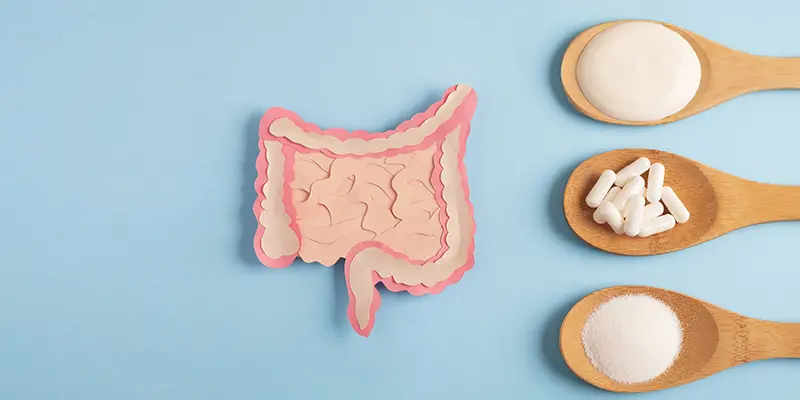
One of the simplest ways to boost your body’s GABA levels is to take supplements such as GABA, valerian, lemon balm, passionflower, l-theanine, magnesium, taurine, which are all associated with greater levels of this calming neurotransmitter.
6. Meditate.
Meditation is a calming activity. It’s no wonder that
research suggests that meditation is linked to GABA production, as well as greater emotional regulation.
7. Strike a yoga pose.
Remarkably, one
study showed a 27% increase in GABA levels in yoga participants after a 60-minute session versus a comparison group that read for an hour. Another
study compared yoga participants to a group of walkers, with both groups either practicing yoga or walking 60 minutes a few times a week over 12 weeks. The yoga participants showed increased GABA levels and greater improvements in mood and anxiety than the walkers! If you have ever taken yoga, you are probably well aware of the calm feeling and well-being that follows.
8. Eliminate GABA zappers.
Here’s another reason to limit your caffeine intake and lose your smoking or drinking habit: They zap your GABA levels. You can add chronic stress to that list as well. They are all known to deplete your levels of GABA. If you meditate and practice yoga, you can eliminate stress and boost GABA at the same time!
Anxiety, depression, chronic stress, a
nd other mental health issues can’t wait. At Amen Clinics, we’re here for you. We offer in-clinic brain scanning and appointments, as well as mental telehealth, clinical evaluations, and therapy for adults, teens, children, and couples. Find out more by speaking to a specialist today at 888-288-9834 or visit our contact page here.