
TL;DR: Zach Skow’s life was once defined by early alcohol and drug addiction, leading to liver failure and a fight for survival.
Through sobriety, an unexpected connection with rescue dogs, and a comprehensive brain-based evaluation at Amen Clinics, he gained insight into the brain dysfunction driving his addiction.
With a personalized, whole-body treatment approach and a commitment to brain health, Zach rebuilt his life.
Today, he channels his recovery into purpose, helping others heal through his work with Pawsitive Change.
Medically reviewed by Steven Storage, MD, Amen Clinics.

What happens when a life defined by addiction and self-destruction takes an unexpected turn toward healing, gratitude, and service?
For Zach Skow, co-founder of Pawsitive Change, a program that pairs rescue dogs with incarcerated individuals for rehabilitation and healing, alcohol and drug addiction came early in life. He used substances to quiet his inner turmoil and make it easier to face the world, until it stopped working.
A devastating diagnosis of liver failure, combined with the challenge of getting sober, marked a turning point. The bond he shared with his dogs became a lifeline during that time. Still, a long road of recovery and rebuilding lay ahead.
Then came an unexpected opportunity: a comprehensive brain-based evaluation at Amen Clinics. It offered insights into his brain health that he didn’t even realize he needed. For the first time, Zach began to understand what was really happening in his brain and what it would take to heal it.
With the guidance of Dr. Steven Storage from Amen Clinics in Los Angeles, California, and a personalized, whole-body approach to care, he found something he had not felt in years: hope.
This is the story of how brain health, purpose, and the right support system helped him reclaim his life after substance use disorder.
Zach, a former addict who found his purpose in rescuing dogs and who found hope thanks to an Amen Clinics brain scan, says it feels good “to be part of a qualified community of medical professionals where they’re not trying to ram pills down my throat at every turn.”
Zach Skow’s struggles with alcohol and drug addiction began early. By the age of 10, he had already started drinking, sneaking wine and vodka from cabinets at home. Not long after, drugs entered the picture. He began using marijuana at 13 and later discovered cocaine at 16.
Reflecting back, Zach has said that for as long as he can remember, he felt addicted to drugs and alcohol. He did not feel normal. He felt uncomfortable in his own skin and found it difficult to handle pressure or stress. Alcohol, he recalls, helped him cope with those feelings and made it easier to function in the world.
But what he did not understand at the time was that his brain was playing a powerful role in driving these behaviors.
Substances like alcohol and drugs trigger the release of dopamine, the brain’s “feel-good” chemical. For someone already struggling with emotional discomfort, this temporary relief can quickly become reinforcing. Over time, the brain begins to crave that escape, making it harder to stop the cycle.
What started as a way to self-soothe gradually became a pattern that would shape the course of his life, long before he had the insight or support to understand what was really happening in his brain.
Video: “If I Didn’t Have Those Dogs During That Experience I Would Have Killed Myself”: Zach Skow’s Story
Years of an out-of-control alcohol use disorder and drug abuse eventually brought Zach to death’s door.
In 2007, his body began to shut down. He remembers turning yellow, a visible sign of severe liver damage. What he would later learn was ascites, a serious condition linked to liver failure, had taken hold. The situation was life-threatening, and it forced a moment of reckoning.
At the same time, Zach committed to sobriety.
The early days were anything but easy. Withdrawal was intense, both physically and emotionally. But in the middle of that struggle, something unexpected began to change the trajectory of his life.
He started working with dogs.
What began as fostering quickly turned into something more. He brought in one dog after another, volunteered with animal rescue organizations in Tehachapi, CA, and immersed himself in caring for animals that, like him, needed a second chance.
He also began walking regularly and made significant changes to what he put into his body.
At the time, these activities were pursued simply as a way to survive. Zach did not know that he was intuitively drawn to what was helping him heal.
Indeed, animal therapy is recognized in research as a positive adjunctive therapy in substance use disorder recovery. Additionally, research has found that the positive effects of exercise can be an effective intervention in addiction recovery.
He also did not realize that these acts of self-preservation would eventually become his life’s work and purpose.
Looking back, Zach has been candid about just how critical that connection was, saying, “If I didn’t have my dogs for that experience, I would have killed myself.” They gave him a reason to keep going when everything else felt uncertain.
Related: Does Alcohol Kill Brain Cells? What Science Really Says
Zach’s journey took another pivotal turn when, as he describes it, “very miraculously,” someone from Amen Clinics reached out after hearing his story on a podcast and seeing his work online.
“That led me into the process of understanding what status my brain is in,” Zach recalls.
Working with Amen Clinics’ psychiatrist, Dr. Steven Storage, Zach underwent a brain SPECT scan and a comprehensive evaluation.
From the start, he felt supported. “Dr. Storage is just the best. I love that guy,” he says.
But the results were not easy to hear. “We walked through them, and they were difficult,” Zach explains. “I was essentially told that I had degrees of brain damage that we can work on.”
It was a sobering moment, no pun intended. Years of substance use had taken a measurable toll. The effects of alcohol on the brain over the course of years were visible. But instead of leaving him discouraged, the experience gave him understanding.
“I’ve damaged myself over the long haul. I’ve got to repair myself kind of over the long haul,” he says. “So I’m optimistic… and now I have a much better understanding of what’s going on with me.”
Even more validating was seeing the science align with his experience. “What Dr. Storage thought we might see in my scans was exactly what happened.”
For Zach, this was more than a diagnosis. It was confirmation, clarity, and the beginning of a new path forward grounded in brain health and real solutions.
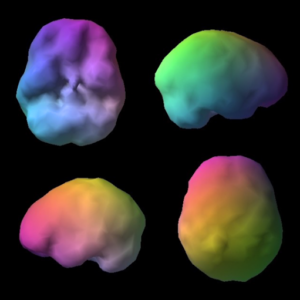
Healthy Surface Spect Scan
Zach Skow Surface SPECT Scan
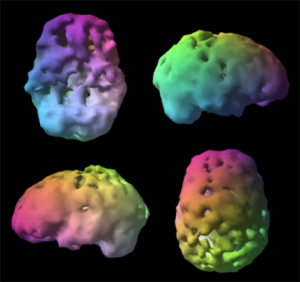
The healthy surface brain SPECT scan shows full, even symmetrical activity. The SPECT scans of people with alcohol and drug addiction, like Zach’s scan, tend to have an overall toxic appearance. The holes do not represent actual physical holes in the brain. They represent areas that are low in blood flow.
Zach’s experience is all too common. Years of drug and alcohol addiction does not just impact the body, it changes the brain.
Alcohol, for example, is known to decrease blood flow and activity in the brain. Over time, this can impair motivation, decision-making, memory, emotional regulation, and impulse control, research shows.
Importantly, alcohol abuse can significantly harm sleep regulation and other cognitive functions, studies have found.
What’s more, excessive alcohol use can damage the frontal lobes, the area responsible for judgment and self-control, making it harder to stop harmful behaviors even when the consequences are clear.
Marijuana, especially when used at a young age, can also disrupt normal brain development and function. Research shows marijuana use is associated with negative effects on attention, motivation, and memory, as well as with mental health disorders such as anxiety or depression.
Cocaine adds another layer of damage. Studies have shown that cocaine use can lead to structural changes in the brain, including decreased gray matter density, which is linked to reduced cognitive function. It can impair memory, learning, planning, decision-making, and cognitive flexibility, making it harder to think clearly or adapt to change.
Together, these substances can create patterns in the brain that reinforce addiction, making it feel less like a choice and more like being stuck.
SPECT scans can be a critical tool in the recovery process. They allow clinicians to actually see blood flow and activity patterns in the brain. Combined with a detailed personal history and neuropsychological testing, they gain a comprehensive understanding of what is happening in an individual’s brain and body.
This allows them to create a personalized treatment plan that helps to restore brain health and address the underlying mechanisms driving addiction. A treatment plan may include targeted nutrition, supplements, lifestyle changes, therapy, and medication (if necessary), all guided by a precision medicine, whole-body approach.
This is the approach Dr. Steven Storage used in working with Zach.
Instead of focusing only on stopping the addictive behavior, the goal was to heal the brain itself. By improving brain function, the drive behind the addiction could begin to change, making recovery not just possible, but sustainable.
Thanks to neuroplasticity, your brain can get better with the right tools.
Related: Cannabis: The Heart and Brain Risks No One Warned Your About
Armed with new insight into his brain, Zach began to approach his recovery in a completely new way.
For the first time, he understood not just that he had struggled, but why. His brain scan revealed patterns that helped explain the constant state of stress and reactivity he had lived with for years.
“My brain is parasympathetic nervous system–compromised,” he explains. “Everything was right in the lizard center of my brain where I’m fight or flight like crazy… and it was exactly what it showed.”
Instead of feeling discouraged, the results gave him direction. “So now I know what I have to do,” he says. “I’m optimistic, and I have a much better understanding of what’s going on with me.”
A major part of that optimism came from the approach itself. At Amen Clinics, the focus is not just on managing symptoms, but on optimizing and healing the brain and body through a combination of cutting-edge neuroscience and natural strategies.
For Zach, this was a refreshing and deeply meaningful shift from what he had experienced in the past. “I can also tell you how good it feels to be part of a qualified community of medical professionals where they’re not trying to ram pills down my throat at every turn,” he says.
Rather than relying on a medication-only approach, his care plan emphasized practical, sustainable ways to support brain health, including lifestyle changes, nutrition, and targeted interventions designed specifically for his brain.
For Zach, this approach did more than support recovery. It empowered him, giving him ownership of his healing and the tools to move forward with clarity, confidence, and purpose.
With a clear understanding of his brain and a plan in place, Zach fully embraced a brain-healthy lifestyle. Today, his recovery is not just about what he has overcome, but how he chooses to live every day.
“I have a lot of hope for the future,” he says. “There’s something uplifting and invigorating knowing that it’s up to me, that I have all the information, and I have a great support crew with me. I have my own pit crew now.”
Zach committed to making decisions that support his brain and overall health. He eliminated the substances and habits that once fueled his struggles and replaced them with choices that promote healing.
“No more drugs, no more alcohol, no more bad food,” he says. “Grilled vegetables, protein, and vitamins.”
Indeed, research shows that sound nutrition and supplementation can play an important role in addiction recovery. These changes were not just symbolic. They had a real impact.
“I got rapidly better,” he adds.
His story is a powerful reminder that when you understand your brain and give it what it needs, lasting change is possible. With the right support, consistent habits, and a commitment to brain health, recovery can become a path to something even greater: a renewed sense of purpose and possibility.
As Zach reflects on his journey, one theme rises above all the rest: gratitude. What Amen Clinics gave him was more than insight into his brain. It was a sense of being seen, supported, and invested in at a time when he needed it most.
“To have the foundation and the clinic itself look at me and say, ‘Hey, we appreciate what you’re trying to do for the world. Let’s do something for you,’ was extremely emotional,” he says. “That’s something I’ll be most grateful for my entire life.”
For someone who once believed his struggles were simply something he would have to endure, that moment changed everything.
“Everyone talks about miracles,” Zach says. “But that was a really big deal. And I have hope.”
Today, that hope extends out into the world. Through his work with Pawsitive Change, Zach has become a force of healing in the community, helping others find purpose, connection, and transformation just as he did.
By bringing together rescue dogs and incarcerated individuals, he is creating second chances on both ends of the leash, proving that healing is possible in even the most difficult circumstances.
His journey is a powerful example of what can happen when brain health, compassion, and purpose come together.
At Amen Clinics, addiction is viewed as a brain health issue, not a character flaw. By focusing on improving brain function, Amen Clinics helps people reduce cravings, strengthen self-control, and support long-term recovery.
Instead of using a one-size-fits-all approach, clinicians begin with a comprehensive evaluation that may include brain SPECT imaging, a detailed personal history, and neuropsychological testing.
This process helps identify the underlying factors driving addictive behaviors, such as low brain activity, overactivity, trauma, or other biological influences.
From there, a personalized treatment plan is created using a whole-body, precision medicine approach. This may include targeted nutrition, supplements, therapy, lifestyle changes, and medication only when necessary.
Alcohol, marijuana, and cocaine all impact the brain in harmful ways. Alcohol reduces blood flow and activity, impairing judgment, impulse control, and decision-making over time.
Marijuana, especially during adolescence, can disrupt brain development and affect attention, memory, and motivation, while also contributing to mood issues.
Cocaine can cause structural changes, including reduced gray matter, leading to problems with memory, learning, planning, and decision-making.
Together, these substances reinforce addictive patterns, making it harder to stop without targeted support.
Addiction is not just about behavior; it is rooted in how the brain functions. Different patterns of brain activity can drive cravings, impulsivity, anxiety, or compulsive behaviors.
Without understanding what is happening in the brain, treatment often becomes trial and error. By looking at brain function through tools like SPECT imaging, clinicians can identify specific areas that need support and tailor treatment accordingly.
This brain-based approach helps address the root causes of addiction, rather than just managing symptoms, leading to more effective and lasting recovery.
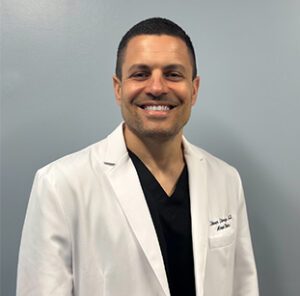
Dr. Steven Storage is a child, adolescent, and adult psychiatrist at Amen Clinics. He earned his medical degree from the UCLA School of Medicine, completed his general psychiatry residency at Stanford Hospital & Clinics, and finished his child/adolescent psychiatry fellowship at the University of Southern California, where he served as Chief Fellow. Dr. Storage is board certified in both adult psychiatry and child/adolescent psychiatry and serves as Adjunct Clinical Professor of Psychiatry at USC. His clinical expertise includes ADHD, autism spectrum disorders, anxiety, depression, bipolar disorders, OCD, PTSD, traumatic brain injury, and psychiatric symptoms in medically complex patients.
Monfort Montolio M, Sancho-Pelluz J. Animal-Assisted Therapy in the Residential Treatment of Dual Pathology. Int J Environ Res Public Health. 2019 Dec 23;17(1):120. doi: 10.3390/ijerph17010120. PMID: 31877972; PMCID: PMC6981395.
Smith MA, Lynch WJ. Exercise as a potential treatment for drug abuse: evidence from preclinical studies. Front Psychiatry. 2012 Jan 12;2:82. doi: 10.3389/fpsyt.2011.00082. PMID: 22347866; PMCID: PMC3276339.
Sullivan EV, Harris RA, Pfefferbaum A. Alcohol’s Effects on Brain and Behavior. Alcohol Res Health. 2010;33(1-2):127-143. PMID: 235powe79943
Koob GF, Colrain IM. Alcohol use disorder and sleep disturbances: a feed-forward allostatic framework. Neuropsychopharmacology. 2020;45(1):141-165. doi:10.1038/s41386-019-0446-0
Bloomfield MA, Ashok AH, Volkow ND, Howes OD. The effects of Δ9-tetrahydrocannabinol on the dopamine system. Nature. 2016 Nov 17;539(7629):369-377. doi: 10.1038/nature20153. PMID: 27853201; PMCID: PMC5123717.
Gould RW, Gage HD, Nader MA. Effects of chronic cocaine self-administration on cognition and cerebral glucose utilization in Rhesus monkeys. Biol Psychiatry. 2012 Nov 15;72(10):856-63. doi: 10.1016/j.biopsych.2012.05.001. Epub 2012 Jun 5. PMID: 22672928; PMCID: PMC3440537.
White B, Sirohi S. A Complex Interplay between Nutrition and Alcohol use Disorder: Implications for Breaking the Vicious Cycle. Curr Pharm Des. 2024;30(23):1822-1837. doi: 10.2174/0113816128292367240510111746. PMID: 38797900; PMCID: PMC12085226.