
TL;DR
Medically reviewed by Kandace Licciardi, MD, Medical Director, Amen Clinics
FAQ About Alcohol and the Brain
The holidays are a time for celebration, but they can also bring added pressure to drink alcohol. From festive parties to family gatherings, booze often flows freely, and well-meaning friends and loved ones may encourage you to indulge in “just one more glass.” Even if you’re trying to cut back, saying no isn’t always easy.
A survey from OnePoll, cited in Beverage Daily, noted that Americans, on average, increase their alcohol consumption by 100 percent between Thanksgiving and New Year’s. Meanwhile, another more recent OnePoll survey found that nearly half (47 percent) of respondents wanted to reduce their alcohol consumption over the holidays.
Holiday drinking (and overdrinking) may seem harmless, but it can quickly cross the line, leading to serious consequences. This blog will explain how to recognize when drinking becomes a problem and how to better protect your brain and mental health over the holidays.
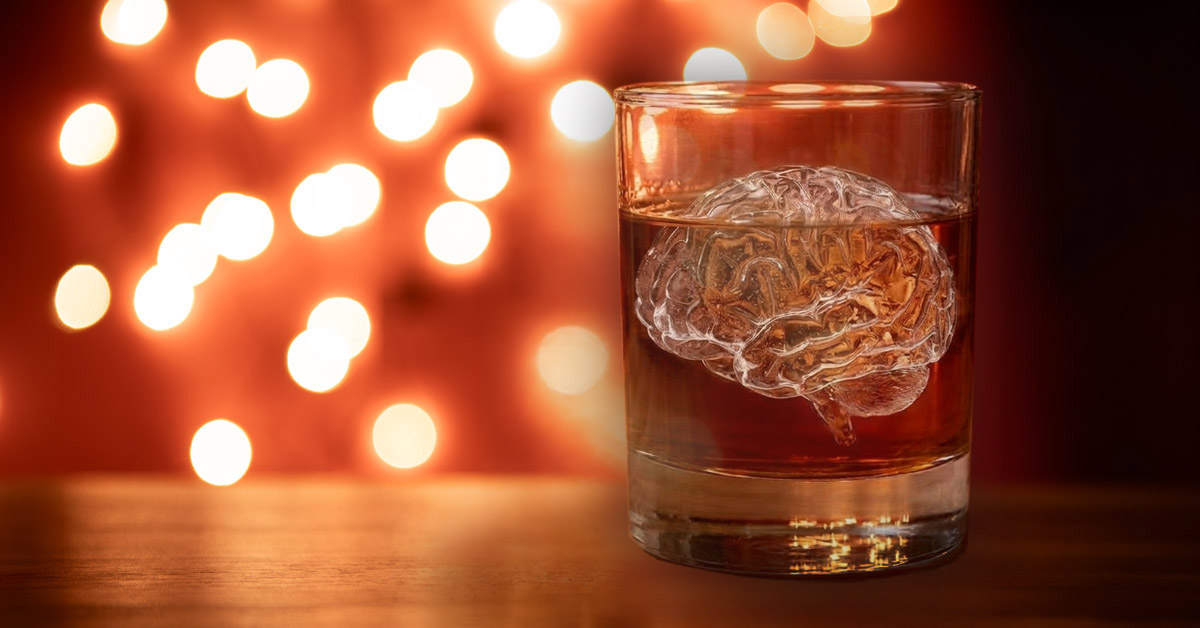
Americans, on average, increase their alcohol consumption by 100 percent between Thanksgiving and New Year’s. And it can impact your brain, moods, anxiety levels, and more.
The brain effects of alcohol are multifaceted, leading to both short- and long-term impacts. Drinking is associated with:
Holiday alcohol consumption, including binge drinking, can occur for numerous reasons, including emotional, social, and cultural. These include:
Over the holidays, you may be asking if your drinking has reached dangerous levels. Here’s a quick self-check list of questions that may point to a problem:
When casual holiday drinking becomes excessive drinking, it may be a problem.
Related: Does Alcohol Kill Brain Cells? What Science Really Says
The holidays can be emotionally challenging for many people. Unfortunately, drinking alcohol can make those feelings worse.
There is a documented biochemical link between alcohol intake and negative emotional effects, including mood swings, anxiety, and depression.
One article published in Alcohol Research detailed numerous study findings on these effects, including:
The author added that hazardous alcohol use, including binge drinking, is associated with changes in the brain’s stress and emotion regions. Ultimately, alcohol weakens the body’s natural responses to stress while increasing negative emotional and stress responses, while stimulating alcohol cravings.
Moreover, after drinking, many adults experience hangovers, which can impair everything from work productivity to personal relationships. Drinkers also often suffer from “hangxiety,” an anxiety that strikes after drinking.
And, because alcohol is a depressant, it’s not uncommon for booze to fuel a cycle of alcohol use and depression. This cycle can lead to increased usage, abuse, and eventually addiction.
More Americans are becoming aware that alcohol is our country’s most dangerous drug and damages every system of the body. A 2025 Gallup poll found that U.S. adult alcohol consumers had fallen to 54 percent, the lowest level in 90 years of tracking.
Clearly, it’s more socially acceptable than ever to pass on the booze. But if you need additional advice on how to stop drinking too much or cut back on alcohol over the holidays, here are some practical, empowering strategies:
With high expectations and increased social demands, holidays can be stressful and chaotic. Make sure you engage in these basic brain-based lifestyle support strategies to prepare you for success during this hectic season:
If alcohol is interfering with your health, relationships, work performance, or any other aspect of your life, it is likely time to seek help. You don’t need to hit a horrific “rock bottom” to stop drinking. Quitting even moderate drinking offers numerous health benefits.
When it comes to addiction and mental health, seeking help is a sign of strength, not weakness. Experts now know that alcohol and mental health issues go hand in hand — and that addiction is brain-based, not a moral failing.
If you require help, taking a holistic approach to addiction and recovery will reap optimal results. Amen Clinics uses brain SPECT imaging to uncover underlying brain patterns that may be contributing to alcohol use disorder or addiction. Certain patterns are linked to common drinking triggers, such as issues with impulsivity, past trauma, or mood regulation.
Related: How to Break the Mental Health and Substance Abuse Cycle
Alcohol is everywhere in our culture — and drinking is often encouraged. Fortunately, attitudes toward this toxic carcinogen are changing. More Americans are embracing the hope and empowerment that accompanies choosing to avoid alcohol altogether.
Whether you’re committing to having a sober holiday or more mindful drinking, remember that abstaining or reducing intake can lead to healthier, happier festivities. With a smarter approach to drinking, combined with brain awareness, both you and your loved ones will notice the benefits. Now that’s something to celebrate!
Cutting back is always a good idea, but quitting altogether is best for brain and body health. Fortunately, brain SPECT imaging shows that it is possible to improve brain health after quitting, even for heavy drinkers.
At Amen Clinics, before-and-after SPECT scans of patients who have stopped drinking or overcome addictions show dramatic improvements in cerebral blood flow and brain activity.
For years, Americans heard the myth that some amount of alcohol is good for you. But more recent research has shown that even moderate drinking (one to two drinks per day) harms the brain and offers zero health benefits.
If you must drink, stick to just one, or dilute your drink with club soda or water to reduce overall intake.
Amen Clinics takes an integrative approach to healing the brain after alcohol use and substance abuse. This includes brain SPECT imaging to detect any changes in brain function or abnormal brain activity patterns that may be linked to addictive behavior.
Amen Clinics also offers nutritional and psychological support, trauma-informed care, and lifestyle strategies to optimize healing and health over the long term.
Alcohol abuse, addiction, and other mental health conditions can’t wait. At Amen Clinics, we practice precision medicine — using brain SPECT imaging and comprehensive evaluations to understand what’s really happening in your brain, not just your symptoms.
Our whole-body approach to holistic psychiatry combines cutting-edge neuroscience with natural ways to treat mental health conditions, including targeted nutrition, supplements, lifestyle strategies, therapy, and medications (when necessary). Every treatment plan is personalized to address the root causes of your struggles and support the health of your brain, body, and mind.
Don’t settle for guesswork. You deserve answers — and a plan built specifically for you. Speak with a Brain Health Advisor today at 888-546-3124 or visit our contact page to get started.
About the Reviewer
Kandace Licciardi, MD, Medical Director, Amen Clinics
Dr. Kandace Licciardi is a double board-certified psychiatrist in adult and forensic psychiatry and serves as Medical Director of Amen Clinics Dallas Metro Area. She takes a comprehensive, whole-person approach to care, integrating evidence-based psychiatric treatment with lifestyle, social, and wellness factors. Dr. Licciardi has extensive experience treating depression, anxiety, bipolar disorder, psychotic disorders, and borderline personality disorder, with special expertise in early psychosis intervention. She completed her psychiatry residency at Maimonides Medical Center and her forensic psychiatry fellowship at New York University.
Americans Double Their Drinking During The Holidays, Dec. 19, 2018, by Beth Newhart. https://www.beveragedaily.com/Article/2018/12/19/Americans-double-their-drinking-during-the-holidays-dampen-work-productivity/
Overserving Holiday Cheers? New Survey Finds 56 percent of Americans Experience More Alcohol Served at Holiday Gatherings than Other Social Events Throughout the Year. News provided by Ritual Zero Proof, Nov 16, 2021, https://www.prnewswire.com/news-releases/overserving-holiday-cheers-new-survey-finds-56-of-americans-experience-more-alcohol-served-at-holiday-gatherings-than-other-social-events-throughout-the-year-301425656.html
Russell, M. A., Almeida, D. M., & Maggs, J. L. (2017). Stressor-related drinking and future alcohol problems among university students. Psychology of Addictive Behaviors, 31(6), 676–687. https://doi.org/10.1037/adb0000303
Farahbakhsh, Z.Z., Holleran, K.M., Sens, J.P. et al. Synchrony between midbrain gene transcription and dopamine terminal regulation is modulated by chronic alcohol drinking. Nat Commun 16, 1944 (2025). https://doi.org/10.1038/s41467-025-56715-y
Immonen, S., Launes, J., Järvinen, I. et al. Moderate alcohol use is associated with decreased brain volume in early middle age in both sexes. Sci Rep 10, 13998 (2020). https://doi.org/10.1038/s41598-020-70910-5
Sinha R. Alcohol’s Negative Emotional Side: The Role of Stress Neurobiology in Alcohol Use Disorder. Alcohol Res. 2022 Oct 27;42(1):12. doi: 10.35946/arcr.v42.1.12. PMID: 36338609; PMCID: PMC9621746.
U.S. Drinking Rate at New Low as Alcohol Concerns Surge. August 13, 2025. https://news.gallup.com/poll/693362/drinking-rate-new-low-alcohol-concerns-surge.aspx