


TL;DR
If you struggle with how to relax, your brain may be craving constant dopamine stimulation or have overactive emotional and fear centers.
Chronic stress or past trauma can keep your nervous system stuck in fight-or-flight mode, making it difficult to calm down even when you’re safe.
Doomscrolling, constant stimulation, and even putting pressure on yourself to relax can keep your brain feeling “tired but wired.”
Brain-healthy strategies like deep breathing, meditation, exercise, balanced nutrition, and challenging negative thoughts can help calm your brain and retrain it to relax more naturally.
Medically reviewed by Kandace Licciardi, MD, Medical Director, Amen Clinics
How do you respond to an unexpected hour of free time in your day? Are you able to kick your feet up and read a great book for pleasure, listen to music that makes you happy, or just let your mind wander?
Or do you feel antsy about “wasting time” and throw some clothes in the washing machine, start organizing your closets, or feel guilty about not being productive?
There’s nothing wrong with you if you identify with the latter scenario. It’s simply an indicator that your brain has trouble relaxing.
There are likely good reasons why you can’t relax. A host of common issues inside the brain might be to blame for keeping your mind spinning.
For example, some people’s brains struggle without the quick dopamine hits that external stimulation generates. Relaxation can additionally be challenging for people whose brain’s emotional systems are on overdrive from anxiety and/or depression.
Other people may struggle to calm their nervous system due to the effects of past emotional trauma and anxiety. All that late night doomscrolling so many of us do is a culprit as well. And, ironically, some people’s brains can’t relax because they are stressing too much about relaxing!
Whatever the case may be, the good news is that there are effective methods that help to balance the brain naturally, making relaxation possible. These methods may include deep breathing, meditation, nutritional supplements, high-protein foods, cognitive behavioral therapy, EMDR, and more.
Here’s more about what drives overactive brain anxiety, as well as effective strategies to successfully relax your mind.
There are brain-based reasons you can't relax. If you have overactivity in the brain’s emotional centers, you may stay busy in order to distract yourself from your anxious or negative thoughts or feelings of hopelessness.
Dopamine is a neurotransmitter produced by your brain and a major player in motivating life-affirming behavior. For example, it gets released when you take a bite of delicious food, when you have sex, after you exercise, and, importantly, when you have positive social interactions.
Evolutionarily, it rewards you for beneficial behaviors and motivates you to repeat them. Thus, dopamine is part of your brain’s reward and pleasure centers. However, the fast pace of modern life and our pleasure-seeking culture is negatively impacting the brain’s reward system.
For example, social media provides opportunities to connect with loads of people, novelty, notifications, likes, and comments—all designed to exploit your brain’s reward loop by releasing dopamine so that you stay logged in and coming back for more.
Unfortunately, when your brain is releasing a near-constant and overwhelming stream of dopamine, the pleasure centers get exhausted, and it responds by making an adjustment and decreasing dopamine transmission.
As Stanford psychiatrist and author of Dopamine Nation Dr. Annie Lembke explains in a Stanford Medicine News article, the brain decreases dopamine transmission to below normal baseline levels, ultimately creating a chronic dopamine-deficit state. That makes pleasure difficult to experience. Your brain won’t relax and you may have restless mind symptoms as your brain is hungry for more exciting stimulation.
Similarly, individuals with attention deficit hyperactivity disorder (ADHD), also called attention deficit disorder (ADD), commonly have low levels of dopamine. An individual with ADHD tends to get easily bored with quiet and a lack of outside stimulation as their brains crave novelty, excitement, and even conflict.
Big thrills — whether they come from bungee jumping, taking a spontaneous road trip, or starting an argument — boost dopamine in the brain.
Our brain-imaging work at Amen Clinics shows that adult ADHD is also associated with abnormal brain activity. Amen Clinics uses a brain-imaging technology called SPECT that measures blood flow and activity in the brain. It shows areas of the brain with:
People with ADHD typically have lower levels of activity and blood flow in an area of the brain called the prefrontal cortex (PFC). ADHD is associated with altered dopamine and norepinephrine signaling in brain networks involving the prefrontal cortex, which plays a key role in attention, impulse control, and executive function. Because of this, ADHD adults often seek ways to stimulate the brain and trigger the release of dopamine.
Try a dopamine detox and/or limit your social media use to 15-minute increments once or twice day. Engage in more in-person contact. Boost dopamine in healthier ways to reduce the need to seek excitement or conflict. You can increase the neurotransmitter naturally by eating a higher-protein, lower-carbohydrate diet and taking nutritional supplements like green tea, rhodiola, and ginseng.
Related: 9 Naturals Ways to Balance Dopamine in the Brain
Some people have overactivity in the emotional and fear centers of the brain, which can make relaxation difficult.
The overactivity can stem from any number of causes. Emotional trauma is associated with dysregulation of the brain’s emotional centers, research has found. It’s also strongly linked to conditions like ADHD, reports the American Psychological Association. Additionally, chronic pain, and even chronic stress can play a role in its development too, researchers have noted.
When the brain’s emotional centers, anxiety centers, and fear centers are overactive, it can be associated with clinical depression and anxiety disorders. On SPECT scans, this brain pattern involves excessive activity in the following areas:
If you have overactivity in these brain regions, you may stay busy in order to distract yourself from your anxious or negative thoughts or feelings of hopelessness. When the world calms down around you, it’s as if those worries and depressed moods come into sharper focus.
To calm your emotional brain, practice mental hygiene by challenging the automatic negative thoughts (ANTs) that creep into your mind and prevent relaxation. Cognitive behavioral therapy (CBT) can help to combat ANTs too.
Supplements that calm the emotional and fear centers of the brain include saffron, omega-3 fatty acids, and GABA. Bright light therapy and the scent of lavender may also help.
Any situation that your brain interprets as demanding or potentially threatening, whether physical or psychological, can activate the sympathetic nervous system (SNS) and its associated “fight-or-flight” response.
Threats like a car coming at you while you’re driving, or a barking dog chasing you will activate the SNS and the fight-or-flight stress response, which immediately quickens your heart rate and heightens your response ability with the release or neurohormones like cortisol and epinephrine to help you fight off the threat or get out of harm’s way.
Generally, after the threat passes, your body returns to homeostasis again by activating the parasympathetic nervous system (PNS), known as the relaxation response, which counterbalances the SNS and helps you calm down after a heart-pounding incident.
But the SNS can get activated by other triggers too, including the following:
When the nervous system is healthy, the SNS and PNS work in concert to help manage stress. Chronic stress or prolonged trauma, however, can interfere with the body’s relaxation mechanism.
Unfortunately, researchers have noted that modern living is rife with environmental pressures, such as:
These lead to states of chronic stress and a SNS that can’t turn off. Additionally, when adverse childhood experiences — such as physical, sexual, or emotional trauma are severe or prolonged — it can lead to posttraumatic stress disorder (PTSD) in adulthood. In basic terms, the SNS gets stuck on, making you feel restless, anxious, panicky, hyper-aroused, hypervigilant, or sleepless.
On SPECT scans, a diamond pattern of overactivity is commonly seen in trauma survivors. If you have the diamond brain pattern, you may not be able to shake off those feelings even when you try to relax. Yet, too often people with this underlying brain pattern get misdiagnosed or don’t respond to standard mental health treatments.
Related: Emotional Trauma and the Diamond Pattern
Getting a brain scan can be a critical step in determining if past trauma has left a lasting impact on your brain and nervous system. With this information, you’re more likely to get an effective treatment plan that works.
If the SNS is stuck on, calm it with meditation, prayer, hypnosis, guided imagery, diaphragmatic breathing, and calming supplements, such as GABA, magnesium, or L-theanine. For PTSD, therapeutic interventions such as EMDR may be helpful.
When relaxation feels like it’s just another task on your to-do list, it can be counterproductive.
Forcing yourself to relax can make you become more anxious, and you may worry more about how well or efficiently you are actually able to relax. Clinicians call this being “stresslaxed.”
If you’re stresslaxed, you might be checking your heartrate monitor every few seconds as you engage in deep breathing or meditation to see if your level is going down. This may actually increase feelings of anxiousness.
If you throw in a perfectionistic attitude, it can really backfire. Indeed, when researchers studied perfectionism in the workplace, instead of increasing productivity and achievement, they found a net detrimental effect on both the employees and the organizations.
Perfectionism creates an unrealistic expectation of an idealized relaxation session, often with certain activities or outcomes. Ideals, of course, can never be met. Failure and disappointment follow. All of this can keep real relaxation at bay. Worse, it can even trigger anxiety and stress!
If this sounds like you, don’t make relaxation a chore. Rid yourself of expectations and just breathe, take a walk, or meditate without any goals or agenda. And remember, self-care isn’t one size fits all. Try a variety of activities and hobbies to see what works for you.
Related: How Chronic Stress Rewires Your Brain and What To Do About It
If you’re hooked on watching or reading the news, you’re basically feeding your brain a steady diet of disturbing deaths, disasters, and divisive politics. You’re flooding your mind with toxic thoughts that activate the brain’s fear circuits, making you feel chronically anxious and afraid.
Indeed, a Harvard Medical School report detailed how doomscrolling (scrolling through negative news reports on social media) is associated with sleeplessness, anxiety, and the activation of the fight-or-flight stress response.
When you’re constantly on edge, and your brain is seeking out the next impending disaster around the corner, it’s very hard to relax.
Limit your media consumption, especially doomscrolling before bed! Instead, subscribe to news outlets, such as the Good News Network, that specialize in highlighting the positive things that are happening in our world. Meditate and use creative visualization to create more calm in your mind.
Your daily habits are what make a difference in supporting your brain to relax. Here’s a suggested daily plan. Don’t worry if you can’t stick to it exactly. Let it serve as a guide and do your best to begin incorporating these habits into your daily life.
Rinse and repeat!
Sometimes difficulty relaxing is more than just a bad habit — it’s linked to specific brain activity patterns. At Amen Clinics, we use brain SPECT imaging to measure blood flow and activity, revealing if your emotional, anxiety, or fear centers are working in overdrive. This may explain why you might feel restless, tense, or unable to “switch off” even during downtime.
Once we identify the brain patterns linked to your symptoms, we create a personalized plan to support balanced brain activity levels and help calm the nervous system. This may include targeted nutritional supplements, lifestyle changes, evidence-based therapies like EMDR or cognitive behavioral therapy, and brain-based relaxation techniques.
Yes. Many people find that with the right brain health strategies — such as breathing exercises, dopamine-balancing nutrition, meditation, and reframing negative thoughts — they can reset their nervous system and promote lasting relaxation. Amen Clinics’ brain-based, whole body approach is designed to help you build these skills while addressing any underlying brain activity issues.
Anxiety, ADHD, and other mental health conditions can’t wait. At Amen Clinics, we provide personalized, science-backed treatment plans designed to target the root causes of your symptoms. Our 360-approach includes brain SPECT imaging, clinical evaluations, innovative therapeutic techniques, medications (when necessary), and holistic lifestyle recommendations to promote the health of your brain, body, and mind. Speak to a specialist today at 888-288-9834 or visit our contact page here.
About the Reviewer
Kandace Licciardi, MD, Medical Director, Amen Clinics
Dr. Kandace Licciardi is a double board-certified psychiatrist in adult and forensic psychiatry and serves as Medical Director of Amen Clinics. She takes a comprehensive, whole-person approach to care, integrating evidence-based psychiatric treatment with lifestyle, social, and wellness factors. Dr. Licciardi has extensive experience treating depression, anxiety, bipolar disorder, psychotic disorders, and borderline personality disorder, with special expertise in early psychosis intervention. She completed her psychiatry residency at Maimonides Medical Center and her forensic psychiatry fellowship at New York University.
Stanford Medicine News, https://med.stanford.edu/news/insights/2021/10/addictive-potential-of-social-media-explained.html#:~:text=These%20apps%20can%20cause%20the,as%20soon%20as%20we%20stop., Accessed July 25, 2025
Selemon LD, Young KA, Cruz DA, Williamson DE. Frontal Lobe Circuitry in Posttraumatic Stress Disorder. Chronic Stress (Thousand Oaks). 2019 May 23;3:2470547019850166.
American Psychological Association website, “Emotional dysregulation is part of ADHD. See how psychologists are helping.” https://www.apa.org/monitor/2024/04/adhd-managing-emotion-dysregulation, Accessed July 25, 2024
Abdallah CG, Geha P. Chronic Pain and Chronic Stress: Two Sides of the Same Coin? Chronic Stress (Thousand Oaks). 2017 Feb;1:2470547017704763.
Roberts BL, Karatsoreos IN. Brain-body responses to chronic stress: a brief review. Fac Rev. 2021 Dec 16;10:83.
Harvard Health Publishing, Harvard Medical School website, “Doomscrolling dangers.” https://www.health.harvard.edu/mind-and-mood/doomscrolling-dangers Accessed July 25, 2025
Journel M, Chaumontet C, Darcel N, Fromentin G, Tomé D. Brain responses to high-protein diets. Adv Nutr. 2012 May 1;3(3):322-9.
Harari D, Swider BW, Steed LB, Breidenthal AP. Is perfect good? A meta-analysis of perfectionism in the workplace. J Appl Psychol. 2018 Oct;103(10):1121-1144.

Coffee is rarely just coffee. For most people, it’s a ritual, something to fire up the mind at the start of the day, a comfort when it’s cold outside, or a reliable mid-afternoon mental boost. But beyond the cozy coffee routine and its caffeine-fueled productivity boost lies a far more complex story, one neuroscience is still actively unpacking.
We’re often taught to think of coffee as a simple switch: drink it and feel alert, skip it and feel sluggish. In truth, coffee’s effects on the brain are far more nuanced and personal.
We are a nation of coffee drinkers, which makes the brain effects of coffee especially important to understand. According to the National Coffee Association, nearly two-thirds of U.S. adults (66 percent) drink coffee daily — more than tea, juice, soda, or bottled water. And the average drinker consumes about three cups of coffee a day, up nearly 7 percent since 2020.
With such a large amount of caffeine flowing through our collective nervous systems, this blog seeks to answer the deeper question: What does coffee do to your brain…really? Additionally, this article offers ways to boost your brain function, energy levels, and mood with alternatives to coffee.
Understanding coffee’s short-term effects, long-term implications, and how to use it strategically can help you work with your brain, rather than against it.
Medically reviewed by Kandace Licciardi, MD, Medical Director, Amen Clinics
Caffeine affects brain health in myriad ways. Research shows that caffeine, the central nervous system stimulant in coffee, interacts with brain chemistry, blood flow, heart rate, sleep cycles, mood regulation, and even the long-term activity of brain structure.
And it affects individuals differently. Coffee can sharpen focus and motivation for one person, while triggering anxiety, jitters, or disrupted sleep in another. Its neuroprotective benefits are real, but moderate, and they can quickly turn into a liability when refills stack up.
At the neurological level, coffee’s effects begin with adenosine, a neurotransmitter brain chemical that promotes sleep and relaxation. As the day goes on, adenosine builds up in the brain, increasing the desire to rest. That’s why many people yearn for or take a mid-day nap.
Caffeine works by blocking adenosine receptors, essentially preventing the brain from receiving the “you’re tired” signal. Additionally, adenosine is a brain chemical that normally dilates blood vessels. But by blocking it, caffeine causes vessels to constrict.
This constriction lowers overall brain blood flow (CBF). In one study, consumption of 250 mg of caffeine (about two or three cups of coffee) lowered CBF by nearly 30 percent. This can have a negative impact, especially over time, as the brain needs healthy blood flow to function optimally.
Caffeine also influences other key neurotransmitter chemicals in the brain. By blocking adenosine, studies shows that caffeine indirectly increases the activity of dopamine, norepinephrine, and acetylcholine. These are chemicals associated with motivation, alertness, learning, and memory. This biochemical shift explains why coffee can temporarily improve focus, speed up reaction time, and elevate mood.
Many people experience sharper concentration, improved task initiation, and a subtle mood lift; however, the same mechanisms can often overshoot the mark. Research shows that too much caffeine stimulation may lead to jitters, restlessness, rapid heart rate, or anxiety, especially in those who are caffeine-sensitive or already under chronic stress. Coffee’s short-term effects on the brain are powerful, but they’re not universally positive.
Related: 7 Worst Ways to Start Your Morning for Mental Health
In a large population study, high coffee intake was linked to smaller total brain volumes and a 53 percent higher risk of dementia.
When it comes to coffee consumption, short-term alertness is only part of the equation. What matters just as much (if not more) is how regular coffee consumption shapes your brain over time. Any long-term effects depend heavily on the dose, consumption frequency, your genetics, sleep quality, and overall state of your brain health.
Here are some of the potential long-term impacts of regular coffee consumption.
A growing body of research links moderate coffee consumption to a lower risk of neurodegenerative conditions such as Alzheimer’s disease and related dementias, as well as Parkinson’s disease.
Caffeine can have neuroprotective properties, potentially reducing inflammation and oxidative stress in the brain. But recent research indicates that only unsweetened coffee consumption is associated with these brain benefits.
Research suggests that caffeine may have beneficial effects on motor function in people with Parkinson’s disease, potentially through its effects on brain pathways involved in dopamine signaling. Coffee also contains polyphenols and antioxidants that may support long-term brain resilience beyond caffeine alone.
Coffee affects isolated brain regions and also influences how different areas communicate. Neuroimaging studies suggest that caffeine can temporarily increase functional connectivity in networks associated with attention, memory, executive function, and psychomotor speed.
Over time, a moderate amount of coffee may support cognitive performance by enhancing efficiency in these networks.
However, this is where balance really matters. Increased connectivity under stimulation isn’t always beneficial if it comes at the cost of rest, sleep quality, or emotional regulation. Your brain needs both healthy activation and intentional recovery to thrive.
The risks emerge most clearly at the extreme sides of consumption. High coffee intake, which is often defined as more than six cups per day, has been associated with reduced grey matter volume, according to research. In a large population study, high coffee consumption was linked to smaller total brain volumes and a 53 percent higher risk of dementia.
Lower brain volume is not a diagnosis, but it is associated with higher risks of cognitive decline, stroke, and other neurological diseases.
It is well known that coffee can disrupt sleep. Recent research from 2024 shows that excessive caffeine intake can disrupt your sleep architecture, especially if it is consumed within four hours of bed time, but the negative impact of caffeine on sleep has been observed even as much as 12 hours ahead of bedtime.
Sleep “architecture” refers to the structure and pattern of sleep across the night. It’s how the brain cycles through different stages of sleep, including light sleep, deep sleep, and REM sleep.
Disrupting this process essentially impairs deep sleep stages critical for memory consolidation and brain detoxification. Over time, chronic sleep disruption may offset or even reverse coffee’s potential neuroprotective benefits.
An occasional cup of coffee is unlikely for most people to cause dependence, but multiple cups each day can prompt the brain to adapt by increasing adenosine receptors, leading to tolerance and mild physical dependence.
When caffeine intake is reduced or stopped, withdrawal symptoms may occur, including:
Headaches
Fatigue
Irritability
Brain fog
These symptoms are primarily driven by rebound adenosine activity, with secondary effects on dopamine signaling. While caffeine dependence is a measurable neurochemical process, its impact on long-term brain health depends largely on dose, sleep quality, and individual sensitivity.
Because the brain is about 80 percent water, even mild dehydration can impair focus, memory, and emotional regulation. While moderate coffee intake is not directly dehydrating, high caffeine consumption without adequate water intake may increase the risk of cognitive fatigue and mood changes.
Studies show inadequate hydration, even by two percent, is associated with increases in anxiety and depressive symptoms, and reduced cognitive performance.
Excessive caffeine intake has been shown to temporarily raise homocysteine levels, a biomarker associated with inflammation and cardiovascular risk. According to research, elevated homocysteine is linked to impaired blood flow and a higher risk of stroke, both of which negatively affect brain health over time. This inflammatory pathway is a potential concern with consistent higher-dose caffeine intake.
Coffee intake is associated with gastric acid secretion, which can contribute to heartburn, reflux, gastrointestinal discomfort and even Crohn’s disease, especially with excessive consumption or when consumed on an empty stomach, researchers report. But more research is needed to fully understand this association.
Still, long-term gut irritation and appetite suppression may interfere with nutrient absorption, indirectly affecting brain and gut function. Disruptions in your gut–brain axis are associated with changes in mood, cognition, and stress regulation, research shows.
There is no universal “right” amount of coffee that will guarantee a benefit or a risk. Your brain’s response depends on who you are, how you metabolize caffeine, and when you consume it.
Here are a few factors to keep in mind when assessing things with your doctor:
Genetic differences significantly alter caffeine’s cardiovascular and neurological effects. The American Council on Science and Health reports, genetic variations in the CYP1A2 enzyme determine how quickly caffeine is metabolized. Fast metabolizers may tolerate higher intake with fewer side effects, while slow metabolizers are more prone to anxiety, insomnia, or elevated blood pressure.
Age also plays a role, as caffeine clearance tends to slow over time.
Morning coffee aligns best with the brain’s natural cortisol rhythm. Consuming caffeine later in the day (particularly after 2 p.m.) can interfere with sleep, even if you “feel fine.” Research shows that caffeine can reduce total sleep time and deep sleep in young adult men, even when consumed six hours before bedtime, subtly affecting cognition over time.
Most health organizations, including the FDA, suggest up to 400 mg of caffeine per day (roughly three to four cups of brewed coffee) as a safe upper limit for healthy adults. Staying within this range minimizes the risk of tolerance, caffeine withdrawal headaches, and sleep disruption.
However, Amen Clinics founder Dr. Daniel Amen advises drinking less than the FDA limits. In general, he suggests drinking no more than one cup a day to protect optimal brain function and restful sleep.
In his book You, Happier, he writes that he makes a half-caf cinnamon latte every morning for his wife Tana. He adds organic, unsweetened, vanilla-flavored almond milk, a little stevia for natural sweetness, and a dash of cinnamon, which helps with moods. “It smells intoxicating and tastes divine,” he says.
Coffee works best when it’s intentional, instead of an automatic action. If you can’t give it up entirely, make some small changes in your coffee habit to optimize the positive effects to benefit your brain health and longevity.
You can learn to drink coffee without the side effects like drowsiness, sleep disturbances, and other negative impacts to mood and cognition.
Here are some tips:
If you are someone who drinks caffeine regularly, there are a few alternatives worth considering that will help you reduce your intake without sacrificing the comfort of a warm beverage. These may include:
You can even rotate these lower-caffeine beverages and alternate them with caffeine-free days to protect your sleep and stabilize your mood over time.
You are not beholden to coffee for increased energy, focus, and mental clarity. If you struggle with impulsivity, focus, overstimulation and perhaps consuming too much caffeine, it is not due to a personal moral failing or flaw. Sometimes the drive to consume caffeinated beverages like coffee is an effort to overcome a brain function issue.
The great news is that you can create new rituals that gently support mood, attention, and cognition without the detrimental impact of too much caffeine. If you are struggling with your mental focus, sleep, or overall mental health, your brain may need something that caffeine cannot give you.
Amen Clinics’ brain SPECT imaging offers valuable insights into how your brain is functioning. It measures blood flow and activity in the brain and can detect areas with low blood flow or overactivity.
From that data and several assessments, a personalized plan to balance brain function can be crafted. A targeted plan may entail lifestyle habits such as brain healthy nutrition, adequate sleep, relaxation techniques, exercise, developing meaningful social connections, as well as medication (if necessary) and effective therapies. It’s all designed to support health from the inside out.
What’s the bottom line on coffee and brain health? Dr. Amen says that when it comes to coffee, “Clearly less is better.” In addition, following a holistic, brain healthy plan will often resolve the need to turn to caffeine in a harmful manner.
Coffee may temporarily enhance attention and working memory, which can indirectly support memory performance, especially in the short term. These effects are most noticeable when caffeine improves focus rather than memory storage itself, and they vary based on tolerance and sleep quality.
Depending on the dose, timing, and individual brain chemistry, coffee consumption may be harmful or beneficial to the brain. Moderate intake may support brain health and offer neuroprotective benefits, while excessive or poorly timed use can interfere with sleep, mood regulation, and long-term cognitive health.
Dr. Amen suggests no more than one cup a day for optimal brain health. Other sources show that for most healthy adults, more than 400 mg of caffeine per day, roughly four cups of brewed coffee, may increase the risk of anxiety, sleep disruption, and cognitive strain.
Yet, as little as two to three cups can significantly lower blood flow to the brain, which impacts brain function. Consistently exceeding six cups daily has been linked in research to reduced brain volume and higher neurological health risk.
Coffee may have some brain benefits. But take note that decaf coffee also contains antioxidants and polyphenols that support brain and cardiovascular health, just without the stimulating effects of caffeine. It can be a useful option for caffeine-sensitive individuals or for afternoon and evening consumption.
Trouble with energy, focus, fatigue, excessive coffee consumption, and other mental health conditions can’t wait. At Amen Clinics, we provide personalized, science-backed treatment plans designed to target the root causes of your symptoms. Our 360-approach includes brain SPECT imaging, clinical evaluations, innovative therapeutic techniques, medications (when necessary), and holistic lifestyle recommendations to promote the health of your brain, body, and mind. Speak to a specialist today at 888-288-9834 or visit our contact page here.
About the Reviewer
Kandace Licciardi, MD, Medical Director, Amen Clinics
Dr. Kandace Licciardi is a double board-certified psychiatrist in adult and forensic psychiatry and serves as Medical Director of Amen Clinics. She takes a comprehensive, whole-person approach to care, integrating evidence-based psychiatric treatment with lifestyle, social, and wellness factors. Dr. Licciardi has extensive experience treating depression, anxiety, bipolar disorder, psychotic disorders, and borderline personality disorder, with special expertise in early psychosis intervention. She completed her psychiatry residency at Maimonides Medical Center and her forensic psychiatry fellowship at New York University.
Lesar, M., Sajovic, J., Novaković, D., Primožič, M., Vetrih, E., Sajovic, M., Žnidaršič, A., Rogelj, P., Daffertshofer, A., Levnajić, Z., & Drevenšek, G. (2025). The complexity of caffeine’s effects on regular coffee consumers. Heliyon, 11(2), e41471. https://doi.org/10.1016/j.heliyon.2024.e41471
The National Coffee Association. (2025, September 9). Grounds for celebration: Americans remain committed to coffee. https://www.ncausa.org/Newsroom/Grounds-for-celebration-Americans-remain-committed-to-coffee
Reich, N., Mannino, M., & Kotler, S. (2024). Using caffeine as a chemical means to induce flow states. Neuroscience & Biobehavioral Reviews, 159, 105577. https://doi.org/10.1016/j.neubiorev.2024.105577
Reichert CF, Deboer T, Landolt HP. Adenosine, caffeine, and sleep-wake regulation: state of the science and perspectives. J Sleep Res. 2022 Aug;31(4):e13597. doi: 10.1111/jsr.13597. Epub 2022 May 16. PMID: 35575450; PMCID: PMC9541543.
Fiani B, Zhu L, Musch BL, Briceno S, Andel R, Sadeq N, Ansari AZ. The Neurophysiology of Caffeine as a Central Nervous System Stimulant and the Resultant Effects on Cognitive Function. Cureus. 2021 May 14;13(5):e15032. doi: 10.7759/cureus.15032. PMID: 34150383; PMCID: PMC8202818.
Addicott MA, Yang LL, Peiffer AM, Burnett LR, Burdette JH, Chen MY, Hayasaka S, Kraft RA, Maldjian JA, Laurienti PJ. The effect of daily caffeine use on cerebral blood flow: How much caffeine can we tolerate? Hum Brain Mapp. 2009 Oct;30(10):3102-14. doi: 10.1002/hbm.20732. PMID: 19219847; PMCID: PMC2748160.
Evans J, Richards JR, Battisti AS. Caffeine. [Updated 2024 May 29]. In: StatPearls [Internet]. Treasure Island (FL): StatPearls Publishing; 2025 Jan-. Available from: https://www.ncbi.nlm.nih.gov/books/NBK519490/
Xuan Wang, Hao Ma, Qi Sun, Jun Li, Yoriko Heianza, Rob M Van Dam, Frank B Hu, Eric Rimm, JoAnn E Manson, Lu Qi, Coffee drinking timing and mortality in US adults, European Heart Journal, Volume 46, Issue 8, 21 February 2025, Pages 749–759, https://doi.org/10.1093/eurheartj/ehae871
Ren X, Chen JF. Caffeine and Parkinson’s Disease: Multiple Benefits and Emerging Mechanisms. Front Neurosci. 2020 Dec 17;14:602697. doi: 10.3389/fnins.2020.602697. PMID: 33390888; PMCID: PMC7773776.
Kim H, Kang SH, Kim SH, Kim SH, Hwang J, Kim JG, Han K, Kim JB. Drinking coffee enhances neurocognitive function by reorganizing brain functional connectivity. Sci Rep. 2021 Jul 13;11(1):14381. doi: 10.1038/s41598-021-93849-7. PMID: 34257387; PMCID: PMC8277884.
Zheng BK, Niu PP. Higher Coffee Consumption Is Associated With Reduced Cerebral Gray Matter Volume: A Mendelian Randomization Study. Front Nutr. 2022 Mar 17;9:850004. doi: 10.3389/fnut.2022.850004. PMID: 35369049; PMCID: PMC8969755.
Gardiner C, Weakley J, Burke LM, Roach GD, Sargent C, Maniar N, Townshend A, Halson SL. The effect of caffeine on subsequent sleep: A systematic review and meta-analysis. Sleep Med Rev. 2023 Jun;69:101764. doi: 10.1016/j.smrv.2023.101764. Epub 2023 Feb 6. PMID: 36870101.
Liska D, Mah E, Brisbois T, Barrios PL, Baker LB, Spriet LL. Narrative Review of Hydration and Selected Health Outcomes in the General Population. Nutrients. 2019 Jan 1;11(1):70. doi: 10.3390/nu11010070. PMID: 30609670; PMCID: PMC6356561.
Pinzon RT, Wijaya VO, Veronica V. The role of homocysteine levels as a risk factor of ischemic stroke events: a systematic review and meta-analysis. Front Neurol. 2023 May 12;14:1144584. doi: 10.3389/fneur.2023.1144584. Erratum in: Front Neurol. 2024 Apr 04;15:1404808. doi: 10.3389/fneur.2024.1404808. PMID: 37251231; PMCID: PMC10216881.
Ferrari, S., Mulè, S., Parini, F., Galla, R., Ruga, S., Rosso, G., Brovero, A., Molinari, C., & Uberti, F. (2024). The influence of the gut–brain axis on anxiety and depression: A review of the literature on the use of probiotics. Journal of Traditional and Complementary Medicine, 14(3), 237–255. https://doi.org/10.1016/j.jtcme.2024.03.011
American Council on Science and Health website, “Some People React to Caffeine, Some Don’t. Here’s Why” https://www.acsh.org/news/2023/10/16/some-people-react-caffeine-some-dont-heres-why-17400 Accessed December 29, 2025
Loftfield E, Cornelis MC, Caporaso N, Yu K, Sinha R, Freedman N. Association of Coffee Drinking With Mortality by Genetic Variation in Caffeine Metabolism: Findings From the UK Biobank. JAMA Intern Med. 2018;178(8):1086–1097. doi:10.1001/jamainternmed.2018.2425
Weibel, J., Lin, YS., Landolt, HP. et al. The impact of daily caffeine intake on nighttime sleep in young adult men. Sci Rep 11, 4668 (2021). https://doi.org/10.1038/s41598-021-84088-x
Wikoff, D., Welsh, B. T., Henderson, R., Brorby, G. P., Britt, J., Myers, E., Goldberger, J., Lieberman, H. R., O’Brien, C., Peck, J., Tenenbein, M., Weaver, C., Harvey, S., Urban, J., & Doepker, C. (2017). Systematic review of the potential adverse effects of caffeine consumption in healthy adults, pregnant women, adolescents, and children. Food and Chemical Toxicology, 109(Pt. 1), 585–648. https://doi.org/10.1016/j.fct.2017.04.002
Burns J. Common herbs for stress: The science and strategy of a botanical medicine approach to self-care. J Interprof Educ Pract. 2023 Mar;30:100592. doi: 10.1016/j.xjep.2022.100592. Epub 2022 Dec 10. PMID: 36530213; PMCID: PMC9737923.
Mental health and substance abuse rarely exist in separate lanes. For many people, they are closely intertwined, varying in severity and outcomes that may unfold quietly or chaotically, and are often misunderstood.
If you seek help for anxiety, depression, or burnout, you may find that alcohol or drug use plays a role in exacerbating or even creating these struggles. Others may enter treatment for substance abuse and later realize an underlying mental health condition has been driving the behavior all along.
Research consistently shows that mental health and substance abuse frequently co-occur, creating a complex cycle that can be difficult to break without the right support. Substances may offer temporary relief from emotional pain, racing thoughts, or trauma-related stress; however, over time, they almost always worsen symptoms, disrupt brain function, and make recovery more challenging in both the short and long term.
Understanding this connection matters. When mental health and substance use are addressed together, rather than in isolation, outcomes can improve dramatically. By focusing on how the brain functions instead of behaviors or labels, treatment becomes more compassionate, precise, and effective.
Medically reviewed by Kandace Licciardi, MD, Medical Director, Amen Clinics
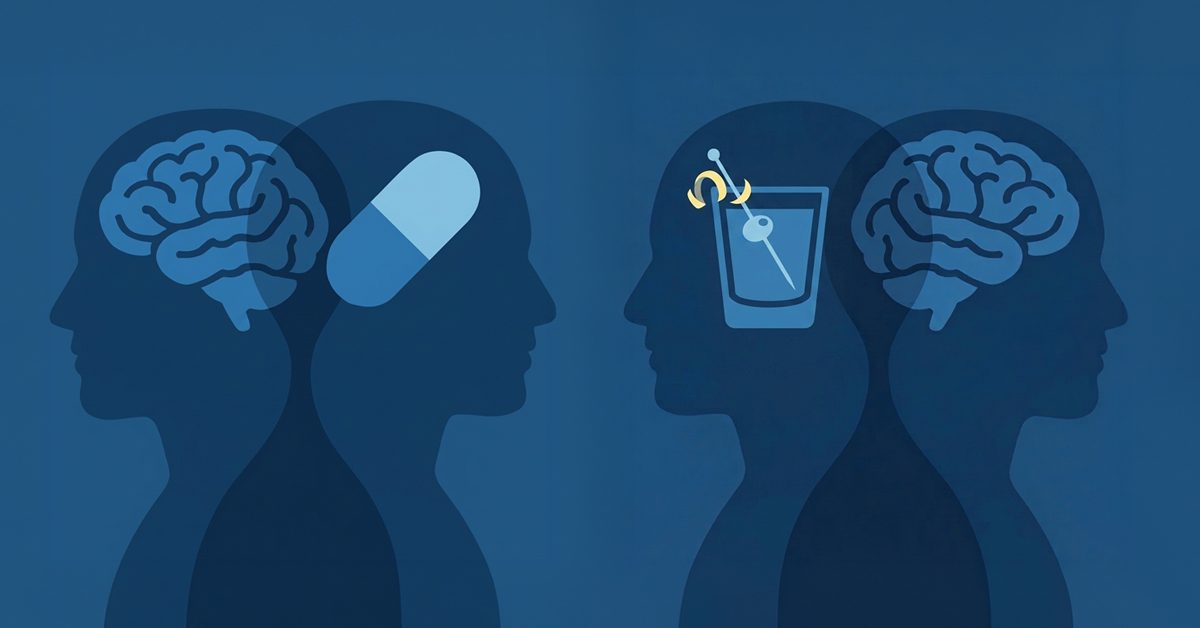
While substances may temporarily alter how someone feels, they also change brain chemistry over time. These changes worsen underlying mental health conditions and can even trigger new ones.
Mental health conditions and substance use disorders influence each other in powerful ways. Brain chemistry, emotional regulation, stress response systems, and impulse control are often involved in both. When one issue goes untreated, it intensifies the other, which creates a loop that feels impossible to escape without help.
Rather than viewing substance abuse as a moral failing or mental illness as a character flaw, modern neuroscience encourages a more understanding viewpoint: these are brain-based challenges that deserve thoughtful, individualized care.
Related: Polydrug Use Disorder Harmful Impacts on Brain and Mental Health
A 2025 systematic review highlights how mental health and substance abuse often co-occur because both affect the same brain systems. Particularly, they directly involve regions controlling reward, motivation, mood regulation, and stress response.
Many people use substances in an attempt to manage symptoms such as persistent sadness, anxiety, intrusive thoughts, emotional numbness, or restlessness. While substances may temporarily alter how someone feels, they also change brain chemistry over time. These changes worsen underlying mental health conditions and can even trigger new ones.
According to epidemiological research, nearly half of those with a substance use disorder (SUD) also meet criteria for at least one mental health condition. This interaction is known as co-occurring disorders, or dual diagnosis, a term used when someone experiences both a mental health disorder and a SUD simultaneously.
Essentially, this overlap is not accidental. A 2018 study shows that shared genetic vulnerabilities, early life stress, trauma exposure, and chronic stress all increase risk for both mental health challenges and substance misuse.
For many people, substance use begins as an attempt to cope. An individual may not be looking to escape responsibility, but they feel desperate to “turn off” emotional pain.
People living with untreated anxiety, depression, ADHD, trauma, or chronic stress may turn to alcohol, cannabis, stimulants, or other substances to quiet racing thoughts, numb emotional distress, or boost focus and energy. Initially, the relief can feel incredible as your brain’s reward system responds, which reinforces the addictive behavior.
Over time, however, tolerance develops. More of the substance is needed to achieve the same effect, while the brain’s natural ability to regulate mood and stress weakens. Research shows that symptoms often return stronger than before, leading to increased use, deeper dependence, and greater emotional distress.
The addictive cycle is not a personal failure. It is an entirely predictable neurobiological response.
Substance abuse significantly alters brain function, both in the short and long term. Research shows how many substances affect blood flow, neurotransmitter balance, impulse control, and emotional regulation. These changes intensify symptoms such as irritability, anxiety, low motivation, poor concentration, or mood instability.
Repeated substance use can disrupt the prefrontal cortex (the area responsible for judgment, self-control, and decision-making), research shows. At the same time, reward circuits become hypersensitive, making cravings stronger and stress harder to manage.
Amen Clinics’ work with brain SPECT imaging has helped illustrate how addiction may be associated with patterns of overactivity or underactivity in specific brain regions. While SPECT is not used as a standalone diagnostic tool, understanding functional brain patterns (along with thorough personal histories and detailed clinical assessments) helps our clinicians tailor treatment strategies more effectively to an individual’s unique needs. The focus is on supporting individualized care rather than one-size-fits-all solutions.
Substances may temporarily elevate mood by increasing dopamine or serotonin activity. Over time, however, research has shown that they often worsen depressive symptoms, disrupt sleep, and reduce the brain’s natural ability to experience pleasure.
Alcohol and drugs may briefly reduce anxiety, but they increase baseline anxiety levels over time by dysregulating stress hormones and neurotransmitters.
Those with trauma histories may use substances to cope with intrusive memories, hyperarousal, or emotional numbness. Unfortunately, recent studies show that substance use can interfere with trauma processing and prolong symptoms.
People with ADHD may self-medicate to temporarily ease challenges with focus, impulsivity, or restlessness. According to a narrative review study in Cureus, higher rates of SUD are strongly linked to individuals with untreated ADHD.
Substance use can destabilize mood cycles, which further intensifies manic or depressive episodes in those with bipolar disorder and complicates both diagnosis and treatment.
It’s not always obvious when someone is dealing with co-occurring challenges. Before warning signs become overwhelming, they often subtly appear in daily habits, relationships, and emotional coping patterns. The most common indicators include:
If several of these signs are present (especially across emotional, behavioral, and relational areas), a professional evaluation can offer clarity, reduce stigma, and open the door to effective, integrated treatment.
Related: What’s Missing in a 12-Step Program for Addiction Treatment?
A brain-first perspective starts with a simple but powerful idea: your behavior is rooted in how well your brain functions. Instead of asking, “What’s wrong with you?” the question becomes, “What’s happening in your brain?”
Amen Clinics utilizes neuroscience, psychiatric evaluation, and lifestyle factors to understand mental health challenges at their biological roots. This brain-first approach recognizes that two people with similar symptoms may have very different brain patterns and may require different treatment strategies.
If you or someone you love is navigating both mental health challenges and substance use, it’s important to know the different ways that mental health and substance abuse treatment can be addressed together.
Personalized treatment plans help reduce relapse risk, improve emotional regulation, and support long-term recovery. In a lot of cases, effective care can include:
Keep in mind that common therapy modalities — such as cognitive behavioral therapy (CBT), dialectical behavior therapy (DBT), eye movement desensitization reprocessing (EMDR), and acceptance and commitment therapy (ACT) — target different aspects of cognition, emotion, and behavior. That’s why it’s so important to talk to a qualified mental health professional about what could work best for you.
The goal of brain-based care is to consider the full picture: biology, psychology, environment, and behavior. By identifying brain patterns related to addiction, mood disorders, and trauma, clinicians can tailor interventions that address how your brain actually works to help or hinder you. This approach reduces relapse risk, improves emotional stability, and supports sustainable recovery, especially when paired with ongoing lifestyle changes.
Supporting someone with co-occurring mental health and substance abuse challenges requires patience, education, and compassion. Here are a few helpful steps you can take today:
Remember: caregivers deserve support, too. There’s group support available for family members of individuals with mental illness available through the National Alliance for Mental Illness (NAMI). Also, there are 12-step support groups for family and friends of alcoholics and addicts such as Al-Anon. You don’t have to do this alone.
Mental health conditions and substance abuse share overlapping brain systems involved in mood, stress, and reward, making them biologically interconnected.
Yes. Substance use can trigger or worsen mental health conditions by altering brain chemistry and stress regulation.
A dual diagnosis refers to having both a mental health disorder and a substance use disorder at the same time.
Integrated treatment that addresses both conditions simultaneously is associated with better outcomes.
Yes. Research shows the brain has remarkable capacity for recovery, especially with sustained treatment and lifestyle support.
Mental health and substance abuse often intersect, but they do not define a person’s future. With individualized care that addresses brain function and emotional well-being, recovery is possible and sustainable.
If symptoms are interfering with your daily life, reaching out for support can be the beginning of meaningful change.
About the Reviewer
Kandace Licciardi, MD, Medical Director, Amen Clinics
Dr. Kandace Licciardi is a double board-certified psychiatrist in adult and forensic psychiatry and serves as Medical Director of Amen Clinics. She takes a comprehensive, whole-person approach to care, integrating evidence-based psychiatric treatment with lifestyle, social, and wellness factors. Dr. Licciardi has extensive experience treating depression, anxiety, bipolar disorder, psychotic disorders, and borderline personality disorder, with special expertise in early psychosis intervention. She completed her psychiatry residency at Maimonides Medical Center and her forensic psychiatry fellowship at New York University.
National Institute on Drug Abuse. (2024). Co-occurring disorders and health conditions. National Institutes of Health. Retrieved January 9, 2026, from https://nida.nih.gov/research-topics/co-occurring-disorders-health-conditions
Tesselaar, D. R. M., Schellekens, A. F. A., Homberg, J. R., Booij, J., & Guerrin, C. (2025). Psychiatric comorbidity in substance use disorders: A systematic review of neuro-imaging findings. Neuroscience & Biobehavioral Reviews, 177, 106325. https://doi.org/10.1016/j.neubiorev.2025.106325
Common Comorbidities with Substance Use Disorders Research Report. Bethesda (MD): National Institutes on Drug Abuse (US); 2020 Apr. Available from: https://www.ncbi.nlm.nih.gov/books/NBK571451/
Lee, R. S., Oswald, L. M., & Wand, G. S. (2018). Early Life Stress as a Predictor of Co-Occurring Alcohol Use Disorder and Post-Traumatic Stress Disorder. Alcohol research : current reviews, 39(2), 147–159. https://pmc.ncbi.nlm.nih.gov/articles/PMC6561395/
Jordan, C. J., & Andersen, S. L. (2017). Sensitive periods of substance abuse: Early risk for the transition to dependence. Developmental Cognitive Neuroscience, 25, 29–44. https://doi.org/10.1016/j.dcn.2016.10.004
Stellern, J., Xiao, K. B., Grennell, E., Sanches, M., Gowin, J. L., & Sloan, M. E. (2023). Emotion regulation in substance use disorders: a systematic review and meta-analysis. Addiction (Abingdon, England), 118(1), 30–47. https://doi.org/10.1111/add.16001
Elsevier. (n.d.). Addiction. In ScienceDirect Topics: Neuroscience. https://www.sciencedirect.com/topics/neuroscience/addiction
Belujon, P., & Grace, A. A. (2017). Dopamine System Dysregulation in Major Depressive Disorders. The international journal of neuropsychopharmacology, 20(12), 1036–1046. https://doi.org/10.1093/ijnp/pyx056
Hinckley, J. D., Adams, Z. W., Dellucci, T. V., & Berkowitz, S. (2024). Co-occurring trauma- and stressor-related and substance-related disorders in youth: A narrative review. Medical research archives, 12(8), 10.18103/mra.v12i8.5688. https://doi.org/10.18103/mra.v12i8.5688
Srichawla, B. S., Telles, C. C., Schweitzer, M., & Darwish, B. (2022). Attention Deficit Hyperactivity Disorder and Substance Use Disorder: A Narrative Review. Cureus, 14(4), e24068. https://doi.org/10.7759/cureus.24068
Spencer, A. E., Valentine, S. E., Sikov, J., Yule, A. M., Hsu, H., Hallett, E., Xuan, Z., Silverstein, M., & Fortuna, L. (2021). Principles of Care for Young Adults With Co-Occurring Psychiatric and Substance Use Disorders. Pediatrics, 147(Suppl 2), 229–239. https://doi.org/10.1542/peds.2020-023523F
Juliano, V. A. L., Albernaz-Mariano, K. A., Covre, L. H. H., Jucá, P. M., Pereira, R. M., Shigeo-de-Almeida, A., Sampaio, L. L., Duque, E. A., & Munhoz, C. D. (2025). Neurobiological intersections of stress and substance use disorders. Frontiers in neuroscience, 19, 1548372. https://doi.org/10.3389/fnins.2025.1548372
Oliva, H. N. P., Prudente, T. P., Naveda, A. M. P., Monteiro-Junior, R. S., Potenza, M. N., Morgan, P. T., & Angarita, G. A. (2026). Sleep alterations in substance use disorders: A systematic review and meta-analysis. eClinicalMedicine, 91, 103723. https://doi.org/10.1016/j.eclinm.2025.103723
Volkow, N.D. and Blanco, C. (2023), Substance use disorders: a comprehensive update of classification, epidemiology, neurobiology, clinical aspects, treatment and prevention. World Psychiatry, 22: 203-229. https://doi.org/10.1002/wps.21073
Liu, S., Zhang, T., Yang, Y. et al. A study on the effects of addiction level, stress, and social support of drug relapse patients on changes in motivation of quitting substance misuse behaviors. BMC Psychol 13, 612 (2025). https://doi.org/10.1186/s40359-025-02917-4
TL;DR:
Sauna use may support brain health by improving circulation, reducing stress, and activating protective processes in the body. Research suggests regular sauna use may even be linked to a lower risk of cognitive decline.
Sauna therapy is an adjunctive treatment only. For best results, sauna should be part of a whole-body approach that includes sleep, nutrition, and exercise. For more serious or persistent mental health or cognitive concerns, individualized care from a qualified medical professional is essential.
Medically reviewed by Kandace Licciardi, MD, Medical Director, Amen Clinics

There’s something undeniably appealing about stepping into a warm sauna. The heat relaxes your muscles, slows your breathing, and creates a sense of calm that many people crave after a long day or intense workout. But what if that same experience could also support your brain?
Researchers are increasingly exploring whether sauna use for brain health offers benefits beyond simple relaxation. Emerging evidence suggests it may influence circulation, support nervous system regulation, and affect biological processes linked to mood and cognitive function.
In other words, that soothing heat that helps your body unwind may also be working behind the scenes to support how your brain functions.
At the same time, it’s important to keep expectations grounded in science. Sauna use is not a treatment or cure for mental health conditions. Instead, it may be one helpful piece of a broader, brain-healthy lifestyle.
At Amen Clinics, brain health is approached from a whole-body perspective, taking into account nutrition, sleep, movement, stress, and other biological factors that influence how the brain works.
In this article, we’ll explore what happens in the brain and body during sauna use, what current research says about its potential cognitive and mental health benefits, as well as its limitations and safety considerations.
Sauna therapy triggers the release of heat shock proteins, which act like a cellular repair system in the brain, helping to reduce protein buildup. This may explain the link between sauna therapy use and reduced dementia risk in observational studies.
Sauna use may support brain health by promoting blood flow, reducing stress hormones, and influencing biological processes associated with mood and cognitive function.
When you’re exposed to sauna heat, your body responds by increasing circulation and activating protective cellular responses. These shifts create an environment that can support brain function, emotional balance, and a greater sense of calm. It’s part of why many people step out of a sauna feeling not just physically lighter, but mentally clearer and more at ease.
Also referred to as heat therapy, passive heat exposure, heat shock proteins, and neurovascular health in studies, the science around sauna therapy is still evolving.
Researchers are exploring whether regular sauna use may play a role in areas like cognitive decline, stress resilience, and mood regulation. But most studies are observational with findings that reflect associations not causation.
Currently, sauna therapy is best understood as a complement to other brain-healthy habits like quality sleep, consistent movement, and stress management.
When you step into a sauna, it can feel like entering a warm cocoon. Your muscles relax, breathing slows, and tension begins to melt away. Inside the body, however, a complex cascade of biological responses begins to take place.
Heat exposure stimulates the cardiovascular system and activates several protective mechanisms designed to help your body adapt to stress. During sauna use, your body experiences:
Heat shock proteins act like a cellular repair system in the brain, research shows. These proteins help maintain the health and structure of other proteins, preventing them from becoming damaged or clumping together.
This is important because abnormal protein buildup is commonly seen in neurodegenerative conditions such as Alzheimer’s and Parkinson’s disease. By supporting these protective processes, heat exposure may play a role in maintaining long-term brain health.
Sauna therapy also improves your circulation, which increases oxygen delivery to brain tissue for essential cognitive performance and brain metabolism.
In addition, sauna exposure may influence your autonomic nervous system, helping your body move into a more relaxed state after the session ends by activating the parasympathetic nervous system. When this happens, your heart rate slows, muscles relax, and your body can recover more effectively from stress.
Scientists have studied sauna use extensively in Nordic populations where the practice is deeply embedded in their cultural routines. Several observational studies have explored links between sauna use and neurological health outcomes. Importantly, these studies identify associations rather than direct cause and effect.
One of the most compelling areas of research comes from a large, long-term population study that followed nearly 14,000 Finnish adults over several decades. Researchers examined how often participants used a sauna and tracked their health outcomes, with follow-up extending up to 39 years.
After accounting for other lifestyle factors, those who used a sauna more frequently, about nine to twelve times per month, were found to have a significantly lower risk of developing dementia compared to those who used it less often. Specifically, frequent sauna users had about a 19 percent reduced risk.
Another long-term Finnish study found that people who used a sauna four to seven times per week had a significantly lower risk of dementia and Alzheimer’s disease compared with those who used it once per week. Researchers believe improved cardiovascular health and circulation may partly explain the relationship.
Because the brain depends heavily on oxygen and blood flow, strategies that support vascular health may indirectly support cognition. In fact, a 2018 review on dry sauna bathing suggests that regular heat exposure may strengthen neurovascular and cardiovascular function. This is important when it comes to keeping the brain nourished, oxygenated, and functioning at its best.
Smaller clinical studies examined whether passive heat therapy may influence depressive symptoms. One randomized trial found that whole-body hyperthermia produced measurable improvements in mood compared with placebo conditions. Researchers speculate that heat exposure may influence:
However, more research is needed before sauna therapy can be considered a mental health treatment.
The strongest evidence linking sauna use to brain outcomes may actually come from cardiovascular studies. Research shows that regular sauna use has been associated with:
Because cardiovascular health strongly influences cognitive health, these effects may help explain potential neurological benefits.
Another reason sauna therapy may offer so many health benefits is its potential effect on inflammation. Chronic inflammation has been linked to depression, cognitive decline, and other neurological conditions, making it an important factor in overall brain health.
In a long-term study of more than 2,000 middle-aged Finnish men, researchers examined sauna habits alongside markers of inflammation over an 11-year period. After accounting for lifestyle factors such as alcohol use and physical activity, they found that those who used a sauna more frequently tended to have lower levels of several inflammatory markers.
These findings suggest that some of the benefits associated with regular sauna use may be related, in part, to its ability to support a healthier inflammatory response in the body.
Related: Heat vs Cold Therapy Which Is Better for Brain Health
The brain does not operate in isolation from the body or the senses. Experiences that influence physical relaxation such as warmth, quiet space, and deep breathing can also affect emotional states, too.
That’s why everyday lifestyle habits often play an important role in supporting mental wellness. While sauna use should not replace clinical treatment, research suggests it may contribute to several areas of mental well-being.
Recent research shows that passive heat exposure may help shift the body toward a more relaxed, recovery-focused state, activating the parasympathetic nervous system and reducing cortisol levels.
Emerging research suggests that sauna bathing may influence broader stress-response systems in the body, including the autonomic nervous system. Over time, repeated heat exposure may help improve how the body regulates stress, supporting greater resilience and recovery.
For many, the ritual itself also creates a dedicated moment of stillness that’s become increasingly rare in modern lifestyles.
Some studies suggest sauna sessions stimulate the release of endorphins, natural chemicals that promote feelings of well-being.
A 2024 study shows that participants in thermal therapy studies often reported temporary mood improvements and cognitive performance following sessions.
While these effects may be short-term, regular relaxation practices can play an incredibly supportive role in emotional regulation.
When you improve circulation and prioritize cardiovascular conditioning, that indirectly supports cognitive performance. According to a 2016 study in The Journal of Physiology, heat exposure has been linked to improved endothelial function, which helps regulate blood flow to the brain.
Over time, healthy brain blood flow supports better memory, focused attention, and improved cognitive resilience.
Relaxation induced by sauna sessions may help improve sleep quality for some people. Research shows that passive heat exposure followed by gradual cooling can support natural circadian rhythms, potentially helping the body transition into deeper sleep states. Better sleep, in turn, plays a major role in memory consolidation and emotional regulation.
Your mental health is shaped by a wide range of biological, psychological, and environmental factors. While sauna use may support relaxation, circulation, sleep, and inflammatory responses, it doesn’t address all of the influences linked to your mental wellness overall.
For example, anxiety or depression may additionally be linked to your trauma history, genetics, hormonal imbalances, brain injury, and nutritional deficiencies, to name a few.
Because individual biology and life experiences are varied and unique, no single strategy works for everyone. That’s why lasting mental health improvements often require a comprehensive, personalized approach rather than relying on one lifestyle practice.
Traditional mental health care has often focused on treating symptoms like low mood, poor focus, or insomnia. However, symptoms alone don’t always reveal the deeper biological drivers behind those experiences.
At Amen Clinics, the focus is on identifying any underlying contributors. This can include your brain function, lifestyle habits, and biological health.
Our approach starts with the understanding that mental health conditions are not character flaws. They are complex brain-body challenges that often require deeper investigation. When the root causes are identified, more effective targeted strategies can be used to support long-term improvement.
At Amen Clinics, we practice precision medicine using brain SPECT imaging and comprehensive evaluations to understand what’s really happening in your brain, not just symptoms you report.
SPECT imaging measures blood flow and activity in the brain, helping our clinicians observe patterns associated with conditions such as anxiety, depression, ADHD, or traumatic brain injury. This technology allows them to identify brain patterns that might otherwise be missed through symptom checklists alone.
Research has shown that adding SPECT imaging to psychiatric evaluations can change the diagnosis or treatment plan in certain cognitive and mental health conditions.
When combined with a detailed personal history, neuropsychological assessments, and biological data (if needed), our clinicians can devise a tailored treatment plan to support the needs of the individual.
These plans often emphasize natural ways to treat mental health conditions, including lifestyle interventions, targeted supplements, and therapeutic support.
Your brain function is deeply connected to the health of the rest of your body. That’s why holistic psychiatry focuses on how lifestyle, biology, and mental health interact. At Amen Clinics, treatment plans may include:
Nutrition: Brain-healthy foods stabilize energy and reduce inflammation.
Sleep: Restore your circadian rhythms to improve cognitive repair.
Exercise: Improving blood flow and neuroplasticity starts with movement.
Stress management: Meditation, breathing practices, and recovery routines can help reduce stress levels.
Targeted supplements: Certain clinically studied nutrients, such as omega-3s, can support optimal brain function.
Therapy: Cognitive behavioral therapy is very effective in treating anxiety and depression.
Medication: Medication may be necessary and beneficial in certain cases.
Taken consistently, these strategies represent a whole-body approach designed to support your mental and physical health long-term.
Lifestyle habits such as sauna use, exercise, and nutrition can support overall mental wellness when done altogether. However, persistent symptoms of anxiety, depression, or cognitive difficulties may indicate that deeper factors are involved.
When symptoms do not improve despite your healthy habits, it may be a sign that your brain needs additional support. Consult a qualified mental health professional that conducts a comprehensive evaluation.
In some situations, a comprehensive brain evaluation may provide helpful clarity. Consider evaluation if you experience:
Ongoing symptoms that do not improve with lifestyle changes
Concerns about misdiagnosis after multiple treatments
Multiple overlapping conditions affecting mood, focus, and cognition
Understanding the biological drivers behind your symptoms can help guide more effective treatment strategies.
Every brain is unique. Two people may experience the same symptoms, such as anxiety or poor concentration, but the underlying causes may be completely different. That’s why personalized care matters.
At Amen Clinics, our clinicians identify how your brain functions so we can create a treatment plan with strategies tailored specifically to you. With the right support, brain function can improve, opening the door to better mental clarity, emotional balance, and overall well-being.
While many individuals enjoy sauna sessions, their therapeutic value is more meaningful to certain people, including the following:
For best results, sauna use works best as part of a consistent wellness routine rather than an occasional standalone intervention.
Not all saunas operate the same way with the same results. Understanding the differences can help you choose the option that fits your health goals.
Uses heated stones to create dry heat (150–195°F). This is the most studied type and is linked to cardiovascular and cognitive benefits.
Provides moist heat at lower temperatures with higher humidity. It may support respiratory comfort and skin hydration, though research on brain effects is limited.
Uses infrared light to heat the body directly. Some research suggests benefits for relaxation and circulation, but more studies are needed.
Related: How Bright Light Therapy Improves Moods, Focus, and Sleep
While sauna use is generally safe for healthy people, safety should always come first. Here are a few important factors to consider, if you’re unsure:
Consulting a healthcare professional is always recommended before starting new wellness practices, especially if you have any existing medical conditions.
Using a sauna safely allows you to enjoy its relaxation benefits while minimizing risks, which is the goal for any therapeutic practice.
Here are basic safety tips:
Most research suggests sessions lasting 10–20 minutes may provide benefits without excessive strain. Frequency varies widely in studies, but moderate use several times per week appears common in research from the Mayo Clinic.
Drinking water before and after sauna use is essential. Sweating can lead to electrolyte loss, so replenishing fluids prevents dizziness and supports cardiovascular stability by reducing strain on your heart.
If you experience dizziness, nausea, or discomfort, it’s important to leave the sauna immediately. Your body’s signals are the most reliable guide to safe heat exposure.
Sauna use may support brain health through its effects on relaxation, circulation, inflammation, and stress response. While emerging research is promising, the findings are not yet conclusive, and sauna use is not a substitute for professional mental health care. That said, sauna therapy can be a meaningful component of a broader, whole-body approach to brain health.
Lasting improvements in mental wellness are often associated with a combination of lifestyle factors, biological insights, and personalized care that work together to support the brain.
Sauna use may support brain health by improving circulation, reducing stress, and promoting relaxation. Research suggests possible links with reduced cognitive decline and improved mood, though more studies are needed to confirm these effects.
Some studies suggest heat therapy may temporarily improve mood and reduce stress levels. However, sauna use should not replace clinical treatment for anxiety or depression.
Research varies, but many observational studies examine sauna use between two and seven times per week. The appropriate frequency depends on individual health and tolerance.
Potential risks include dehydration, overheating, and complications for individuals with certain cardiovascular conditions or during pregnancy. Consulting a healthcare professional is recommended.
Some observational studies link regular sauna use with a lower risk of dementia and cognitive decline. However, more research is needed to confirm these effects. Sauna is best understood as a component of and overall wellness routine, not a primary strategy.
Chronic stress, mood issues, cognitive decline, and other mental health conditions can’t wait. At Amen Clinics, we practice precision medicine—using brain SPECT imaging and comprehensive evaluations to understand what’s really happening in your brain, not just your symptoms.
Our whole-body approach to holistic psychiatry combines cutting-edge neuroscience with natural ways to treat mental health conditions, including targeted nutrition, supplements, lifestyle strategies, therapy, and medications (when necessary). Every treatment plan is personalized to address the root causes of your struggles and support the health of your brain, body, and mind.
Don’t settle for guesswork. You deserve answers—and a plan built specifically for you. Speak with a Brain Health Advisor today at 888-288-9834 or visit our contact page to get started.
About the Reviewer
Kandace Licciardi, MD, Medical Director, Amen Clinics
Dr. Kandace Licciardi is a double board-certified psychiatrist in adult and forensic psychiatry and serves as Medical Director of Amen Clinics. She takes a comprehensive, whole-person approach to care, integrating evidence-based psychiatric treatment with lifestyle, social, and wellness factors. Dr. Licciardi has extensive experience treating depression, anxiety, bipolar disorder, psychotic disorders, and borderline personality disorder, with special expertise in early psychosis intervention. She completed her psychiatry residency at Maimonides Medical Center and her forensic psychiatry fellowship at New York University.
Chang, M., Ibaraki, T., Naruse, Y., & Imamura, Y. (2023). A study on neural changes induced by sauna bathing: Neural basis of the “totonou” state. PloS one, 18(11), e0294137. https://doi.org/10.1371/journal.pone.0294137
Hunt AP, Minett GM, Gibson OR, Kerr GK, Stewart IB. Could Heat Therapy Be an Effective Treatment for Alzheimer’s and Parkinson’s Diseases? A Narrative Review. Front Physiol. 2020 Jan 10;10:1556. doi: 10.3389/fphys.2019.01556. PMID: 31998141; PMCID: PMC6965159.
Knekt P, Järvinen R, Rissanen H, Heliövaara M, Aromaa A. Does sauna bathing protect against dementia? Prev Med Rep. 2020 Oct 2;20:101221. doi: 10.1016/j.pmedr.2020.101221. PMID: 33088678; PMCID: PMC7560162.
Tanjaniina Laukkanen, Setor Kunutsor, Jussi Kauhanen, Jari Antero Laukkanen, Sauna bathing is inversely associated with dementia and Alzheimer’s disease in middle-aged Finnish men, Age and Ageing, Volume 46, Issue 2, March 2017, Pages 245–249, https://doi.org/10.1093/ageing/afw212
Hussain, J., & Cohen, M. (2018). Clinical Effects of Regular Dry Sauna Bathing: A Systematic Review. Evidence-based complementary and alternative medicine : eCAM, 2018, 1857413. https://doi.org/10.1155/2018/1857413
Janssen, C. W., Lowry, C. A., Mehl, M. R., Allen, J. J., Kelly, K. L., Gartner, D. E., Medrano, A., Begay, T. K., Rentscher, K., White, J. J., Fridman, A., Roberts, L. J., Robbins, M. L., Hanusch, K. U., Cole, S. P., & Raison, C. L. (2016). Whole-Body Hyperthermia for the Treatment of Major Depressive Disorder: A Randomized Clinical Trial. JAMA psychiatry, 73(8), 789–795. https://doi.org/10.1001/jamapsychiatry.2016.1031
Laukkanen, T., Kunutsor, S. K., Khan, H., Willeit, P., Zaccardi, F., & Laukkanen, J. A. (2018). Sauna bathing is associated with reduced cardiovascular mortality and improves risk prediction in men and women: a prospective cohort study. BMC medicine, 16(1), 219. https://doi.org/10.1186/s12916-018-1198-0
Kunutsor SK, Laukkanen T, Laukkanen JA. Longitudinal associations of sauna bathing with inflammation and oxidative stress: the KIHD prospective cohort study. Ann Med. 2018 Aug;50(5):437-442. doi: 10.1080/07853890.2018.1489143. Epub 2018 Jul 24. PMID: 29897261.
Richey, R. E., Hyldahl, R. D., Kaiser, B. W., Geiger, P. C., Halliwill, J. R., & Minson, C. T. (2026). Heat Therapy: Targeting Health, Disease, and Disability. Comprehensive Physiology, 16(1), e70089. https://doi.org/10.1002/cph4.70089
Laukkanen, J. A., & Kunutsor, S. K. (2024). The multifaceted benefits of passive heat therapies for extending the healthspan: A comprehensive review with a focus on Finnish sauna. Temperature (Austin, Tex.), 11(1), 27–51. https://doi.org/10.1080/23328940.2023.2300623
Brunt, V. E., Howard, M. J., Francisco, M. A., Ely, B. R., & Minson, C. T. (2016). Passive heat therapy improves endothelial function, arterial stiffness and blood pressure in sedentary humans. The Journal of physiology, 594(18), 5329–5342. https://doi.org/10.1113/JP272453
Harding, E. C., Franks, N. P., & Wisden, W. (2020). Sleep and thermoregulation. Current Opinion in Physiology, 15, 7–13. https://doi.org/10.1016/j.cophys.2019.11.008
Amen, D. G., & Easton, M. (2021). A New Way Forward: How Brain SPECT Imaging Can Improve Outcomes and Transform Mental Health Care Into Brain Health Care. Frontiers in psychiatry, 12, 715315. https://doi.org/10.3389/fpsyt.2021.715315
Kunutsor, S. K., Laukkanen, T., & Laukkanen, J. A. (2017). Sauna bathing reduces the risk of respiratory diseases: a long-term prospective cohort study. European journal of epidemiology, 32(12), 1107–1111. https://doi.org/10.1007/s10654-017-0311-6
Nowacka, A., Śniegocki, M., Smuczyński, W., & Ziółkowska, E. (2025). Therapeutic Potential of Infrared and Related Light Therapies in Metabolic Diseases. International journal of molecular sciences, 26(11), 5134. https://doi.org/10.3390/ijms26115134
Laukkanen, J. A., Laukkanen, T., & Kunutsor, S. K. (2018). Cardiovascular and other health benefits of sauna bathing: A review of the evidence. Mayo Clinic Proceedings, 93(8), 1111–1121. https://doi.org/10.1016/j.mayocp.2018.04.008
TL;DR:
Meditation for mental health helps counter life’s constant mental stimulation, giving your brain a chance to reset and recover from daily overload. Common challenges, like a busy mind, are normal and not signs you’re doing it wrong. The key is making your practice simple and doable. Even a few minutes a day can improve focus, emotional regulation, and stress resilience. Although meditation offers many benefits, it is not a standalone solution for serious mental health challenges.
Medically reviewed by Kandace Licciardi, MD, Medical Director, Amen Clinics

From the moment you wake up, your brain is on. Notifications, responsibilities, decisions, conversations. There is little space to pause, reset, or simply be still. Even in quiet moments, your mind keeps moving.
Living in this constant state of mental stimulation can place real strain on your brain, impacting your focus, mood, emotional balance, and sleep. What feels like “just a busy life” may actually be chronic overload. It’s no wonder that so many people are turning to meditation for mental health. It provides a way to restore balance and give their brain the break it rarely gets.
Here’s the great news: Meditation really works.
It has been shown to promote neuroplasticity, boost cortical thickness, calm the amygdala, and support better brain connectivity and increased neurotransmitter levels, leading to greater emotional regulation, cognitive function, and stress resilience.
The challenge is, of course, learning to be quiet with a very busy mind. For some people, the thought of sitting still for five minutes is overwhelming. In this blog, we’ll give you the science behind meditation, as well as some basic guidance that makes meditation doable for just about anybody.
Related: 3 Simple Meditations to Calm Anxiety
One of the most common misconceptions about meditation is that it involves stopping thoughts completely, which isn’t true or even possible. Meditation is more focused on letting your thoughts be and not striving to eliminate or control them.
Meditation is an exercise that requires an individual to intentionally pause and bring awareness to their inner world. Usually by sitting quietly for a duration of time, meditation is when you take your attention away from the activities of the outer world and focus on what is happening internally.
Oftentimes during meditation, your mind moves automatically from one thought to another, and you are encouraged to mindfully allow it to happen. An individual will stay quiet and focused inward even in the face of outer sounds or distractions. Different disciplines of meditation offer various techniques for becoming still, including focusing your attention on body sensations, breath, or even the flow of thoughts or emotions as they arise.
One of the most common misconceptions about meditation is that it involves stopping thoughts completely, which isn’t true or even possible. According to research, meditation is more focused on letting your thoughts be and not striving to eliminate or control them.
As thoughts present themselves, the general goal is to be present with them without too much reaction or judgment, although that happens. It is a discipline just to be still amidst your thoughts and inner life. Meditation invites you to get comfortable, be curious, and be open to whatever arises.
Other common misconceptions about meditation include:
For centuries, individuals across many traditions and cultures have been practicing meditation. Today, meditation for mental well-being exists in different approaches, mindfulness practices, and forms of focused attention.
Although traditions and methods vary, many share a common goal: building awareness and a healthier relationship with your thoughts.
Meditation supports mental health by changing how your brain responds to stress, not just how you feel in the moment.
Instead of getting pulled into every thought or emotion, meditation helps you step back and create space. That pause can make a big difference. It gives you the ability to respond more intentionally rather than react automatically.
Research shows meditation is associated with physical changes in the brain, including increased cortical thickness in areas involved in emotional processing and sensory awareness. It also supports healthier brain connectivity and neurotransmitter activity, which are linked to improved mood and reduced anxiety. Studies also show that meditation can help regulate the nervous system, making it less reactive to stress over time.
But the benefits aren’t just happening behind the scenes. They show up in your everyday life.
You may find it easier to pause before reacting in stressful situations. You might notice you recover more quickly after a difficult moment instead of staying stuck in it. Over time, many people feel less overwhelmed by their thoughts and more capable of handling whatever comes up.
Meditation can also strengthen your awareness of patterns. You start to notice what triggers stress, how your mind tends to respond, and where you may be getting stuck. That awareness is what creates the opportunity for real change.
Even a few minutes a day can begin to shift how you experience your inner world. Not by eliminating stress or difficult thoughts, but by helping you relate to them in a healthier, more manageable way.
If you’ve ever thought meditation wasn’t for you, it might just be that you haven’t found the right style yet or you haven’t understood what it is. There are several techniques to choose from, and each one supports mental well-being in a slightly different way. Here are a few common forms of meditation. There are many others to choose from as well. Finding what works for you may require you to explore further.
This technique is about paying attention to the present moment. Instead of trying to stop your thoughts, mindfulness meditation encourages observing your thoughts and feelings without judgment.
When you are able to notice how your mind is moving from one thought to the other, you develop greater awareness of your thinking patterns, and emotional responses. With time, this technique can help you to stay grounded in the present and respond to distress with greater equanimity.
Breath-based meditation follows the breath as an anchor to guide focus. Studies have shown that as you pay attention to inhaling and exhaling you help your mind to settle and create a sense of calm.
Slightly related, there’s also breathing-based meditation. It typically involves consciously manipulating the breath, such as with deep belly breathing or structured breathing patterns (box breathing) to directly calm the nervous system.
When you embrace slow deliberate breathing, you are signaling your nervous system to relax. This type of breathing helps your body shift out of stress mode and into a more regulated state.
This is the technique that helps bring awareness to the physical sensations in different body parts. Here, you move your attention gradually from your head to your toes so you can notice areas of discomfort and tension without judgment.
The body scan meditation method can be used for relaxation. Studies have shown that it helps your body and mind to release stress while it increases awareness of bodily experiences.
Loving kindness meditation helps you generate supportive and caring thoughts toward yourself or other people. This practice encourages you to notice and cultivate feelings of empathy, kindness, and connection in a grounded way. It may help improve your emotional awareness and encourage a more balanced mindset without having to involve religious or spiritual practices.
Studies have found that when this type of meditation is combined with cognitive behavioral therapy or other empirically supported treatments, it can be useful for targeting a variety of different psychological interpersonal challenges. For example, it could be helpful with marital conflict, anger, social anxiety, and coping with ongoing caregiving stress.
Related: 5 Natural Ways to Calm Racing Thoughts
Meditation works best if you start simply and patiently, aiming for consistency. For many people, beginning with short, five- to ten-minute sessions is an effective way to build the habit without feeling overwhelmed. It only takes a few minutes of focus each day to help your brain recover from constant stimulation and reset more easily.
It’s important to choose a quiet comfortable space to make it easier for you to focus and minimize distractions. You don’t have to find a special room to succeed in this. Simply choose any spot that allows you to feel safe and relaxed. You could use a chair, a cushion on the floor, or just a peaceful outdoor spot. Wherever you choose, make sure you are comfortable.
Turn off the phone. Signal to your loved ones that you will be unavailable for a few minutes. Create an environment that encourages inner awareness and attention.
Set aside perfectionistic standards. Meditation is a skill that individuals develop over time, and you really can’t do it wrong. What’s more important is to do it consistently, even if it is just for a few minutes in the morning, after lunch, or before you go to bed. Make it doable and easy for yourself.
It’s totally normal to catch your mind wandering while meditating. Let it wander. At any time, you can gently bring your attention back to body sensations, the breath, or your chosen point of focus. You can even let whatever happens during the meditation be your focus. Be curious about what happens.
Some individuals may prefer pairing meditation with a simple daily routine, for instance morning or evening quiet moments. Others may use supportive tools such as guided audio sessions. Journaling after meditation about what happened is a wonderful mindfulness practice to increase awareness and better digest your experience. These can be helpful as you learn to make meditation a habit.
Starting meditation isn’t always easy, and that’s completely normal.
The most common frustration? Your mind won’t slow down. Thoughts keep coming, jumping from one thing to the next. It can feel distracting, even annoying. Take it easy. That’s the practice. Just try to gently return to your breath, a chosen mantra, or your body. Thoughts tend to slow down after you have been sitting for several minutes.
You might also struggle to focus, especially on busy or stressful days. Some sessions will feel harder than others, and that’s part of it. Like any skill, your ability to focus strengthens over time, and every session counts, even the ones that feel disjointed or short. You can also broaden your focus to include whatever is happening during the meditation.
Sometimes it may feel like nothing is happening at all. That’s another common experience. Many people expect instant calm or clarity, but meditation usually works more subtly. You’re training your brain in small ways each time you pause, pay attention, and observe what’s happening inside you. The shift happens gradually.
When you begin to see these challenges as part of the process rather than signs you’re doing it wrong, meditation becomes easier to stick with. Be patient with yourself as you learn to sit with your inner world, even when it feels messy.
Meditation can be incredibly helpful for your mental well-being, but it’s important to be realistic about what it can and can’t do.
For many people, it can be a spiritual practice, which enhances mental health.
When looking at it strictly for mental health support, it is a beneficial tool, but not a standalone treatment. Meditation can help you step back from your thoughts and respond more intentionally. But if you’re dealing with something more serious or ongoing, like depression or persistent anxiety, it usually isn’t enough on its own.
In those situations, relying only on meditation can actually delay getting the kind of help that makes a real difference.
Additionally, it’s important to note that meditation is not for everyone. For example, it may not be the best form of relaxation for an individual who struggles with intrusive thoughts. Some individuals may need the support of a group setting to meditate. There may be moments where something upsetting bubbles up to the surface.
It’s important to always give yourself permission to stop your meditation, if need be. And if big emotions, memories, or discomfort emerges, reach out for mental health support or the support of an experienced meditation teacher or spiritual advisor.
If you meditate for mental health and you find that your symptoms are persisting or starting to affect your daily life, it’s a good idea to talk with a qualified mental health professional. Therapists, psychologists, and psychiatrists can help you understand what’s going on and guide you toward the right treatment.
The good news is you don’t have to choose one or the other. Meditation can work really well alongside professional care, helping you stay calmer, more aware, and better able to handle what you’re going through.
Meditation can be a powerful tool for your mental health, but it’s not meant to do all the heavy lifting on its own. Think of it as one part of a broader, brain-healthy routine.
If you rely on meditation alone while overlooking factors like sleep, nutrition, or ongoing stress, you may not experience its full benefits.
Your brain needs support from multiple directions. What you eat, how well you sleep, how much you move, and whether you have the right kind of professional support all play a role. When these elements work together, they promote better decision-making, energy, and long-term brain health.
It’s also important to remember that mental health is personal. What works for someone else may not work the same way for you, and that’s okay. The goal is to build a routine that fits your life, one that feels realistic and sustainable. Meditation can absolutely be part of that. It simply works best when it’s not the only strategy you rely on.
If you have mental health symptoms that are intense, persistent, or starting to affect your daily life, it’s time to consider professional support. Meditation can enhance mental health, but it cannot treat a mental health condition.
Struggling to keep up with work or school, withdrawing from relationships, or feeling overwhelmed by your thoughts are all signs you may need more targeted help. A qualified mental health professional can help you understand what’s going on and guide you toward the right next steps.
Reaching out isn’t a setback. It’s a practical, proactive move toward feeling better.
Meditation can be a powerful way to support your mental health when you keep your expectations realistic and stay consistent. Over time, many people begin to notice small but meaningful shifts. You may start handling challenges with more clarity, less reactivity, and greater emotional control.
When you make meditation part of a broader, personalized approach, it becomes more than just a habit. It becomes a tool you can return to, one that helps you feel more grounded, more resilient, and better equipped to handle whatever life brings.
Remember, it takes only a few minutes a day to start making a meaningful step toward a healthier brain and a more balanced mind.
Meditation for mental health is a practice that focuses on attention, awareness, and the observation of thoughts or sensations to support emotional well-being. These practices are often used to help people become more aware of their mental state and how they respond to stress.
Many people report that meditation helps them feel calmer, more aware of their thoughts, and better able to manage stress. Meditation helps you create space between what you feel and how you respond. Potential benefits may include improved emotional regulation, increased focus, and a greater sense of balance. Experiences can vary from person to person.
Common meditation techniques include mindfulness meditation, breath-based meditation, body scan practices, and compassion-focused meditation. These approaches generally involve paying attention to the present moment in a structured, intentional way.
There’s no set timeline. Some people notice small changes within a few weeks, while others need more time. Meditation is a skill that develops gradually, and consistency tends to matter more than session length.
If emotional distress is persistent, worsening, or interfering with your daily life, it’s important to consult a qualified mental health professional. While meditation can be a helpful tool, it should not replace a proper evaluation or treatment.
It’s especially beneficial to work with professionals who take a holistic view of mental health. At Amen Clinics, we use a whole-body approach that focuses on identifying and treating the root causes of symptoms using natural ways to treat mental health conditions whenever possible. Our comprehensive evaluation includes brain SPECT imaging, a detailed personal history, and clinical assessments to better understand what’s happening in your brain.
Using precision medicine and practicing holistic psychiatry, our clinicians develop personalized treatment plans that may include targeted lifestyle interventions, therapy, and medication only when necessary.
Chronic stress, anxiety, depression, and other mental health conditions can’t wait. At Amen Clinics, we practice precision medicine—using brain SPECT imaging and comprehensive evaluations to understand what’s really happening in your brain, not just your symptoms.
Our whole-body approach to holistic psychiatry combines cutting-edge neuroscience with natural ways to treat mental health conditions, including targeted nutrition, supplements, lifestyle strategies, therapy, and medications (when necessary). Every treatment plan is personalized to address the root causes of your struggles and support the health of your brain, body, and mind.
Don’t settle for guesswork. You deserve answers—and a plan built specifically for you. Speak with a Brain Health Advisor today at 888-288-9834 or visit our contact page to get started.
About the Reviewer
Kandace Licciardi, MD, Medical Director, Amen Clinics
Dr. Kandace Licciardi is a double board-certified psychiatrist in adult and forensic psychiatry and serves as Medical Director of Amen Clinics. She takes a comprehensive, whole-person approach to care, integrating evidence-based psychiatric treatment with lifestyle, social, and wellness factors. Dr. Licciardi has extensive experience treating depression, anxiety, bipolar disorder, psychotic disorders, and borderline personality disorder, with special expertise in early psychosis intervention. She completed her psychiatry residency at Maimonides Medical Center and her forensic psychiatry fellowship at New York University.
Jamil, A., Gutlapalli, S. D., Ali, M., Oble, M. J., Sonia, S. N., George, S., … & Ali Sr, Z. (2023). Meditation and its mental and physical health benefits in 2023. Cureus, 15(6). https://pmc.ncbi.nlm.nih.gov/articles/PMC10355843/
Calderone, A., Latella, D., Impellizzeri, F., De Pasquale, P., Famà, F., Quartarone, A., & Calabrò, R. S. (2024). Neurobiological changes induced by mindfulness and meditation: A systematic review. Biomedicines, 12(11), 2613. doi: 10.3390/biomedicines12112613
Black, D. S., O’Reilly, G. A., Olmstead, R., Breen, E. C., & Irwin, M. R. (2015). Mindfulness meditation and improvement in sleep quality and daytime impairment among older adults with sleep disturbances: a randomized clinical trial. JAMA internal medicine, 175(4), 494-501. doi:10.1001/jamainternmed.2014.8081
Komariah, M., Ibrahim, K., Pahria, T., Rahayuwati, L., & Somantri, I. (2022, December). Effect of mindfulness breathing meditation on depression, anxiety, and stress: A randomized controlled trial among university students. In Healthcare (Vol. 11, No. 1, p. 26). MDPI.https://doi.org/10.3390/healthcare11010026
Gan, R., Zhang, L., & Chen, S. (2022). The effects of body scan meditation: A systematic review and meta‐analysis. Applied Psychology: Health and Well‐Being, 14(3), 1062-1080. DOI: 10.1111/aphw.12366
Hofmann SG, Grossman P, Hinton DE. Loving-kindness and compassion meditation: potential for psychological interventions. Clin Psychol Rev. 2011 Nov;31(7):1126-32. https://pmc.ncbi.nlm.nih.gov/articles/PMC3176989/